• Explore
    • Nature
    • Culture
    • Food
    • Family
    • Activity
    • Blog
    Smoke sauna
    Weather and seasons
  • Plan
    • Accommodation
    • How to get here
    • Weather and seasons
    • Sustainability
    • Tourist info
    Discover South Estonia’s Most Beautiful Manors and Castles
    Top 20 Sights in South Estonia
  • For professionals
    • For professionals
    • Collaboration
    • News
    • Projects
    • Training
    • Repository
    • Community (opens in new tab)
    • Contacts
ENG
  • EnglishENG
  • EestiEST
  • LatviešuLAT
  • РусскийRUS
  • SuomiFIN
ENG
  • EnglishENG
  • EestiEST
  • LatviešuLAT
  • РусскийRUS
  • SuomiFIN
Popular searches:
Show all
  • History & Culture
  • Architecture and history

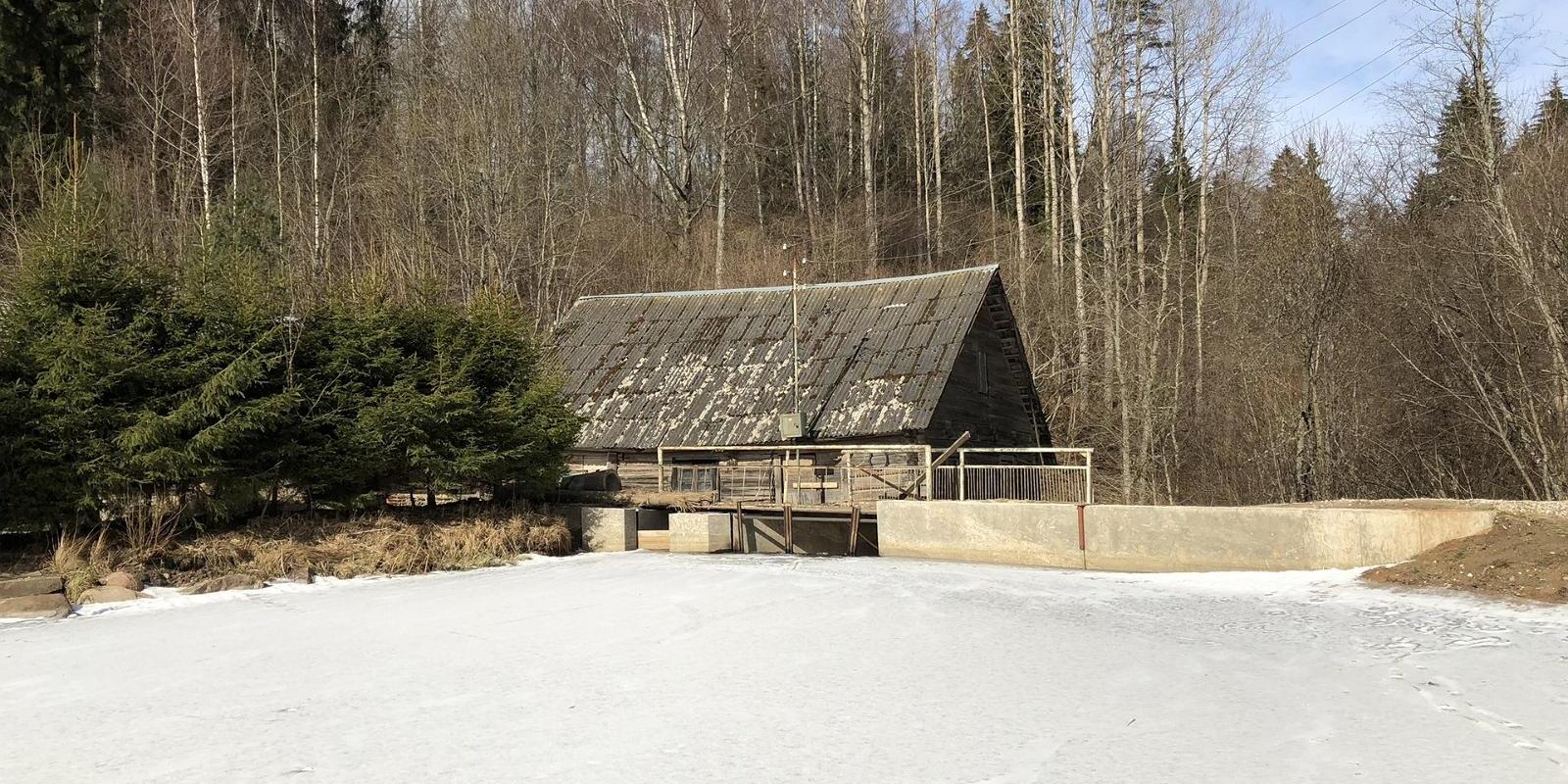
Küti Mäeveski (The Hunters Hill Mill)

Võru vald, Võru maakond, 65229

Kütiorg, located in the northern part of Haanja Nature Park, is the largest and most powerful valley in Estonia. The historical Hunters Hill Mill is located here.The mill was built in 1868 and it was last used in the autumn of 2016. It is planned to preserve the mill as industrial heritage of Estonia. The mill is near Noodasküla in Haanja Nature Park. You can walk to the mill if you take the longer trail on the RMK Kütiorg hiking trail. If you are coming by car, you can drive to Noodasküla.If you want to explore the historic mill, please book a time in advance.Welcome!

Amenities

  • Information boards
  • Free parking

Open times

Throughout the Year

Eeltellimsel

Contact

  • +372 5084251
  • kytimaeveski@gmail.com

Links

See more

  • Family friendly
  • Guided tours

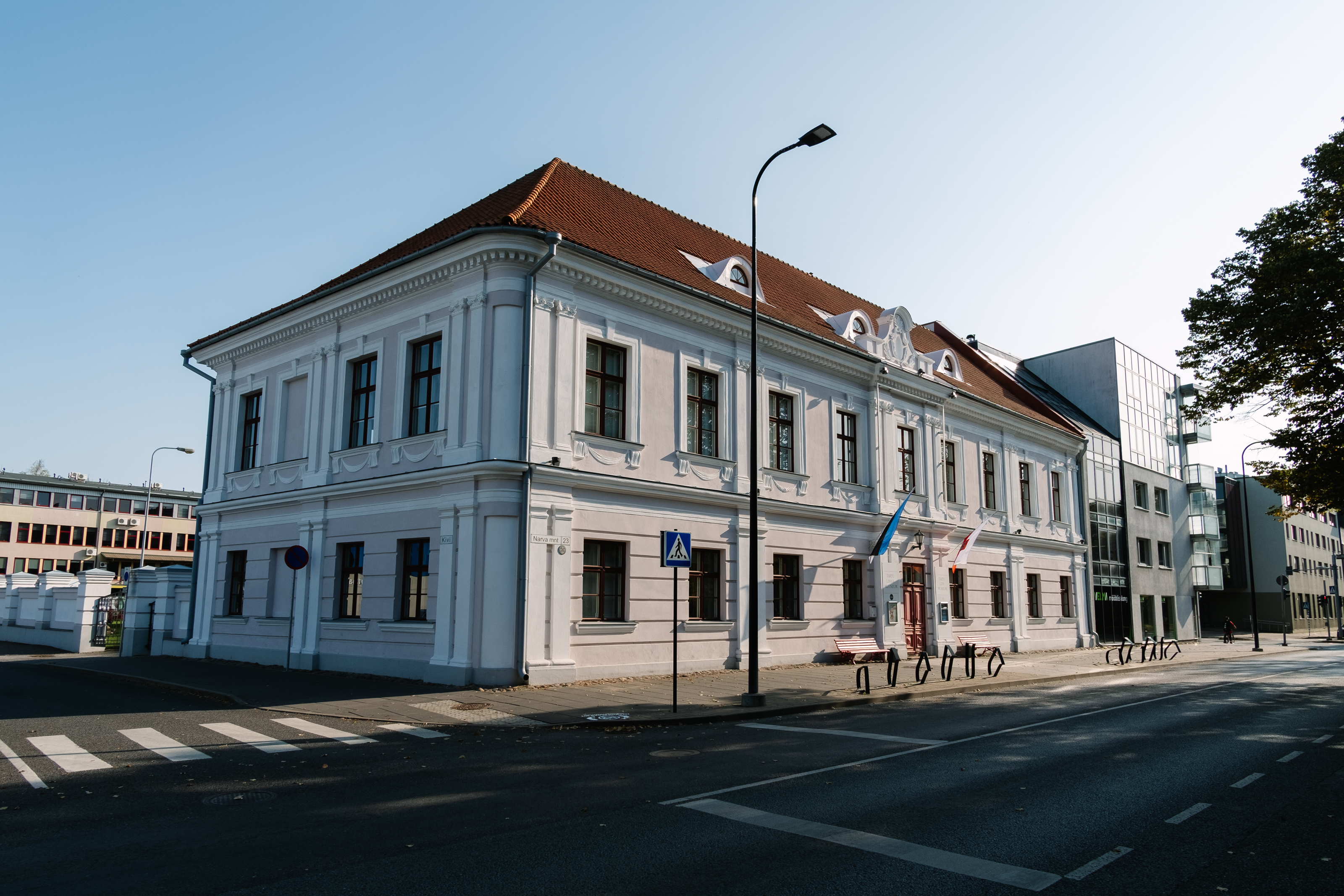
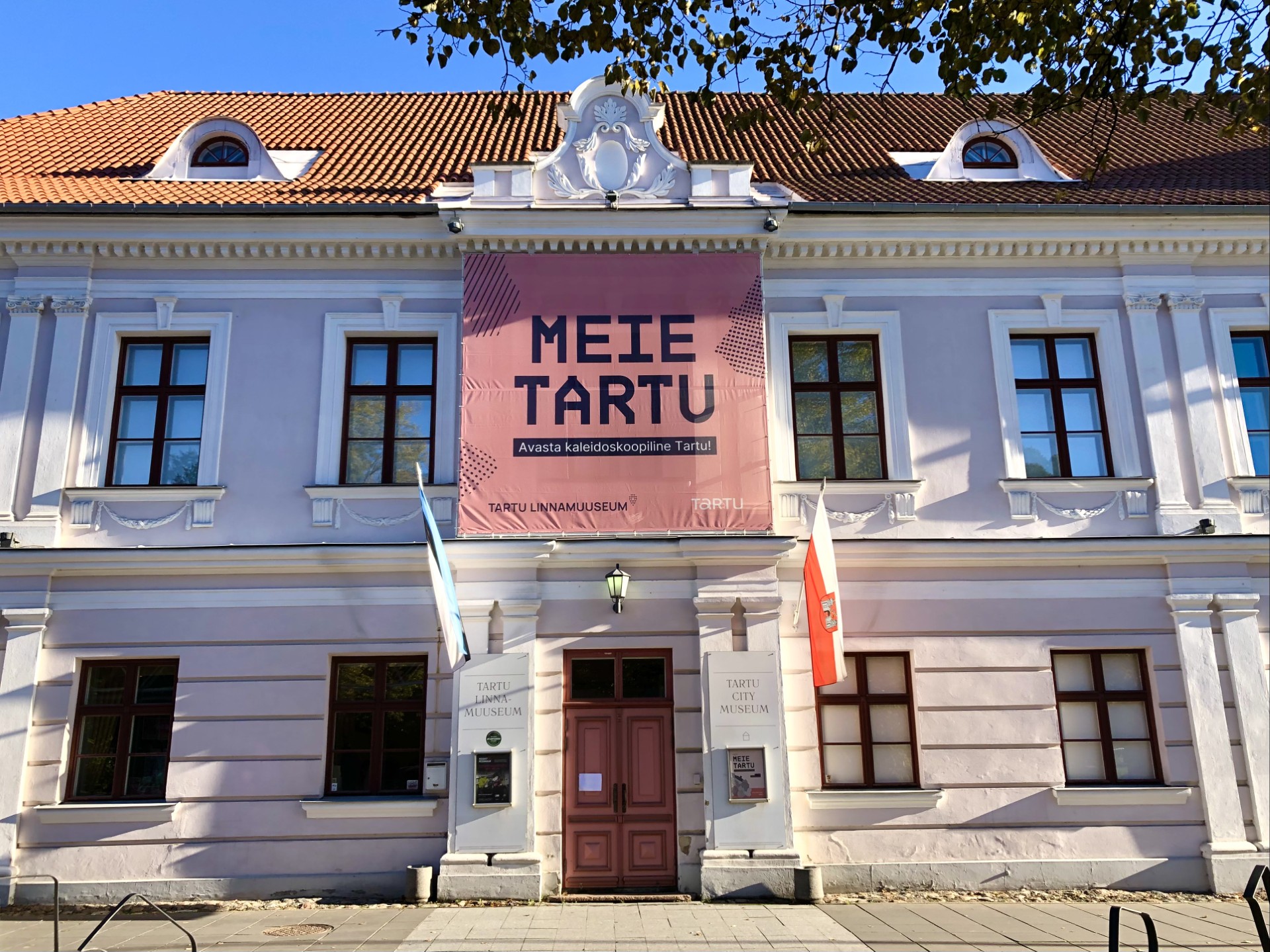
Tartu City Museum

Tartu City Museum invites you to explore the city's diverse history and cultural heritage. The permanent exhibition, "Our Tartu," introduces the districts of Tartu, telling stories about the people of Tartu, their lives, and everyday habits. The exhibition provides insight into what makes each district in Tartu special, as each district has its own personality, as shared by local people. Visitors can also enjoy temporary exhibitions that introduce new topics and artistic perspectives. These exhibitions reveal different facets of Tartu, ranging from the city's architecture and social life to contemporary cultural phenomena. The museum offers guided tours and city tours, during which guides take participants on exciting journeys through Tartu's districts. These excursions are suitable for both local enthusiasts and visitors who wish to learn more about Tartu. The museum's premises can also be rented for various events. Come experience the story of Tartu through its people, places, and memories.

  • Manors
  • Family friendly
  • Castles

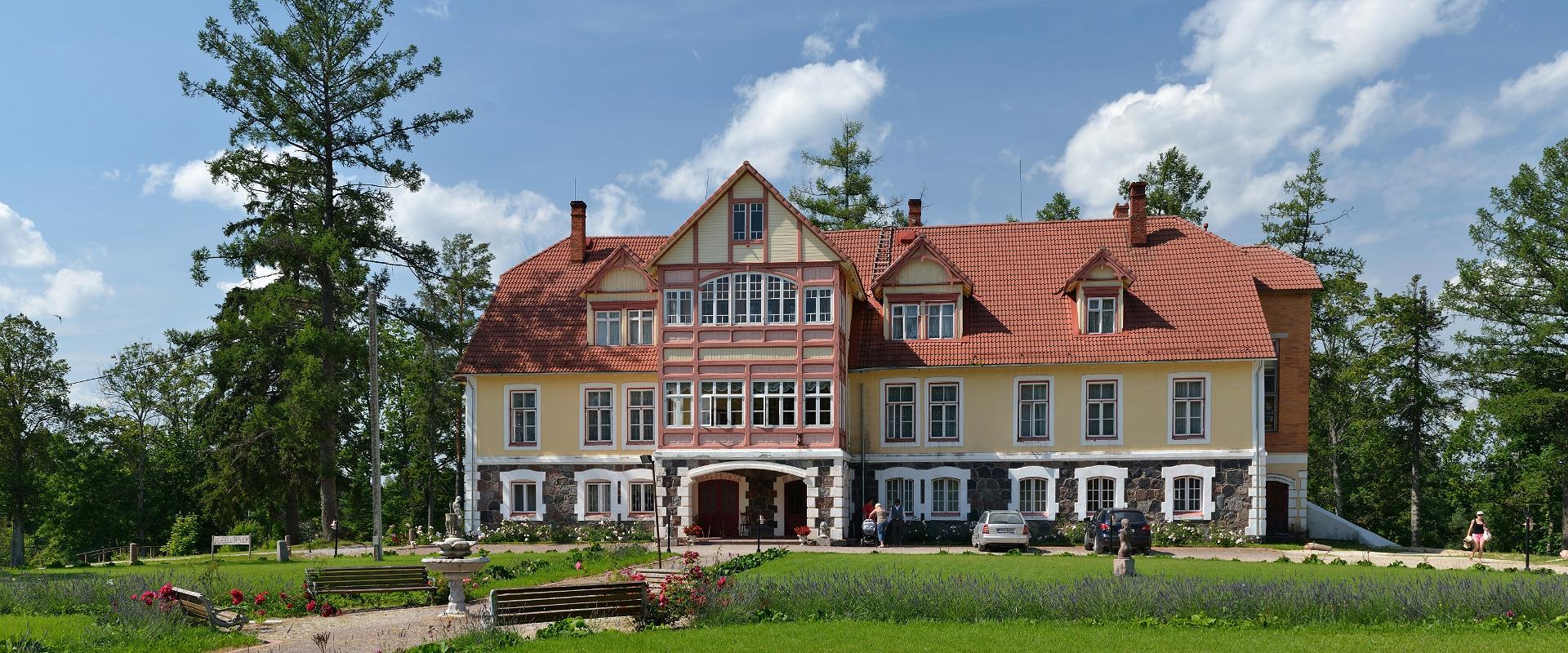
Cantervilla Castle (Pikajärve manor)

Pikajärve manor, which is also known as the Cantervilla Castle, is probably one of the cosiest manors in Estonia. The main building (built in 1908) and the vivid quarry stone outbuildings are on a landscape filled with beautiful dome-shaped hillocks, high up on the shore of a lake. The walls of the halls of the eye-catching main building are decorated with landscape paintings and portraits, antique furniture and the light from the chandeliers add festivity and romance. The manor is private property at the moment and operates as an establishment for holding different events and offers accommodation.

  • Churches

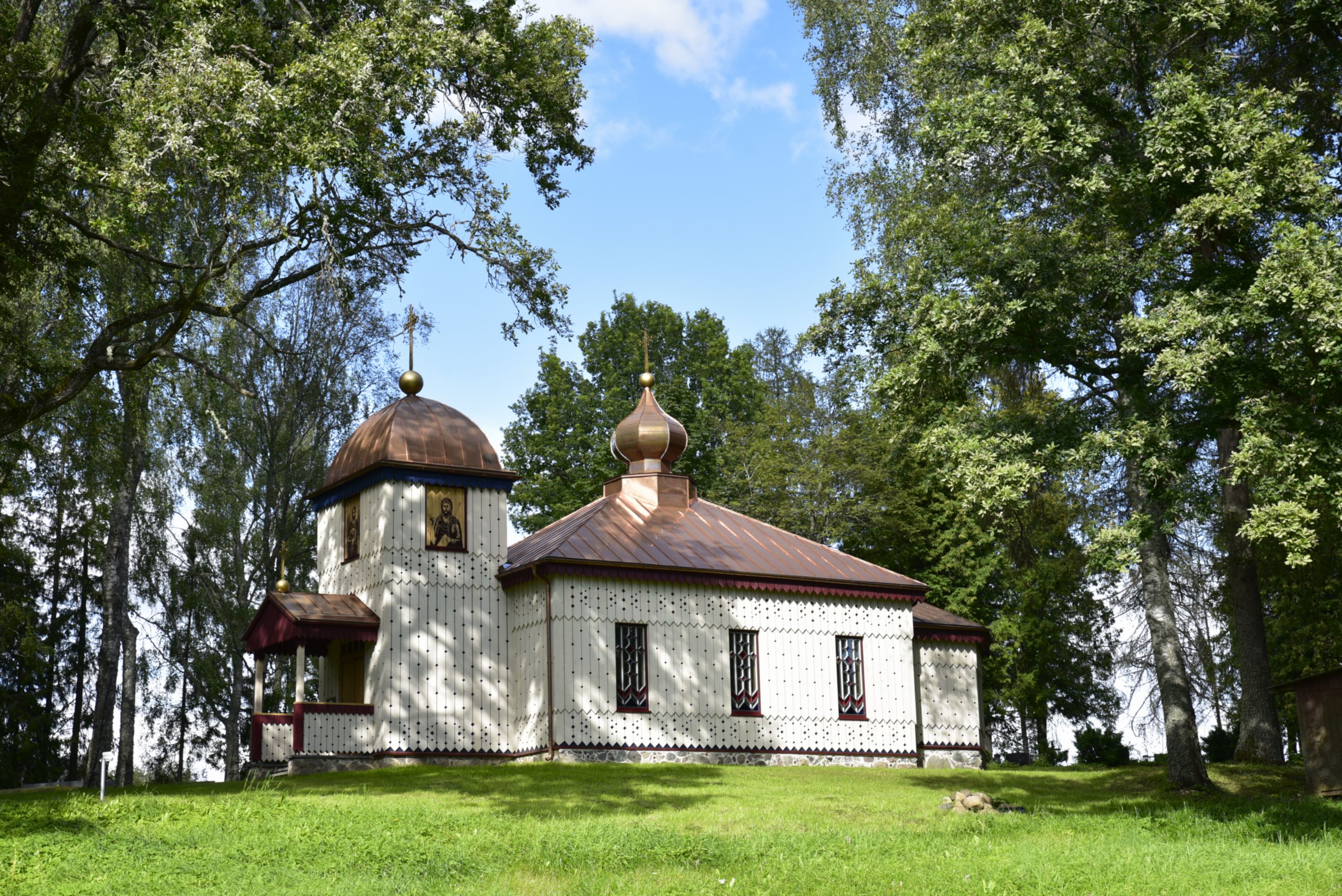
Miikse Church

The Miikse St. John the Baptist Church is a small wooden Orthodox church located in the southeastern corner of Estonia in Setomaa. What makes this church special is its story. It was built in 1953, during the Soviet era, when religion and church construction were not encouraged. However, the local people took a bold step and built the church themselves, often working in the evenings and at night to avoid the authorities' attention. Today, Miikse Church is once again a symbol of the strength and perseverance of the Seto community, where the local community restored the dilapidated sanctuary into a new and striking Seto church. The altar and icons were preserved, but the new facade features a lace-like pattern using Seto colors (red, blue, and sheep's wool white) and Seto belt patterns. The church's surroundings also include an old cemetery and sacred stones, which lend the place a special historical and spiritual atmosphere. The church is open once a month during service, and at other times, access can be arranged by agreement with the church elder (who communicates in Estonian and Russian). For a foreign-language tour of Setomaa, we recommend booking a local guide.
  • Estonian design
  • Workshops
  • Estonian handicraft

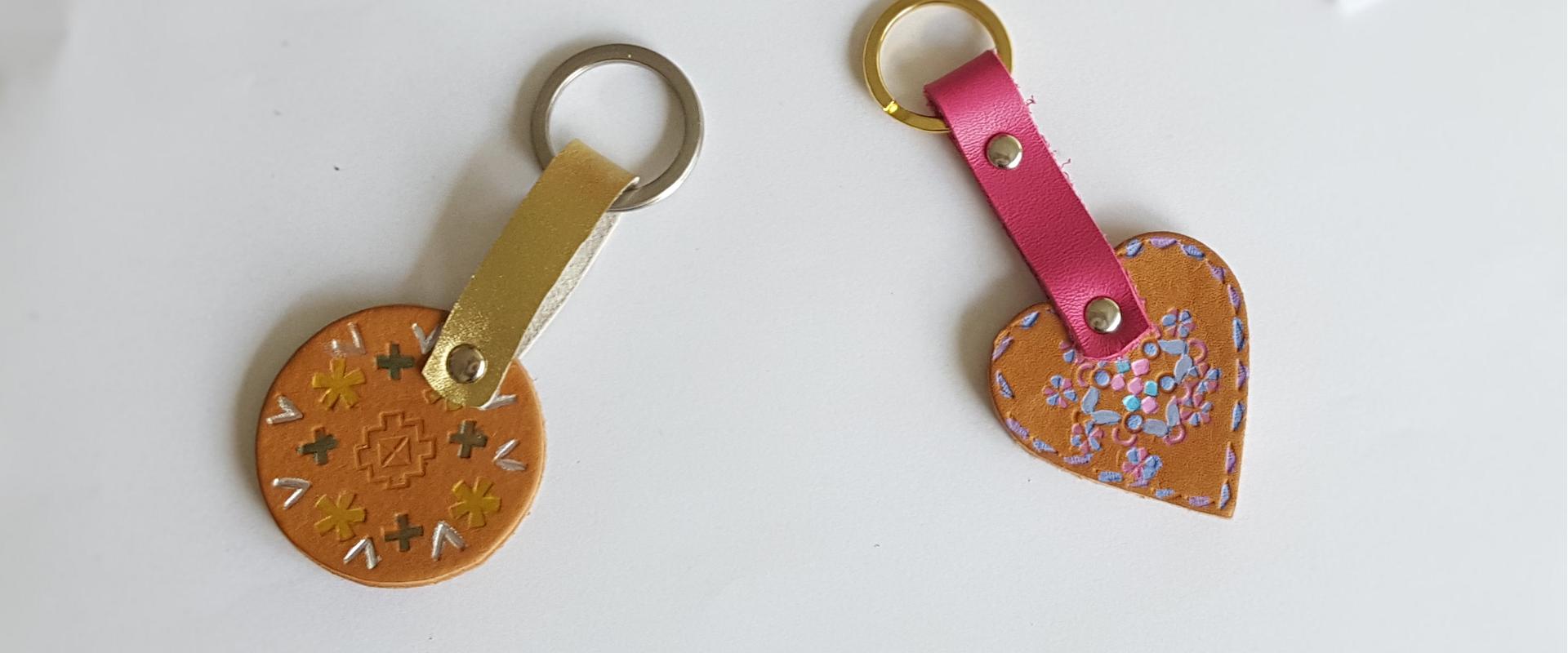
Leather keychain workshop

In the leather studio workshop, you can make a personalised keychain under the guidance of the leather designer Tiina Andron. Different metal studs, leathers, rivets, and key rings are used. The workshop is suitable for everyone (from school age). In addition to making a keychain, you will get to explore Antonius Courtyard, see the completion of various works, and hear the designers talk about their work.More leather studio workshops for groups can be found here.

Tartu Katariina House

When walking in the Old Town of Tartu, head also for the other side of the riverbanks where you will see the early classicist Pistohlkors or Katariina House. It is a building from the 18th century that used to belong to Lieutenant WC von Pistohlkors. The interior design of the building’s hall in the style of Louis XVI is worth special attention. Tartu Town Museum is currently located in Katariina House.Interesting facts: - people know the house as Katariina House. There is a legend according to which Empress of Russia Catherine II (Katariina in Estonian) stayed in this house. However, there is no truth in the legend. - The house was designed by famous architect JHB Walter, who also designed the Town Hall of Tartu.

  • Virtual reality (VR)

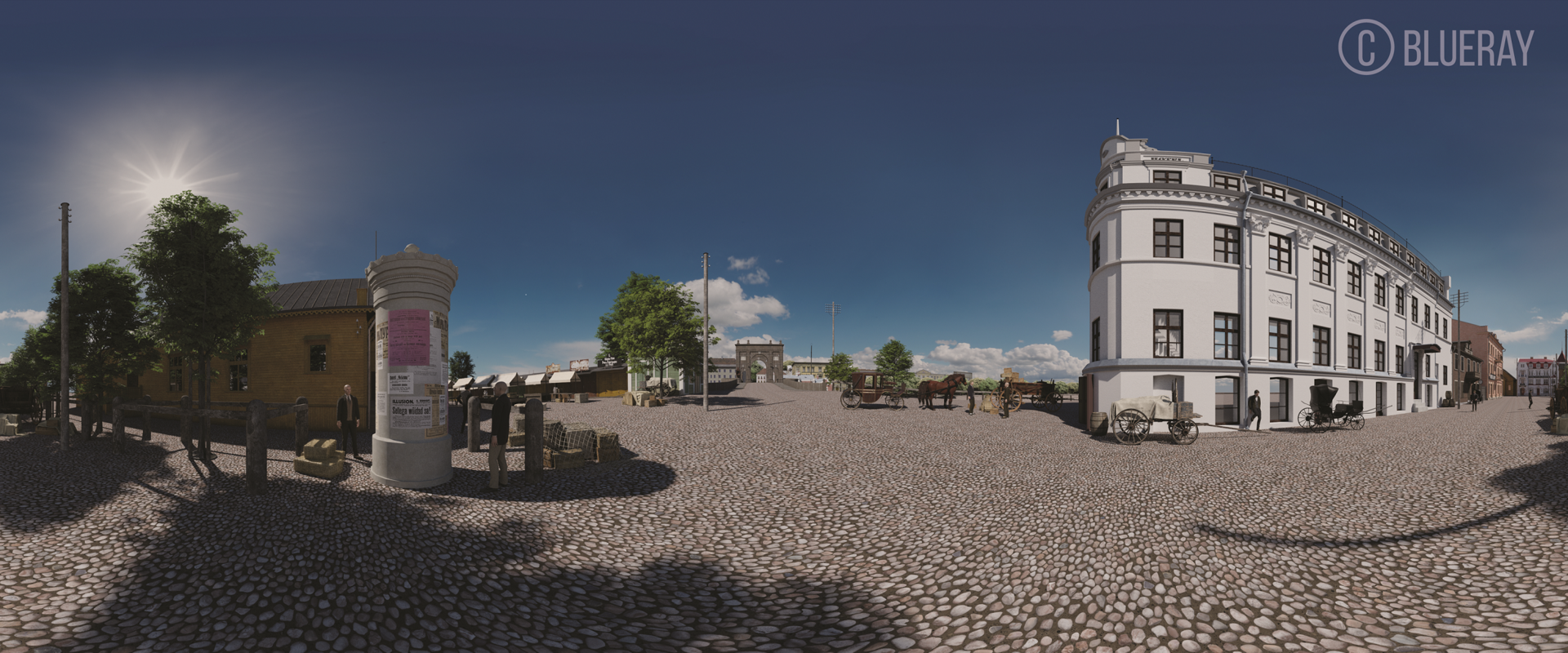
“VR Tartu 1913” — Historical virtual tour and audio guide of Tartu

The virtual tour "VR Tartu 1913" takes visitors through time to the center of Tartu more than a century ago. Physically, you move between four viewpoints on both sides of the Arch Bridge, but virtually, the lost panoramas of Tartu and the lively street open up before you. Experience what the banks of the Emajõgi looked like at the beginning of the 20th century – the city's former symbols, such as the town hall, stone bridge, barge harbor, and grand historic Tartu hotels come to life again. While walking in modern-day Tartu, you simultaneously see the city that no longer exists, and experience its sounds, movement, and atmosphere virtually. This engaging, fact-based yet emotional experience makes history come to life, offering a rare opportunity to glimpse what Tartu was like before the war brought about major changes. An audio guide is available in multiple languages to allow every visitor to experience Tartu's story in their own language. Step into a time machine and experience Tartu as it was in 1913!

  • Ruins

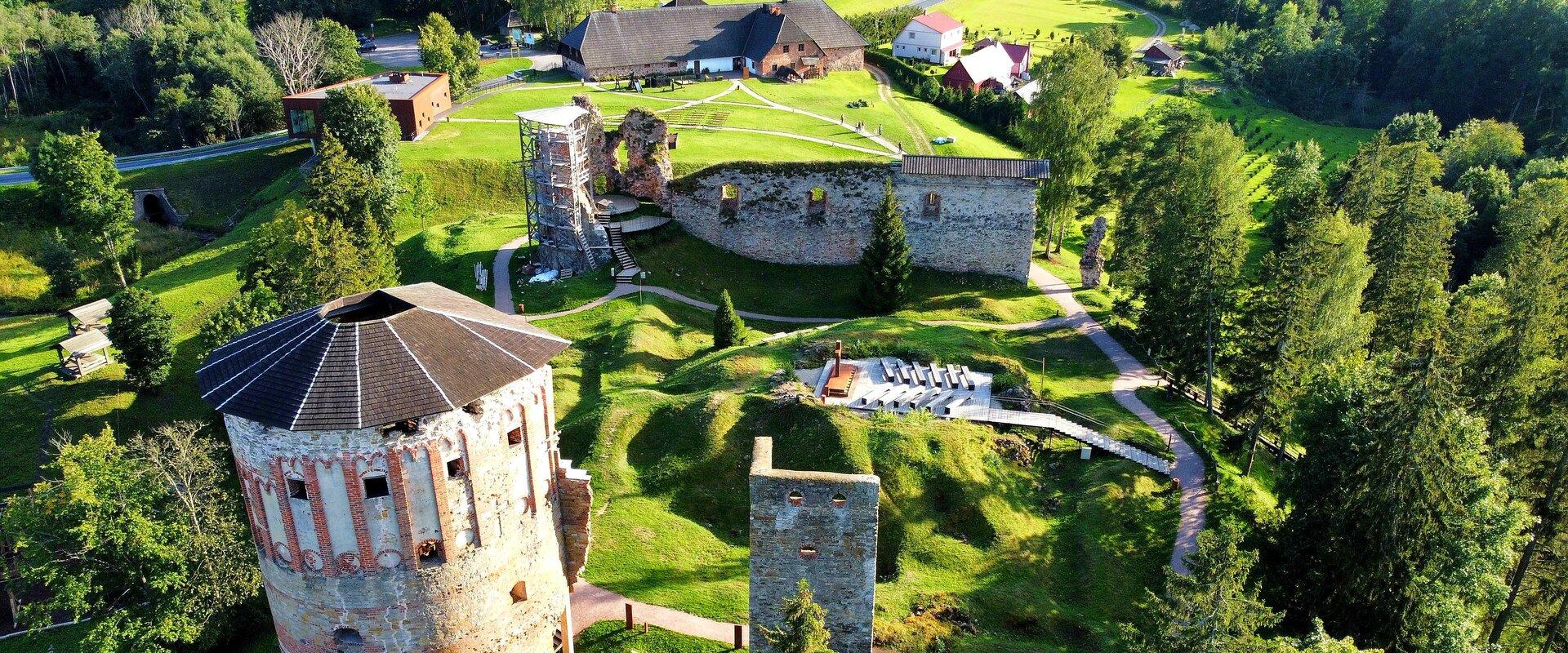
Ruins of Vastseliina Bishop’s Castle

Vastseliina Episcopal Castle is a place worth discovering in South Estonia for its 14th-century castle ruins, interactive activities, and interesting history as a sacred site. In the Middle Ages, the castle was a famous pilgrimage destination: by order of Pope Innocent VI, pilgrims who saw the miraculous cross in the castle chapel received a release from penance activities imposed on them for 1 year and 40 days. During the Northern War, the castle was destroyed by Peter I's troops, and only its ruins remain. The sacred pilgrimage site on the ruins of the former church is marked by a large cross, benches, and a sound installation featuring spiritual music. Nowadays, you can also visit the Vastseliina Episcopal Castle Medieval Experience Center and the Episcopal Castle Pilgrimage House. The castle ruins, sacred site, and experience center can be visited independently or with a guide upon prior arrangement. Additionally, refreshments and medieval feasts for groups are offered at the former Piiri Tavern.

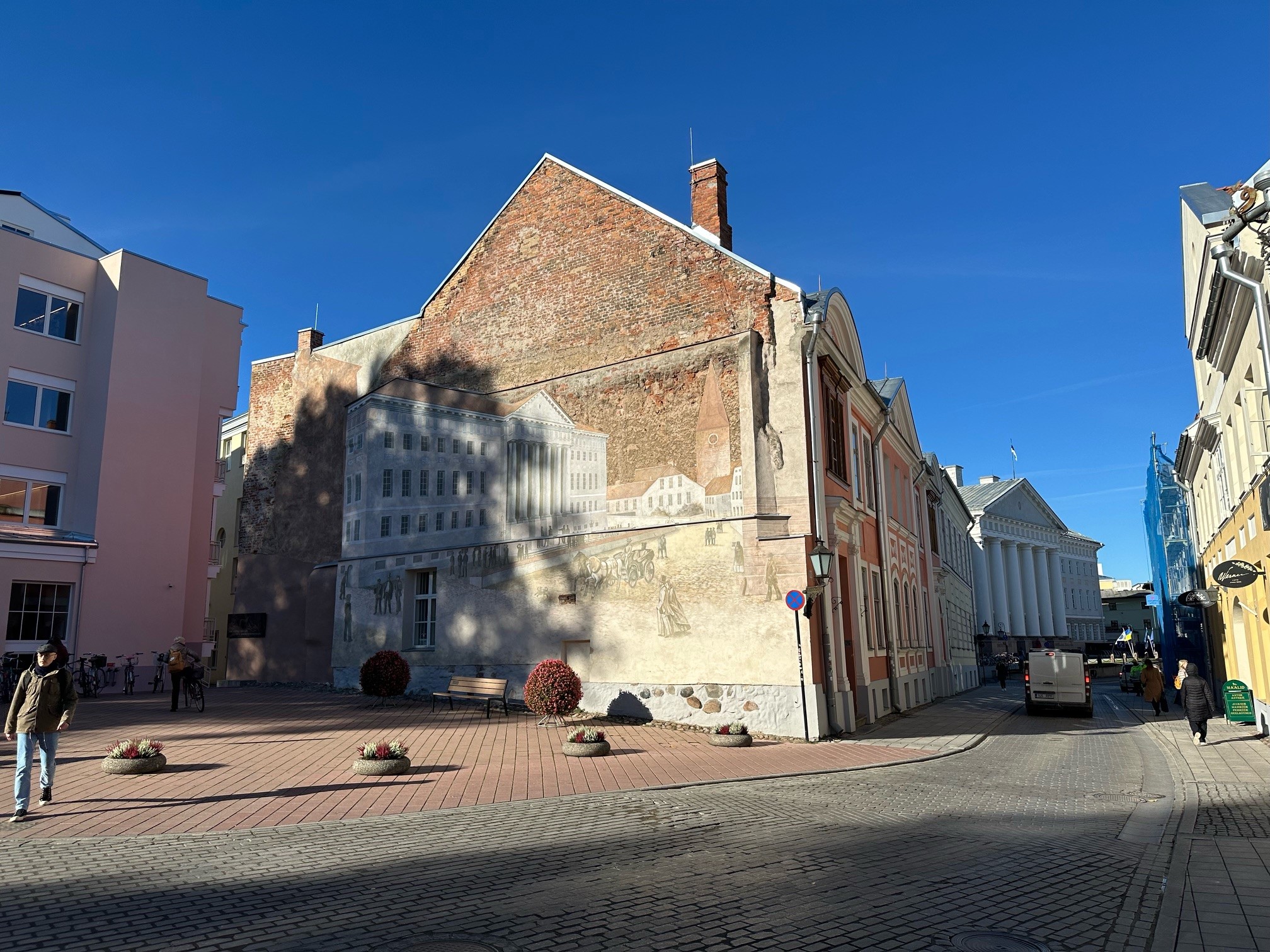
Tartu Von Bock House

You will certainly notice the Von Bock House (1780) at Ülikooli 16 in the centre of Tartu, which used to belong to Oberst MJ von Bock. The University of Tartu bought the building in 1839. The house was renovated and reopened in 2007. There is a mural that depicts the main building of the University of Tartu on the building’s wall that faces the Town Hall and an exhibition of Alar Madisson’s photos of current lecturers and legendary professors of the University of Tartu is up on the wall next to Jakobi Street.Interesting facts: - the Von Bock has been the home of the University of Tartu Clinic, a veterinary school and the library of the Learned Estonian Society in different times. The building currently belongs to the University of Tartu.

  • Collaboration
  • News
  • Contacts
  • Privacy Policy
Join our mailing list!

"*" indicates required fields

This field is for validation purposes and should be left unchanged.
I authorise marketing

South Estonia Tourism Cluster

info@visitsouthestonia.com