• Открой
    • Еда
    • Природа
    • Культура
    • Семья
    • Спорт
    • Сообщество
    • Блог
    У Вас появились свободные выходные, чтобы провести с детьми? Здесь собраны лучшие места в Южной Эстонии для семейного отдыха
  • Планируй
    • Размещение
    • Информация
    Устойчивый туризм
RUS
  • РусскийRUS
  • EestiEST
  • LatviešuLAT
  • SuomiFIN
RUS
  • РусскийRUS
  • EestiEST
  • LatviešuLAT
  • SuomiFIN
Популярные запросы:
Показать все результаты
  • History & Culture
  • Architecture and history

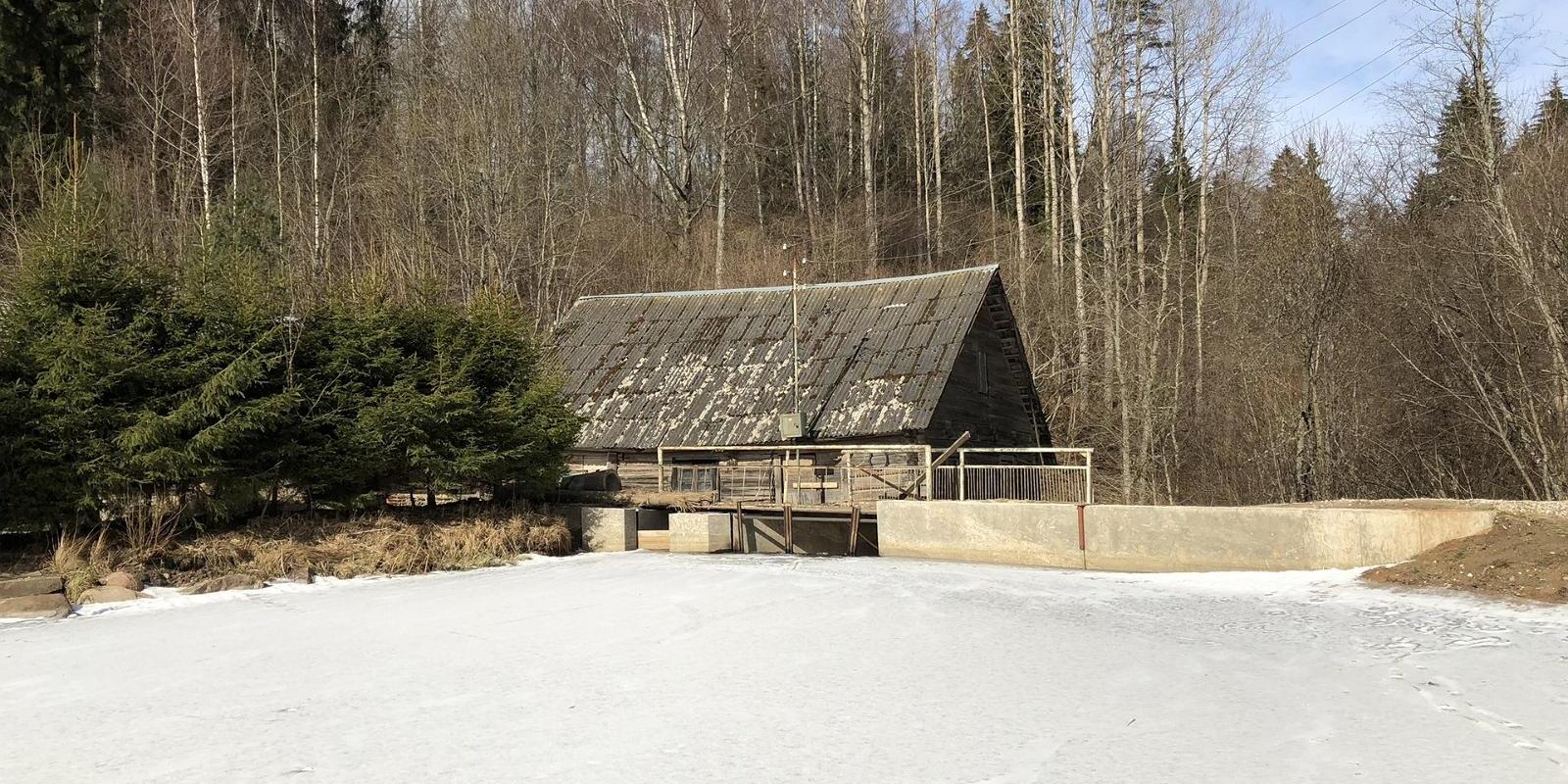
Küti Mäeveski (The Hunters Hill Mill)

Võru vald, Võru maakond, 65229

Kütiorg, located in the northern part of Haanja Nature Park, is the largest and most powerful valley in Estonia. The historical Hunters Hill Mill is located here.The mill was built in 1868 and it was last used in the autumn of 2016. It is planned to preserve the mill as industrial heritage of Estonia. The mill is near Noodasküla in Haanja Nature Park. You can walk to the mill if you take the longer trail on the RMK Kütiorg hiking trail. If you are coming by car, you can drive to Noodasküla.If you want to explore the historic mill, please book a time in advance.Welcome!
Удобства

  • Information boards
  • Free parking

Часы работы

Круглый год

По предварительному заказу

Контакты

  • +372 5084251
  • kytimaeveski@gmail.com

Ссылки

Подробнее

  • Estonian design

Gift shop Kiiks ja Knihv

Kiiks ja Knihv offers you a selection of unique gifts. In our store, you will find a special selection of Estonian designs and souvenirs created by small European manufacturers. The gift shop has the largest selection of Moomin products in Tartu County, including sweatshirts, bags, wallets, socks, and hats. Everyone will find something for themselves and their loved ones. Kiiks ja Knihv is a quirky gift shop, but we also have classic gifts, such as mugs, thermoses, and water bottles. Come to "the gift shop with a twist", where you can laugh and discover exciting gifts for yourself and others.

Loov Energia Torma workshop ‘Make your own mug’

Loov Energia Ceramic Studio is dedicated to creation and design. During the workshop in Torma, one cylindrical mug will be made, which will be left to dry and, after pre-firing, glazed by the instructor. The finished mug will be available within approximately two weeks after firing.The price of the workshop includes the materials and firing

Tartu Old Anatomical Theatre

The anatomical theatre, which served as a workplace for many famous doctors and scientists in the 19th century, was completed in 1805 on the southern slope of Toome Hill, Tartu, at the site of the former Swedish-era Carl Gustav bastion. It was originally designed by Johann Wilhelm Krause as a neoclassical rotunda. In 1825-1827, semicircular wing buildings were added to the building according to Krause's design. The anatomical theatre acquired its present shape after the last major extension was completed between 1856 and 1860.Medical Collections of the Medical Faculty of the University of Tartu are available at Science Centre AHHAA.

Tobrova Village Chapel

The small wooden Tobrova tsässon on the right side of the Tobrova-Küllätüvä road looks like a small barn with a modest cross on the roof. This Orthodox chapel built in 1932 is dedicated to Easter – the most important holiday in Tobrova and nearby villages. Behind the Tobrova tsässon is the Luikjärve farm fort: a well-preserved Seto farm with a closed courtyard, which has been restored by the Obinitsa Museum.Contact the Obinitsa Museum for more information about the tsässon and the farm.

August Teppo’s Accordion Museum

August Teppo was a famous accordionist of Võru County. Today, his home farm has been turned into a museum. Visitors can see his workshop, as well as learn about the lifestyle typical of the era. In addition to the exhibition, the museum also organises trainings and cultural events.Good to know: the museum is only open to visitors upon booking during the summer months.

  • Guided tours

The 19th-century Tartu Citizen’s Home Museum

The 19th-century Tartu Citizen's Home Museum is located in one of the most unique areas of Tartu's Old Town, close to St. John's Church. The museum is housed in a wooden building completed in the 1740s, making it one of the oldest surviving residential houses in Tartu. With its historical ambiance and meticulously restored interior, the building takes visitors back to the early 19th century, when Tartu was a vibrant city of wealthy citizens and craftsmen. At the museum, you can learn more about the daily lives of urban citizens in the 1830s. Various rooms, furnished in the German Biedermeier style typical of the era, can be seen. The cozy, authentic atmosphere offers an opportunity to experience the sights, sounds, and smells of everyday life in a 19th-century Tartu home. During the summer season, a small garden is open, where plants and flowers of the period thrive, offering a glimpse of what urban greenery might have looked like almost two centuries ago. It is possible to participate in guided, thematic tours and educational programs.

Andri-Peedo Farm Shop

The farmers of Andri-Peedo farm started raising goats in 2009, and in 2017, the most modern goat farm in the Nordic countries was opened. We have a spacious goat shed, a hay dryer that is unique in Estonia, a high-tech dairy, and a cosy farm shop. Because we offer good living conditions and the best food to our goats, we are able to offer high-quality goat milk and cheeses which several top chefs prefer to use. Andri-Peedo Farm Shop sells fresh goat milk and cheeses made in our dairy. In addition, we also sell handmade products from other small businesses in the area.

  • Monuments

Monument to Hugo Treffner

Hugo Treffner (1845–1912) was an Estonian cultural figure and the founder of Hugo Treffner Gymnasium. The school still operates in Tartu (it was called the Tartu 1st Upper Secondary School during the Soviet era), on the wall of which is also the bas-relief of the first school principal Treffner on Rüütli tänav. It is considered one of the elite schools in Estonia.The monument erected in honour of Hugo Treffner is located on the bank of the Emajõgi River in the western part of Ülejõgi Park, on the site of the former Hugo Treffner private school. The authors of the monument are sculptor Mati Karmin and architect Tiit Trummal. The monument was opened on 25 May 1997.Hugo Treffner's grave is in Tartu, in the Uus-Jaani cemetery.

  • Privacy Policy

"*"обозначает обязательные поля

Это поле используется для проверочных целей, его следует оставить без изменений.
Я разрешаю маркетинг