• Explore
    • Nature
    • Culture
    • Food
    • Family
    • Activity
    • Blog
    Smoke sauna
    Weather and seasons
  • Plan
    • Accommodation
    • How to get here
    • Weather and seasons
    • Sustainability
    • Tourist info
    Discover South Estonia’s Most Beautiful Manors and Castles
    Top 20 Sights in South Estonia
  • For professionals
    • For professionals
    • Collaboration
    • News
    • Projects
    • Training
    • Repository
    • Community (opens in new tab)
    • Contacts
ENG
  • EnglishENG
  • EestiEST
  • LatviešuLAT
  • РусскийRUS
  • SuomiFIN
ENG
  • EnglishENG
  • EestiEST
  • LatviešuLAT
  • РусскийRUS
  • SuomiFIN
Popular searches:
Show all
  • History & Culture
  • Architecture and history

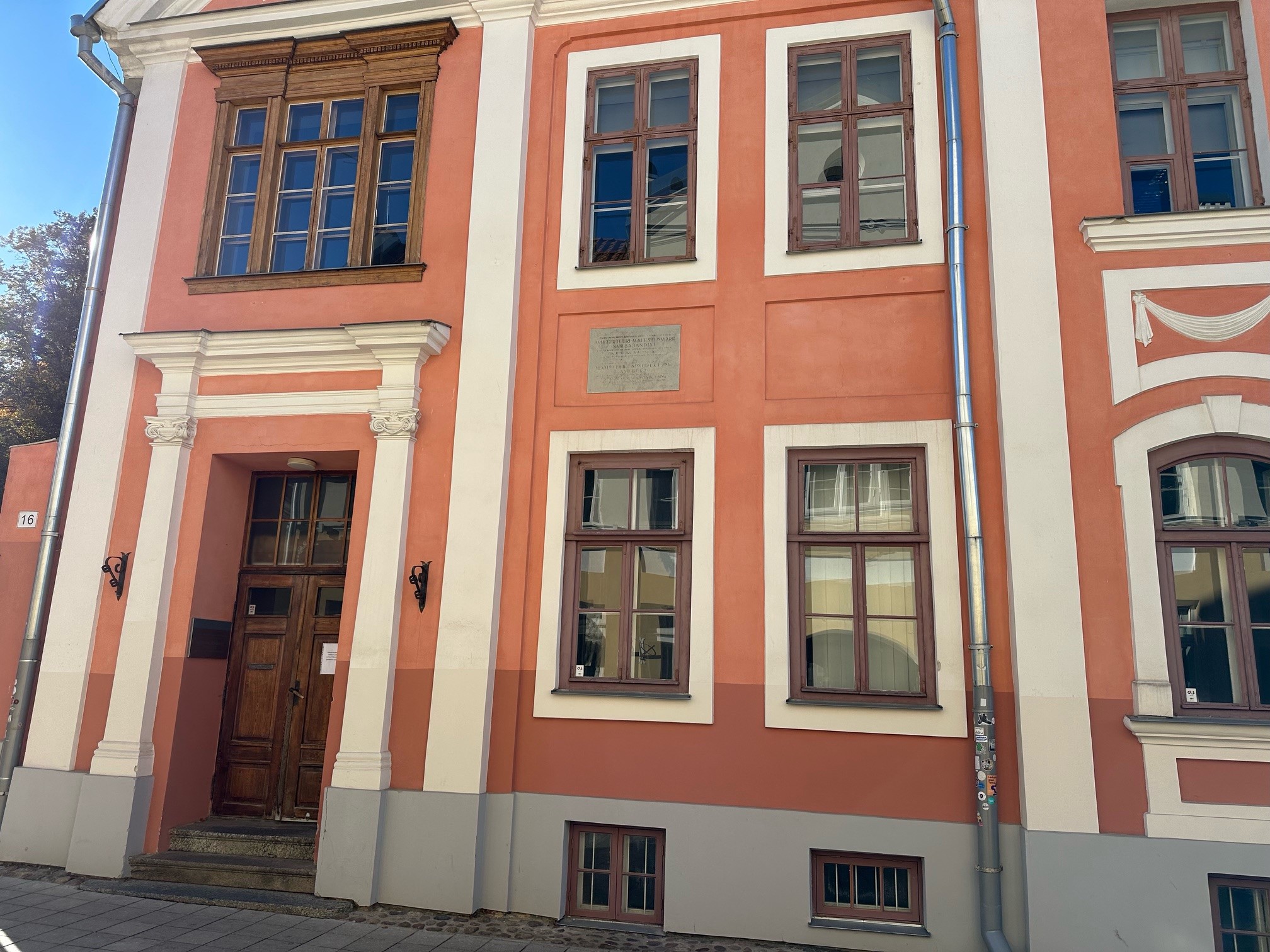
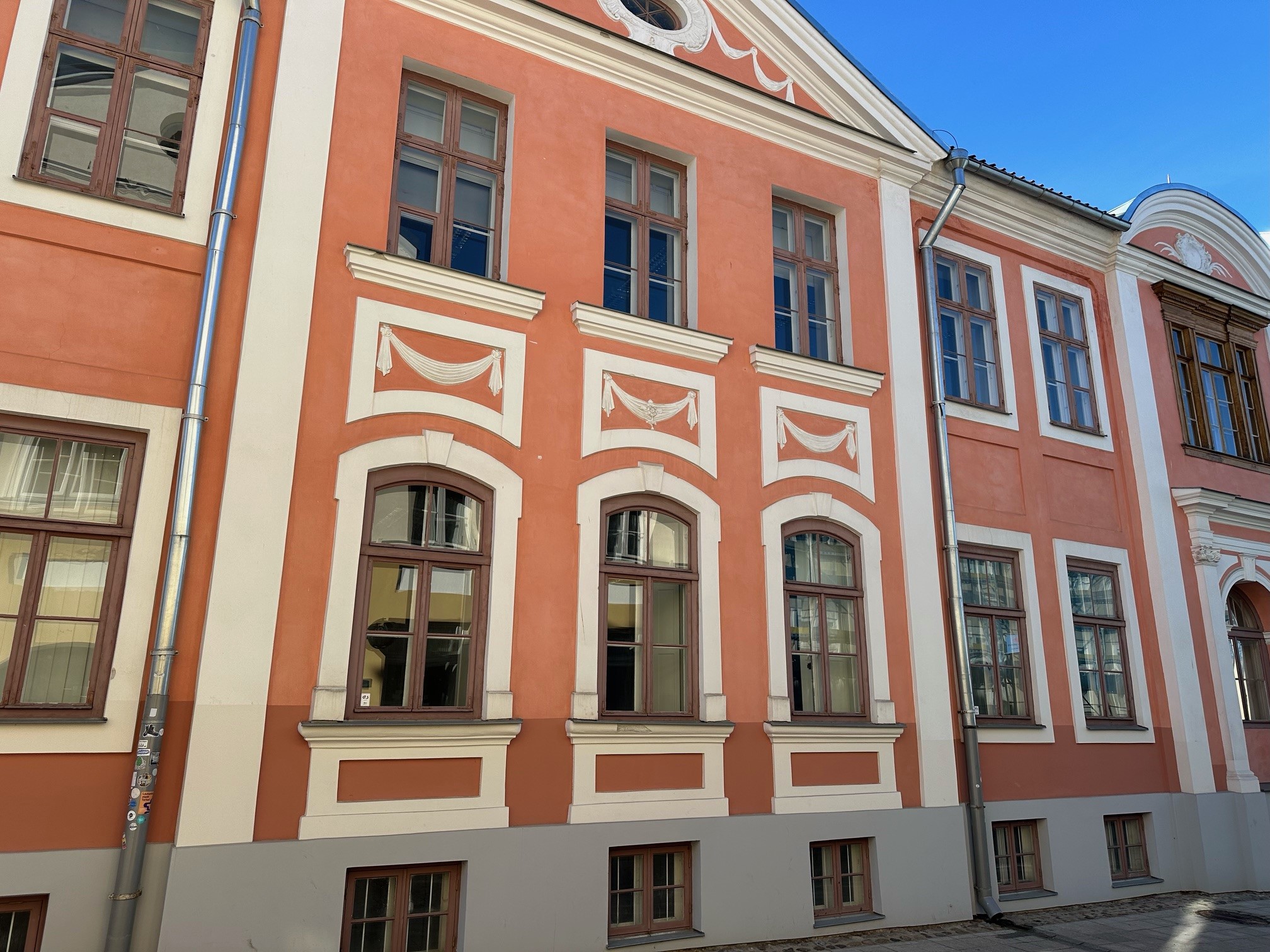
Tartu Von Bock House

Ülikooli tn 16, Tartu linn, Tartu maakond, 51003

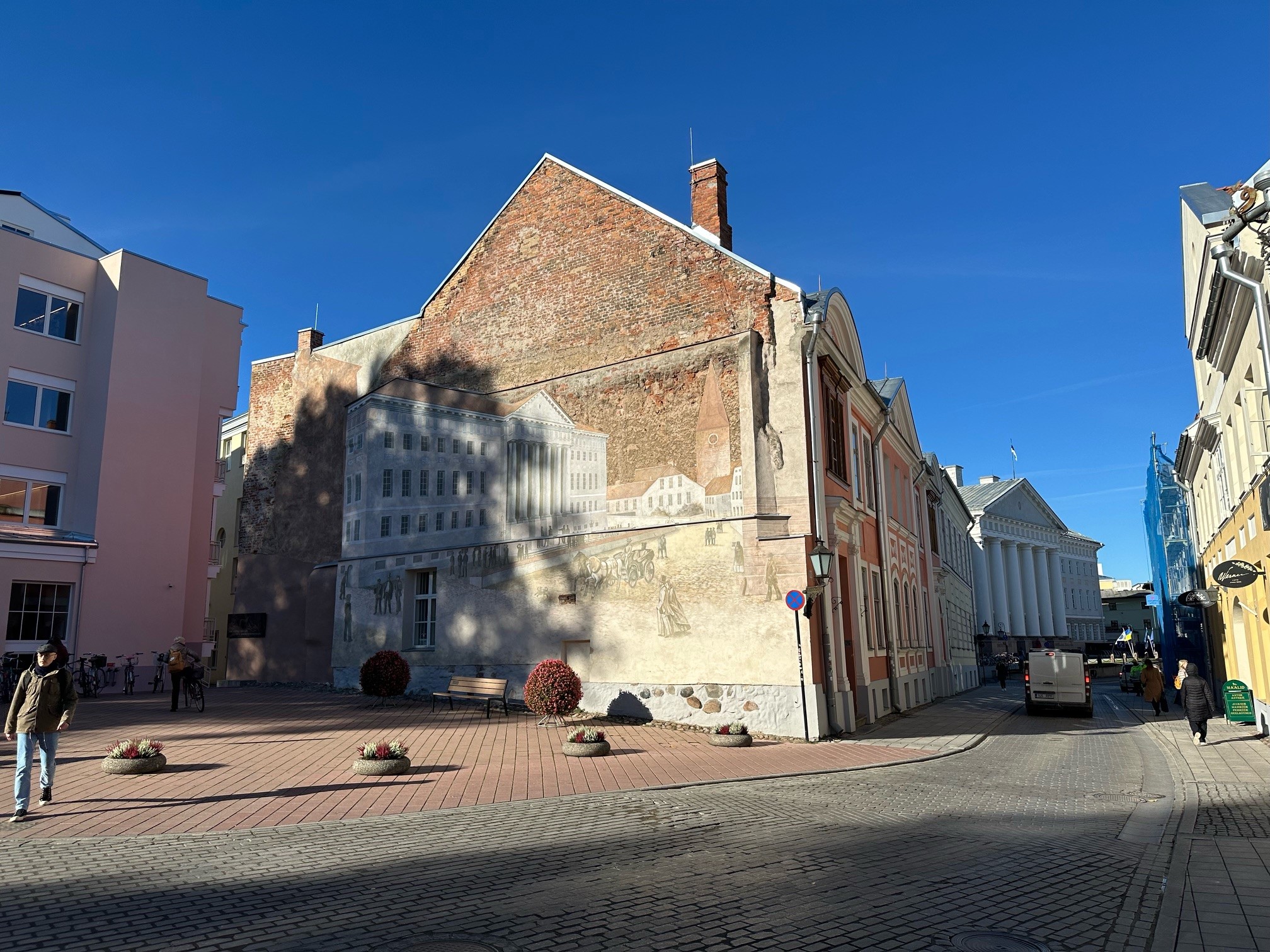
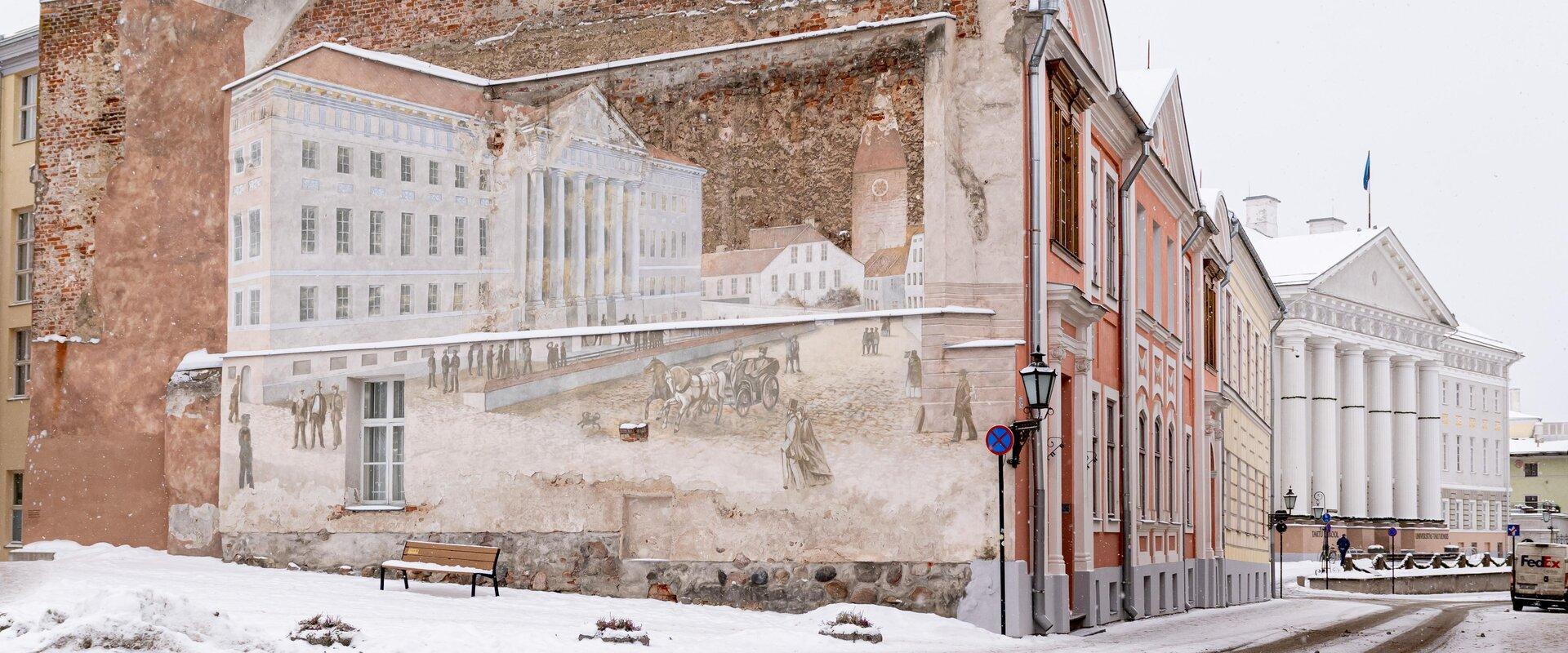
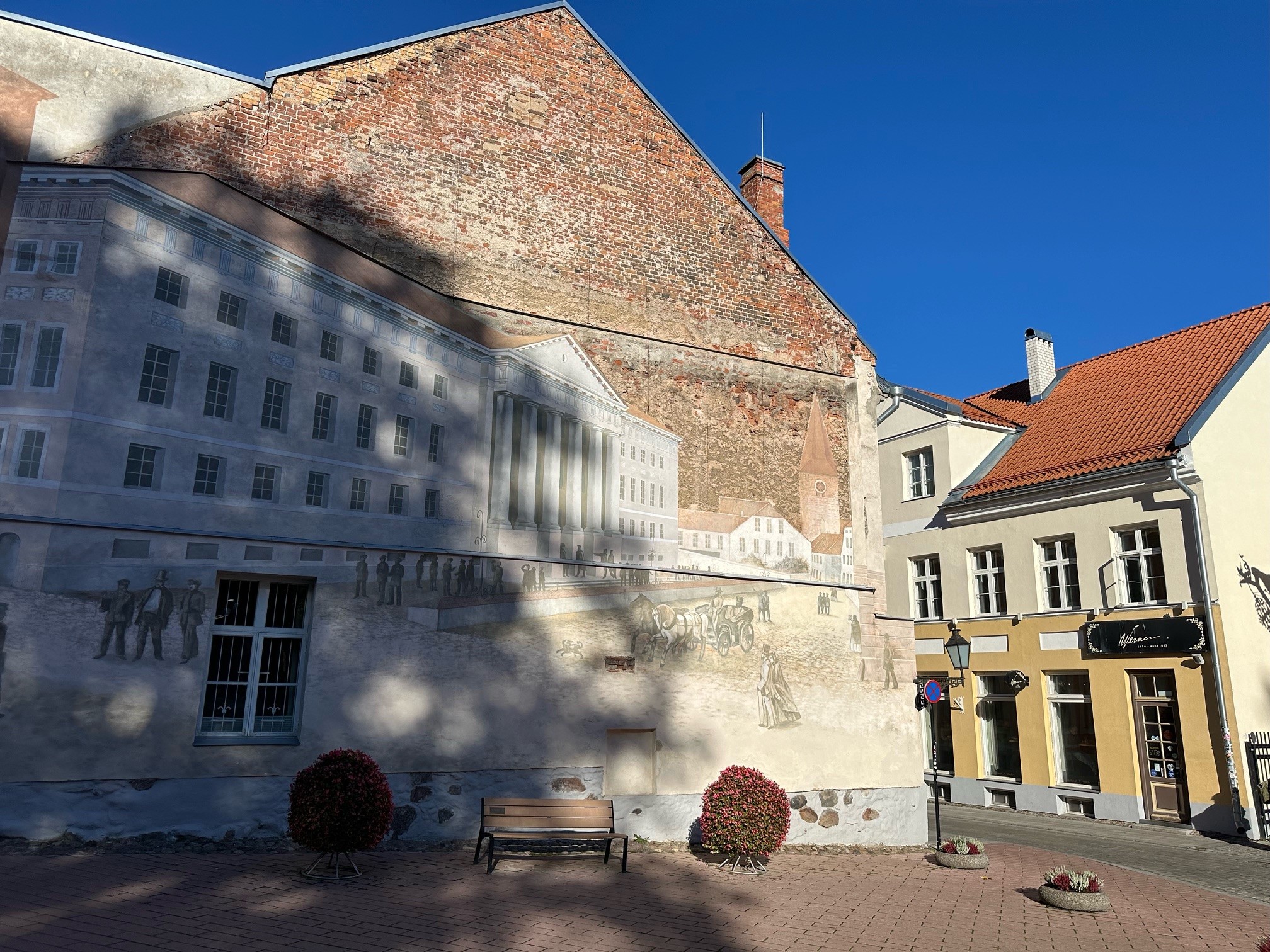
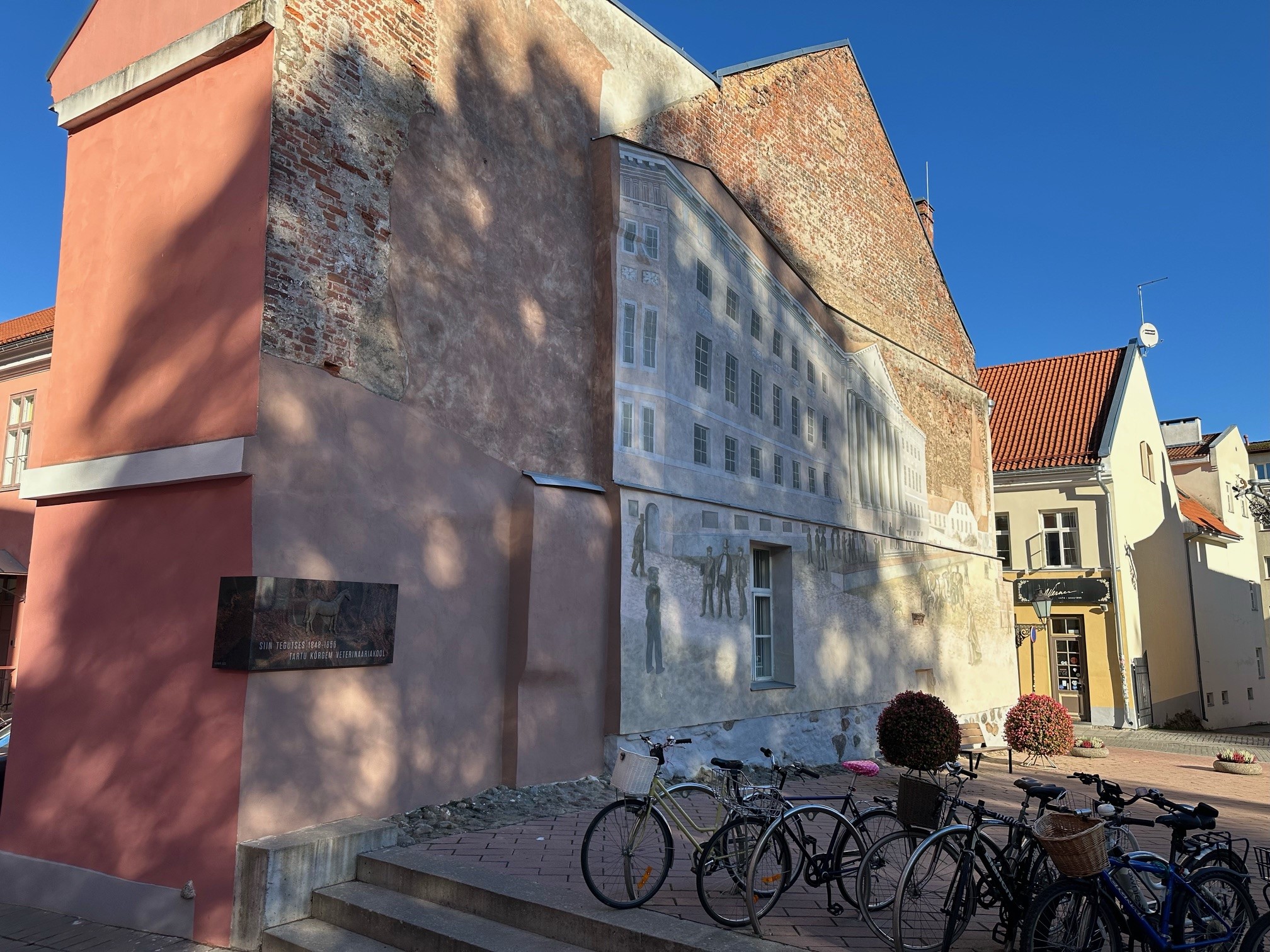
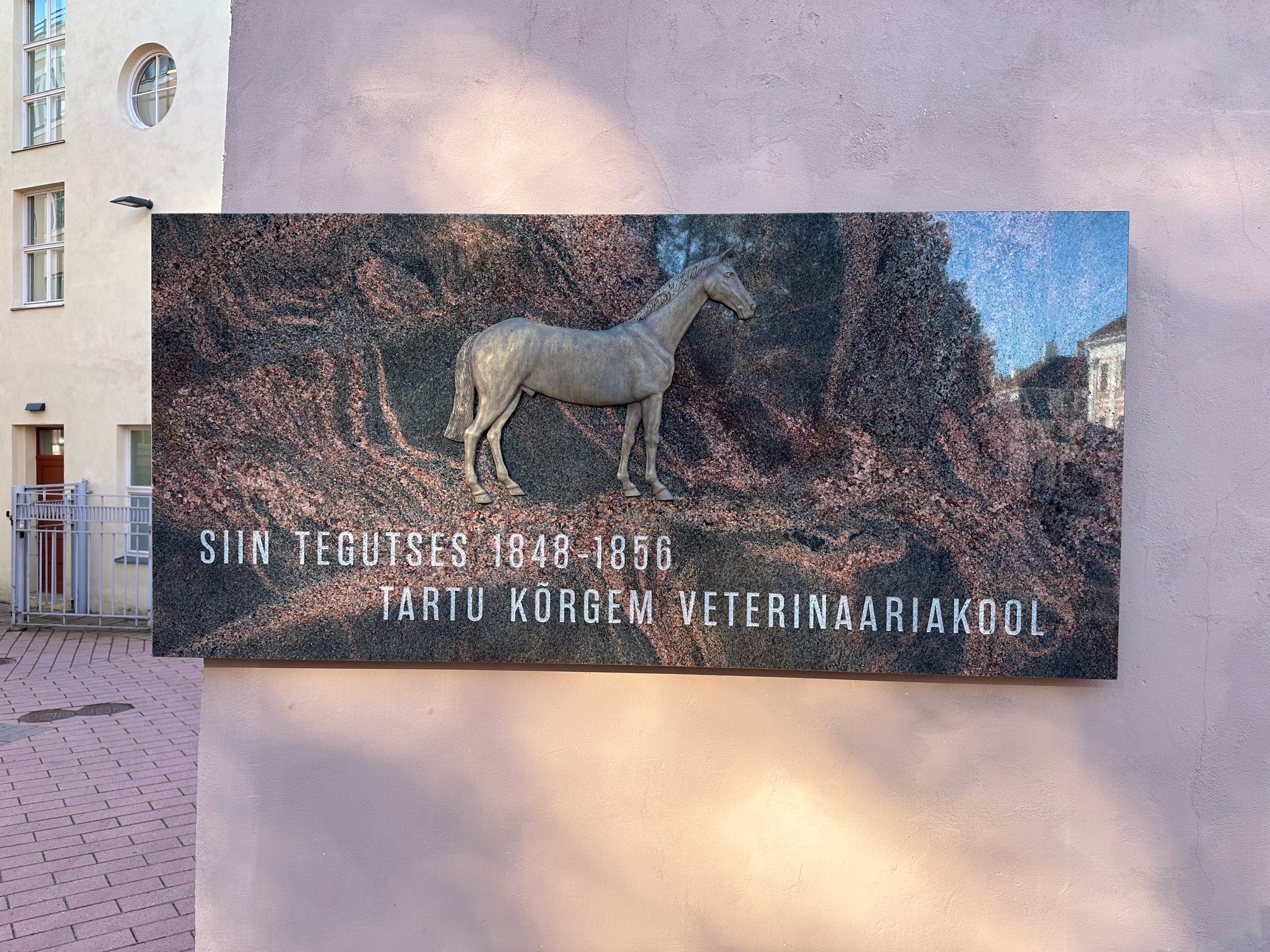
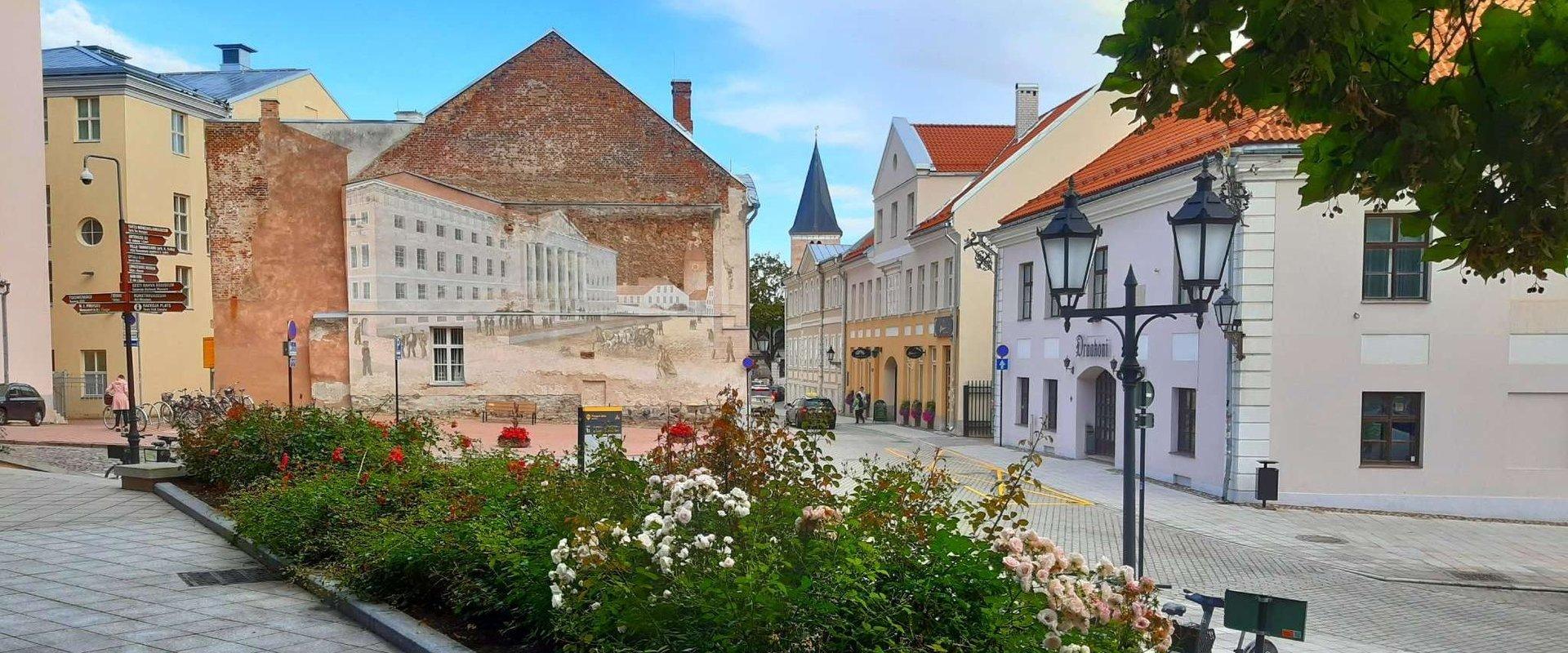
You will certainly notice the Von Bock House (1780) at Ülikooli 16 in the centre of Tartu, which used to belong to Oberst MJ von Bock. The University of Tartu bought the building in 1839. The house was renovated and reopened in 2007. There is a mural that depicts the main building of the University of Tartu on the building’s wall that faces the Town Hall and an exhibition of Alar Madisson’s photos of current lecturers and legendary professors of the University of Tartu is up on the wall next to Jakobi Street.Interesting facts: – the Von Bock has been the home of the University of Tartu Clinic, a veterinary school and the library of the Learned Estonian Society in different times. The building currently belongs to the University of Tartu.
Amenities

  • Paid parking

Open times

Throughout the Year

Eemalt vaadeldav

Contact

  • +372 737 5100

Links

See more

  • Churches

St John’s Lutheran Church in Kanepi

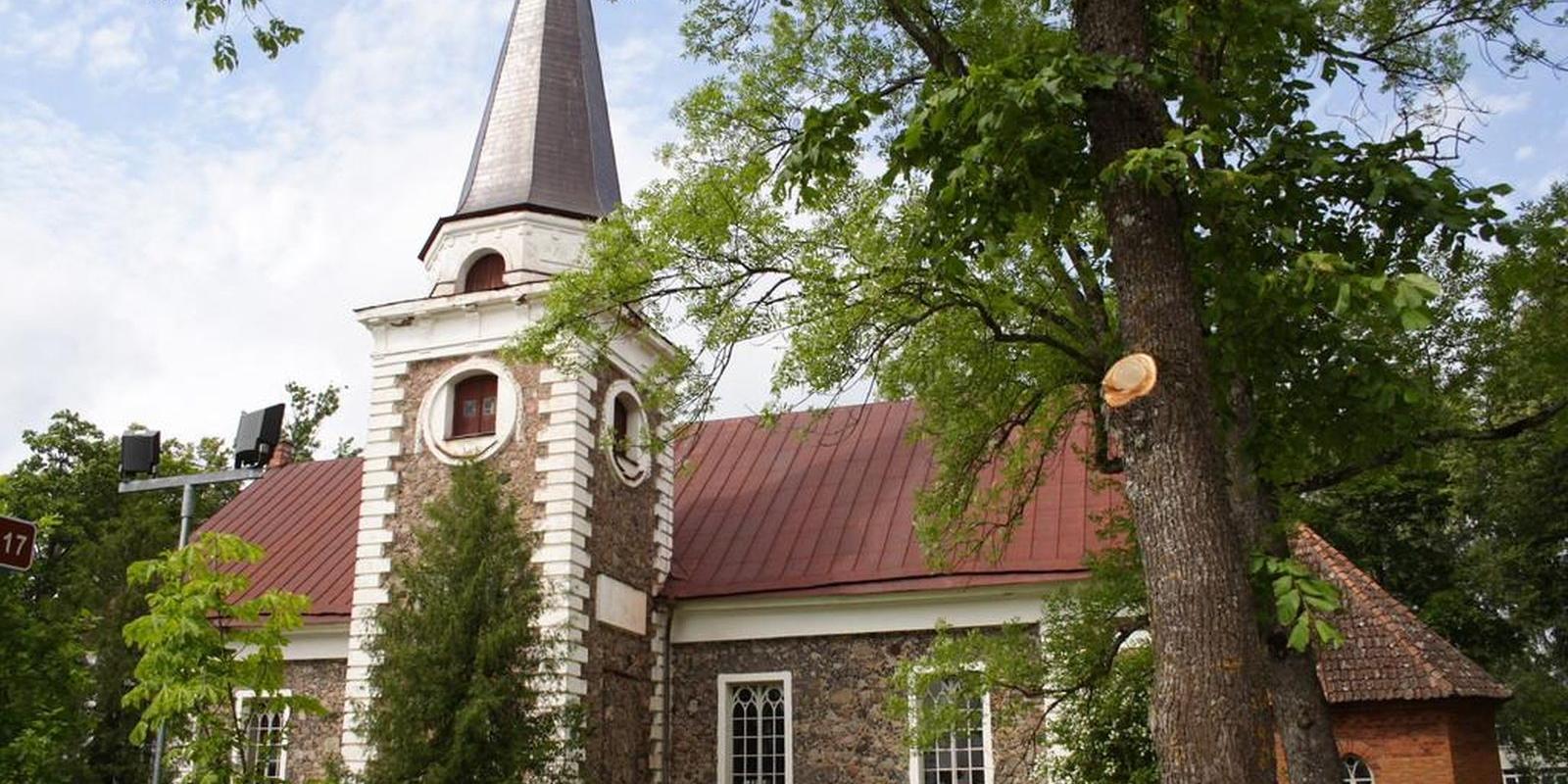
St John’s Church is an eye-catching building; its architect was Friedrich Siegel. There is an altar painting Christ on the Cross (A. Bauer, 1857) and a pseudo-Gothic altar, and two nationally protected wooden candlesticks (1810) and an armchair from the birch wood dating from the 18th century. On top of the spire there is a morning star. Interesting to know: St John’s Church in Kanepi was built in 1804-1810 to replace the old wooden church. In 1831 the church was set on fire by lightning. The church in Kanepi has been in its current state since the year 1877.

  • Sculptures

Monument to Alfred Neuland

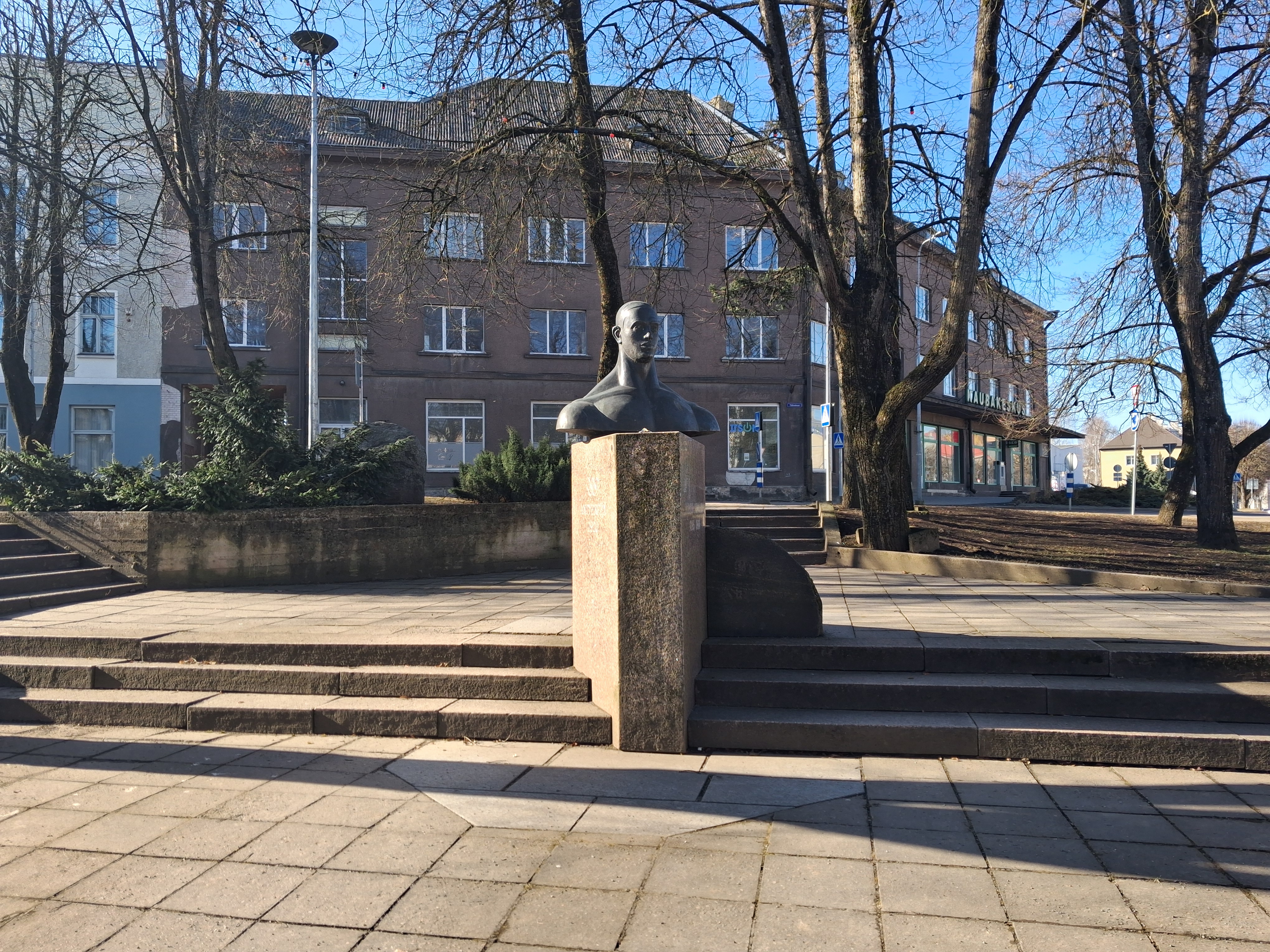
Weightlifter Alfred Neuland (1895-1966) who was born in Valga is the first Estonian Olympic Champion. He returned with a gold medal from the Antwerp Olympic Games in 1920. He was also successful at the Paris Olympic Games where he won the silver medal.Interesting facts: * sculptor Mati Karmin is the author of the bronze bust; * Hermann Lerchenbaum, the first Estonian known to have taken part in Olympic Games as a member of the US Navy's rowing team at the 1896 Olympic Games in Athens, was also born in Valga.

  • Family friendly

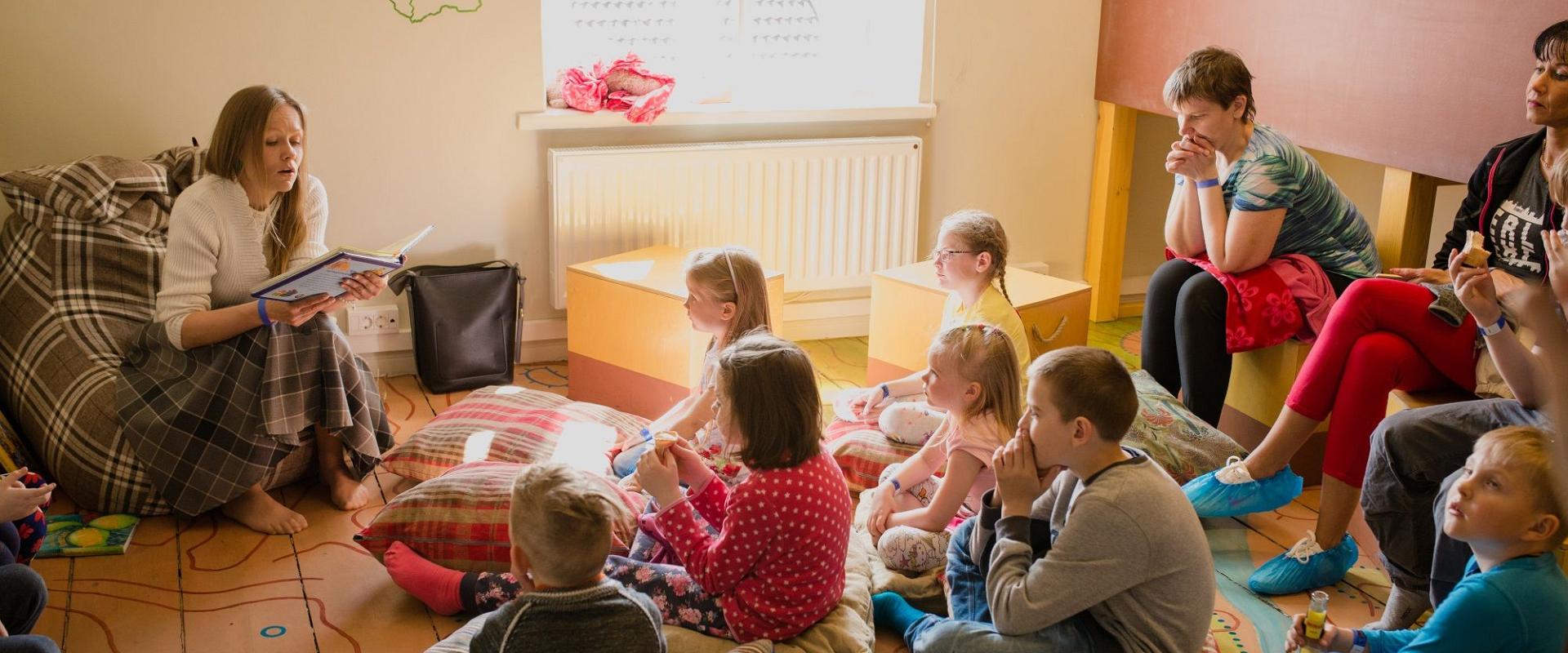
Children’s floor of the Estonian Road Museum

There is a unique children’s museum on the first floor of the Varbuse post station of the Road Museum. Children have the whole floor to themselves for having fun. Here, you will find exciting reading, educational games and activities, a puppet theatre, and the Chamber of Secrets which introduces fairy tales.There is an animal called Ajaloom (Time Animal) living in the children’s museum who is excited to meet his new friends to explore together what time is. The children’s floor is perfect for organising birthdays: it can accommodate up to 20 guests.

Exhibition room of Räpina Loomemaja

The exhibition room is located on the ground floor of Loomemaja. The exhibition room has exhibitions of art created by locals or people related to Räpina – paintings, photos, handicrafts.Good to know: if necessary, the room can be rearranged for a seminar or some other event.

  • Churches

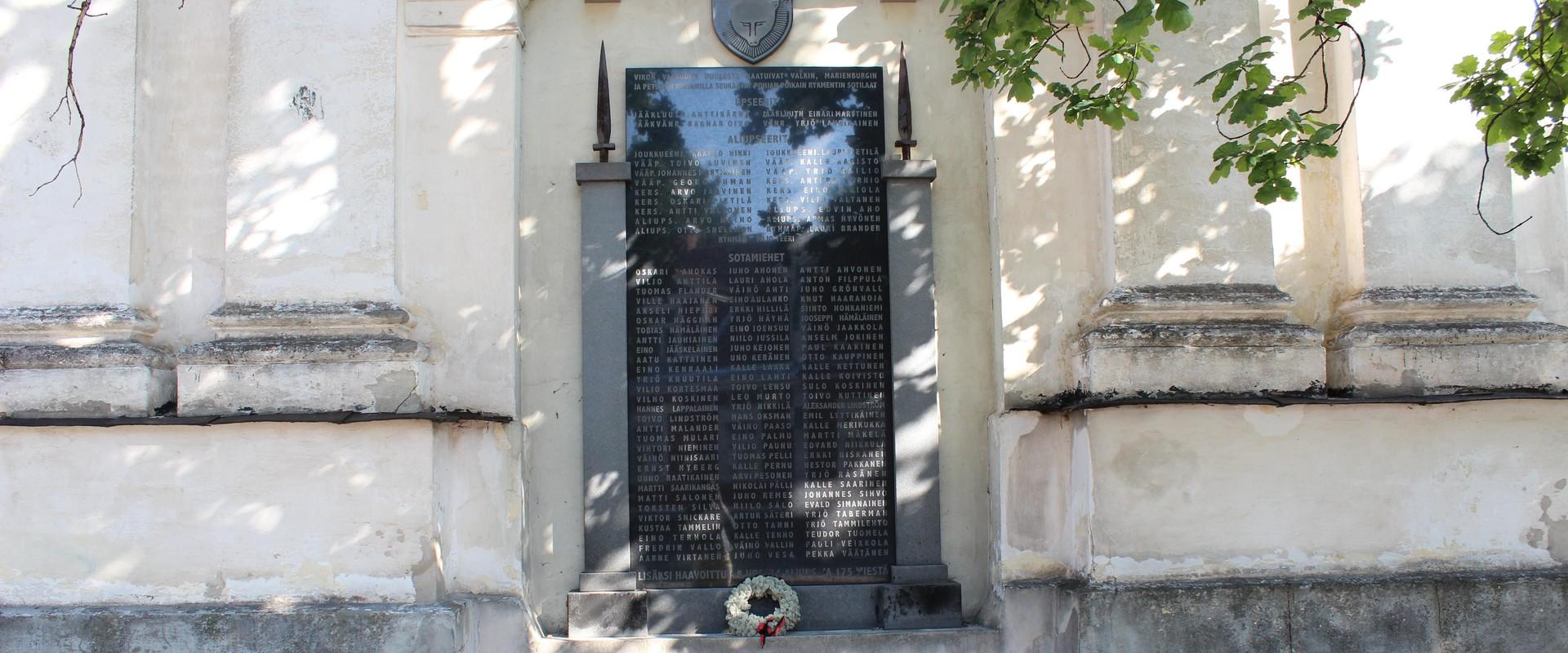
Memorial Tablet of the Northern Sons of Finland

A black granite memorial tablet bearing almost 200 names was installed on the wall of the Valga Jaani (St John’s) Church in 1934 in remembrance of the Finnish volunteers who fell in the Paju Battle of the War of Independence. The polar bear sign of the Northern Sons Regiment is shown on the shield above the stone. In 1940 the memorial tablet was demolished with pickaxes by the order of communists. The memorial tablet was reopened on the 80th anniversary of the Paju Battle in 1999.Interesting facts: * the memorial tablet was opened in 1934 by President Konstantin Päts; * the first table was made in Finland and the second one in Tartu; * donations for the second tablet were collected by Ylistaro Rural Municipality (Finland) at the initiative of Ossi Salo.

  • Green Key
  • Guided tours
  • Workshops

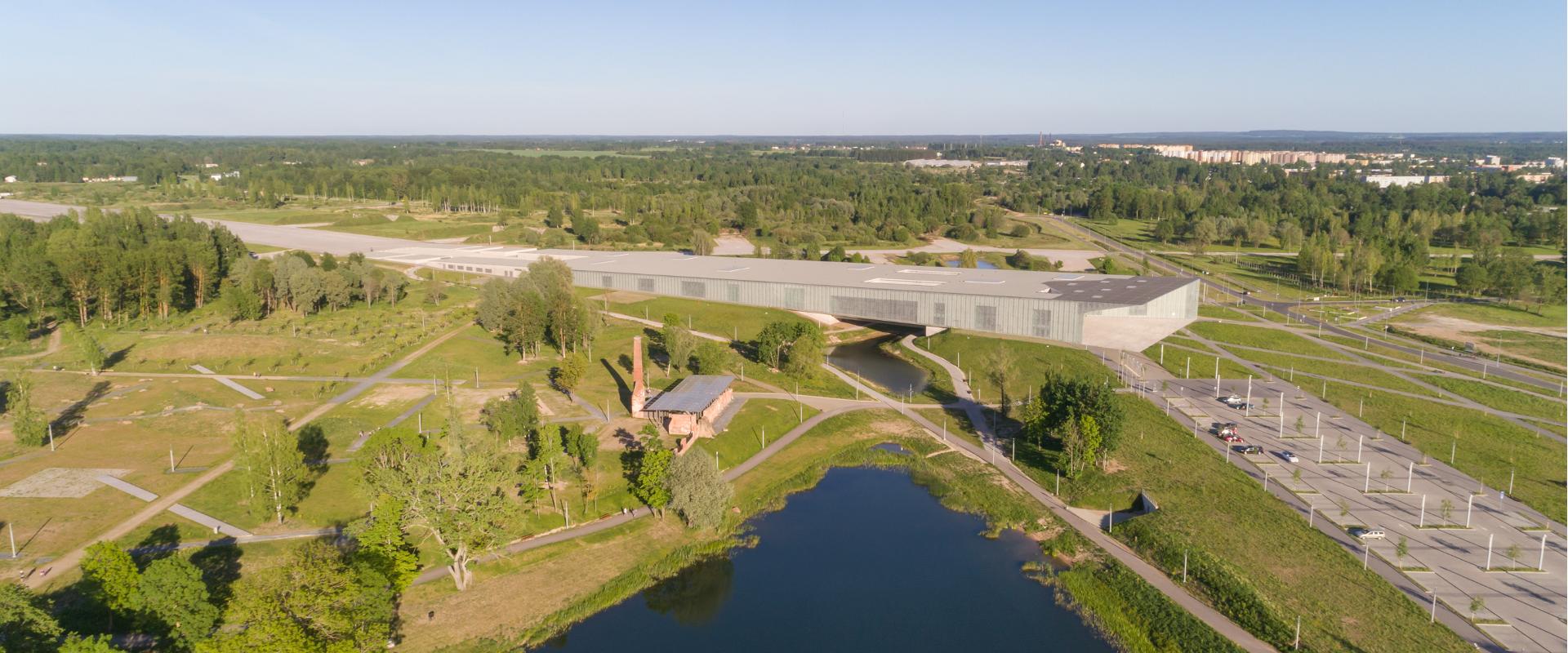
Estonian National Museum

The largest museum in Estonia with nearly 6,000 m² of exhibition space invites you to discover the everyday life of Estonians throughout history at the permanent exhibition ‘Encounters’ and to learn about the life of the Finno-Ugric peoples in the permanent exhibition ‘Echo of the Urals’. The museum experience is complemented by temporary exhibitions. There is a restaurant and a museum shop. The outdoor areas of the museum are perfect to have a rest and a picnic. There is also a romantic rotunda and a glass-roofed distillery on the shores of Lake Raadi.The Estonian National Museum offers workshops, educational programmes, and guided tours in 11 languages. The museum has a modern conference centre and venue for international events.

  • Guided tours

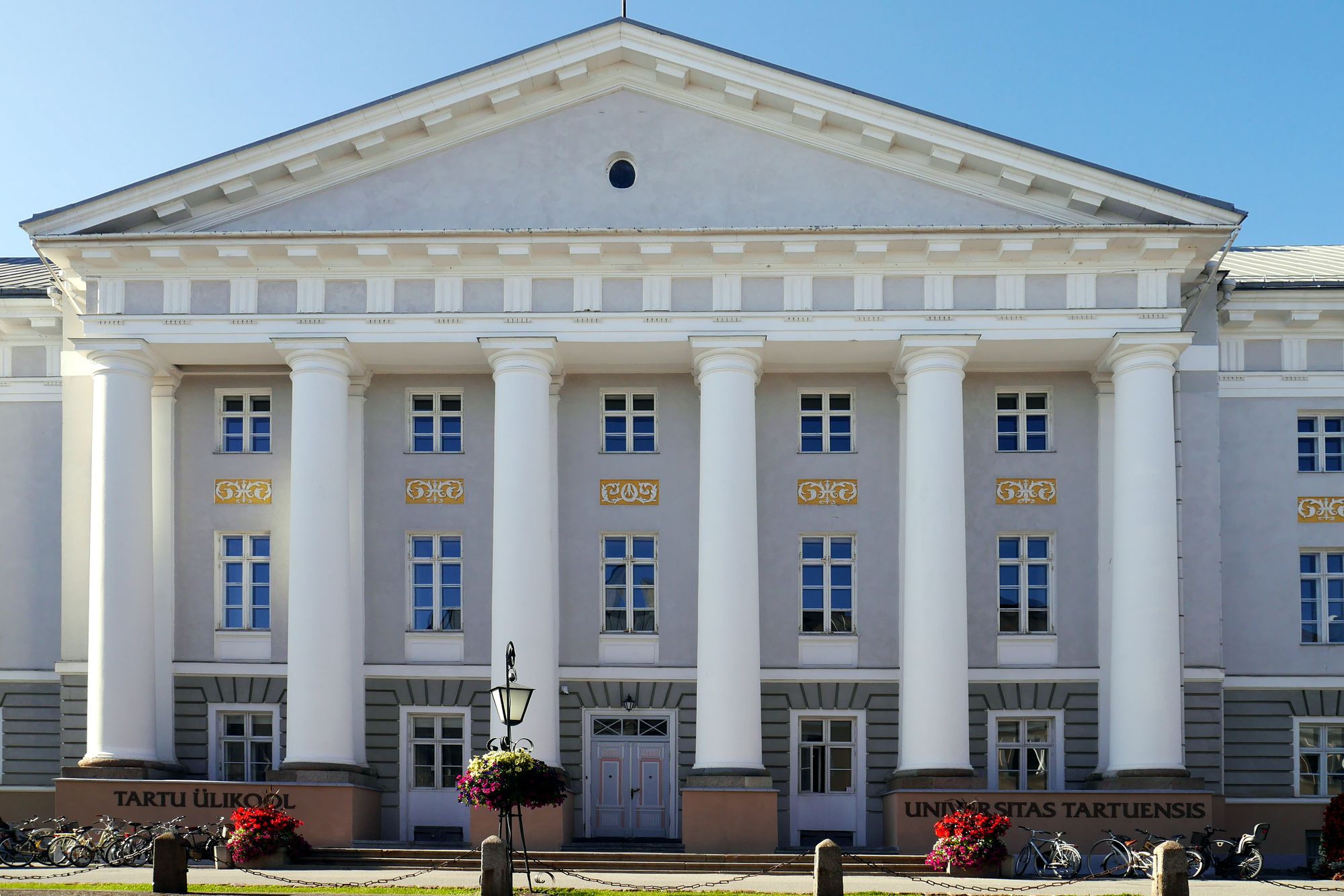
University of Tartu’s main building

The University of Tartu's main building is a truly remarkable and historically significant structure located in Tartu's Old Town. The building was designed by the university's architect, Johann Wilhelm Krause, and constructed between 1804 and 1809. It was inaugurated with a ceremonial event on July 3, 1809, and since then, it has been the central venue for the university, hosting all important celebrations, scientific and cultural events, and gatherings of the academic community. The main building's classical architecture, with its columned facade and dignified interior, has shaped Tartu as a university town. The main building houses the White Hall, where concerts, conferences, and ceremonial events take place. Another special attraction is the student prison in the attic, which offers an intriguing insight into the strict rules of 19th-century student life. Visitors can also explore the University of Tartu Art Museum in the main building. The main building can also be explored on a guided tour, organized through the University of Tartu Art Museum by prior appointment.

  • Churches

Tõrva Church – Chamber Hall

The Helme-Tõrva Apostolic Orthodox Church of the Birth of Christ was built in Valga Street in the years 1903 to 1904. Karl Shurin was in charge of the building work. The two domes and bell tower made the church one of the most imposing churches in the Viljandi Apostolic Orthodox Deanery. The church was seriously damaged during the fierce battles fought in September 1944 and it was only restored in 1990 as a chamber hall.Interesting facts: * the church was also used for salt and cement storage during the Soviet times; * the church-chamber hall currently belongs to the Lutheran church.

  • Collaboration
  • News
  • Contacts
  • Privacy Policy
Join our mailing list!

"*" indicates required fields

This field is for validation purposes and should be left unchanged.
I authorise marketing

South Estonia Tourism Cluster

info@visitsouthestonia.com