• Explore
    • Nature
    • Culture
    • Food
    • Family
    • Activity
    • Blog
    Smoke sauna
    Weather and seasons
  • Plan
    • Accommodation
    • How to get here
    • Weather and seasons
    • Sustainability
    • Tourist info
    Discover South Estonia’s Most Beautiful Manors and Castles
    Top 20 Sights in South Estonia
  • For professionals
    • For professionals
    • Collaboration
    • News
    • Projects
    • Training
    • Repository
    • Community (opens in new tab)
    • Contacts
ENG
  • EnglishENG
  • EestiEST
  • LatviešuLAT
  • РусскийRUS
  • SuomiFIN
ENG
  • EnglishENG
  • EestiEST
  • LatviešuLAT
  • РусскийRUS
  • SuomiFIN
Popular searches:
Show all
  • History & Culture
  • Architecture and history
  • Churches

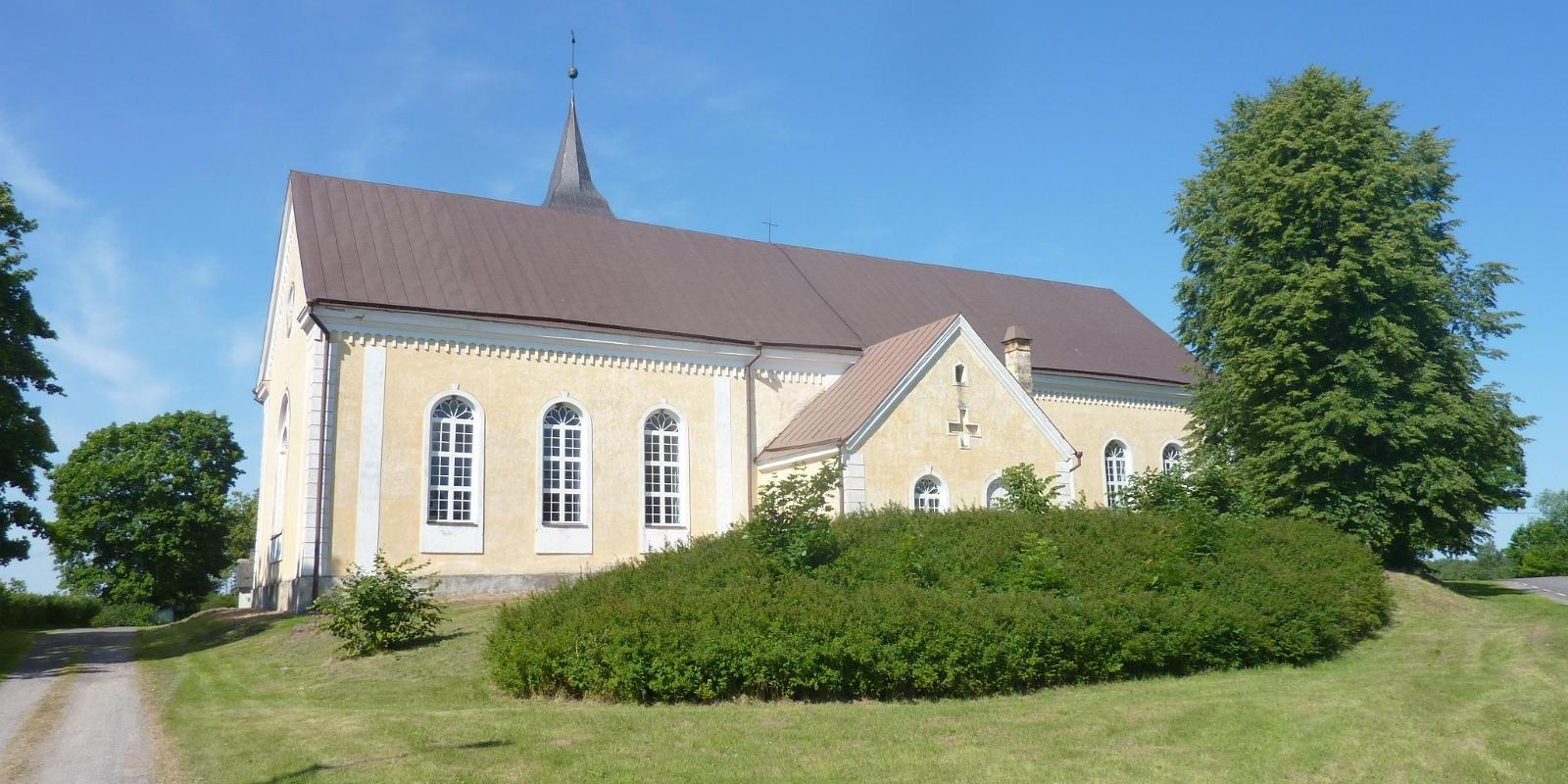
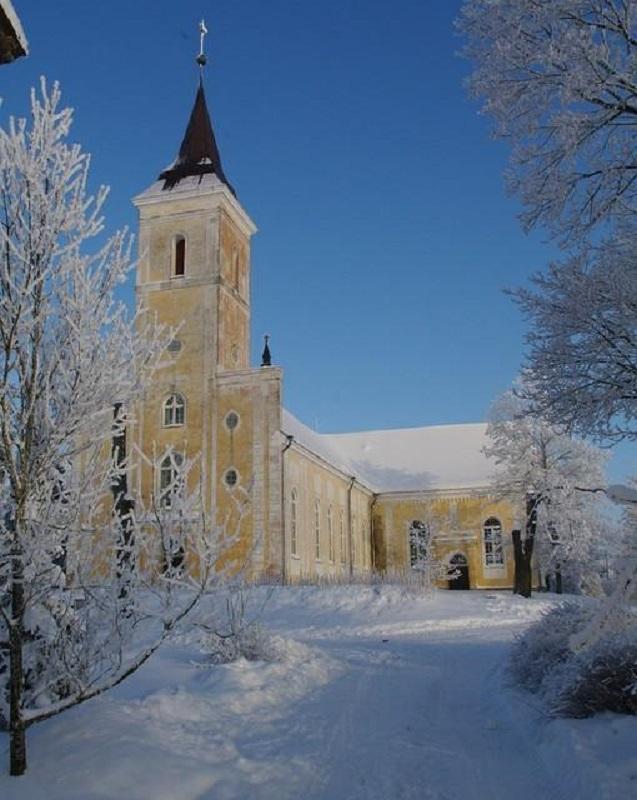
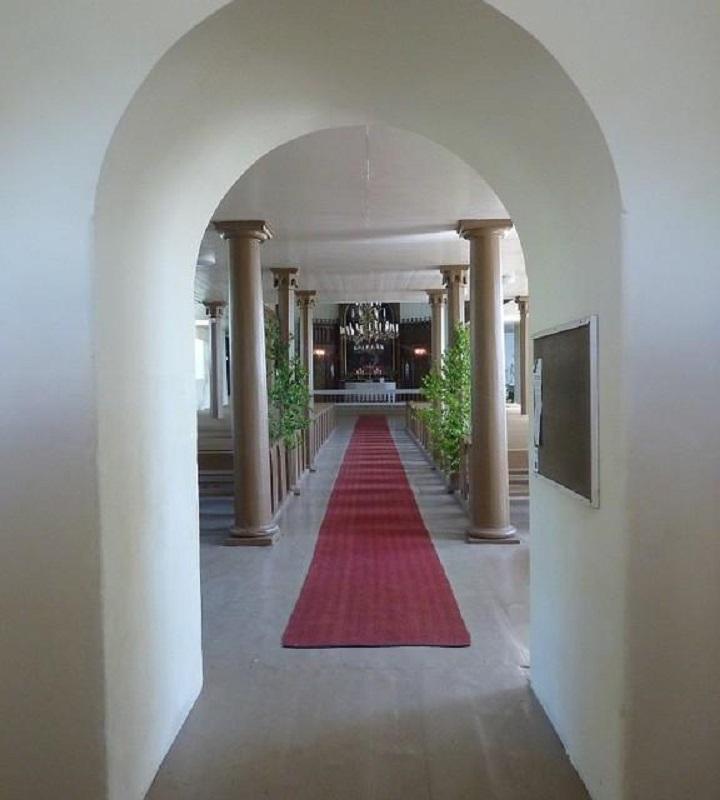
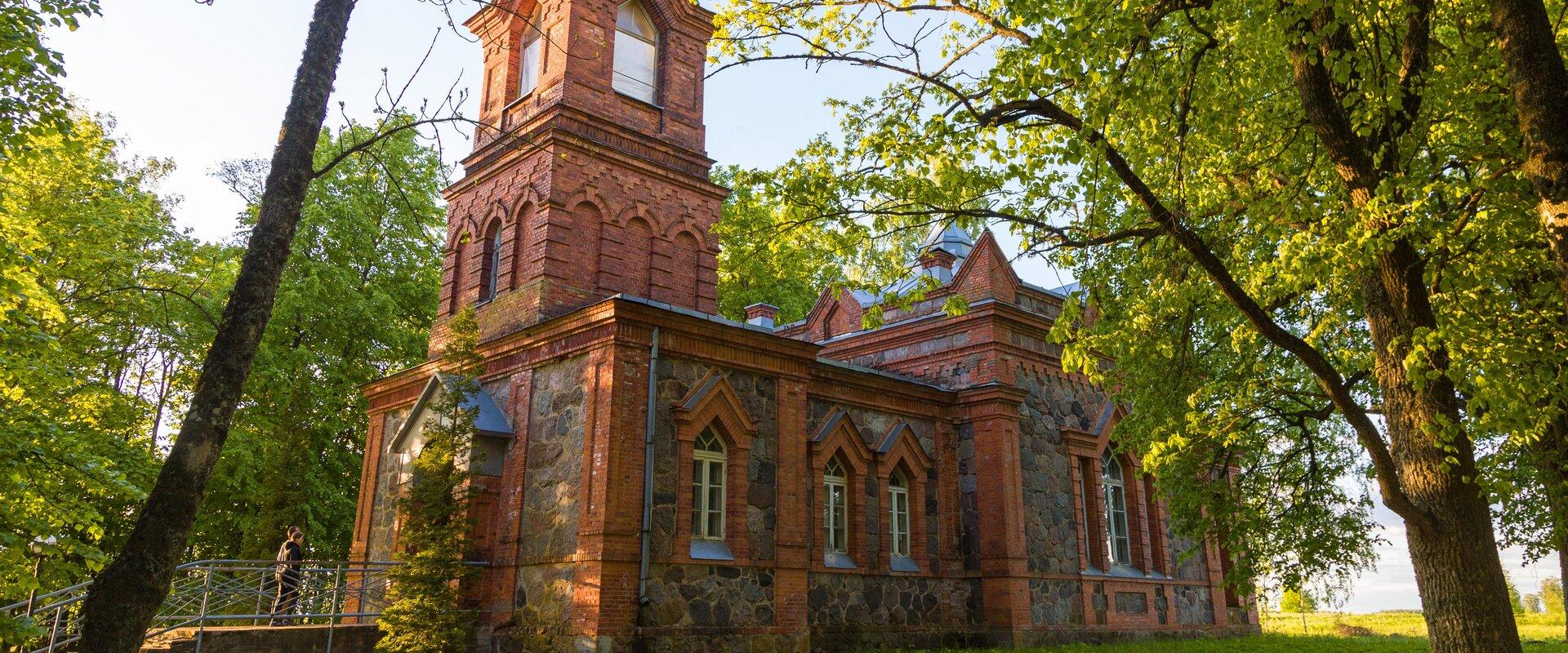
Võnnu St Jacob’s Church of the Estonian Evangelical Lutheran Church

Pargi tee 2, Kastre vald, Tartu maakond, 62401

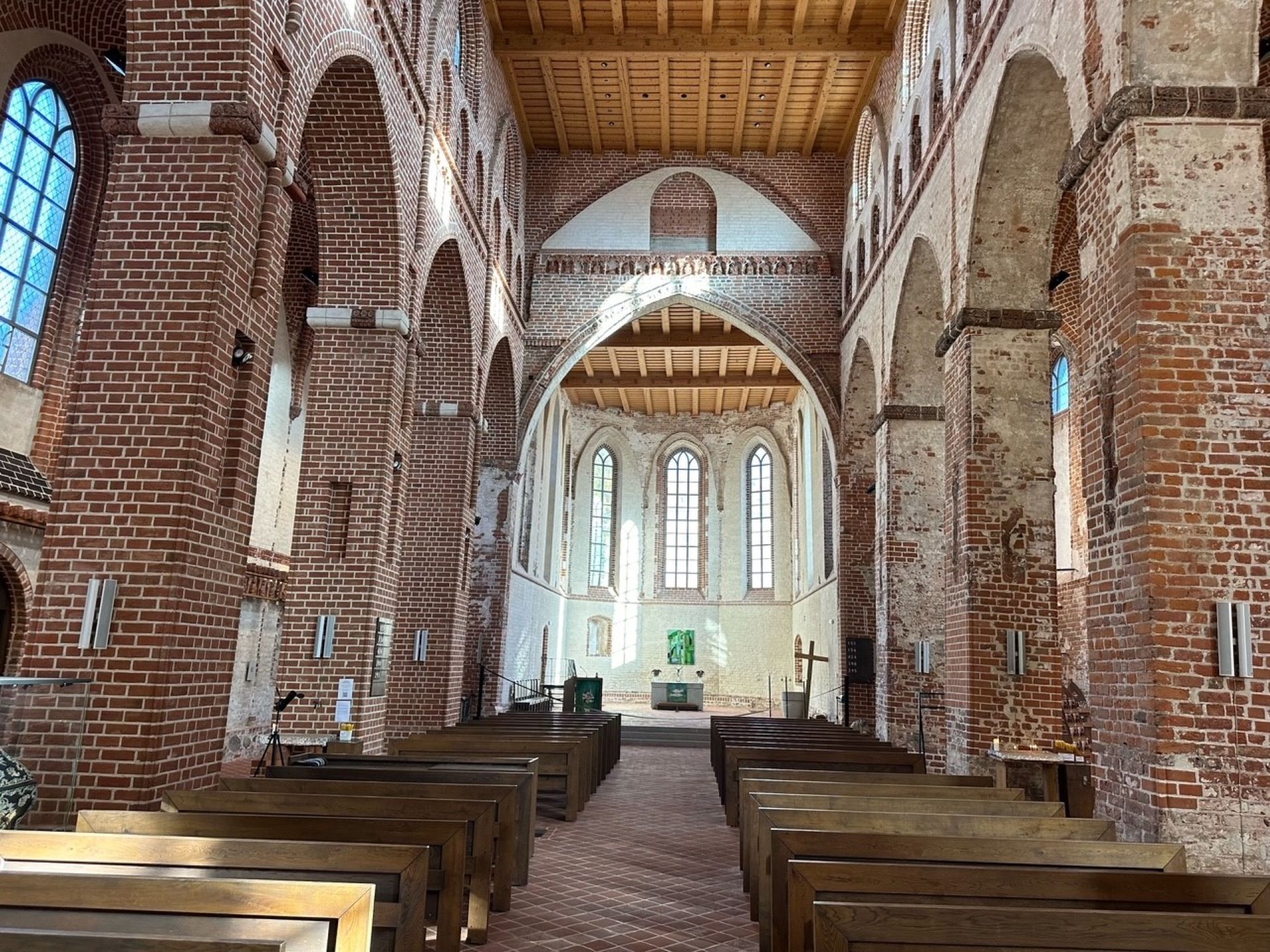
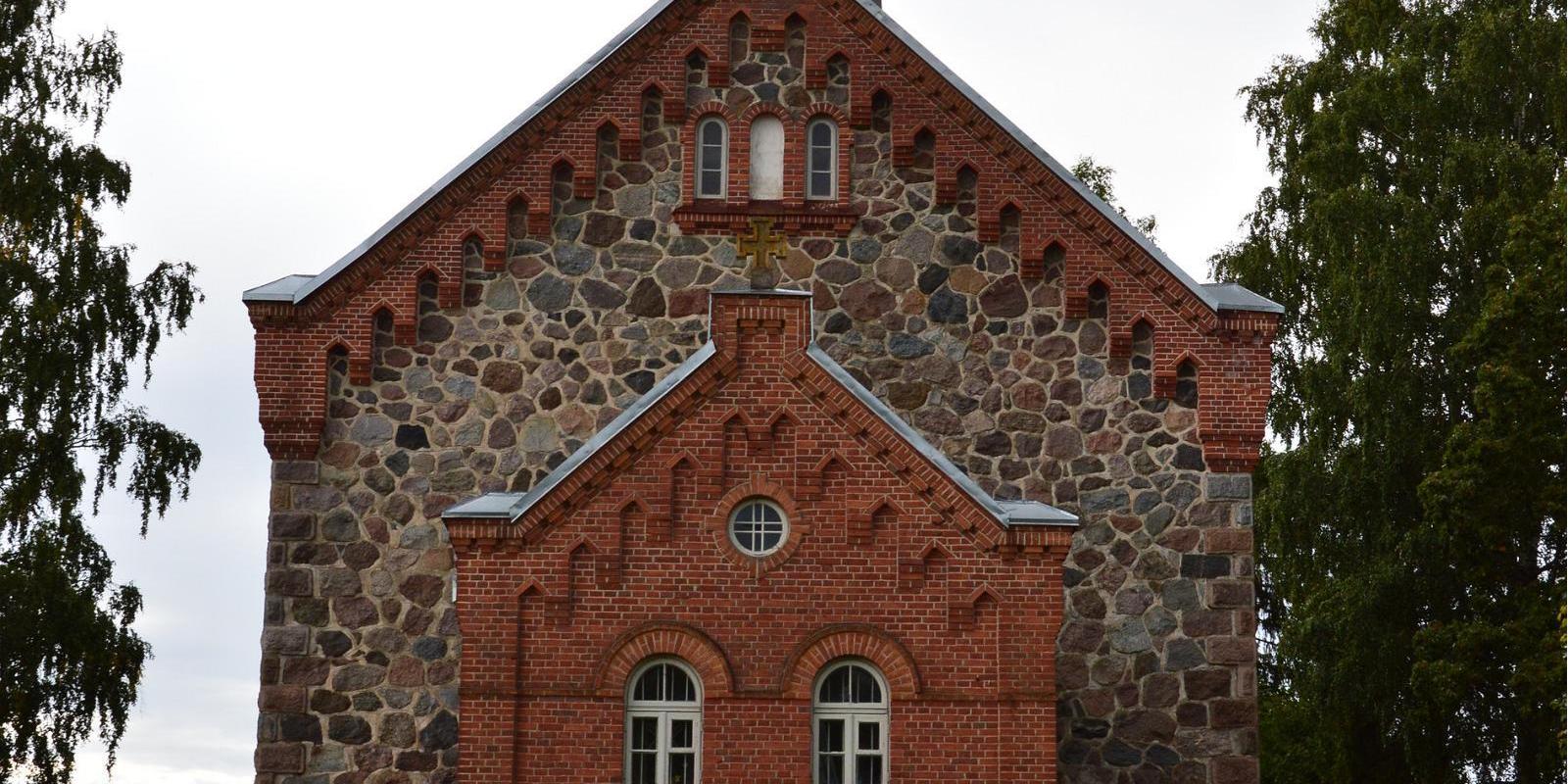
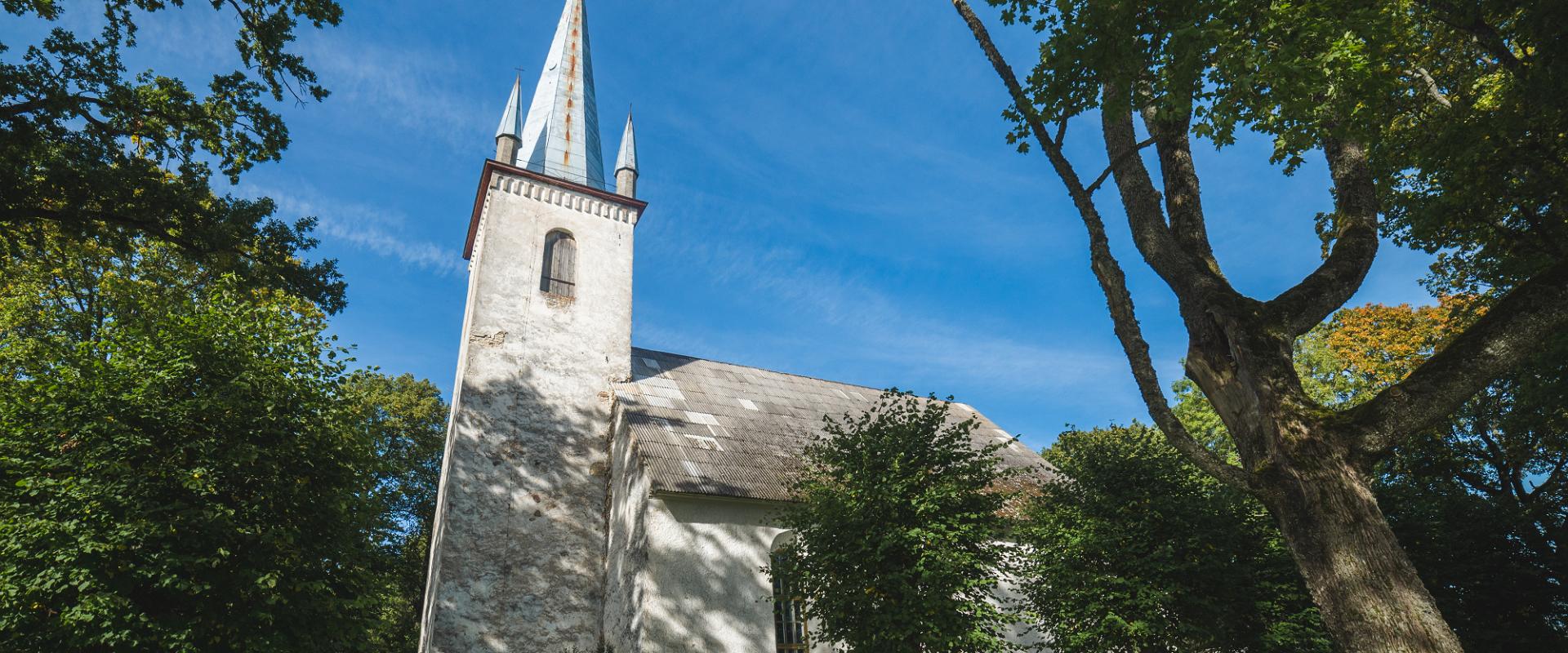
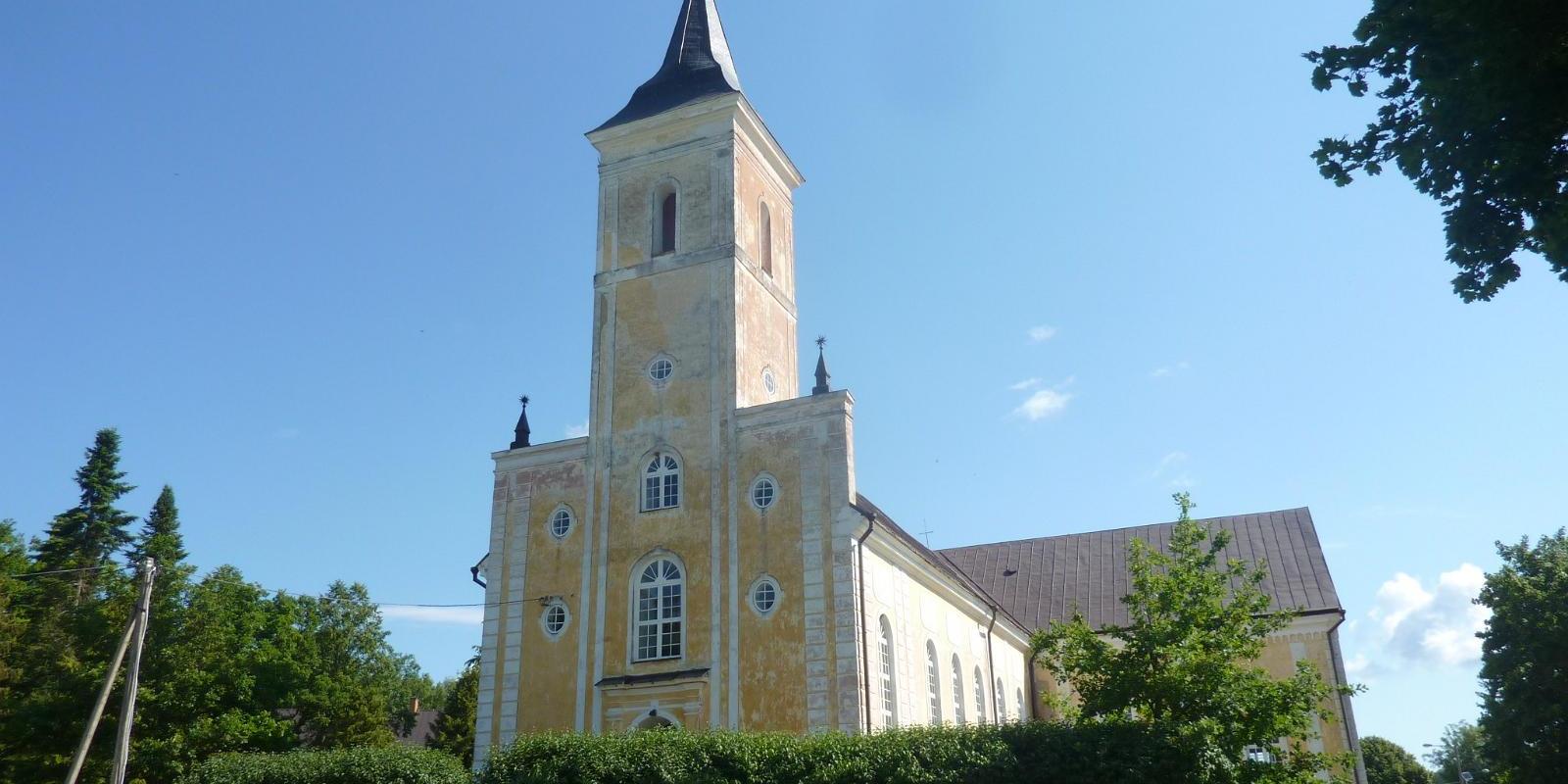
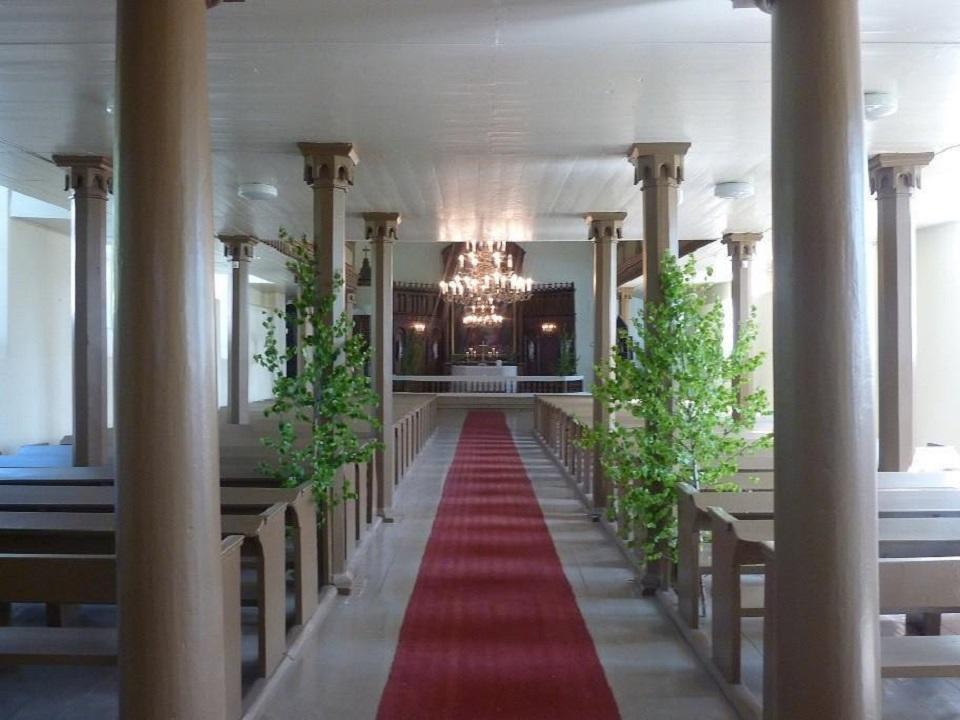
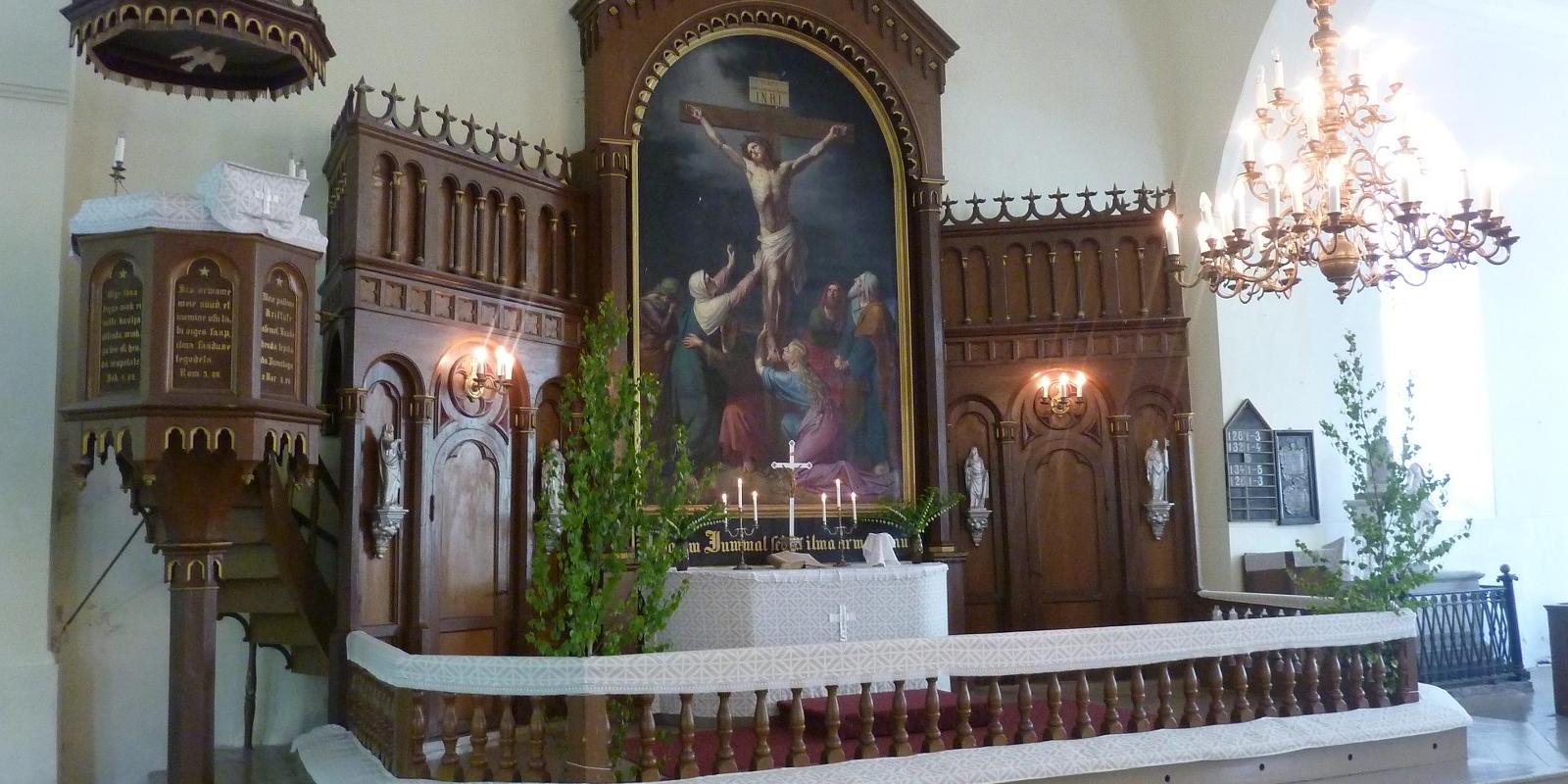
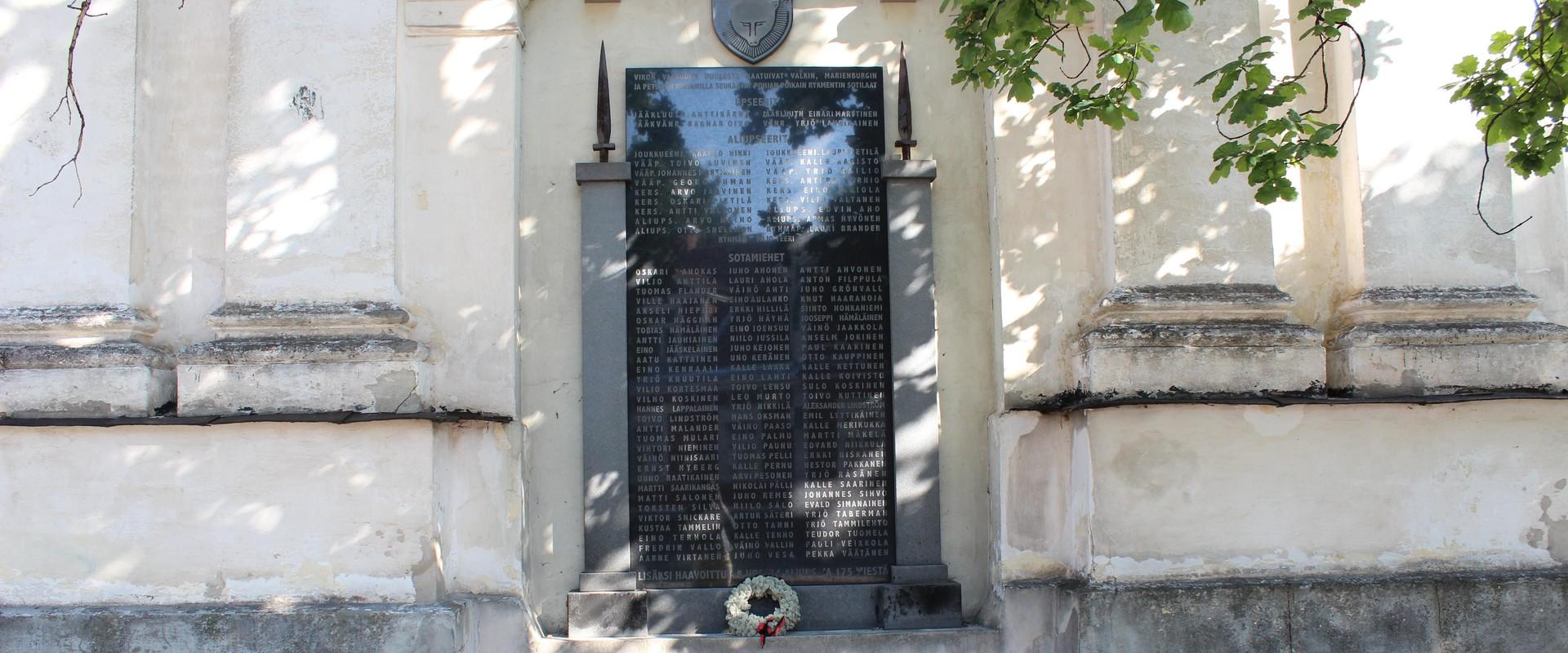
Come and see one of the biggest and oldest country churches in Estonia – Võnnu St Jacob’s Church. Church was built 1232-1236. The altar of the church is adorned by the painting ‘Christ on the Cross’ (Otto von Moeller, 1873). Several buildings of the rectory (19th century) are architectural monuments. The church is surrounded by a 2 ha park established in the beginning of the 19th century.Interesting facts: – the organ of Võnnu Church (1895) is considered one of the clearest sounding instruments in Estonia; – the classicist tomb monument to R von Nolcken, who fell in the Battle of Borodino, can be seen in the church (sculptor Paolo Triscorni).
Amenities

  • Free parking

Open times

Throughout the Year

Eeltellimsel

Contact

  • +372 5293100
  • vonnu@eelk.ee

Links

See more

  • Churches

Tartu Saint George the Martyr Church of the Russian Apostolic Orthodox Church

An orthodox congregation was established in Tartu in 1845 and Priest Joosep Shestakovski (1856–1888) initiated the building of an orthodox church. Tartu Saint George the Martyr Church was built using donations from the congregation and it was consecrated in honour of Saint George by Bishop of Riga and Mitav Benjamin in 1870.

  • Churches

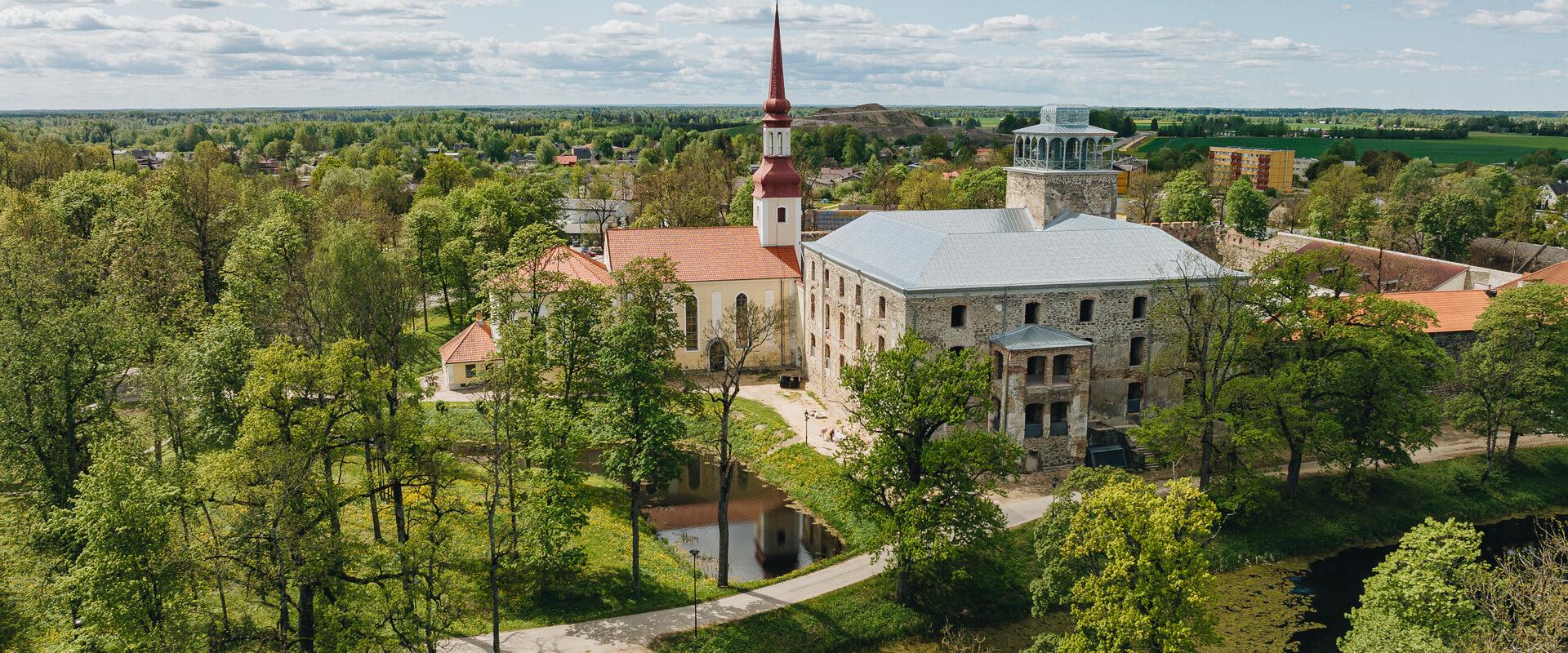
St. Nicholas’ church, Põltsamaa

This Lutheran church, originally constructed on a bastion and the town's walls, was restored from its war-time ruins 50 years ago. Its altar, pulpit, lights and tower bells (XIX) are from the now defunct University of Tartu church.

  • Churches

Tartu Uspenski Cathedral of the Estonian Apostolic Orthodox Church

Construction of the Tartu Uspenski Cathedral started by the order of Peter I after the Northern War and it was consecrated in 1783. The church was established on the foundation of the Dominican Convent Church. It was initially built in the shape of a cross and was given its quadrangular shape in 1840. Interesting facts: - a chapel to St Isidor, who died as a martyr, was established in the church in the course of its extension; ‑ the Bolsheviks killed 19 innocent people in the cellar of Krediidikassa 80 years ago. Their victims, archpriests Bleive and Berzhanitski, are buried in Uspenski Church.

  • Churches

Rannu Apostolic Orthodox Church

The Apostolic Orthodox Church in Rannu (Rannu Orthodox Church) was built during 1899-1901 and consecrated on 5 May 1905 to celebrate Jesus going to Jerusalem. Therefore the church is also called the Rannu Church of the Lord Going to Jerusalem.The activities of the Orthodox congregation were terminated in 1961 and the church was used as the warehouse of the Rannu collective farm. In the 1980s, Rannu State Farm decided to make amends for the injustice and restored the church. The church has been previously used as a concert venue due to its excellent acoustics.Currently the church is not used for services.

  • Churches

Kükita Old Believers Prayer House of the Estonian Association of Old Believers Congregations

The first prayer house of Old Believers in Estonia is located in Kükita. The Kükita Prayer House was consecrated on September 14, 1740. During the war of 1812, the Cossack Old Believers donated a chandelier to the Prayer House. There were a total of 397 Old Believers in the list of parishioners of the Kükita congregation by 1833. The current Prayer House was built in 1948 in place of the one destroyed in World War II.Old Believers have services every Sunday and on all holidays (Christmas, Pascha and Epiphany).

  • Guided tours
  • Churches

Varnja Old Believers Prayer House of the Estonian Association of Old Believers Congregations

The big beautiful prayer house in Varnja Village on the shores of Lake Peipus was funded and built by the congregation itself. Most of the many icons of the prayer house date back to the start of the 20th century.Visitors can only enter the church with a reservation.The cost of a single visit for a group starts from 50 euros. Visitors get an interesting overview of the life and history of the Old Believers from a local guide who is also an Old Believer. The excursion may last for about an hour - the visit and a warm experience are worth it!Reminder: Women are asked to enter the prayer house with a covered head.We ask you not to take photos or videos in the prayer house.

  • Churches

Valga Roman Catholic Church of the Holy Spirit

The church was built of natural stone and bricks in 1907. Lithuanian and Polish railway workers were actively involved in building the church. The church operated until 1940 and from 1945, the building was used as a warehouse and later as a gym.The extension of the church was built in 1995 and the church was renovated. Interesting facts: * the church does not have a tower as the imperial government of Russia refused to give permission to build one.

  • Churches

Miikse Church

The Miikse St. John the Baptist Church is a small wooden Orthodox church located in the southeastern corner of Estonia in Setomaa. What makes this church special is its story. It was built in 1953, during the Soviet era, when religion and church construction were not encouraged. However, the local people took a bold step and built the church themselves, often working in the evenings and at night to avoid the authorities' attention. Today, Miikse Church is once again a symbol of the strength and perseverance of the Seto community, where the local community restored the dilapidated sanctuary into a new and striking Seto church. The altar and icons were preserved, but the new facade features a lace-like pattern using Seto colors (red, blue, and sheep's wool white) and Seto belt patterns. The church's surroundings also include an old cemetery and sacred stones, which lend the place a special historical and spiritual atmosphere. The church is open once a month during service, and at other times, access can be arranged by agreement with the church elder (who communicates in Estonian and Russian). For a foreign-language tour of Setomaa, we recommend booking a local guide.

  • Collaboration
  • News
  • Contacts
  • Privacy Policy
Join our mailing list!

"*" indicates required fields

This field is for validation purposes and should be left unchanged.
I authorise marketing

South Estonia Tourism Cluster

info@visitsouthestonia.com