• Explore
    • Nature
    • Culture
    • Food
    • Family
    • Activity
    • Blog
    Smoke sauna
    Weather and seasons
  • Plan
    • Accommodation
    • How to get here
    • Weather and seasons
    • Sustainability
    • Tourist info
    Discover South Estonia’s Most Beautiful Manors and Castles
    Top 20 Sights in South Estonia
  • For professionals
    • For professionals
    • Collaboration
    • News
    • Projects
    • Training
    • Repository
    • Community (opens in new tab)
    • Contacts
ENG
  • EnglishENG
  • EestiEST
  • LatviešuLAT
  • РусскийRUS
  • SuomiFIN
ENG
  • EnglishENG
  • EestiEST
  • LatviešuLAT
  • РусскийRUS
  • SuomiFIN
Popular searches:
Show all
  • History & Culture
  • Architecture and history

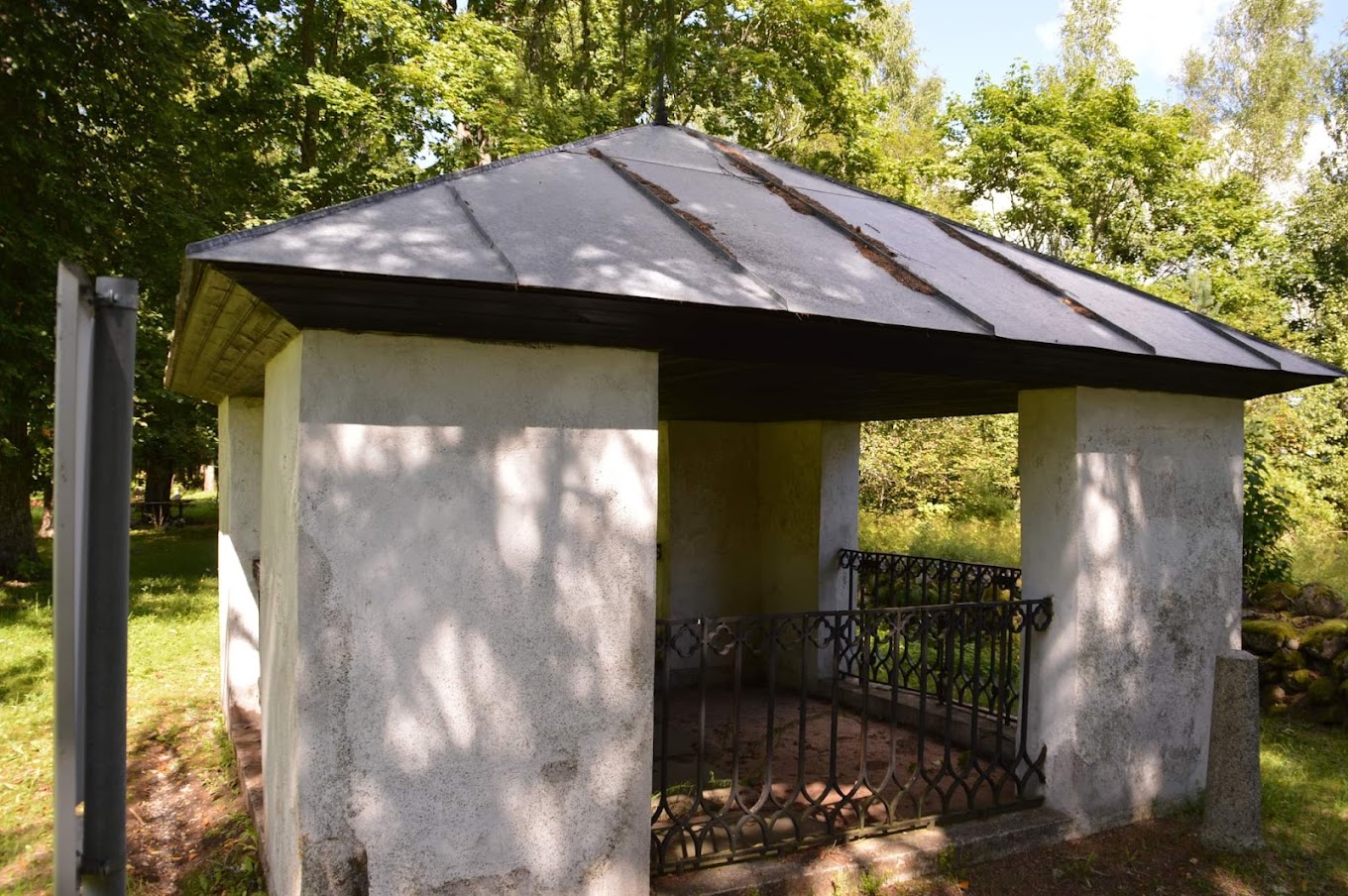
Mats Erdell Chapel in Ala Cemetery

Tõrva vald, Valga maakond, 68507

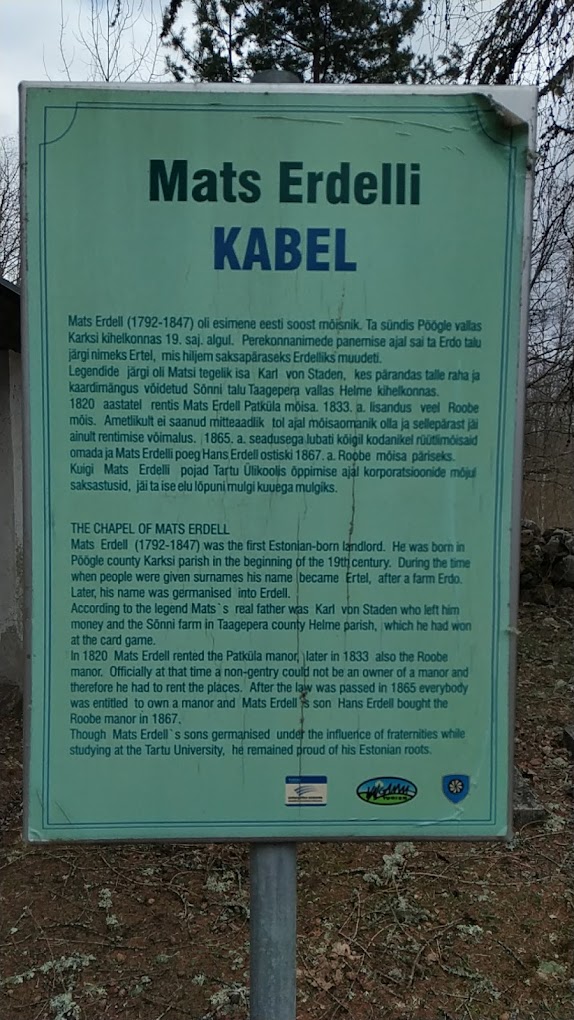
Ala Cemetery is not far from Taagepera and the chapel of the first Estonian squire Mats Eredell is located in its southern end. It is also the resting place of Mats’s wife Kärt, son Friedrich Bernhard and another descendant of Mats. Mats Eredell was the owner of the Sõnni Farm in Taagepera. One of his descendants, Hans Erdell, bought the Roobe Manor in 1868. It was one of earliest purchases of its kind in the history of Livonia.Interesting facts:
Mats Erdell (1792-1847) was the first Estonian squire.
Amenities

  • Free parking

Open times

Throughout the Year

Around the Clock

Links

See more

  • Green Key
  • Family friendly
  • Virtual reality (VR)

Estonian Sports and Olympic Museum

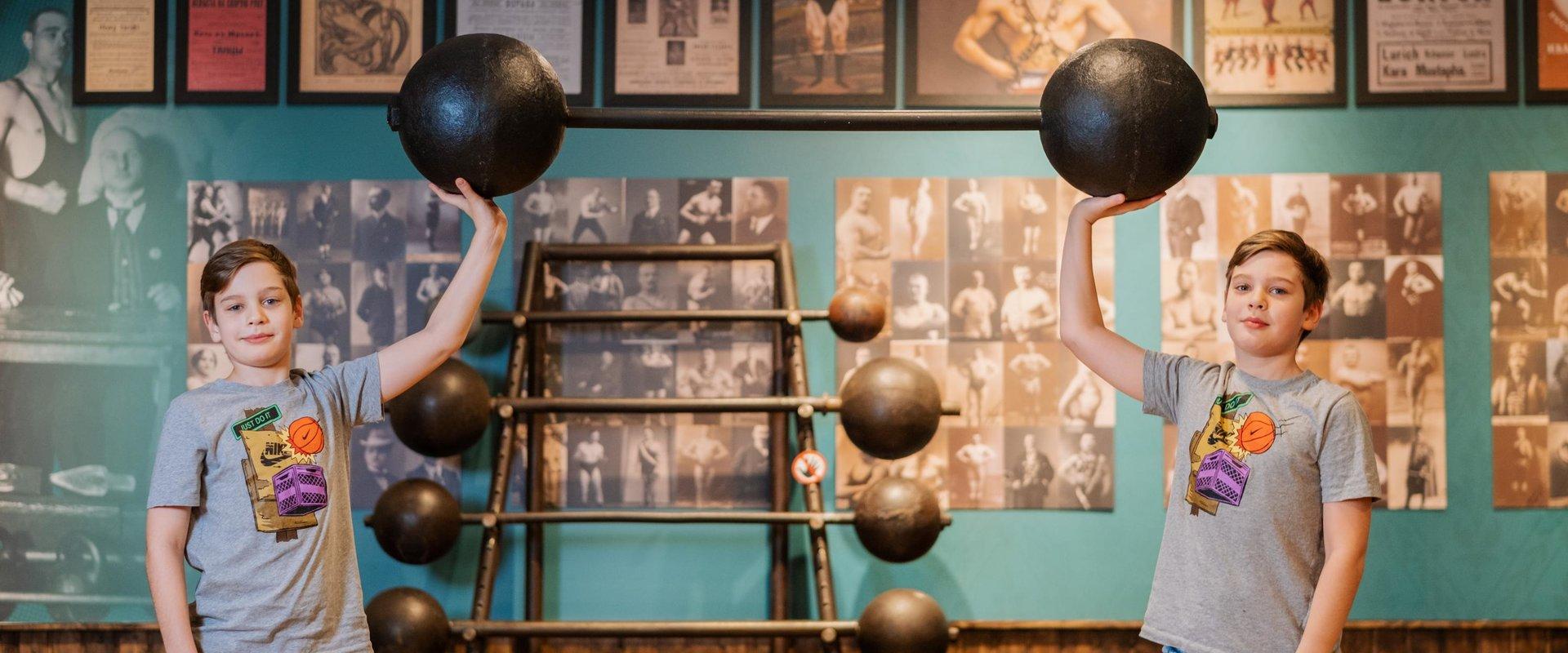
The Estonian Sports and Olympic Museum, located in the center of Tartu, is the largest and most modern interactive museum in the Baltics. Every sports fan will feel like a winner! The permanent exhibition "The Story of Estonian Sports" features the most interesting moments of Estonian sports, from heroic deeds to doping dramas. The museum offers visitors over 15 interactive attractions and is home to the Estonian Sports Hall of Fame. Several hands-on attractions are especially exciting, such as VR with legendary sports arenas and stars, an interactive basketball corner, a retro room, a commentator's corner, a historical gym, and more. Come and discover the exciting world of sports with friends and family!

  • Guided tours

Mustvee Old Believer’s Museum

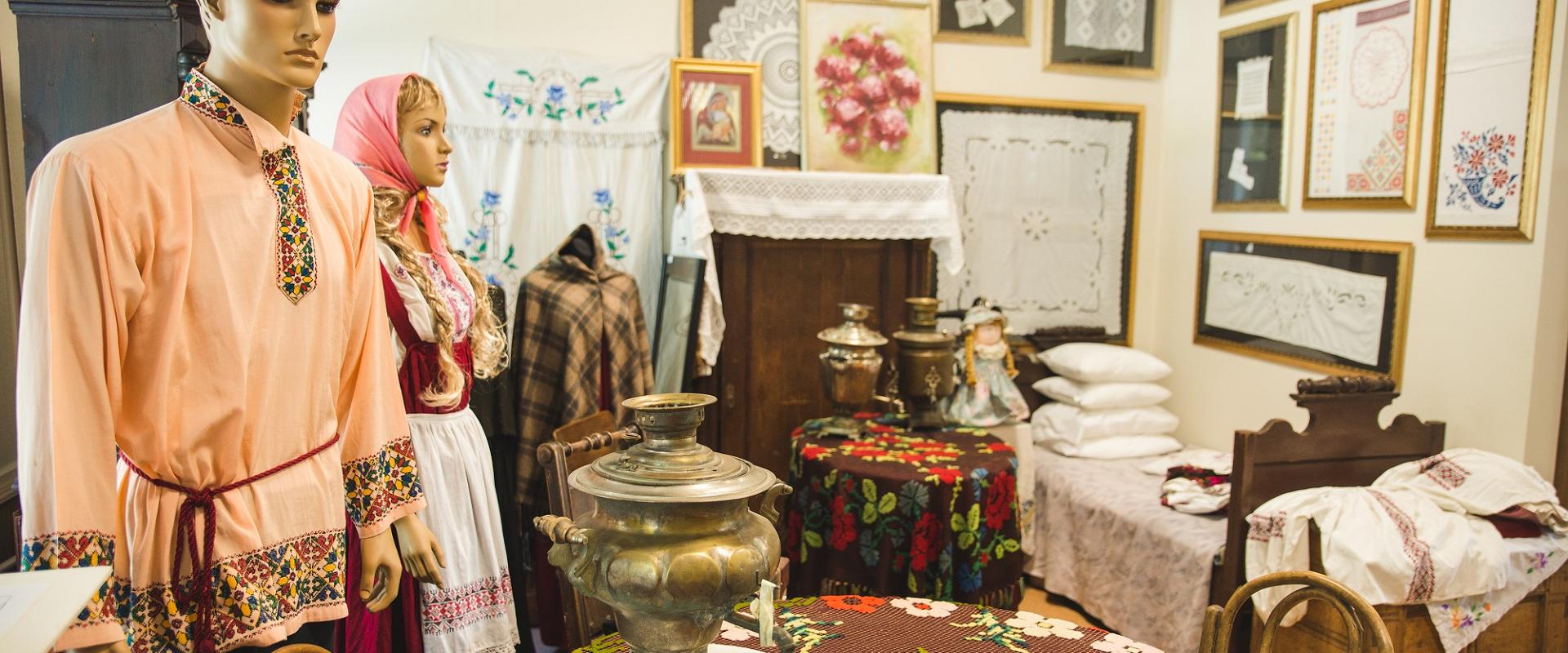
Mustvee Old Believer’s Museum is one of the 21 places in Southern Estonia worth discovering that are marked by a yellow National Geographic window; all those interested in culture and history should definitely pay a visit.The exhibits give an overview of the culture of Old Believers both in the past and in the present. The collection includes samovars, irons, clothes worn by the Old Believers, commodities, furniture and fishing equipment. Also on display – J. Kolpakov’s paintings of the churches of Mustvee, P. Mihhailov’s and his son’s wood engravings and L. Korobova’s paintings and drawings of Lake Peipus.

Tartu Gunpowder Cellar

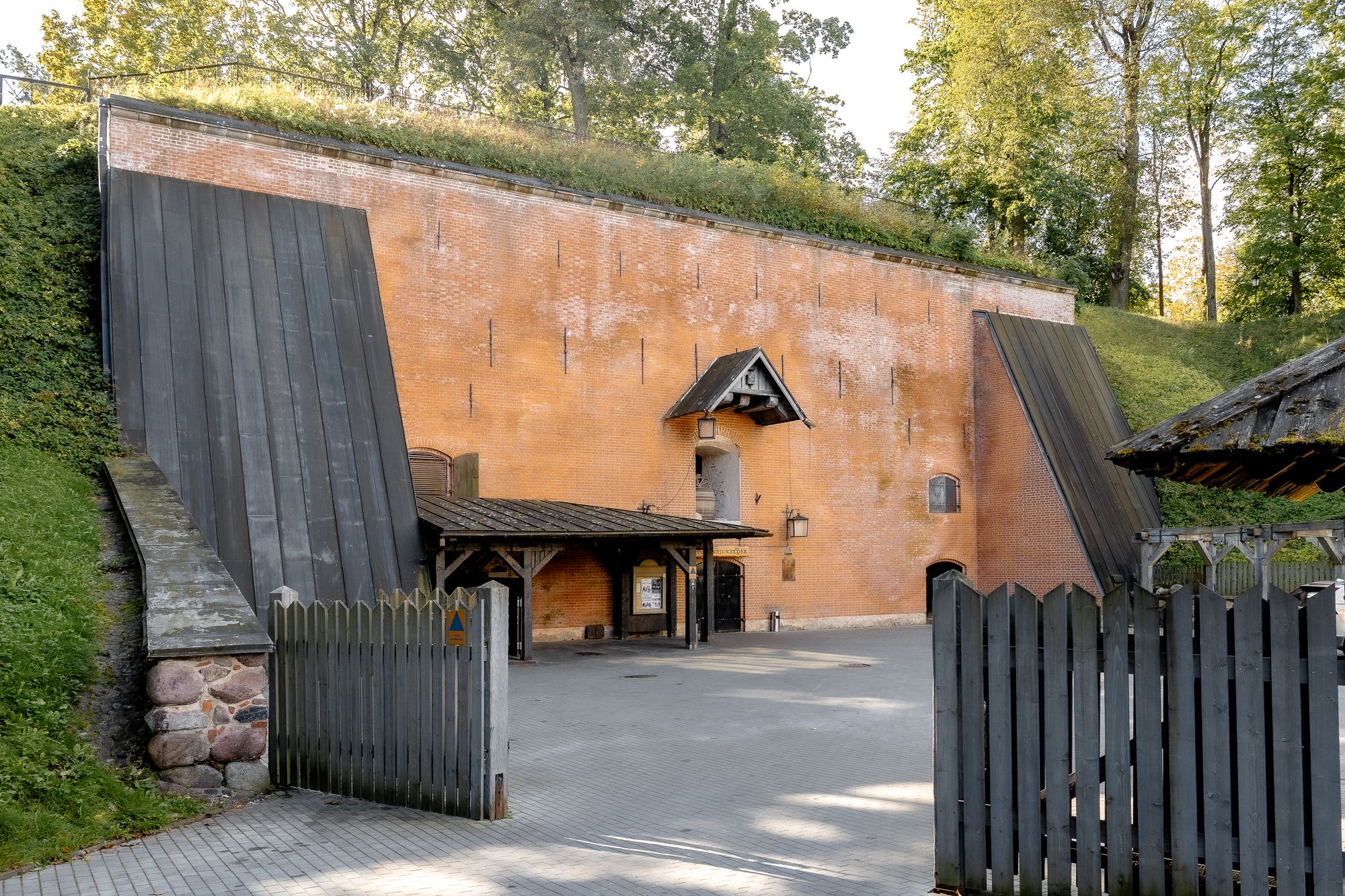
Located on the slope of Tartu's Toome Hill Park, the Gunpowder Cellar is a unique historical building that today operates as a restaurant. The building was established in 1767 in a moat separating the bishop's castle from the surrounding area, and it was used as a gunpowder cellar until 1809. Bricks from the ruins of the medieval St. Mary's Church and the bishop's castle walls were used for its construction. Thanks to its thick stone walls and underground location, the building was well-suited for storing gunpowder. Later, the building was used as a beer cellar, and at the end of the 19th century, it was also used by the University of Tartu for scientific research, including studies on earthquakes and magnetic phenomena. From 1982 to 1999, the Gunpowder Cellar operated as a well-known café-restaurant, and in 2000, it reopened as a pub. The Gunpowder Cellar is unique for its 11-meter-high ceiling and is listed in the Guinness World Records as the pub with the highest ceiling. Today, it is a popular meeting place offering good beer, hearty food, and live music in a historical setting.

St. Mary’s Church in Tartu

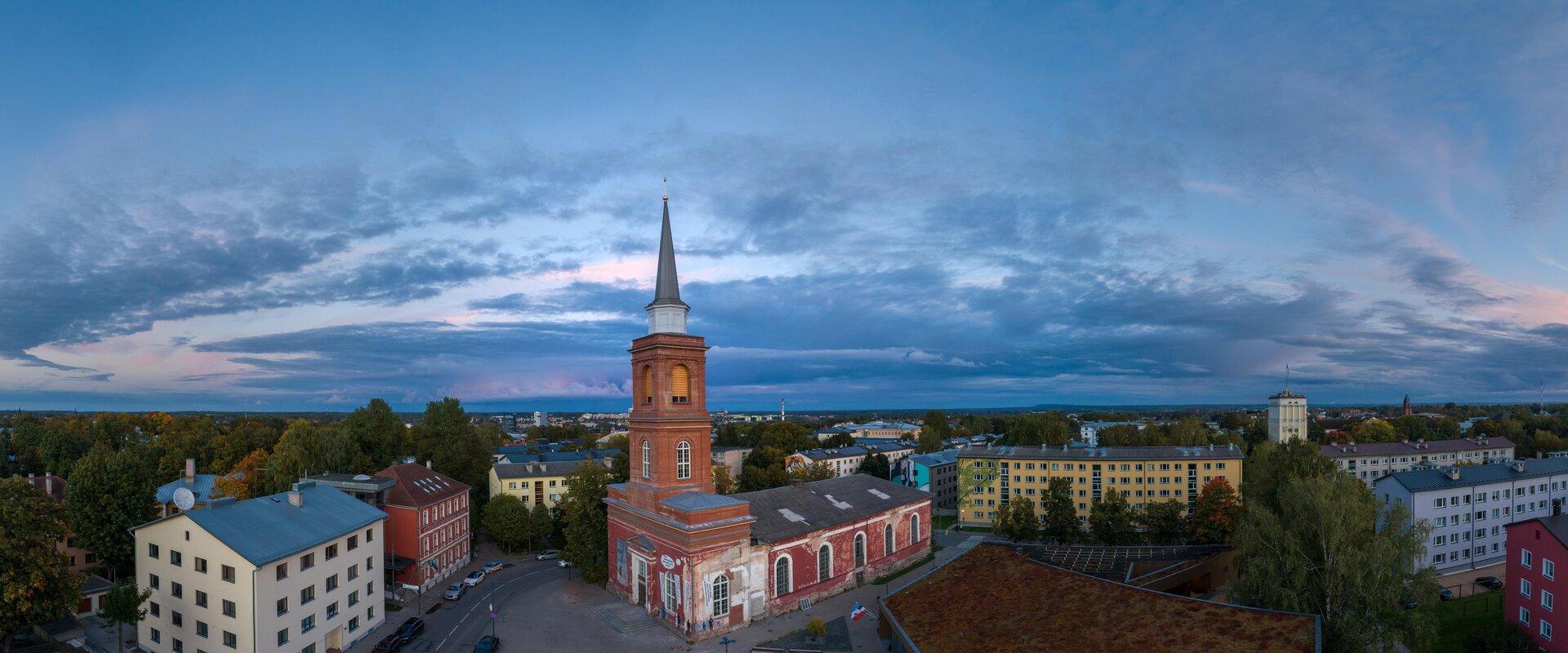
St. Mary’s Church in Tartu was built in 1842 to be the home church of the city of Tartu and the Estonians in the parish. Prominent parish members included, for example, M. Härma, L. Koidula, and J. V. Jannsen. In 1869, the first Estonian song festival was initiated in St. Mary's Church in Tartu, which is why the church is also called the cradle of the song festival.The church was destroyed on July 12, 1941 and was reconstructed as a gym for the Estonian Academy of Agriculture. The church remained as a sanctuary for sports in Tartu for almost 50 years.The church was returned to the parish again in 2009 and is presently being restored. In 2022 the restoration works of the tower, which had been demolished while turning the church into a gym, were finished. A golden rooster stands guard on the tower.

  • Sculptures

‘The Kissing Students’ sculpture and fountain

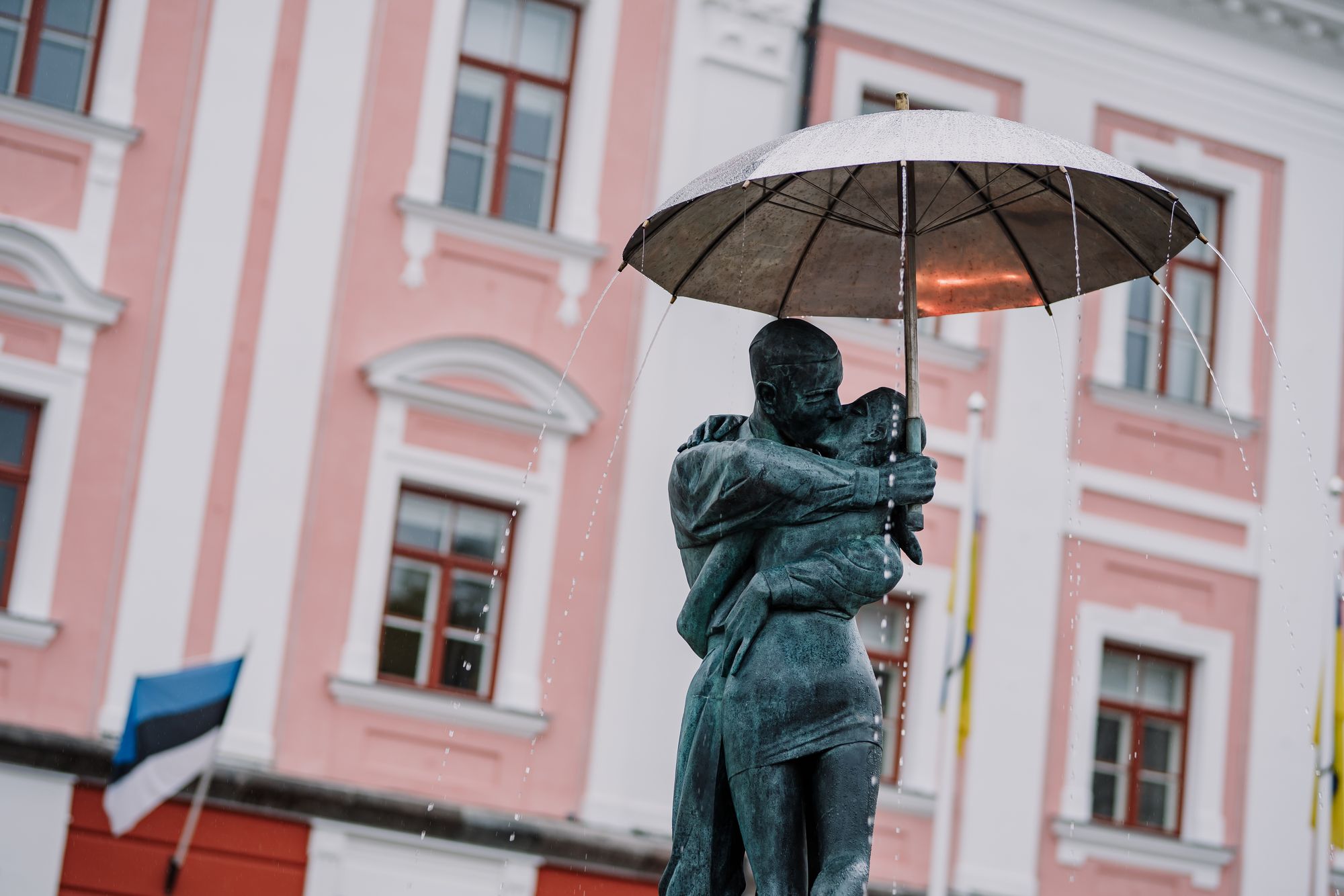
'The Kissing Students' sculpture and fountain is one of the most recognised symbols of Tartu. The fountain has stood in the same place since 1948, when newlyweds and their guests would visit it for luck, and people would also take a dip in it. The sculpture was created by Mati Karmin and completed in 1998. Since 2006 the fountain has been surrounded by tiles bearing the names of Tartu's sister cities – Bærum, Deventer, Ferrara, Fredriksberg, Hafnarfjörður, Hämeenlinna, Kaunas, Lüneburg, Pihkva, Riia, Salisbury, Tampere, Turu, Uppsala, Veszprem and Zutphen. Each of these is situated in the direction that the cities lie from Tartu, with the distances marked.

  • Family friendly
  • Guided tours

Põltsamaa Museum

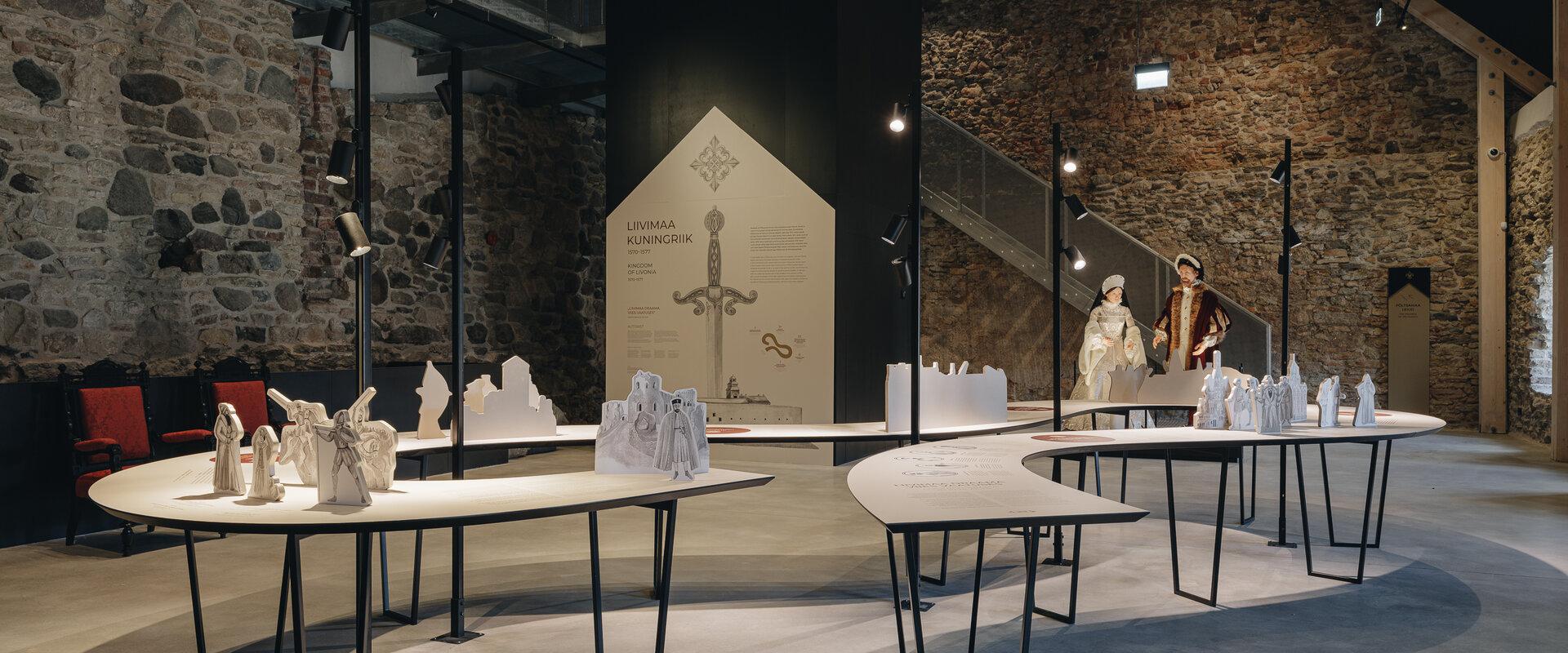
Põltsamaa Museum is located within the walls of the ancient Põltsamaa Ordensburg. Põltsamaa Museum gives an overview of the glorious past of the stronghold, town and the parish: Interesting facts: During the Livonian War the castle was the residence of the King of Livonia In the 19th century the castle was a Rococo style castle, a flourishing centre of culture and industry.

  • Sculptures

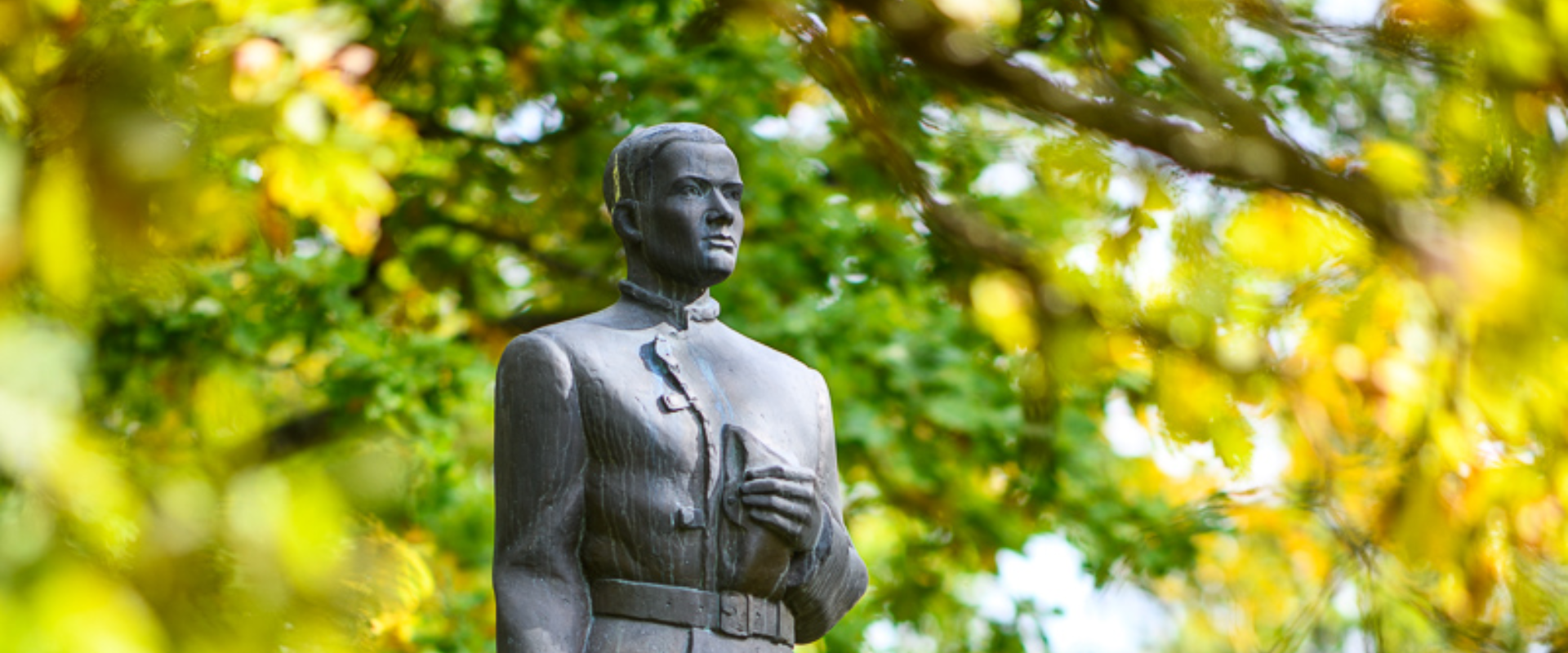
War of Independence Memorial Column

The memorial column erected in 1928 to commemorate those who fell in the War of Independence stands in the park next to Tõrva Upper Secondary School. The author of the monument is Aleksander Eller. The monument was taken down by local communist authorities during the Second World War in 1940 and it was reopened on Victory Day, 23 June 1990.Interesting facts: Schoolboys gave the monument the friendly name Juku.

  • Sculptures

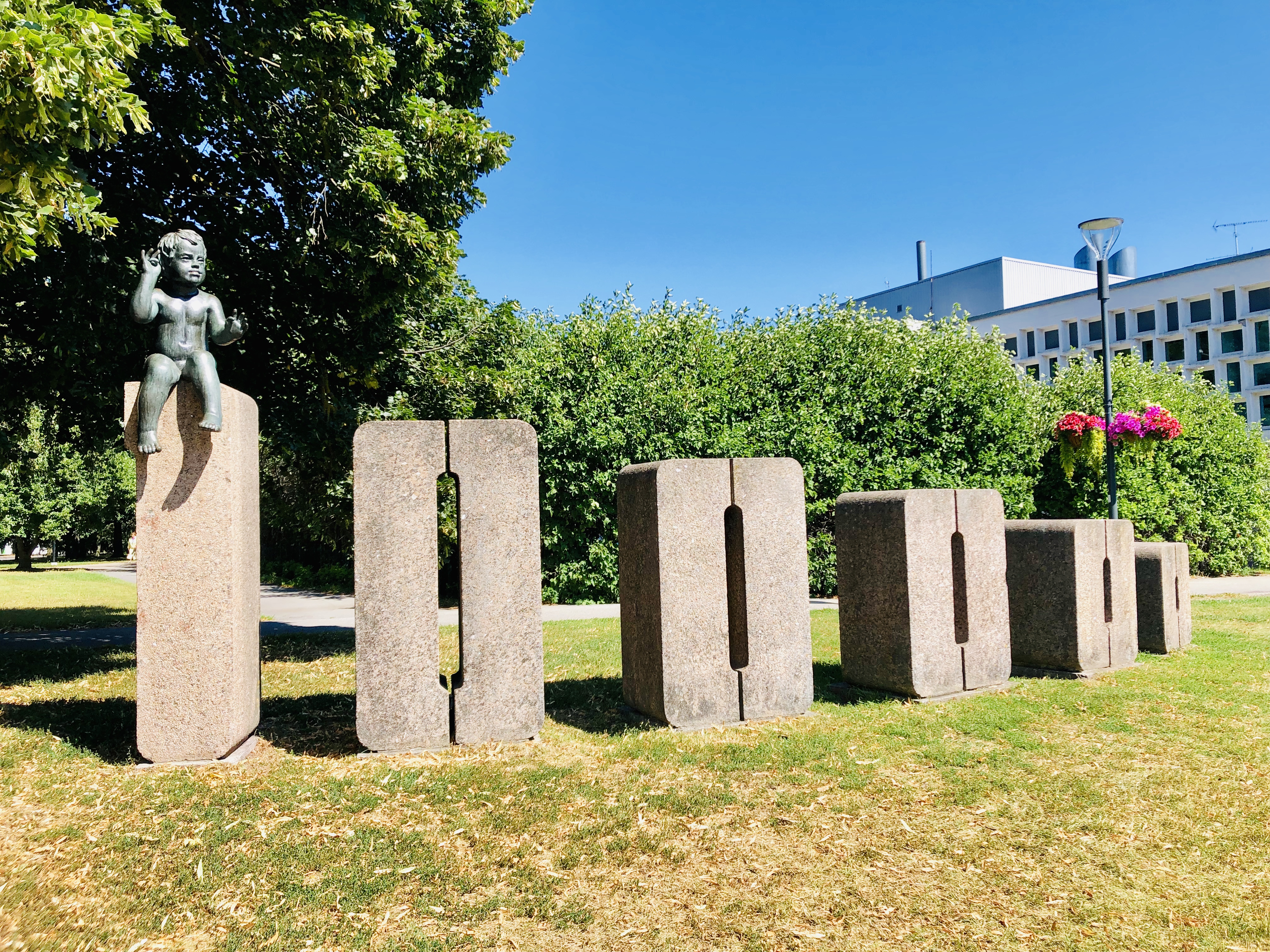
Group of sculptures to celebrate the birth of the 100,000th resident of Tartu

The monument consists of the number 100,000 carved of granite with the bronze sculpture of a child sitting on number 1. The monument celebrating the birth of the 100,000th Tartu resident was initially located in the green area between the former Restaurant Kaunas and the Võidu Bridge. The monument was moved onto the banks of the Emajõgi River between Atlantis and Kaarsild.

  • Collaboration
  • News
  • Contacts
  • Privacy Policy
Join our mailing list!

"*" indicates required fields

This field is for validation purposes and should be left unchanged.
I authorise marketing

South Estonia Tourism Cluster

info@visitsouthestonia.com