• Explore
    • Nature
    • Culture
    • Food
    • Family
    • Activity
    • Blog
    Smoke sauna
    Weather and seasons
  • Plan
    • Accommodation
    • How to get here
    • Weather and seasons
    • Sustainability
    • Tourist info
    Discover South Estonia’s Most Beautiful Manors and Castles
    Top 20 Sights in South Estonia
  • For professionals
    • For professionals
    • Collaboration
    • News
    • Projects
    • Training
    • Repository
    • Community (opens in new tab)
    • Contacts
ENG
  • EnglishENG
  • EestiEST
  • LatviešuLAT
  • РусскийRUS
  • SuomiFIN
ENG
  • EnglishENG
  • EestiEST
  • LatviešuLAT
  • РусскийRUS
  • SuomiFIN
Popular searches:
Show all
  • Architecture and history
  • History & Culture

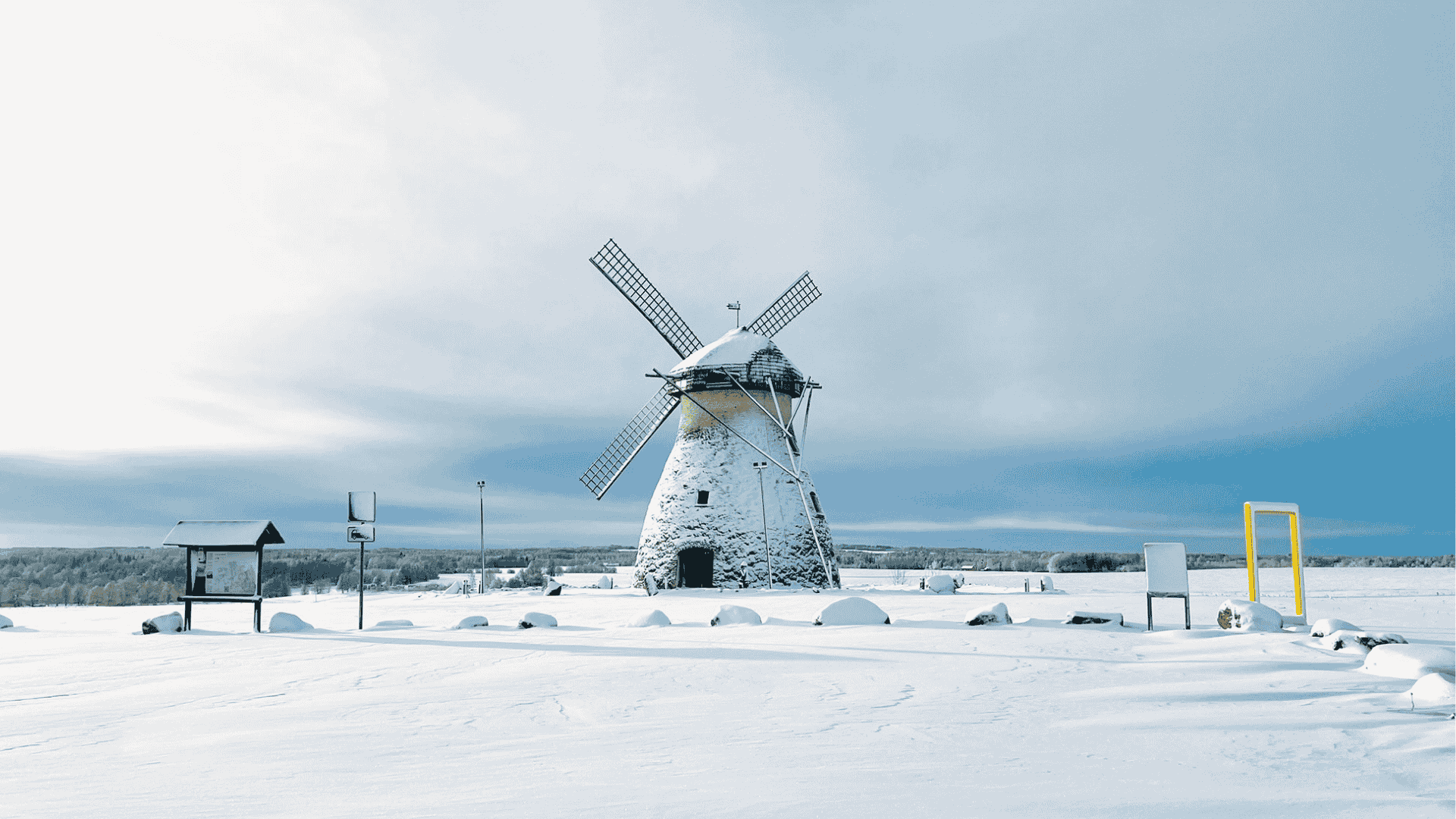
Kuremaa mill

Jõgeva vald, Jõgeva maakond, 48419

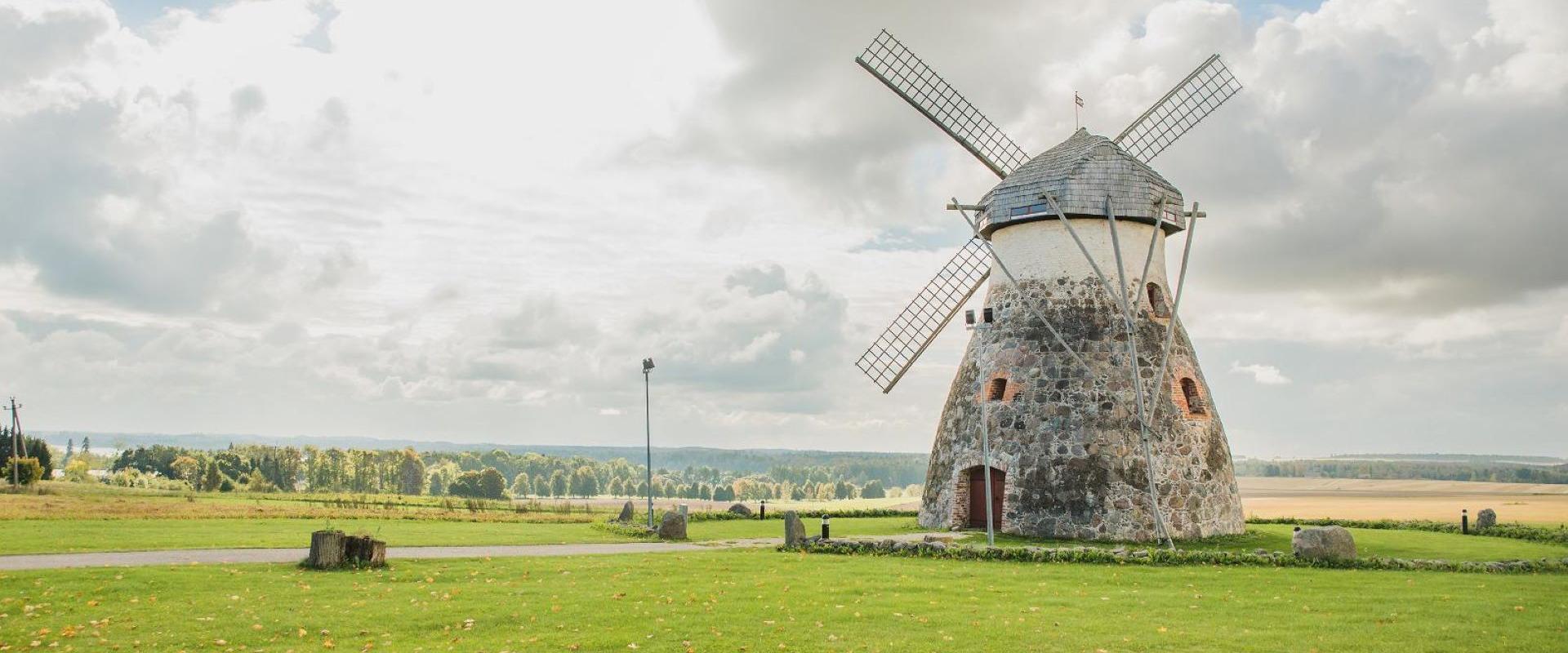
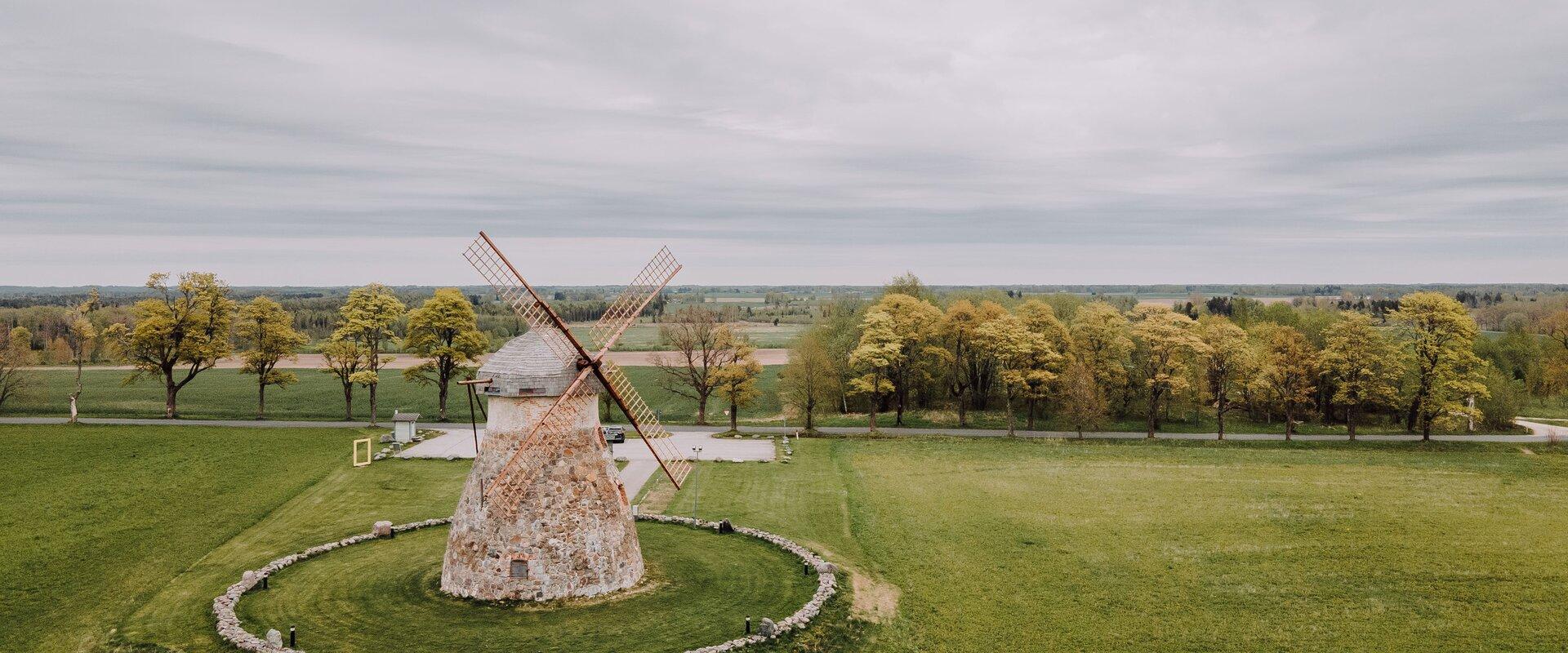
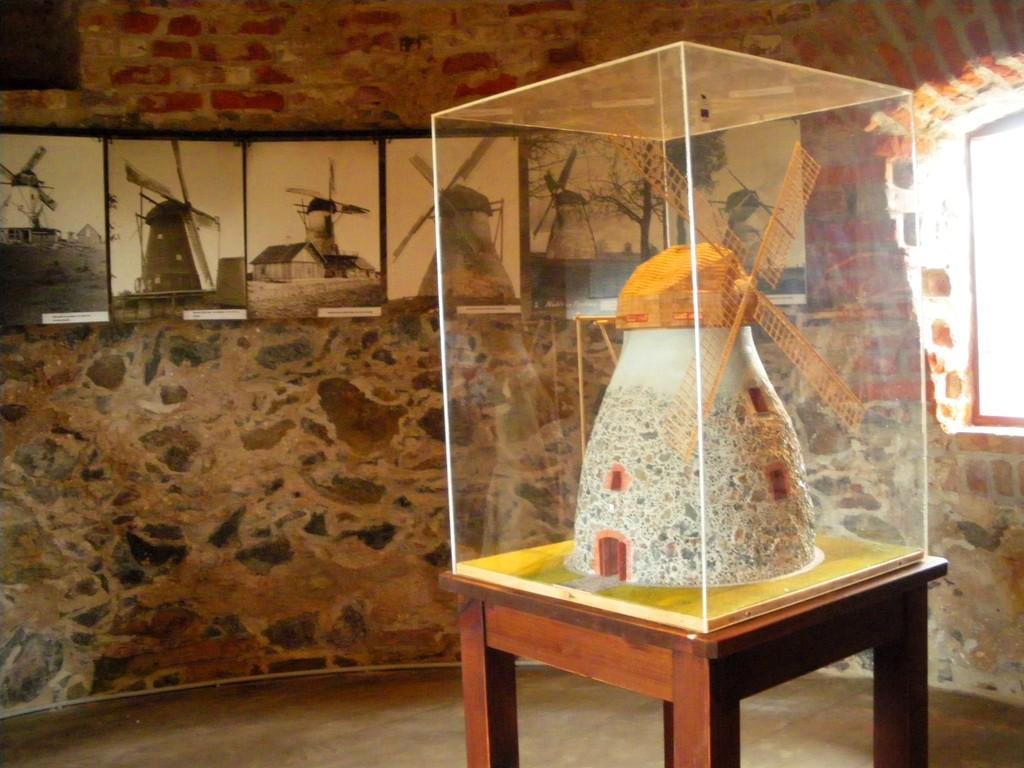
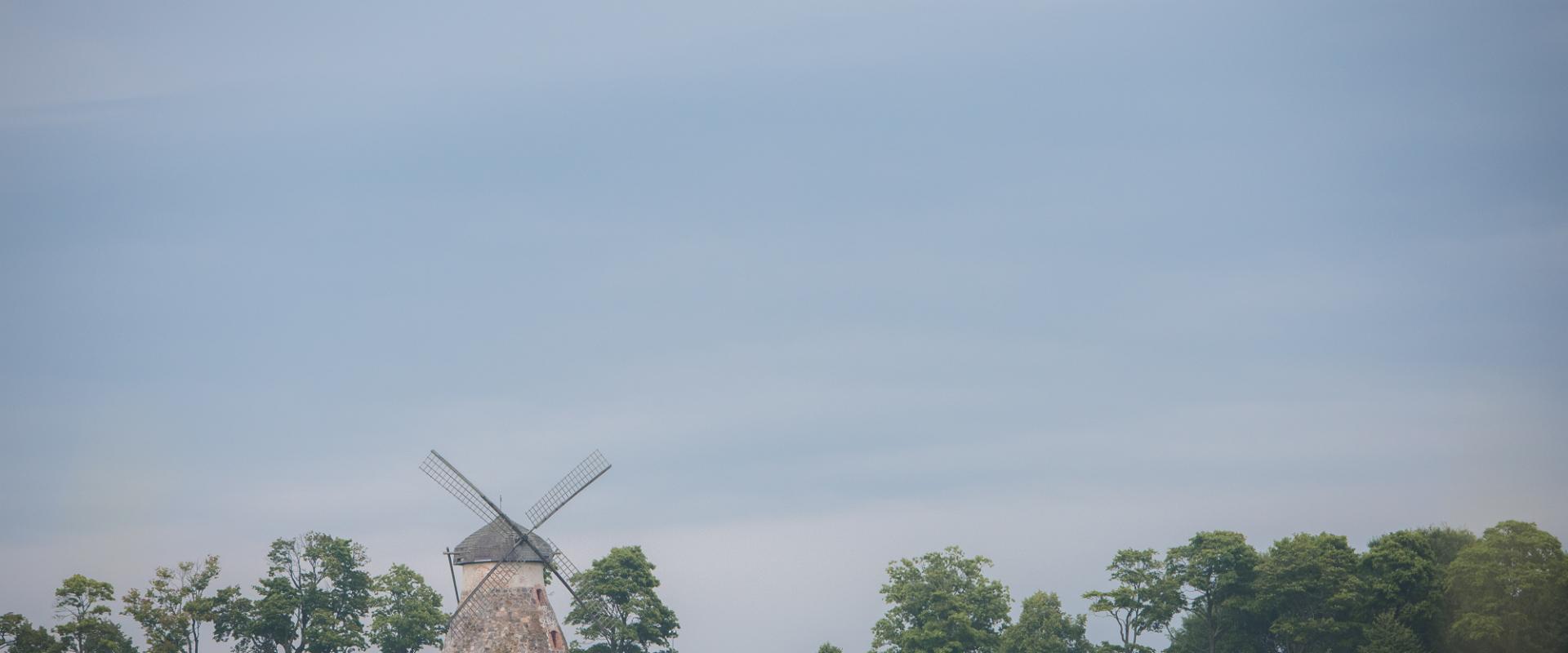
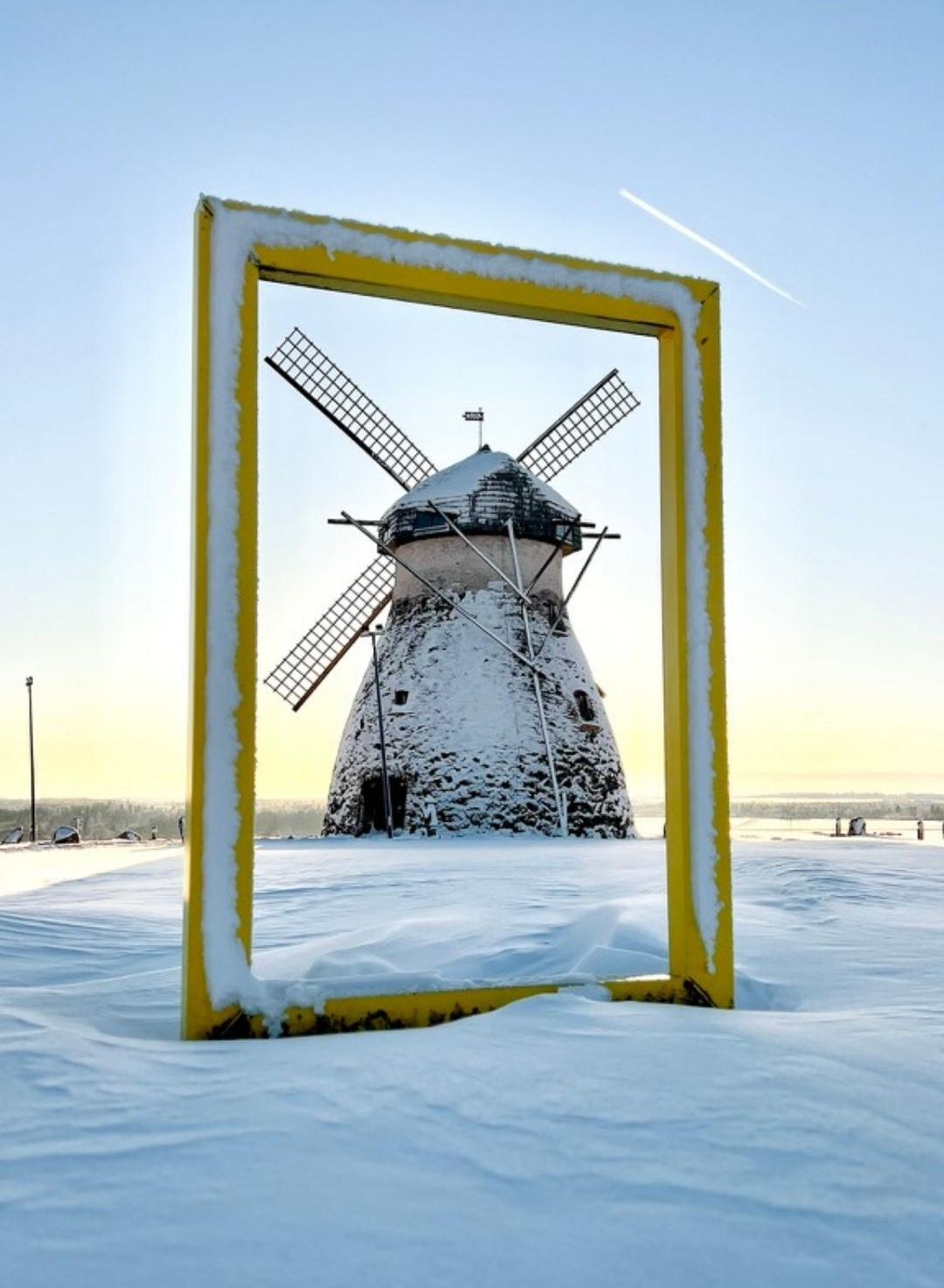
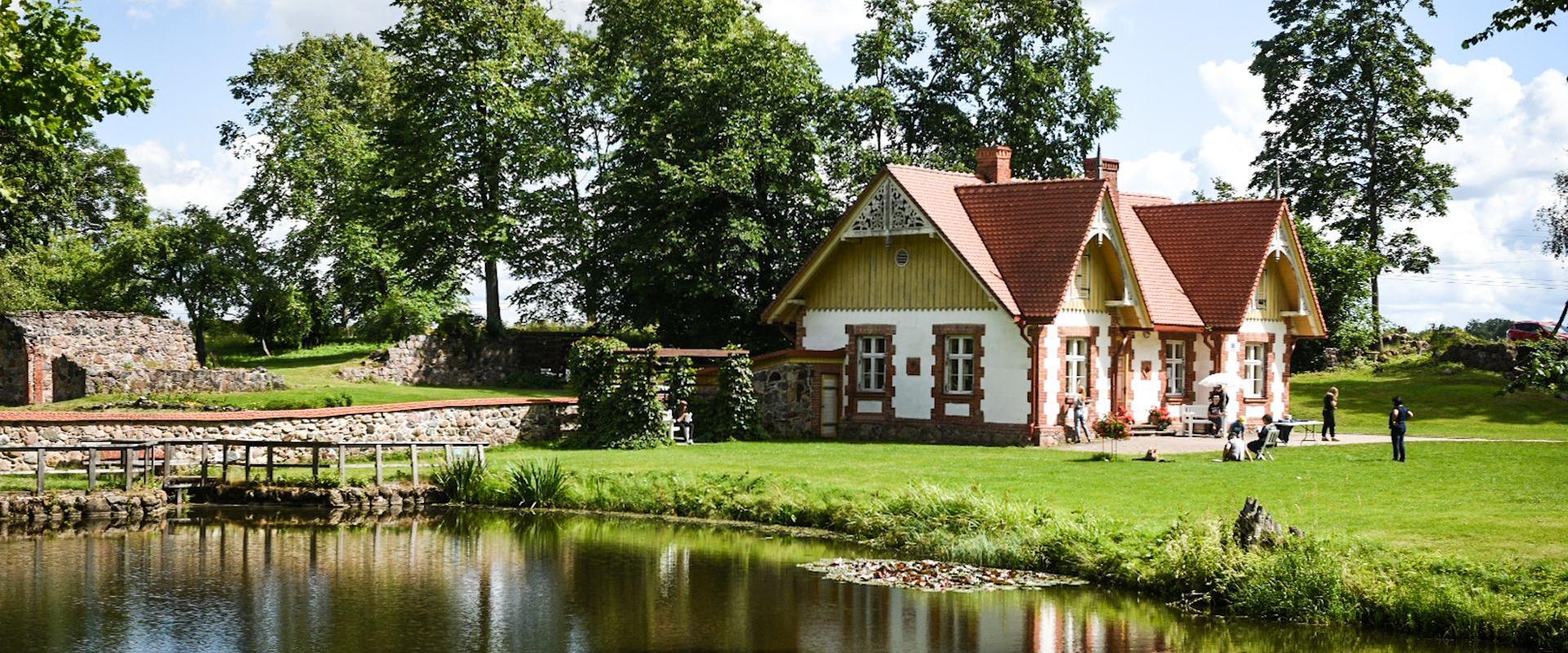
Kuremaa mill is part of the Kuremaa manor complex; the fully renovated mill reopened in 2009. The ground floor is home to a function room with its own fireplace and a sales counter, while the first floor is the perfect place for exhibitions and training events. The second floor hosts an exhibition on the Dutch-style windmills that can be found in Estonia – including its most impressive piece, a model of the Kuremaa windmill. On the third, that is the top floor, you can admire the views over Vooremaa from the narrow windows.The Kuremaa mill is marked with a yellow National Geographic window, representing one of the 21 places worth discovering in South Estonia; these are highly recommended to nature enthusiasts.
Amenities

  • Information boards
  • Free parking
  • Recreation area/picnic ground
  • Catering

Open times

1. juuni - 31. aug

11:00 - 22:00

Contact

  • +372 5878 9740
  • info@kuremaaelamuskeskus.ee

Links

See more

Karlova — a meeting place for architecture enthusiasts and bohemians

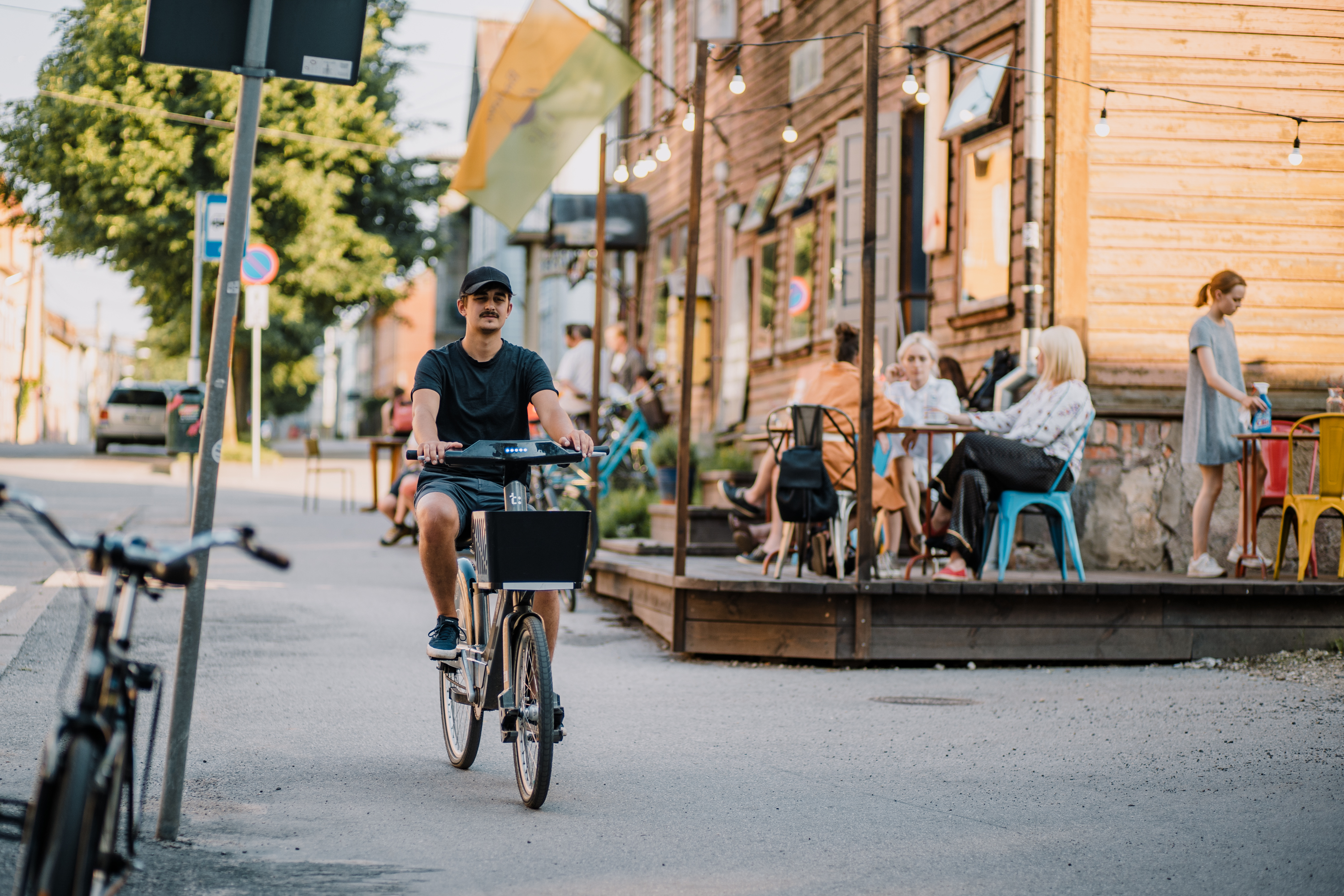
Karlova is a neighborhood in Tartu that captivates visitors with its bohemian atmosphere. In Tartu's Karlova district, there are historical wooden houses, secret courtyards worth discovering, unique cafés loved by locals, greenery, and plenty of street art. In the heart of Karlova are several important community places – the cozy Karlova Kohv, the popular meeting spot Barlova Bar, and the Karlova Harbor area by the Emajõgi River, suitable for more peaceful leisure. The neighborhood dates back to the houses built on the lands of Karlova Manor in the 19th–20th centuries, which have developed into today's unique living environment. The oldest settlement, at the beginning of Kalevi Street, dates back to the 18th century and architecturally differs from the rest of the area. In spring, Karlova Days take place, where you can get to know the neighborhood even better through various events and open courtyards. Exploring the neighborhood with a guide will show you Karlova's hidden side and the historical charm of its bohemian wooden houses. More information can be found on the Tartu Guides website.

  • Manors
  • Guided tours

Tour of Luke Manor and Park

Luke Manor in Tartu County offers an engaging tour that introduces the manor and its beautiful park. During the walk, stories of Luke Manor's history unfold, and you have the chance to explore the Gardener's House, the Handicraft Workshop, and the historic Steward's House. The tour is well-suited for both smaller groups and larger gatherings and can be combined with other events, providing guests with a memorable cultural experience. Luke Manor Park is one of the best-preserved parks in Southern Estonia, with its original layout, offering a wonderful environment for walking, enjoying nature, and experiencing the unique historical manor atmosphere. In addition to the tour, catering can be ordered from the Luke Manor kitchen, enriching the visit with local flavors and a cozy atmosphere. During the tour, you can purchase Luke Manor's handicrafts. By prior arrangement, the visit can be combined with various additional activities, such as organizing a seminar or catering packages.

  • Guided tours
  • Churches
  • Lookout towers

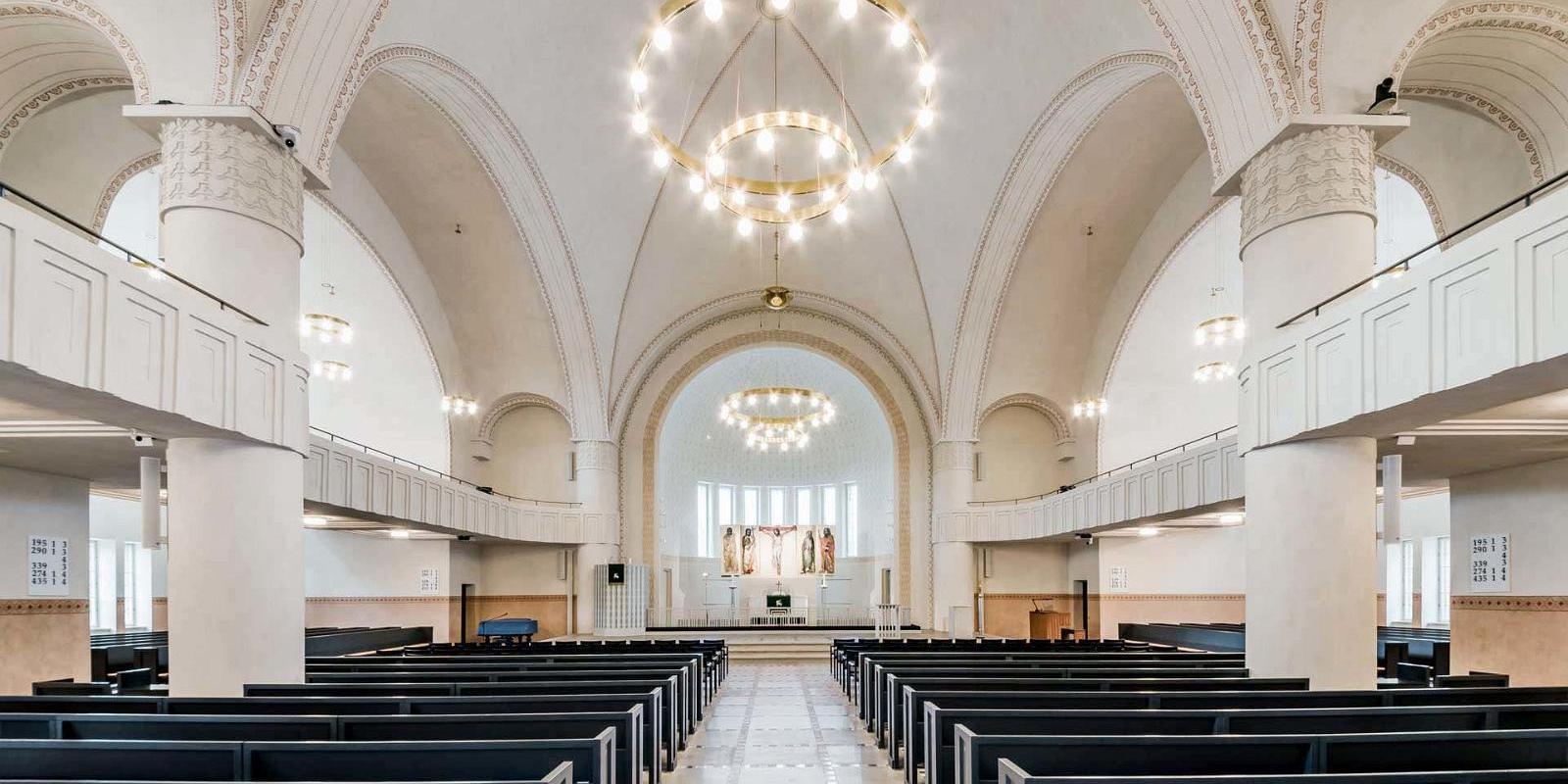
St. Paul’s Church in Tartu

St. Paul's Church in Tartu is unique because it is the only Art Nouveau church in Estonia. The church features a national romantic and geometric design. The church is also famous for its two steel bells, which were made in 1922 in Germany. The glass-domed bell tower offers a stunning view of the city of Tartu. It can be reached by stairs, and on the way to the tower, you can see a small gallery that explains the church's history. A visit to the church tower is available for an additional fee. The church has a columbarium, a crypt, and a bookstore. You can also order a church tour, a private organ concert, or catering from the church kitchen.

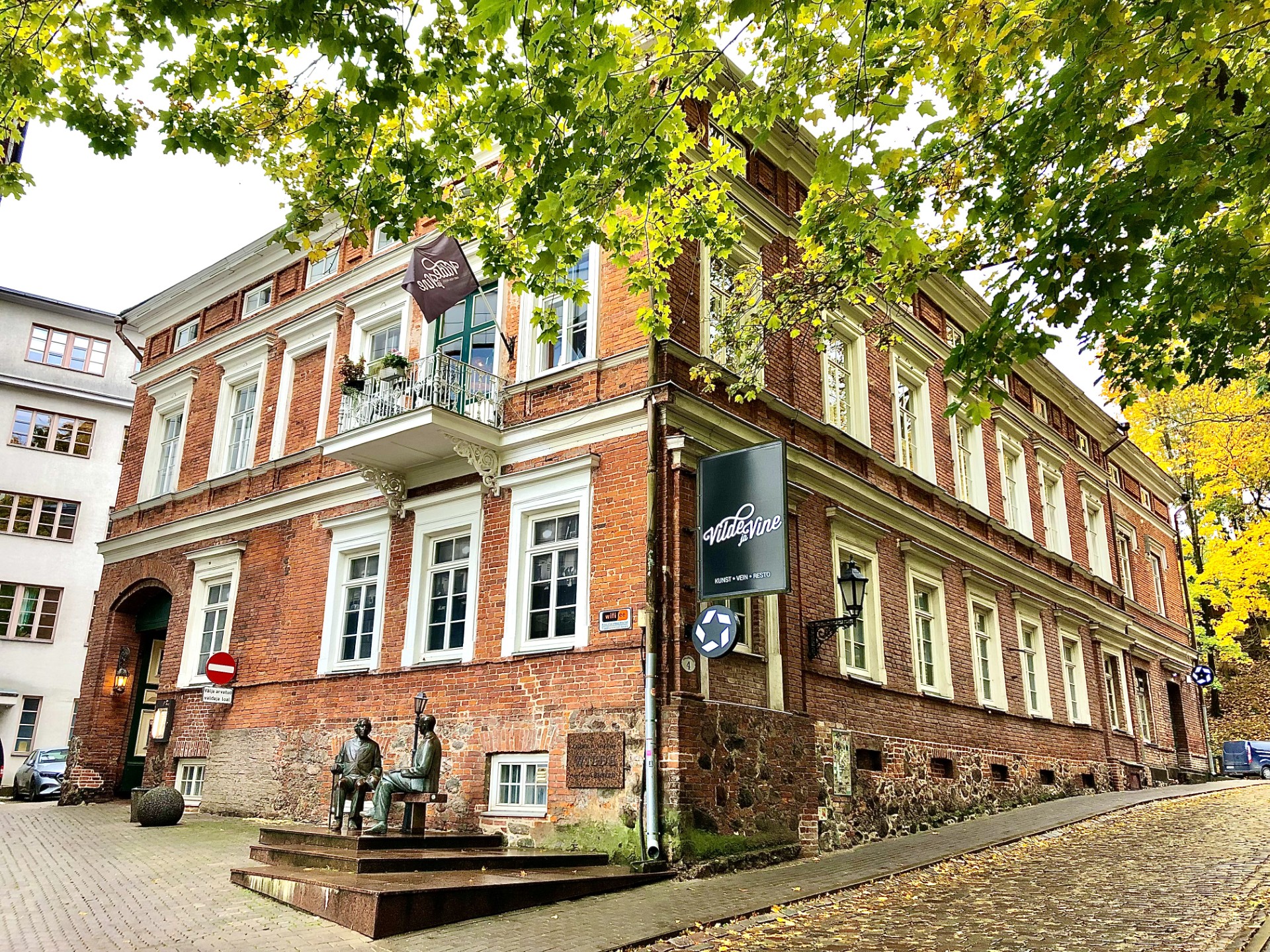
Tartu Mattiesen Print Shop

The former Mattiesen Print House on the corner of Ülikooli and Vallikraavi Streets is also a noteworthy architectural monument in the centre of Tartu. Printer Carl Gottlieb Mattiesen bought the plot in 1848 and the print shop of the University of Tartu was moved into the wooden house. A stone annex was added to the building later.The building was redesigned in 1997 (architect M Raid) into a café-museum, bookstore and pub. Wilde Pub and Café operated in the building for a long time. A group of bronze sculptures depicting Oscar Wilde and Eduard Vilde was opened in front of the building in 1999 (authors M Karmin and T Trummal).

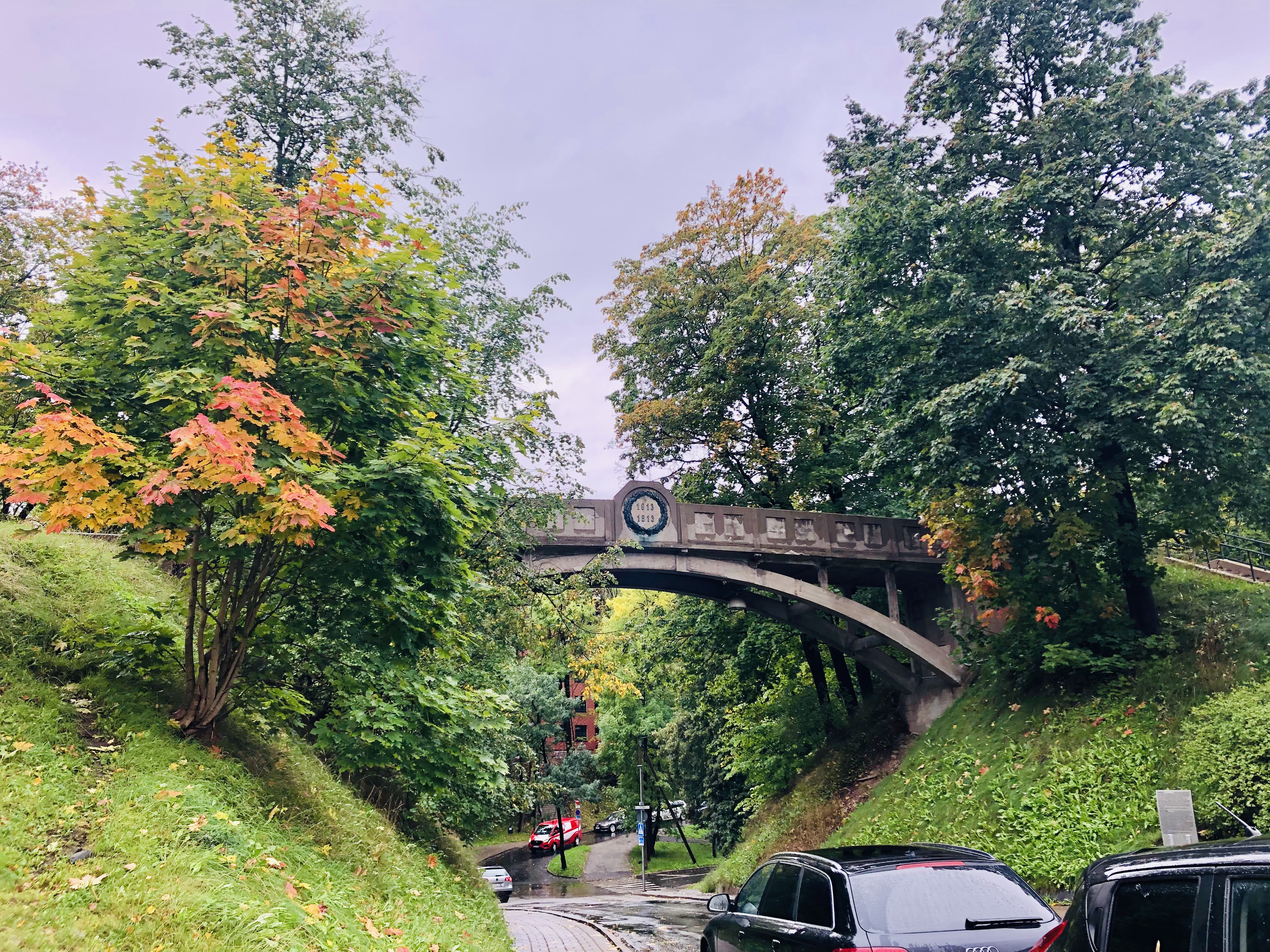
Tartu Devil’s Bridge

The Devil's Bridge in Tartu is one of the few remaining concrete bridges from the early 20th century. Together with the Angel's Bridge, it forms one of the symbols of Tartu. Everyone is welcome to walk on the bridge, especially visitors interested in history and architecture. The Devil's Bridge was built in 1913 to celebrate the 300th anniversary of the Romanov dynasty. It is decorated with a bronze relief of the Russian Emperor Alexander I, "Alexandro Primo." According to legend, the name "Devil's Bridge" comes from its dark appearance, which contrasts with the bright Angel's Bridge. The Devil's Bridge is ideal for walking or taking exciting photos!

  • Churches

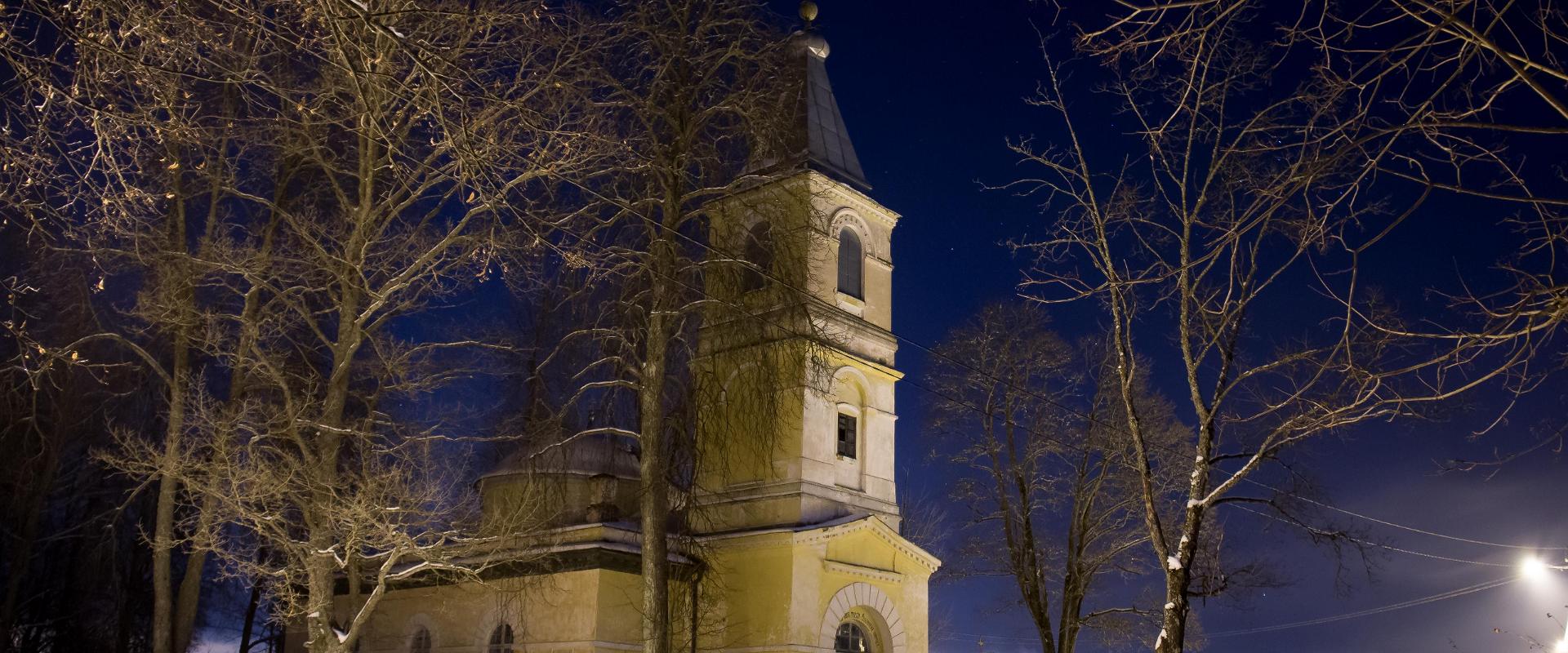
St Zachariah’s and St Elizabeth’s Orthodox Church in Räpina

St Zachariah’s and St Elizabeth’s Orthodox Church in Räpina is a neo-Classical oblong building consisting of three parts. In the Western part there is a bell tower and in the Eastern part a crescent-shaped apsis. A cupola with a tambour is in the middle of the building. The exterior of the building is in classical style, incorporating cornices and rustic work. Simple iconostasis of the 19th century catches the eye in the interior.

  • Churches

St John’s Lutheran Church in Kanepi

St John’s Church is an eye-catching building; its architect was Friedrich Siegel. There is an altar painting Christ on the Cross (A. Bauer, 1857) and a pseudo-Gothic altar, and two nationally protected wooden candlesticks (1810) and an armchair from the birch wood dating from the 18th century. On top of the spire there is a morning star. Interesting to know: St John’s Church in Kanepi was built in 1804-1810 to replace the old wooden church. In 1831 the church was set on fire by lightning. The church in Kanepi has been in its current state since the year 1877.

  • Estonian design
  • Estonian handicraft

Avinurme Woodworking Centre

Avinurme Woodworking Centre is a tourism centre which is home to local craftsmen. It offers the widest selection of woodwork products in Estonia, including dozens of sauna and household items. You can even put your own skills to the test! The centre organises a variety of workshops, from basket-weaving and felting to bread-making, candle-making, painting and more. The cosy coffee shop offers home-made cakes and pastries, fresh bread and other treats. Arranged in advance, it can provide catering for groups of up to 80 people.

  • Collaboration
  • News
  • Contacts
  • Privacy Policy
Join our mailing list!

"*" indicates required fields

This field is for validation purposes and should be left unchanged.
I authorise marketing

South Estonia Tourism Cluster

info@visitsouthestonia.com