• Explore
    • Nature
    • Culture
    • Food
    • Family
    • Activity
    • Blog
    Smoke sauna
    Weather and seasons
  • Plan
    • Accommodation
    • How to get here
    • Weather and seasons
    • Sustainability
    • Tourist info
    Discover South Estonia’s Most Beautiful Manors and Castles
    Top 20 Sights in South Estonia
  • For professionals
    • For professionals
    • Collaboration
    • News
    • Projects
    • Training
    • Repository
    • Community (opens in new tab)
    • Contacts
ENG
  • EnglishENG
  • EestiEST
  • LatviešuLAT
  • РусскийRUS
  • SuomiFIN
ENG
  • EnglishENG
  • EestiEST
  • LatviešuLAT
  • РусскийRUS
  • SuomiFIN
Popular searches:
Show all
  • History & Culture
  • Architecture and history

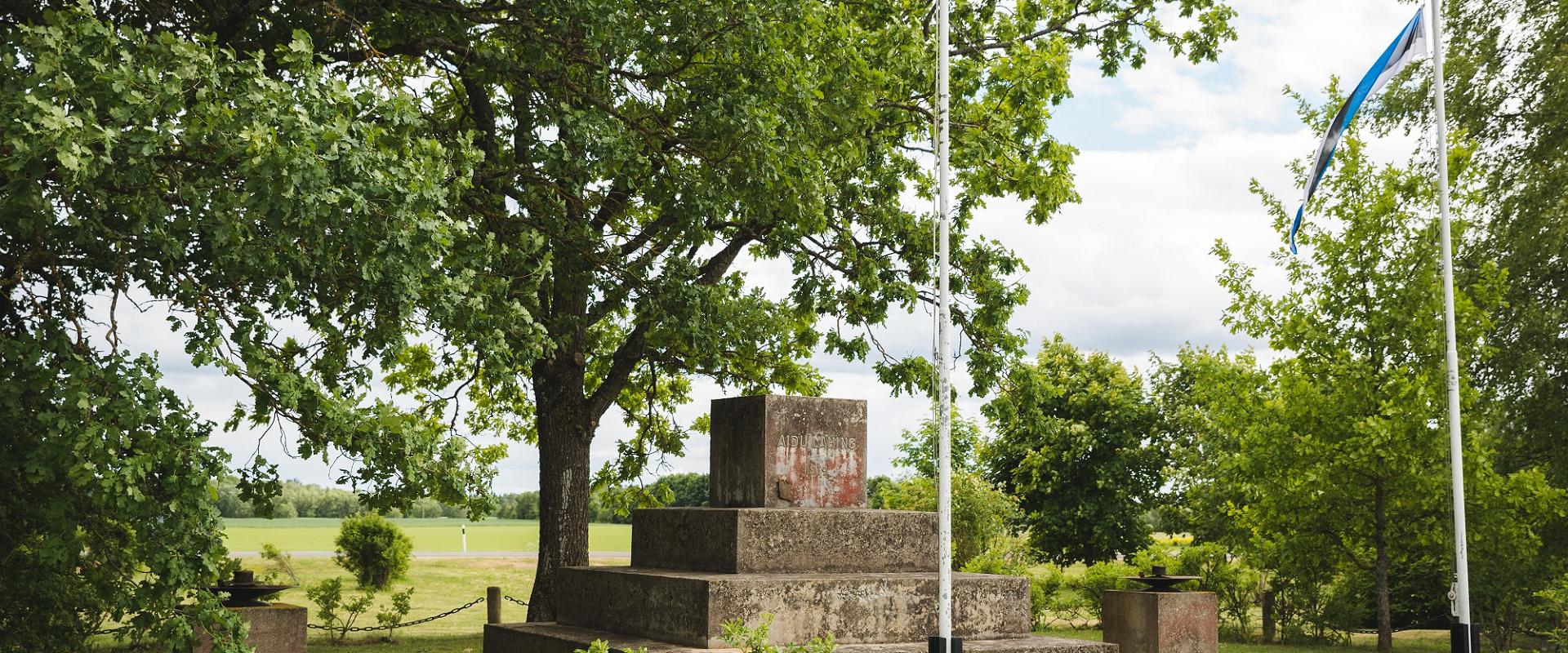
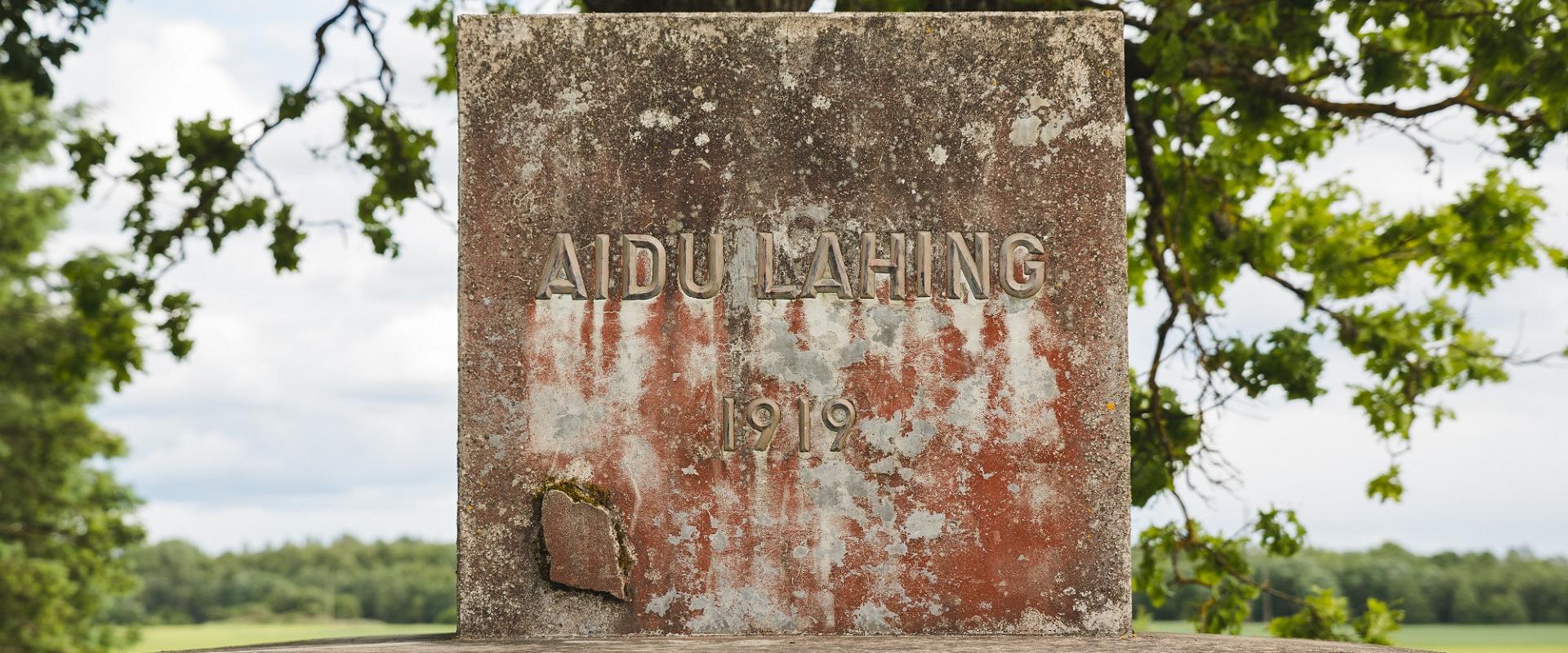
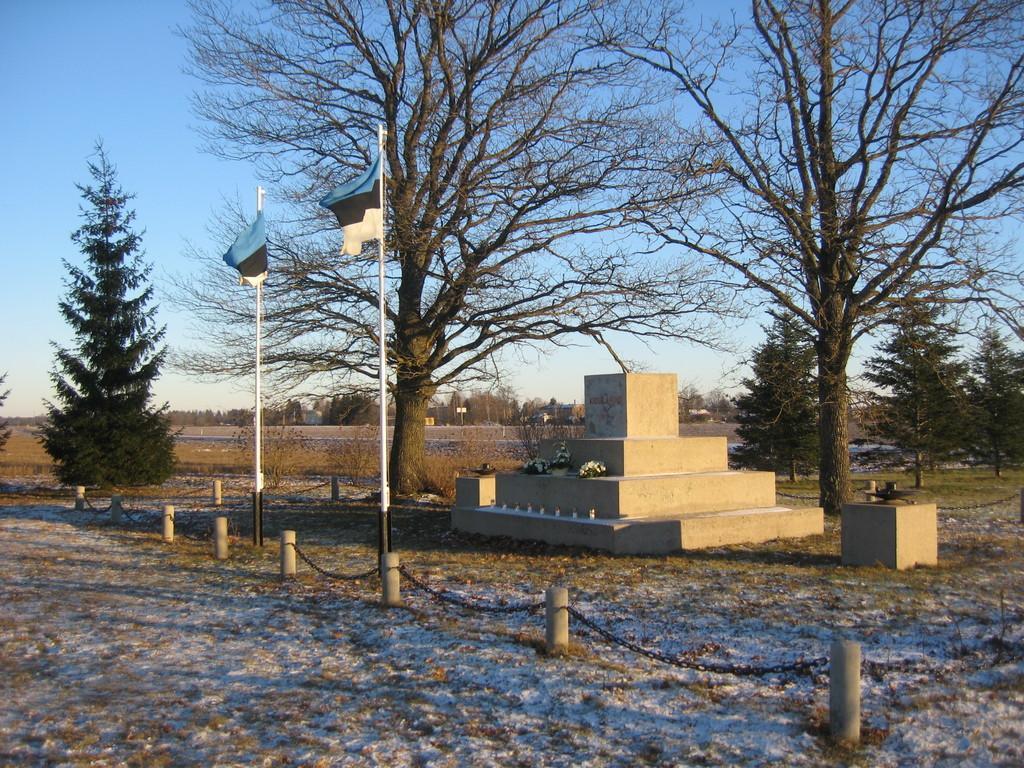
Aidu Altar of Victory

Põltsamaa vald, Jõgeva maakond, 48202

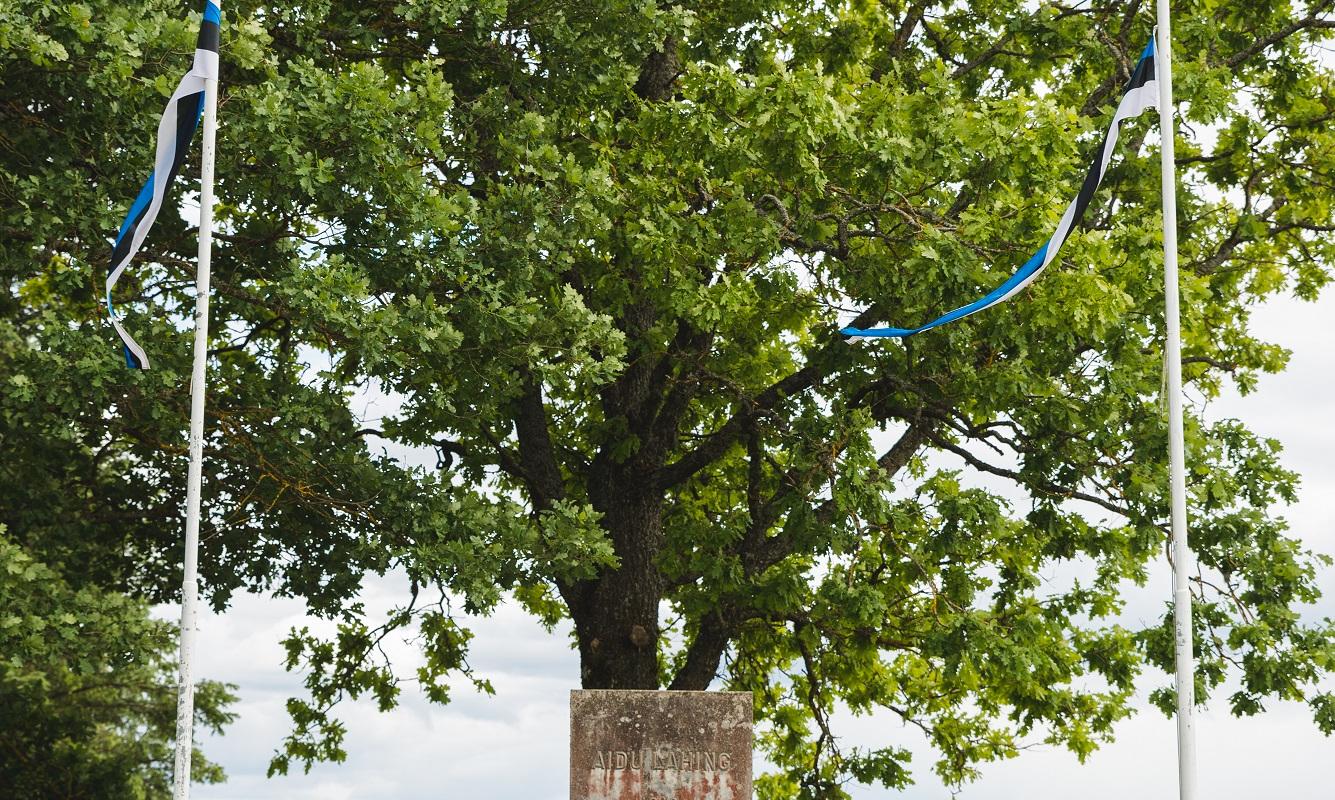
The Aidu Altar of Victory is a memorial to the War of Independence.One of the most important battles of the War of Independence was held near the Aidu village in 1919. A memorial was opened on June 23, 1929, which was reopened 60 years later. This also marks the spot how far a soldier of the Red Army managed to invade.

Amenities

  • Free parking

Open times

Throughout the Year

Around the Clock

Contact

  • jogeva@visitestonia.com

Links

See more

  • Family friendly
  • Guided tours

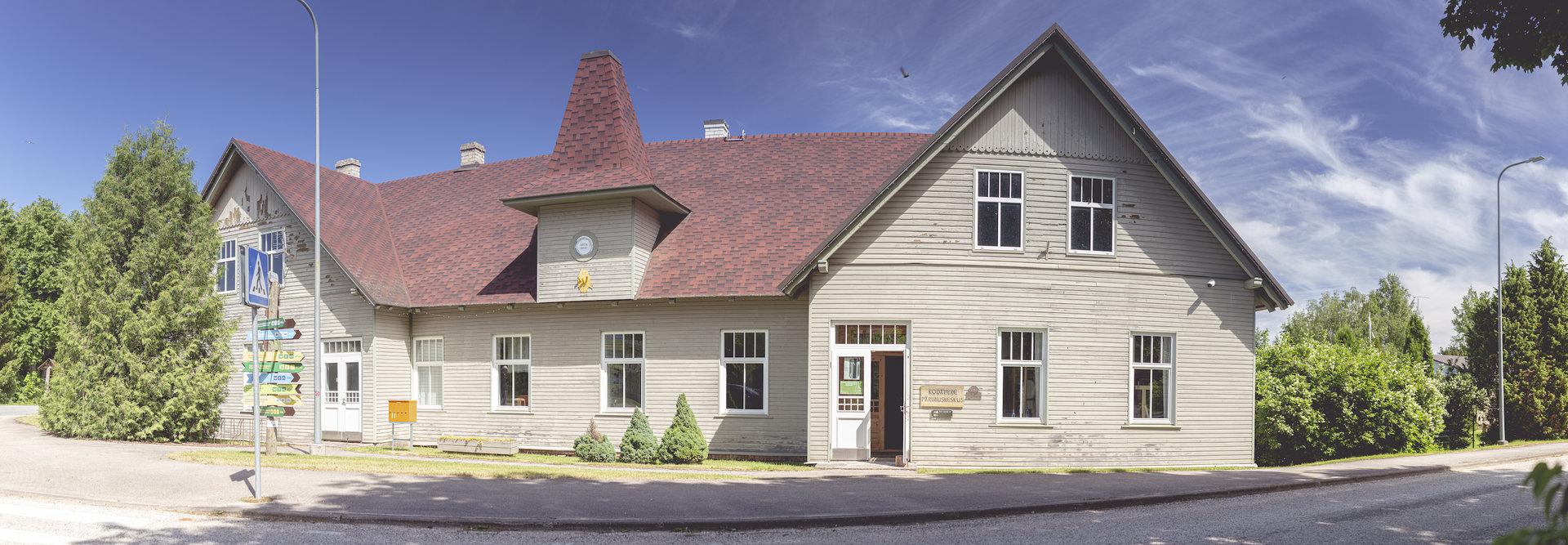
Kodavere Heritage Center

The Kodavere Heritage Center in Tartu County breathes new life into the historical Pala Town Hall, which has been the heart of the local community for years. The center showcases the rich cultural heritage of the Peipsi region and is a place where old stories, languages, and traditions are revitalized. Visitors can gain a comprehensive overview of the history of Kodavere parish municipalities and town halls, and view the intriguing photo exhibition "People of Kodavere Parish in Oskar Tõrva's Glass Negatives," which reveals the everyday and festive life of rural areas a century ago. Additionally, they can admire the handicraft exhibition "Kodavere Kupuliud," highlighting the skills of local craftsmen and folk aesthetics. A separate display is dedicated to the Kodavere dialect, an essential part of the region's identity. The center also features a memorial room for poet Anna Haava and an exhibit "Song Festivals in Pala 100 Years Ago." Guided tours and heritage culture workshops are offered by reservation, suitable for both school groups and adults.
  • Green Key
  • Family friendly
  • Virtual reality (VR)

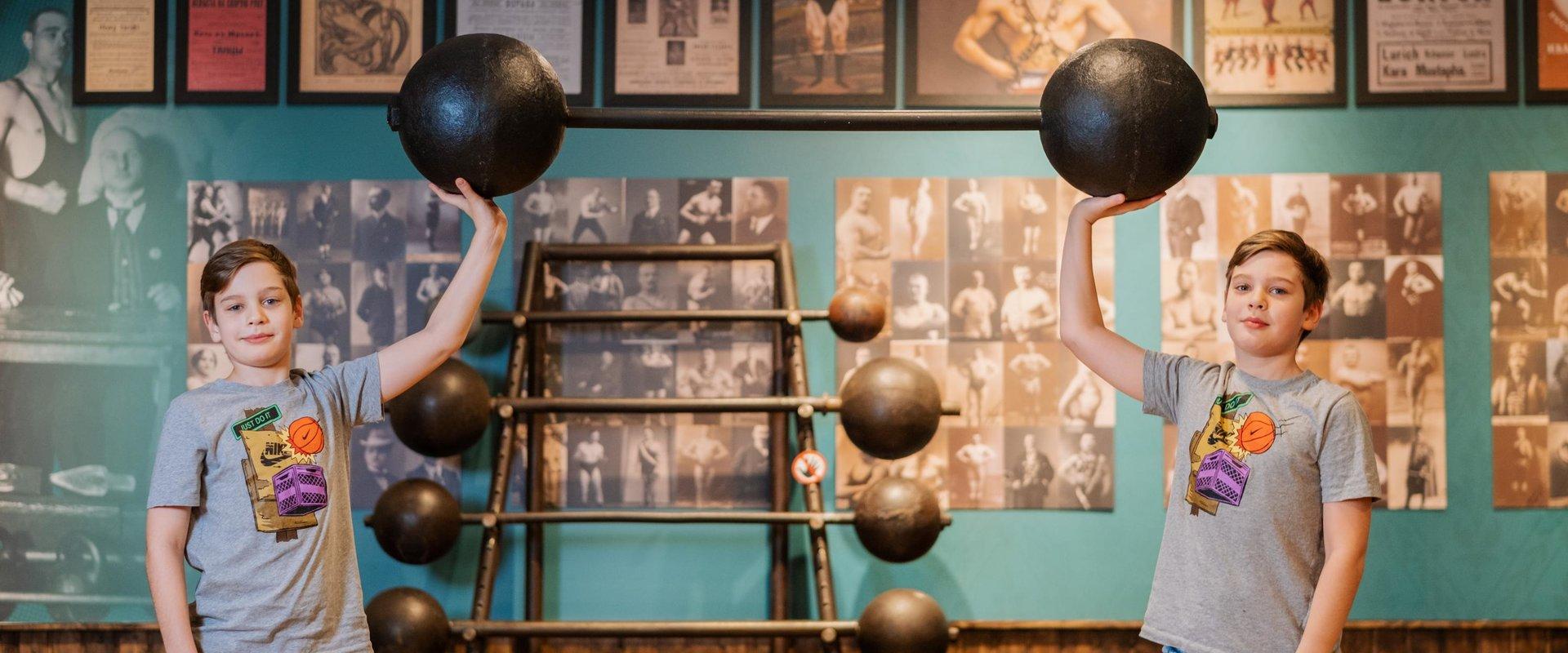
Estonian Sports and Olympic Museum

The Estonian Sports and Olympic Museum, located in the center of Tartu, is the largest and most modern interactive museum in the Baltics. Every sports fan will feel like a winner! The permanent exhibition "The Story of Estonian Sports" features the most interesting moments of Estonian sports, from heroic deeds to doping dramas. The museum offers visitors over 15 interactive attractions and is home to the Estonian Sports Hall of Fame. Several hands-on attractions are especially exciting, such as VR with legendary sports arenas and stars, an interactive basketball corner, a retro room, a commentator's corner, a historical gym, and more. Come and discover the exciting world of sports with friends and family!

Arch Bridge (Kaarsild)

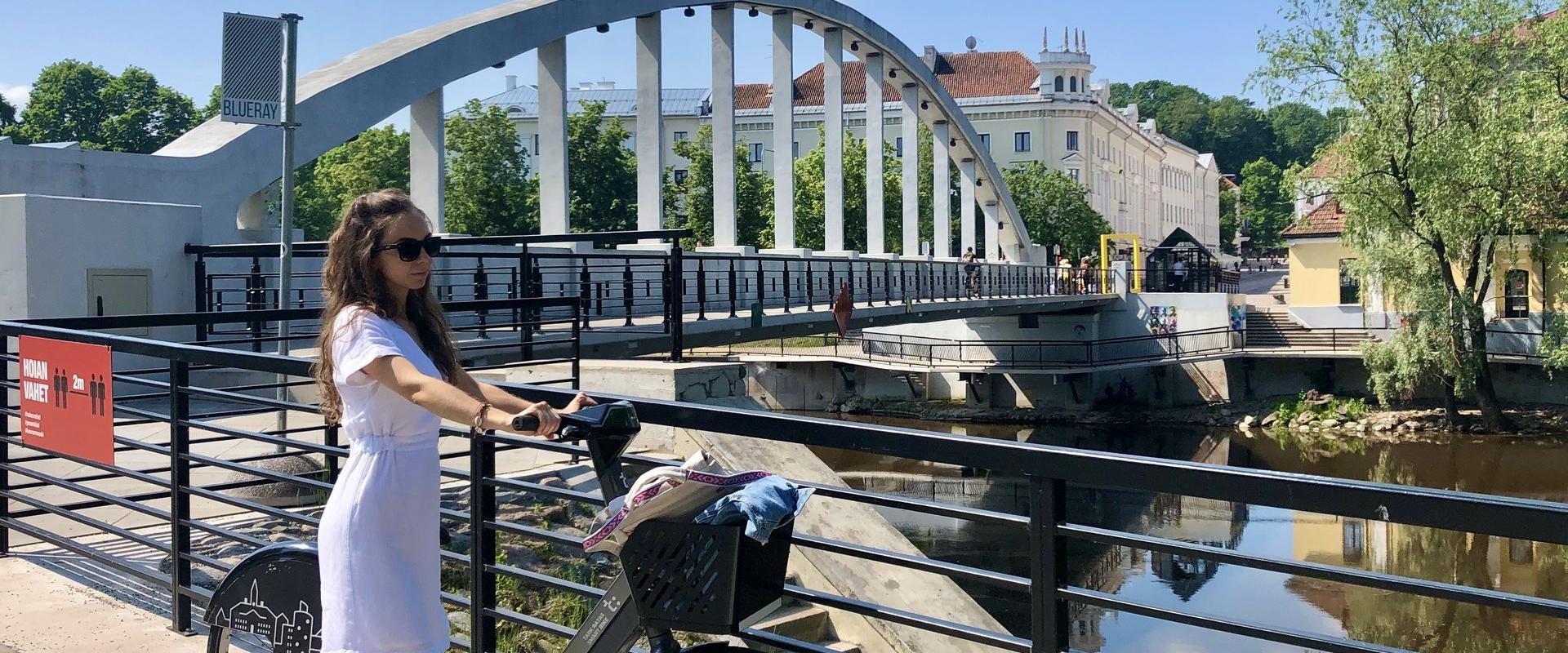
Arch Bridge (Kaarsild) is a pedestrian bridge between the city centre and the Ülejõe district. It was built in 1957–1959 to replace the former Kivisild bridge, on the foundations of its abutments. Before the bridge was completed, a long rowing boat was used to regularly transport people over the river in the 1950s.The bridge was renovated in 2017. In the dark, the bridge is illuminated and additionally, musical works, accompanied by a light show, can be seen that are synchronised with the bell ringing of the town hall. The sound and light design is a unique public space project of its kind in Estonia.Next to the bridge, there is also a model of the Kivisild bridge that was destroyed in World War II.

  • Guided tours

Paduvere Farm Museum

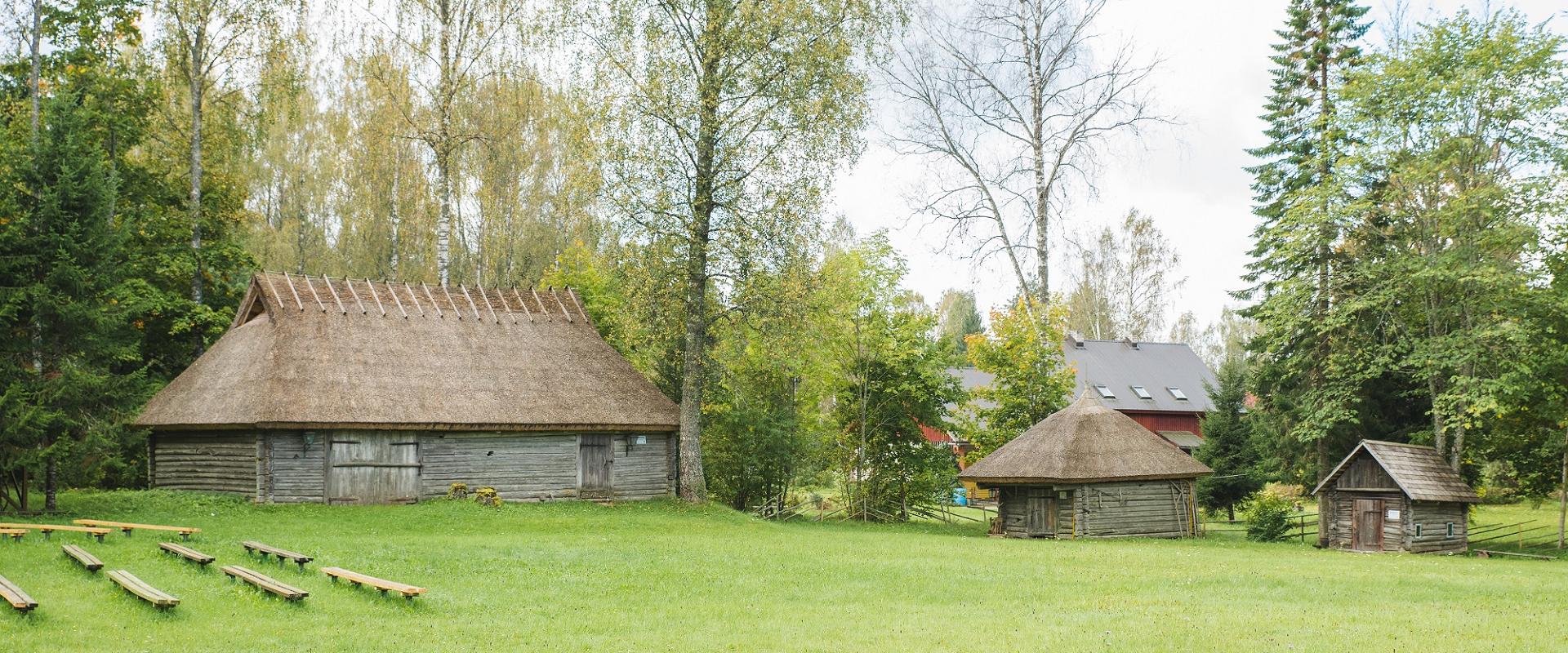
The museum introduces the life led by farmers in the 18th century and the everyday lives and work of our forefathers. There are five oak sculptures created by St Petersburg artist Grigori Azarenkov by the museum. The museum is surrounded by beautiful landscapes, which make it a popular venue for folk parties and theatre performances.

  • Churches

Memorial Tablet of the Northern Sons of Finland

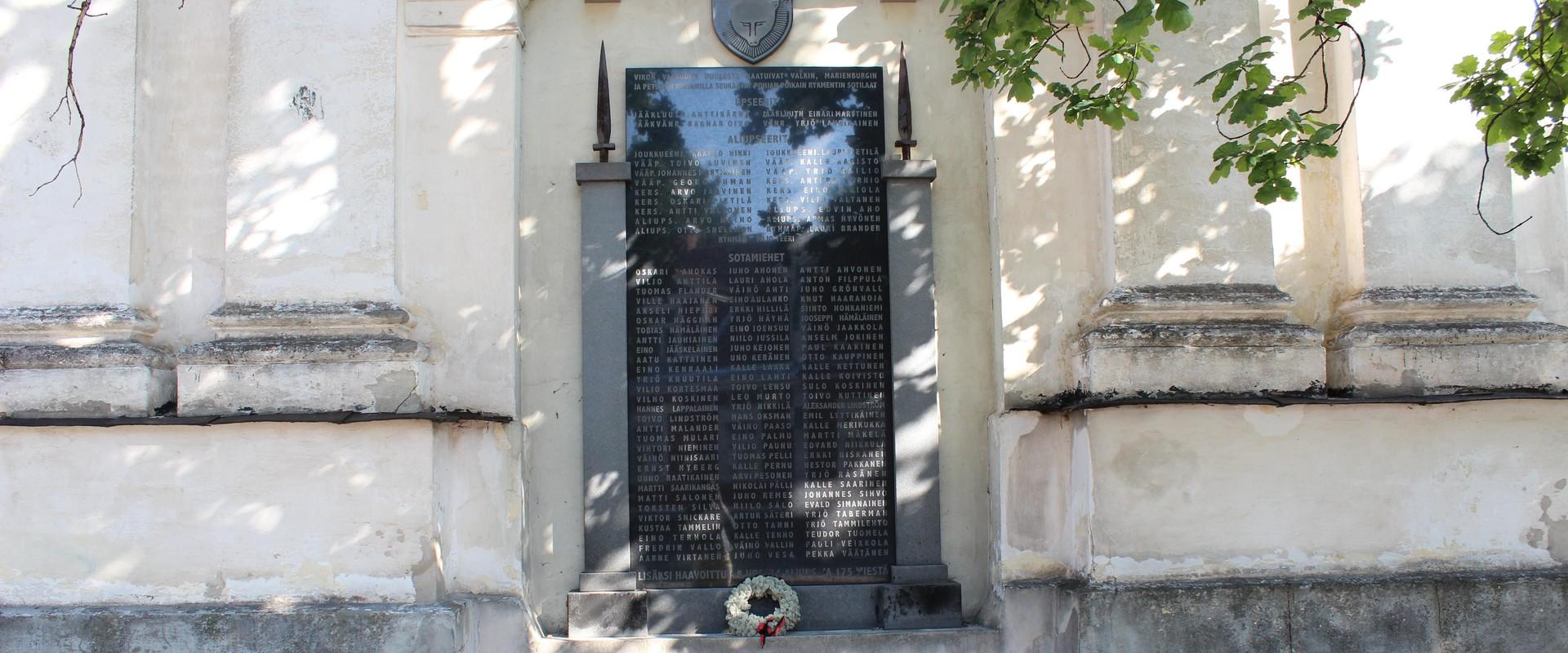
A black granite memorial tablet bearing almost 200 names was installed on the wall of the Valga Jaani (St John’s) Church in 1934 in remembrance of the Finnish volunteers who fell in the Paju Battle of the War of Independence. The polar bear sign of the Northern Sons Regiment is shown on the shield above the stone. In 1940 the memorial tablet was demolished with pickaxes by the order of communists. The memorial tablet was reopened on the 80th anniversary of the Paju Battle in 1999.Interesting facts: * the memorial tablet was opened in 1934 by President Konstantin Päts; * the first table was made in Finland and the second one in Tartu; * donations for the second tablet were collected by Ylistaro Rural Municipality (Finland) at the initiative of Ossi Salo.

  • Guided tours

Süvahavva Wool Factory and Museum

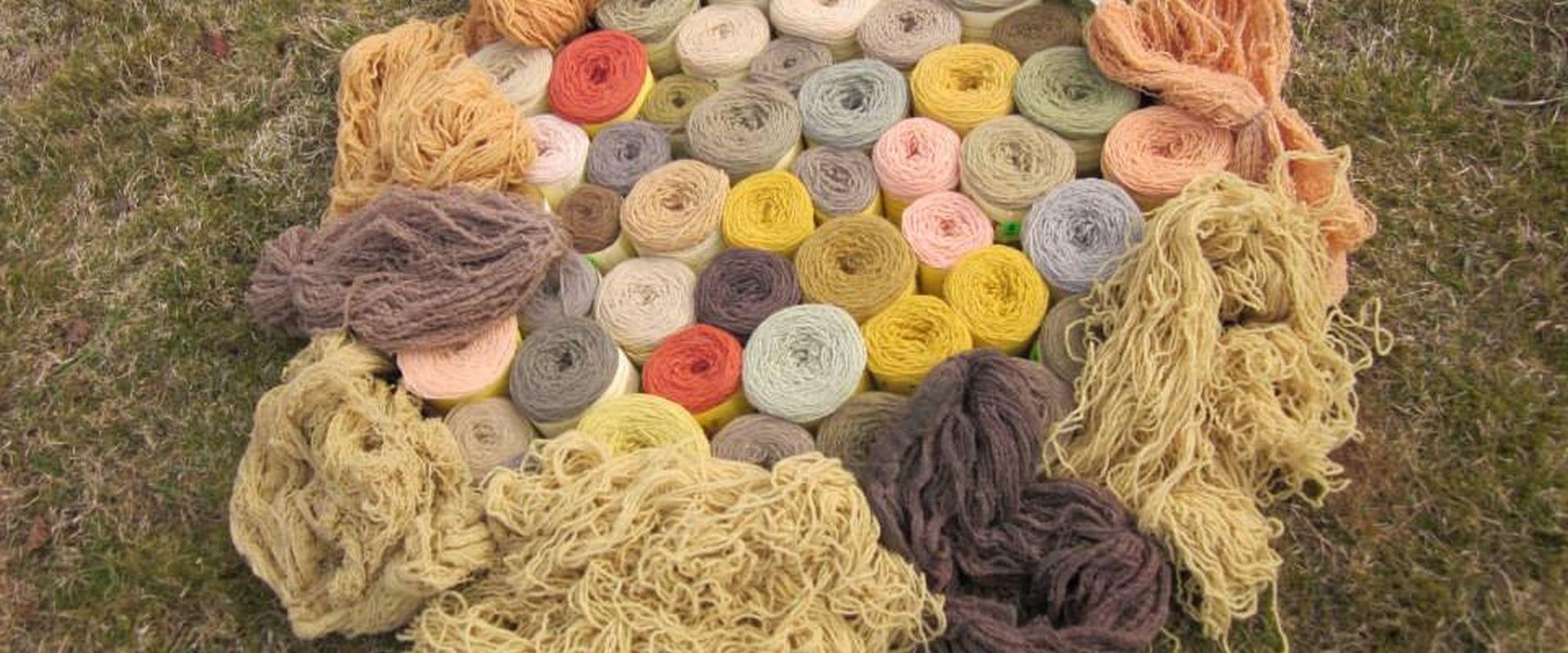
At Süvahavva Wool Factory and Museum you can see how wool is spun into yarn. Villakalli Puut sells wool products and other local handicrafts on the spot.Also, don't miss the opportunity to visit Süvahavva Nature Farm which is located close to the factory. The farm grows more than 40 species and cultures of tea plants and herbs. The most beautiful sandstone outcrops and caves on the Võhandu River are only a few hundred metres from here.Süvahavva village is one of the 21 places in Southern Estonia worth discovering that are marked by a yellow National Geographic window; if you love culture and nature, a visit is highly recommended.

  • Monuments

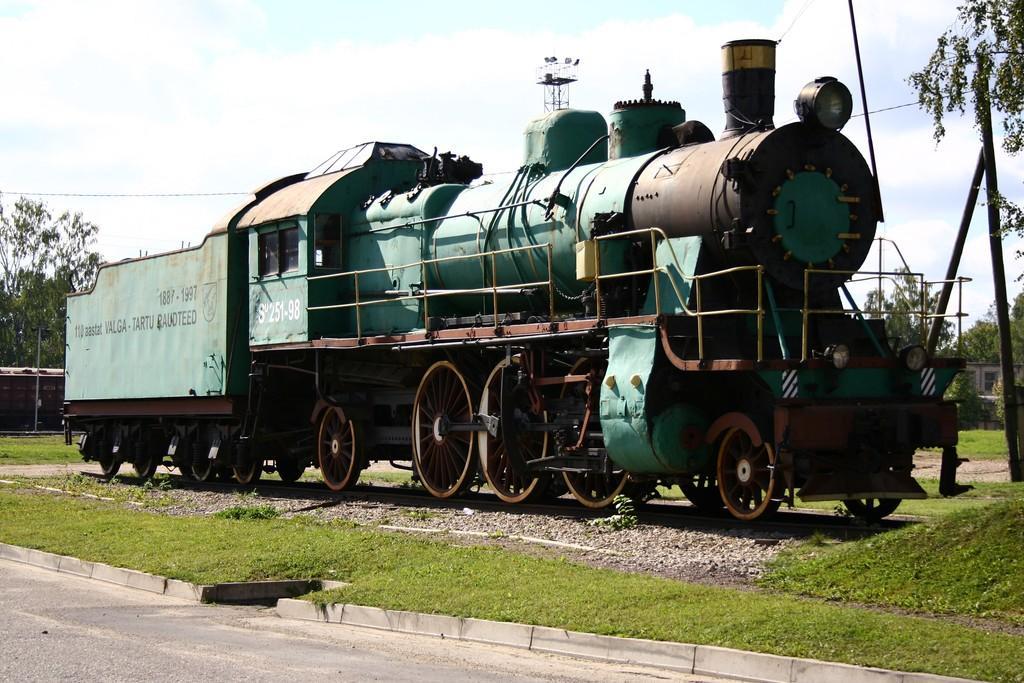
The steam engine monument

The year 1886 when the plan to build the Pihkva-Riga railway with a branch from Valga to Tartu became a crucial year in the development of the little town.The steam engine monument erected near the Valga railway station in 1998 celebrates the 110th anniversary of the Pihkva-Valga-Riga rail connection. Engine SU 251-98 was built in the Sormovo Shipyard in 1949. Interesting facts: * the engine weighs 87 tons and its output is 12 tons of steam per hour; * Riga-Pihkva railway was officially opened on 22 July 1889 in Pihkva.

  • Workshops
  • Estonian handicraft
  • Estonian design

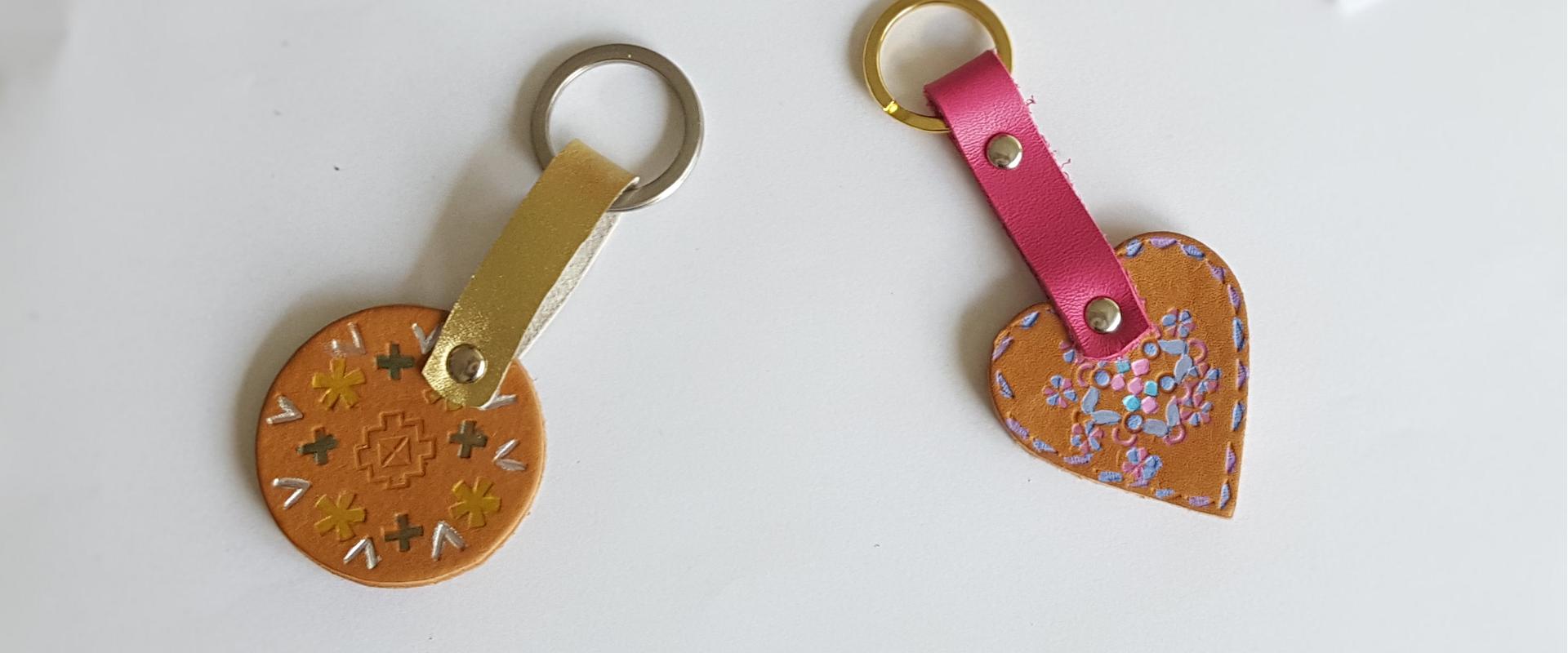
Leather keychain workshop

In the leather studio workshop, you can make a personalised keychain under the guidance of the leather designer Tiina Andron. Different metal studs, leathers, rivets, and key rings are used. The workshop is suitable for everyone (from school age). In addition to making a keychain, you will get to explore Antonius Courtyard, see the completion of various works, and hear the designers talk about their work.More leather studio workshops for groups can be found here.

  • Collaboration
  • News
  • Contacts
  • Privacy Policy
Join our mailing list!

"*" indicates required fields

This field is for validation purposes and should be left unchanged.
I authorise marketing

South Estonia Tourism Cluster

info@visitsouthestonia.com