Unusual customs
The Seto have been doing things their own way for long enough that some of it looks strange from the outside.
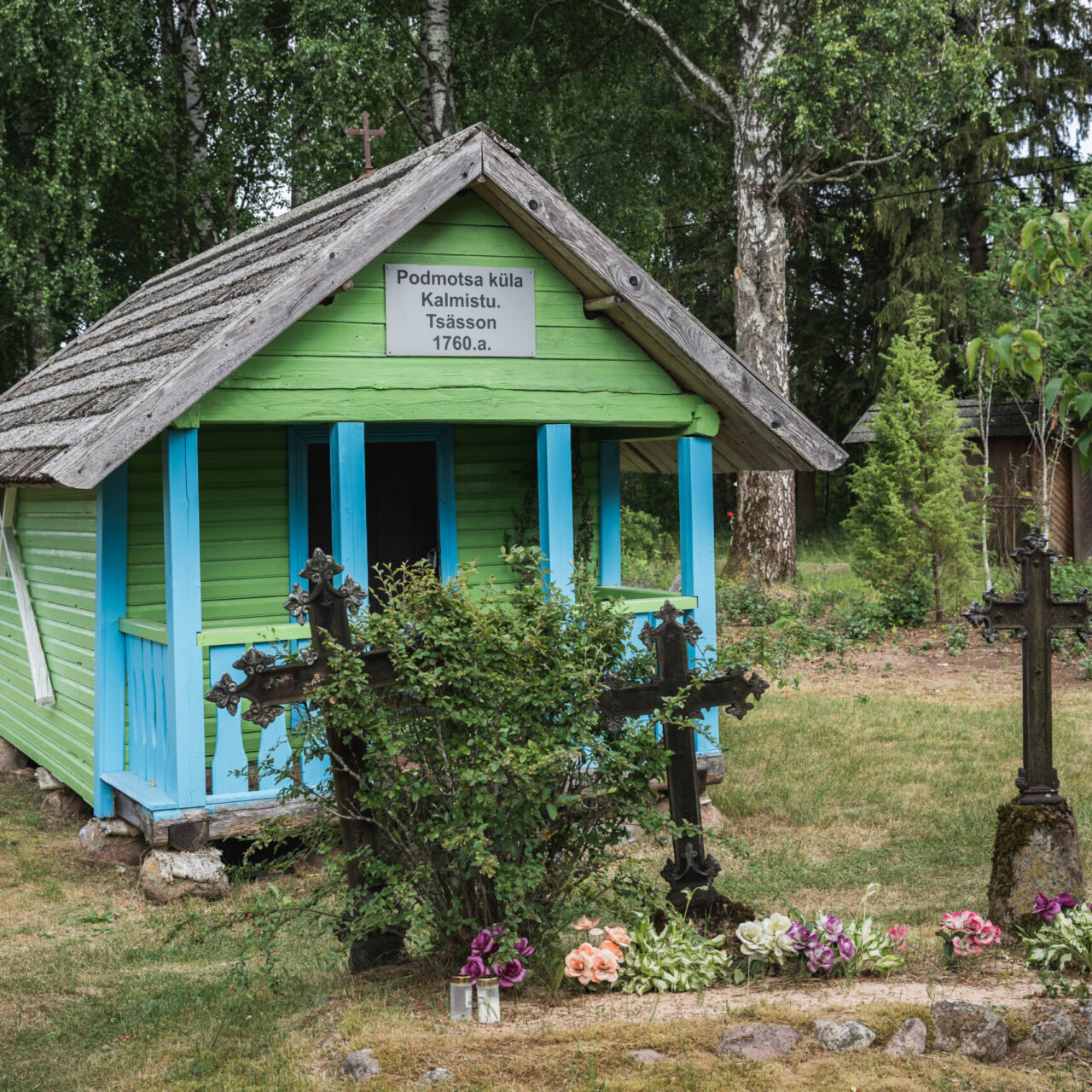
At Easter, painted eggs are not just decorated. They are rolled down a specially built sand ramp. On St George’s Day and other feast days, families carry food and drink to the cemetery, set it out on the graves of their ancestors and eat there, with the priest moving from grave to grave joining each family for a bite and a prayer. It is not mourning. It is lunch, with people who happen to be dead.
Peko, the Seto god of fertility, was traditionally kept as a wooden statue hidden in the family grain store. Once a year, families brought him out for a ritual feast with offerings of butter, curds and wool, then competed in wrestling and fence-jumping to decide which household would keep him for the following year.
The Seto Kingdom Day ends with a military parade. The army carries pitchforks, spades and weapons made from old barrels. The oath of allegiance goes to a newly elected king or queen, who will spend the year receiving instructions from their sleeping god in dreams.
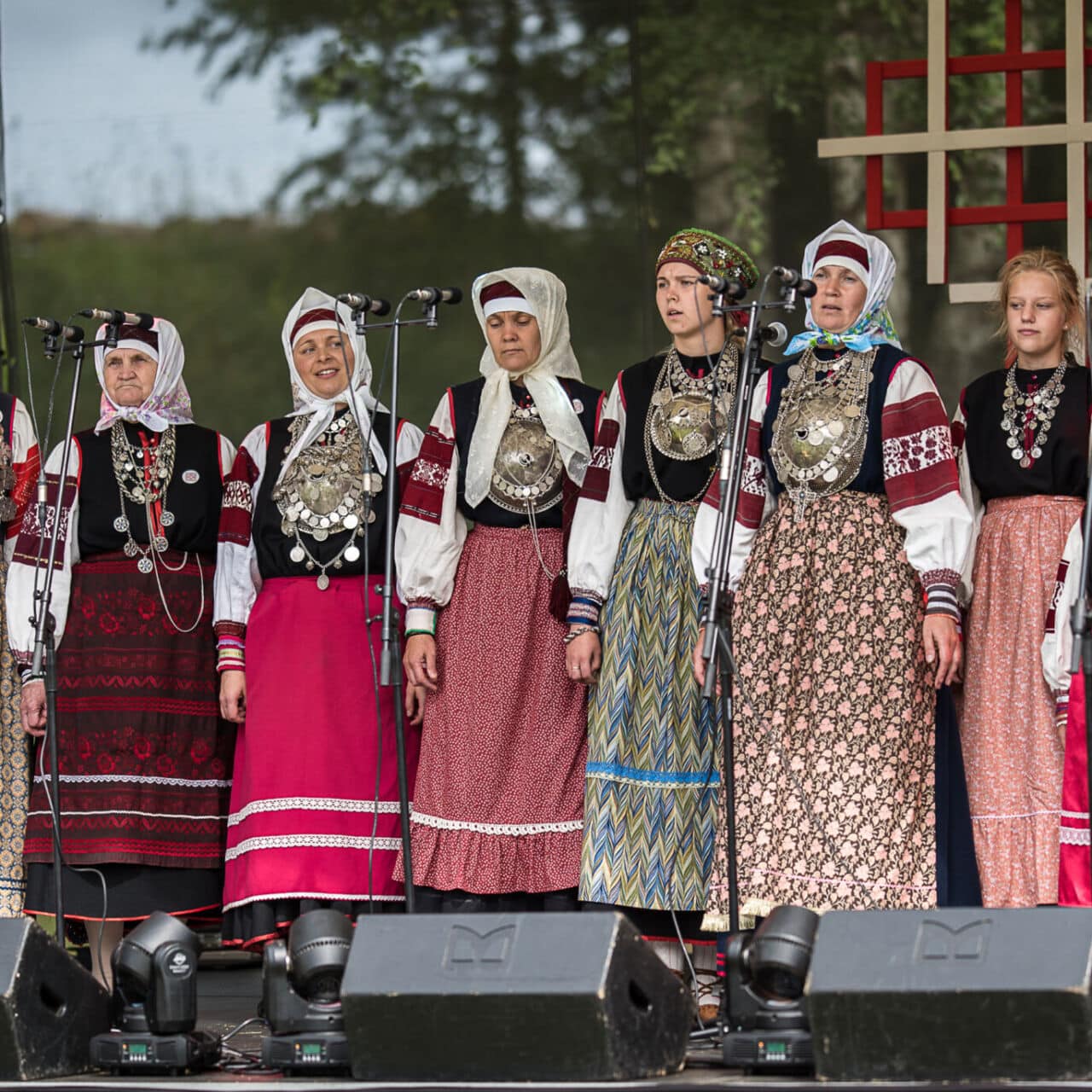
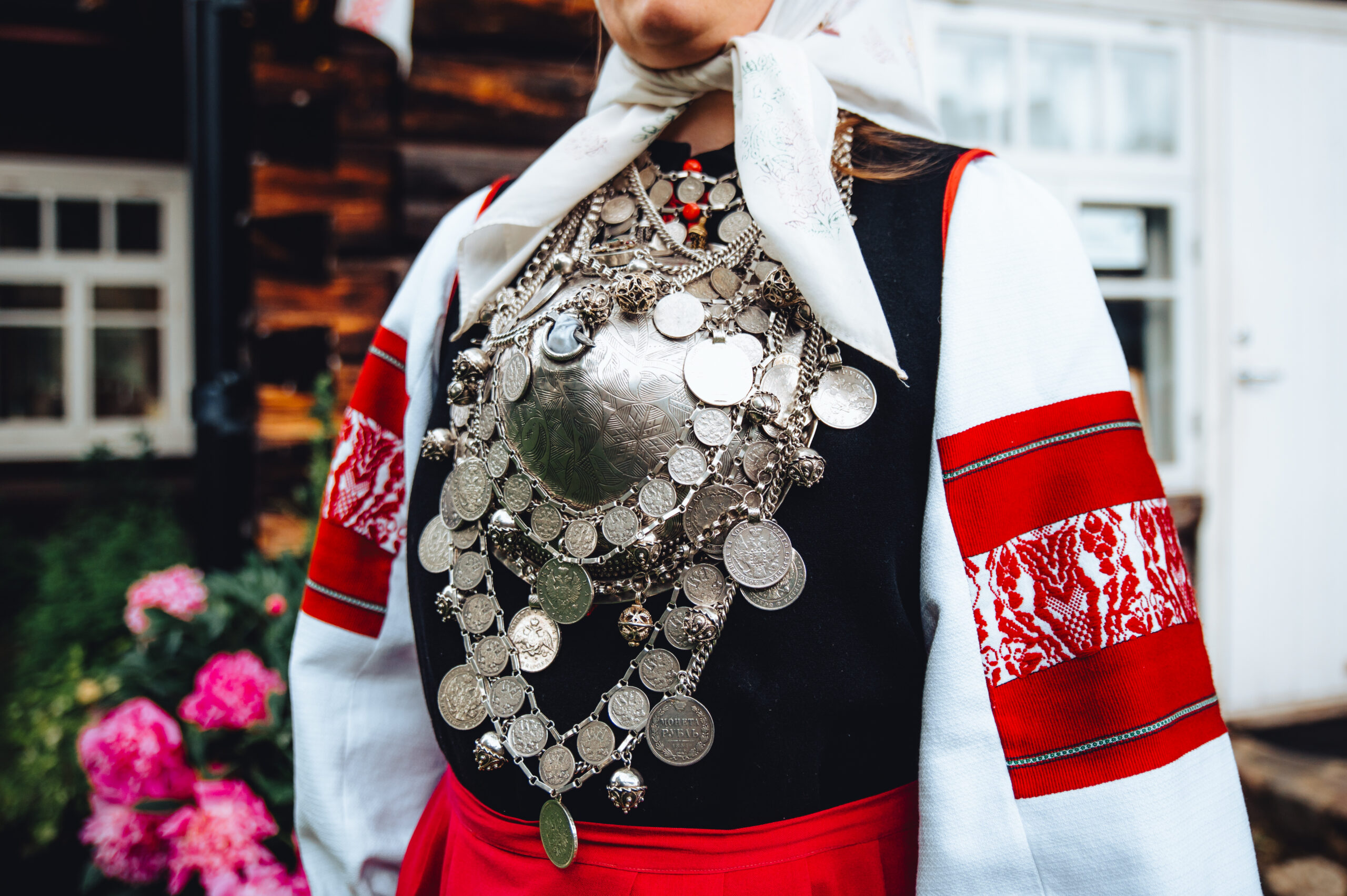
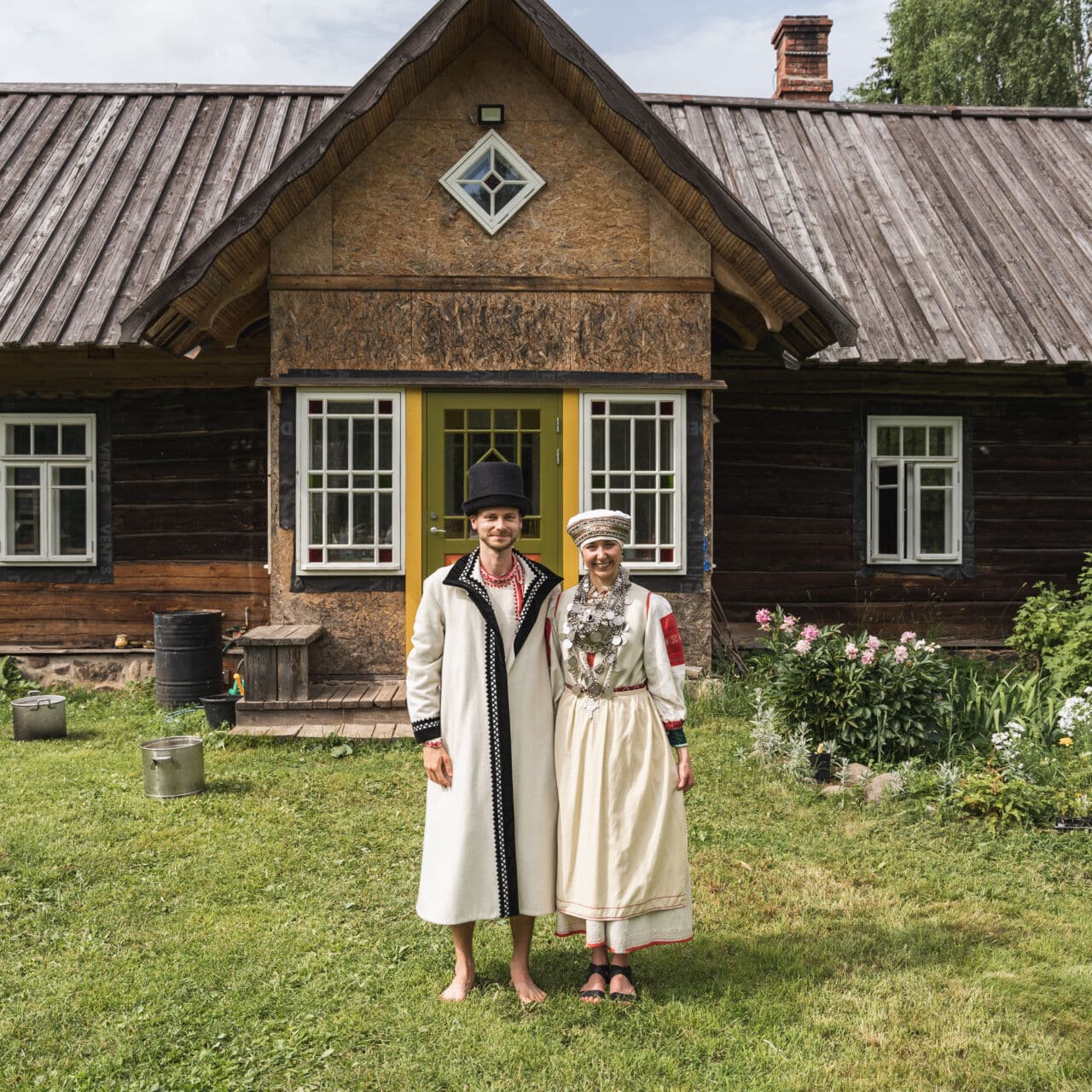
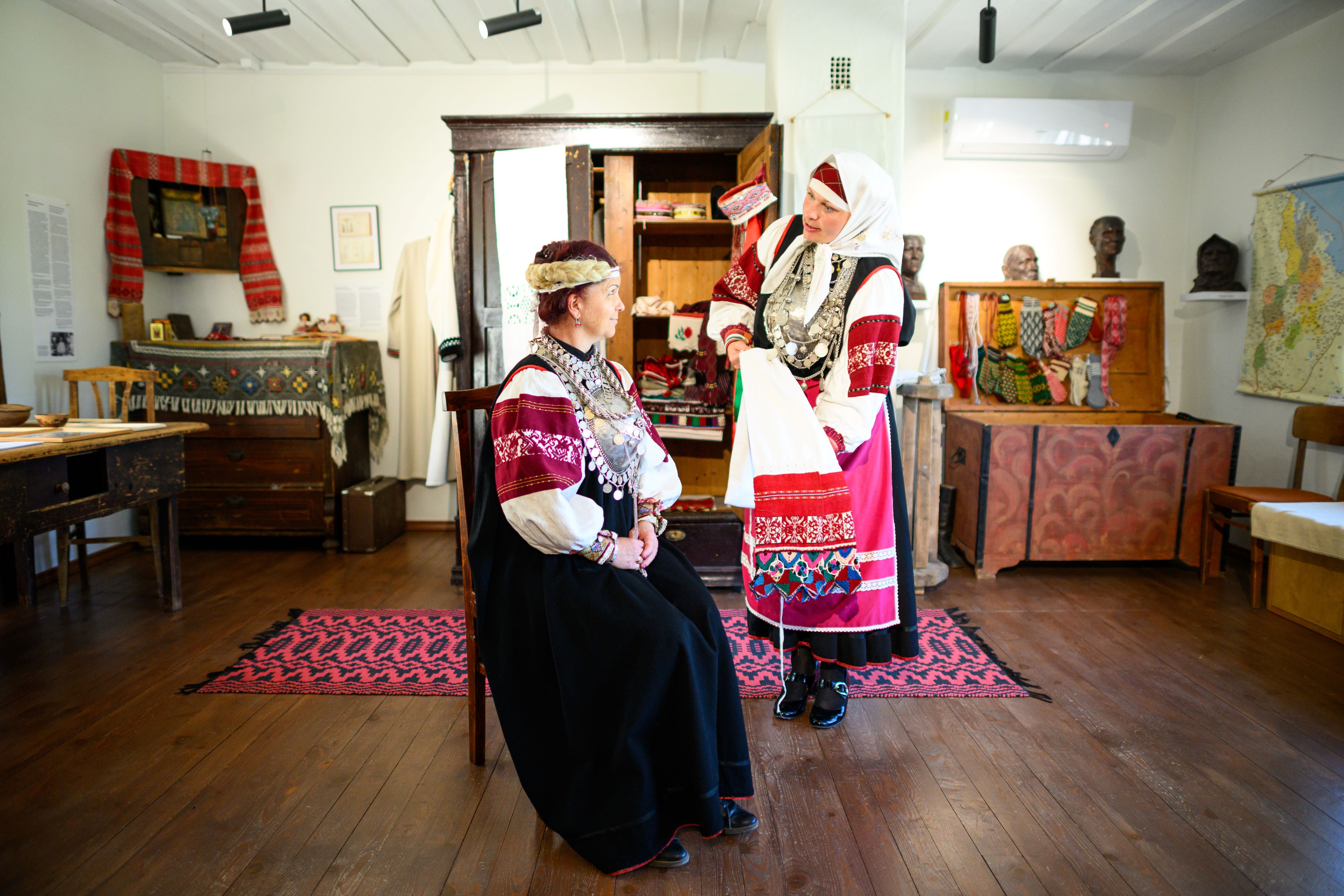
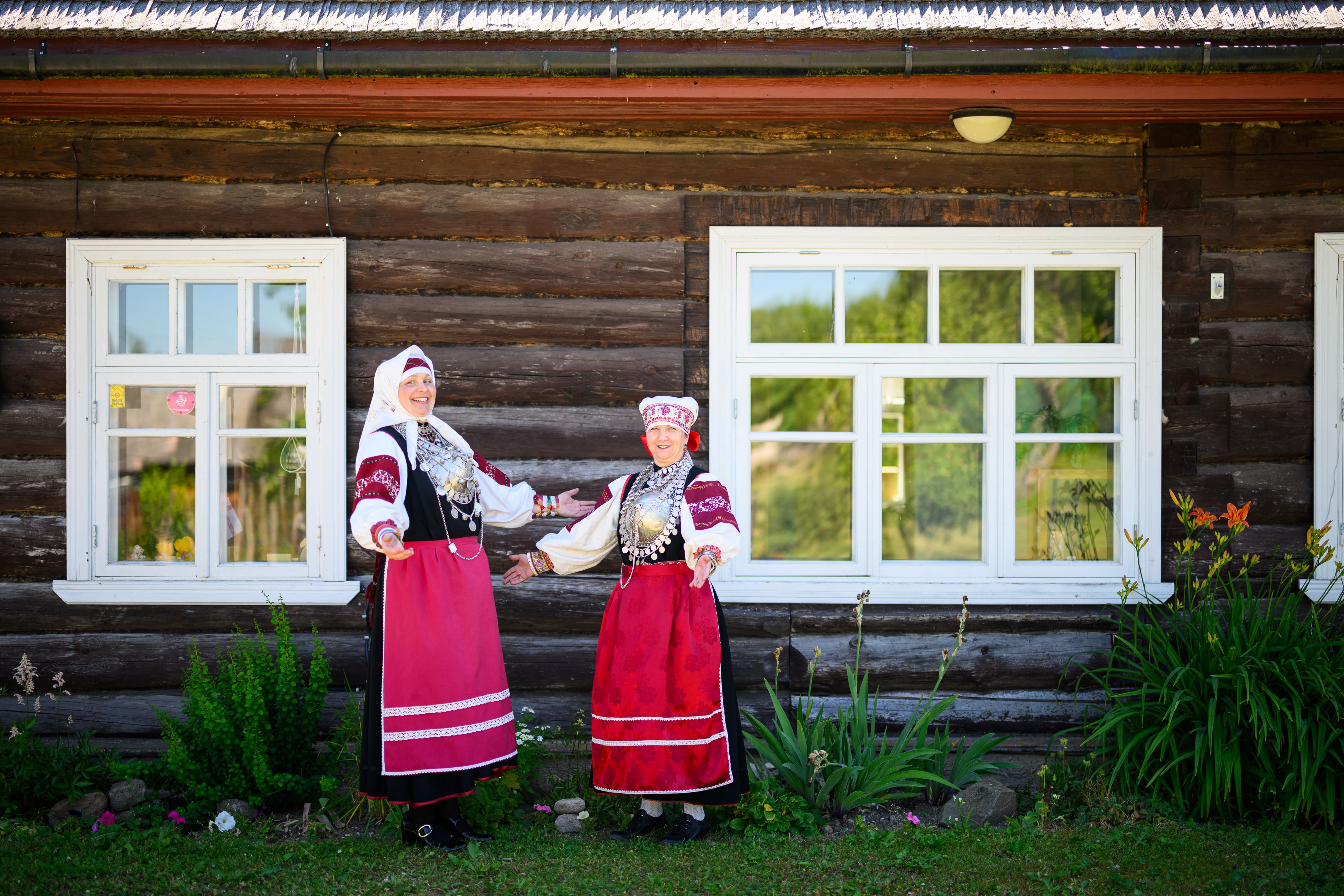
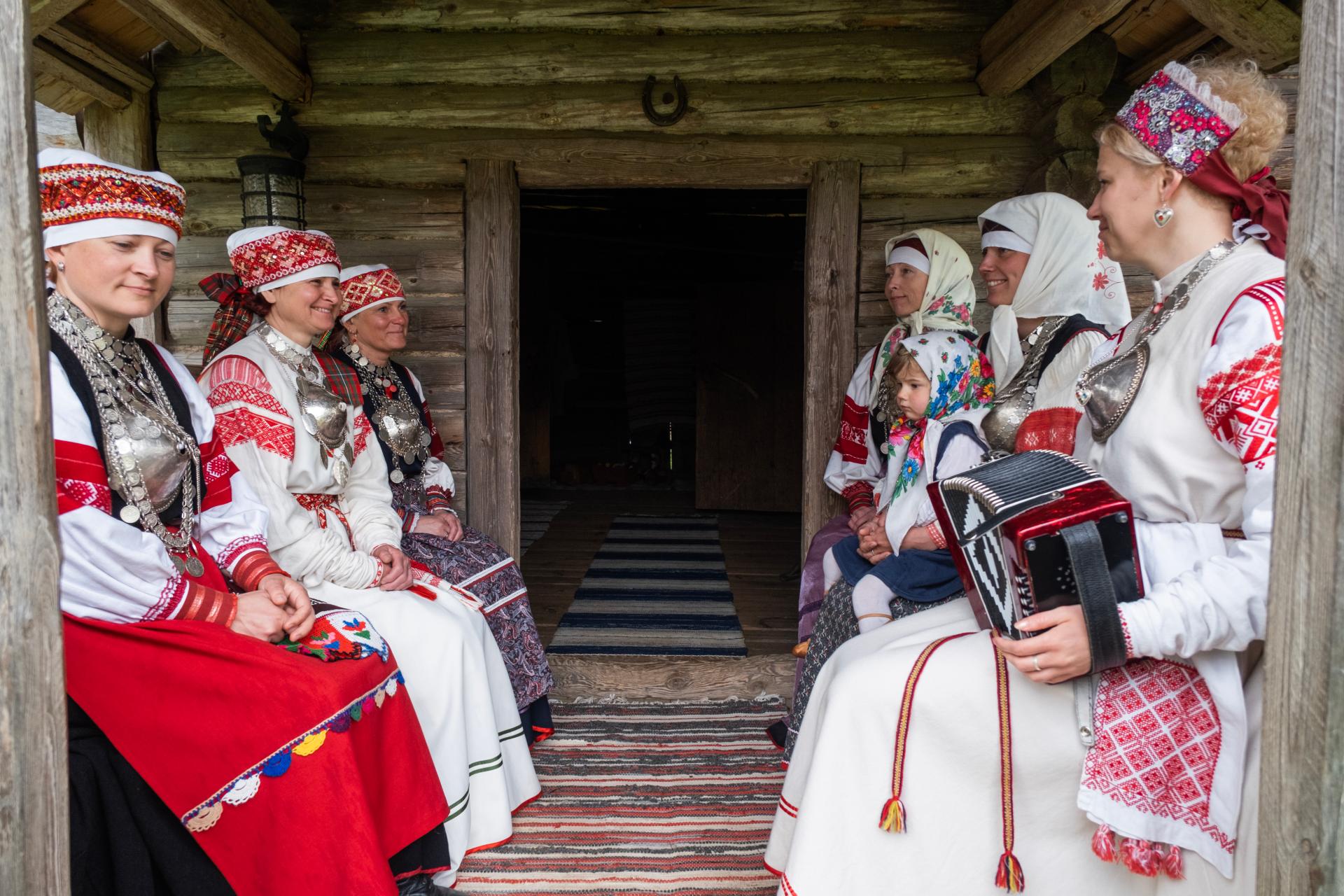
In Setomaa it is said you should hear a Seto woman before you see her. The silver jewellery jingles as she moves. A married woman covers her hair completely. An unmarried woman leaves her braid visible. The costume tells you everything about who someone is before they say a word.