• Explore
    • Nature
    • Culture
    • Food
    • Family
    • Activity
    • Blog
    Smoke sauna
    Weather and seasons
  • Plan
    • Accommodation
    • How to get here
    • Weather and seasons
    • Sustainability
    • Tourist info
    Discover South Estonia’s Most Beautiful Manors and Castles
    Top 20 Sights in South Estonia
  • For professionals
    • For professionals
    • Collaboration
    • News
    • Projects
    • Training
    • Repository
    • Community (opens in new tab)
    • Contacts
ENG
  • EnglishENG
  • EestiEST
  • LatviešuLAT
  • РусскийRUS
  • SuomiFIN
ENG
  • EnglishENG
  • EestiEST
  • LatviešuLAT
  • РусскийRUS
  • SuomiFIN
Popular searches:
Show all
  • History & Culture
  • Art & design

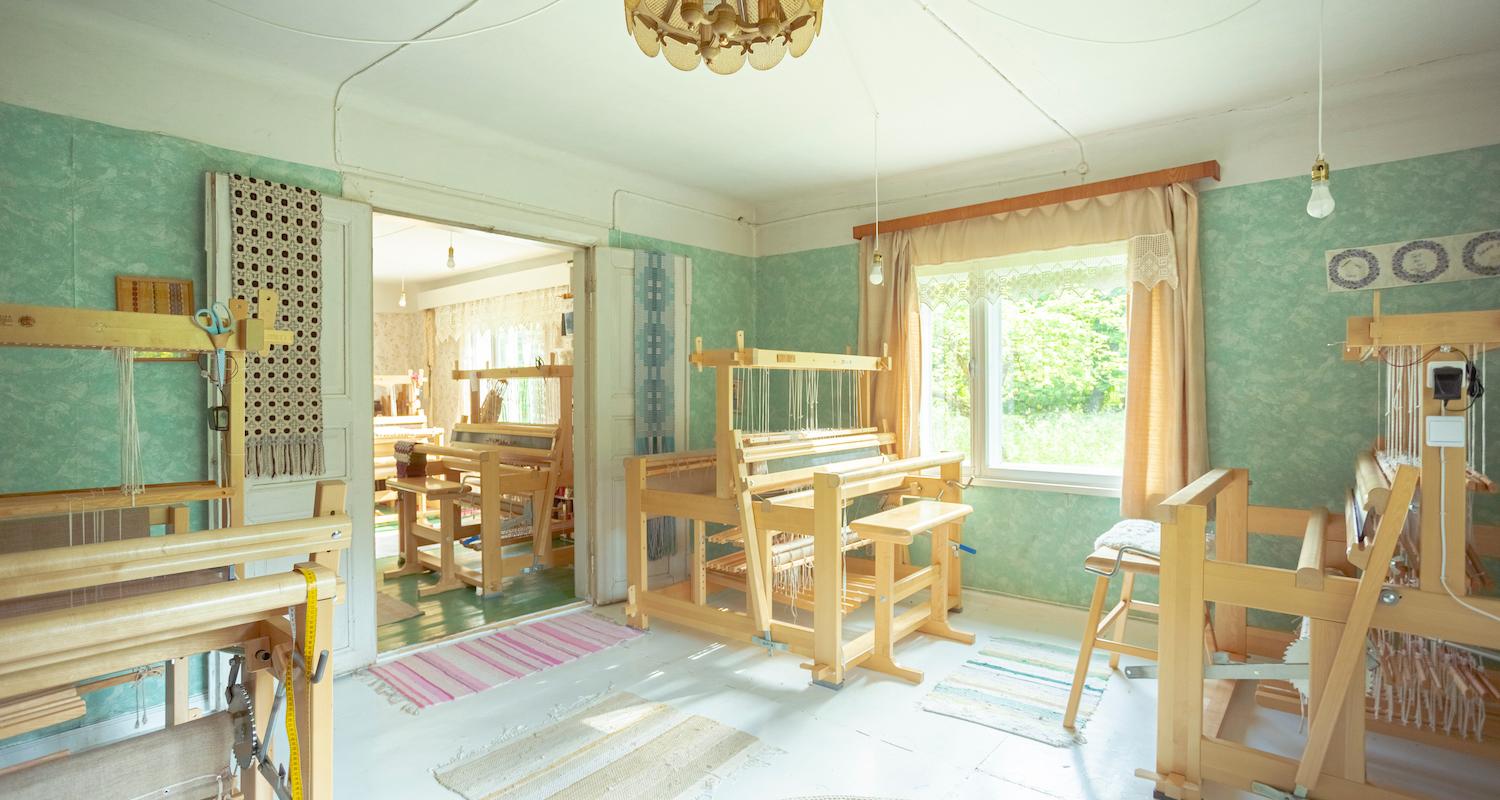
Weaving course at Turgi Handicraft Farm

Peipsiääre vald, Tartu maakond, 60228

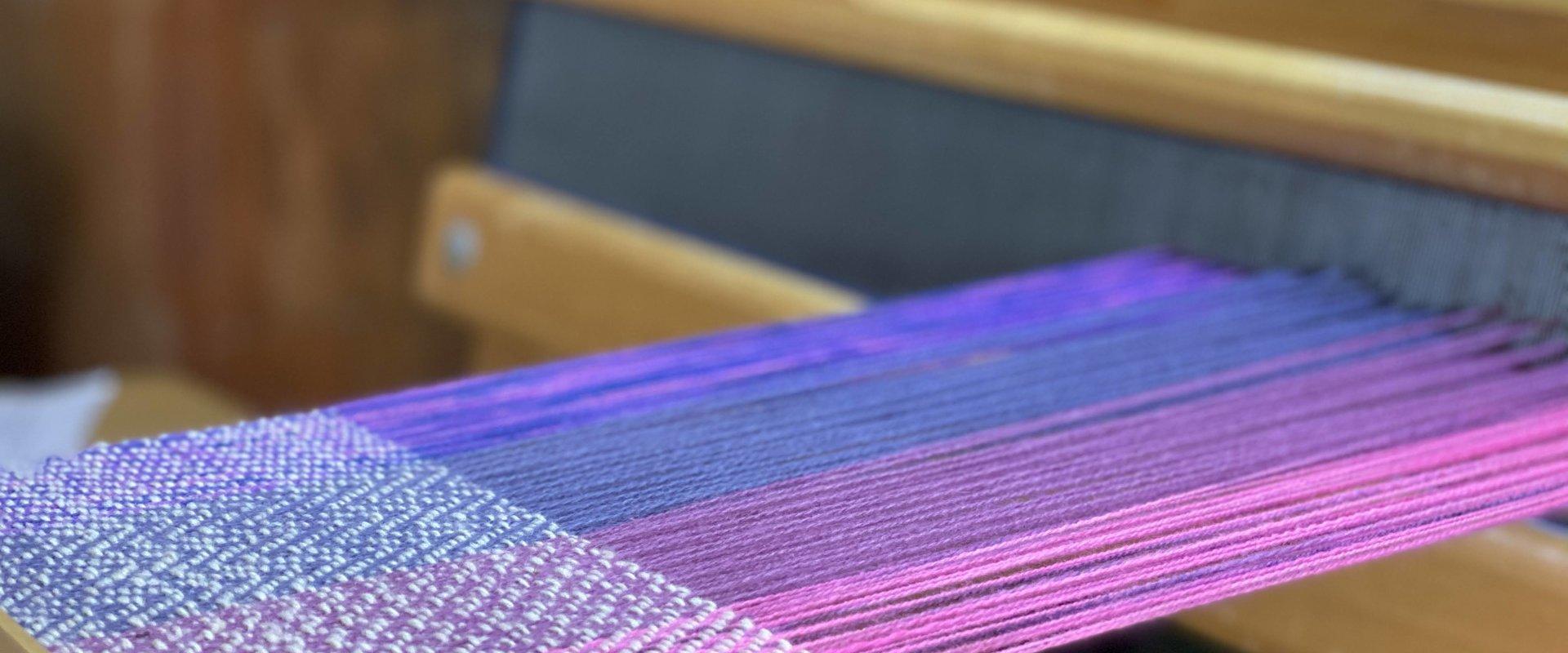
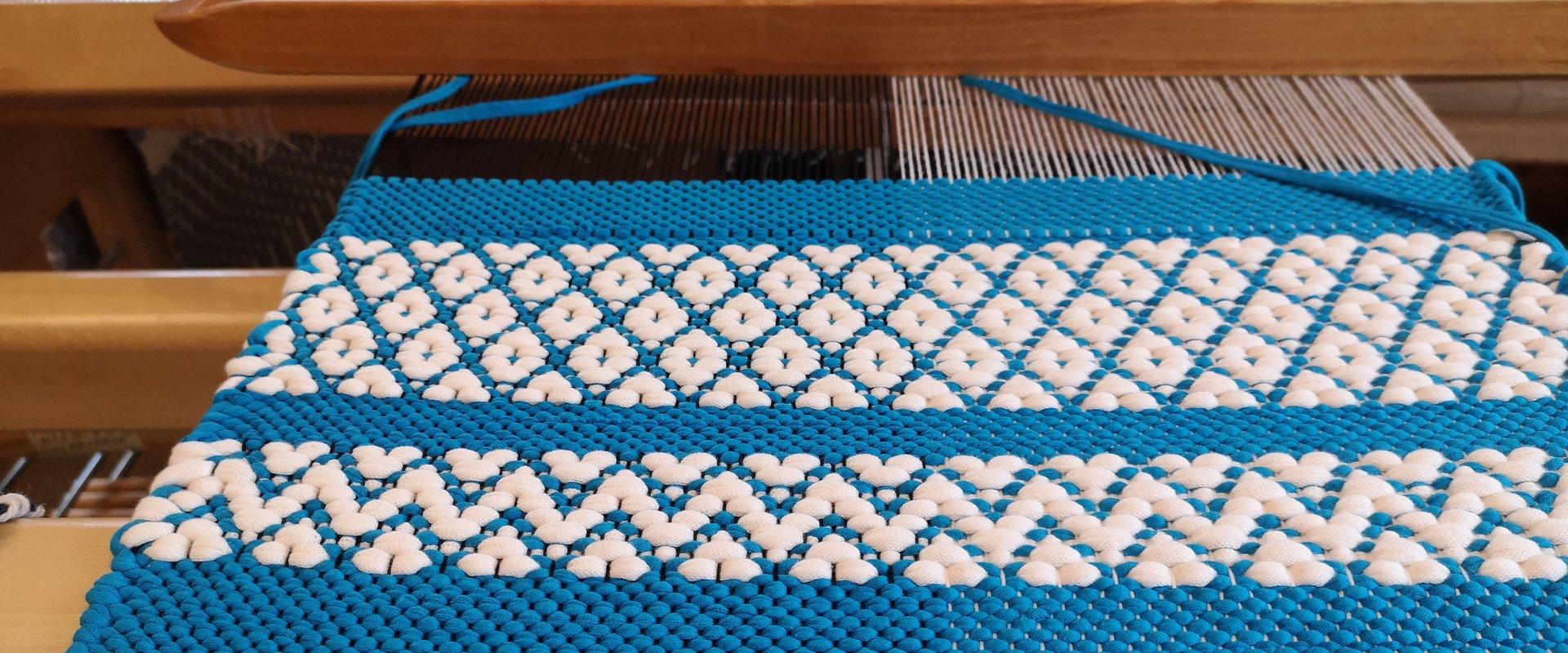
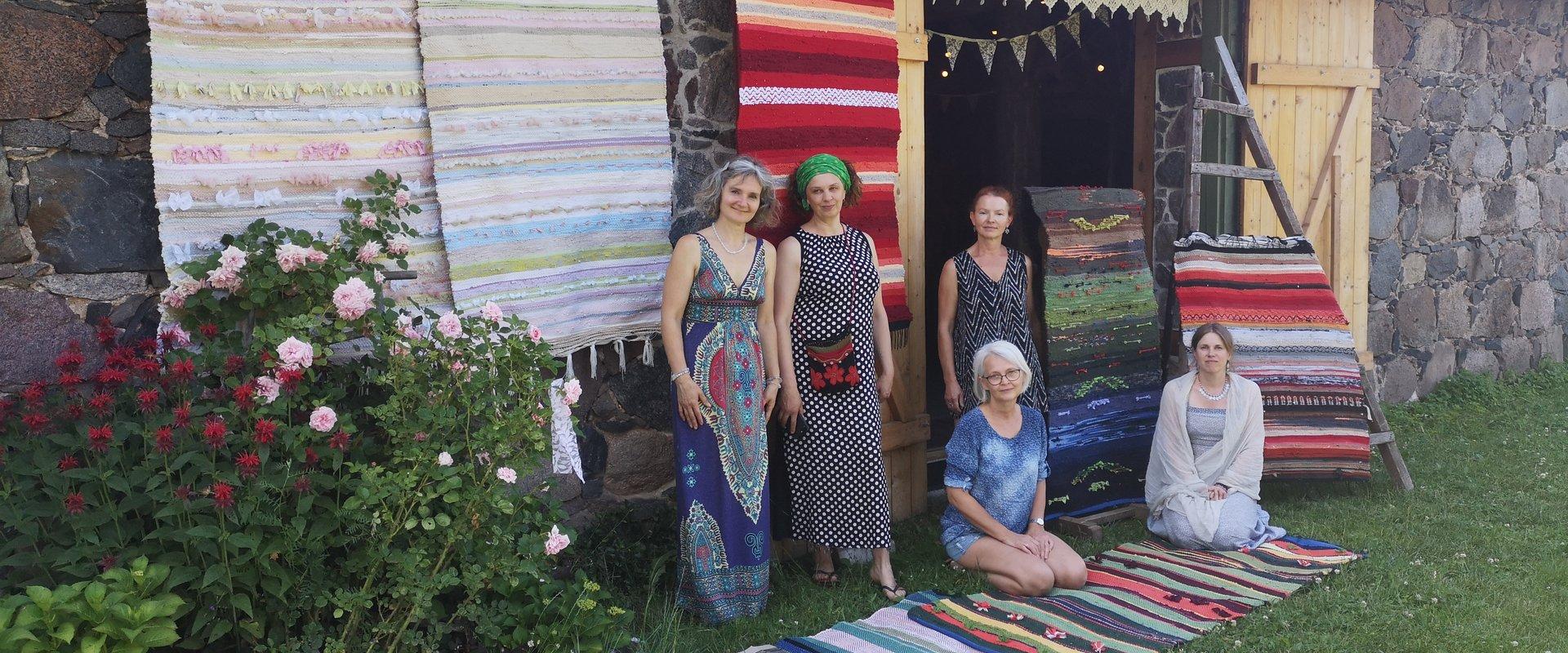
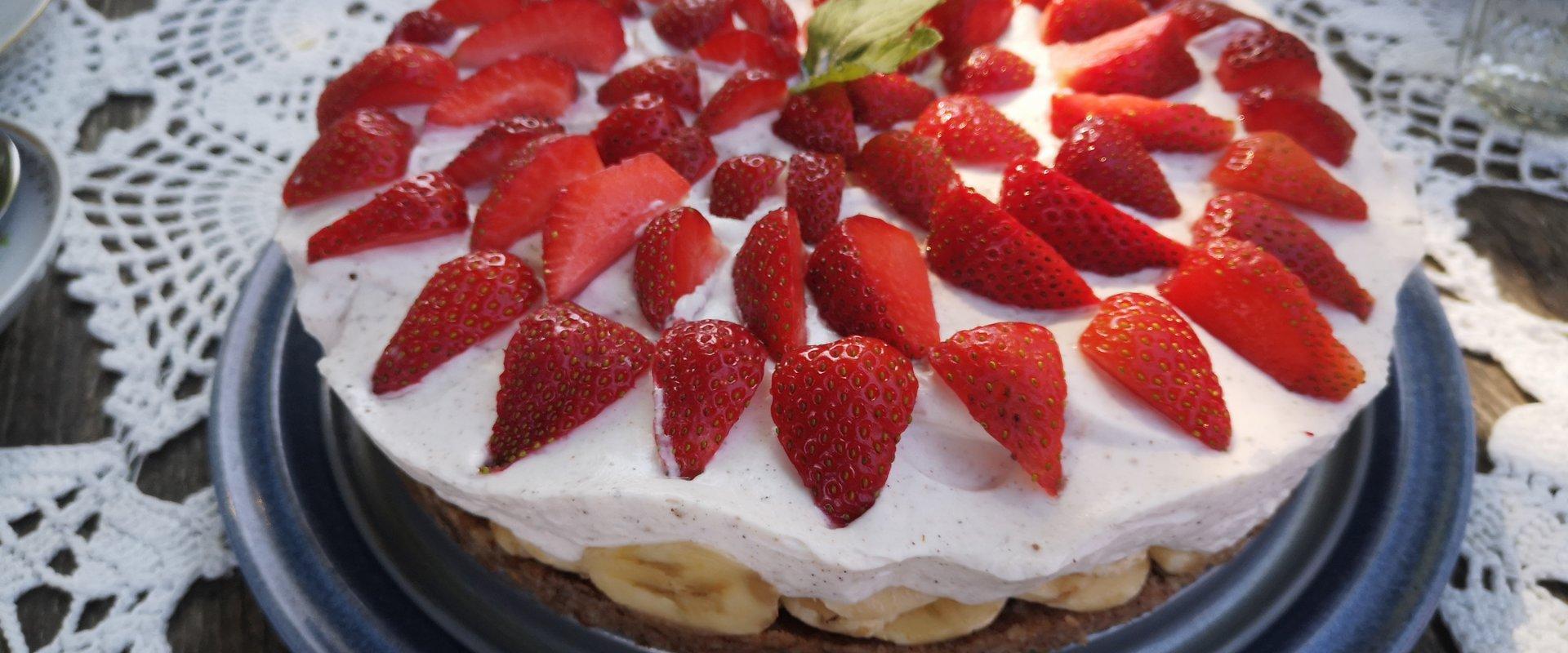
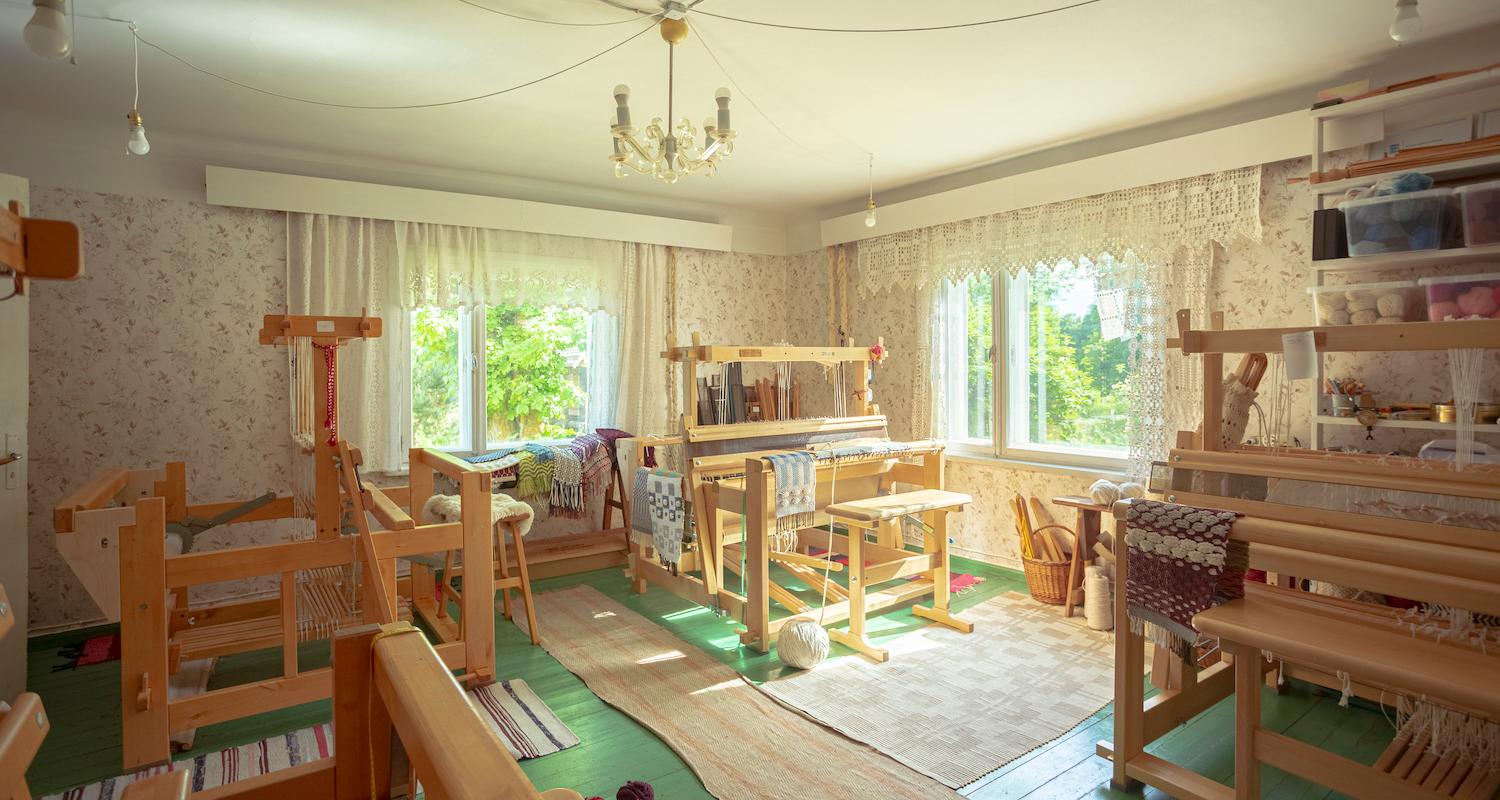
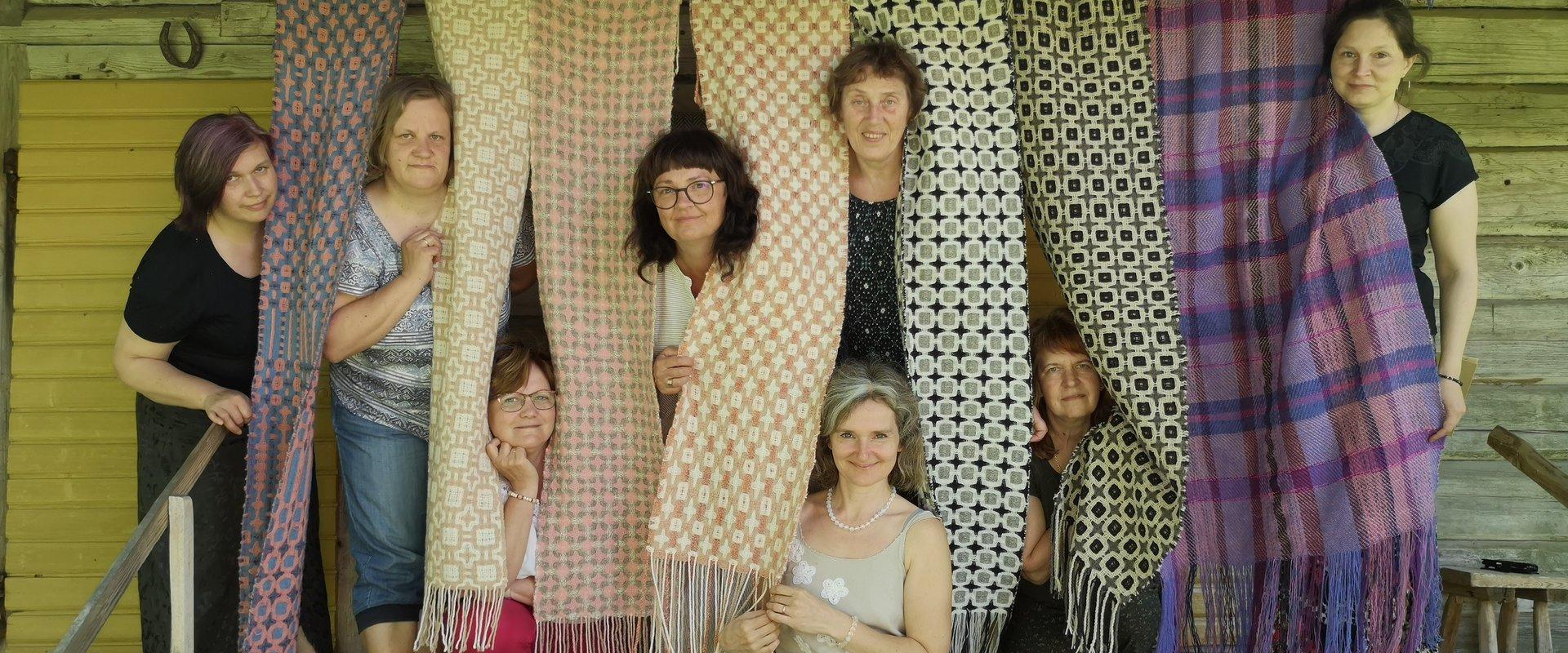
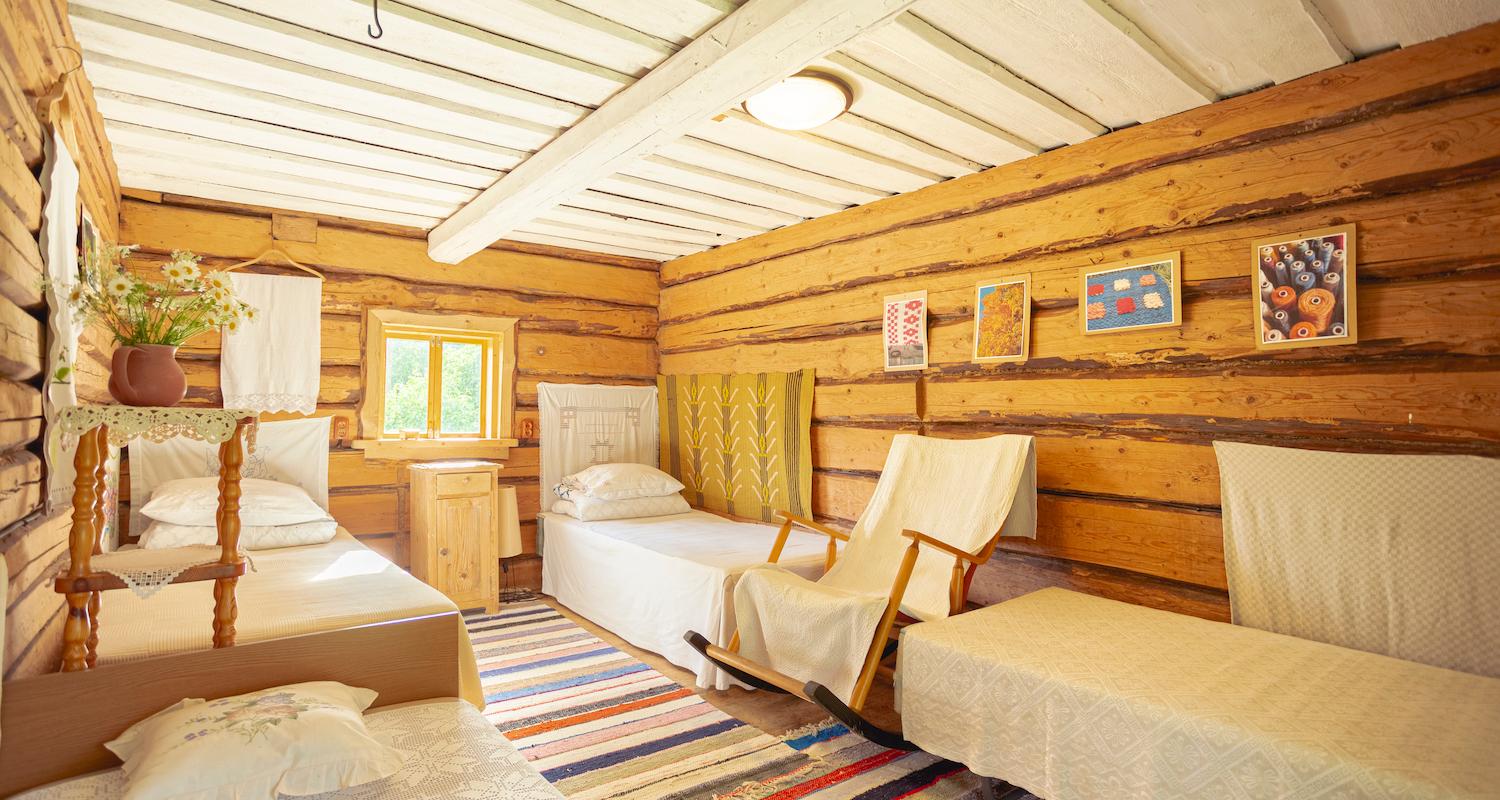
Turgi Handicraft Farm offers a creative holiday by weaving on looms.The selection includes various several-day courses, because the hostess Veinika Västrik introduces the basics of weaving to the beginners and more complex weaving techniques to the more experienced participants. Delicious and healthy meals are offered to the participants three times a day by the host Ergo.See the course dates at the homepage. If you wish, you are welcome to visit us with your group of friends (up to 8 people) and we will find a suitable time for both of us! The price of the 3-day course includes accommodation, catering, weaving materials and the design.You are welcome to weave with us!
Amenities

  • Free parking

Open times

Throughout the Year

Eeltellimsel

Contact

  • +372 5806 8703
  • veinika.vastrik@gmail.com

Links

turgitalu.ee

See more

Otten’s Mill Bridge or the Bridge of Siim

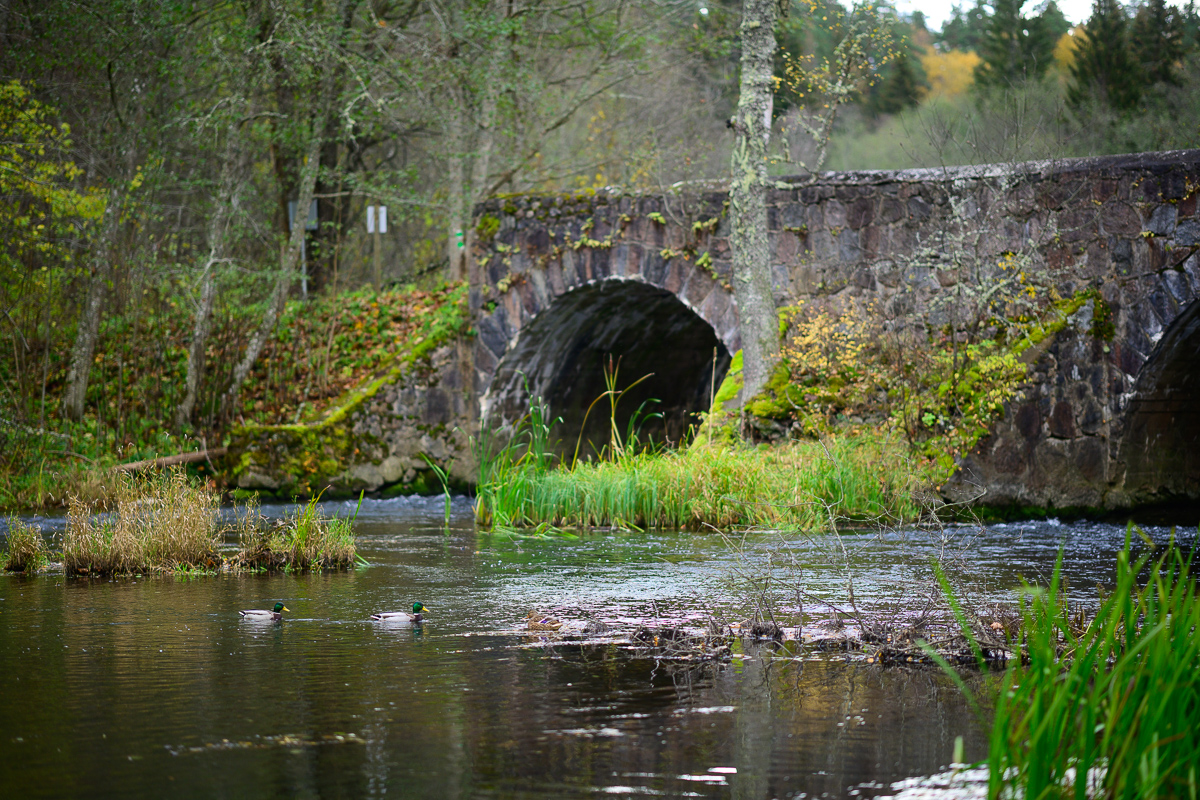
Otten's Mill Bridge is known as the setting for the feature film The Last Relic. This is where Siim blocks the path of his chasers on the bridge and one of the chasers' horses falls into the river.The mill bridge, which also worked as a mill dam, was built by Jaan Otten, the owner of the mill, in 1916, following the example of the Tartu Stone Bridge. The water channel with a bridge built of quarrystone has only partially survived. The dam of the watermill is built of quarrystone and it has two large concrete arches that could be closed with gates.Otten's Mill Bridge is the border of the Ahja River Primeval Valley Nature Protection Area. The bridge is also entered in the state register of cultural monuments.

  • Guided tours

Heino Lubja Museum of Scales

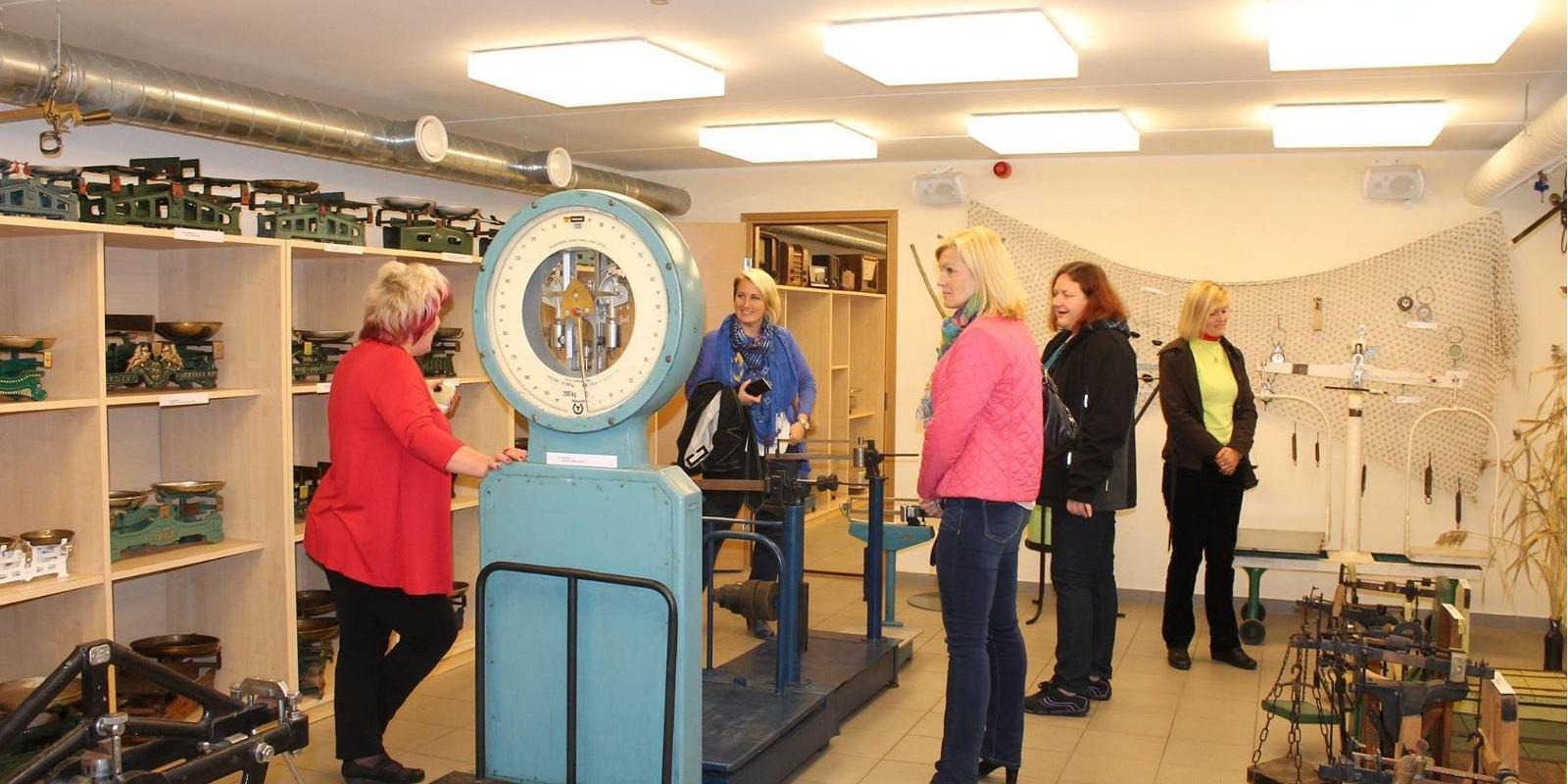
A museum unique in Estonia is located on the main street of Mustvee, founded by Heino Lubi who worked as a scales maker for more than 30 years. The collection includes over 120 various scales, about 50 steelyards, a great number of metal and ceramic weights and other things related to scales.In addition to scales made in Estonia, Heino Lubi's collection also features scales made in the Soviet Union and Poland. The museum also displays several contemporary scales which help to understand the history of scales.Guided tours must be pre-booked!

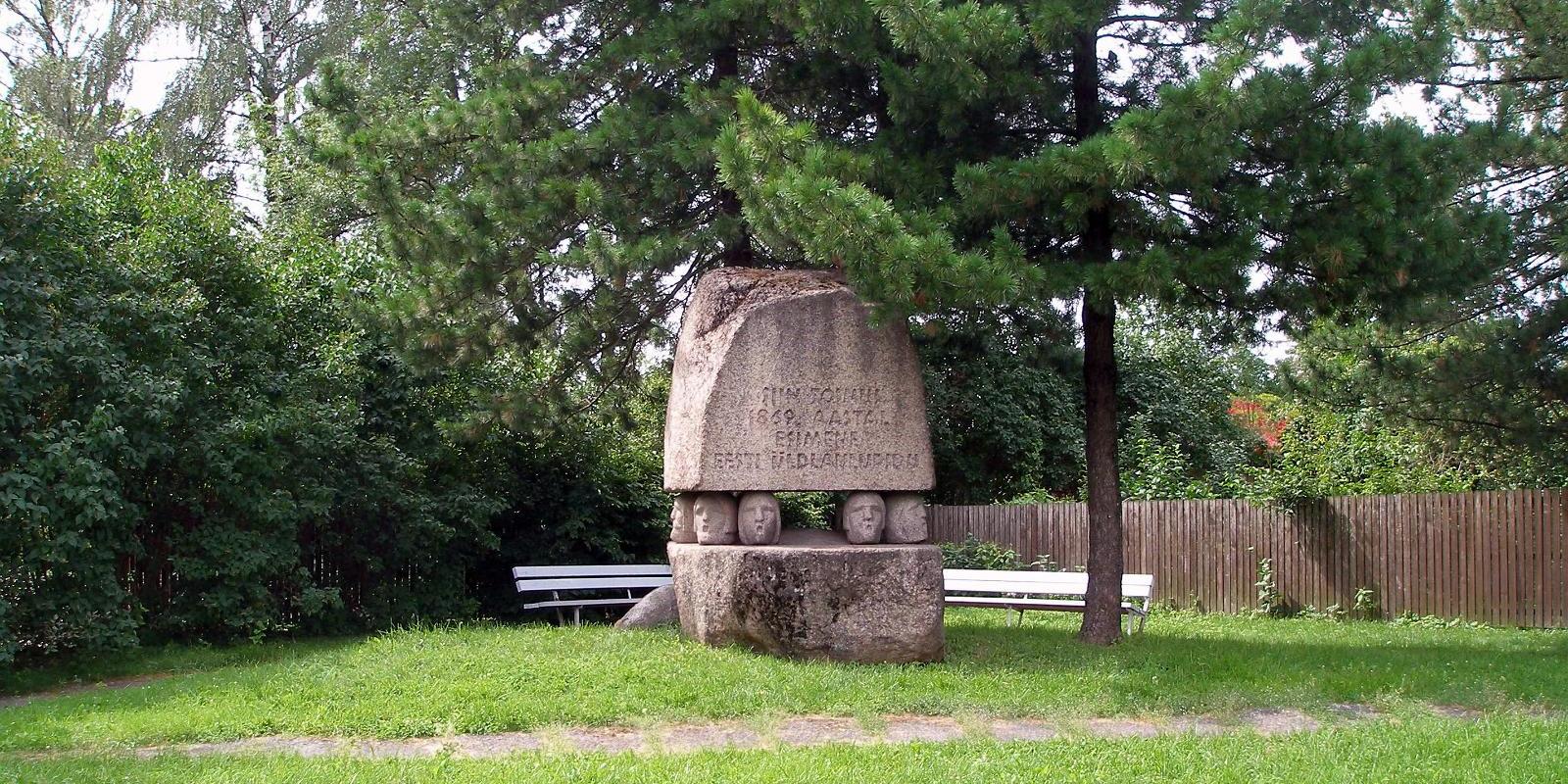
Memorial stone to the first Estonian Song Festival

The memorial stone to the first Estonian song festival was unveiled on the 125th anniversary of the festival in 1994. It was designed by Mati Karmin.Between the two millstones (czarist power and hard work and austerity), the heads are like grains that are being ground. They sing despite the pressure (Mati Karmin XL, 2019).The first song festival was held in Tartu from 18–20 June 1869. It was opened in Toomeoru but mainly took place in the gardens of the Ressourc society opposite St Peter’s Church, which enjoyed beautiful views over the town and the Emajõgi River. The festival was attended by 46 choirs, involving almost 800 male singers and four brass bands. Almost 15,000 people attended the festival.

  • Estonian handicraft

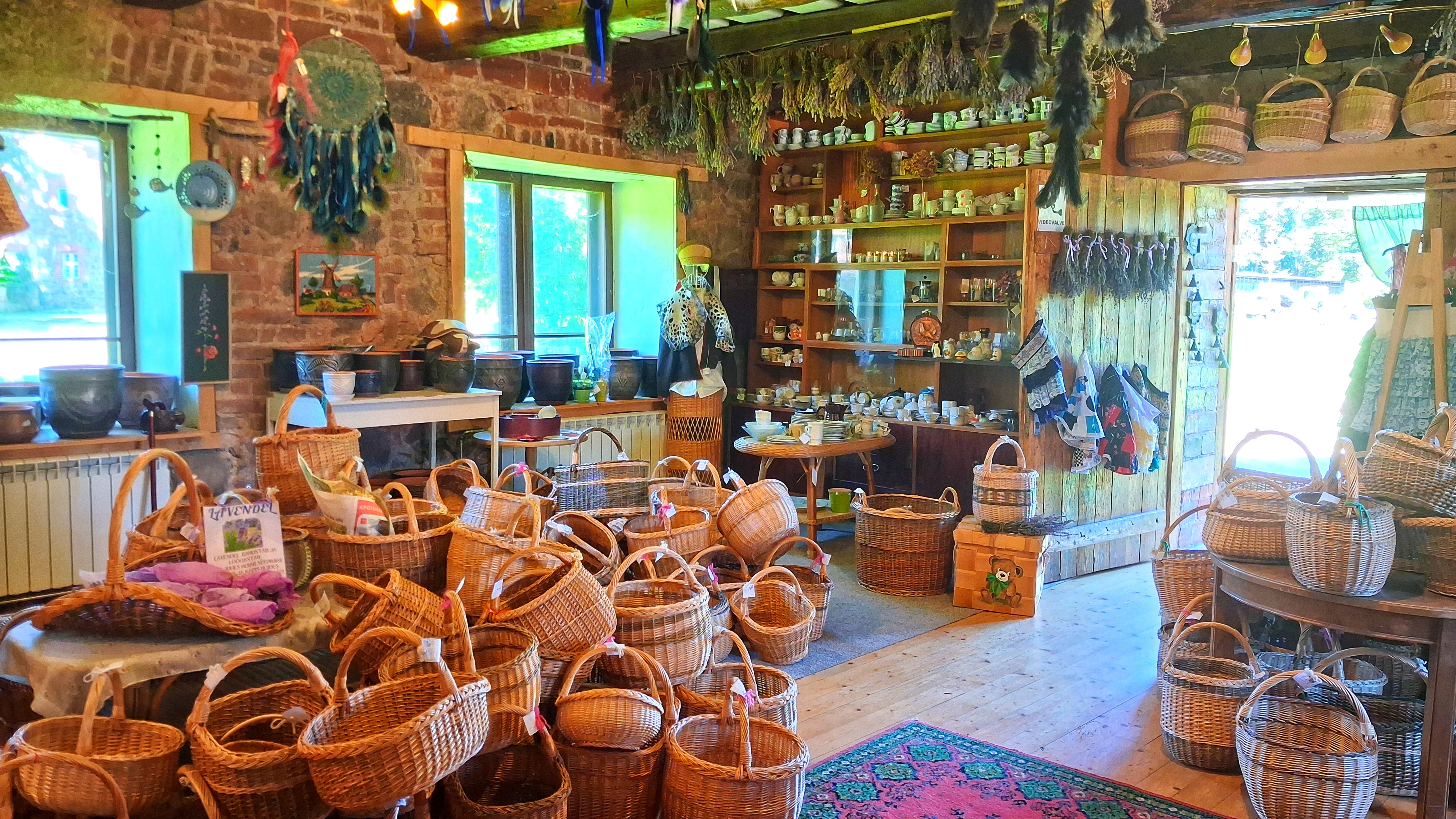
Alatskivi handicraft shop “Magasiait”

It is important to us that craftspeople are recognized, valued, and respected. Over the years, more than 150 craft enthusiasts have joined the craft store "Magasiait." The store features products created with care by locals as well as creations by master craftspeople from all over Estonia.At Magasiait, you can purchase: lovely rugs, stylish ceramics, knitwear for the body, toes, and fingers, and a woman's best friend – jewelry. You can also find famous Estonian lace shawls, made by the skilled knitters of Haapsalu. One of the store's great prides is the selection of woven baskets, which extends from the floor almost to the ceiling in the large hall.The busy bees of Magasiait wish to make customers happy by offering a selection of gourmet items from home kitchens — "Magasiaida Talusahver." The menu includes special sauces and jams, including Sibulkad — uniquely flavored onion jams, herbal teas, and flavored salts. The highlight is locally grown lavender. There is also a corner dedicated to recycling, where you can find a piece of Estonian art history and a retro vibe. We welcome all craft enthusiasts!

  • Churches

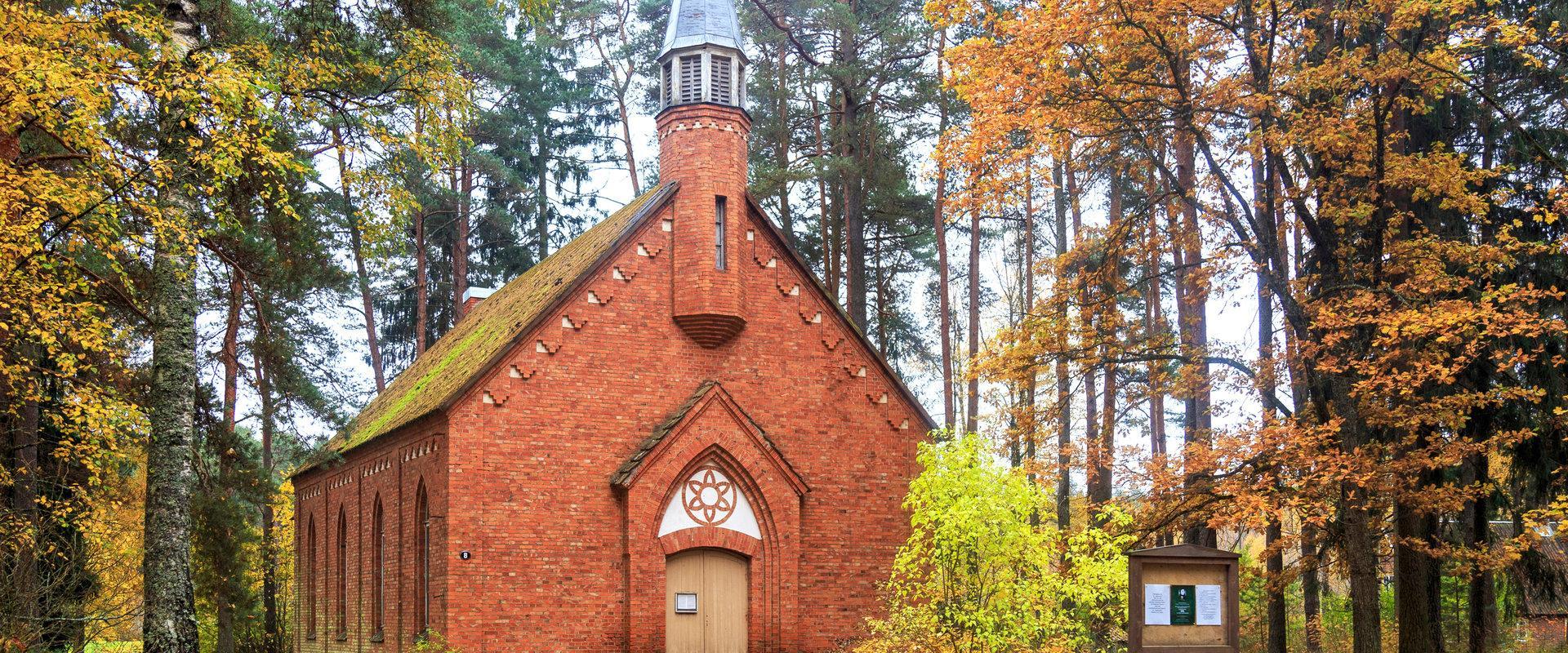
Elva Church of the Estonian Evangelical Lutheran Church

You will find this historicist red-brick church (architect Arved Eichorn), which is the first new church built in the Republic of Estonia, in the peaceful little town Elva. Tartu St John’s Congregation used to operate in Elva for some time. This is why some details of the Elva Church remind of Tartu St John’s Church – the rarely used plaster and brick imitation of a rose window on the western wall of the church refers to the medieval rose window that can be found in Tartu St John’s Church.

  • Guided tours
  • Workshops
  • Virtual reality (VR)

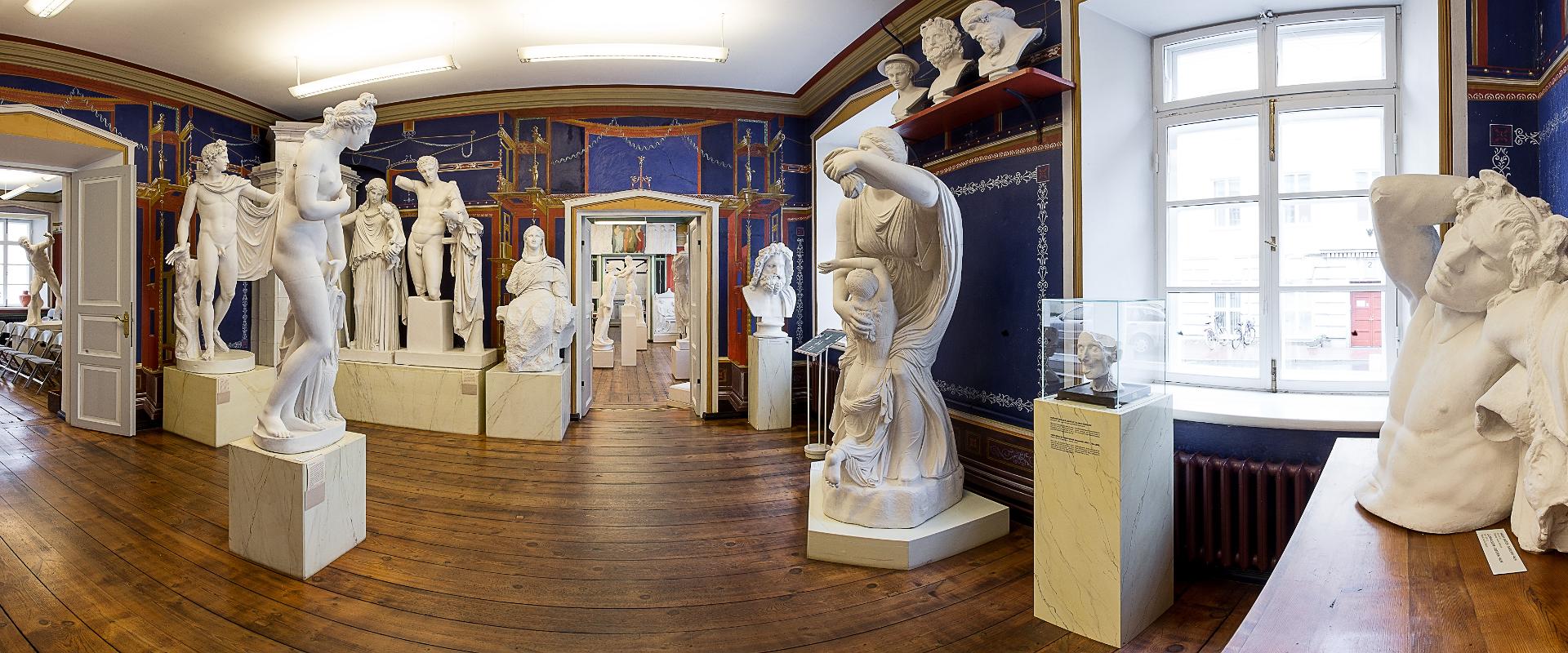
University of Tartu Art Museum

The University of Tartu Art Museum is located in the historical University Main Building and has Pompeian-style interior. The museum’s permanent exhibition consists of sculptures, mostly from the antiquity – original size plaster cast copies of the best works of Archaic, Classical, and Hellenistic Greece. The Art Museum also displays many ancient originals: coins, vases, clay lamps, and cuneiform tablets. There is also the mysterious mummy chamber, where you can find a genuine Egyptian mummy. You can also visit the beautiful Assembly Hall of the university and the student lock-up in the attic.

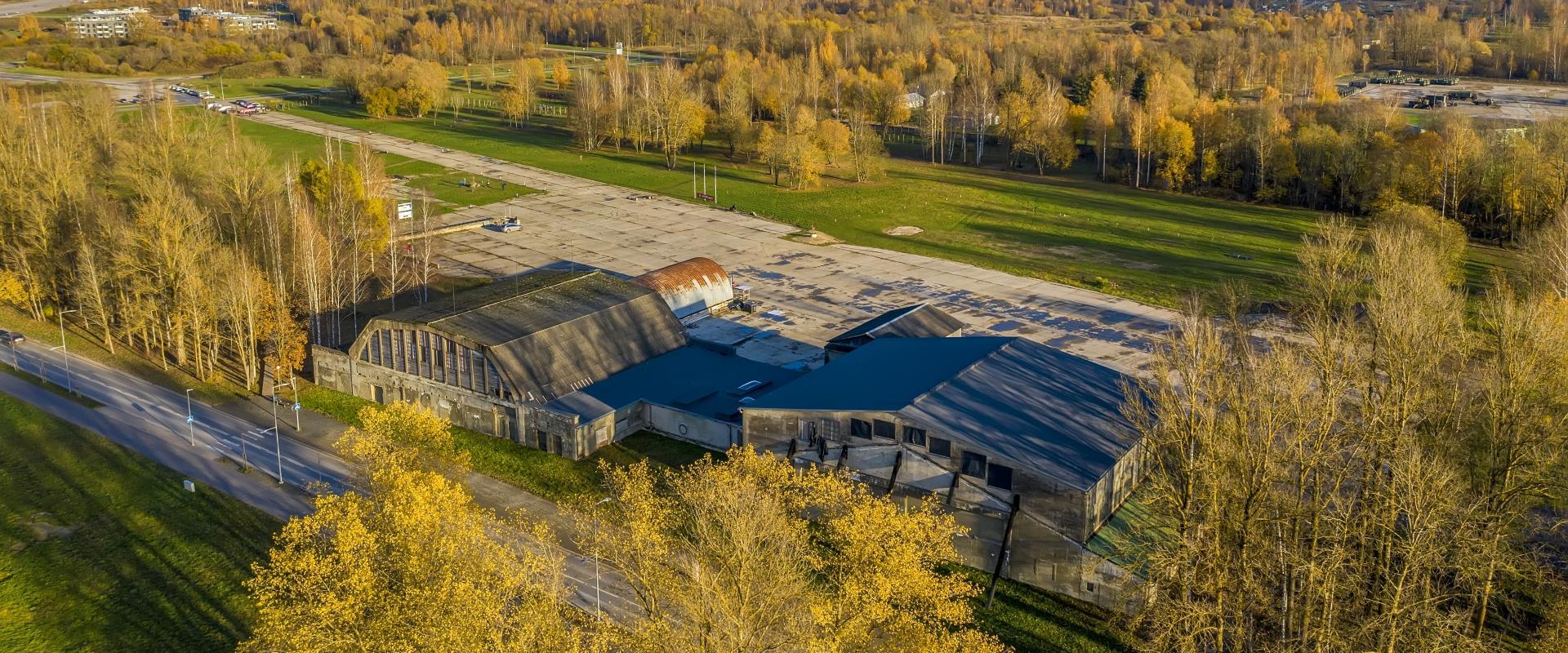
Former Raadi Military Airfield and Aircraft Hangars

On April 14, 1912, the Russian pilot Sergei Utotškin made the first motorised flight in Estonia, in a Farman biplane above the fields of the Raadi Manor. The event was captured by Johannes Pääsuke, a young filmmaker. Baron Liphart, the lord of the Raadi Manor, had his farmland converted into a runway in summer 1914, when a dozen planes of the St. Petersburg Military District landed there. After Estonia gained its independence, the 2nd Squadron of the Aviation Regiment was stationed in Raadi. During the 1950s and 1960s the Raadi airfield was refashioned into one of the largest air bases in Eastern Europe, at which strategic long-range bombers were stationed. It's believed that the last plane landed here in 1996.

  • Churches

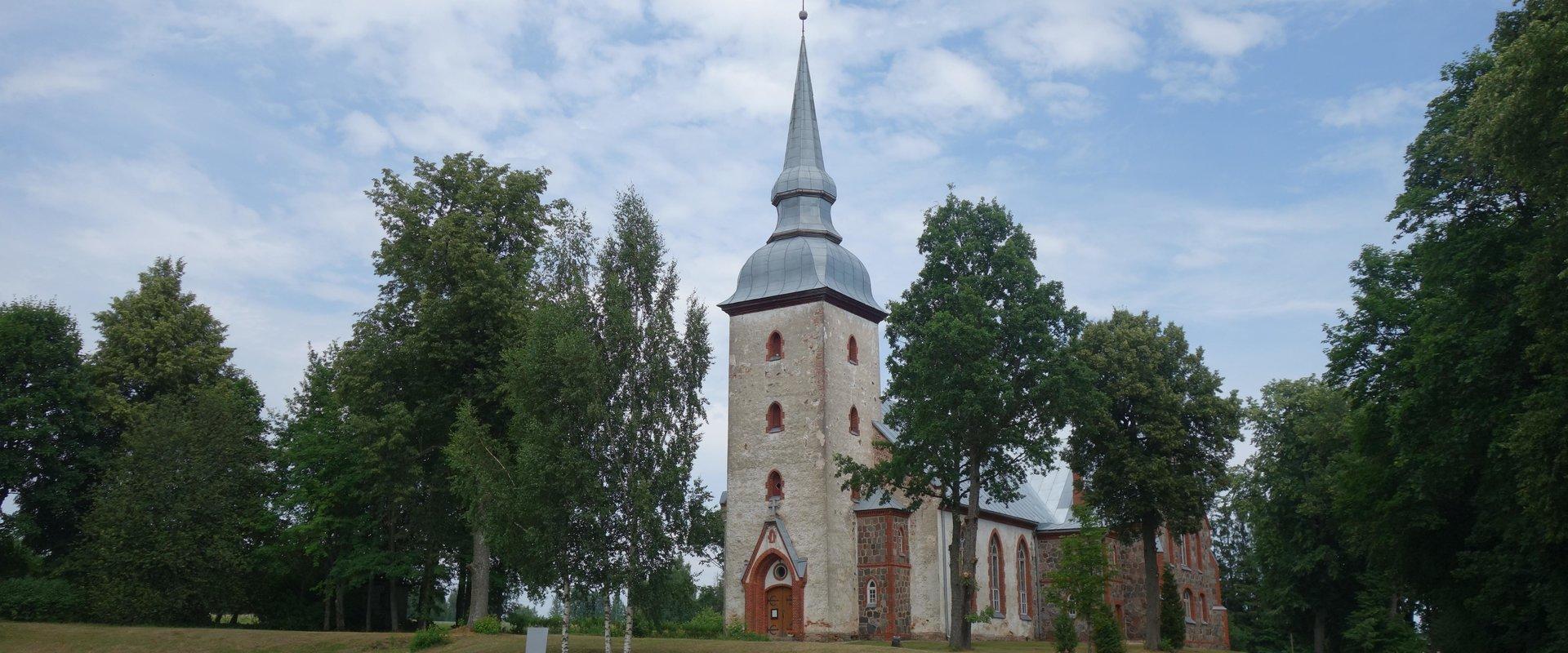
Vastseliina Church

Vastseliina Castle was built in 1342. The Swedish Army gave the order to build another church outside the walls of the castle as an addition to the Vastseliina Castle Chapel. The new church was consecrated as St. Catherine's Church. The church was destroyed together with the Vastseliina Castle by Russian cannon fire. Another church was built, and construction began on a stone church. Von Liphardt donated an organ made by Kessler and an alter painting by Baron Maydell to the church. Vastseliina Church was reconstructed according to the plans of the architect Pohlmann. In 1911 the church obtained a new organ built by the brothers Kriisa. Church service is held on Sunday.

  • Collaboration
  • News
  • Contacts
  • Privacy Policy
Join our mailing list!

"*" indicates required fields

This field is for validation purposes and should be left unchanged.
I authorise marketing

South Estonia Tourism Cluster

info@visitsouthestonia.com