• Explore
    • Nature
    • Culture
    • Food
    • Family
    • Activity
    • Blog
    Smoke sauna
    Weather and seasons
  • Plan
    • Accommodation
    • How to get here
    • Weather and seasons
    • Sustainability
    • Tourist info
    Discover South Estonia’s Most Beautiful Manors and Castles
    Top 20 Sights in South Estonia
  • For professionals
    • For professionals
    • Collaboration
    • News
    • Projects
    • Training
    • Repository
    • Community (opens in new tab)
    • Contacts
ENG
  • EnglishENG
  • EestiEST
  • LatviešuLAT
  • РусскийRUS
  • SuomiFIN
ENG
  • EnglishENG
  • EestiEST
  • LatviešuLAT
  • РусскийRUS
  • SuomiFIN
Popular searches:
Show all
  • History & Culture
  • Architecture and history

Tartu Town Hall Square

Raekoja plats 1a, Tartu linn, Tartu maakond, 51003

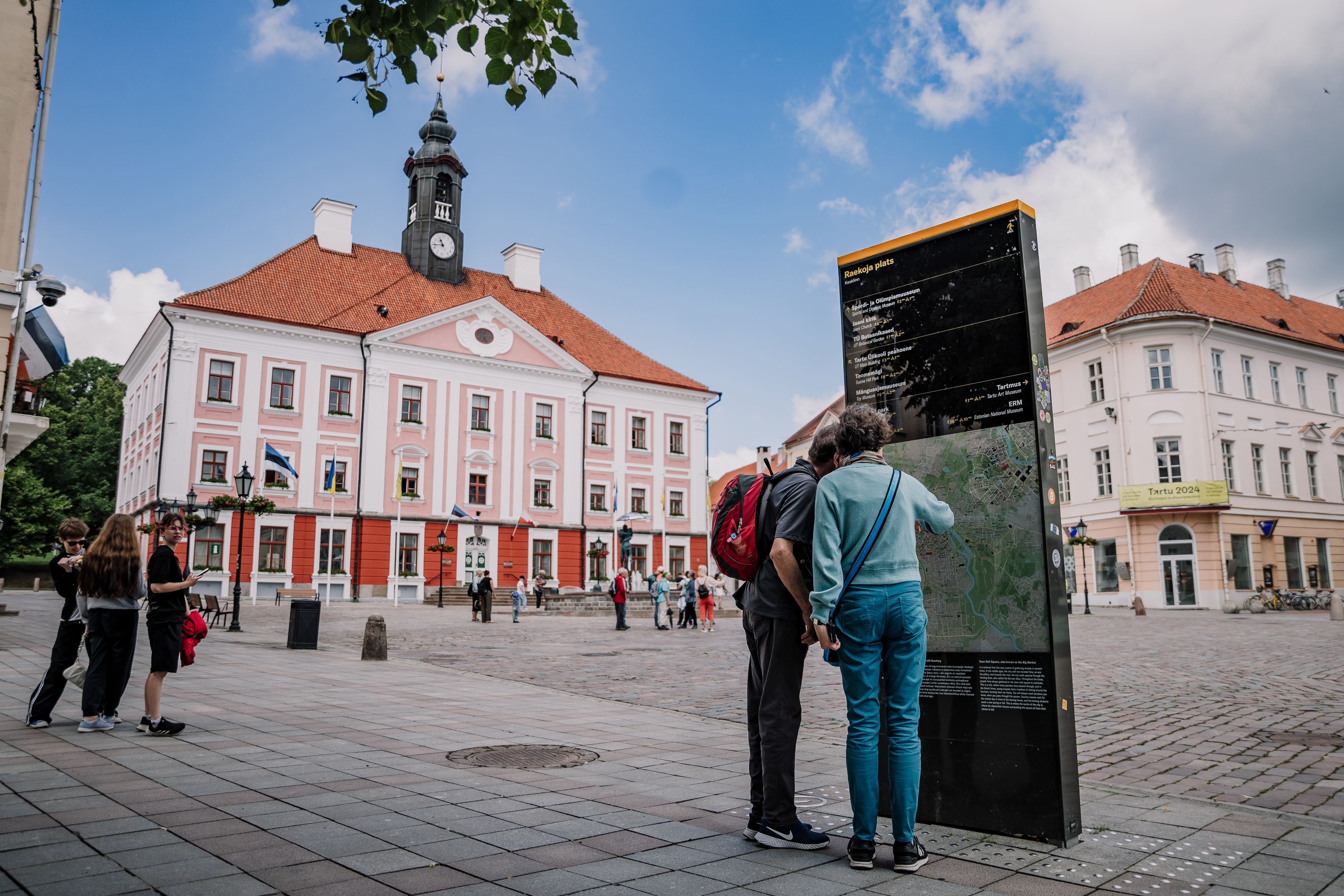
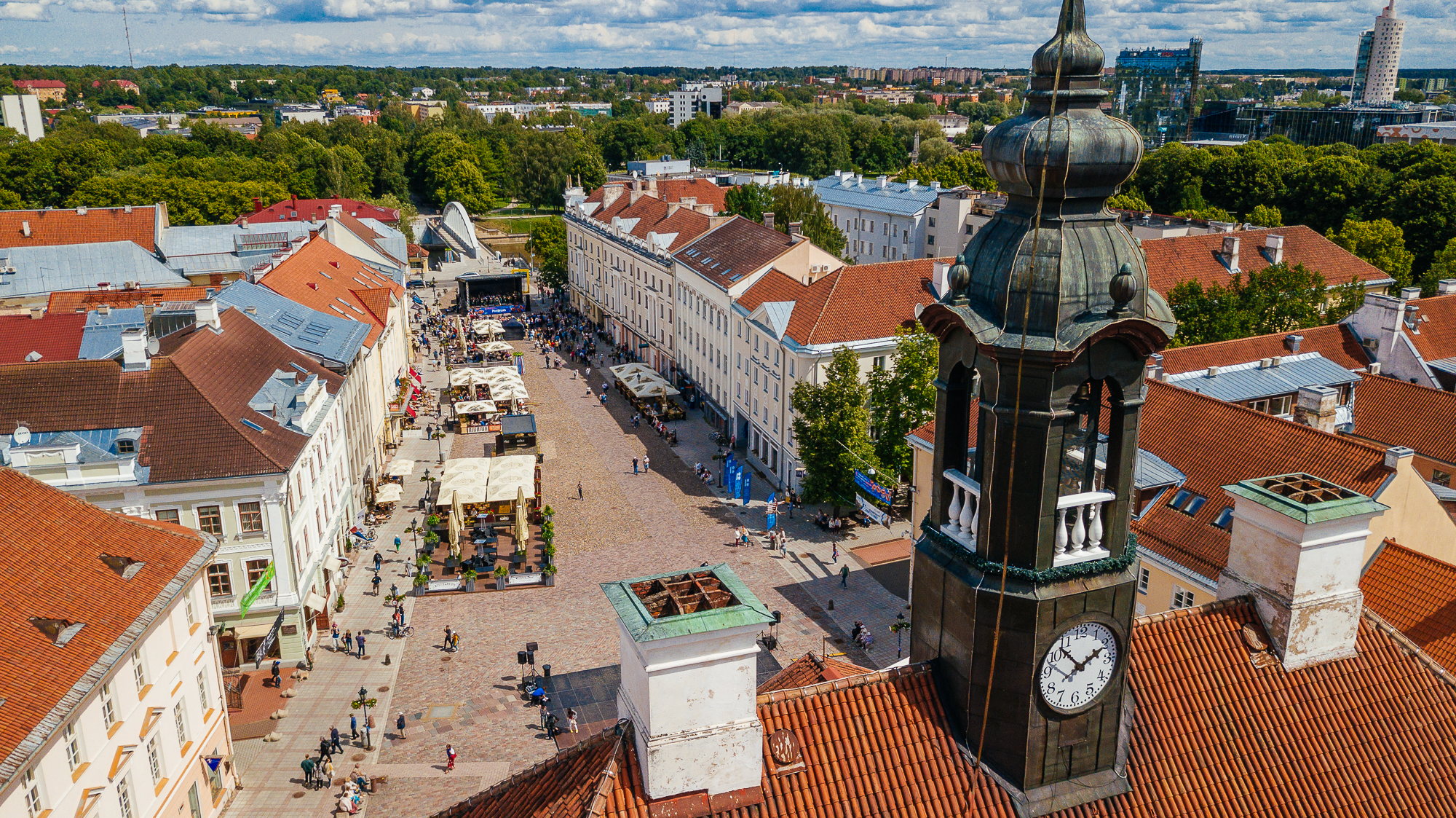
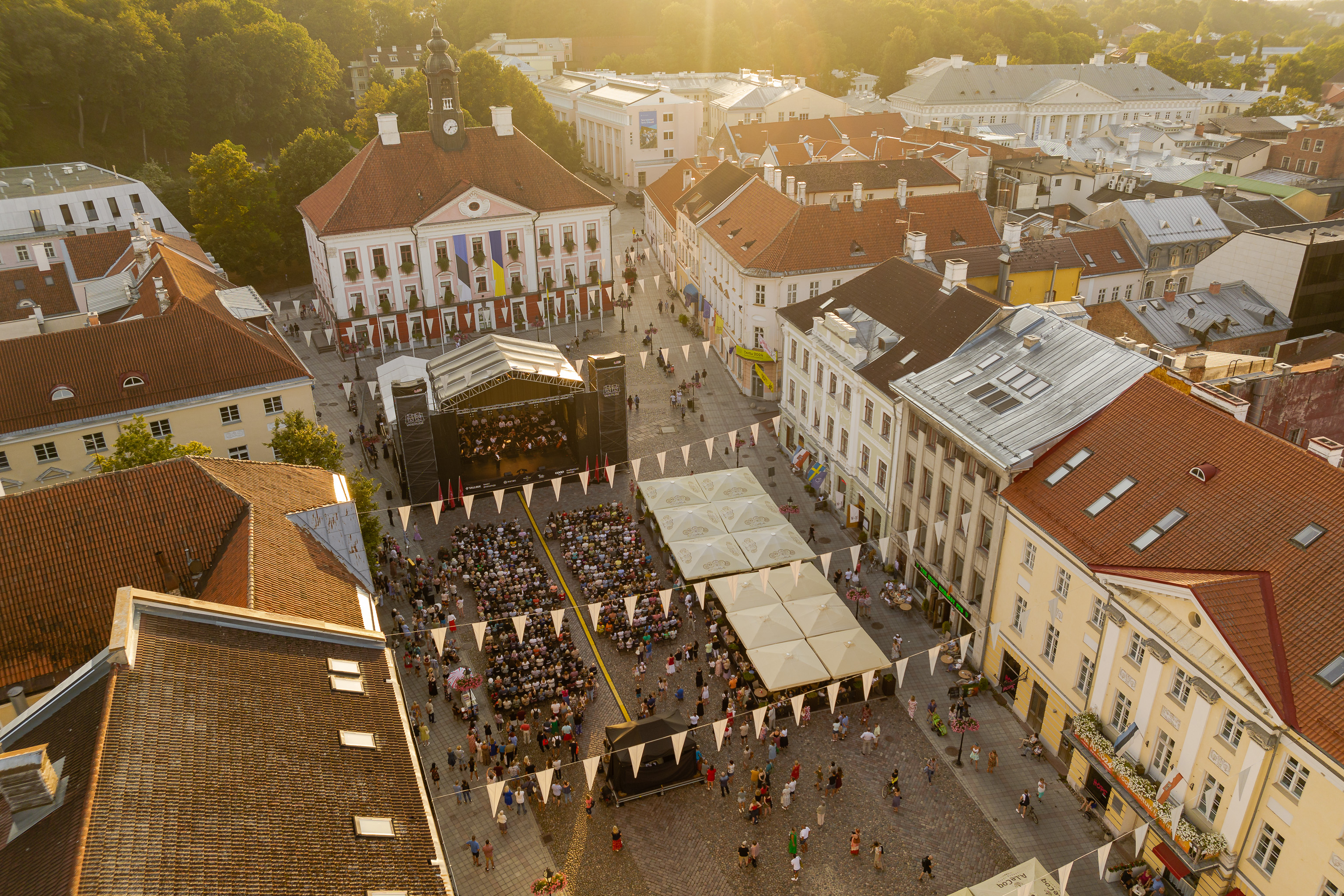
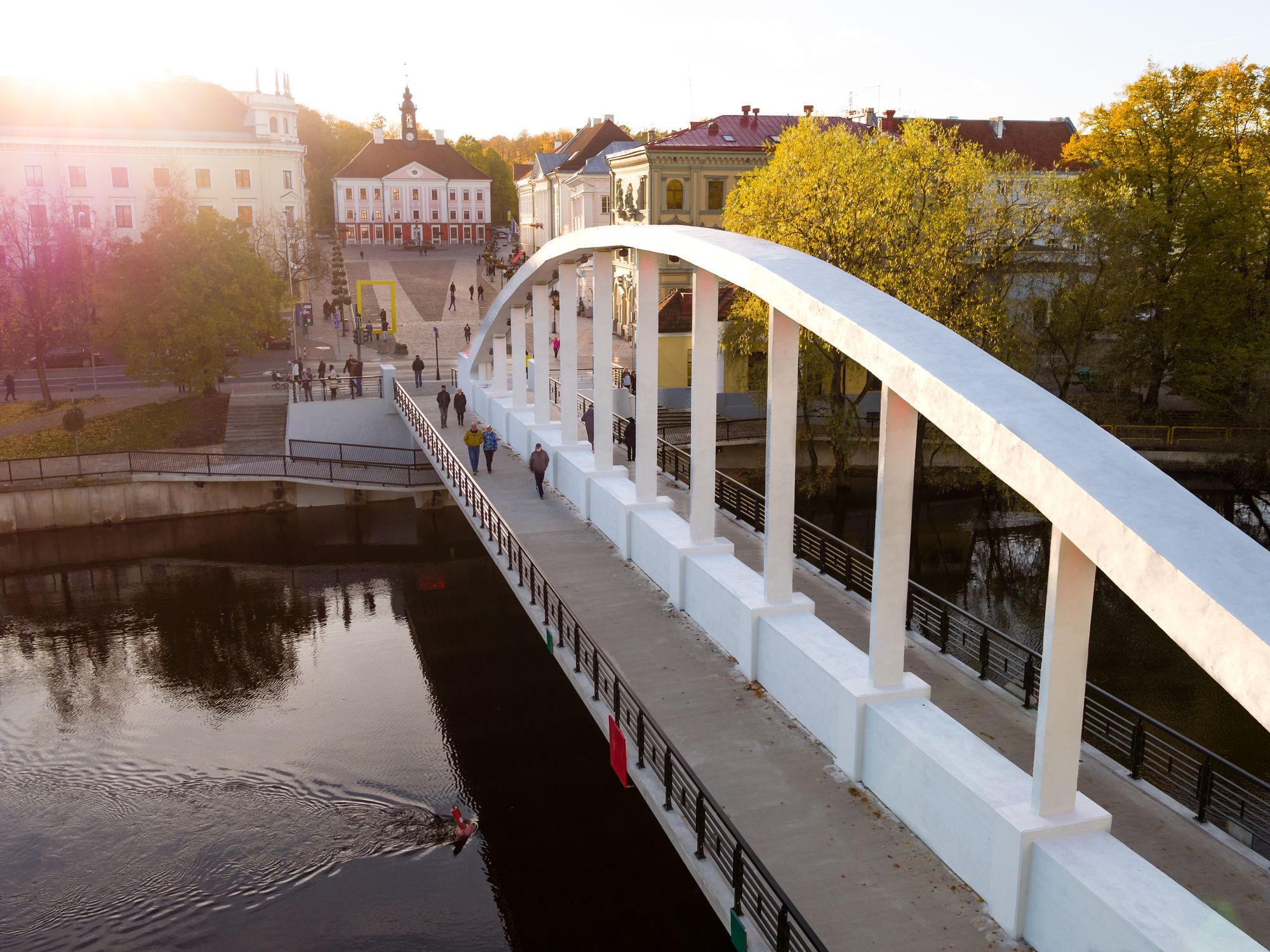
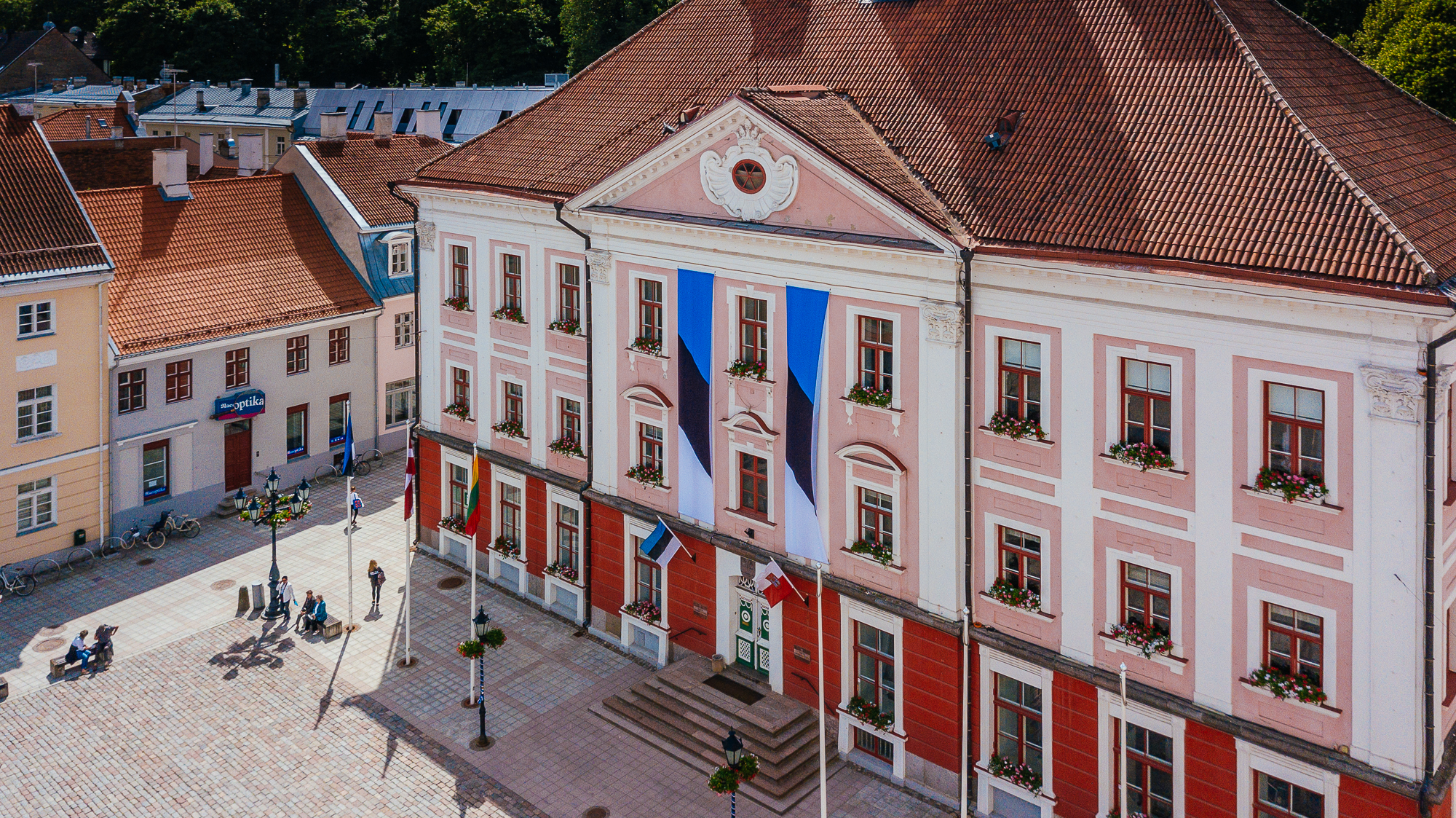
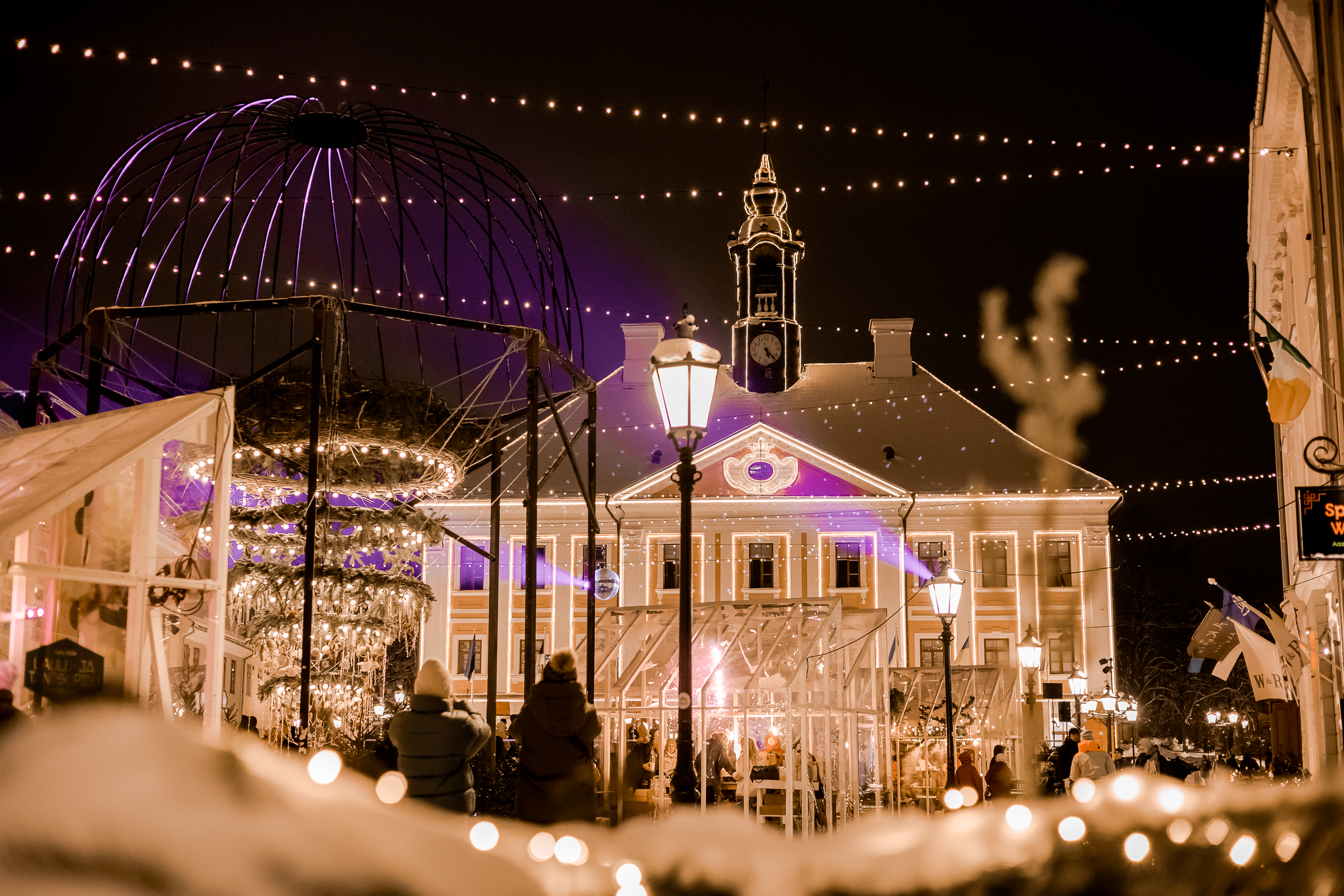
Tartu’s Town Hall Square is the heart of the city. It’s one of Estonia’s most beautiful old town squares and home to history, culture, and modern city life. The square is surrounded by pastel-colored historical buildings, with the 18th-century Town Hall at its center.
The focal point of the square’s classicist architecture is the Kissing Students Fountain, which has become a symbol of the city and a popular meeting place for locals and visitors.
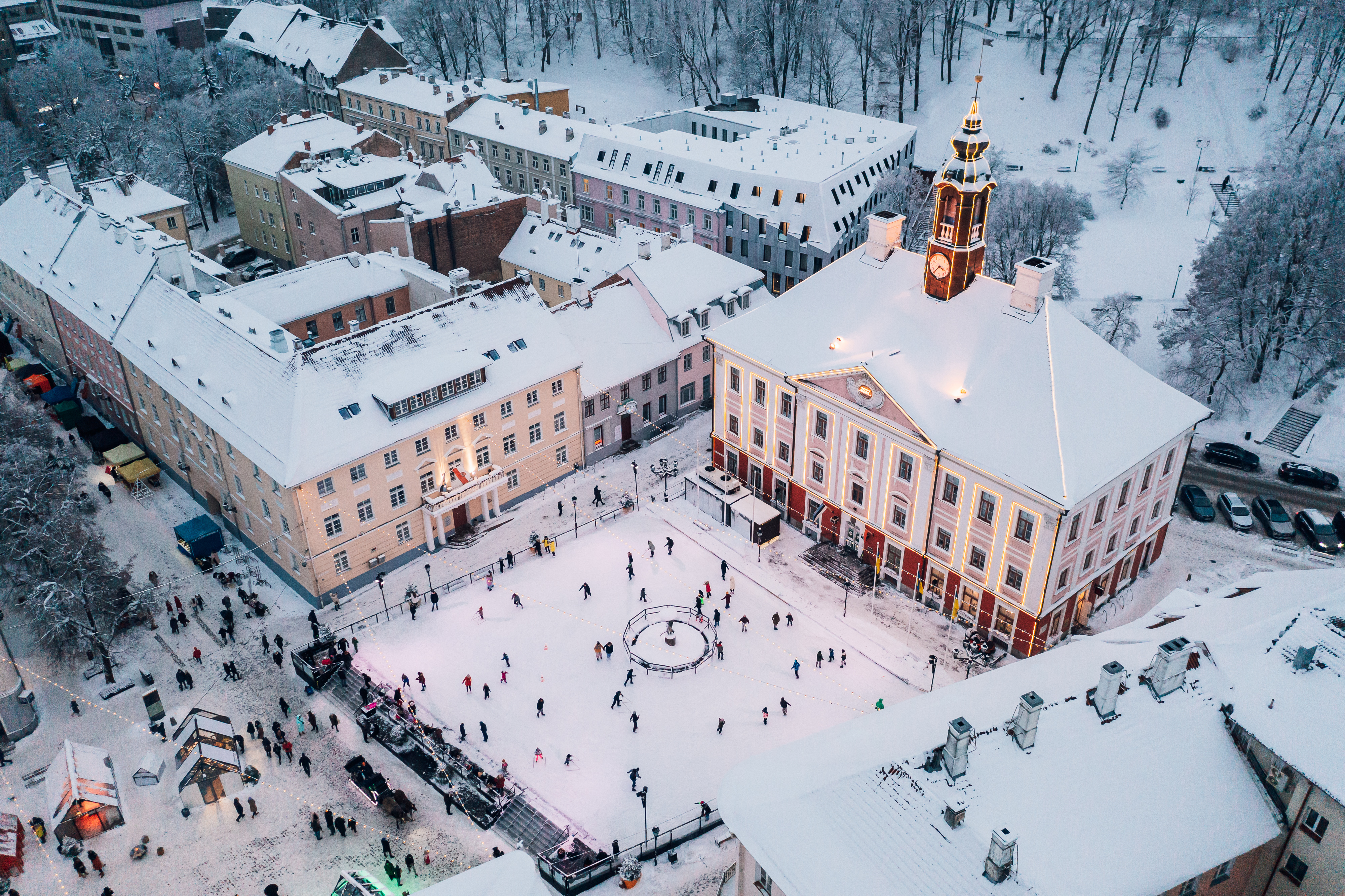
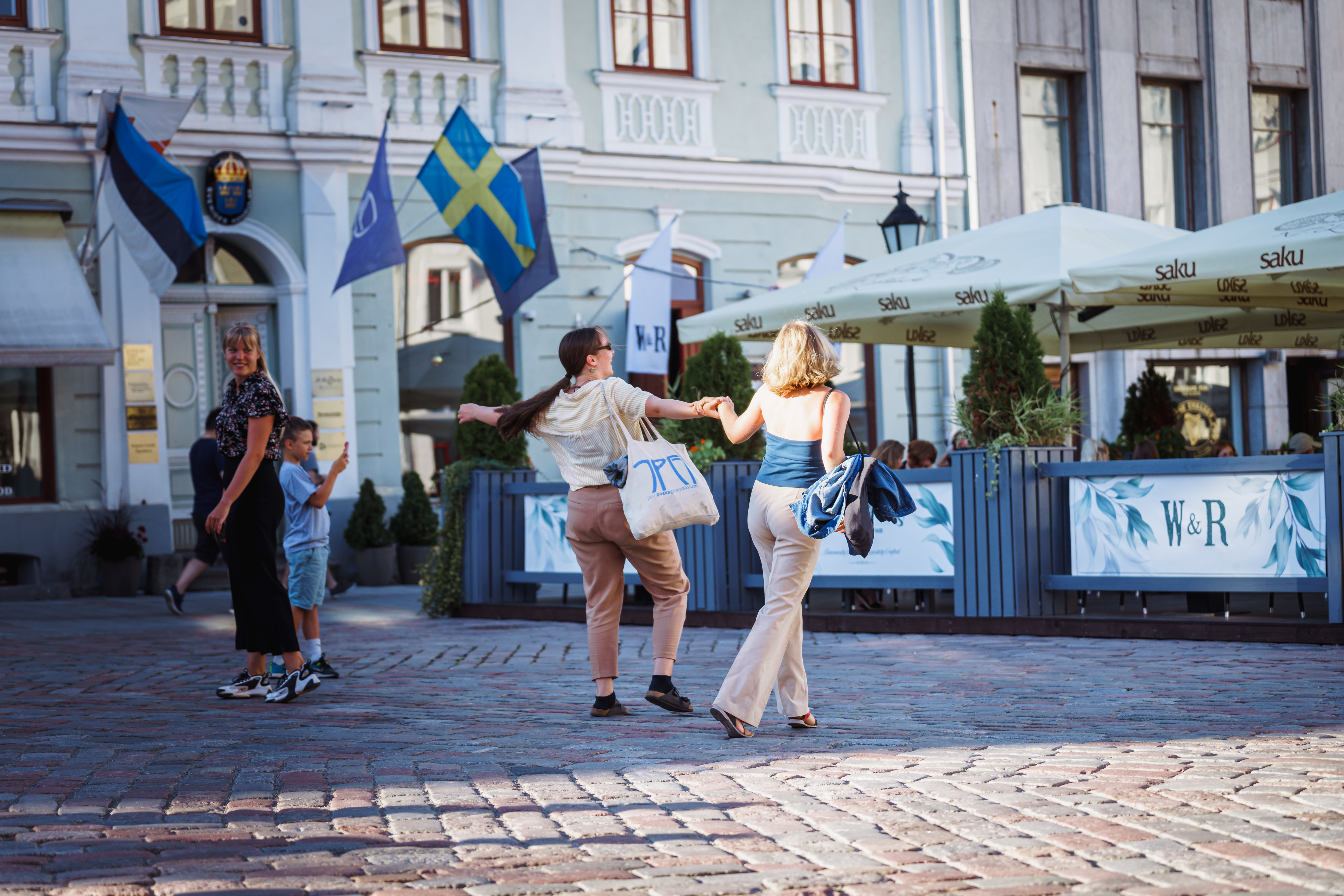
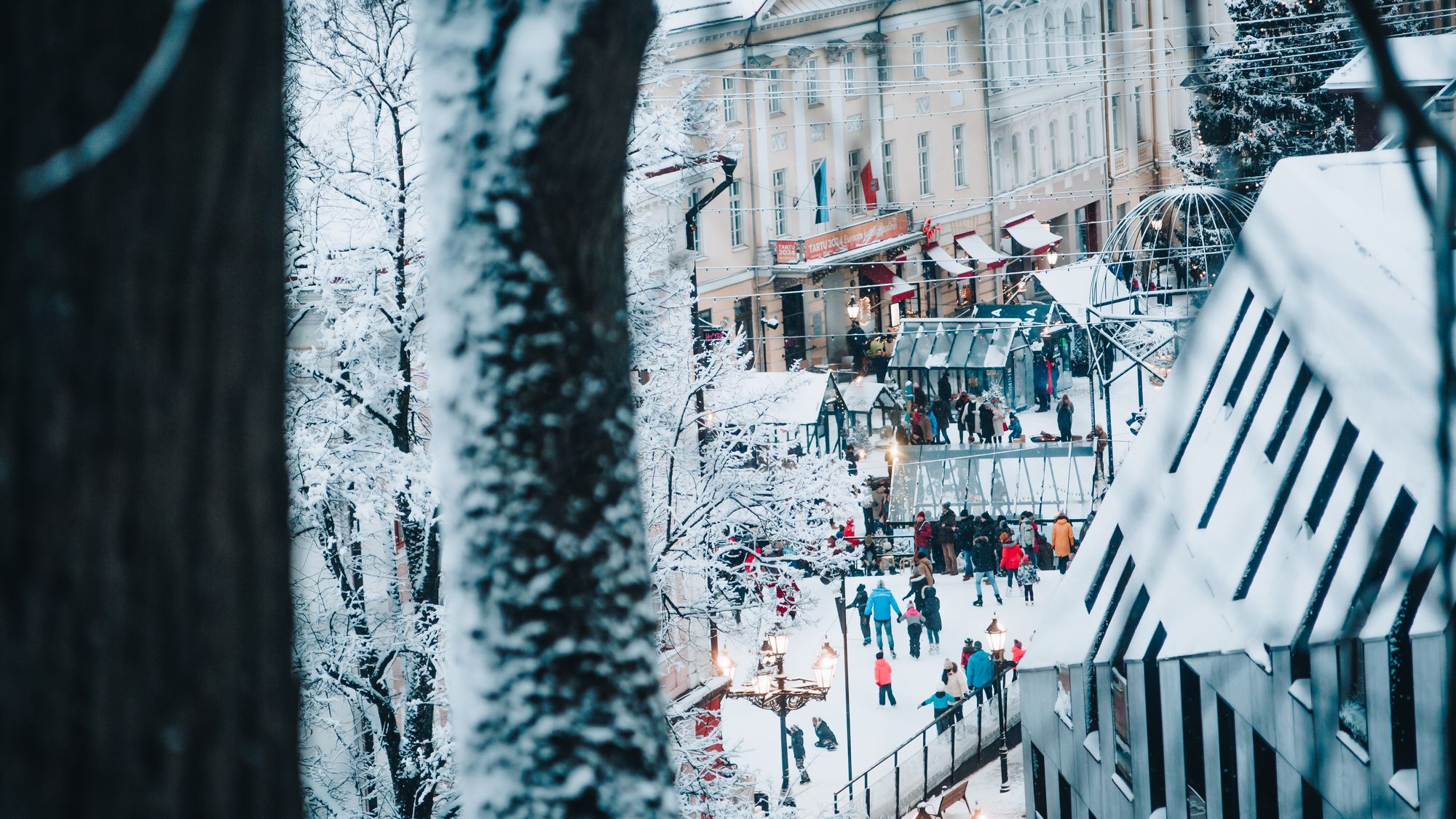
During the summer season, Town Hall Square is filled with café terraces, events, and street music, while in winter it transforms into a magical Christmas City and ice rink. The carillon bells in the Town Hall tower are the oldest and largest in Estonia, delighting listeners with a variety of melodies throughout the year.
The famous Leaning House, home to the Tartu Art Museum, is located in Town Hall Square. Just a few steps away, you’ll find Toome Hill Park, the ruins of Tartu Cathedral, and several other Old Town attractions.
Several guided tours also start from Town Hall Square.
Amenities

  • Paid parking
  • Catering
  • Souvenirs

Open times

Throughout the Year

Around the Clock

Links

See more

Peedu-Nuti water mill complex

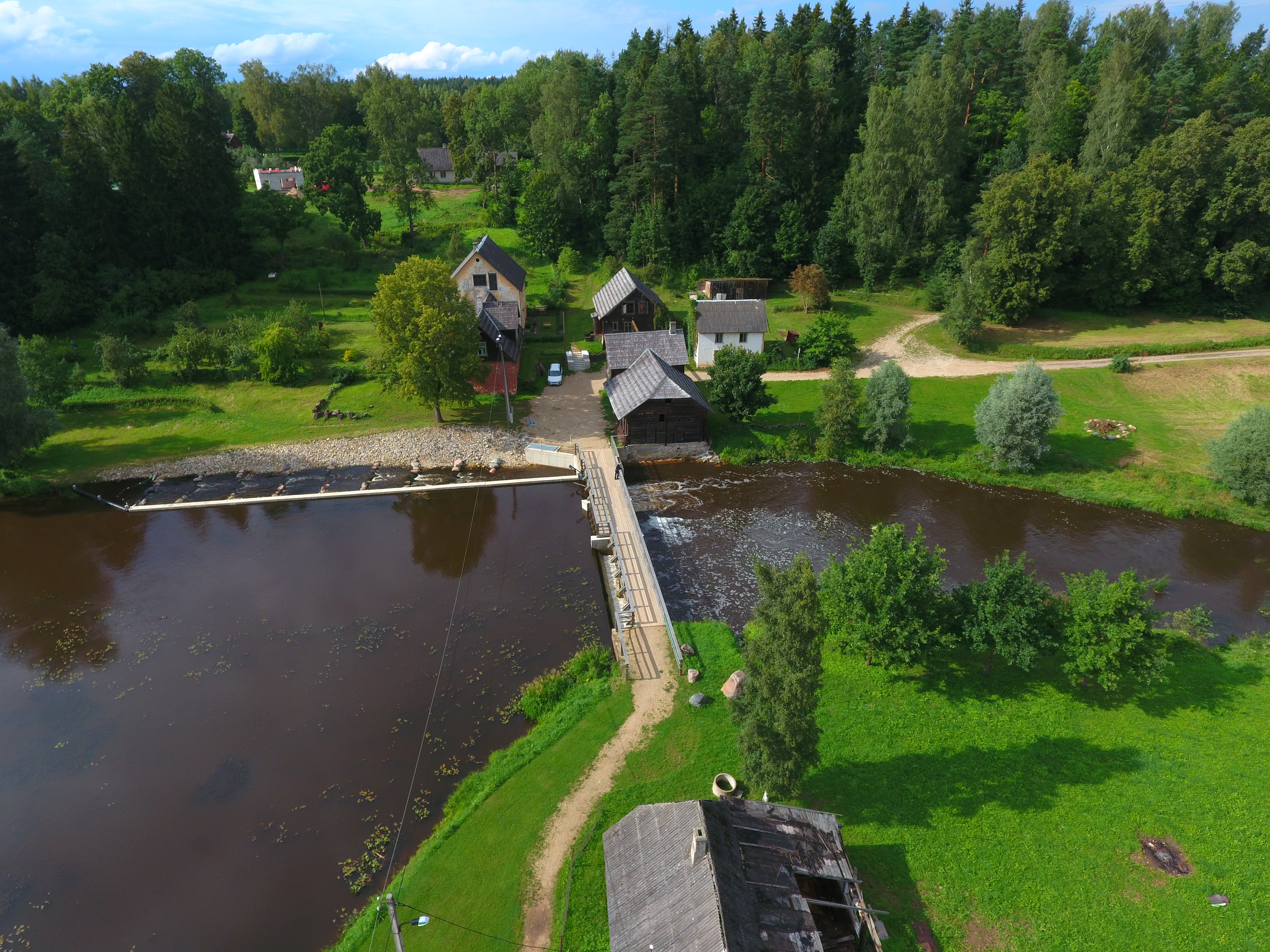
There are written notes about the Nutti watermill in the Livonian Government paper from 1865. In 1870, it was recorded which lands in which size belonged to the watermill. The Nutti mill is also a landmark for land plots. Today, the well-preserved Peedu mill complex is privately owned and subject to heritage conservation.The watermill was reconstructed a few years ago and offers a beautiful view of the Elva River.There are other watermills on the river: the Hellenurme watermill in the upper course and Vapramäe and Mosina watermill in the middle course.

  • Estonian design

A. Le Coq gift shop

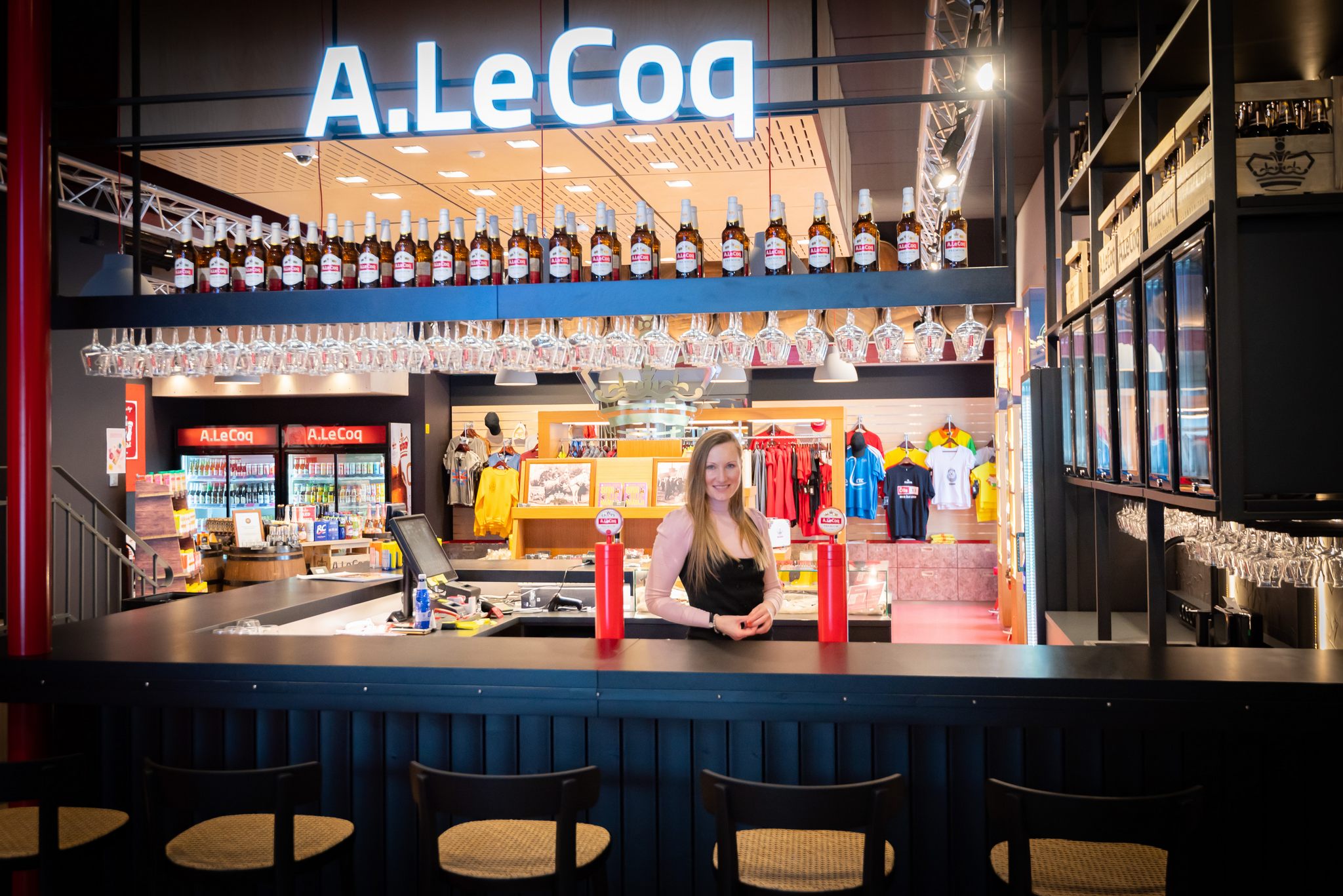
A. Le Coq is Estonia's oldest beer producer and largest beverage producer dedicated to preserving and promoting Estonia's beer and beverage culture. The A. Le Coq Museum has an extension with a gift shop, which makes visiting the museum more convenient and enjoyable than before. As an added experience to the museum visit, the gift shop allows visitors to familiarize themselves with the wide range of A. Le Coq products made by local masters. Choose a souvenir from nearly 200 different products related to Tartu and beer history.

  • Manors

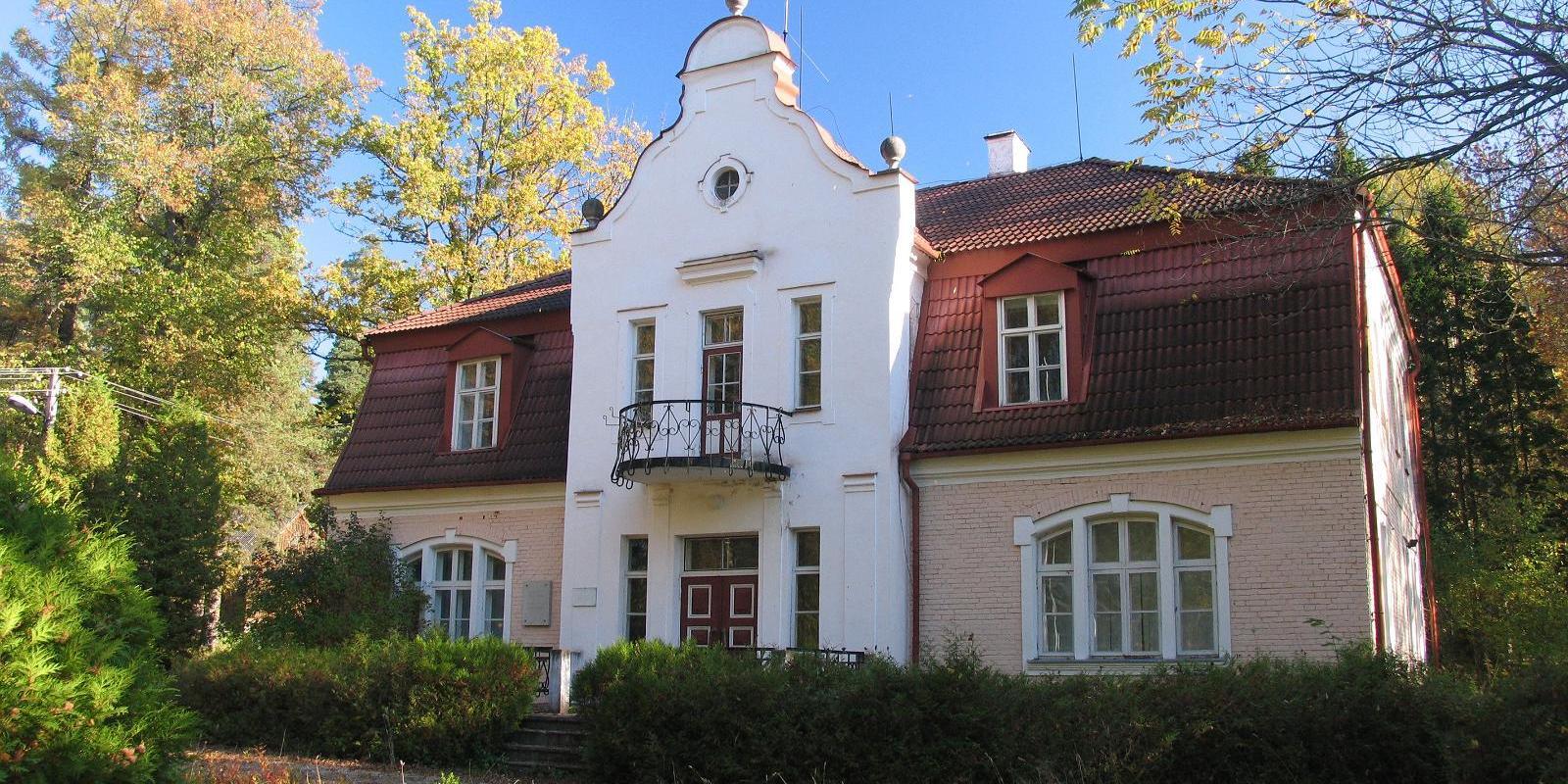
Järvere Manor

Järvere Manor was built on the shore of Lake Vagula in 1766 as a support manor of Sõmerpalu Manor. The manor was built by the owner of Sõmerpalu manor, Friedrich Alexander von Möller, Doctor of Philosophy. He had the Järvere Manor made for his mother and it was thus called the Old Lady's House.A park, established in 1830, separated Sõmerpalu and Järvere Manors and there were about 200 different tree and bush species already at that time.The Võru Forest Management Centre operated at the manor during Soviet time. Outbuildings were put in order and rebuilt in 1993.The manor is protected as a cultural monument and is private property today.

  • Sculptures

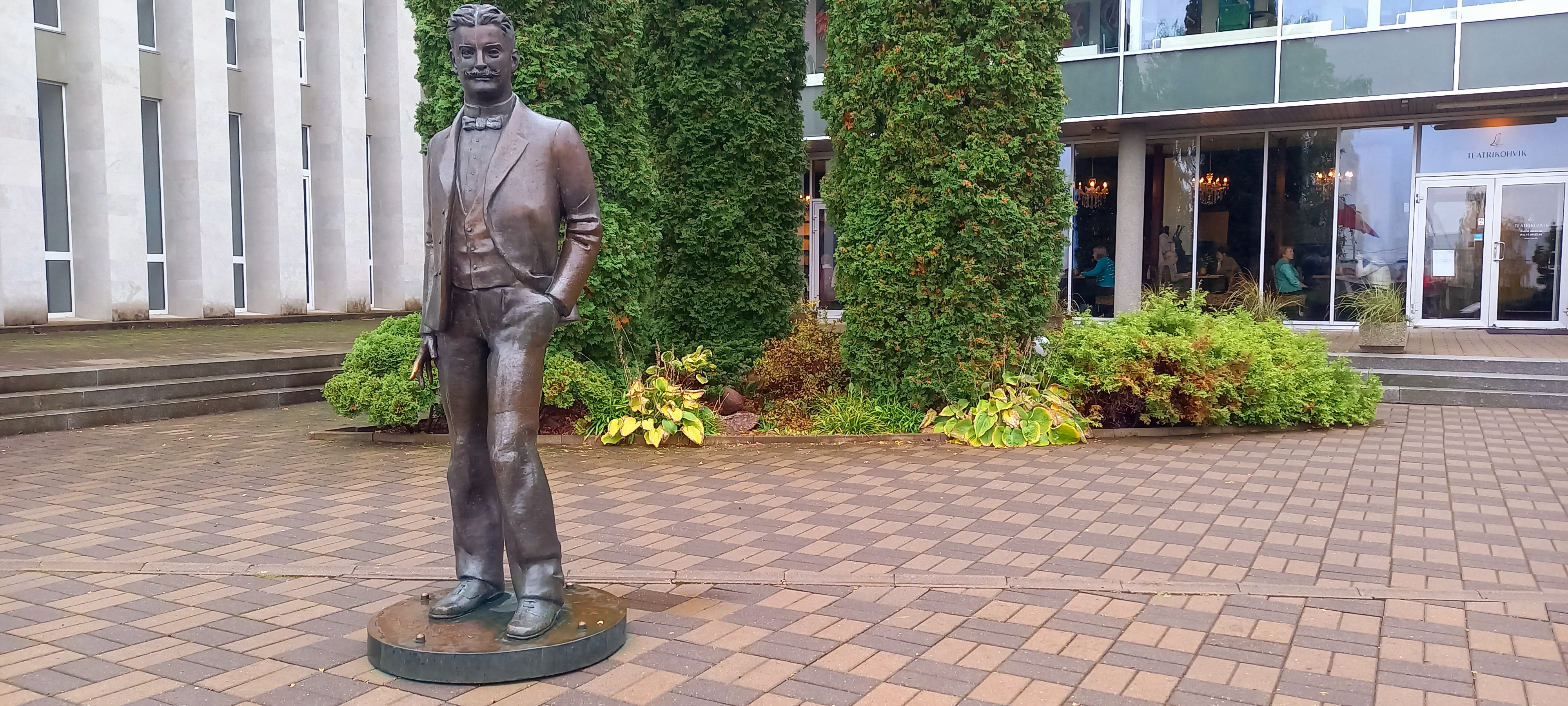
Sculpture of Karl Menning

Karl Menning was the founder of professional theatre in Estonia and the first professional theatre and stage director in the country. He was the director of the Vanemuine Theatre from 1906 to 1914. His sculpture was created by Mare Mikoff and is unique for the fact that it can be turned on the spot.

  • Guided tours

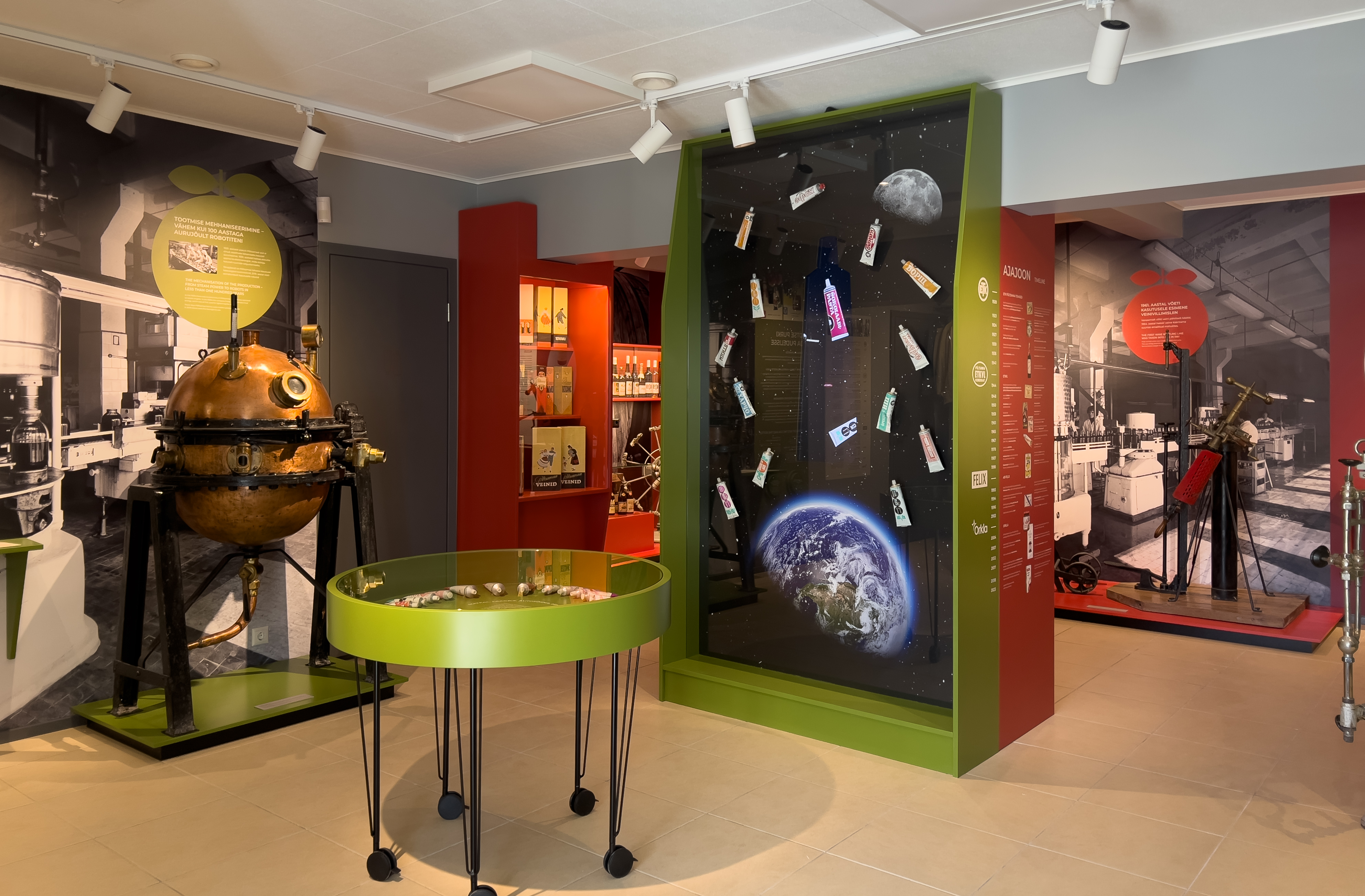
Põltsamaa Food and Wine Museum

Põltsamaa Food and Wine Museum – discover the story of Estonia's food and wine industry! Põltsamaa Food and Wine Museum takes you on an exciting journey through more than 100 years of the Estonian food and wine industry. Põltsamaa Castle's museum houses a permanent exhibition on the second floor that introduces the development story of ETK Põltsamaa Factories since the 1920s, when coffee, potato starch, and wine were produced here. You can also discover the unique foods of the Soviet era — tube foods made for cosmonauts. The exhibition awaits you with genuine historical production equipment, fascinating exhibits, and products from various decades that tell the story of Põltsamaa as an important center for Estonia's food and wine industry. The museum is also accessible to visitors with mobility impairments. Wine tasting and various food packages are offered by Restaurant Oberpahlen, which operates in the castle. Come and discover the flavors, stories, and memories that have shaped Põltsamaa's place in Estonian food culture!

  • Churches

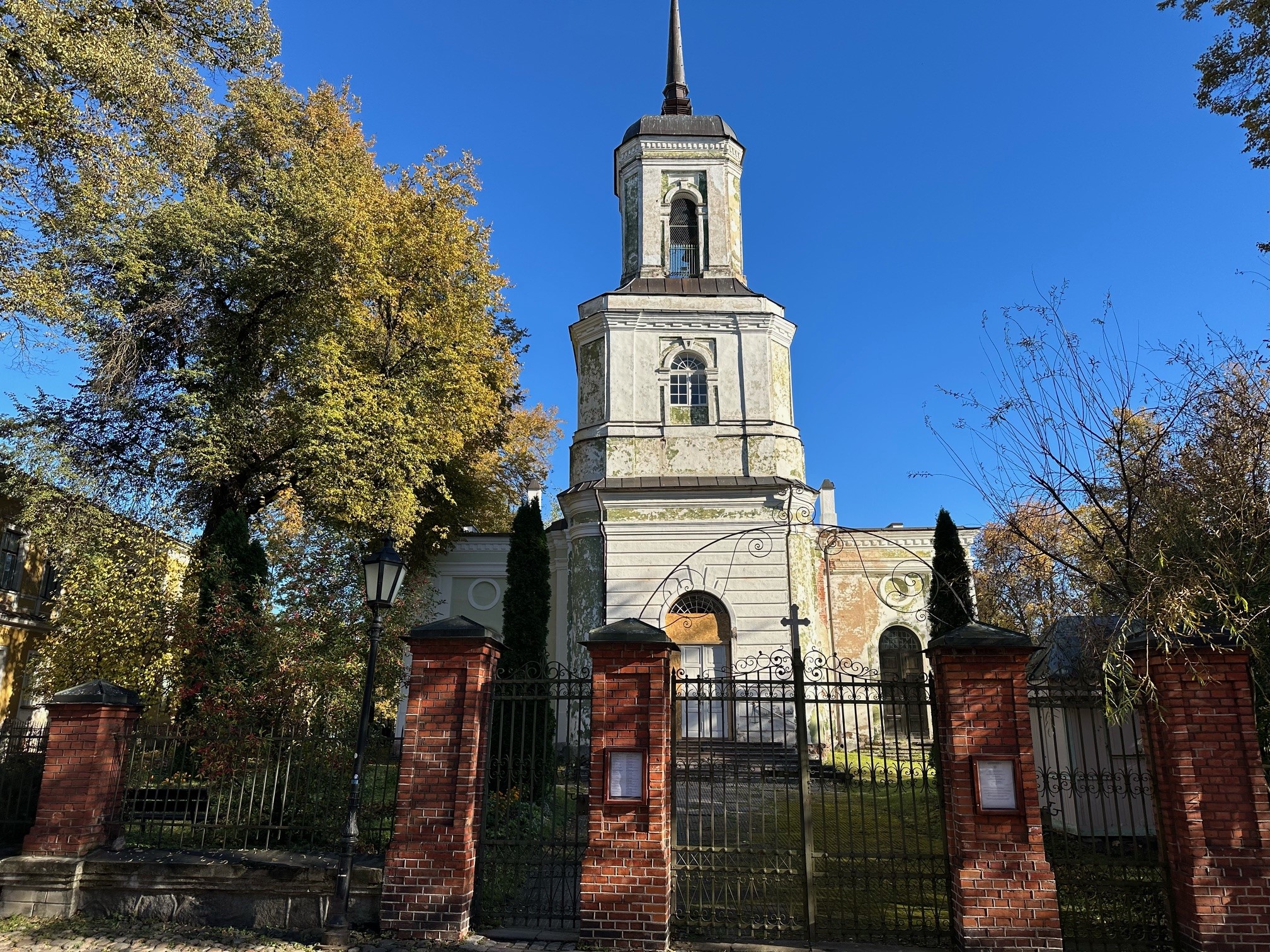
Tartu Uspenski Cathedral of the Estonian Apostolic Orthodox Church

Construction of the Tartu Uspenski Cathedral started by the order of Peter I after the Northern War and it was consecrated in 1783. The church was established on the foundation of the Dominican Convent Church. It was initially built in the shape of a cross and was given its quadrangular shape in 1840. Interesting facts: - a chapel to St Isidor, who died as a martyr, was established in the church in the course of its extension; ‑ the Bolsheviks killed 19 innocent people in the cellar of Krediidikassa 80 years ago. Their victims, archpriests Bleive and Berzhanitski, are buried in Uspenski Church.

  • Estonian handicraft

Muhu Pagar Bakery in Tartu Lõunakeskus

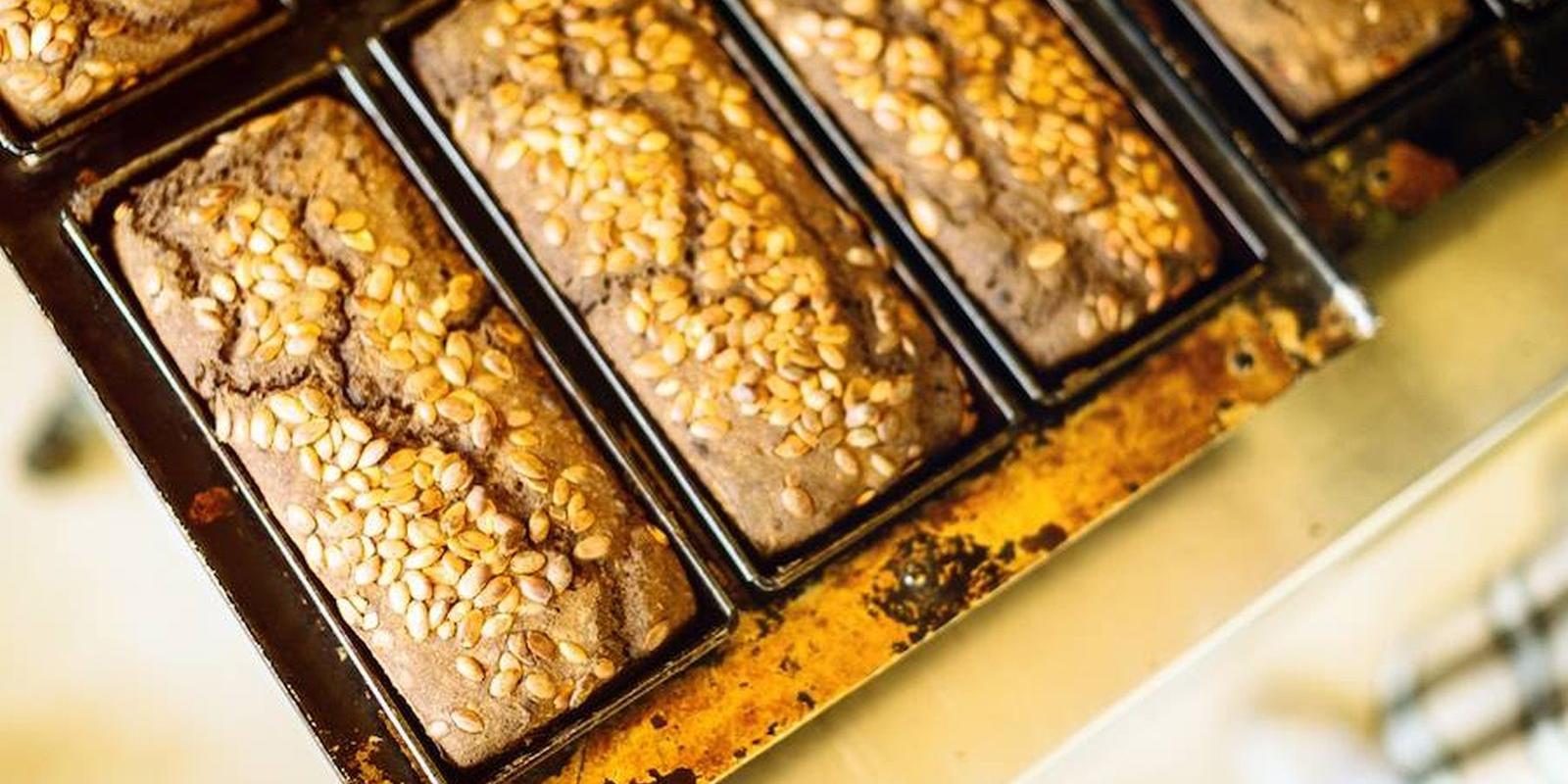
When speaking of genuine Estonian flavours, we must start with bread – rye bread, which is not just food for Estonians. When homesick, almost every Estonian will crave for bread and eating it will help them cope with their homesickness. Bread, bread-making, and the smell of warm bread are deeply related to being an Estonian.Muhu bread also grew out of the desire to bake delicious bread for one's family at home. Our bread is tasty and healthy – you will simply not get enough of it.At Muhu Pagar Bakery, you can buy different kinds of bread, other baked goods, and pastries.

  • Estonian design
  • Workshops
  • Estonian handicraft

Cyanotype on fabric in TYPA

Cyanotype is the process by which an image is produced to fabric by the combination of chemicals and UV light. The result is an image with white lines on a blue background. Make an exciting gift and produce a photo, drawing, or silhouette of a dried plant on a T-shirt or a cloth bag. Fabrics with a thinner texture which have been washed without conditioner and ironed beforehand are suitable for this. It is also possible to buy a cloth bag on site.If you want to produce a photo, send it to us in digital form no later than one day before the workshop. We will help you with the rest.

  • Collaboration
  • News
  • Contacts
  • Privacy Policy
Join our mailing list!

"*" indicates required fields

This field is for validation purposes and should be left unchanged.
I authorise marketing

South Estonia Tourism Cluster

info@visitsouthestonia.com