• Explore
    • Nature
    • Culture
    • Food
    • Family
    • Activity
    • Blog
    Smoke sauna
    Weather and seasons
  • Plan
    • Accommodation
    • How to get here
    • Weather and seasons
    • Sustainability
    • Tourist info
    Discover South Estonia’s Most Beautiful Manors and Castles
    Top 20 Sights in South Estonia
  • For professionals
    • For professionals
    • Collaboration
    • News
    • Projects
    • Training
    • Repository
    • Community (opens in new tab)
    • Contacts
ENG
  • EnglishENG
  • EestiEST
  • LatviešuLAT
  • РусскийRUS
  • SuomiFIN
ENG
  • EnglishENG
  • EestiEST
  • LatviešuLAT
  • РусскийRUS
  • SuomiFIN
Popular searches:
Show all
  • History & Culture
  • Art & design
  • Sculptures

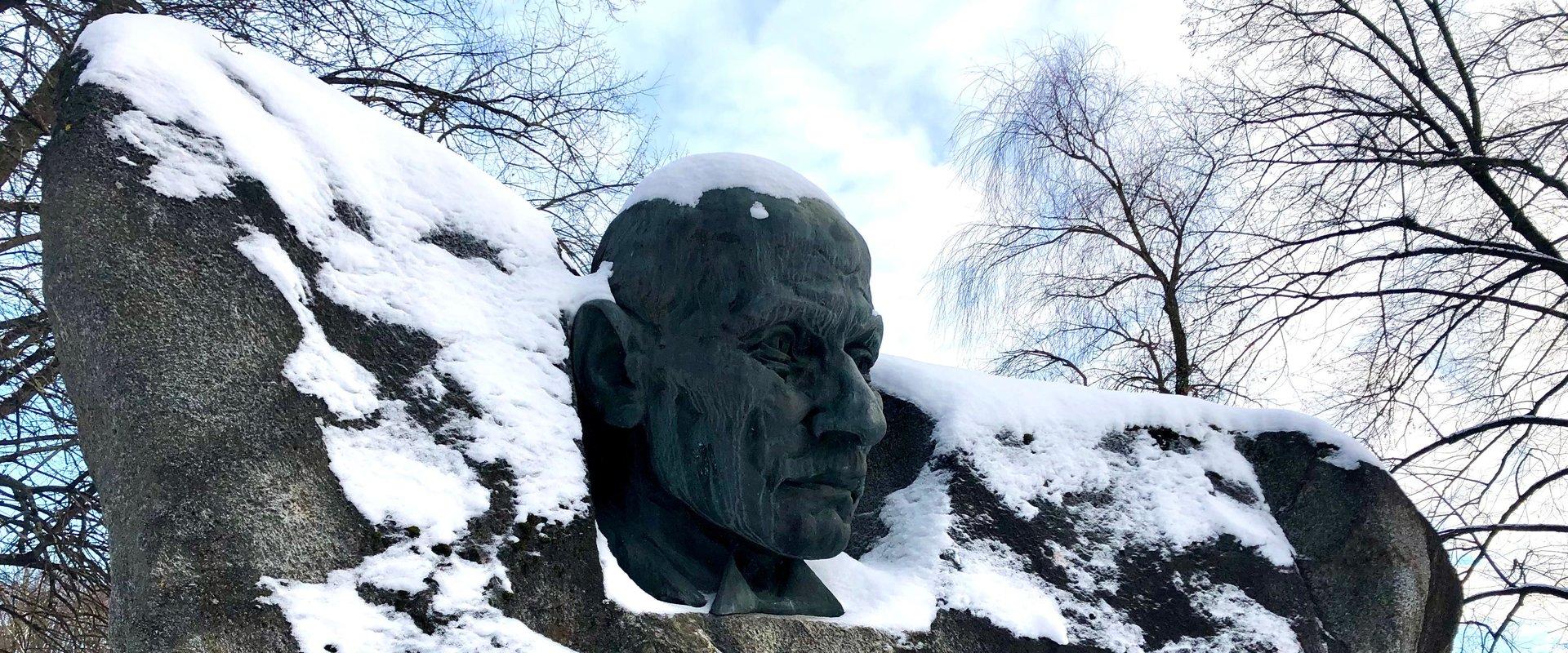
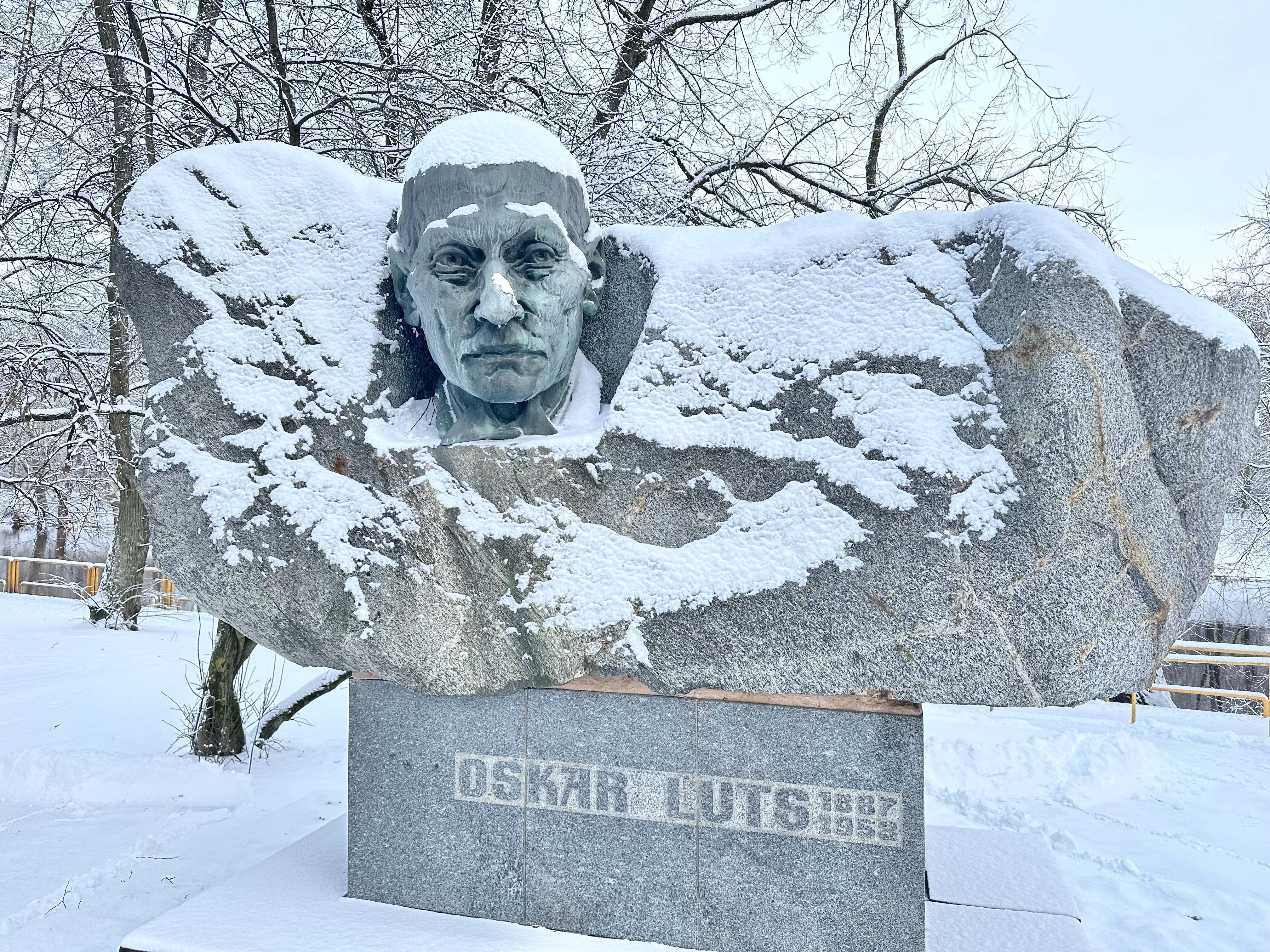
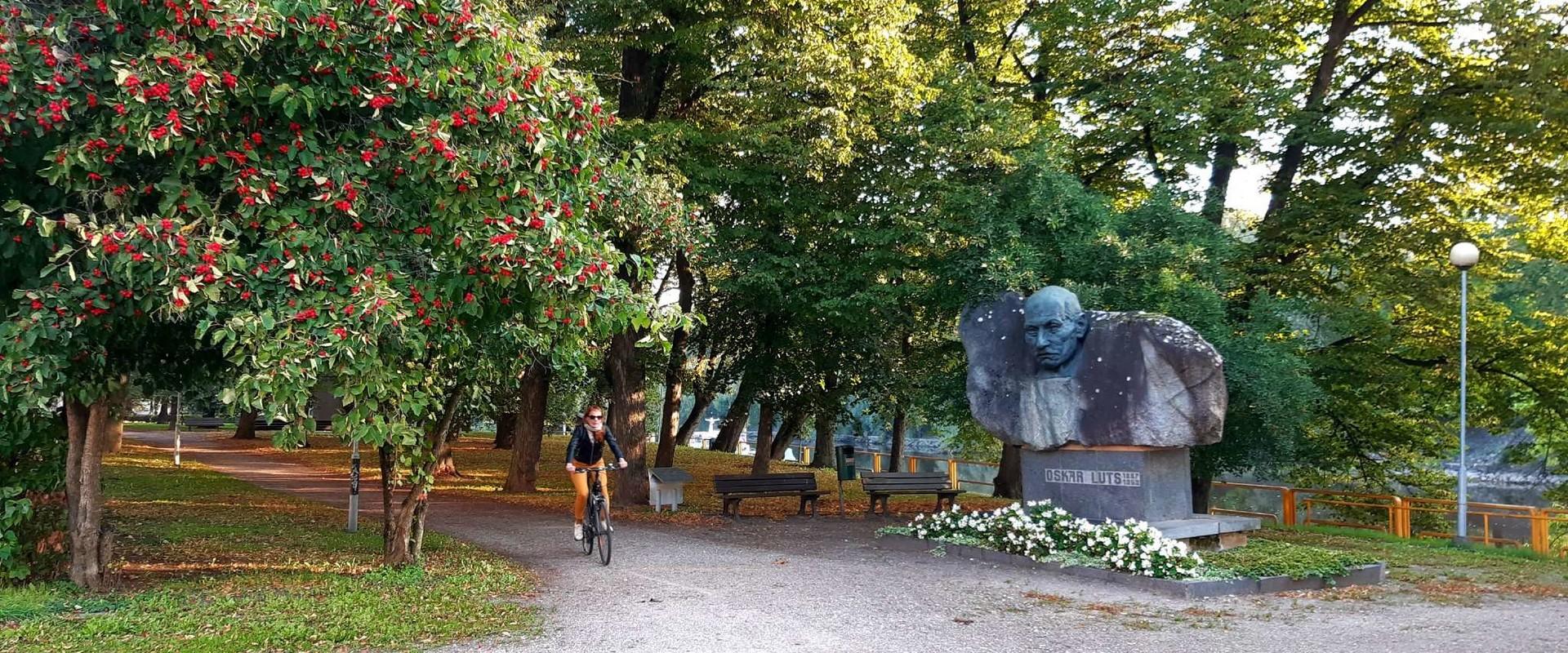
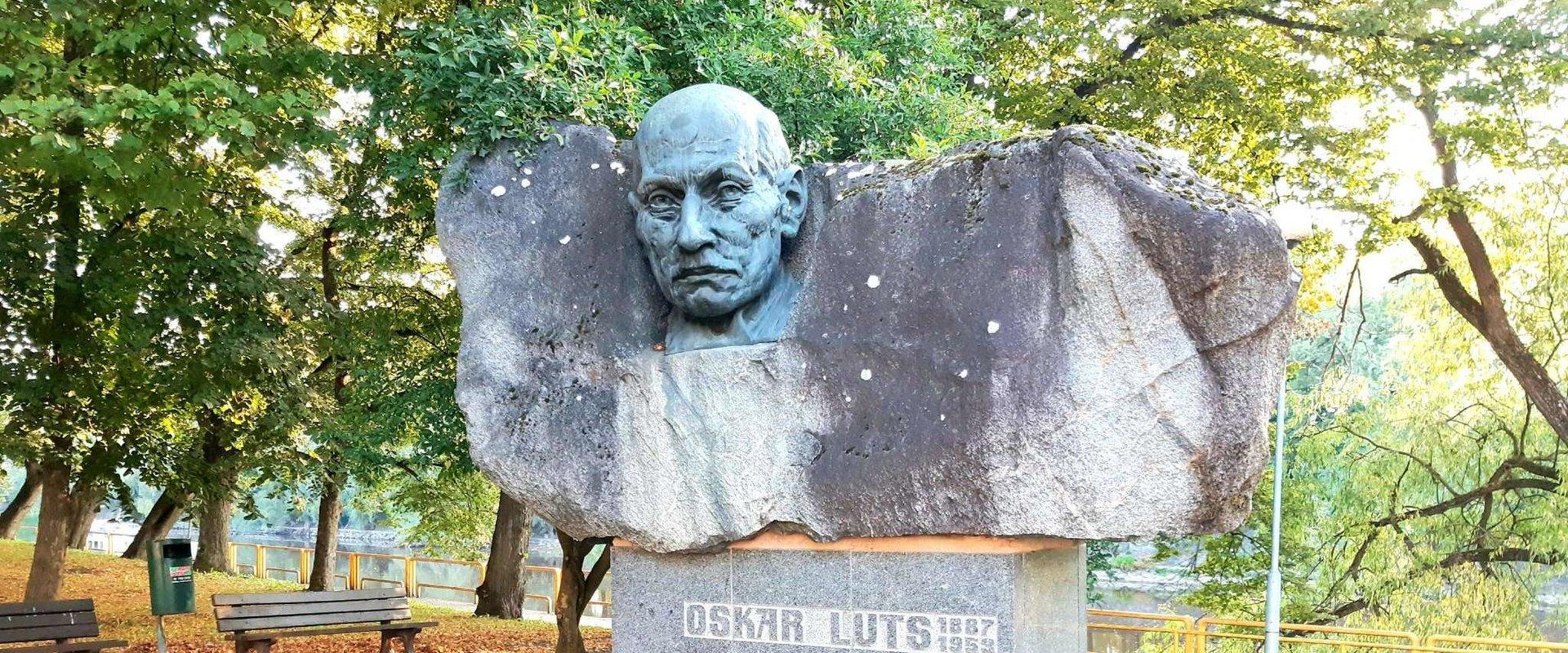
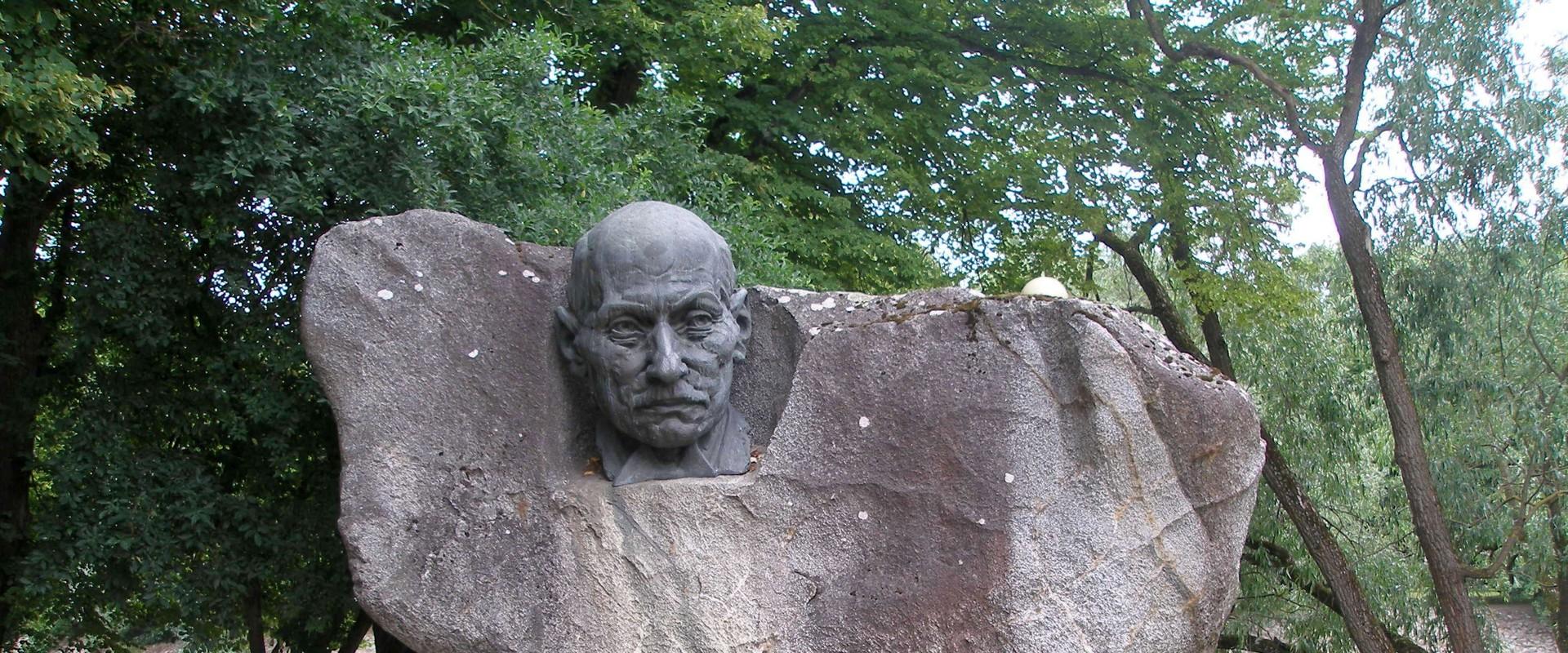
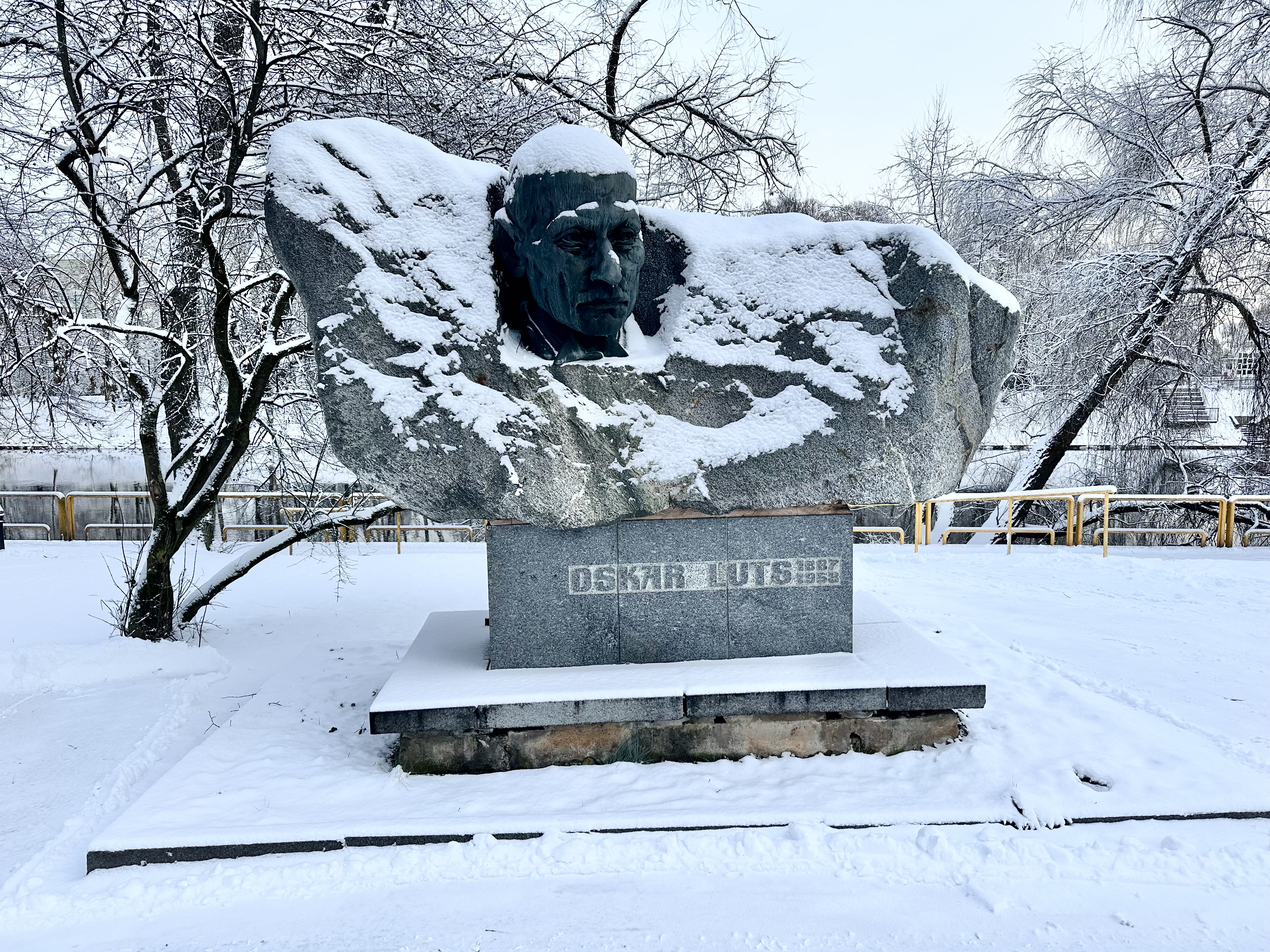
Statue of Oskar Luts

Vabaduse pst 5, Tartu linn, Tartu maakond, 51004

The monument to Oskar Luts was erected in 1987. The authors of the monument were A. Rimm and A. Murdmaa.Oskar Luts (1887–1953) was an Estonian writer. His best known and loved novel is Kevade (Spring), a lyrical and humorous tale based on school memories. He has also written plays, children’s stories, memoirs, and feuilletons. The writer’s house museum is located at 38 Riia Street in Tartu. There, he lived for the last 17 years of his life. Oskar Luts was buried in the St Paul’s Cemetery in Tartu.
Open times

Throughout the Year

Around the Clock

Links

See more

  • Sculptures

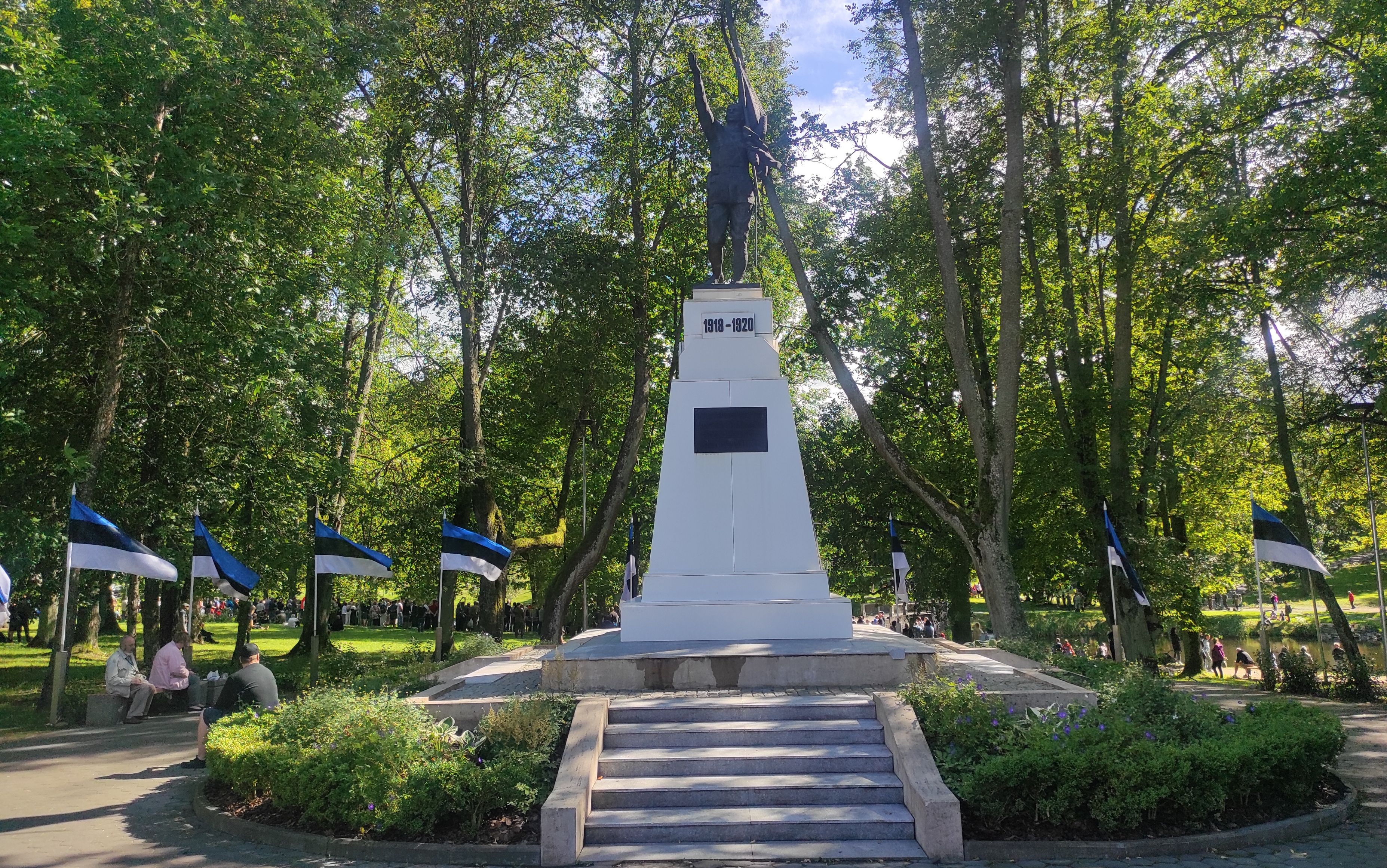
Memorial to the War of Independence in Valga

This memorial, which is dedicated to the freedom fighters of southern Estonia, represents the figure of an unknown soldier, his sword sheathed, with a flag held aloft in one hand and the other outstretched. The first memorial was unveiled here on 11 October 1925, dedicated to Lieutenant Julius Kuperjanov, but it was destroyed by Soviet forces on the night of 21 September 1940. The new memorial was inaugurated on 16 August 2013 in the original location on Kuperjanov Street. The design and mould of the memorial were made in 1925 by Amandus Adamson, who was also involved in the production of the bronze figure in Italy. This figure was restored to its original size by sculptor Jaak Soans. Restoration of the memorial was led by Major Meelis Kivi.

  • Sculptures

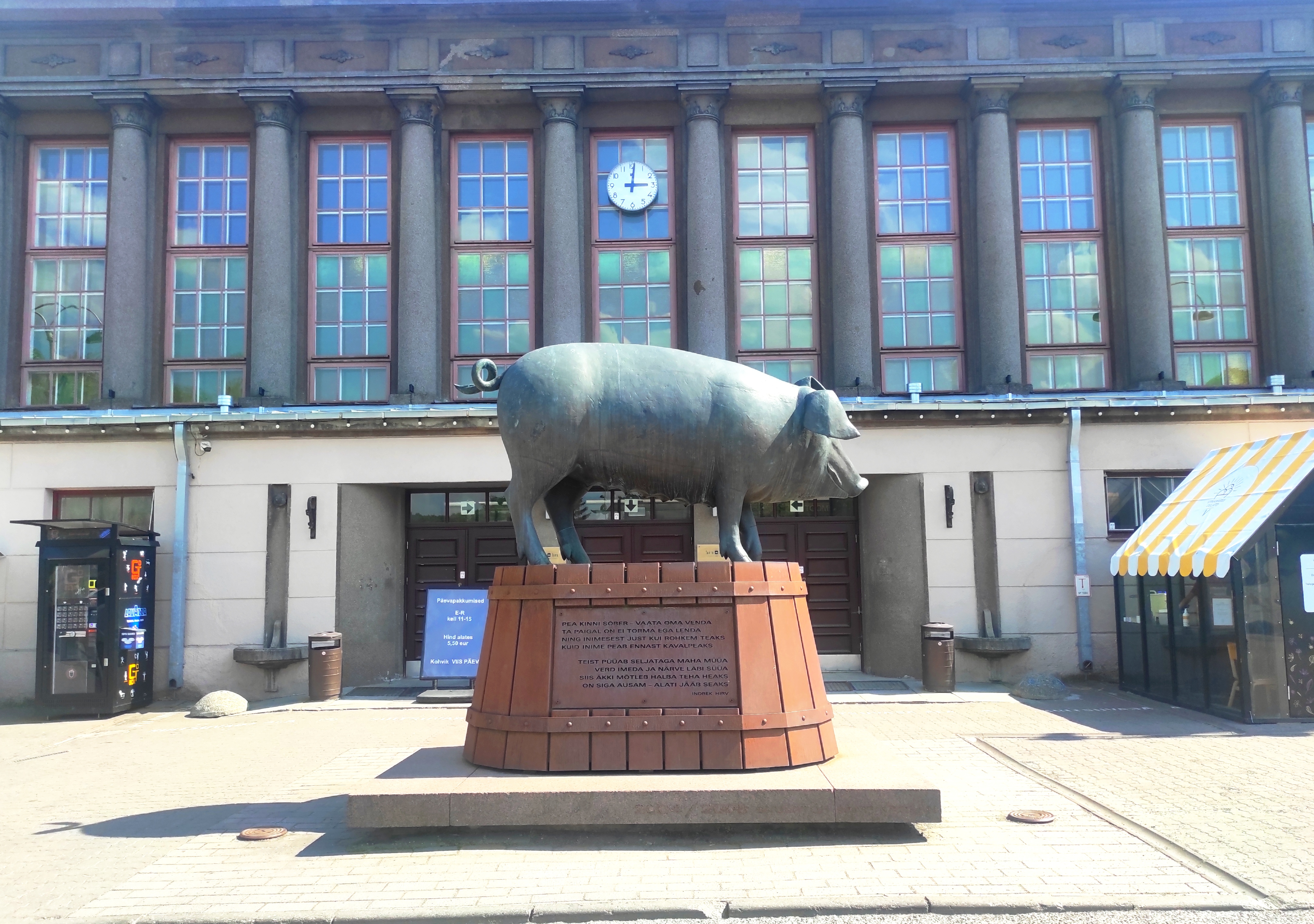
Sculpture Bronze Pig

The sculpture was created by Mati Karmin and unveiled in front of the Tartu Market on 17 January 2008.The steel barrel rests on a granite base and the numbers and letters cut into the base inform the viewer that the date when the sculpture was opened, 17 January, is St Anthony’s Day when old Estonians used to turn their attention to the pig.

  • Sculptures

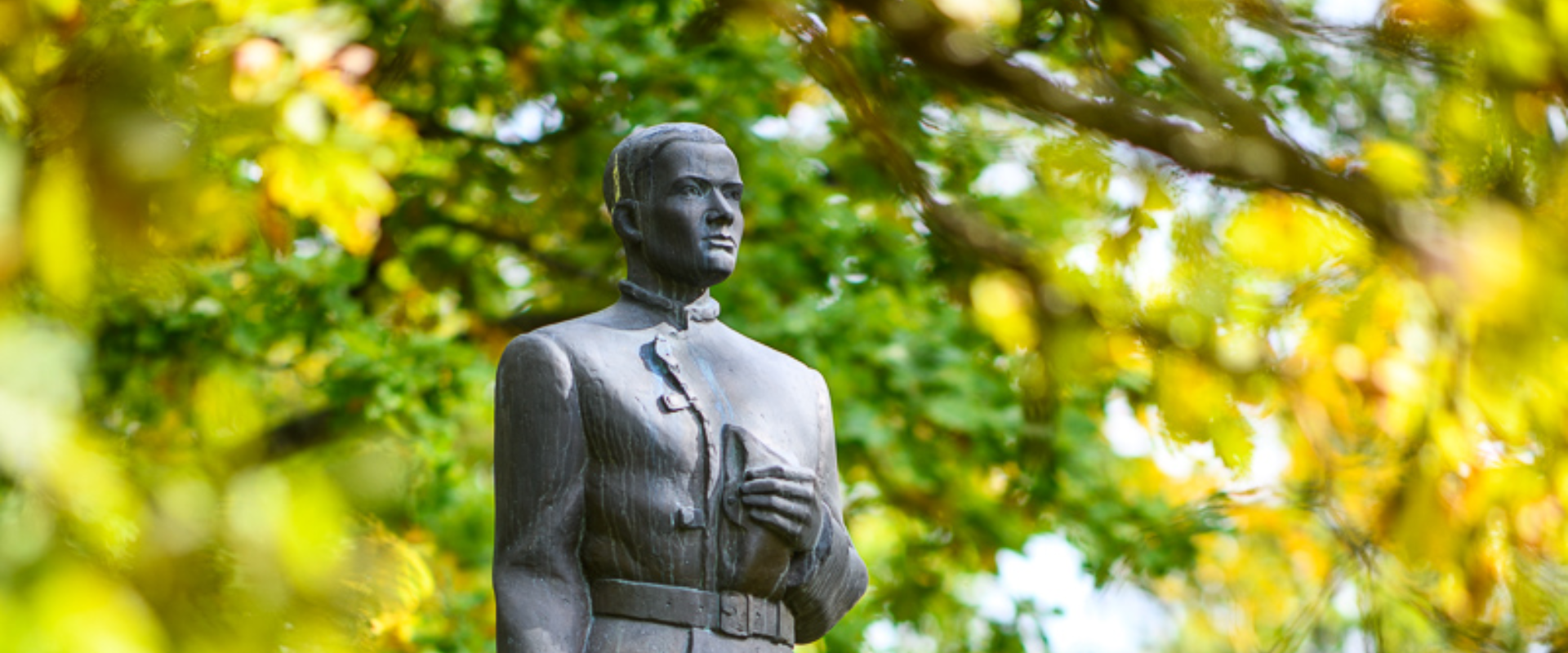
War of Independence Memorial Column

The memorial column erected in 1928 to commemorate those who fell in the War of Independence stands in the park next to Tõrva Upper Secondary School. The author of the monument is Aleksander Eller. The monument was taken down by local communist authorities during the Second World War in 1940 and it was reopened on Victory Day, 23 June 1990.Interesting facts: Schoolboys gave the monument the friendly name Juku.

  • Sculptures

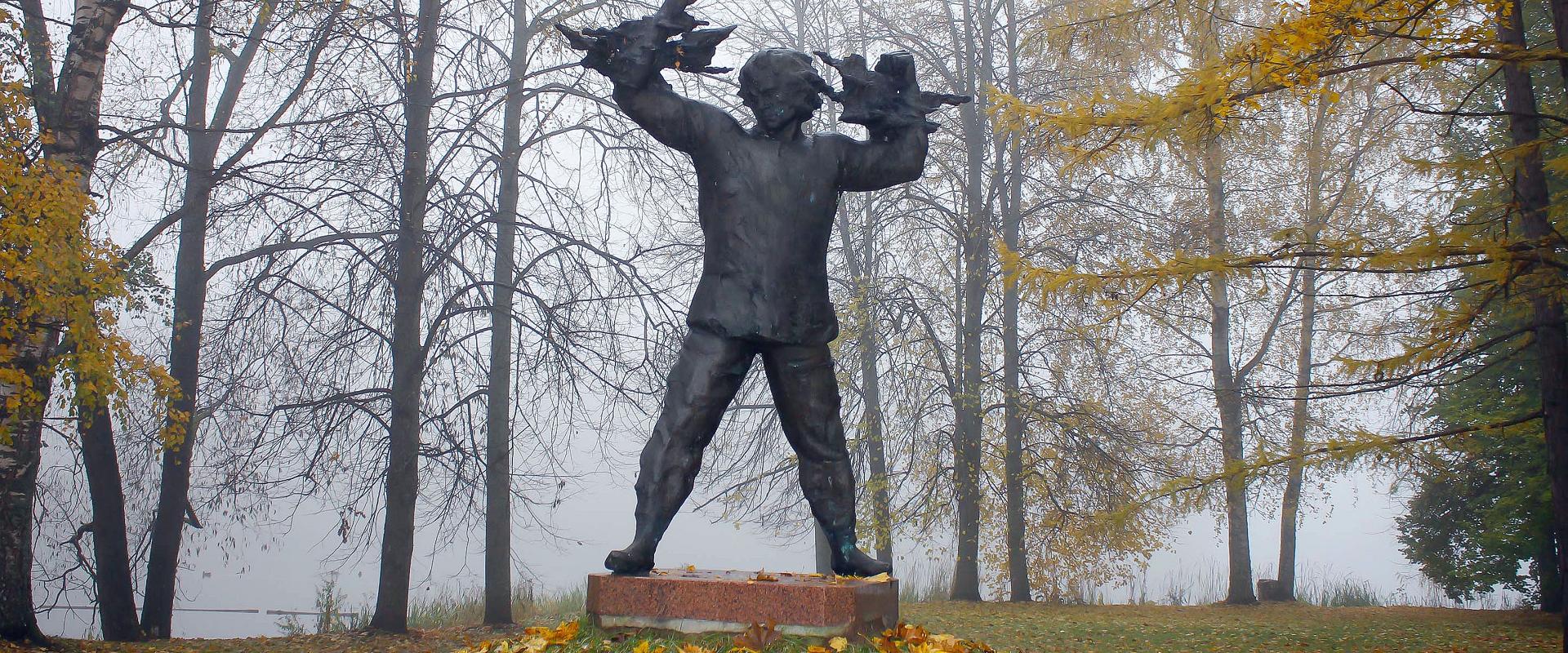
The Tree Garden Warrior

Standing in the landcaped area opposite the former main entrance of the Räpina Paper Factory is the Tree Garden Warrior, a monument to the historical Tree Garden War designed by Riho Kuld in 1984. The locals refer to the warrior as the Iron Man.In 1784 a peasant uprising took place in Räpina following the levying of a bounty tax. In the tree garden of the local manor a battle erupted between the soldiers and the local farmhands, who were armed with poles - ending in the deaths of five local men.

  • Sculptures

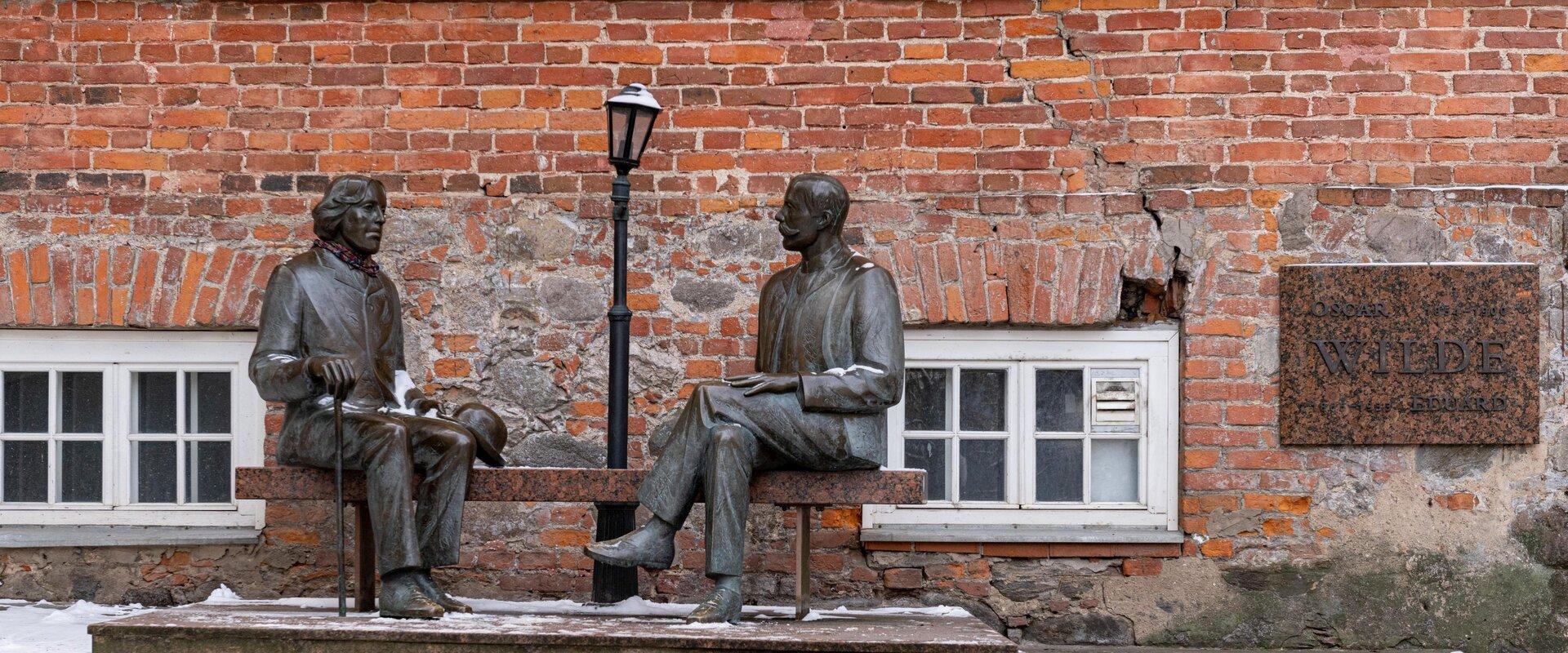
Sculpture of Oscar Wilde and Eduard Vilde

A sculpture created in Tartu's Old Town in 1999 depicts a fun speculation about the history of literature. Sitting on a bench are contemporaries and namesakes, or the two Wildes: Irish-born writer Oscar Wilde (1854-1900) and Estonian writer Eduard Vilde (1865-1933). Sculptor Tiiu Kirsipuu, who modeled the figures of the writers based on photographs, has noted that when creating the twin figures, she had in mind the year 1890, when the two Wildes could have really met each other and had a few witty words. The sculpture symbolizes friendship and intercultural dialogue. The sculpture of the two writers is located in front of the former Mattiesen printing house, one of Tartu's architectural monuments, which now houses the wine and art restaurant Vilde ja Vine. The statue is a beloved landmark among both locals and visitors. Sitting on the bench next to the writers allows you to take nice pictures as a souvenir of your visit to Tartu. In 2004, a copy of the sculpture was also donated to the city of Galway in Ireland, where the paternal family of literary classic Oscar Wilde came from.

  • Sculptures

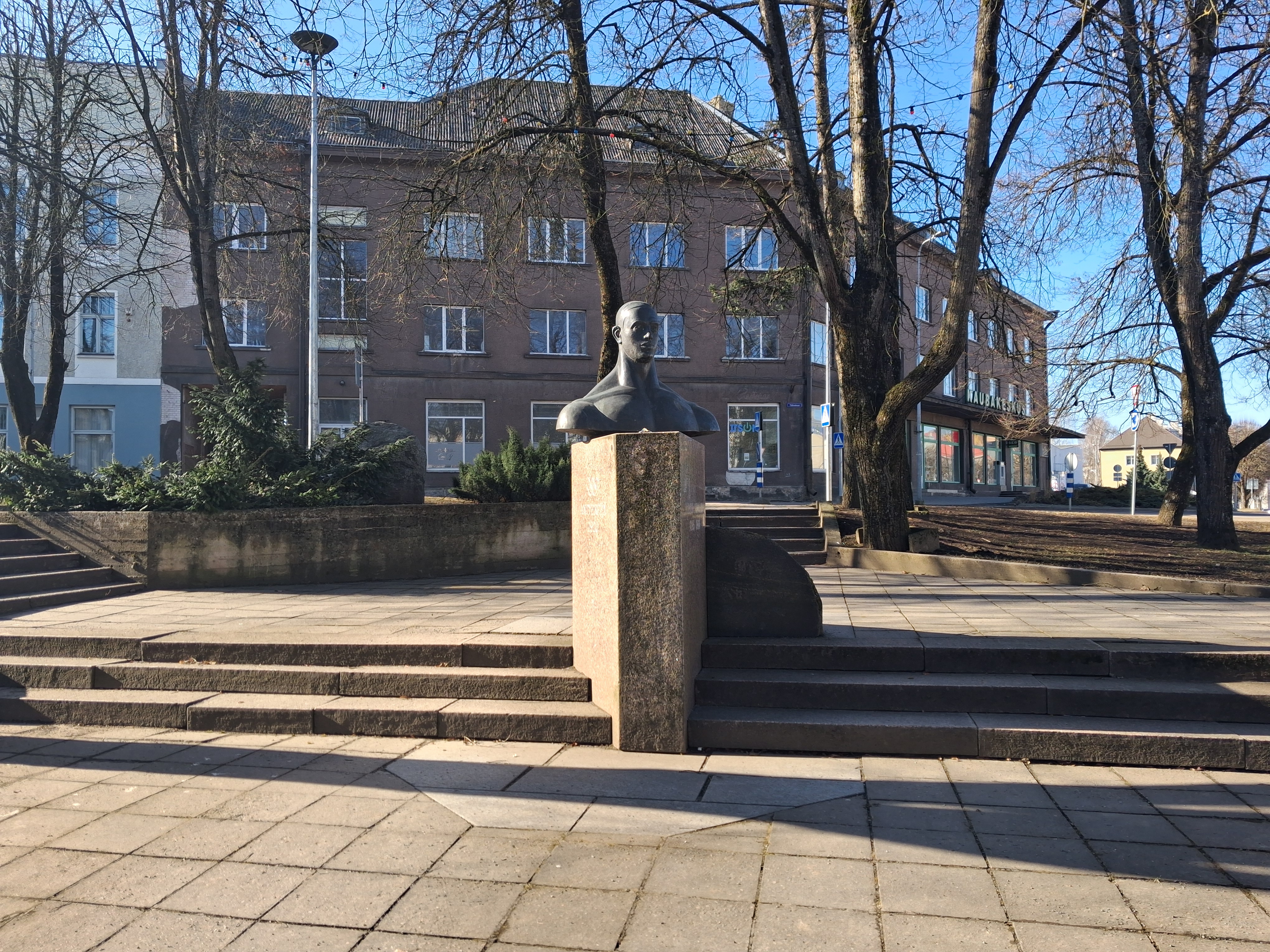
Monument to Alfred Neuland

Weightlifter Alfred Neuland (1895-1966) who was born in Valga is the first Estonian Olympic Champion. He returned with a gold medal from the Antwerp Olympic Games in 1920. He was also successful at the Paris Olympic Games where he won the silver medal.Interesting facts: * sculptor Mati Karmin is the author of the bronze bust; * Hermann Lerchenbaum, the first Estonian known to have taken part in Olympic Games as a member of the US Navy's rowing team at the 1896 Olympic Games in Athens, was also born in Valga.

  • Sculptures

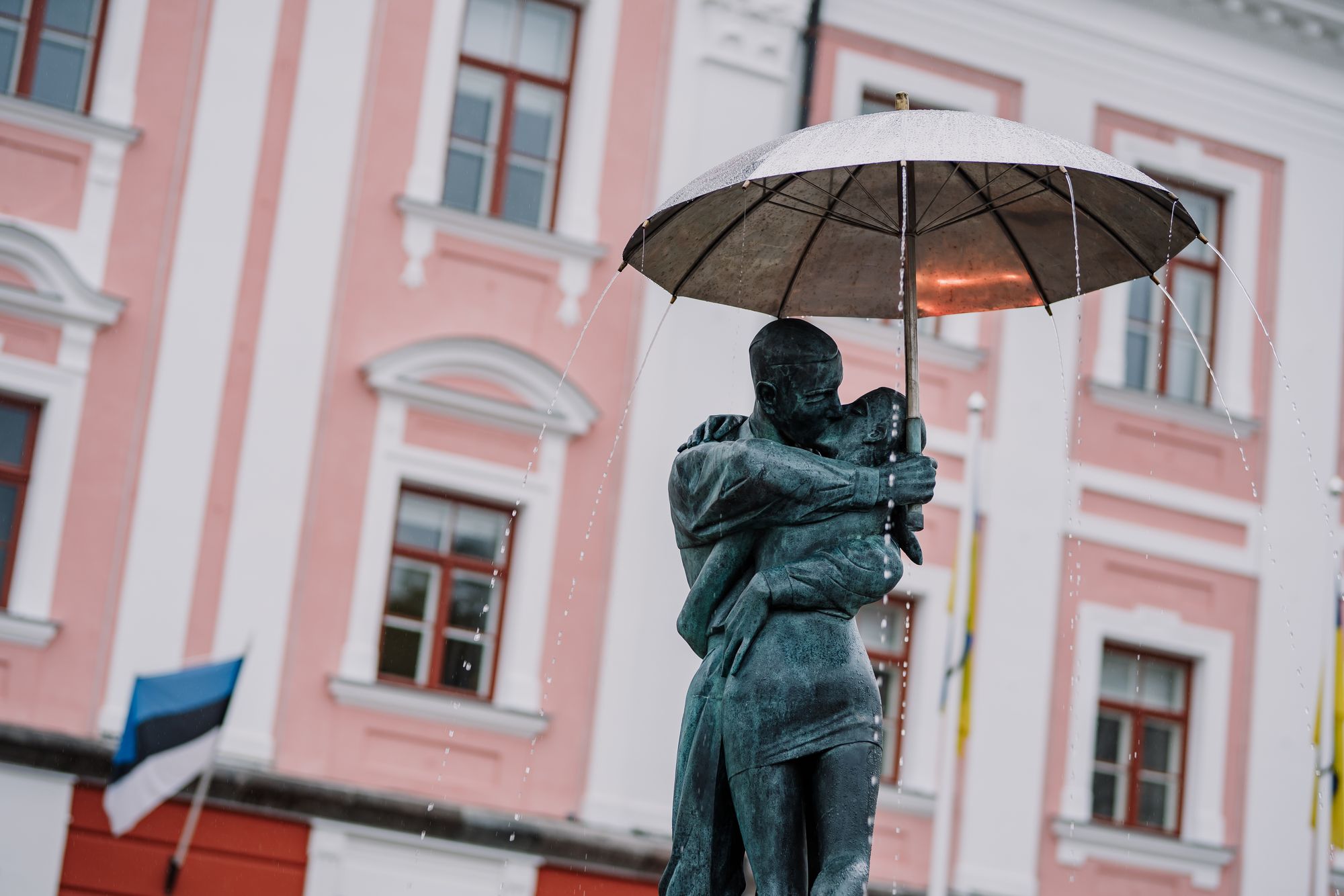
‘The Kissing Students’ sculpture and fountain

'The Kissing Students' sculpture and fountain is one of the most recognised symbols of Tartu. The fountain has stood in the same place since 1948, when newlyweds and their guests would visit it for luck, and people would also take a dip in it. The sculpture was created by Mati Karmin and completed in 1998. Since 2006 the fountain has been surrounded by tiles bearing the names of Tartu's sister cities – Bærum, Deventer, Ferrara, Fredriksberg, Hafnarfjörður, Hämeenlinna, Kaunas, Lüneburg, Pihkva, Riia, Salisbury, Tampere, Turu, Uppsala, Veszprem and Zutphen. Each of these is situated in the direction that the cities lie from Tartu, with the distances marked.

  • Sculptures

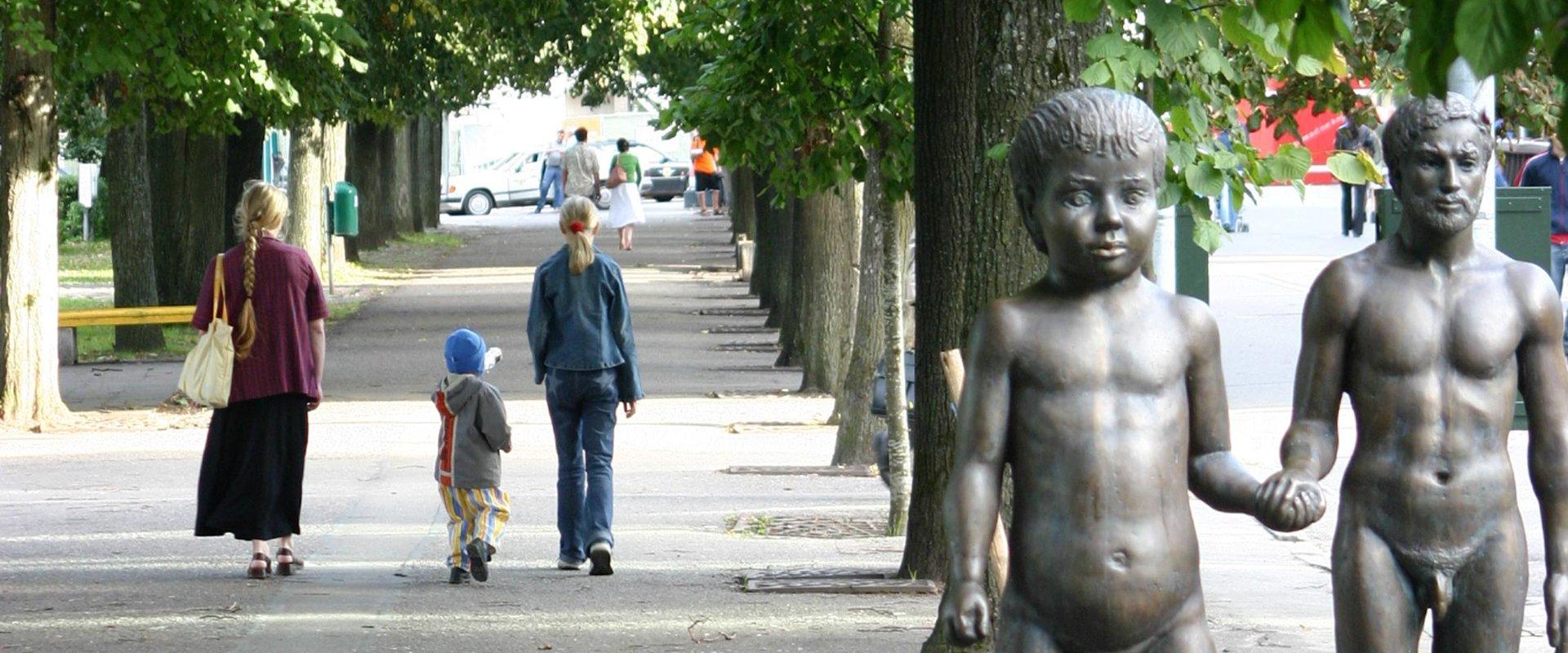
‘Father and Son’ sculpture

The sculpture "Father and Son" is a symbol of the relationship between different generations, where children are increasingly growing apart from their parents. The bronze work by sculptor Ülo Õun (1944-1988) was unveiled on Children's Day, June 1, 2004, on Küüni Street. The work represents the sculptor himself and his son Kristjan when the son was one and a half years old.

  • Collaboration
  • News
  • Contacts
  • Privacy Policy
Join our mailing list!

"*" indicates required fields

This field is for validation purposes and should be left unchanged.
I authorise marketing

South Estonia Tourism Cluster

info@visitsouthestonia.com