• Explore
    • Nature
    • Culture
    • Food
    • Family
    • Activity
    • Blog
    Smoke sauna
    Weather and seasons
  • Plan
    • Accommodation
    • How to get here
    • Weather and seasons
    • Sustainability
    • Tourist info
    Discover South Estonia’s Most Beautiful Manors and Castles
    Top 20 Sights in South Estonia
  • For professionals
    • For professionals
    • Collaboration
    • News
    • Projects
    • Training
    • Repository
    • Community (opens in new tab)
    • Contacts
ENG
  • EnglishENG
  • EestiEST
  • LatviešuLAT
  • РусскийRUS
  • SuomiFIN
ENG
  • EnglishENG
  • EestiEST
  • LatviešuLAT
  • РусскийRUS
  • SuomiFIN
Popular searches:
Show all
  • History & Culture
  • Architecture and history

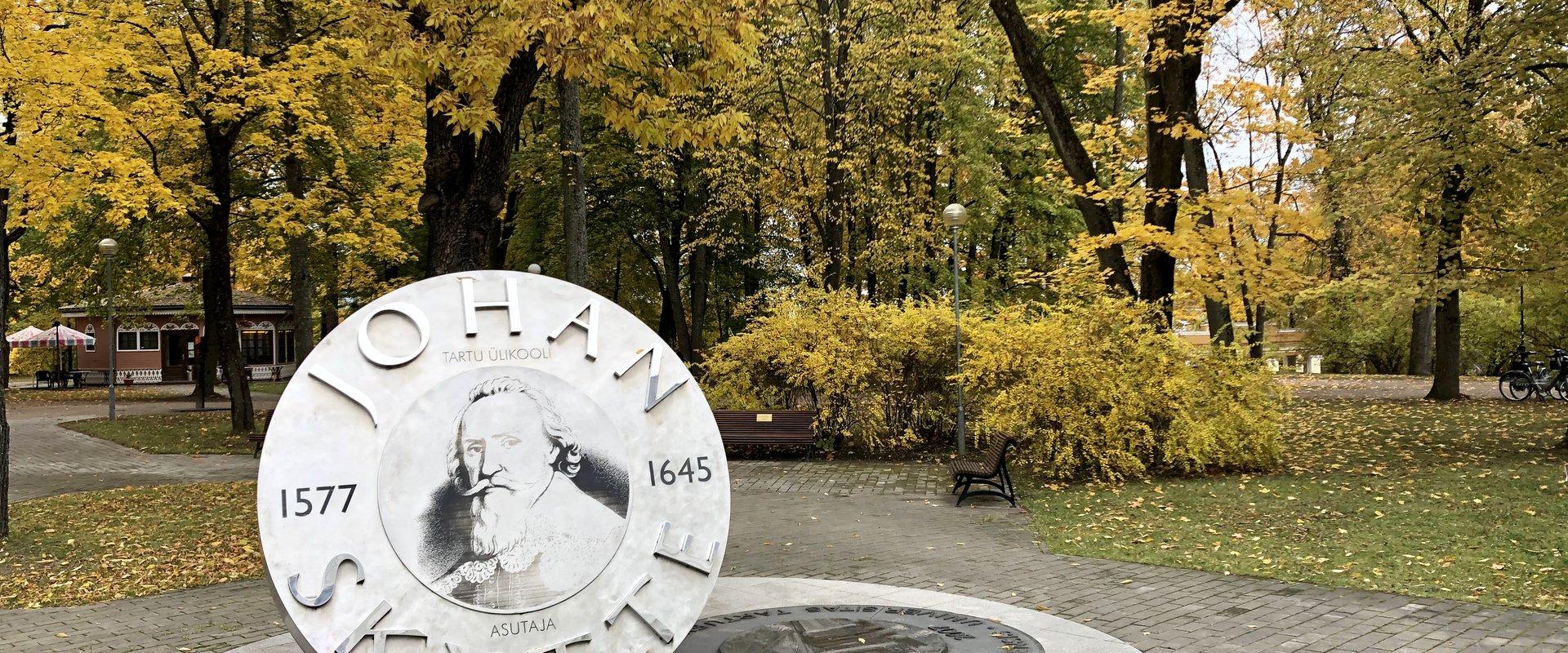
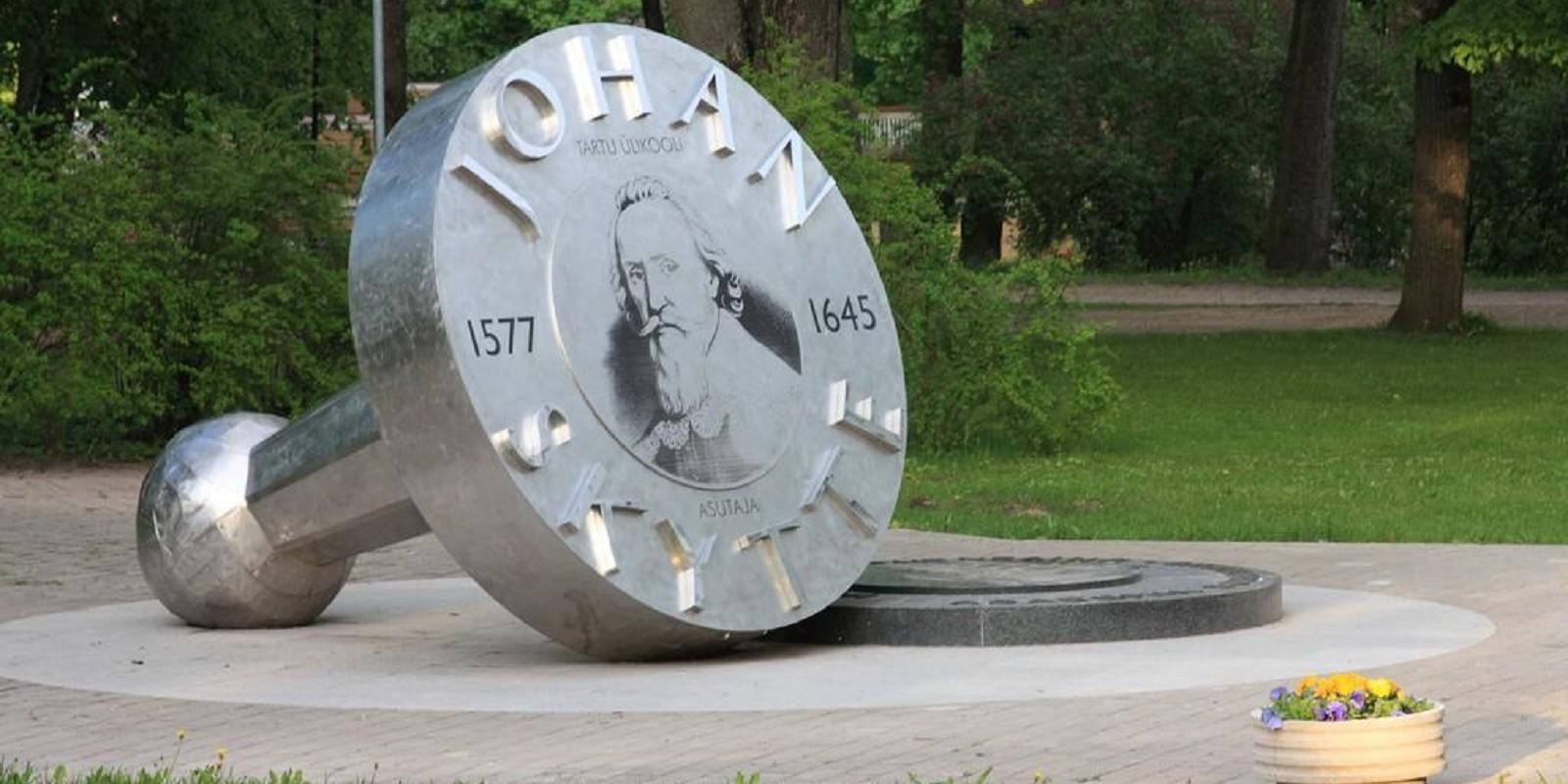
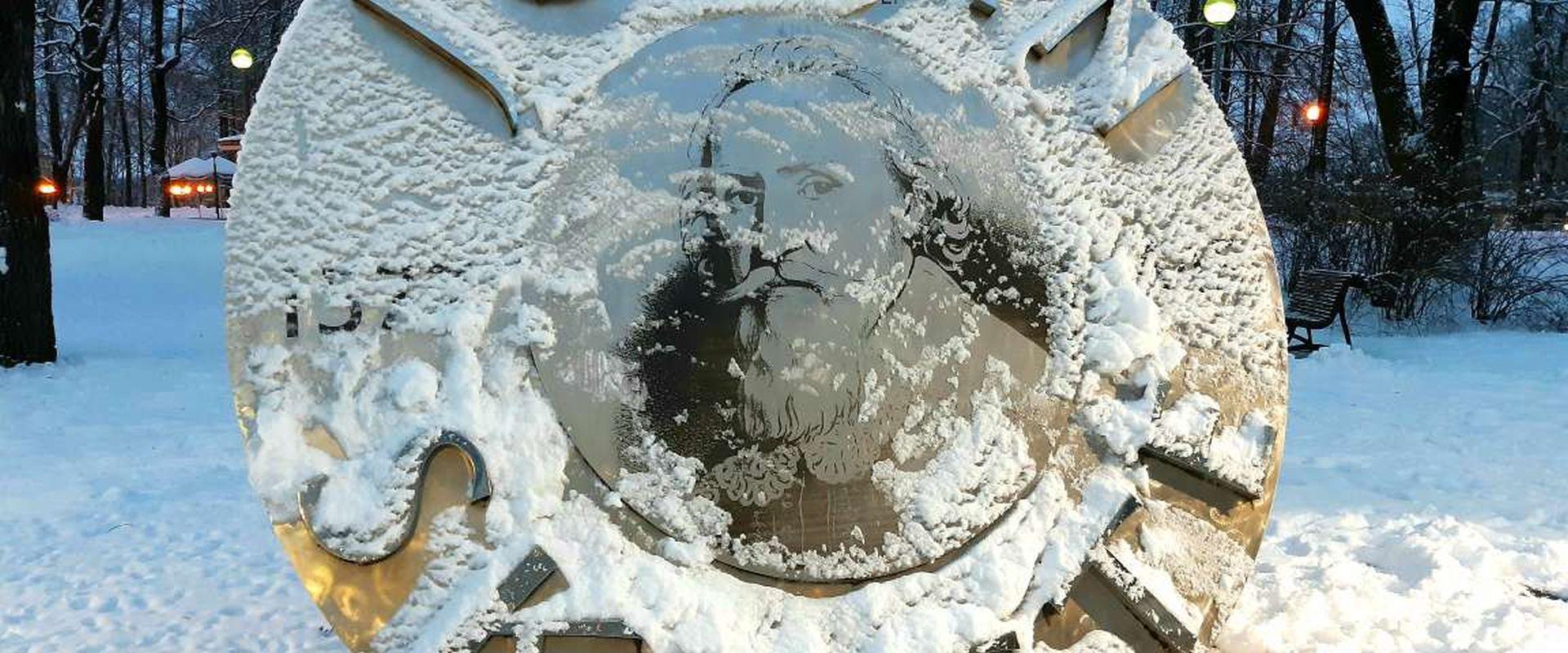
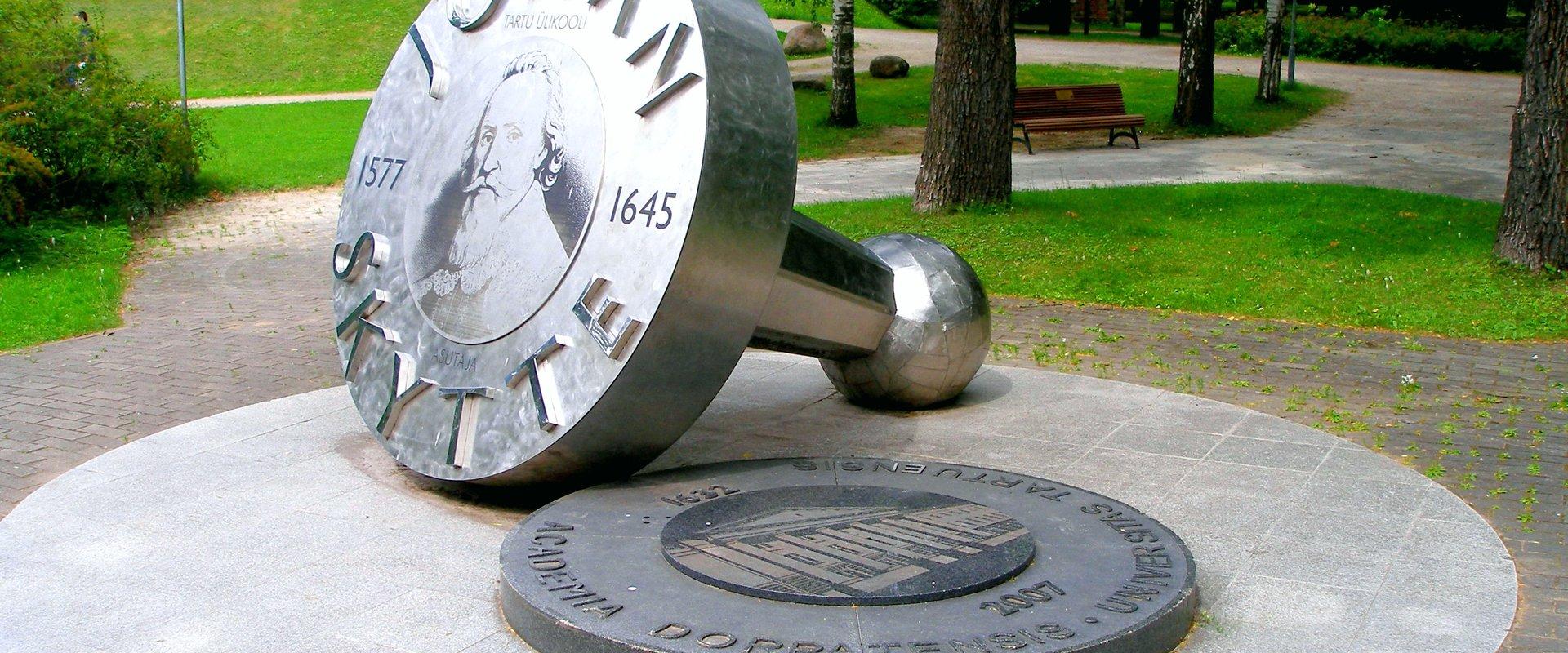
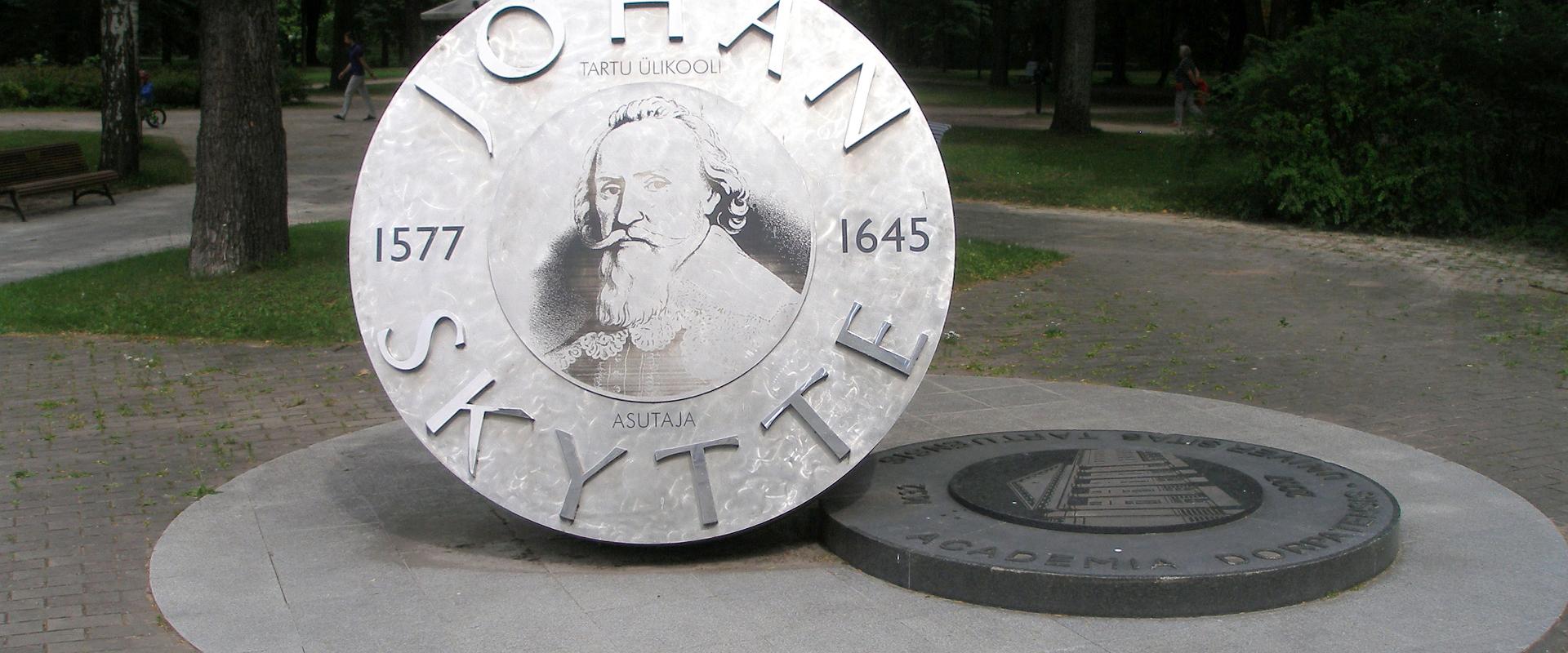
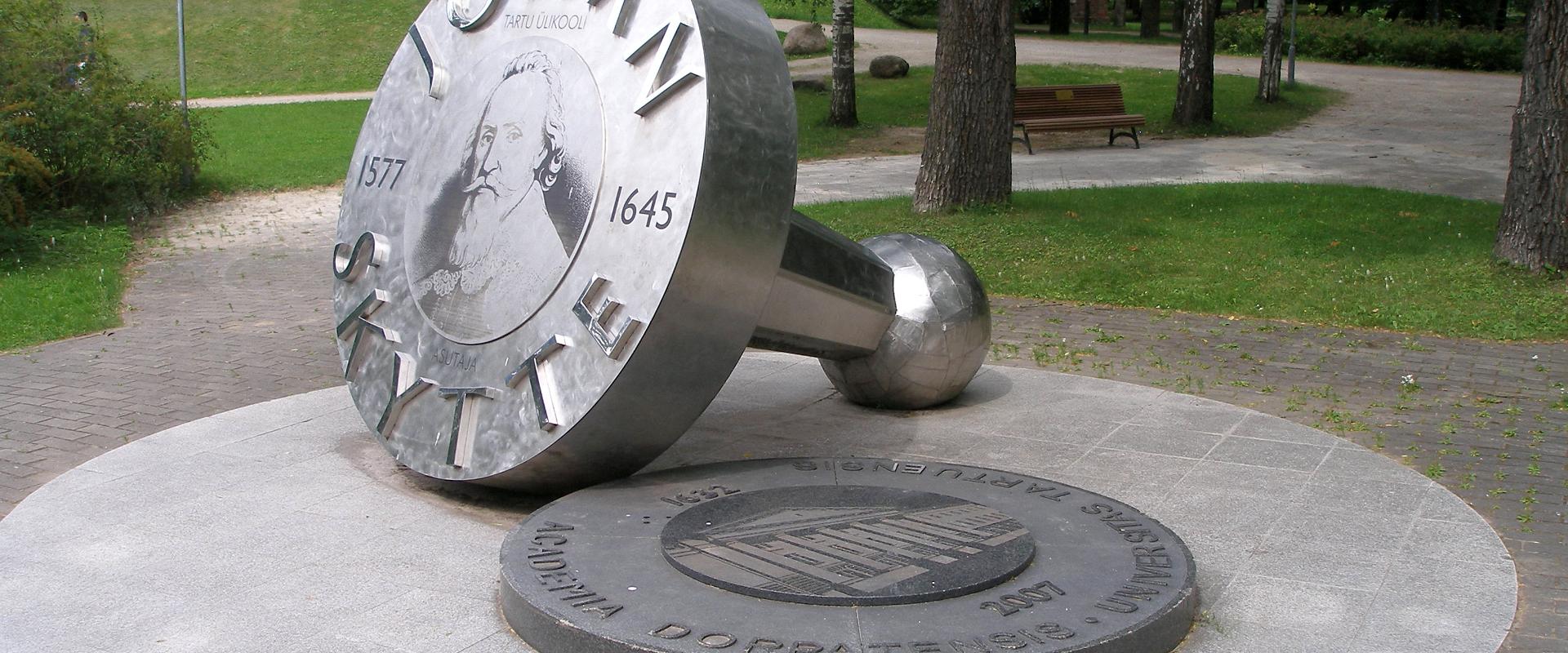
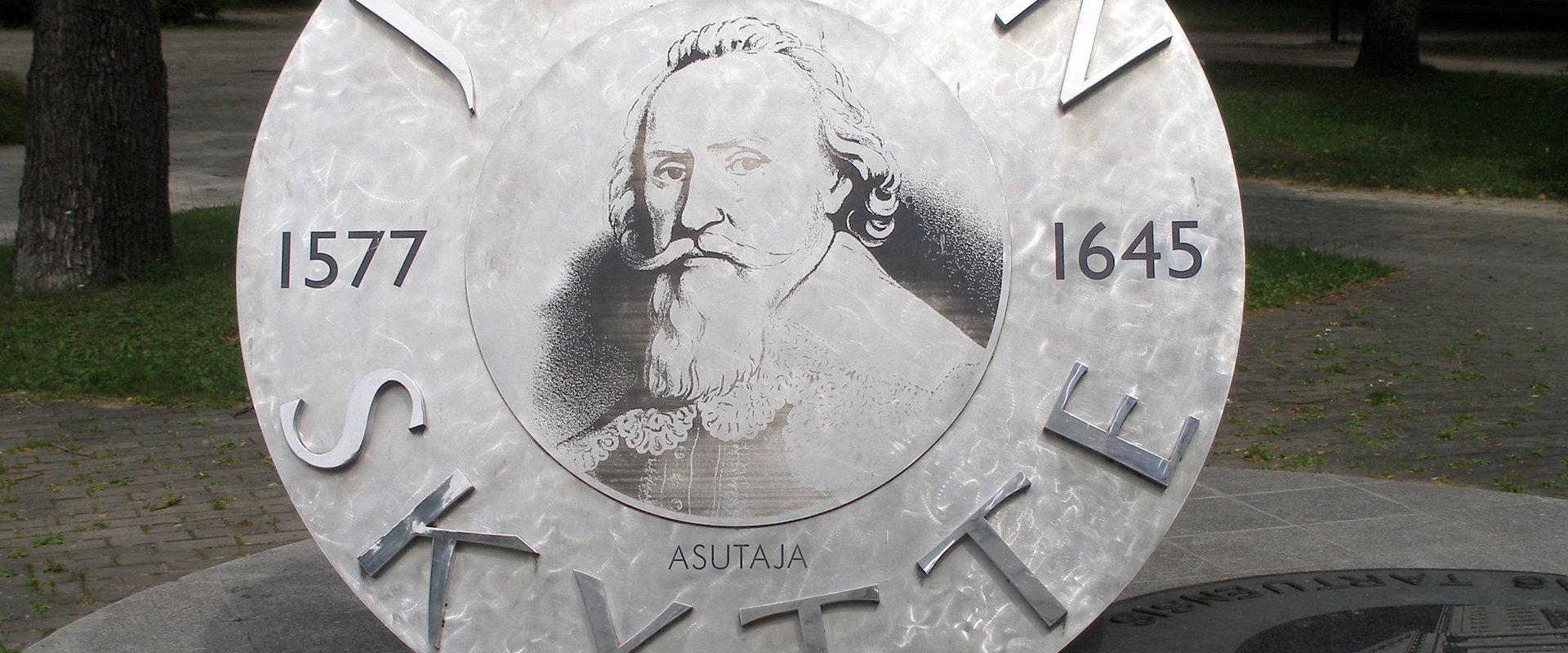
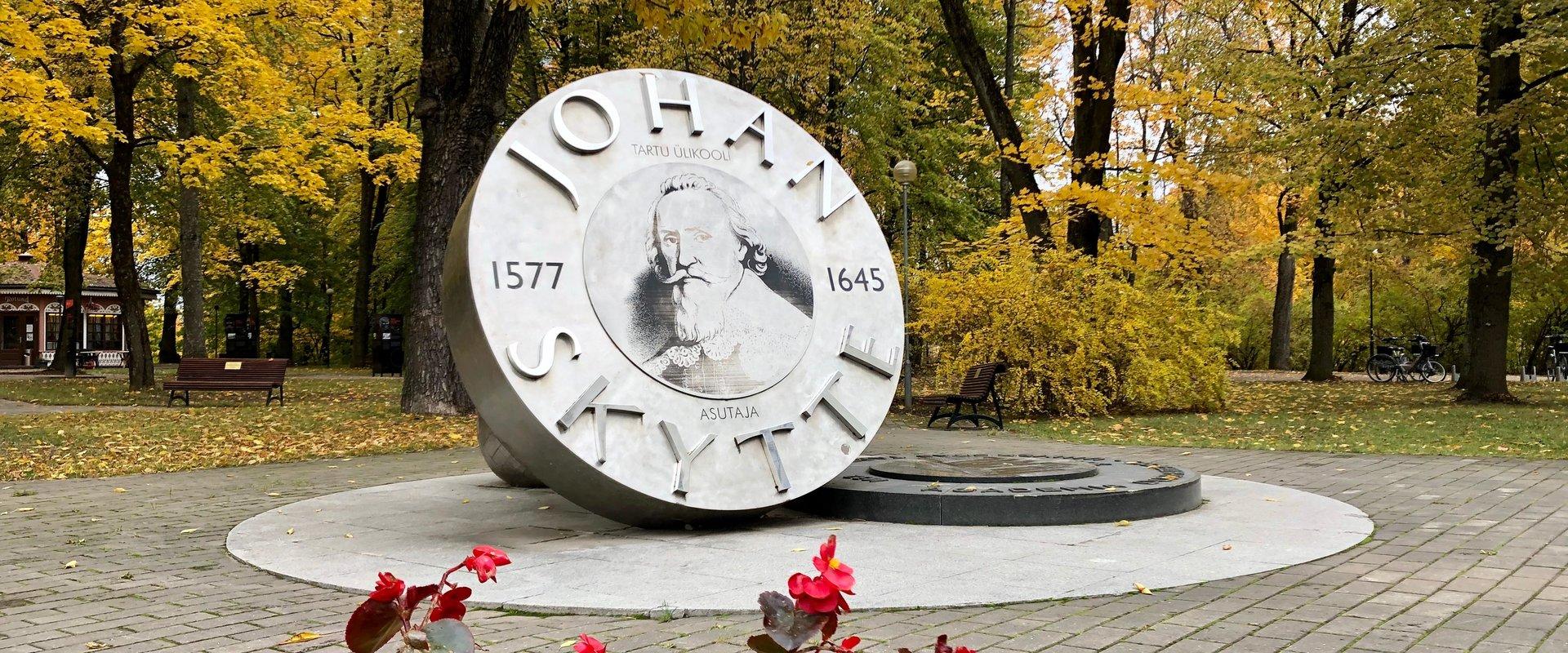
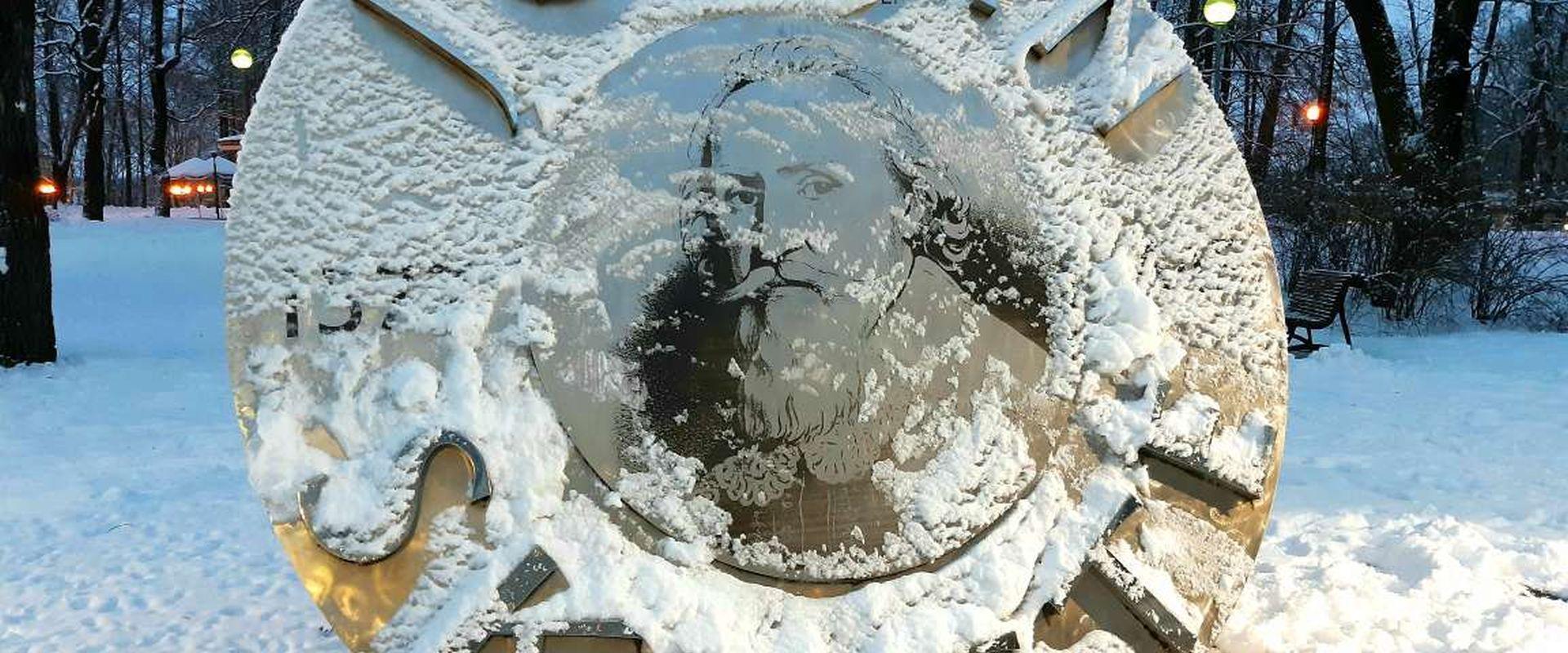
Monument to Johan Skytte

Lossi tn 15b, Tartu linn, Tartu maakond, 51003

Johan Skytte was a Swedish state official and a teacher and advisor to King Gustav II Adolf of Sweden. Skytte was the initiator of the idea of establishing the University of Tartu, the creator of its privileges, and the first chancellor.The monument to Johan Skytte was opened on the 375th anniversary of the University of Tartu and is located in front of the Supreme Court building.The authors of the seal-shaped monument are Tiiu Kirsipuu and architect Ain Rööpson.

Amenities

  • Paid parking

Open times

Throughout the Year

Around the Clock

Links

See more

Tartu Gunpowder Cellar

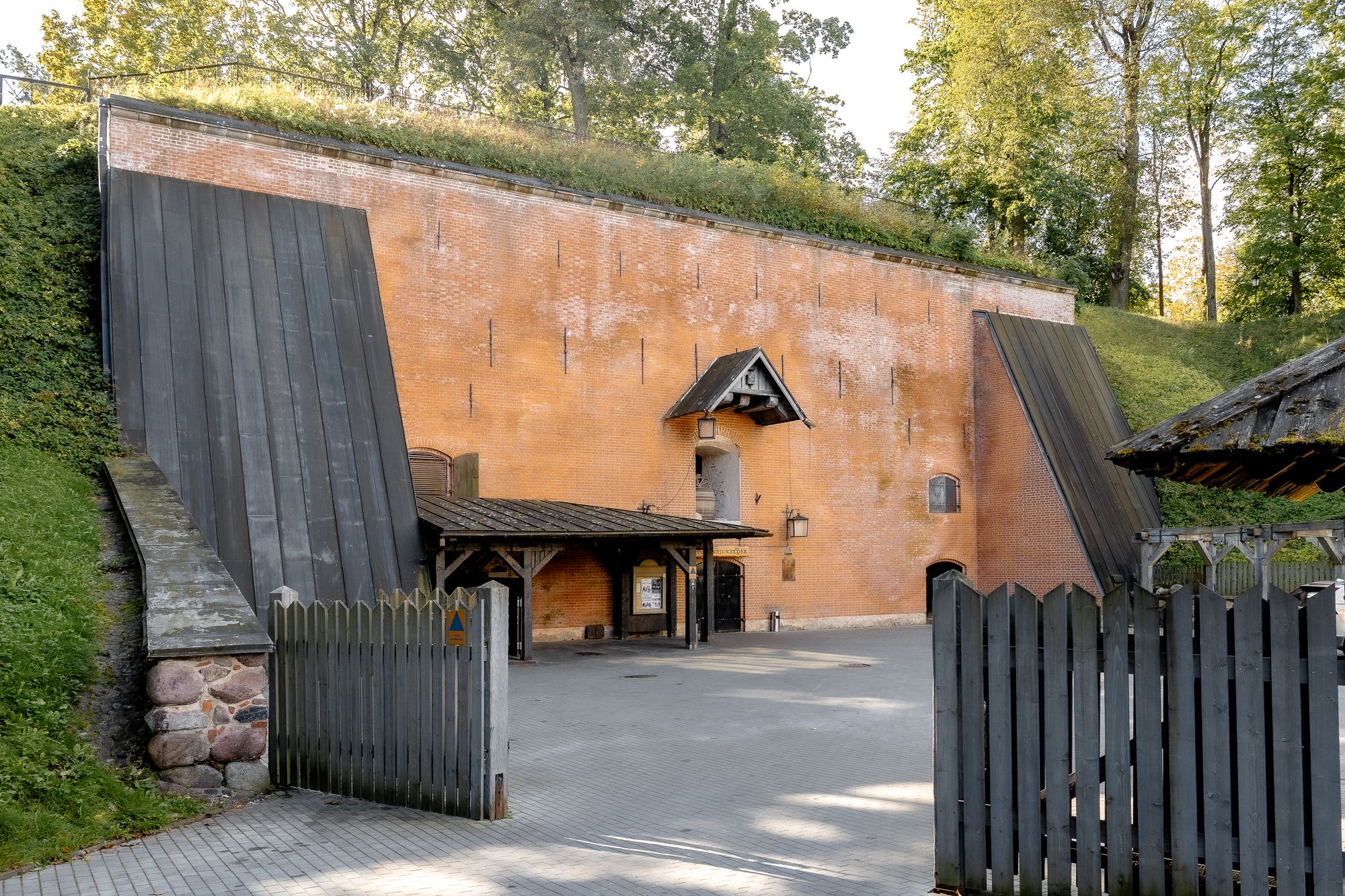
Located on the slope of Tartu's Toome Hill Park, the Gunpowder Cellar is a unique historical building that today operates as a restaurant. The building was established in 1767 in a moat separating the bishop's castle from the surrounding area, and it was used as a gunpowder cellar until 1809. Bricks from the ruins of the medieval St. Mary's Church and the bishop's castle walls were used for its construction. Thanks to its thick stone walls and underground location, the building was well-suited for storing gunpowder. Later, the building was used as a beer cellar, and at the end of the 19th century, it was also used by the University of Tartu for scientific research, including studies on earthquakes and magnetic phenomena. From 1982 to 1999, the Gunpowder Cellar operated as a well-known café-restaurant, and in 2000, it reopened as a pub. The Gunpowder Cellar is unique for its 11-meter-high ceiling and is listed in the Guinness World Records as the pub with the highest ceiling. Today, it is a popular meeting place offering good beer, hearty food, and live music in a historical setting.

The city centre square of Võru

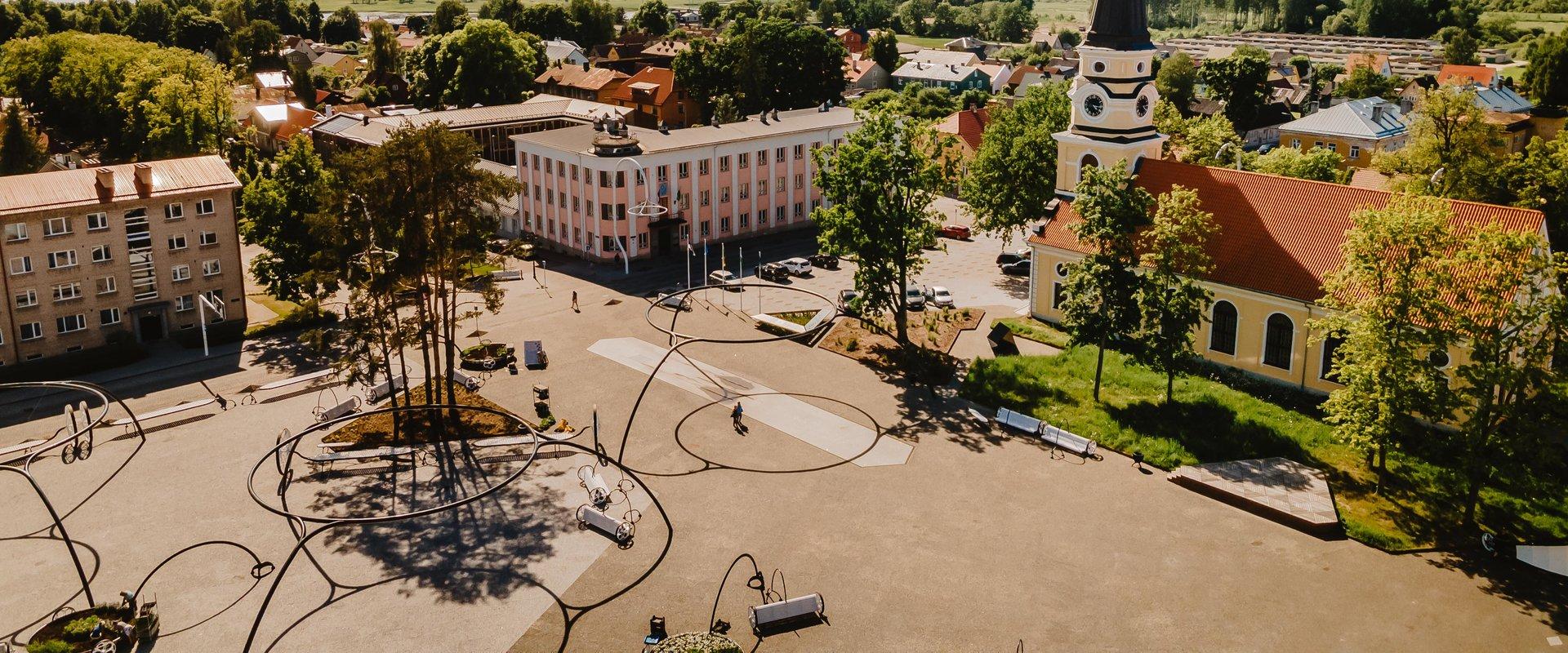
The central square of Võru, dedicated to the 100th anniversary of the Republic of Estonia, is unique for its urban furniture. The word furniture originates from the Latin word mobilis – movable. Today, the square is in constant transformation, reflecting the character of different events – sometimes it's a market square, at other times a concert hall, and in winter, a magical Christmas land. The central square is the historical heart of Võru, surrounded by the Government House (1938), the Lutheran St. Catherine’s Church (1793), the grammar school building (the oldest house in the city, 18th century), the fire station (1900), the Apostolic St. Catherine’s Church (1804), and the bank building (1938). The renewed central square was opened in 2019, designed by architect Villem Tomiste. Taking a step onto the square brings you into a space where past and present blend seamlessly. There’s room here for both reflection and liveliness – for meeting old friends, spending time with family, or simply being in the moment. Võru’s central square is more than just a plaza – it’s a living meeting place that invites everyone to pause, enjoy, and experience. Come to the heart of Võru – to where the city lives and breathes.
  • Workshops

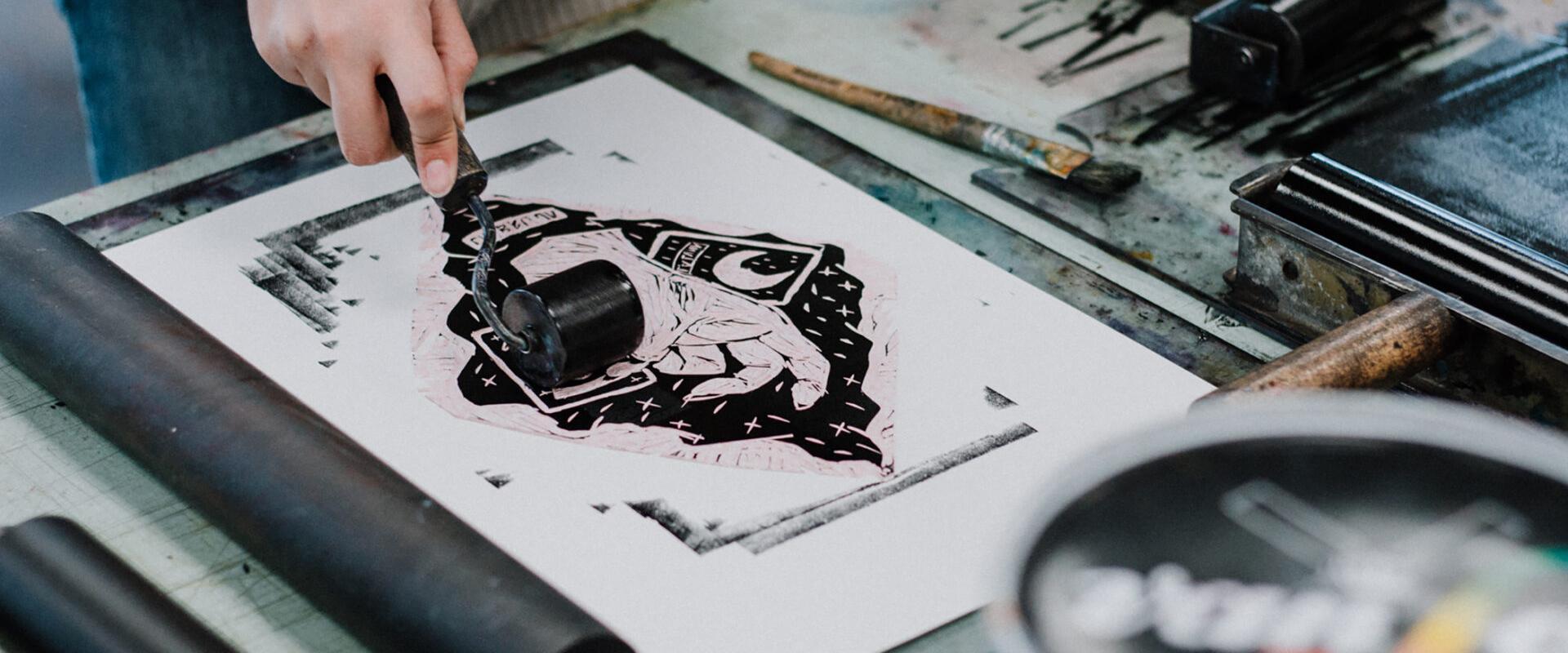
Linocut with blind embossing and ink printing in TYPA

Linocut — where the printing form is cut out of linoleum by hand — is one of the simplest graphic arts techniques. In the workshop, each participant will make a linocut printing plate (10x15 cm) according to their own design, with which they will first print a clean, blind-embossed image and then color images. Prepare for the workshop by thinking of a design in advance or searching the Internet for an image to inspire you. Tip: The image should have strong contrasts and clear lines, like a black and white image, because smooth color transitions cannot be printed with linocut.

Räpina Paper Factory

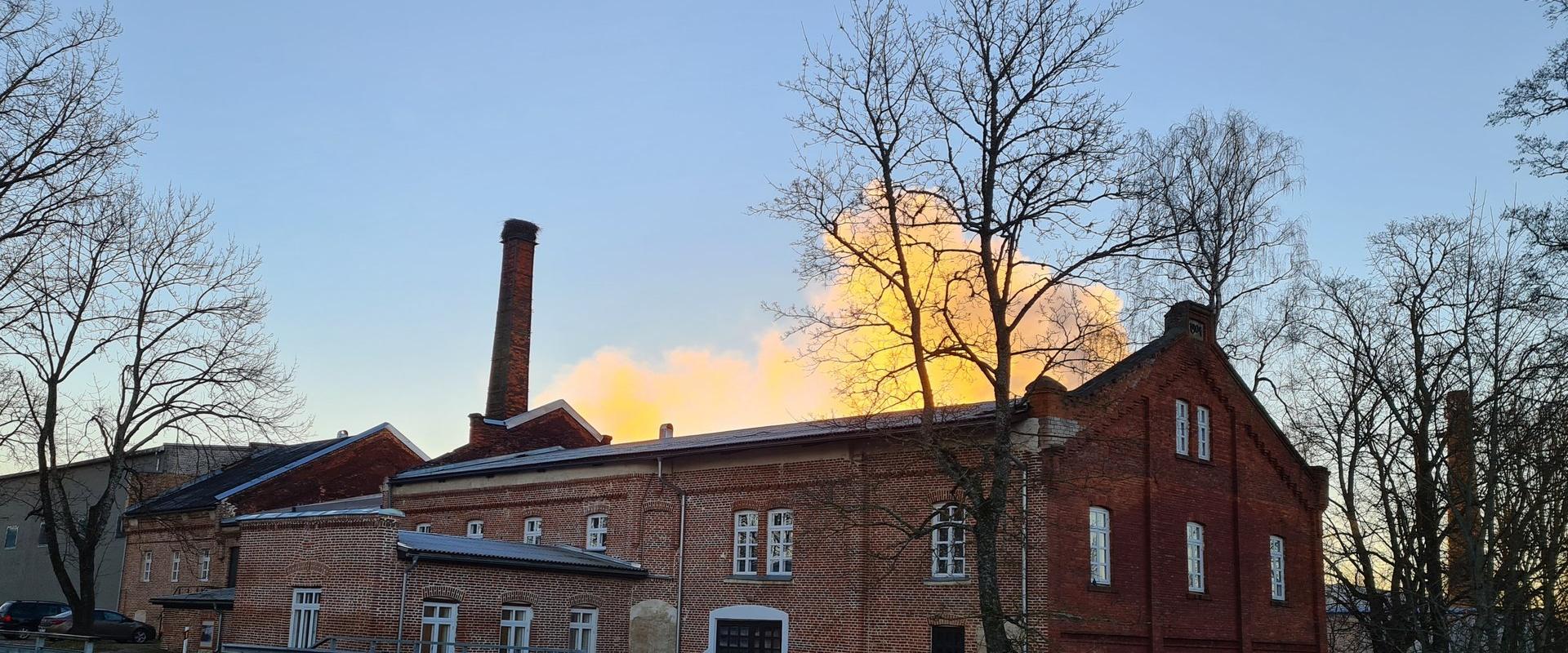
Räpina Paper Factory (originally a paper mill) was completed in 1734, making it the oldest Estonian industrial company to still be in operation. It is also one of the most unique examples of industrial architecture in Europe. The first paper machine arrived in Räpina from Germany in 1873, which was when the mill became a factory. It produced a variety of paper for writing and printing. Three more machines were later introduced to the factory, one of which is still in use - if a little rejigged - today.As a company that cares about the environment, the factory aims to combine contemporary and environmentally friendly production technology with 300 years of production experience.

  • Galleries

Piusa Pottery ceramics studio

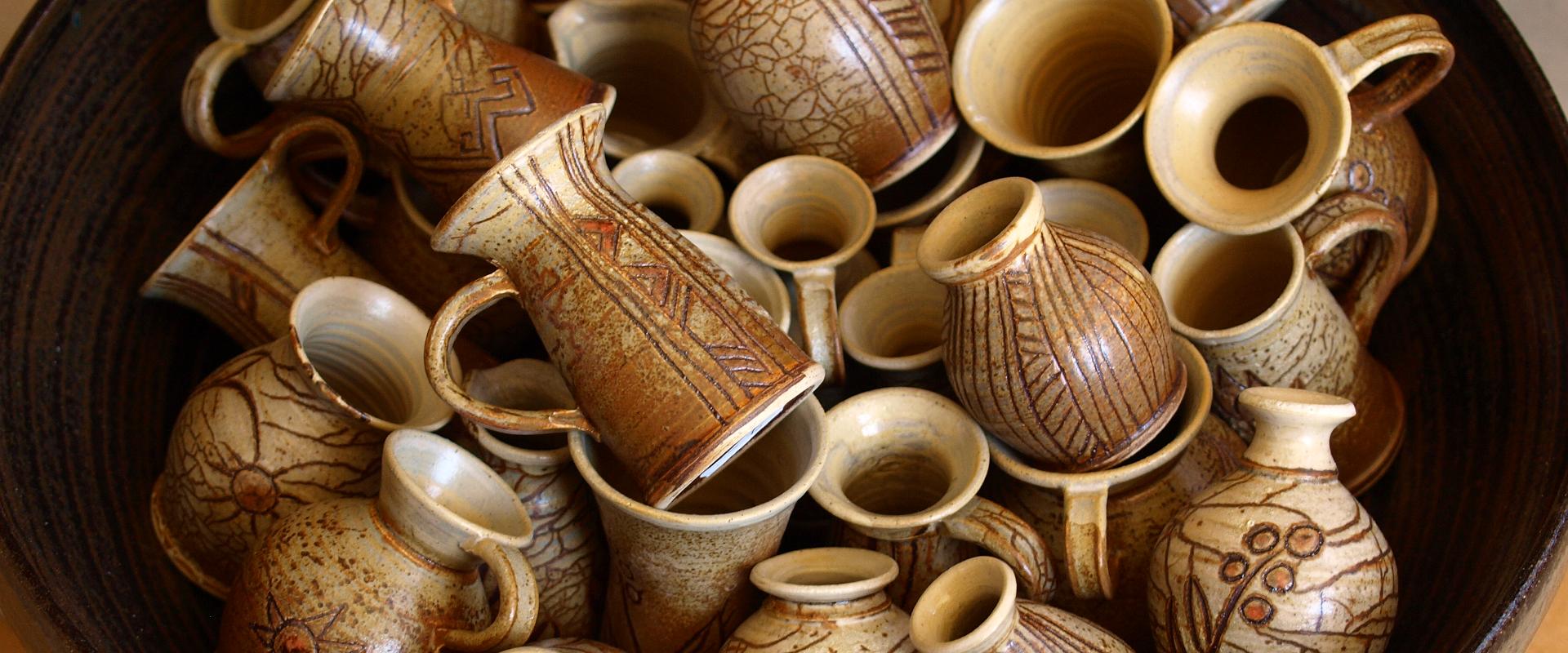
Piusa Pottery is a ceramics studio open to the public. Visitors can watch traditional, as well as unique works of art and handicraft items being created before their very eyes. There is an exhibition of ceramics created by Signe and Meelis Krigul. You can also buy items that take your fancy. In addition, you can order custom-made ceramic items according to your requirements and wishes. If you register in advance, we can organize ceramic courses and workshops, +372 5322 9442. Piusa Pottery is located in a former railway station building not far from the Piusa caves and sandstone bluff.

  • Monuments

Monument to Eduard Tubin

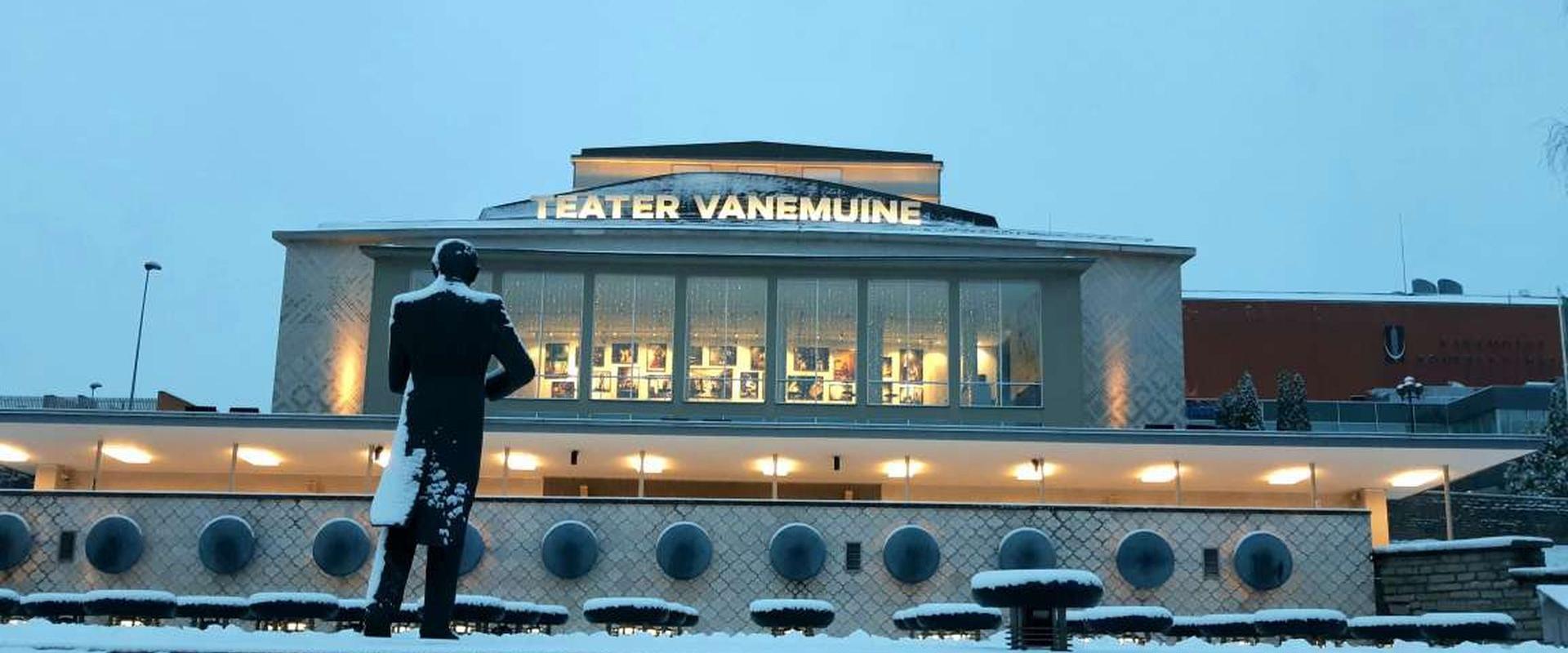
The monument to the most renowned Estonian symphonist of all times Eduard Tubin stands on the slope by the Vanemuine Theatre (authors A Vahtrapuu, V Valk, sound installations created by Louis Dandrel). Come and see how the well-known Estonian conductor and composer conducts an imaginary orchestra and listen to sound installations of the works of Eduard Tubin.

  • Manors

Puurmani Manor

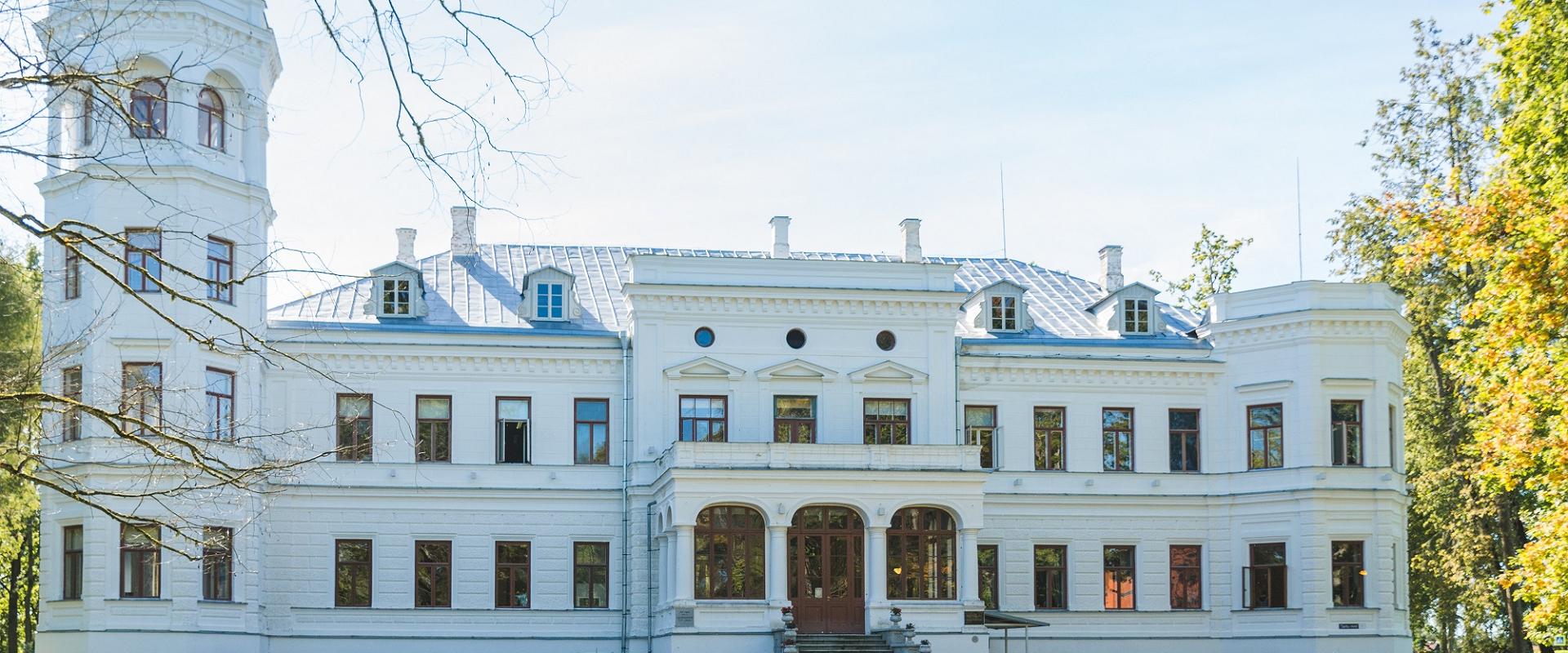
The magnificent Neo-Renaissance style manor with a white main building was built during the time of G. J. Mannteuffel in 1860. In 1918, Julius Kuperjanov established a partisan battalion in Puurmani castle.At present, the castle houses the Puurmani Upper Secondary School.You can visit Puurmani castle and learn about its history in the course of the Forgotten Manors program during the visiting days in the summer. You can also order a tour of the manor house, manor park and the entire Jõgeva County. In the manor, we will look around different floors where you can see the countess's boudoir, a secret door leading to the tower, as well as the count's study and treasury. You can also order a night tour and catering.

Raadi Cemetery

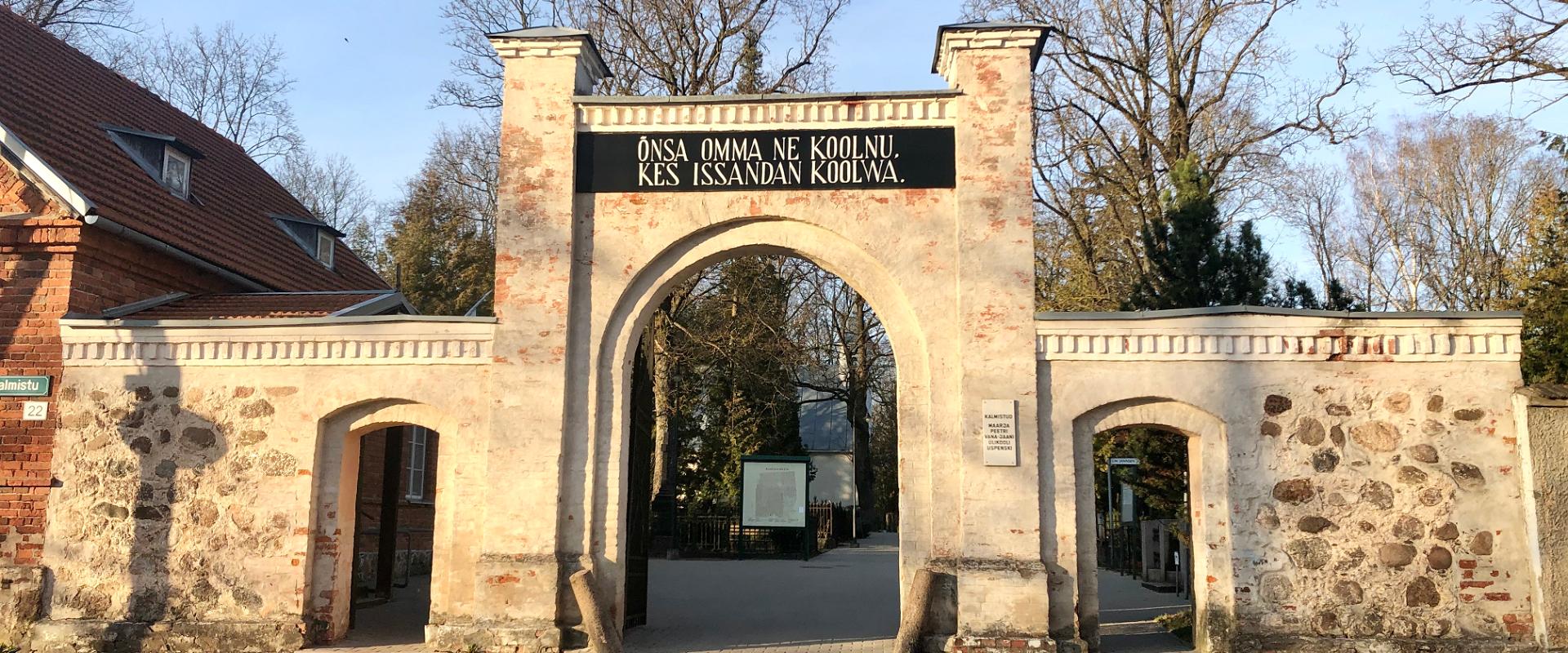
Raadi Cemetery is the largest cemetery in Tartu, consisting of cemeteries of several different congregations which were merged as late as in 1961. The congregations of Mary and Peter make up the largest part of the cemetery. There are many graves of cultural figures and researchers in the Vana-Jaani cemetery, as well as in the newer part of the University cemetery.Above the main gate of the cemetery is the inscription in the local Tartu language 'Õnsa omma ne koolnu, kes Issandan koolwa.' The Douglas fir alley in the military cemetery is under nature protection.Previously, the Vana-Jaani cemetery had a Jewish cemetery on the side of Narva maantee and an Islamic cemetery on its side.

  • Collaboration
  • News
  • Contacts
  • Privacy Policy
Join our mailing list!

"*" indicates required fields

This field is for validation purposes and should be left unchanged.
I authorise marketing

South Estonia Tourism Cluster

info@visitsouthestonia.com