• Explore
    • Nature
    • Culture
    • Food
    • Family
    • Activity
    • Blog
    Smoke sauna
    Weather and seasons
  • Plan
    • Accommodation
    • How to get here
    • Weather and seasons
    • Sustainability
    • Tourist info
    Discover South Estonia’s Most Beautiful Manors and Castles
    Top 20 Sights in South Estonia
  • For professionals
    • For professionals
    • Collaboration
    • News
    • Projects
    • Training
    • Repository
    • Community (opens in new tab)
    • Contacts
ENG
  • EnglishENG
  • EestiEST
  • LatviešuLAT
  • РусскийRUS
  • SuomiFIN
ENG
  • EnglishENG
  • EestiEST
  • LatviešuLAT
  • РусскийRUS
  • SuomiFIN
Popular searches:
Show all
  • History & Culture
  • Architecture and history

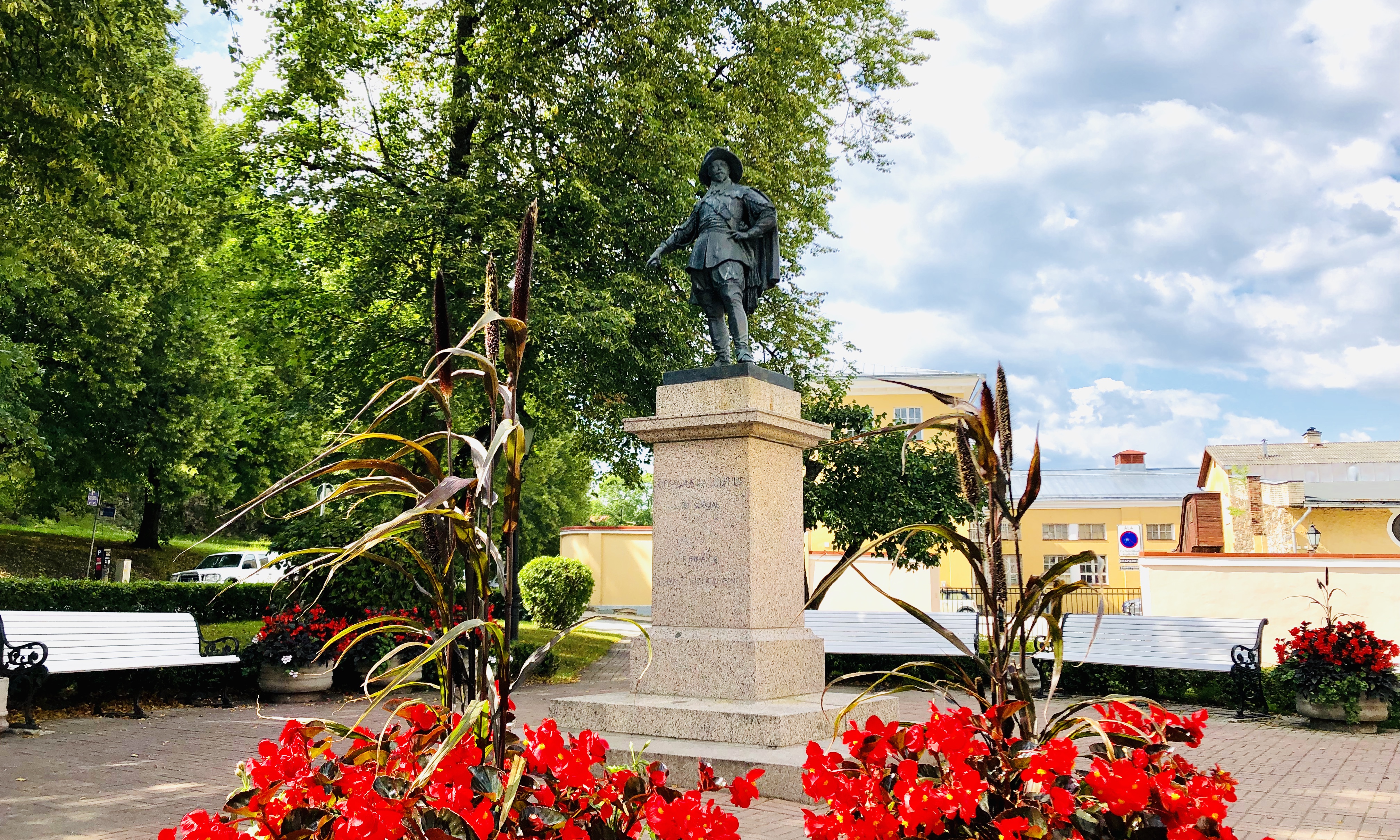
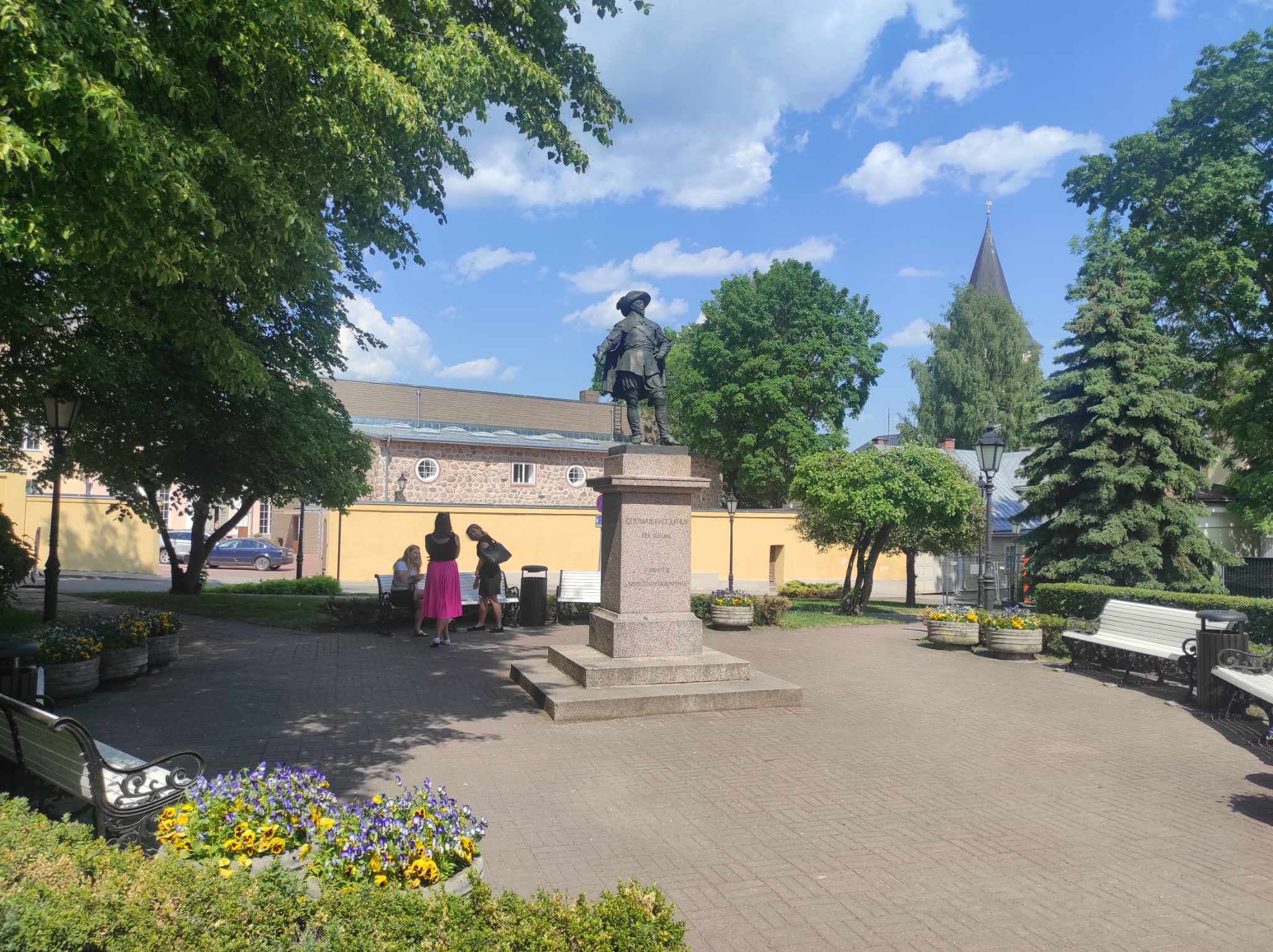
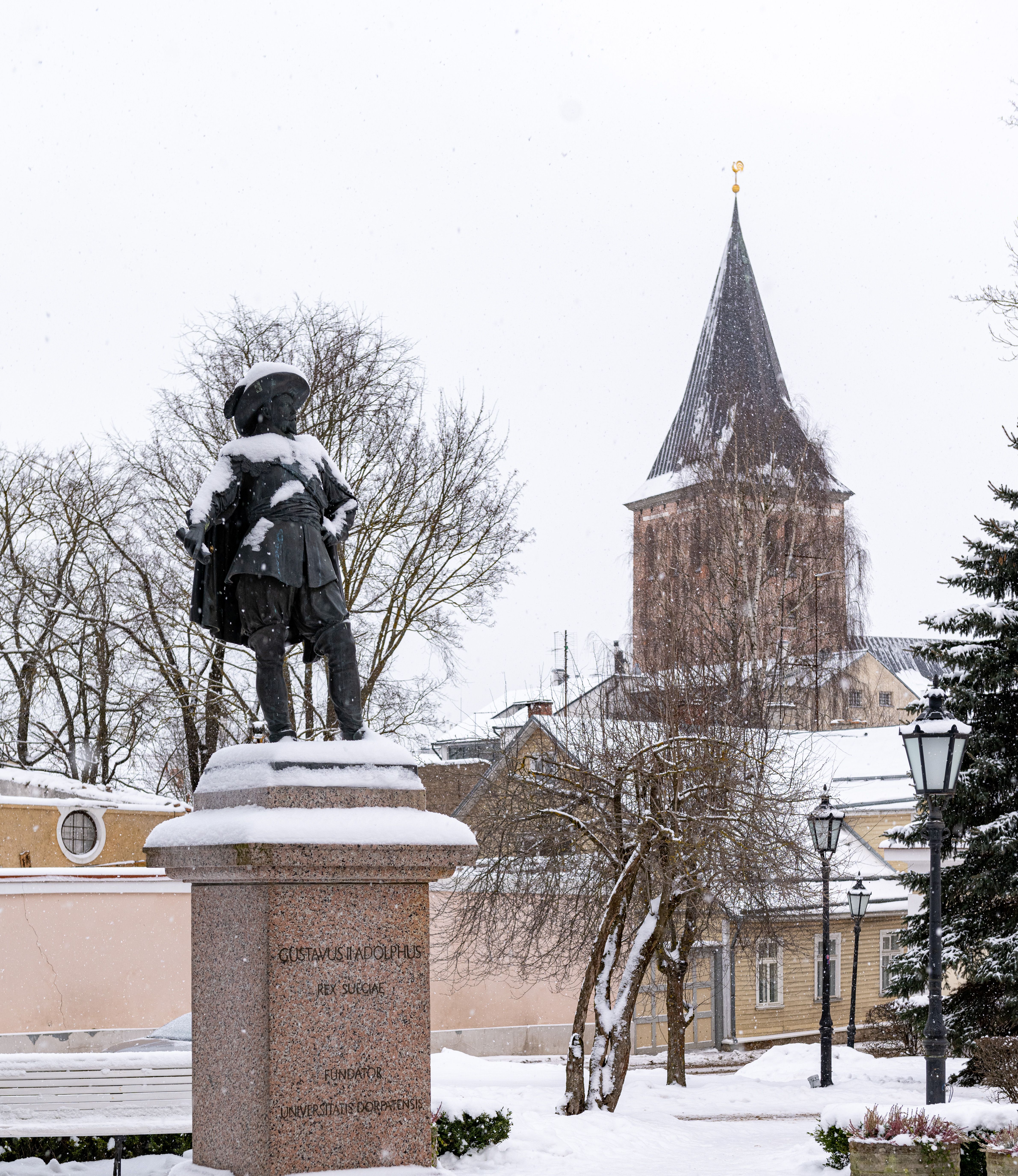
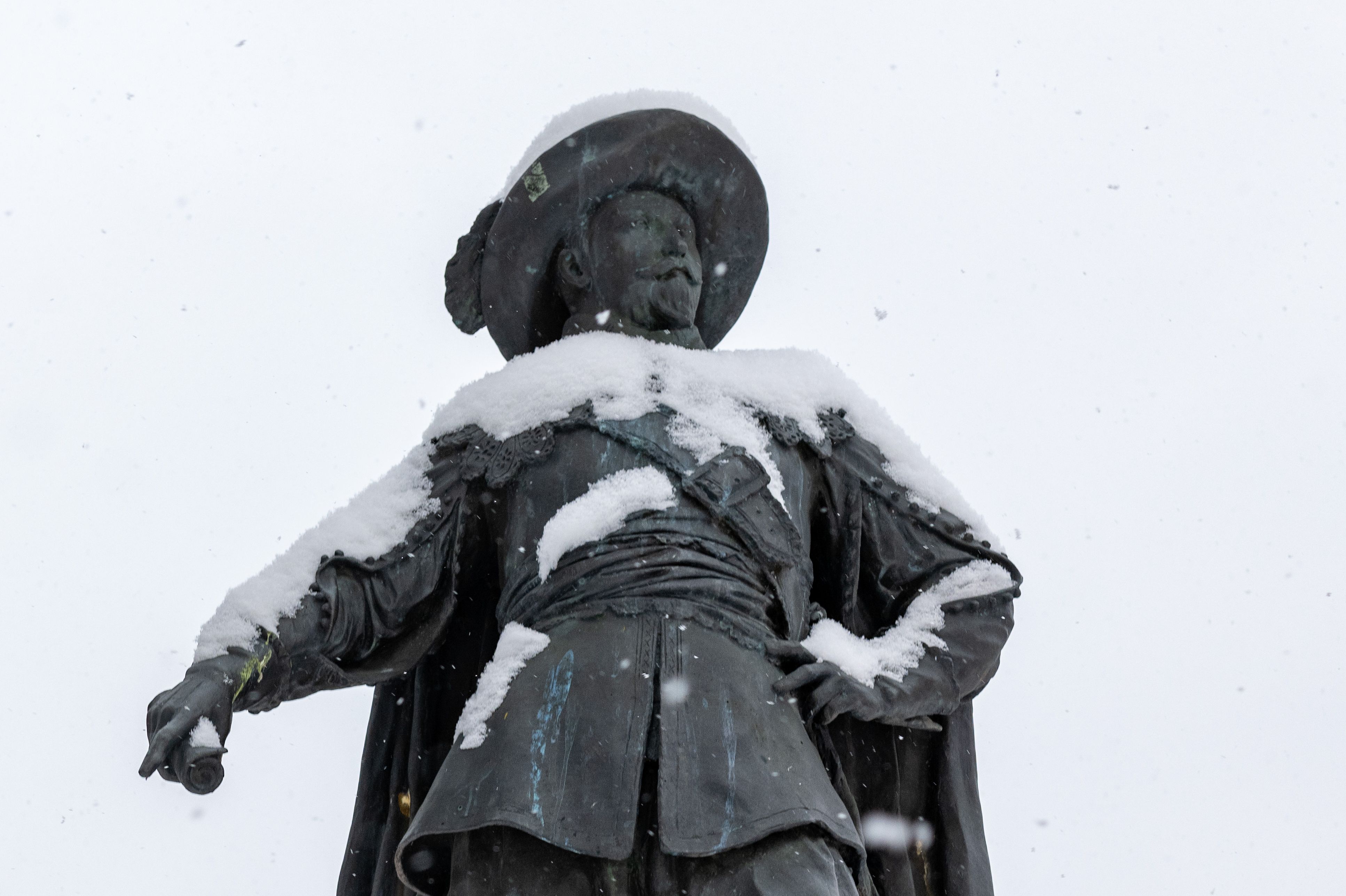
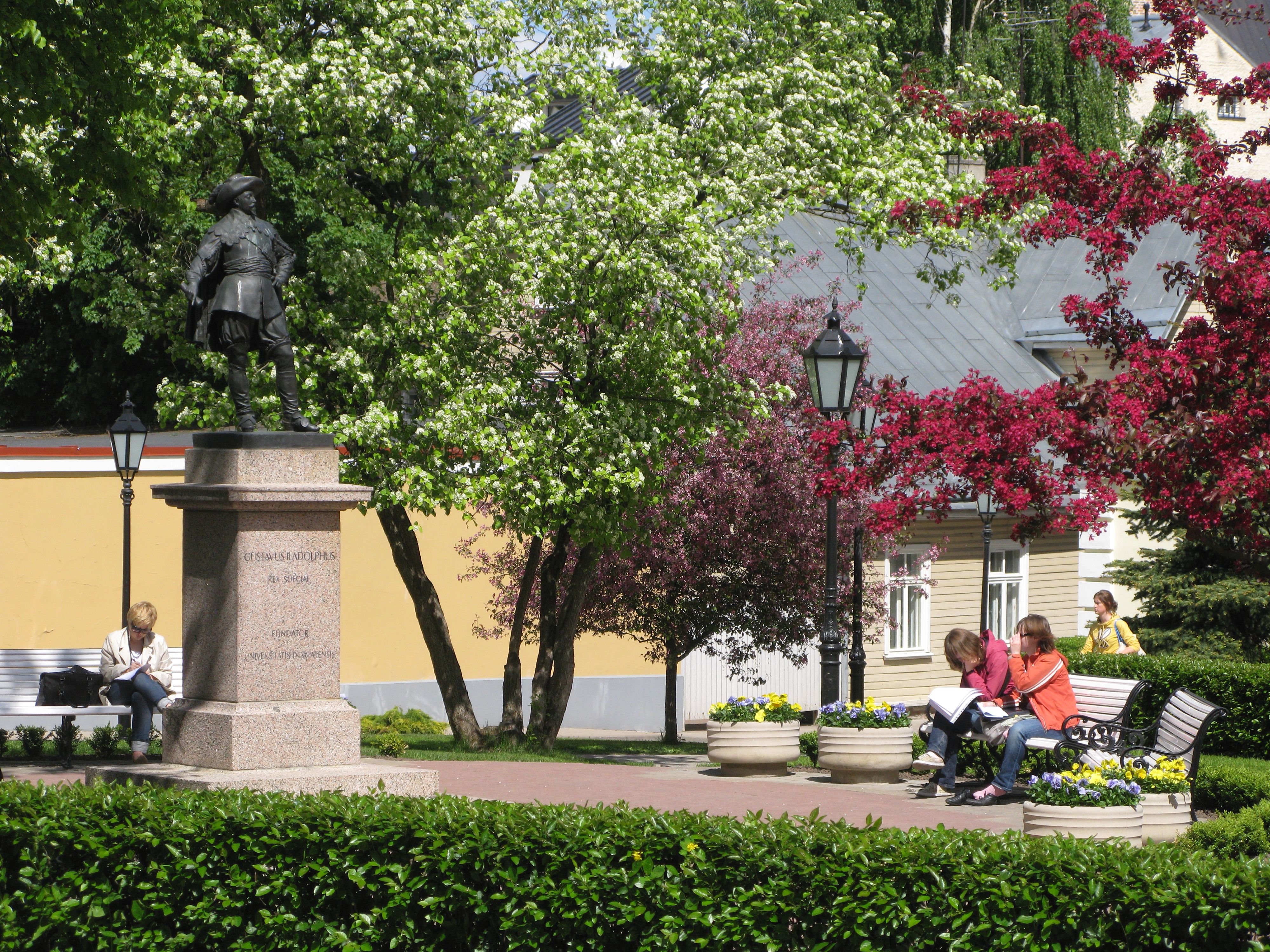
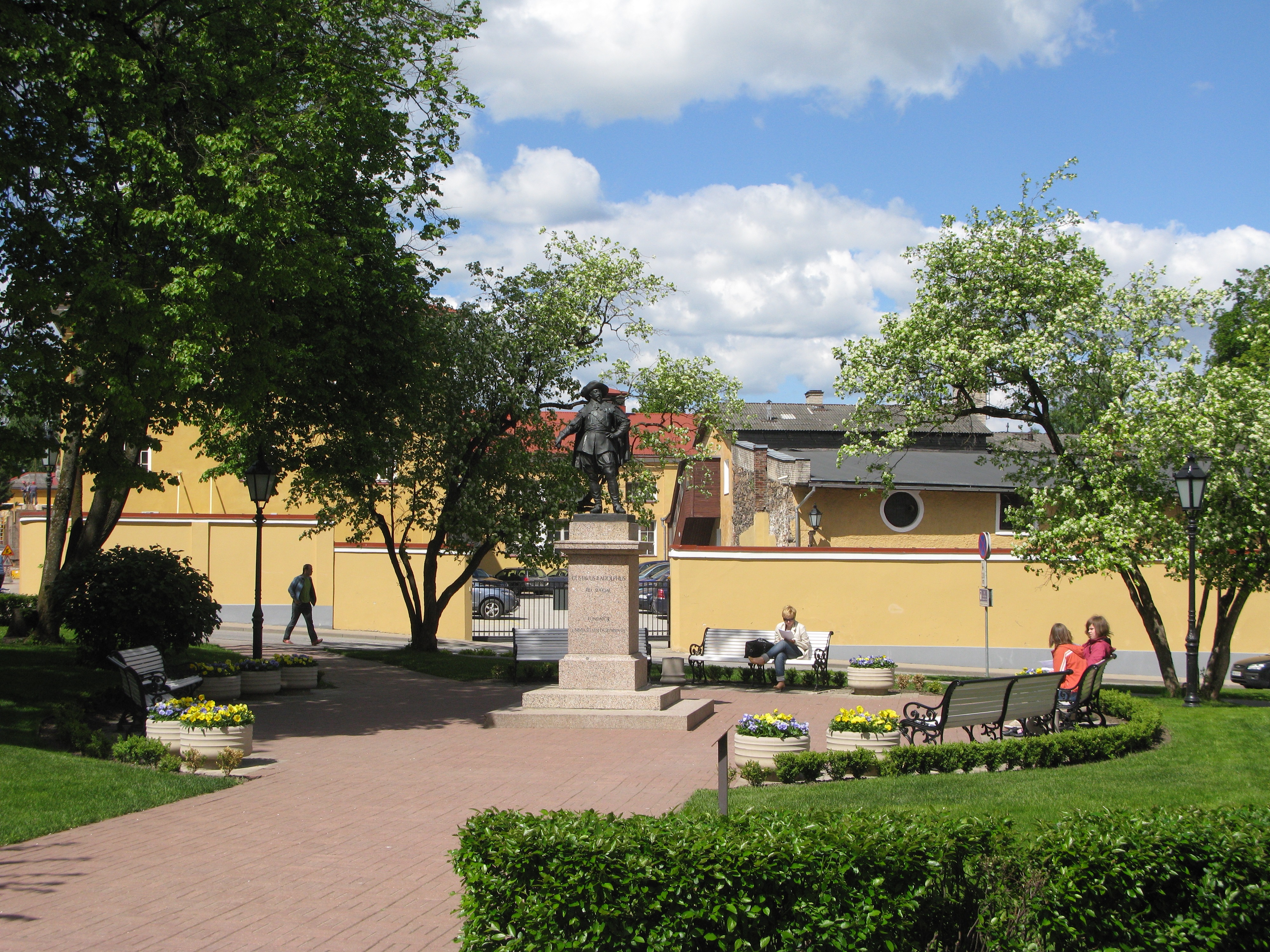
Monument to Gustav II Adolf

Ülikooli tn 18b, Tartu linn, Tartu maakond, 51005

Gustav II Adolf (1594–1632) was the King of Sweden and the creator of the Swedish Empire, who ascended the throne at the age of 16.Gustav II Adolf died in the Thirty Years’ War at the Battle of Lützen. In 1632, shortly before the battle, he signed the founding document of the University of Tartu, thus being the founder of the University of Tartu.Otto Strandman was the author of the statue of Gustav II Adolf, which stood behind the main building of the University of Tartu on the King’s Square from 1928 to 1950. The statue was removed by the Soviet occupation authorities on 15 May.In 1992, King Carl XVI Gustav of Sweden and Queen Silvia reopened a new monument by Elisabeth Tebelius-Myren.
Amenities

  • Information boards
  • Paid parking

Open times

Throughout the Year

Around the Clock

Links

See more

  • Galleries

Võru Town Gallery

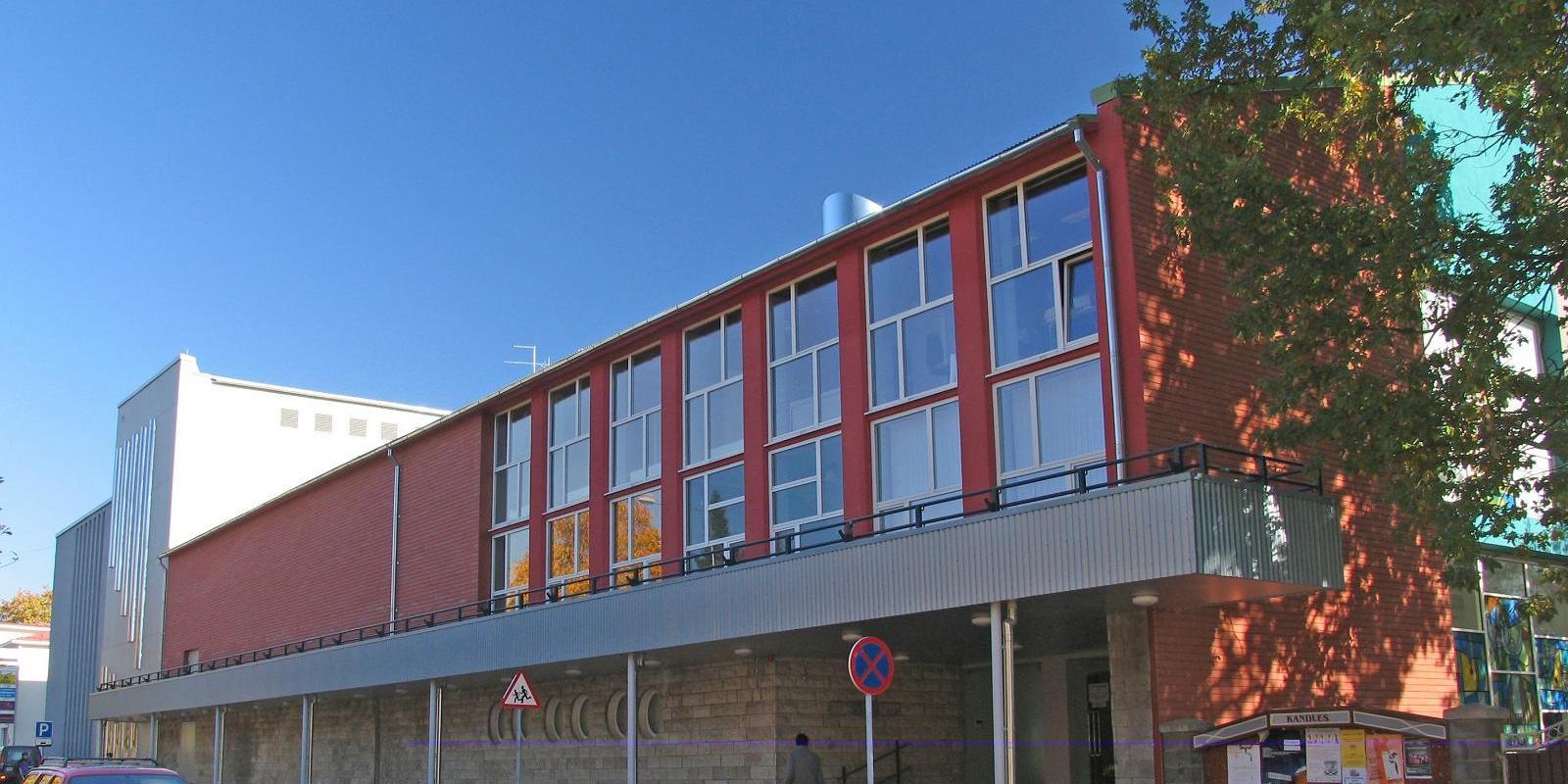
Võru Town Gallery focuses on promoting art and cultural activities in Võru, on introducing professional art and organising exhibitions and exhibition-sales.For expositions the gallery mostly uses the balcony lobby on the 1st floor of the Võru Community Centre, called Kannel, and the room in front of the small hall. There are also exhibitions in the lobby of the ground floor. All rooms are equipped with modern spotlights that move along buses.

  • Guided tours

Põltsamaa Food and Wine Museum

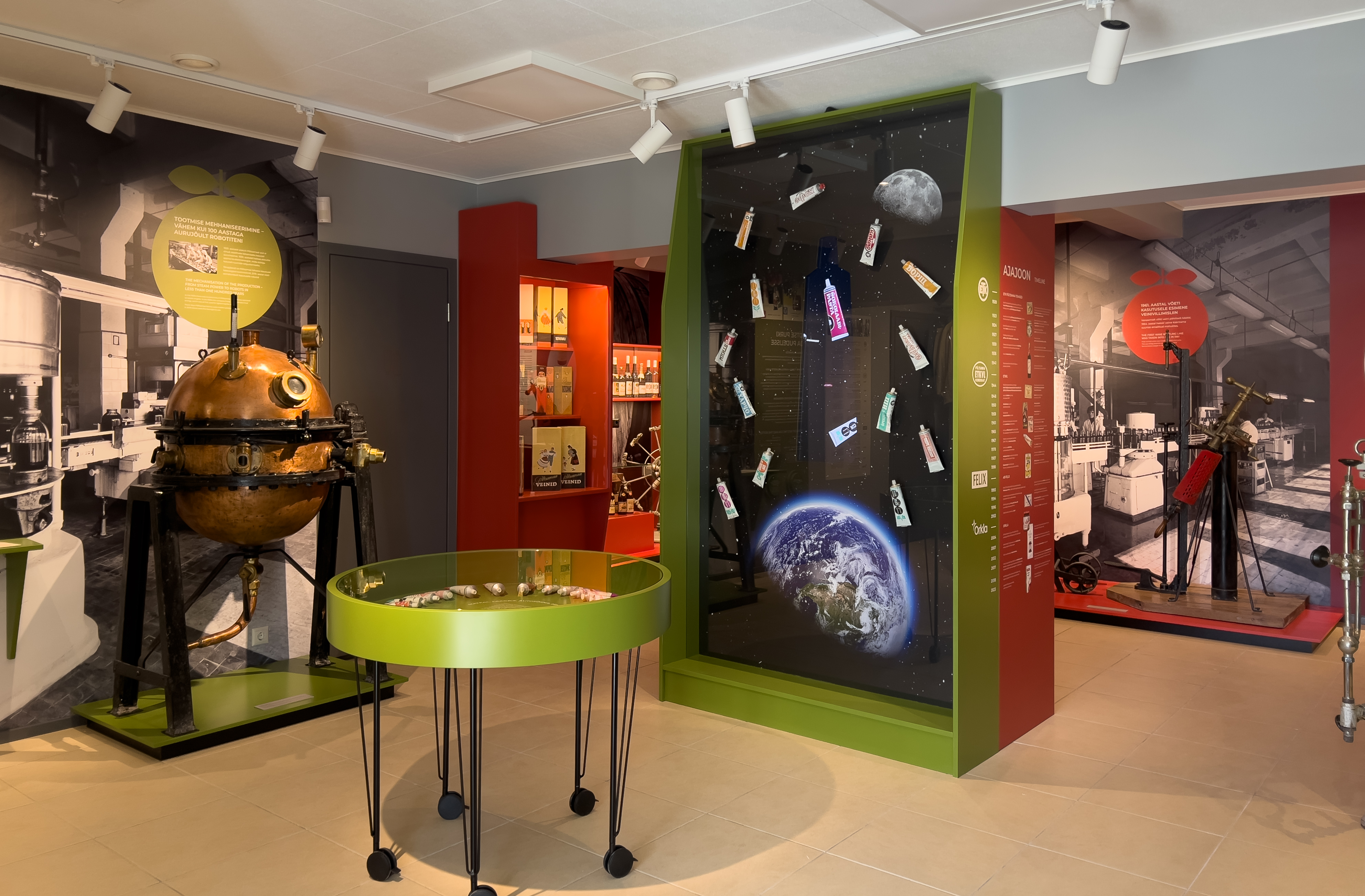
Põltsamaa Food and Wine Museum – discover the story of Estonia's food and wine industry! Põltsamaa Food and Wine Museum takes you on an exciting journey through more than 100 years of the Estonian food and wine industry. Põltsamaa Castle's museum houses a permanent exhibition on the second floor that introduces the development story of ETK Põltsamaa Factories since the 1920s, when coffee, potato starch, and wine were produced here. You can also discover the unique foods of the Soviet era — tube foods made for cosmonauts. The exhibition awaits you with genuine historical production equipment, fascinating exhibits, and products from various decades that tell the story of Põltsamaa as an important center for Estonia's food and wine industry. The museum is also accessible to visitors with mobility impairments. Wine tasting and various food packages are offered by Restaurant Oberpahlen, which operates in the castle. Come and discover the flavors, stories, and memories that have shaped Põltsamaa's place in Estonian food culture!

  • Lookout towers
  • Churches
  • Ruins

Tartu Cathedral

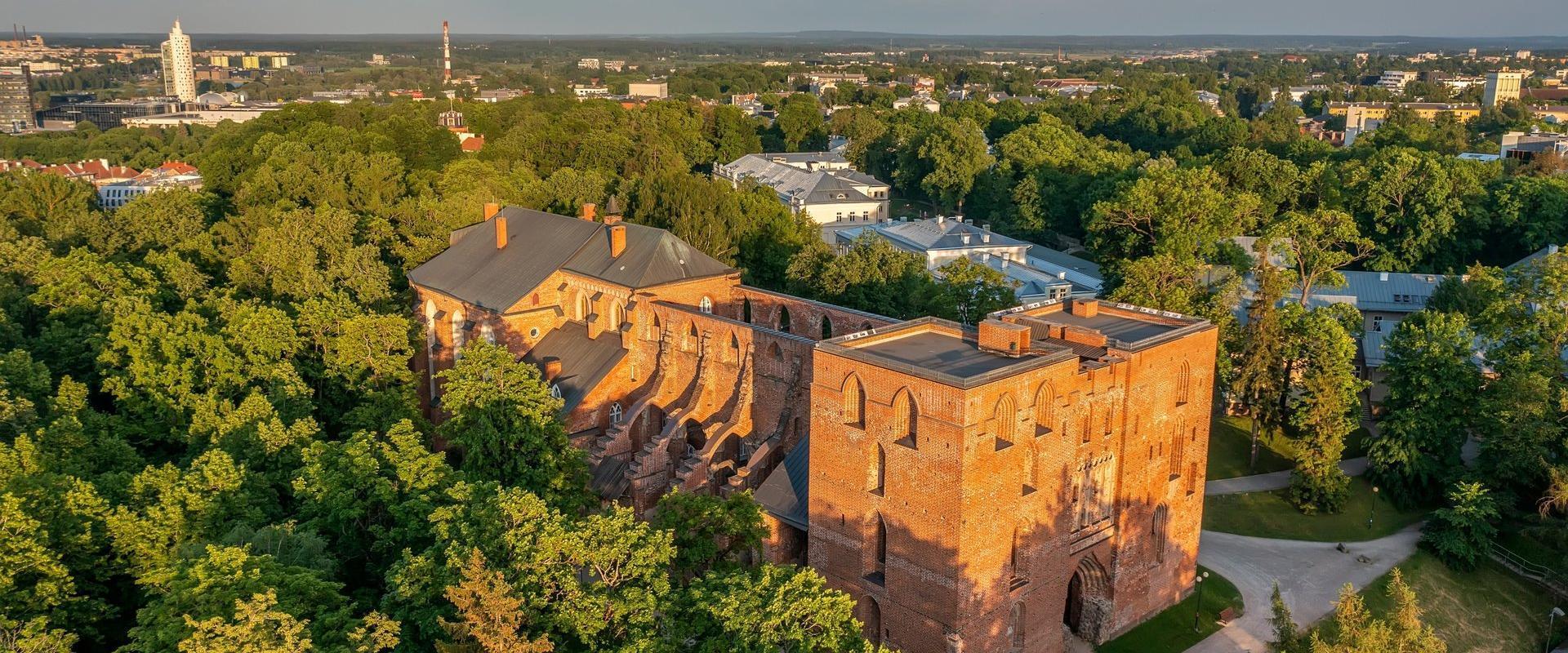
The cathedral located on Tartu's Toome Hill is one of Estonia's most remarkable and largest medieval structures, and the only church with two towers. The church's construction began as early as the 13th century, when Tartu was an important bishopric. Construction work and additions continued into the early 16th century. During the Reformation, the cathedral was abandoned and, over time, turned into ruins. Nevertheless, these powerful walls and spacious vaults remain one of the most outstanding examples of brick Gothic architecture in Old Livonia, reflecting the scale and craftsmanship of medieval architecture. The University of Tartu Museum operates in the cathedral building, showcasing the history of science, university education, and the development of Tartu's academic spirit. It is possible to visit the cathedral towers, which offer one of the most beautiful views of Tartu and the Emajõgi Valley. Next to the towers is Toompood, where you can find gifts, science-themed souvenirs, and memorabilia with university symbols. In the evenings, a light installation adds a magical atmosphere.

  • Churches

St Zachariah’s and St Elizabeth’s Orthodox Church in Räpina

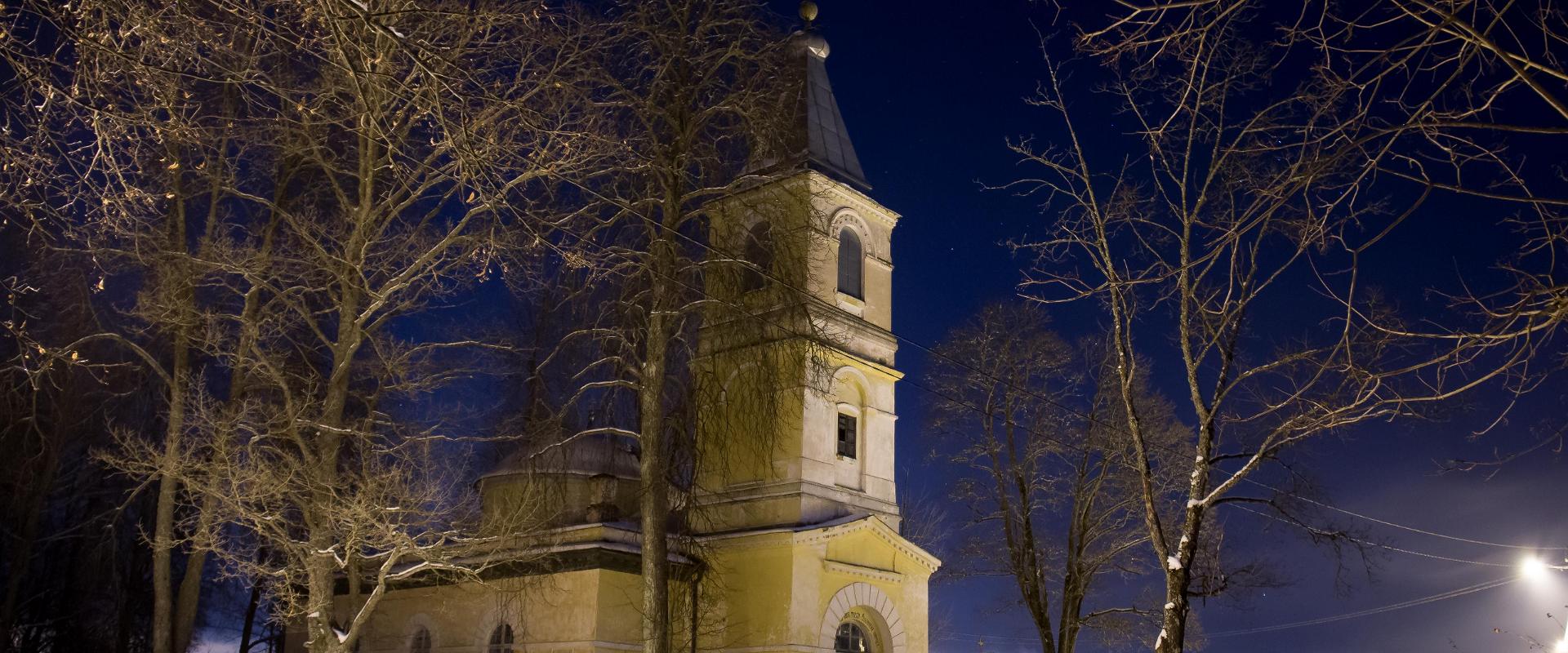
St Zachariah’s and St Elizabeth’s Orthodox Church in Räpina is a neo-Classical oblong building consisting of three parts. In the Western part there is a bell tower and in the Eastern part a crescent-shaped apsis. A cupola with a tambour is in the middle of the building. The exterior of the building is in classical style, incorporating cornices and rustic work. Simple iconostasis of the 19th century catches the eye in the interior.

Põlva Central Square

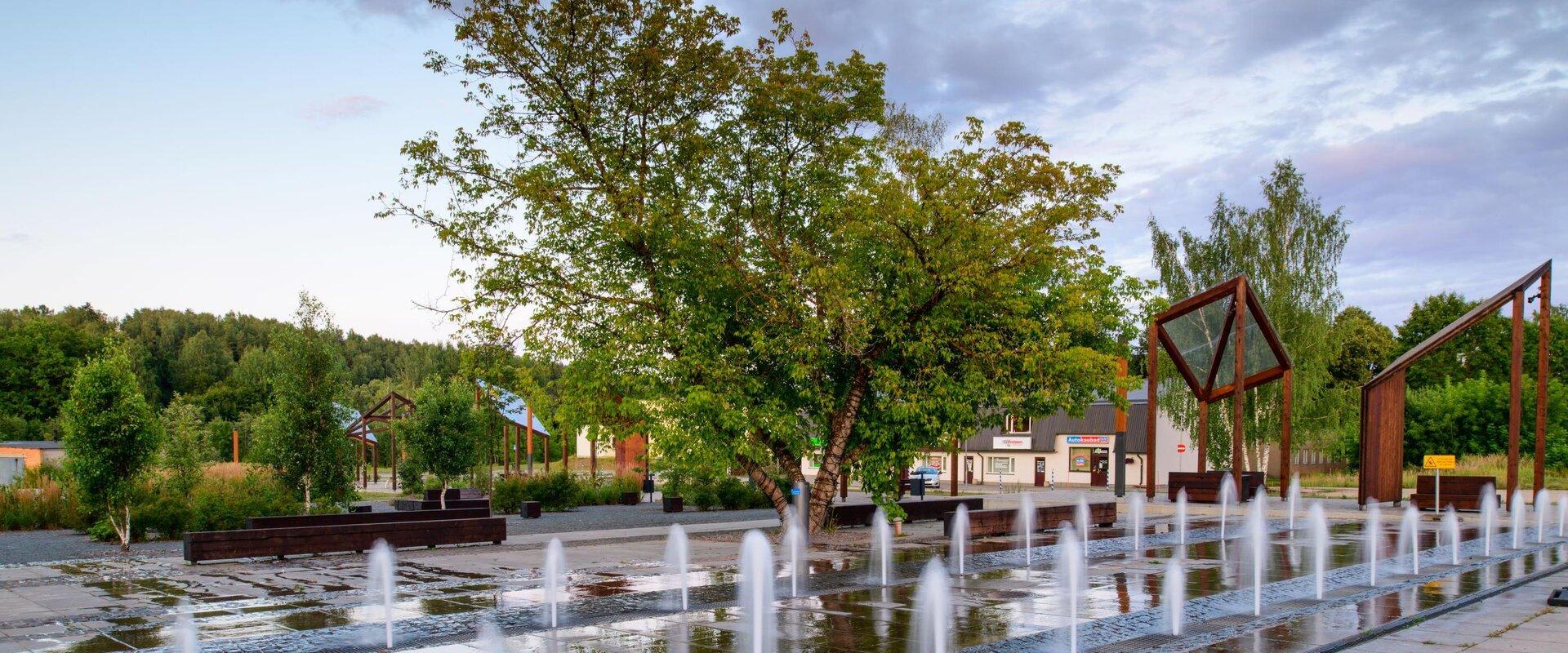
The central square of Põlva is like a living room in the open air. It is a nice meeting place in the city centre that attracts people of all ages. Children can play in the sandbox, on the small slide, and near the fountain. They can also play table tennis. There are long benches for sitting, single stools surrounded by grasses, swings with a backrest, wide stands for lying down, and large blocks for climbing. The traditional market is also open here.The square, completed within the EV100 Spatial Programme, was opened in the summer of 2018. The designers were H. Rebane, E. Metusala, and K. Kuldkepp.Nearby is the Lutheran Church of Blessed Virgin Mary, Lake Põlva, and Põlva Department Store.

  • Lighthouses

Nina blockfield or Kalevipoeg’s Bridge

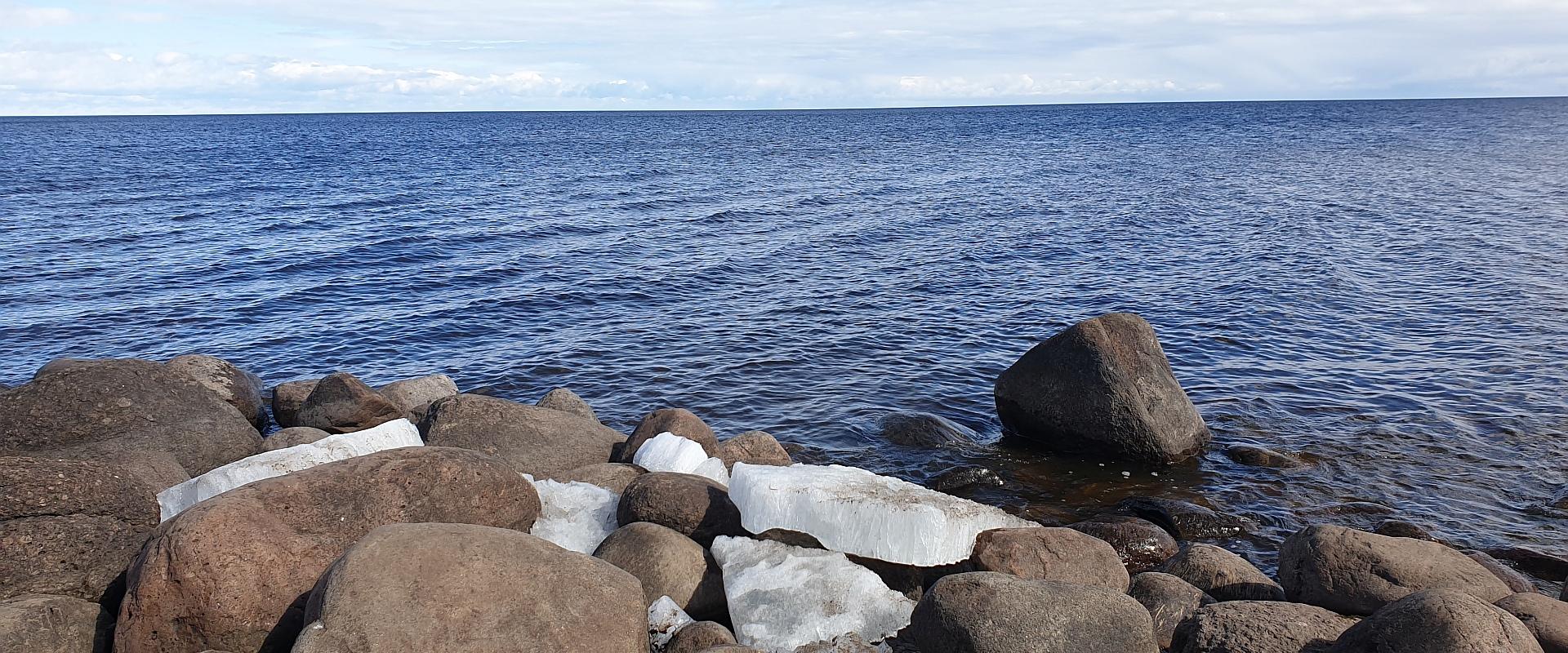
The village of Nina (‘nose’) gets its name from the nose-shaped shoreline reaching the lake. It is a stone ridge heading into the lake, which is popularly called the Kalevipoeg Bridge. According to legend, Kalevipoeg started to build a bridge to go to Russia, but the devil demolished the bridge. Kalevipoeg was very tired and decided to walk through the lake, where the water reached his upper body. The remains of the bridge or the stone blockfield can still be seen. The stone blockfield, which is located both on the beach and in lake water, covers an area of 0.7 ha.The village of Nina is known for its icebergs.

  • Guided tours
  • Workshops

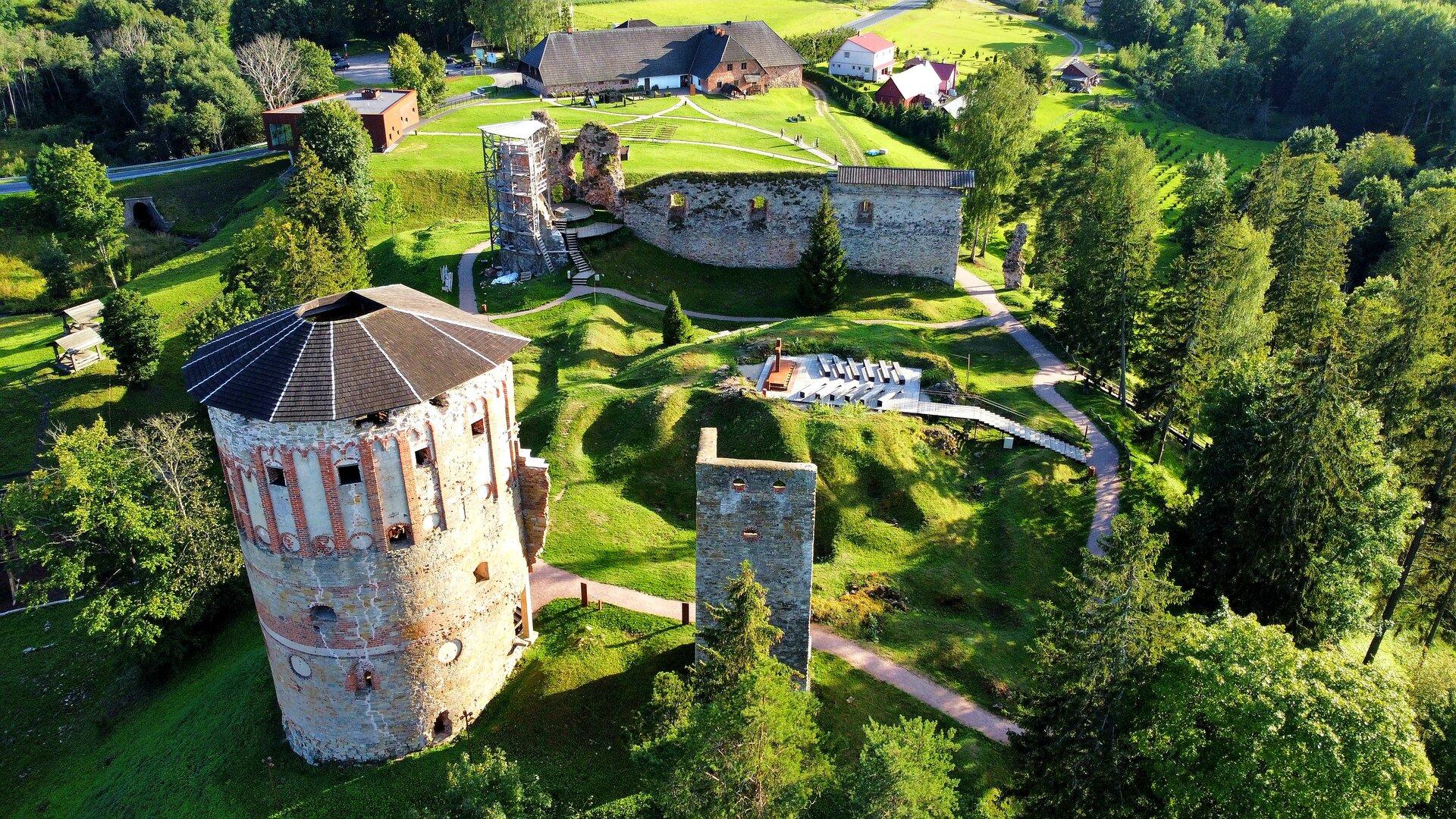
Medieval Theme Park and Pilgrim House at Vastseliina Episcopal Castle

The Medieval Theme Park and Pilgrim House at Vastseliina Episcopal Castle is a unique destination in South Estonia, offering visitors the opportunity to immerse themselves in the medieval world. This place combines the ruins of a 14th-century castle, a sanctuary, interactive exhibitions, and activities suitable for history buffs, families, and pilgrims alike. At our interactive museum, you can explore the medieval-themed exhibition, learn about the castle's history, discover knights' equipment and Hanseatic merchants' wares, visit an alchemist's corner, and participate in various workshops. There is a children's room and the Castle Tavern, open in summer, which serves dishes inspired by the Middle Ages.

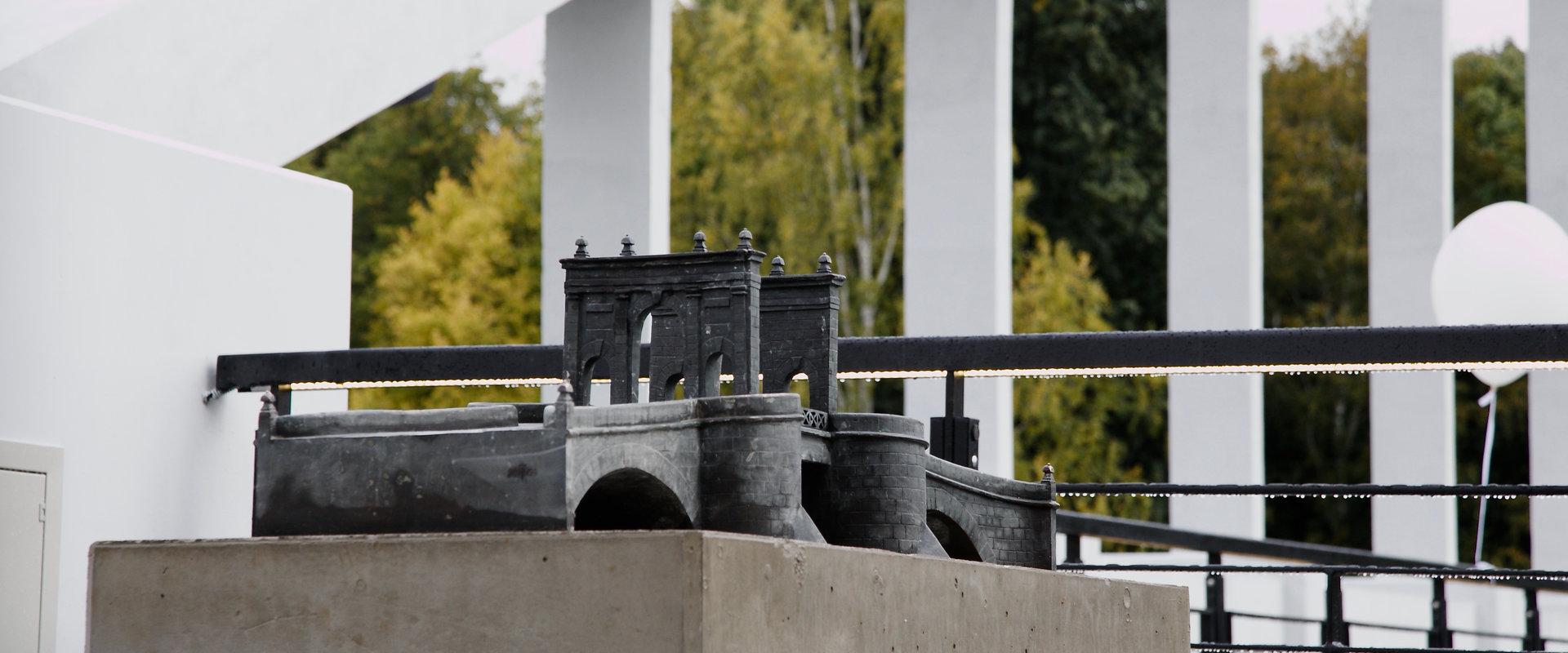
Model of Kivisild

The first stone bridge to be constructed in the Baltic States was erected in the 18th century at one end of the Town Hall Square in Tartu, with two triumphal arches and a raisable mid-section. Dedicated to Russian empress Catherine II, it was opened to traffic in 1784. The bridge was destroyed during World War II. All that remains to admire is the 2004 model of the bridge (created by Tiiu Kirsipuu).

  • Collaboration
  • News
  • Contacts
  • Privacy Policy
Join our mailing list!

"*" indicates required fields

This field is for validation purposes and should be left unchanged.
I authorise marketing

South Estonia Tourism Cluster

info@visitsouthestonia.com