• Explore
    • Nature
    • Culture
    • Food
    • Family
    • Activity
    • Blog
    Smoke sauna
    Weather and seasons
  • Plan
    • Accommodation
    • How to get here
    • Weather and seasons
    • Sustainability
    • Tourist info
    Discover South Estonia’s Most Beautiful Manors and Castles
    Top 20 Sights in South Estonia
  • For professionals
    • For professionals
    • Collaboration
    • News
    • Projects
    • Training
    • Repository
    • Community (opens in new tab)
    • Contacts
ENG
  • EnglishENG
  • EestiEST
  • LatviešuLAT
  • РусскийRUS
  • SuomiFIN
ENG
  • EnglishENG
  • EestiEST
  • LatviešuLAT
  • РусскийRUS
  • SuomiFIN
Popular searches:
Show all
  • History & Culture
  • Architecture and history

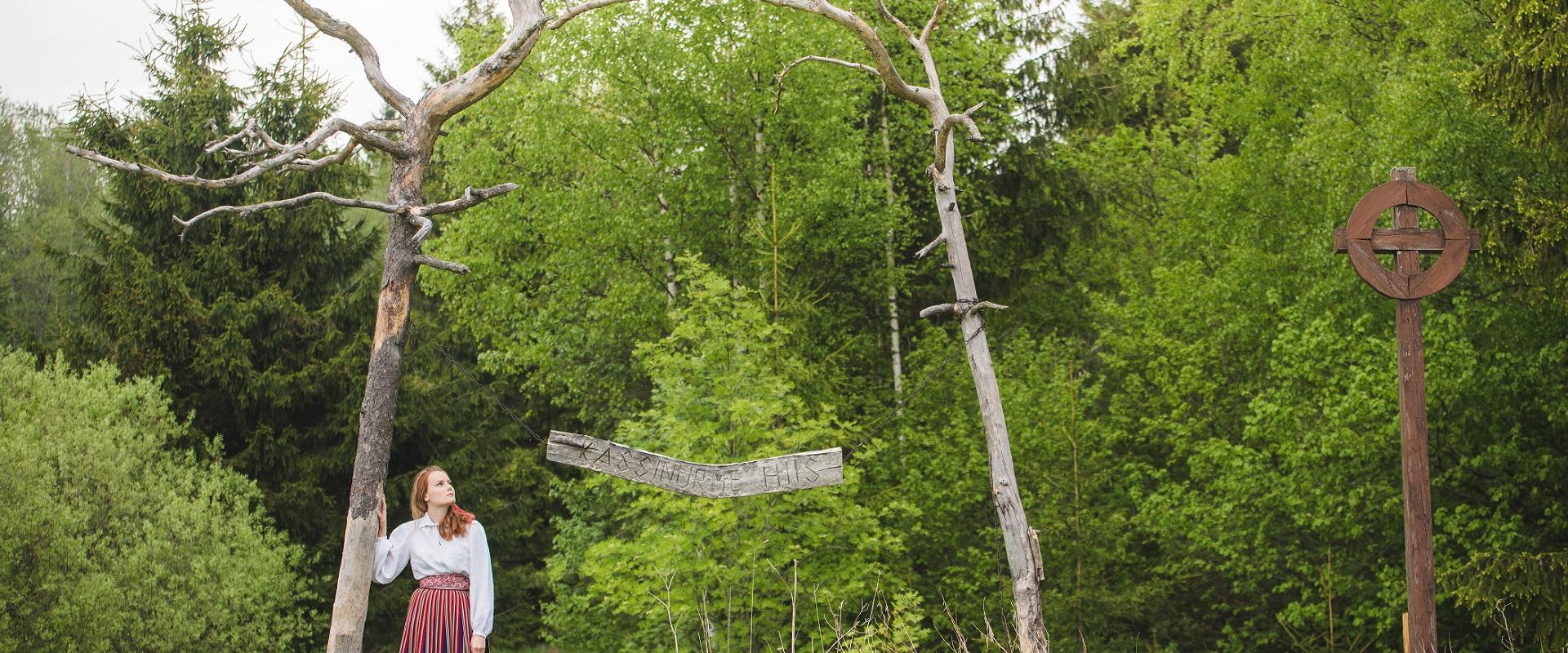
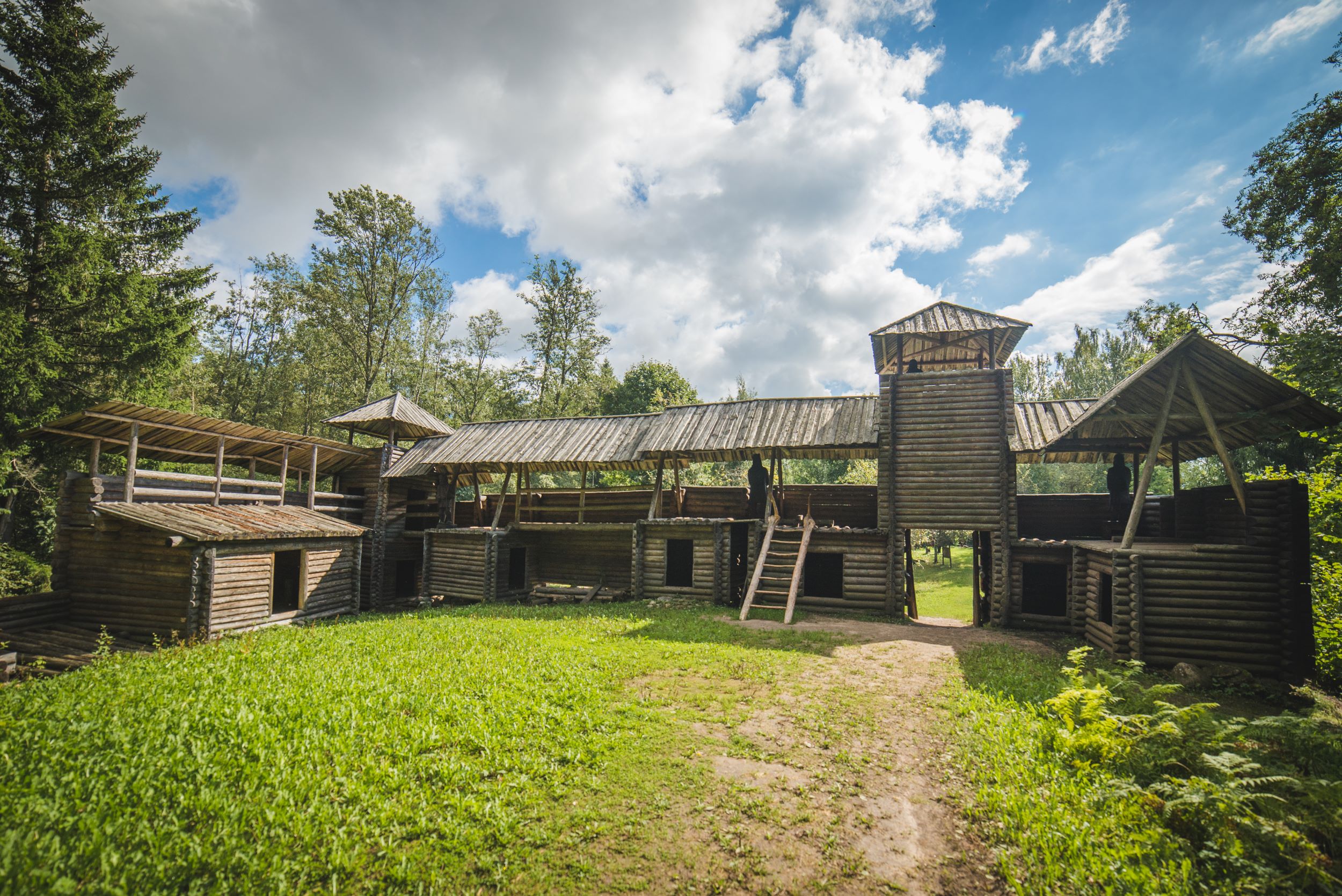
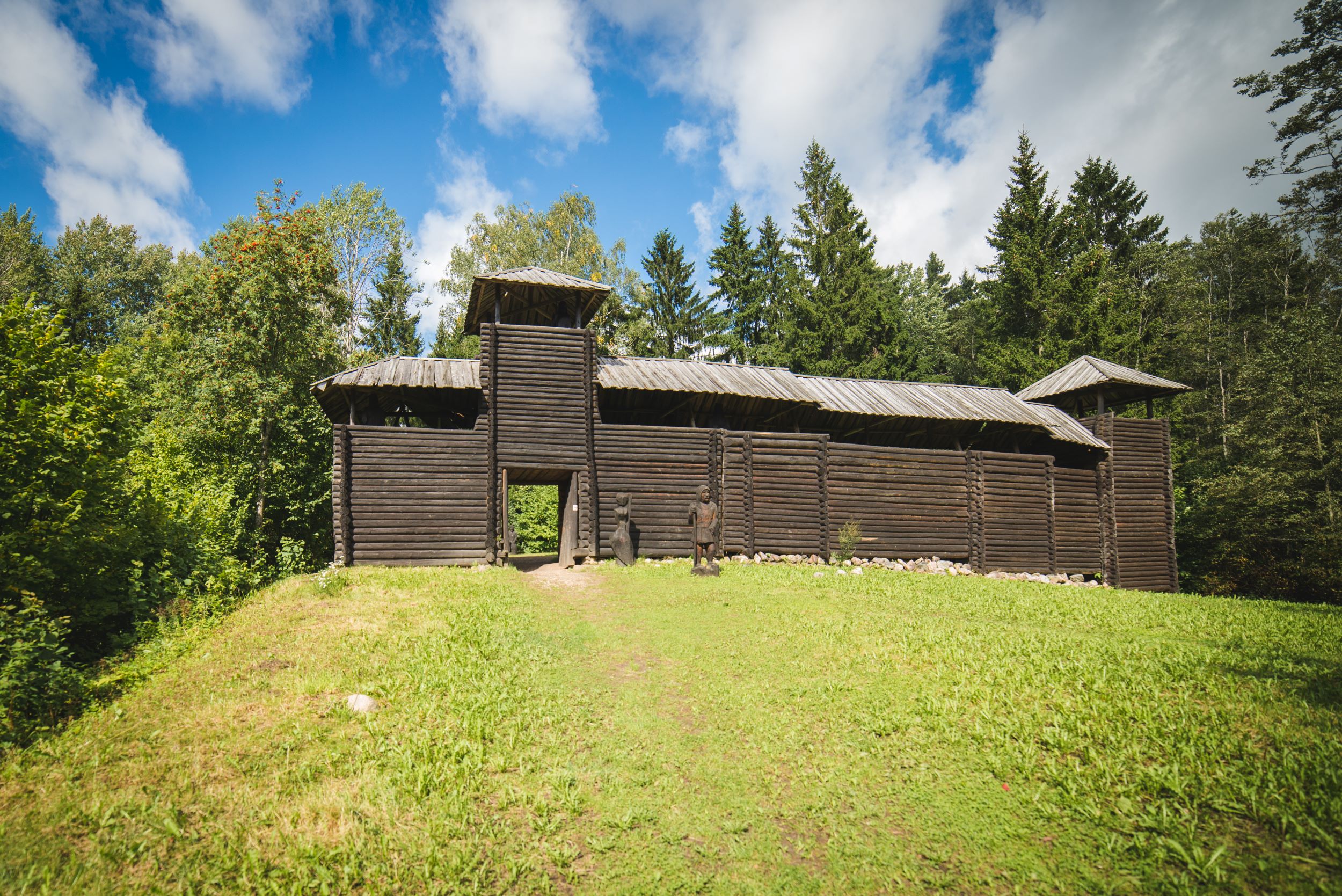
Kassinurme Hillfort and Sacred Grove

Jõgeva vald, Jõgeva maakond, 48425

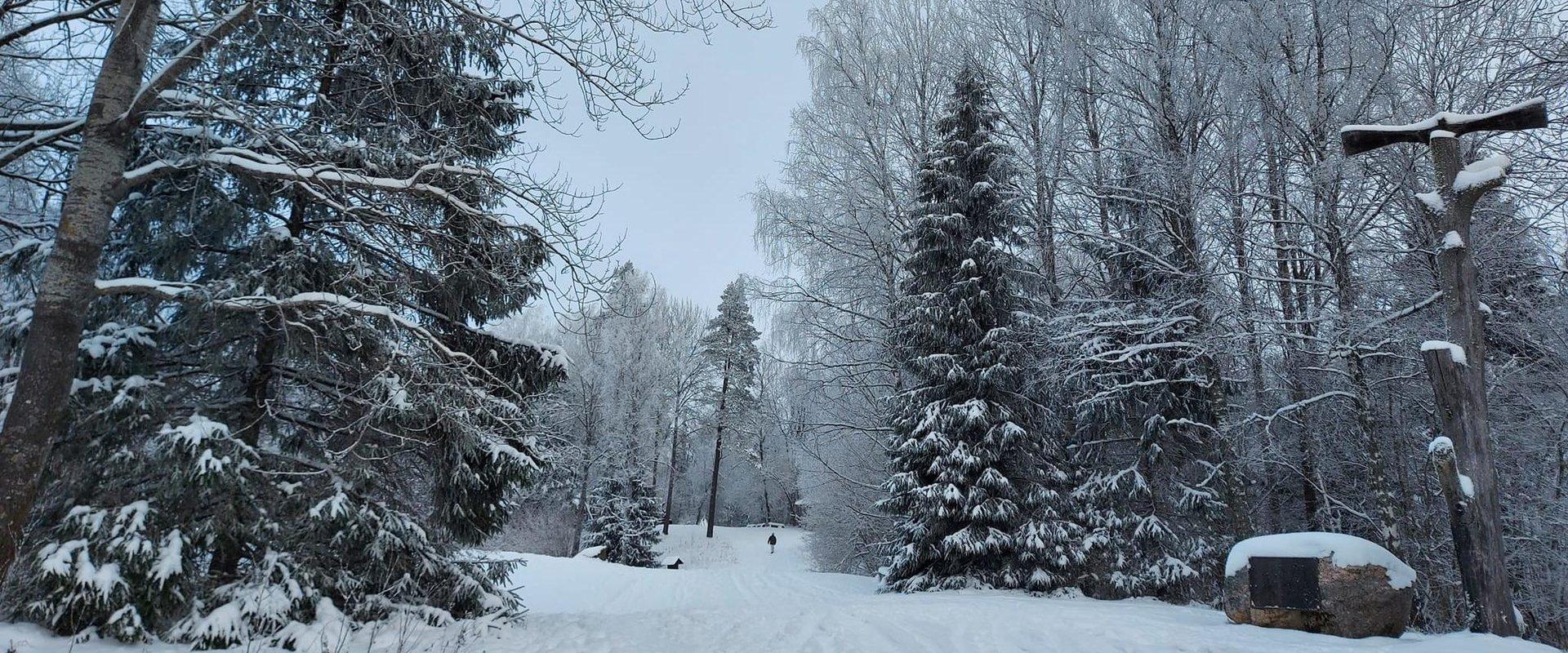
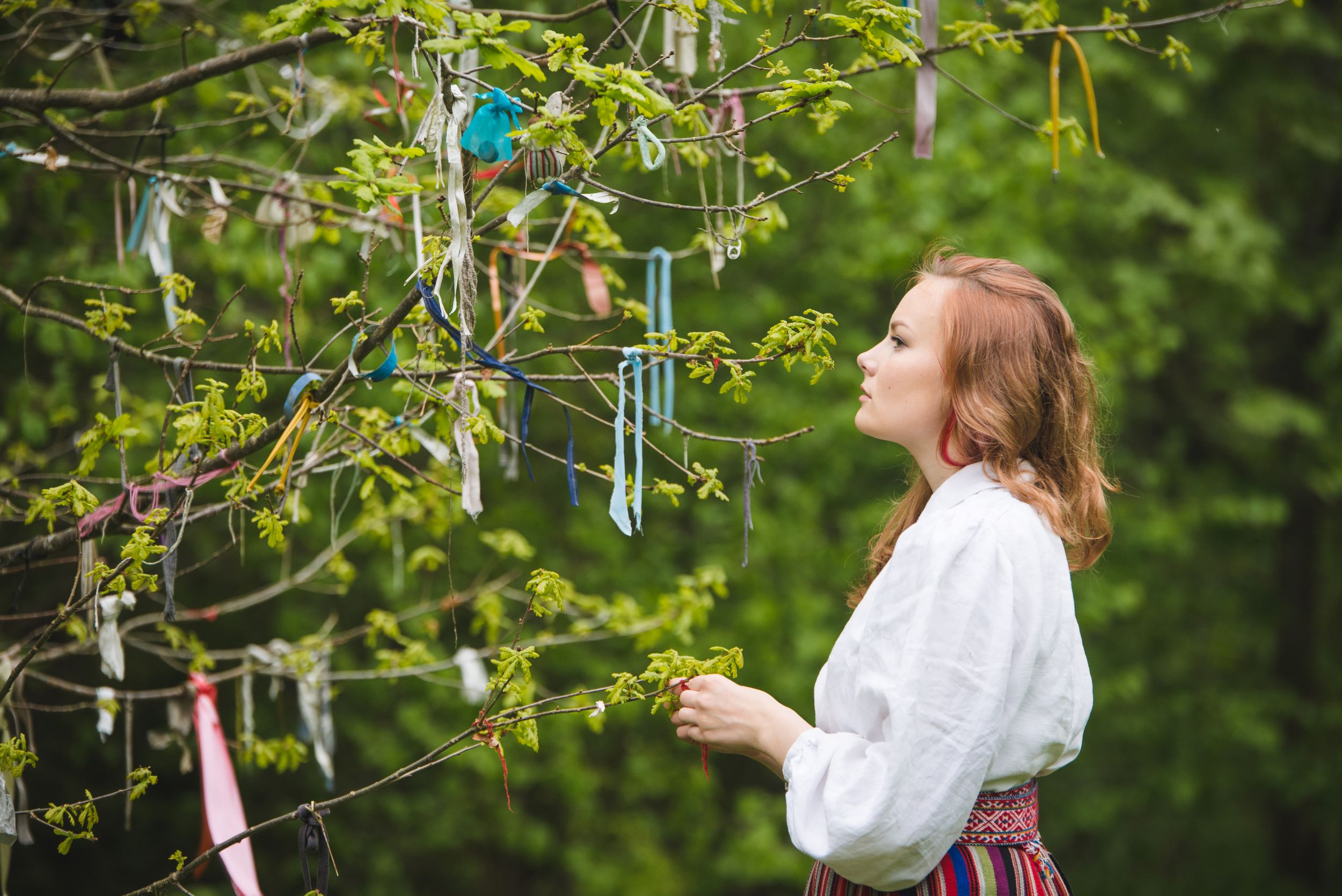
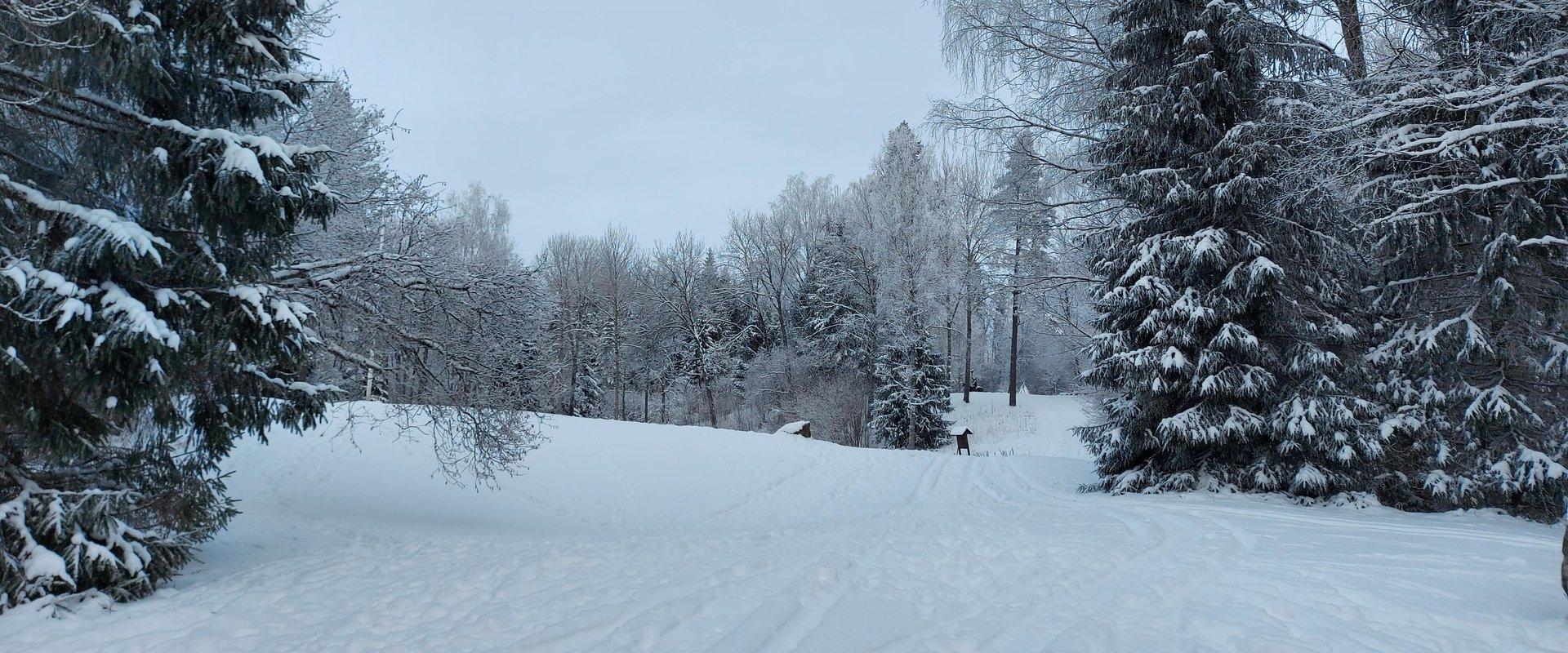
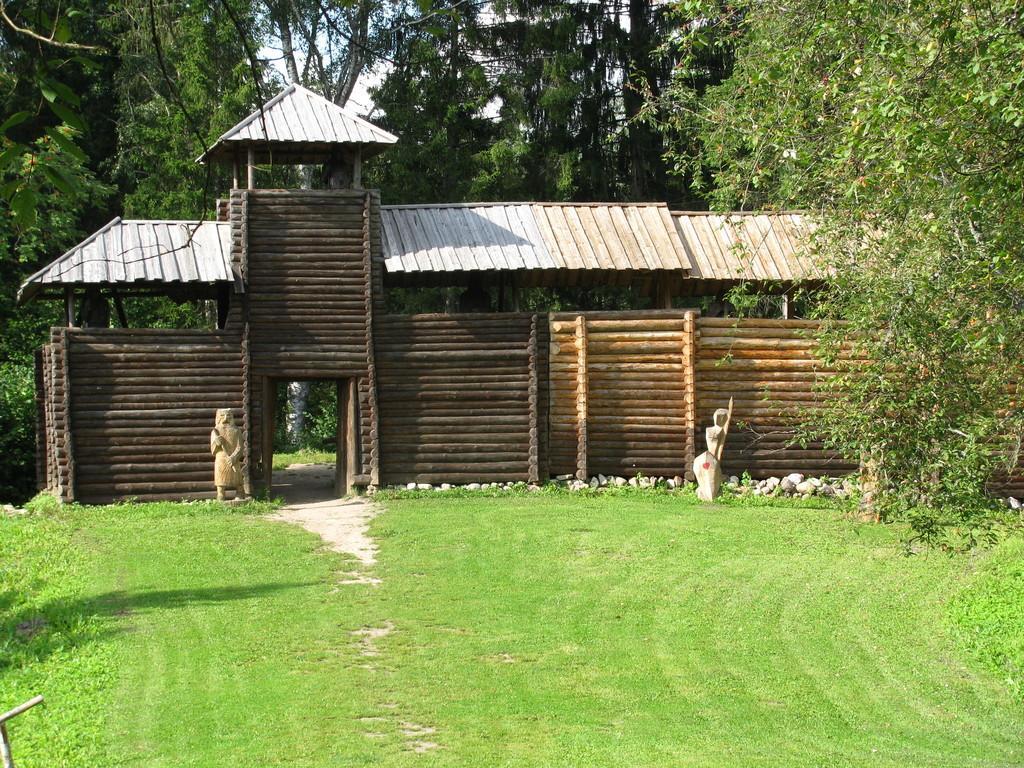
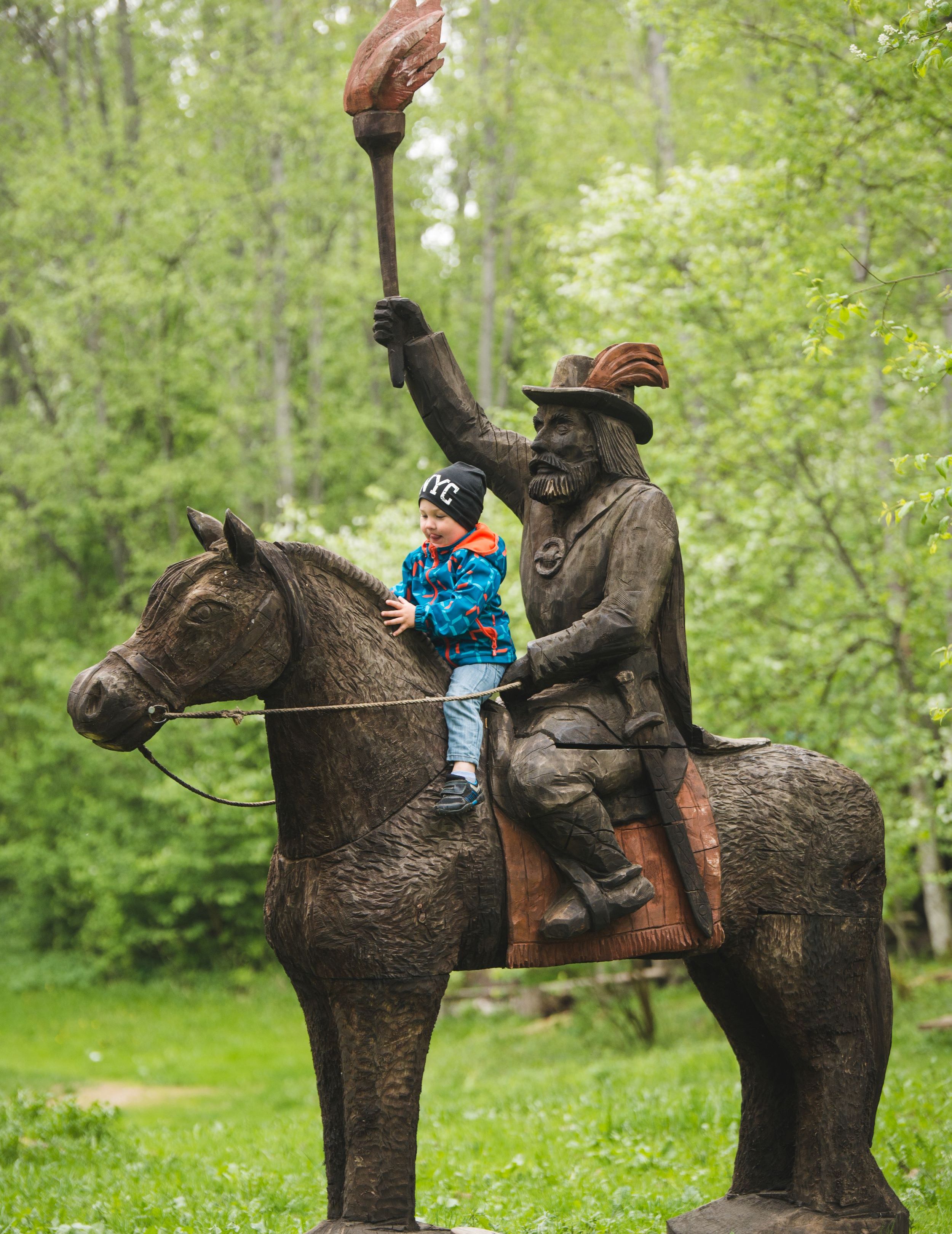
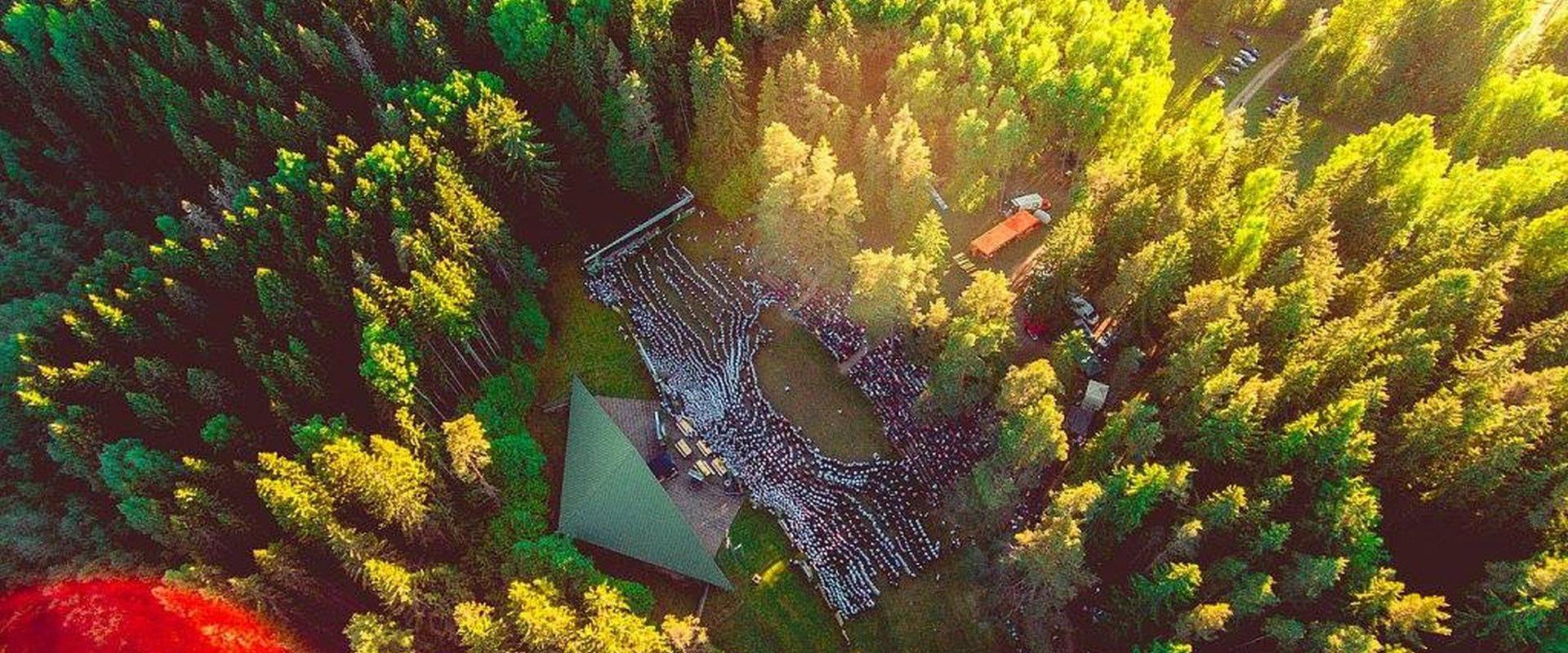
The Kassinurme ancient area was established 1.5 thousand years ago.  The sacred grove was discovered when the settlement was established, and it is one of the oldest sacred places in Estonia. A fragment of the ancient fort has been restored. At present the sacred grove is the favourite place for history enthusiasts who organise ancient war games there, revive old folk customs, and celebrate folk calendar holidays. The health trail lets visitors see the varied nature of the region and enjoy beautiful surface forms.
Amenities

  • Information boards
  • Free parking
  • Recreation area/picnic ground

Open times

Throughout the Year

Around the Clock

Contact

  • +372 516 5817
  • ain.malm@erametsaliit.ee

Links

See more

  • Manors

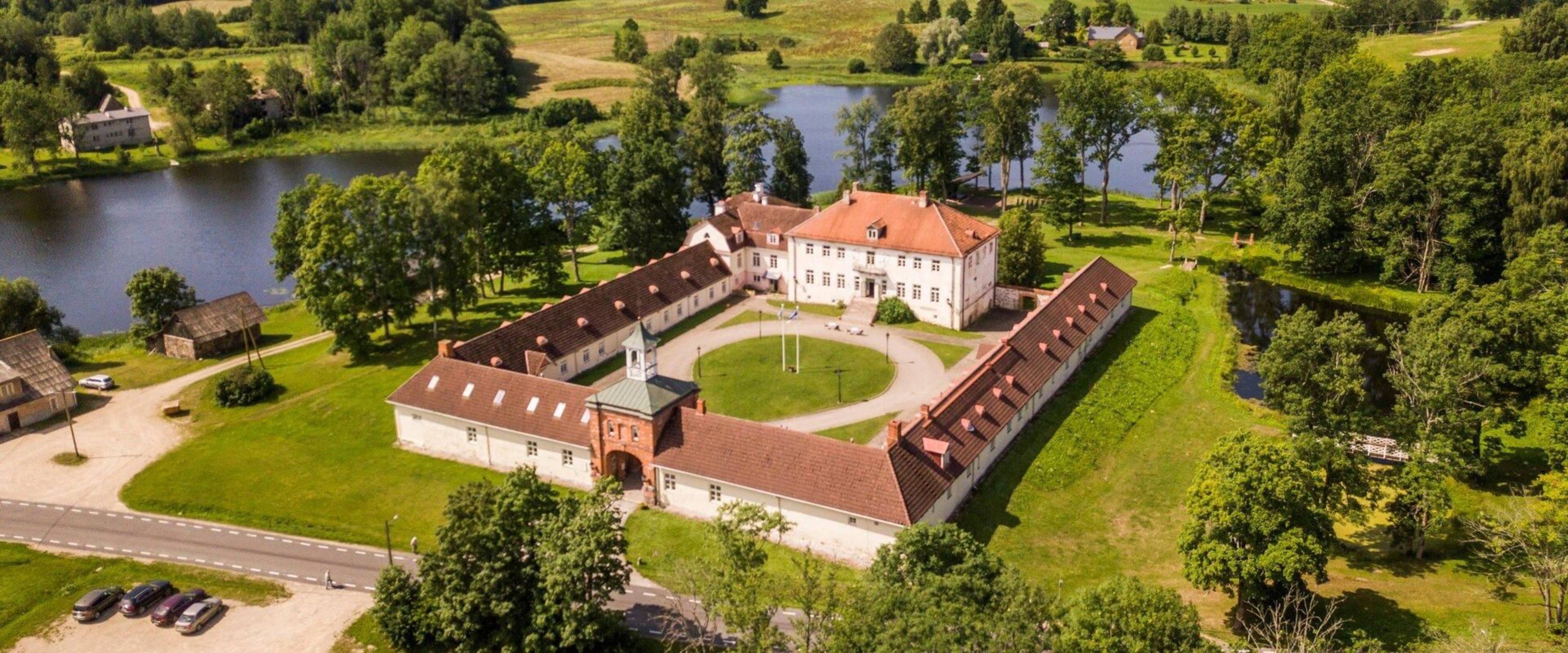
Rogosi Castle Manor in Ruusmäe

Stanislaw Rogosinsky, a native of Poland, established the Rogosi Manor. From 1629 to 1776 the manor belonged to Herman von Liebsdorff and was later given to the von Glasenapp family as Herman's daughter's dowry. From 1934, after the Glasenapp family was dispossessed of the manor, a school operates in the manor. When place names were translated into Estonian in 1939, the village was named Ruusmäe, but the manor is still known as Rogosi. In summer 1990, Otto von Glasenapp, son of the owner of the manor visited his old home.Useful information: There is a museum of local lore in the barbican, which is open in summer. Watercolors of Joh. Chr. Brotze have been preserved as sources of the manor's history.

Intsikurmu Song Ground

Many people in Estonia and beyond know the Intsikurmu Manor Park due to its tradition of fold song festivals. After all, the first song festivals in Estonia were held in Põlva in 1855 and 1857.The Intsikurmu Soung Ground is still a well-known location for concerts and celebrations. The stage can hold close to 3500 singers, the grounds can hold everyone who is interested in celebrating and dancing.

  • Ruins

Ruins of Vastseliina Bishop’s Castle

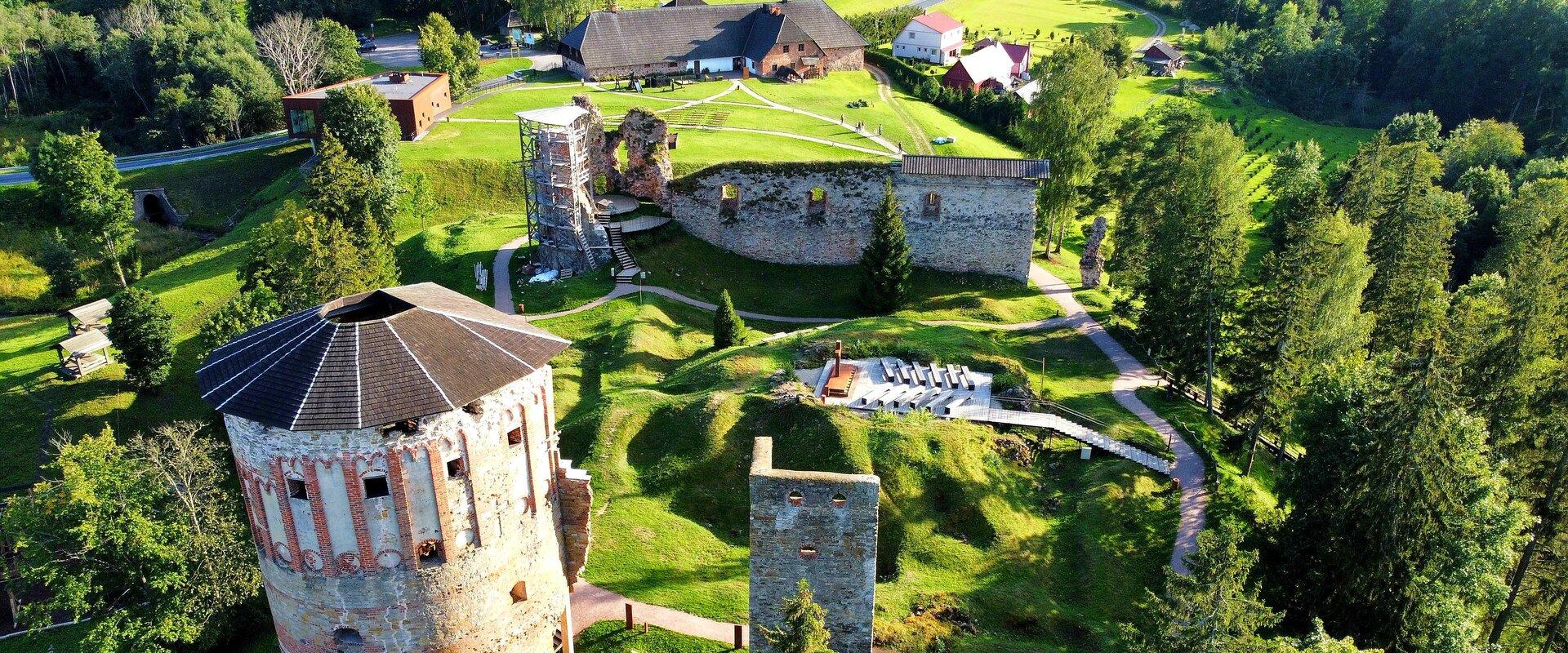
Vastseliina Episcopal Castle is a place worth discovering in South Estonia for its 14th-century castle ruins, interactive activities, and interesting history as a sacred site. In the Middle Ages, the castle was a famous pilgrimage destination: by order of Pope Innocent VI, pilgrims who saw the miraculous cross in the castle chapel received a release from penance activities imposed on them for 1 year and 40 days. During the Northern War, the castle was destroyed by Peter I's troops, and only its ruins remain. The sacred pilgrimage site on the ruins of the former church is marked by a large cross, benches, and a sound installation featuring spiritual music. Nowadays, you can also visit the Vastseliina Episcopal Castle Medieval Experience Center and the Episcopal Castle Pilgrimage House. The castle ruins, sacred site, and experience center can be visited independently or with a guide upon prior arrangement. Additionally, refreshments and medieval feasts for groups are offered at the former Piiri Tavern.

Obinitsa village chapel

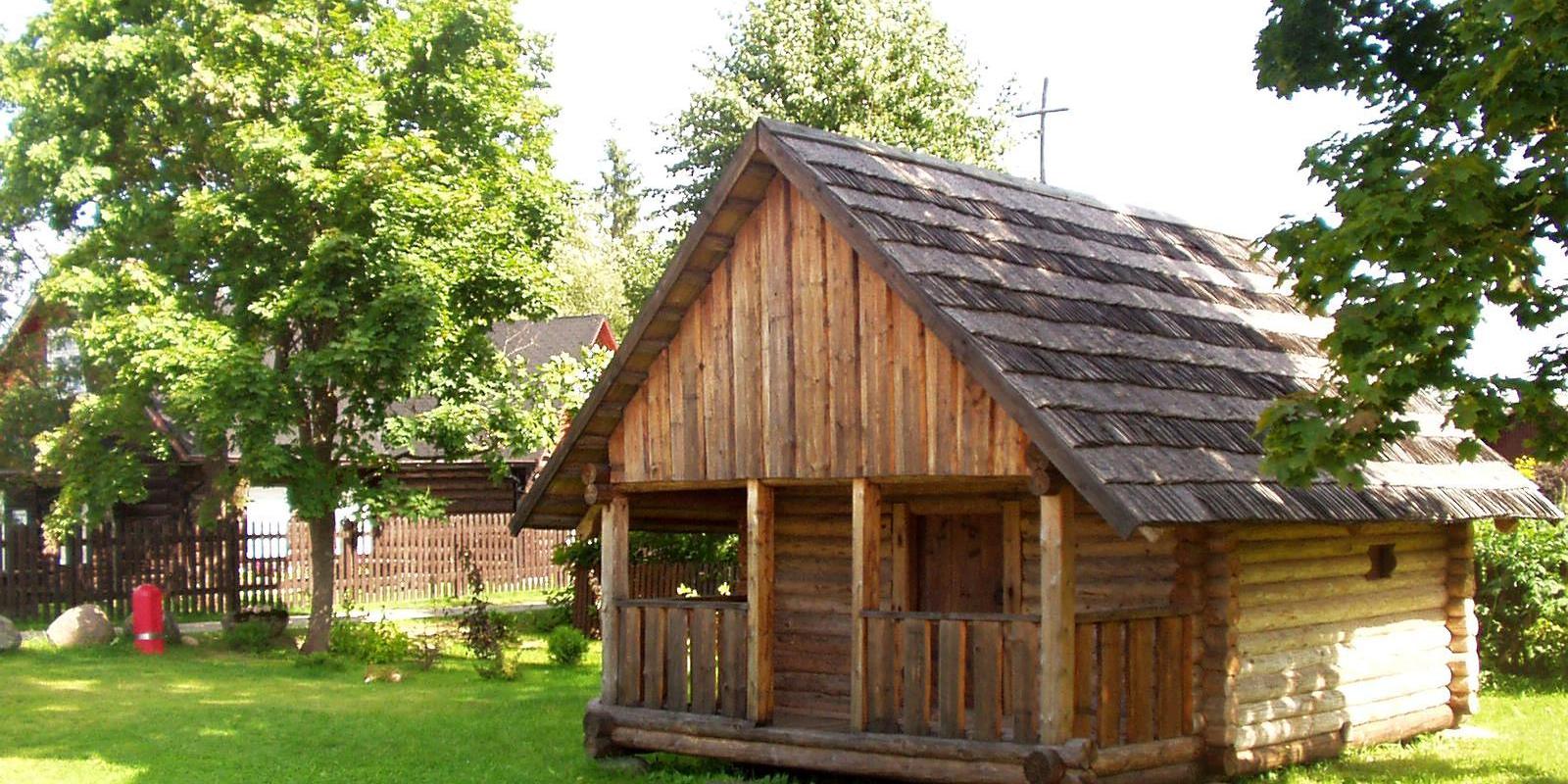
Next to the Obinitsa Museum is a small log building with a barely noticeable wooden cross on the roof. This is the Obinitsa village chapel.The building was built in 2007 in the place where a village chapel was a hundred years ago. The chapel plays an important role in Seto culture.The holy day of the chapel is the day of the Lord's Transfiguration. On its eve, on 18 August, a procession from Obinitsa Church comes here.Ask the Obinitsa Museum for more information on the chapel.

  • Sculptures

‘Father and Son’ sculpture

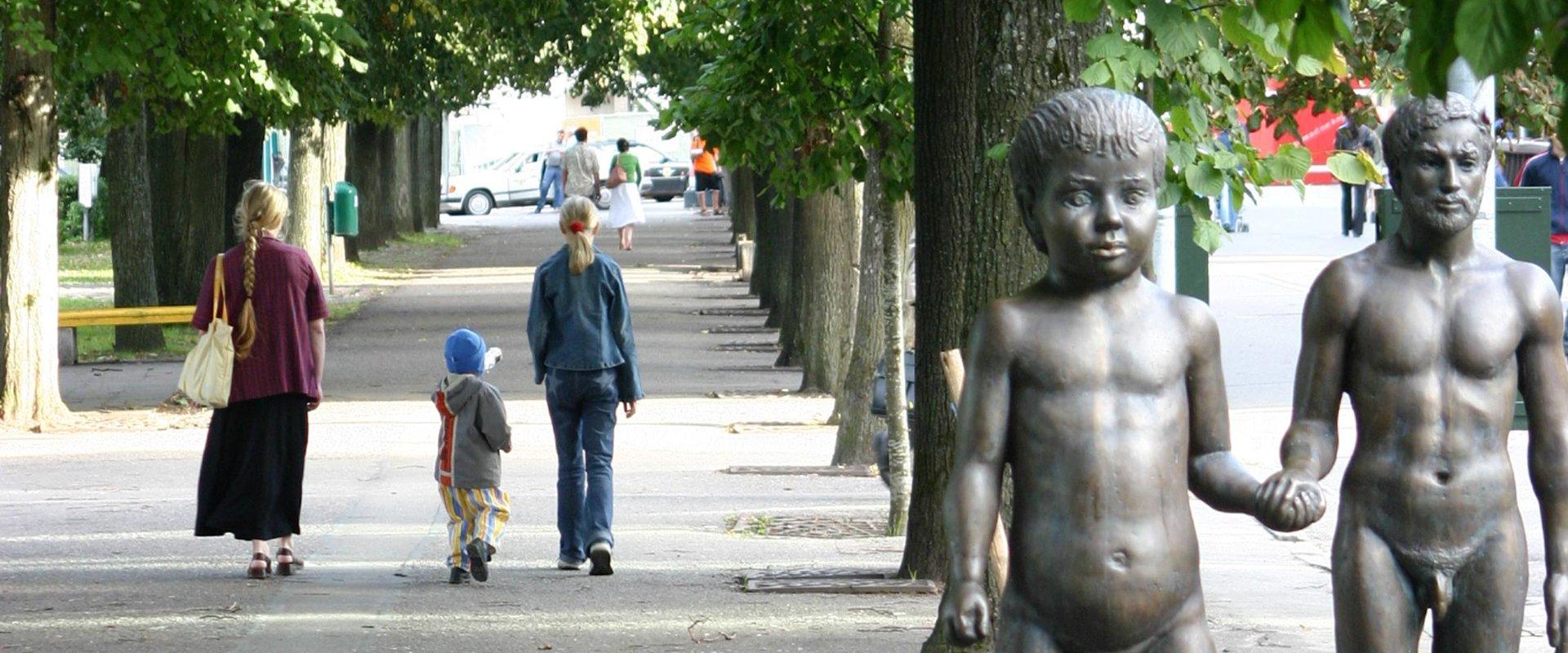
The sculpture "Father and Son" is a symbol of the relationship between different generations, where children are increasingly growing apart from their parents. The bronze work by sculptor Ülo Õun (1944-1988) was unveiled on Children's Day, June 1, 2004, on Küüni Street. The work represents the sculptor himself and his son Kristjan when the son was one and a half years old.

  • Guided tours
  • Workshops

Mõniste Museum

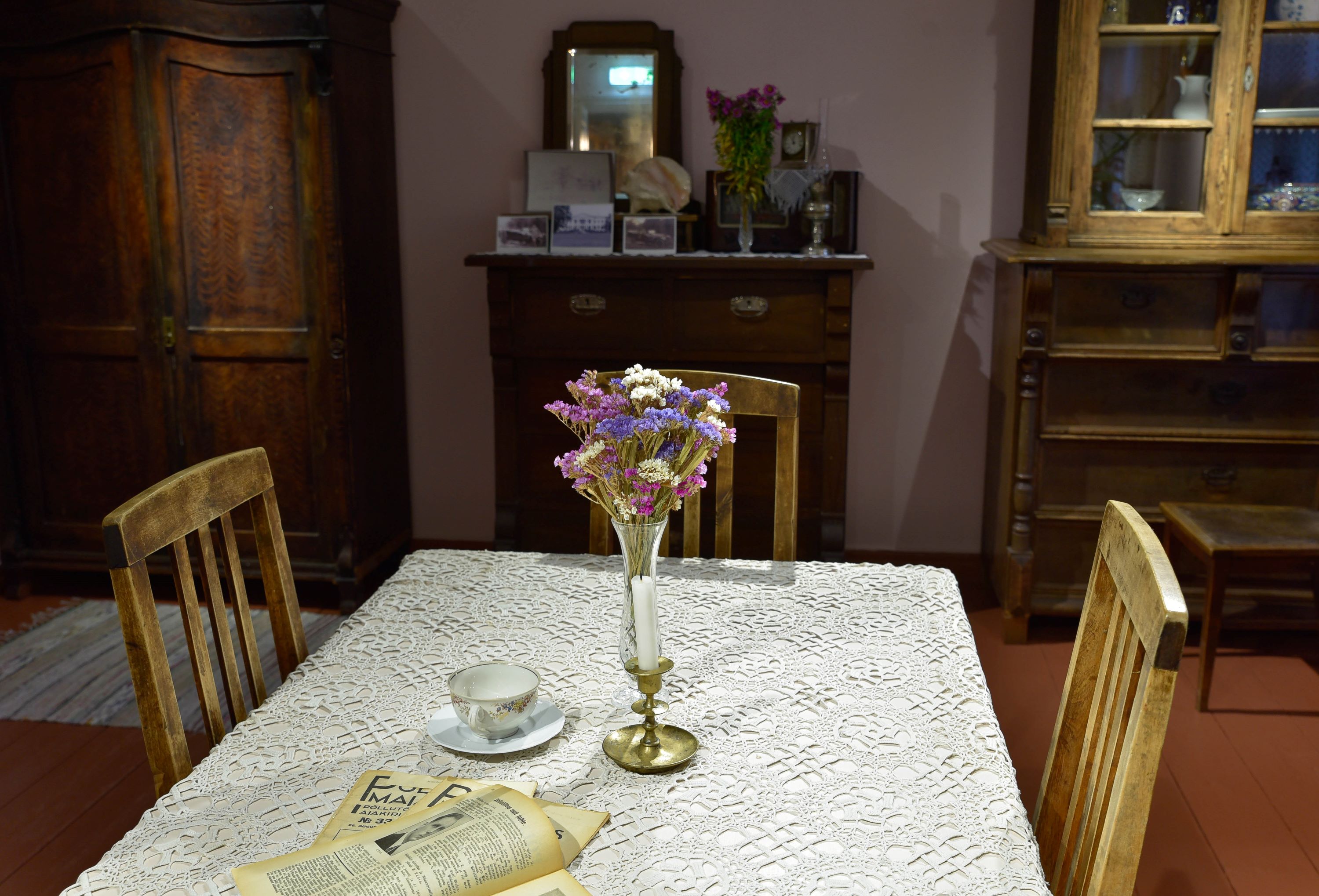
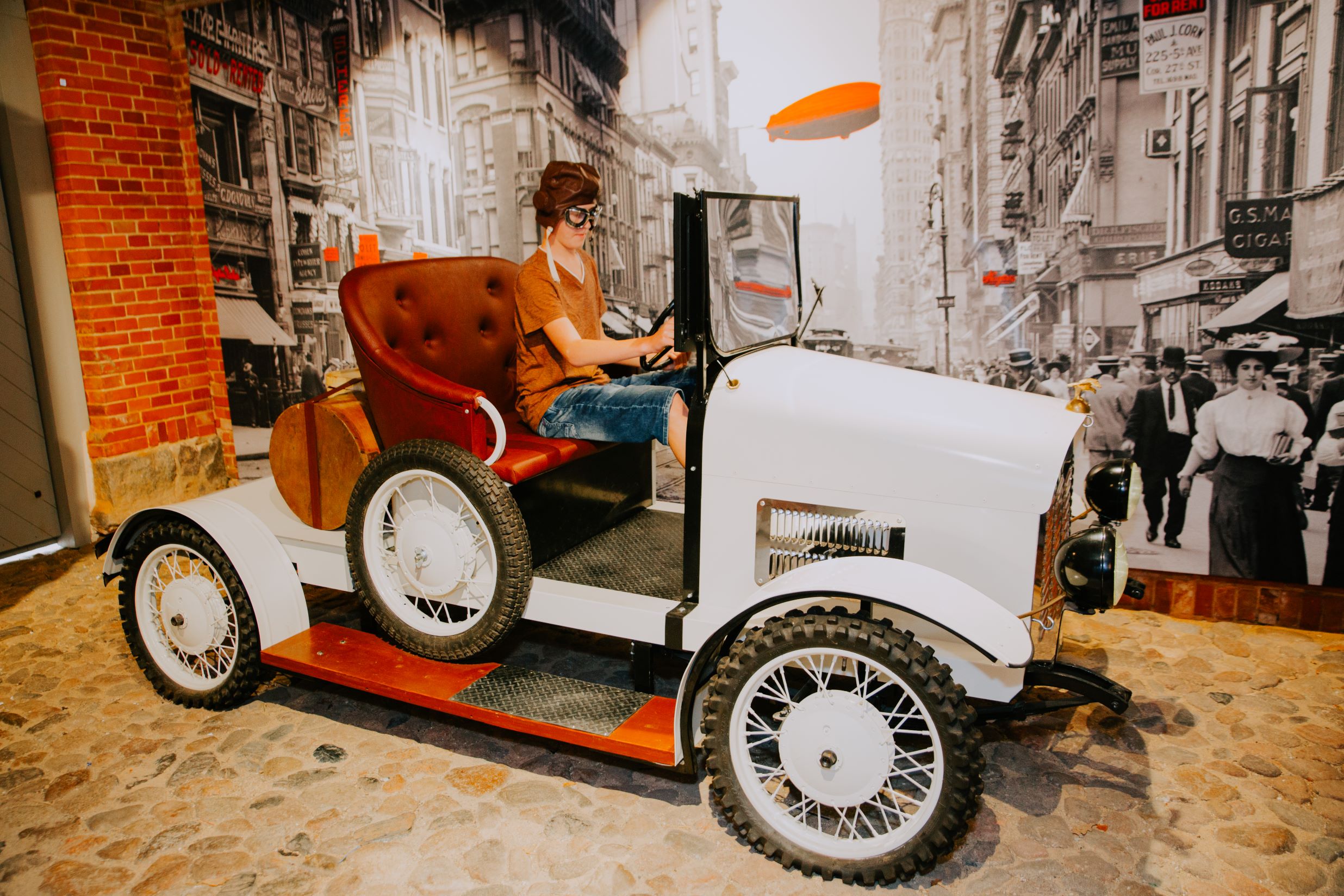
The Mõniste Museum is the oldest open-air museum in Estonia; here you can light a fire in a Stone Age tepee or practice archery, slinging or lassoing. You can also learn how to make bone and earthenware objects, weave fishing nets and fabric, grind grain or bake a loaf of Stone Age bread. The threshing barn dating back to Czarist times features the interior of the 19th century building, tools, household utensils and clothing. The farmhouse from the times of the first Republic of Estonia exhibits the tools that blacksmiths used, horse necessaries, handicraft tools, national costumes, folk music instruments, etc. You can also try what farm works felt like at that time.

  • Family friendly

Sangaste Manor Stable Visitor Centre

The stable is one of the buildings of the Sangaste Manor which has been renovated into a visitor centre and today houses the exhibition Rukkikrahv ja Ilmaimed (The Rye Count and Wonders of the World).The exhibits at the centre tell the story of the scientific wonders of the 19th century and Count Berg, the owner of Sangaste Castle. It will take the visitors back in time for a hundred years and more. Visitors can also try out exercise devices and other equipment from that time. Children can have fun in the hall of technical wonders as well as at the ‘grandmother’s place’. Come discover and marvel!

  • Family friendly
  • Guided tours

Lodjakoja (Barge Center) Theme Park

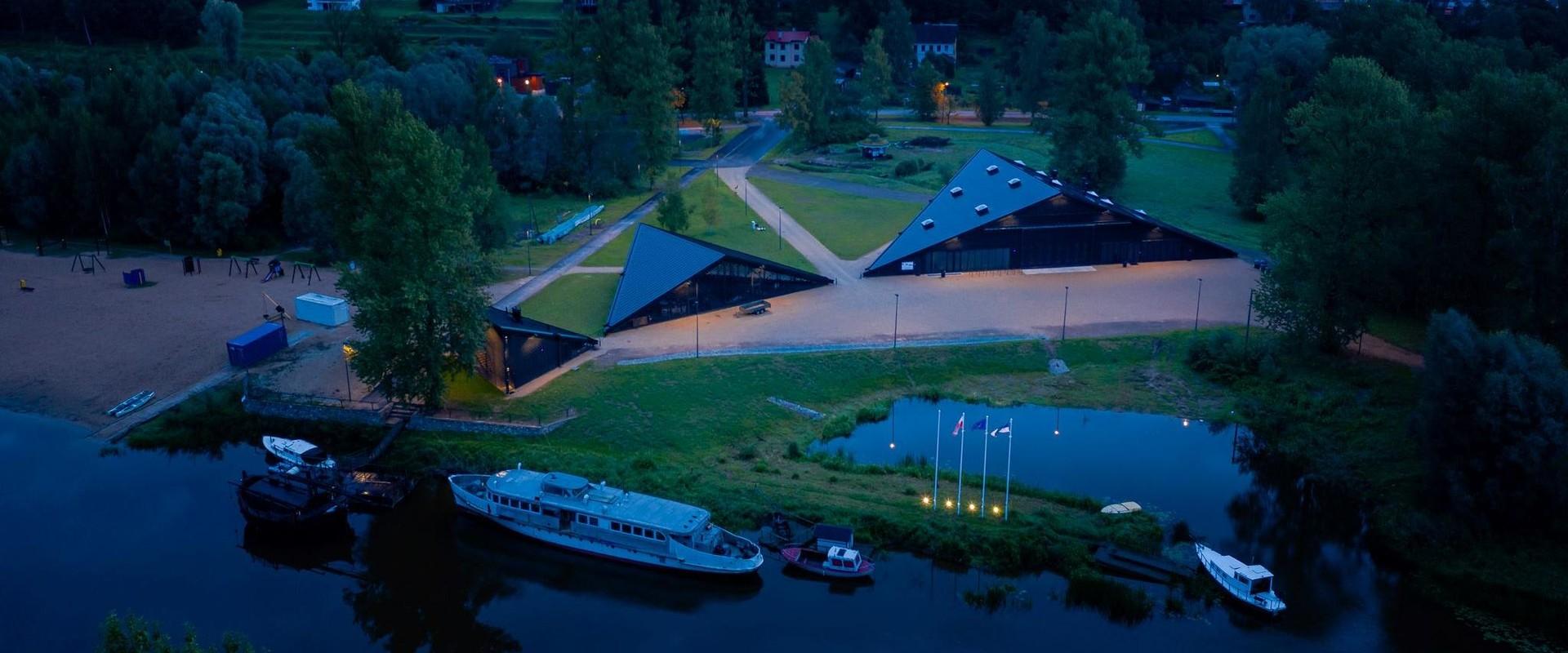
At the Barge Center Theme Park, you can observe how a historical 24-meter-long two-masted Emajõe-Peipsi barge is built. You can also craft model barges, learn sailor skills, visit the forge, try old-time barge-related tasks, and explore the history of barge shipping. In the cinema area, you can watch films about barges and slide shows. We offer guided tours and workshops for groups upon prior reservation.Lodjakoja is a historical ship-building center, museum, theme park, and conference and exhibition venue. Viking and barge journeys begin here, and we have our own café and harbor. Explore an educational trail that introduces shipbuilding and forge work. Try out the sailing simulator that takes you on the water, and the test pool lets you try out your homemade model barge. Small visitors will be delighted by the play ship, sandbox-boat, and block corner, while older ones can puzzle over 3D puzzles. Everyone will enjoy the rope-pulling machine and old-time sports games. By visiting Lodjakoja, you help make history!

  • Collaboration
  • News
  • Contacts
  • Privacy Policy
Join our mailing list!

"*" indicates required fields

This field is for validation purposes and should be left unchanged.
I authorise marketing

South Estonia Tourism Cluster

info@visitsouthestonia.com