

• Explore
    • Nature
    • Culture
    • Food
    • Family
    • Activity
    • Blog
    Smoke sauna
    Weather and seasons
  • Plan
    • Accommodation
    • How to get here
    • Weather and seasons
    • Sustainability
    • Tourist info
    Discover South Estonia’s Most Beautiful Manors and Castles
    Top 20 Sights in South Estonia
  • For professionals
    • For professionals
    • Collaboration
    • News
    • Projects
    • Training
    • Repository
    • Community (opens in new tab)
    • Contacts
ENG
  • EnglishENG
  • EestiEST
  • LatviešuLAT
  • РусскийRUS
  • SuomiFIN
ENG
  • EnglishENG
  • EestiEST
  • LatviešuLAT
  • РусскийRUS
  • SuomiFIN
Popular searches:
Show all
  • History & Culture
  • Local shops

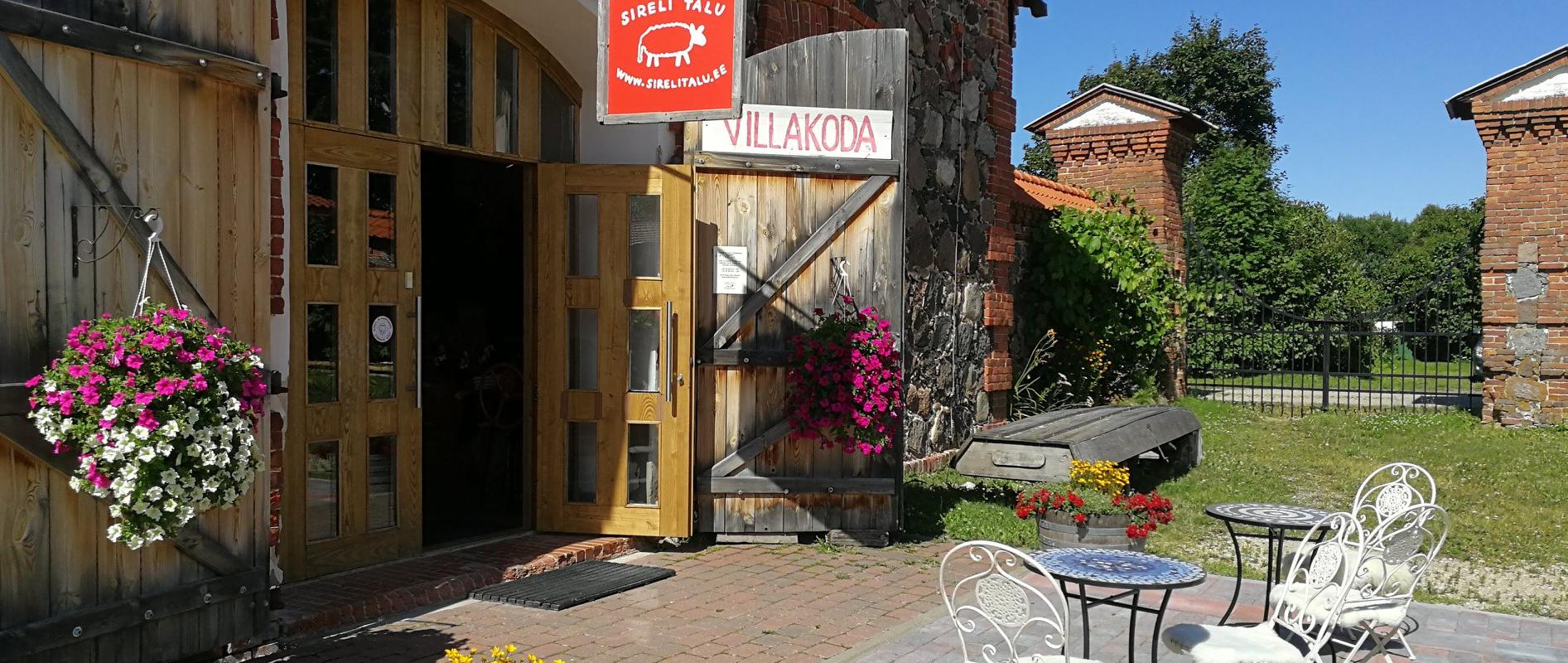
Handicraft Store of the Wool house of Sireli Farm

Mõisahoovi tee 10, Põlva vald, Põlva maakond, 64616

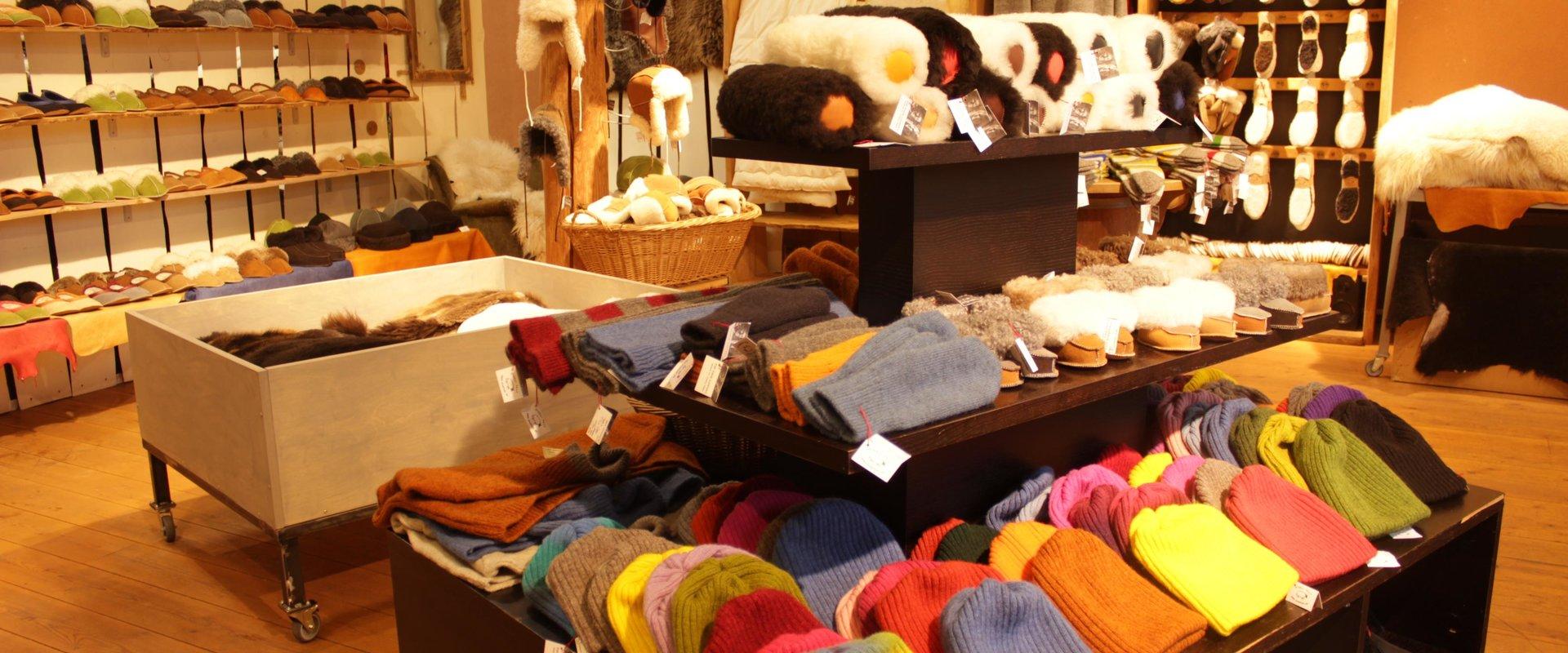
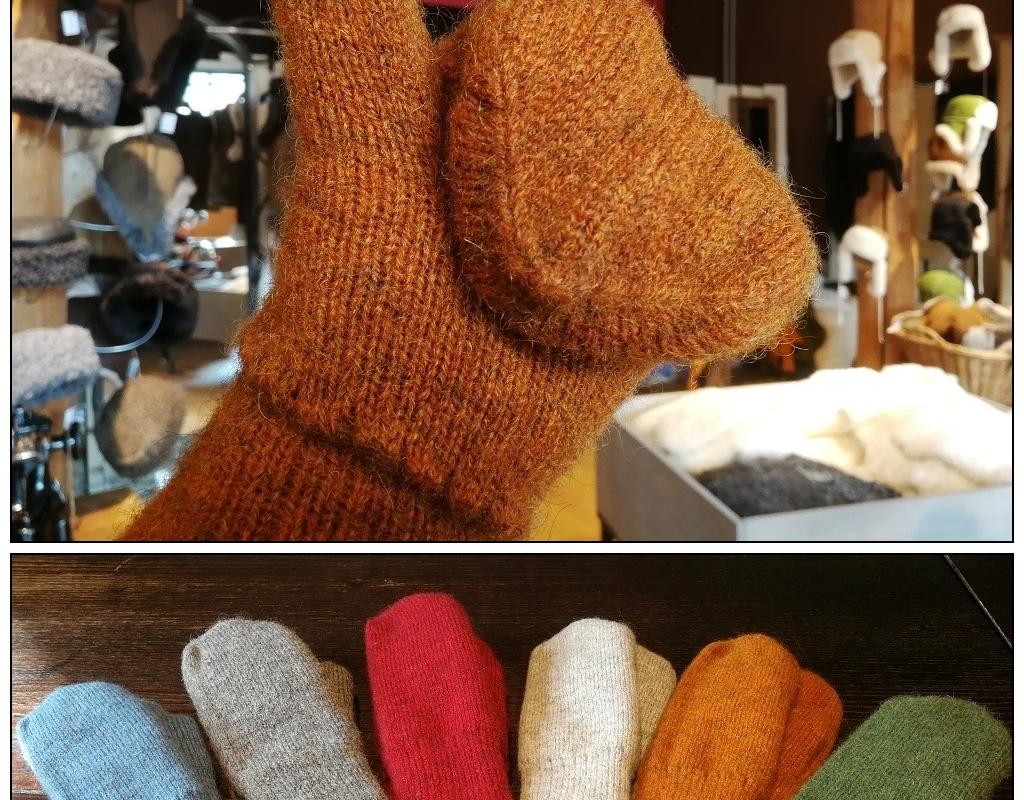
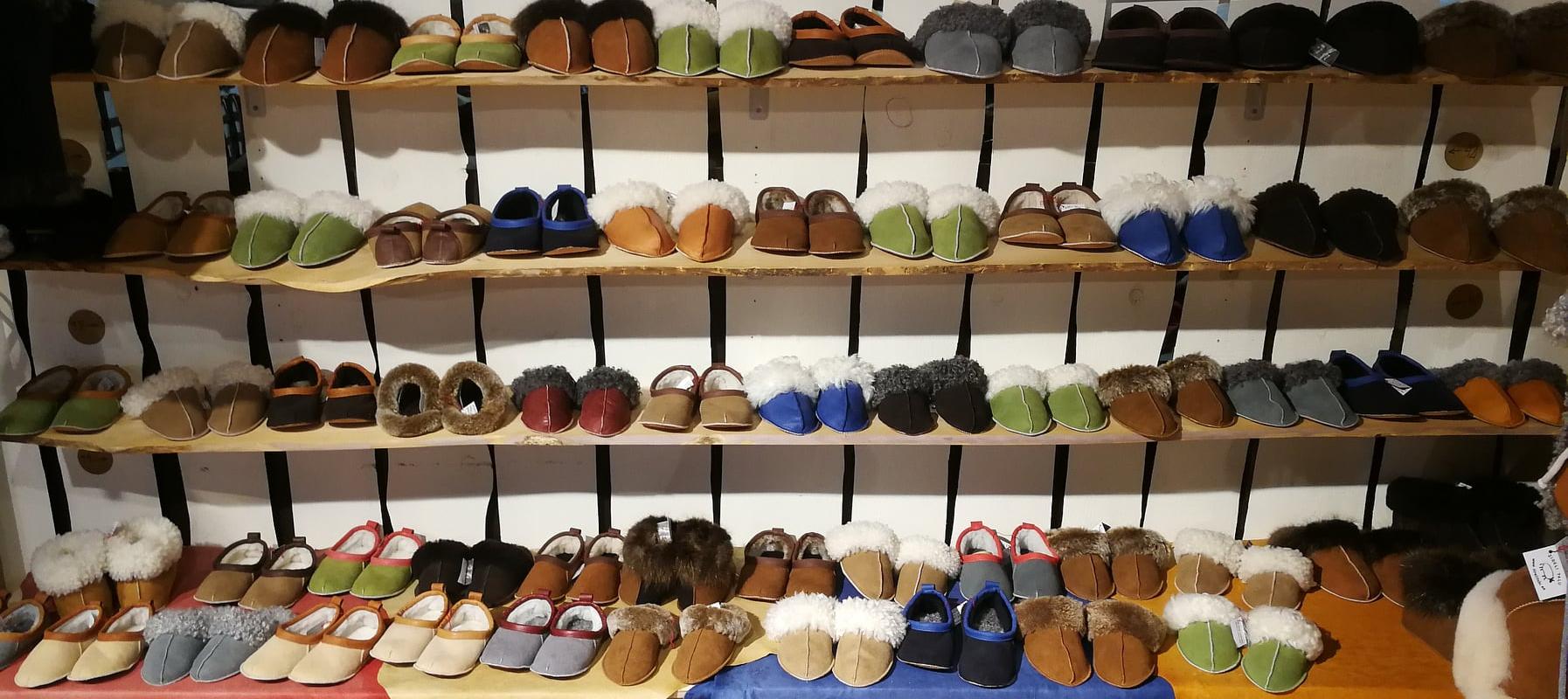
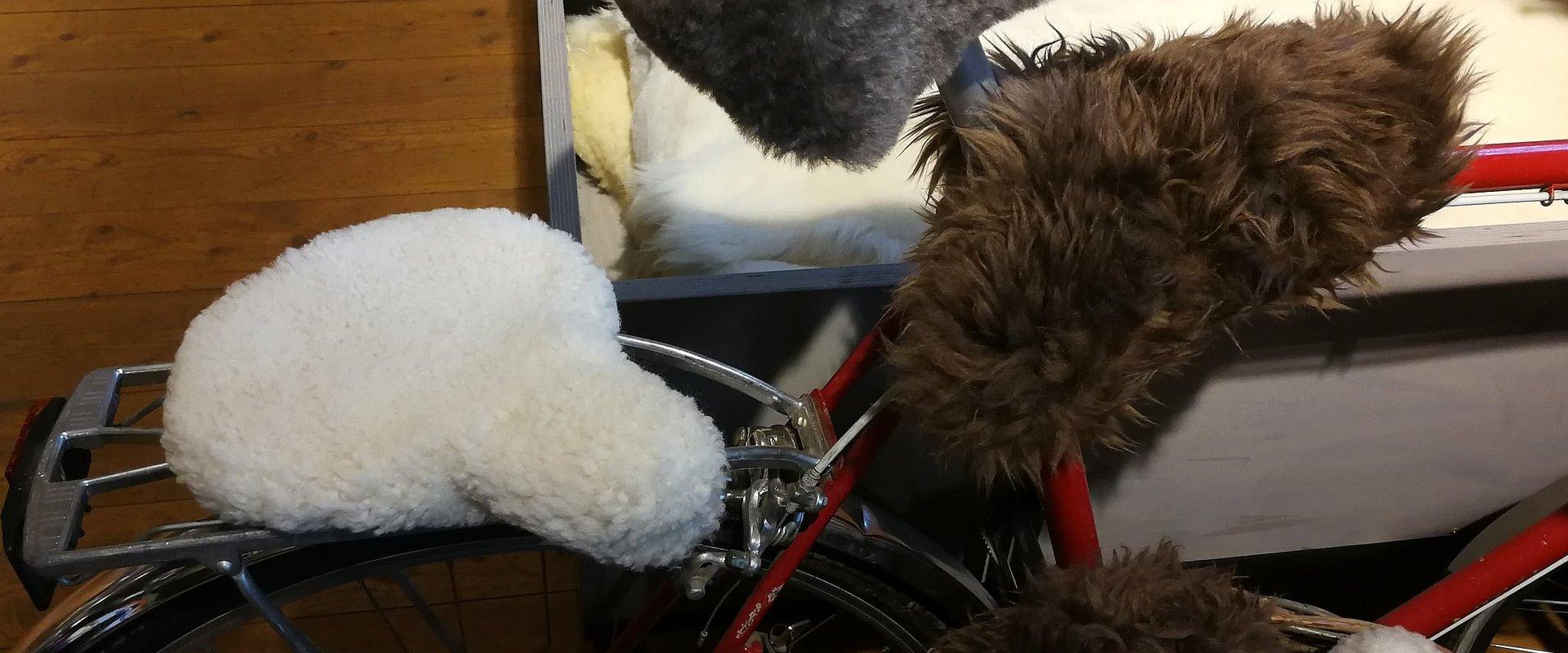
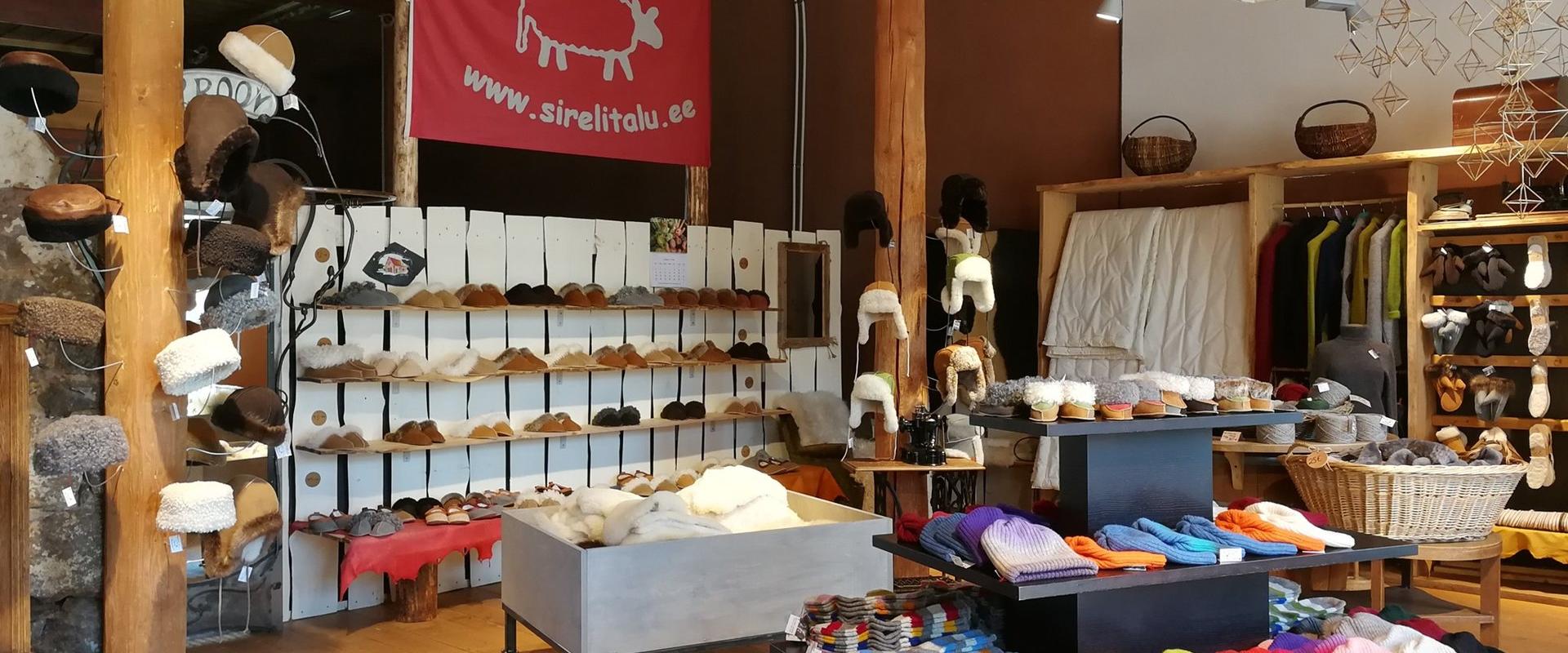
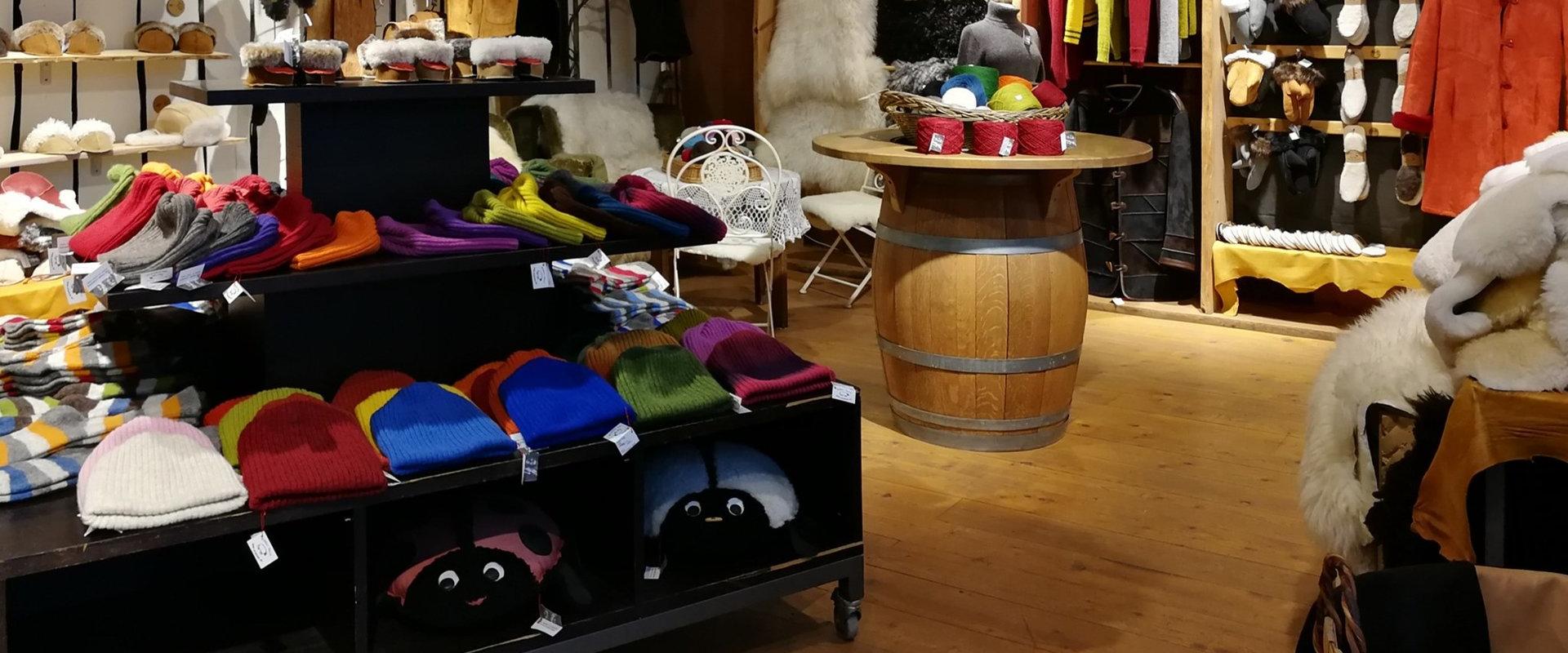
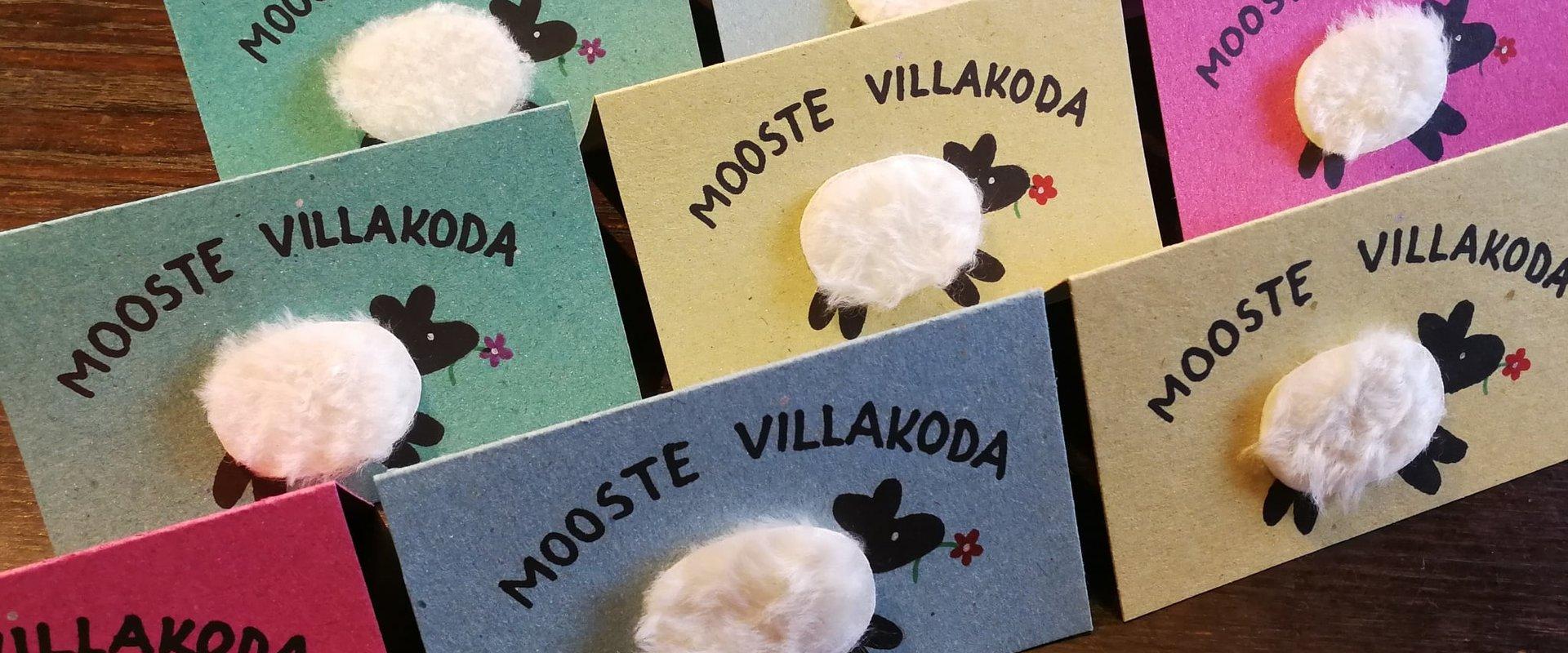
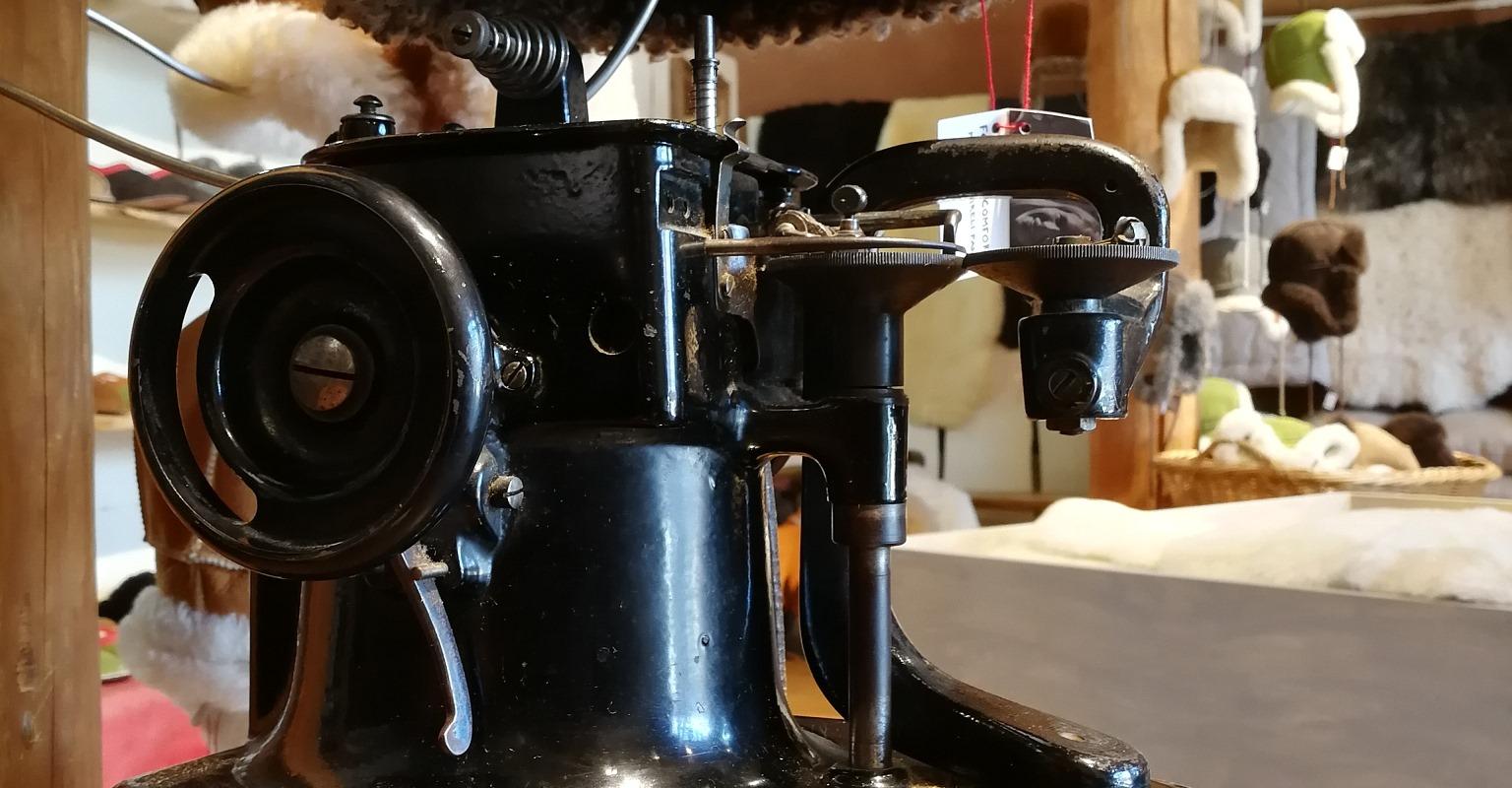
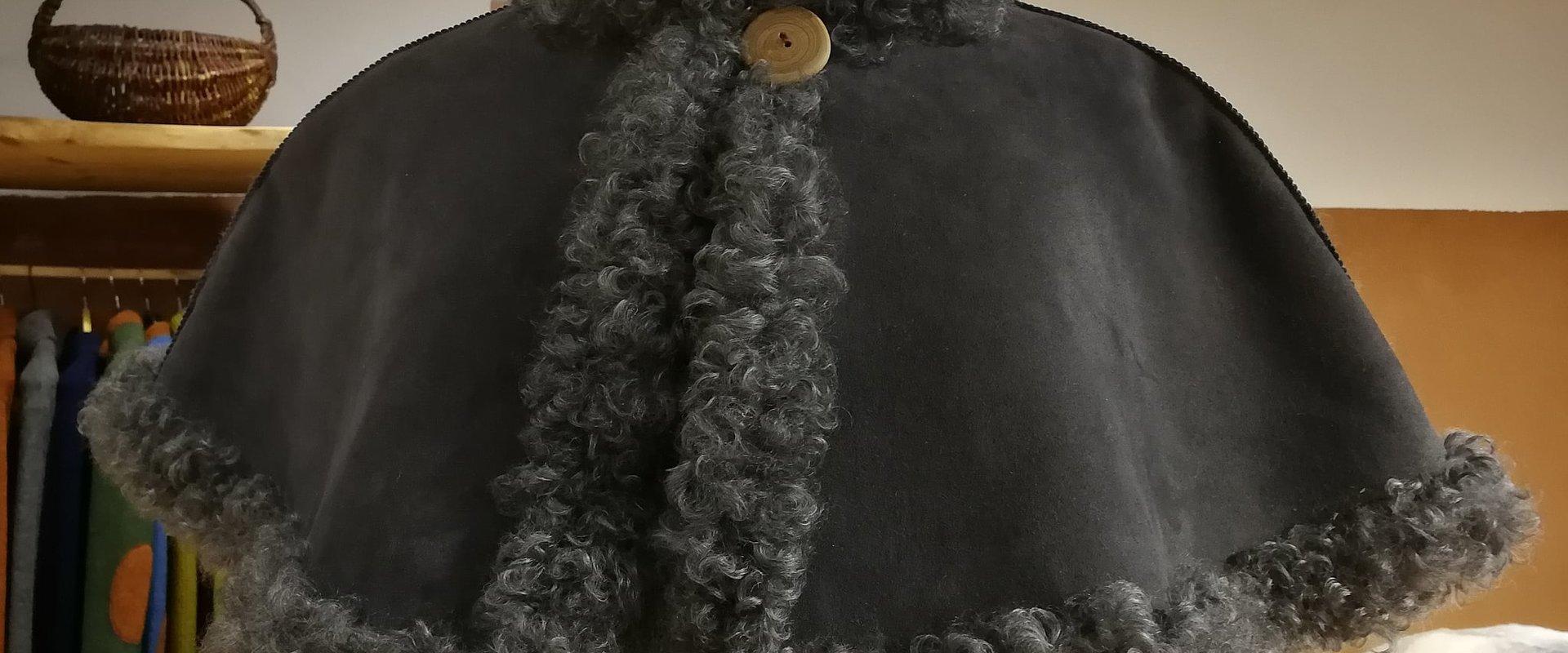
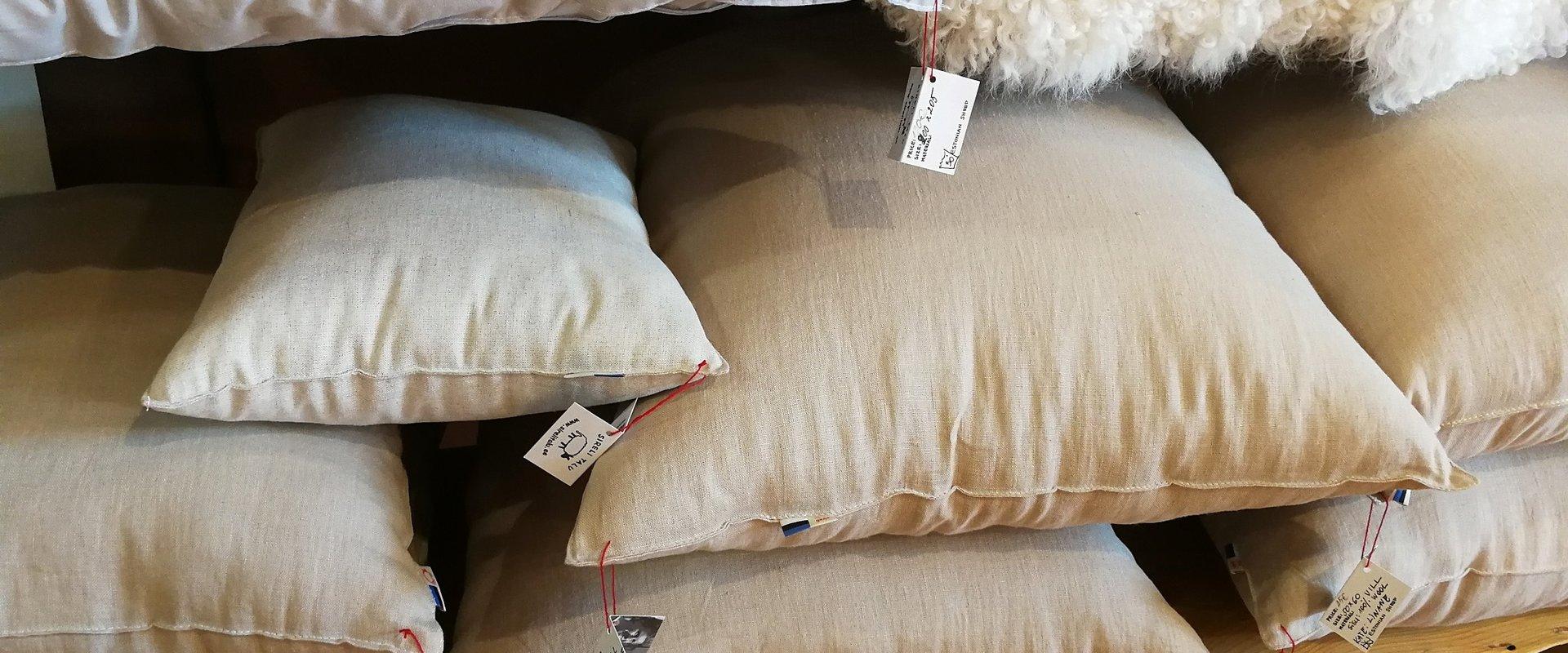
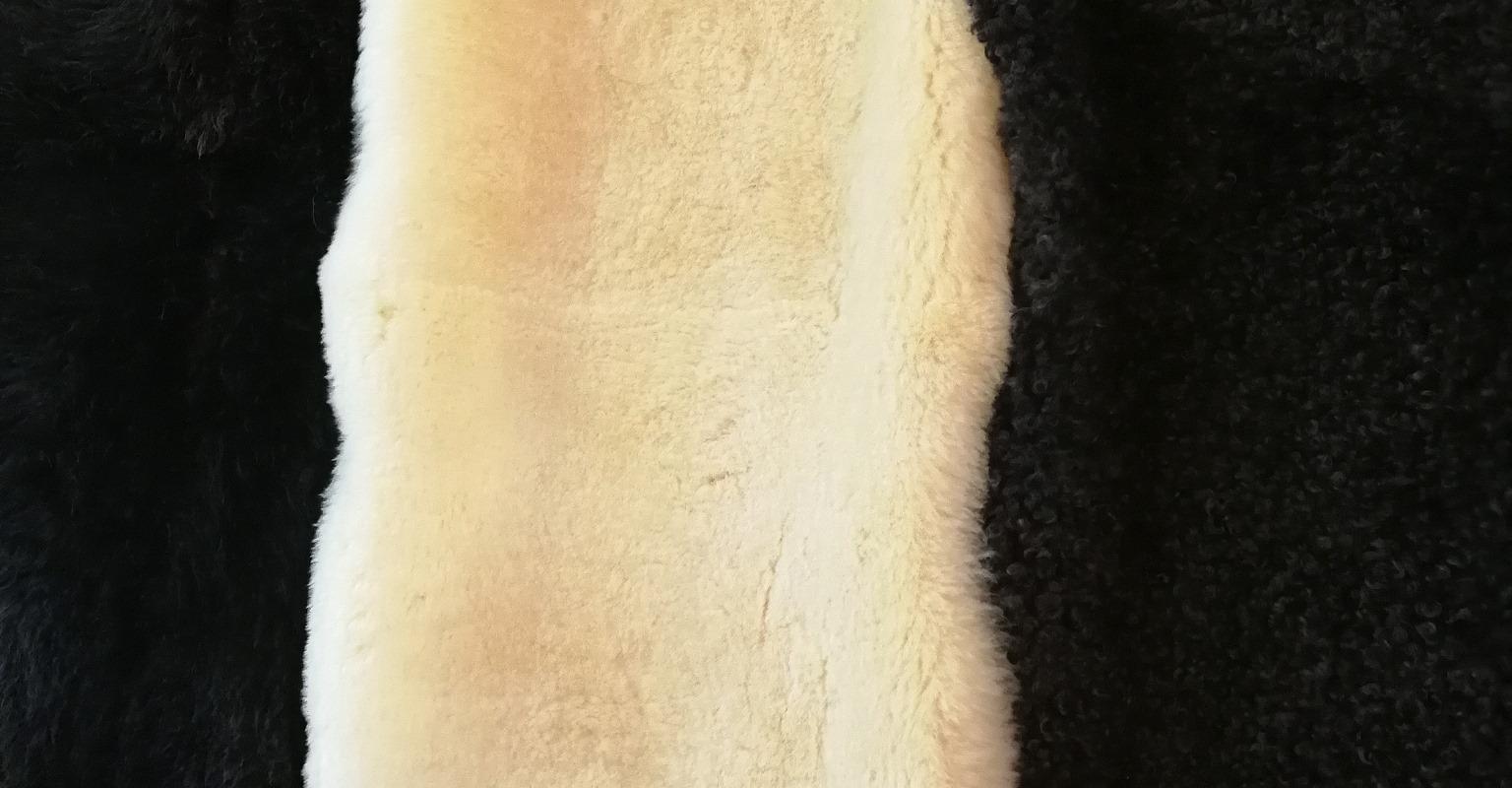
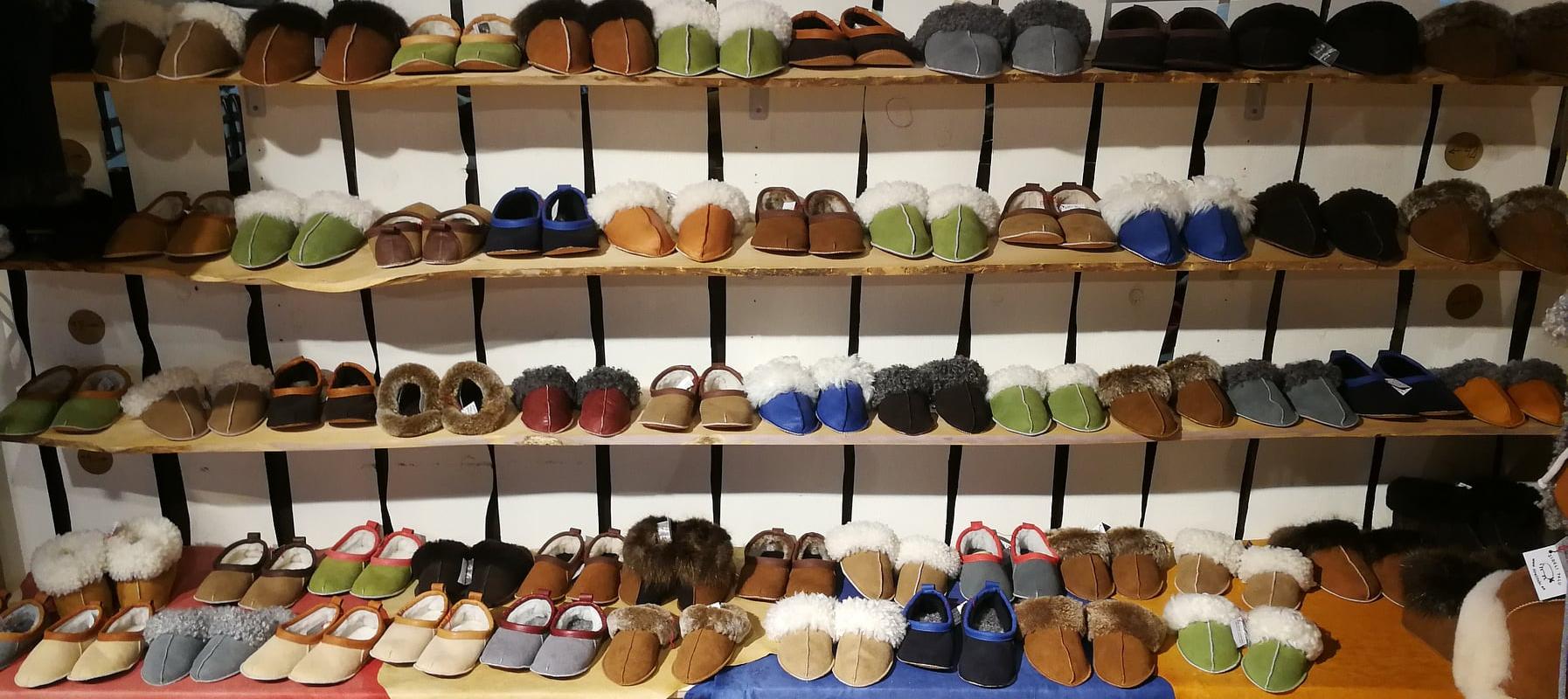
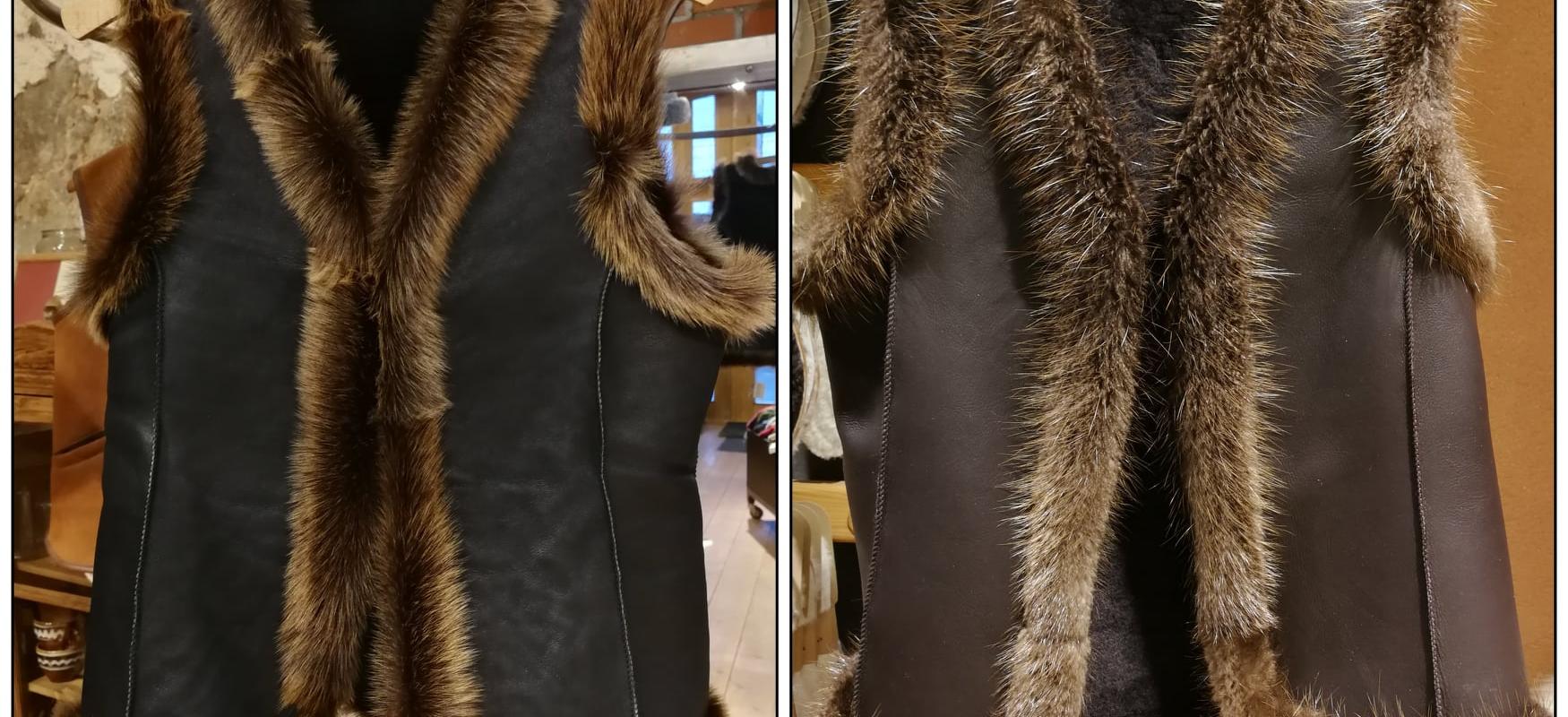
You are welcome in the handicraft store of the Wool House of Sireli Farm, located in Mooste Manor in Põlva County. A very wide selection of sheepskin and wool products – from slippers to carpets – await you.The sheepskin and wool products made by the very experienced local artisans are not only beautiful but also very practical and durable. The material used in the making of the high-quality and comfortable products comes from the Sireli Farm’s Suffolk and the German blackheaded mutton sheep.In addition to the largest selection of sheepskin products in the Nordic countries, a warm welcome and a cup of hot coffee await you here.
Amenities

  • Free parking

Open times

1. jaan - 31. dets

E-L09:00 - 18:00

Contact

  • +372 55654812
  • nils@sirelitalu.ee

Links

www.sirelitalu.ee

See more

  • Guided tours
  • Workshops
  • Virtual reality (VR)

University of Tartu Art Museum

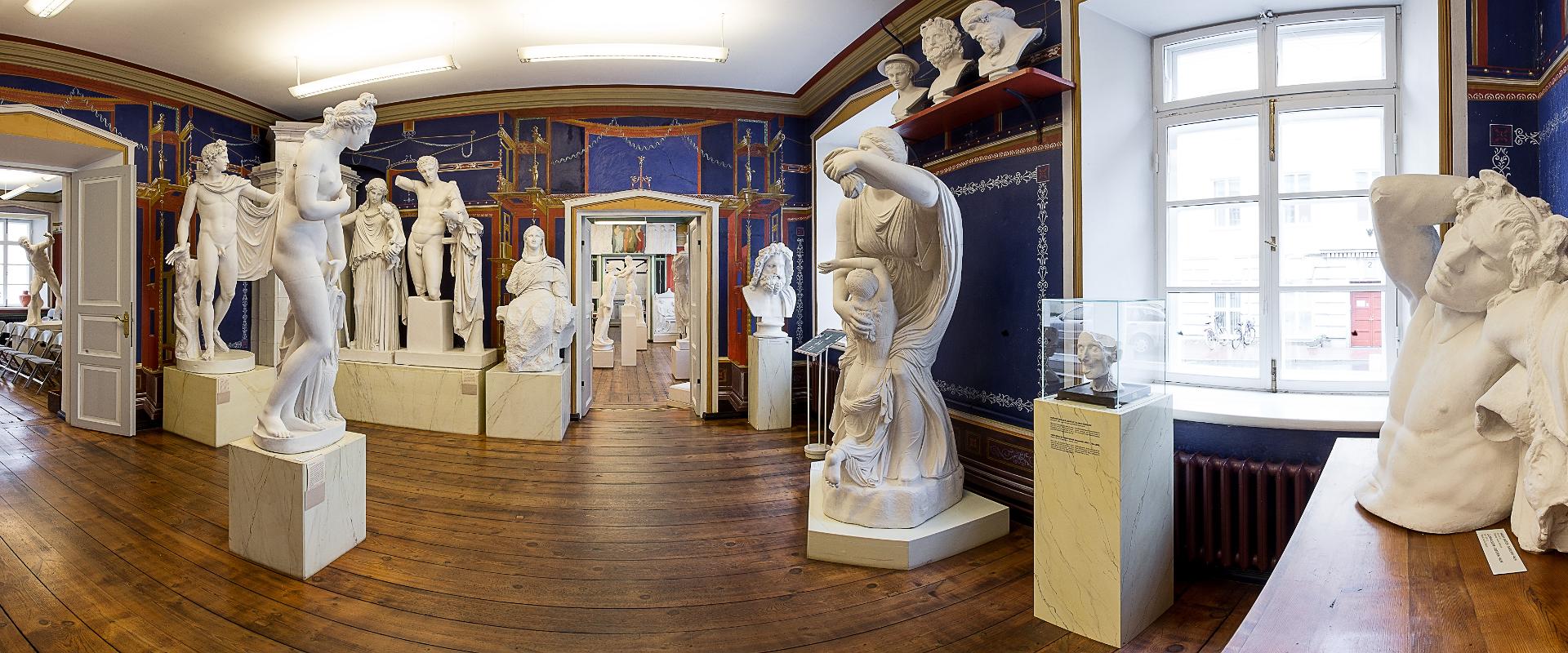
The University of Tartu Art Museum is located in the historical University Main Building and has Pompeian-style interior. The museum’s permanent exhibition consists of sculptures, mostly from the antiquity – original size plaster cast copies of the best works of Archaic, Classical, and Hellenistic Greece. The Art Museum also displays many ancient originals: coins, vases, clay lamps, and cuneiform tablets. There is also the mysterious mummy chamber, where you can find a genuine Egyptian mummy. You can also visit the beautiful Assembly Hall of the university and the student lock-up in the attic.

Estonian Supreme Court Building

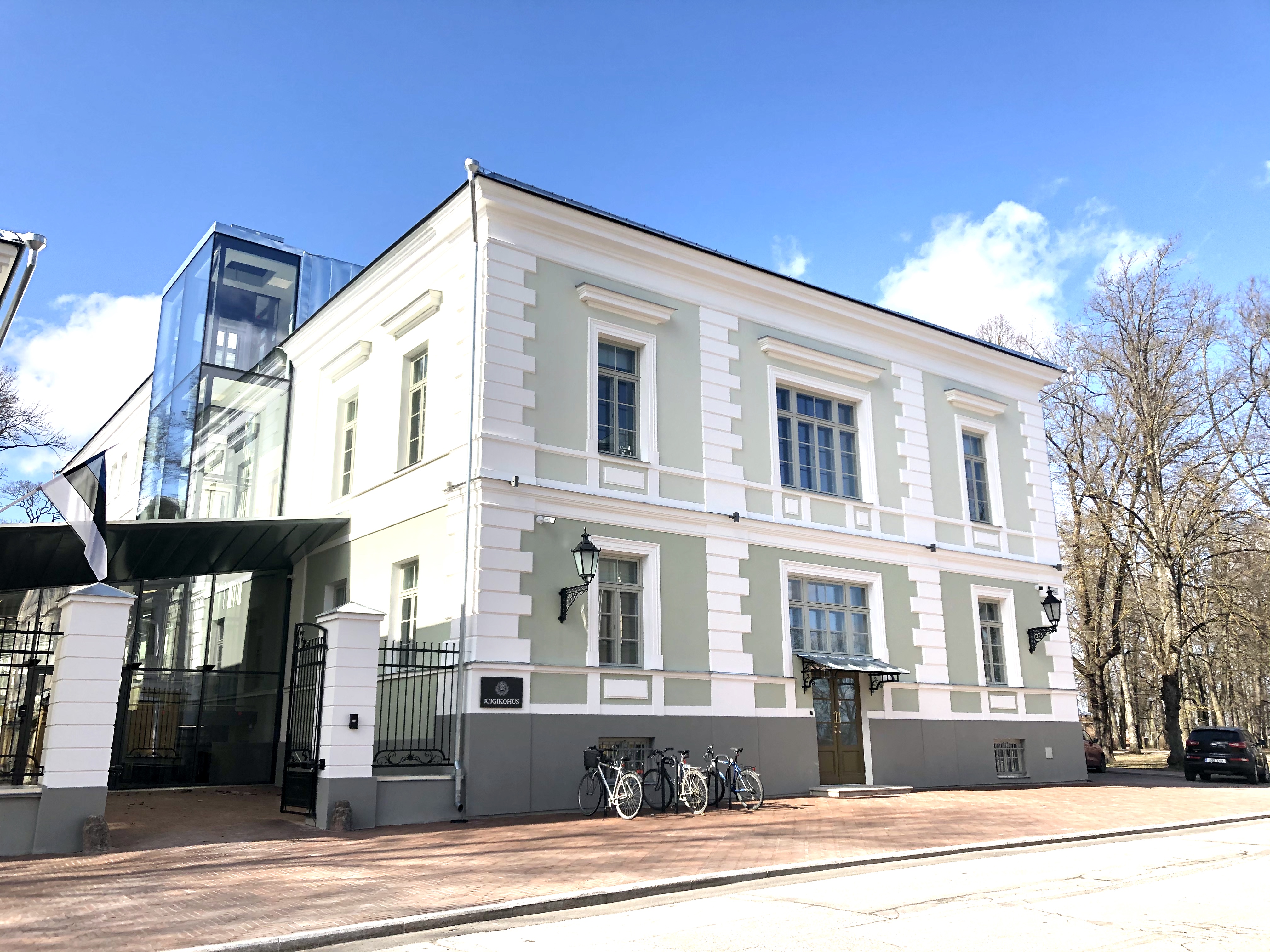
The highest court of the Republic of Estonia, the Estonian Supreme Court that operated in Tartu from 1920 to 1935, is located in this building. The building was initially built as a barracks in 1763, the university hospital was built on its ruins in 1808 and the Estonian Supreme Court has been in the building since 1995. The building can be viewed only from the outside.Take a look at the aerial panorama (picture by Joel Tammet).

Museum of Tuglas in Ahja rural municipality

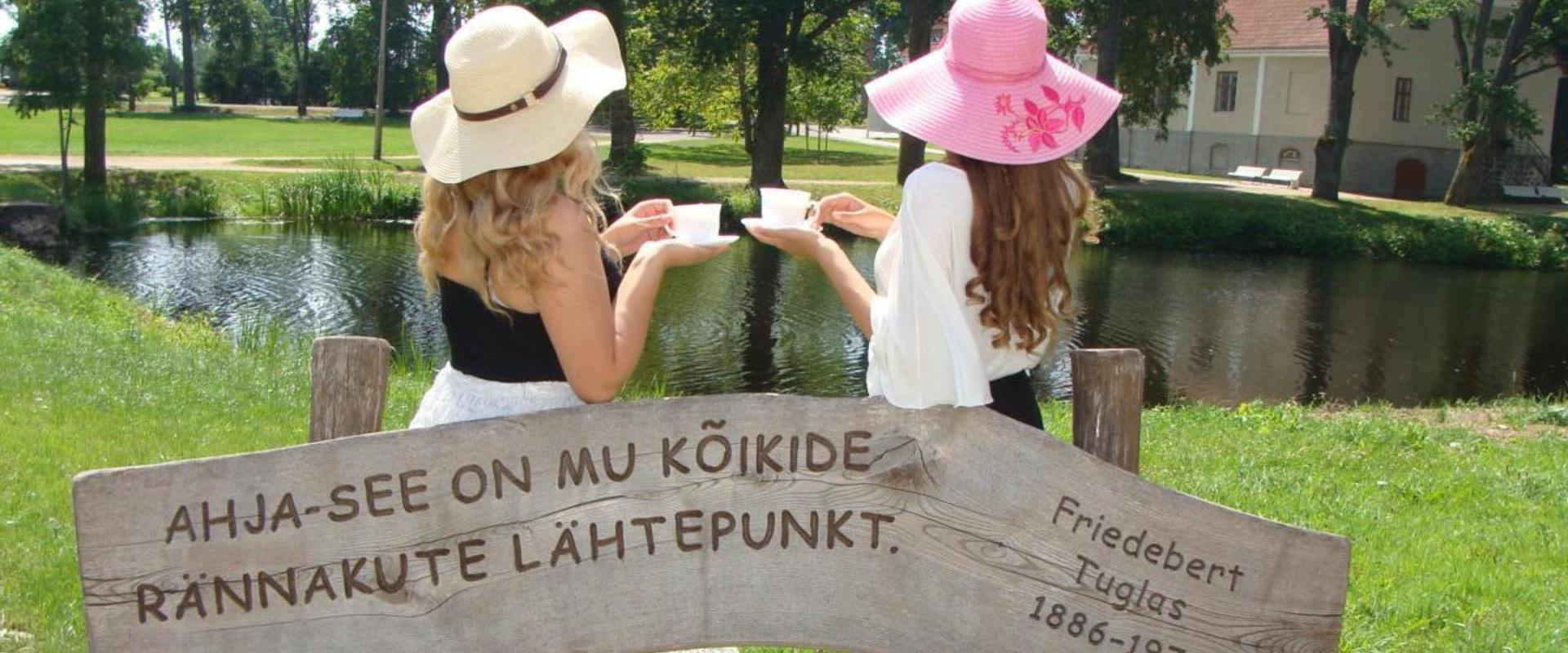
The Museum of Tuglas is the childhood home of Friedebert Tuglas, born on 2 March 1886. Tuglas became a well-known writer for his novel Väike Illimar (Little Illimar) written in 1932. The story of the little Illimar is at the same time the story of a manor in Estonia. Places related to Friedebert Tuglas and the Little Illimar are displayed on a large map, which is also exhibited in the museum. Spatial exposition provides background information for the guests who visit the places related to the novel and learn about the everyday life of the manor house.

  • Guided tours
  • Workshops
  • Virtual reality (VR)

Song Celebration Museum

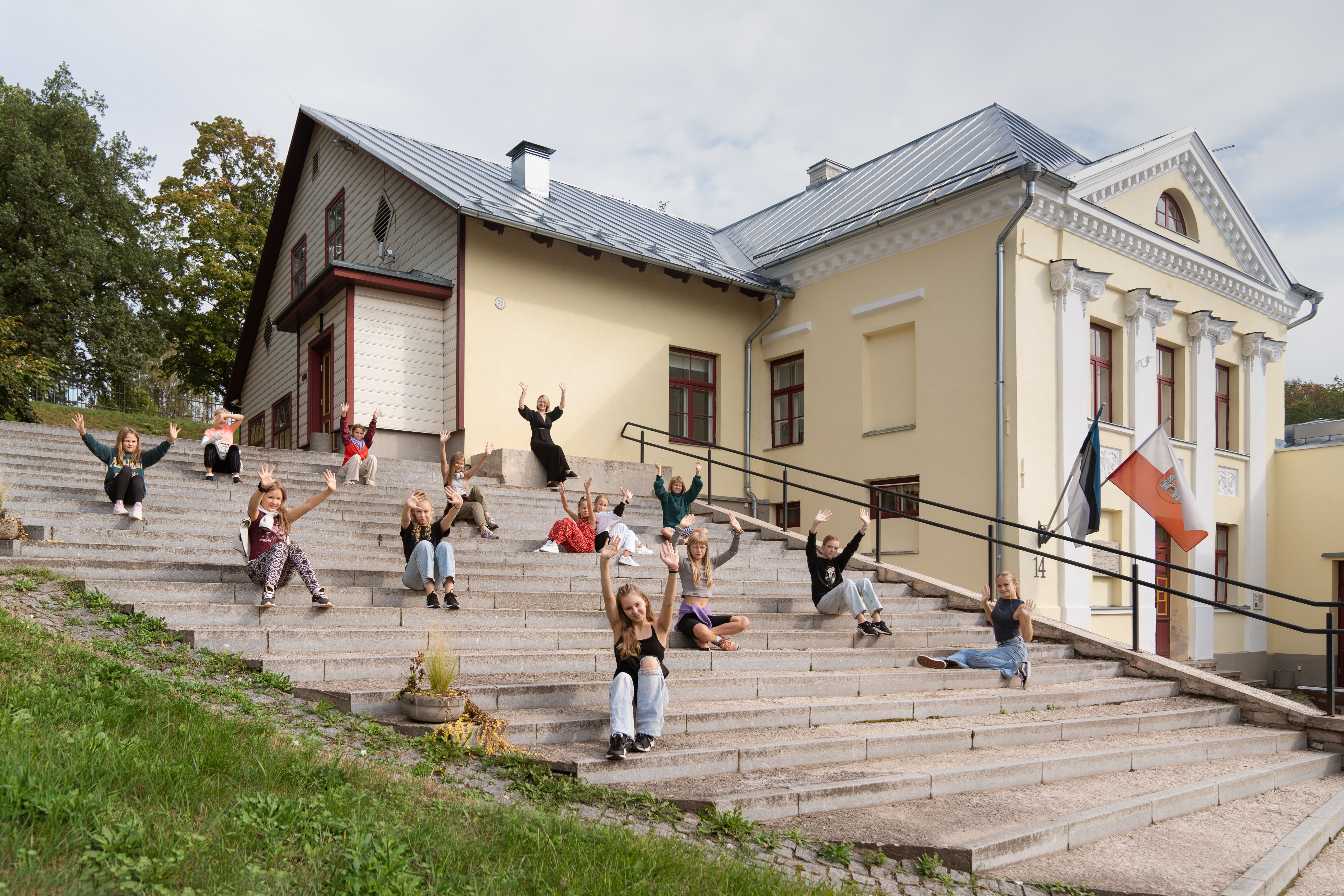
The Tartu Song Celebration Museum is located in a 19th-century classicist building, where the organizer of the first Estonian Song Festival and founder of the national theater, the Vanemuine Society, operated. The first Estonian-language play, written by Lydia Koidula, premiered here. Koidula was a prominent female poet of the Estonian National Awakening, who thereby laid the foundation for the Estonian national theater. The museum offers an introduction to the Song Celebration tradition as well as the 150-year history and heritage of the Vanemuine Theater. Visitors can take part in interactive exhibitions, virtual reality experiences, workshops, and guided tours. The museum park is also open during opening hours.

  • Churches

Tartu Uspenski Cathedral of the Estonian Apostolic Orthodox Church

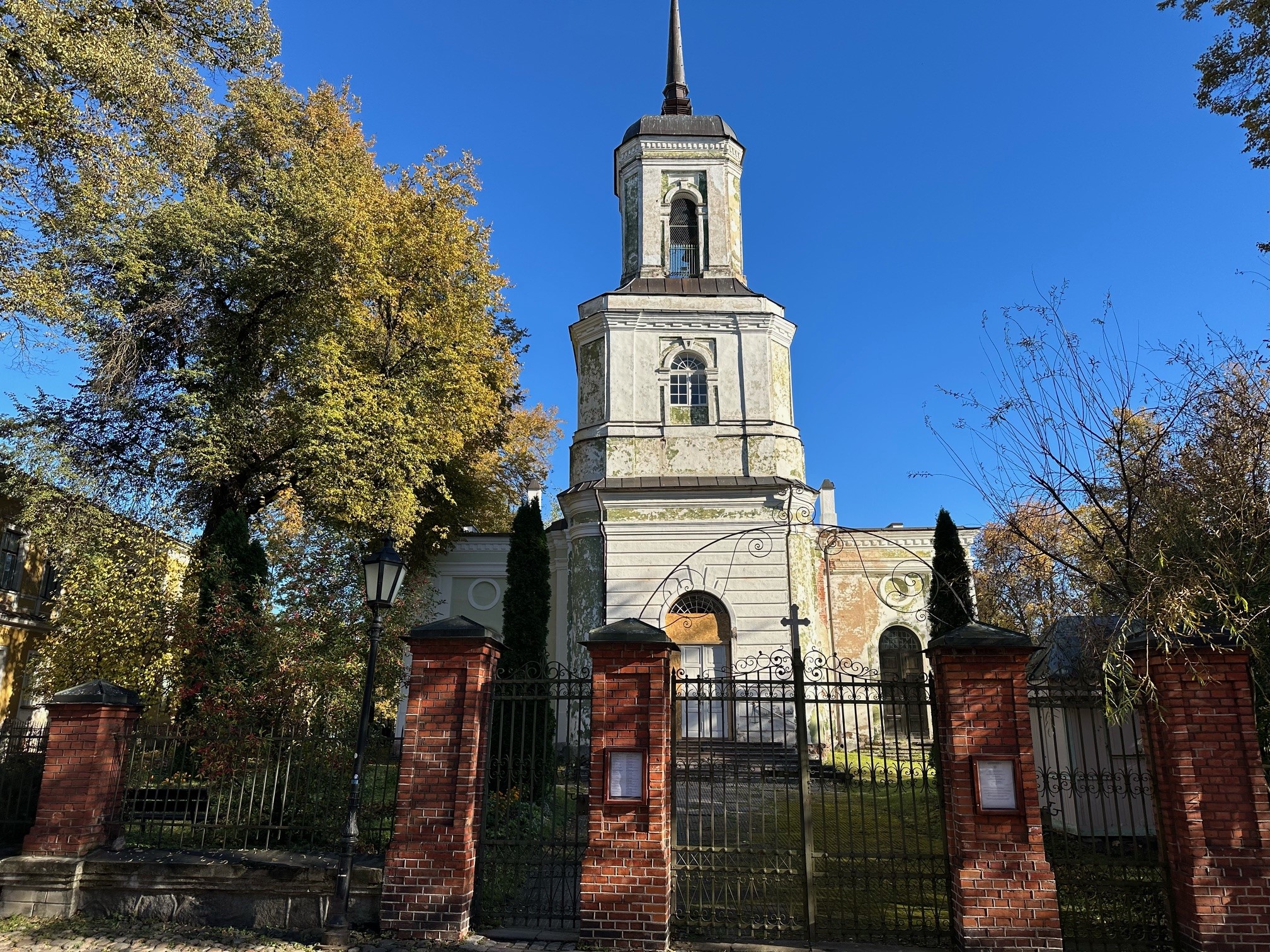
Construction of the Tartu Uspenski Cathedral started by the order of Peter I after the Northern War and it was consecrated in 1783. The church was established on the foundation of the Dominican Convent Church. It was initially built in the shape of a cross and was given its quadrangular shape in 1840. Interesting facts: - a chapel to St Isidor, who died as a martyr, was established in the church in the course of its extension; ‑ the Bolsheviks killed 19 innocent people in the cellar of Krediidikassa 80 years ago. Their victims, archpriests Bleive and Berzhanitski, are buried in Uspenski Church.

Võru Old Pharmacy building (Steding House)

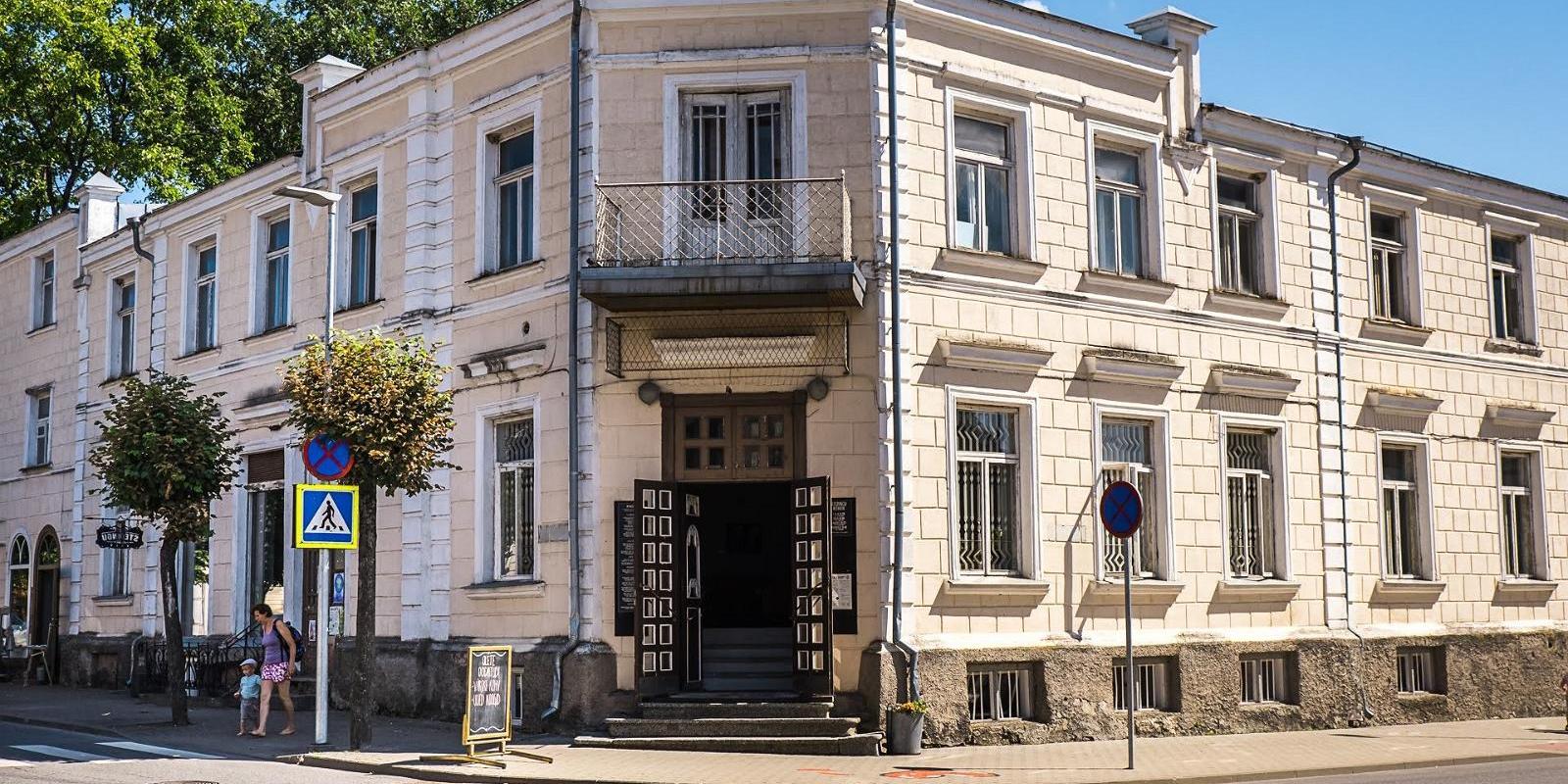
In the center of Võru stands the dignified Steding House – a stone building from the 19th century, also known as the Old Pharmacy House. The walls of the building hide several layers: beneath the plaster layers, stencil paintings and decorations have been found that tell stories of past eras. Unlike sterilely restored museums, Steding House has preserved genuine history – it is a building that shows its layers and carries the memories of the city. One wall is adorned with hand-formed ceramic tiles (author Kristel Sihiveer). The eclectic interior is from reuse. Today, Steding House is a meeting place for the community and guests. There is a café; art exhibitions, concerts, and movie nights are organized; additionally, creative and service enterprises find a home here. In summer and on weekends, the house is especially lively – a buzzing crowd on the terrace, and nighttime entertainment offered in the basement. Steding House is both a sight and a vibrant cultural center – a place where a visitor can experience the unique atmosphere of the city of Võru.

  • Guided tours

Siimusti Clay Industry

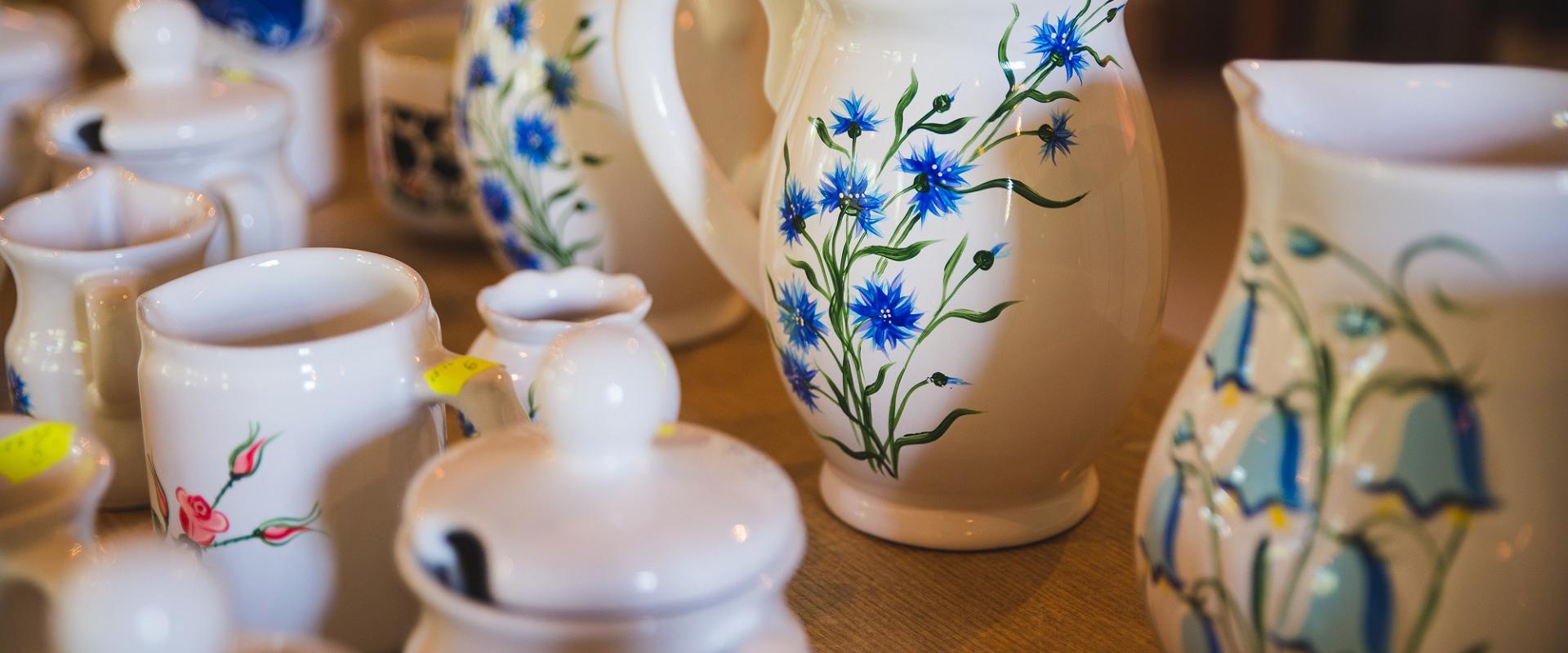
Siimusti Ceramics operates from the clay factory, which was founded in 1886 by Joosep Tiimann, a man born from a family of farmers. The location was suitable due to the clay deposits present here. At first the brick manufactury was created; afterwards they started producing oven pots and dishware.Nowadays you can get acquainted with the manufacturing process of ceramics: The pouring of clay into the mold and the firing and glazing processes. The end product can be bought onsite.

  • Guided tours
  • Workshops

Hellenurme Watermill Museum’s workshop “From Water to Bread”

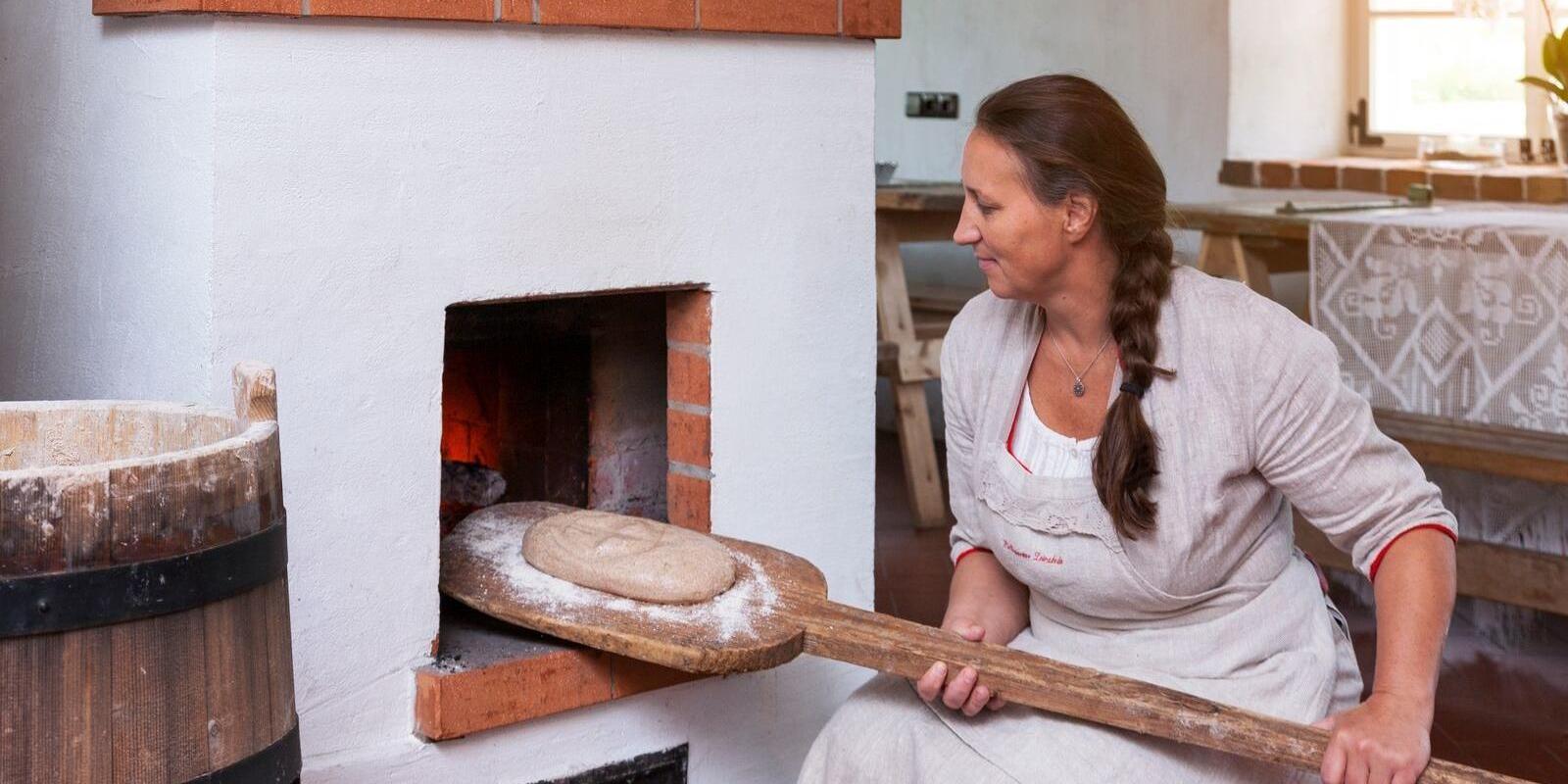
Between Hellenurme, Elva, and Otepää, there is a unique opportunity to see Estonia's last historical water-powered flour and grist mill in operation – the Hellenurme Water Mill. Upon arrival, we explore the mill building and views over the mill pond to Hellenurme Manor, then we open the turbine, and the mill begins to work, powered by water. Through the mill's four floors, you can see, touch, and feel the power of the mill, and soon fresh flour and grist fall into the bag as in the old days. In the bread house, you can try breadmaking under the guidance of the Mill Mistress, honoring traditions and telling stories about bread and the wisdom of ancestors. In the bread trough, dough is kneaded from sourdough. Each guest molds their own little loaf from a dough ball, which the Mill Mistress throws into the large bread oven with an old bread peel. Soon, the bread house fills with the smell of bread, and each guest can take their loaf from the oven, which tastes warm and buttery like an unforgettable dessert! As writer Juhan Liiv wrote: "... warm bread – imagine!"

  • Collaboration
  • News
  • Contacts
  • Privacy Policy
Join our mailing list!

"*" indicates required fields

This field is for validation purposes and should be left unchanged.
I authorise marketing

South Estonia Tourism Cluster

info@visitsouthestonia.com