• Explore
    • Nature
    • Culture
    • Food
    • Family
    • Activity
    • Blog
    Smoke sauna
    Weather and seasons
  • Plan
    • Accommodation
    • How to get here
    • Weather and seasons
    • Sustainability
    • Tourist info
    Discover South Estonia’s Most Beautiful Manors and Castles
    Top 20 Sights in South Estonia
  • For professionals
    • For professionals
    • Collaboration
    • News
    • Projects
    • Training
    • Repository
    • Community (opens in new tab)
    • Contacts
ENG
  • EnglishENG
  • EestiEST
  • LatviešuLAT
  • РусскийRUS
  • SuomiFIN
ENG
  • EnglishENG
  • EestiEST
  • LatviešuLAT
  • РусскийRUS
  • SuomiFIN
Popular searches:
Show all
  • History & Culture
  • Local shops

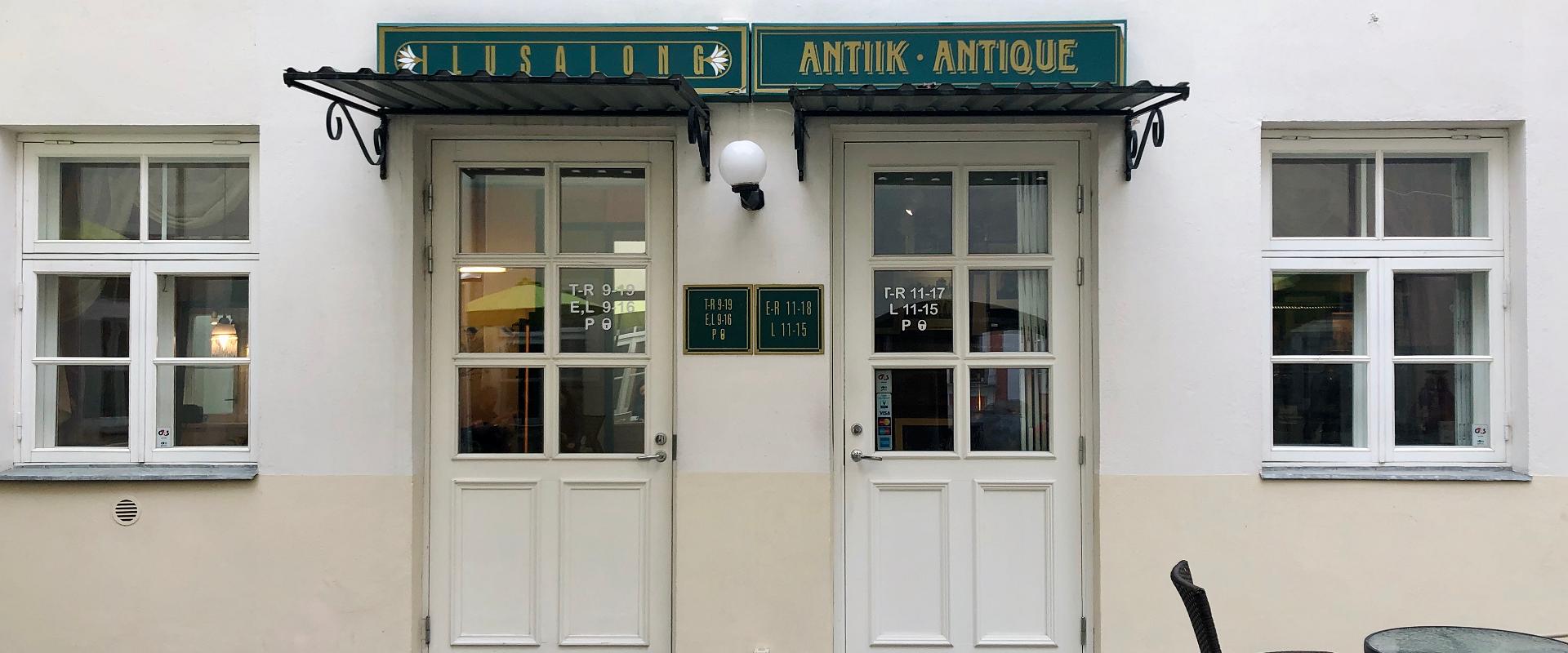
Barokk, a fine arts and antiques store

Ülikooli tn 11, Tartu linn, Tartu maakond, 51003

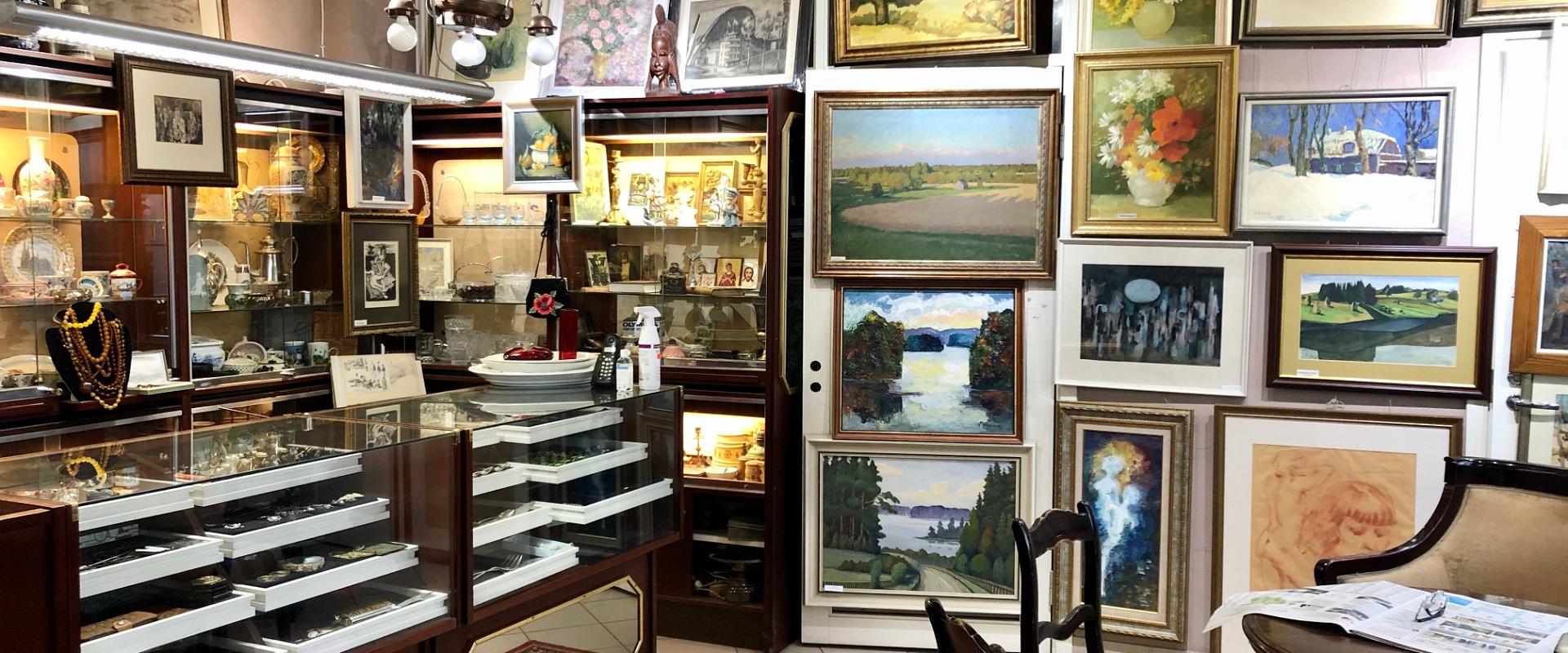
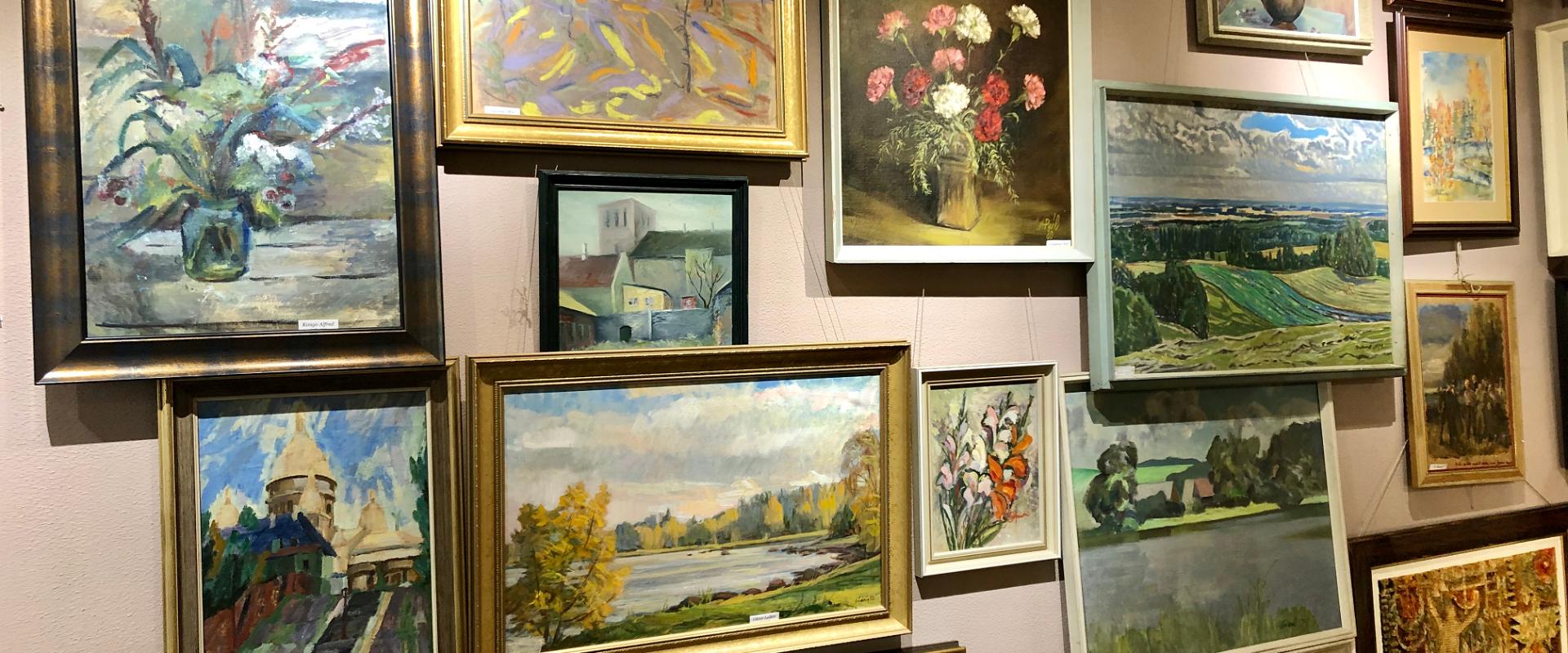
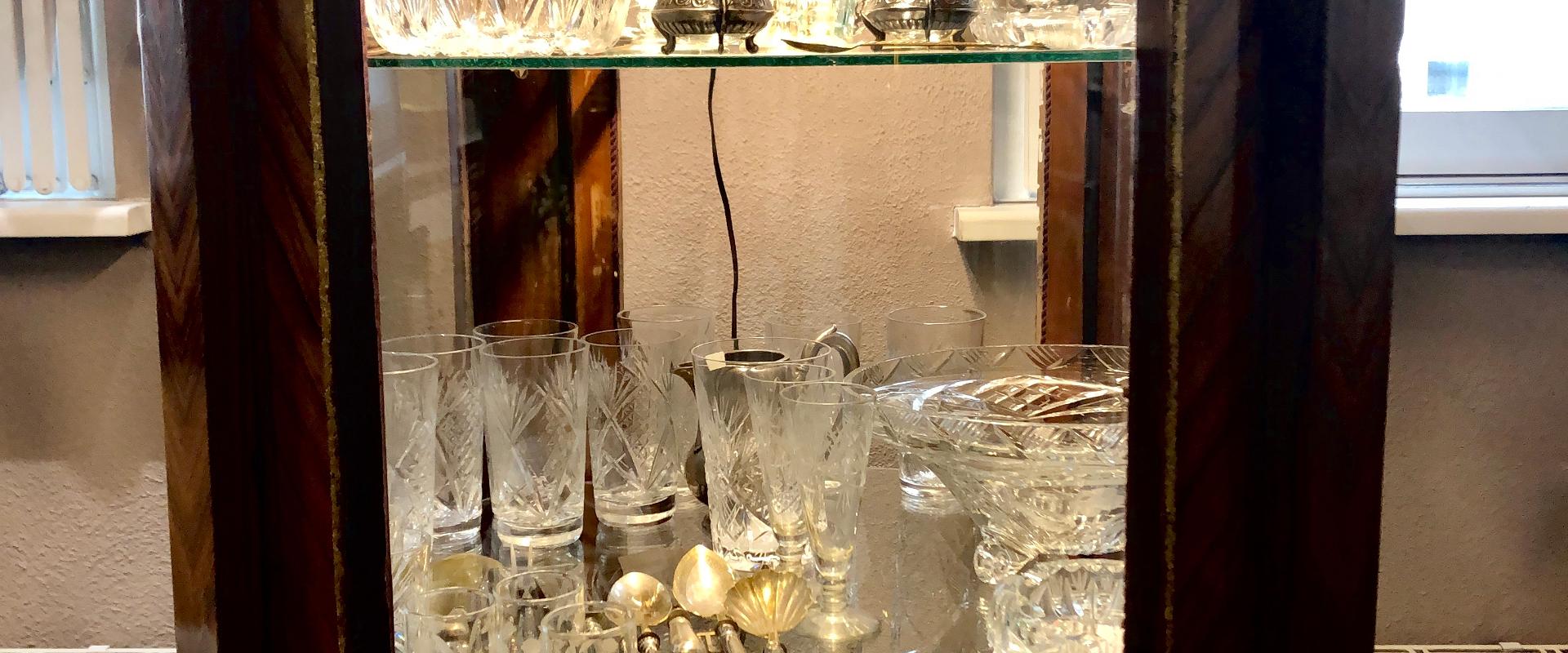
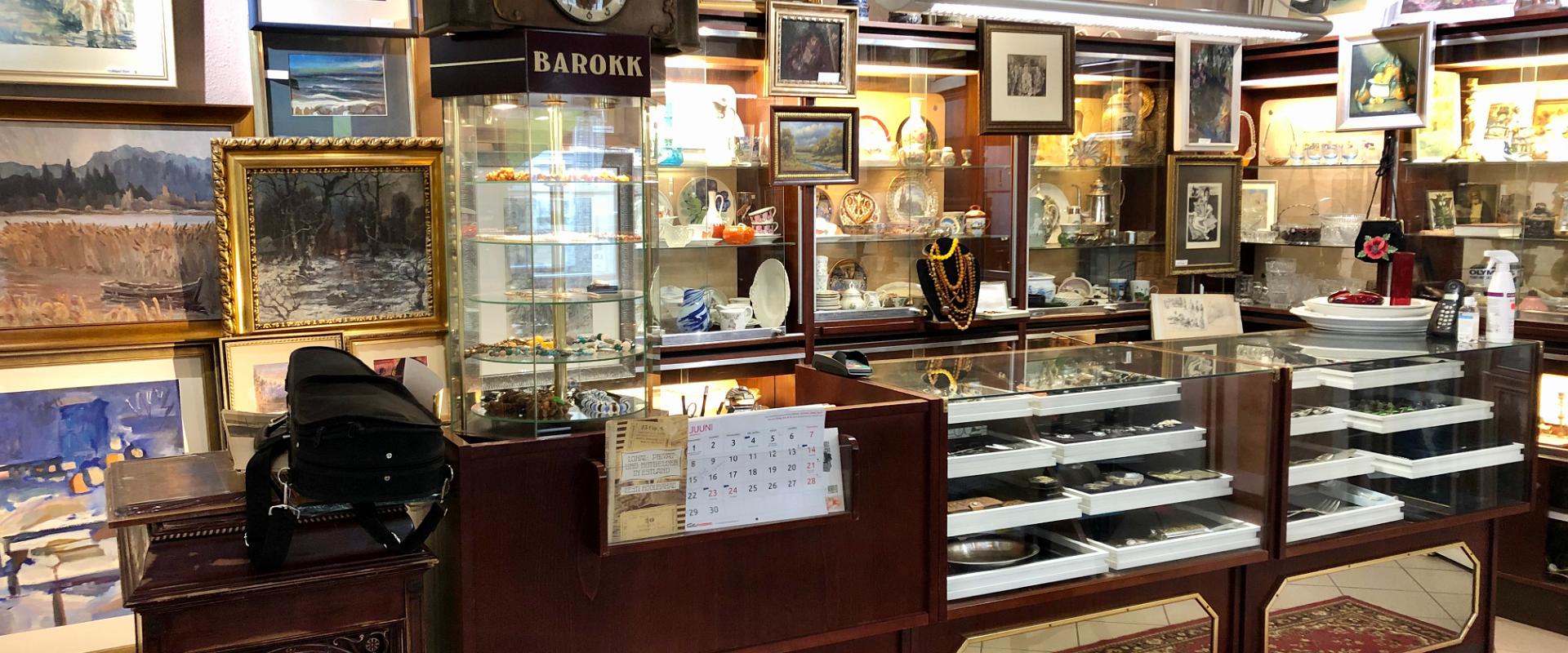
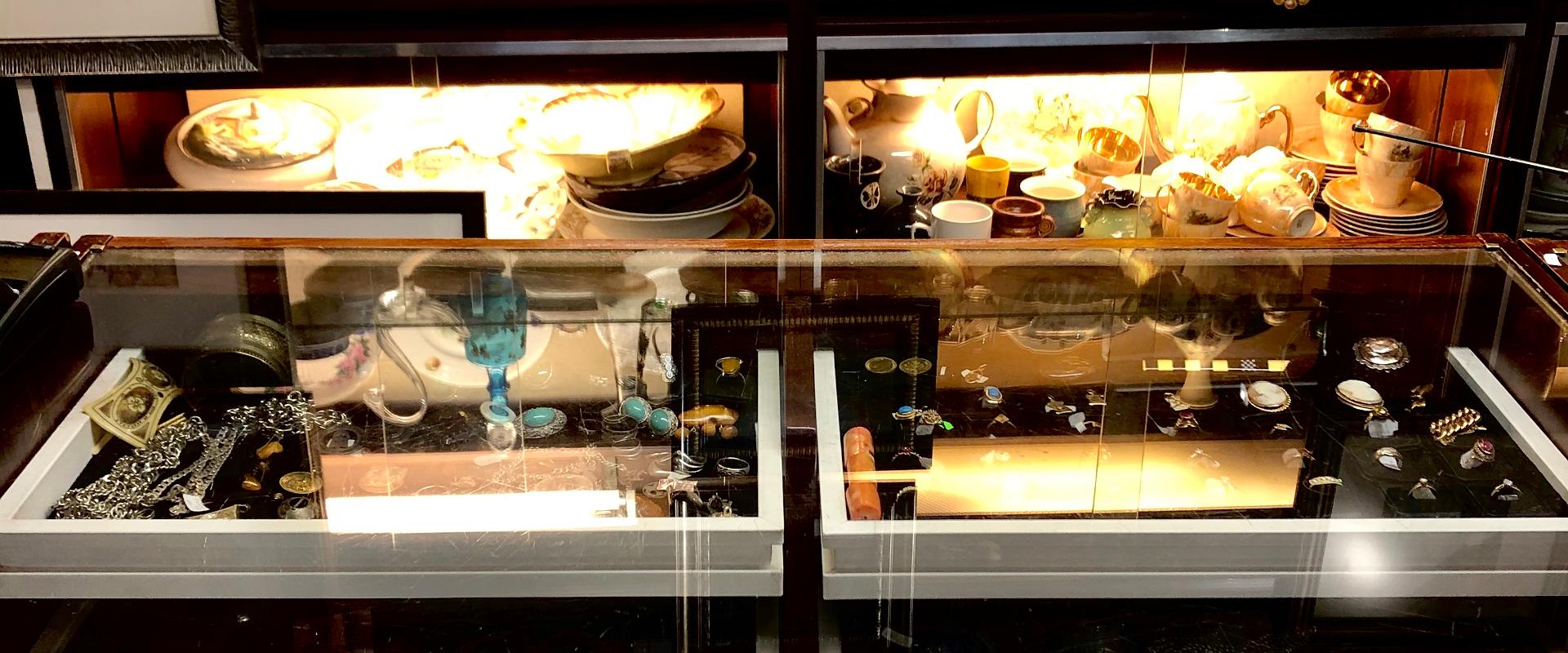
Barokk, a fine arts and antiques store, opened its doors in 1993.We are located in the old town of Tartu, next to the Town Hall Square. We buy and sell classic art, including pieces by artists of the Pallas school and other well-known Estonian artists, as well as porcelain, gold and silver objects, icons, and other valuable antique items. By prior arrangement, you can also visit us outside of opening hours at a time convenient for you.
Amenities

  • Paid parking

Open times

Throughout the Year

E-L11:00 - 17:00

Contact

  • +372 517 7401
  • agnessa@barokk.ee

Links

See more

  • Churches

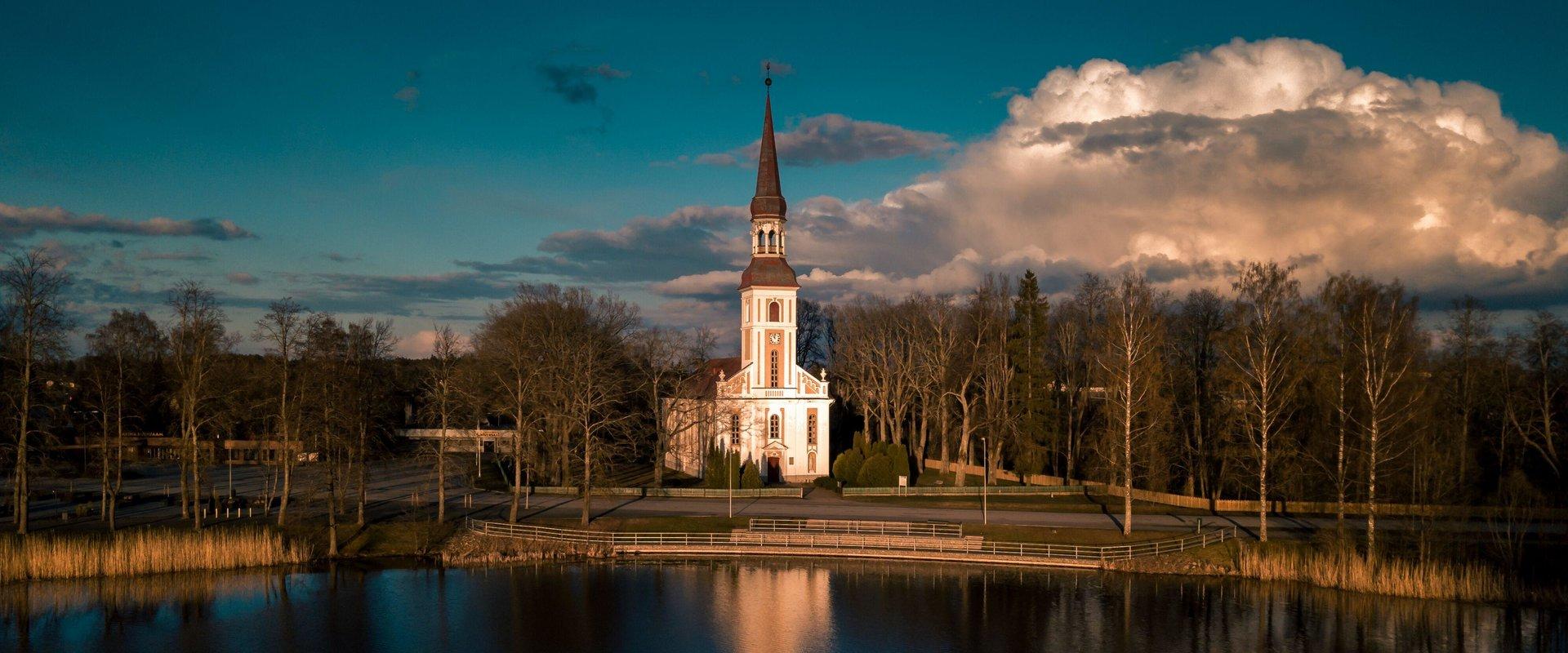
St Michael’s Lutheran Church in Räpina

This church, dedicated to the archangel Michael, was completed in 1785. It stands on the shores of a man-made lake in Räpina and enjoys beautiful views over Sillapää castle and park. The walls of the church, which was constructed in Late Baroque style, are made from rendered natural stone. The front of the church is adorned with sculptures dating from the time of its construction, which symbolise Hope and Love.One of the church's most valuable assets, the two-part altar painting entitled 'The Appearance of the Risen Jesus to Mary Magdalene' and 'The Burial of Jesus', was painted by Carl Antropoff in 1871.

  • Family friendly
  • Guided tours

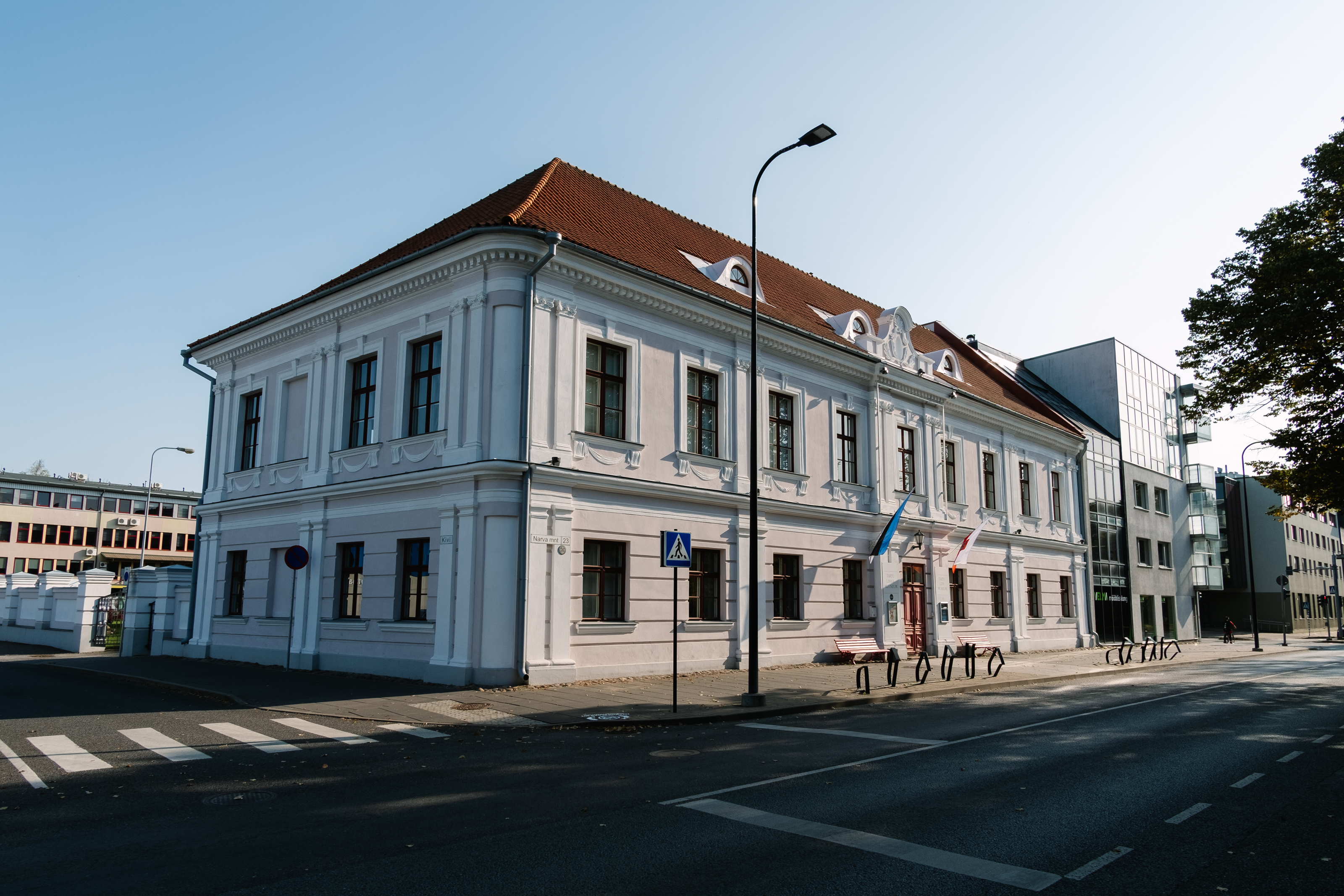
Tartu City Museum

Tartu City Museum invites you to explore the city's diverse history and cultural heritage. The permanent exhibition, "Our Tartu," introduces the districts of Tartu, telling stories about the people of Tartu, their lives, and everyday habits. The exhibition provides insight into what makes each district in Tartu special, as each district has its own personality, as shared by local people. Visitors can also enjoy temporary exhibitions that introduce new topics and artistic perspectives. These exhibitions reveal different facets of Tartu, ranging from the city's architecture and social life to contemporary cultural phenomena. The museum offers guided tours and city tours, during which guides take participants on exciting journeys through Tartu's districts. These excursions are suitable for both local enthusiasts and visitors who wish to learn more about Tartu. The museum's premises can also be rented for various events. Come experience the story of Tartu through its people, places, and memories.

  • Nightclubs

Club Võhandu

Nightclub Võhandu is located in the centre of Räpina. The club has a dance floor with a balcony, a large stage and a bar, and a separate room with a pool table.Both modern and classic hits are played in nightclub Võhandu and various thematic events are held in here. Famous Estonian artists perform on the stage.Follow us on Facebook and win free tickets!

  • Churches

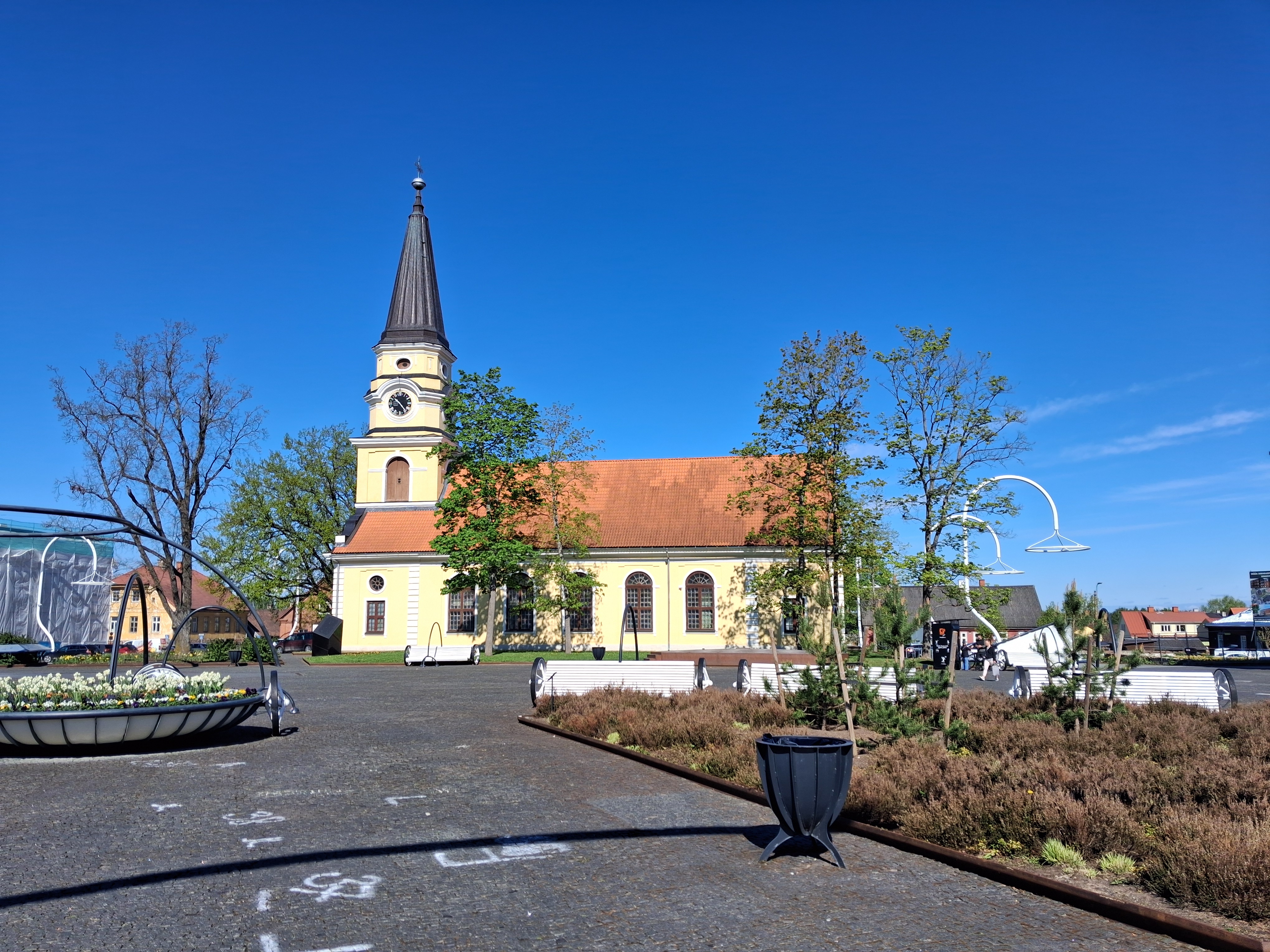
Catherine’s Church in Võru

28,000 silver roubles were donated towards the construction of this Lutheran church by Russian empress Catherine II. It was blessed on 24 July 1793, when it received the name 'Catherine'. It is thought that the church - which was designed in early classicist style with baroque roots and which boasts stunning arched windows - was designed by the architect Christoph Haberlandt from Riga. Renovations in 1879 saw its tower receive a new dome, and a four-faced clock was also installed. The church has an organ built by the Kriisa brothers in 1913. You can visit the church on Sundays during mass times.

  • Guided tours

The National Piano Museum

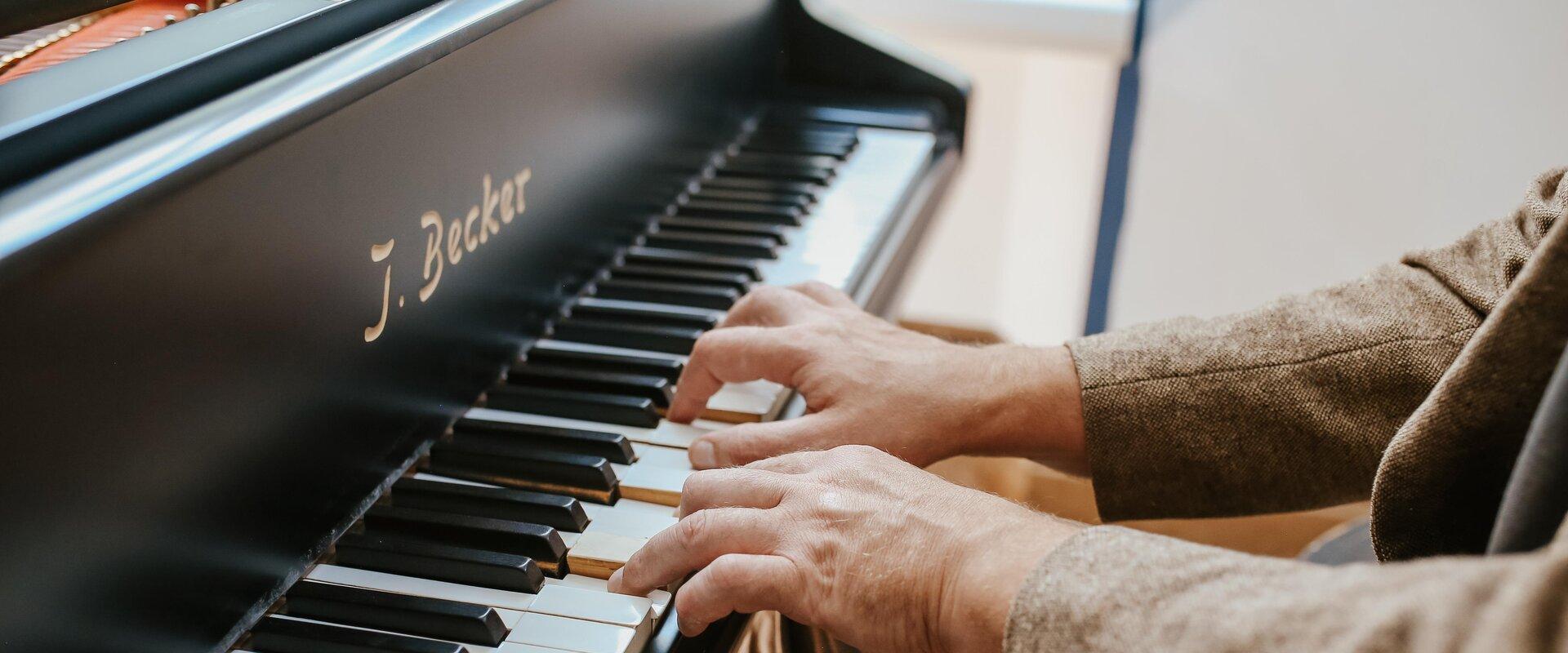
The National Piano Museum is located in a special building - the historic Holdre Manor.The Art Nouveau-style main building, with its Heimat-style influences, was erected around 1910 during the time of Woldemar von Ditmar. Previously, the manor centre had not been built in a representative style. The architect of the building was Otto Wildau, who also designed the nearby Taagepera and Karksi manor buildings. The aim of the National Piano Museum is to collect as complete a collection of Estonian pianos as possible.By prior arrangement, we offer a musical guided tour with Alo Põldmäe, a composer, singer and music educator who is in charge of the Piano Museum.

  • Ruins

Ruins of Rõngu Vassal Castle

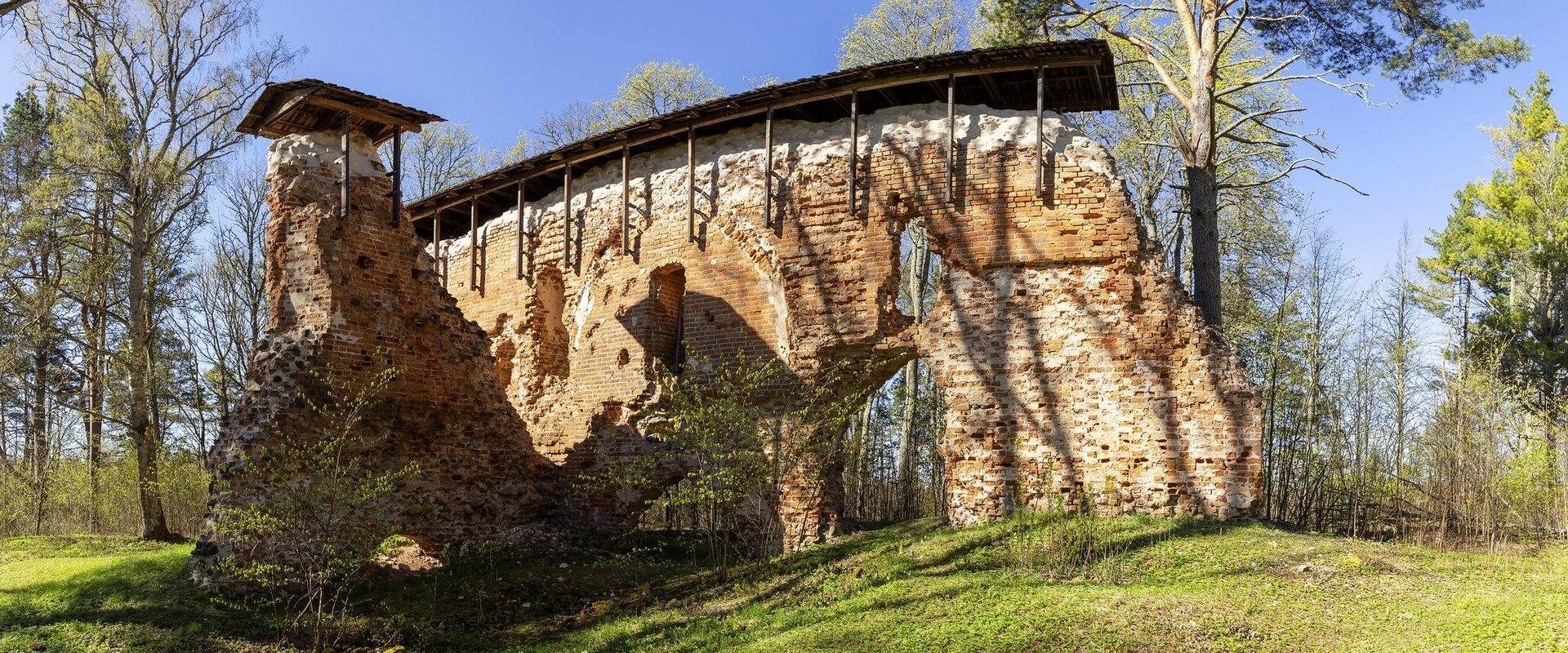
The ruins of Rõngu Vassal Castle are located in Rõngu, Elva Parish, Tartu County, and are among the most fascinating medieval monuments in South Estonia. The castle was likely established in the 14th century as a vassal castle of the Bishop of Tartu and was part of the bishopric's defense system, guarding important roads and the surrounding area. During medieval times, it was a complex of fortified buildings with an inner courtyard enclosed by walls. The castle also housed a chapel, which is mentioned in sources from the early 15th century. The castle lost its significance in the 16th century during the Livonian War when it was destroyed and fell into ruins. Today, the remnants of Rõngu Vassal Castle consist of wall remains located in the picturesque Lossimäe Park. The area is freely accessible and is suitable for walks, exploring history, and photography. The ruins offer an interesting time-travel experience for history enthusiasts and families looking to combine nature outings with cultural heritage exploration.

Snail Tower (Tigutorn)

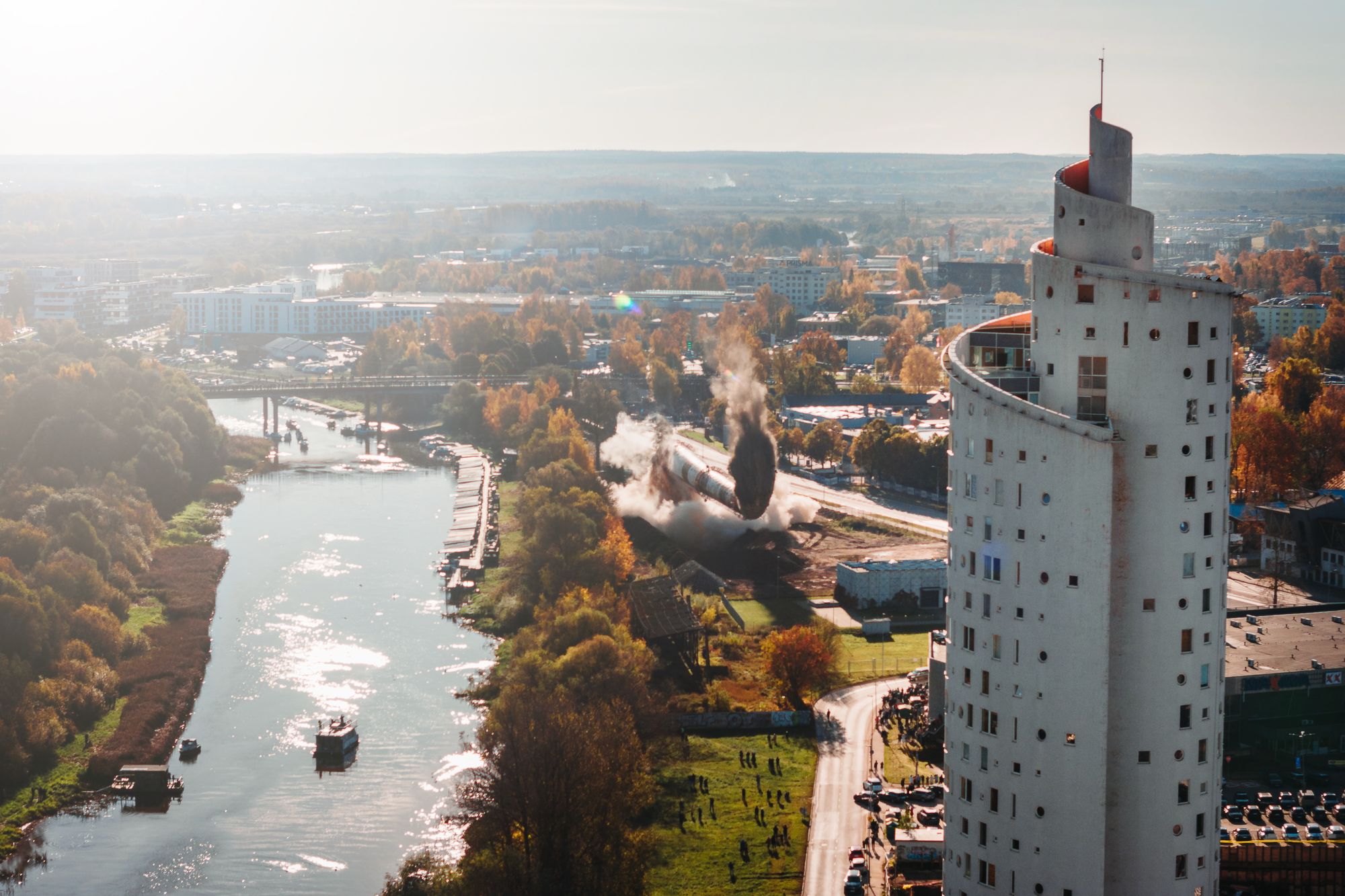
The 23-storey high-rise building finished in 2008 on the right bank of the River Emajõgi in Tartu is called the Snail Tower. This is a unique apartment building in the centre of the city, designed by Vilen Künnapu and Ain Padrik. The Snail Tower is a symbolic building of Tartu – from the top, the rest of Tartu looks as small as the downtown looked to the clergyman of the church in the Middle Ages.

Karl August Hermann Monument

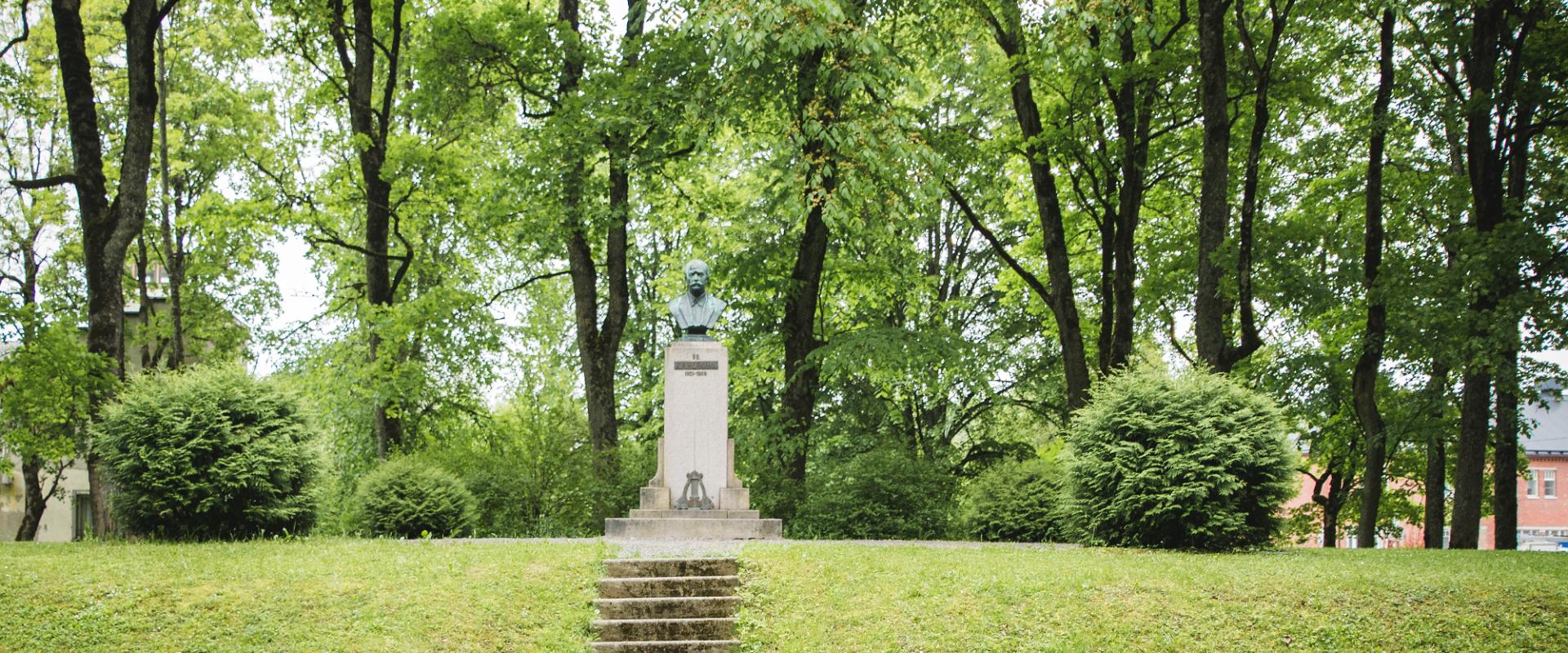
Karl August Hermann (23 September 1851, Võhma village, Põltsamaa parish – 11 January 1909, Tartu) was an Estonian composer, linguist, and encyclopaedist. He was an important figure in the national movement. He published the first encyclopaedia in Estonian, was one of the organisers of several song festivals, and composed several hundred pieces of music, the best known of which are, for example, 'Kungla rahvas' and 'Oh laula ja hõiska'. He bought Perno Postimees, brought the publication to Tartu, and turned it into the first Estonian-language daily newspaper.The monument to Karl August Hermann in the park of Vana-Põltsamaa Manor was opened on 10 June 1935. The author of the statue is Alfred Zolk-Leius.

  • Collaboration
  • News
  • Contacts
  • Privacy Policy
Join our mailing list!

"*" indicates required fields

This field is for validation purposes and should be left unchanged.
I authorise marketing

South Estonia Tourism Cluster

info@visitsouthestonia.com