• Explore
    • Nature
    • Culture
    • Food
    • Family
    • Activity
    • Blog
    Smoke sauna
    Weather and seasons
  • Plan
    • Accommodation
    • How to get here
    • Weather and seasons
    • Sustainability
    • Tourist info
    Discover South Estonia’s Most Beautiful Manors and Castles
    Top 20 Sights in South Estonia
  • For professionals
    • For professionals
    • Collaboration
    • News
    • Projects
    • Training
    • Repository
    • Community (opens in new tab)
    • Contacts
ENG
  • EnglishENG
  • EestiEST
  • LatviešuLAT
  • РусскийRUS
  • SuomiFIN
ENG
  • EnglishENG
  • EestiEST
  • LatviešuLAT
  • РусскийRUS
  • SuomiFIN
Popular searches:
Show all
  • History & Culture
  • Local shops

Andri-Peedo Farm Shop

Rõuge vald, Võru maakond, 65007

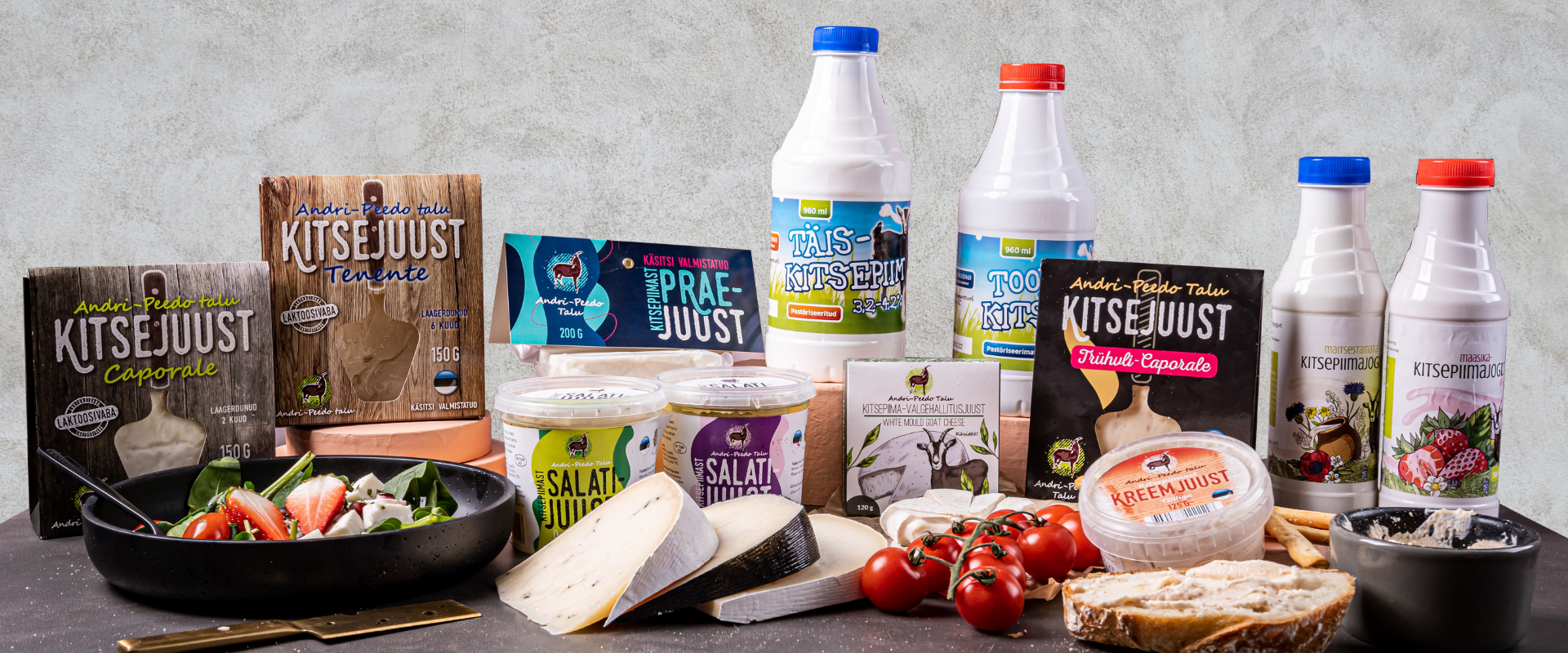
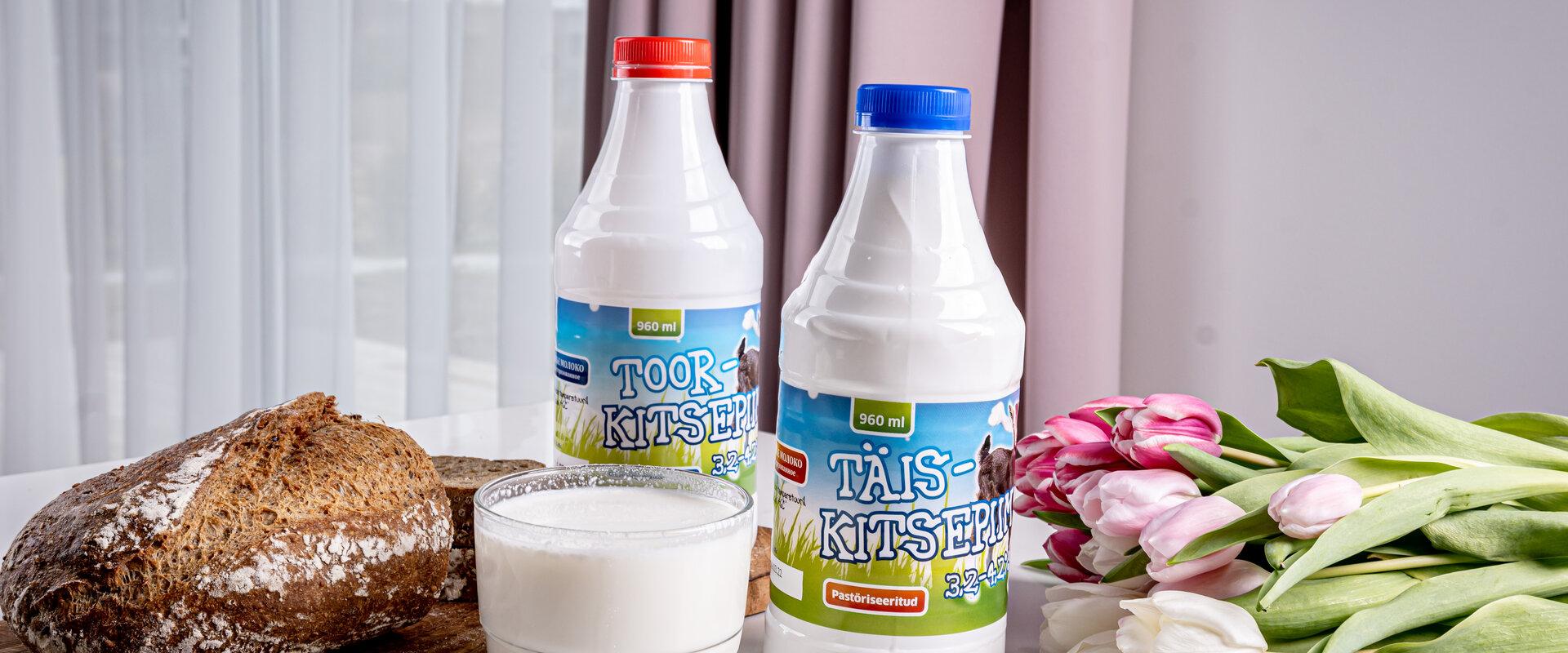
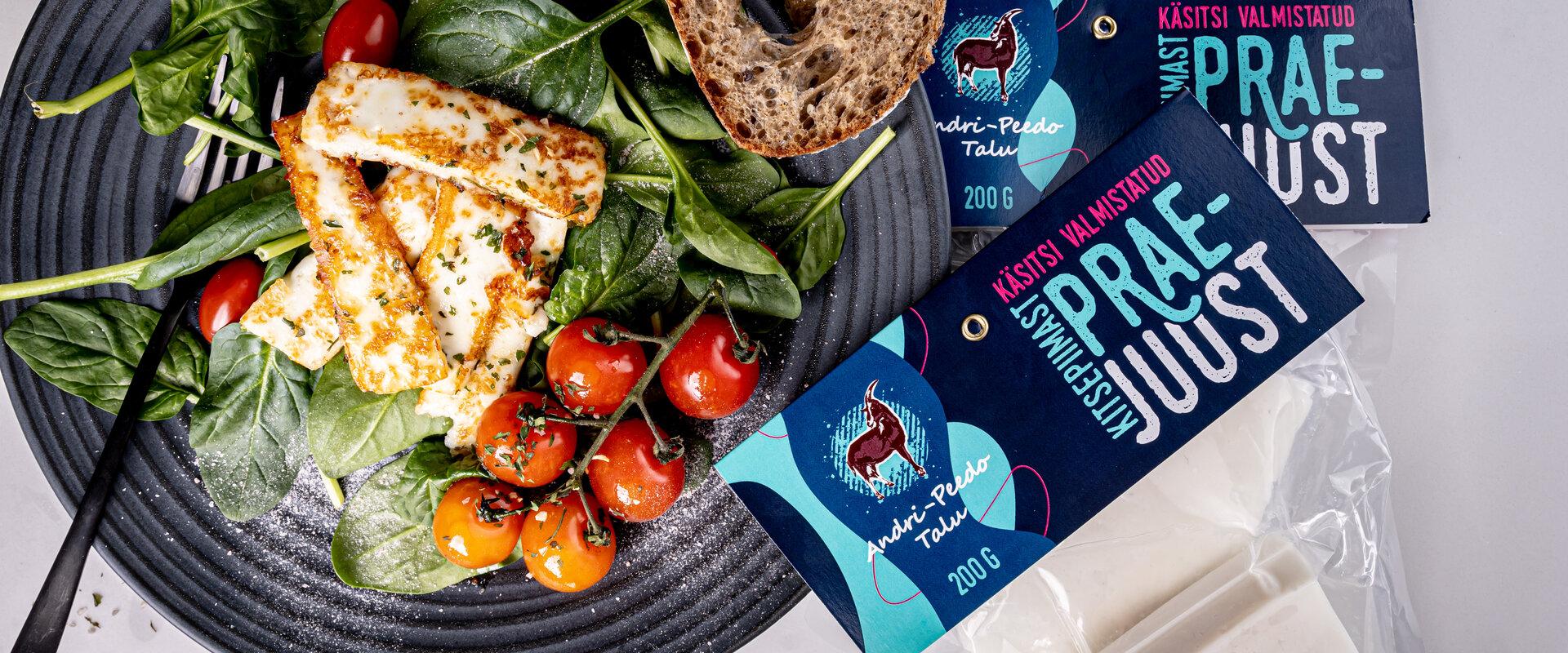
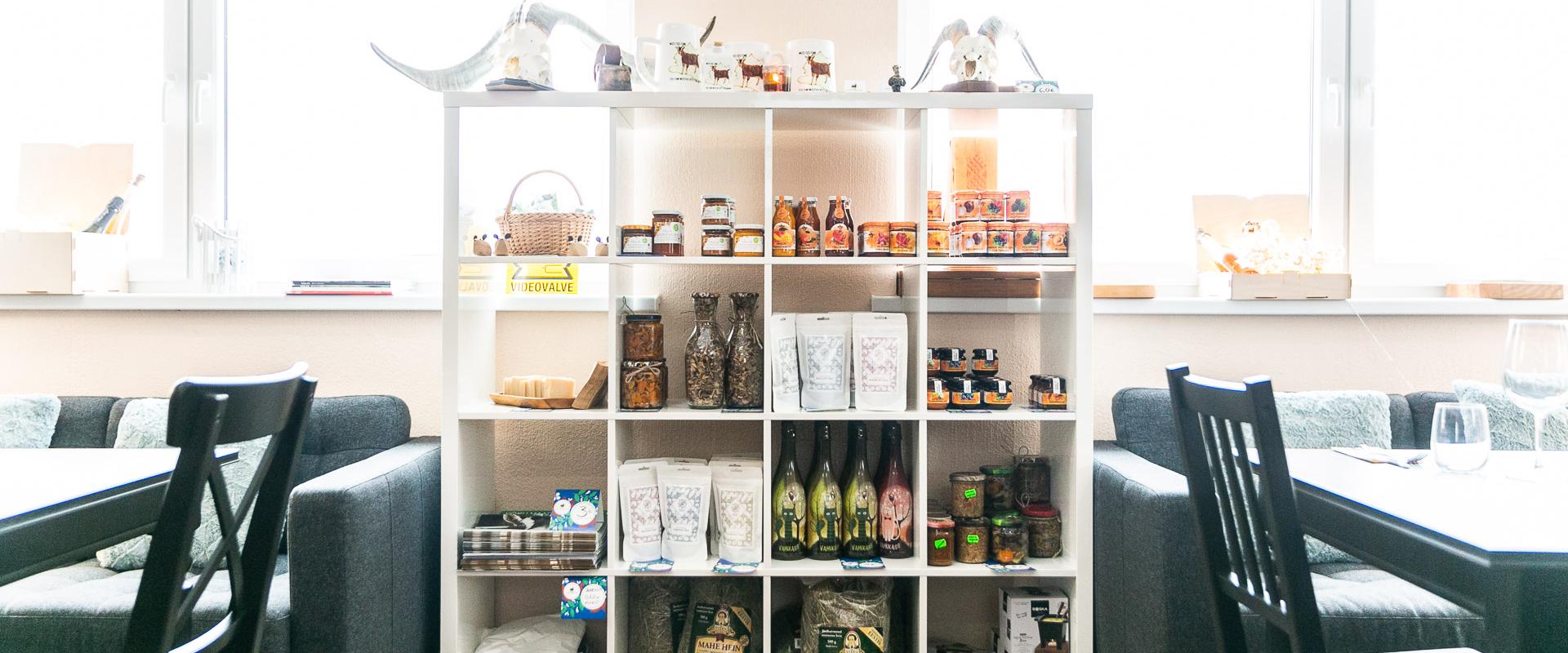
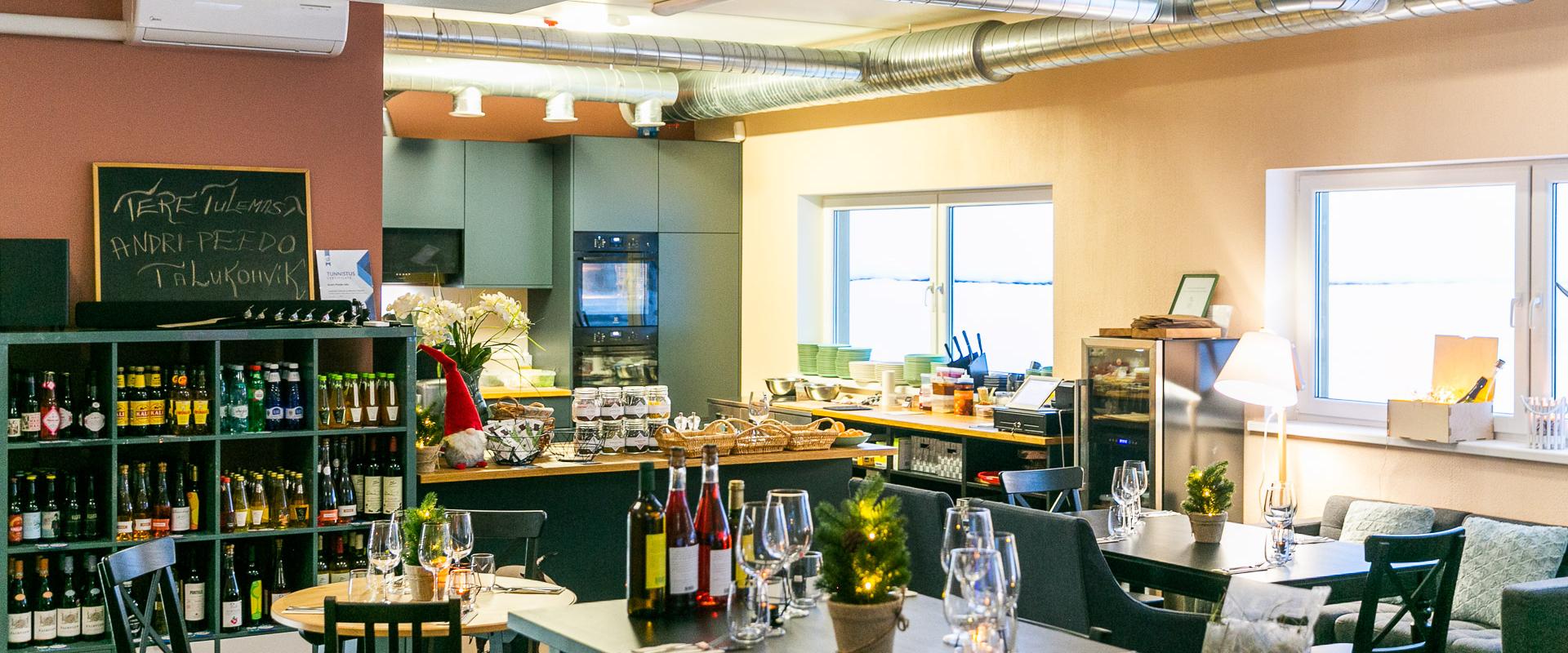
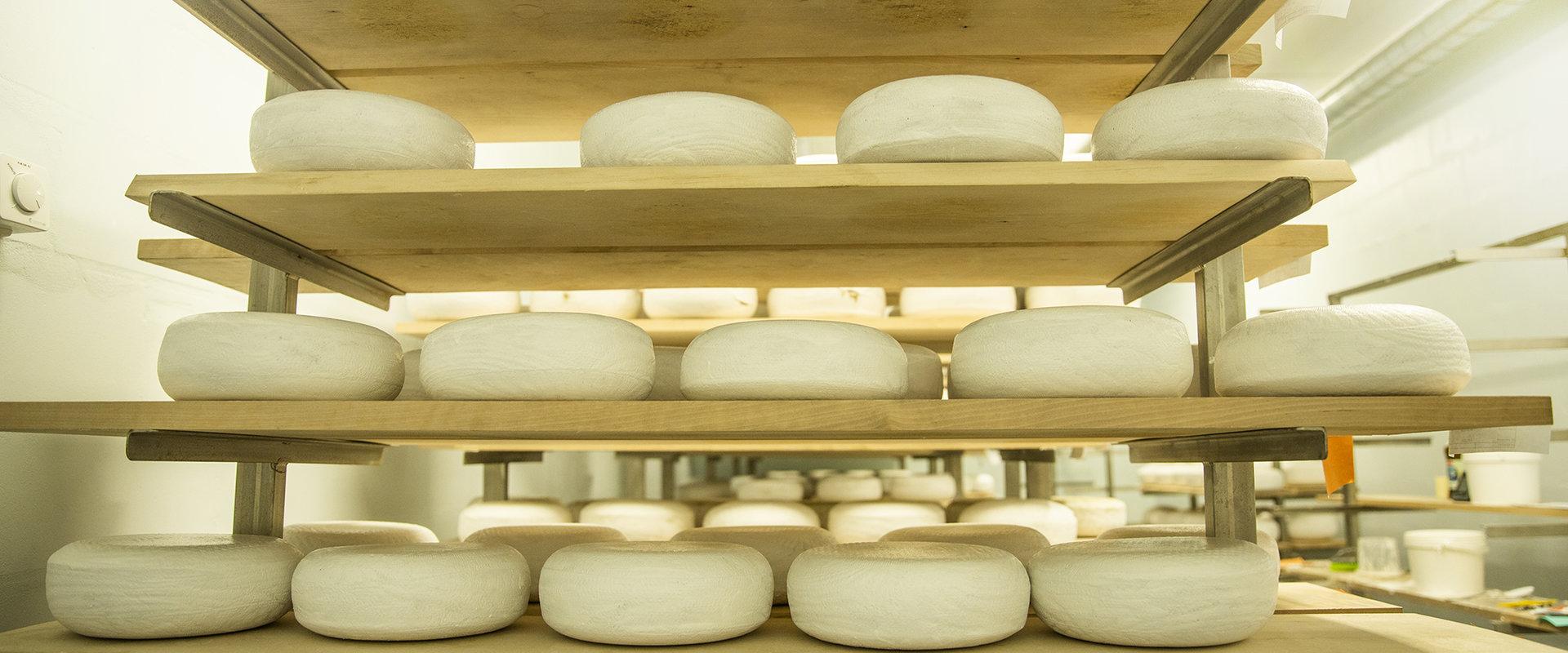
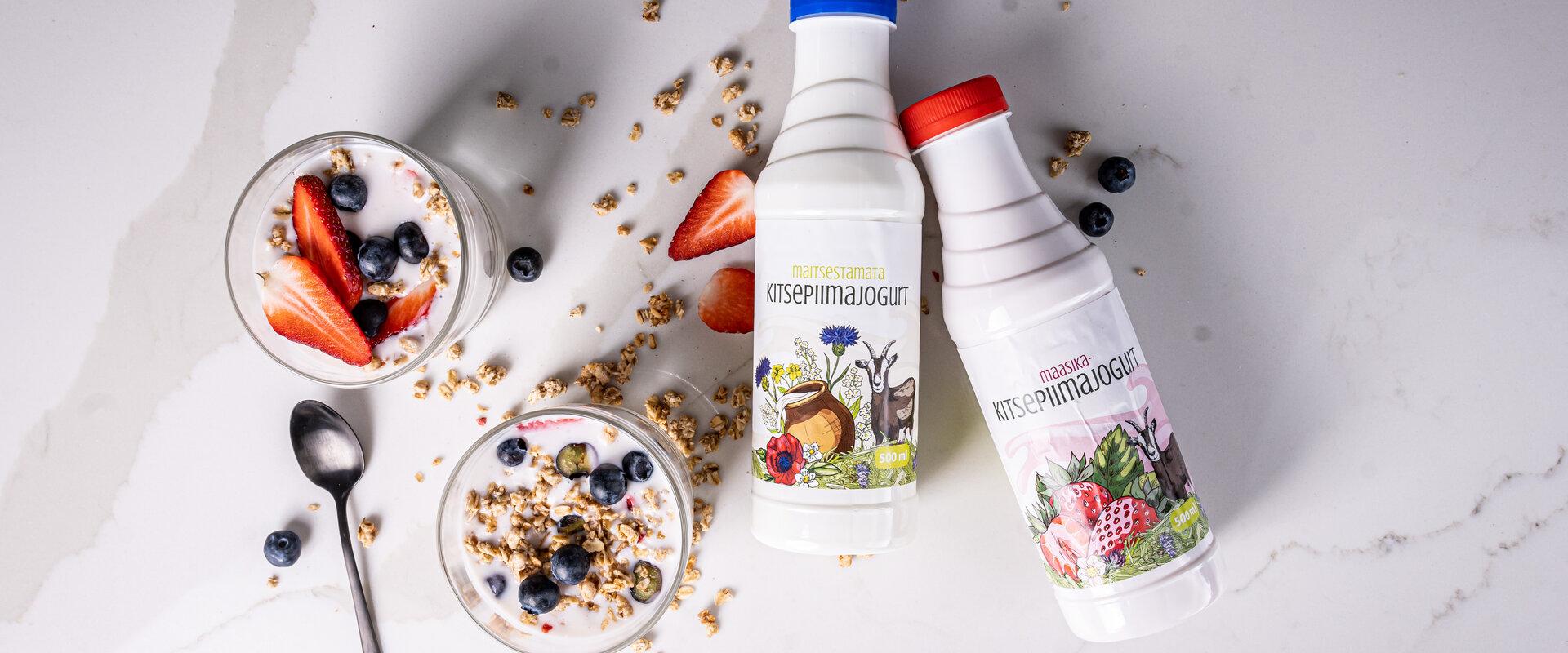
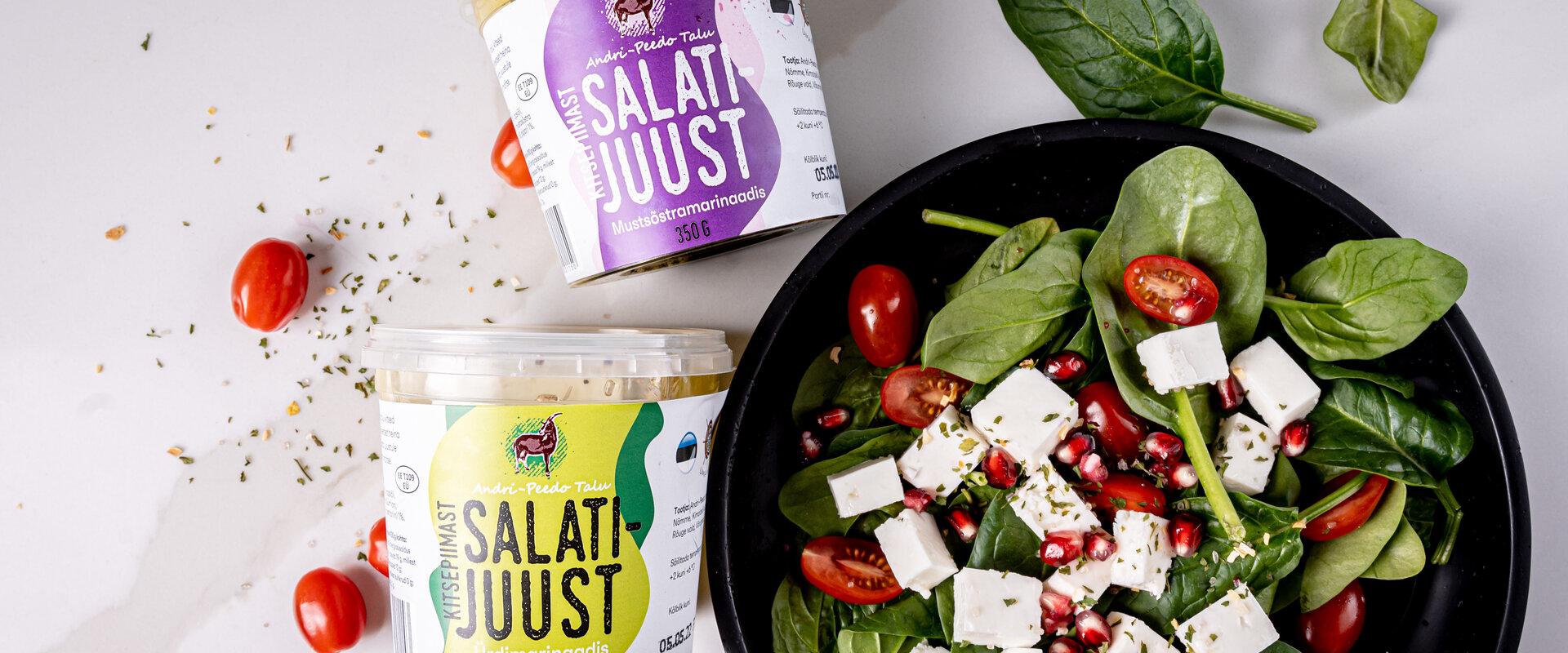
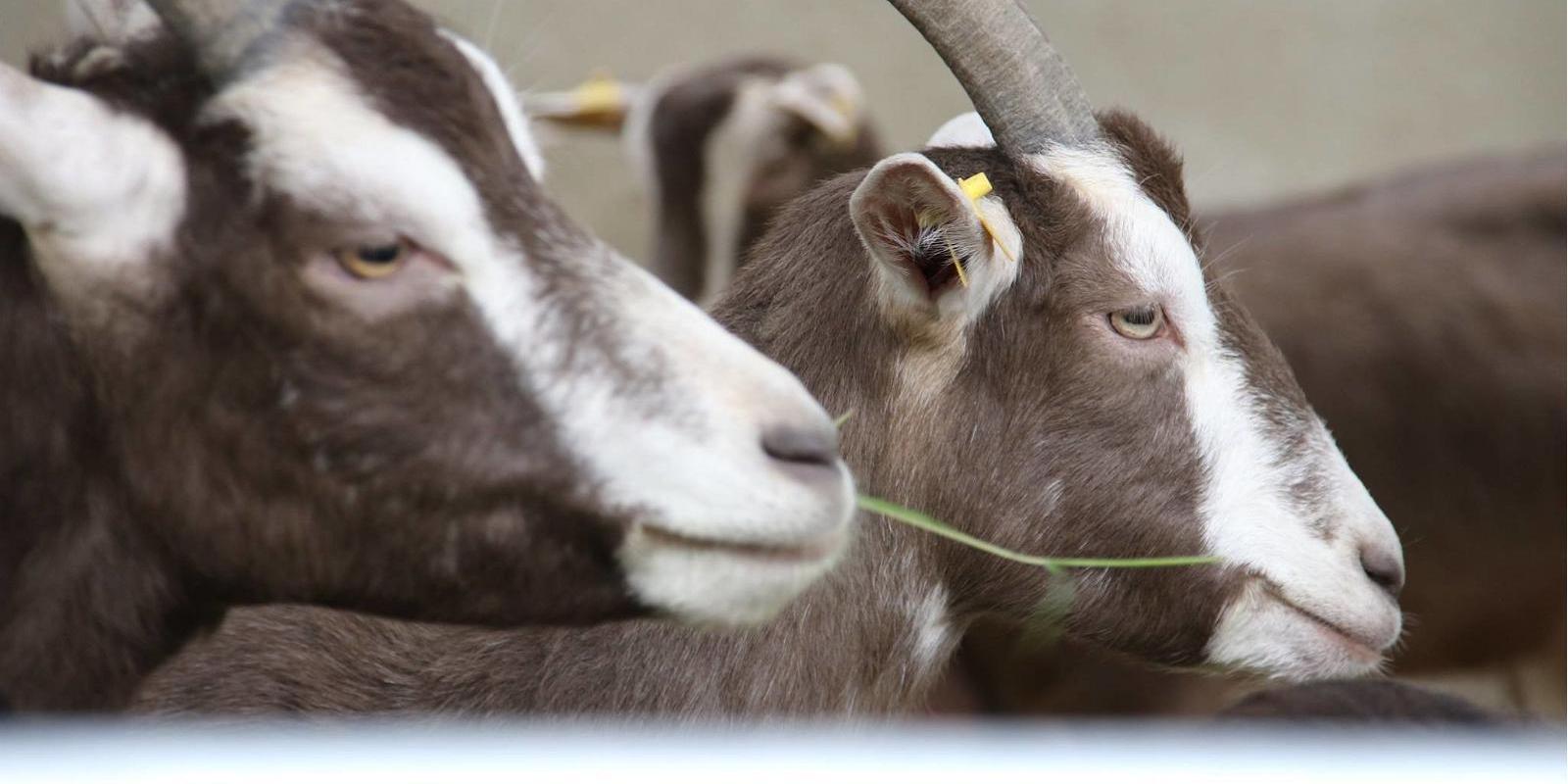
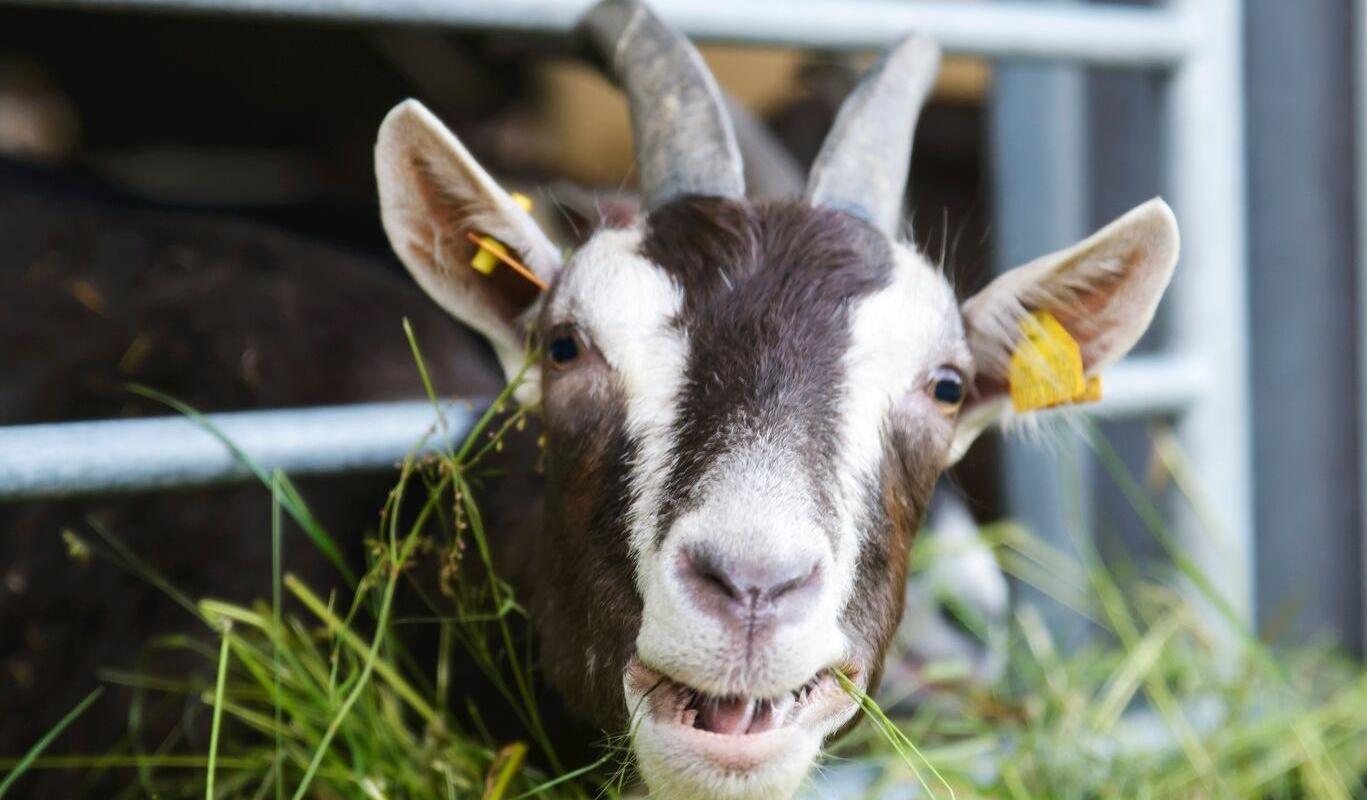
The farmers of Andri-Peedo farm started raising goats in 2009, and in 2017, the most modern goat farm in the Nordic countries was opened. We have a spacious goat shed, a hay dryer that is unique in Estonia, a high-tech dairy, and a cosy farm shop. Because we offer good living conditions and the best food to our goats, we are able to offer high-quality goat milk and cheeses which several top chefs prefer to use. Andri-Peedo Farm Shop sells fresh goat milk and cheeses made in our dairy. In addition, we also sell handmade products from other small businesses in the area.
Amenities

  • Free parking

Open times

1. jaan - 31. dets

10:00 - 16:00

Contact

  • +372 5207745
  • info@andri-peedo.ee

Links

See more

  • Guided tours

Saatse Museum

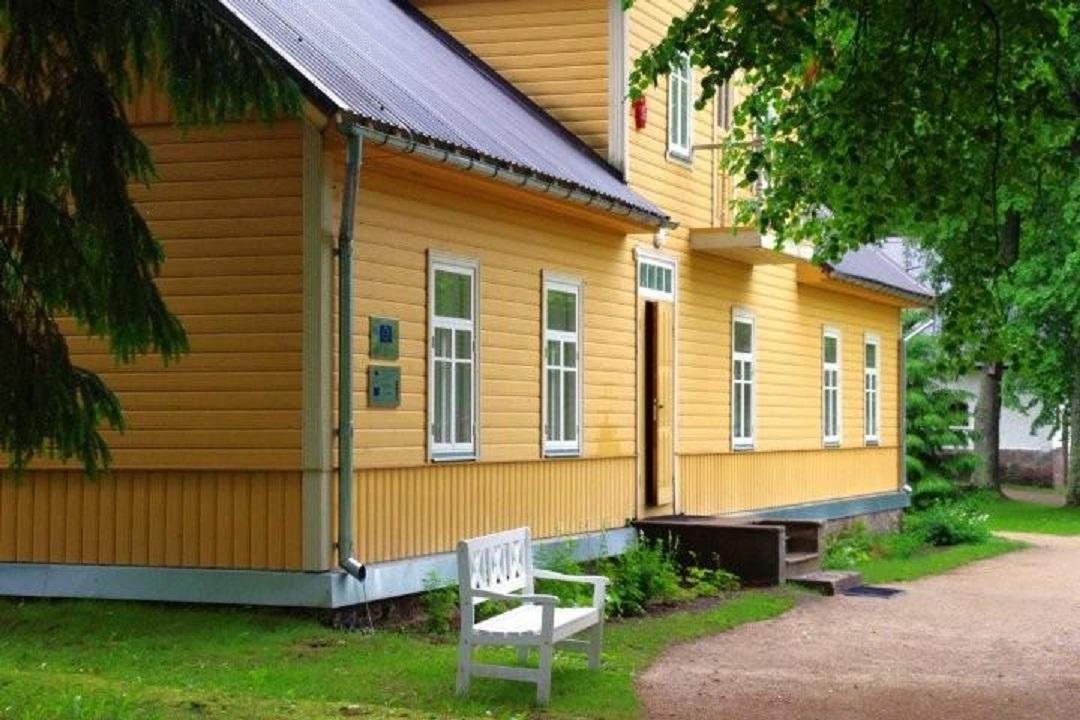
The Saatse Museum's main building was originally a residential building, then a school building, and now it's a museum. What makes Saatse Museum special are the texts painted on the wall and the opportunity to watch old film clips about the history and religion of Setomaa. The former classroom on the upper floor is set up in the style of the Soviet era. The museum has a spacious outdoor area and a small stage, so it's a nice place to have a picnic. A small hiking trail runs along the border and starts and ends at the museum — it can be walked even when the museum is closed.

  • Churches

Estonian Evangelical Lutheran Church: St. George’s Church in Laiuse

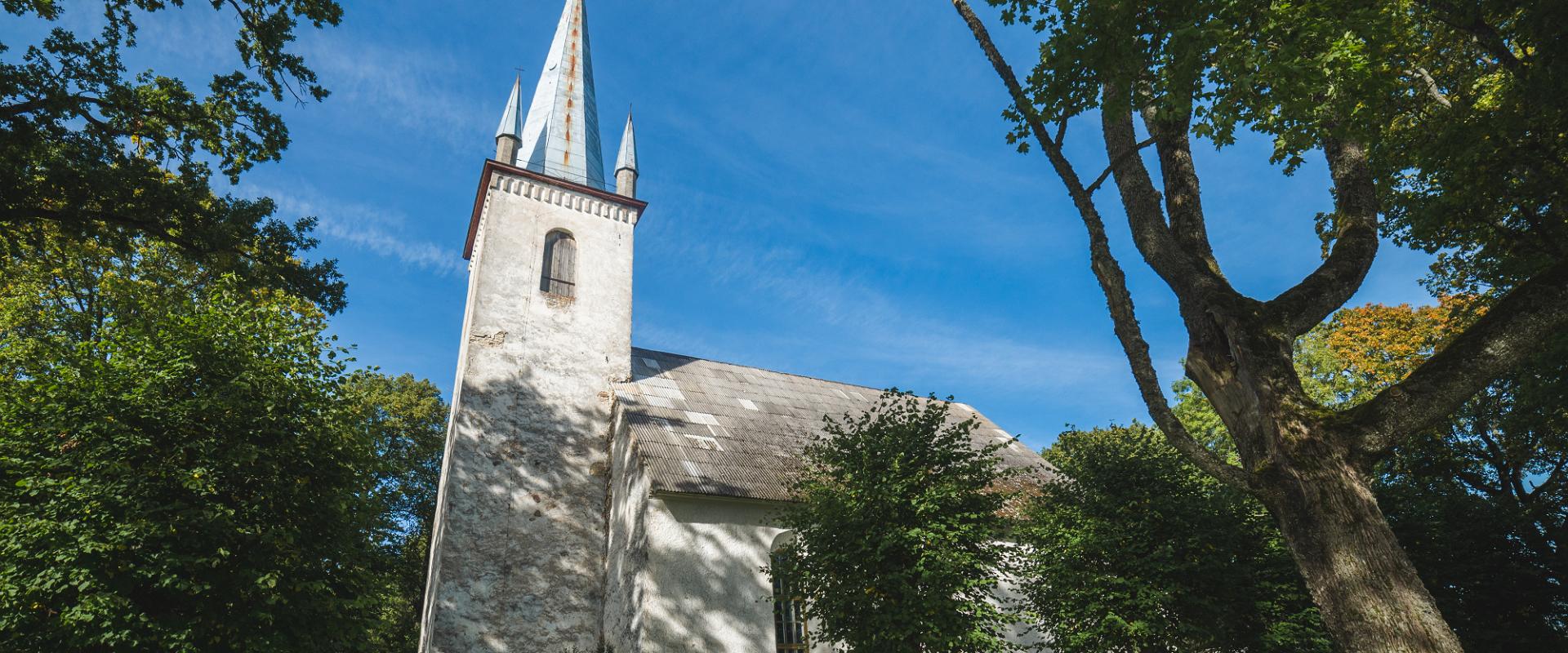
Laiuse Church was first mentioned in 1319. It was destroyed during the Livonian War, the Polish–Swedish War, and the Great Northern War, but it was re-built. The church, which originally was a hall-church with three naves and no tower, is built from local limestone and its corners are made from large limestone dry-stones. The tower, which was destroyed in World War II, was restored in 1970. The building was restored in 2000–2001.The church organises a lot of concerts and services are held every Sunday at 1 p.m.

  • Family friendly

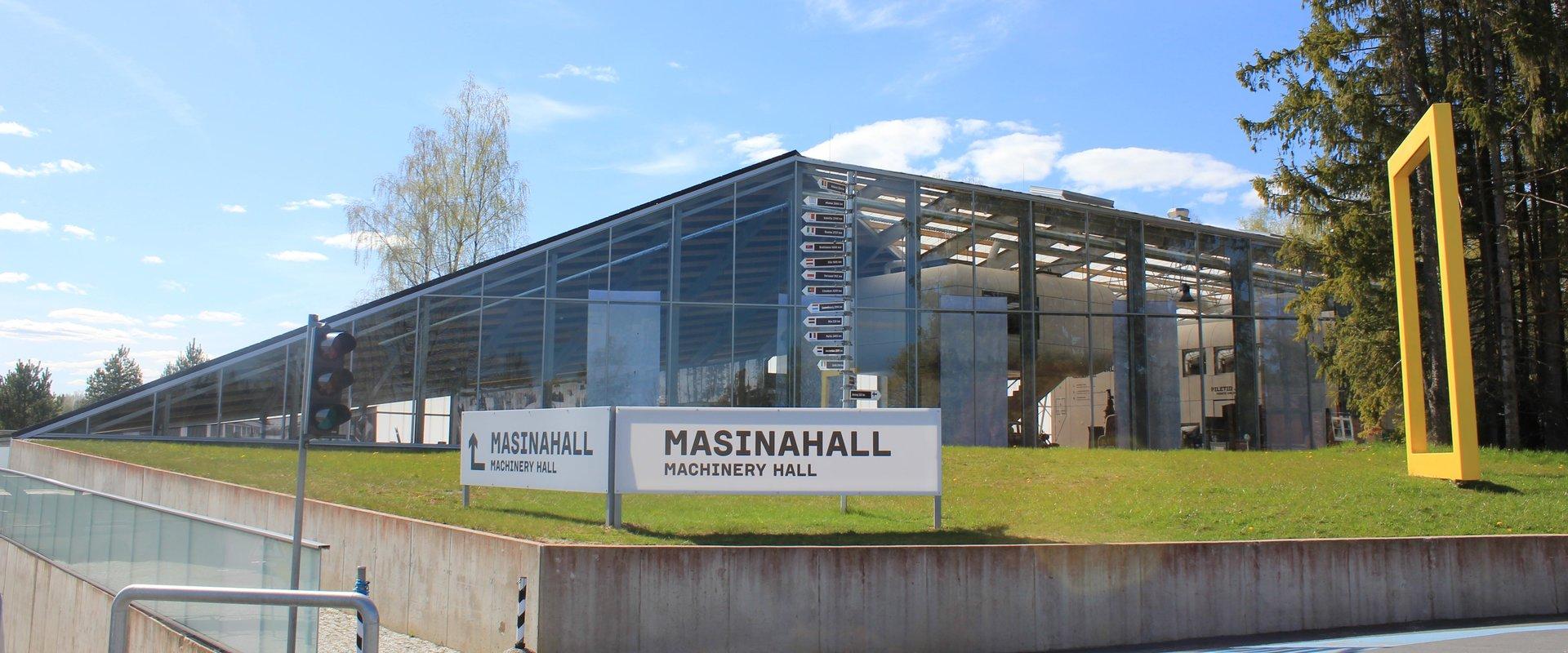
Road Museum Machinery Hall ‘Controlling machines’ (Masinate valitsemine)

In July 2019, the exciting permanent exhibition called 'Controlling machines' (Masinate valitsemine) was opened in the new Machinery Hall of the Road Museum. The idea behind the exhibition is the contradictory power relationship between cars and their drivers. The exposition consists of three sub-expositions: car culture, traffic education, and road machine display. Each part conveys the importance and potential of controlling cars in a different way.The Machinery Hall:1,500 m2 of exhibition space120 tons of machinesNew educational programmesExciting eventsThe middle part of the hall, the Traffic Education Centre, can be converted into a conference and event hall with a capacity of up to 150 people.

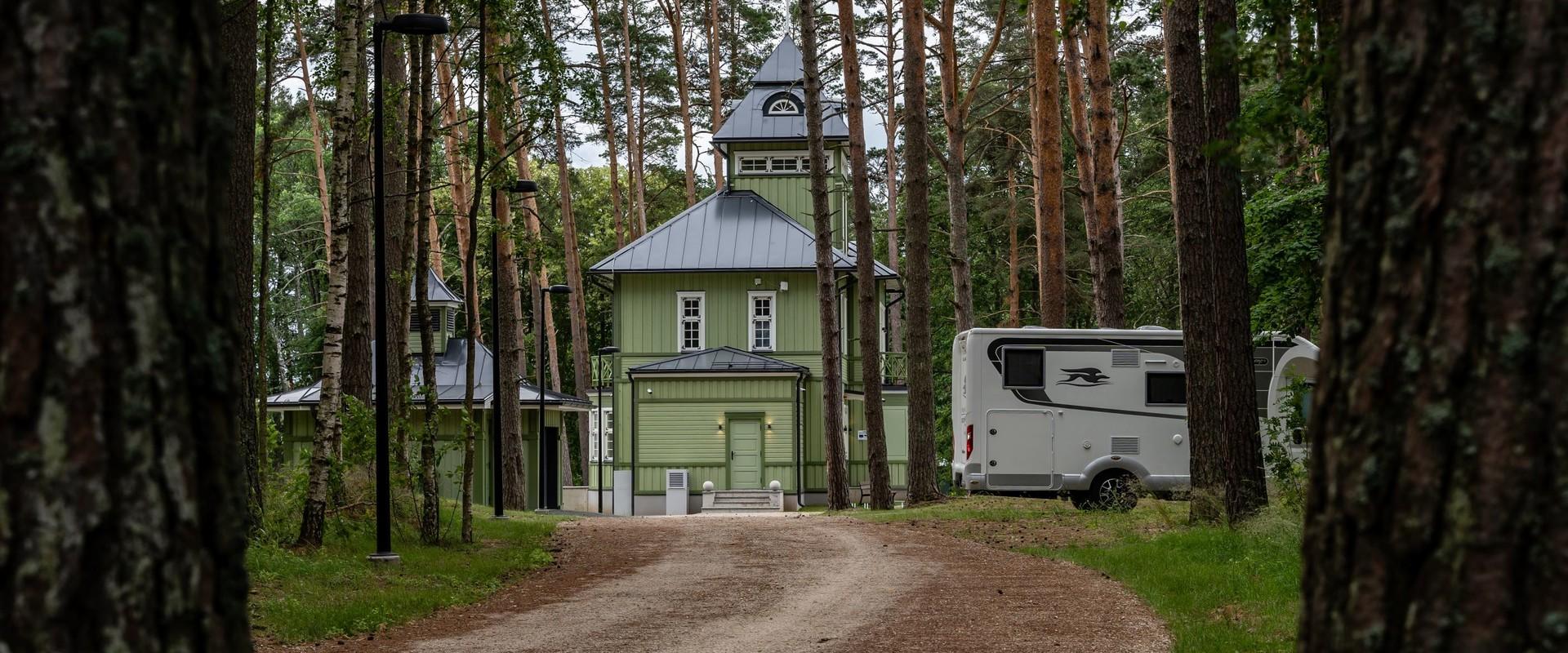
Värska Visitor Centre – Reek’s House

The Art Nouveau summer residence of General Nikolai Reek on the shores of Lake Õrsava is undoubtedly an architectural gem of the North Military Training Camp, which has been restored in a way as close to the original as possible.Since June 2020, the Värska Visitor Centre has been operating in the building. The exposition of the centre provides information about the Pechory Northern Military Training Camp, founded here in the 1920s, the events of the War of Independence, and the use of medicinal mud and mineral water in this resort area.The visitor centre has a small café and you can rent bicycles, boats, pedal boats, or skates here, depending on the season, and there is also a car park for caravans.

  • Churches

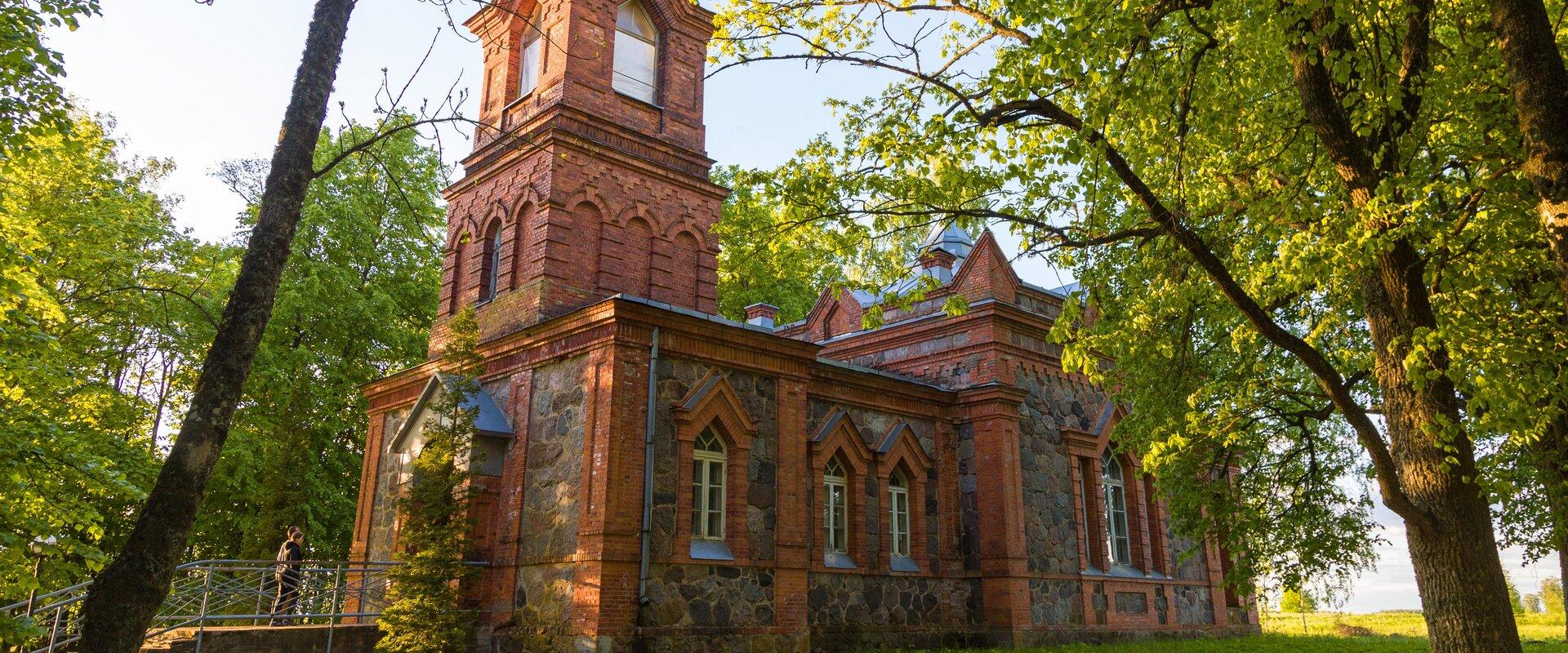
Rannu Apostolic Orthodox Church

The Apostolic Orthodox Church in Rannu (Rannu Orthodox Church) was built during 1899-1901 and consecrated on 5 May 1905 to celebrate Jesus going to Jerusalem. Therefore the church is also called the Rannu Church of the Lord Going to Jerusalem.The activities of the Orthodox congregation were terminated in 1961 and the church was used as the warehouse of the Rannu collective farm. In the 1980s, Rannu State Farm decided to make amends for the injustice and restored the church. The church has been previously used as a concert venue due to its excellent acoustics.Currently the church is not used for services.

  • Churches

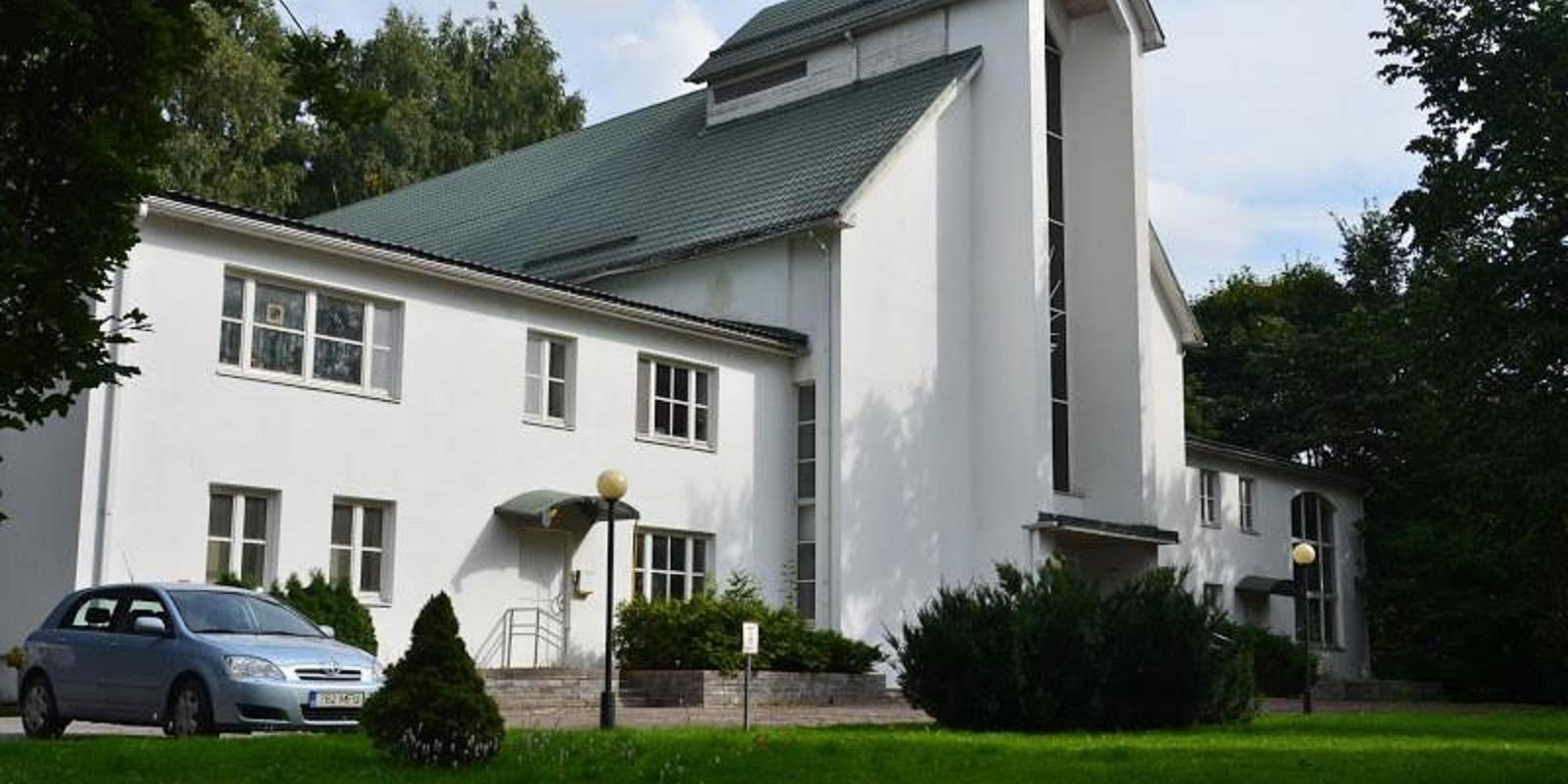
Tartu Kolgata Baptist Church

After the Second World War, the Baptist congregations in Tartu joined the only remaining Baptist church: the Kolgata congregation, whose chapel was opened in 1931.In 2013, the congregation moved from the old prayer house located in Karlova district to a modern church building (completed in 1995) at the edge of the centre of the city due to lack of space. The first service in the building on Veski Street took place on 10 November 2013, when the Kolgata congregation celebrated its 112th anniversary.The congregation belongs to the Union of Evangelical Christian and Baptist Churches of Estonia. Services in Estonian are held on Sundays at 11 a.m. and in Russian at 1 p.m.

  • Churches

Valga Jaani (St John’s) Church

Jaani Church, located right in the heart of the city, was built in 1816 according to the design of architect Christoph Haberland and it is the only church in Estonia with an oval ground plan. The unique organ has been preserved in its original shape and it is the only instrument built by Friedrich Ladegast still left in Estonia.Interesting facts: * the organ is one of the 200 best organs in Europe; * music can be heard from the church’s bell tower at midday and midnight.

  • Lighthouses

Nina blockfield or Kalevipoeg’s Bridge

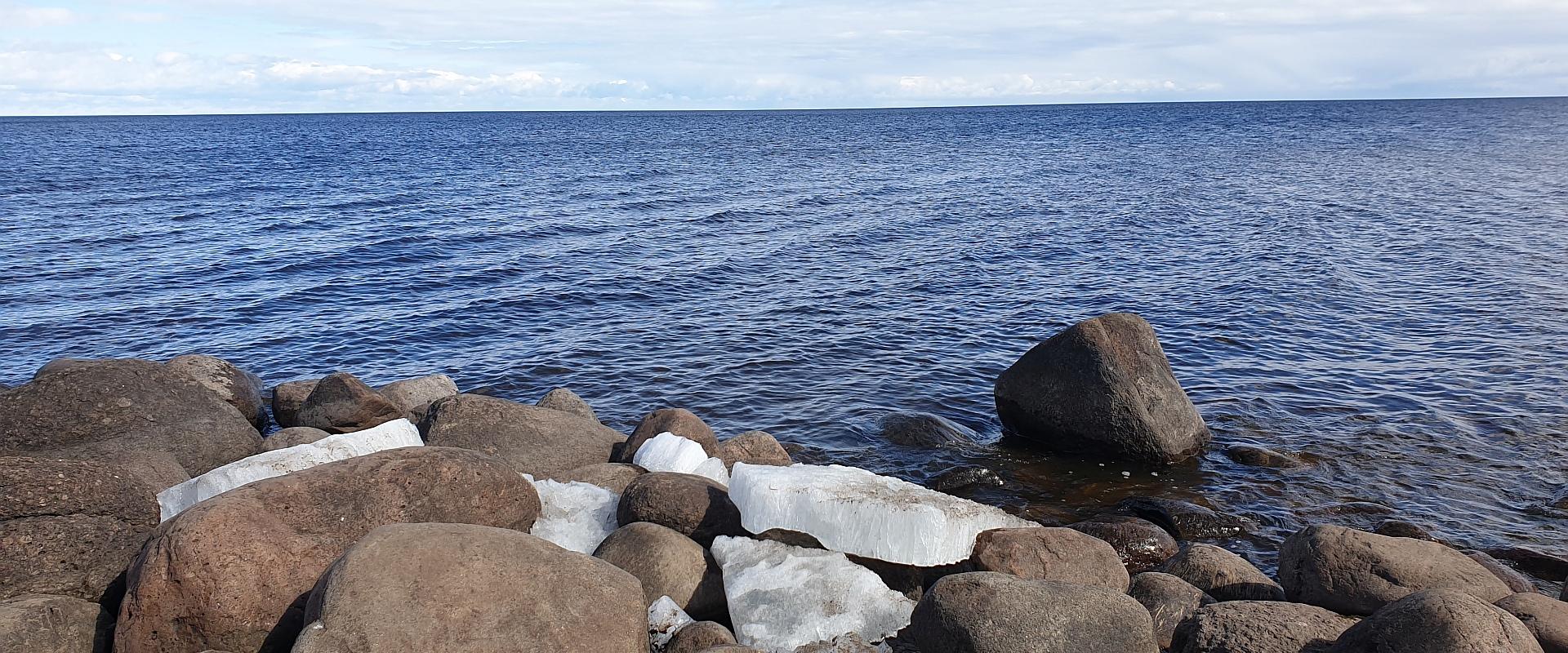
The village of Nina (‘nose’) gets its name from the nose-shaped shoreline reaching the lake. It is a stone ridge heading into the lake, which is popularly called the Kalevipoeg Bridge. According to legend, Kalevipoeg started to build a bridge to go to Russia, but the devil demolished the bridge. Kalevipoeg was very tired and decided to walk through the lake, where the water reached his upper body. The remains of the bridge or the stone blockfield can still be seen. The stone blockfield, which is located both on the beach and in lake water, covers an area of 0.7 ha.The village of Nina is known for its icebergs.

  • Collaboration
  • News
  • Contacts
  • Privacy Policy
Join our mailing list!

"*" indicates required fields

This field is for validation purposes and should be left unchanged.
I authorise marketing

South Estonia Tourism Cluster

info@visitsouthestonia.com