• Explore
    • Nature
    • Culture
    • Food
    • Family
    • Activity
    • Blog
    Smoke sauna
    Weather and seasons
  • Plan
    • Accommodation
    • How to get here
    • Weather and seasons
    • Sustainability
    • Tourist info
    Discover South Estonia’s Most Beautiful Manors and Castles
    Top 20 Sights in South Estonia
  • For professionals
    • For professionals
    • Collaboration
    • News
    • Projects
    • Training
    • Repository
    • Community (opens in new tab)
    • Contacts
ENG
  • EnglishENG
  • EestiEST
  • LatviešuLAT
  • РусскийRUS
  • SuomiFIN
ENG
  • EnglishENG
  • EestiEST
  • LatviešuLAT
  • РусскийRUS
  • SuomiFIN
Popular searches:
Show all
  • History & Culture
  • Local shops

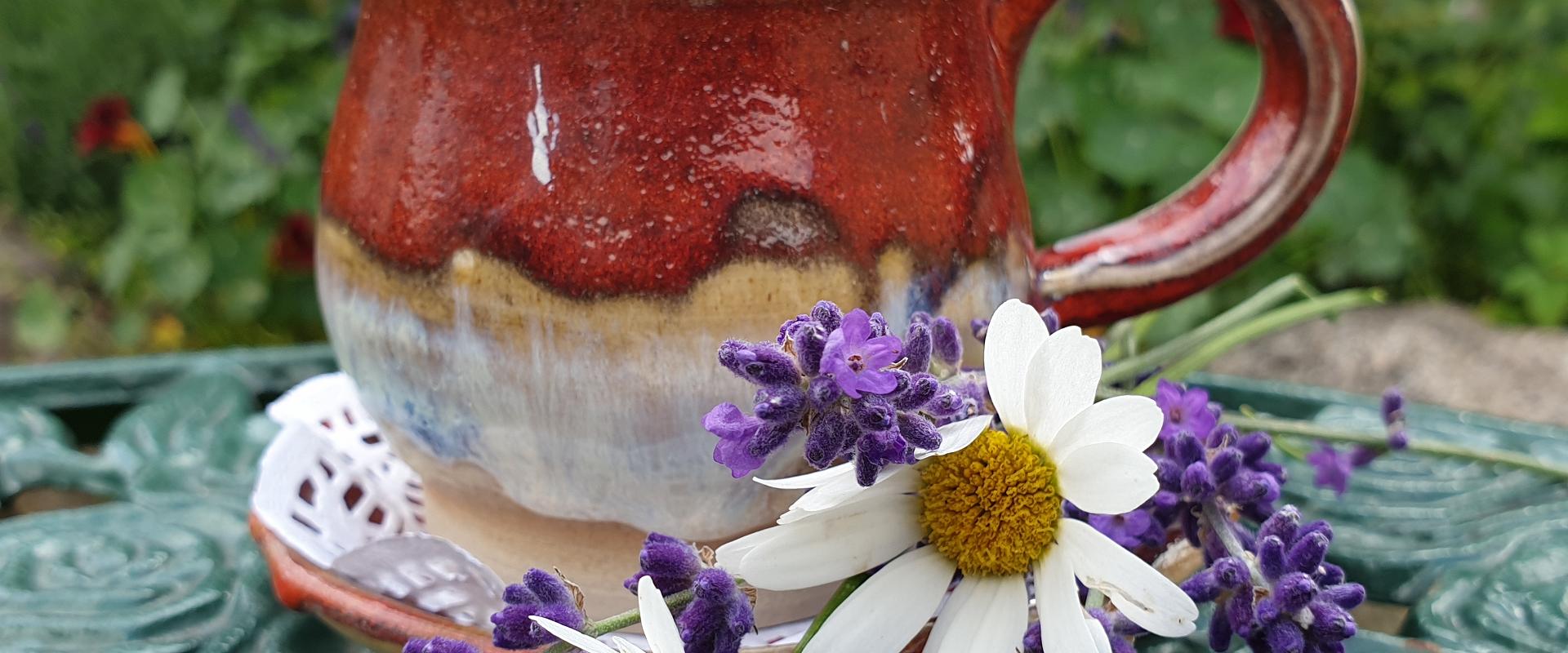
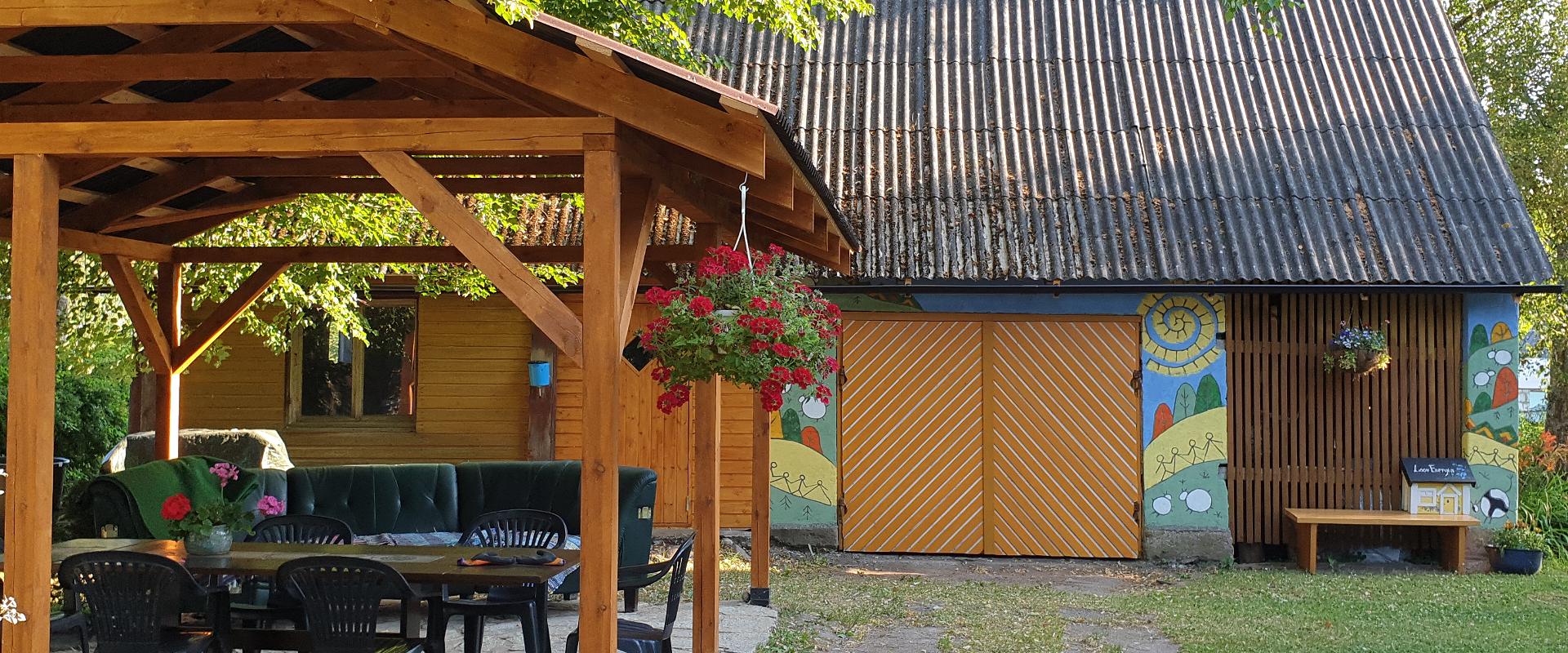
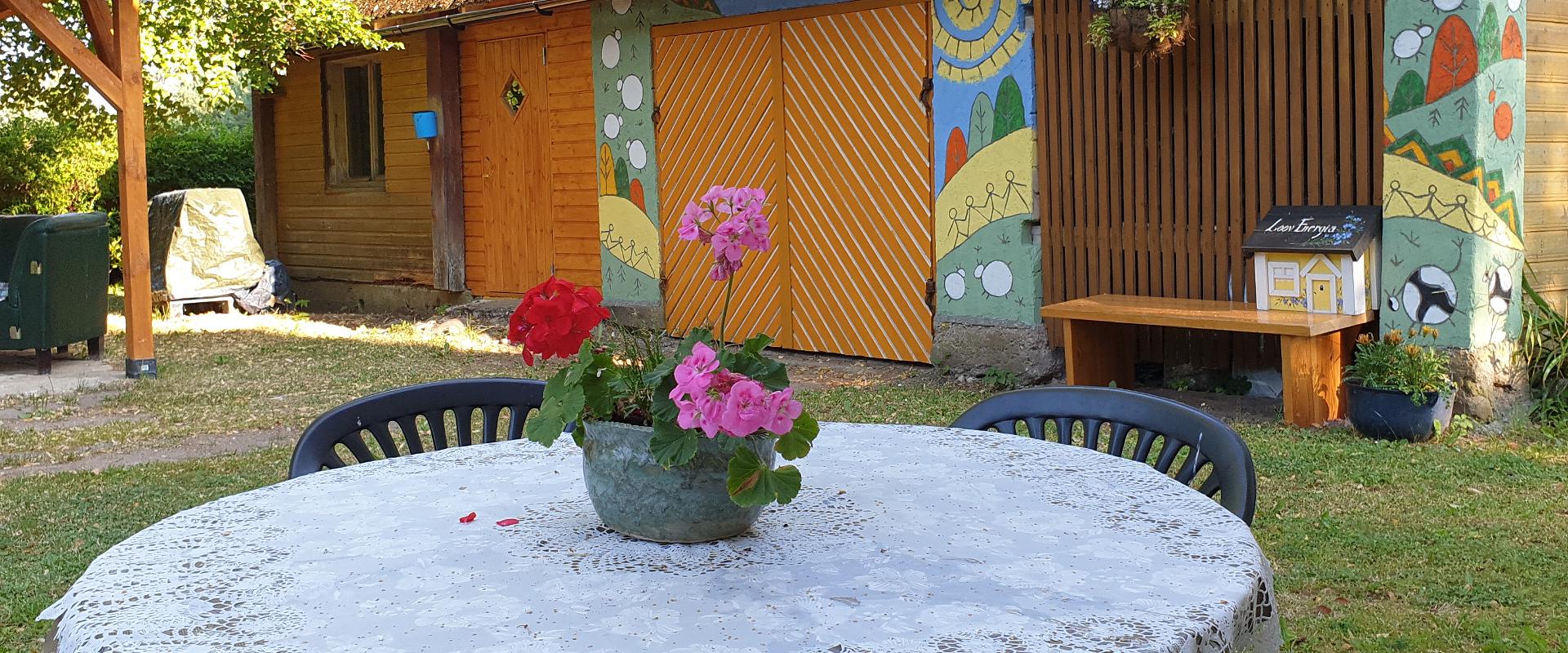
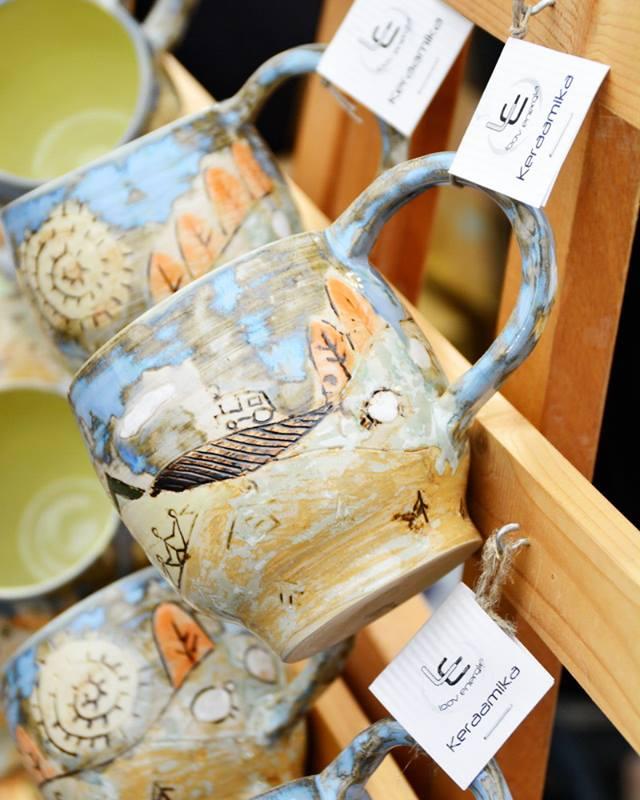
Gallery/store of Loov Energia Keraamikahoov

Kooli tee 18, Jõgeva vald, Jõgeva maakond, 48502

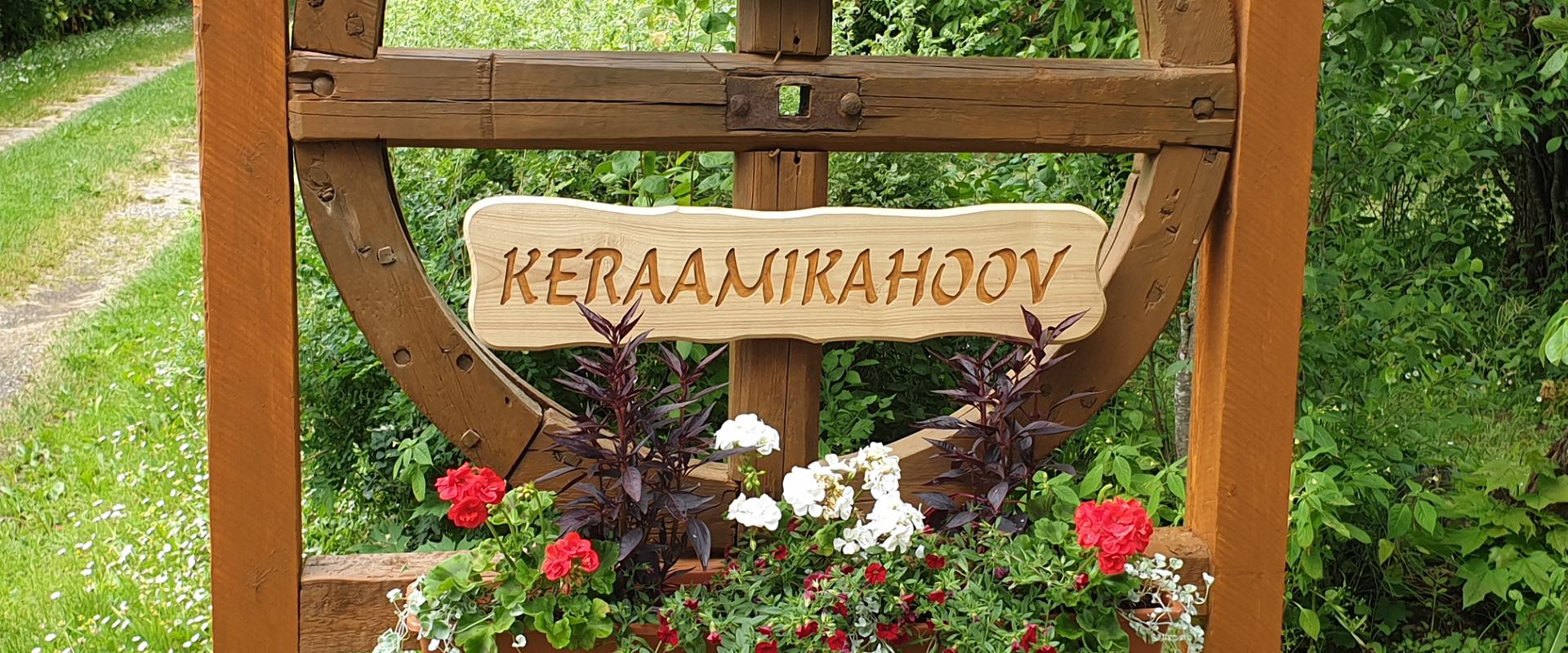
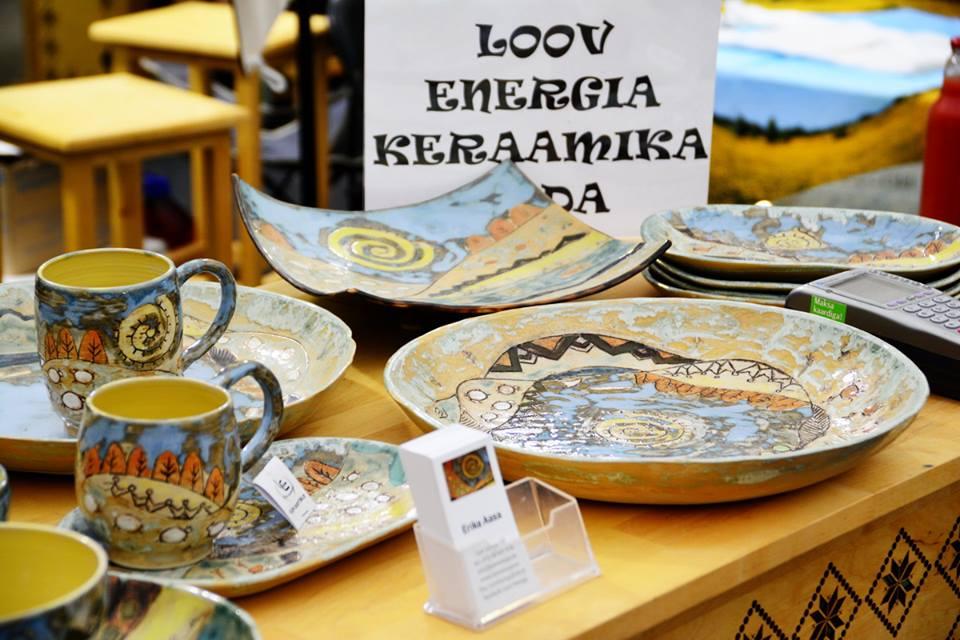
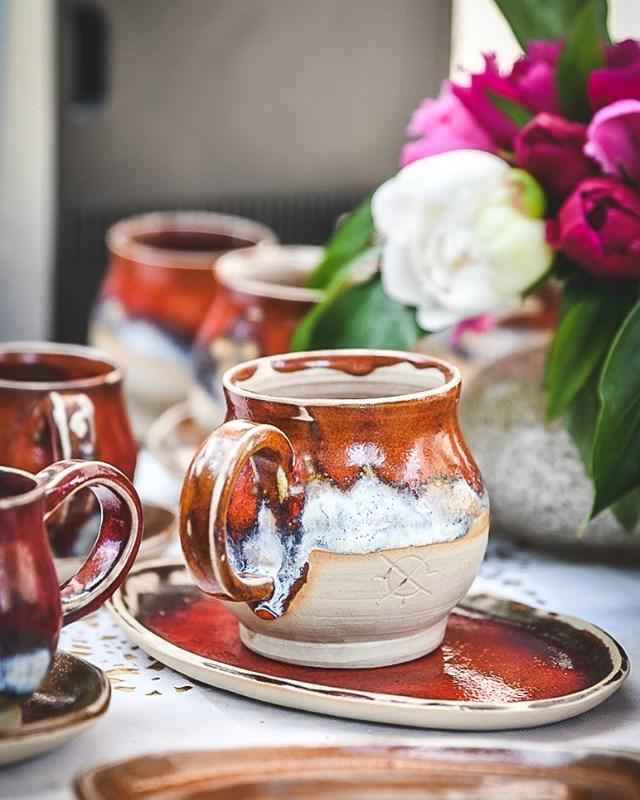
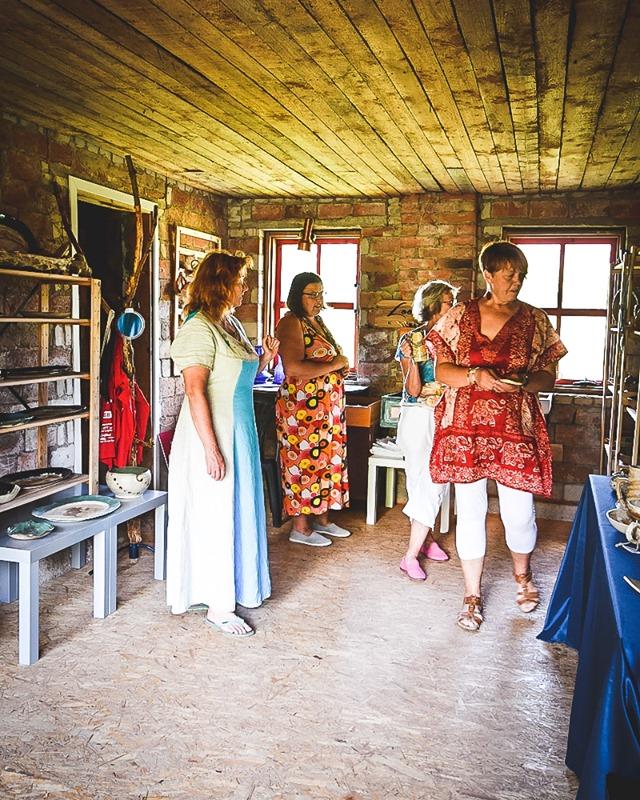
Loov Energia Keraamikahoov is a mysterious place. The entrance, which is made from red bricks, between a low row of bushes, located opposite the old Torma schoolhouse, leads to a somewhat unique yard, where you will find a lovely shop. There, you can learn different ceramic techniques and groups can make something on their own (upon pre-booking). If you wish, you can try to make a small souvenir from clay. The pottery by Erika Aas is special because despite the artist’s creativity, her work is practical and suitable for any interior and coffee or lunch table.
Amenities

  • Free parking

Open times

Throughout the Year

Eeltellimsel

Contact

  • +372 56651416
  • info@loovenergia.ee

Links

See more

August Teppo’s Accordion Museum

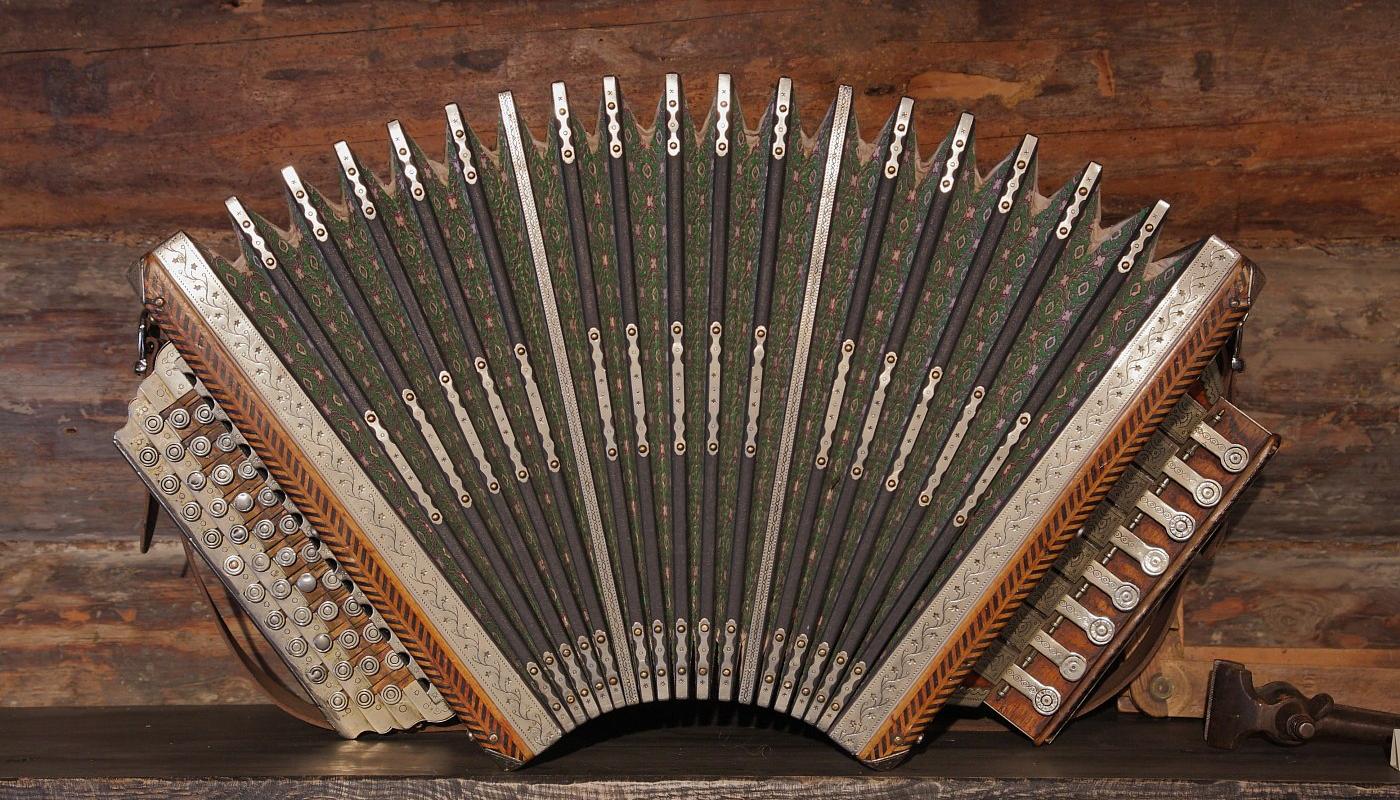
August Teppo was a famous accordionist of Võru County. Today, his home farm has been turned into a museum. Visitors can see his workshop, as well as learn about the lifestyle typical of the era. In addition to the exhibition, the museum also organises trainings and cultural events.Good to know: the museum is only open to visitors upon booking during the summer months.

  • Monuments

Monument to Friedrich Reinhold Kreutzwald

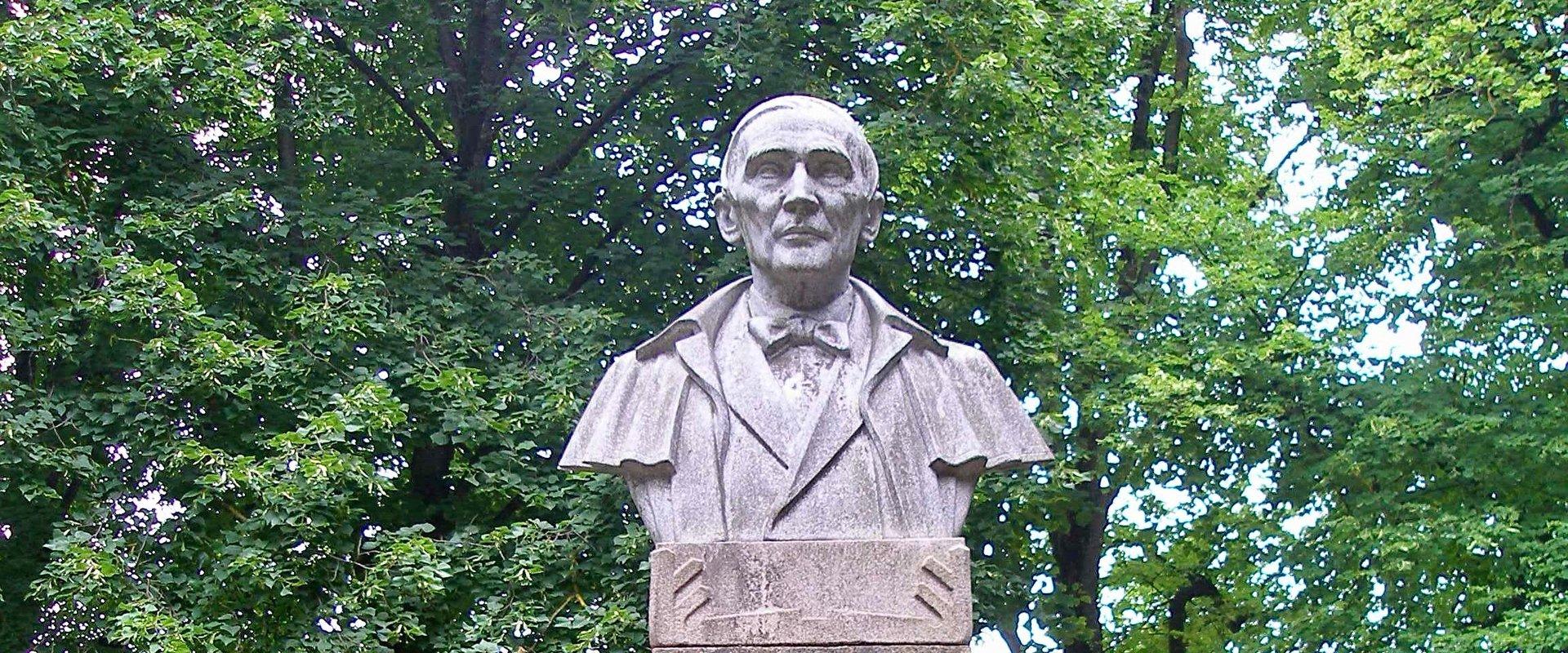
The monument to Friedrich Reinhold Kreutzwald (1803-1882), founder of the Estonian national literature, was built in 1952. The authors of the monument were sculptors Johannes Hirv and Martin Saks, and architects Heiki Karro, Ants Mellik, and Mart Port.

  • Sculptures

Catherine II Sculpture and Catherine Alley (Katariina allee)

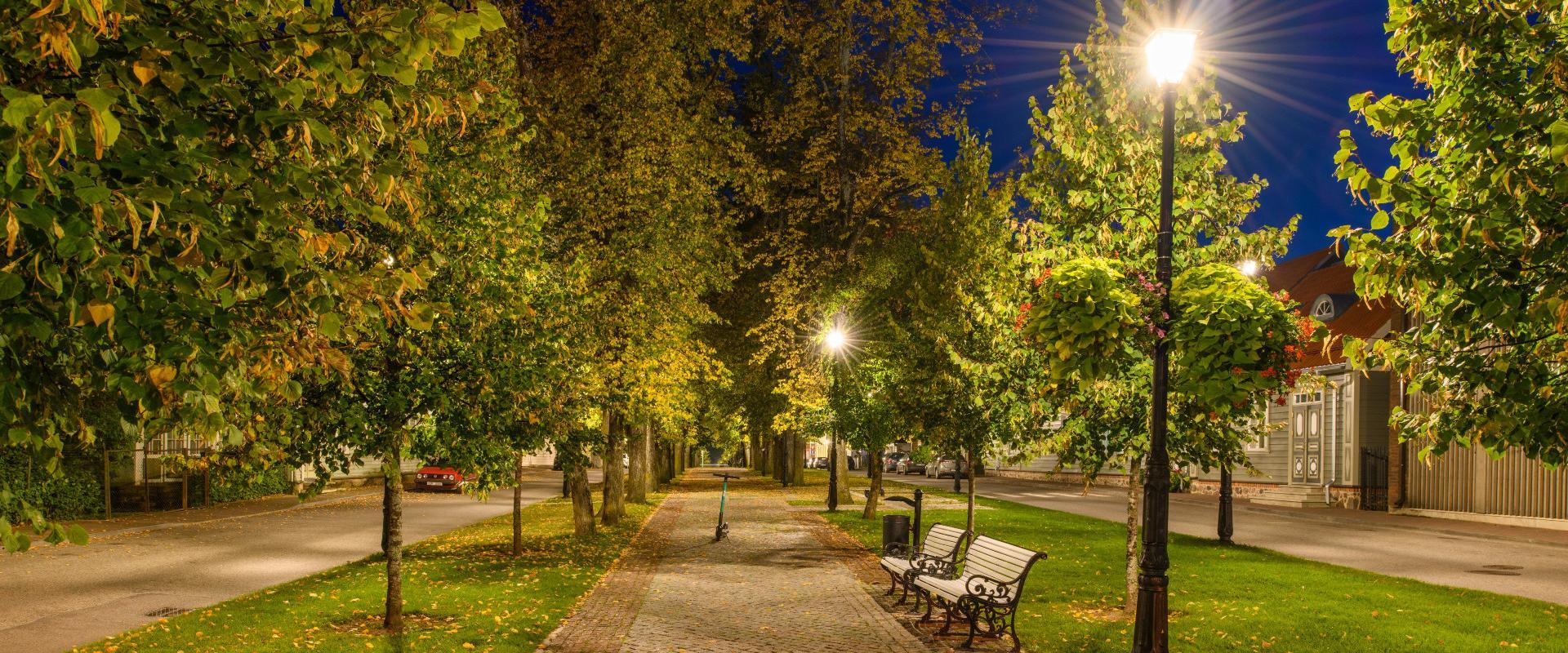
The sculpture of Russian Empress Catherine II (sculptor Jaak Soans) was installed on the renovated Catherine Alley in 2014.The city of Võru was established as the centre of the newly created county under the new Provincial Governance Law of 1784. Catherine II personally gave a number of orders for the founding of a new city and affirmed the coat of arms of the city. The avenue from the first house of Võru town, the main building of the manor belonging to von Mengdens (Võru upper secondary school) to Lake Tamula, is shown on very early maps of Võru city. Catherine Alley connects the city's central square with Kreutzwald Park and Tamula Lake's promenade.

  • Churches

Tartu St Alexander’s Church of the Estonian Apostolic Orthodox Church

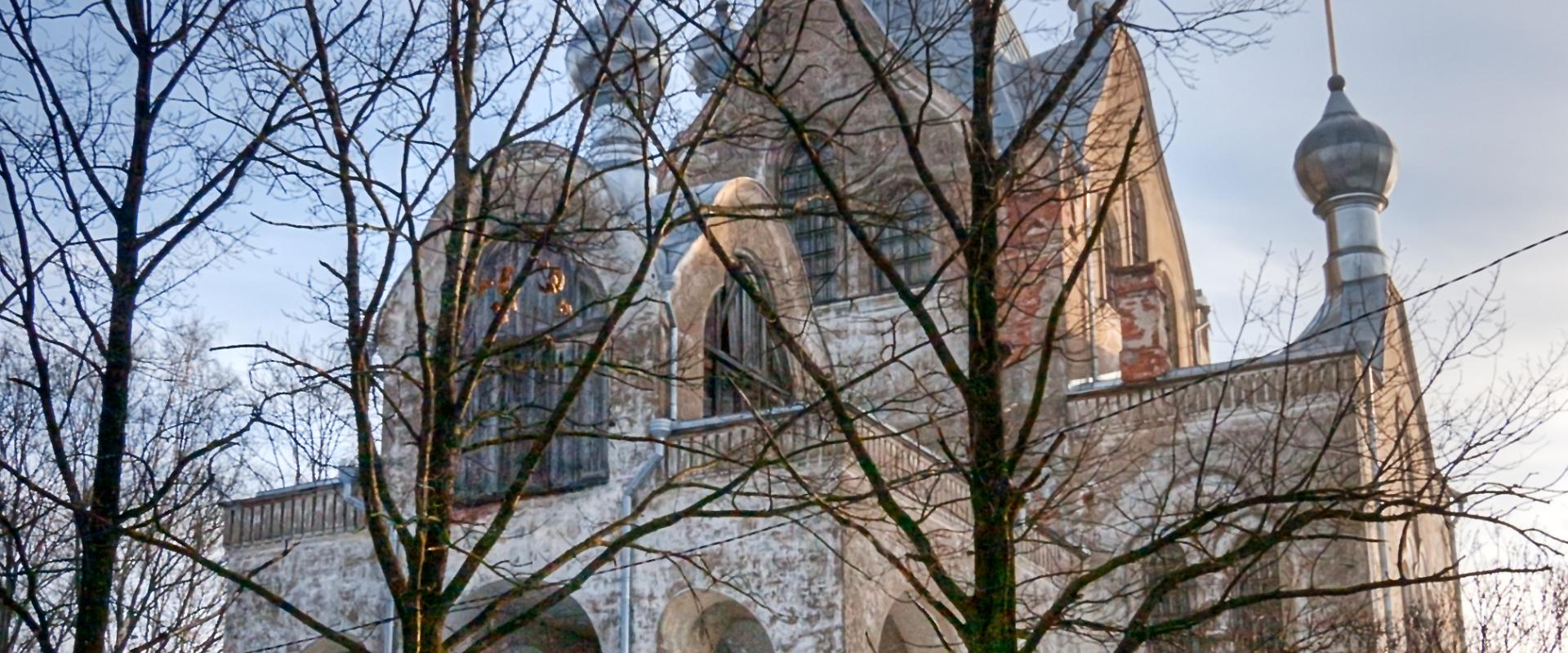
Come and take a look at the two-storey St Alexander’s Church in Tartu with its onion domes inspired by old Russian church architecture (architect Vladimir Lunski). Construction of the church started in 1914 and it was re-consecrated in 2003. Interesting facts: - a zinc box with the remains of a saint and a copper plate with a letter have been placed in the cornerstone of Tartu Alexander’s Church. The cornerstone was put in place by Archbishop Ioann during the reign of Emperor Nicholas II on 27 May 1914; - the church was nationalised in 1940 and it was used as a storage building by the University of Tartu and the Estonian National Museum.

  • Monuments

Cornflower – Monument to the Victims of Stalinism

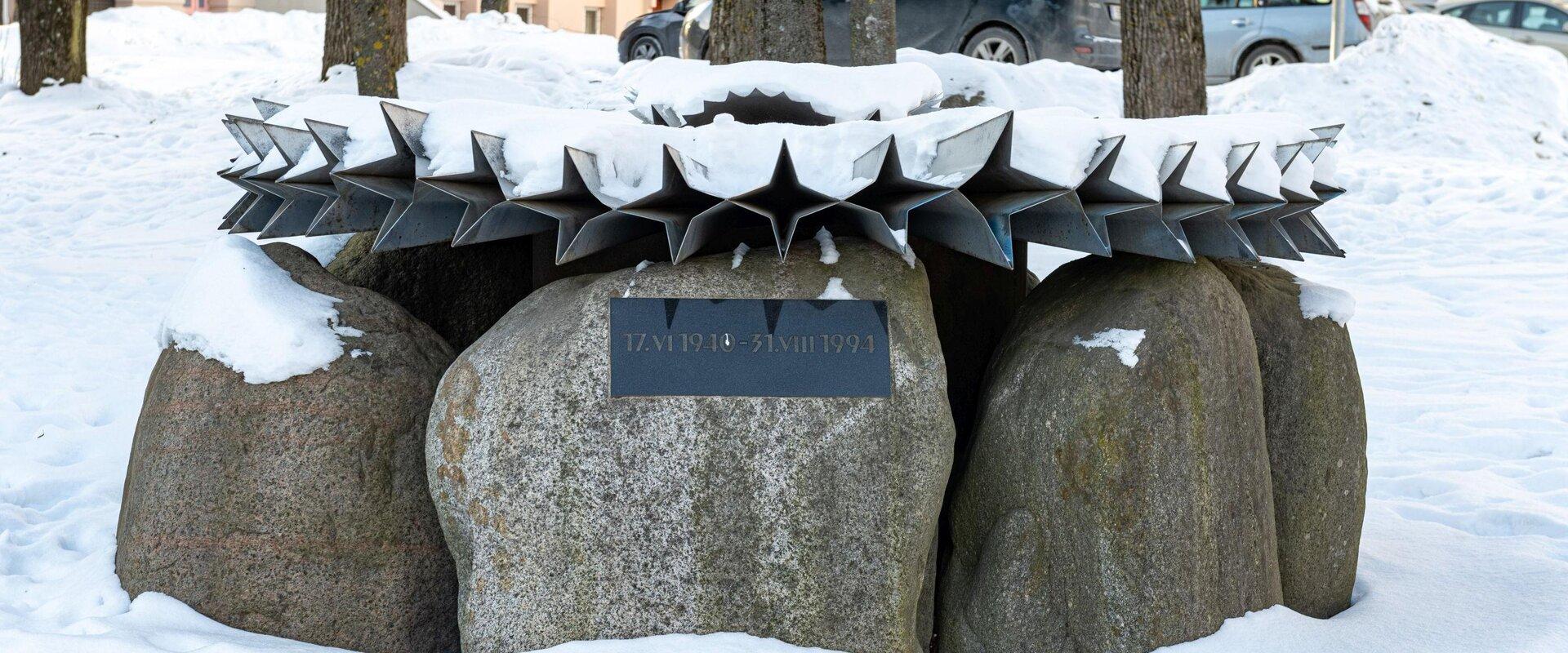
The Cornflower (or Broken Cornflower) memorial to the victims of Stalinism was established in 1990 and its author is P. Saar.On top of the granite boulders is a broken cornflower (Estonian national flower). Black stripes run through the grey stone parquet of the square. They depict the railway tracks that symbolise deportation to Siberia. The waterworks of the monument make it possible for water to drip off the petals of the cornflower, like tears.The monument, which was initially erected on the corner of Riia and Pepleri streets in Tartu by the association of freedom fighters Memento, was reopened in its new spot at Pepleri 27. The monument is located next to the grey building. During the Soviet era, a KGB remand prison was located there, where the deportation of many Estonians to Siberia began.

Estonian Supreme Court Building

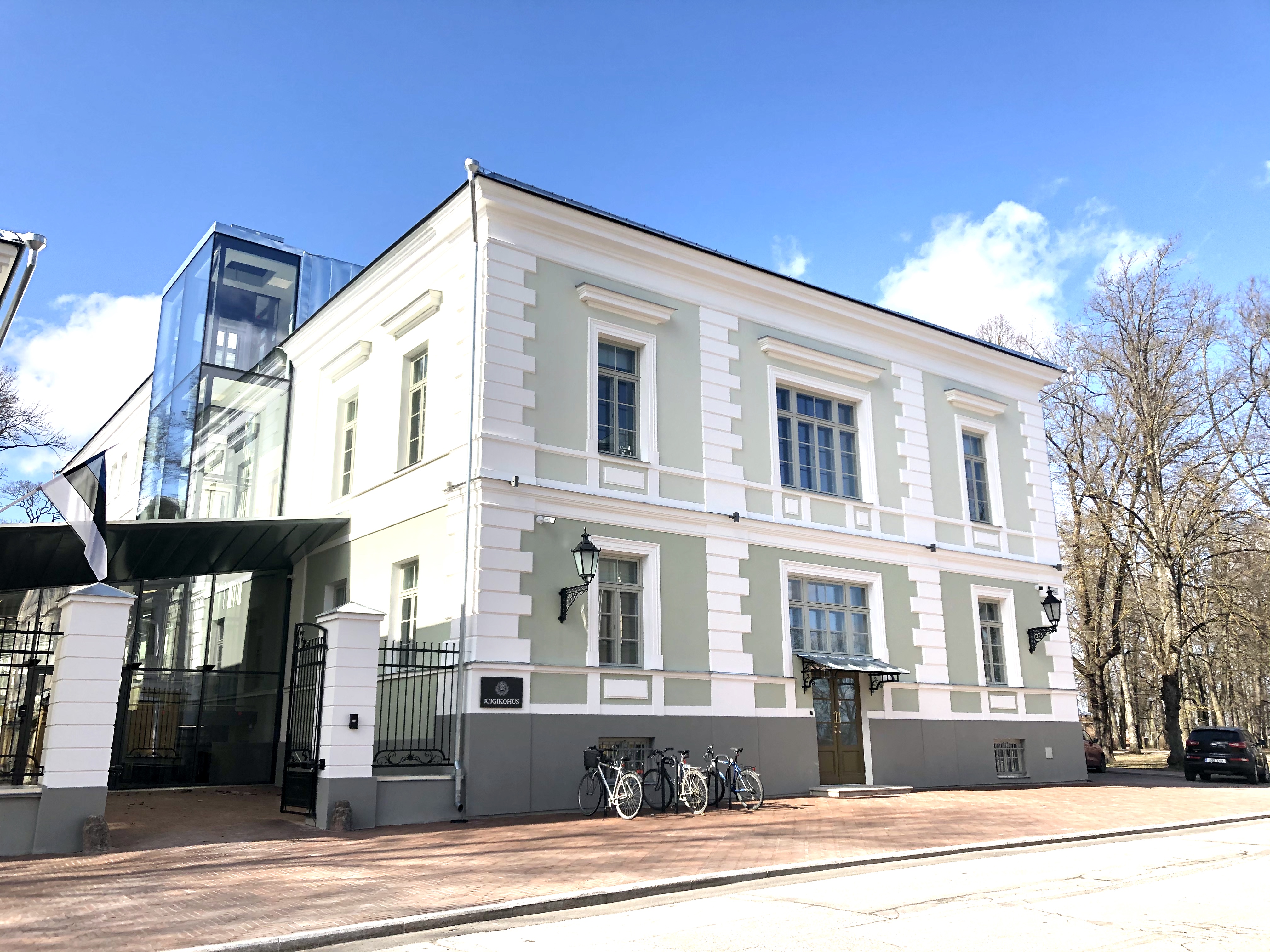
The highest court of the Republic of Estonia, the Estonian Supreme Court that operated in Tartu from 1920 to 1935, is located in this building. The building was initially built as a barracks in 1763, the university hospital was built on its ruins in 1808 and the Estonian Supreme Court has been in the building since 1995. The building can be viewed only from the outside.Take a look at the aerial panorama (picture by Joel Tammet).

Barclay de Tolly Mausoleum

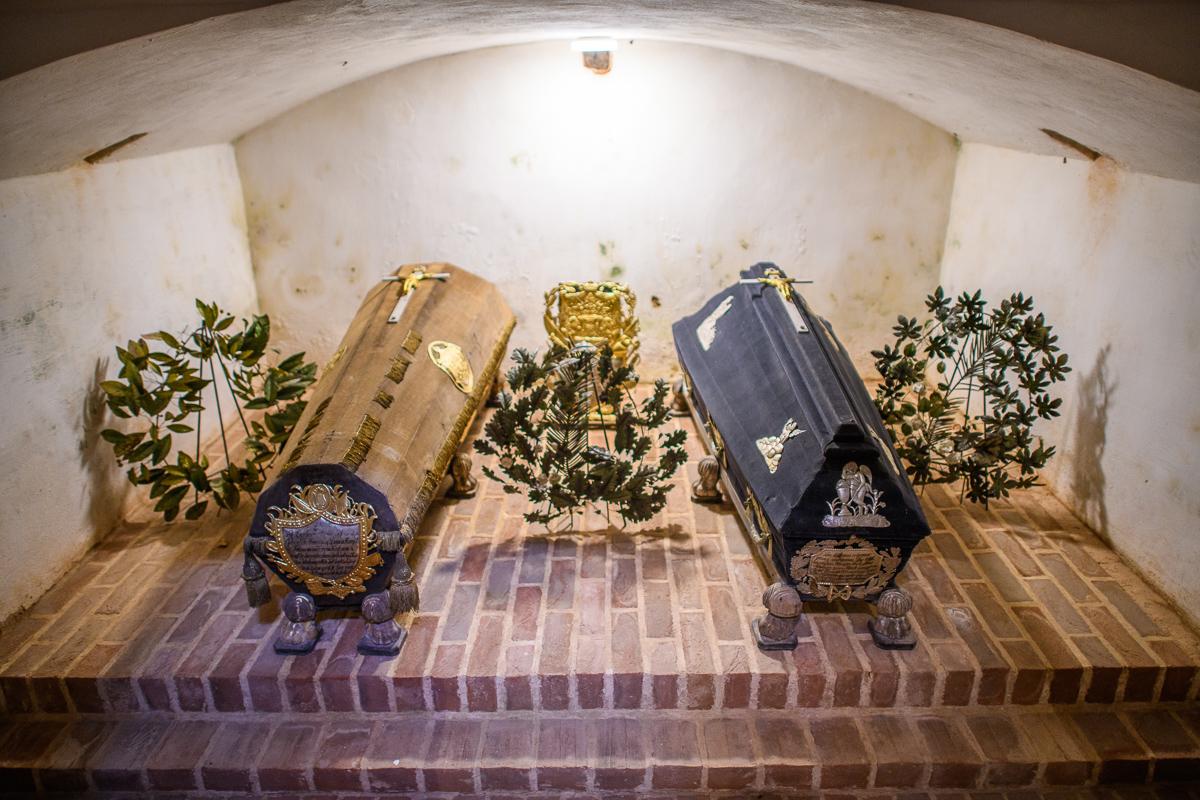
Barclay de Tolly mausoleum is one of the 21 places in Southern Estonia worth discovering which are marked by a yellow National Geographic window; if you love culture and nature, a visit is highly recommended.Field Marshal de Tolly, whose final resting place is in Estonia, is one of the most famous people related to Estonia and probably the greatest Russian military leader. The Russian commander who came from a Baltic aristocratic family with Scottish roots played an important part in the Napoleonic wars between 1812 and 1814.Barclay de Tolly's name has been related to Jõgeveste since 1791 when he married Helene Auguste Eleanore von Smitten and became the owner of the Jõgeveste manor.

  • Guided tours

Vastseliina Episcopal Castle Pilgrim House

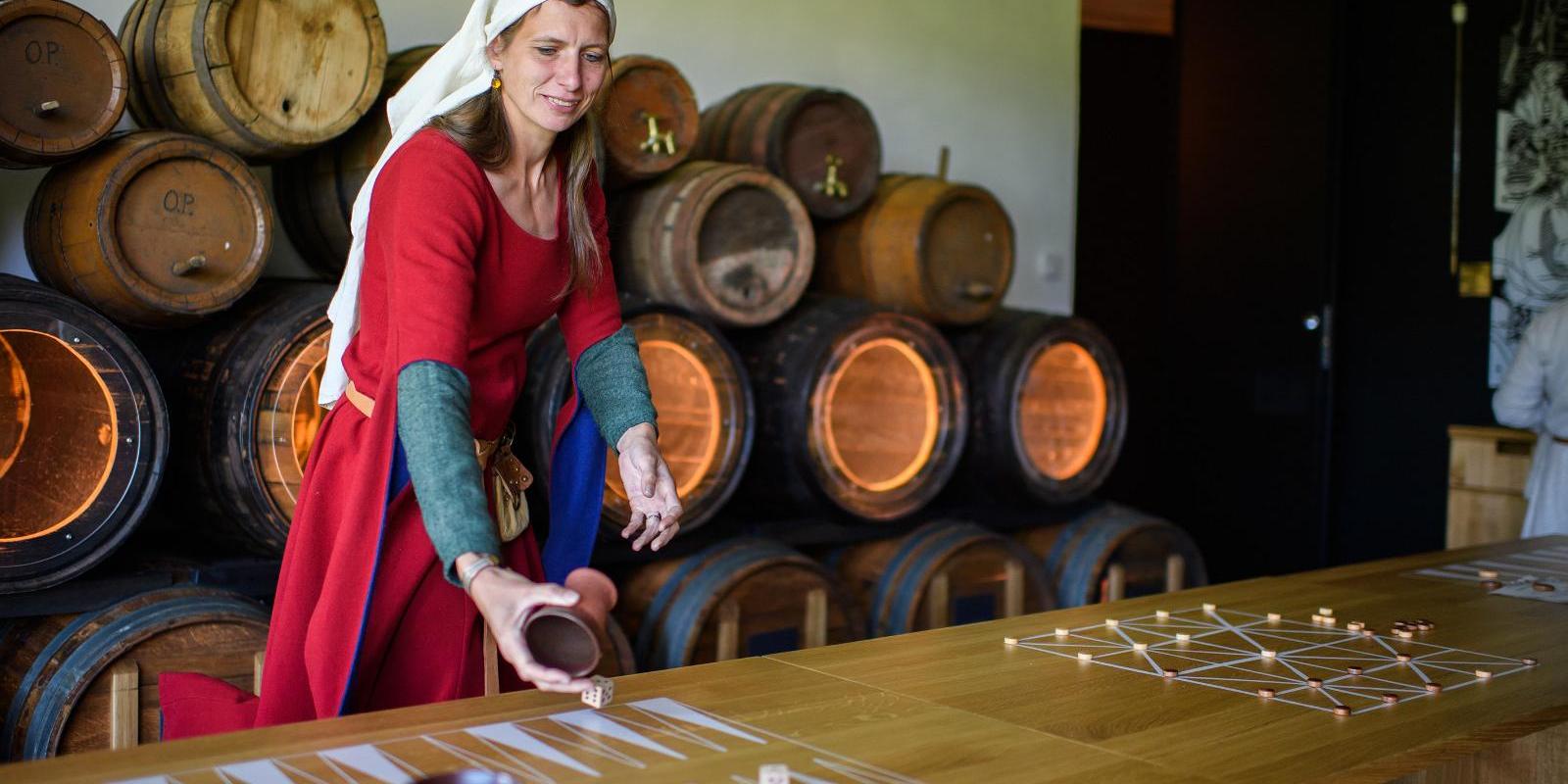
The Pilgrim House introduces visitors to everything related to medieval pilgrims and pilgrimages. Here you can get acquainted with various medieval holy places and pilgrimage destinations. One of them, the most famous in Northern Europe, was located right here in the Holy Cross Chapel of the Vastseliina Bishopric! Thanks to the interactive exhibit, visitors can experience firsthand what a medieval pilgrim felt, what he feared, and what he loved. You can play medieval board games, and with prior arrangements, we offer various experience packages, including period and themed meals prepared in the Pilgrim House oven to fill your stomach!

  • Collaboration
  • News
  • Contacts
  • Privacy Policy
Join our mailing list!

"*" indicates required fields

This field is for validation purposes and should be left unchanged.
I authorise marketing

South Estonia Tourism Cluster

info@visitsouthestonia.com