• Explore
    • Nature
    • Culture
    • Food
    • Family
    • Activity
    • Blog
    Smoke sauna
    Weather and seasons
  • Plan
    • Accommodation
    • How to get here
    • Weather and seasons
    • Sustainability
    • Tourist info
    Discover South Estonia’s Most Beautiful Manors and Castles
    Top 20 Sights in South Estonia
  • For professionals
    • For professionals
    • Collaboration
    • News
    • Projects
    • Training
    • Repository
    • Community (opens in new tab)
    • Contacts
ENG
  • EnglishENG
  • EestiEST
  • LatviešuLAT
  • РусскийRUS
  • SuomiFIN
ENG
  • EnglishENG
  • EestiEST
  • LatviešuLAT
  • РусскийRUS
  • SuomiFIN
Popular searches:
Show all
  • Museums
  • History & Culture

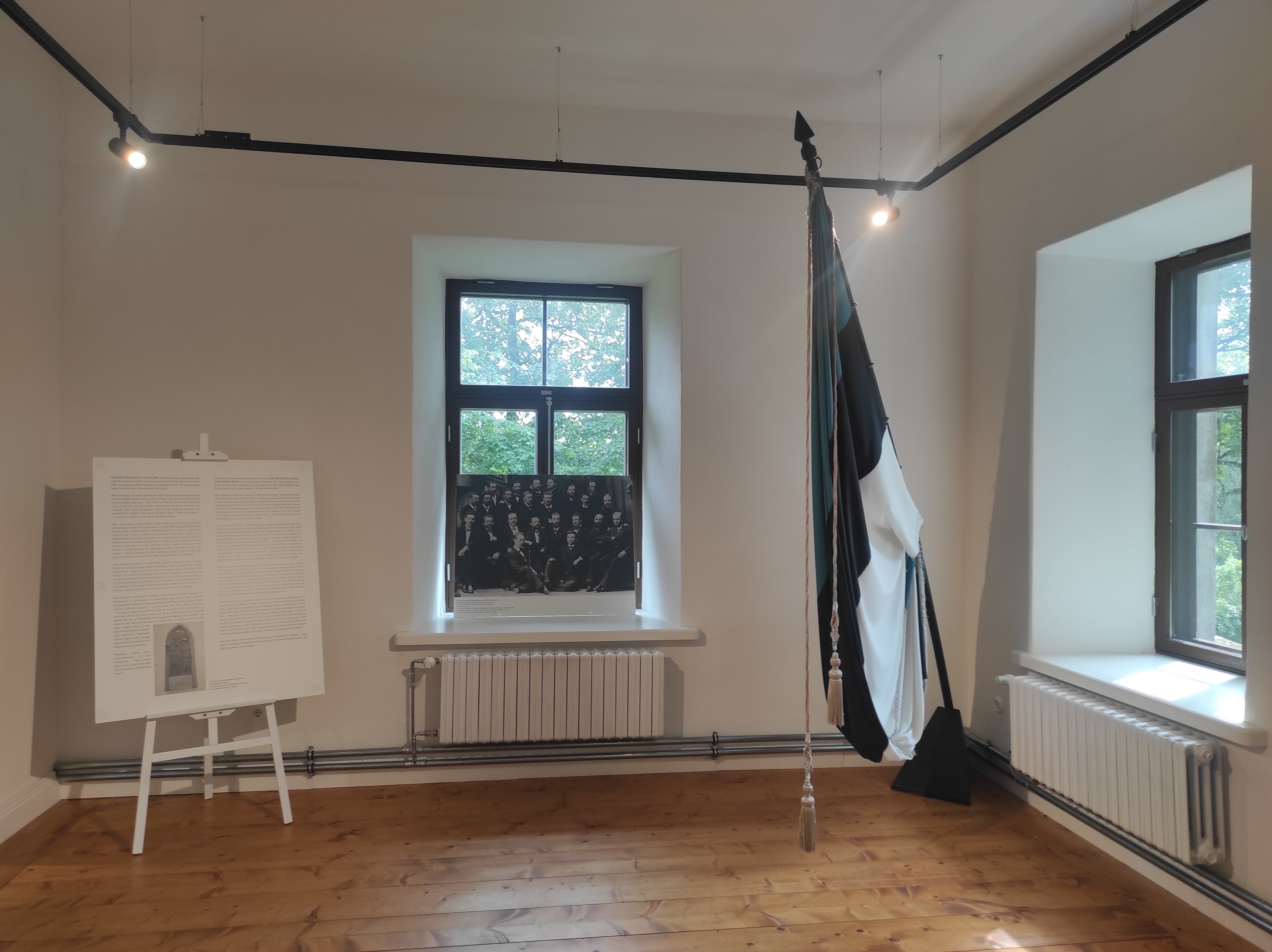
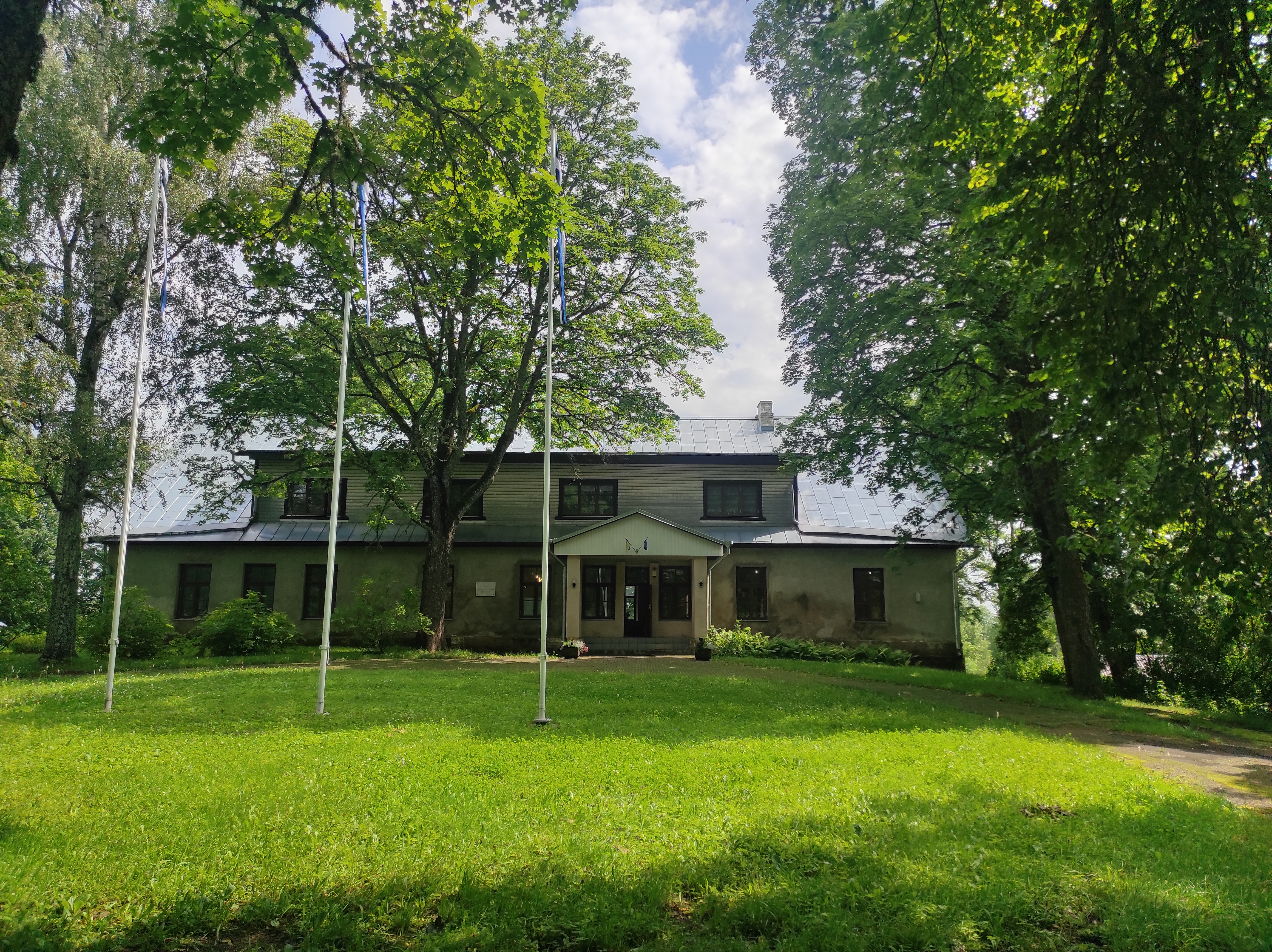
Estonian Flag Room

Otepää vald, Valga maakond, 67403

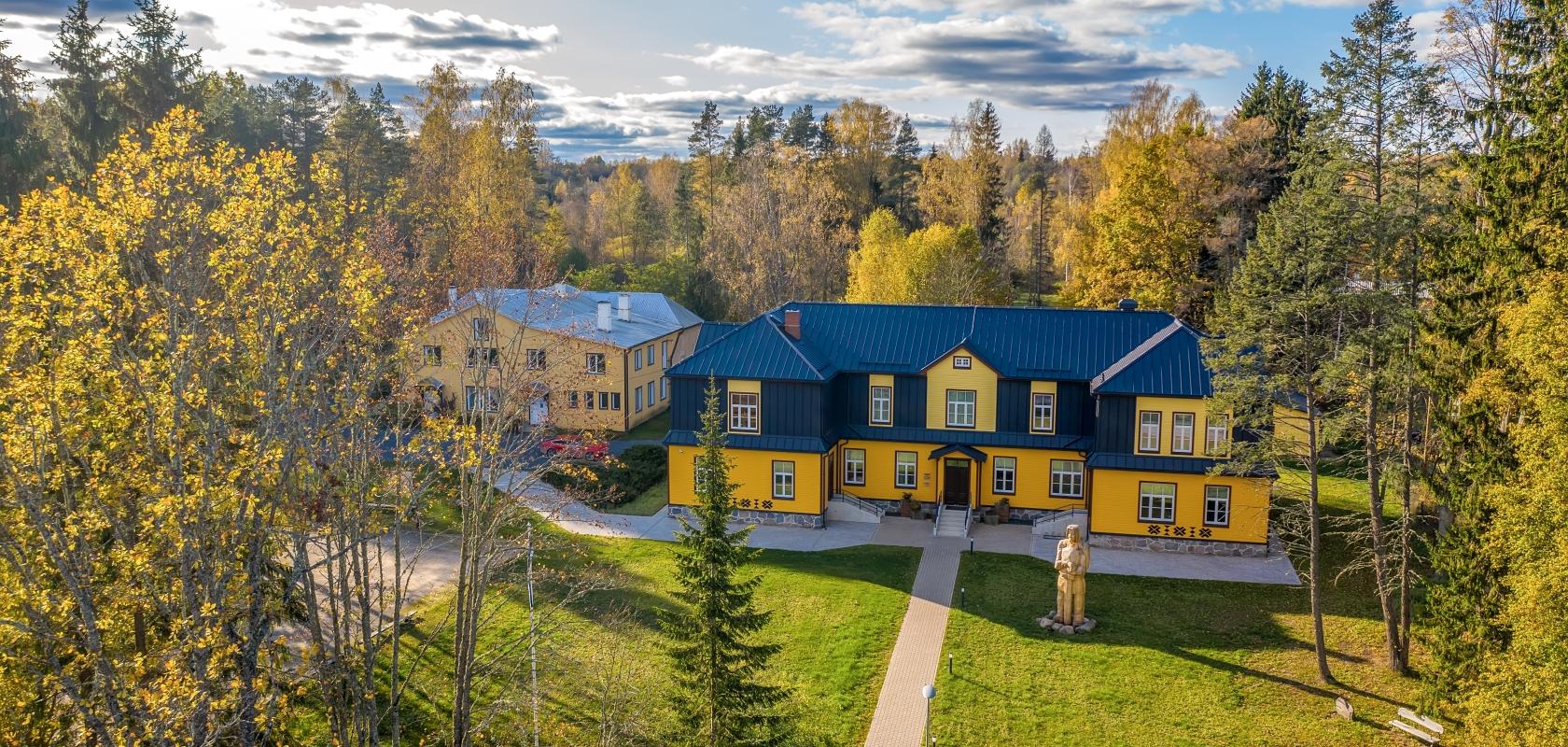
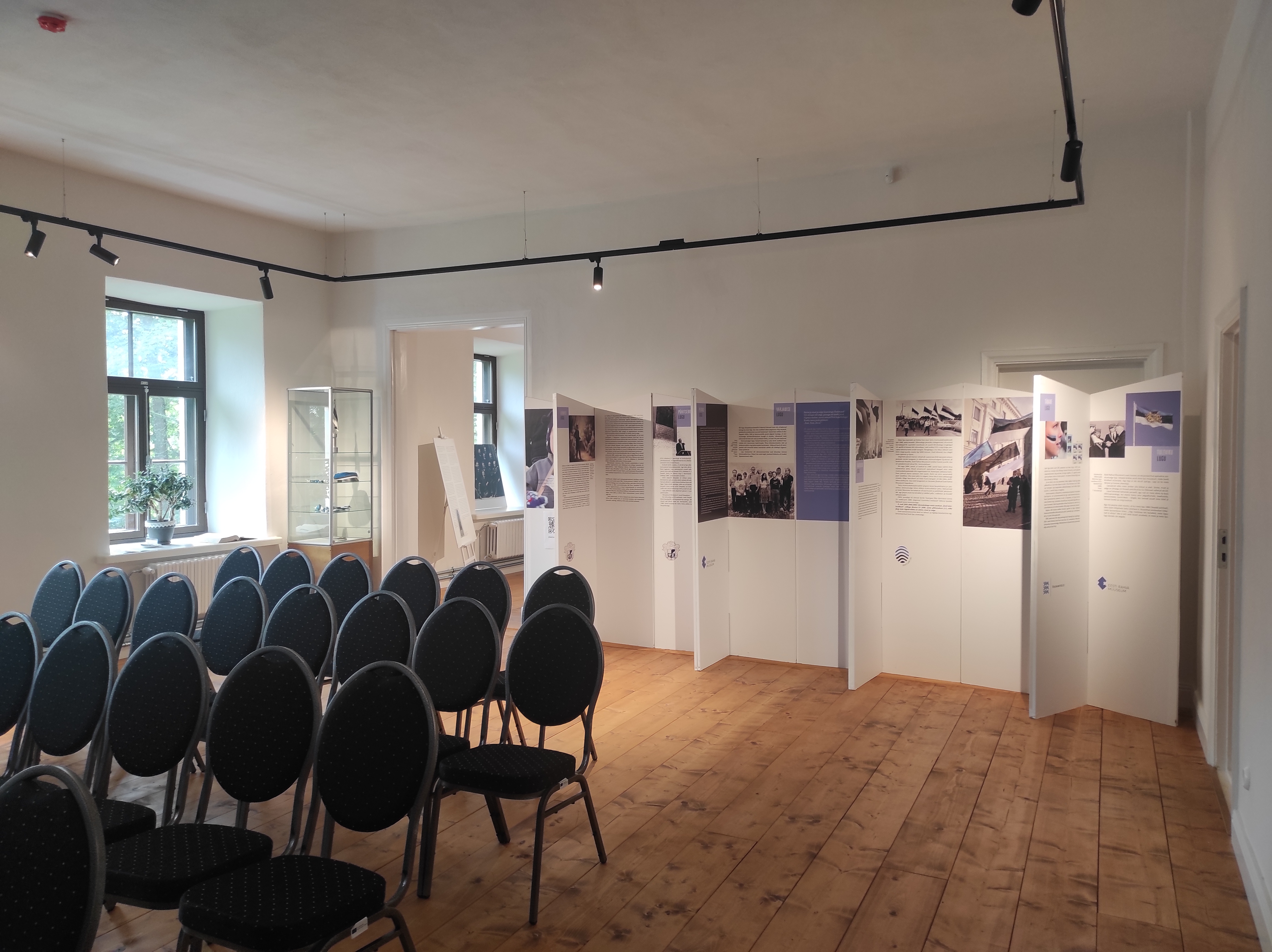
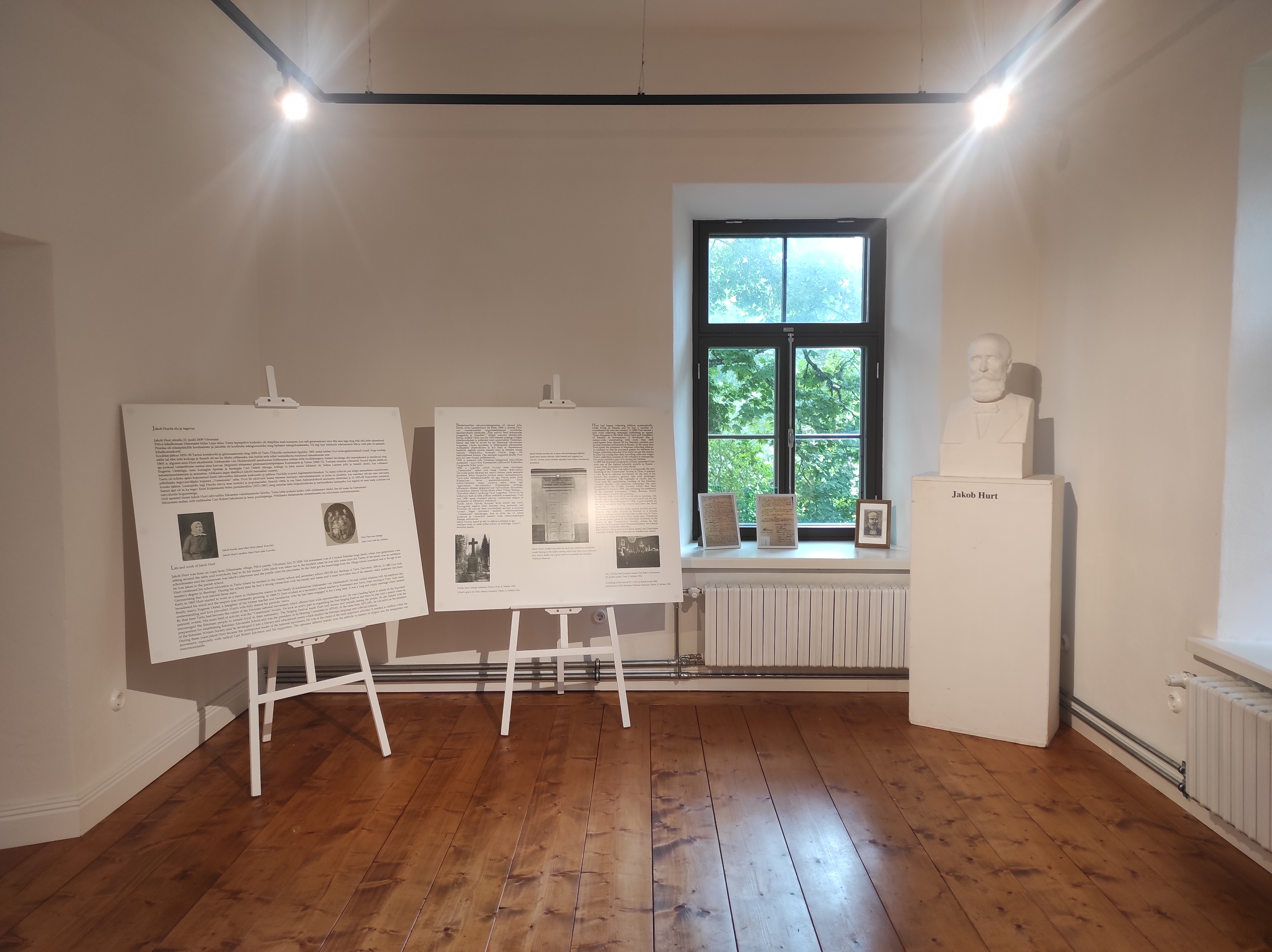
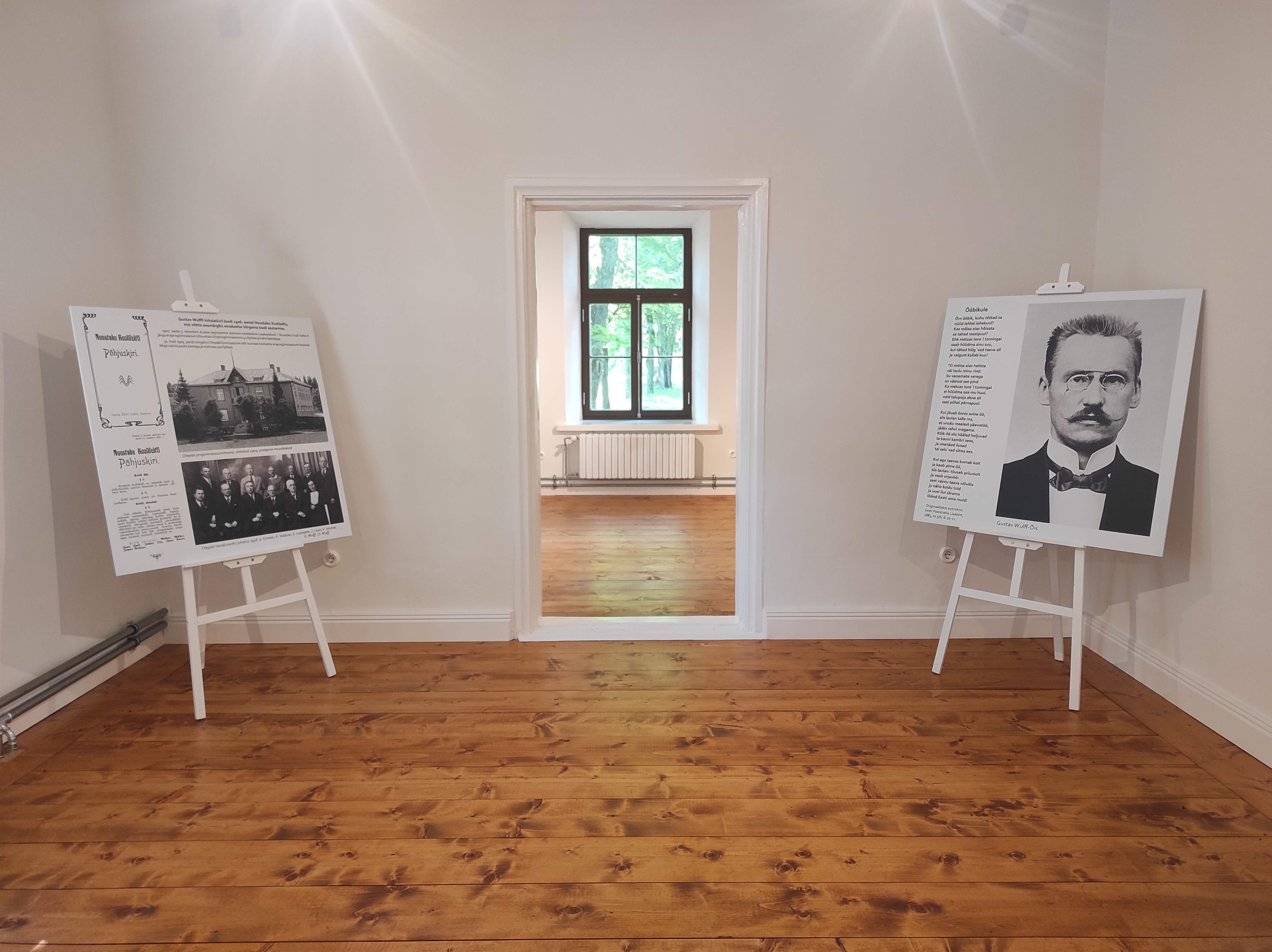
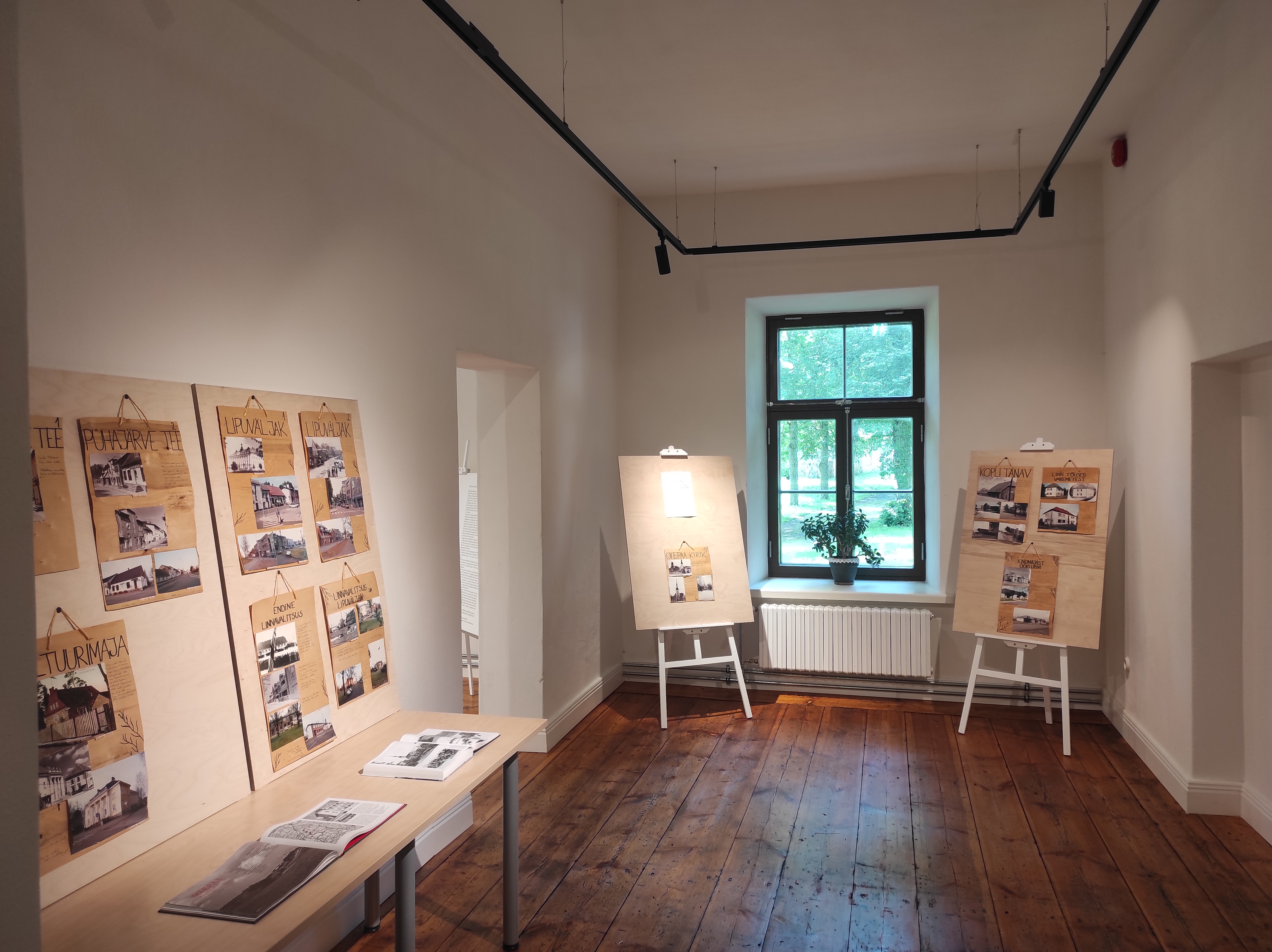
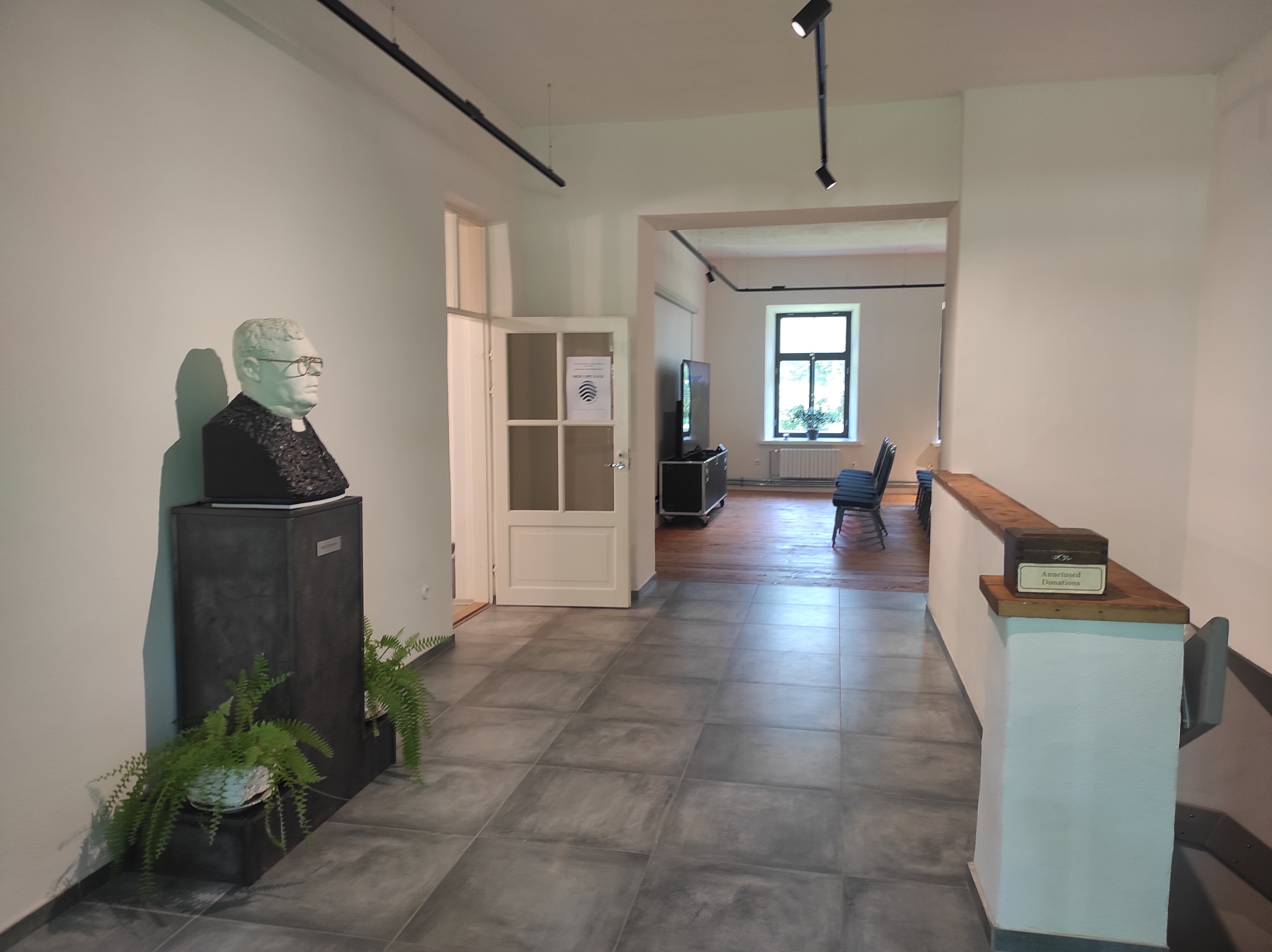
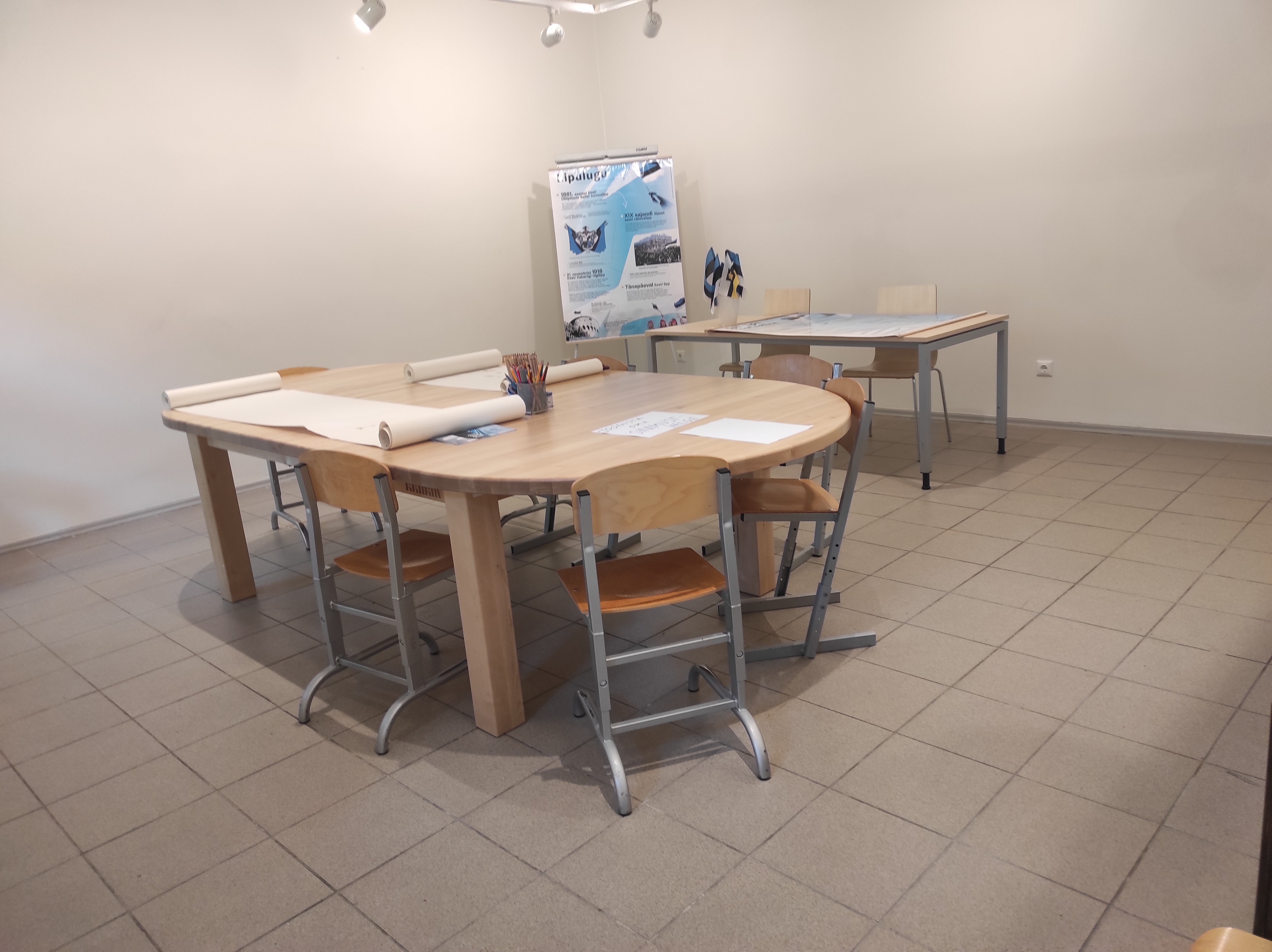
Otepää is like the cradle of the blue, black and white flag of Estonia – the current national flag of Estonia was consecrated and blessed here on 4 June 1884. First of all, the flag was used by Estonian students, then it became the national flag of Estonia and when the Republic of Estonia was created, the colours blue, black and white were declared the national colours. The concept of the museum came from Pastor of the Otepää Maarja (St Mary’s) Congregation of the Estonian Evangelical Lutheran Church Jüri Stepanov (02.03.1952-17.06.2008), who was also in charge of its establishment. The Estonian Flag Room was opened in the Otepää Rectory on 23 December 1996 to illustrate the story of the black, blue and white flag that is so important for Estonians.
Amenities

  • Information boards
  • Free parking

Open times

1. juuli - 28. aug

R-P11:00 - 15:00

1. sept - 30. juuni

Eeltellimsel

Contact

  • +372 522 1955
  • turism@otepaa.ee

Links

See more

  • Guided tours
  • Family friendly

Permanent exhibition “Lake Peipus Living Room”

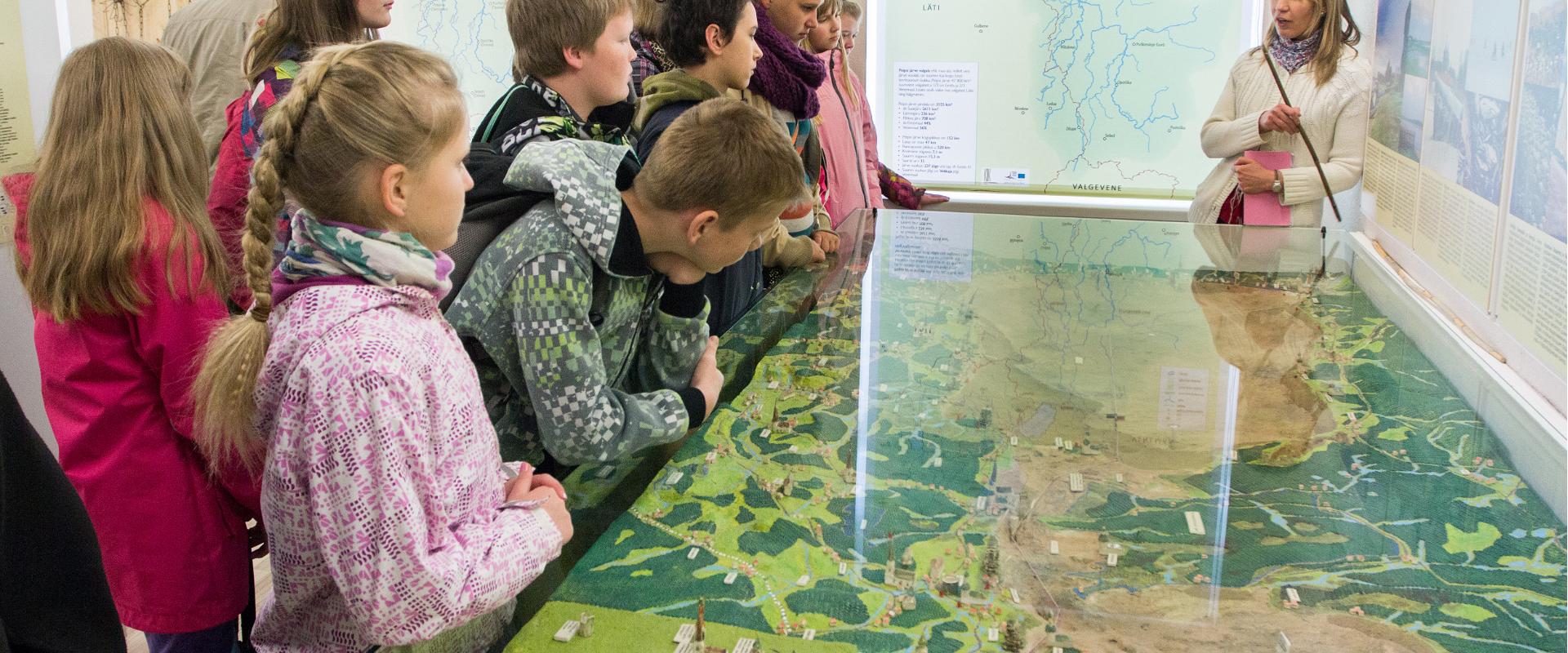
Lake Peipus Living Room is a permanent exhibition that gives visitors information about the natural conditions in Lake Peipus and the lives of people living by the lake. You can see models of the 34 species of fish that inhabit Lake Peipus. There is also a three-dimensional model of the lake that is 4 m long and 1.4 m wide and also shows the location of the towns and villages, accommodation establishments, museums, watchtowers and other places of interest near the lake.The Mustvee beach by Lake Peipus is marked with a yellow National Geographic window; it is one of the 21 places worth discovering in Southern Estonia. If you are interested in nature, it is definitely worth a visit.

  • Manors
  • Guided tours

Mooste Manor

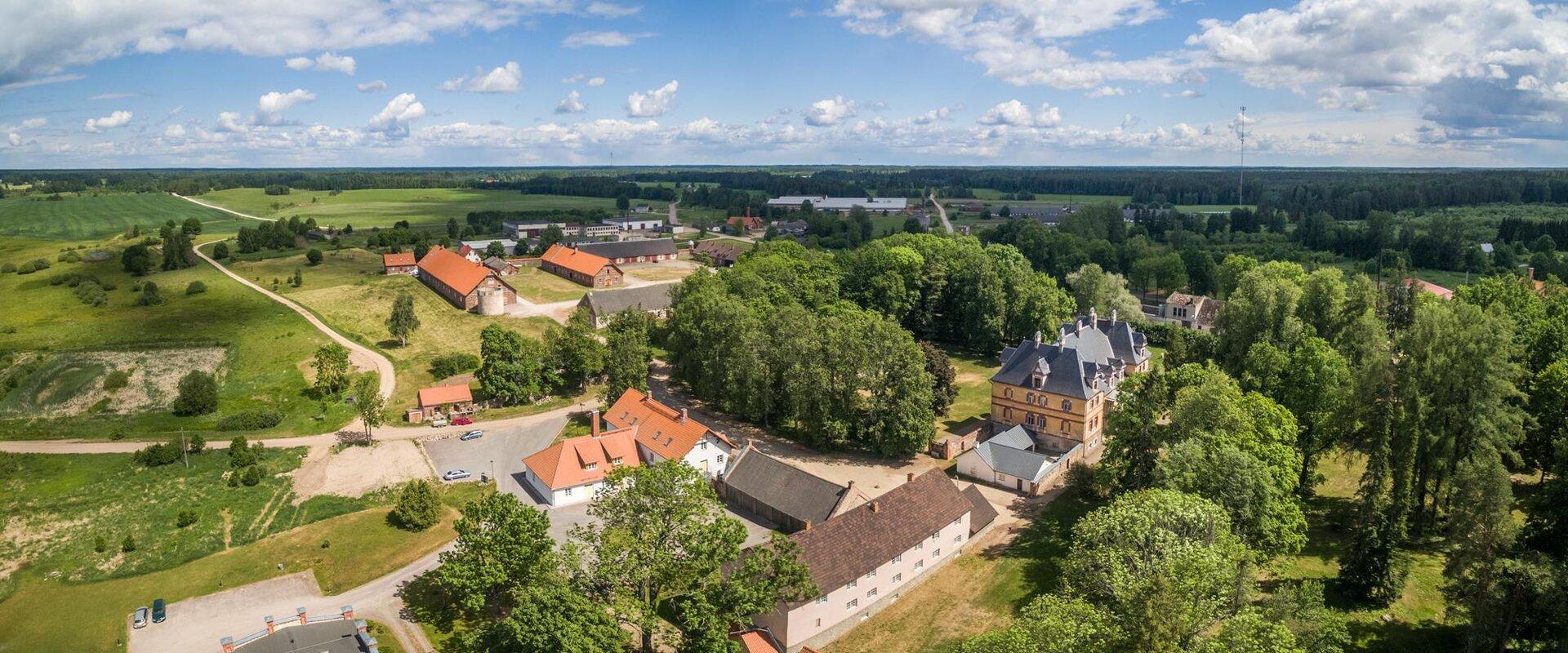
Mooste Manor, established at the time when the Nolcken family ruled the area, lies on the shore of Lake Mooste. Beside the beautiful manor house you will find the pride of Mooste Manor, one of the most impressive auxiliary building ensembles built in the historicist style. Most of the buildings are constructed from stones and decorated with brick. An English-style park adds to the appearance of the manor. The manor house accommodates a school, and the former woodworking workshop has been renovated into the Mooste Manor Guest House. A restorer’s workshop operates in the old workhorse stable, and the Centre for Arts and Social Practice occupies the steward’s house, while the former barn has been transformed into a 500-seat concert hall.

  • Family friendly

Kalevipoeg’s Home

The Kalevipoja Chamber located in Jõgeva County, Kääpa includes the Kalevipoja Museum, the Kalevipoja Adventure Park, the Kalevipoja Playground and the Saare community center. In the Kalevipoja museum, you can get an excellent overview of the Estonian national epic "Kalevipoeg" and have the opportunity to familiarize yourself with the most important events in a playful way. Anyone who wishes can listen to the epic as an audiobook or sit in the "Plane" and watch a short film about places in Estonia related to Kalevipoja. In the Kalevipoja Adventure Park, you can test yourself between the earth and the sky by choosing either a higher or a lower path. Those who wish can also play disc golf. In Kalevipoja's playground, unique Kalevipoja-sized tools or his furniture are placed. And the best thing - all these items have turned into a kind of attraction in the playground, where you can spin, swing or just enjoy the beautiful surroundings... You can also hold birthdays and seminars here. Various events can be organized in the public house. The large hall can hold approx. 100 people, the small one 30.

Võõpsu Orthodox Village Chapel

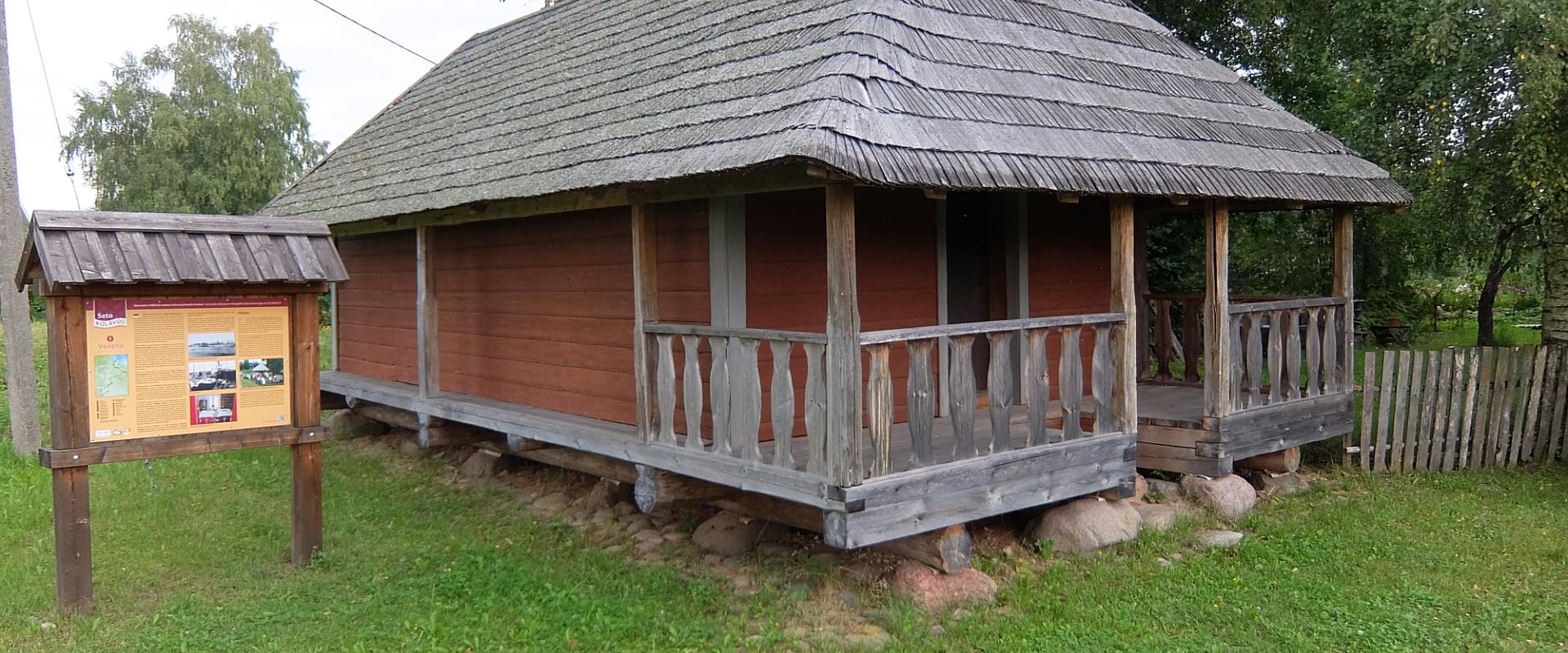
Võõpsu's village chapel, is located right next to Setomaa's northern gate -- the bridge over the Võhandu River -- in a medieval village cemetery. This is the Estonian part of Setomaa's largest wooden tsässon, which some believe originally served as a barn. It was remodeled into a tsässon a little before the middle of the 18th century and properly renovated in 2010. Of architectural interest is the large, open front hall, which partially covers the side walls.The patron saint of Võõpsu tsässon is St. Nicholas (Seto: Püha Migul) and its name days are the spring and winter St. Nicholas days (migulapäiv).

  • Estonian handicraft

Muhu Pagar Bakery in Tartu Lõunakeskus

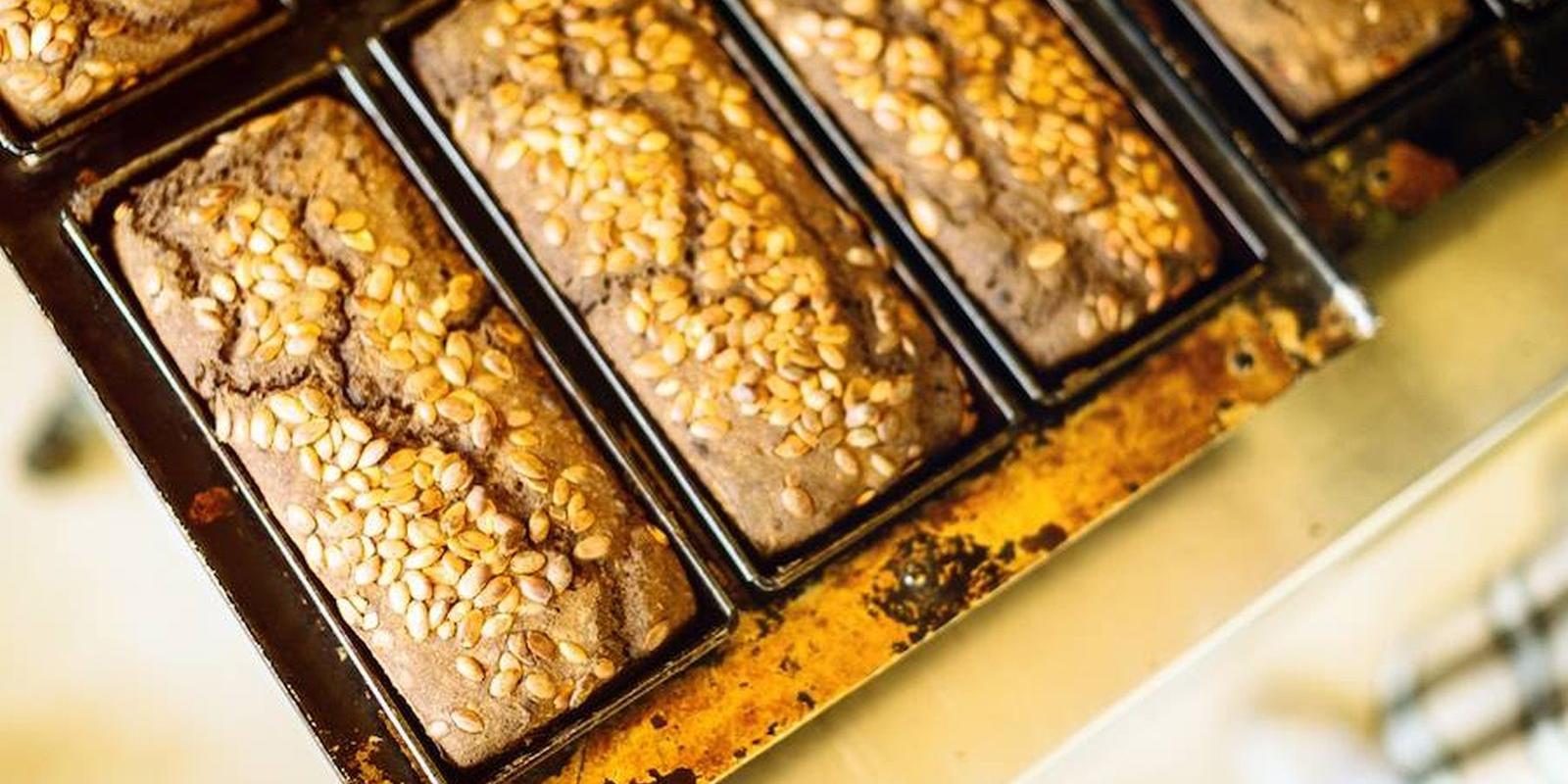
When speaking of genuine Estonian flavours, we must start with bread – rye bread, which is not just food for Estonians. When homesick, almost every Estonian will crave for bread and eating it will help them cope with their homesickness. Bread, bread-making, and the smell of warm bread are deeply related to being an Estonian.Muhu bread also grew out of the desire to bake delicious bread for one's family at home. Our bread is tasty and healthy – you will simply not get enough of it.At Muhu Pagar Bakery, you can buy different kinds of bread, other baked goods, and pastries.

Elva Song Festival Grounds

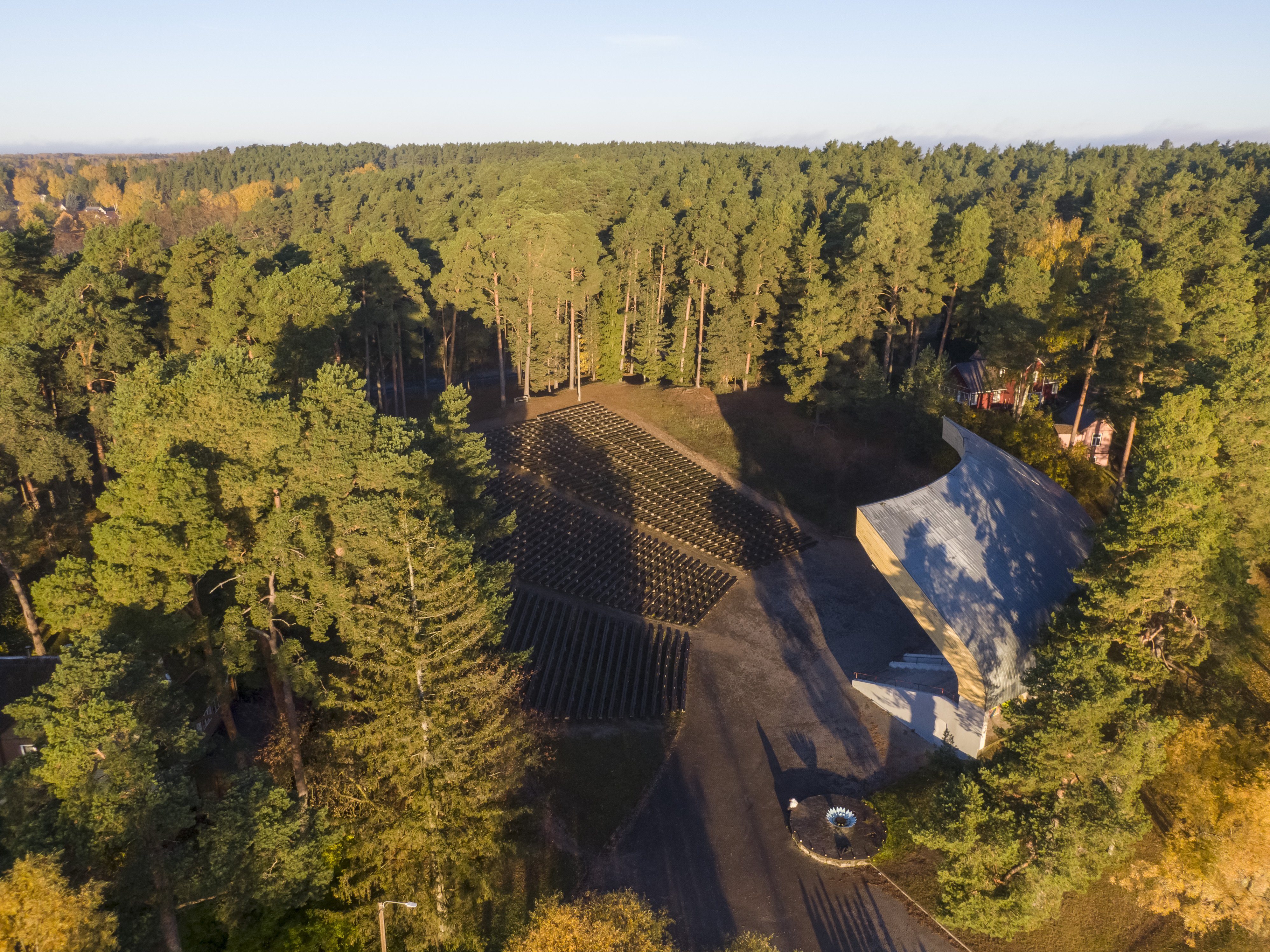
Elva Song Festival Grounds, like every other one, has a symbolic and sacred meaning in preserving the Estonian national culture and song festival tradition. While singing together with others, one feels unity and the joy of Estonian freedom. Elva Song Festival Grounds is located in the centre of Elva, near Lake Arbi in a pine forest. It is not only for song festivals but also a beautiful place for concerts and parties. The Song Festival Grounds was built in 1951. On 8 August 2015, a memorial to the Estonian choir conductor and teacher Ants Sööt (8 August 1935 – 17 October 2013) from Elva, who is buried in Elva Cemetery, was erected at the Song Festival Grounds.

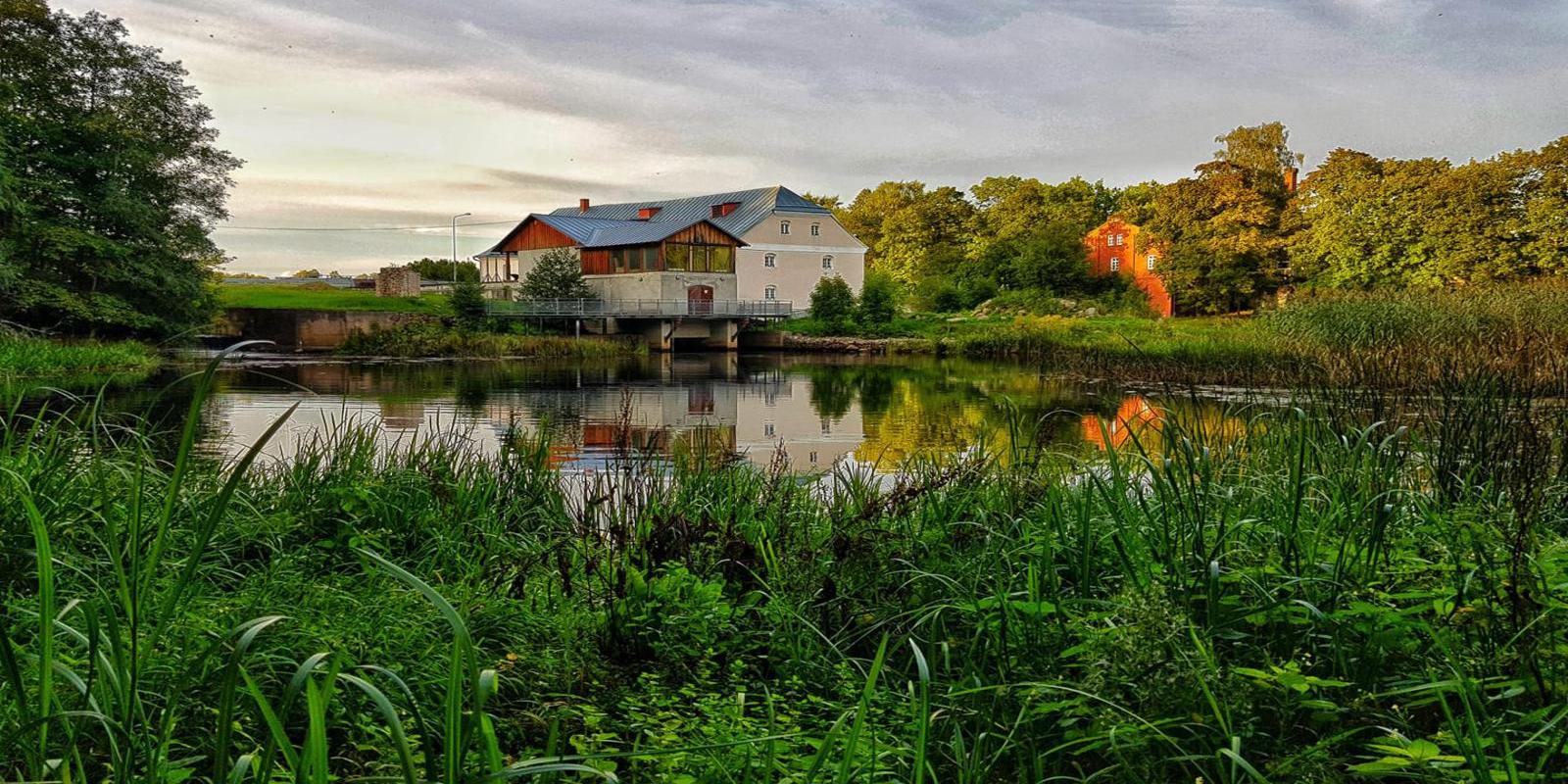
Räpina flour mill

The longest river in Estonia, the Võhandu River, is calm when it reaches Räpina, and therefore it was probably the most suitable place for building a unique mill complex comprising three mills.The flour mill is a massive stone building with a large winch on the top floor for lifting bags. The original doors and many other details integral to the overall design have been preserved. The flour mill was built at the end of the 18th century.

  • Monuments

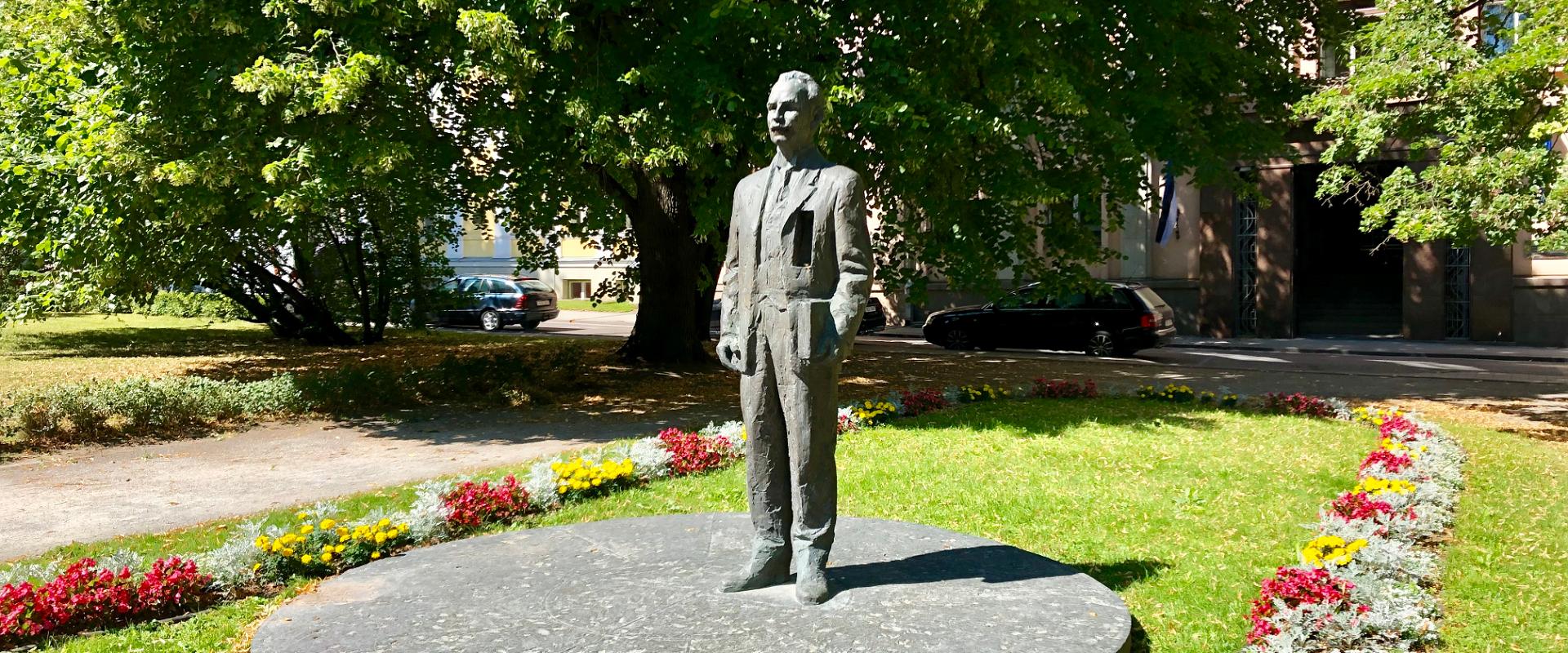
Monument to Peeter Põld

The monument to Peeter Siegfried Nikolaus Põld (1878–1930), the first Minister of Education and founder of the national university of Estonia, the first professor of pedagogy, was unveiled in front of the Ministry of Education and Research on 1 December 2008.The authors of the monument are sculptor Ekke Väli and architect Ain Rööpson.Under the name of Peeter Põld Day, student scientific conferences have been organised at the University of Tartu since 2008, and on the same day, the university issues a scholarship named after him.

  • Collaboration
  • News
  • Contacts
  • Privacy Policy
Join our mailing list!

"*" indicates required fields

This field is for validation purposes and should be left unchanged.
I authorise marketing

South Estonia Tourism Cluster

info@visitsouthestonia.com