Birdwatching
South Estonia is quietly one of the best birdwatching destinations in Northern Europe. Lake Peipsi on the Russian border, the Emajõgi floodplains minutes from Tartu, the bogs of Meenikunno – three completely different ecosystems, all within an hour of each other, all on one of Europe’s main migratory flyways.
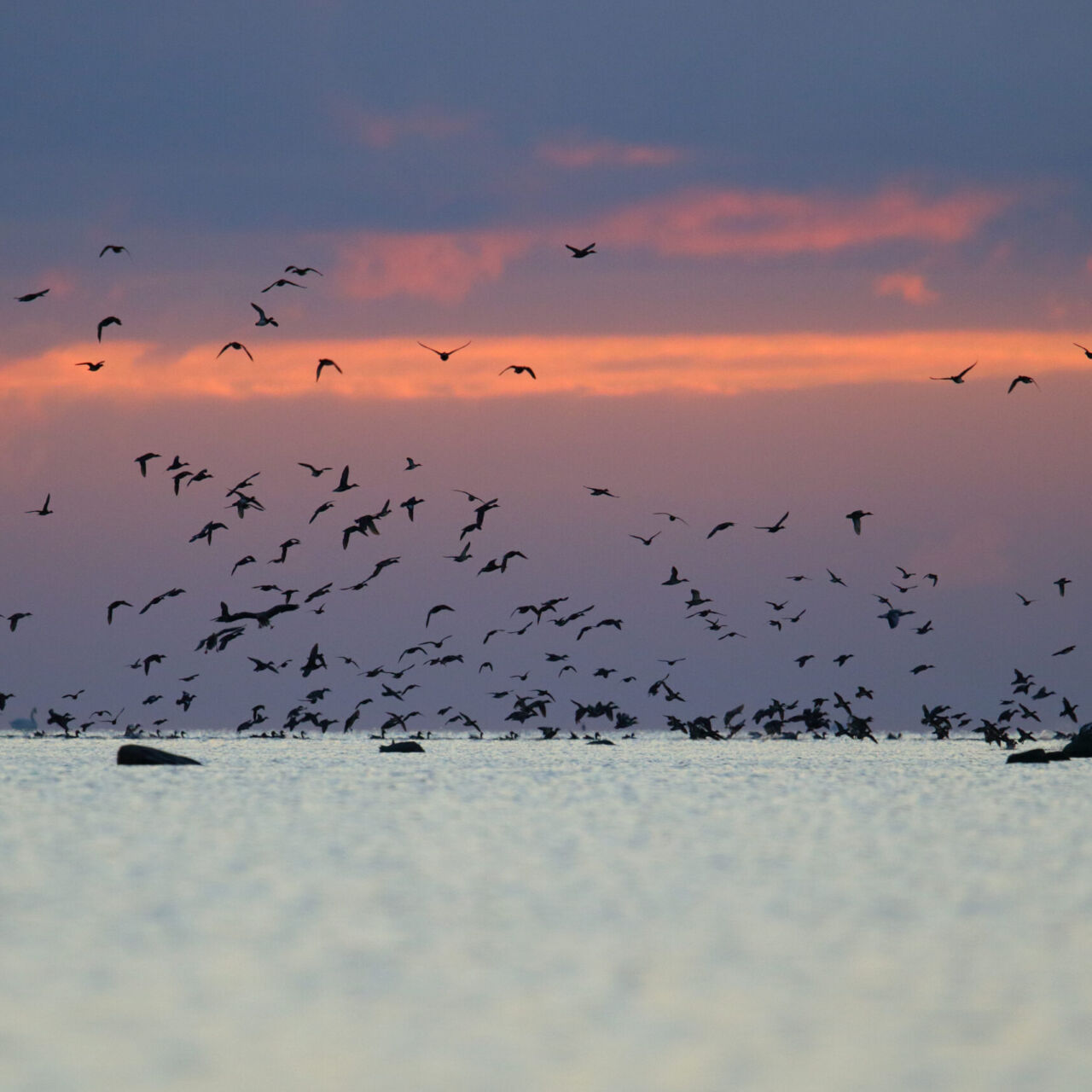
The numbers speak for themselves. Over 220 species on the Aardla Polder alone. Nearly the entire Bewick’s swan population passing through in autumn. 85,000 geese counted in a single spring season. Most of it with no one else around.
Why South Estonia
The Aardla Polder and Emajõgi floodplain, just a few kilometres from Tartu city centre, is one of the best inland birdwatching areas in Estonia, with over 220 species recorded. In spring, more than 85,000 Greater White-Fronted Geese and Tundra Bean Geese have been counted in a single season.
Lake Peipsi is a critical stopover on the migratory route, with nearly the entire population of Bewick’s swans passing through in autumn on their way to wintering grounds in Western Europe. The bogs of Meenikunno add a third completely different habitat: flat, open and rich in species that prefer wet, undisturbed land.
Thanks to the large forest areas and suitable habitats, six species of eagle can be seen in South Estonia as well as eight of nine European woodpecker species.
Best spots
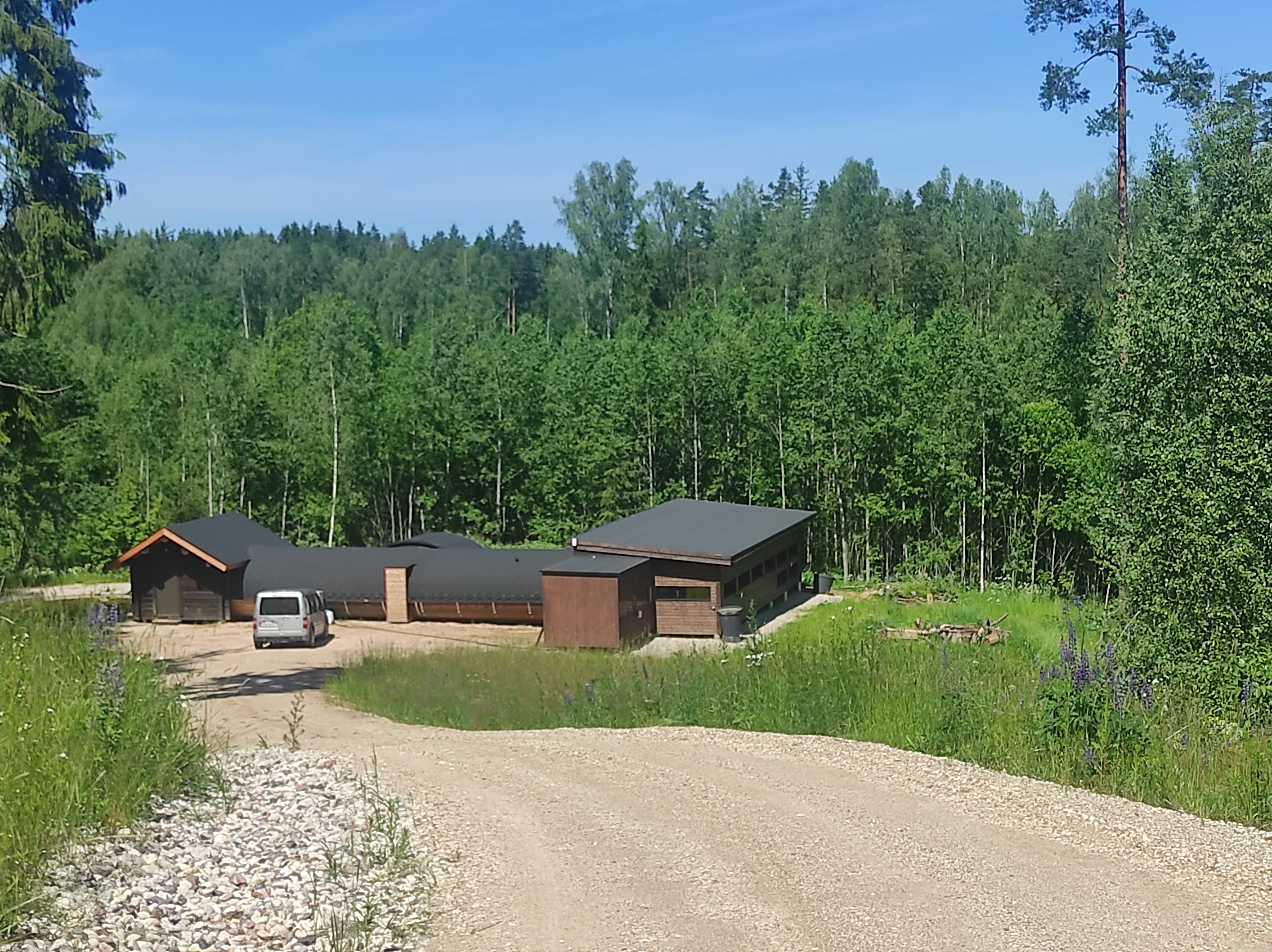
Wildlife Dreams nature photography hide
Internationally renowned wildlife photographers, led by Phil Gould, have created a first-class luxury hide in South Estonia, allowing you to capture stunning nature images comfortably. Built in the middle of the Estonian wilderness, the hide has also been described as one of the best wildlife photography and observation facilities in Europe! Here, you can experience Estonia's changing seasons, diverse bird and animal species, and ever-changing views throughout the year. The hide has space for up to 24 photographers, a meeting room with WiFi, and a kitchenette. Don't forget to bring comfortable slippers when you come to the hide!
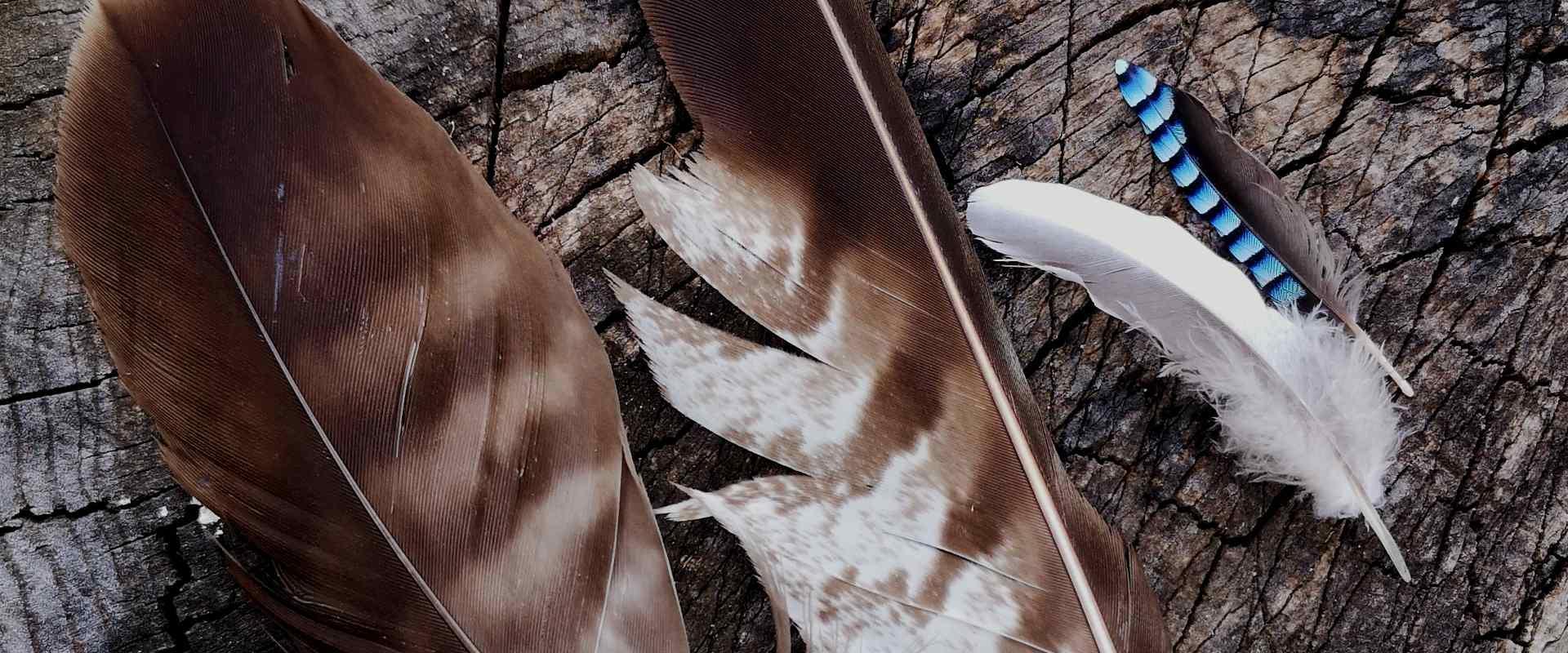
Birdwatching in Põlva County with a guide
Would you like to know more about nature? When was the last time you tried something new and put yourself to the test? Are you interested in birds but do not have binoculars?I, Liisi, will be your guide for exploring the exciting secret forests of South Estonia. Estonian nature offers something interesting for birdwatchers all year round. You can come alone or bring your family, friends, or co-workers! An unforgettable experience is guaranteed!I have binoculars for use on-site. The final price of the service depends on the number of participants!
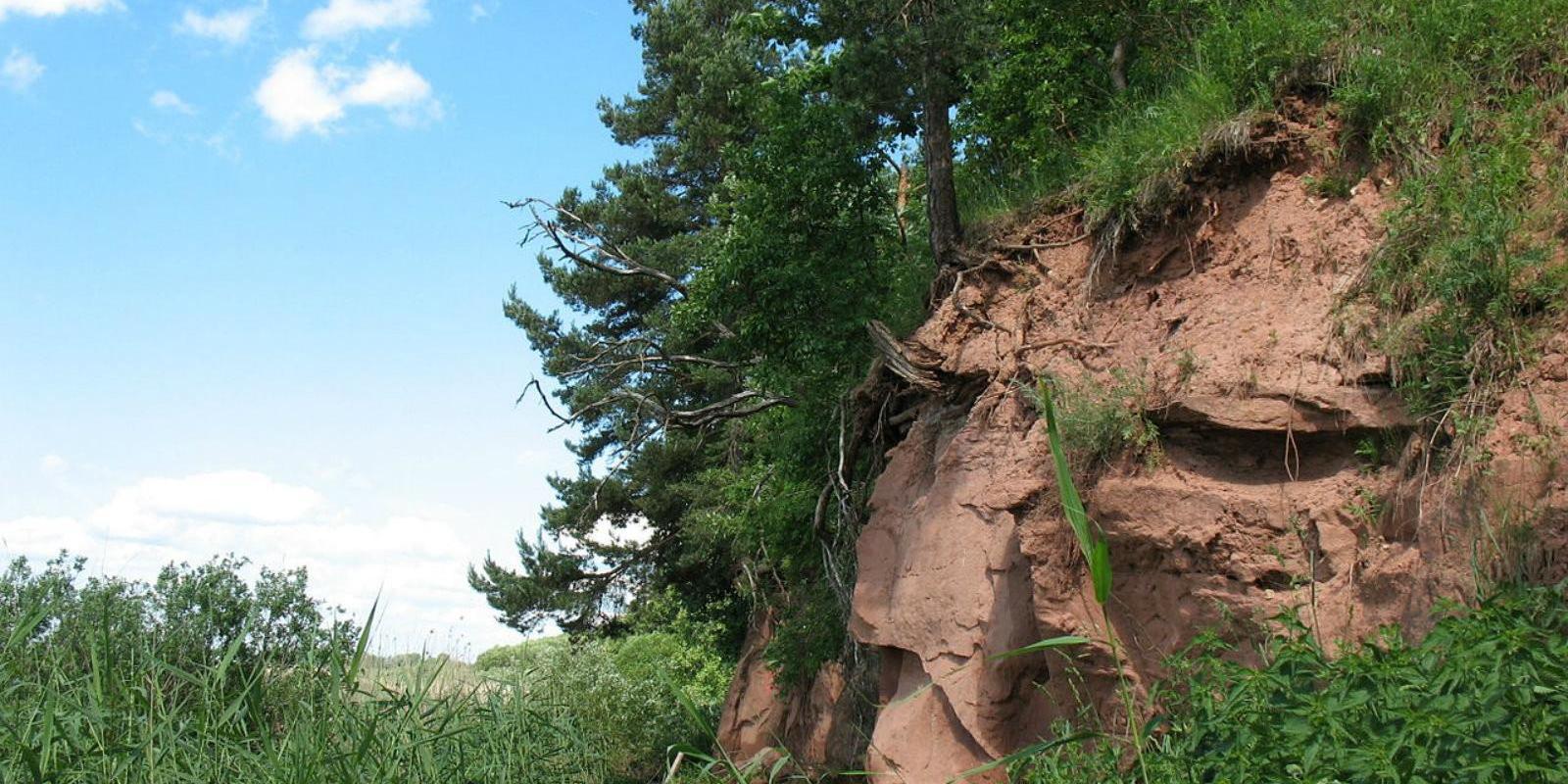
Tamme Outcrop hiking track
Tamme Outcrop hiking track is located on the eastern shore of Lake Võrtsjärv between the villages of Tamme and Neemisküla in Elva municipality. The area is rich in Devon sandstone outcrops from the Aruküla layer. Tamme Outcrop, which is located on the track, is an area where placoderms have been found and where valuable paleontological material has been collected since the second half of the 19th century.Ten information boards have been set up along the hiking track, which is almost 2 km long. They provide interesting information about the local natural environment. If you walk 1 km north on the track, you can turn back and hike back along a field or on a forest trail on the outcrop.
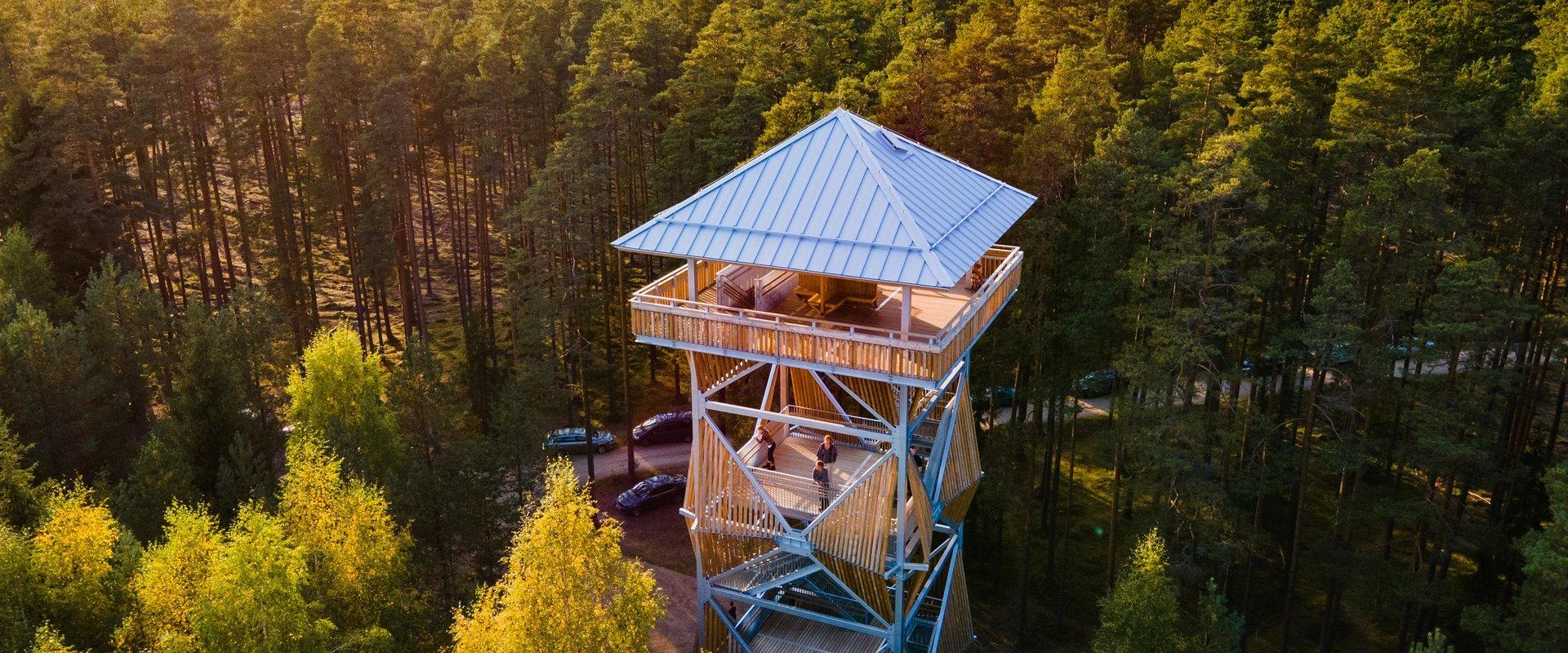
Valgesoo watchtower
The Valgesoo watchtower is located in the Valgesoo bog, which represents one of the 21 places worth discovering in South Estonia and is recommended for all nature enthusiasts.With its eye-catching design, the watchtower overlooks the Valgesoo bog, the pristine-looking primeval forest, and the Baron's pine forest (Parunimännik) and the study trail that runs through it. The 29.7 m high metal watchtower has three intermediate platforms, the last of which is 23.8 m high, with a wind screen and seat benches in the centre. The State Forest Management Centre's campfire site and camping area for up to five tents are nearby.
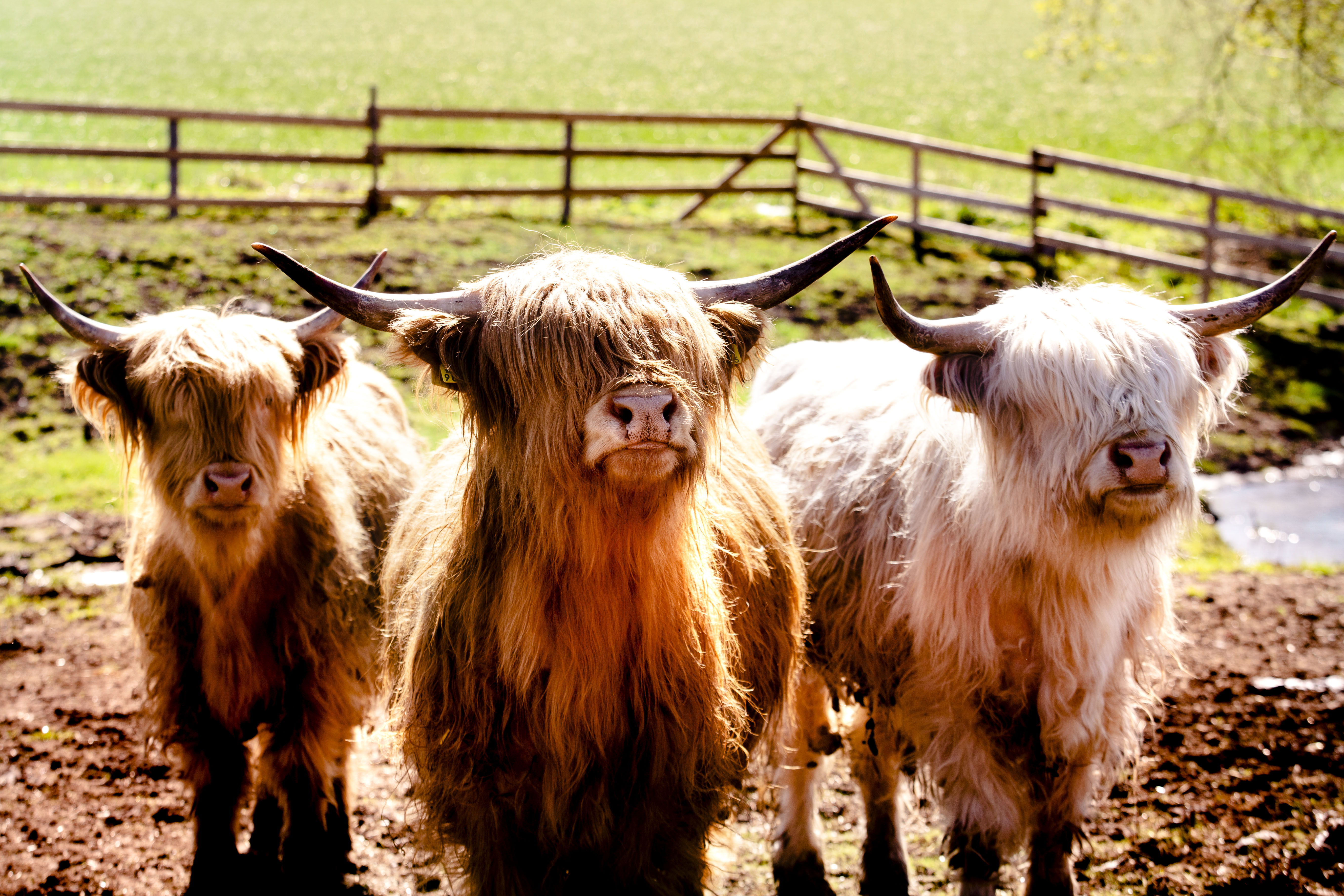
Hobby Farm “Talu ja loomad” (Farm and Animals)
Many birds and animals await you at "Talu ja loomad" (Farm and Animals) hobby farm, located in Kulli village in Tartu County! At the farm you can see various birds: chickens, the world's smallest seramas, ducks, turkeys, and geese. Additionally, the farm has goats, sheep, rabbits, chinchillas, hedgehogs, and a Vietnamese pot-bellied pig. You can meet about 300 animals and birds at the farm. Come with family and spend your time with lovely and unique birds and animals!
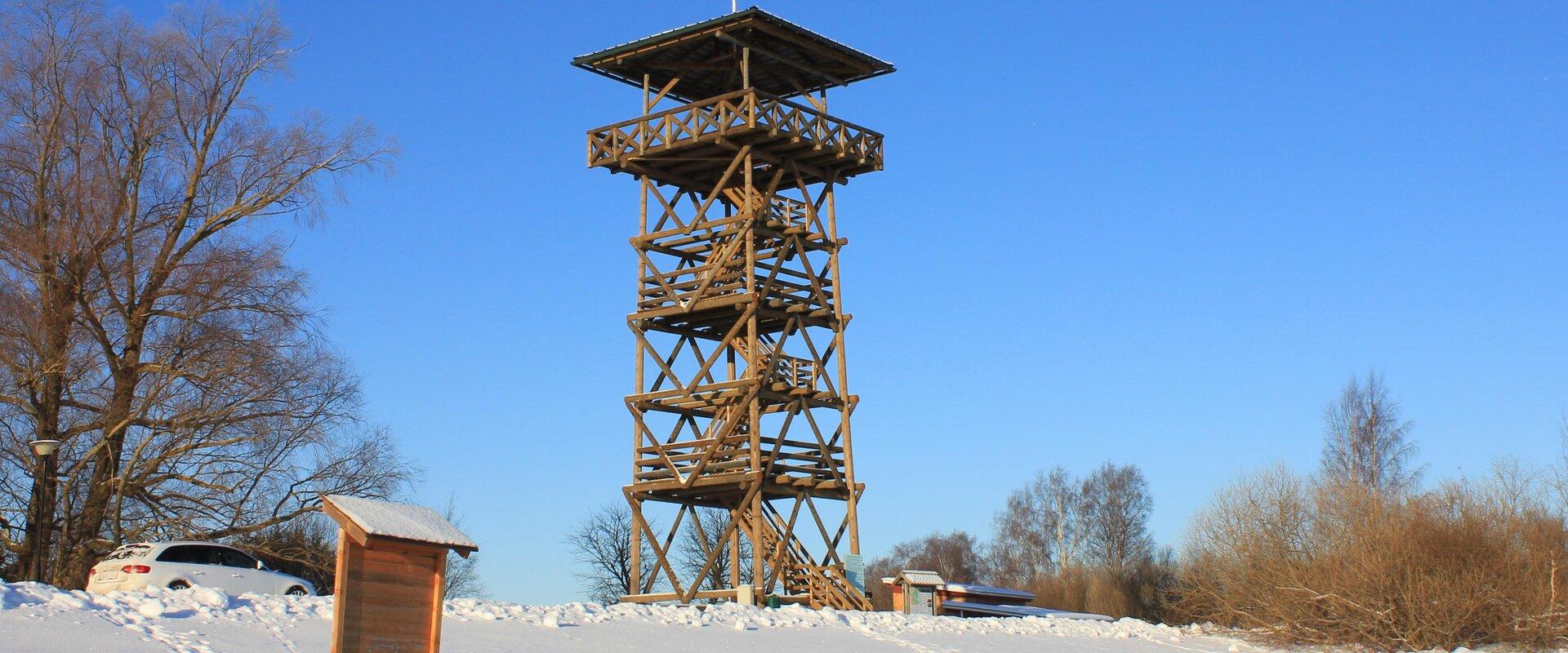
Birdwatching tower in the Räpina polder conservation area
The tower on Räpina beach, completed in 2020, is located in the Räpina polder conservation area near Räpina harbour. The 18-metre-high tower consists of three platforms and three observation platforms. The highest extended part provides better visibility to the polder conservation area, shore area, Lake Lämmijärv, Salusaar Island, and Russia.The birdwatching tower offers beautiful views in any weather and in any season. It is primarily intended for nature observation and bird watching. This allows people looking for nature experiences to see the species in the conservation area without disturbing the surroundings.
Loodustaju birdwatching in Southeast Estonia
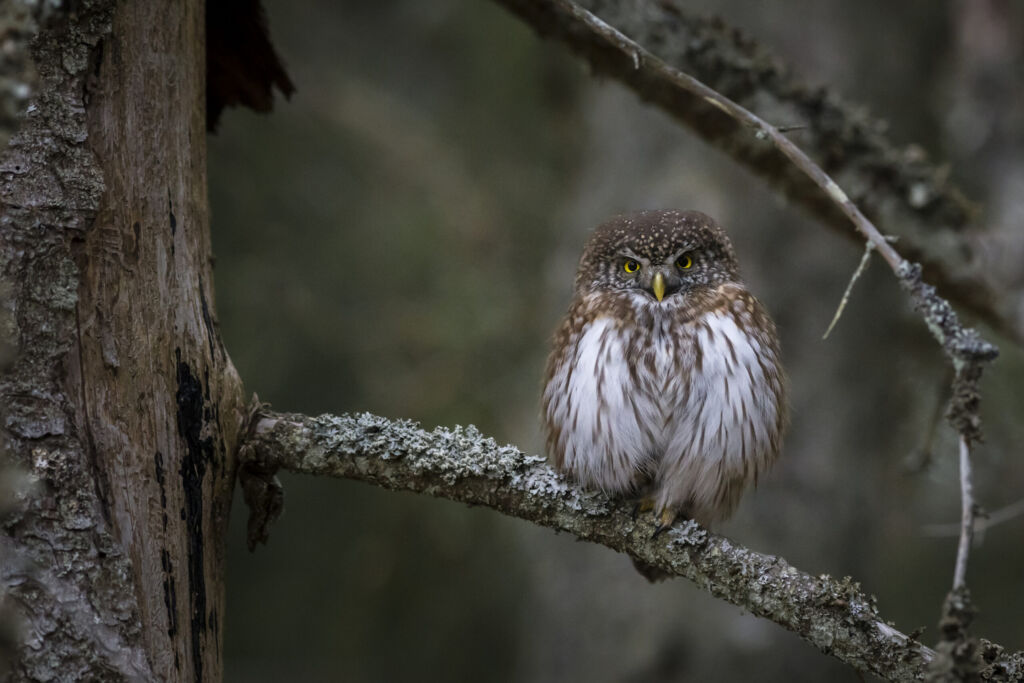
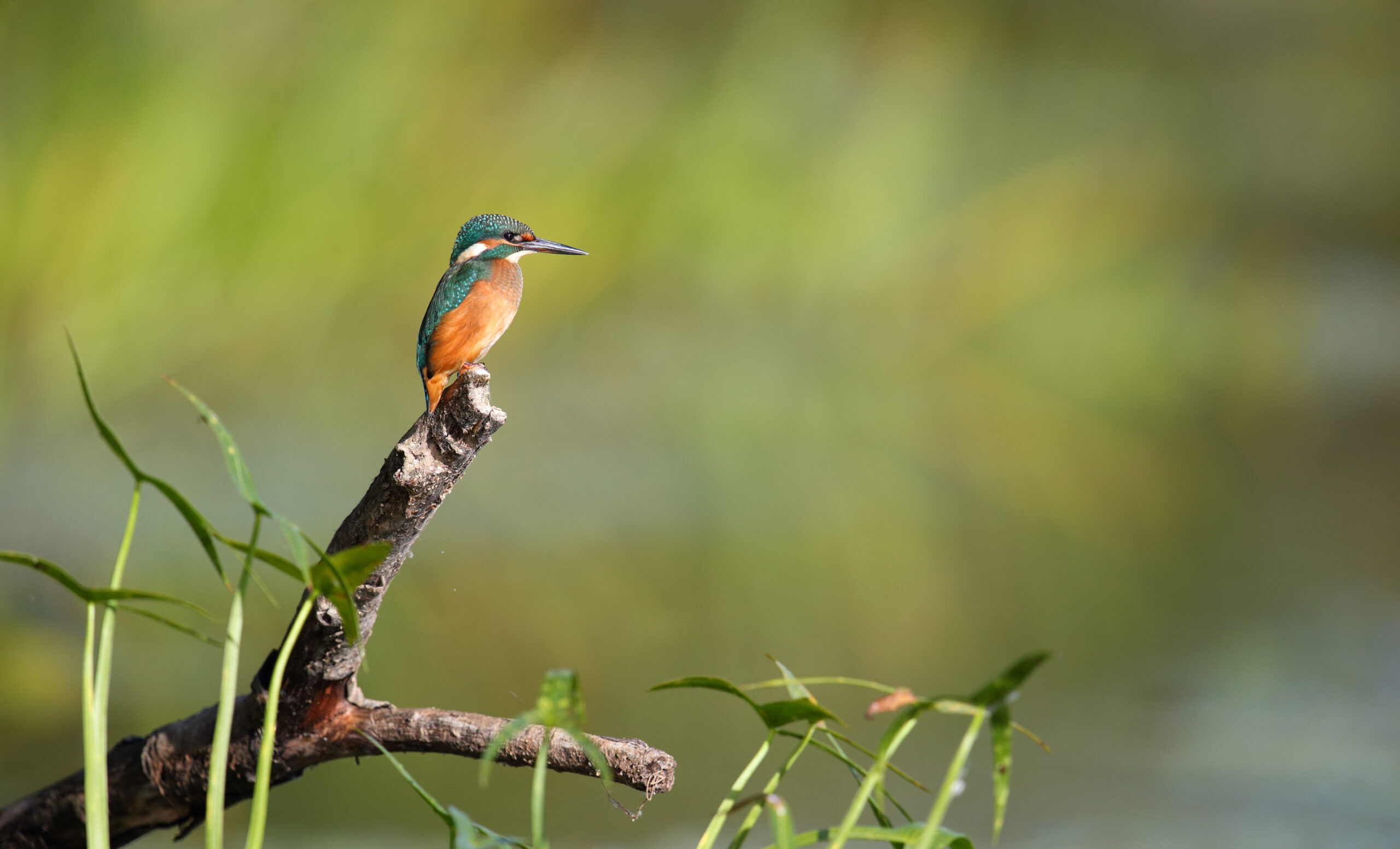
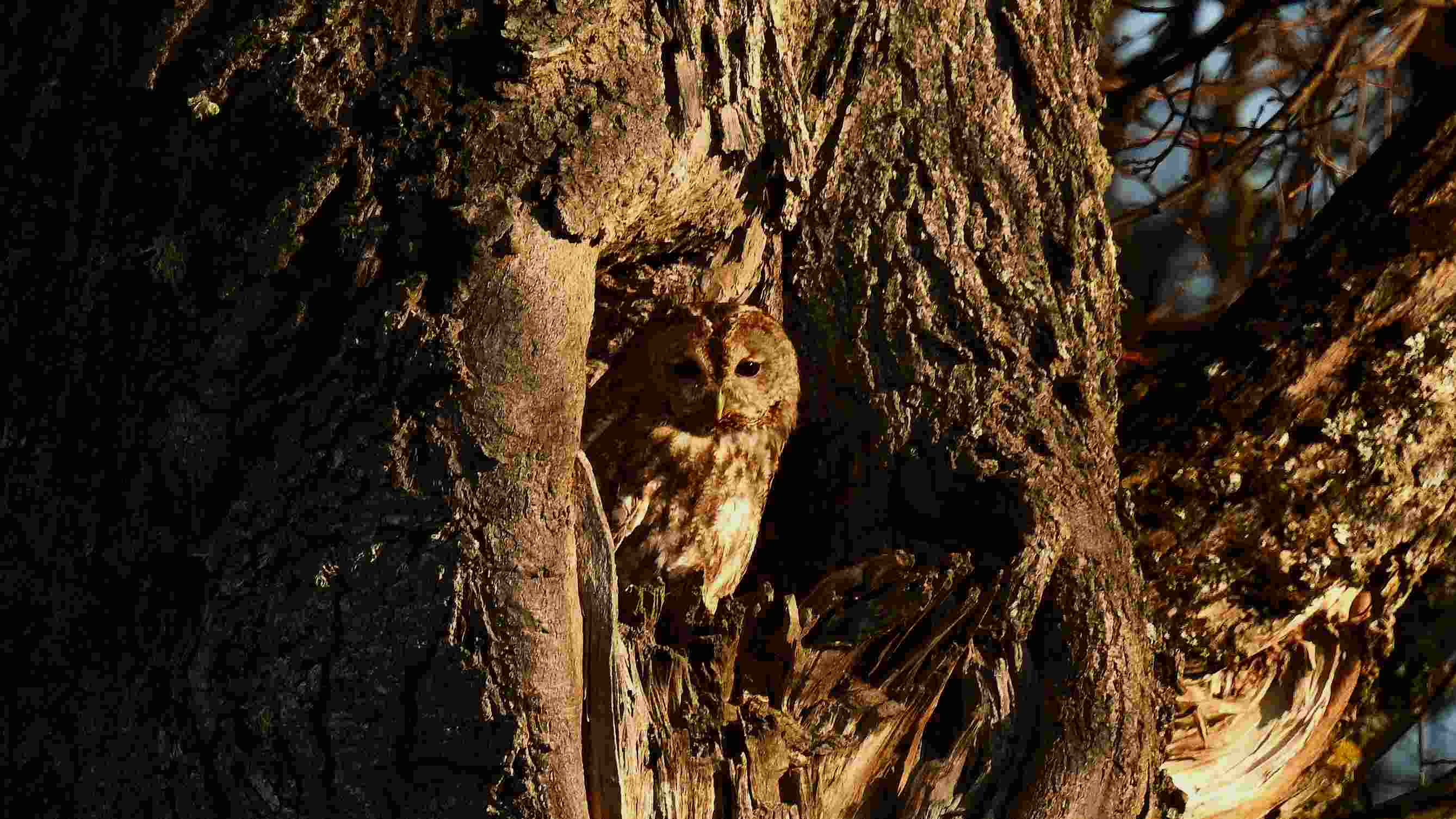
Although West Estonia is known to most of people as a place to observe migratory birds in the spring, then Southeast Estonia is almost as fascinating. At Lämmijärv and its surrounding region it is possible to encounter various migratory waterfowls and local eagles. In addition, we also have virgin forests with rivers and wetlands, where one can observe different species of owls, woodpeckers, hazel grouses and forest birds such as crossbills, northern goshawks, river kingfishers, etc. You can encounter a moose or hear the howling of a wolf. I offer tours for both beginners (binoculars and a fieldscope are included in the price) and experienced observers - from 3 hours to several days, including accommodation. More information can be found from website.
Linnutee hiking trail, bird observation tower
The bird observation tower on the Linnutee hiking trail is located in Kärevere Nature Reserve, which is one of the most visited places among bird enthusiasts. There are over 200 bird species here!The six-meter observation tower is perfect for admiring birds, their migration, and nesting, as well as the spring floods, and the diverse rivers, meadows, and forests. The purpose of this area is to protect rare species of birds, animals, and plants, as well as their habitats, forest and meadow communities, and inland water bodies. The local protected species include the black stork, the lesser spotted eagle, the white-tailed eagle, several bat species, the asp, the European bullhead, and others.
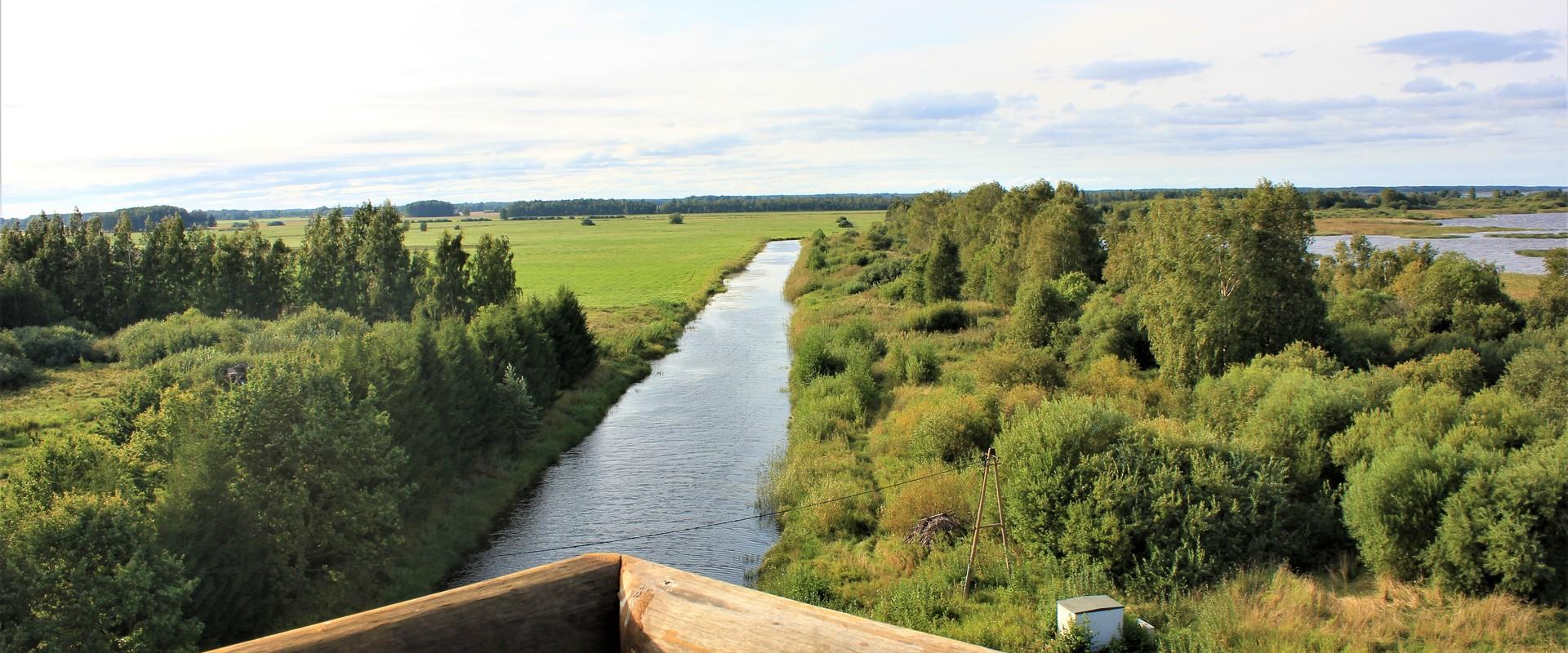
Räpina polder conservation area
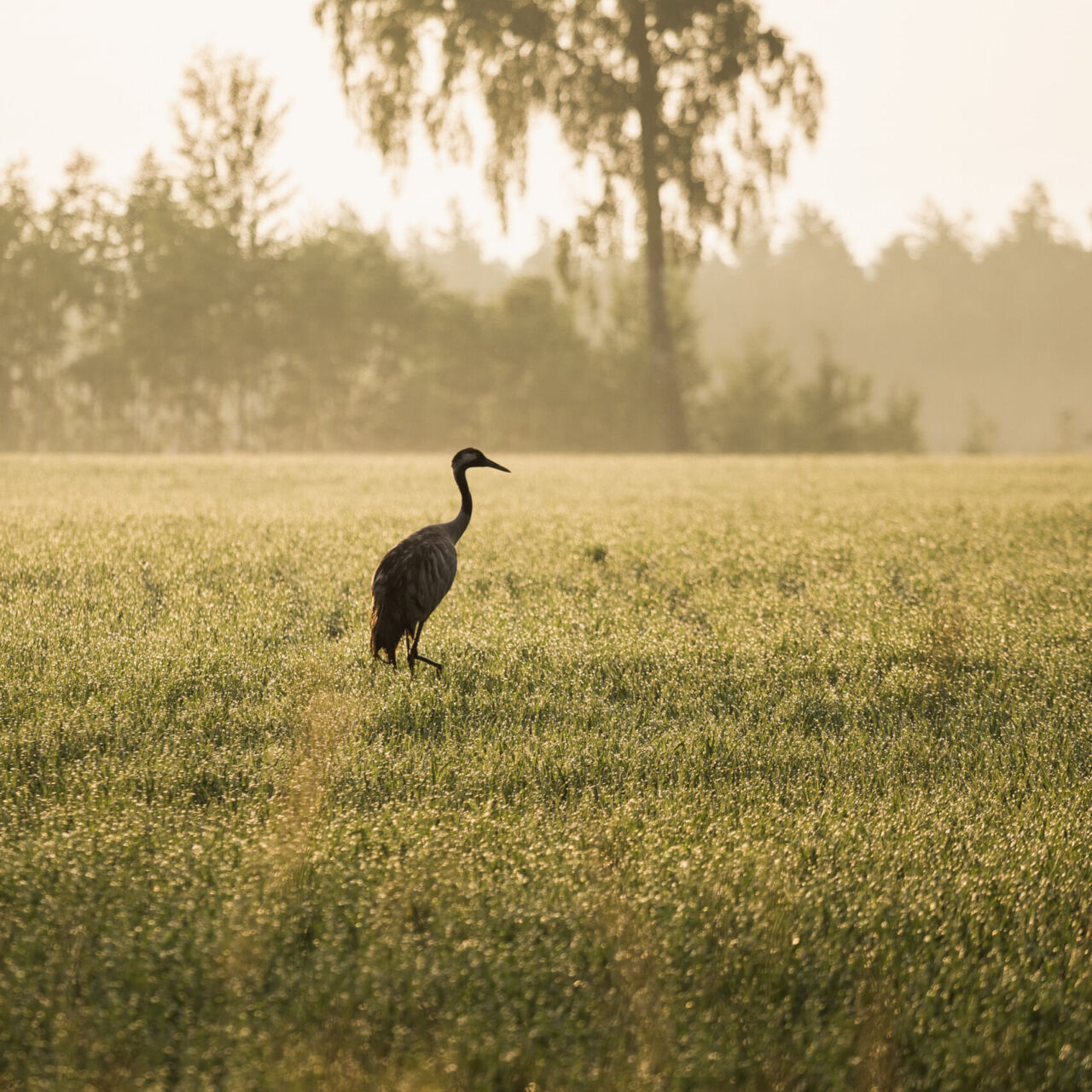
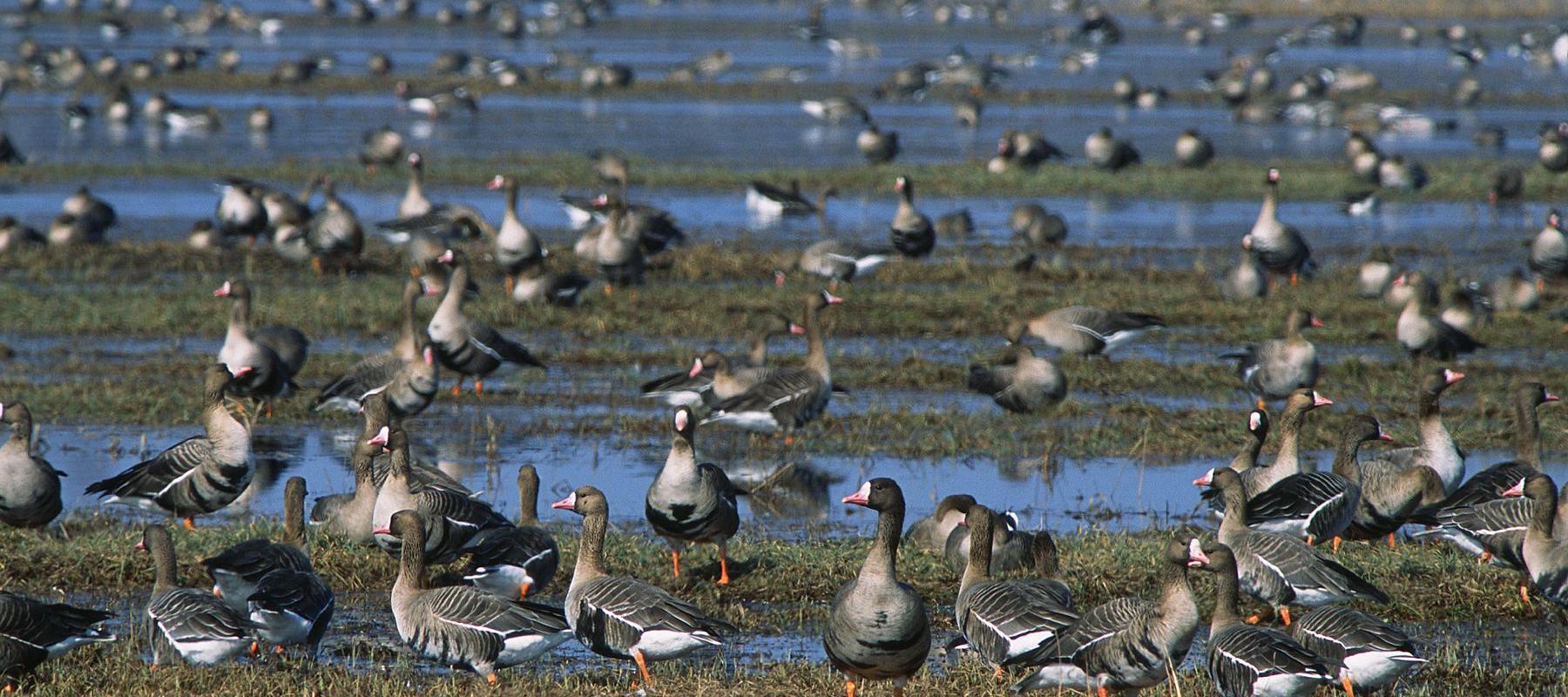
Räpina polder on the banks of Lake Lämmijärv is a bird-nesting area of international importance. It is a place of nesting and migrating through for many protected bird species. Of the species that nest here, the prominent ones from the perspective of bird protection are corn crake, black tern and little gull, to whom the Räpina polder is one of the best areas in Estonia. Of the migratory birds, the most important species are crane and white-fronted goose. The polder is an important place of nesting and stopping also for waterfowls and Charadriiformers. Up to 1.5 million birds pass through this area during the migration period. The area is the most important assembling area of migratory birds in Eastern Estonia. There are watchtowers for bird watching.
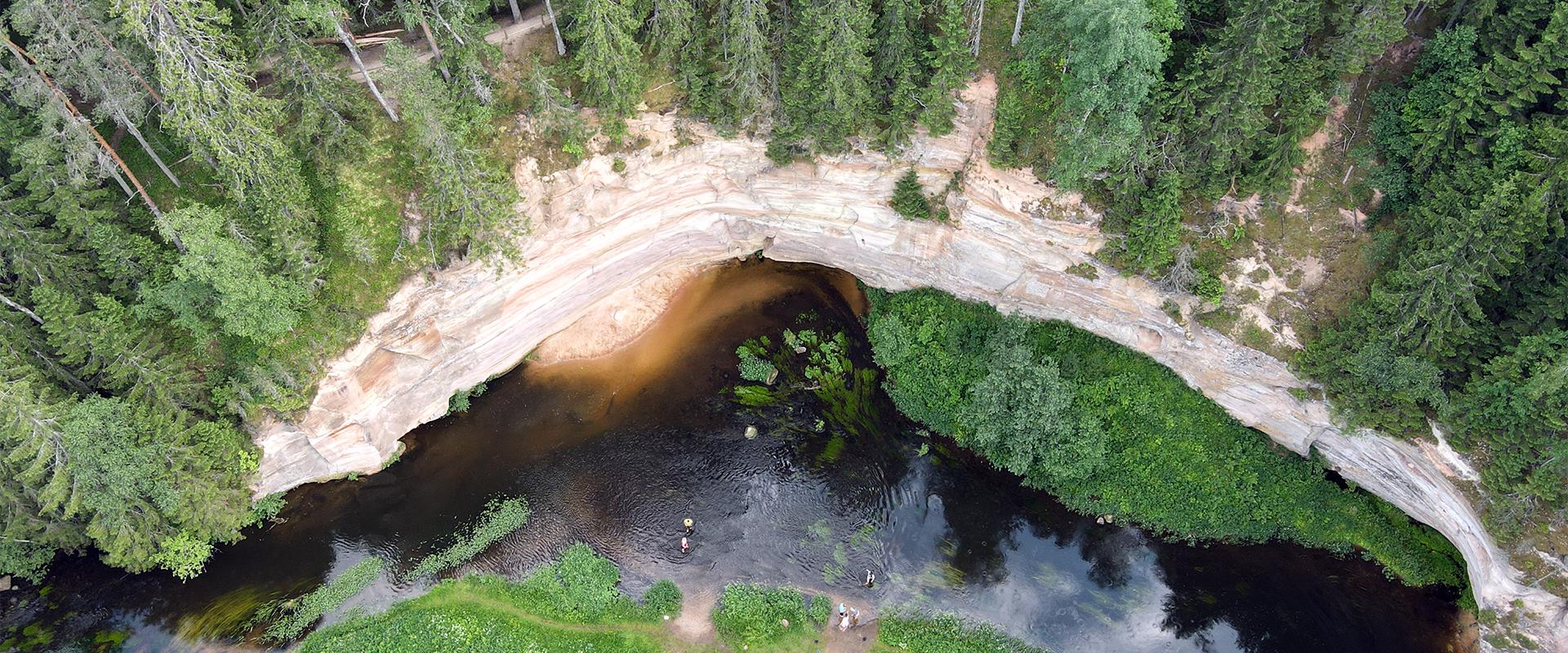
Large and Small Taevaskoda sandstone outcrops
The two Taevaskoda outcrops on the banks of the ancient valley of the Ahja River are one of the most frequently visited sites in southern Estonia. The sandstone outcrops and the ancient river form the most beautiful part of the Ahja River Landscape Reserve. Legends speak of caves, secret passageways and of demons and a mermaid with a golden comb. A walk from the Saesaare dam to the Small Taevaskoda outcrop, the Emaläte spring, the Neitsikoobas cave and the Large Taevaskoda outcrop, which rises 22.5 metres above the river, is worth undertaking in every season. The beautiful and exciting natural setting attracts hikers – it is a place that every Estonian visits at least once in their life!
Target species
South Estonia is where several species appear that are becoming increasingly rare or difficult to find elsewhere in Europe. A short list of what brings ornithologists here specifically
When to come
Birding season begins as early as March. Spring migration culminates in mid-May and the observation season winds down by mid-June. The biggest waterfowl migration occurs in March and April and again in September and October. Forest birds like woodpeckers and owls are easiest to spot in spring.
Summer is quieter for migration but the breeding season brings white and black storks, corncrakes and a full forest of species that stay all season. Winter has its own rewards – owls are more visible and the open landscape makes spotting easier.