Wildlife

South Estonia's wild side

South Estonia’s forests are home to animals that have quietly disappeared from most of Western Europe. Wolves, lynx, brown bears and moose all live here in numbers that make a genuine sighting possible, without a safari vehicle or a guided tour.

What you need is early mornings, patience and the willingness to sit still longer than feels comfortable.
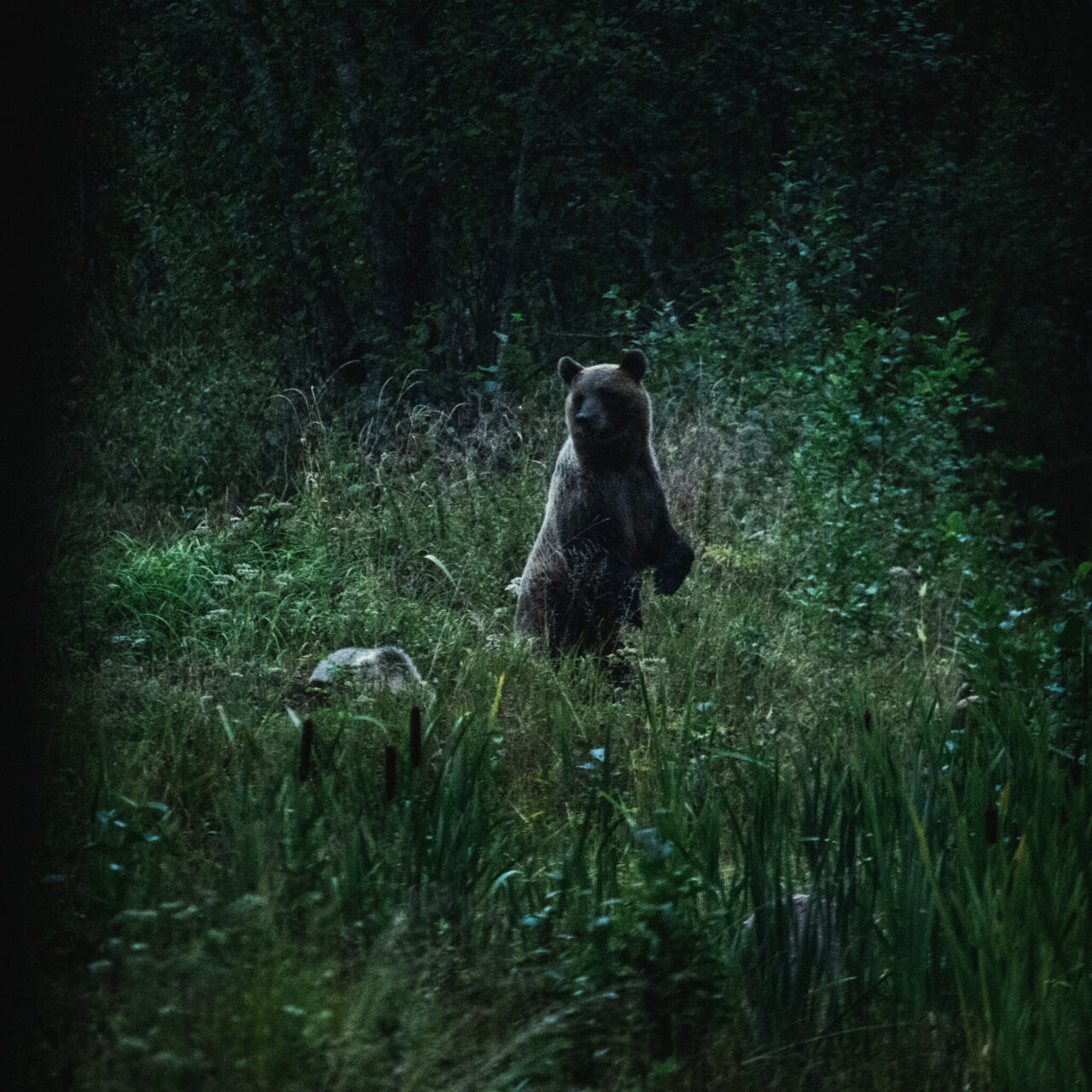
Estonia is one of the least densely populated countries in Europe, with over half its land covered in forest. The result is that large predators which have been pushed to the margins or eliminated entirely in most of Western Europe have continued to thrive here. Around 800 brown bears, 700 lynx and 200 wolves live in Estonia. The national animal is the grey wolf. This is not a coincidence.

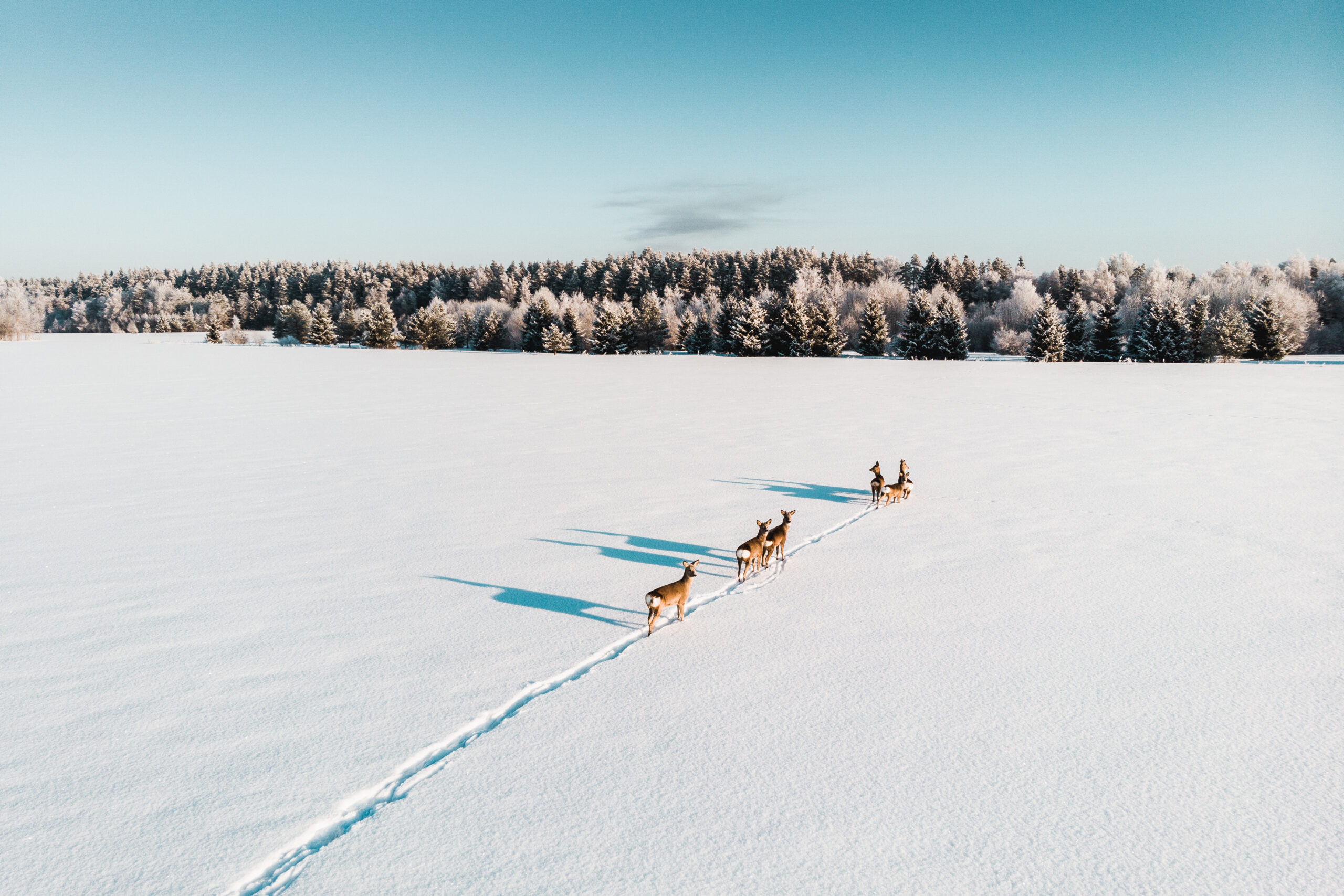
South Estonia’s particular contribution to this is the density and age of its forests, the vast peat bogs that provide undisturbed habitat and the low level of human activity across large parts of the region. Põlva County, in the southeast, has some of the best large predator habitat in the country. Moose are so common they barely register as a sighting. Beavers have colonised every stream. White-tailed eagles circle above the larger lakes. The chances of seeing a wolf or lynx in the wild are lower, but real – particularly in winter, when tracks in fresh snow reveal activity that is otherwise invisible.

Wildlife watching in South Estonia is not a packaged experience. It is what happens when you spend enough time quietly in places where animals live.

Large mammals

The brown bear is the most sought-after sighting. Bears are active from April through November, with summer evenings offering the longest observation windows. They are shy and rarely approach humans in the wild, which is why photography hides are the most reliable way to see them at close range.

The Eurasian lynx is one of Europe’s most elusive wild cats and Estonia has one of the highest densities in the EU. South Estonia’s forests in Põlva County are among the best areas in the country for lynx sightings. Early spring, during mating season, is the most reliable time.

Wolves are present across the region and can occasionally be spotted crossing roads or fields at dawn and dusk. Tracks in winter snow are more commonly seen than the animals themselves. Estonia’s wolf population is one of the healthiest in Europe.

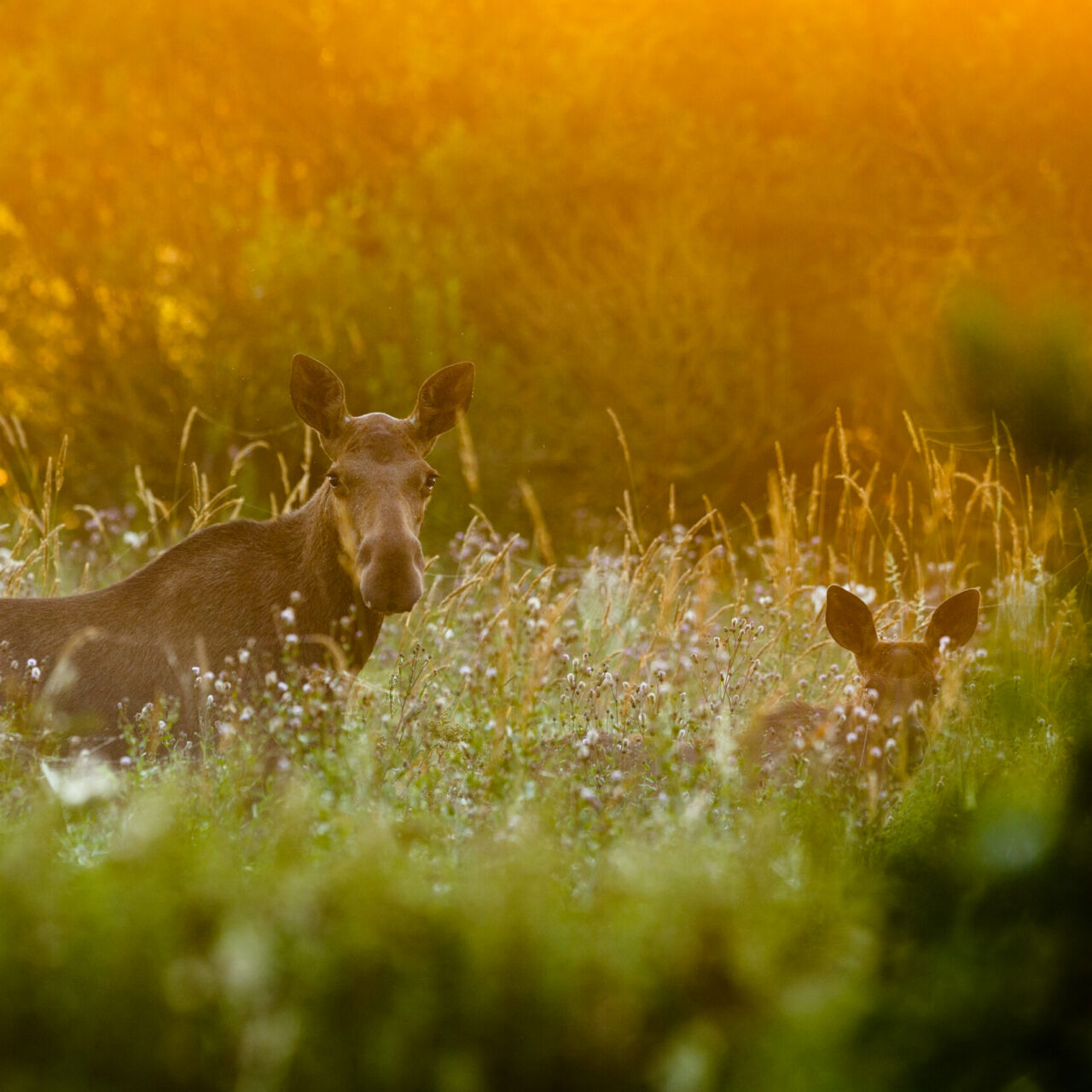
Moose are the most commonly seen large mammal. They move through fields and forest edges at dusk and dawn, are largely unbothered by cars and are frequently spotted along the region’s quieter roads.

Smaller mammals

Beavers have colonised almost every small river and stream in South Estonia. Their dams and lodges are visible from the bank year round. The animals themselves come out around dusk and are one of the more reliably spotted mammals in the region. Estonia has around 20,000 beavers. Once hunted to near extinction here, the population has fully recovered.

Otters live along the cleaner rivers and streams of South Estonia, particularly in the less disturbed parts of the Võhandu and Ahja river systems. They are secretive and most easily spotted at dawn on still mornings. Pine martens are present across the forested parts of the region and occasionally spotted crossing roads at night. Badgers are common but nocturnal. Raccoon dogs, an introduced species that has fully integrated into the local fauna, are frequently seen at forest edges and along roadsides after dark.

The most unusual smaller mammal in the region is the Siberian flying squirrel, which reaches the western edge of its range in Estonia. It does not fly but glides between trees on a membrane of skin, active only at night. Spotting one requires local knowledge, timing and patience. Wildlife Dreams in Põlva County arranges dedicated flying squirrel sessions.

Birds

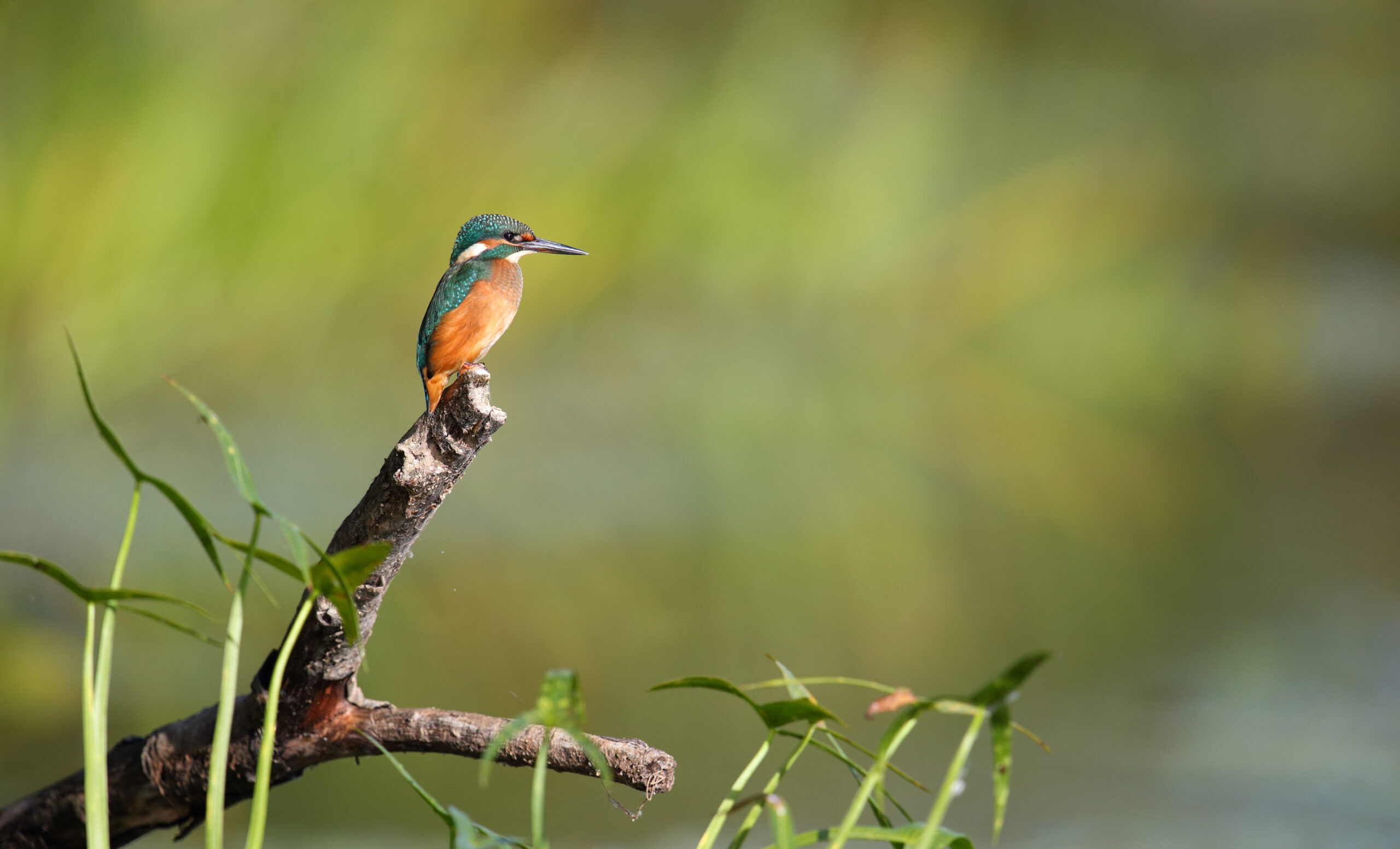
South Estonia sits on one of Europe’s main migratory flyways. The region is internationally significant for birdwatching, with species including the white-tailed eagle, black stork, great snipe and eight species of woodpecker present across the forests, rivers and bogs.

Read more

Wildlife photography

For serious photographers or anyone who wants a guaranteed close encounter, Wildlife Dreams near Krootuse in Põlva County operates one of the best wildlife photography hide complexes in Europe. The facility can accommodate up to 24 photographers at purpose-built windows fitted with high quality photographic glass. Species photographed from the hides include brown bear, Eurasian lynx, grey wolf, red fox, wild boar, moose, badger, pine marten, beaver and white-tailed eagle. The hides are open year round. Winter brings eagles and snow tracks. Summer brings bear cubs and long evenings.

Wildlife Dreams nature photography hide

When to go

Spring is when bears emerge from hibernation and lynx are most active during mating season. The flooded meadows along the Emajõgi attract large concentrations of wading birds in April and May. Summer evenings are long, giving extended observation windows at hides and along forest edges. Autumn brings the moose rut and bears feeding heavily before hibernation. Winter is the best time for wolf and eagle sightings, and tracks in the snow reveal activity that is invisible the rest of the year.

Good to know

Bring binoculars. Even without a hide, early morning walks along forest roads regularly produce sightings of moose, deer and smaller mammals

Wolves and lynx are naturally wary of humans. A wildlife photography hide is the most reliable way to see them at close range

Bears are not dangerous if encountered in the wild. Give them space and they will move away. Never approach or feed them

Dawn and dusk are the most productive times for almost all large mammals

Winter is underrated for wildlife. Tracks in fresh snow tell the story of a night’s activity across an entire forest

Wild boar are common throughout the region and occasionally seen crossing roads at night. They are not dangerous unless cornered or with young

The Siberian flying squirrel is nocturnal and extremely difficult to spot without local knowledge. Book a dedicated session with a specialist operator

Raccoon dogs are most visible at forest edges and roadsides after dark, particularly in spring when they are most active

Otters are most active at dawn. The cleaner rivers in the Haanja and Võromaa areas are the best places to look

Beavers are best spotted from April to August, on still evenings along slow-moving rivers and streams. Look for gnawed tree stumps and dam structures as evidence of activity nearby