
• Explore
    • Nature
    • Culture
    • Food
    • Family
    • Activity
    • Blog
    Smoke sauna
    Weather and seasons
  • Plan
    • Accommodation
    • How to get here
    • Weather and seasons
    • Sustainability
    • Tourist info
    Discover South Estonia’s Most Beautiful Manors and Castles
    Top 20 Sights in South Estonia
  • For professionals
    • For professionals
    • Collaboration
    • News
    • Projects
    • Training
    • Repository
    • Community (opens in new tab)
    • Contacts
ENG
  • EnglishENG
  • EestiEST
  • LatviešuLAT
  • РусскийRUS
  • SuomiFIN
ENG
  • EnglishENG
  • EestiEST
  • LatviešuLAT
  • РусскийRUS
  • SuomiFIN
Popular searches:
Show all
  • History & Culture
  • Local shops

Peipsi Kalapunkt Fish Shop

Võidu tn 88a, Peipsiääre vald, Tartu maakond, 60104

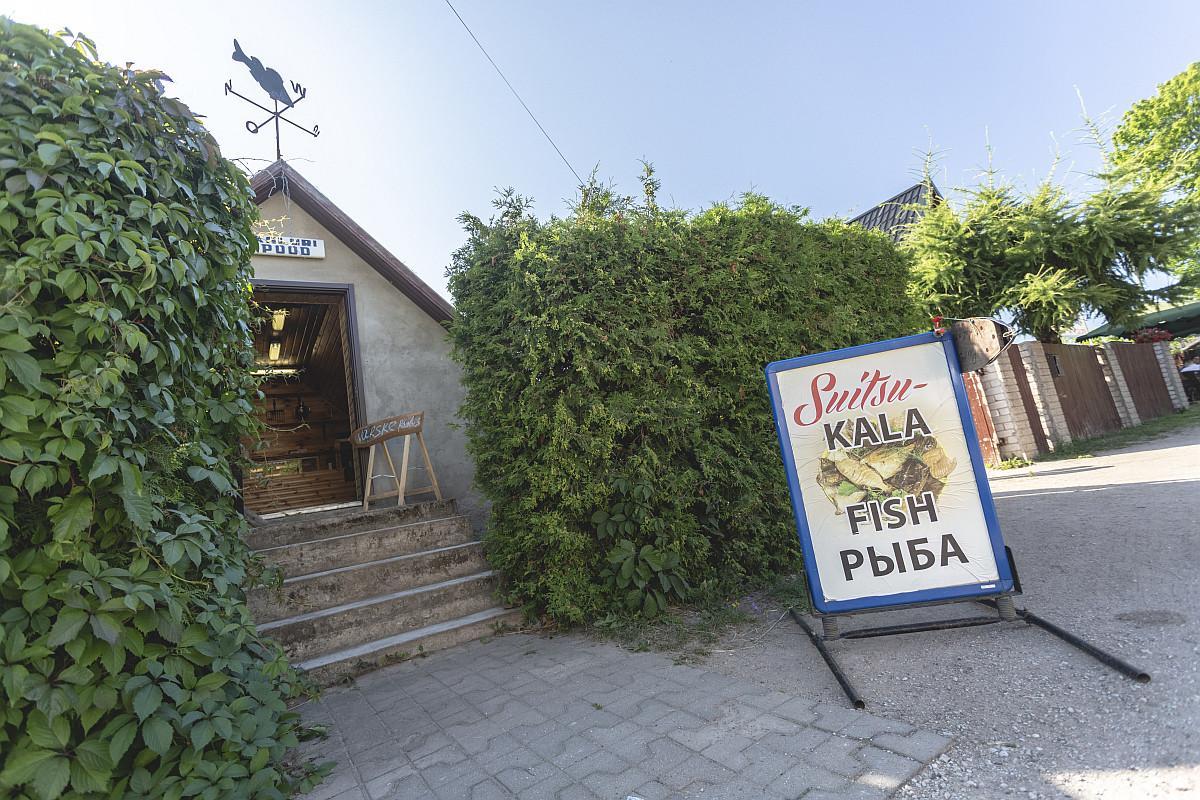
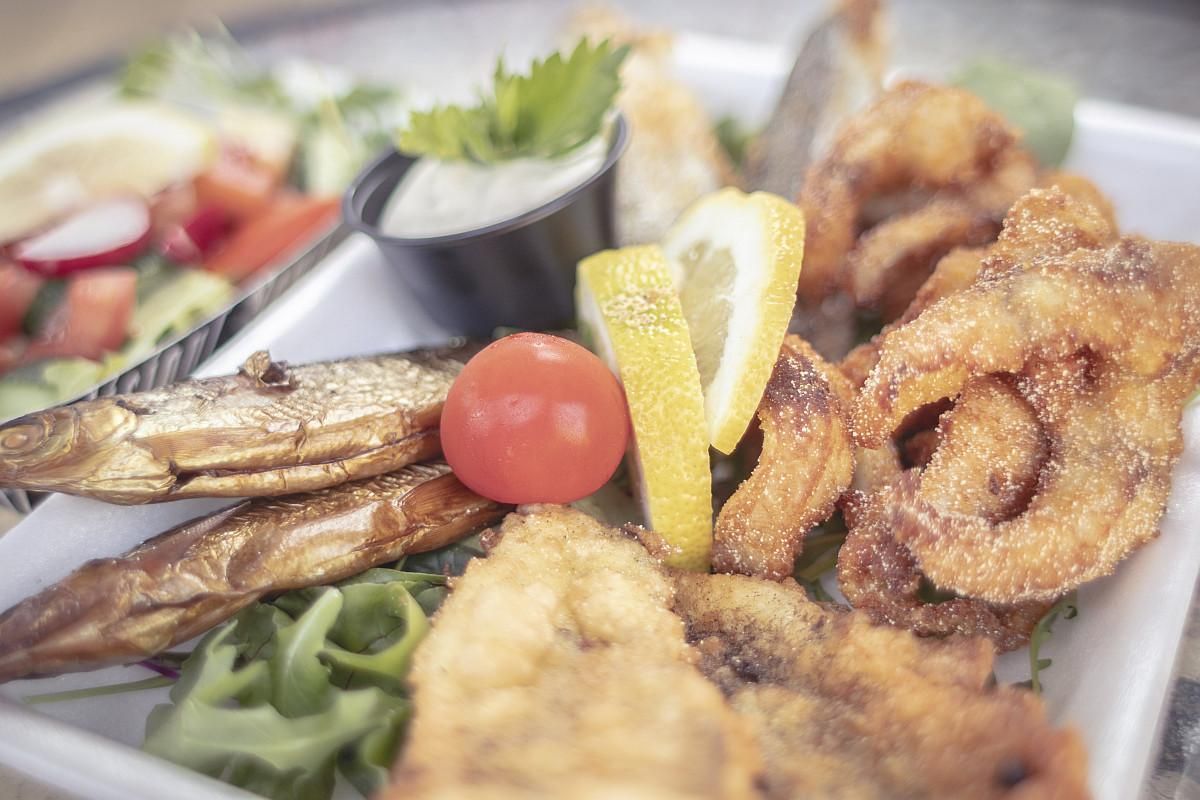
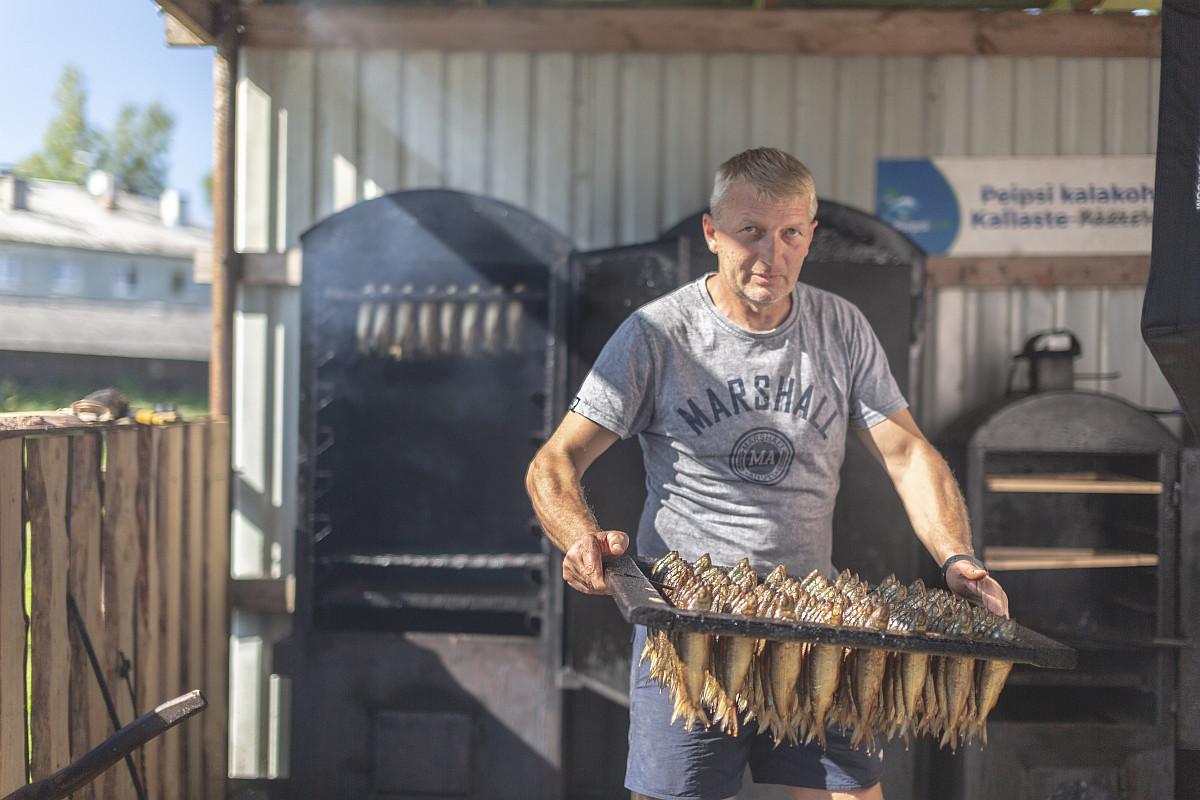
Peipsi Kalapunkt – ancient fish recipes in a historical location!
If you appreciate fresh and delicious fish, then Peipsi Kalapunkt is the place to come. Here, in Kallaste, delicious fish awaits, and it will make your taste buds jump with joy.
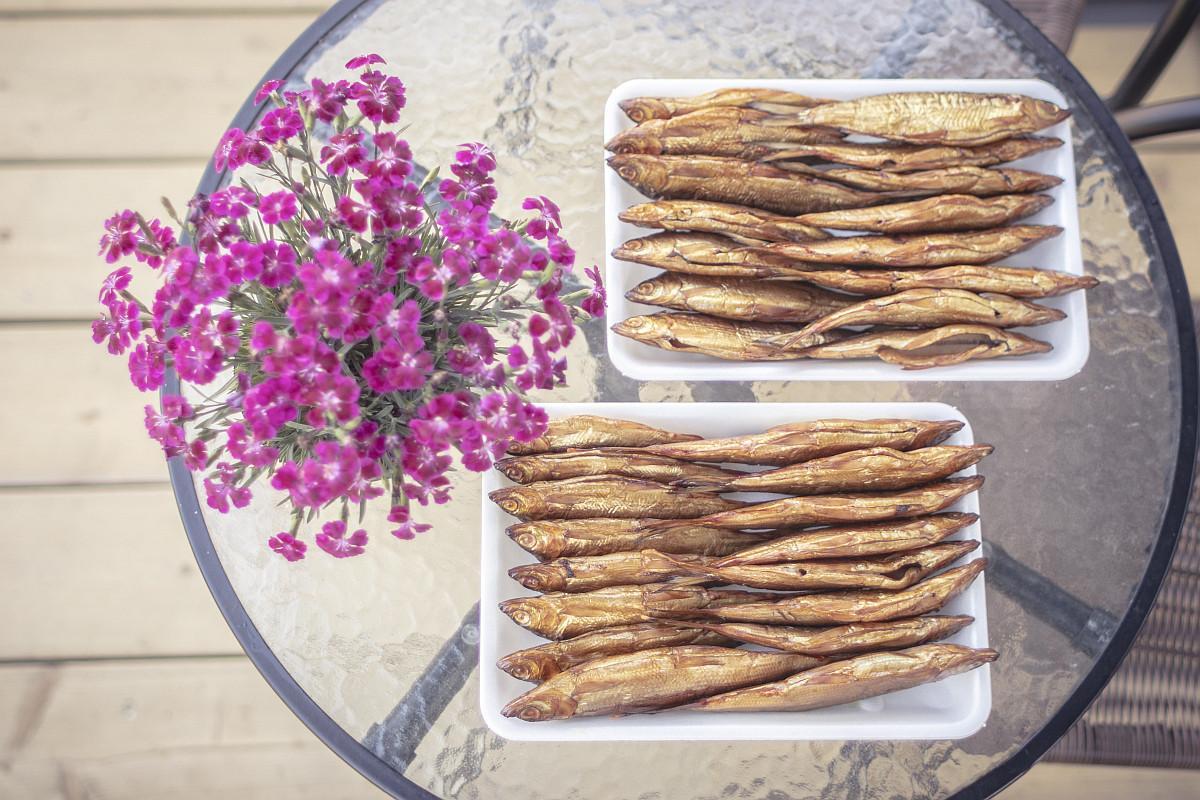
We mainly offer smoked fish: vendace, bream, rudd, and other lake delicacies. If you want to be sure that the fish you like is available, we recommend calling in advance.
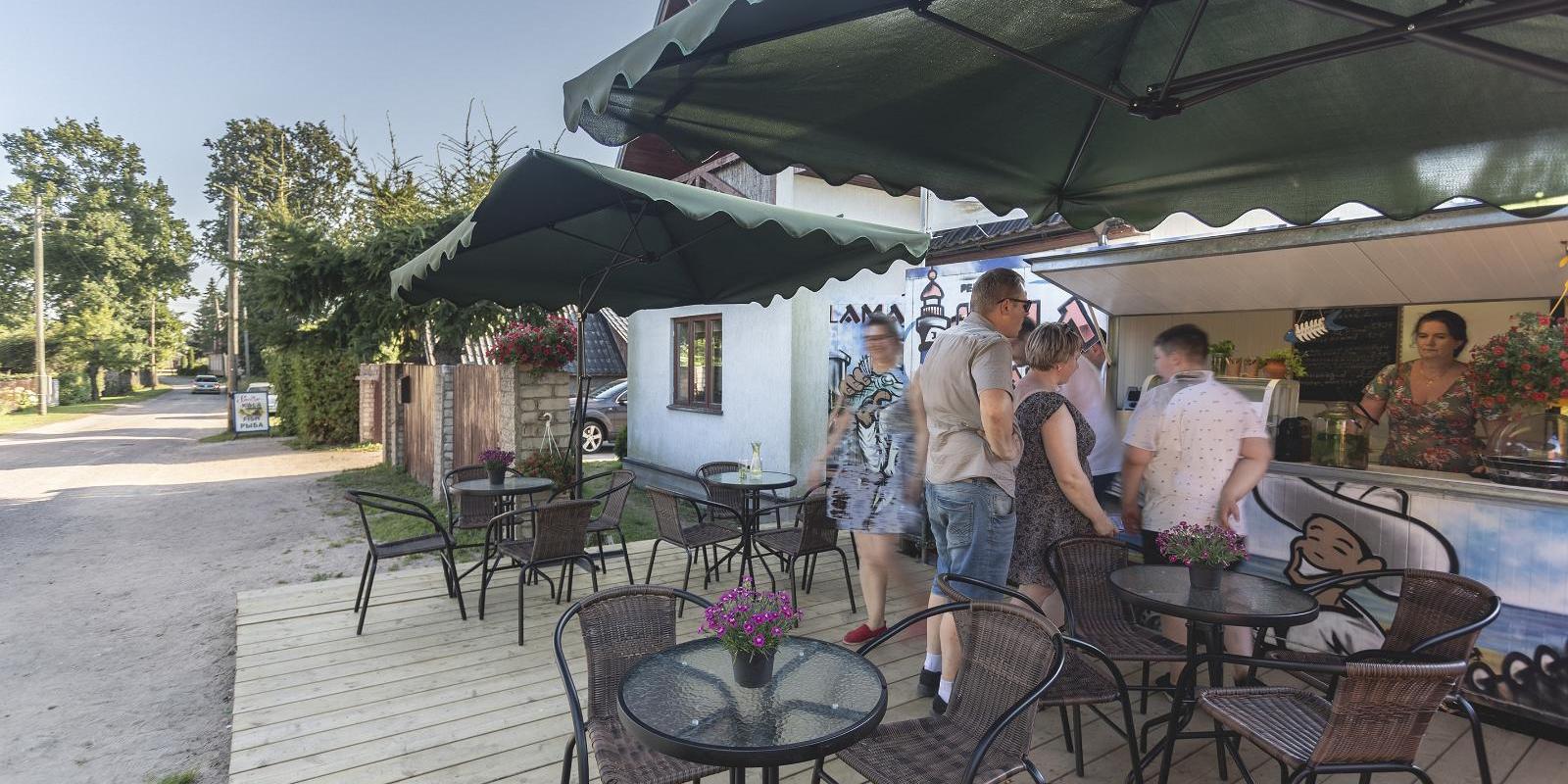
Kalapunkt’s outdoor café is also open in warm weather, where you can quickly enjoy delicious fish burgers, wraps, and other snacks.
Amenities

  • Paid parking

Open times

1. juuni - 31. aug

11:00 - 19:00

1. sept - 31. mai

Eeltellimsel

Contact

  • +372 5622 0203
  • vestompluss@mail.ee

Links

www.sibulatee.ee

See more

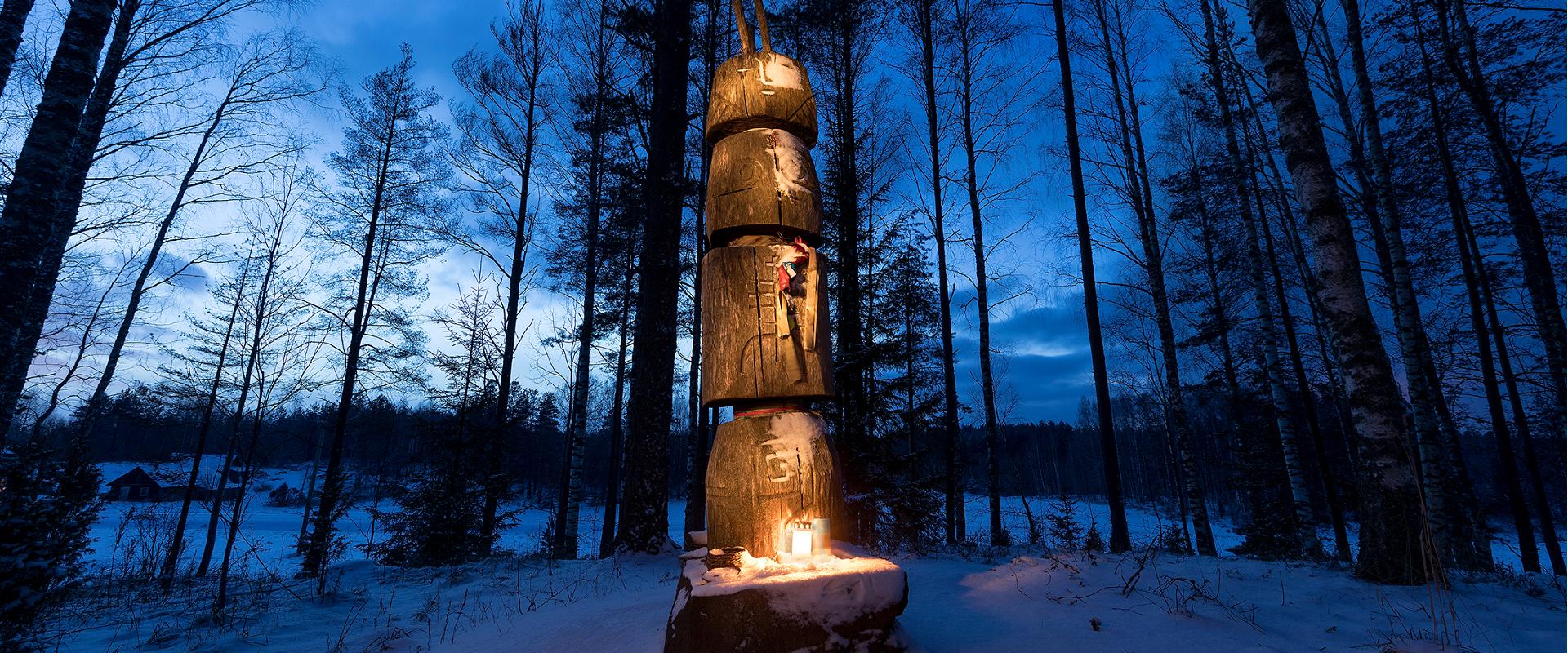
Memorial stone to the first Estonian Song Festival

The memorial stone to the first Estonian song festival was unveiled on the 125th anniversary of the festival in 1994. It was designed by Mati Karmin.Between the two millstones (czarist power and hard work and austerity), the heads are like grains that are being ground. They sing despite the pressure (Mati Karmin XL, 2019).The first song festival was held in Tartu from 18–20 June 1869. It was opened in Toomeoru but mainly took place in the gardens of the Ressourc society opposite St Peter’s Church, which enjoyed beautiful views over the town and the Emajõgi River. The festival was attended by 46 choirs, involving almost 800 male singers and four brass bands. Almost 15,000 people attended the festival.

  • Churches

Vastseliina Church

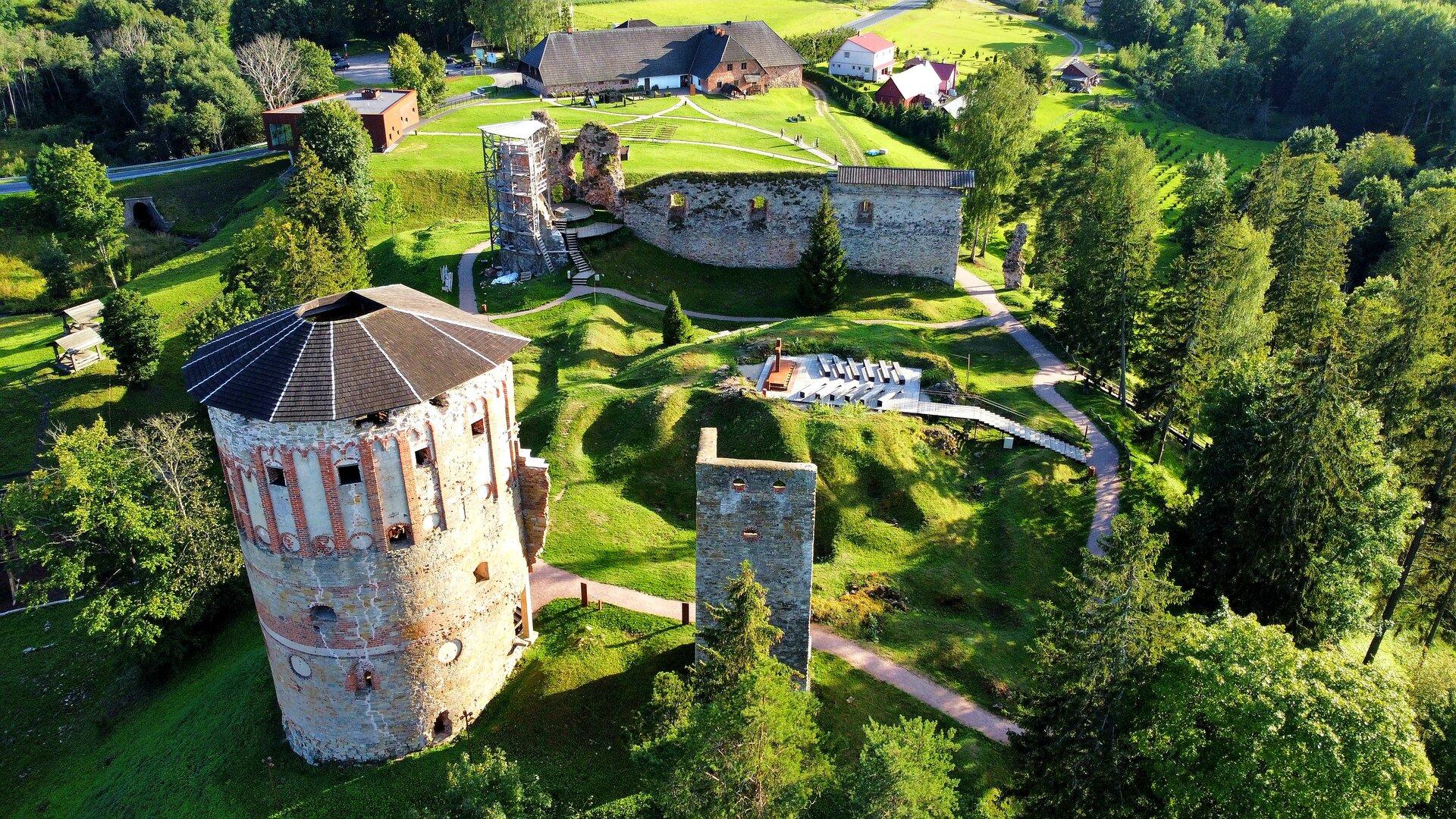
Vastseliina Castle was built in 1342. The Swedish Army gave the order to build another church outside the walls of the castle as an addition to the Vastseliina Castle Chapel. The new church was consecrated as St. Catherine's Church. The church was destroyed together with the Vastseliina Castle by Russian cannon fire. Another church was built, and construction began on a stone church. Von Liphardt donated an organ made by Kessler and an alter painting by Baron Maydell to the church. Vastseliina Church was reconstructed according to the plans of the architect Pohlmann. In 1911 the church obtained a new organ built by the brothers Kriisa. Church service is held on Sunday.

  • Estonian handicraft
  • Estonian design

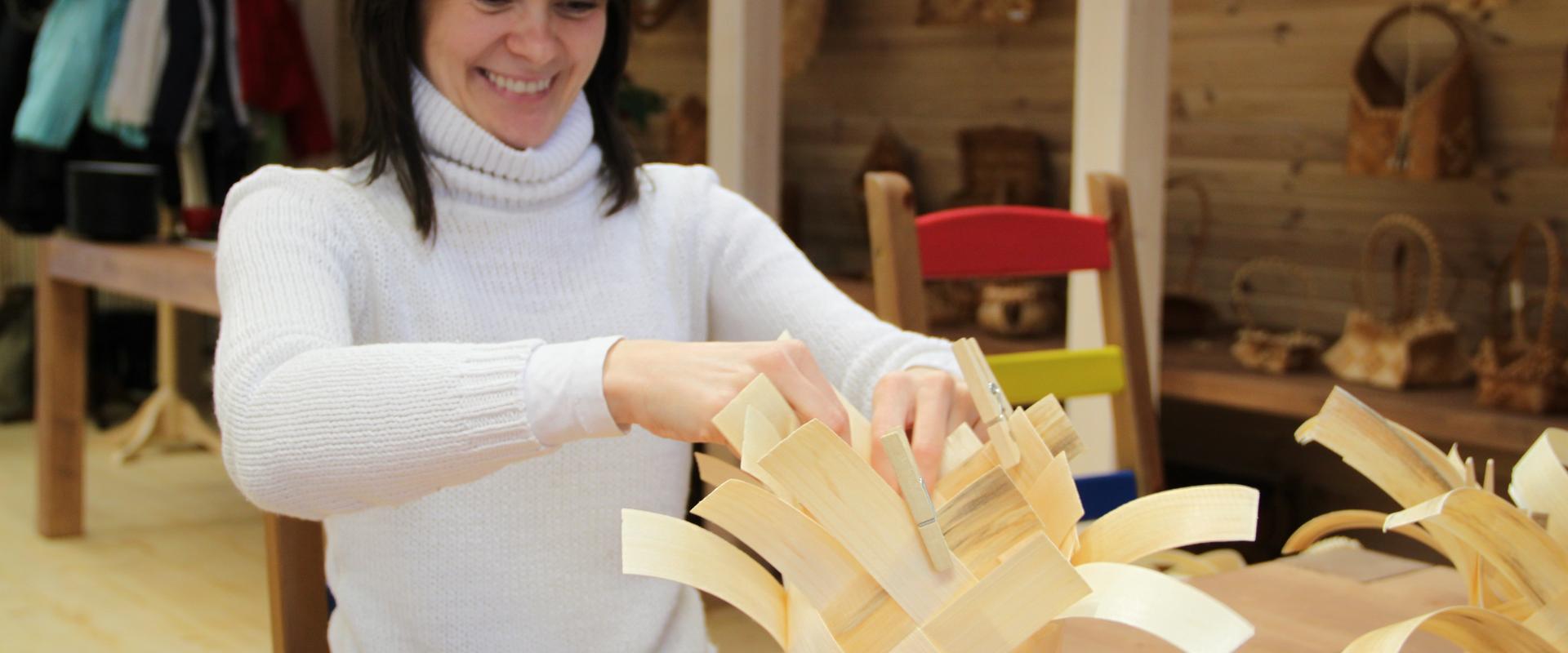
Craft store Roosiait

We offer wonderful handicraft products for children and adults, as well as products for home decoration, and interesting antiquities.In 2020, we opened a café – we offer fair trade and eco-labelled products: chocolates (a large selection for vegans as well), tea, and coffee.Roosiait was named after grandmother Rosalie Ait, who was called Roosi (Rose). She was an outstanding woman who had 11 children and survived Siberia. We wanted to commemorate her and this is why we named the store after her.

  • Monuments

The steam engine monument

The year 1886 when the plan to build the Pihkva-Riga railway with a branch from Valga to Tartu became a crucial year in the development of the little town.The steam engine monument erected near the Valga railway station in 1998 celebrates the 110th anniversary of the Pihkva-Valga-Riga rail connection. Engine SU 251-98 was built in the Sormovo Shipyard in 1949. Interesting facts: * the engine weighs 87 tons and its output is 12 tons of steam per hour; * Riga-Pihkva railway was officially opened on 22 July 1889 in Pihkva.

  • Guided tours

Siimusti Clay Industry

Siimusti Ceramics operates from the clay factory, which was founded in 1886 by Joosep Tiimann, a man born from a family of farmers. The location was suitable due to the clay deposits present here. At first the brick manufactury was created; afterwards they started producing oven pots and dishware.Nowadays you can get acquainted with the manufacturing process of ceramics: The pouring of clay into the mold and the firing and glazing processes. The end product can be bought onsite.

Gallery of Tampere House

Tampere House is a culture and cooperation centre for the twin cities Tampere and Tartu, where exhibitions, literature evenings, and concerts often take place. Tampere House is located in the historical centre of Tartu, one of the oldest preserved wooden houses in Tartu (built in 1739).The Gallery of Tampere House presents Estonian and Finnish art. Exhibitions alternate every three weeks! Visiting the exhibition is free!

  • Guided tours

Supilinn — Tartu’s historic neighborhood of wooden homes

Supilinn is Tartu's most bohemian district, where 18th-century wooden houses, courtyards awash in urban greenery, and the banks of the Emajõgi River create an unparalleled atmosphere. It combines the best of city living with a natural environment, where you can feel the community spirit and local creativity. Go for a walk in Supilinn on the beautiful promenade along the Emajõgi River, where century-old trees and a tranquil frog pond give the city a breath of fresh air. Street art, colorful courtyards, and wooden houses tell Supilinn's story, which is best experienced during the spring Supilinn Days, when courtyards and gardens open to guests and the entire district turns into a large festival. The best way to explore Supilin is on foot or by bike, so you can notice hidden corners, shutter patterns, and backyard gardens. A walk with a local guide can reveal hidden layers of the district and highlight its bohemian spirit. More information about guided tours can be found on the Tartu Guides page.

  • Guided tours
  • Workshops
  • Manors

Luke Manor

Luke Manor invites you to discover the historical architecture of its former knight's manor and the enchanting park, where you can find the stylish dollhouse-like Kärnerimaja, which has an information point, an exhibition introducing the manor, and a café in the summer. The restored Governor's House adds historical depth to the manor complex. The water fountain and the pavilion's view of the ponds invite you to immerse yourself in the romance of the manor era. The manor's terraces, an alley of uniquely shaped trees, and the concrete lion statues on the stairs (a favorite with the youngest visitors) create a unique and majestic atmosphere. At Luke Manor, you can organize a seminar, take a tour, attend a concert, or tinker in the craft workshop!

  • Collaboration
  • News
  • Contacts
  • Privacy Policy
Join our mailing list!

"*" indicates required fields

This field is for validation purposes and should be left unchanged.
I authorise marketing

South Estonia Tourism Cluster

info@visitsouthestonia.com