• Explore
    • Nature
    • Culture
    • Food
    • Family
    • Activity
    • Blog
    Smoke sauna
    Weather and seasons
  • Plan
    • Accommodation
    • How to get here
    • Weather and seasons
    • Sustainability
    • Tourist info
    Discover South Estonia’s Most Beautiful Manors and Castles
    Top 20 Sights in South Estonia
  • For professionals
    • For professionals
    • Collaboration
    • News
    • Projects
    • Training
    • Repository
    • Community (opens in new tab)
    • Contacts
ENG
  • EnglishENG
  • EestiEST
  • LatviešuLAT
  • РусскийRUS
  • SuomiFIN
ENG
  • EnglishENG
  • EestiEST
  • LatviešuLAT
  • РусскийRUS
  • SuomiFIN
Popular searches:
Show all
  • Nature and Activities
  • Nature
  • Parks

Palusalu Garden

Räpina vald, Põlva maakond, 64412

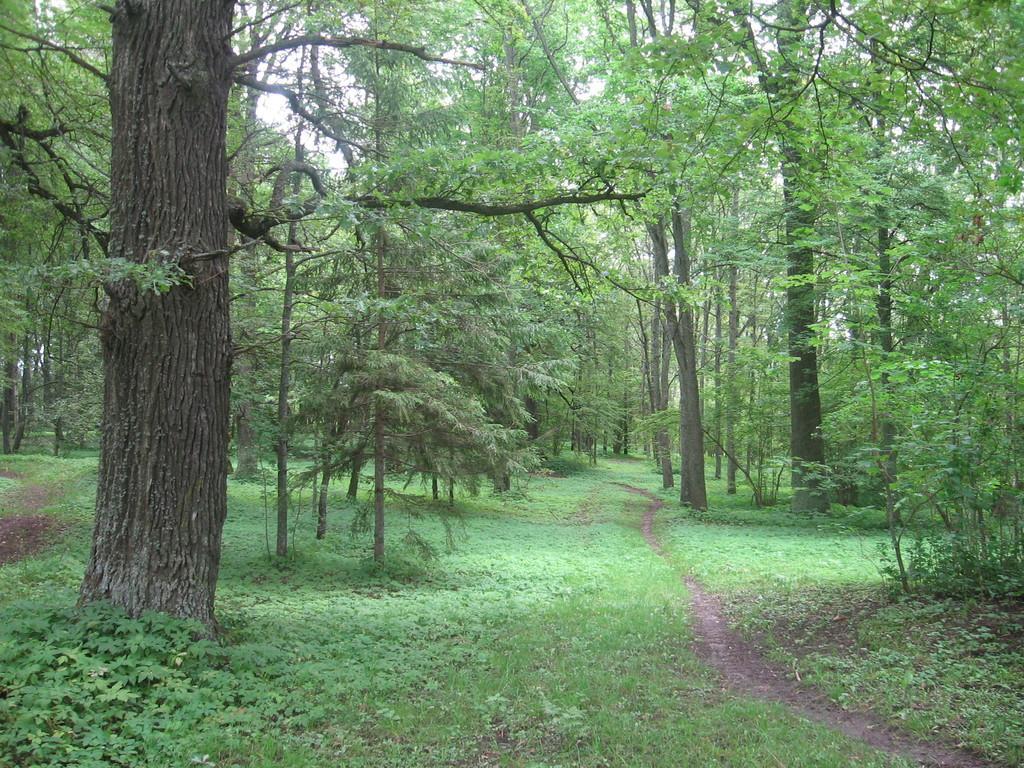
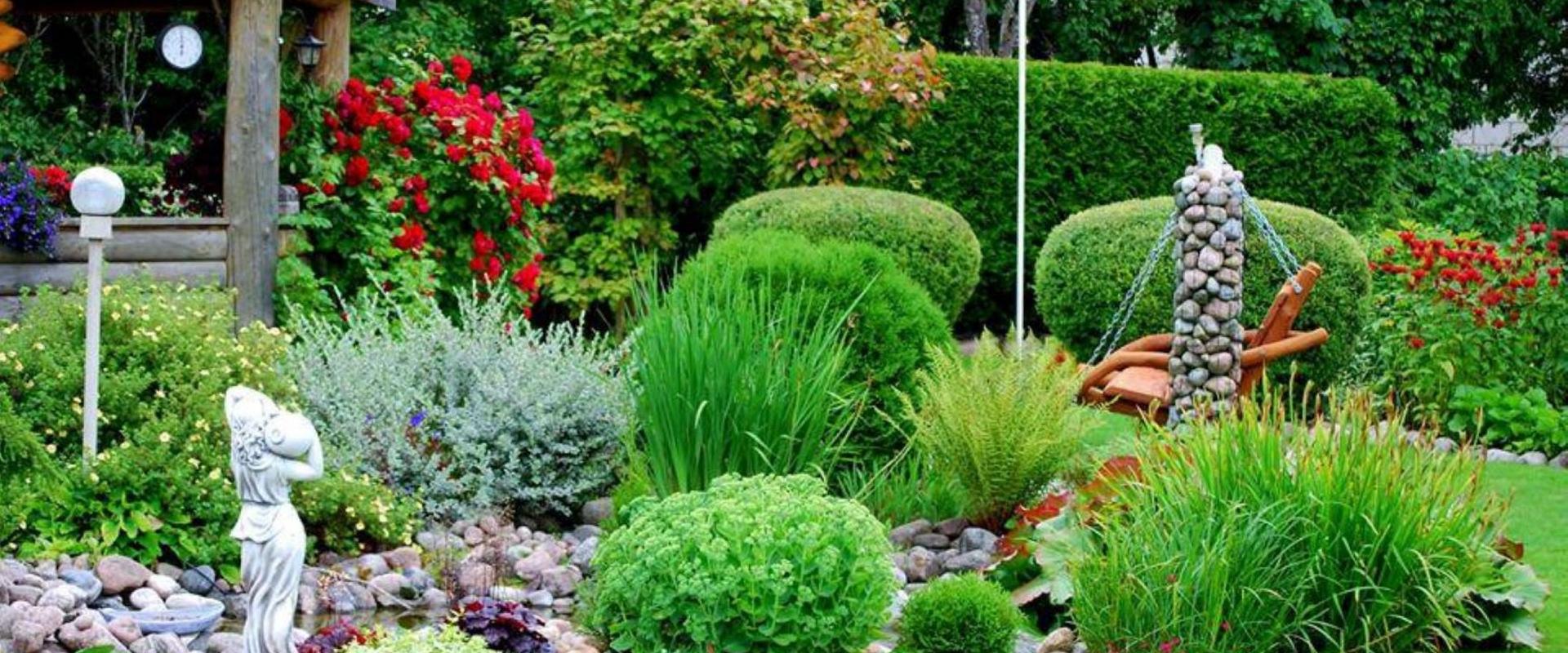
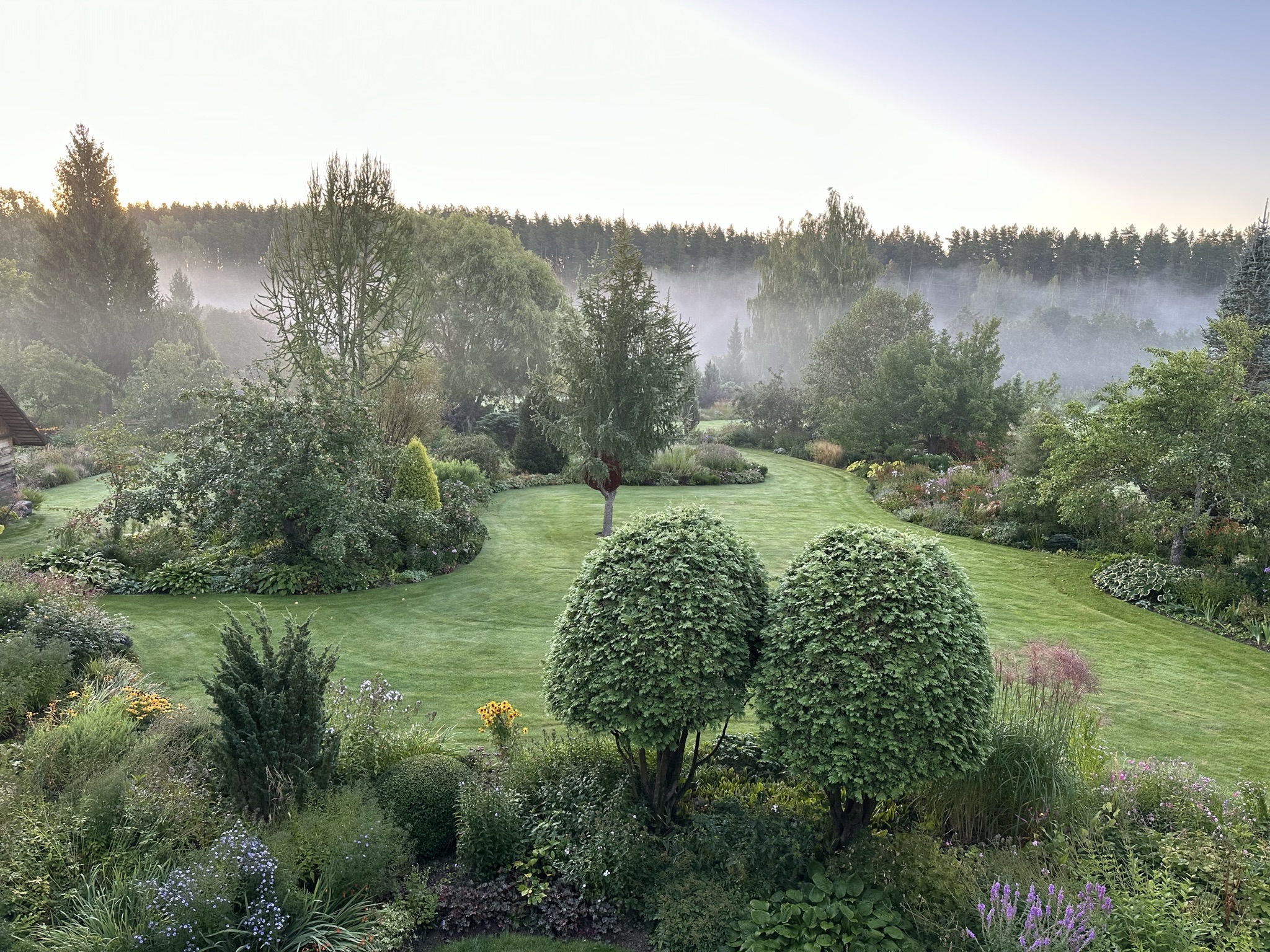
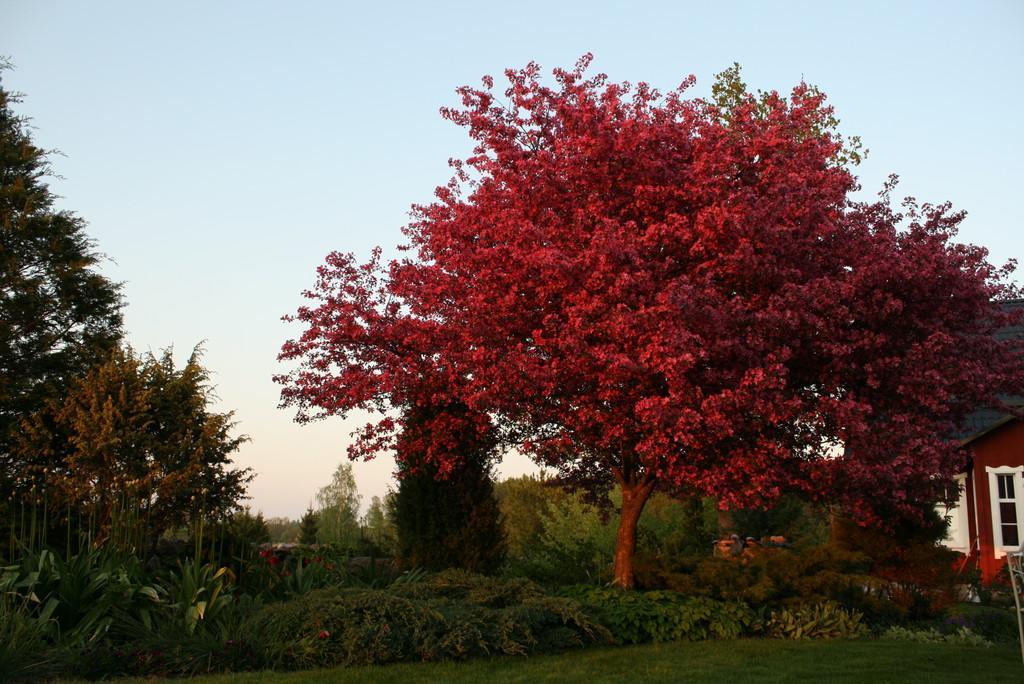
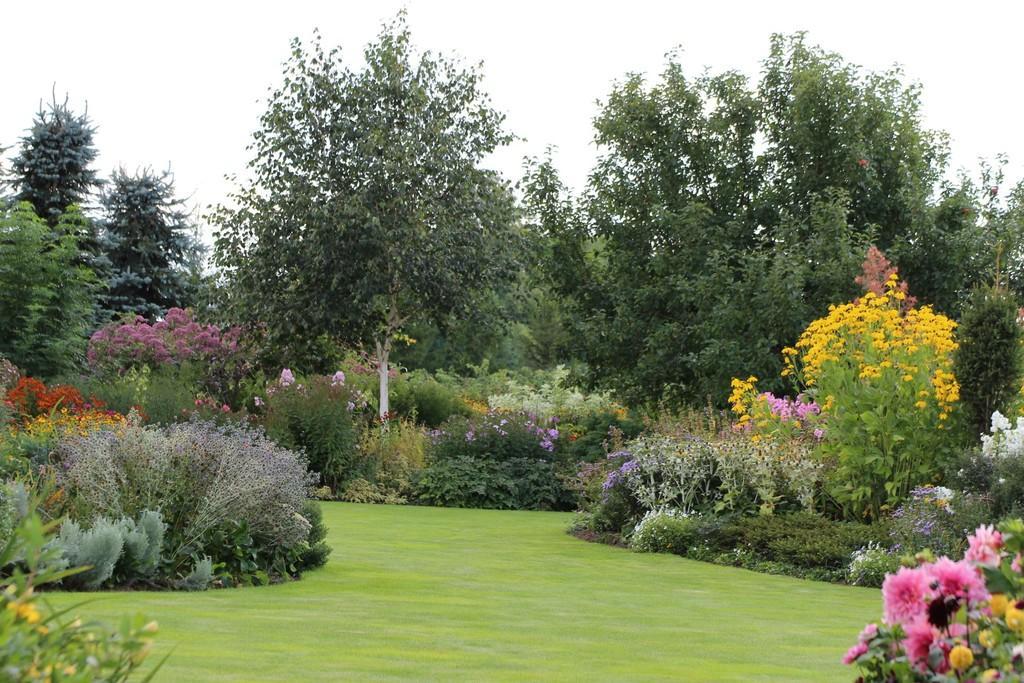
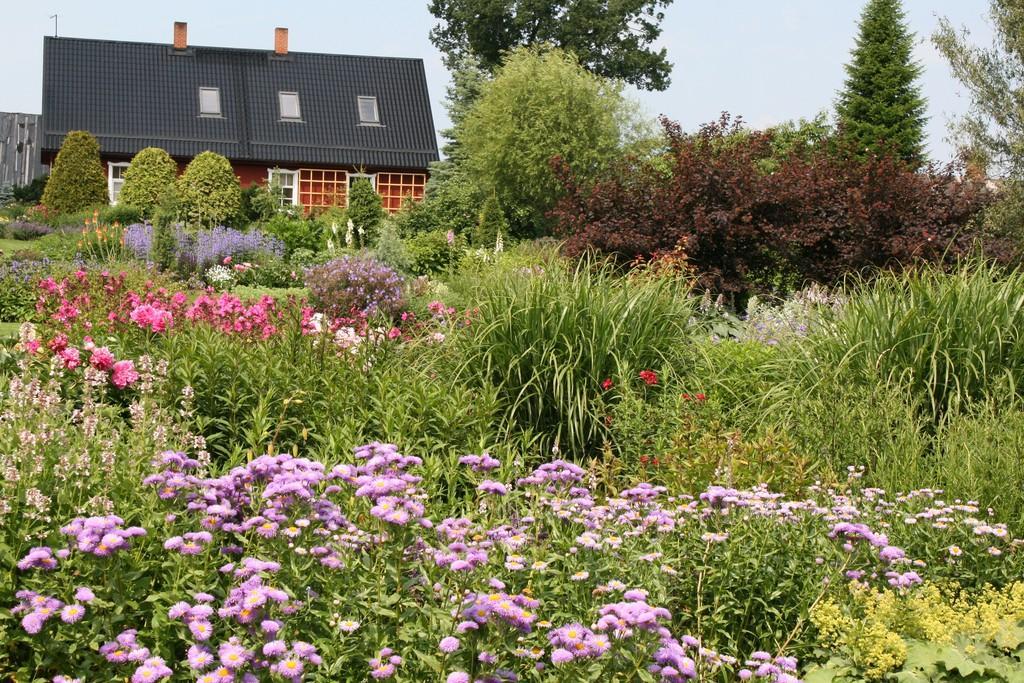
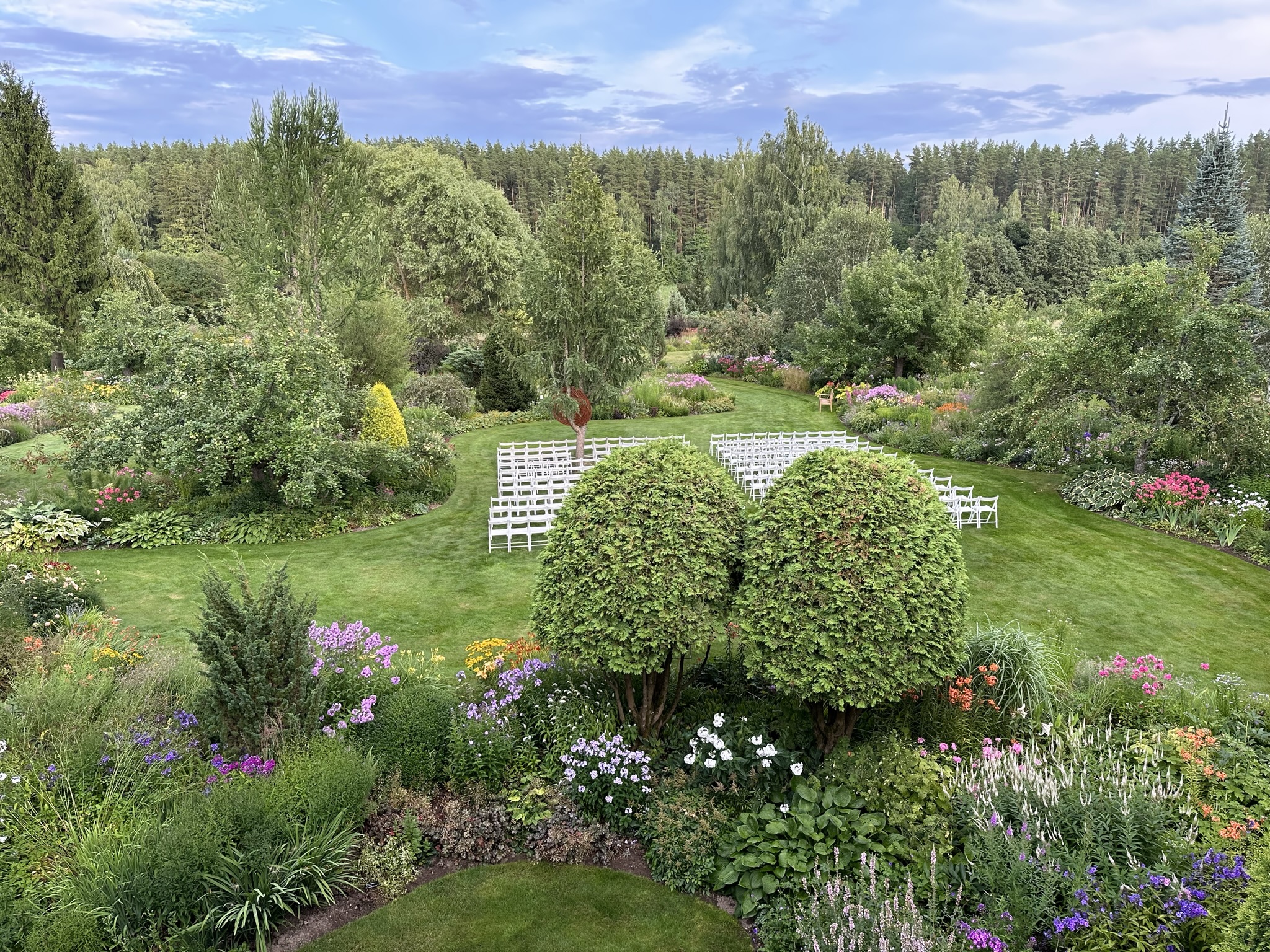
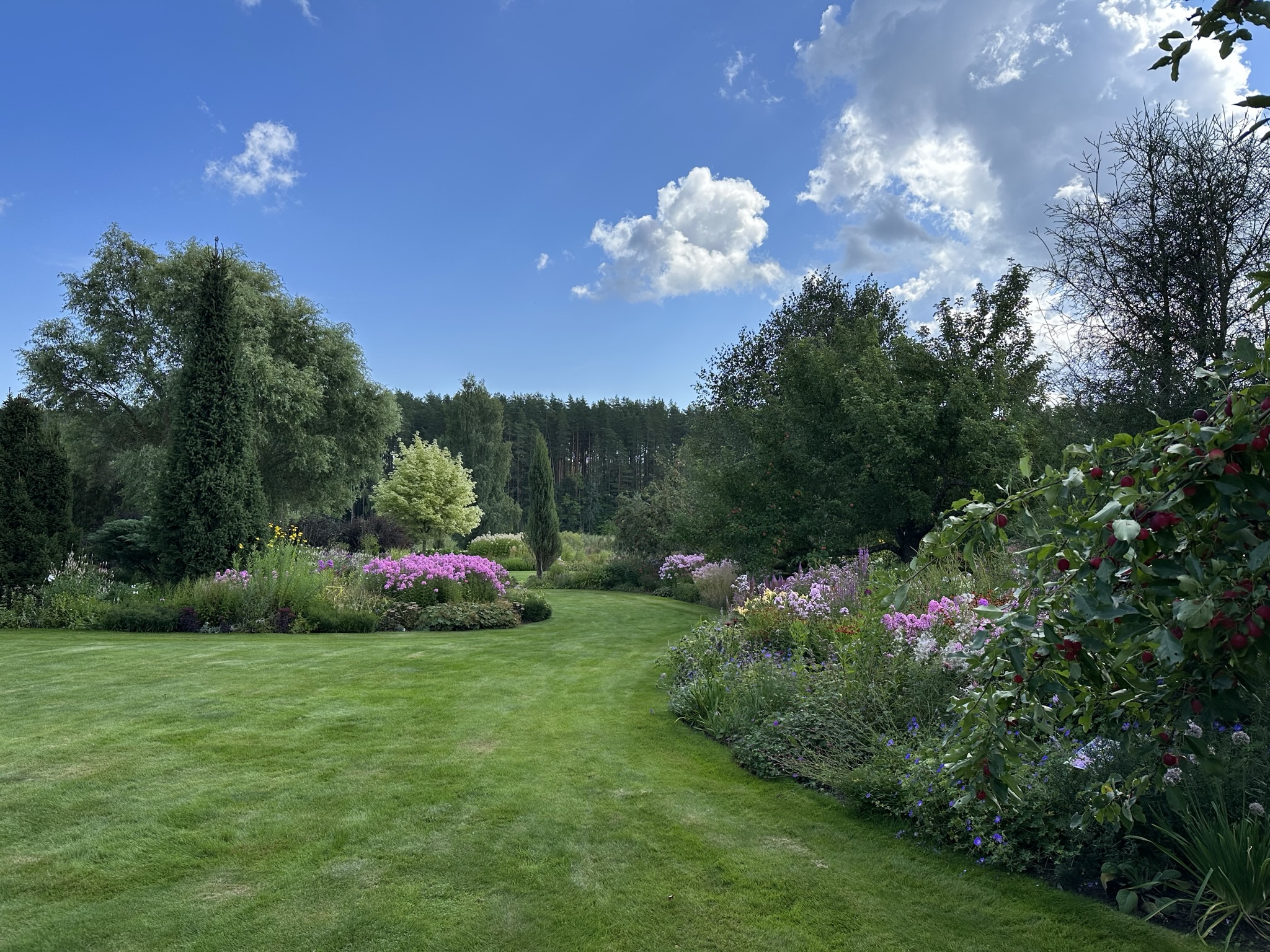
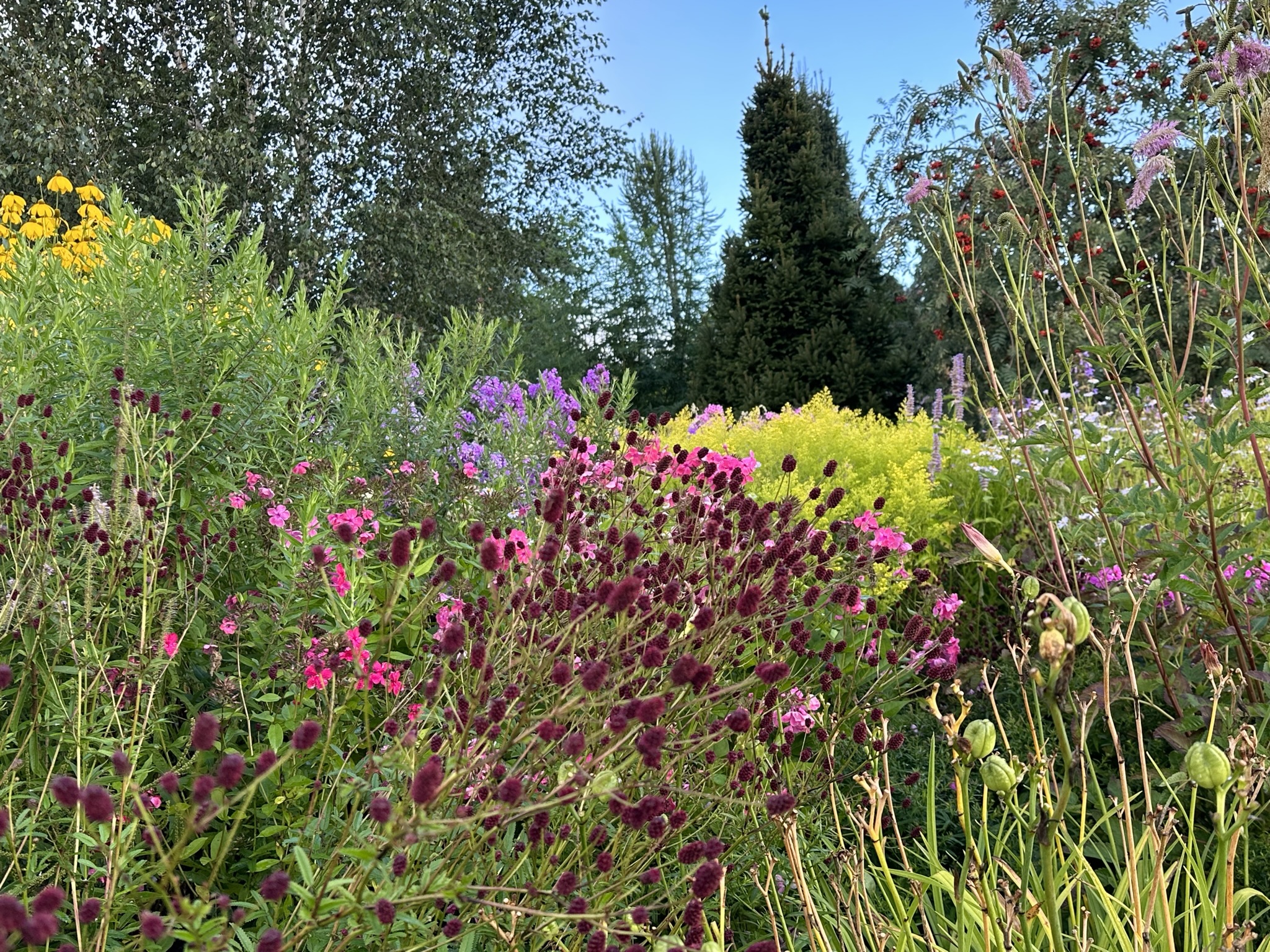
The garden was founded in 2004. The size of the flower garden is 1.5 ha; 0.5 ha of this is for planting. Picturesque views of the forest, hilly landscape and the Võhandu river can be enjoyed from the plot. Special attention has been paid to plant communities that require little care, frost resistant and healthy coniferous tree varieties and deciduous trees and bushes. The garden has been designed in English style, while keeping in mind all four seasons. More than 2000 taxa are represented here.The garden can be visited upon prior agreement. The minimum size of the group is 5 people. It is also possible to order luncheons for groups.
Amenities

  • Drop Toilet
  • Free parking

Open times

1. mai - 31. okt

Eeltellimsel

Contact

  • +372 5332 4188
  • maria@palusaluaiad.ee

Links

See more

  • Parks

Alatskivi Park

Alatskivi Castle's park is the largest in Tartu County, covering approximately 130 hectares. The park, designed in the 19th century by Count Arved von Nolcken, surrounds Alatskivi Castle and is one of the best-preserved manor parks in Southern Estonia. From the towers and terrace of Alatskivi Castle, there is a view of the lake, bridge, church, and surrounding landscape. The park's hiking trail winds through a forest of lindens, maples, and oaks and is perfect for walking and enjoying the natural surroundings. Within the park is also the Alatskivi landscape protection area, which preserves the region's diverse flora and landscape. Here, you can see both old park groves and natural lakeside zones. For those looking for a more active holiday, there's a disc golf course. It is also worth visiting Alatskivi Castle, which houses an information center, the Eduard Tubin Museum, artists' studios, and the Alatskivi Castle restaurant. We welcome you to immerse yourself in the history and natural beauty of the park and landscape protection area.

  • Parks

Mõniste Manor Park

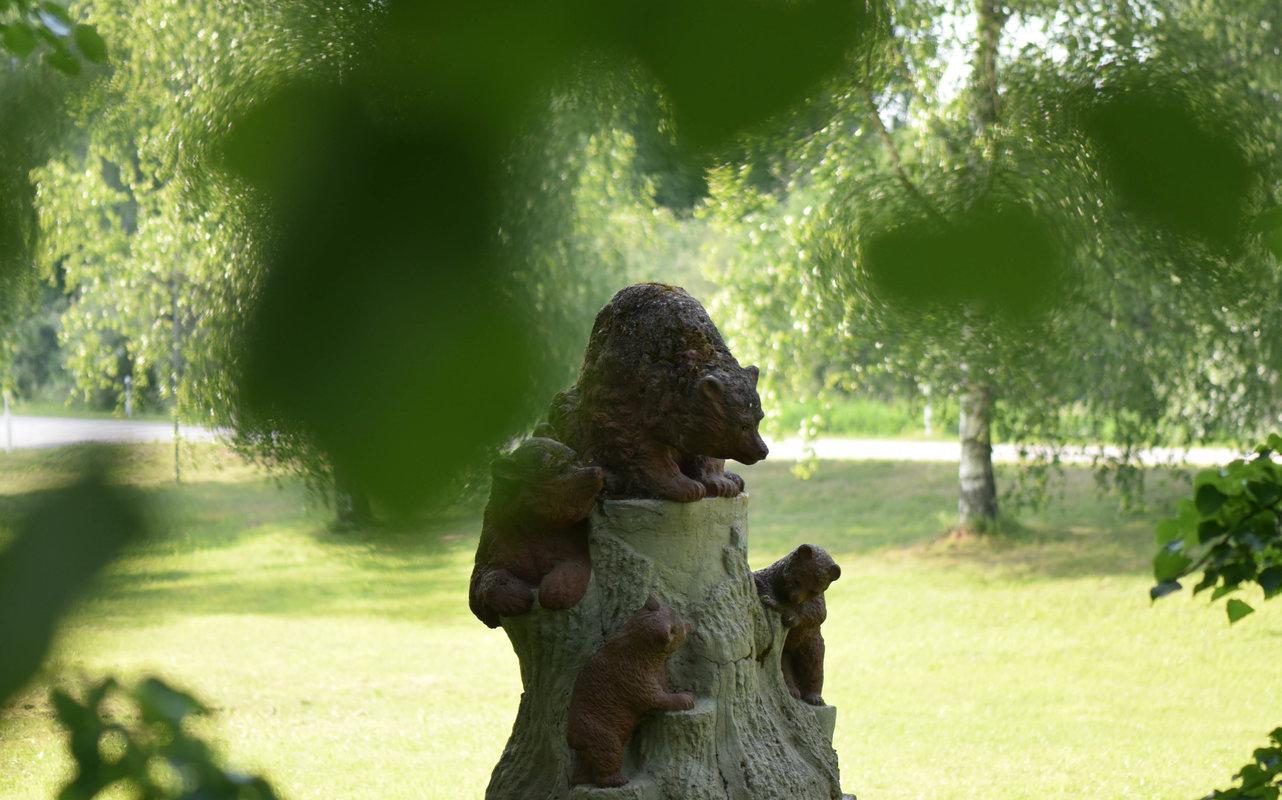
Mõniste Manor was first mentioned in 1542. The last owners of the manor were the von Wulff family, but the manor was destroyed in the Estonian War of Independence. The 14.6 ha park at Mõniste was founded in 1840 and is one of the oldest in Võru County. The Mõniste Reservoir plays an important role in the design of the park. The site of the former Manor House is now a large meadow. Spruce, oak, linden, silver birch and larch are indigenous to the park. Some of the more rare species include common spindle, Manchurian walnut and Douglas fir. A sculpture depicting bears is located near the park on the Võru-Valga highway - a reminder of the highway decorations that were in fashion during the Soviet occupation.

  • Parks

Ülenurme Park

The Ülenurme Manor Park was established in the second half of the 19th century when the new manor was built. The Historicist main building of the manor, as well as the smaller buildings next to the park, which are used by the Estonian Agricultural Museum, have been well preserved.Here, you can see farm animals, ride ponies, and visit exhibitions. From 15 May 2021 to 30 April 2022, you can visit the wonderful exhibition of agricultural machinery models 'World of Mini Tractors'.Ülenurme Park is a wonderful place for the whole family to walk and enjoy nature. There are information boards in the park,so you can study the different types of trees and shrubs growing here.

  • Hiking Trails
  • Parks
  • Beaches

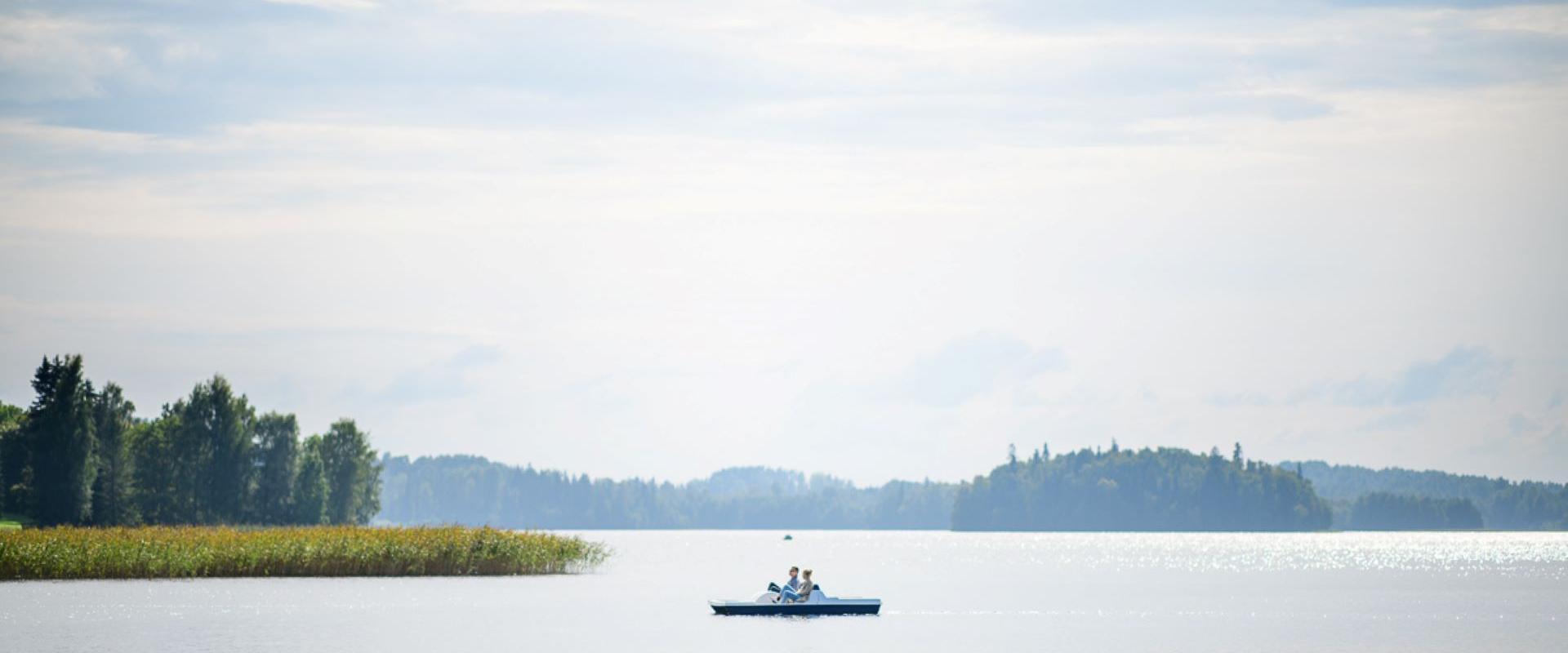
Lake Pühajärv

Pühajärv, with its picturesque winding shoreline and four islands, is the largest lake in Otepää Nature Park. At the northern tip of Pühajärv, there is a beach area with a beach house, ball courts, a children's playground, recreation areas, a café, and a boat harbor. At the southern tip is the Kooliranna recreation area, and from there begins the Väike Emajõgi, which meanders through Valgamaa. Pühajärve Park is the starting point for the Murrumetsa hiking trail, and around the lake runs the 12 km long Pühajärve hiking trail, which passes by the lake's most famous spring, the Armuallikas. In winter, when weather conditions are suitable, an ice trail is created on the lake for hiking, and a winter swimming area is open at Pühajärve Beach.Pühajärv has provided plenty of inspiration for writers and artists. For example, Fridebert Tuglas and Eino Leino have vacationed here. Information about Konrad Mägi's Pühajärv paintings can be found on an info board by the lakeshore near the GMP Pühajärve restaurant. In 1991, the Dalai Lama, Tenzin Gyatso, visited Otepää and blessed the lake, an event commemorated by a wooden sculpture on the shore of Pühajärve Park.

  • Parks
  • Promenades

Monument Park (Ausamba park) in Räpina

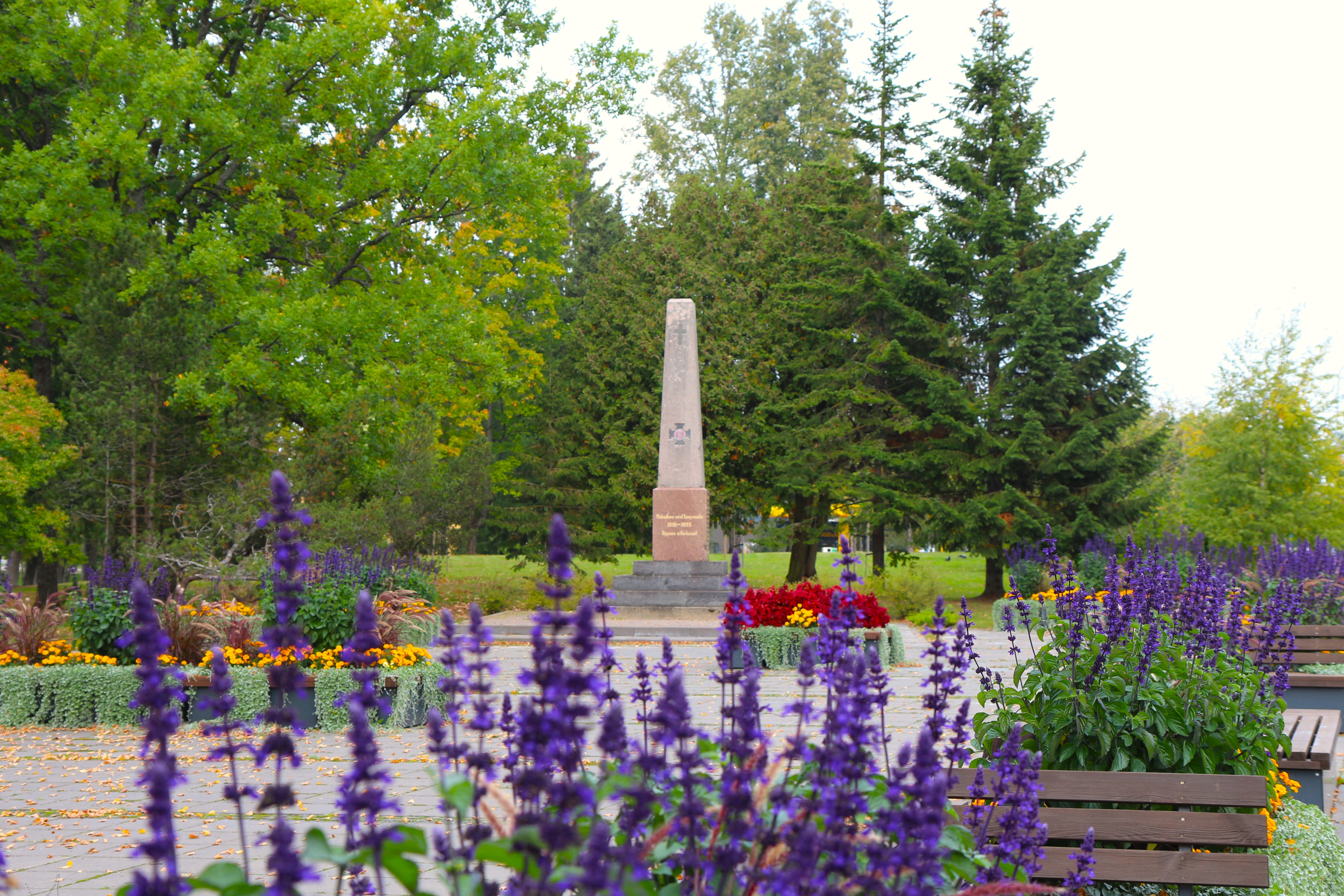
The park is the city's historical representative square on the eastern shore of the Räpina artificial lake.What makes the park unique is the fact that two obelisks dedicated to the fallen soldiers stand side by side there. The new design of the park highlights the monument erected for the soldiers who fought in the Estonian War of Independence, and next to it, behind the thujas, is a memorial to the soldiers of the Soviet Army.The park is popular because it is located on the shores of the Räpina artificial lake. In addition, there are a lot of different species and an impressive poplar boulevard that leads to the city's public swimming area.

  • Parks

Luua Arboretum

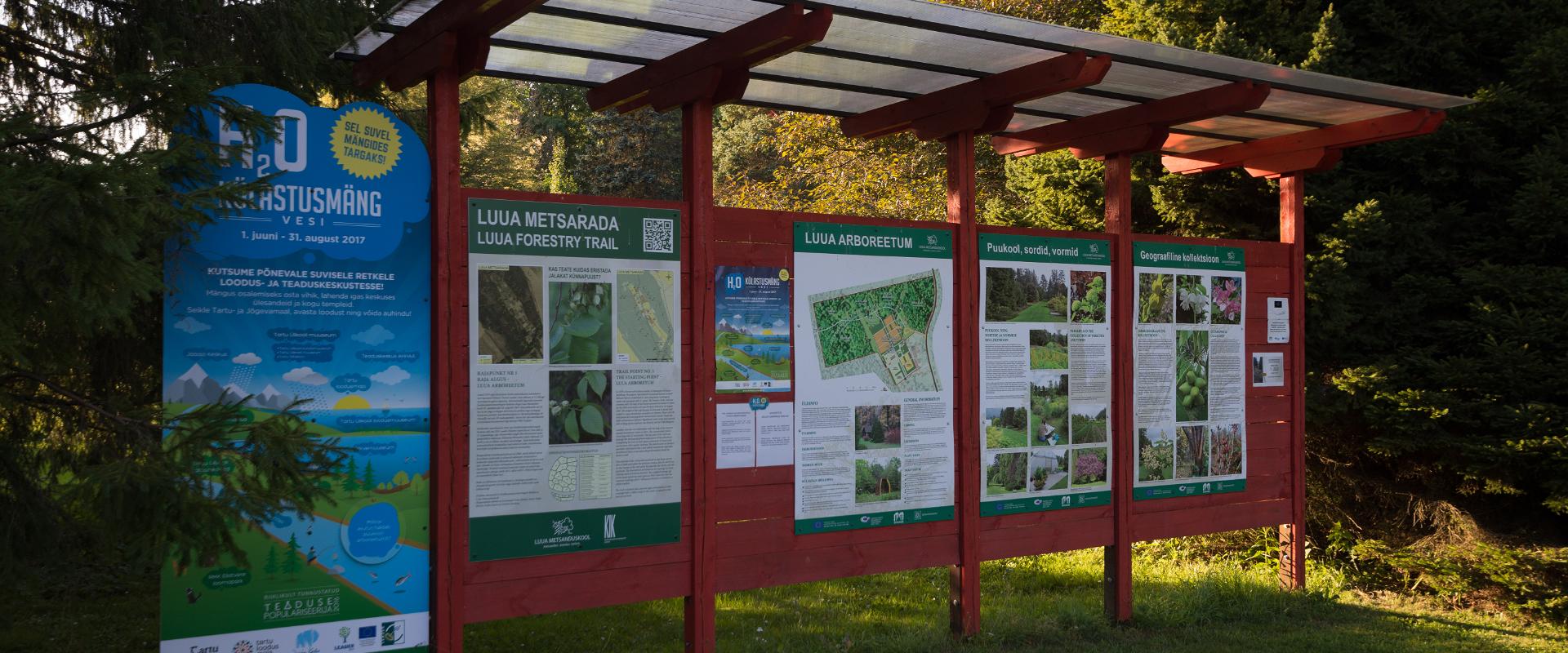
Luua Arboretum exhibits about 500 species and forms of trees and bushes. The arboretum was founded based on the principles of botanical geography with the departments for plants from Europe, Siberia, Central Asia, the Far East and North America.

  • Parks

Luunja Manor Park

Luunja Manor Park was established in the 18th century as a Baroque park by Count B.C. von Münnich and redesigned as an irregular landscape park at the end of the 19th century.There is a rose garden near the park that is a great place for cultural events, picnics, and walks in the summer. In addition to the park, there are also several historical monuments in the exhibition areas of the manor. These include the alleys of the manor, the walls surrounding the park and the garden, the old distillery and smithy, the gardener's house, and a cattle-barn complex.

  • Parks

Laidi`s Garden in Mustvee

Laidi and Igor Zalekeshin's garden in Mustvee attracts gardening enthusiasts from outside Estonia as well.Visitors are charmed by the quarrystones and conifers, more than a hundred in total in the garden. Most of them, more than 50 varieties, are arborvitae. Both the host and the hostess love quarrystones, so this love has resulted in many exciting garden design elements – stone baskets, pathways, garden posts. Garden patches are mostly covered by stones. Old items are on display in the garden house; a visitor enjoying a walk is enchanted by the small bridges, waterholes, a swing set and a windmill, most of them made by the family. The walls of the house are decorated by paintings of the family's favourites – quarrystones, conifers and cats. There are more than 20 cat statues in the garden.

  • Collaboration
  • News
  • Contacts
  • Privacy Policy
Join our mailing list!

"*" indicates required fields

This field is for validation purposes and should be left unchanged.
I authorise marketing

South Estonia Tourism Cluster

info@visitsouthestonia.com