• Explore
    • Nature
    • Culture
    • Food
    • Family
    • Activity
    • Blog
  • Plan
    • Tourist info
    • Accommodation
    • Weather and seasons
  • For professionals
    • For professionals
    • Collaboration
    • News
    • Projects
    • Training
    • Repository
    • Community (opens in new tab)
    • Contacts
ENG
  • EnglishENG
  • EestiEST
  • LatviešuLAT
  • РусскийRUS
  • SuomiFIN
ENG
  • EnglishENG
  • EestiEST
  • LatviešuLAT
  • РусскийRUS
  • SuomiFIN
Popular searches:
Show all
  • History & Culture
  • Architecture and history
  • Lookout towers
  • Churches
  • Ruins

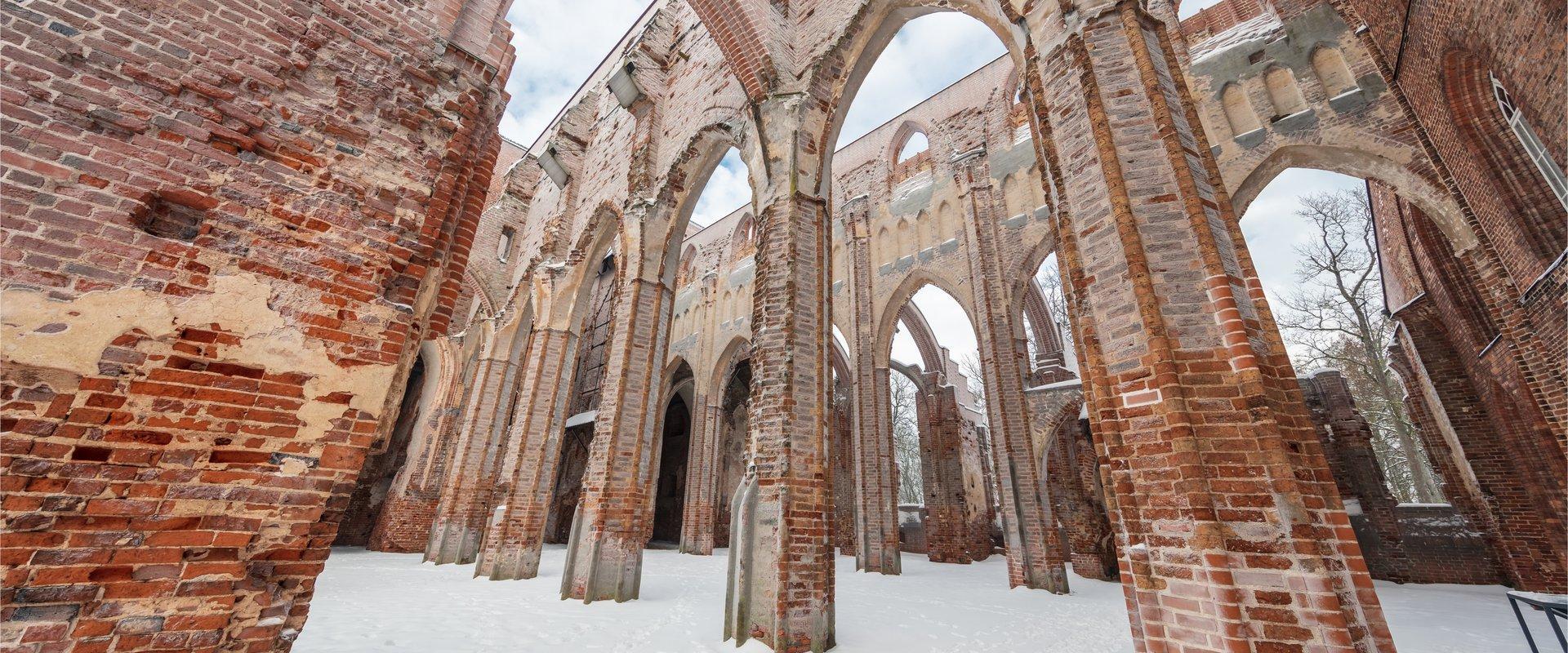
Tartu Cathedral

Lossi tn 25, Tartu linn, Tartu maakond, 51003

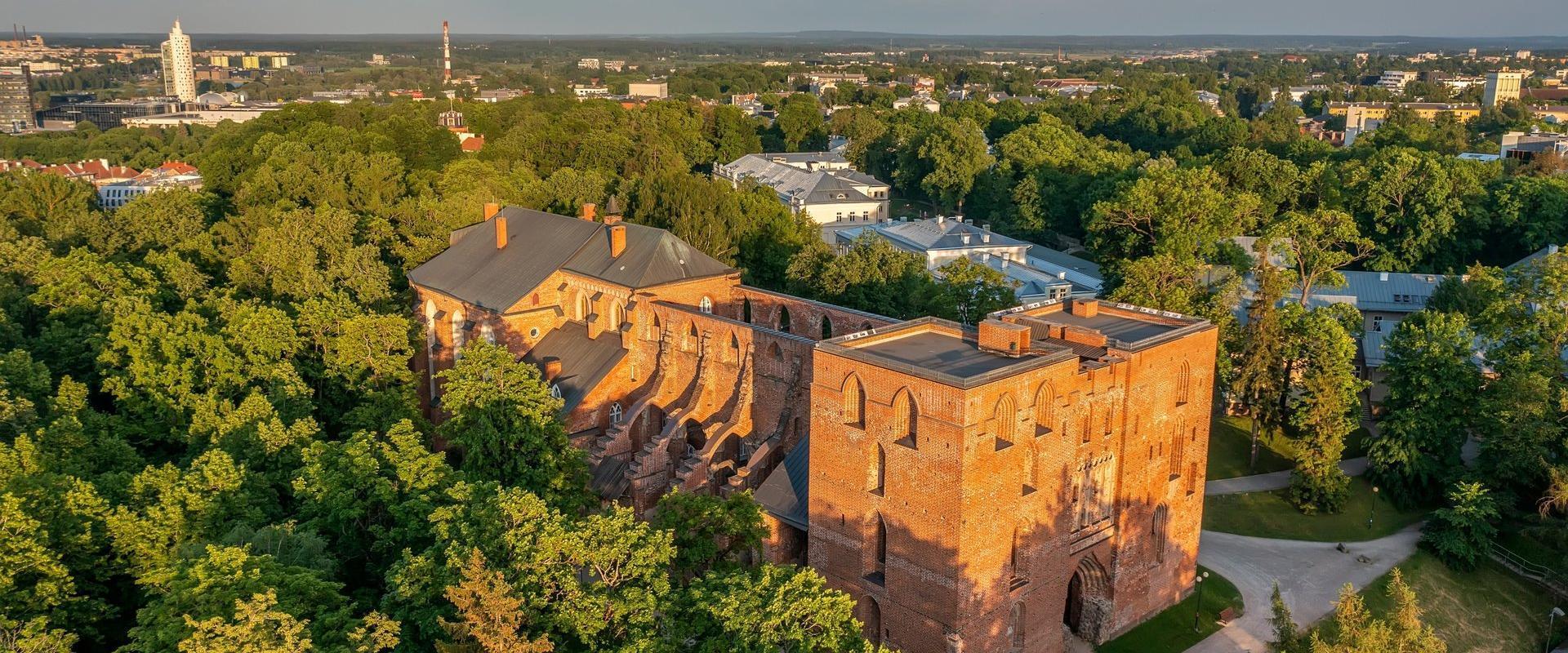
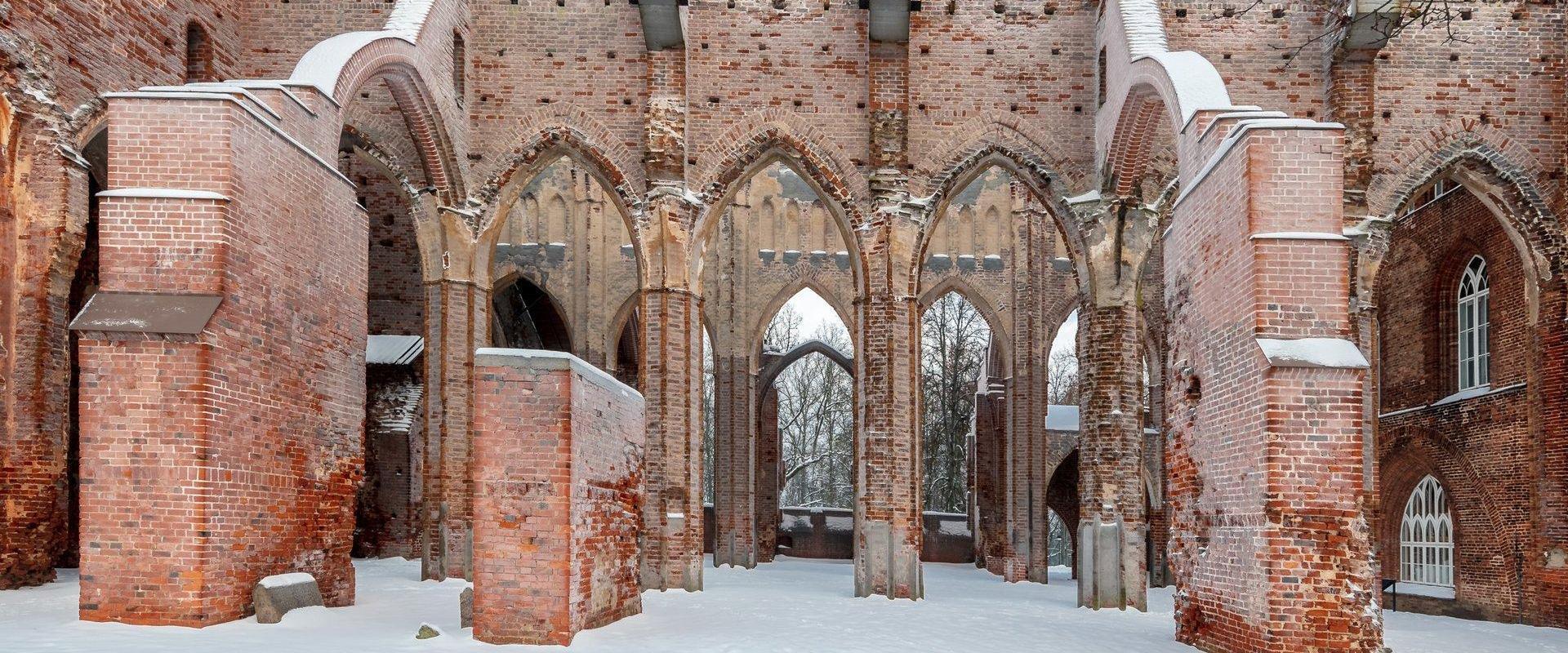
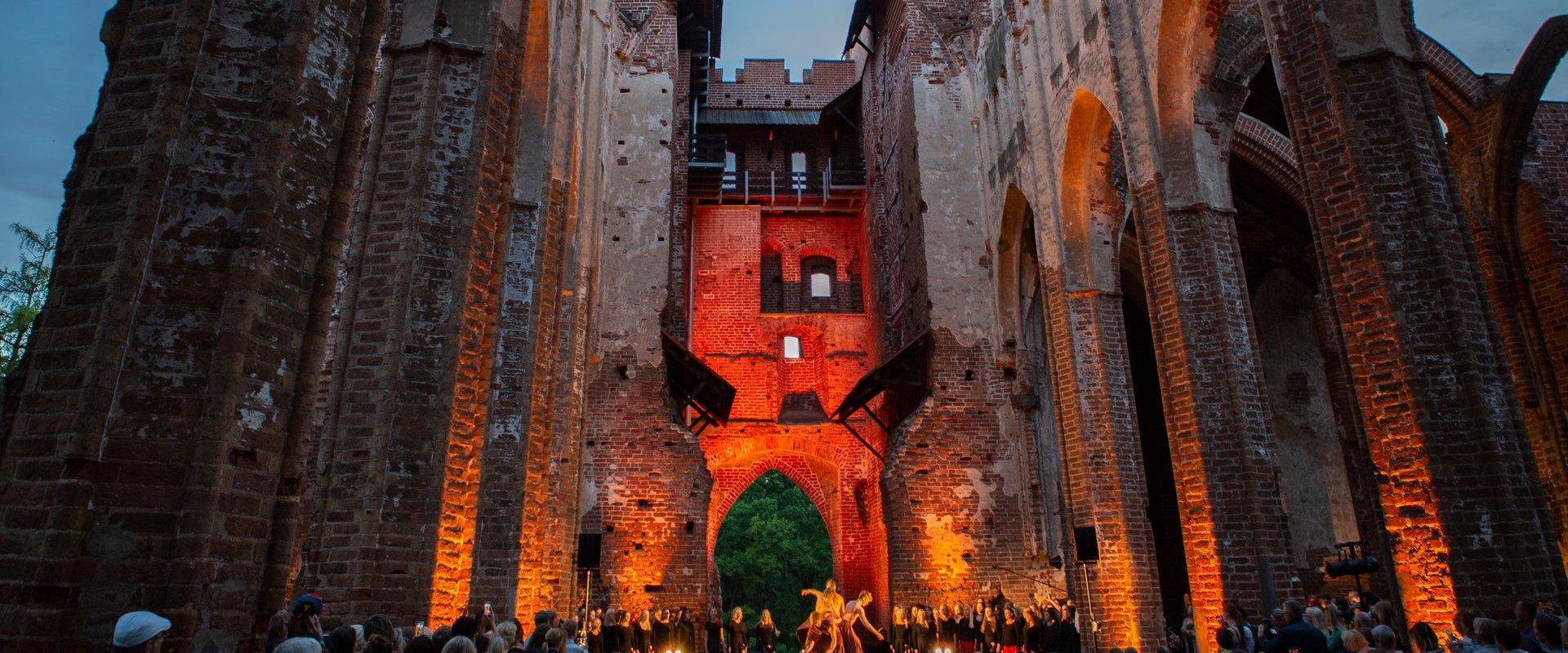
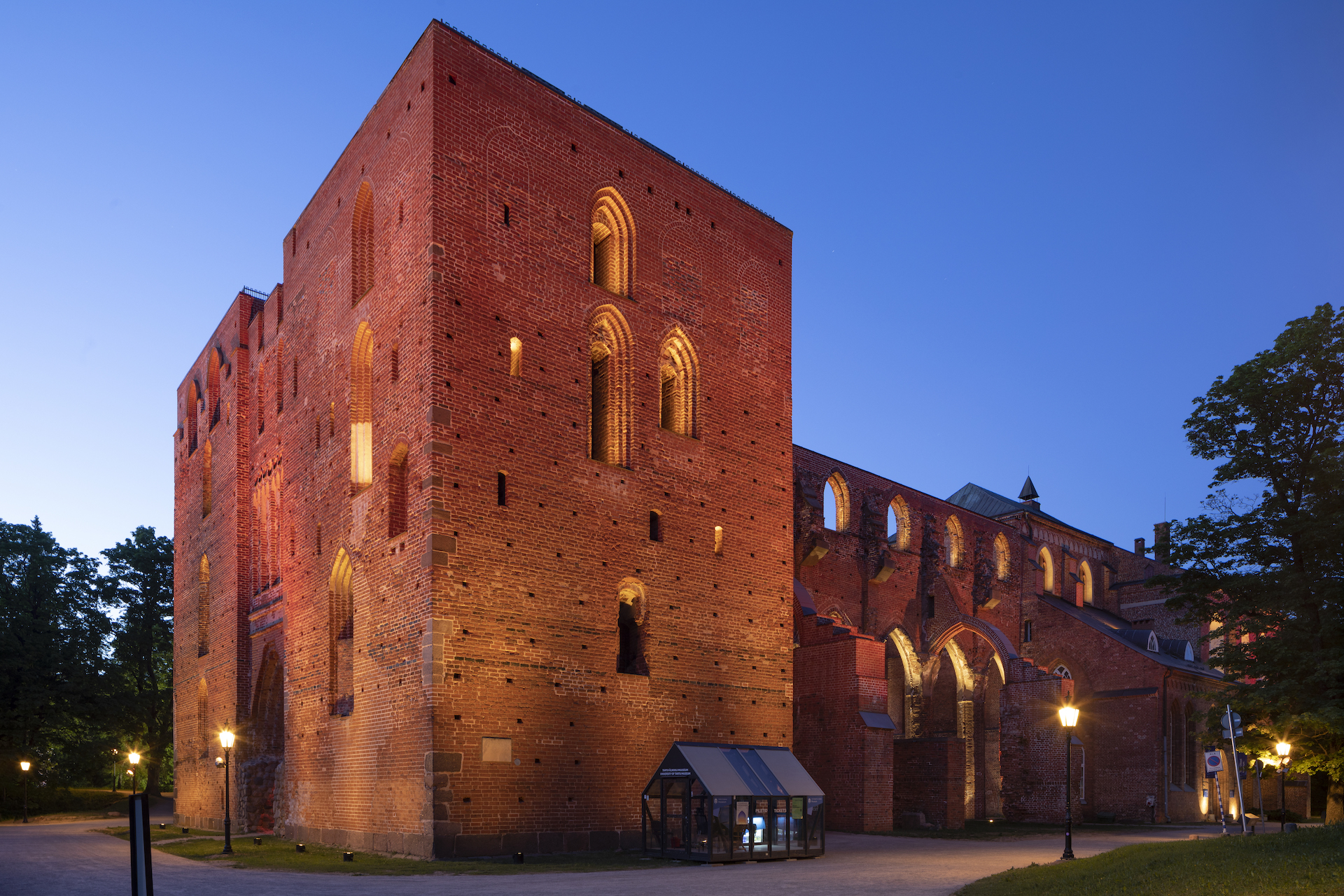
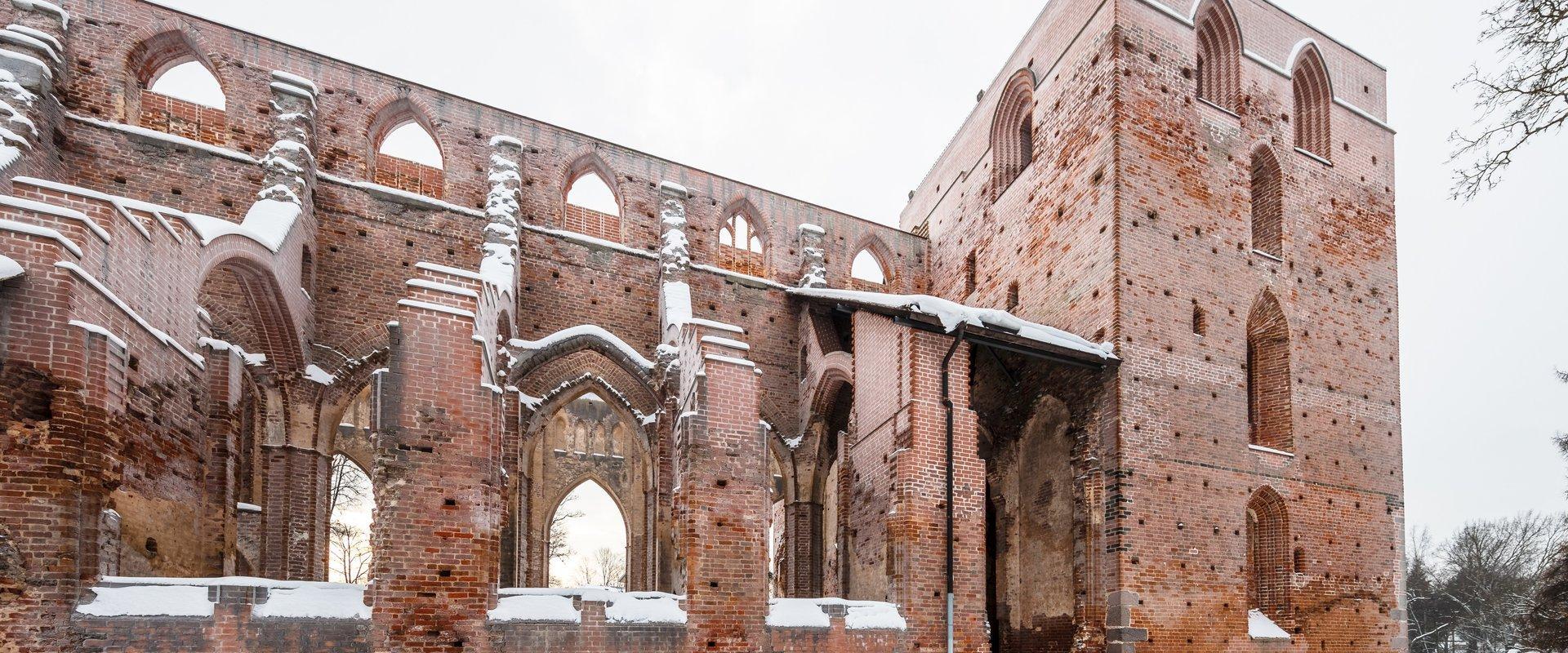
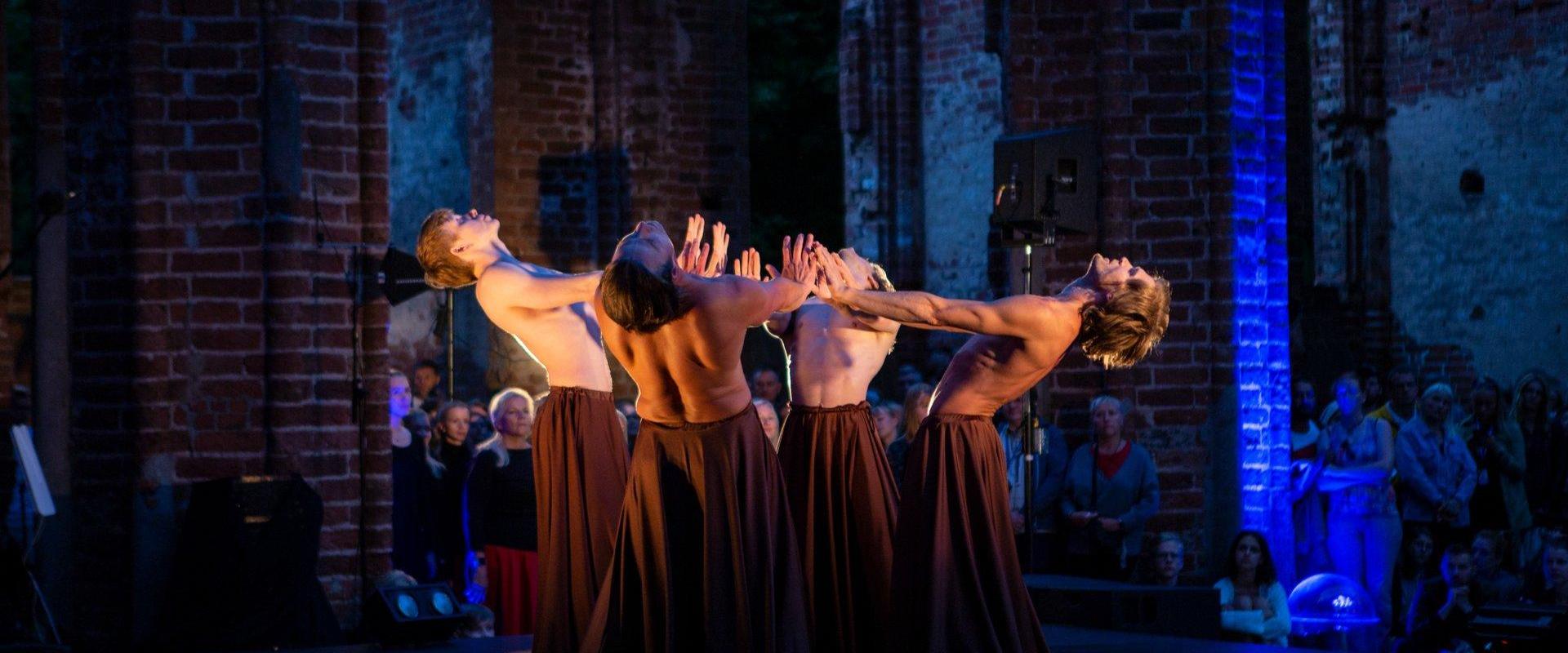
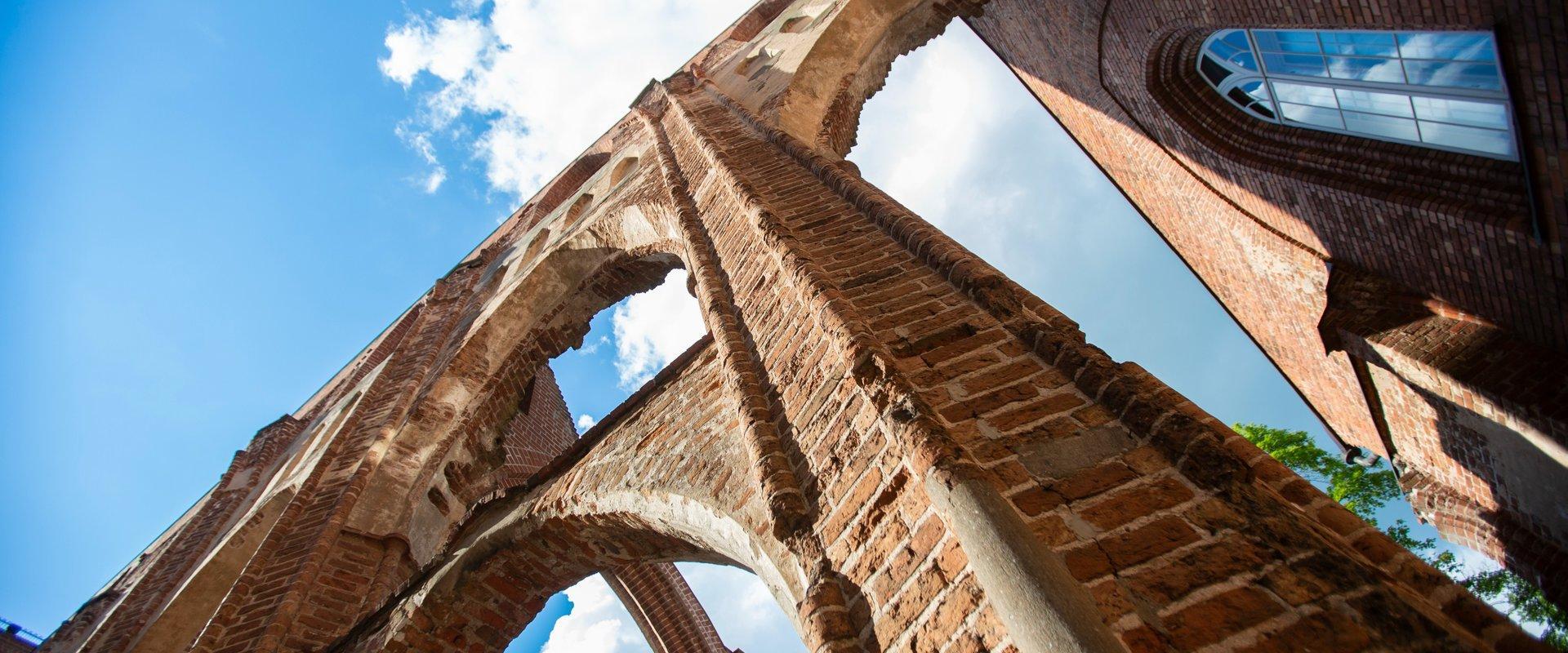
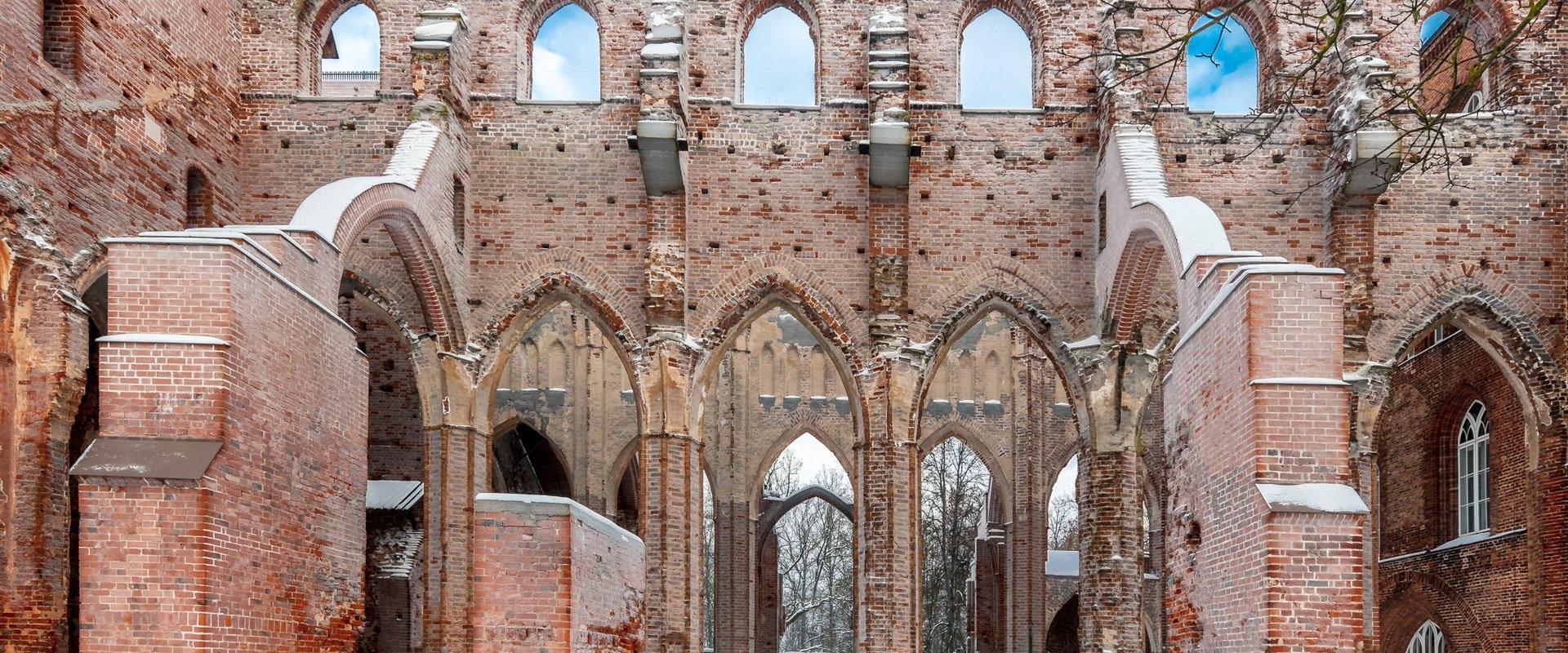
The cathedral located on Tartu’s Toome Hill is one of Estonia’s most remarkable and largest medieval structures, and the only church with two towers. The church’s construction began as early as the 13th century, when Tartu was an important bishopric. Construction work and additions continued into the early 16th century. During the Reformation, the cathedral was abandoned and, over time, turned into ruins. Nevertheless, these powerful walls and spacious vaults remain one of the most outstanding examples of brick Gothic architecture in Old Livonia, reflecting the scale and craftsmanship of medieval architecture.
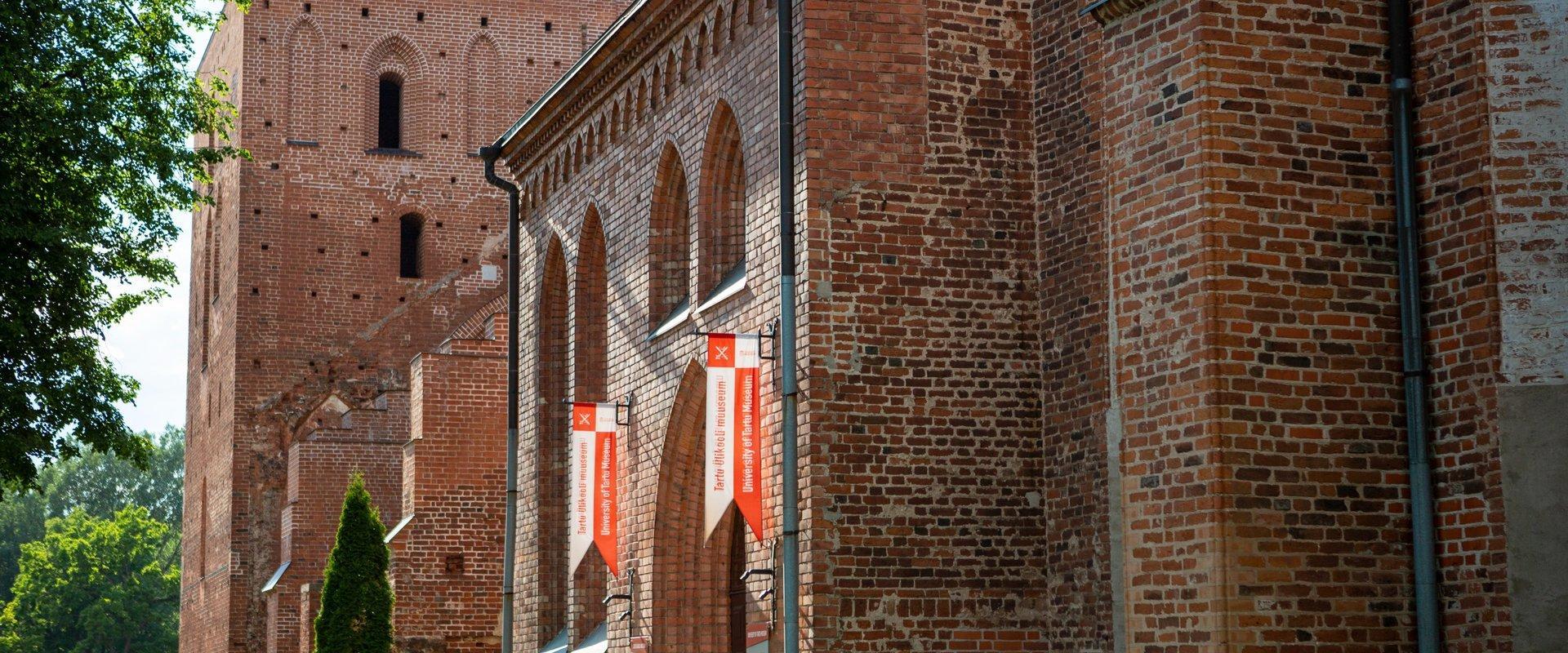
The University of Tartu Museum operates in the cathedral building, showcasing the history of science, university education, and the development of Tartu’s academic spirit.
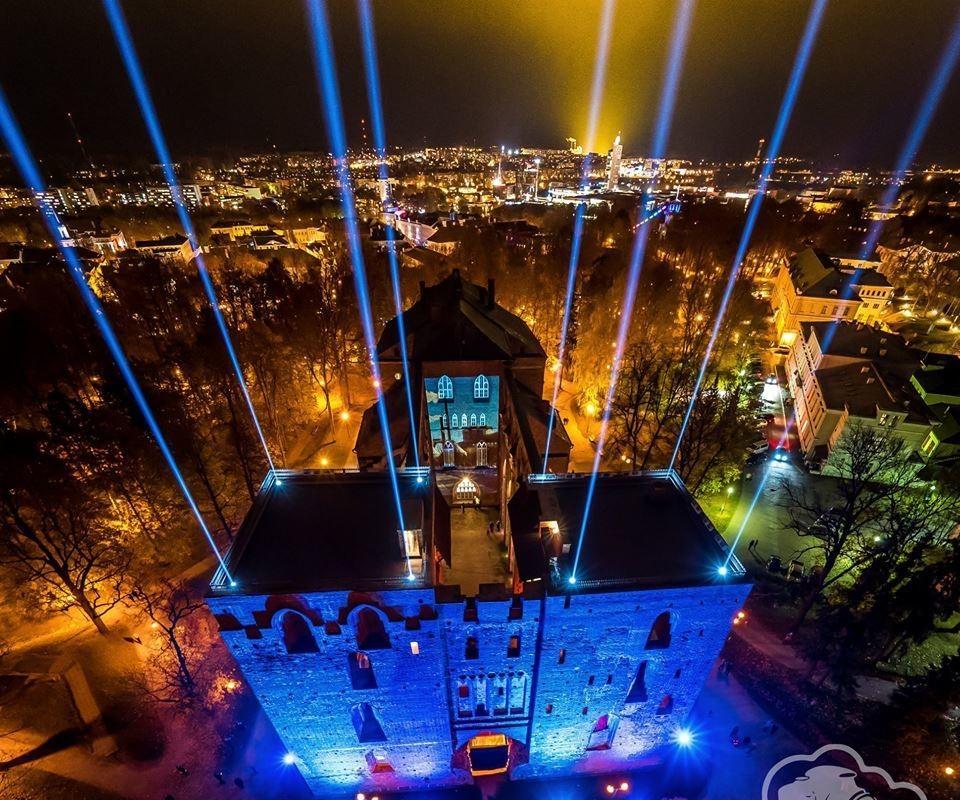
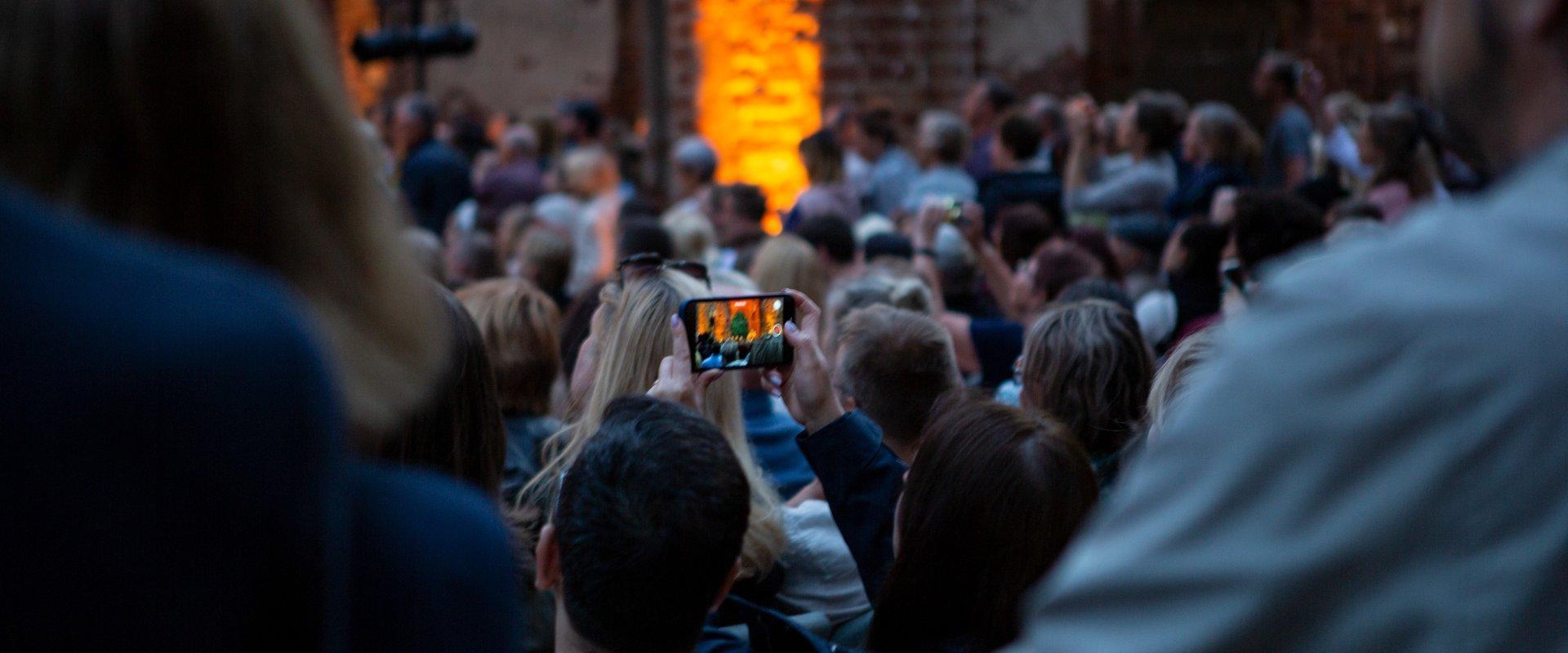
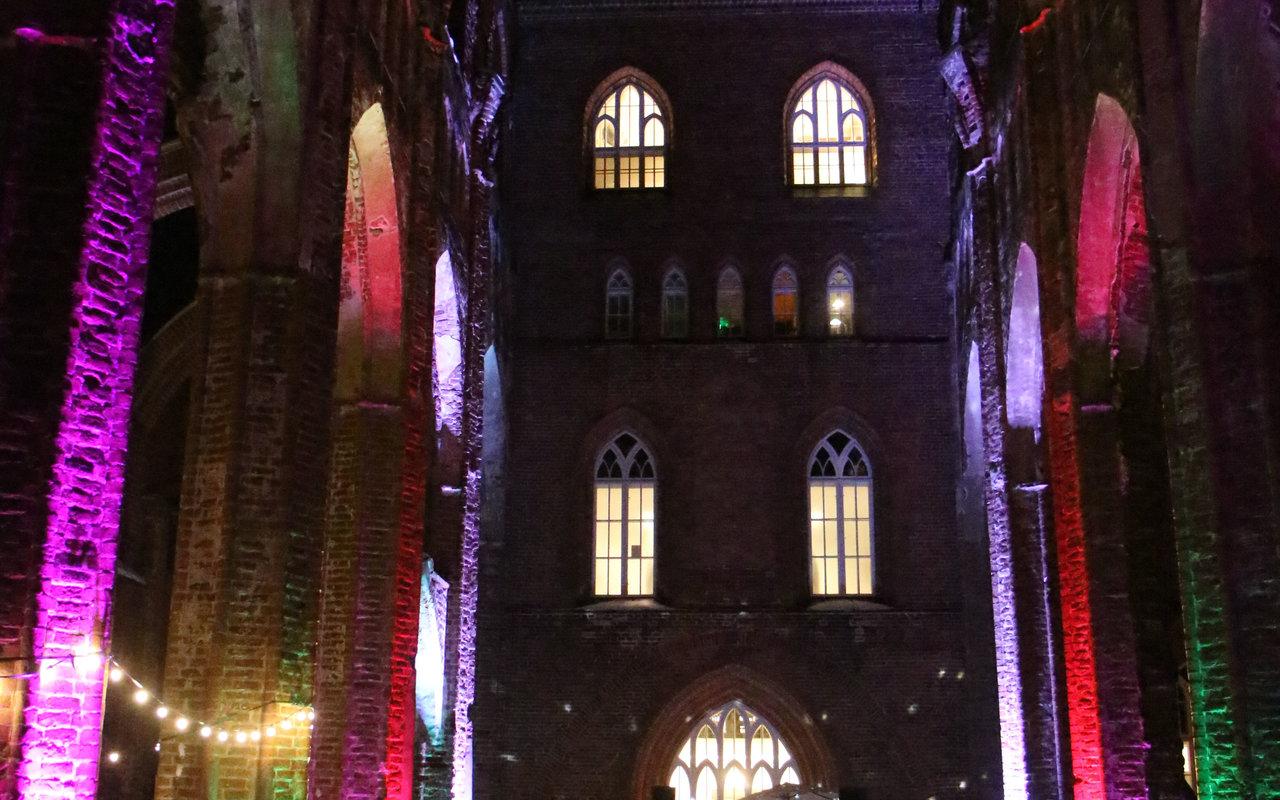
It is possible to visit the cathedral towers, which offer one of the most beautiful views of Tartu and the Emajõgi Valley. Next to the towers is Toompood, where you can find gifts, science-themed souvenirs, and memorabilia with university symbols. In the evenings, a light installation adds a magical atmosphere.
Amenities

  • Information boards
  • Paid parking
  • Recreation area/picnic ground
  • Souvenirs

Open times

Throughout the Year

Around the Clock

Contact

  • +372 737 5674
  • muuseum@ut.ee

Links

muuseum.ut.ee

See more

  • Camping sites
  • Lookout towers
  • Hiking Trails

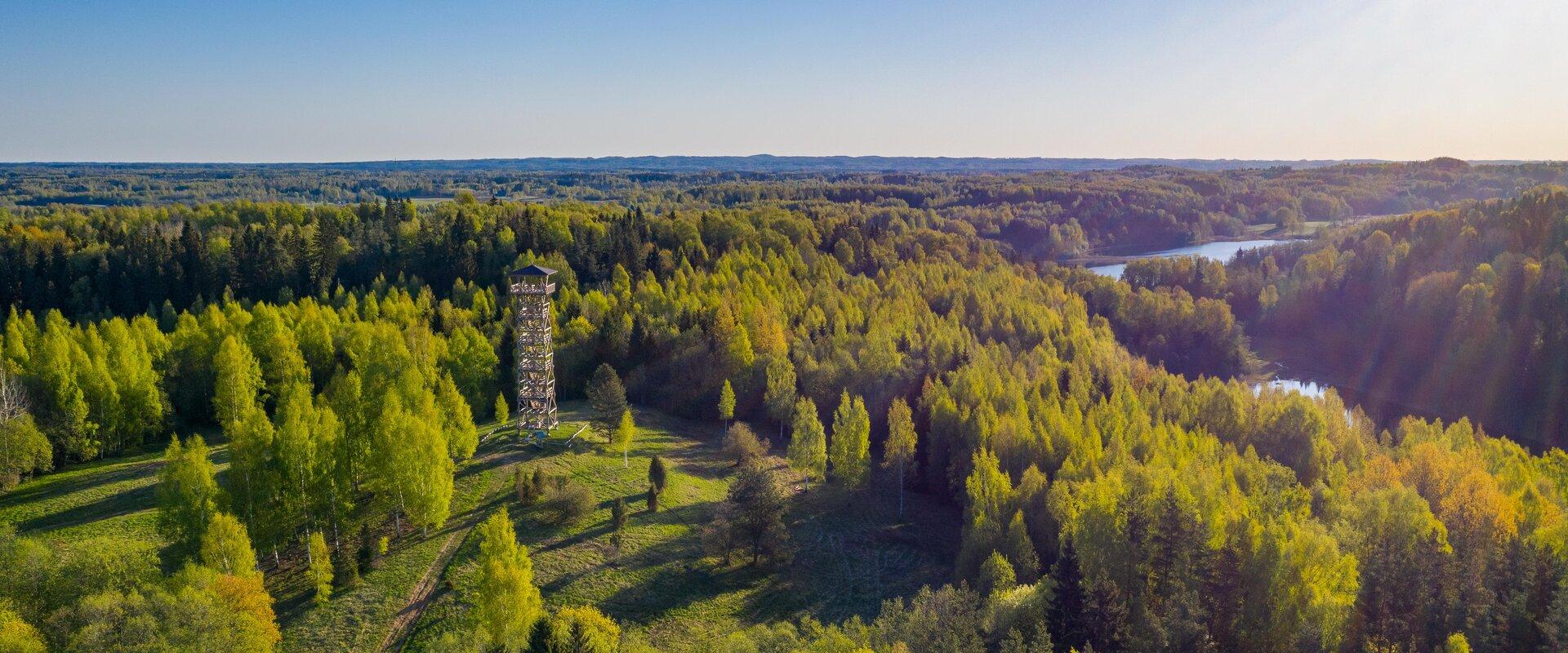
Hiking trails of the Paganamaa Landscape Reserve

there are three different hiking trails with a length of 3.8 km, 4.3 km and 4.7 km in the Paganamaa , just off the Latvian border in plus, there's a gazebo in . All trails begin at the Paganamaa bonfire site, where a beautiful view of Paganamaa nature can be enjoyed from the tower. on the trails, you'll see a mixed forest with a primeval forest appearance and an old Kazik, with Kikkajärv and greater Mudajärv on the road. at the beginning of the hiking trails, there's also a resting place, which is a good place for bonfire making, camping, camping.

  • Ruins

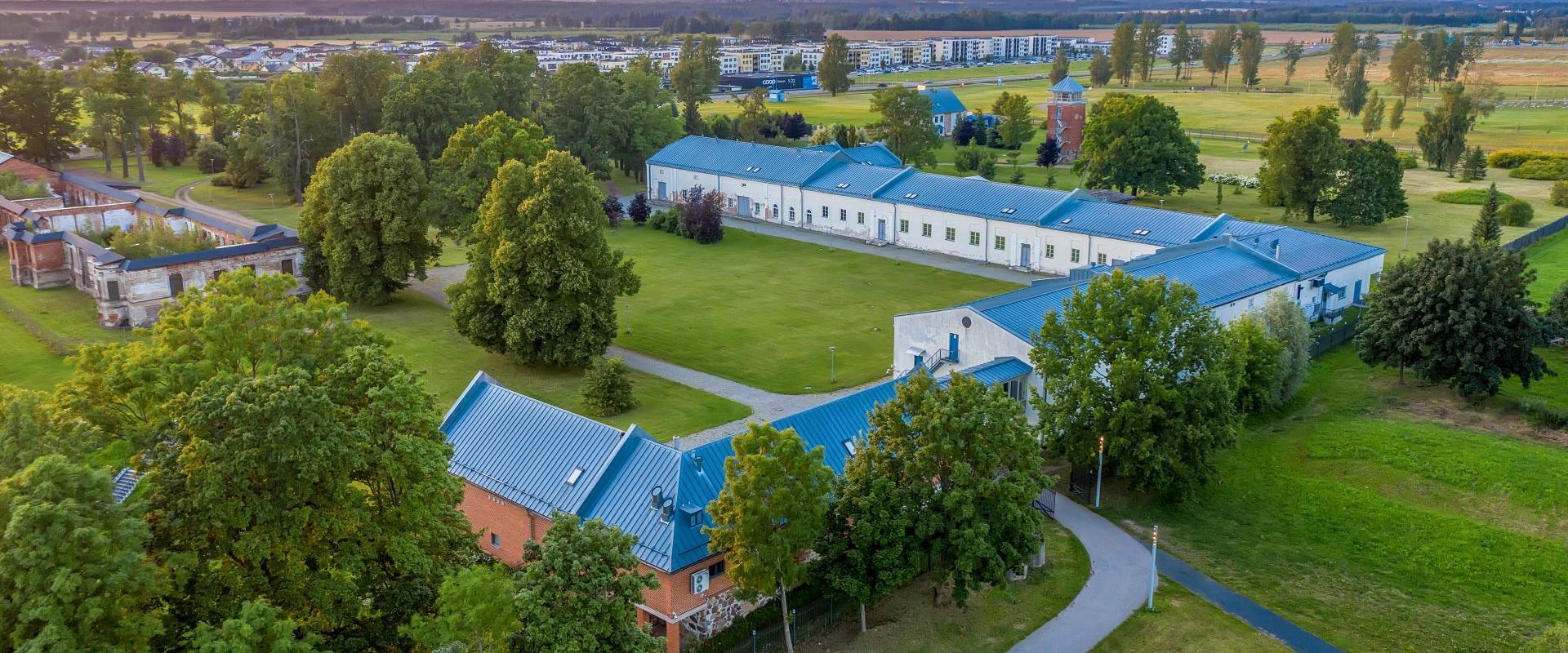
Raadi Manor

Raadi Manor, which stands on the border of the city of Tartu, had its glory days in the first half of the 19th century with its magnificent art gallery and library and salon evenings. The manor then belonged to the von Liphart family.The main building of the manor was destroyed by the bombing in 1944. The manor park, together with the ruins of the main building and the gate, are included in the list of national cultural monuments.The area forms a distinctive complex: there is the magnificent manor complex, as well as a woodshed, a water tower, an ice cellar, and a restored wall. In the centre of the complex, there is the natural Raadi lake and the restored manor park.

  • Churches

Memorial Tablet of the Northern Sons of Finland

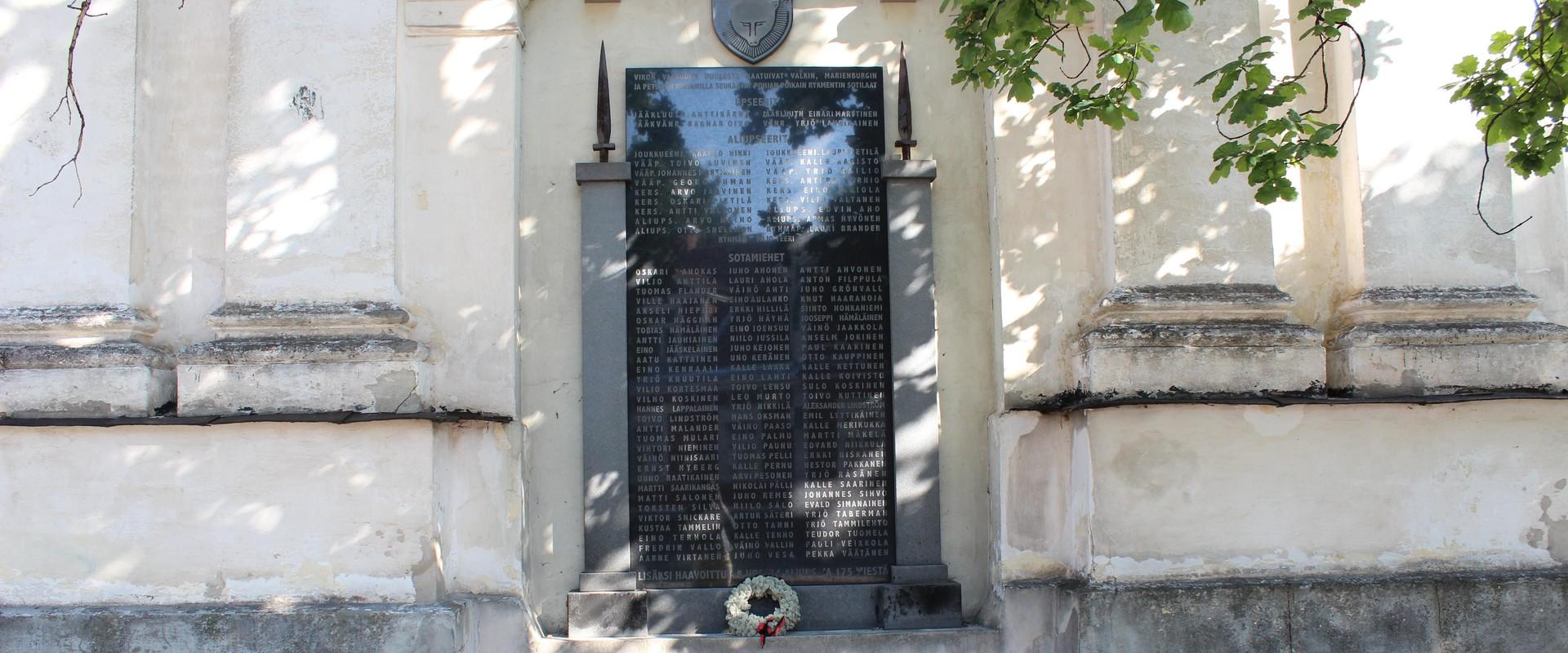
A black granite memorial tablet bearing almost 200 names was installed on the wall of the Valga Jaani (St John’s) Church in 1934 in remembrance of the Finnish volunteers who fell in the Paju Battle of the War of Independence. The polar bear sign of the Northern Sons Regiment is shown on the shield above the stone. In 1940 the memorial tablet was demolished with pickaxes by the order of communists. The memorial tablet was reopened on the 80th anniversary of the Paju Battle in 1999.Interesting facts: * the memorial tablet was opened in 1934 by President Konstantin Päts; * the first table was made in Finland and the second one in Tartu; * donations for the second tablet were collected by Ylistaro Rural Municipality (Finland) at the initiative of Ossi Salo.

  • Churches

Tartu Saint George the Martyr Church of the Russian Apostolic Orthodox Church

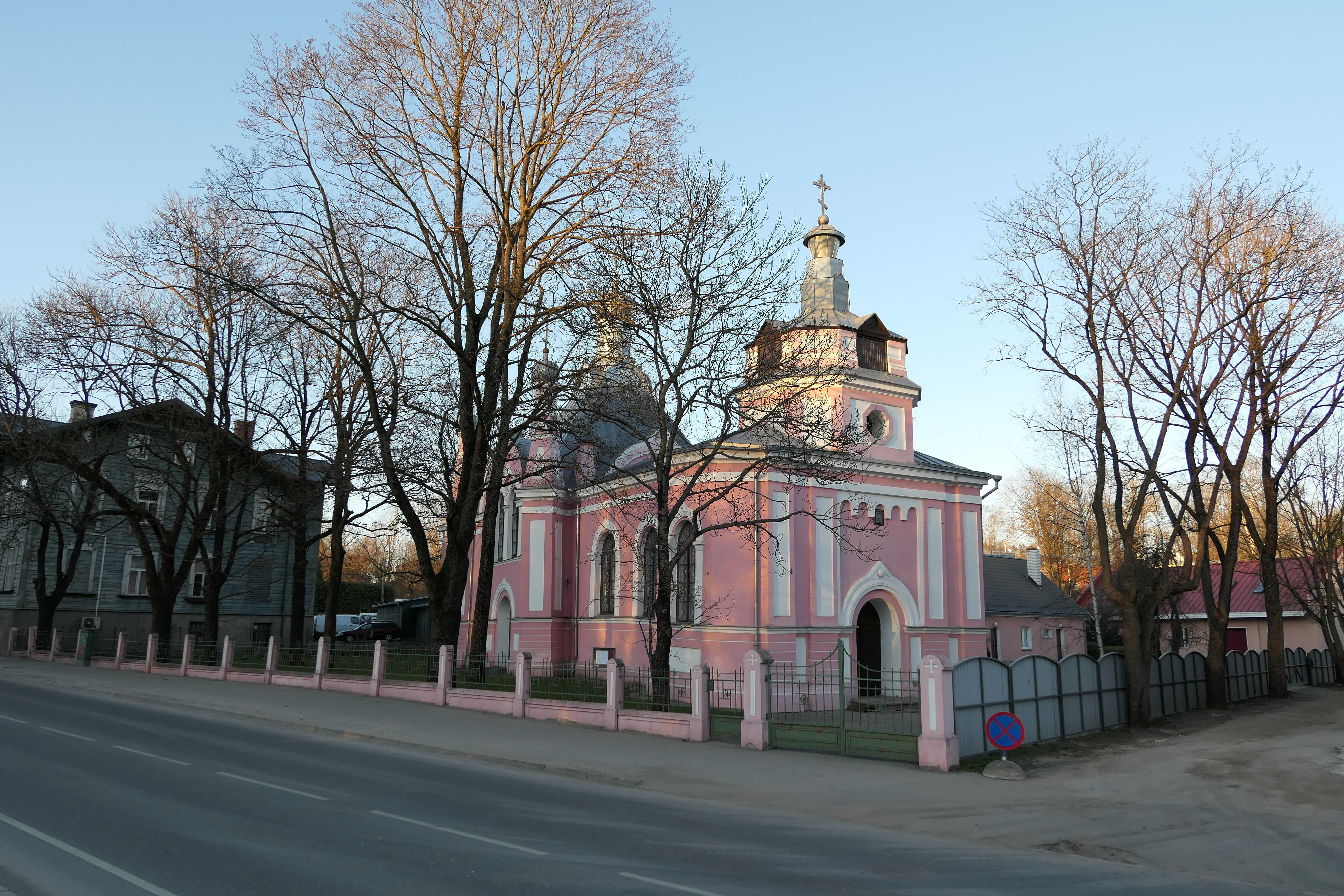
An orthodox congregation was established in Tartu in 1845 and Priest Joosep Shestakovski (1856–1888) initiated the building of an orthodox church. Tartu Saint George the Martyr Church was built using donations from the congregation and it was consecrated in honour of Saint George by Bishop of Riga and Mitav Benjamin in 1870.

  • Churches

Tartu St Luke’s Church of the Estonian Methodist Church

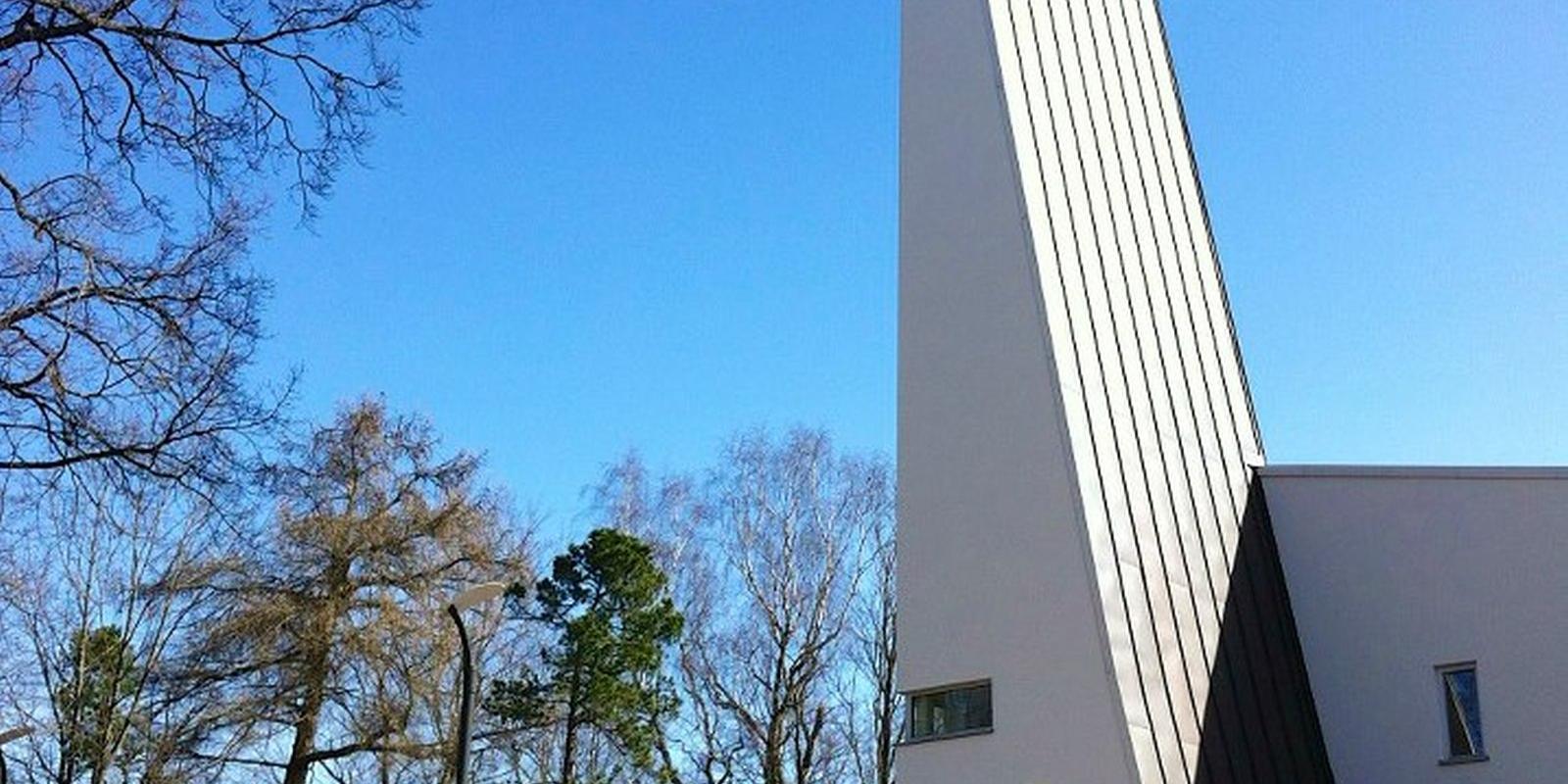
Tartu St Luke’s Church is a modern sacral building (architect Indrek Allmann), which is located in the Toomemägi area. Interesting facts: - Tartu St Luke’s Church was declared the best new building in Tartu in 2002; - the church is located on the site that used to belong to the famous professor of surgery Zoege von Manteuffel.

  • Churches

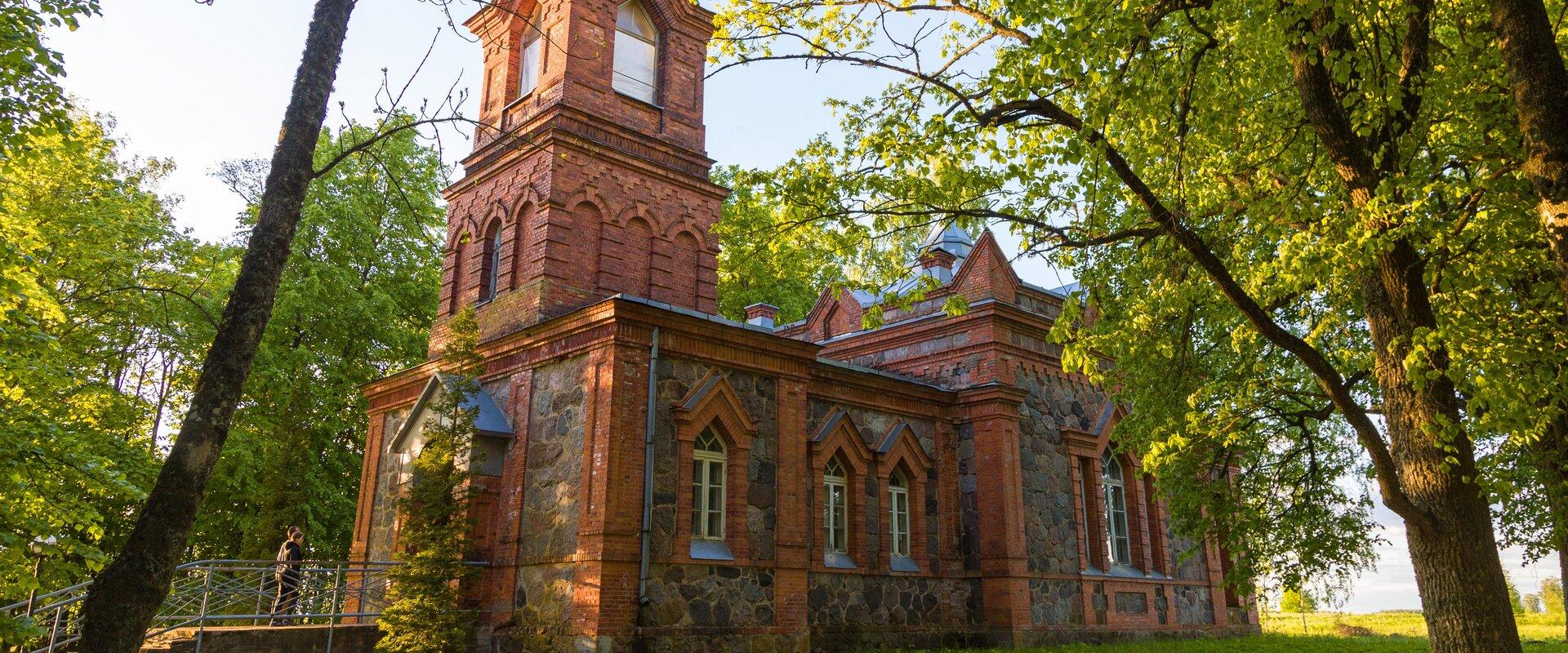
EELC Roosa Jacob’s Church

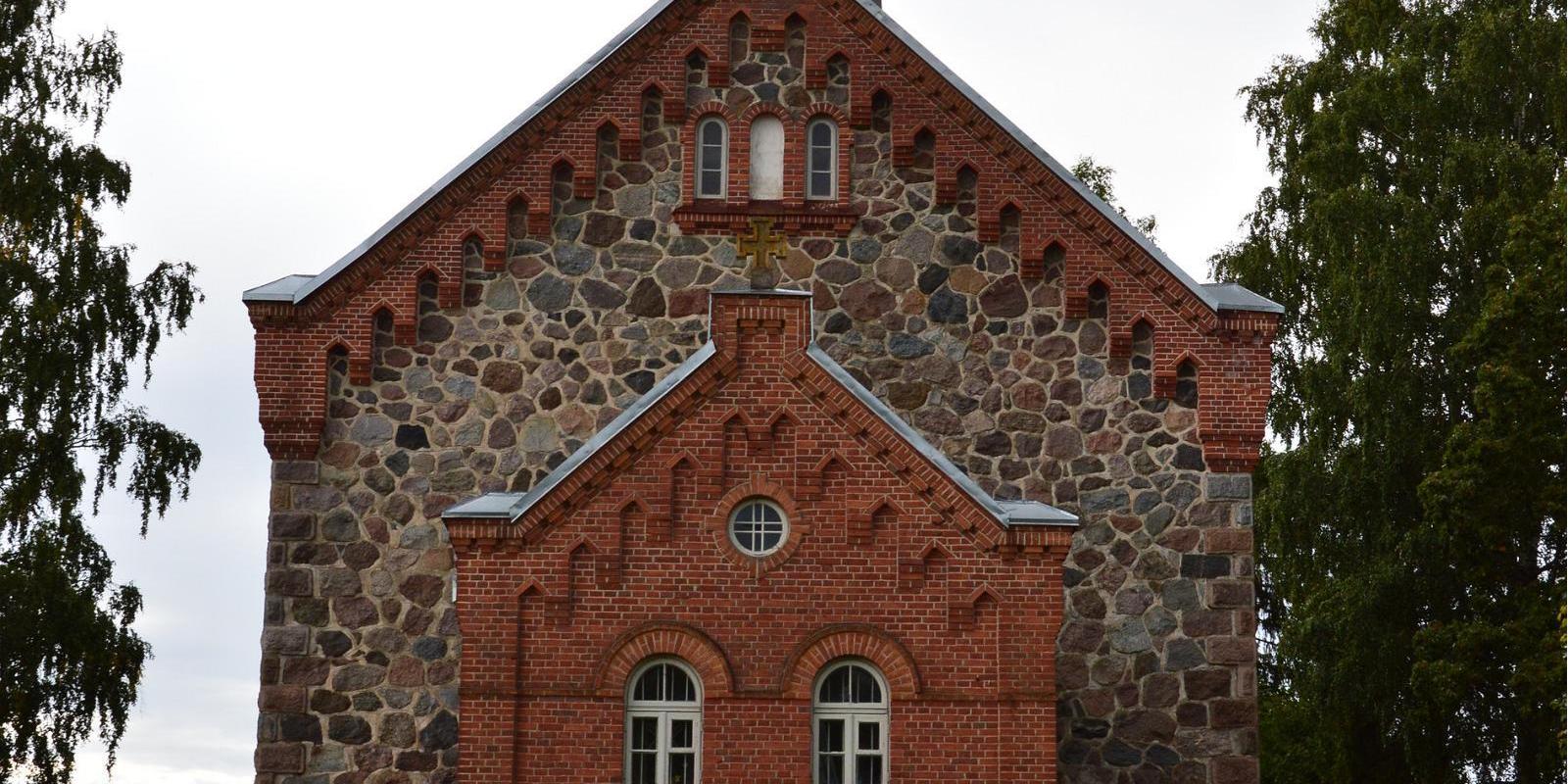
The legend speaks about the owner of Roosa manor, who had promised to build a church if he is saved from a shipwreck. When he had happily escaped the sea, he fulfilled his promise and the first church was built in Roosa in 1735.The current church is the third one in Roosa, built in 1893.The massive quarrystone walls have round-headed windows and brick ornaments, the tower has four sides and triangular gables. The altar-piece is a copy of the ″Christ on the Cross” from the St. Mary's Church in Rõuge and the organ is the first church organ the Kriisa brothers built in 1900.

  • Churches

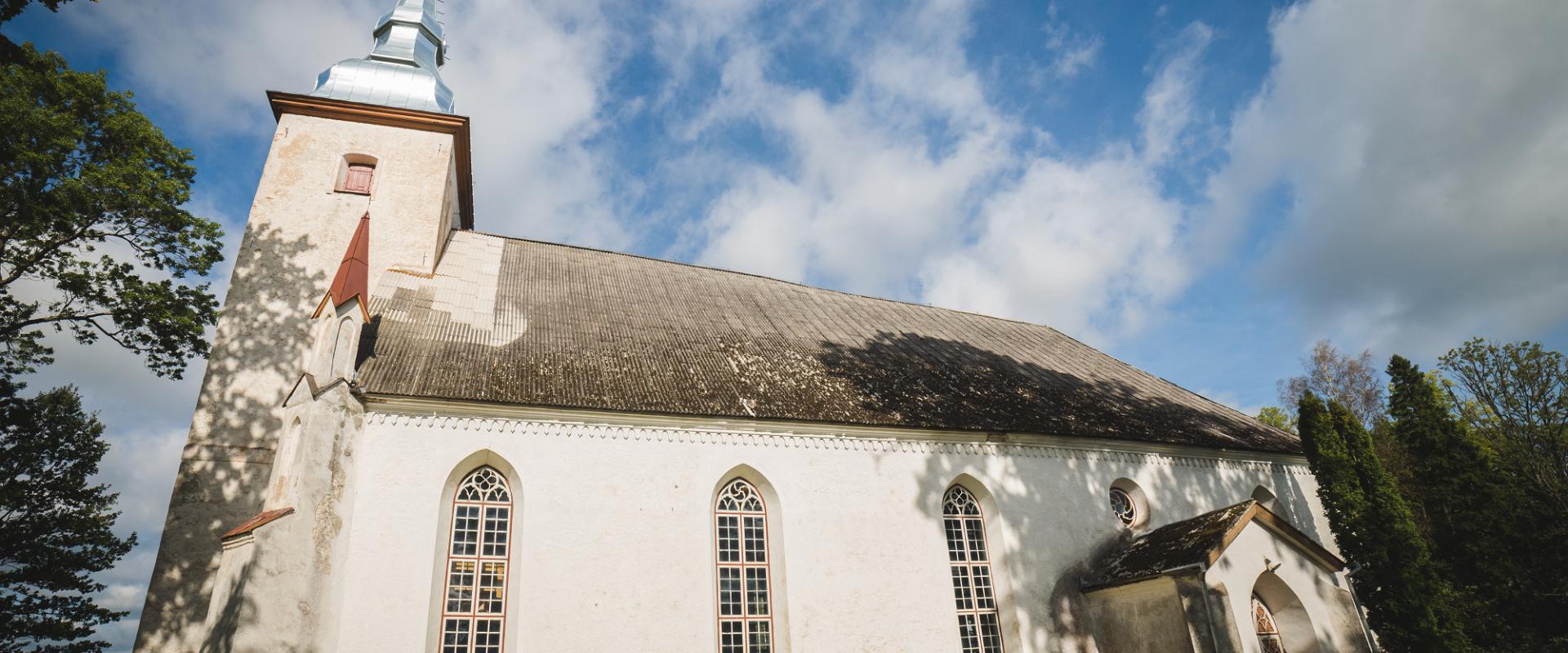
Estonian Evangelical Lutheran Church of Blessed Virgin Mary in Torma

Church of Blessed Virgin Mary in Torma is a late baroque trapezoidal aisleless church. The completed church was blessed in 1767 and in 1868, it was made more pseudogothic.There is a cup-shaped pulpit and people compare it to Noah’s ship. Services are held at the Church of Blessed Virgin Mary in Torma every Sunday at 11 a.m.

  • Churches

Rannu Apostolic Orthodox Church

The Apostolic Orthodox Church in Rannu (Rannu Orthodox Church) was built during 1899-1901 and consecrated on 5 May 1905 to celebrate Jesus going to Jerusalem. Therefore the church is also called the Rannu Church of the Lord Going to Jerusalem.The activities of the Orthodox congregation were terminated in 1961 and the church was used as the warehouse of the Rannu collective farm. In the 1980s, Rannu State Farm decided to make amends for the injustice and restored the church. The church has been previously used as a concert venue due to its excellent acoustics.Currently the church is not used for services.

  • Collaboration
  • News
  • Contacts
  • Privacy Policy
Join our mailing list!

"*" indicates required fields

This field is for validation purposes and should be left unchanged.
I authorise marketing

Southern Estonian Tourism Cluster

info@visitsouthestonia.com