• Avasta
    • Еда
    • Природа
    • Культура
    • Семья
    • Спорт
    • Сообщество
    • Блог
  • Planeeri
    • Размещение
    • Информация
    • Varamu
RUS
  • РусскийRUS
  • EestiEST
  • EnglishENG
  • LatviešuLAT
  • SuomiFIN
RUS
  • РусскийRUS
  • EestiEST
  • EnglishENG
  • LatviešuLAT
  • SuomiFIN
Populaarsed otsingud:
Näita kõiki tulemusi
  • Architecture and history
  • History & Culture
  • Churches
  • Ruins
  • Lookout towers

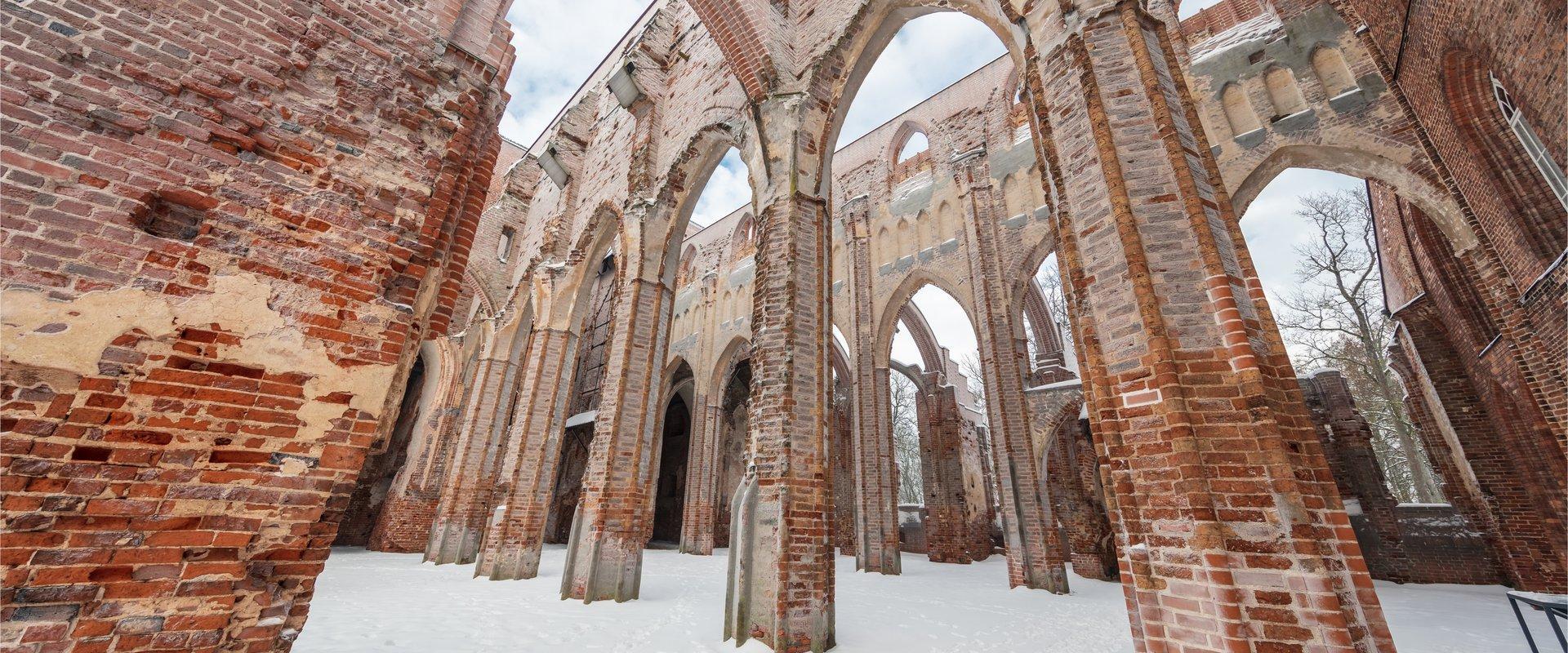
Tartu Cathedral

Lossi tn 25, Tartu linn, Tartu maakond, 51003

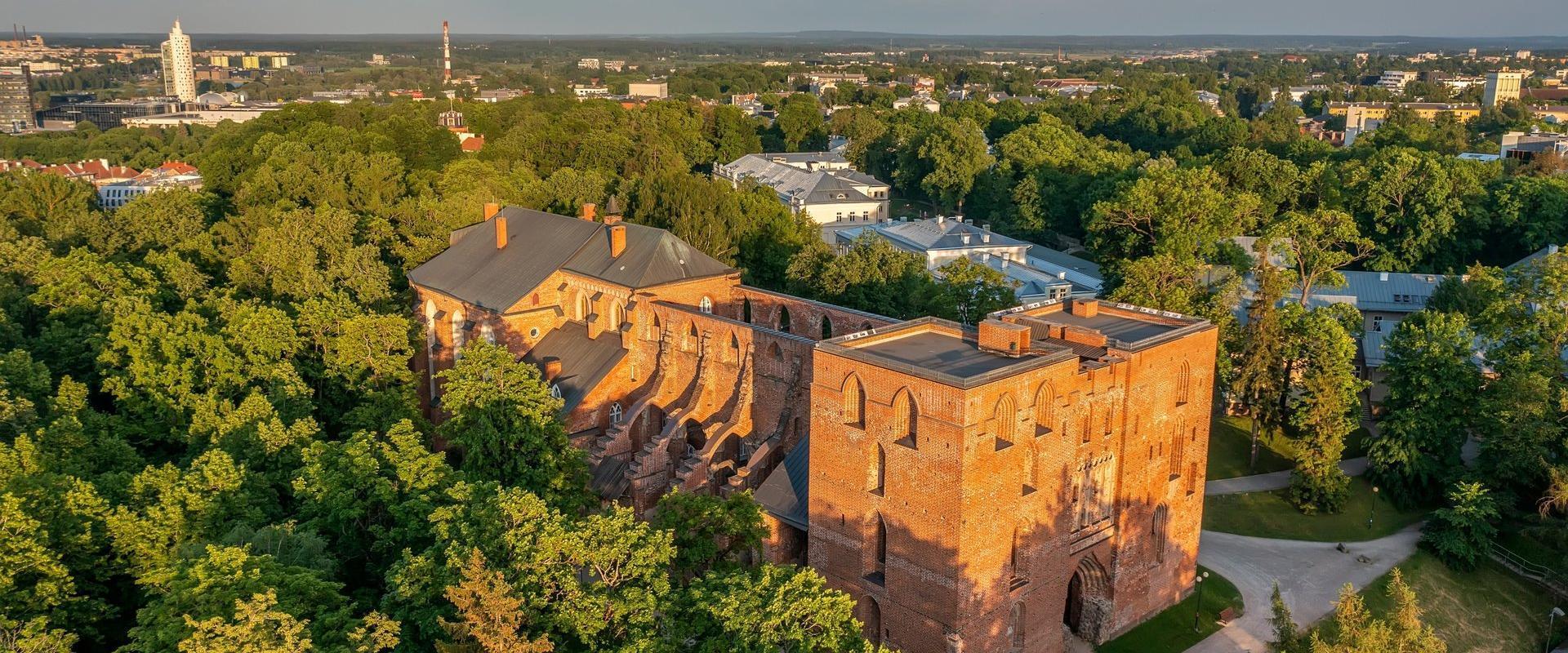
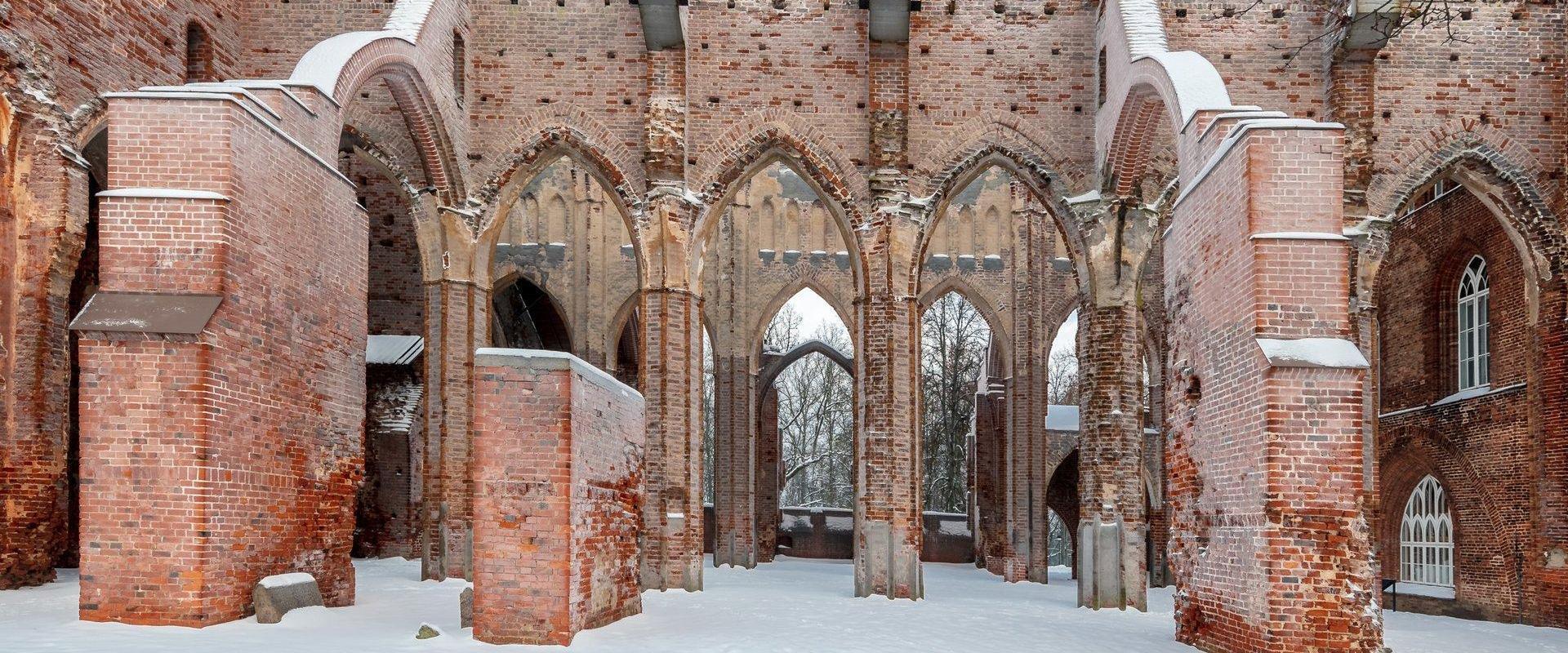
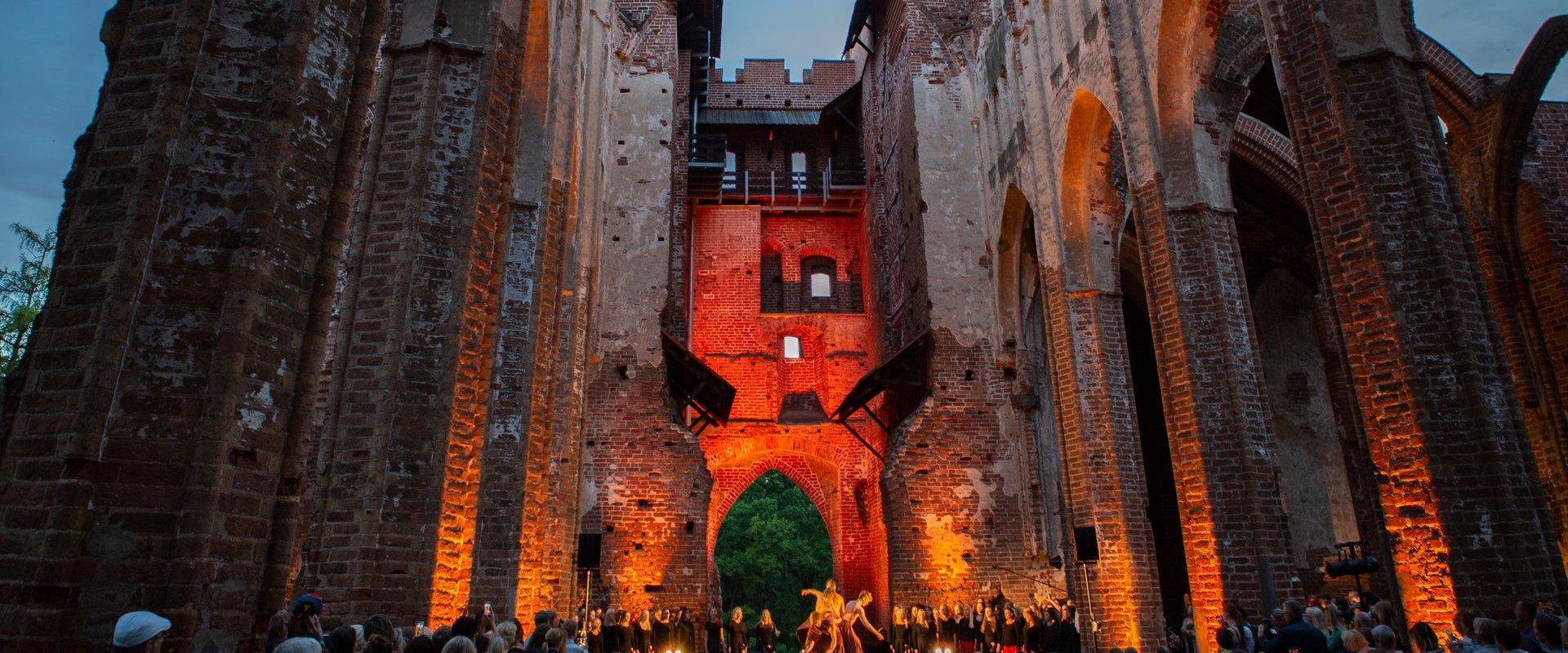
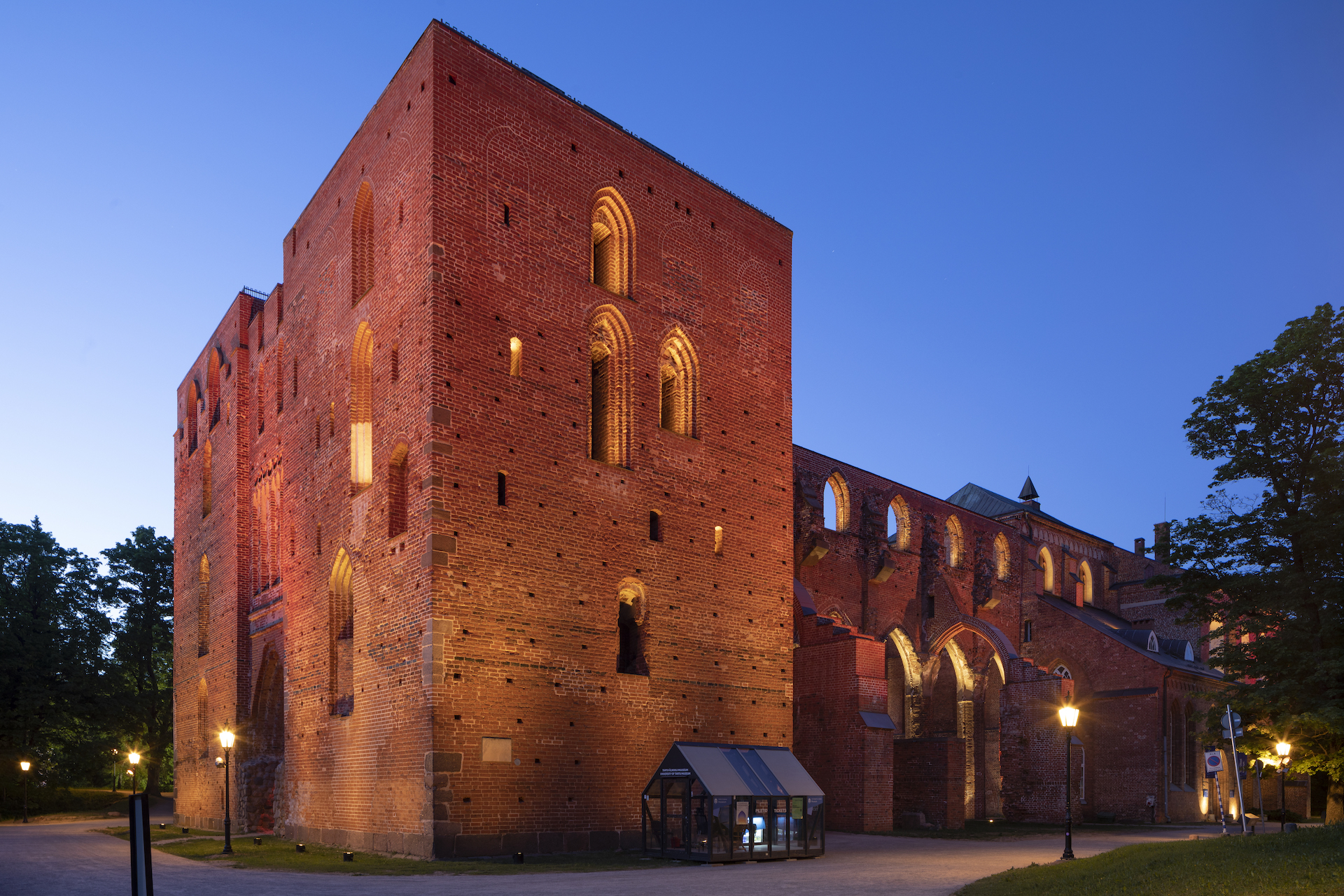
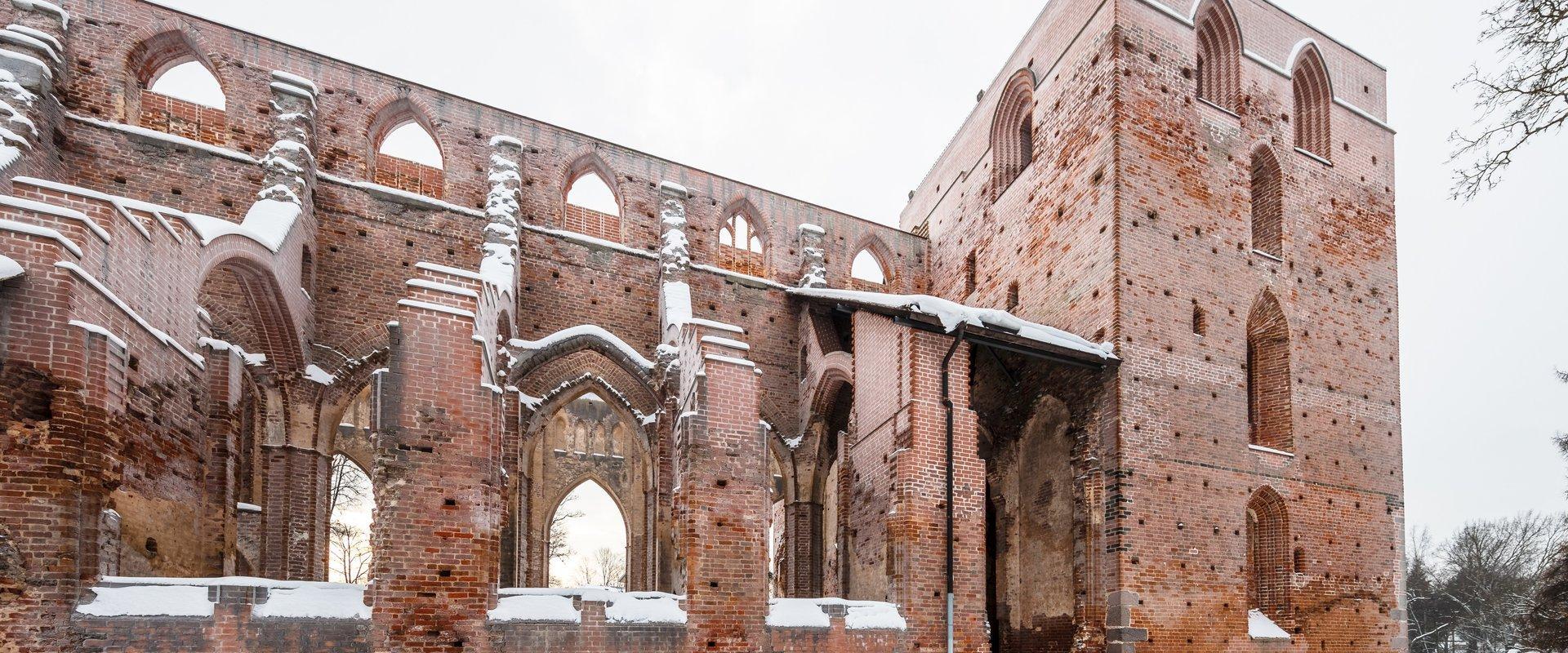
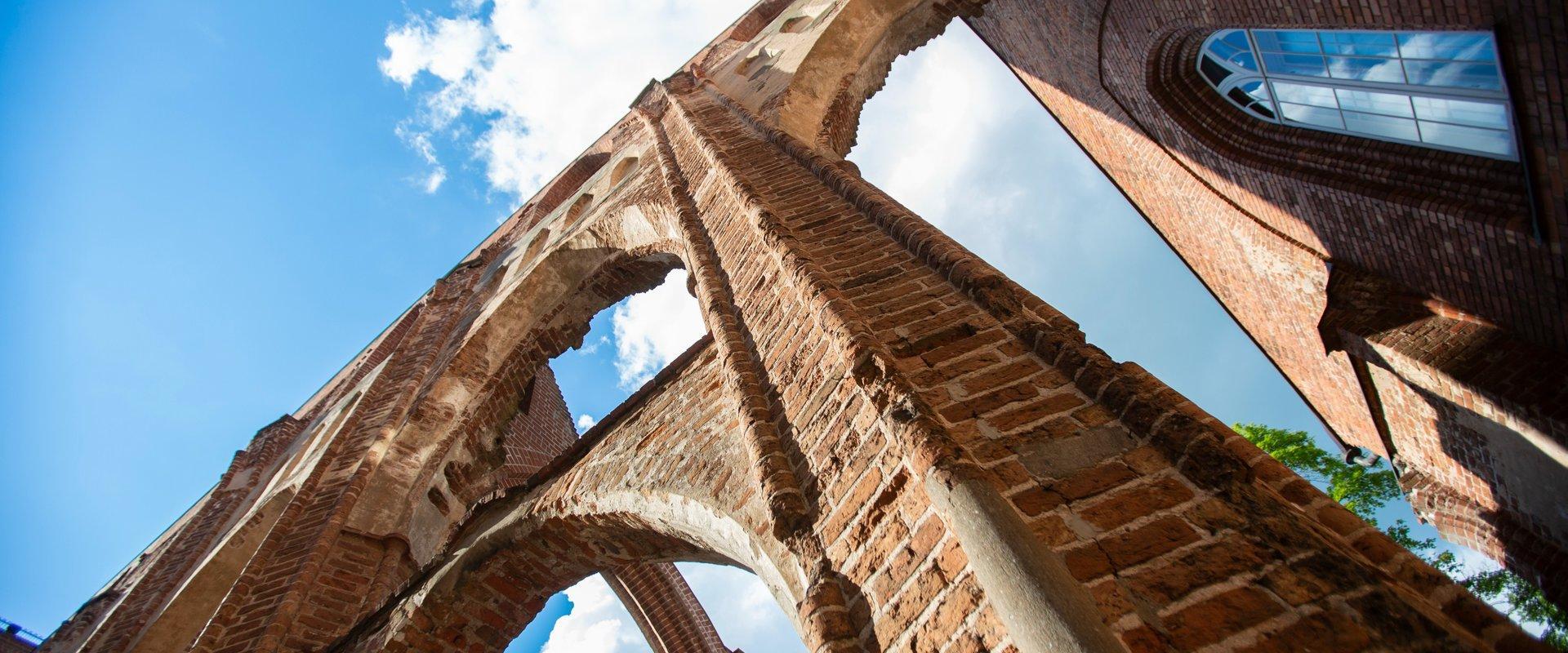
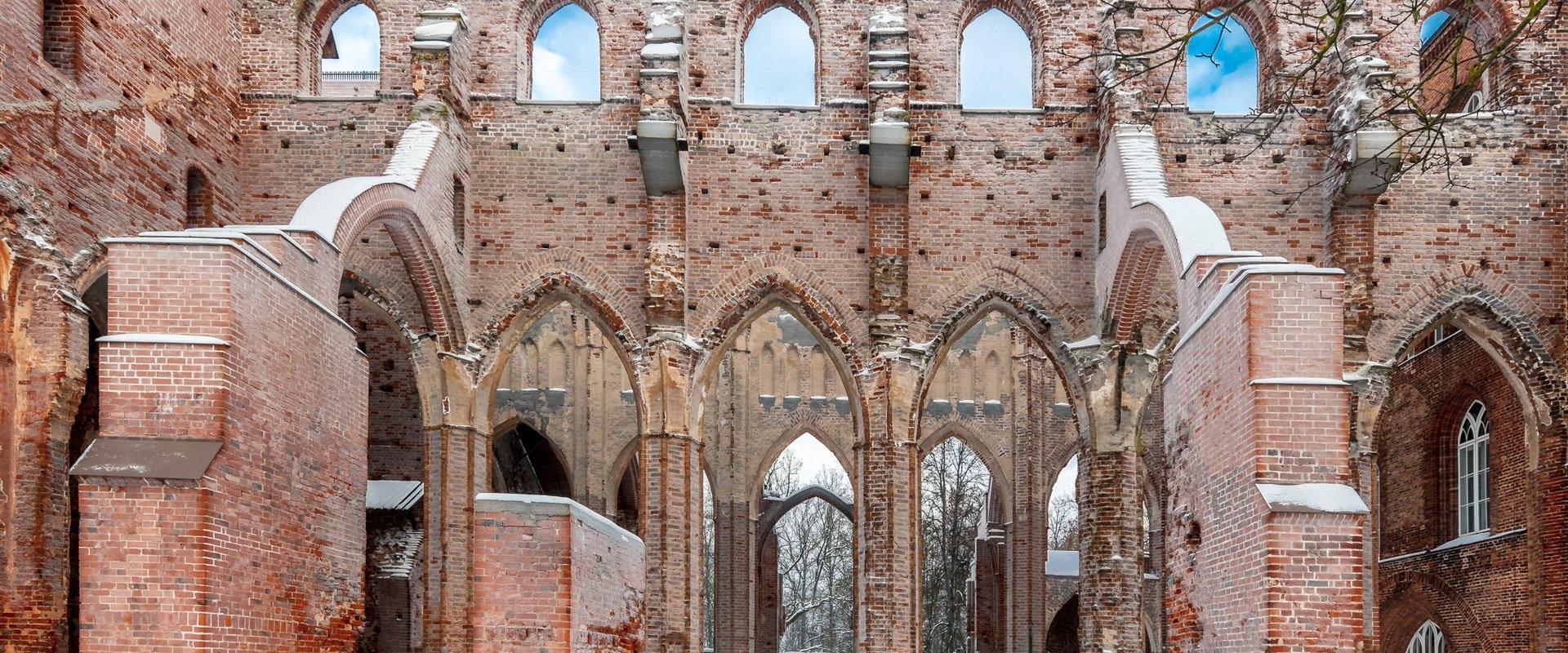
The cathedral located on Tartu’s Toome Hill is one of Estonia’s most remarkable and largest medieval structures, and the only church with two towers. The church’s construction began as early as the 13th century, when Tartu was an important bishopric. Construction work and additions continued into the early 16th century. During the Reformation, the cathedral was abandoned and, over time, turned into ruins. Nevertheless, these powerful walls and spacious vaults remain one of the most outstanding examples of brick Gothic architecture in Old Livonia, reflecting the scale and craftsmanship of medieval architecture.
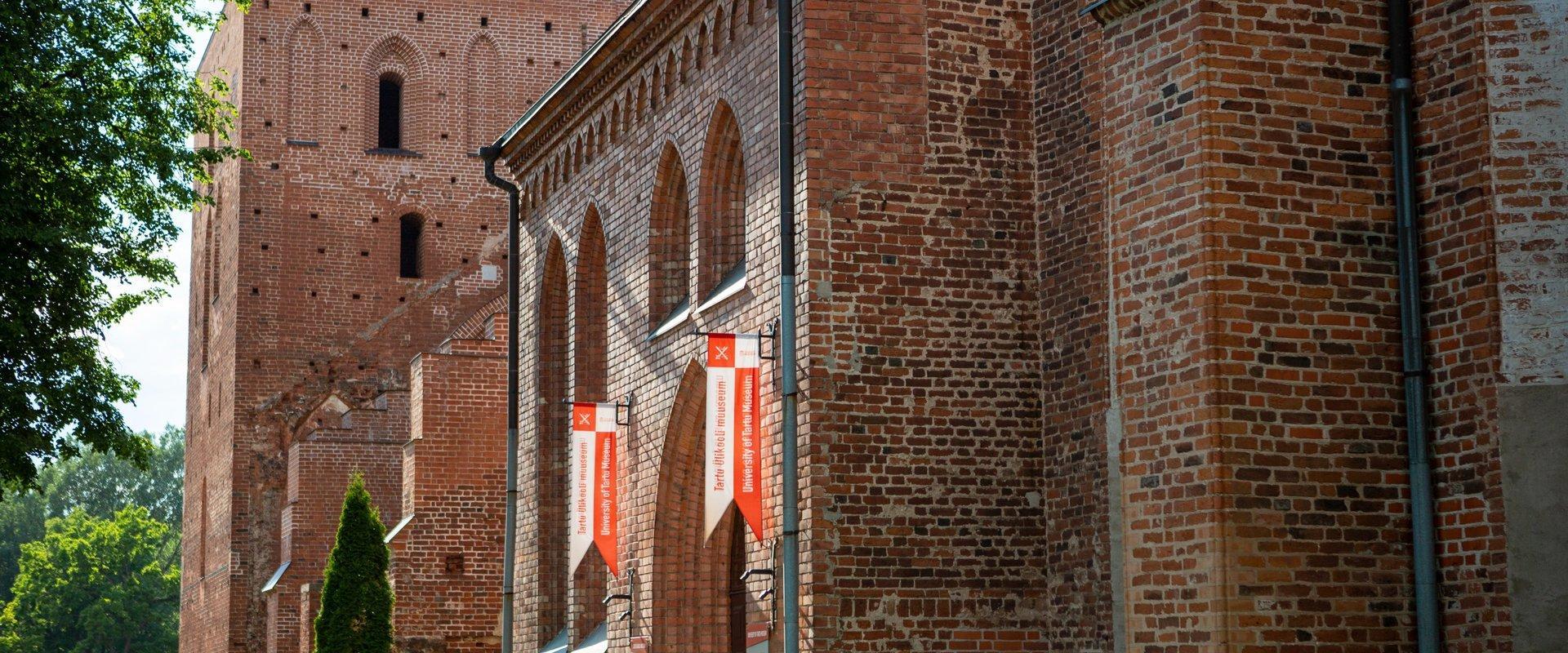
The University of Tartu Museum operates in the cathedral building, showcasing the history of science, university education, and the development of Tartu’s academic spirit.
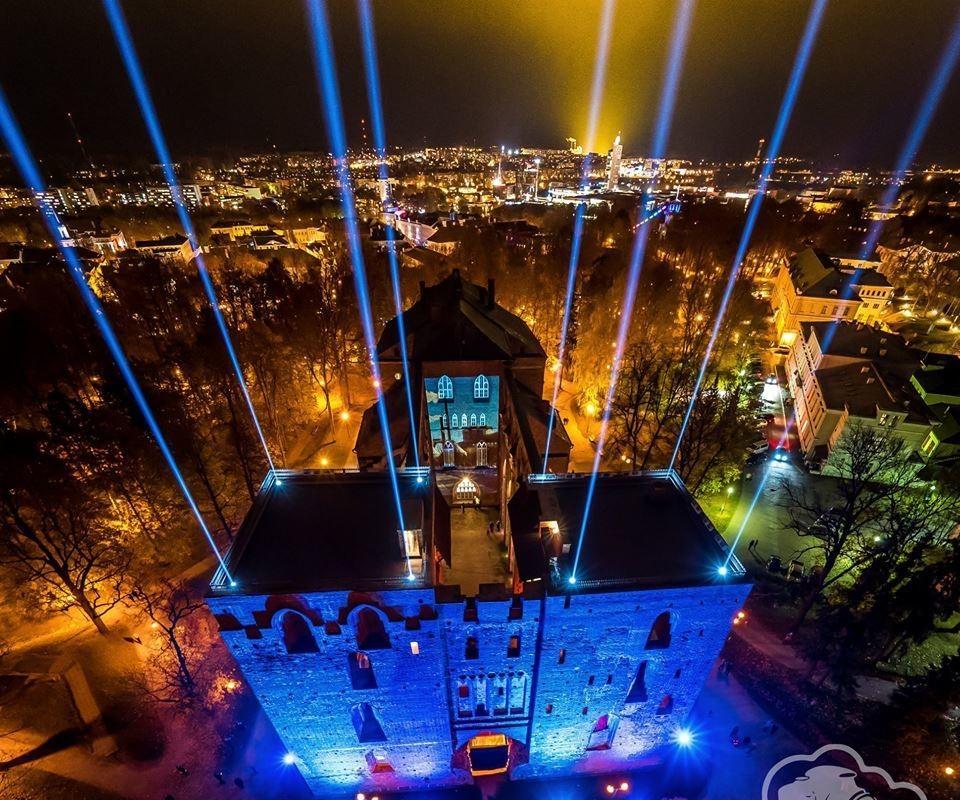
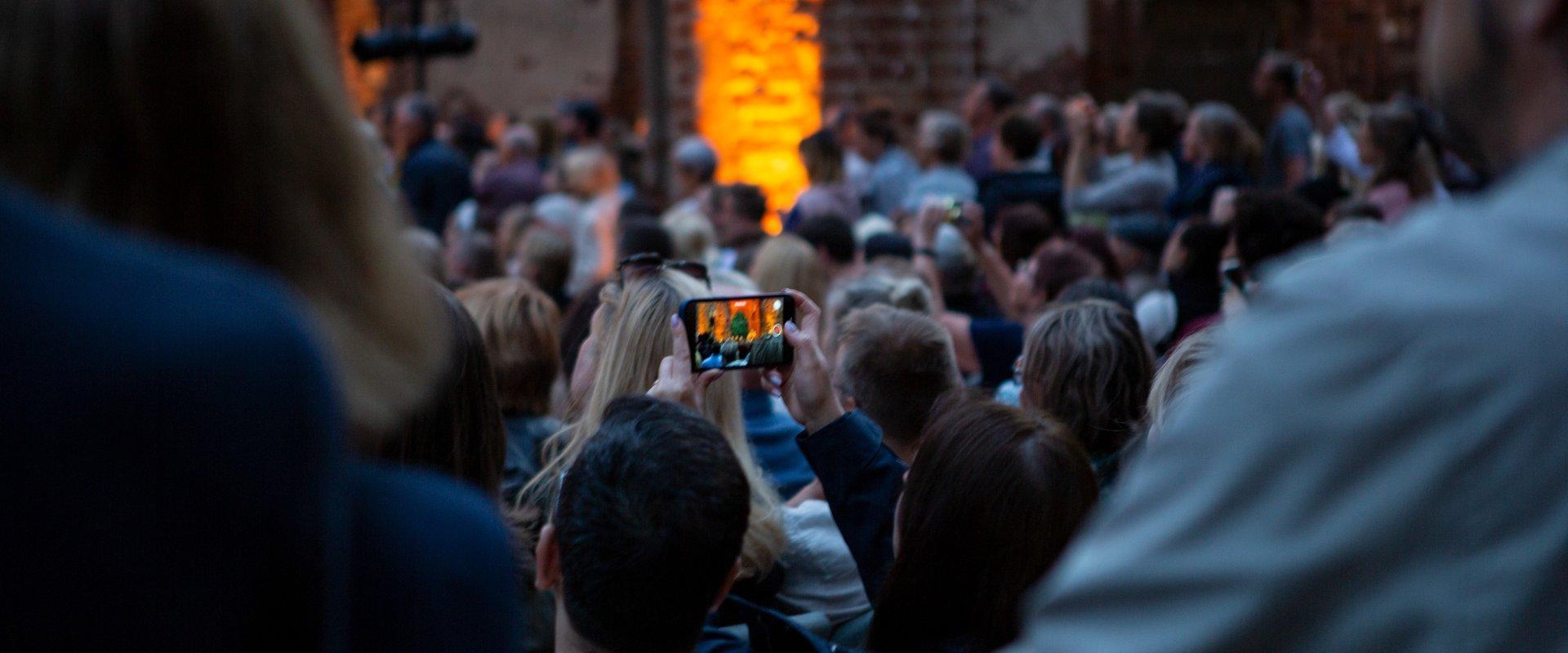
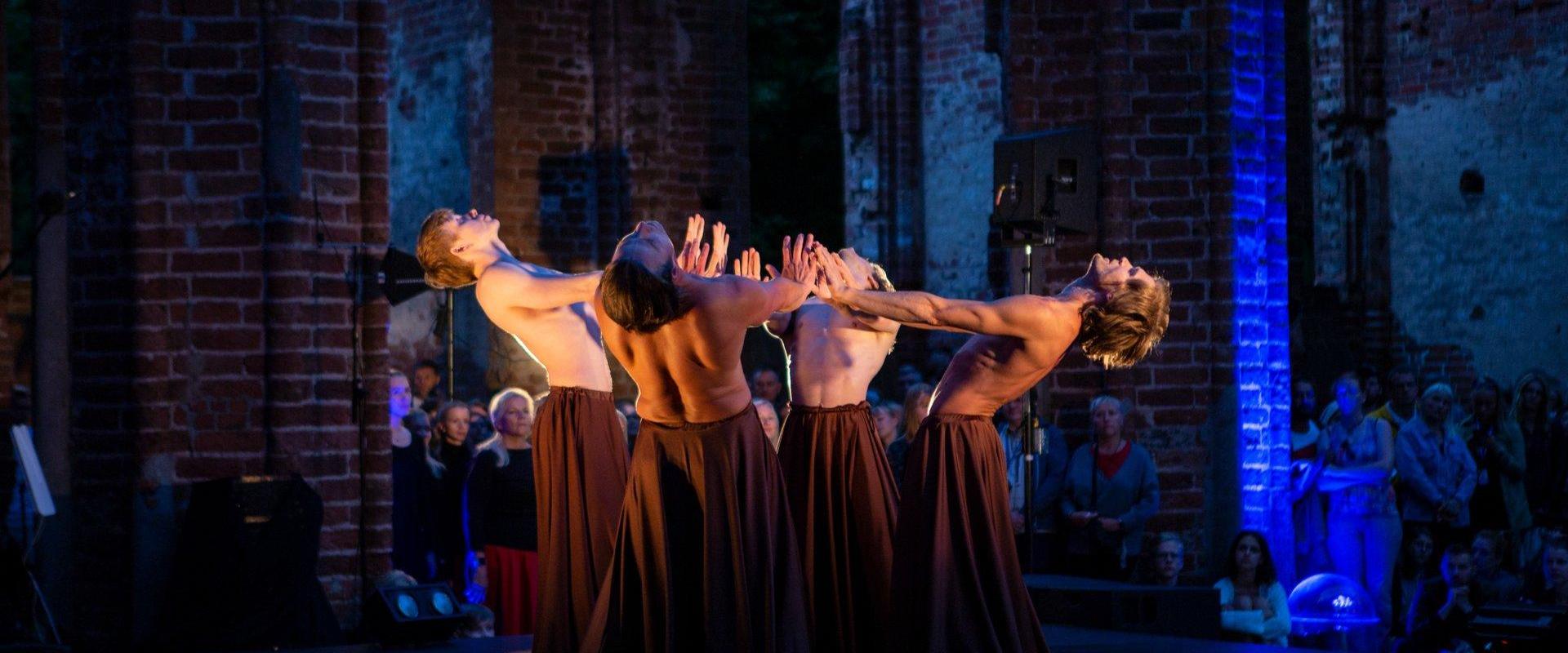
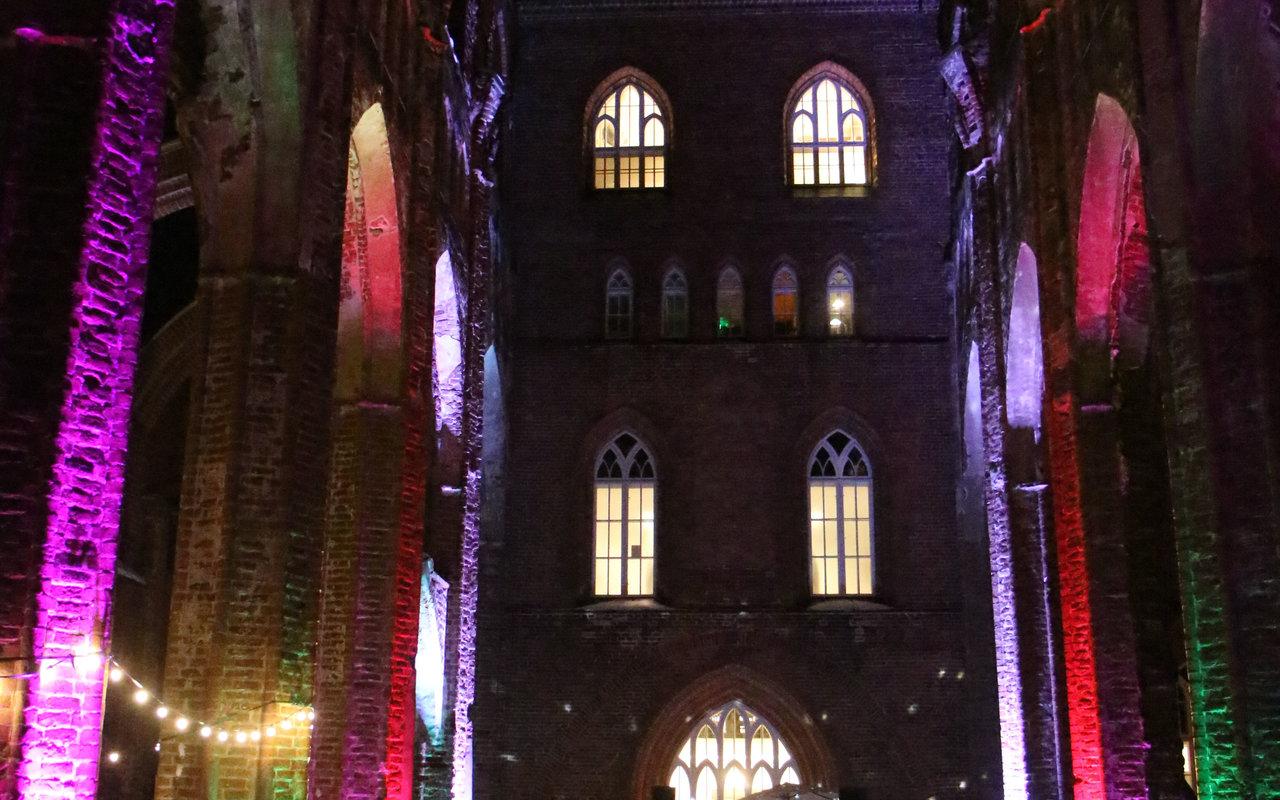
It is possible to visit the cathedral towers, which offer one of the most beautiful views of Tartu and the Emajõgi Valley. Next to the towers is Toompood, where you can find gifts, science-themed souvenirs, and memorabilia with university symbols. In the evenings, a light installation adds a magical atmosphere.
Mugavused

  • Information boards
  • Paid parking
  • Recreation area/picnic ground
  • Souvenirs

Lahtiolekuajad

Aastaringselt

Ööpäevaringselt

Kontakt

  • +372 737 5674
  • muuseum@ut.ee

Lingid

muuseum.ut.ee

Vaata lisaks

  • Birdwatching
  • Lookout towers

Birdwatching tower in the Räpina polder conservation area

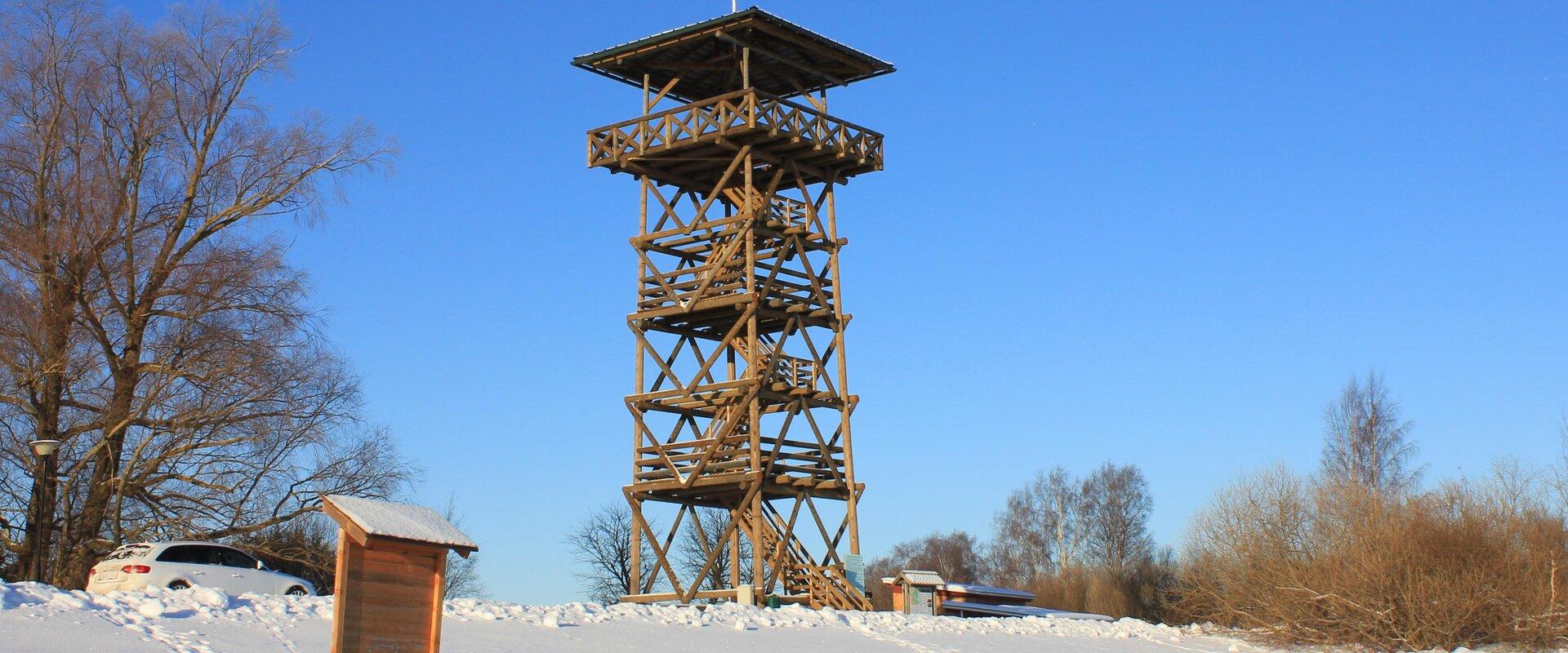
The tower on Räpina beach, completed in 2020, is located in the Räpina polder conservation area near Räpina harbour. The 18-metre-high tower consists of three platforms and three observation platforms. The highest extended part provides better visibility to the polder conservation area, shore area, Lake Lämmijärv, Salusaar Island, and Russia.The birdwatching tower offers beautiful views in any weather and in any season. It is primarily intended for nature observation and bird watching. This allows people looking for nature experiences to see the species in the conservation area without disturbing the surroundings.

  • Churches

Catherine’s Church in Võru

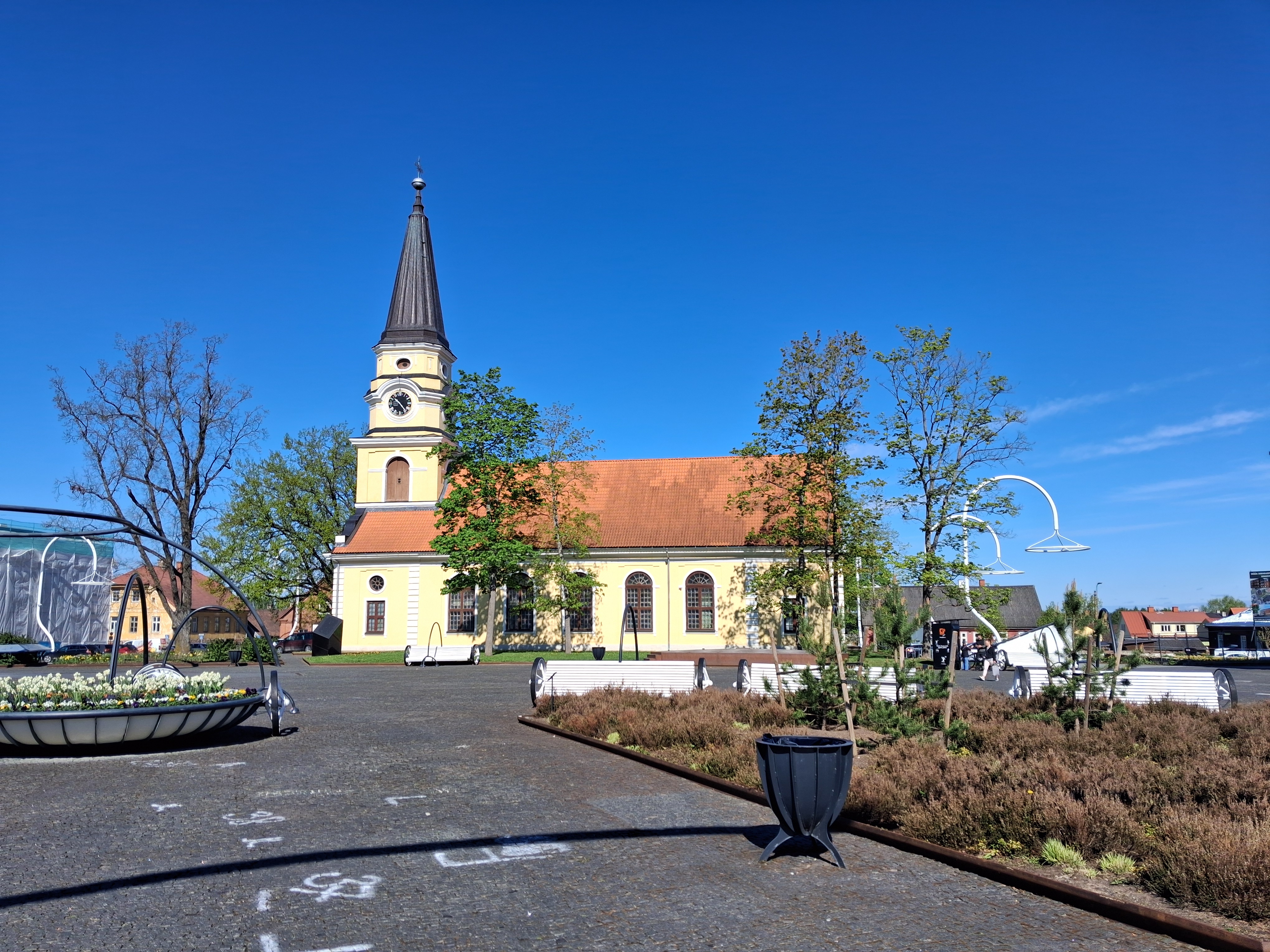
28,000 silver roubles were donated towards the construction of this Lutheran church by Russian empress Catherine II. It was blessed on 24 July 1793, when it received the name 'Catherine'. It is thought that the church - which was designed in early classicist style with baroque roots and which boasts stunning arched windows - was designed by the architect Christoph Haberlandt from Riga. Renovations in 1879 saw its tower receive a new dome, and a four-faced clock was also installed. The church has an organ built by the Kriisa brothers in 1913. You can visit the church on Sundays during mass times.

  • Churches

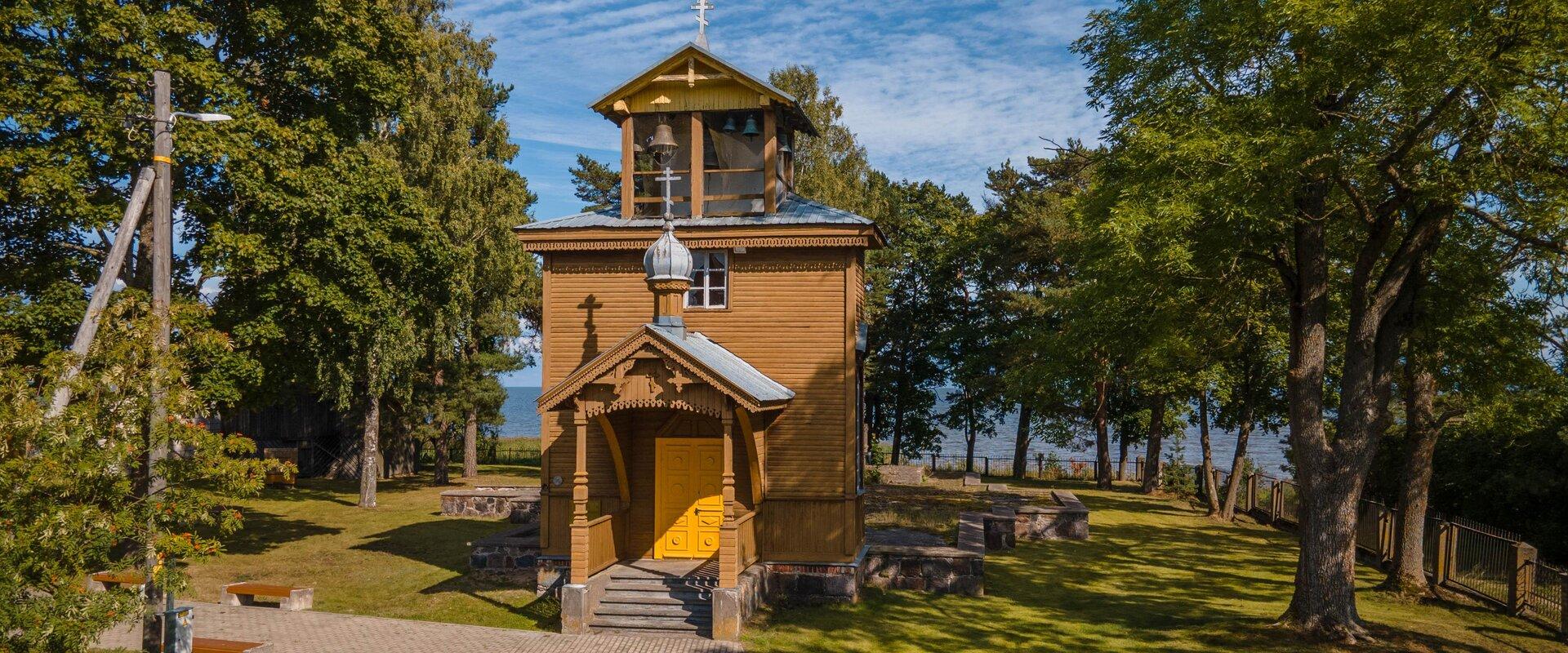
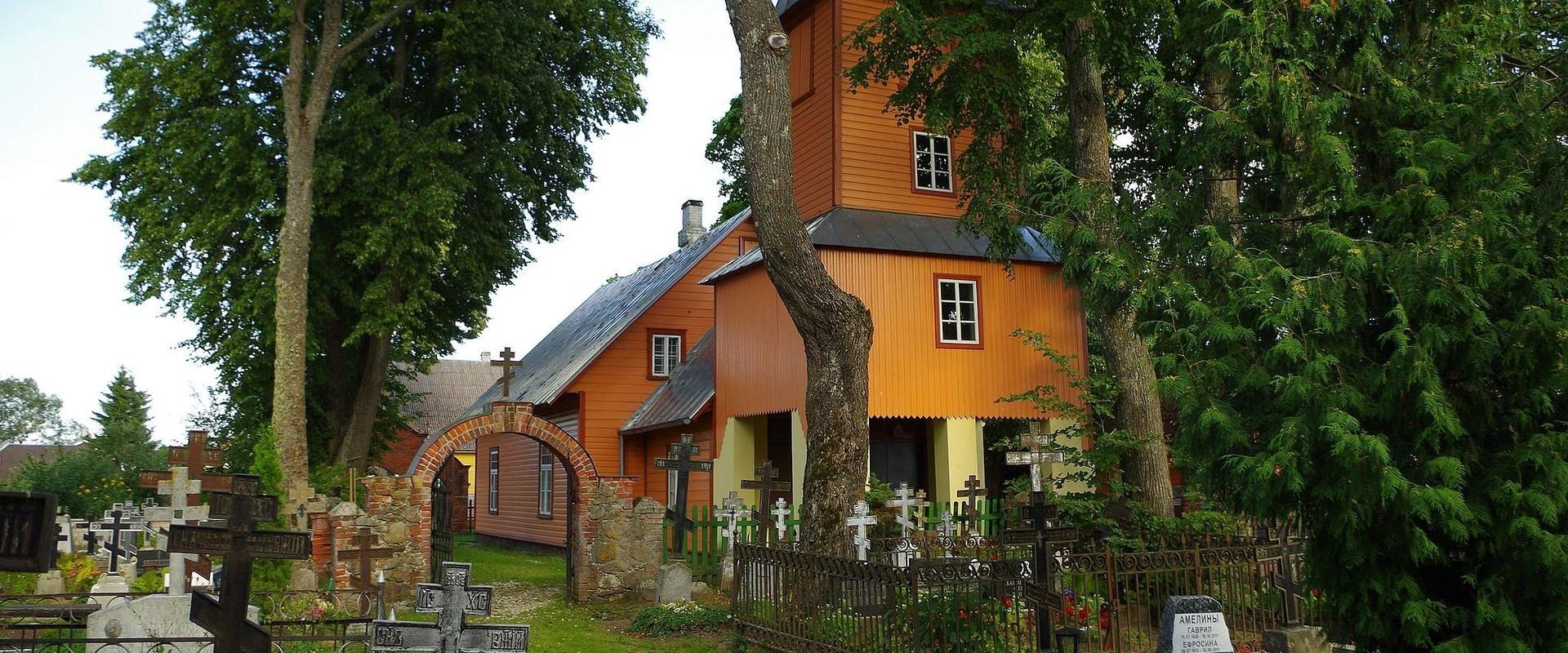
Rajaküla Old Believers’ Worship House

It is believed that the Raja congregation of Old Believers was established in the first quarter of the 18th century. The congregation was given permission to build its own church only in 1879. The church was destroyed during the Second World War – the only thing left is the belfry. The present worship house has 11 rooms. In 1854–1930 Gavriil Frolov lived in the worship house. He taught children icon-writing, reading and writing in Old-Slavic, also singing based on old musical notation.

  • Churches

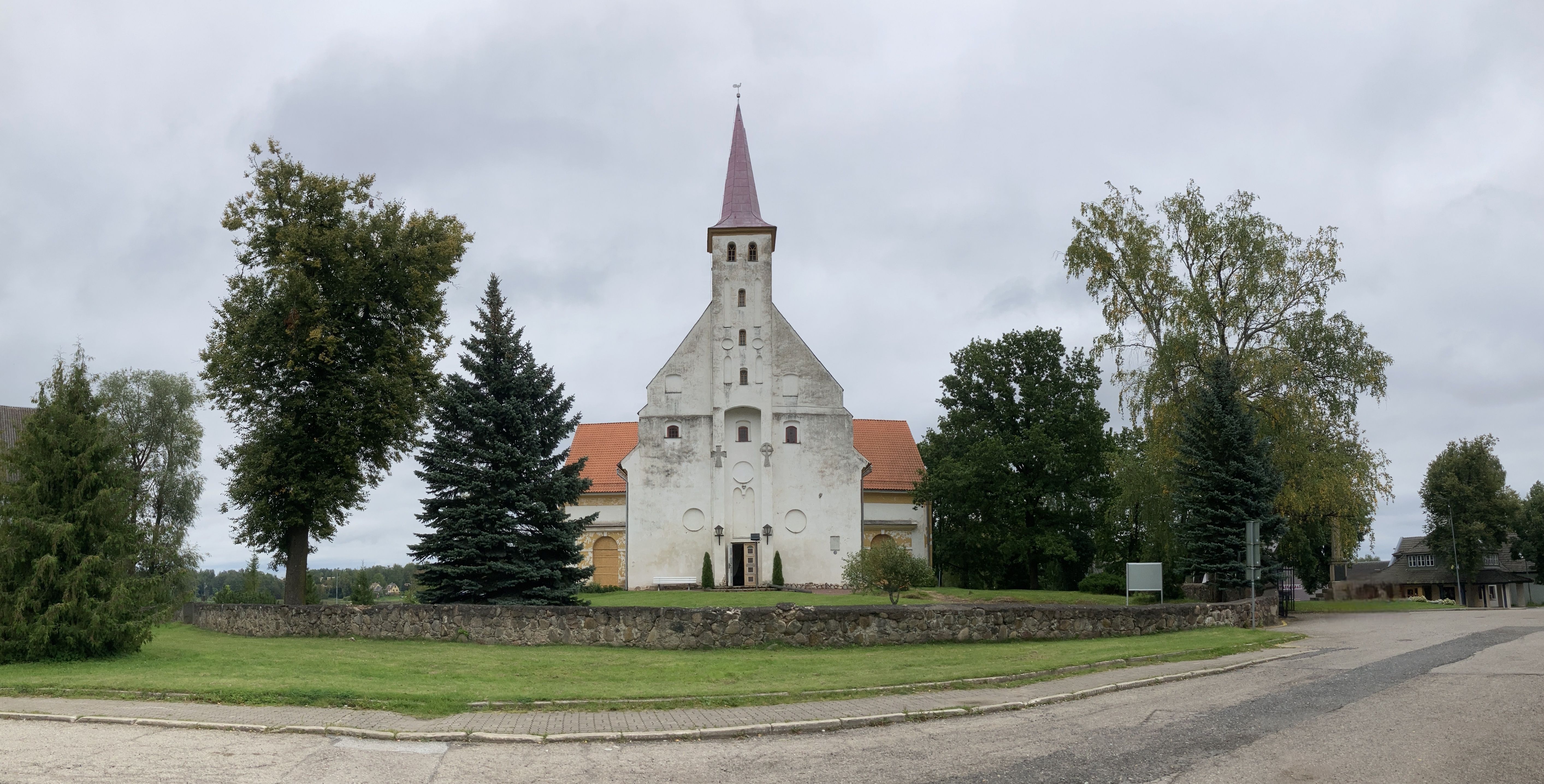
Lutheran Church of Blessed Virgin Mary in Põlva

The Church of Blessed Virgin Mary in Põlva is one of the oldest churches in historical Võrumaa. The rarities of the church are the old altar painting The Last Supper (1650) and the altar panels (1647). There is an altar painting The Resurrection (Friedrich Ludwig von Maydell, 1845). The church was originally a square-shaped hall church with three naves. Today it has preserved from it a high tower with a deep niche and a Western façade. Interesting to know: According to a legend, the key of the church is held by a kneeling girl called Mary who is walled in. Allegedly that is also the origin of the name of the church and Põlva (‘knee’ for the Estonian ‘põlv’).

  • Ruins

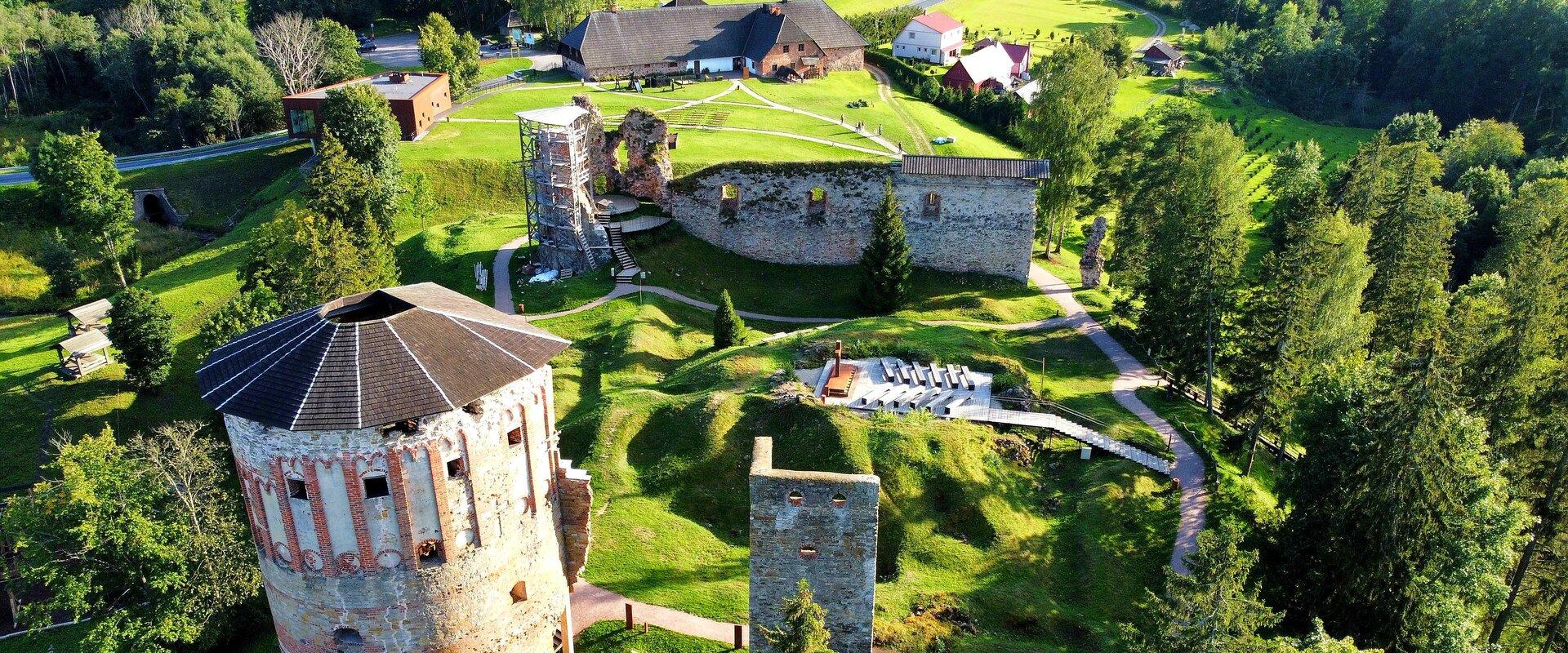
Ruins of Vastseliina Bishop’s Castle

Vastseliina Episcopal Castle is a place worth discovering in South Estonia for its 14th-century castle ruins, interactive activities, and interesting history as a sacred site. In the Middle Ages, the castle was a famous pilgrimage destination: by order of Pope Innocent VI, pilgrims who saw the miraculous cross in the castle chapel received a release from penance activities imposed on them for 1 year and 40 days. During the Northern War, the castle was destroyed by Peter I's troops, and only its ruins remain. The sacred pilgrimage site on the ruins of the former church is marked by a large cross, benches, and a sound installation featuring spiritual music. Nowadays, you can also visit the Vastseliina Episcopal Castle Medieval Experience Center and the Episcopal Castle Pilgrimage House. The castle ruins, sacred site, and experience center can be visited independently or with a guide upon prior arrangement. Additionally, refreshments and medieval feasts for groups are offered at the former Piiri Tavern.

  • Churches

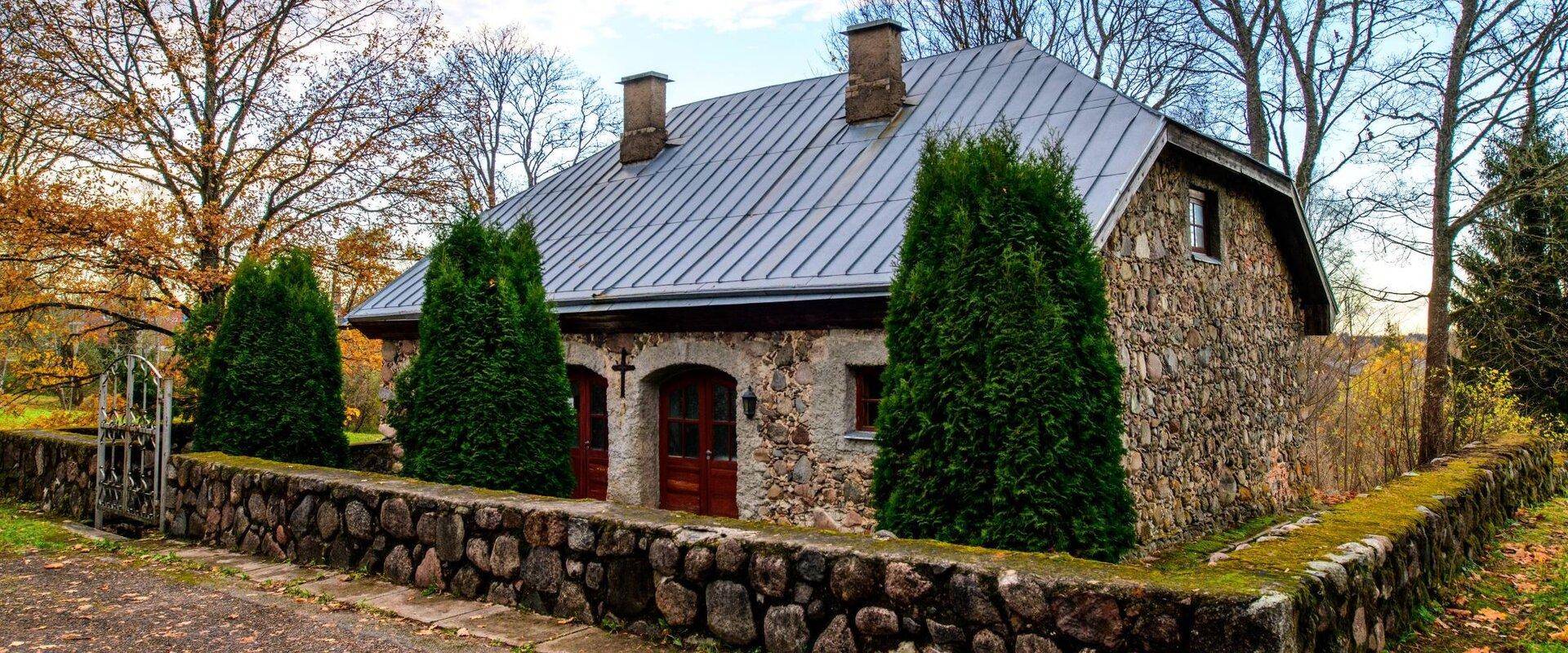
Otepää Winter Church

The Winter Church is located in a converted auxiliary building of the old church manor and is used mostly in the winter period. It is a small and cosy church that was built largely with the money donated from Finland. The church was consecrated on 6 December 1992 – the Independence Day of Finland. The consecrated name of the winter church is the Widow and Orphan Chapel. It is dedicated to widows because they were the ones who kept the church alive with their small salaries in the Soviet times. The blue, black and white flag of the Estonian Student Union, which later became the national flag and in 1991 the official flag of the state of Estonia, was consecrated in the rectory of the church next to it

  • Churches

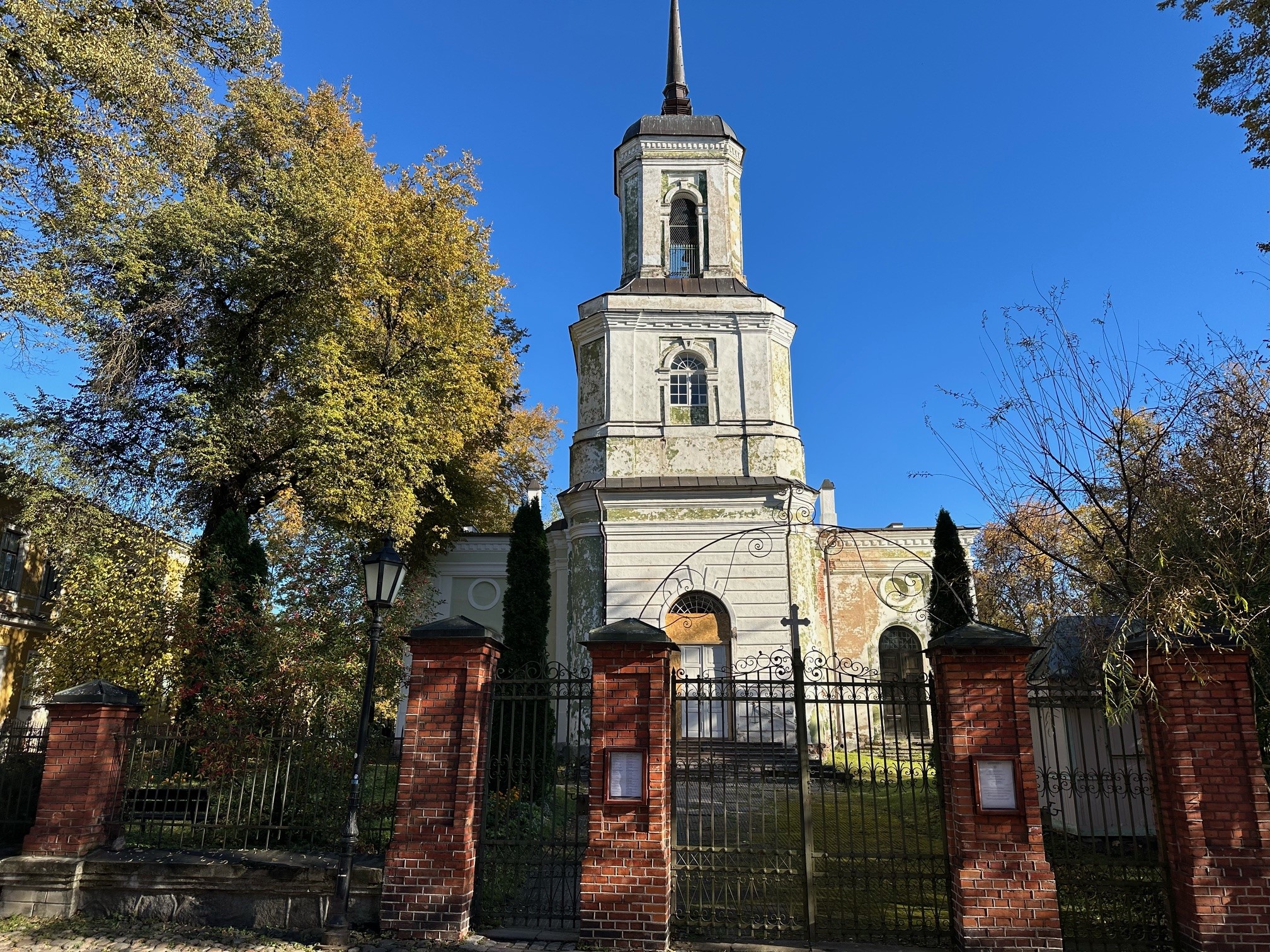
Tartu Uspenski Cathedral of the Estonian Apostolic Orthodox Church

Construction of the Tartu Uspenski Cathedral started by the order of Peter I after the Northern War and it was consecrated in 1783. The church was established on the foundation of the Dominican Convent Church. It was initially built in the shape of a cross and was given its quadrangular shape in 1840. Interesting facts: - a chapel to St Isidor, who died as a martyr, was established in the church in the course of its extension; ‑ the Bolsheviks killed 19 innocent people in the cellar of Krediidikassa 80 years ago. Their victims, archpriests Bleive and Berzhanitski, are buried in Uspenski Church.

  • Churches

Kasepää Old Believers’ Prayer House of the Estonian Association of Old Believers Congregations

When in Kasepää Village near Lake Peipus, go and visit the prayer house of Russian Old Believers, which has been operating without interruption since the 18th century.The current prayer house was built at the beginning of the 20th century. It was designed by the governorate architect Wilhelm Schilling in 1902. The Florov school masters renewed the icons of the iconostasis in the prayer house before the Second World War. Some of the icons in the chapel date back as far as to the 17th century.Prayers are held in the chapel in Russian on Sundays at 10 a.m.

  • Privacy Policy

"*"обозначает обязательные поля

Это поле используется для проверочных целей, его следует оставить без изменений.
Я разрешаю маркетинг