• Avasta
    • Еда
    • Природа
    • Культура
    • Семья
    • Спорт
    • Сообщество
    • Блог
  • Planeeri
    • Размещение
    • Информация
    • Varamu
RUS
  • РусскийRUS
  • EestiEST
  • EnglishENG
  • LatviešuLAT
  • SuomiFIN
RUS
  • РусскийRUS
  • EestiEST
  • EnglishENG
  • LatviešuLAT
  • SuomiFIN
Populaarsed otsingud:
Näita kõiki tulemusi
  • History & Culture
  • Architecture and history
  • Churches

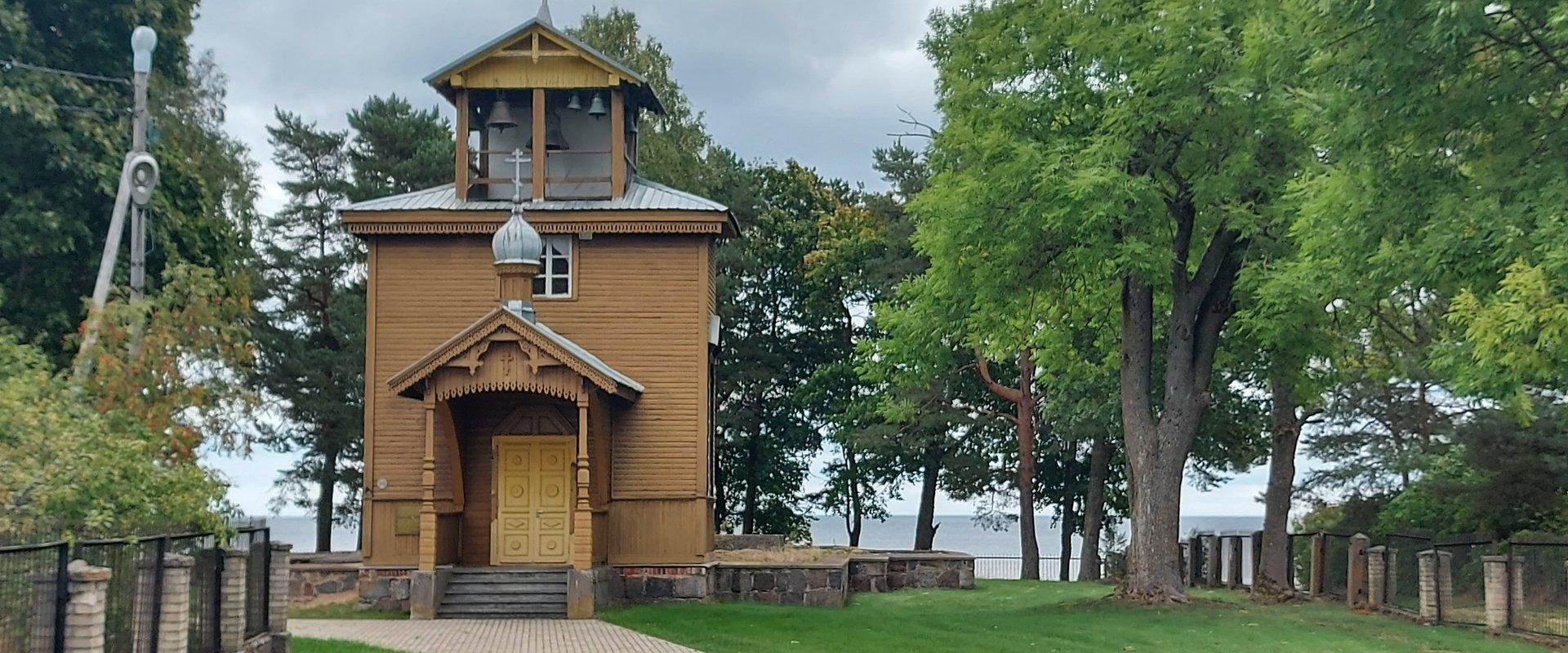
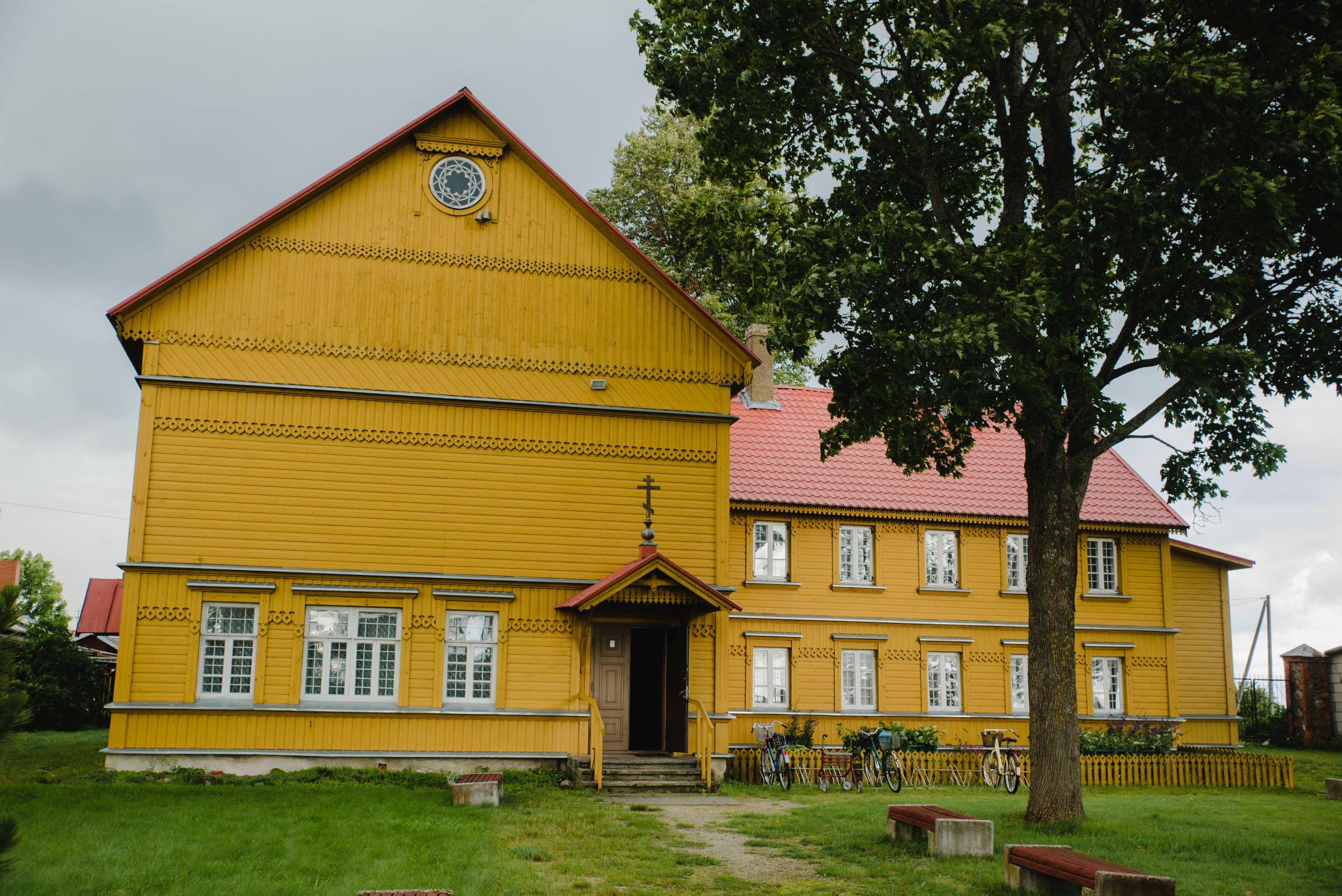
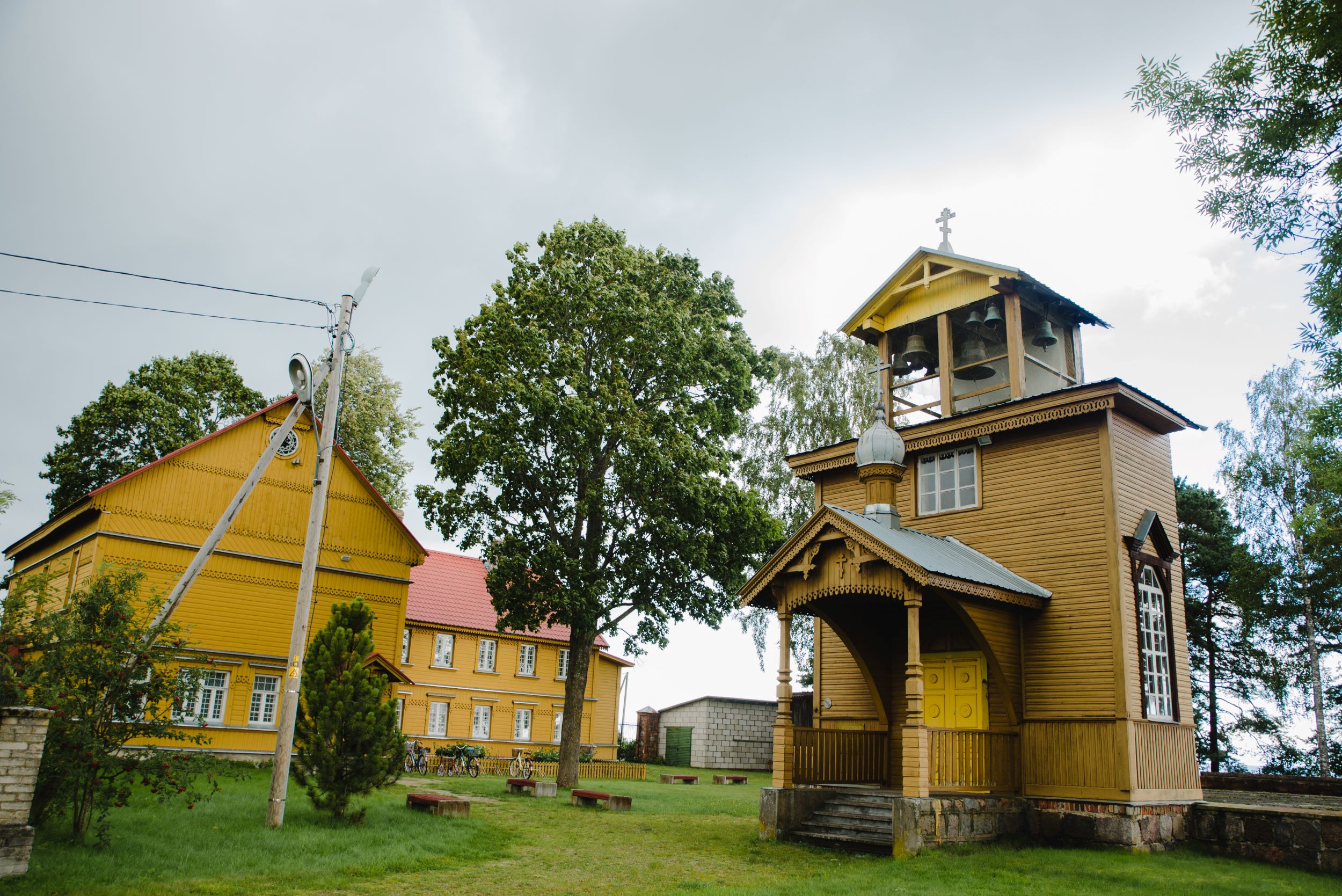
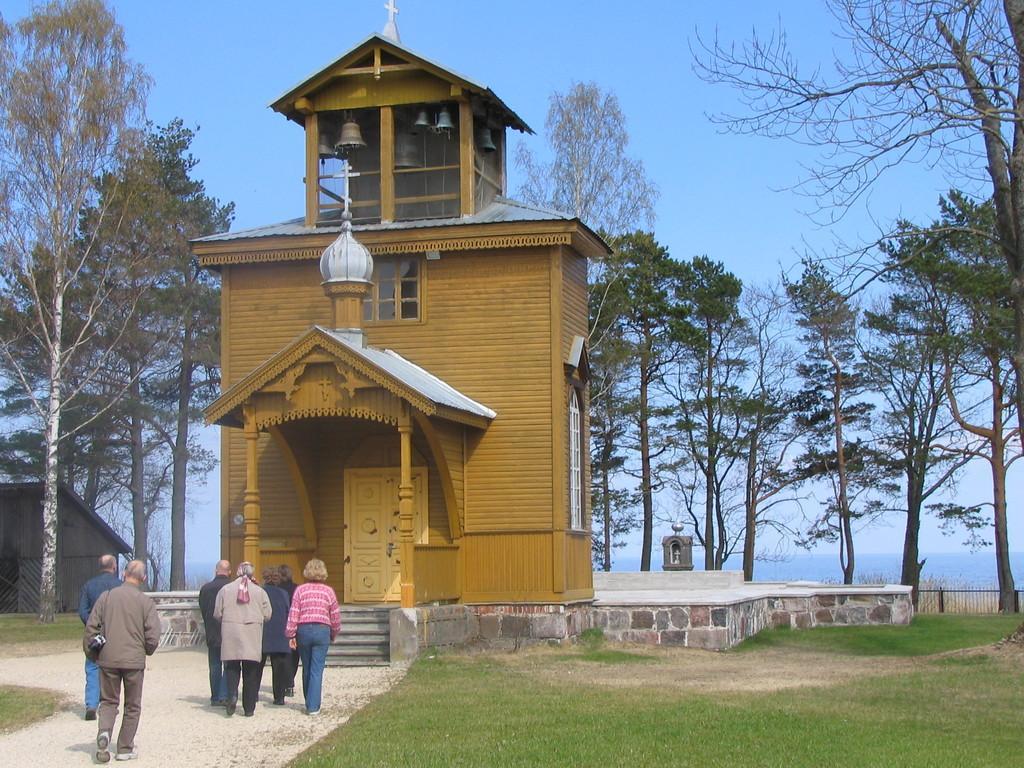
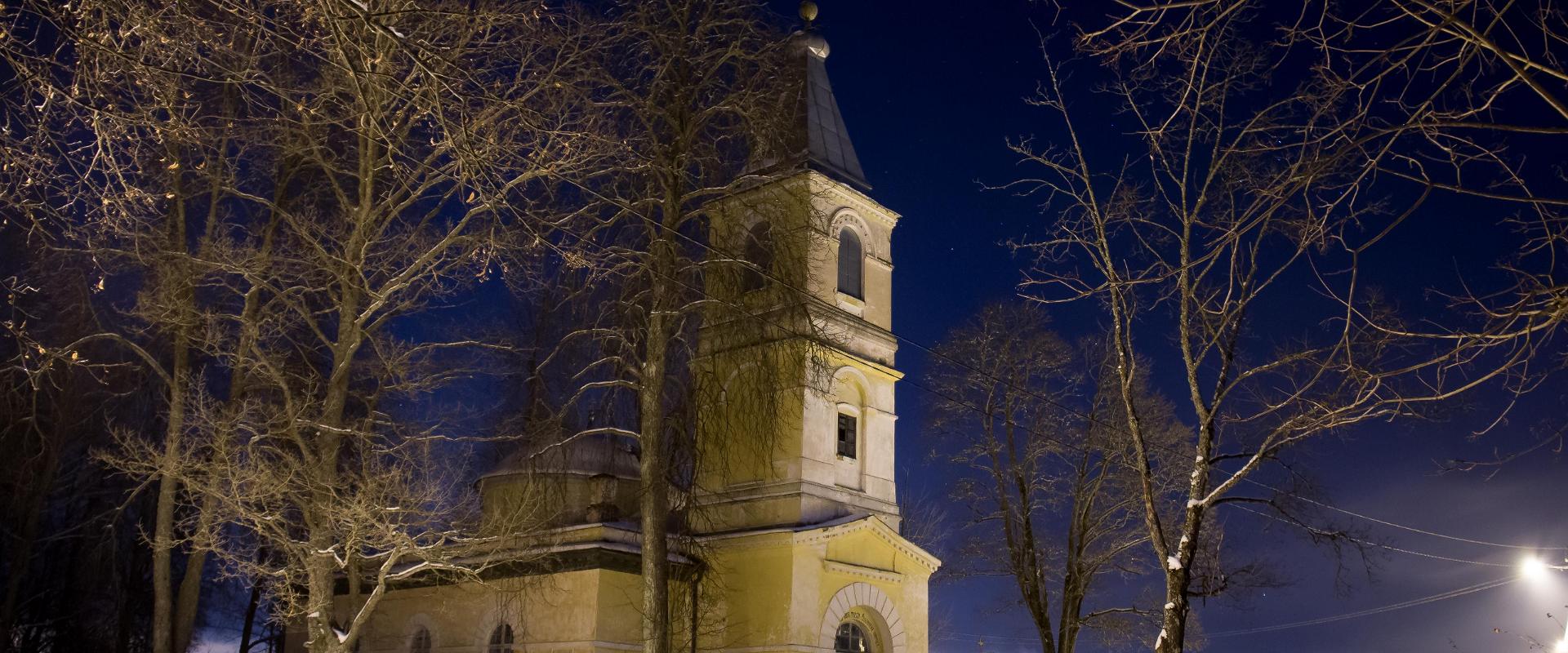
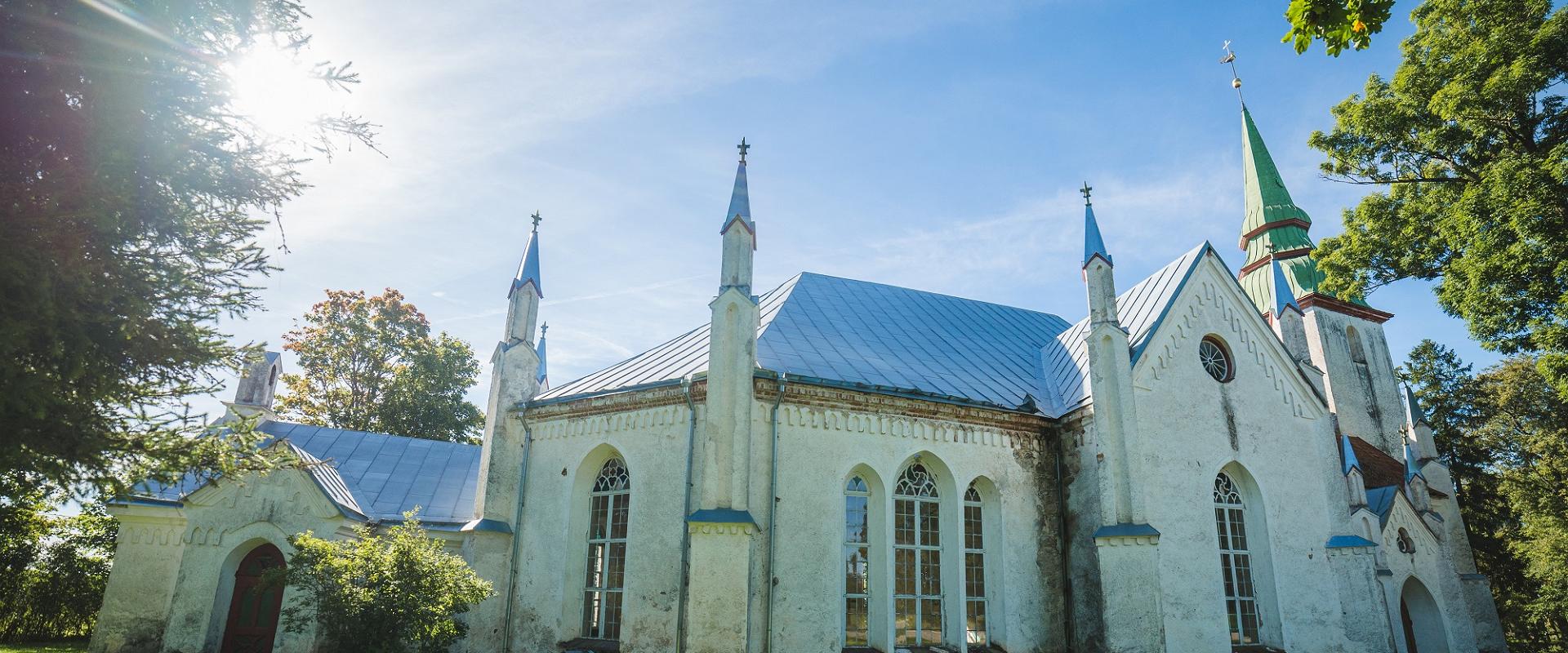
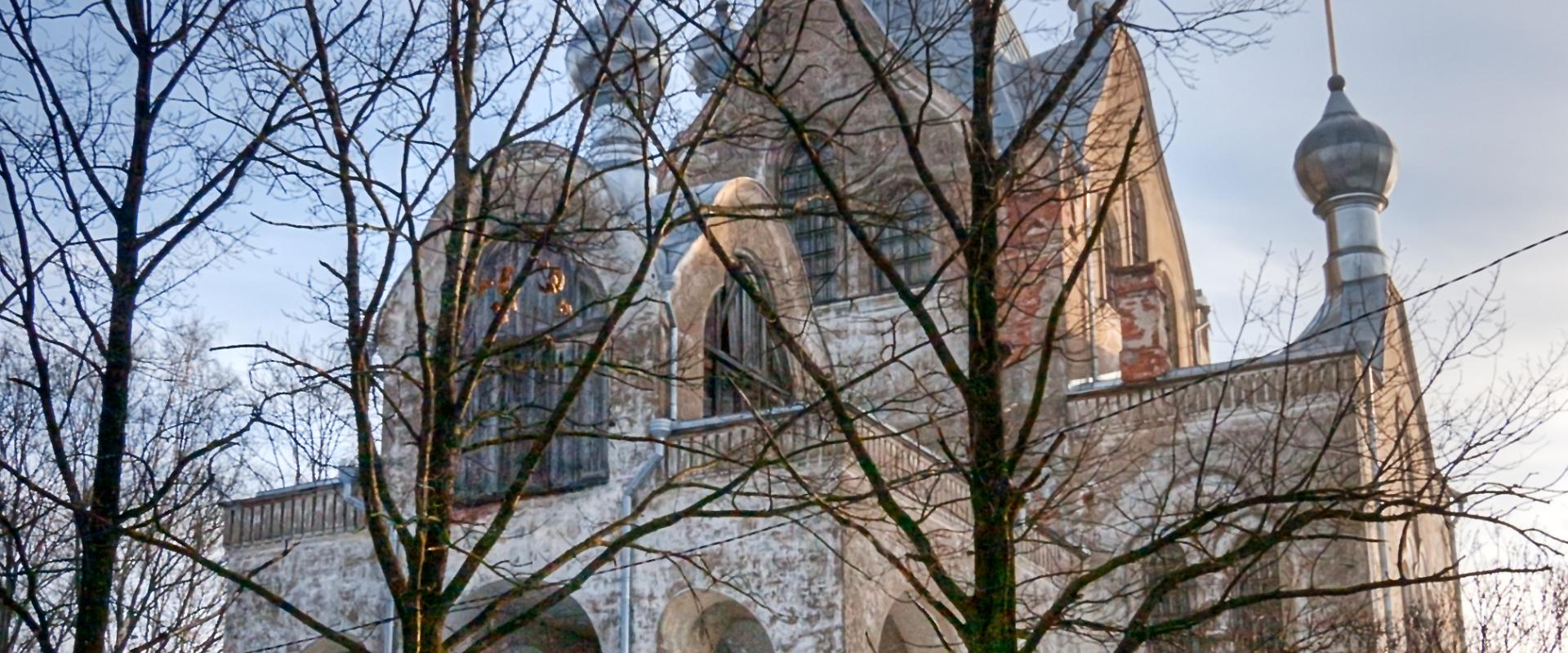
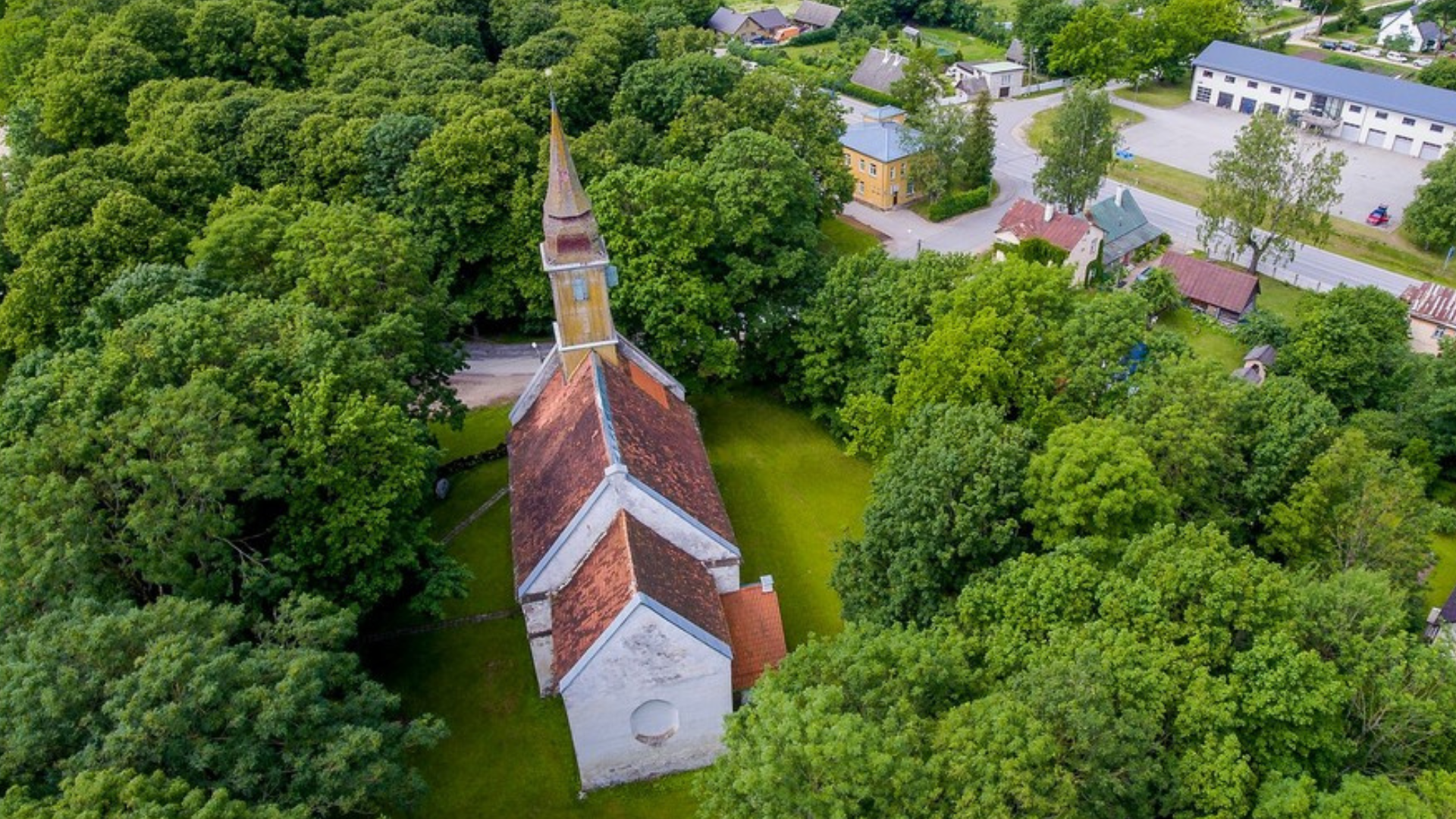
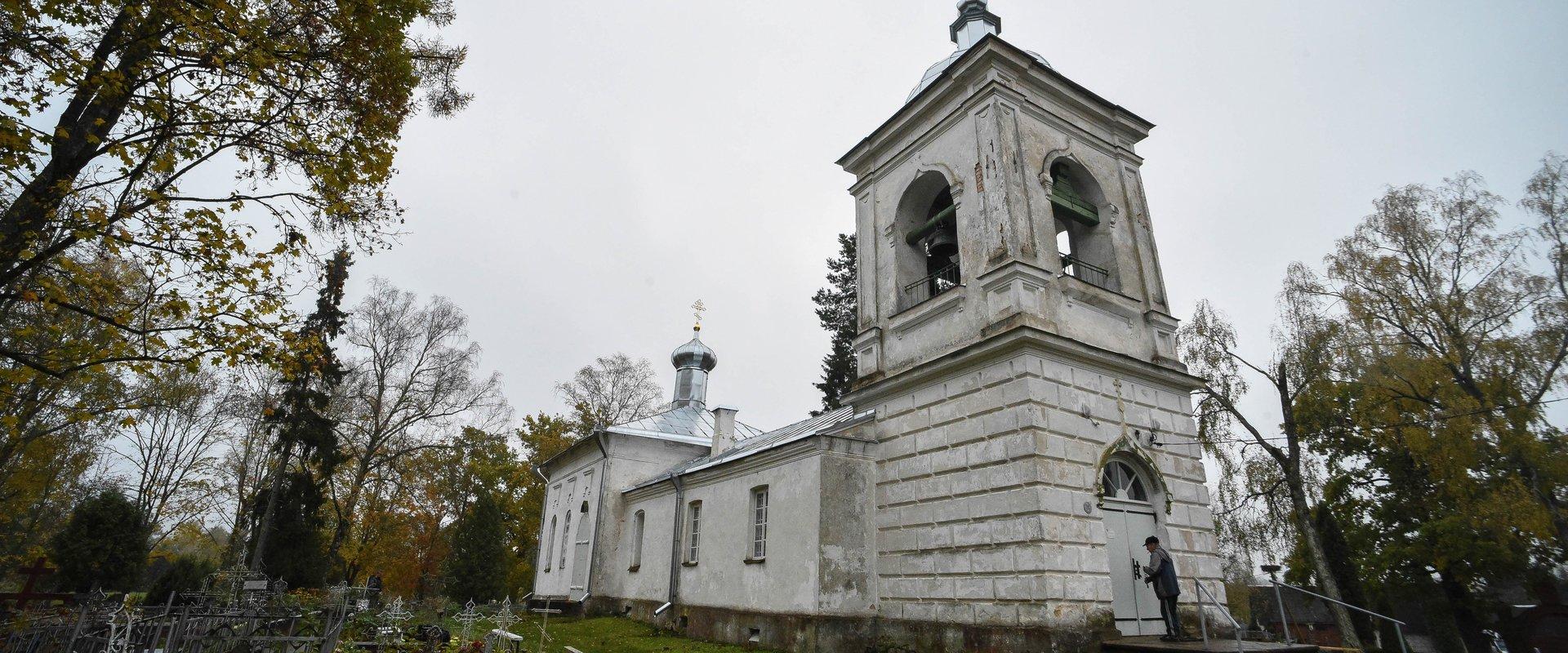
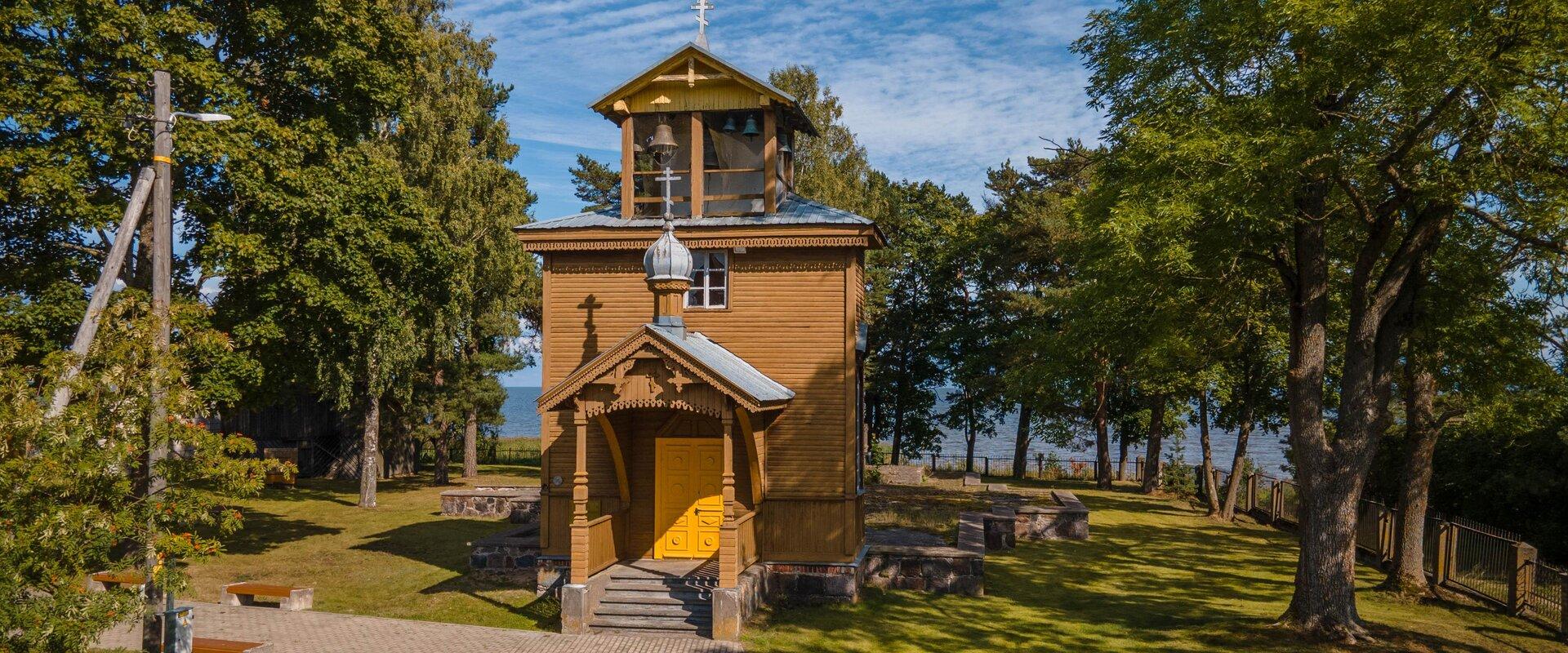
Rajaküla Old Believers’ Worship House

Kalda tn 108, Mustvee vald, Jõgeva maakond, 49509

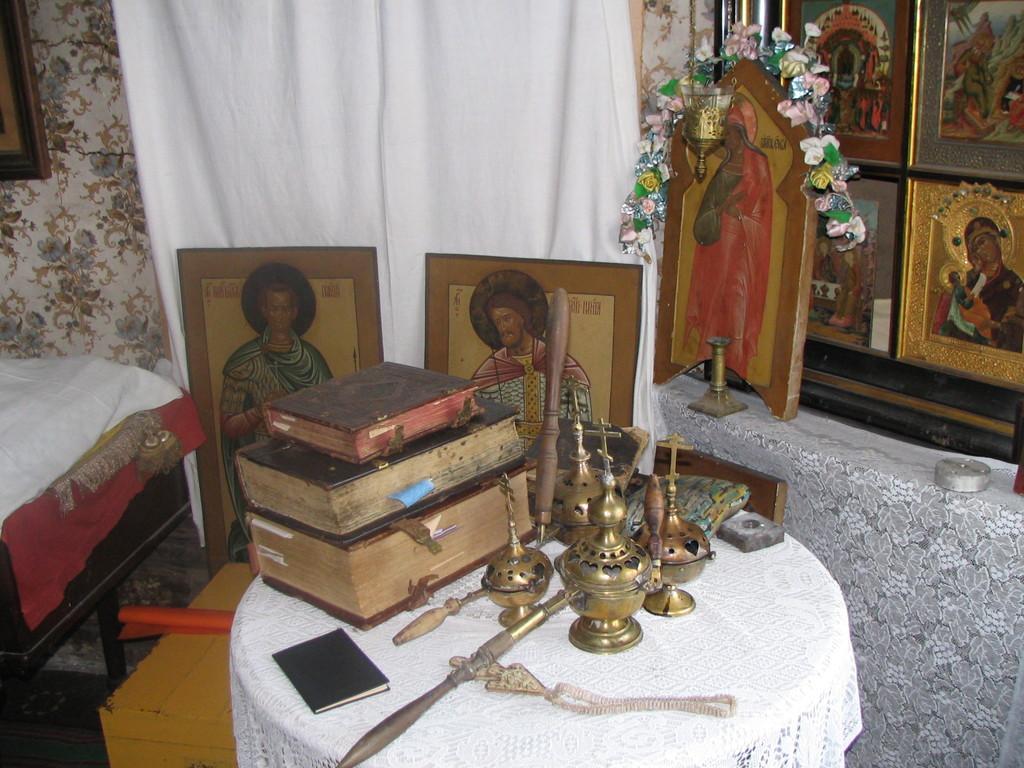
It is believed that the Raja congregation of Old Believers was established in the first quarter of the 18th century. The congregation was given permission to build its own church only in 1879. The church was destroyed during the Second World War – the only thing left is the belfry. The present worship house has 11 rooms. In 1854–1930 Gavriil Frolov lived in the worship house. He taught children icon-writing, reading and writing in Old-Slavic, also singing based on old musical notation.

Mugavused

  • Free parking

Lahtiolekuajad

Aastaringselt

Eeltellimsel

Kontakt

  • +372 55568256

Lingid

Vaata lisaks

  • Churches

St Zachariah’s and St Elizabeth’s Orthodox Church in Räpina

St Zachariah’s and St Elizabeth’s Orthodox Church in Räpina is a neo-Classical oblong building consisting of three parts. In the Western part there is a bell tower and in the Eastern part a crescent-shaped apsis. A cupola with a tambour is in the middle of the building. The exterior of the building is in classical style, incorporating cornices and rustic work. Simple iconostasis of the 19th century catches the eye in the interior.

  • Churches

Kursi’s Sts. Mary and Elisabeth Church of the Estonian Evangelical Lutheran Church

Baroque architecture in concordance with pseudo Gothic architecture (alteration by Johann Gottfired Mühlhausen). Twelve small spiring pinnacles symbolise the twelve apostles of Jesus. The church manor is a historical parochial centre; there is a museum in the vicarage (built in 1817).

  • Churches

Tartu St Alexander’s Church of the Estonian Apostolic Orthodox Church

Come and take a look at the two-storey St Alexander’s Church in Tartu with its onion domes inspired by old Russian church architecture (architect Vladimir Lunski). Construction of the church started in 1914 and it was re-consecrated in 2003. Interesting facts: - a zinc box with the remains of a saint and a copper plate with a letter have been placed in the cornerstone of Tartu Alexander’s Church. The cornerstone was put in place by Archbishop Ioann during the reign of Emperor Nicholas II on 27 May 1914; - the church was nationalised in 1940 and it was used as a storage building by the University of Tartu and the Estonian National Museum.

  • Churches

Puhja St Dionysus Church of the Estonian Evangelical Lutheran Church

The medieval Gothic church is located on the ancient Pirita–Vastseliina pilgrim route. The white walls of the sanctuary are characterised by narrow and high round arched windows and beautiful relief motifs on the western façade.The organ used in Puhja Church is a rarity throughout Europe. It is estimated that only 10 other similar organs have survived. Those who wish can also go to see the spire or visit the church museum of Puhja parsonage.Good to know:The church participates in the Wayfarers Churches and the Night of Churches programmes.Worship every Sunday at 11 a.m. The church can also be visited by prior arrangement.

  • Churches

Saatse Church

Saatse Church was completed in 1801. This congregation has been a mixed congregation of Setos and Russians. Saatse's biggest holiday is St. Paraskeva's Day (the last Friday in July.). Paraskeva means "Friday" in Greek. The church has "royal gates" from the old wooden church, and a 15th century stone cross. The only saint of Seto background is associated with the church: St. Stefanus, a former parish priest, who is depicted in icons in Seto folk costume. In 1919, Stefanus was shot along with Father Vassili, who was also declared a saint.

  • Churches

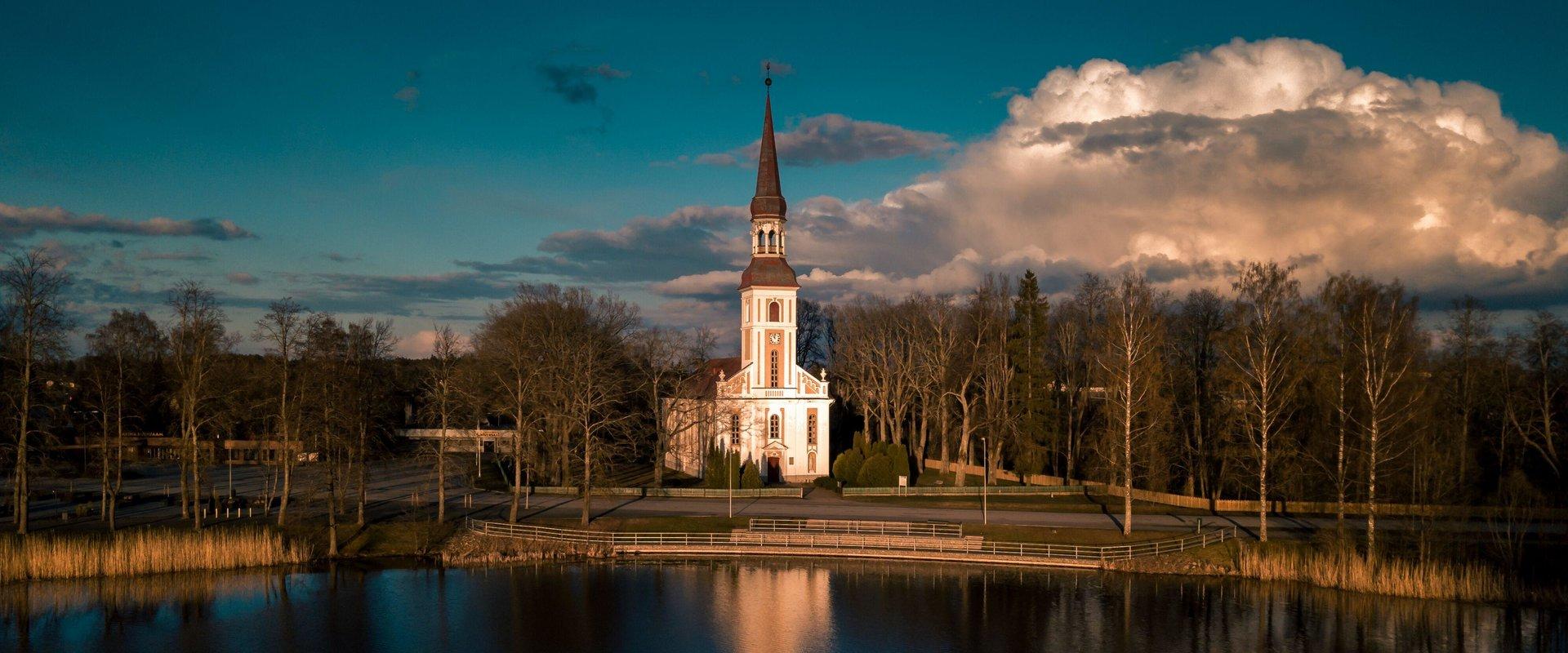
St Michael’s Lutheran Church in Räpina

This church, dedicated to the archangel Michael, was completed in 1785. It stands on the shores of a man-made lake in Räpina and enjoys beautiful views over Sillapää castle and park. The walls of the church, which was constructed in Late Baroque style, are made from rendered natural stone. The front of the church is adorned with sculptures dating from the time of its construction, which symbolise Hope and Love.One of the church's most valuable assets, the two-part altar painting entitled 'The Appearance of the Risen Jesus to Mary Magdalene' and 'The Burial of Jesus', was painted by Carl Antropoff in 1871.

  • Churches

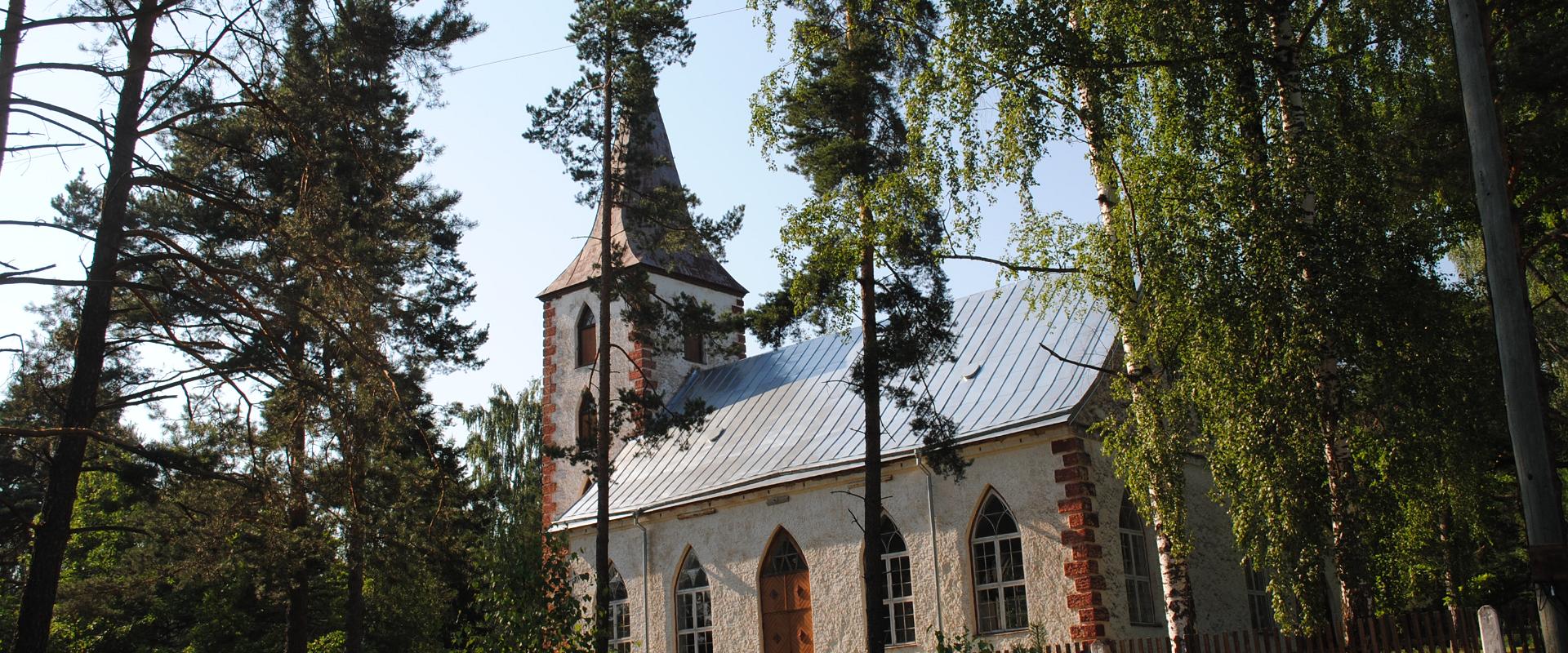
Pindi church in Lasva

Pindi Jaani (St. John's) church was built according to the plan by architect J. G. Mühlhausen. The church was consecrated in 1881. A massive tower stands In the western part of the rectangular church, the vestry is in the north-eastern part. The altarpiece is a copy of the one in Rõuge church, "Jesus on the cross" by Rudolf von zur Mühlen. The new organ built by the brothers Kriisa was consecrated in 1903.The grave and monument of Captain Friedrich Vreeman (1894–1919), who was killed in the Estonian War of Independence, are in the church cemetery. Service is held Sundays at 10.30.Useful information: Laine Villenthal, who was the first woman ordained as a minister in Estonia, served in Pindi church until 2004.

  • Workshops
  • Castles
  • Churches
  • Ruins
  • Pet friendly
  • Family friendly
  • Lookout towers
  • Guided tours

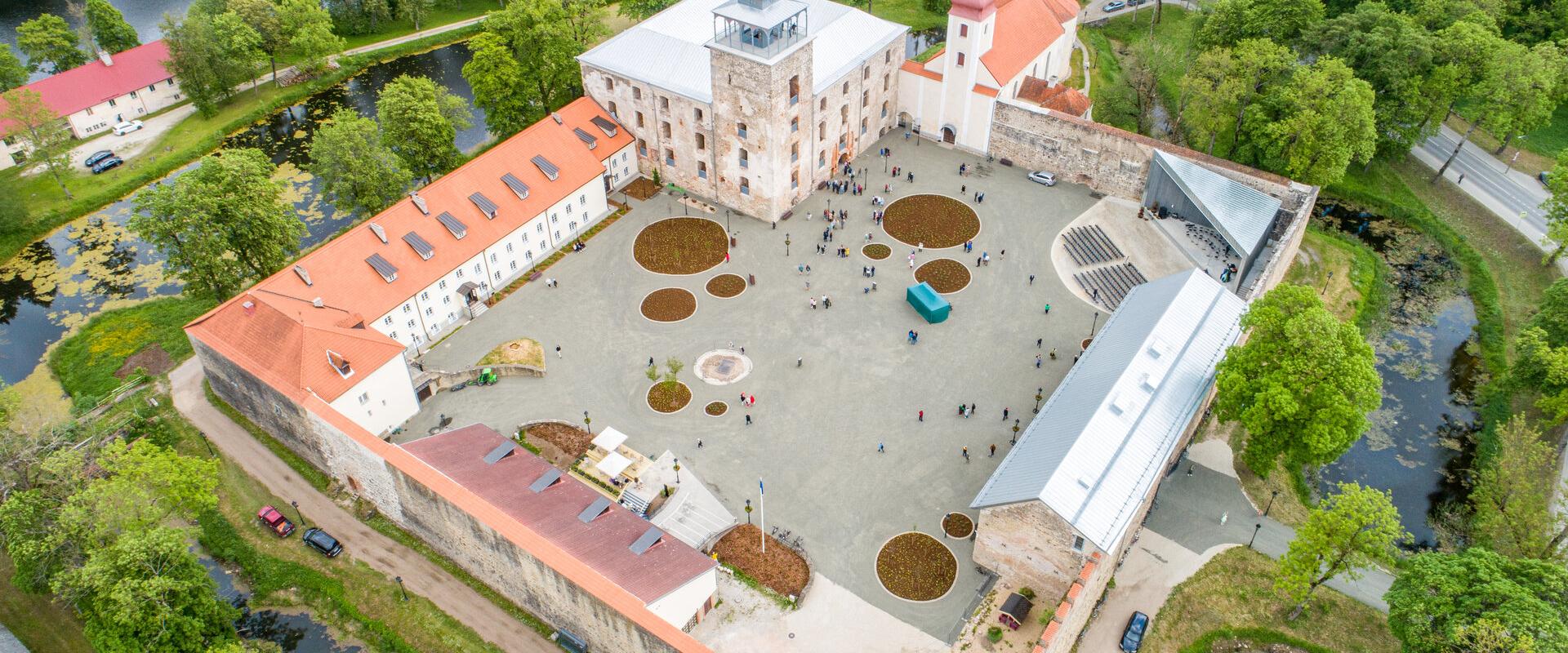
Põltsamaa Castle

Põltsamaa Castle has been an important site throughout the centuries and carries a distinguished history – founded in 1272 on the riverbank, it was the residence of Magnus, the King of Livonia, and later evolved into a magnificent Rococo palace. Wars and fires left the castle in ruins, but now it has come back to life and is waiting for you to visit! Today, the castle offers visitors plenty of excitement. First and foremost, it is worth climbing to the viewing platform of the seven-story castle tower, where a captivating view of the city unfolds in every season. The tower is crowned by a restored historical dome, which is unique in all of Estonia. The church, located within the complex, is built directly into the castle's fortification walls and tower, and is open daily during the summer. The convent and gatehouse feature a modern exhibition that tells the colorful story of the castle and the town of Põltsamaa. In the castle courtyard, craft workshops await, where you can watch the work of masters or purchase something interesting yourself. Culinary experiences are offered by the restaurant Oberpahlen, where history and excellent food come together. Discover Põltsamaa Castle – a place where history comes to life!
  • Privacy Policy

"*"обозначает обязательные поля

Это поле используется для проверочных целей, его следует оставить без изменений.
Я разрешаю маркетинг