• Explore
    • Nature
    • Culture
    • Food
    • Family
    • Activity
    • Blog
  • Plan
    • Tourist info
    • Accommodation
  • For professionals
    • For professionals
    • Collaboration
    • News
    • Projects
    • Training
    • Repository
    • Community (opens in new tab)
    • Contacts
ENG
  • EnglishENG
  • EestiEST
  • LatviešuLAT
  • РусскийRUS
  • SuomiFIN
ENG
  • EnglishENG
  • EestiEST
  • LatviešuLAT
  • РусскийRUS
  • SuomiFIN
Popular searches:
Show all
  • History & Culture
  • Art & design
  • Monuments

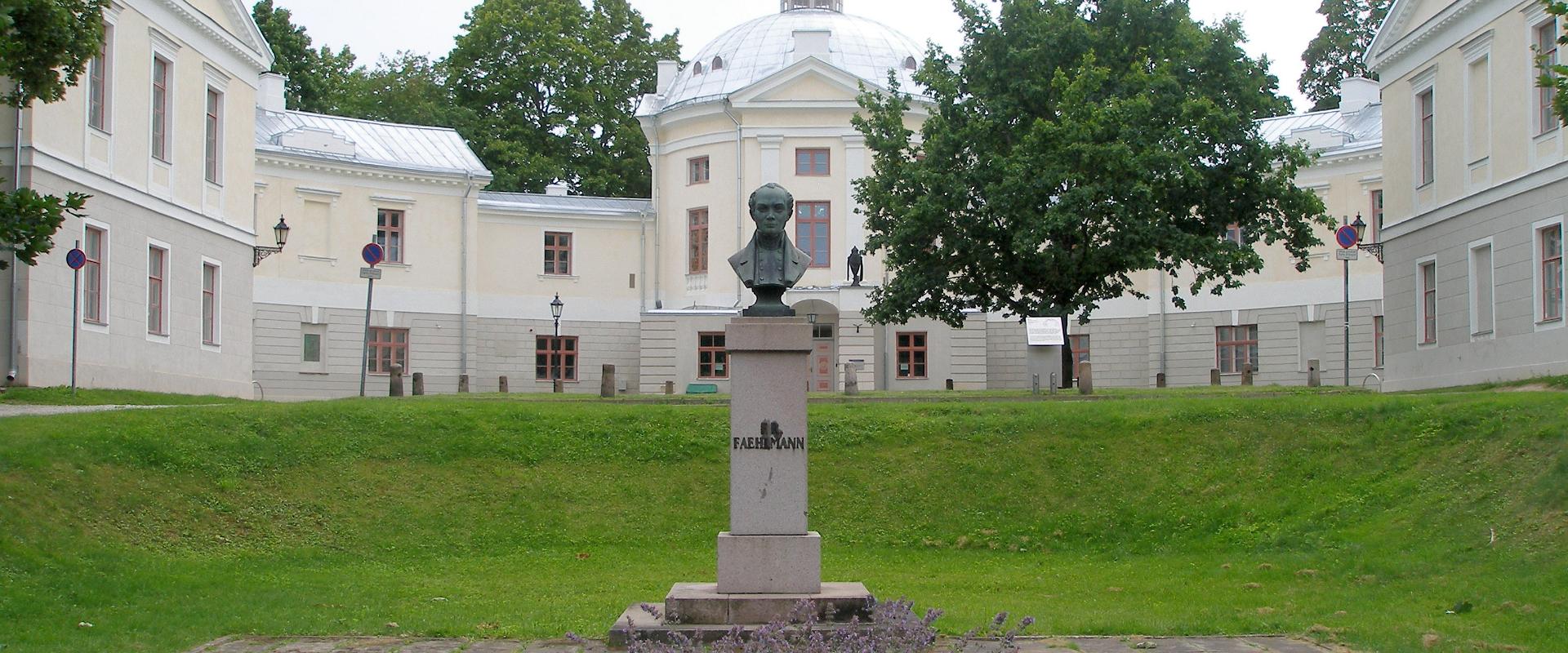
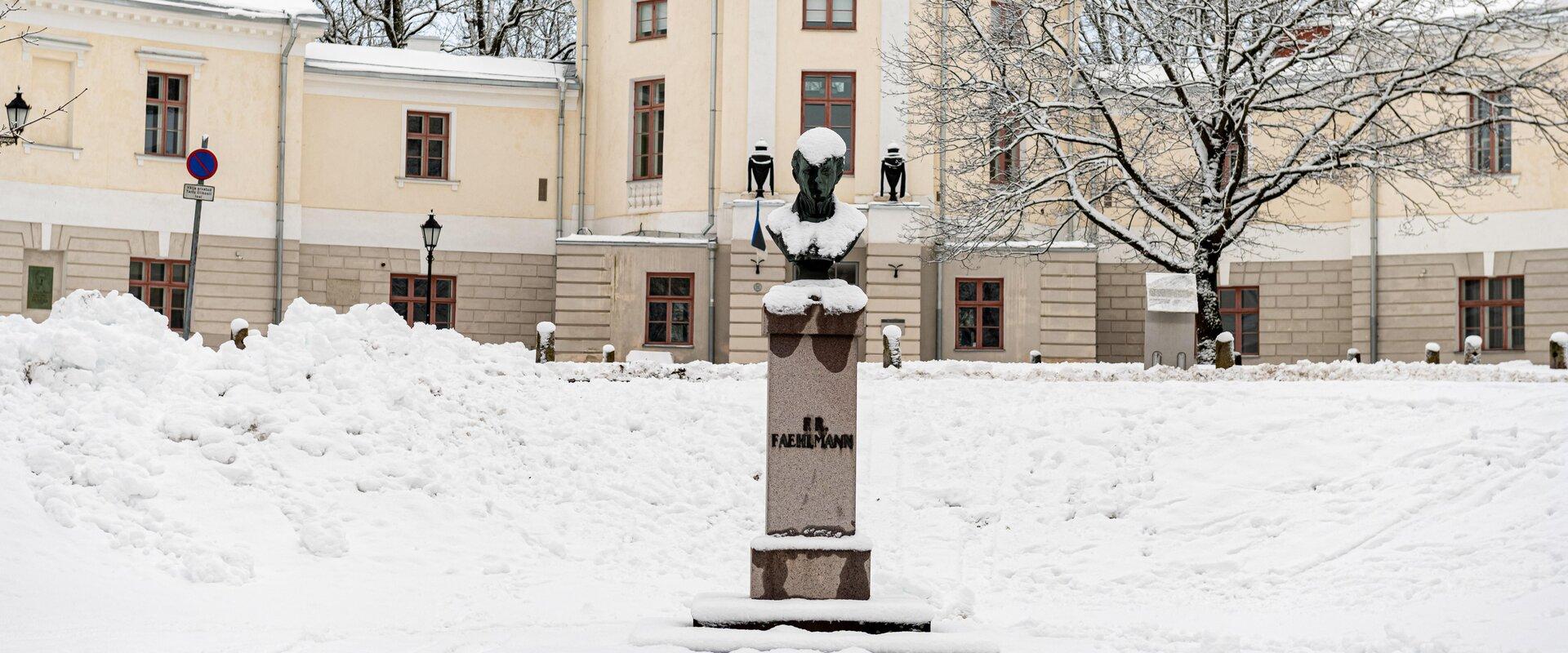
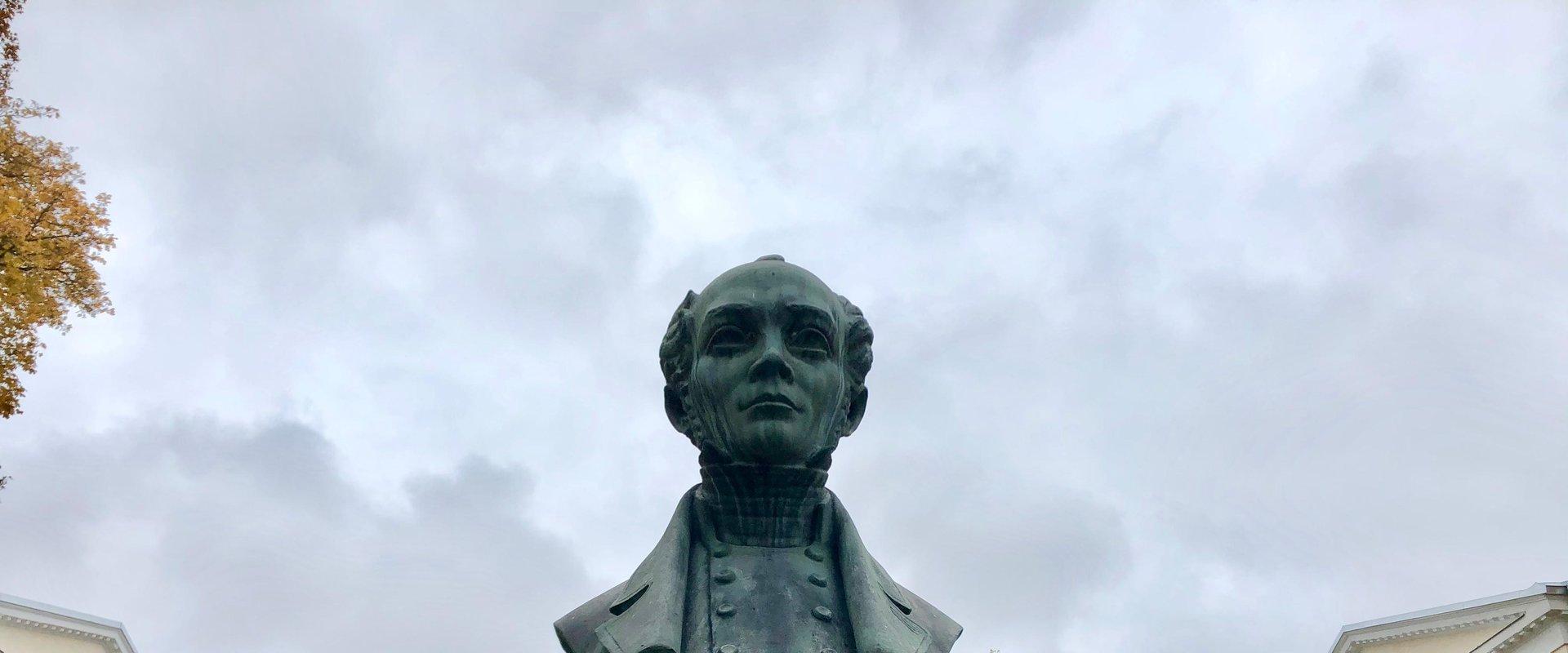
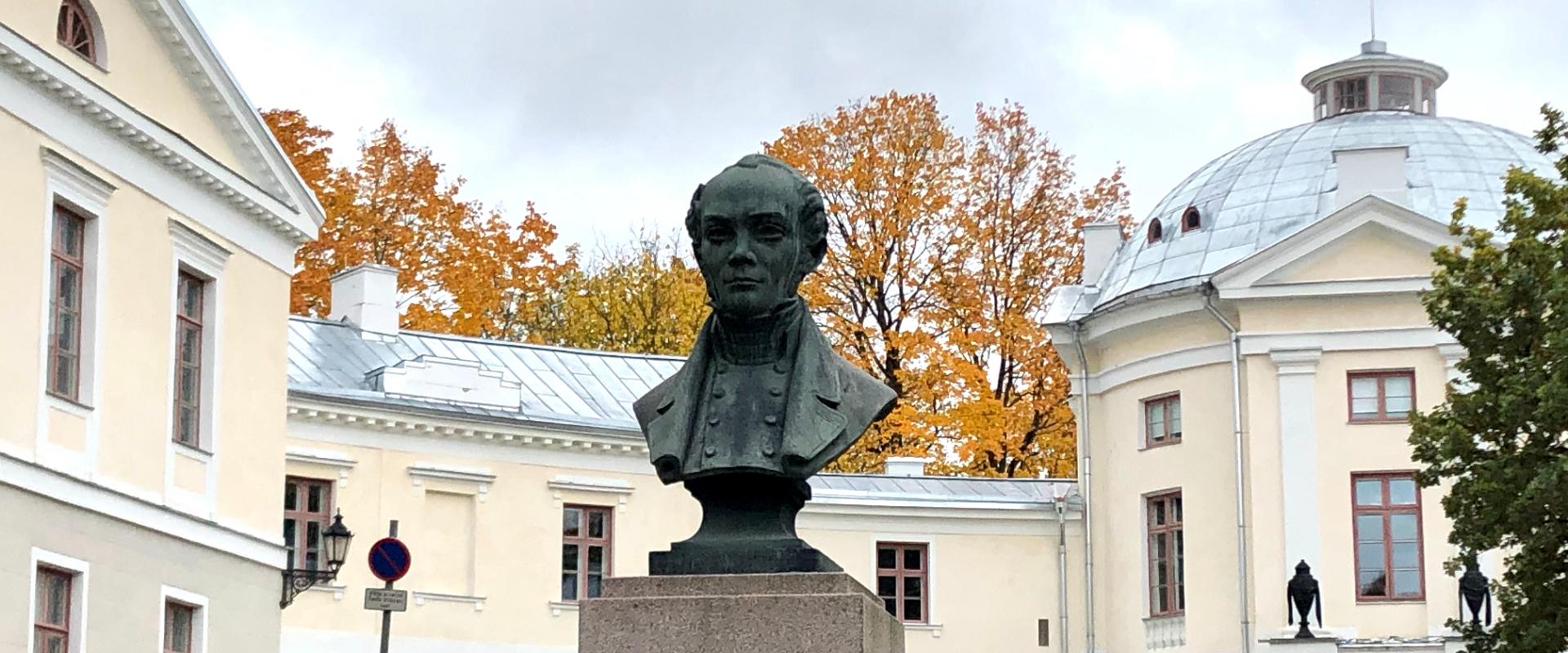
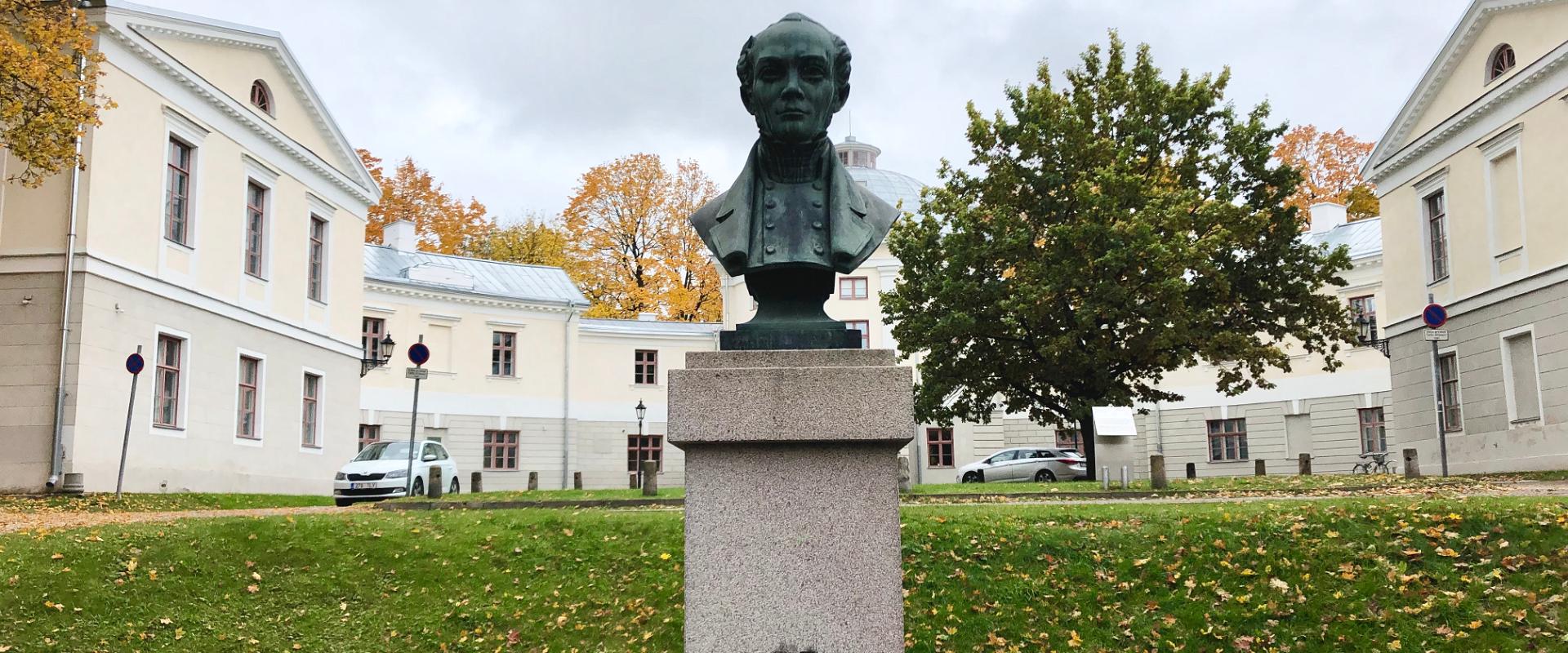
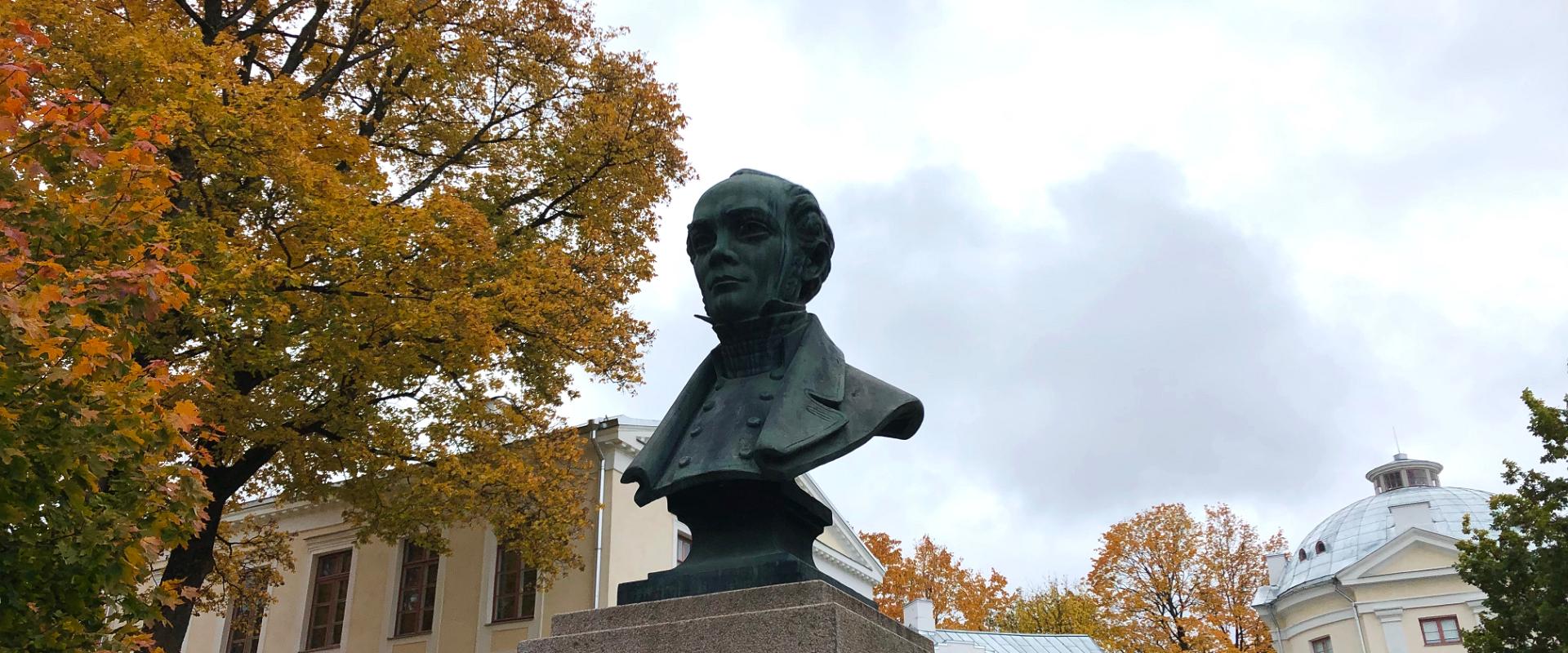
Monument to Friedrich Robert Faehlmann

Uppsala tn 2, Toomemäe park, Tartu linn, Tartu maakond, 51003

The monument to Friedrich Robert Faehlmann – a bronze bust on a pillar of local grey granite – was opened in front of the Old Anatomical Theatre at Toomemägi, Tartu, on 18 May 1930. Friedrich Robert Faehlmann (1798 – 1850) was one of the founders of Estonian national literature, a physician and a democrat. He studied in Rakvere District School, Tartu Upper Secondary School and the Faculty of Medicine in the University of Tartu. Faehlmann worked as a physician in Tartu from 1824. He worked in the Old Anatomical Theatre. He was a lector of the Estonian language in the university and sometimes also gave lectures in pharmacology and prescriptions.
Open times

Throughout the Year

Around the Clock

Links

See more

  • Monuments

War of Independence Memorial in Rõuge

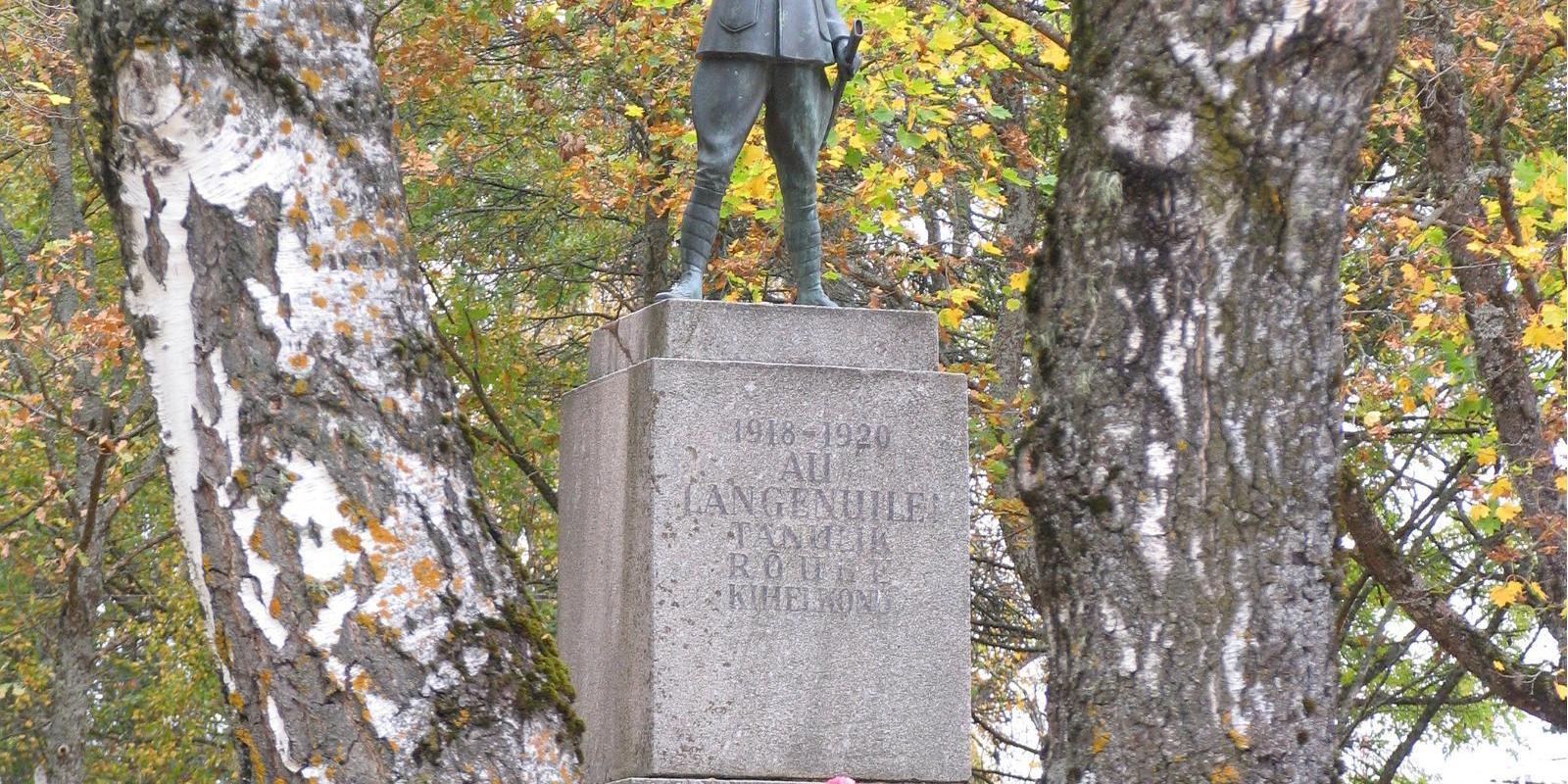
In 1926, on the initiative of pastor Valter Viks, a memorial to the 200 citizens of Rõuge who were killed in the War of Independence, designed by artist Voldermar Mellik, was erected near the Rõuge Church. The Estonian text engraved in the stone on the front of the memorial reads "1918-1920. Honour the Fallen! Your thankful Rõuge parish". In 1945, the Bolsheviks blew up the memorial, and the bronze soldier and its foundation stones were buried in the ground near the monument. A local artist Aksel Ollmann dug the bronze statue out under the cover of night and hid it on his farm. In 1988, the statue was dug up from its hiding place. The memorial was re-inaugurated on 30 October 1988. The statue was restored by Ars Monumentaal.

  • Monuments

Memorial to the Victims of the Estonia Ferry Disaster

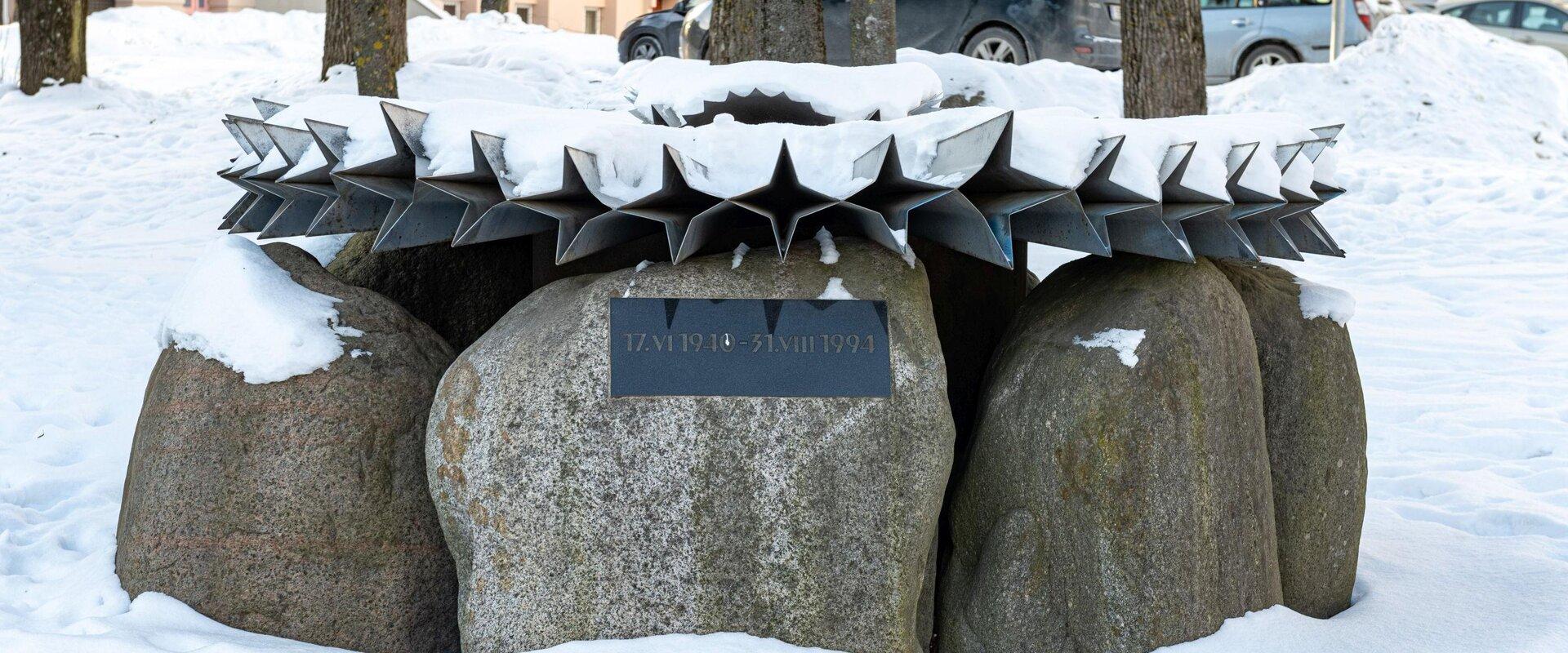
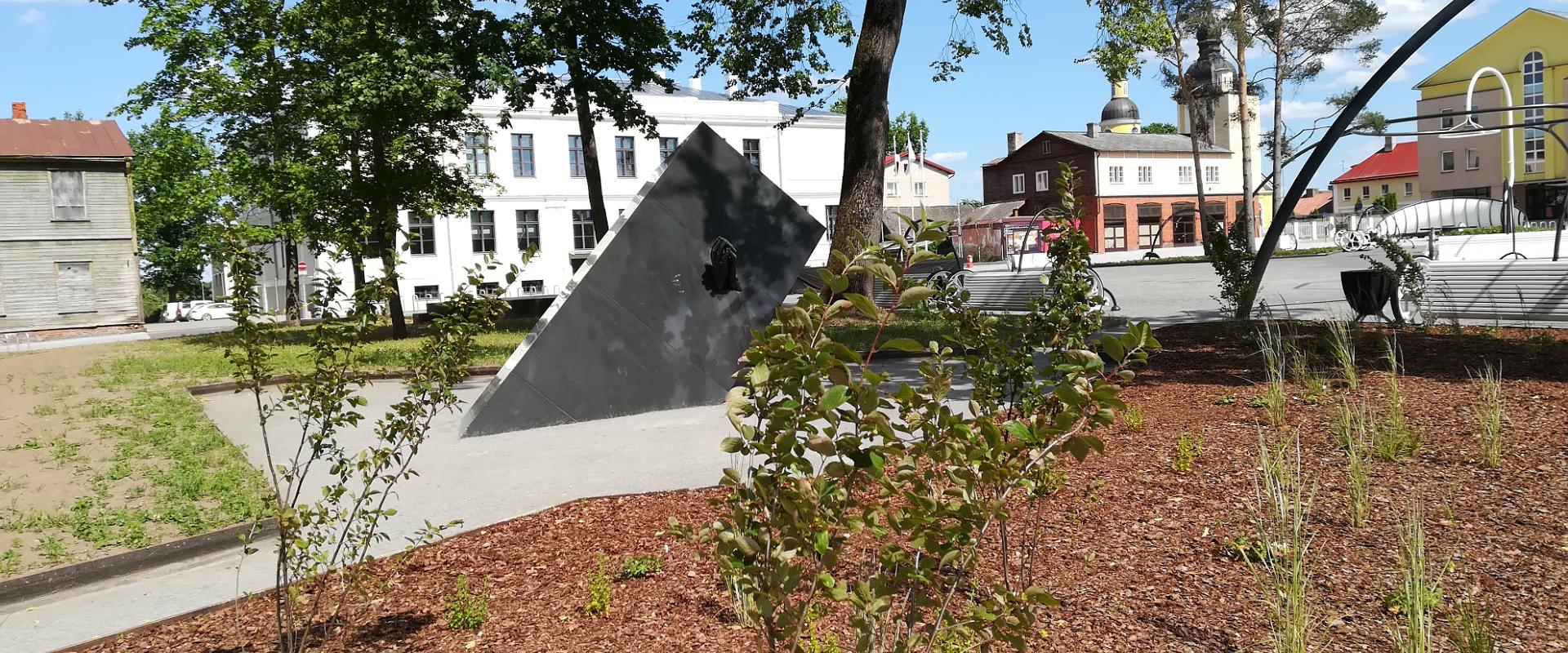
The memorial is located in Võru central square and is dedicated to the residents of Võru who died in the Estonia ferry disaster during the stormy night of September 28, 1994. The memorial was built in 1996 (sculptor M. Karmin).

  • Monuments

Paju Battle Memorial

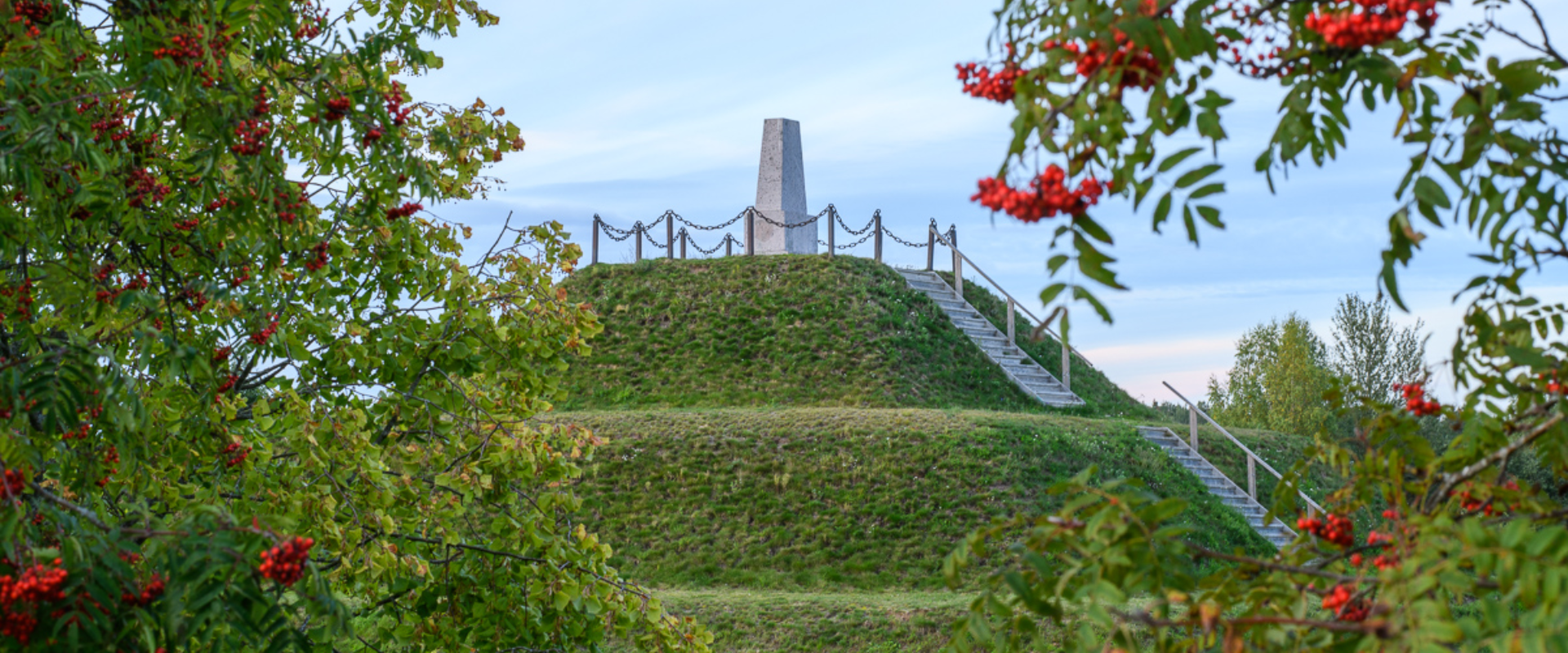
One of the most important battles of the War of Independence took place near the Paju Manor on 31 January 1919. The Northern Sons Regiment that consisted of Finnish volunteers also fought for the independence of Estonia over here. The most legendary commander in the War of Independence, Lieutenant Julius Kuperjanov, was fatally injured in the battle. The battle memorial is a granite pillar on a three-level pyramid, which was reopened on the 75th anniversary of the battle on 30 January 1994.Interesting facts: * the memorial was opened by President of the Republic of Estonia Lennart Meri; * a memorial tablet to the Northern Sons who fell in the battle can be found on the wall of the Valga Jaani (St John’s) Church.

  • Monuments

Monument to the Estonian Mother

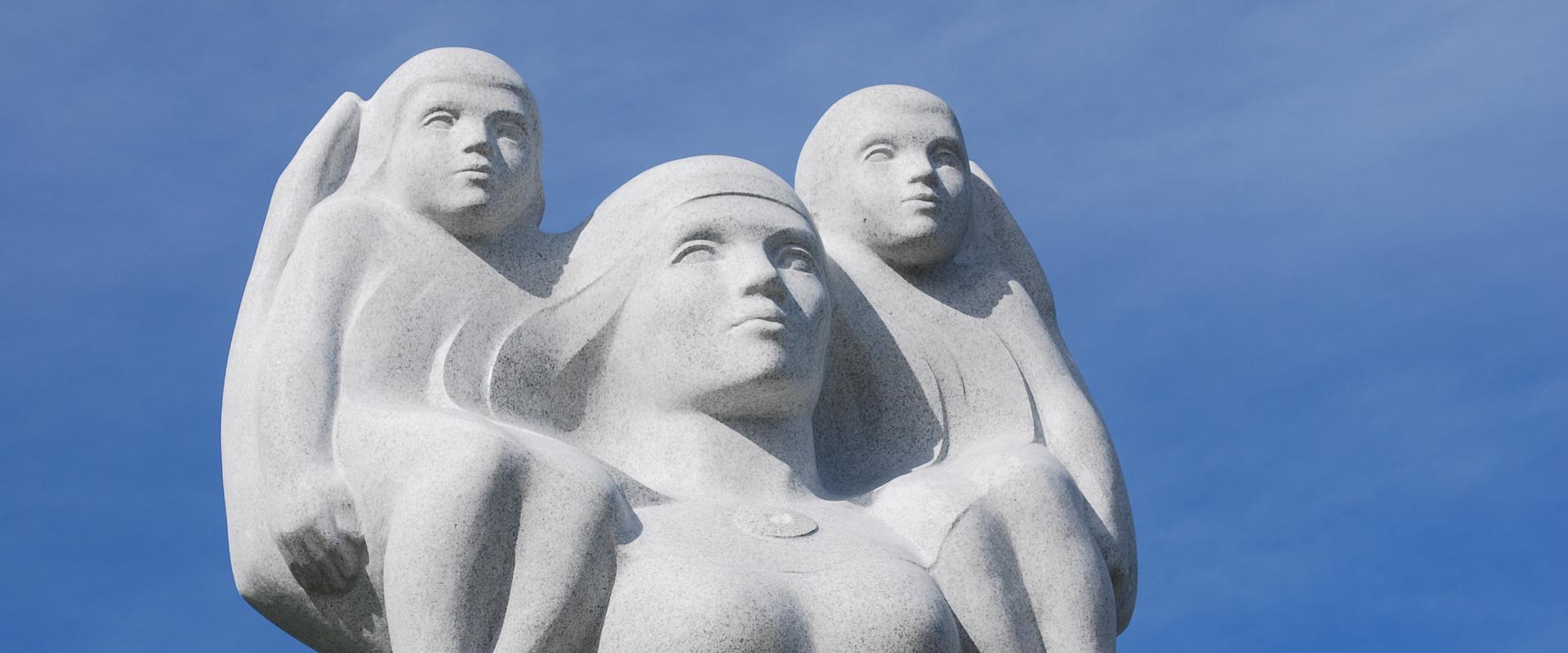
The Monument to the Estonian Mother was inaugurated in Rõuge on 26 June 2010. The monument is meant to demonstrate appreciation for the Estonian woman as a mother, to express gratitute, and to value the survival of our people. Hans Sissas (1933 - 2012), who has recounted the stories of Estonian deportees and authored many memoirs, initiated the idea of a monument to the Estonian mother, and lead the efforts to have the monument completed.The monument is made from stone brought from Udmurtia, and is 3.6 high, weighing nearly 6 tonnes.The monument was designed by the artists/sculptors Ilme and Riho Kuld, and was made by the sculptors/stone masons Margus Kurvits and Kristjan Kittus.

  • Monuments

Monument to Villem Reiman

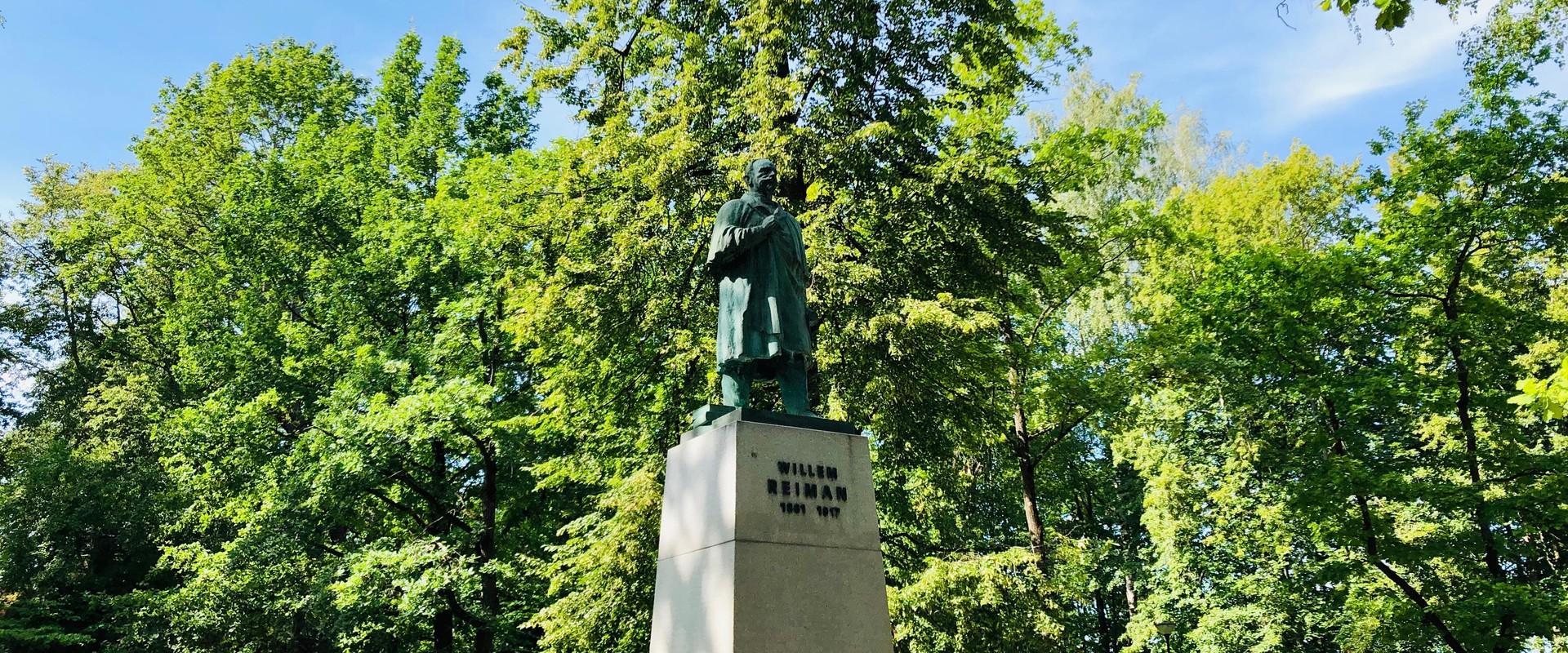
The new monument to Villem Reiman (1861-1917) was opened in 2004 and its author is Mati Varik.Villem Reiman was a pastor and a cultural persona who fought for the independence of the Estonian people as a figurehead of the Estonian national movement.

  • Monuments

Cornflower – Monument to the Victims of Stalinism

The Cornflower (or Broken Cornflower) memorial to the victims of Stalinism was established in 1990 and its author is P. Saar.On top of the granite boulders is a broken cornflower (Estonian national flower). Black stripes run through the grey stone parquet of the square. They depict the railway tracks that symbolise deportation to Siberia. The waterworks of the monument make it possible for water to drip off the petals of the cornflower, like tears.The monument, which was initially erected on the corner of Riia and Pepleri streets in Tartu by the association of freedom fighters Memento, was reopened in its new spot at Pepleri 27. The monument is located next to the grey building. During the Soviet era, a KGB remand prison was located there, where the deportation of many Estonians to Siberia began.

  • Monuments

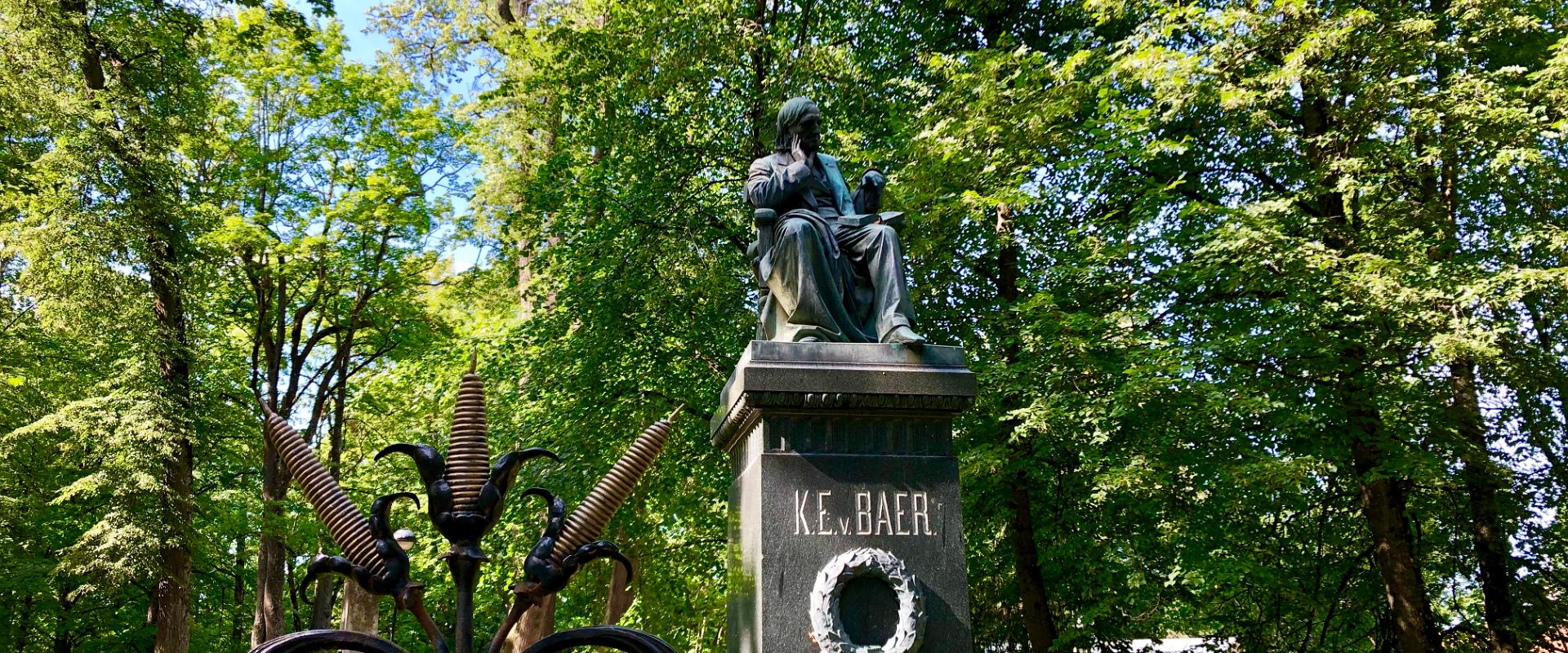
Monument to Karl Ernst von Baer

Karl Ernst von Baer was a biologist, the founder of descriptive and comparative embryology and an academician of the St Petersburg Academy of Sciences. He studied medicine in Tartu from 1810 to 1811 and obtained the degree of doctor of medicine here. He was a professor of zoology and anatomy in Königsberg from 1817. He studied anthropology, geography and ichthyology during his time in St Petersburg. He spent the last years of his life (1867-1876) in Tartu where he wrote his 3-volume collection of articles and speeches and participated in the activities of the Estonian Naturalists Society and was elected its president in 1869.The statue of Karl Ernst von Baer was completed in 1886, its author is M. Opeku.

  • Monuments

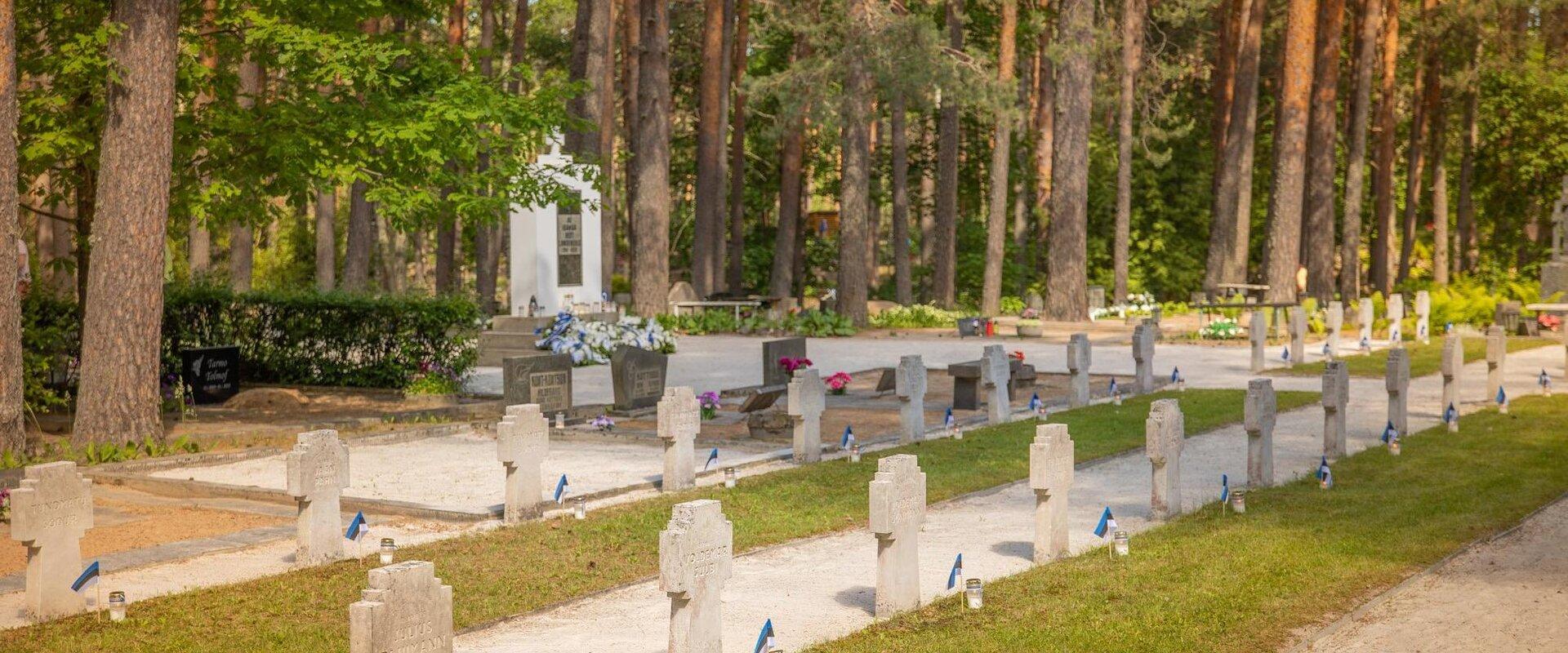
Estonian War of Independence cemetery and monument at Võru cemetery

Those who fought and were killed in the Estonian War of Independence are buried here. The War of Independence started in November 1918 when Soviet Russia invaded the Republic of Estonia and ended on 2 February 1920 with the signing of the Tartu Peace Treaty. The monument was destroyed during the Soviet occupation. In 1987 the society Vaba Sõltumatu Noorte Kolonn Nr 1 (Free Independent Youth Fleet No. 1) started to clean up the graves of those who were killed in the War of Independence and the monument was reopened on 23 June 1988. In 2002 the city government of Võru started to renovate the burial ground. The monument erected by the Youth Fleet was torn down, but the slab and cross made by the fleet were used on the new monument.

  • Collaboration
  • News
  • Contacts
  • Privacy Policy
Join our mailing list!

"*" indicates required fields

This field is for validation purposes and should be left unchanged.
I authorise marketing

Southern Estonian Tourism Cluster

info@visitsouthestonia.com