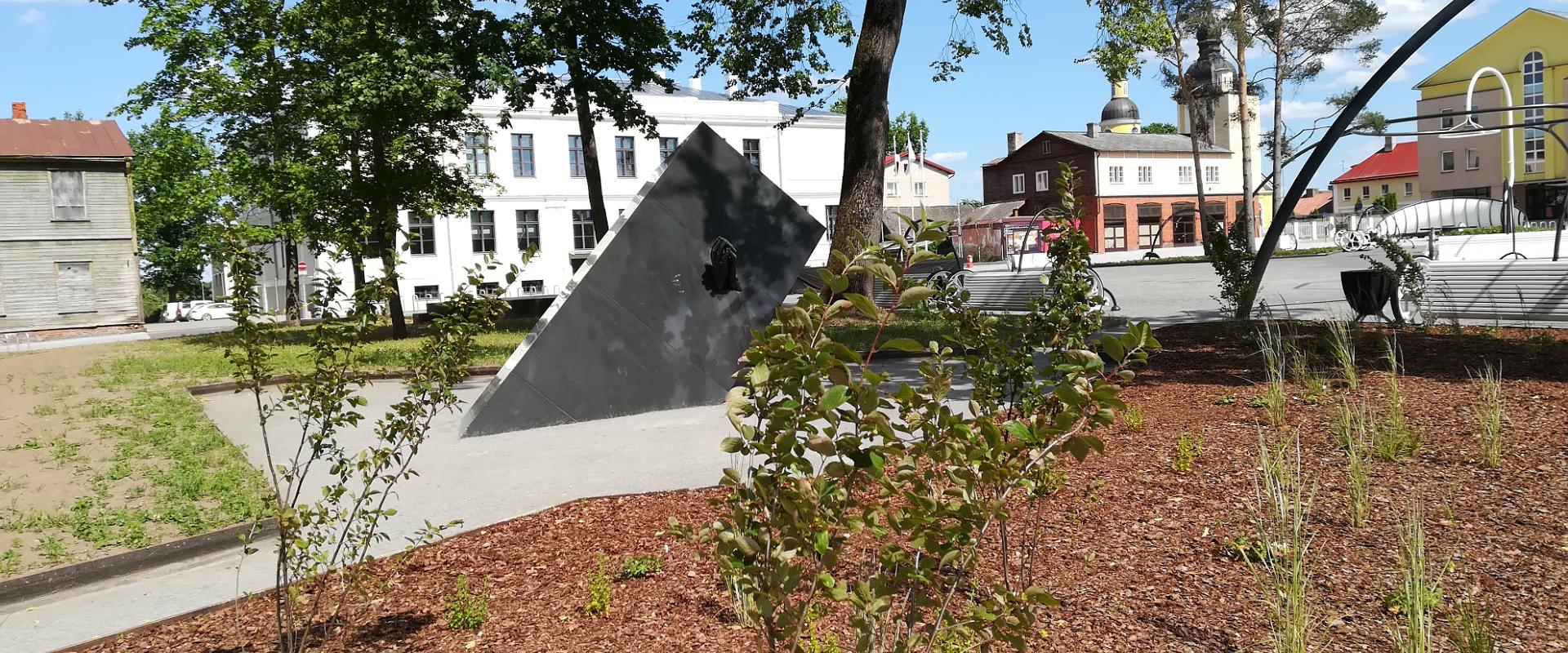
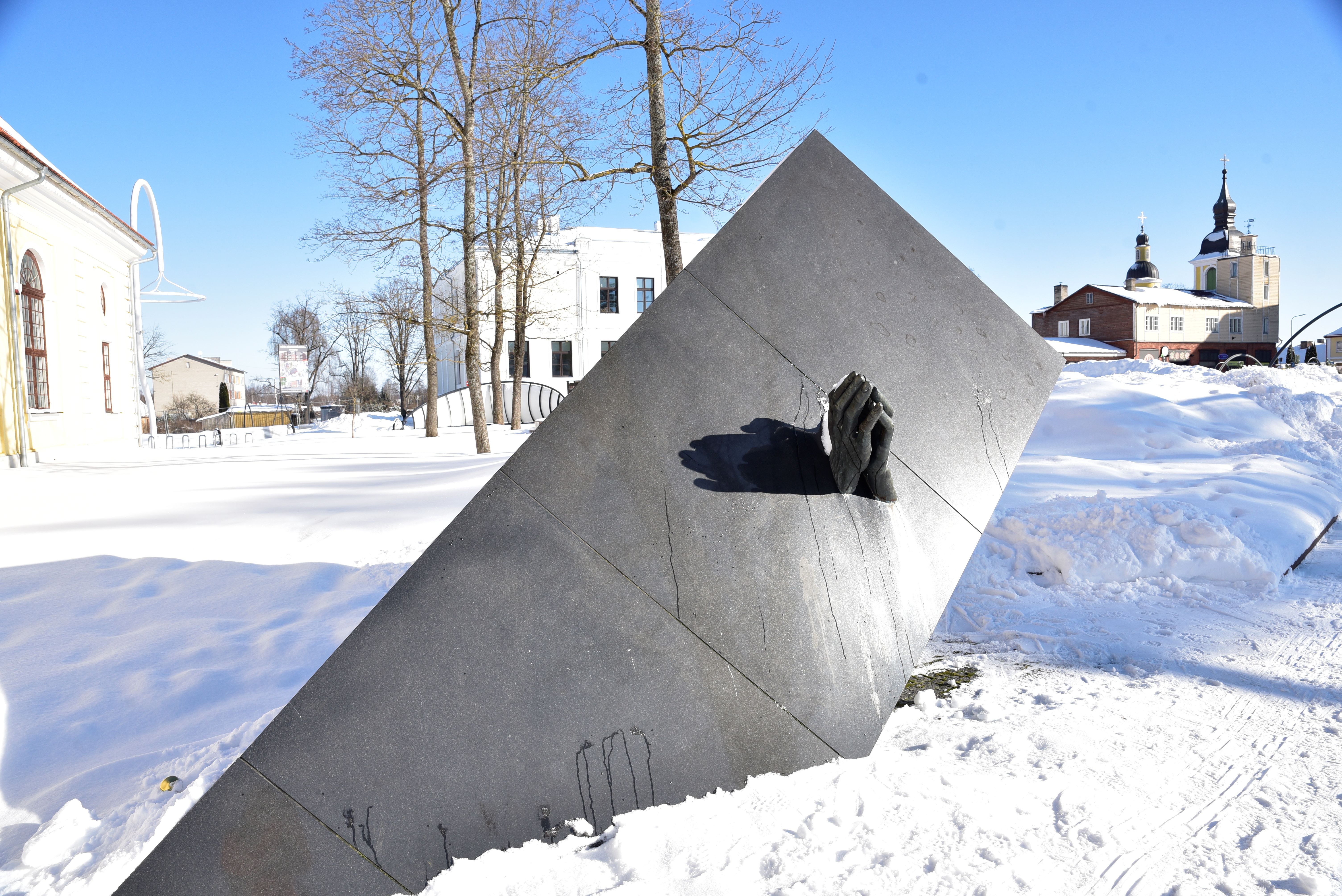
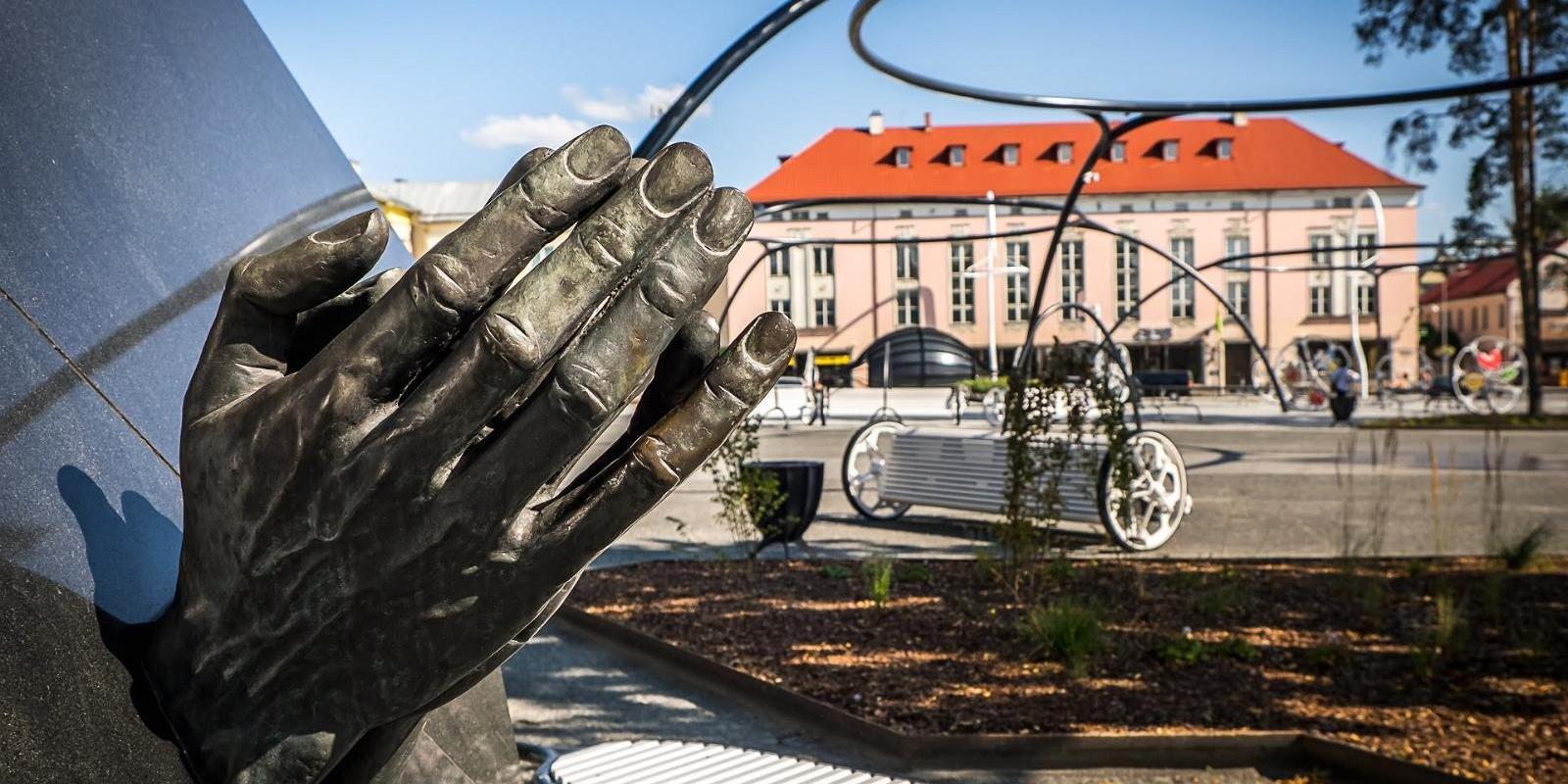
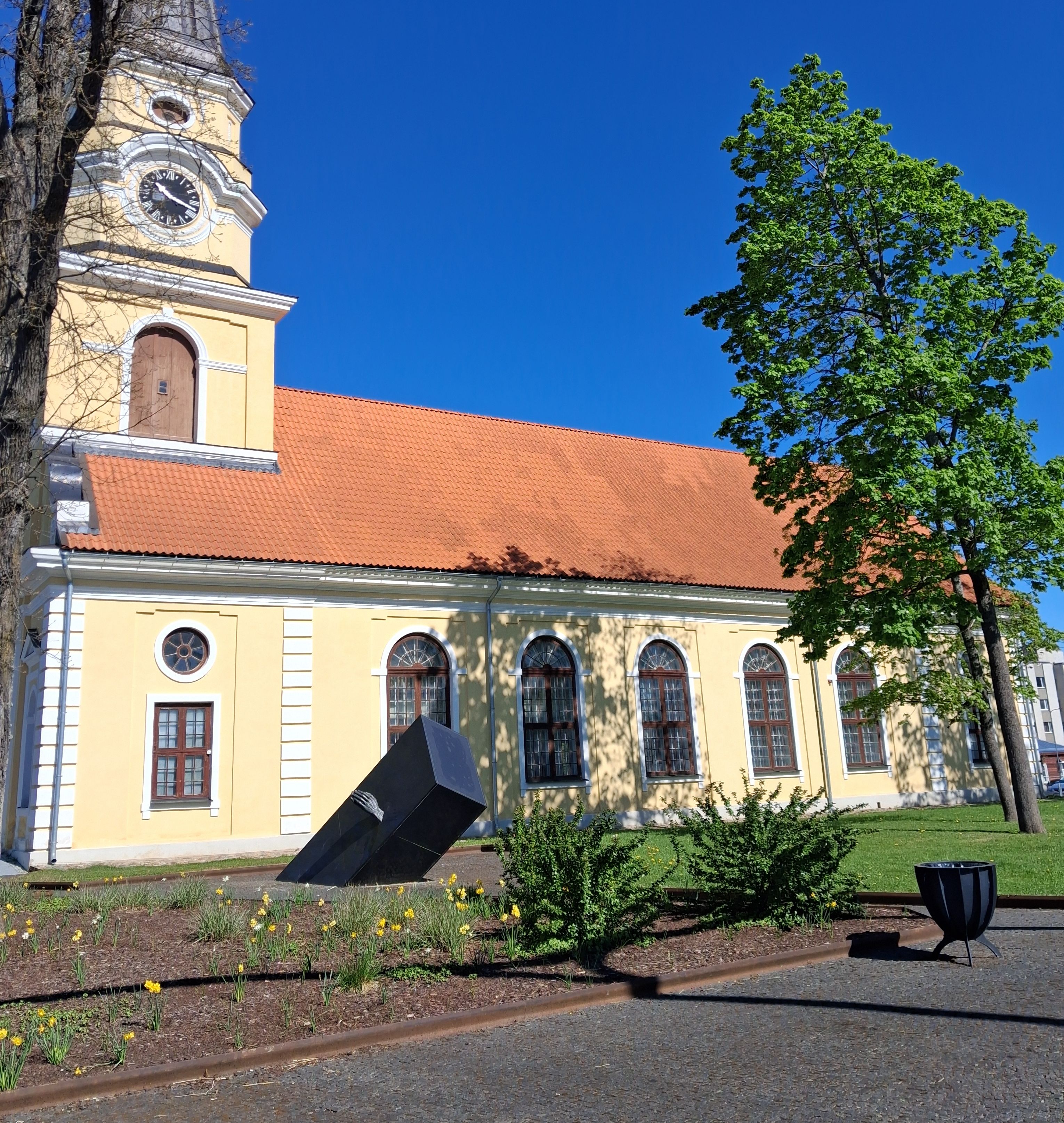
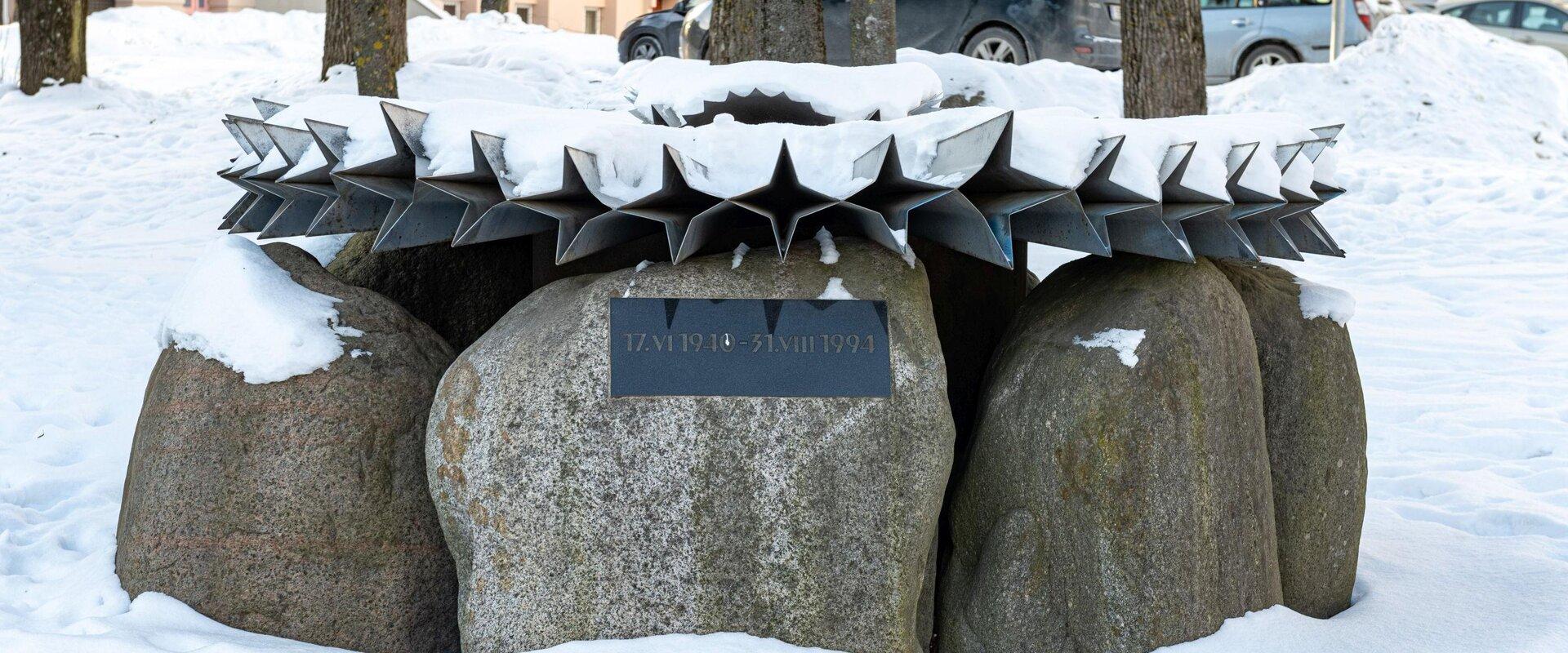
The memorial is located in Võru central square and is dedicated to the residents of Võru who died in the Estonia ferry disaster during the stormy night of September 28, 1994.
The memorial was built in 1996 (sculptor M. Karmin).
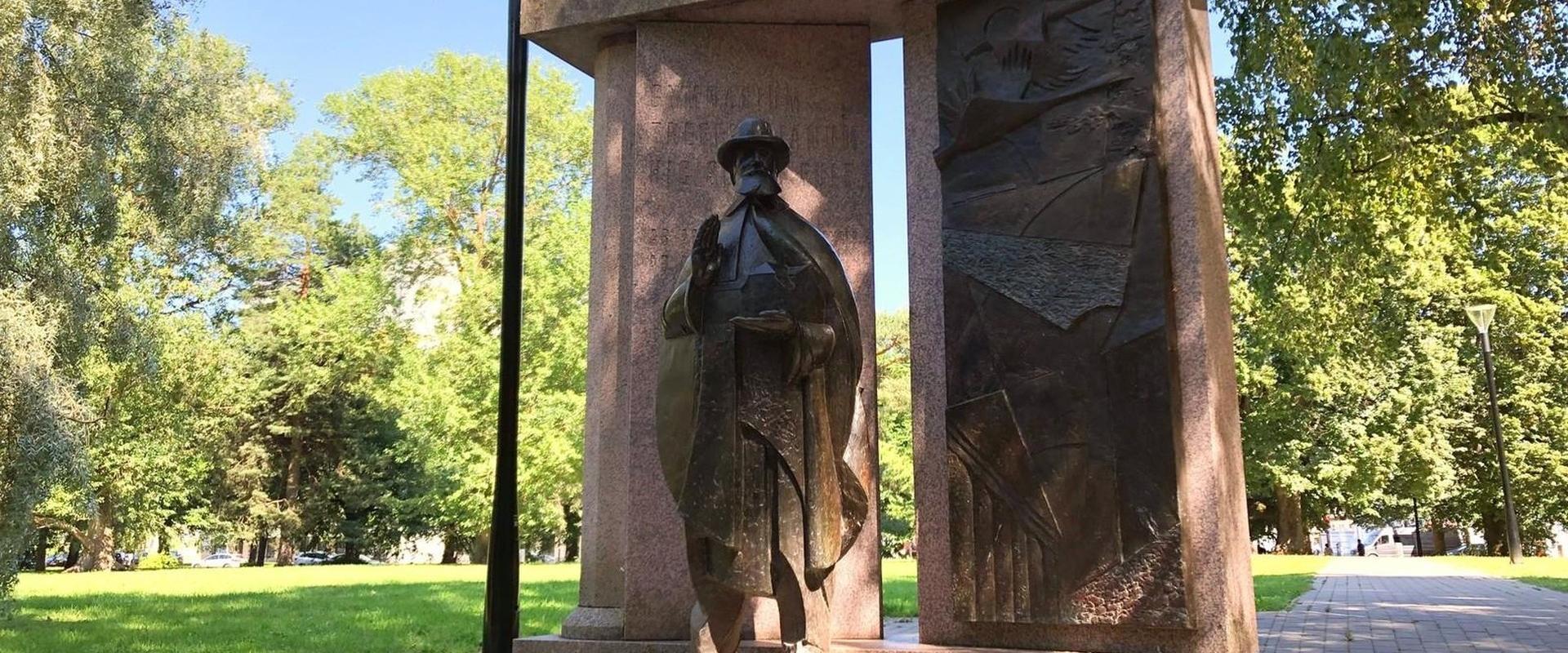
Hugo Treffner (1845–1912) was an Estonian cultural figure and the founder of Hugo Treffner Gymnasium. The school still operates in Tartu (it was called the Tartu 1st Upper Secondary School during the Soviet era), on the wall of which is also the bas-relief of the first school principal Treffner on Rüütli tänav. It is considered one of the elite schools in Estonia.The monument erected in honour of Hugo Treffner is located on the bank of the Emajõgi River in the western part of Ülejõgi Park, on the site of the former Hugo Treffner private school. The authors of the monument are sculptor Mati Karmin and architect Tiit Trummal. The monument was opened on 25 May 1997.Hugo Treffner's grave is in Tartu, in the Uus-Jaani cemetery.
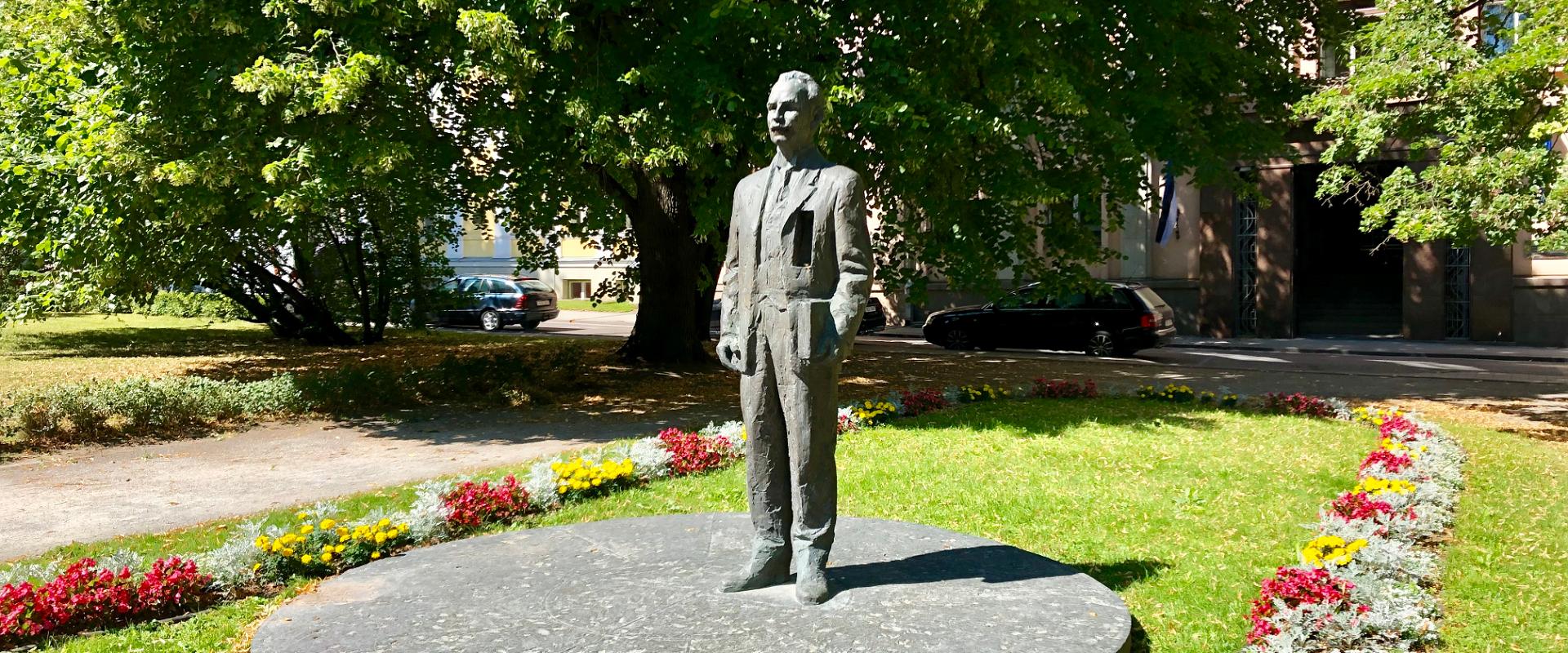
The monument to Peeter Siegfried Nikolaus Põld (1878–1930), the first Minister of Education and founder of the national university of Estonia, the first professor of pedagogy, was unveiled in front of the Ministry of Education and Research on 1 December 2008.The authors of the monument are sculptor Ekke Väli and architect Ain Rööpson.Under the name of Peeter Põld Day, student scientific conferences have been organised at the University of Tartu since 2008, and on the same day, the university issues a scholarship named after him.
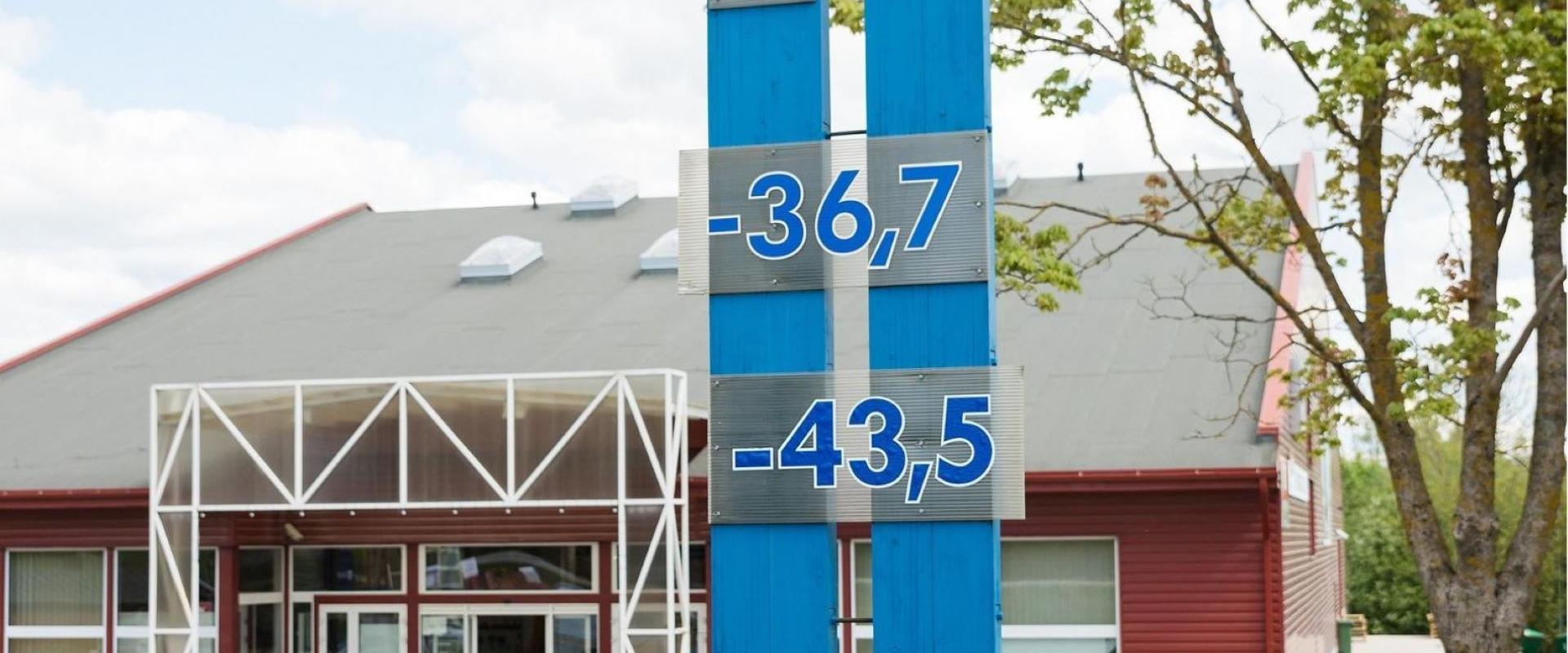
A monument to cold weather has been erected on the Piibe road on the outskirts of Jõgeva, where the lowest ever temperature in Estonia (-43.5*C) was recorded in 1940. The monument also highlights the most recent record of -37.6*C from 2003, also recorded in Jõgeva.
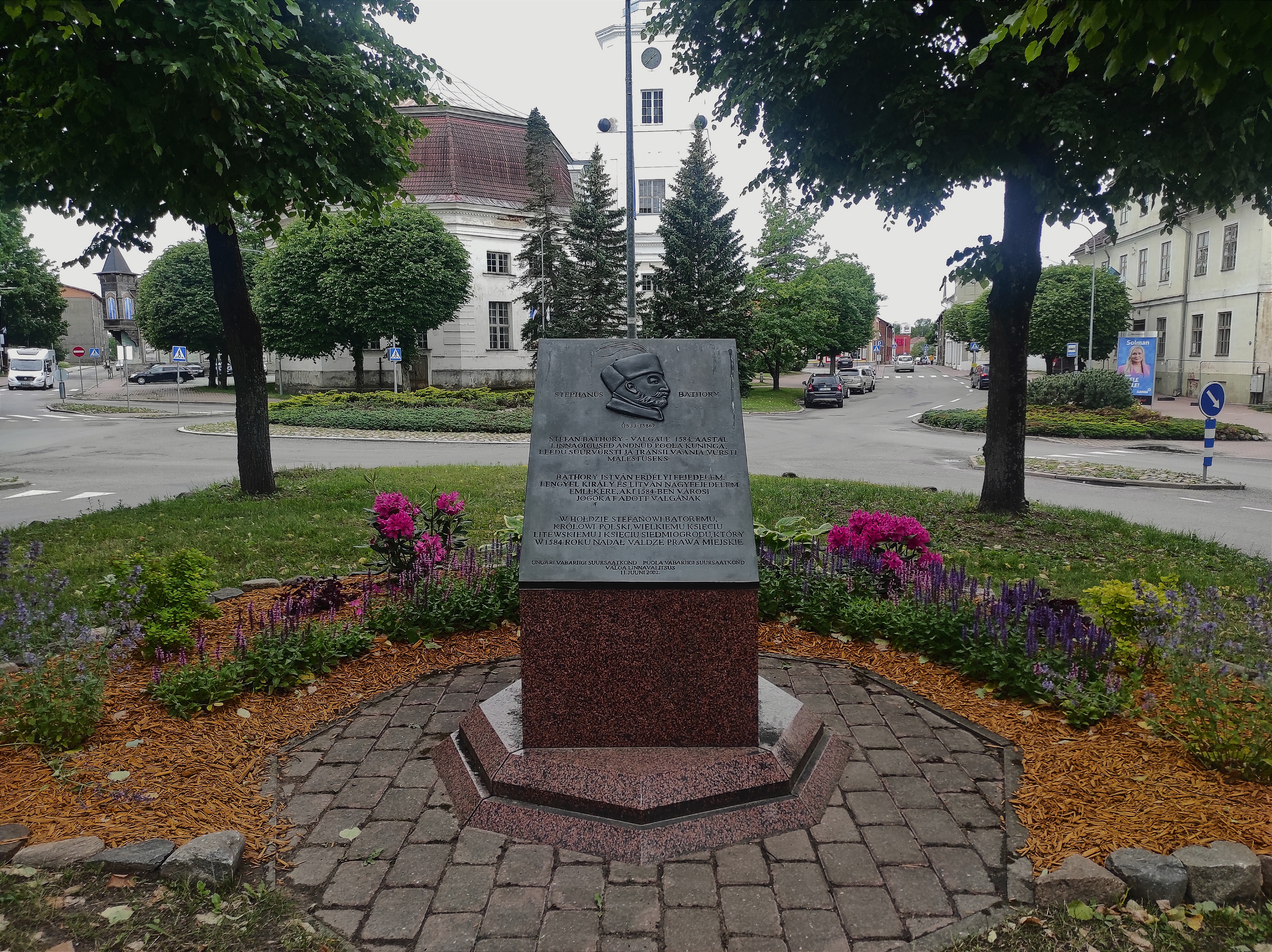
In 1562, Walk (the old name of present-day Valga) along with the rest of Livonia was handed over to Poland as part of the ceasefire agreement of the Livonian War. The city rights of Valga were signed by Polish King Stefan Batory on June 11, 1584, based on his colonization policy. The king believed that land should be granted as hereditary property to new Catholic settlers (peasants, craftsmen, merchants) in Livonia and thereby strengthen Catholicism in Livonia.Therefore, there is a monument dedicated to Stefan Batory on Kesk Avenue in Valga, which was completed in 2002 as a joint effort of the city of Valga, and the Hungarian and Polish embassies.
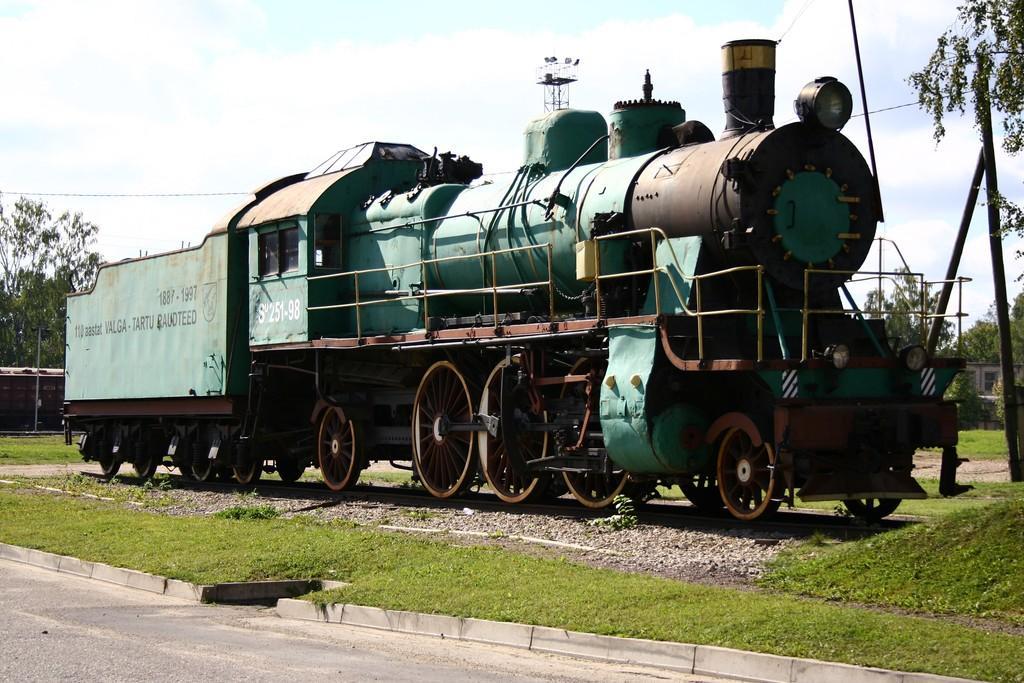
The year 1886 when the plan to build the Pihkva-Riga railway with a branch from Valga to Tartu became a crucial year in the development of the little town.The steam engine monument erected near the Valga railway station in 1998 celebrates the 110th anniversary of the Pihkva-Valga-Riga rail connection. Engine SU 251-98 was built in the Sormovo Shipyard in 1949. Interesting facts: * the engine weighs 87 tons and its output is 12 tons of steam per hour; * Riga-Pihkva railway was officially opened on 22 July 1889 in Pihkva.
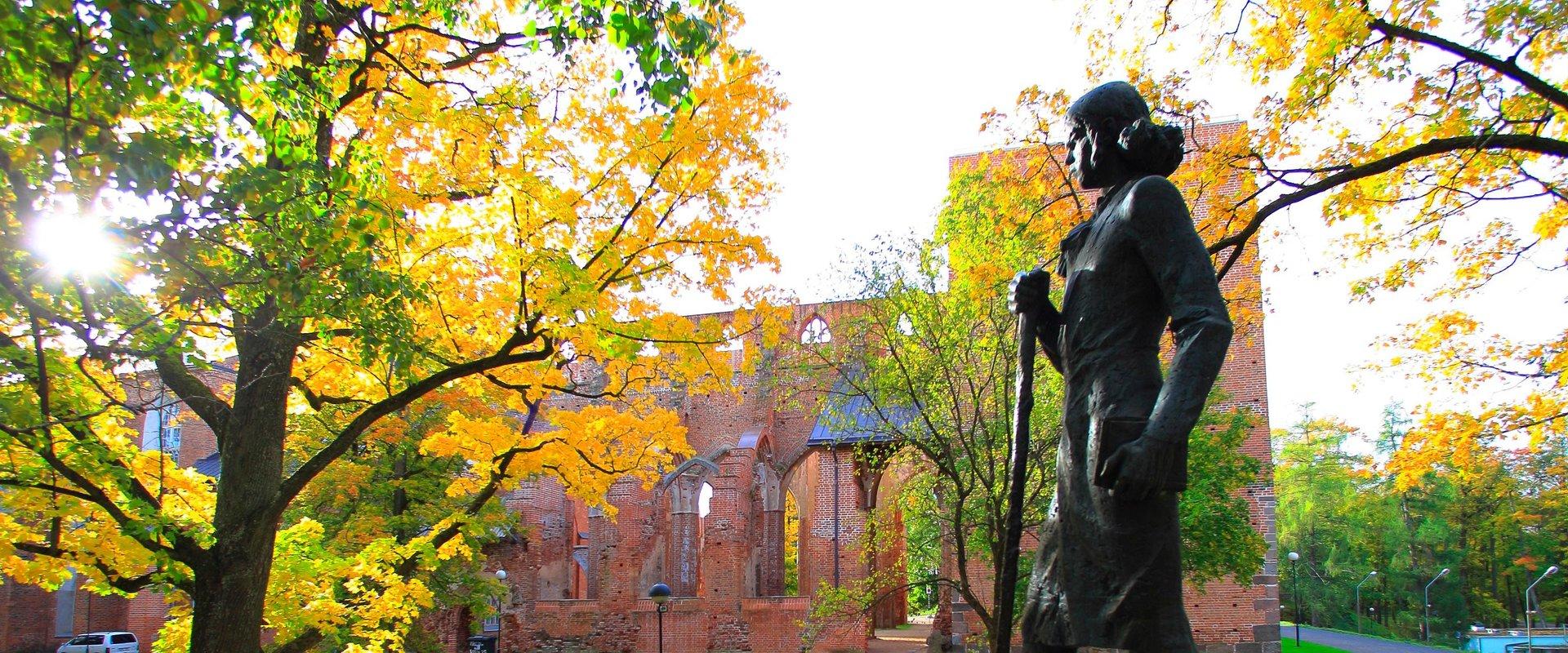
Kristjan Jaak Peterson (14 March 1801 – 4 August 1822) was an Estonian writer who is considered to be the founder of Estonian national literature.He studied in the Faculty of Theology and Philosophy of the University of Tartu from 1819 to 1820. He called himself a singer of the country people, appreciated the national features of literature, and thought that the creation of original Estonian literature was possible.There is a bronze monument to him on Toomemägi, which was completed in 1983 by J. Soans and A. Murdmaa, and a high school named after him in Tartu.On the writer's birthday, 14 March, we celebrate Mother Tongue Day.Fun fact: Peterson walked from Tartu to Riga more than 200 years ago due to lack of money.
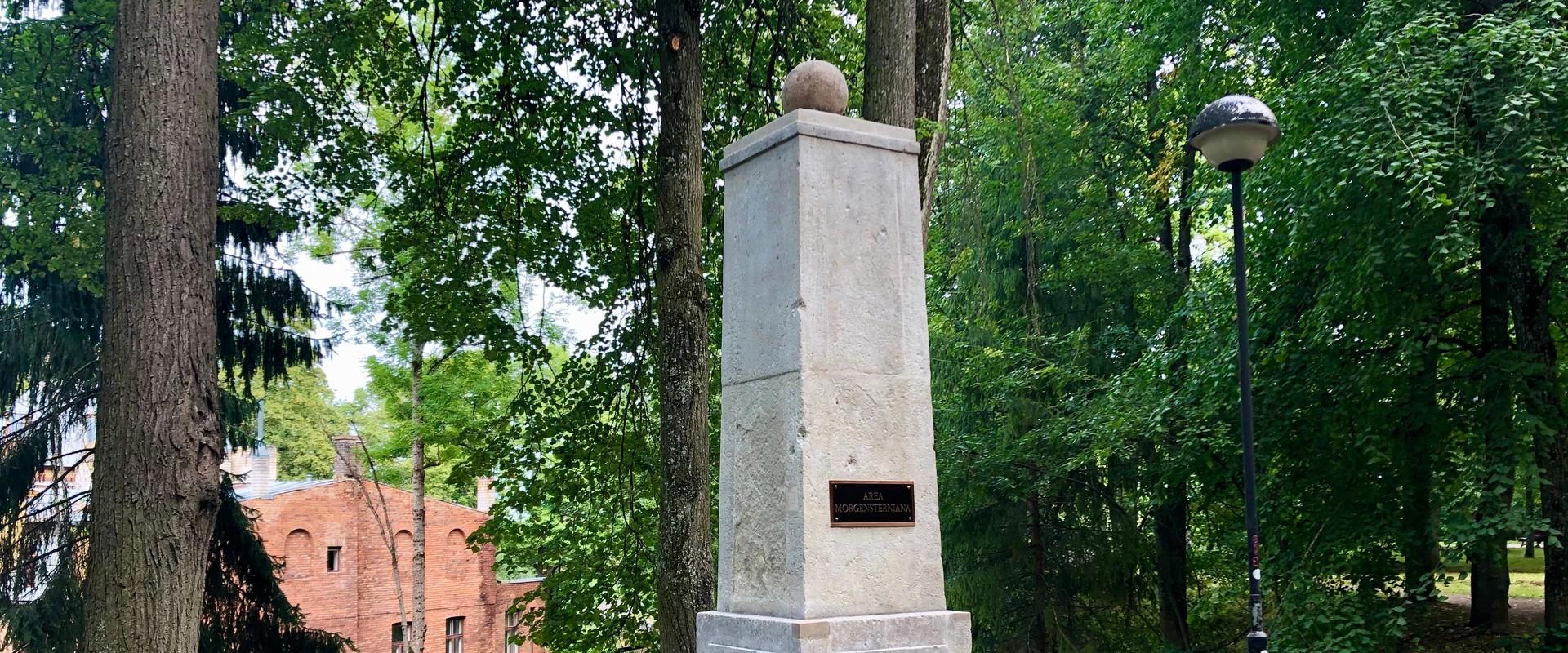
The university erected this monument to its long-serving professor K Morgernstern.Johann Karl Simon Morgenstern (1770-1852) was a German scholar who was a professor of eloquence and classic philology, aesthetics, literary and art history in the University of Tartu from 1802 to 1836. He was one of the founders and the first director of the University of Tartu Library (1802-1839). He founded the Museum of Art of the University of Tartu in 1803.
The Cornflower (or Broken Cornflower) memorial to the victims of Stalinism was established in 1990 and its author is P. Saar.On top of the granite boulders is a broken cornflower (Estonian national flower). Black stripes run through the grey stone parquet of the square. They depict the railway tracks that symbolise deportation to Siberia. The waterworks of the monument make it possible for water to drip off the petals of the cornflower, like tears.The monument, which was initially erected on the corner of Riia and Pepleri streets in Tartu by the association of freedom fighters Memento, was reopened in its new spot at Pepleri 27. The monument is located next to the grey building. During the Soviet era, a KGB remand prison was located there, where the deportation of many Estonians to Siberia began.