• Explore
    • Nature
    • Culture
    • Food
    • Family
    • Activity
    • Blog
  • Plan
    • Tourist info
    • Accommodation
  • For professionals
    • For professionals
    • Collaboration
    • News
    • Projects
    • Training
    • Repository
    • Community (opens in new tab)
    • Contacts
ENG
  • EnglishENG
  • EestiEST
  • LatviešuLAT
  • РусскийRUS
  • SuomiFIN
ENG
  • EnglishENG
  • EestiEST
  • LatviešuLAT
  • РусскийRUS
  • SuomiFIN
Popular searches:
Show all
  • History & Culture
  • Art & design
  • Monuments

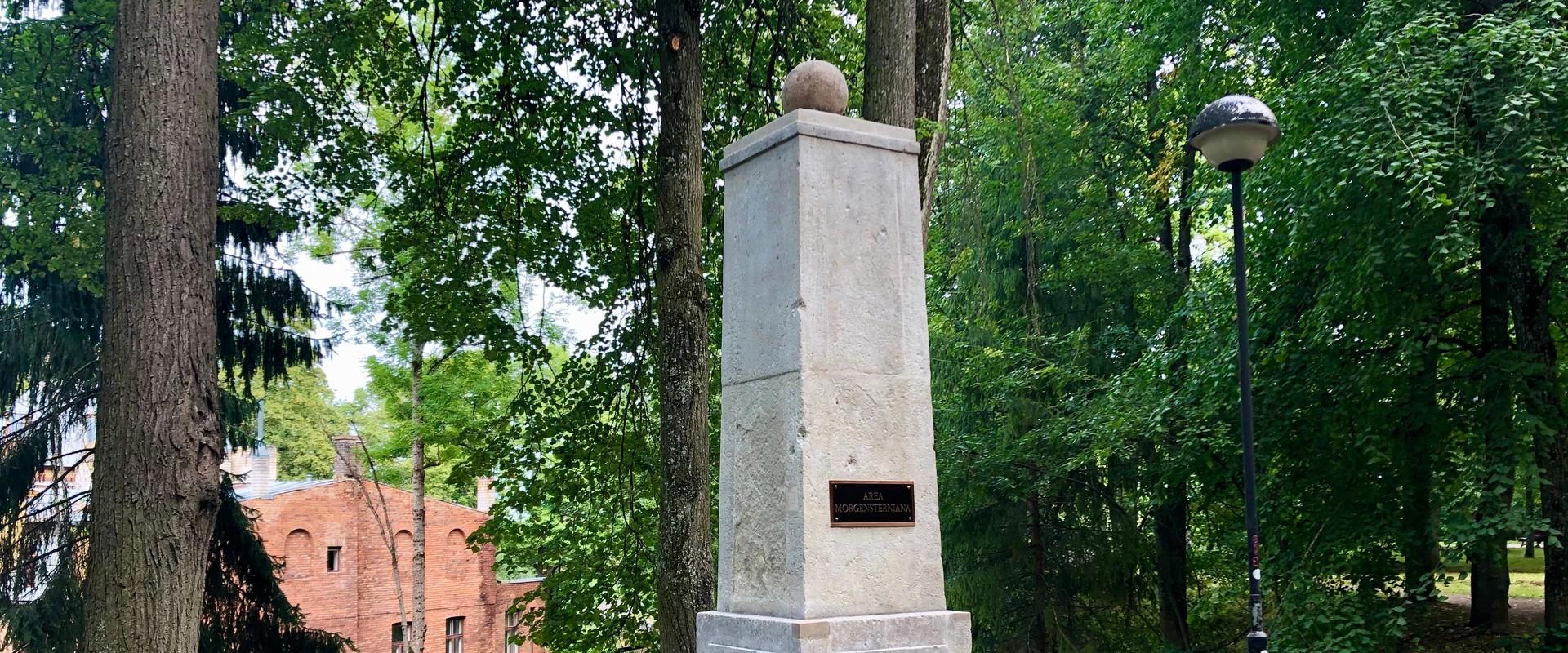
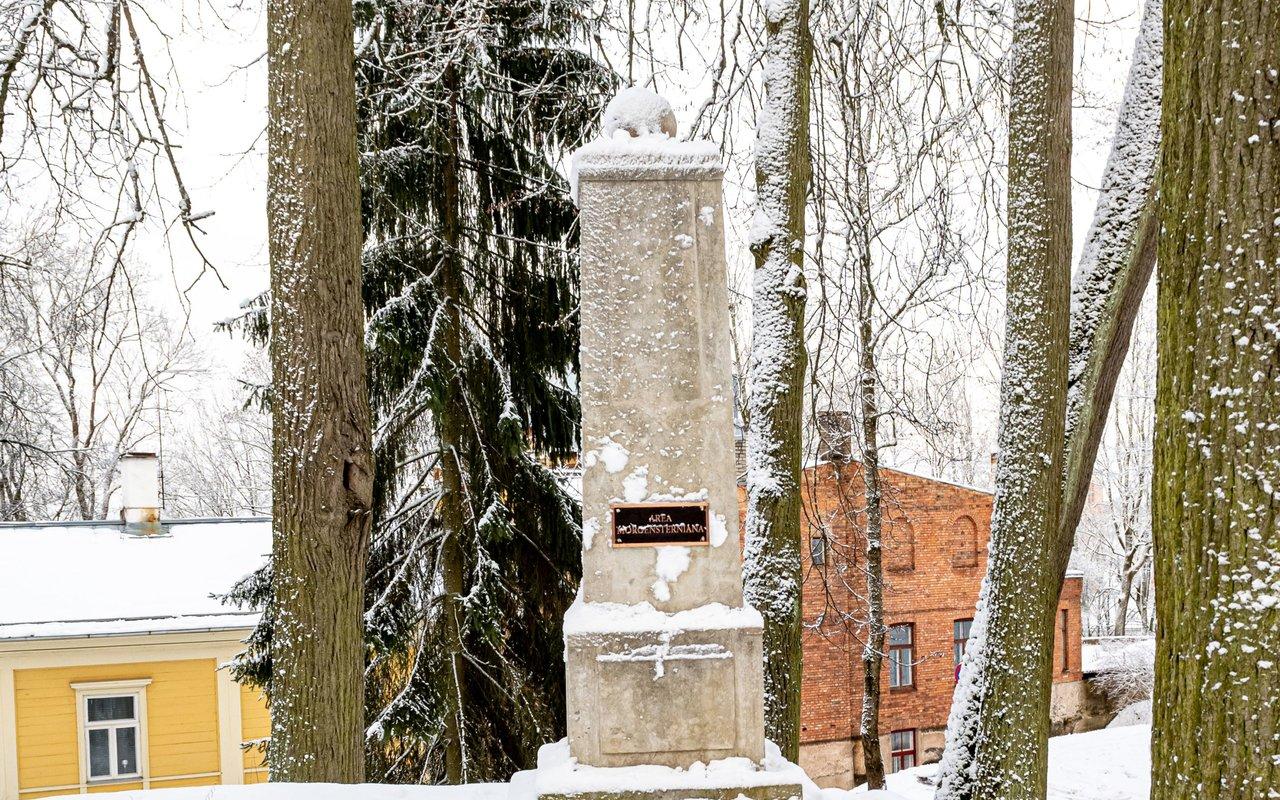
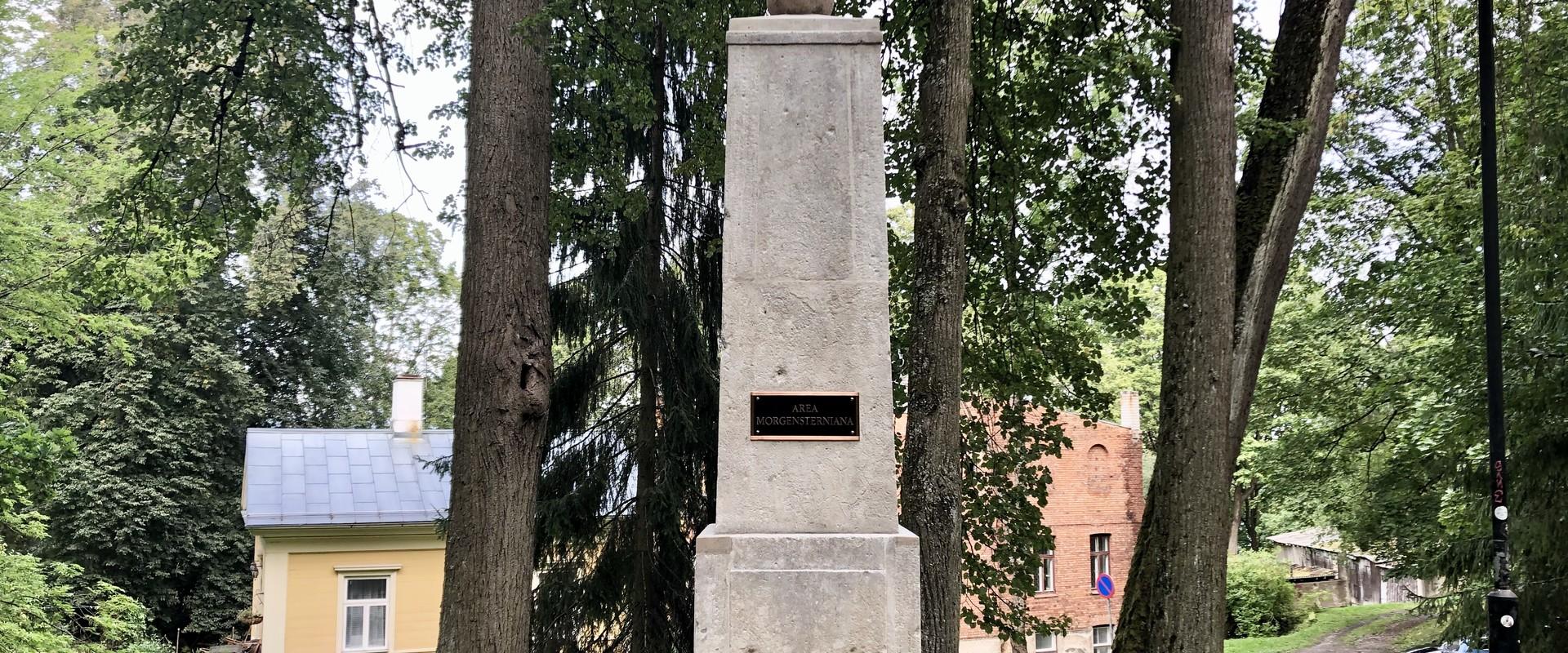
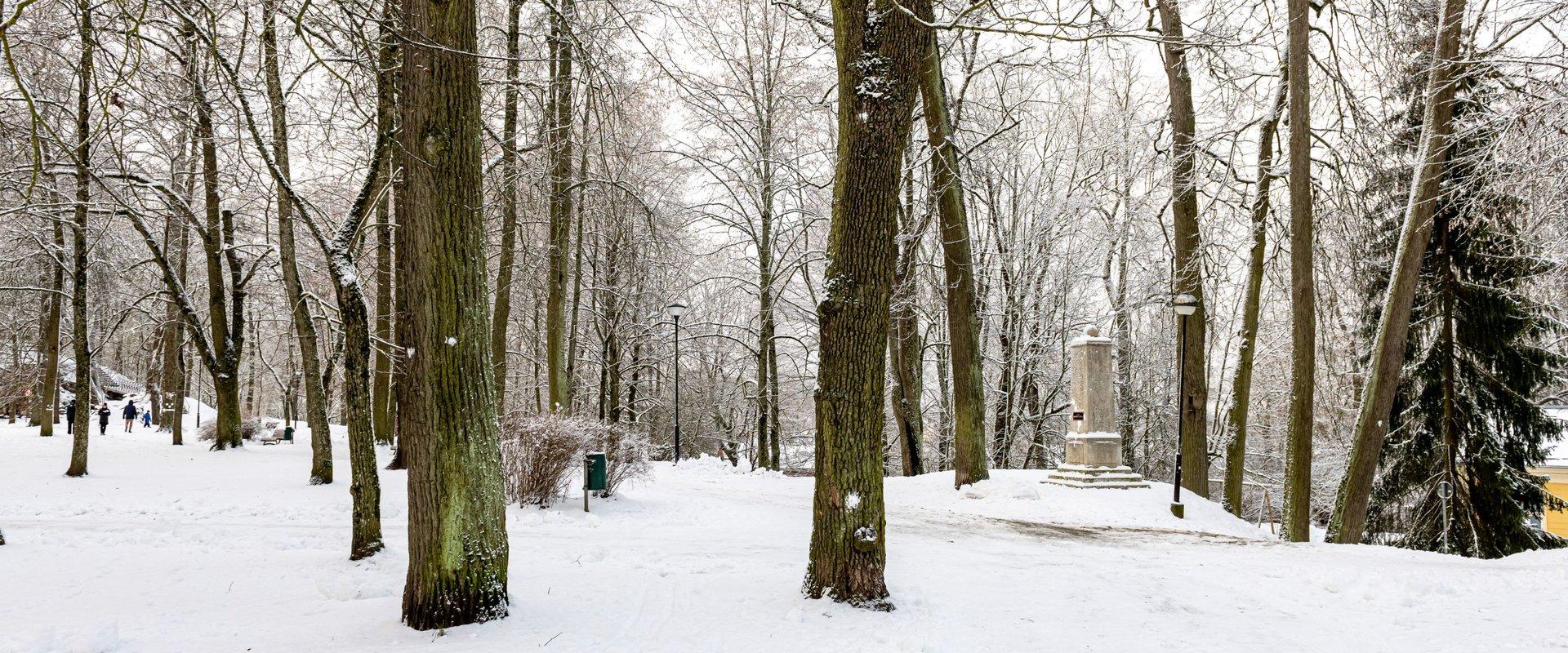
Monument to Johann Karl Simon Morgenstern

Lossi tn 15b, Toomemäe park, Tartu linn, Tartu maakond, 51003

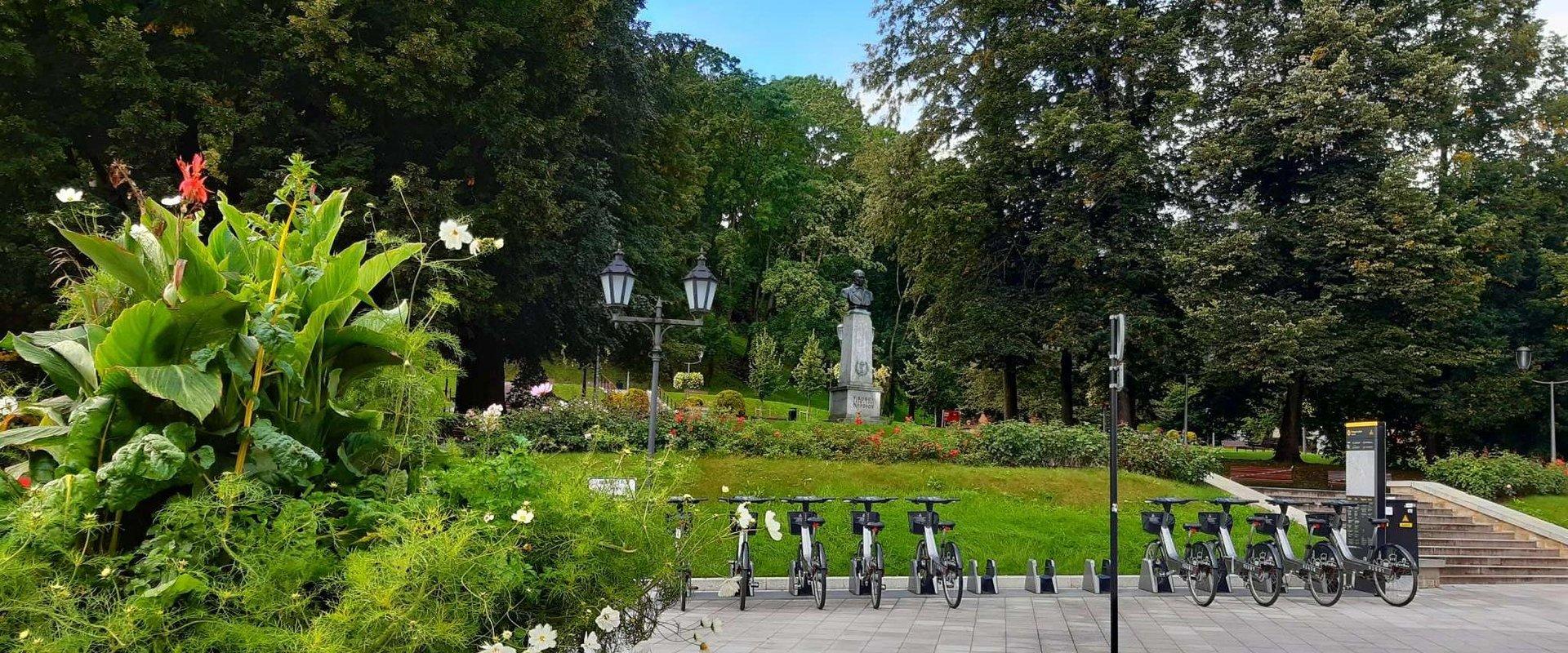
The university erected this monument to its long-serving professor K Morgernstern.Johann Karl Simon Morgenstern (1770-1852) was a German scholar who was a professor of eloquence and classic philology, aesthetics, literary and art history in the University of Tartu from 1802 to 1836. He was one of the founders and the first director of the University of Tartu Library (1802-1839). He founded the Museum of Art of the University of Tartu in 1803.
Open times

Throughout the Year

Around the Clock

Links

See more

  • Monuments

Monument to the War of Independence in Misso

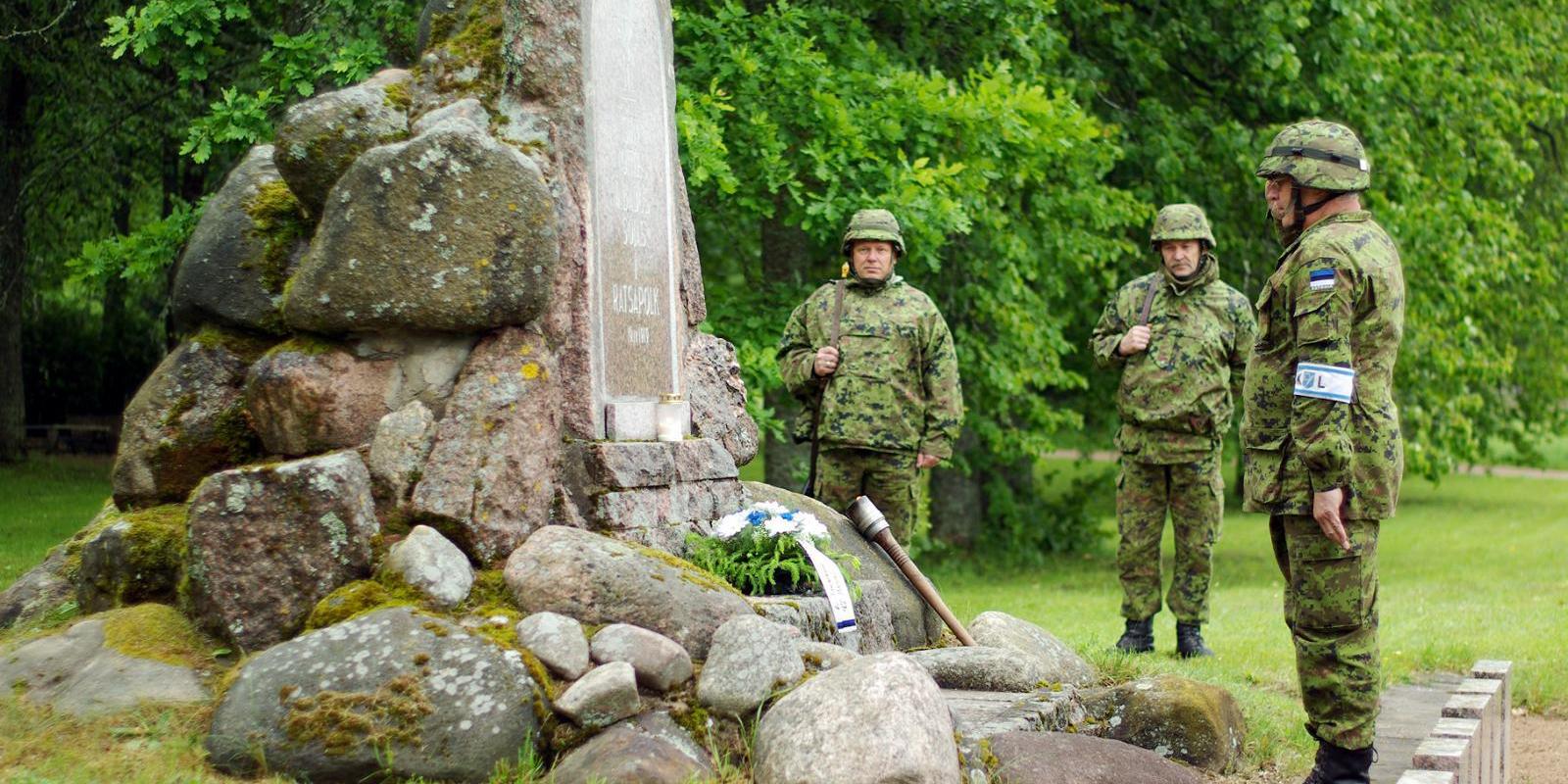
A monument to those, who fell in the War of Independence, was opened in Misso on 26 May 1935, and the activities of the 1st cavalry regiment in the battles of the War of Independence were immortalised. The monument was demolished in 1945.The reconstructed monument was reopened on 27 August 1989. The granite pillar placed on a base of quarry-stones is 2.5 m tall. Its main side has the symbol of the cavalry unit along with the text “Here, the 1st cavalry regiment fought in the War of Independence on 19 April 1919”. In front of the monument, there are six granite plates with the names of those that fell.A monument to World War II is erected only a few steps from the Monument to the War of Independence.

  • Monuments

The Fr. R. Kreutzwaldi Monument and Park on the Shore of Lake Tamula

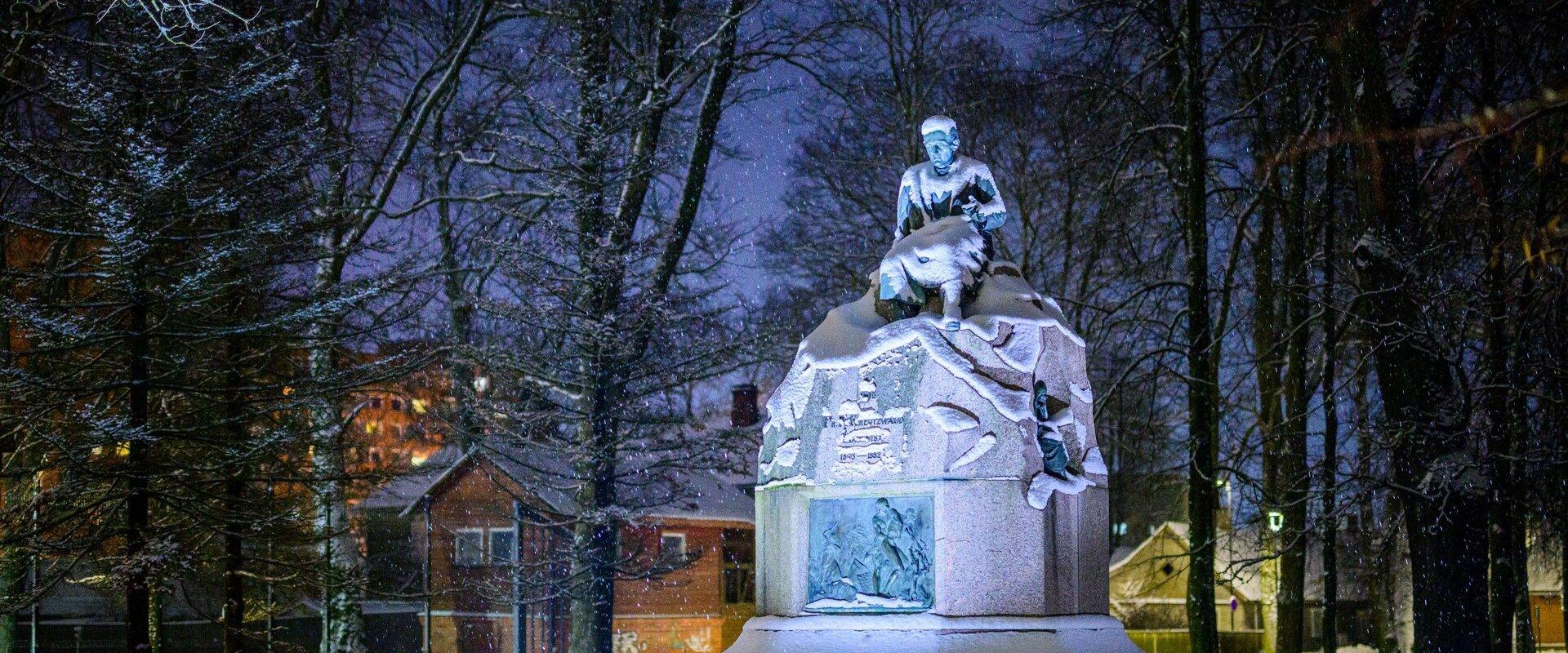
The Monument to Dr. Fr. R. Kreutzwald is located in a park on the shore of Lake Tamula. The author of the monument is A. Adamson and it was cast in bronze in Italy. The monument was opened in 1926. It is not known when the park was founded, however the age of most of the species of trees, birches and lindens is estimated at more than one hundred years. The coniferous trees in the park include spruces and firs. Lake Tamula has an oval shape in an east-west direction with an average depth of 4.2 m. The lake is deepest to the northeast of its centre (7.5 m) and has a surface area of 231 ha. There is a swimming area, beach and a beautiful promenade on the shore on the city side.

  • Monuments

Petseri Statue of Liberty

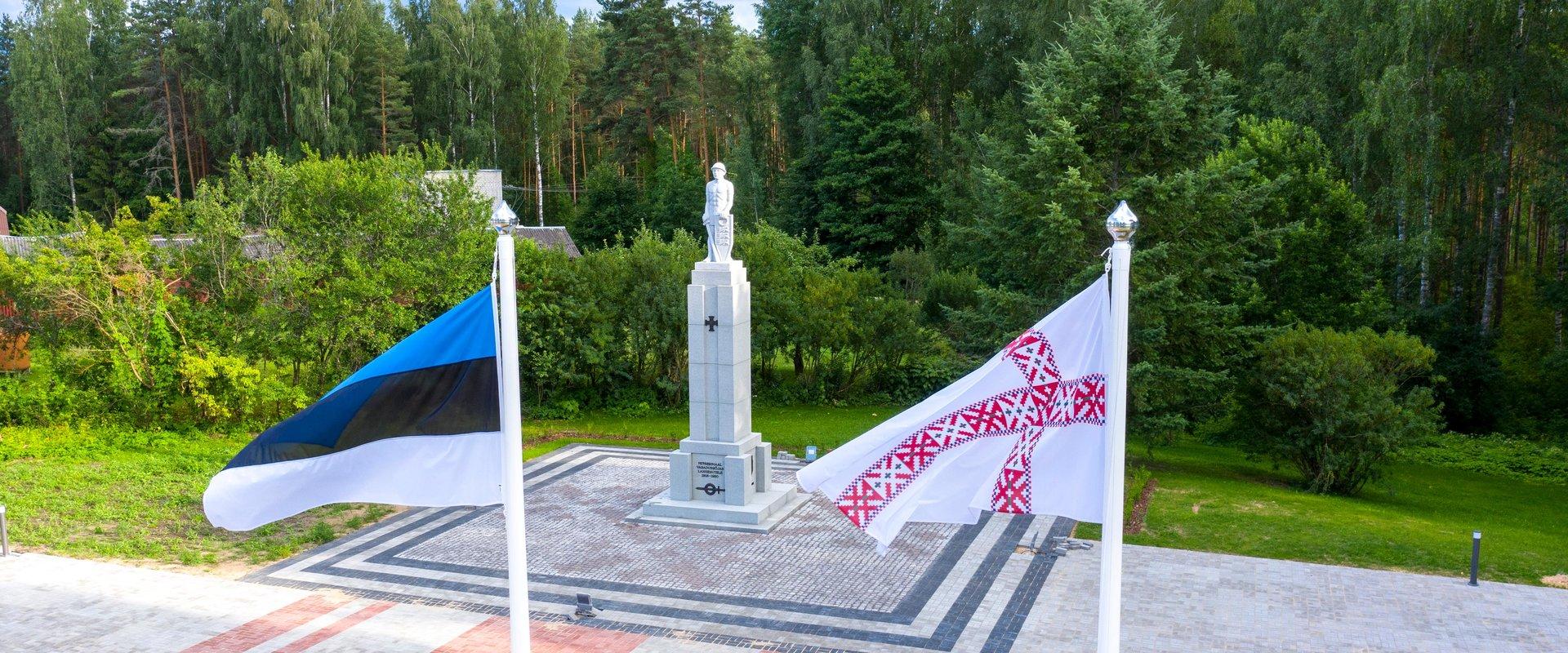
The statue for those who perished in the War of Independence in Petseri county stands on the Statue of Liberty Square in Värska. The monument designed by sculptor Roman Haavamägi was supposed to be erected in the heart of the town of Petseri in the summer of 1940, but due to the Soviet occupation that started, the plan was abandoned. Only 80 years later, in 20 July 2020, the restored statue was opened here in Setomaa. The soldier figure was modelled and shaped in granite on the basis of photos by sculptor Tiiu Kirsipuu.The Statue of Liberty of Petseri was erected in remembrance of those nearly 350 Estonian soldiers who fell in the War of Independence in Petseri County, as well as the importance of the Tartu Peace Agreement for the Setos.

  • Monuments

Paju Battle Memorial

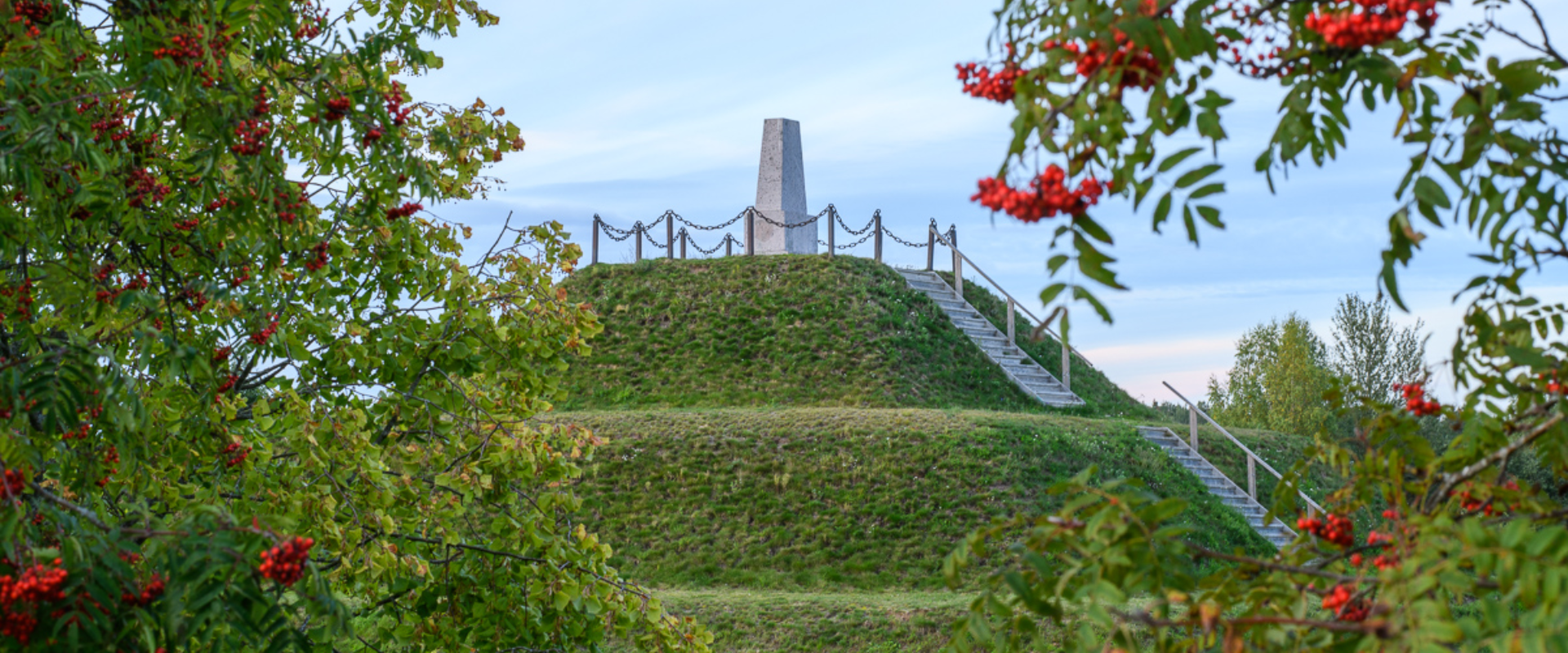
One of the most important battles of the War of Independence took place near the Paju Manor on 31 January 1919. The Northern Sons Regiment that consisted of Finnish volunteers also fought for the independence of Estonia over here. The most legendary commander in the War of Independence, Lieutenant Julius Kuperjanov, was fatally injured in the battle. The battle memorial is a granite pillar on a three-level pyramid, which was reopened on the 75th anniversary of the battle on 30 January 1994.Interesting facts: * the memorial was opened by President of the Republic of Estonia Lennart Meri; * a memorial tablet to the Northern Sons who fell in the battle can be found on the wall of the Valga Jaani (St John’s) Church.

  • Monuments

Monument to Soldiers Killed in the War of Independence

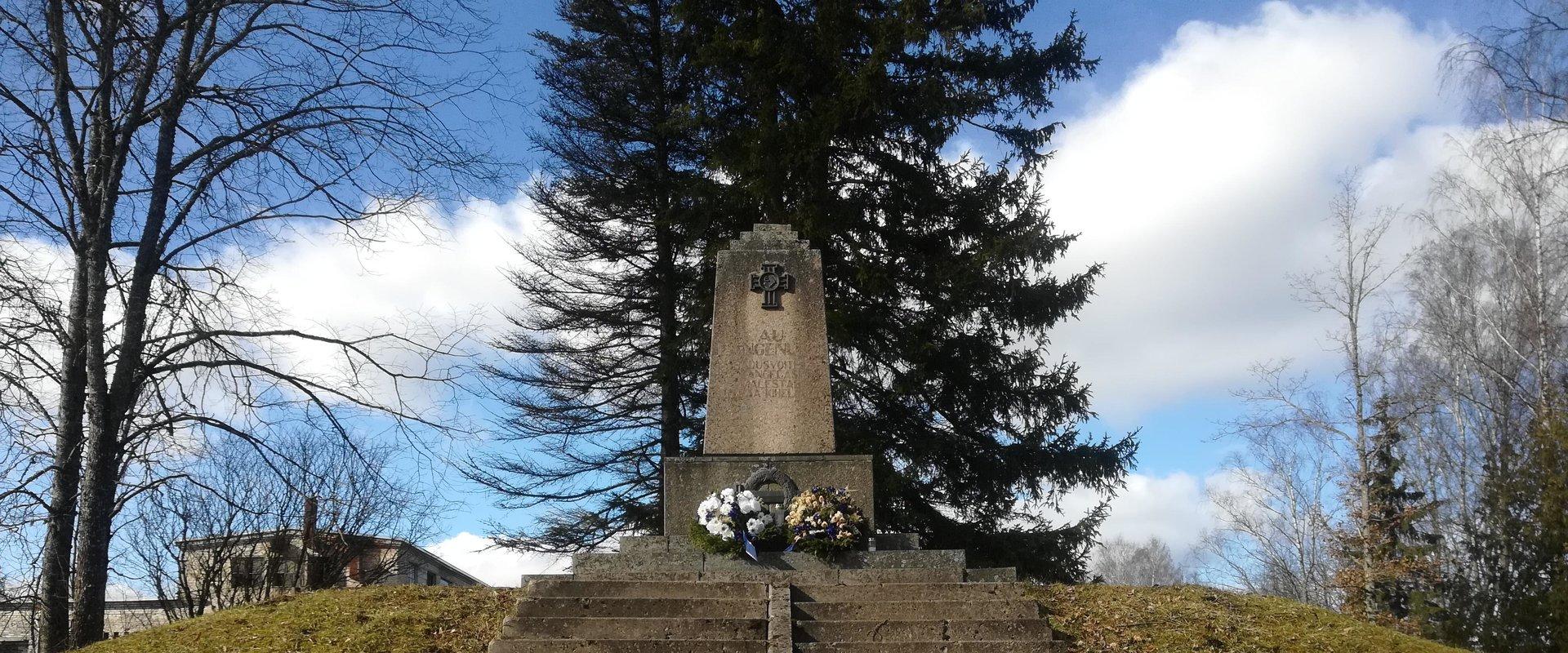
The monument to soldiers who fell in the War of Independence stands on a hill in front of Otepää Maarja Church and it is remarkable because it was hidden underground for 30 years. The monument was reopened in 1989 after renovation. The top part of the monument bears the words HONOUR THE FALLEN and a list of 22 names. The granite piece with the full list has been lost. The metal decorations were created at the initiative of sculptor Jüri Ojaver.Interesting facts: The initial monument was designed by Voldemar Melnik and made by stonemason Peeter Veeber. The monument was opened for the first time on 10 June 1928.

  • Monuments

Monument to Nikolai Pirogov

The monument to the physician who studied and became a professor in Tartu was completed in 1952. The authors of the monument are J Raudsepp, A Mölder, P Tarvas, A Volberg.Nikolai Pirogov was the founder of experimental surgery, topographic anatomy and field surgery. His work made the surgeries performed in Tartu famous all over Russia and also abroad.

  • Monuments

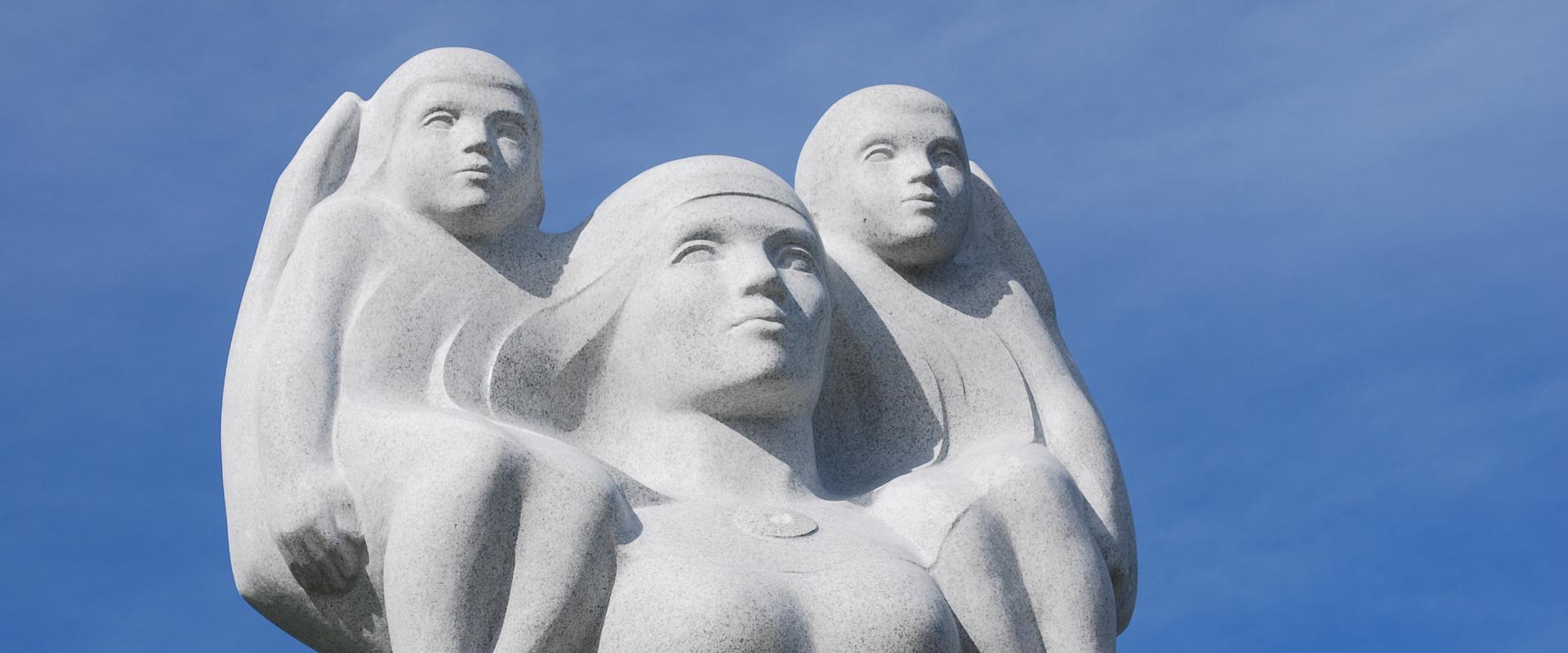
Monument to the Estonian Mother

The Monument to the Estonian Mother was inaugurated in Rõuge on 26 June 2010. The monument is meant to demonstrate appreciation for the Estonian woman as a mother, to express gratitute, and to value the survival of our people. Hans Sissas (1933 - 2012), who has recounted the stories of Estonian deportees and authored many memoirs, initiated the idea of a monument to the Estonian mother, and lead the efforts to have the monument completed.The monument is made from stone brought from Udmurtia, and is 3.6 high, weighing nearly 6 tonnes.The monument was designed by the artists/sculptors Ilme and Riho Kuld, and was made by the sculptors/stone masons Margus Kurvits and Kristjan Kittus.

  • Monuments

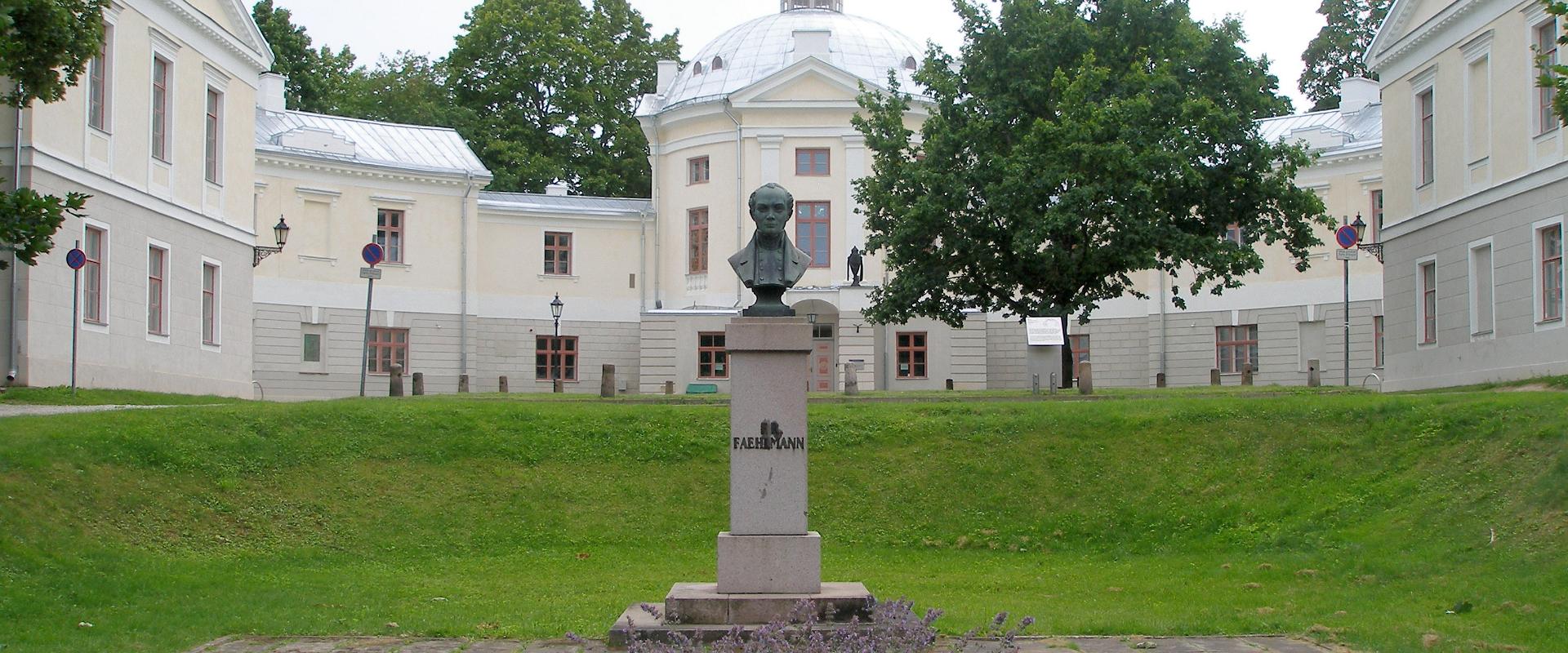
Monument to Friedrich Robert Faehlmann

The monument to Friedrich Robert Faehlmann – a bronze bust on a pillar of local grey granite – was opened in front of the Old Anatomical Theatre at Toomemägi, Tartu, on 18 May 1930. Friedrich Robert Faehlmann (1798 - 1850) was one of the founders of Estonian national literature, a physician and a democrat. He studied in Rakvere District School, Tartu Upper Secondary School and the Faculty of Medicine in the University of Tartu. Faehlmann worked as a physician in Tartu from 1824. He worked in the Old Anatomical Theatre. He was a lector of the Estonian language in the university and sometimes also gave lectures in pharmacology and prescriptions.

  • Collaboration
  • News
  • Contacts
  • Privacy Policy
Join our mailing list!

"*" indicates required fields

This field is for validation purposes and should be left unchanged.
I authorise marketing

Southern Estonian Tourism Cluster

info@visitsouthestonia.com