• Explore
    • Nature
    • Culture
    • Food
    • Family
    • Activity
    • Blog
  • Plan
    • Tourist info
    • Accommodation
  • For professionals
    • For professionals
    • Collaboration
    • News
    • Projects
    • Training
    • Repository
    • Community (opens in new tab)
    • Contacts
ENG
  • EnglishENG
  • EestiEST
  • LatviešuLAT
  • РусскийRUS
  • SuomiFIN
ENG
  • EnglishENG
  • EestiEST
  • LatviešuLAT
  • РусскийRUS
  • SuomiFIN
Popular searches:
Show all
  • Art & design
  • History & Culture
  • Monuments

Monument to the War of Independence in Misso

Rõuge vald, Võru maakond, 65006

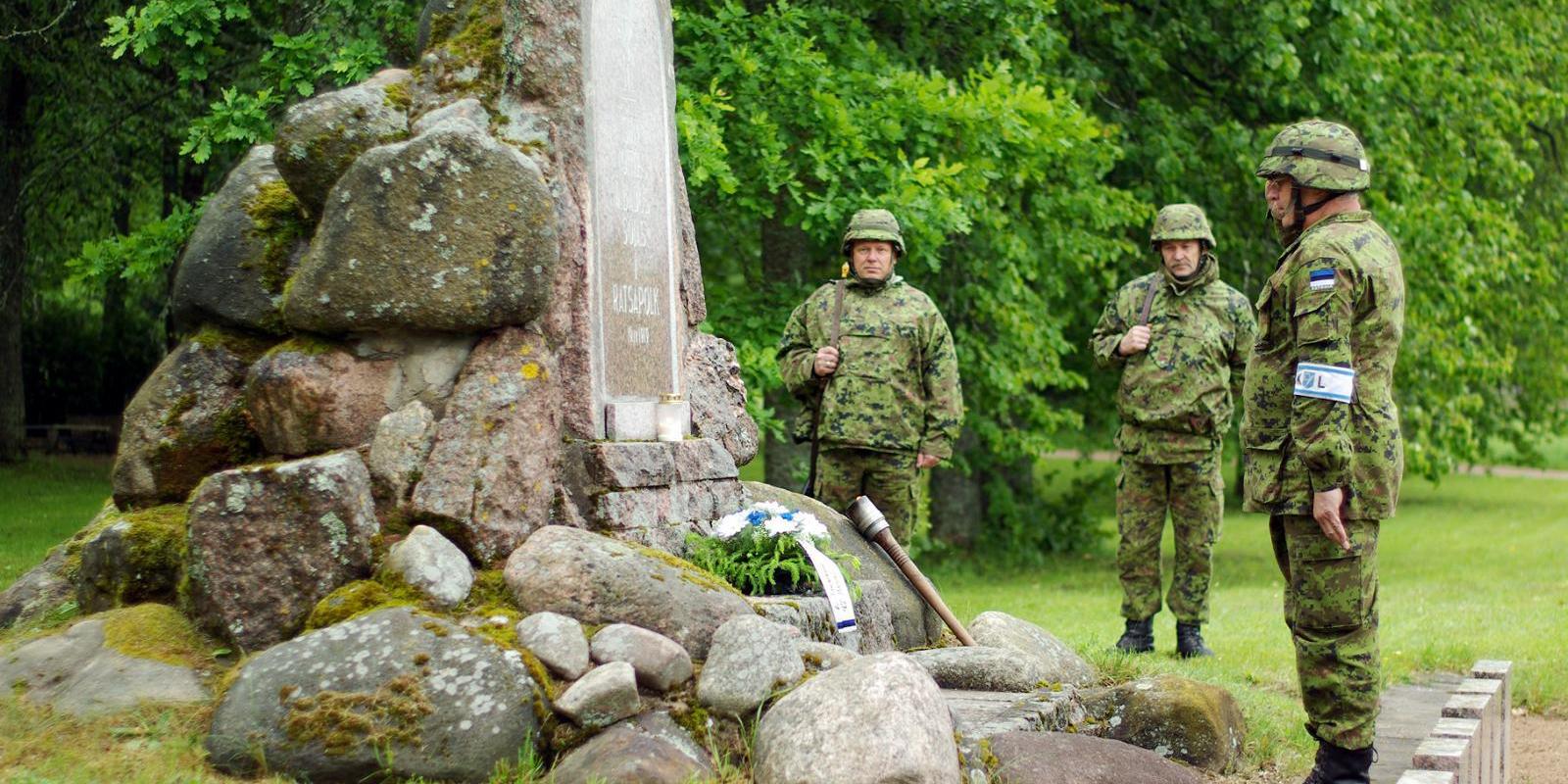
A monument to those, who fell in the War of Independence, was opened in Misso on 26 May 1935, and the activities of the 1st cavalry regiment in the battles of the War of Independence were immortalised. The monument was demolished in 1945.The reconstructed monument was reopened on 27 August 1989. The granite pillar placed on a base of quarry-stones is 2.5 m tall. Its main side has the symbol of the cavalry unit along with the text “Here, the 1st cavalry regiment fought in the War of Independence on 19 April 1919”. In front of the monument, there are six granite plates with the names of those that fell.A monument to World War II is erected only a few steps from the Monument to the War of Independence.
Amenities

  • Free parking

Open times

Throughout the Year

Around the Clock

Contact

  • +372 5331 1442
  • voru@visitestonia.com

Links

See more

  • Monuments

Memorial to the Victims of the Estonia Ferry Disaster

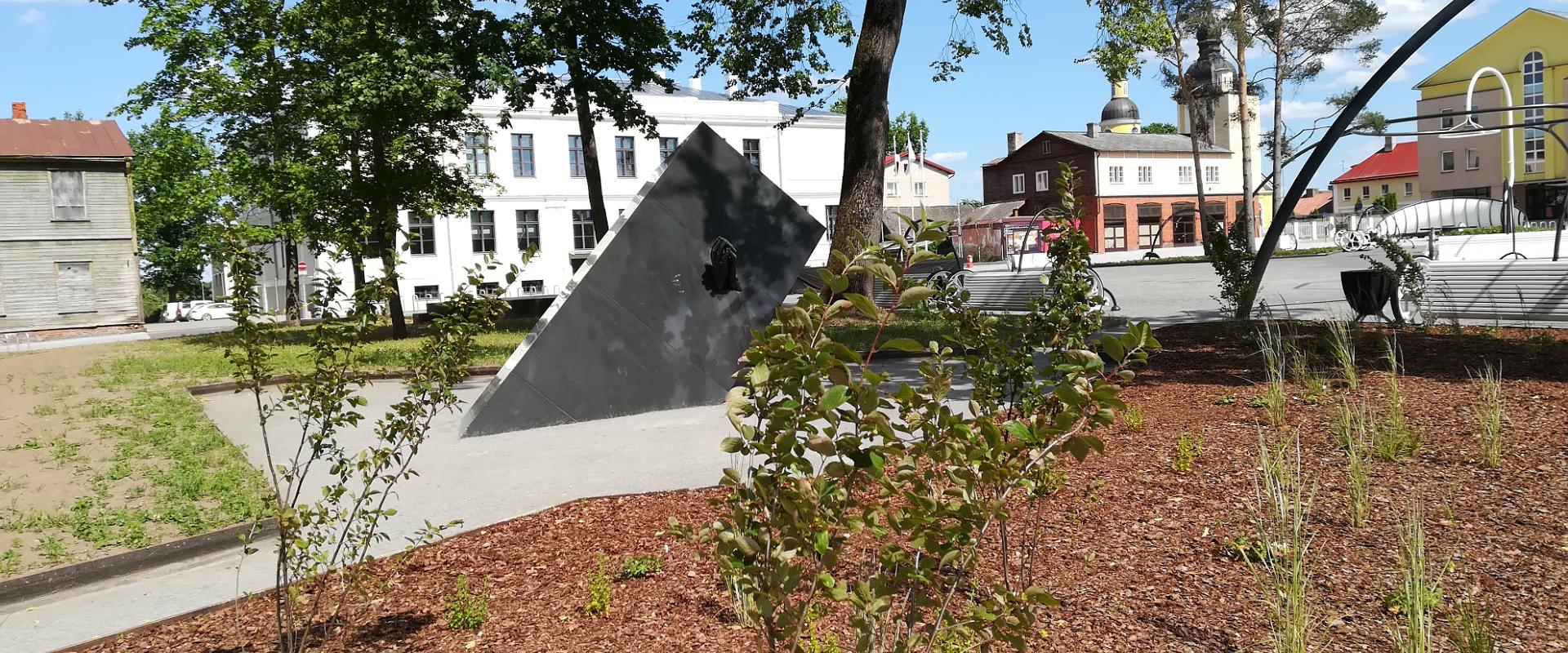
The memorial is located in Võru central square and is dedicated to the residents of Võru who died in the Estonia ferry disaster during the stormy night of September 28, 1994. The memorial was built in 1996 (sculptor M. Karmin).

  • Monuments

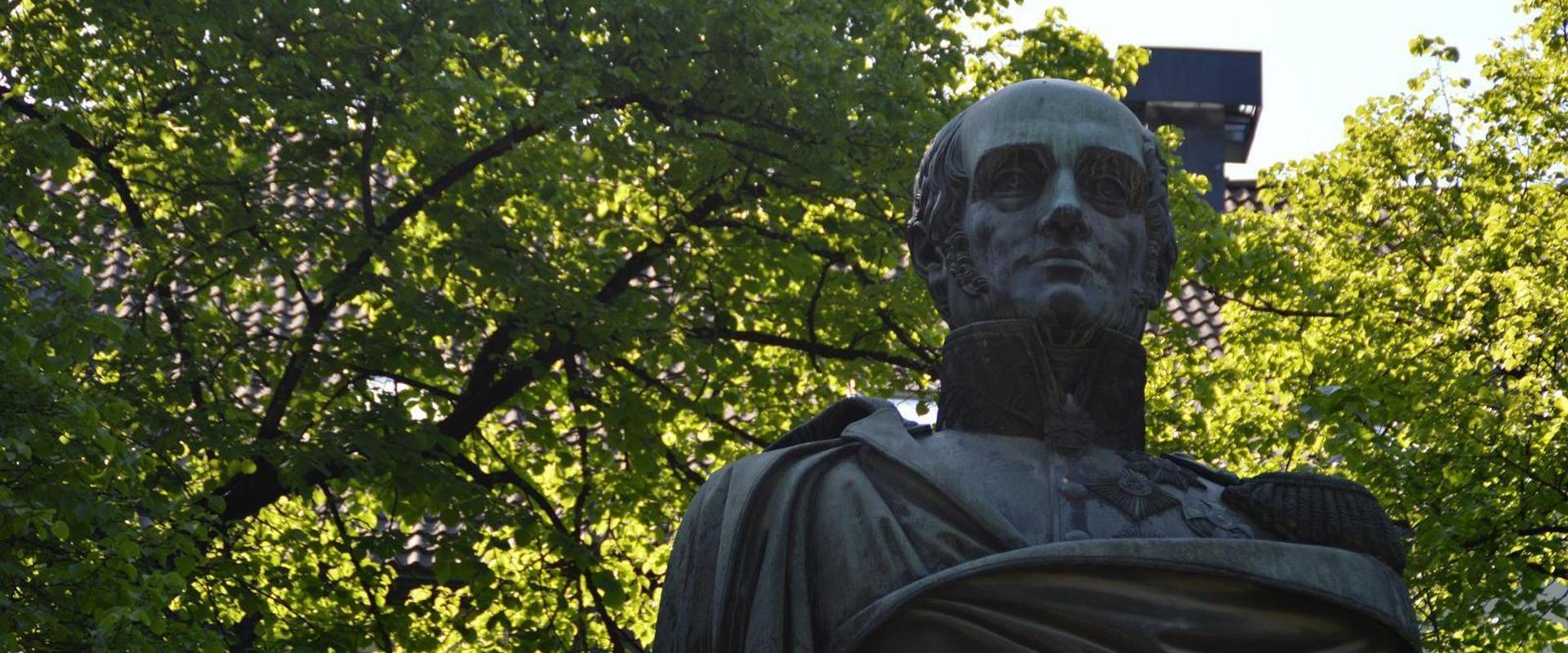
Monument to Barclay de Tolly

Prince Michael Andreas Barclay de Tolly (1761–1818) was a Russian military commander and a field marshal general. Barclay de Tolly (Russian: Mikhail Bogdanovich Barclay de Tolly) was descended from a family of Baltic nobility. As a Russian military commander, Barclay de Tolly displayed talent and courage in several battles for which he was awarded 14 decorations. Barclay de Tolly has been awarded the Order of St. George (1st class), the title of a Count, the rank of a Field Marshal General, and the title of a Prince.The monument was erected in 1849. The authors are V. Demut-Malinovski and A. Stsedrin. Barclay de Tolly is buried in his family tomb in Jõgeveste.

  • Monuments

Paju Battle Memorial

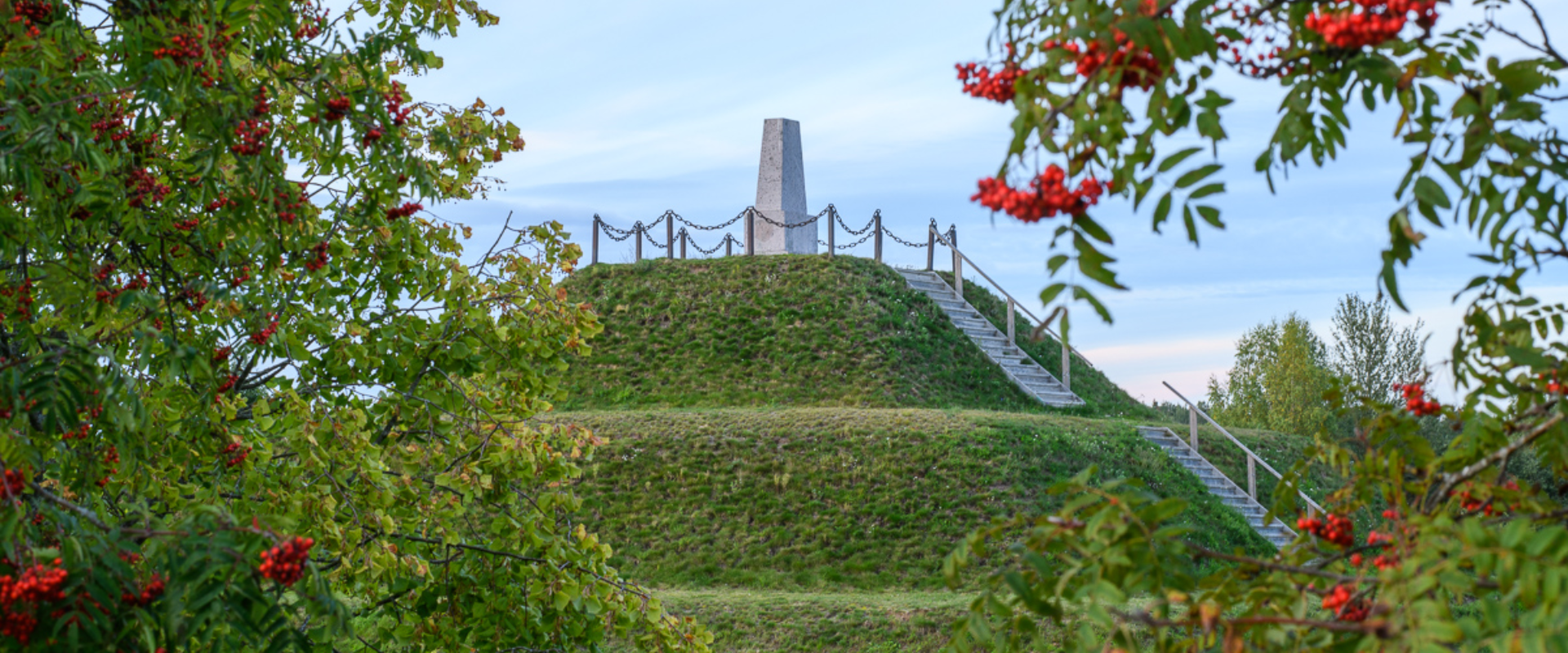
One of the most important battles of the War of Independence took place near the Paju Manor on 31 January 1919. The Northern Sons Regiment that consisted of Finnish volunteers also fought for the independence of Estonia over here. The most legendary commander in the War of Independence, Lieutenant Julius Kuperjanov, was fatally injured in the battle. The battle memorial is a granite pillar on a three-level pyramid, which was reopened on the 75th anniversary of the battle on 30 January 1994.Interesting facts: * the memorial was opened by President of the Republic of Estonia Lennart Meri; * a memorial tablet to the Northern Sons who fell in the battle can be found on the wall of the Valga Jaani (St John’s) Church.

  • Monuments

Monument to Villem Reiman

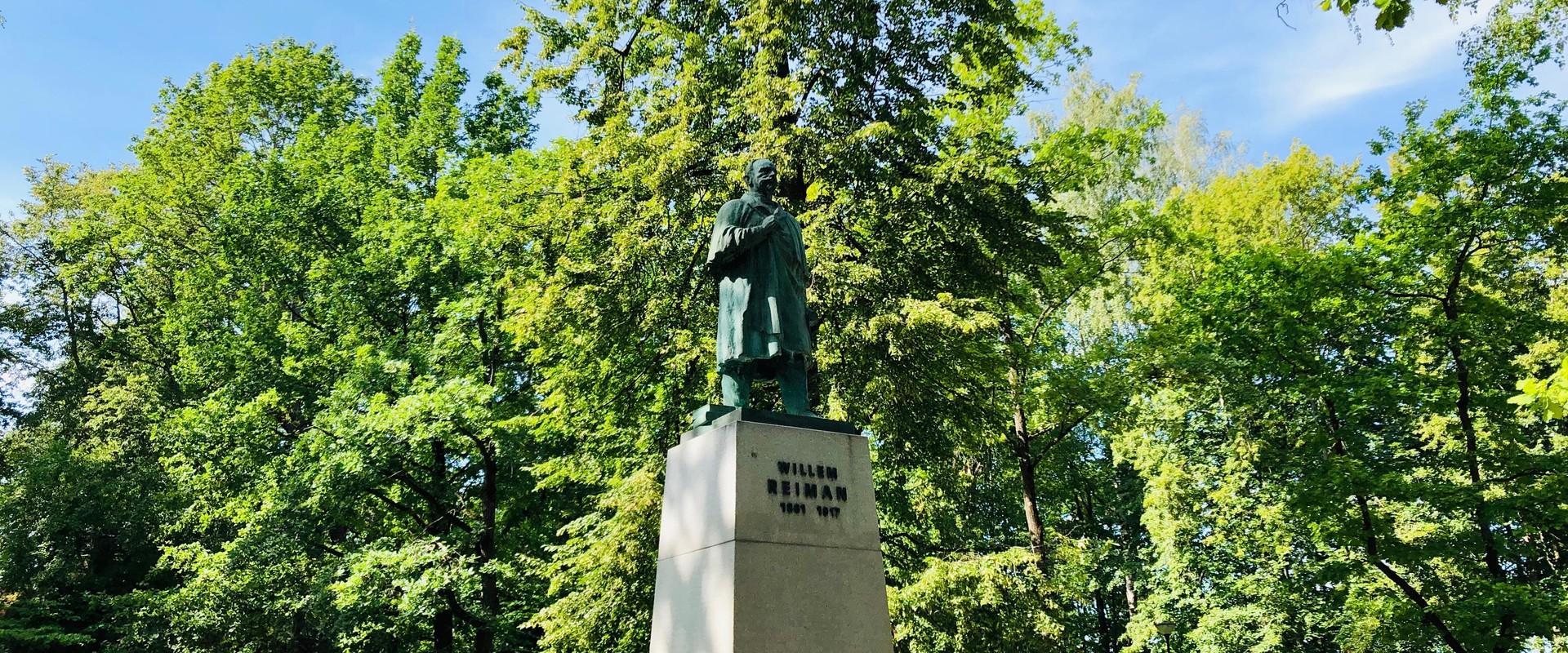
The new monument to Villem Reiman (1861-1917) was opened in 2004 and its author is Mati Varik.Villem Reiman was a pastor and a cultural persona who fought for the independence of the Estonian people as a figurehead of the Estonian national movement.

  • Monuments

Monument to Hugo Treffner

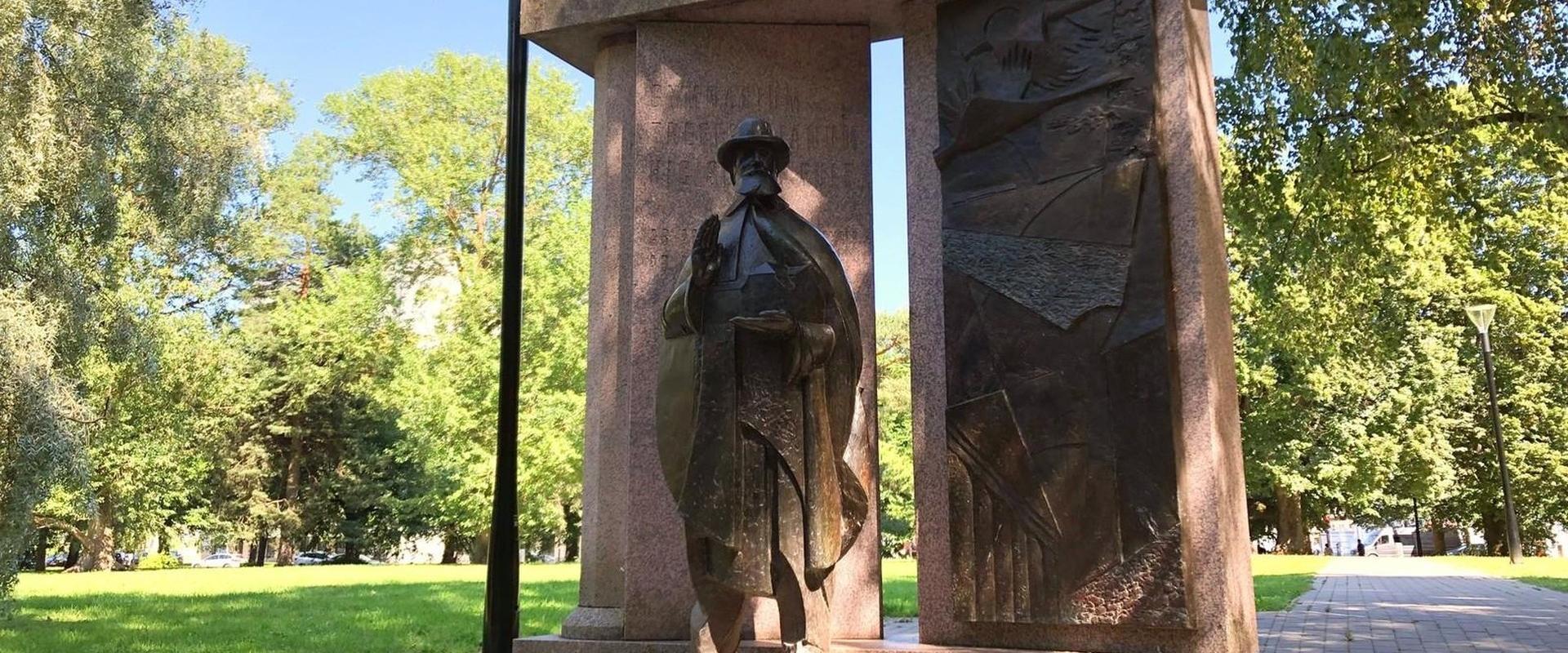
Hugo Treffner (1845–1912) was an Estonian cultural figure and the founder of Hugo Treffner Gymnasium. The school still operates in Tartu (it was called the Tartu 1st Upper Secondary School during the Soviet era), on the wall of which is also the bas-relief of the first school principal Treffner on Rüütli tänav. It is considered one of the elite schools in Estonia.The monument erected in honour of Hugo Treffner is located on the bank of the Emajõgi River in the western part of Ülejõgi Park, on the site of the former Hugo Treffner private school. The authors of the monument are sculptor Mati Karmin and architect Tiit Trummal. The monument was opened on 25 May 1997.Hugo Treffner's grave is in Tartu, in the Uus-Jaani cemetery.

  • Monuments

Monument to Eduard Tubin

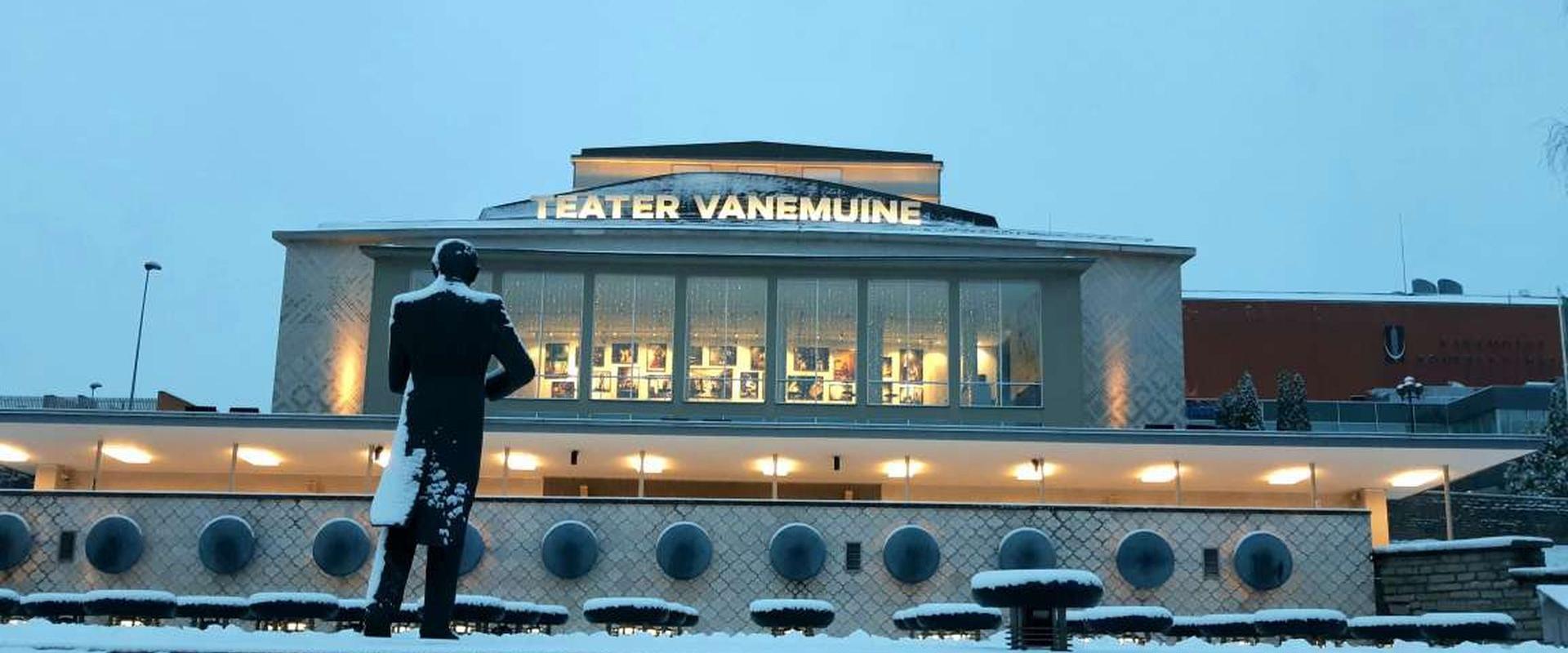
The monument to the most renowned Estonian symphonist of all times Eduard Tubin stands on the slope by the Vanemuine Theatre (authors A Vahtrapuu, V Valk, sound installations created by Louis Dandrel). Come and see how the well-known Estonian conductor and composer conducts an imaginary orchestra and listen to sound installations of the works of Eduard Tubin.

  • Monuments

Cornflower – Monument to the Victims of Stalinism

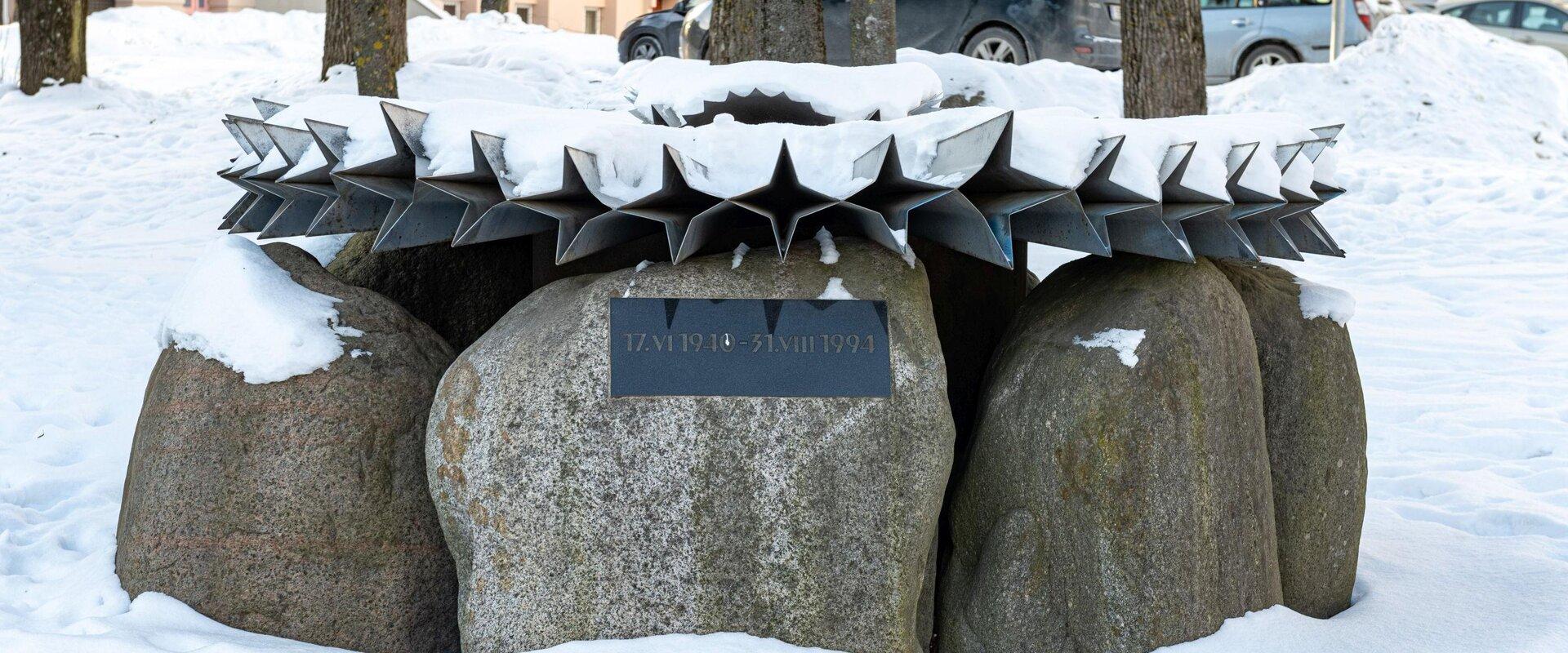
The Cornflower (or Broken Cornflower) memorial to the victims of Stalinism was established in 1990 and its author is P. Saar.On top of the granite boulders is a broken cornflower (Estonian national flower). Black stripes run through the grey stone parquet of the square. They depict the railway tracks that symbolise deportation to Siberia. The waterworks of the monument make it possible for water to drip off the petals of the cornflower, like tears.The monument, which was initially erected on the corner of Riia and Pepleri streets in Tartu by the association of freedom fighters Memento, was reopened in its new spot at Pepleri 27. The monument is located next to the grey building. During the Soviet era, a KGB remand prison was located there, where the deportation of many Estonians to Siberia began.

  • Monuments

Horse monument in Luunja

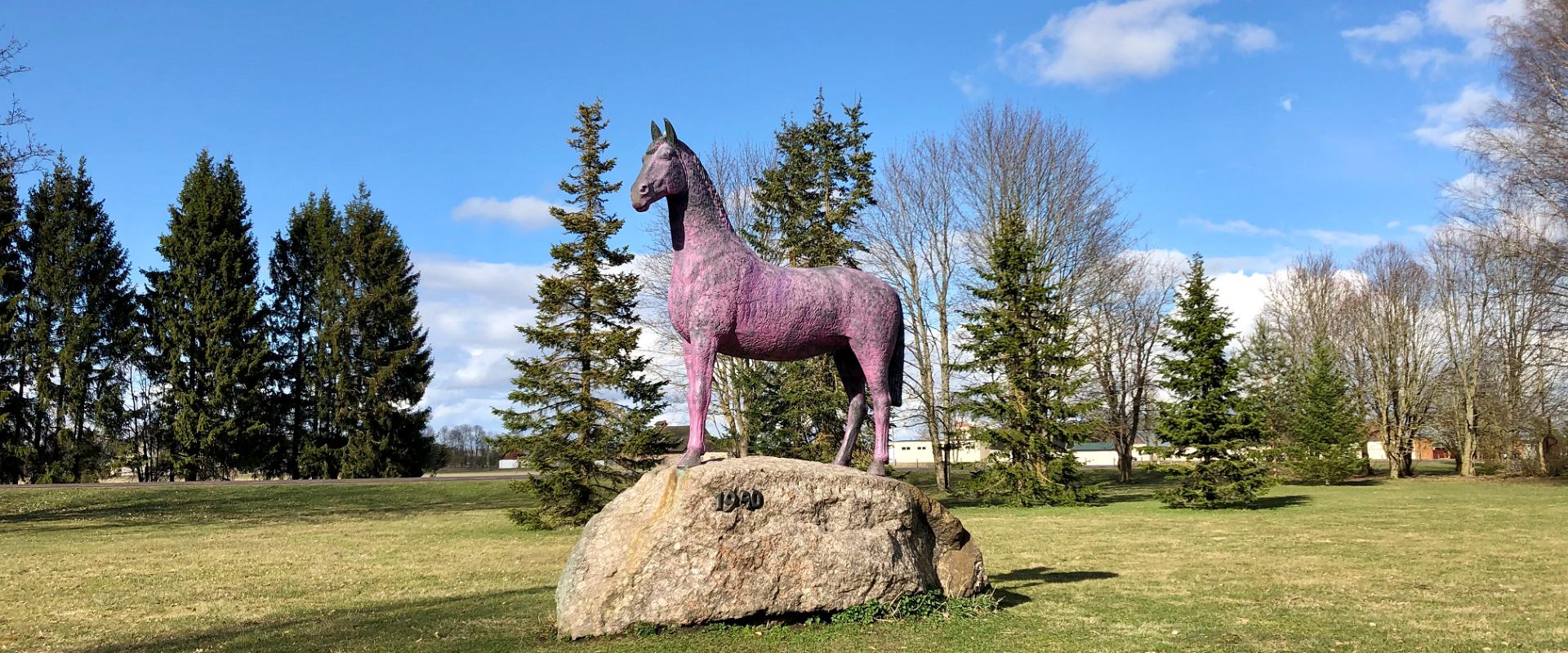
On 1 May 1990, the 70th anniversary of the state farm was celebrated in Luunja. As horse breeding and horseback riding are traditional in the Luunja rural municipality and horses are still bred in the manor, a monument was erected there to celebrate man’s best friend in agriculture – the horse. The author of the bronze horse monument is Endel Taniloo.On the night of 19 June 2017, the sculpture was painted purple. It is not known who did it. According to folk tradition, the horse became so angry it turned purple because in the course of the administrative reform, Luunja rural municipality almost had to join the city of Tartu. Fortunately, the rural municipality was able to maintain its independence.

  • Collaboration
  • News
  • Contacts
  • Privacy Policy
Join our mailing list!

"*" indicates required fields

This field is for validation purposes and should be left unchanged.
I authorise marketing

Southern Estonian Tourism Cluster

info@visitsouthestonia.com