• Explore
    • Nature
    • Culture
    • Food
    • Family
    • Activity
    • Blog
  • Plan
    • Tourist info
    • Accommodation
  • For professionals
    • For professionals
    • Collaboration
    • News
    • Projects
    • Training
    • Repository
    • Community (opens in new tab)
    • Contacts
ENG
  • EnglishENG
  • EestiEST
  • LatviešuLAT
  • РусскийRUS
  • SuomiFIN
ENG
  • EnglishENG
  • EestiEST
  • LatviešuLAT
  • РусскийRUS
  • SuomiFIN
Popular searches:
Show all
  • History & Culture
  • Art & design
  • Monuments

Horse monument in Luunja

Puiestee tn 3a, Luunja vald, Tartu maakond, 62222

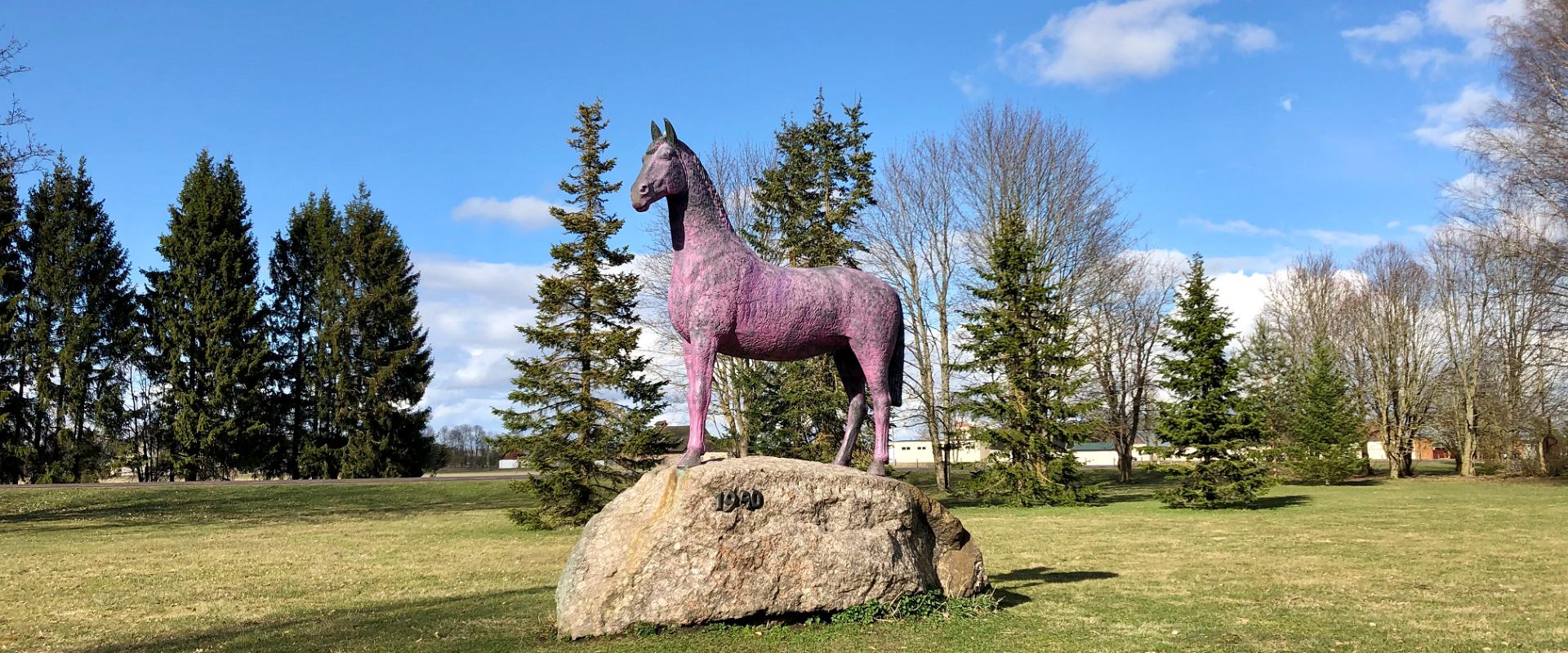
On 1 May 1990, the 70th anniversary of the state farm was celebrated in Luunja. As horse breeding and horseback riding are traditional in the Luunja rural municipality and horses are still bred in the manor, a monument was erected there to celebrate man’s best friend in agriculture – the horse. The author of the bronze horse monument is Endel Taniloo.On the night of 19 June 2017, the sculpture was painted purple. It is not known who did it. According to folk tradition, the horse became so angry it turned purple because in the course of the administrative reform, Luunja rural municipality almost had to join the city of Tartu. Fortunately, the rural municipality was able to maintain its independence.
Open times

Throughout the Year

Around the Clock

Contact

  • +372 741 7319
  • vald@luunja.ee

Links

See more

  • Monuments

Monument of Nations

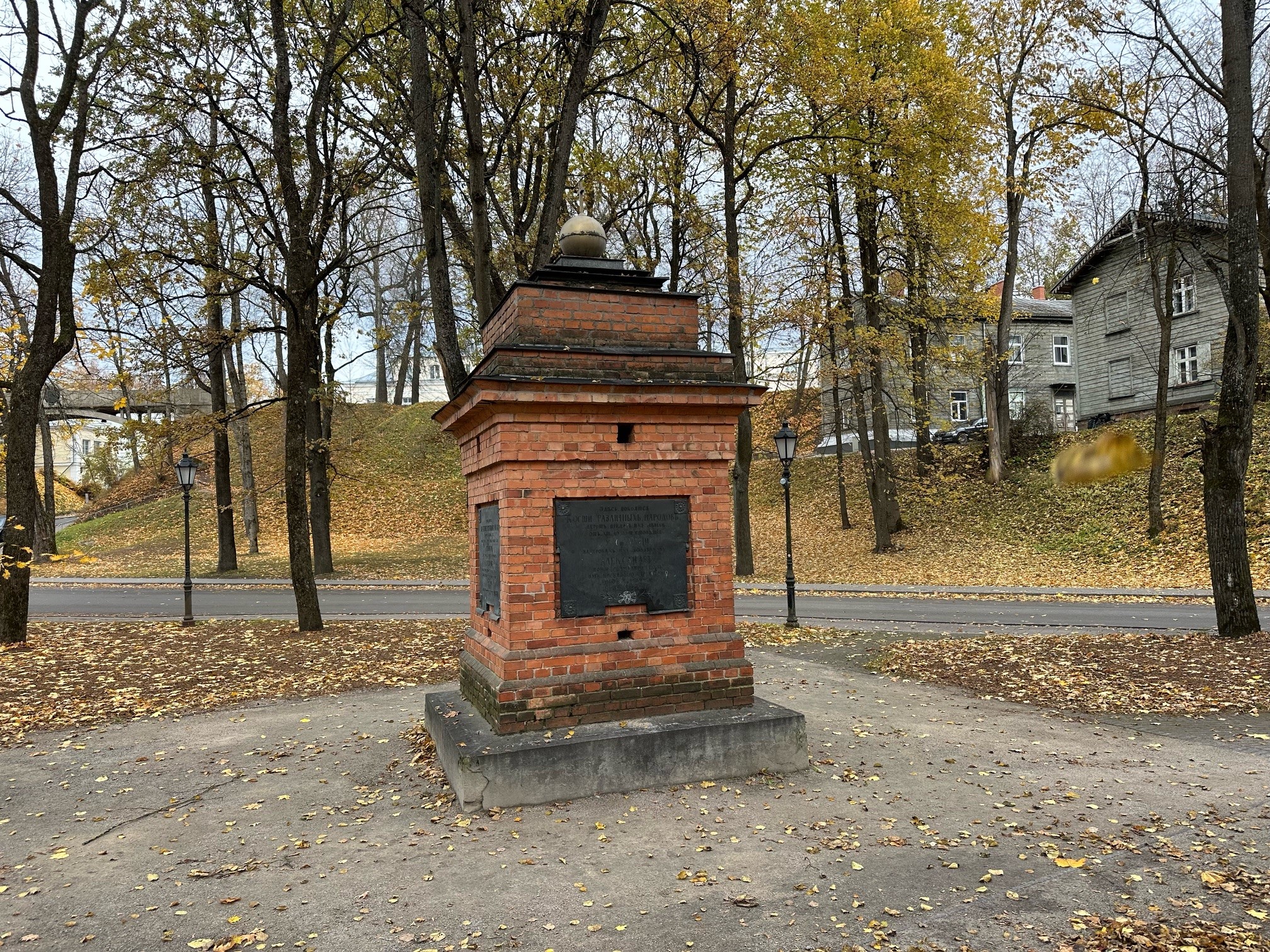
The Monument of Nation is the oldest monument in Tartu. The bones buried under the floor and in the cemetery of St Mary’s Church were found when the main building of the University of Tartu was built on the former site of the church. In 1806 they were reburied in Toomeorg near Vallikraavi Street and the small square Monument to People, which was created according to the drawings of J W Krause and resembles the tomb monuments of Asia Minor (Lykia), was erected there in 1811. The human bones found in the course of archaeological work in the cellars of the main building of the University of Tartu were buried by the monument’s side that faces street on 20 September 1985. A case with information was also buried in the grave.

  • Monuments

Monument to the War of Independence in Misso

A monument to those, who fell in the War of Independence, was opened in Misso on 26 May 1935, and the activities of the 1st cavalry regiment in the battles of the War of Independence were immortalised. The monument was demolished in 1945.The reconstructed monument was reopened on 27 August 1989. The granite pillar placed on a base of quarry-stones is 2.5 m tall. Its main side has the symbol of the cavalry unit along with the text “Here, the 1st cavalry regiment fought in the War of Independence on 19 April 1919”. In front of the monument, there are six granite plates with the names of those that fell.A monument to World War II is erected only a few steps from the Monument to the War of Independence.

  • Monuments

Petseri Statue of Liberty

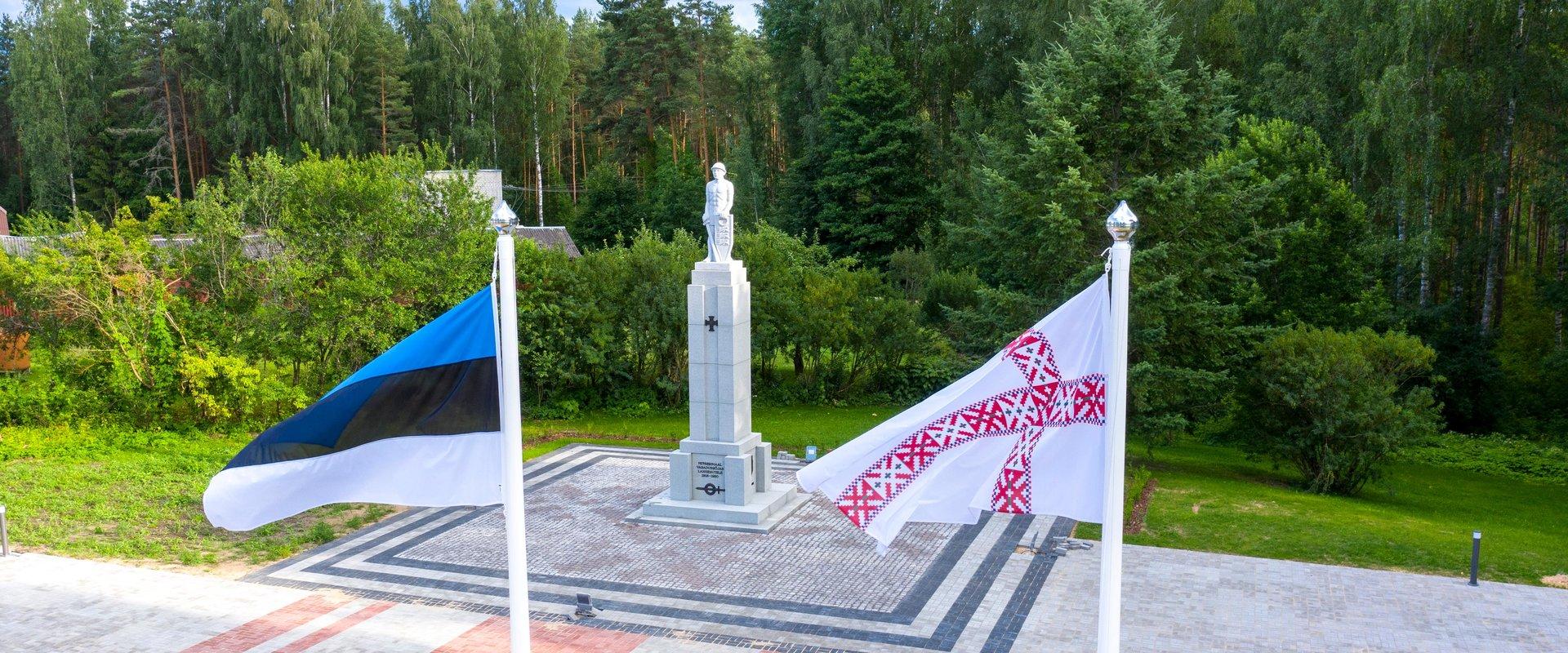
The statue for those who perished in the War of Independence in Petseri county stands on the Statue of Liberty Square in Värska. The monument designed by sculptor Roman Haavamägi was supposed to be erected in the heart of the town of Petseri in the summer of 1940, but due to the Soviet occupation that started, the plan was abandoned. Only 80 years later, in 20 July 2020, the restored statue was opened here in Setomaa. The soldier figure was modelled and shaped in granite on the basis of photos by sculptor Tiiu Kirsipuu.The Statue of Liberty of Petseri was erected in remembrance of those nearly 350 Estonian soldiers who fell in the War of Independence in Petseri County, as well as the importance of the Tartu Peace Agreement for the Setos.

  • Monuments

Monument to Barclay de Tolly

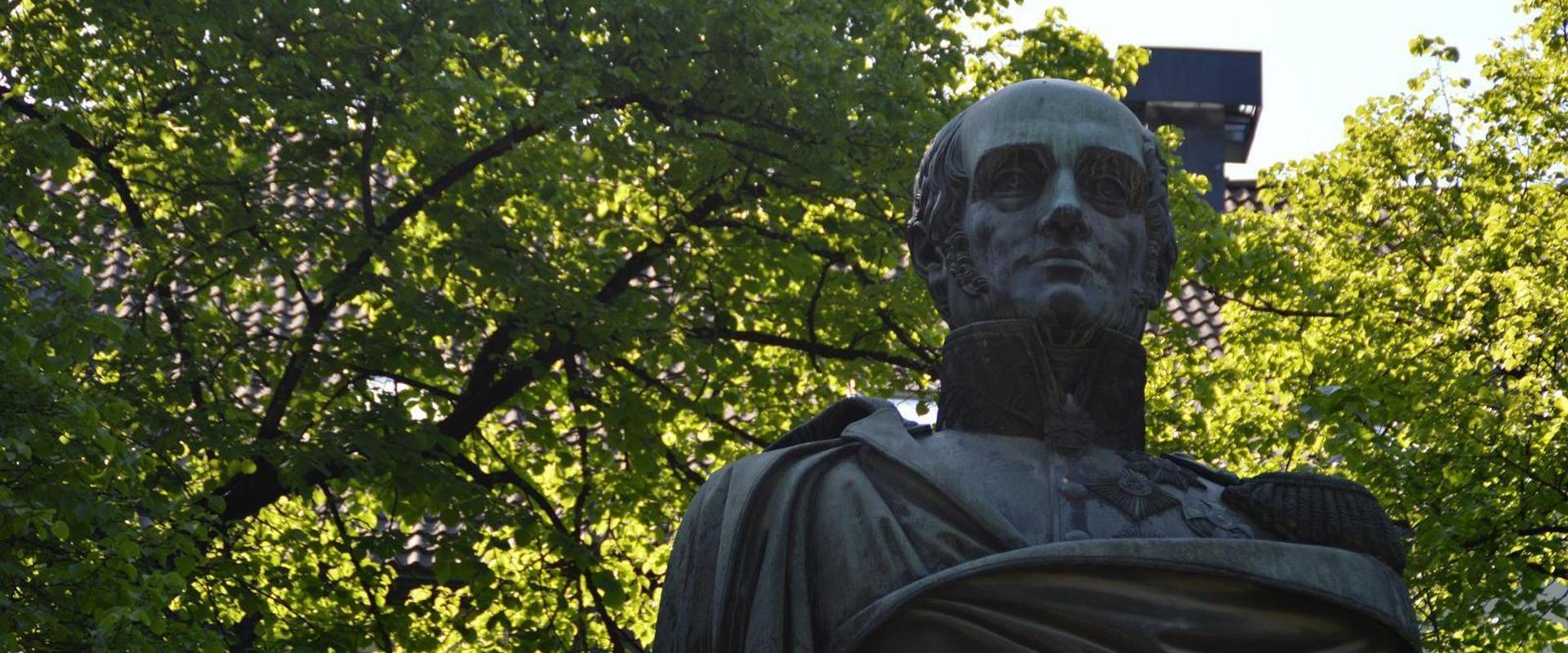
Prince Michael Andreas Barclay de Tolly (1761–1818) was a Russian military commander and a field marshal general. Barclay de Tolly (Russian: Mikhail Bogdanovich Barclay de Tolly) was descended from a family of Baltic nobility. As a Russian military commander, Barclay de Tolly displayed talent and courage in several battles for which he was awarded 14 decorations. Barclay de Tolly has been awarded the Order of St. George (1st class), the title of a Count, the rank of a Field Marshal General, and the title of a Prince.The monument was erected in 1849. The authors are V. Demut-Malinovski and A. Stsedrin. Barclay de Tolly is buried in his family tomb in Jõgeveste.

  • Monuments

Monument to Jaan Tõnisson

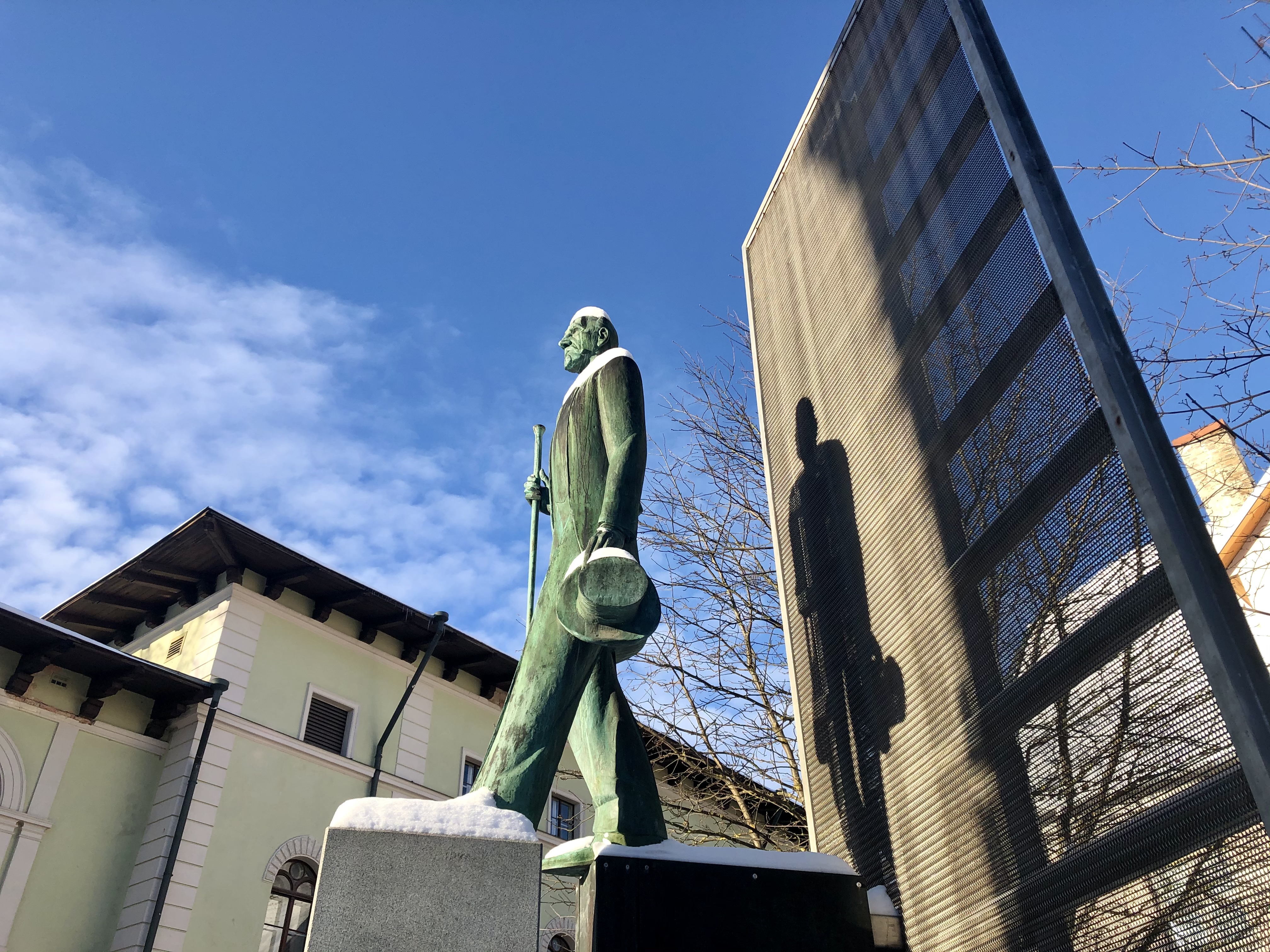
The monument to the legendary Estonian statesman and journalist Jaan Tõnisson was established in 1999. Its authors are Mati Karmin and Tiit Trummal. Jaan Tõnisson was a legendary statesman and journalist who was prime minister from 1919 to 1920, the head of state from 1927 to 1928 and in 1933, the owner of the Postimees newspaper from 1896 to 1930 and the editor-in-chief of the Postimees from 1896 to 1935. Tõnisson was made an honorary citizen of Tartu in 1939.

  • Monuments

Friedrich Georg Wilhelm Struve Monument

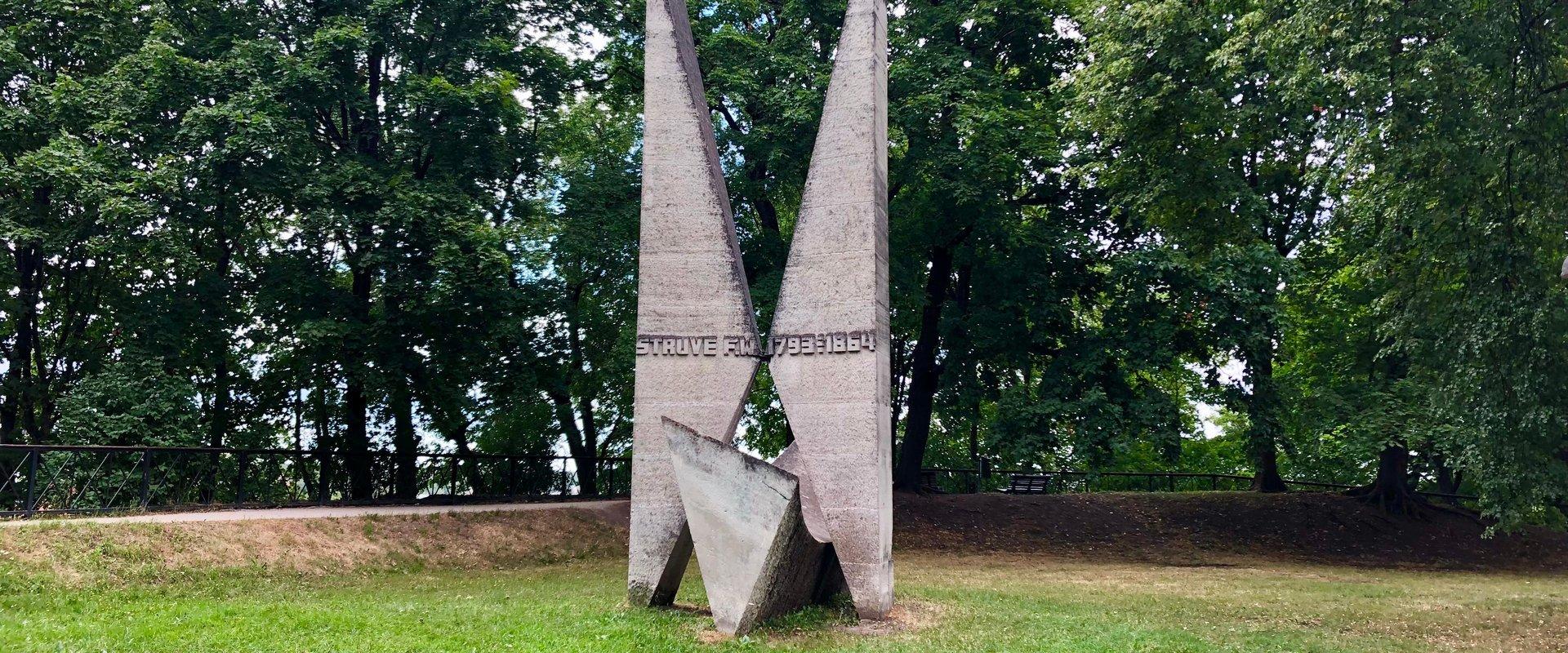
Opened in 1969, the Struve Monument is dedicated to the former director of the Tartu Observatory, Fr. G. W. Struve (15 April 1793 – 23 November 1864), a Russian astronomer and geodesist of German origin. Under his leadership, the meridian arc was measured between 1816 and 1855 to determine the shape and size of the globe.The monument is an abstract work, inspired by the spirit of its era, reflecting the pursuit of the human race into space. The lower part of the sculpture is a sundial and the upper part is an hourglass. The authors of the monument are Olav Männi and Udo Ivask.The Struve street and the geodetic arc are also dedicated to him in Tartu.

  • Monuments

Monument to Juri Lotman

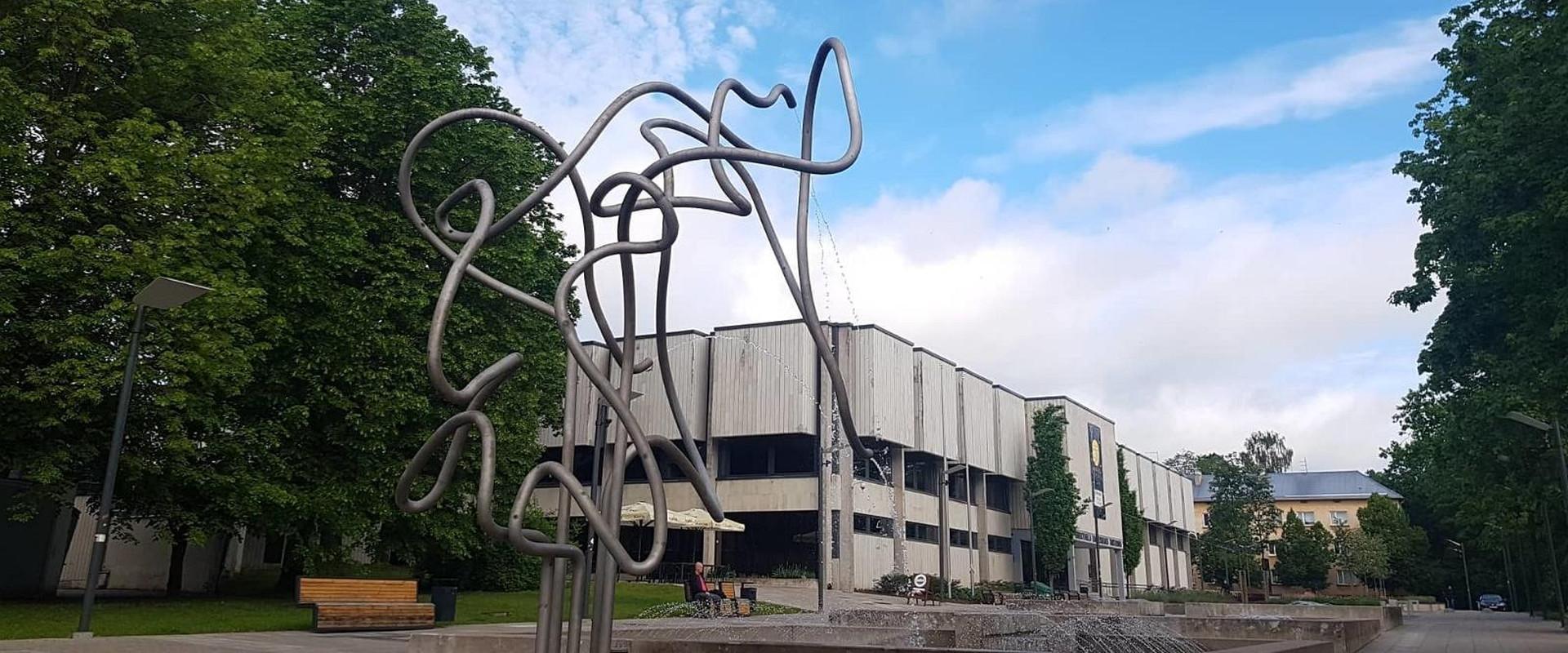
The long-serving professor of the University of Tartu was one of the brightest scientists in 20th century Tartu. Lotman studied the history of Russian literature and culture and general regularities of culture. He laid the foundation of cultural semiotics and was the founder of the Tartu-Moscow school of semiotics. The monument to the world-famous culturologist and semiotician, which consists of pipes, water and light, was opened on 6 October 2007. The idea for the sculpture made of 15 m of steel pipe is based on the self-portrait of Juri Lotman. Authors of the monument: Mati Karmin, architect Andres Lunge.

  • Monuments

Monument to Hugo Treffner

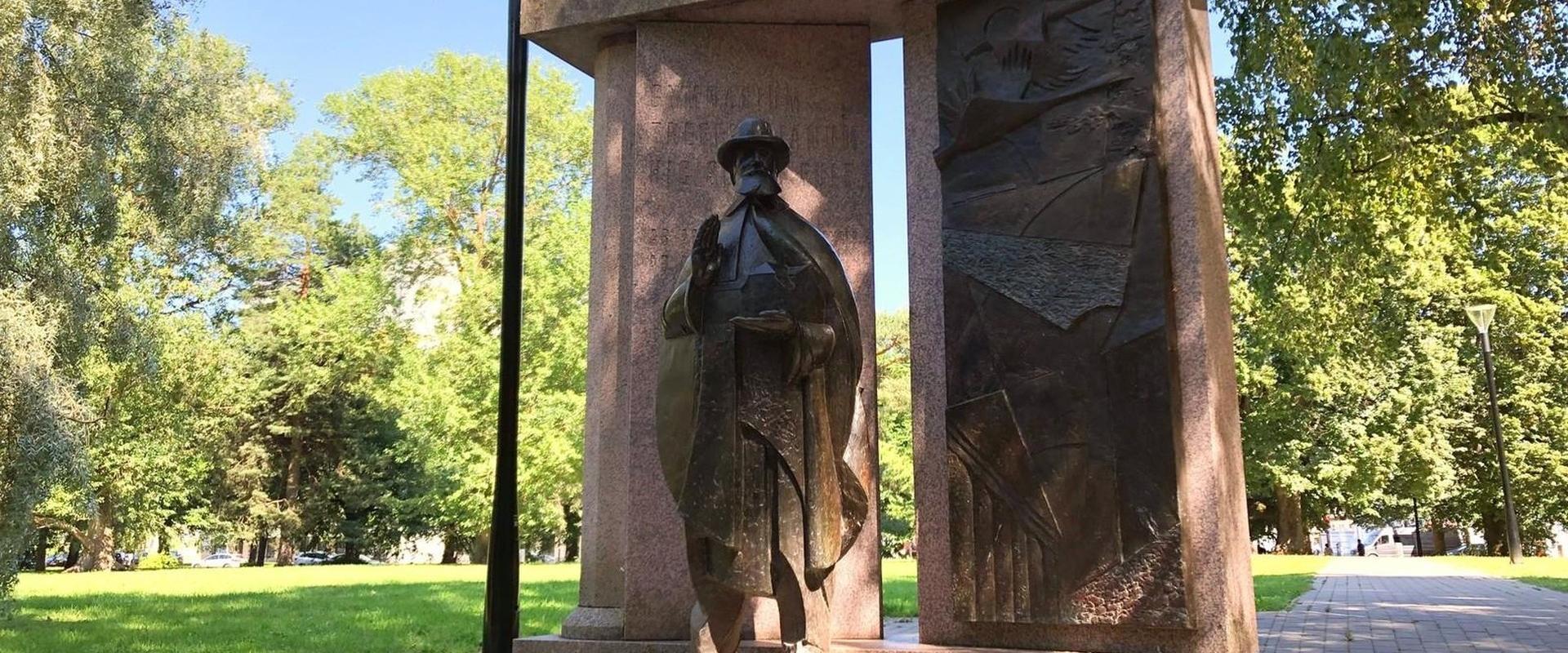
Hugo Treffner (1845–1912) was an Estonian cultural figure and the founder of Hugo Treffner Gymnasium. The school still operates in Tartu (it was called the Tartu 1st Upper Secondary School during the Soviet era), on the wall of which is also the bas-relief of the first school principal Treffner on Rüütli tänav. It is considered one of the elite schools in Estonia.The monument erected in honour of Hugo Treffner is located on the bank of the Emajõgi River in the western part of Ülejõgi Park, on the site of the former Hugo Treffner private school. The authors of the monument are sculptor Mati Karmin and architect Tiit Trummal. The monument was opened on 25 May 1997.Hugo Treffner's grave is in Tartu, in the Uus-Jaani cemetery.

  • Collaboration
  • News
  • Contacts
  • Privacy Policy
Join our mailing list!

"*" indicates required fields

This field is for validation purposes and should be left unchanged.
I authorise marketing

Southern Estonian Tourism Cluster

info@visitsouthestonia.com