• Avasta
    • Еда
    • Природа
    • Культура
    • Семья
    • Спорт
    • Сообщество
    • Блог
  • Planeeri
    • Размещение
    • Информация
    • Varamu
RUS
  • РусскийRUS
  • EestiEST
  • EnglishENG
  • LatviešuLAT
  • SuomiFIN
RUS
  • РусскийRUS
  • EestiEST
  • EnglishENG
  • LatviešuLAT
  • SuomiFIN
Populaarsed otsingud:
Näita kõiki tulemusi
  • History & Culture
  • Art & design
  • Monuments

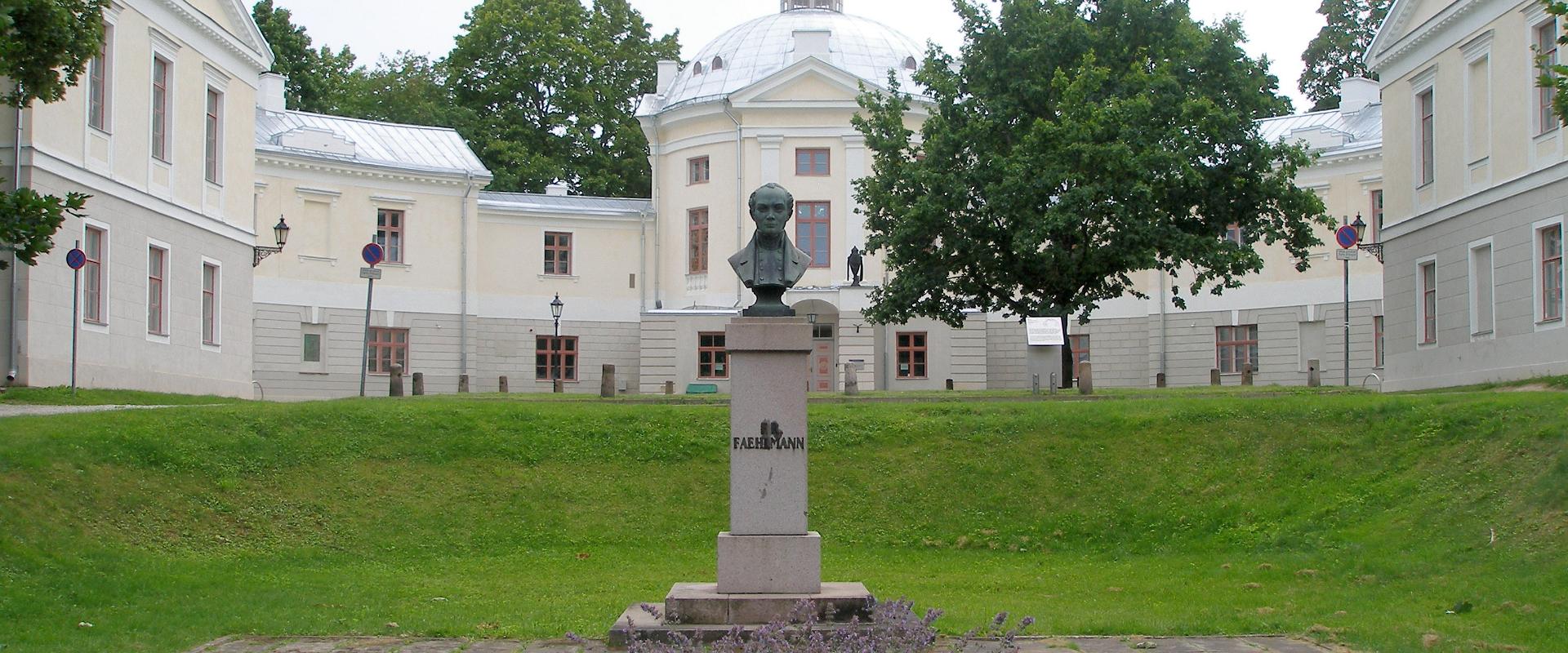
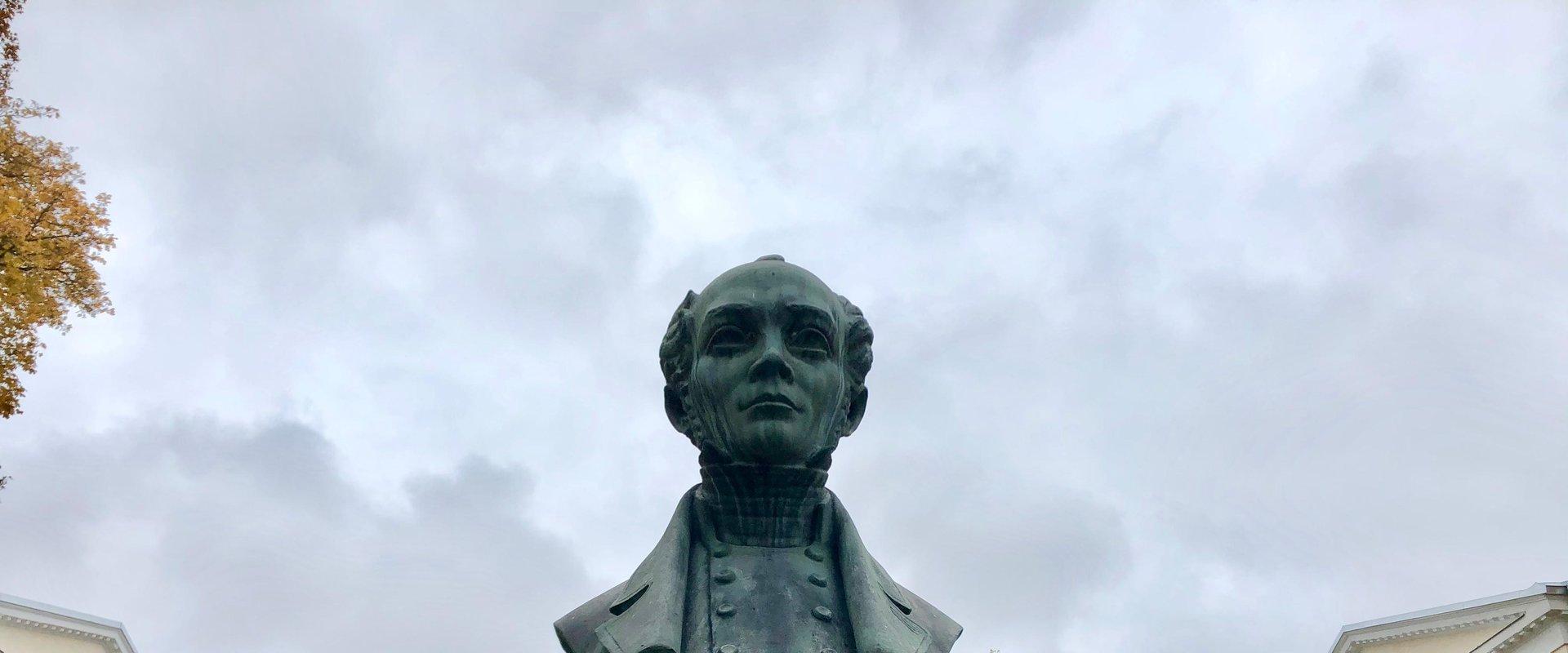
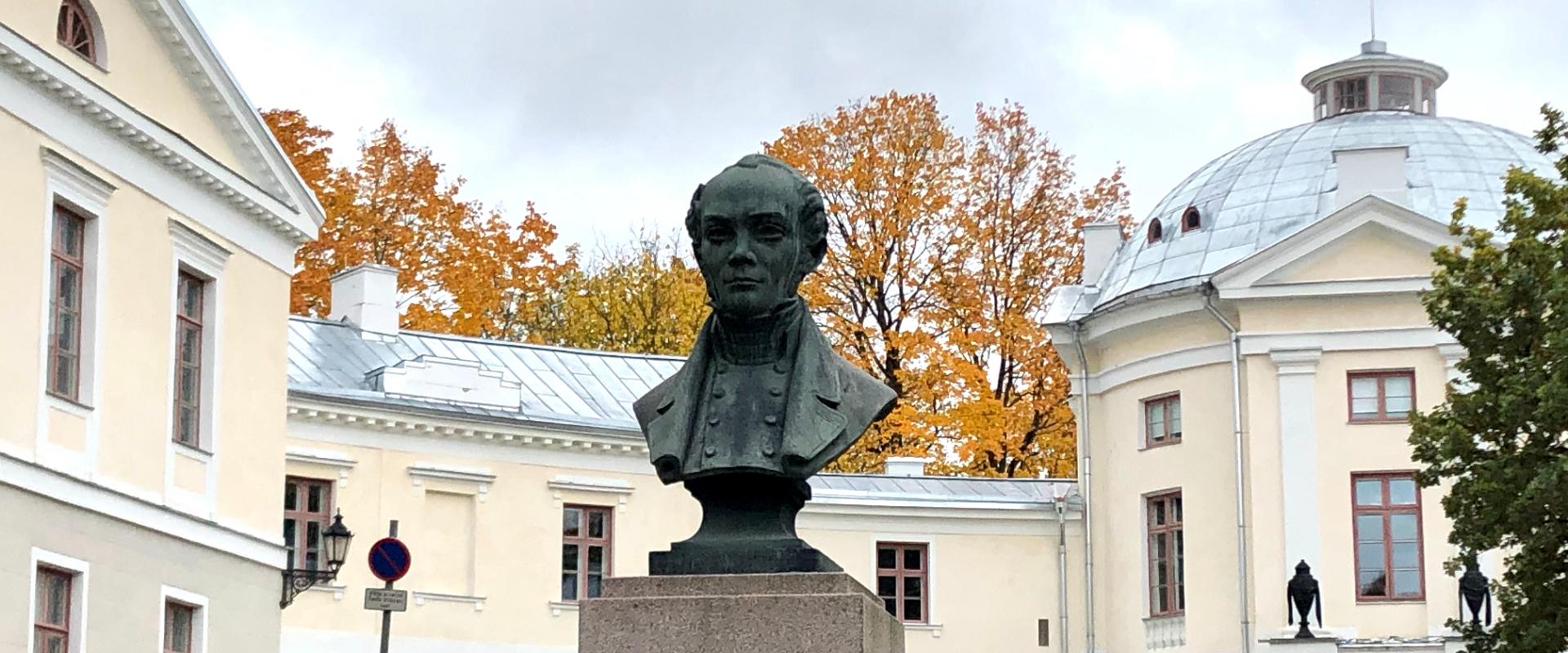
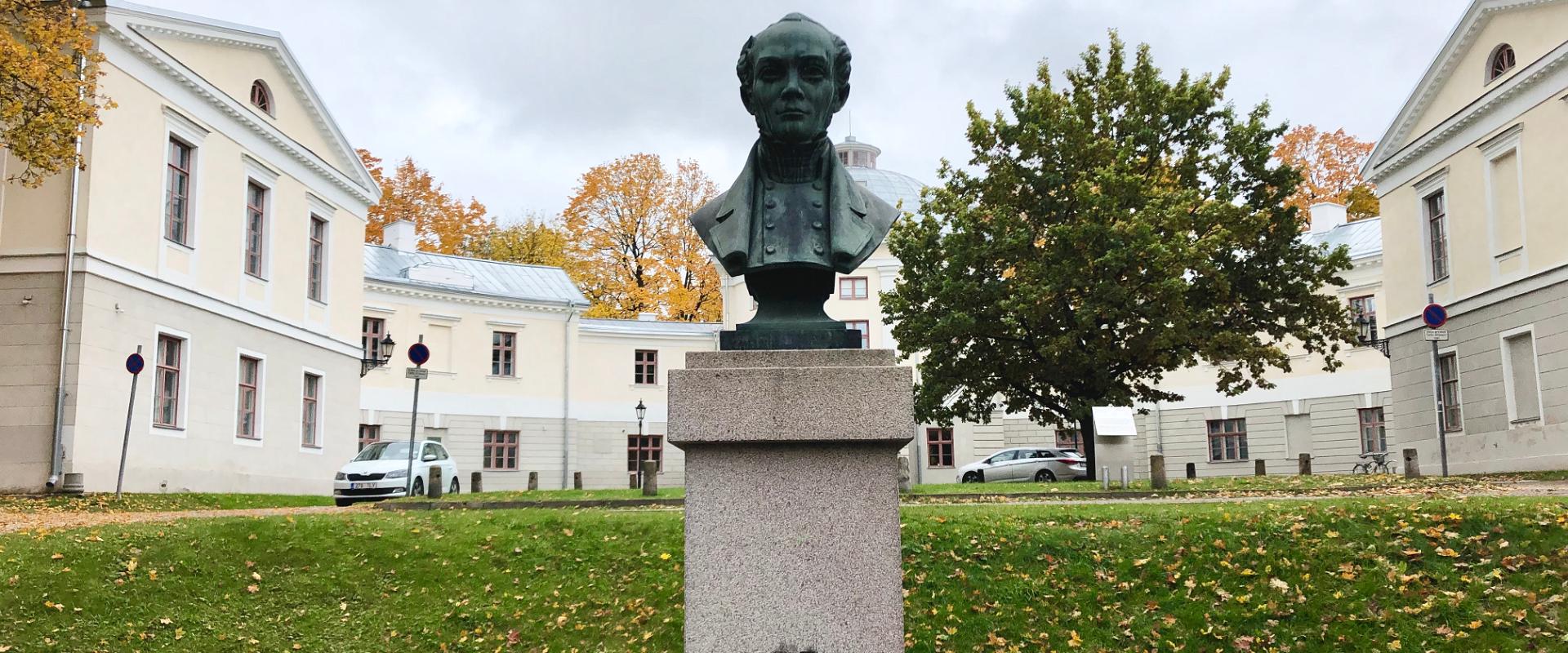
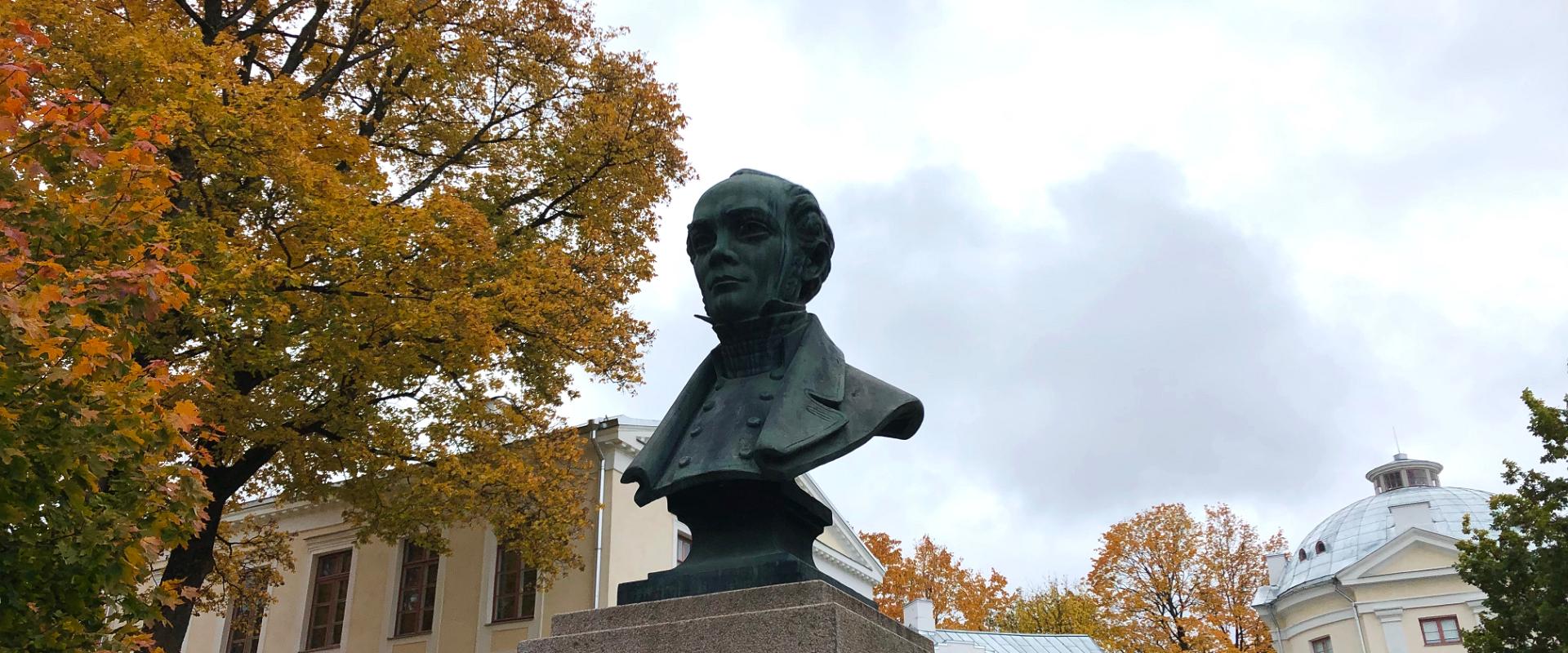
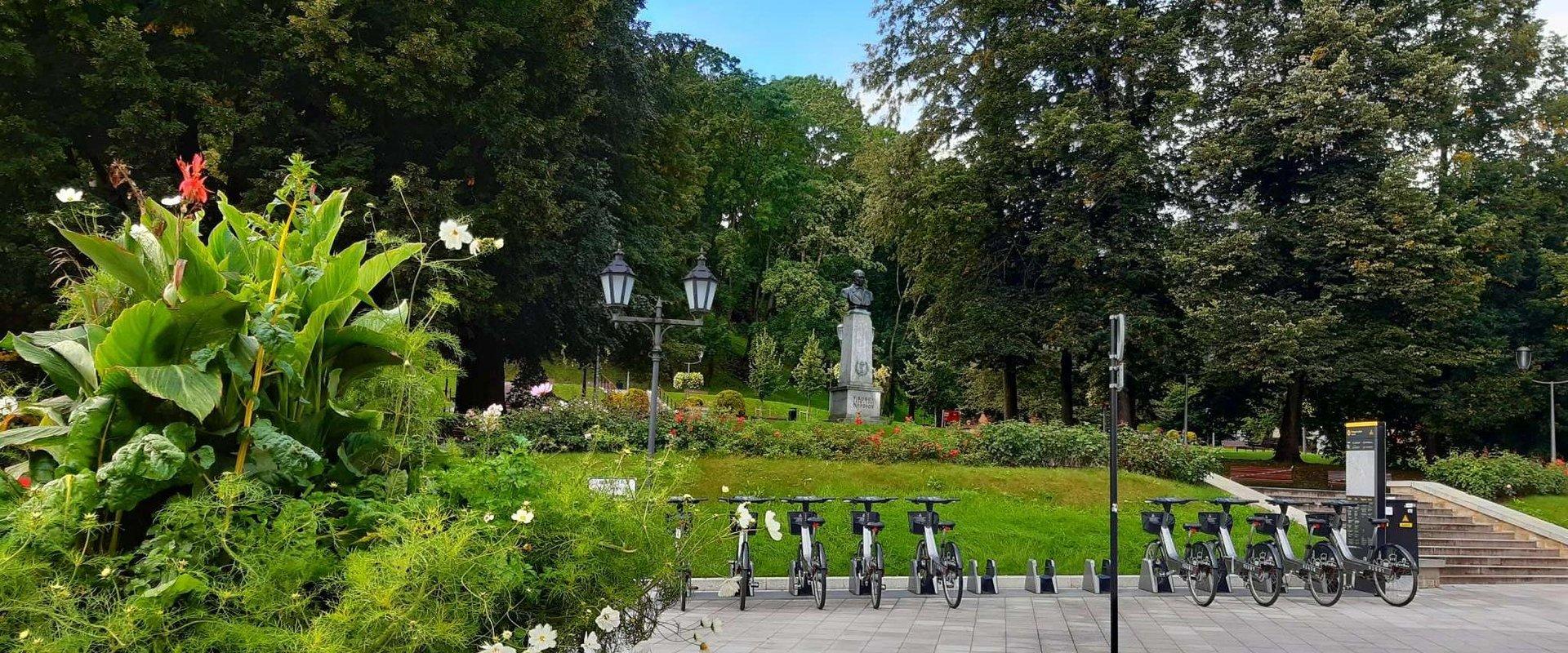
Monument to Friedrich Robert Faehlmann

Uppsala tn 2, Toomemäe park, Tartu linn, Tartu maakond, 51003

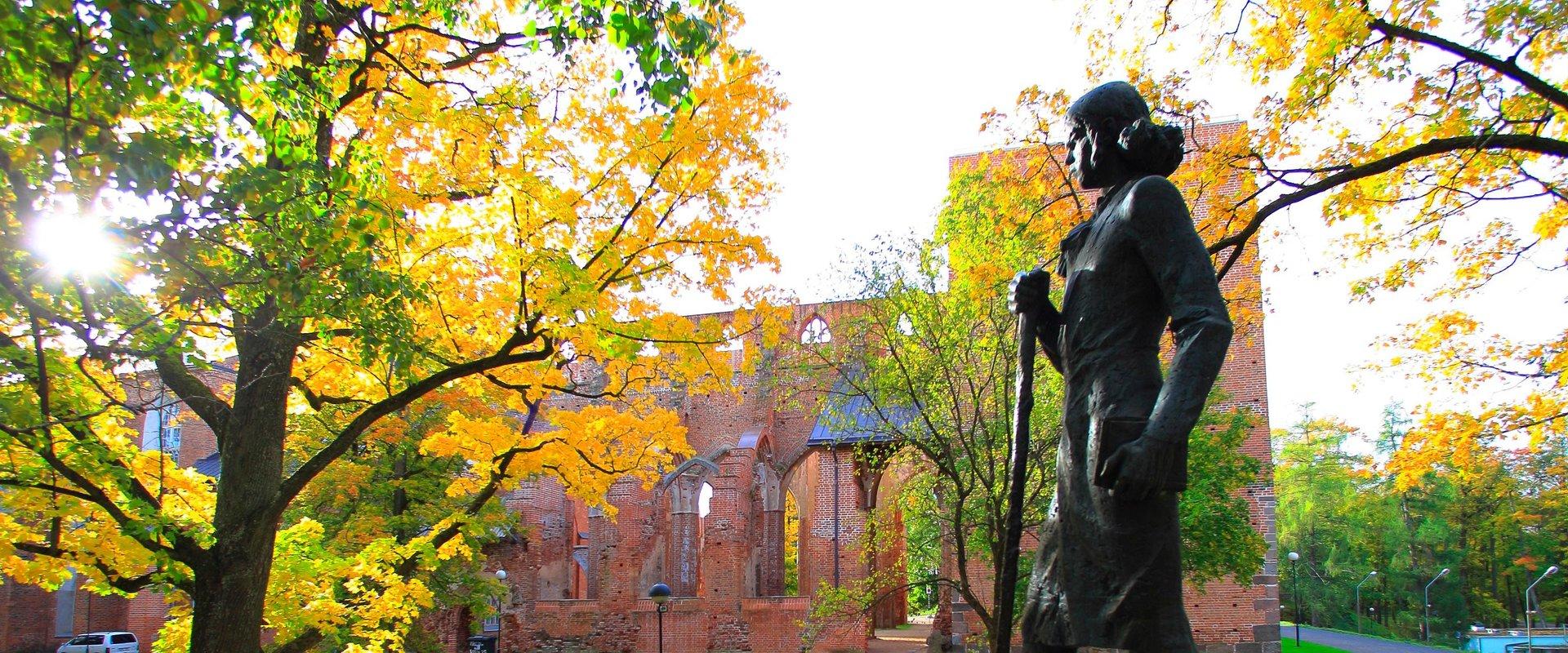
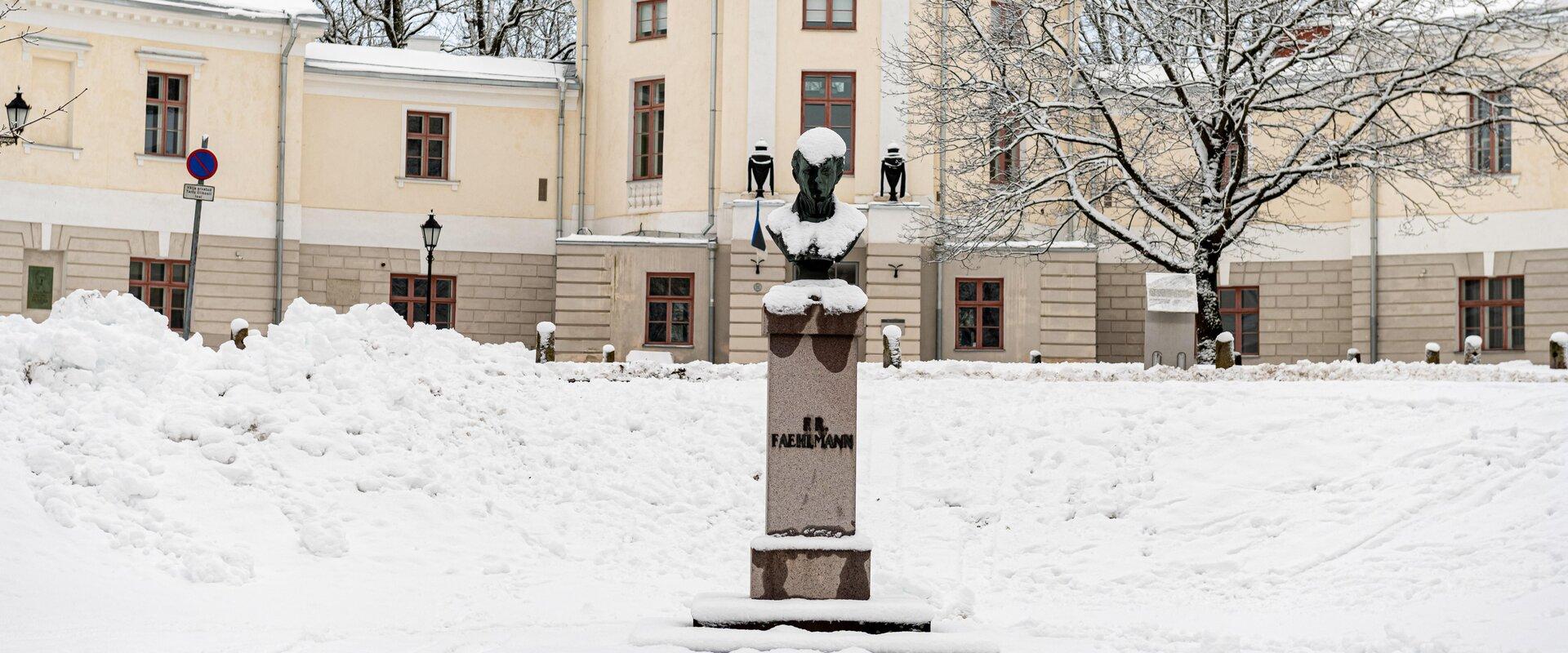
The monument to Friedrich Robert Faehlmann – a bronze bust on a pillar of local grey granite – was opened in front of the Old Anatomical Theatre at Toomemägi, Tartu, on 18 May 1930. Friedrich Robert Faehlmann (1798 — 1850) was one of the founders of Estonian national literature, a physician and a democrat. He studied in Rakvere District School, Tartu Upper Secondary School and the Faculty of Medicine in the University of Tartu. Faehlmann worked as a physician in Tartu from 1824. He worked in the Old Anatomical Theatre. He was a lector of the Estonian language in the university and sometimes also gave lectures in pharmacology and prescriptions.
Lahtiolekuajad

Aastaringselt

Ööpäevaringselt

Lingid

Vaata lisaks

  • Monuments

Monument to Nikolai Pirogov

The monument to the physician who studied and became a professor in Tartu was completed in 1952. The authors of the monument are J Raudsepp, A Mölder, P Tarvas, A Volberg.Nikolai Pirogov was the founder of experimental surgery, topographic anatomy and field surgery. His work made the surgeries performed in Tartu famous all over Russia and also abroad.

  • Monuments

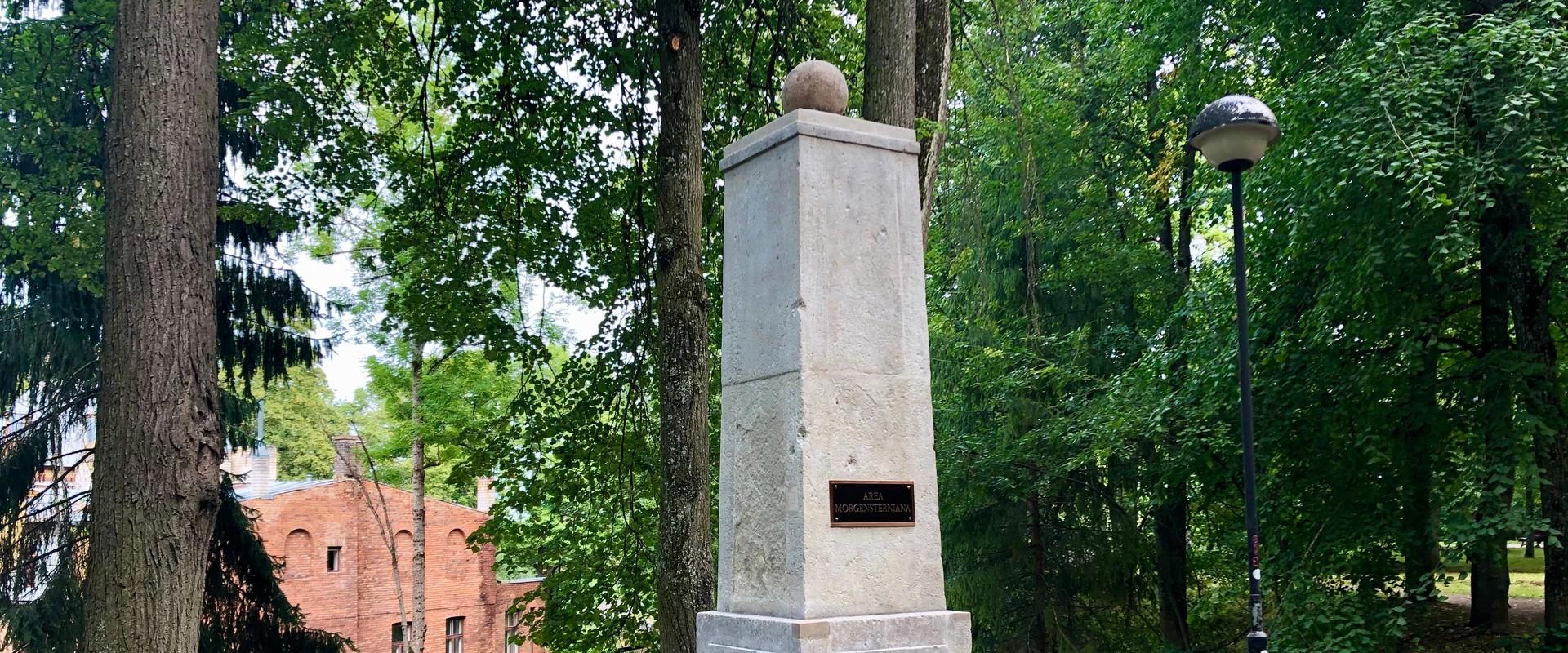
Monument to Johann Karl Simon Morgenstern

The university erected this monument to its long-serving professor K Morgernstern.Johann Karl Simon Morgenstern (1770-1852) was a German scholar who was a professor of eloquence and classic philology, aesthetics, literary and art history in the University of Tartu from 1802 to 1836. He was one of the founders and the first director of the University of Tartu Library (1802-1839). He founded the Museum of Art of the University of Tartu in 1803.

  • Monuments

Monument to Kristjan Jaak Peterson

Kristjan Jaak Peterson (14 March 1801 – 4 August 1822) was an Estonian writer who is considered to be the founder of Estonian national literature.He studied in the Faculty of Theology and Philosophy of the University of Tartu from 1819 to 1820. He called himself a singer of the country people, appreciated the national features of literature, and thought that the creation of original Estonian literature was possible.There is a bronze monument to him on Toomemägi, which was completed in 1983 by J. Soans and A. Murdmaa, and a high school named after him in Tartu.On the writer's birthday, 14 March, we celebrate Mother Tongue Day.Fun fact: Peterson walked from Tartu to Riga more than 200 years ago due to lack of money.

  • Monuments

Estonian War of Independence cemetery and monument at Võru cemetery

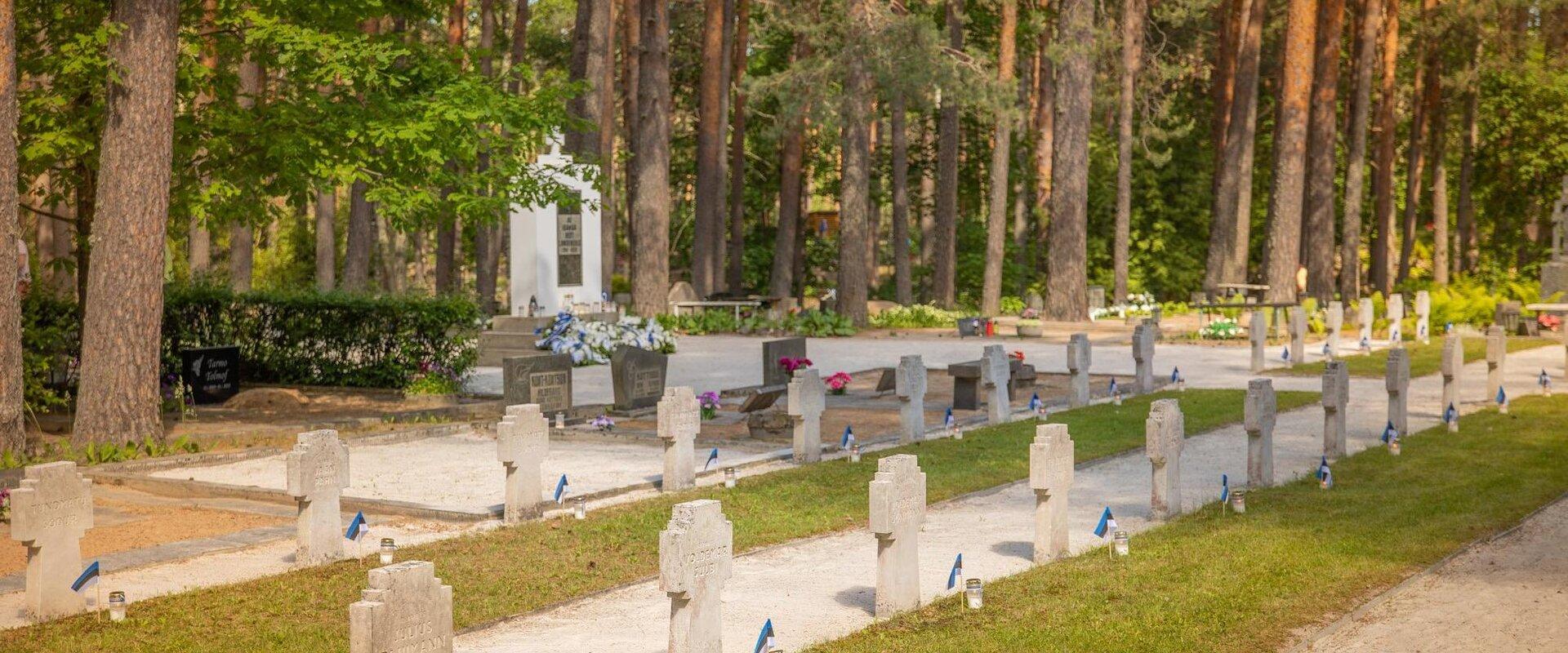
Those who fought and were killed in the Estonian War of Independence are buried here. The War of Independence started in November 1918 when Soviet Russia invaded the Republic of Estonia and ended on 2 February 1920 with the signing of the Tartu Peace Treaty. The monument was destroyed during the Soviet occupation. In 1987 the society Vaba Sõltumatu Noorte Kolonn Nr 1 (Free Independent Youth Fleet No. 1) started to clean up the graves of those who were killed in the War of Independence and the monument was reopened on 23 June 1988. In 2002 the city government of Võru started to renovate the burial ground. The monument erected by the Youth Fleet was torn down, but the slab and cross made by the fleet were used on the new monument.

  • Monuments

Kalevipoeg – War of Independence Monument

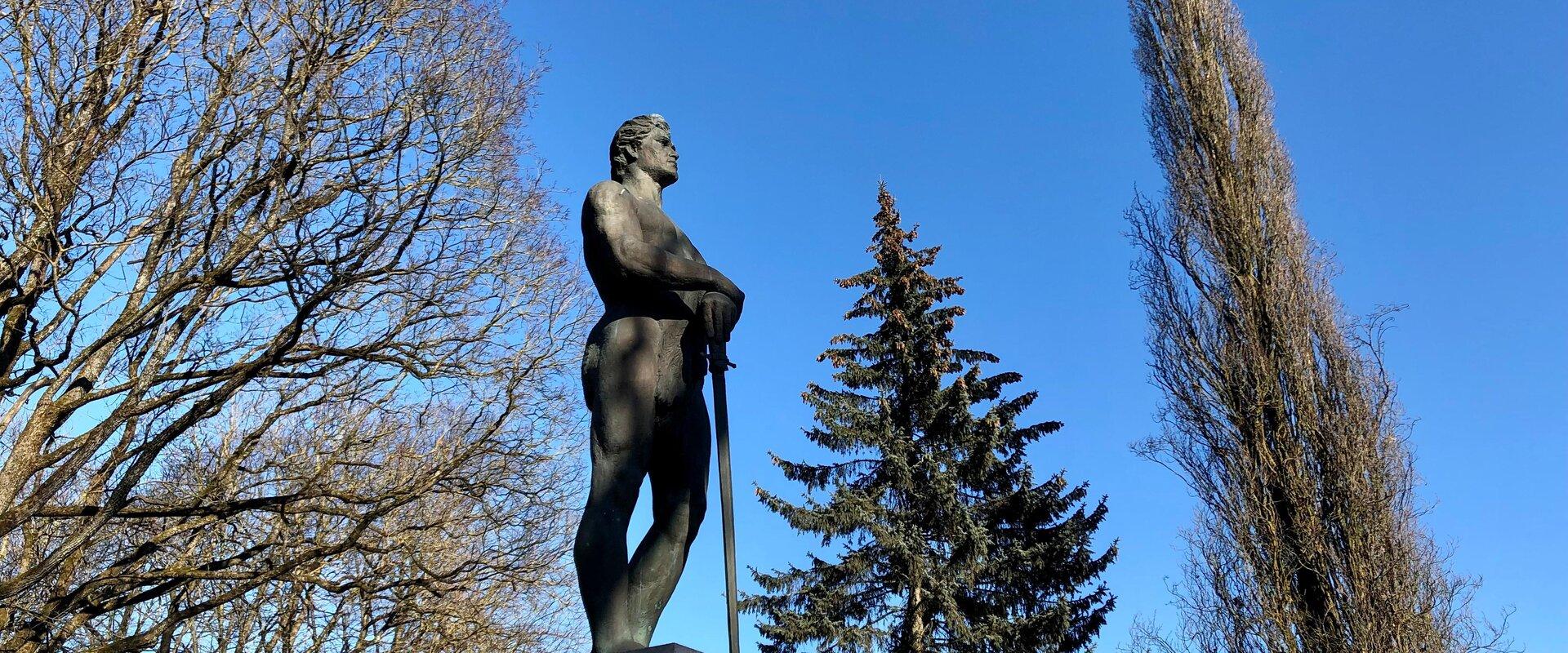
Kalevipoeg is the Estonian national epic about the adventures of the hero called Kalevipoeg.In 1950, the memorial Kalevipoeg, which was dedicated to the soldiers who lost their lives in the War of Independence, was taken down by the occupying power. The monument was built by Amandus Adamson. In 1952, the monument to Kreutzwald, the Father of Song, was erected at the same location. Discussions over restoring the memorial Kalevipoeg were held since 1988, but in 2002, when the exhibition ‘Kalevipoeg in Sculpture’ took place, the restoration proptly started. Sculptor Ekke Väli modelled the momorial on the basis of photos, and he was consulted by Endel Taniloo, a senior sculptor, during the restoration of Kalevipoeg.

  • Monuments

Horse monument in Luunja

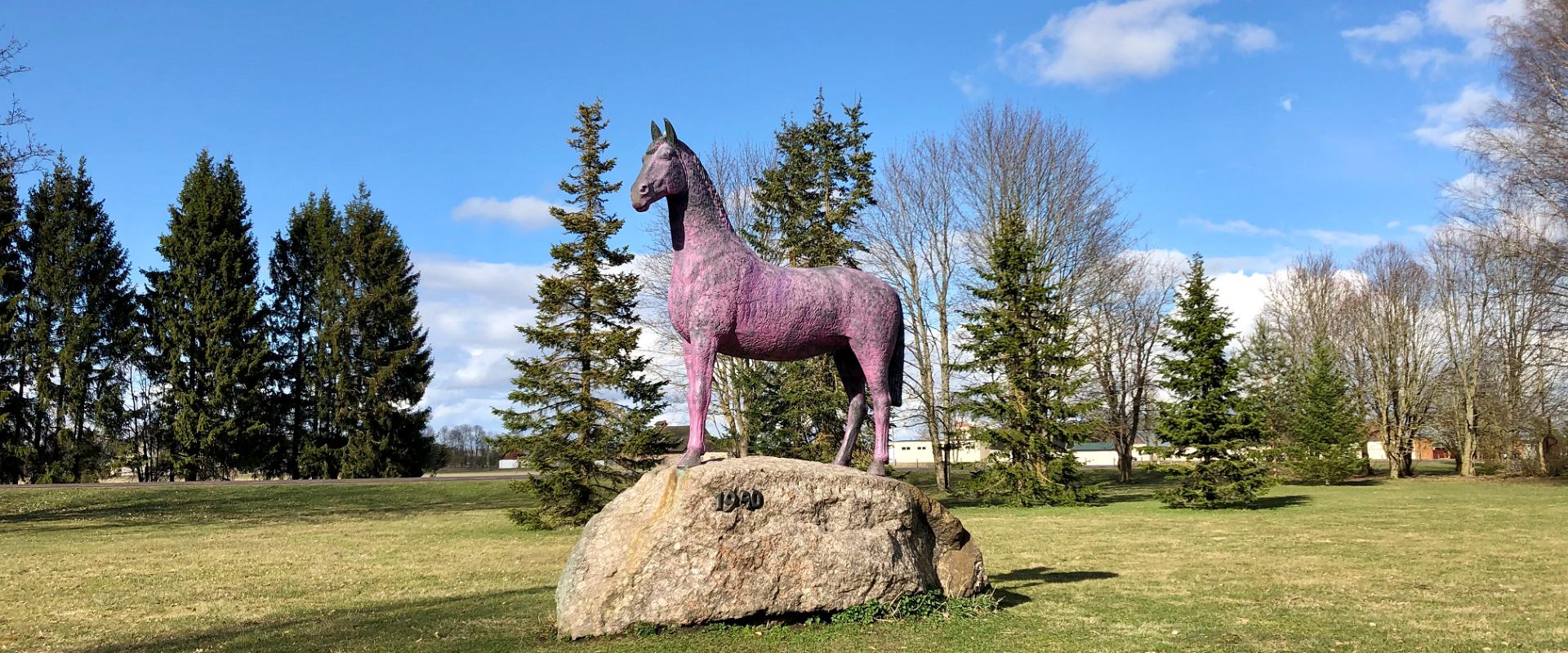
On 1 May 1990, the 70th anniversary of the state farm was celebrated in Luunja. As horse breeding and horseback riding are traditional in the Luunja rural municipality and horses are still bred in the manor, a monument was erected there to celebrate man’s best friend in agriculture – the horse. The author of the bronze horse monument is Endel Taniloo.On the night of 19 June 2017, the sculpture was painted purple. It is not known who did it. According to folk tradition, the horse became so angry it turned purple because in the course of the administrative reform, Luunja rural municipality almost had to join the city of Tartu. Fortunately, the rural municipality was able to maintain its independence.

  • Monuments

Cornflower – Monument to the Victims of Stalinism

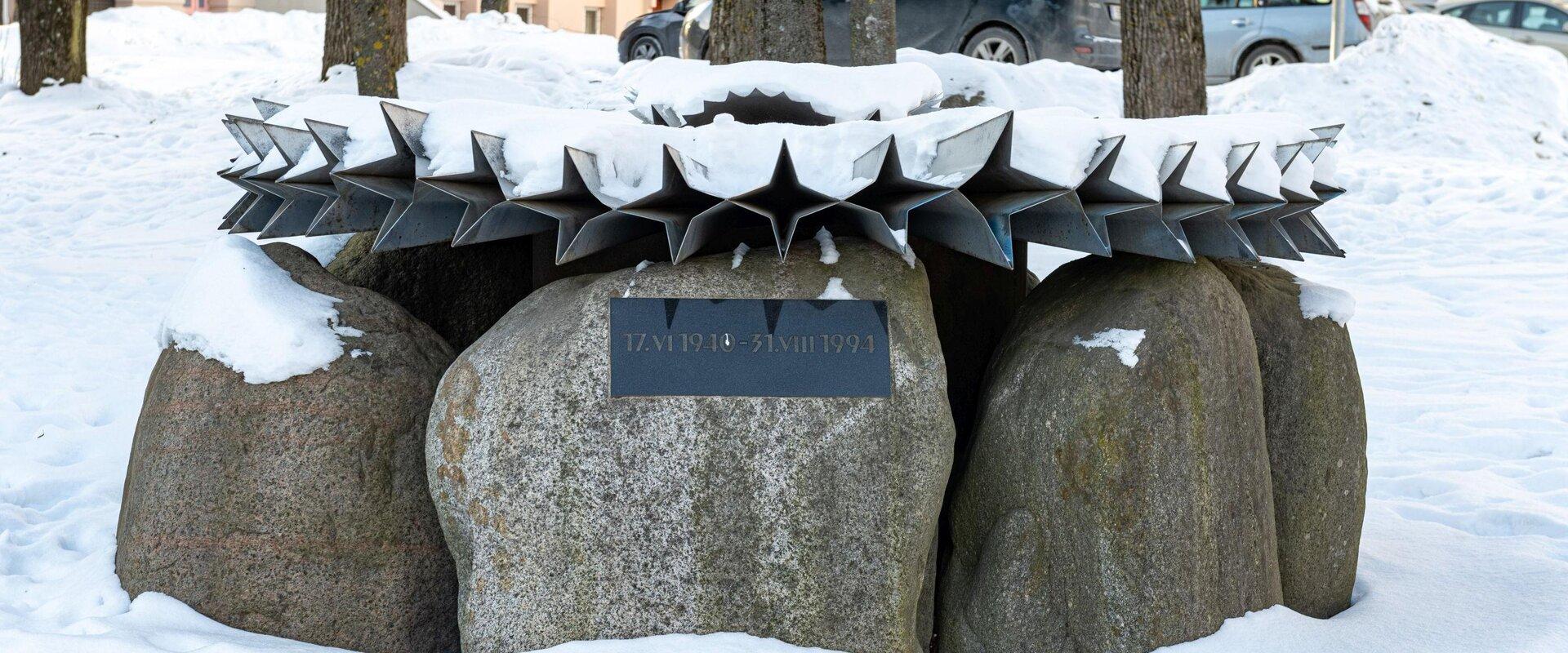
The Cornflower (or Broken Cornflower) memorial to the victims of Stalinism was established in 1990 and its author is P. Saar.On top of the granite boulders is a broken cornflower (Estonian national flower). Black stripes run through the grey stone parquet of the square. They depict the railway tracks that symbolise deportation to Siberia. The waterworks of the monument make it possible for water to drip off the petals of the cornflower, like tears.The monument, which was initially erected on the corner of Riia and Pepleri streets in Tartu by the association of freedom fighters Memento, was reopened in its new spot at Pepleri 27. The monument is located next to the grey building. During the Soviet era, a KGB remand prison was located there, where the deportation of many Estonians to Siberia began.

  • Monuments

Monument to the Estonian Mother

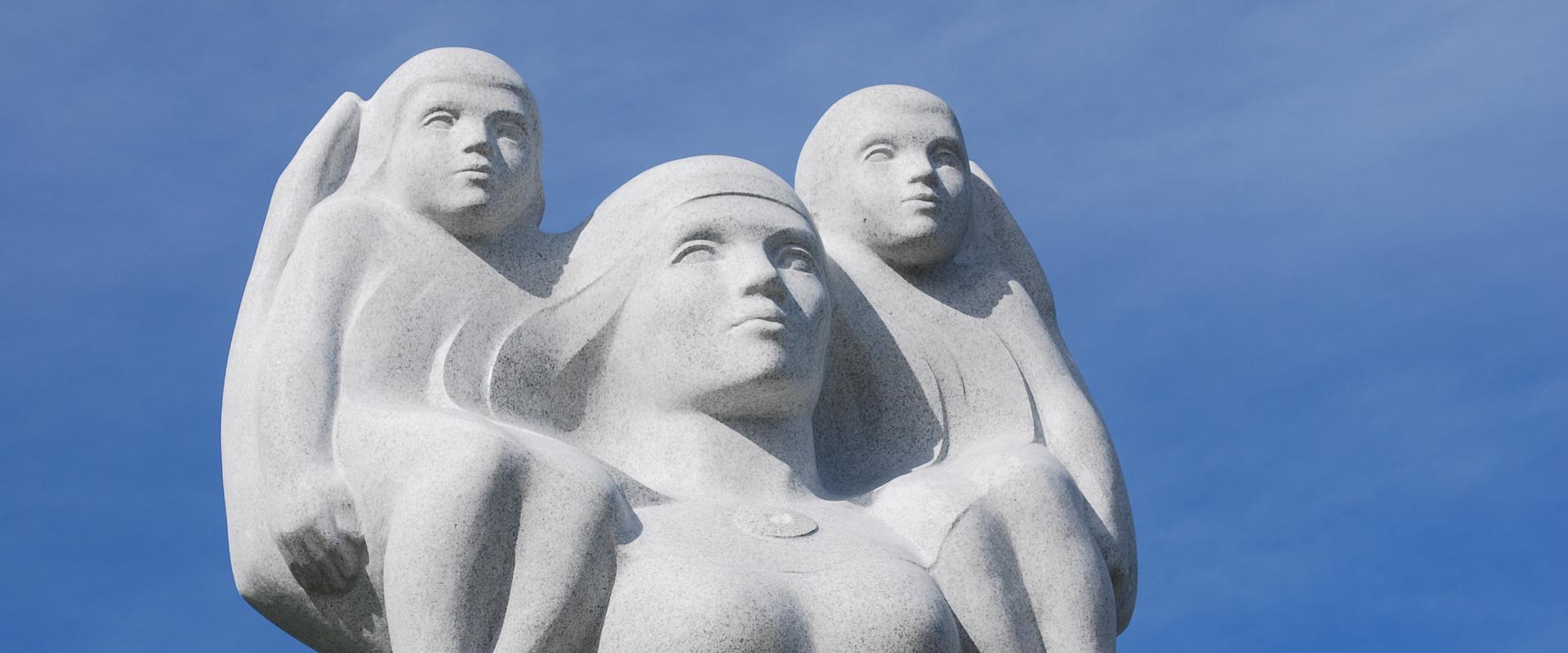
The Monument to the Estonian Mother was inaugurated in Rõuge on 26 June 2010. The monument is meant to demonstrate appreciation for the Estonian woman as a mother, to express gratitute, and to value the survival of our people. Hans Sissas (1933 - 2012), who has recounted the stories of Estonian deportees and authored many memoirs, initiated the idea of a monument to the Estonian mother, and lead the efforts to have the monument completed.The monument is made from stone brought from Udmurtia, and is 3.6 high, weighing nearly 6 tonnes.The monument was designed by the artists/sculptors Ilme and Riho Kuld, and was made by the sculptors/stone masons Margus Kurvits and Kristjan Kittus.

  • Privacy Policy

"*"обозначает обязательные поля

Это поле используется для проверочных целей, его следует оставить без изменений.
Я разрешаю маркетинг