• Explore
    • Nature
    • Culture
    • Food
    • Family
    • Activity
    • Blog
  • Plan
    • Tourist info
    • Accommodation
  • For professionals
    • For professionals
    • Collaboration
    • News
    • Projects
    • Training
    • Repository
    • Community (opens in new tab)
    • Contacts
ENG
  • EnglishENG
  • EestiEST
  • LatviešuLAT
  • РусскийRUS
  • SuomiFIN
ENG
  • EnglishENG
  • EestiEST
  • LatviešuLAT
  • РусскийRUS
  • SuomiFIN
Popular searches:
Show all
  • History & Culture
  • Architecture and history

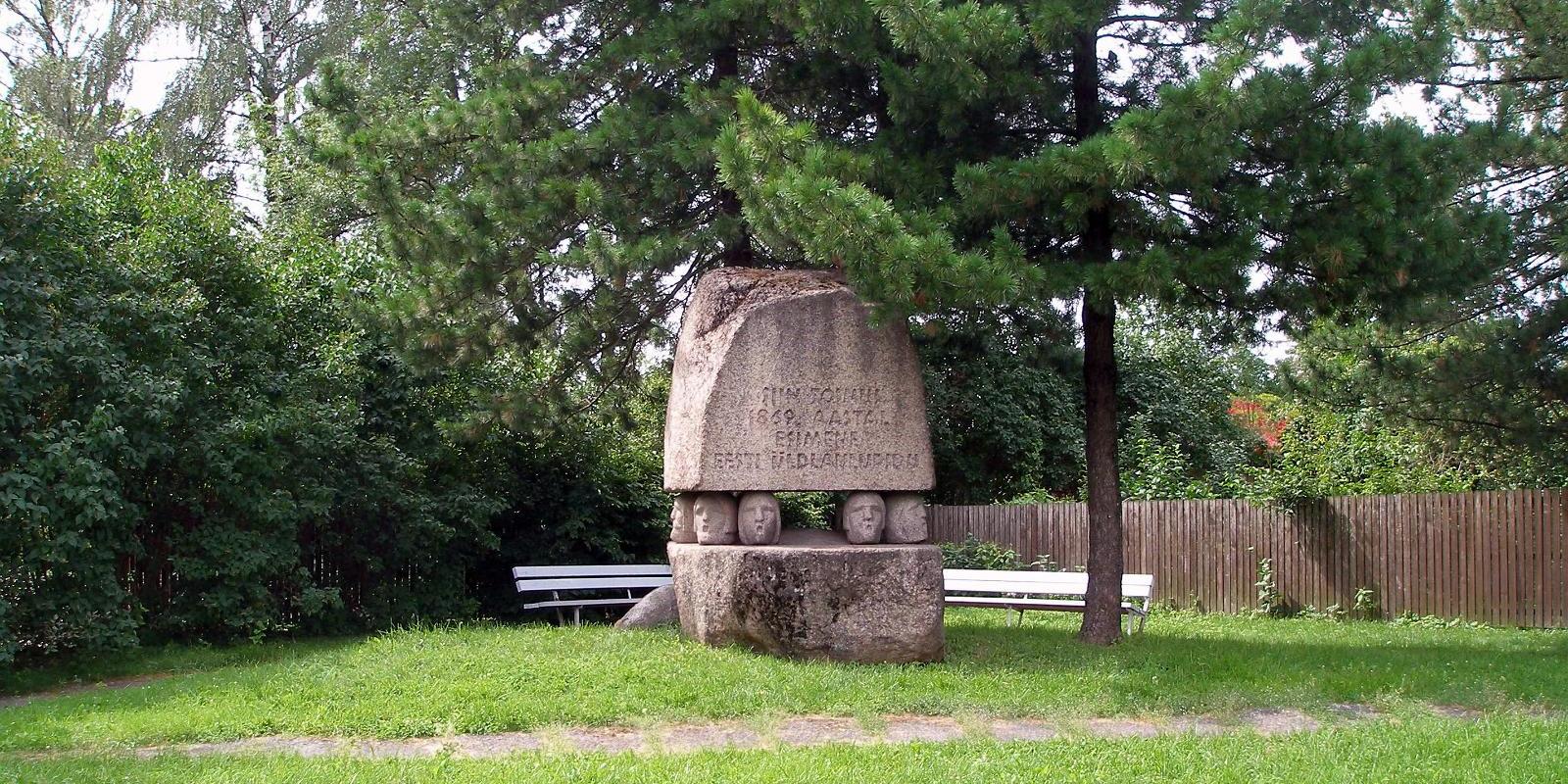
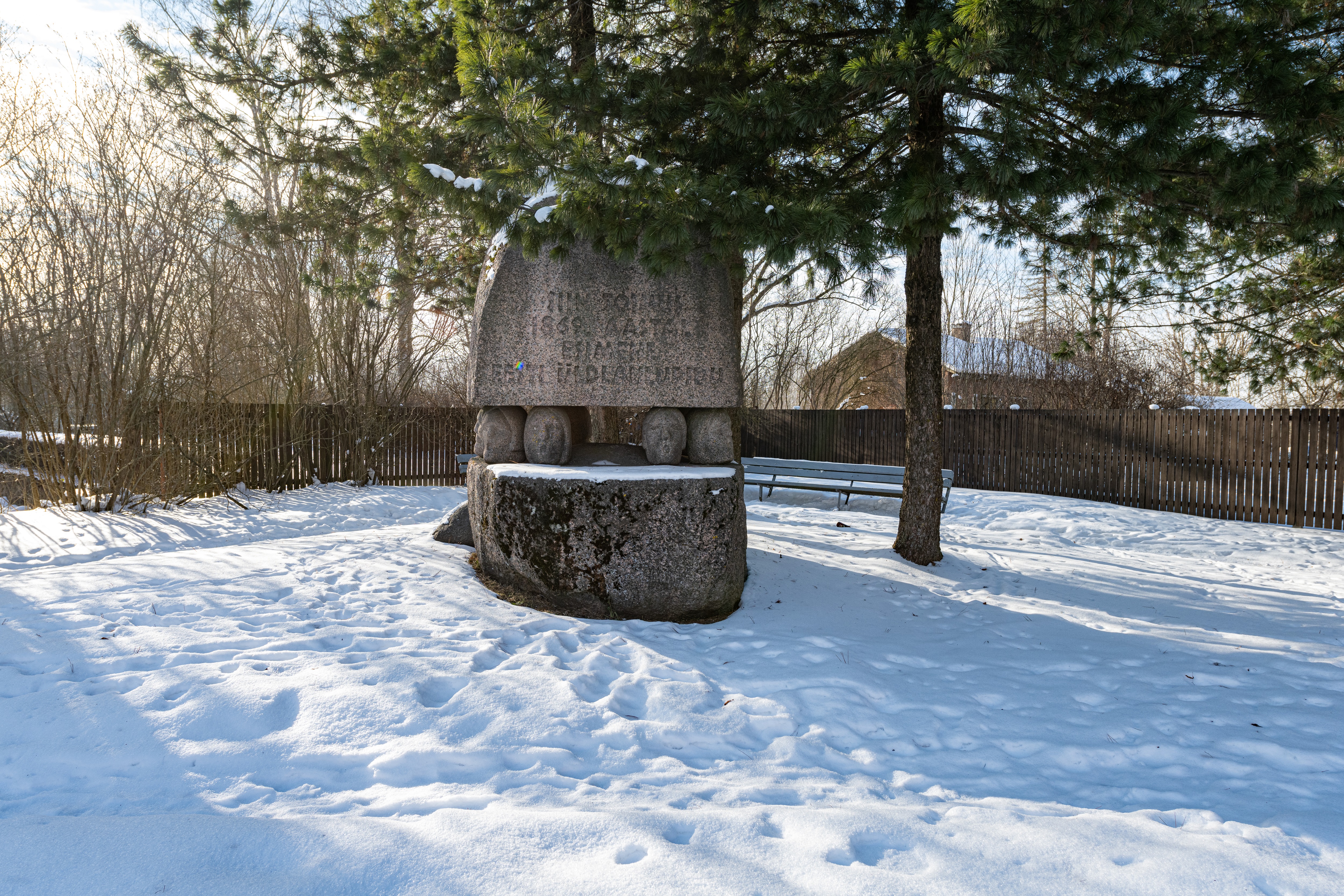
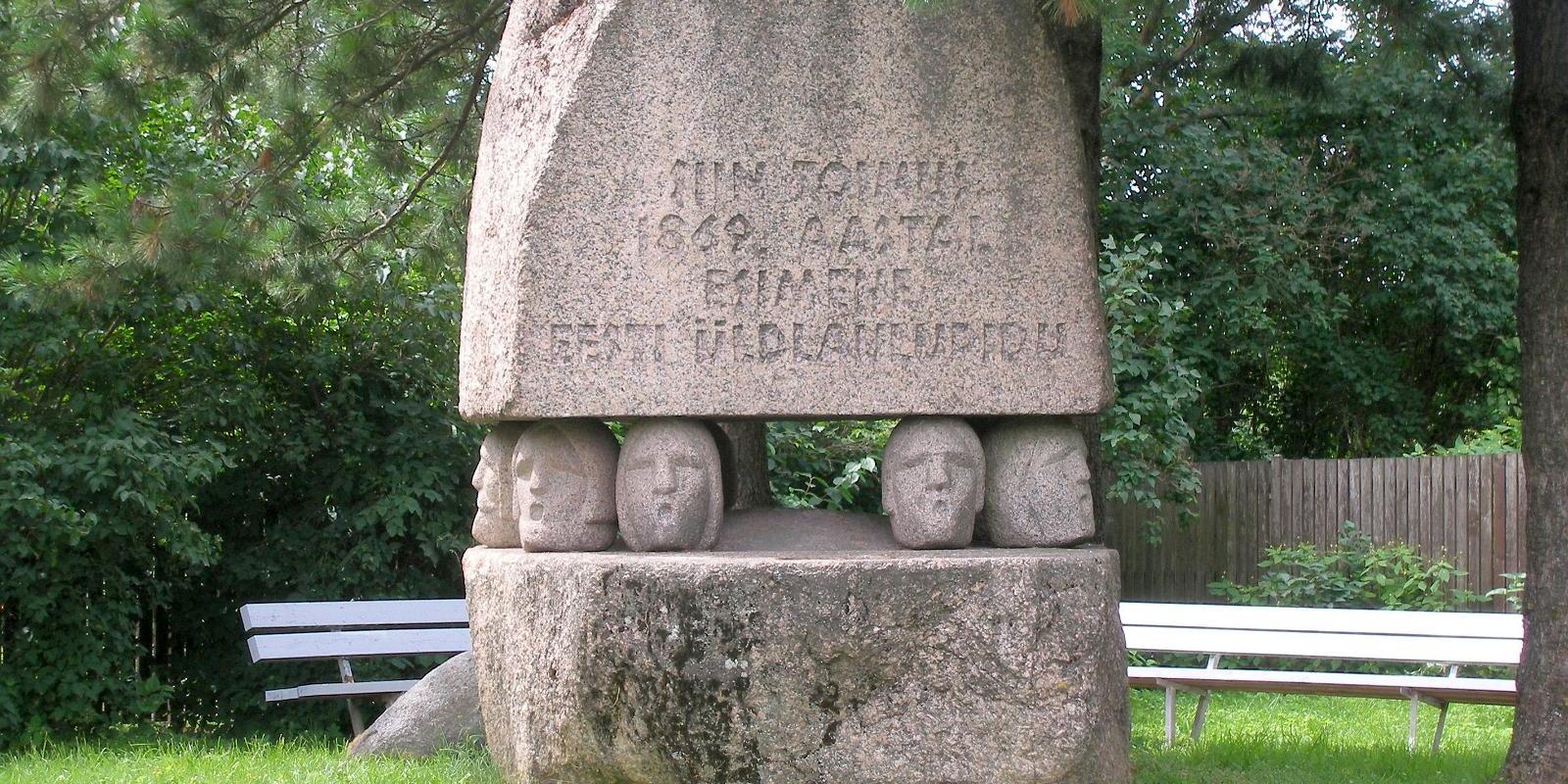
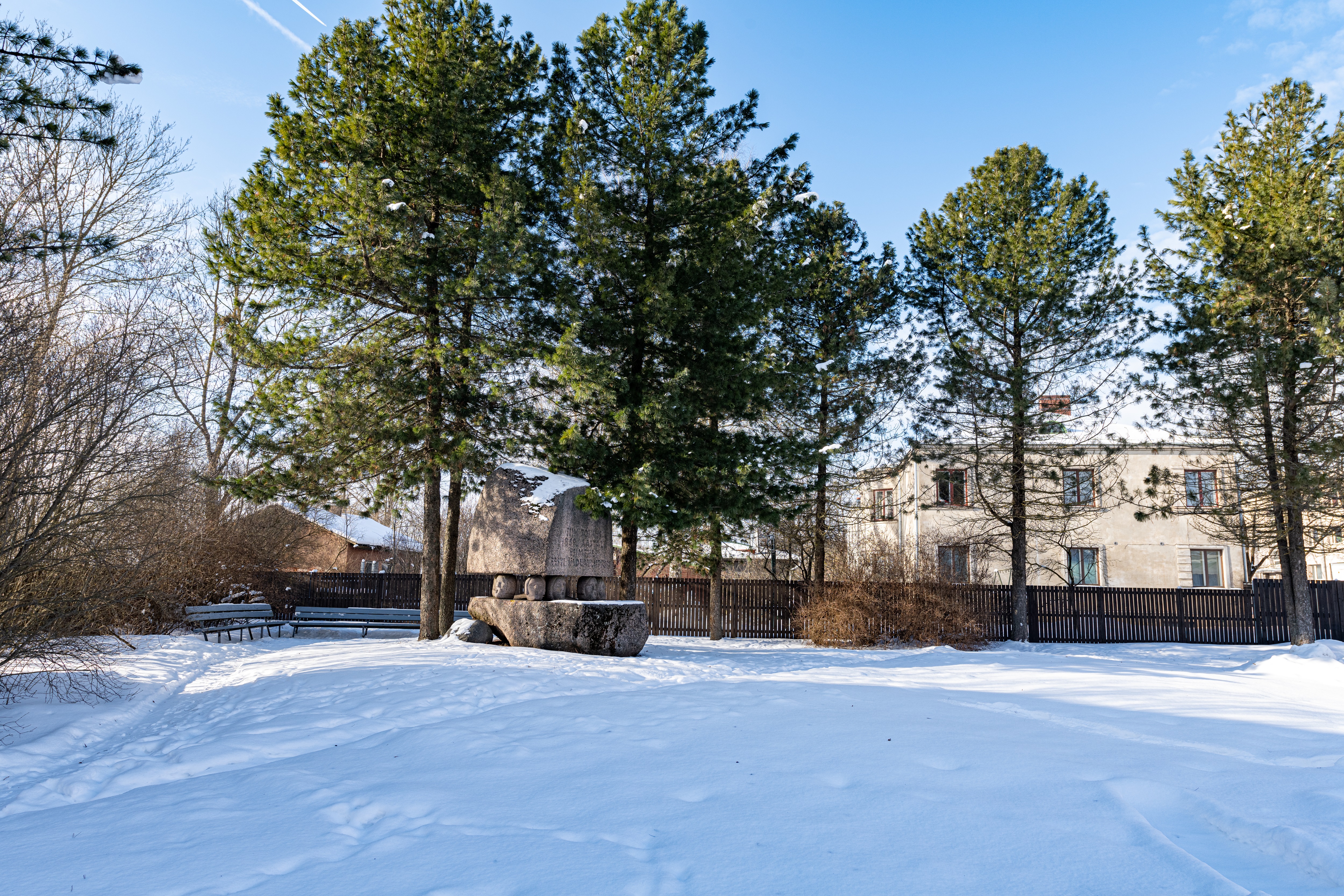
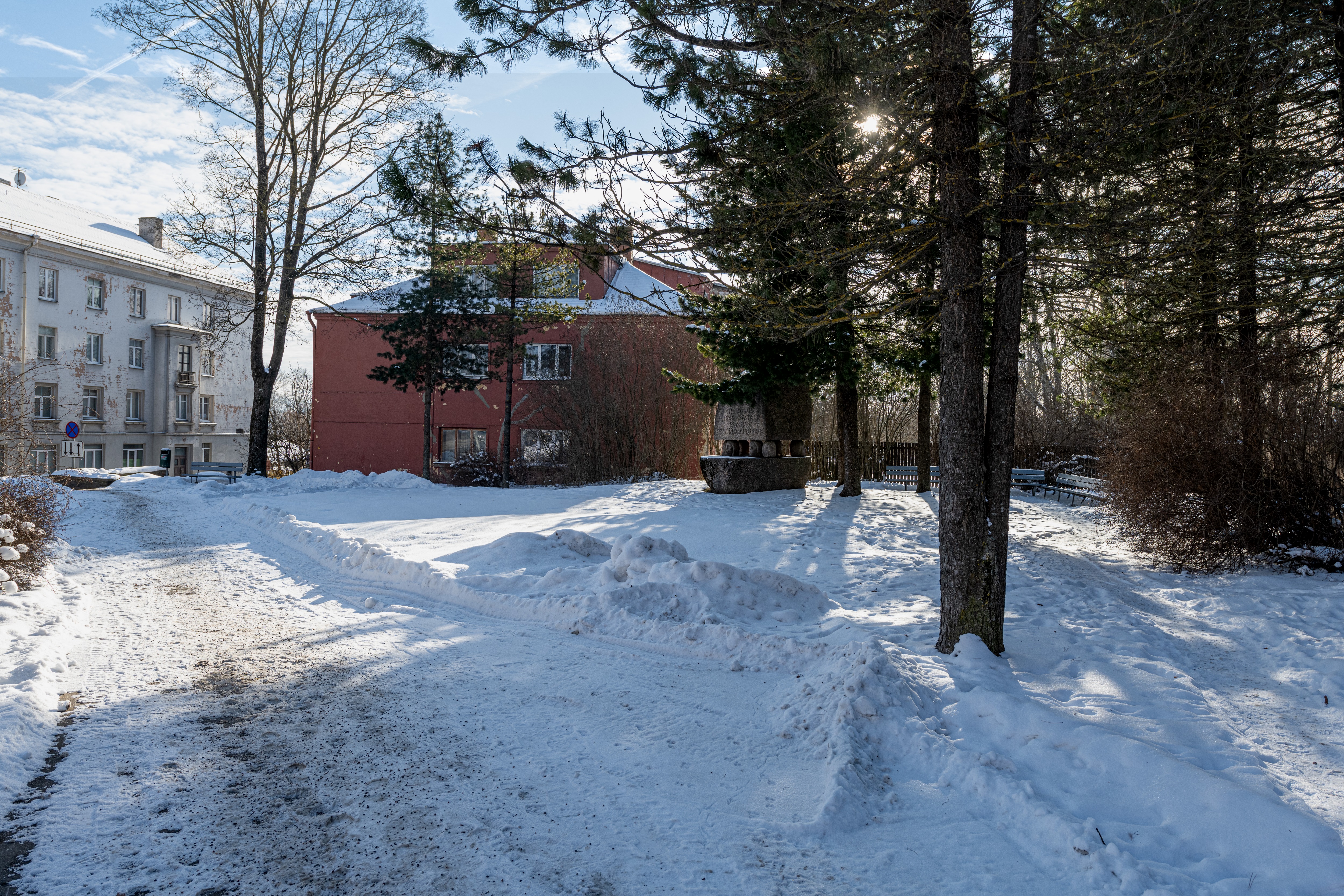
Memorial stone to the first Estonian Song Festival

Tartu linn, Tartu maakond, 51008

The memorial stone to the first Estonian song festival was unveiled on the 125th anniversary of the festival in 1994. It was designed by Mati Karmin.Between the two millstones (czarist power and hard work and austerity), the heads are like grains that are being ground. They sing despite the pressure (Mati Karmin XL, 2019).The first song festival was held in Tartu from 18–20 June 1869. It was opened in Toomeoru but mainly took place in the gardens of the Ressourc society opposite St Peter’s Church, which enjoyed beautiful views over the town and the Emajõgi River. The festival was attended by 46 choirs, involving almost 800 male singers and four brass bands. Almost 15,000 people attended the festival.
Amenities

  • Free parking

Open times

Throughout the Year

Around the Clock

Links

See more

  • Churches

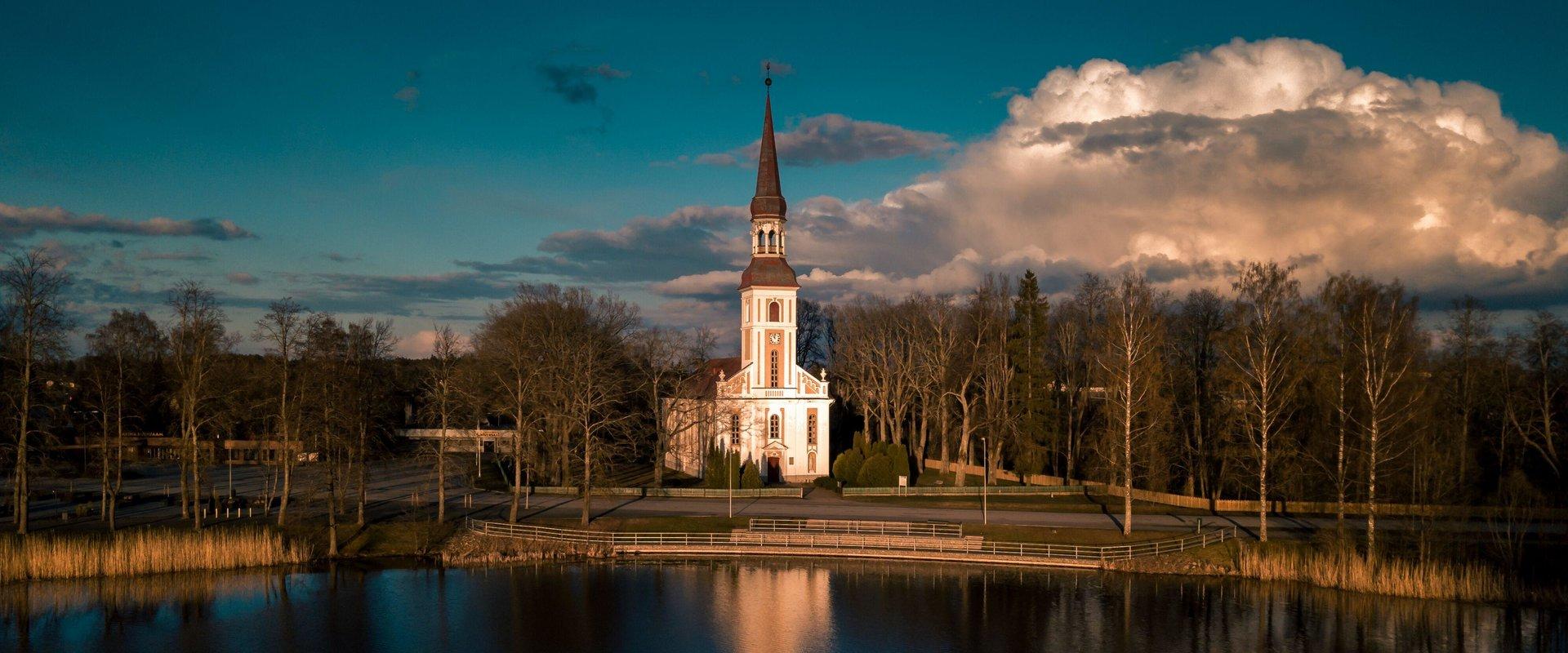
St Michael’s Lutheran Church in Räpina

This church, dedicated to the archangel Michael, was completed in 1785. It stands on the shores of a man-made lake in Räpina and enjoys beautiful views over Sillapää castle and park. The walls of the church, which was constructed in Late Baroque style, are made from rendered natural stone. The front of the church is adorned with sculptures dating from the time of its construction, which symbolise Hope and Love.One of the church's most valuable assets, the two-part altar painting entitled 'The Appearance of the Risen Jesus to Mary Magdalene' and 'The Burial of Jesus', was painted by Carl Antropoff in 1871.

Kuremaa mill

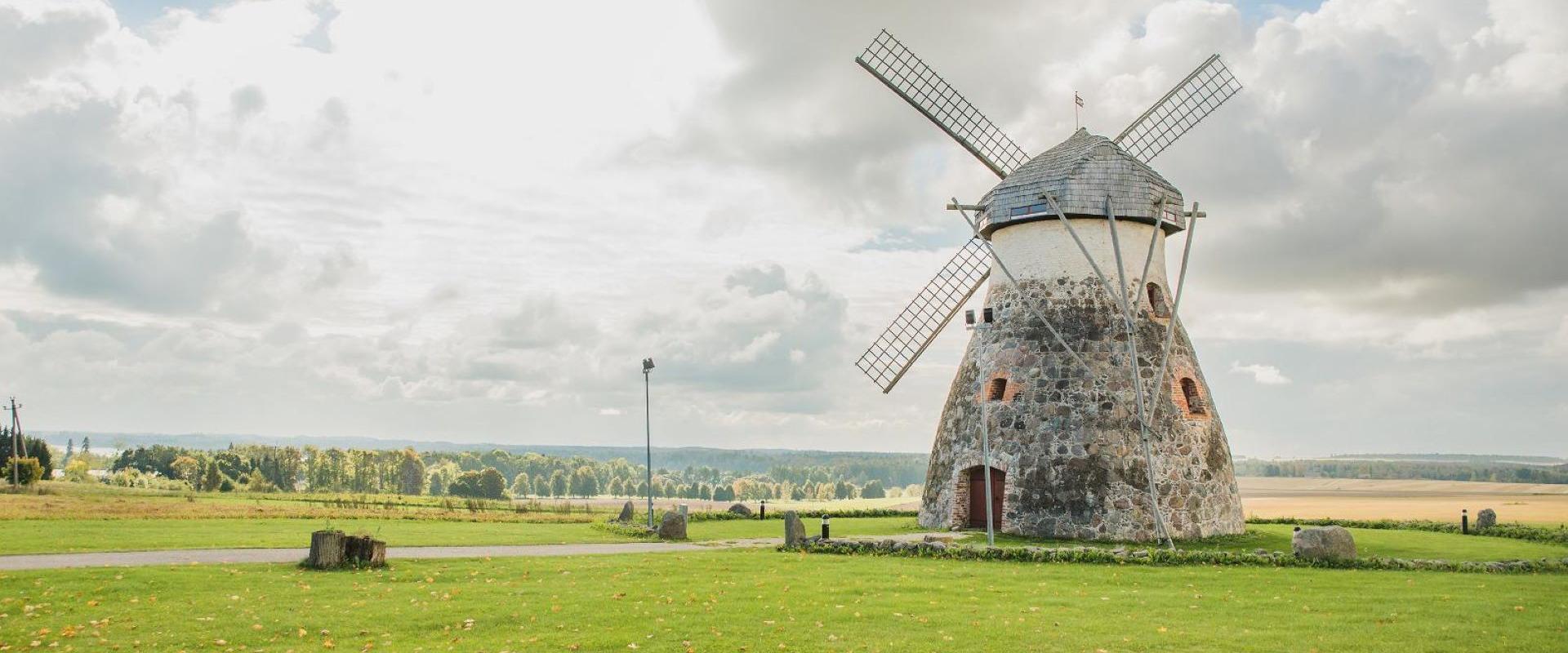
Kuremaa mill is part of the Kuremaa manor complex; the fully renovated mill reopened in 2009. The ground floor is home to a function room with its own fireplace and a sales counter, while the first floor is the perfect place for exhibitions and training events. The second floor hosts an exhibition on the Dutch-style windmills that can be found in Estonia – including its most impressive piece, a model of the Kuremaa windmill. On the third, that is the top floor, you can admire the views over Vooremaa from the narrow windows.The Kuremaa mill is marked with a yellow National Geographic window, representing one of the 21 places worth discovering in South Estonia; these are highly recommended to nature enthusiasts.

Vesioinad Tindiorus

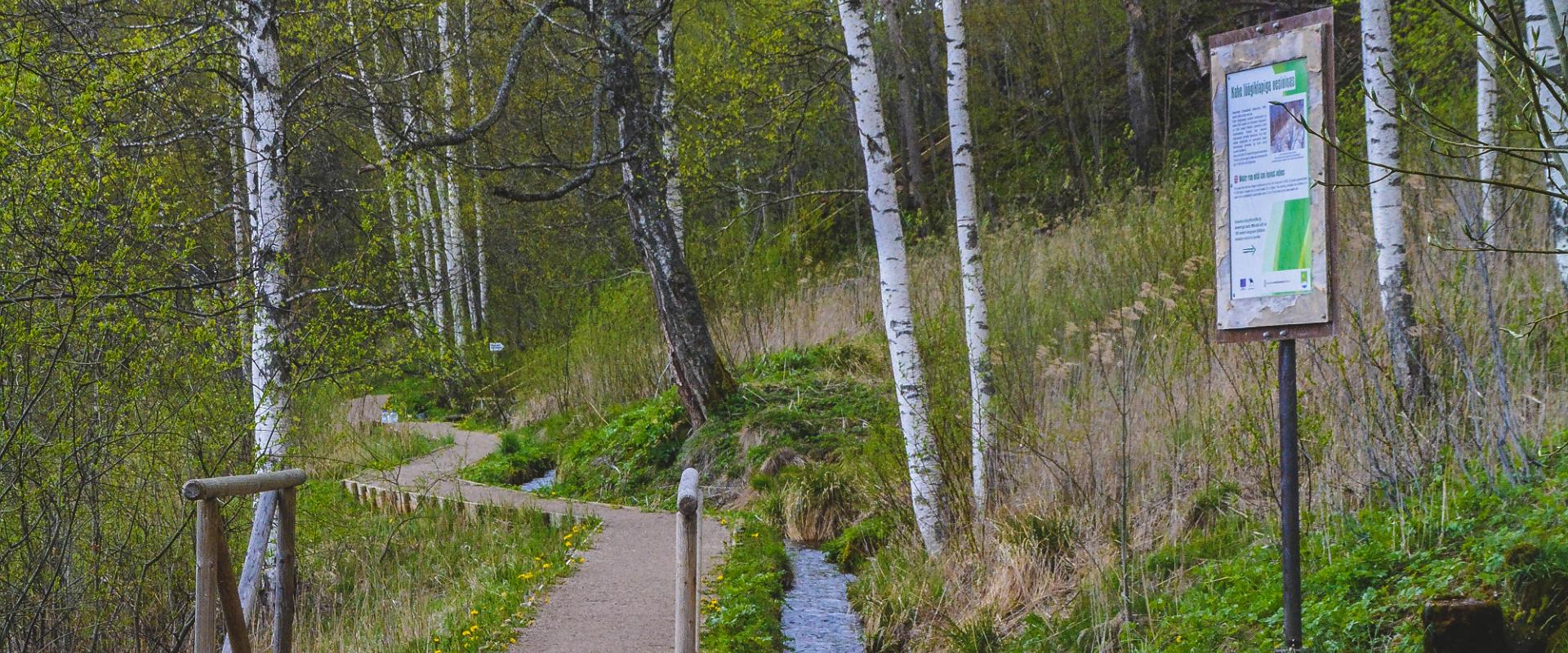
The best way to encounter the Tindioru water rams is to embark on an exciting hike along the Rõuge primeval valley trail.The water ram is a "perpetual motion" pump that uses only the energy of water and is capable of pumping water to heights of tens of meters. There are two water rams in Tindioru: the first was built in 1939 and the second in 2002. The Tindioru water rams are rare tools that combine smart engineering and the interplay of natural forces. They can be considered a kind of symbol of Rõuge's inventive spirit — a time when everything had to be built by hand and in harmony with nature. When the ice-cold spring water starts to make the ram buzz, the whole valley seems to come to life. The sight is particularly enchanting in early spring, when the cold has shaped the water ram's splashes into tall and marvelous ice sculptures. Glittering in the sunlight, they appear like fairy tale castles emerging from the earth. The Tindioru water rams are a living memory of a time when water was man's main source of energy — and proof that genius lies in simplicity.

Wooden house at 24 Lai Street in Tartu

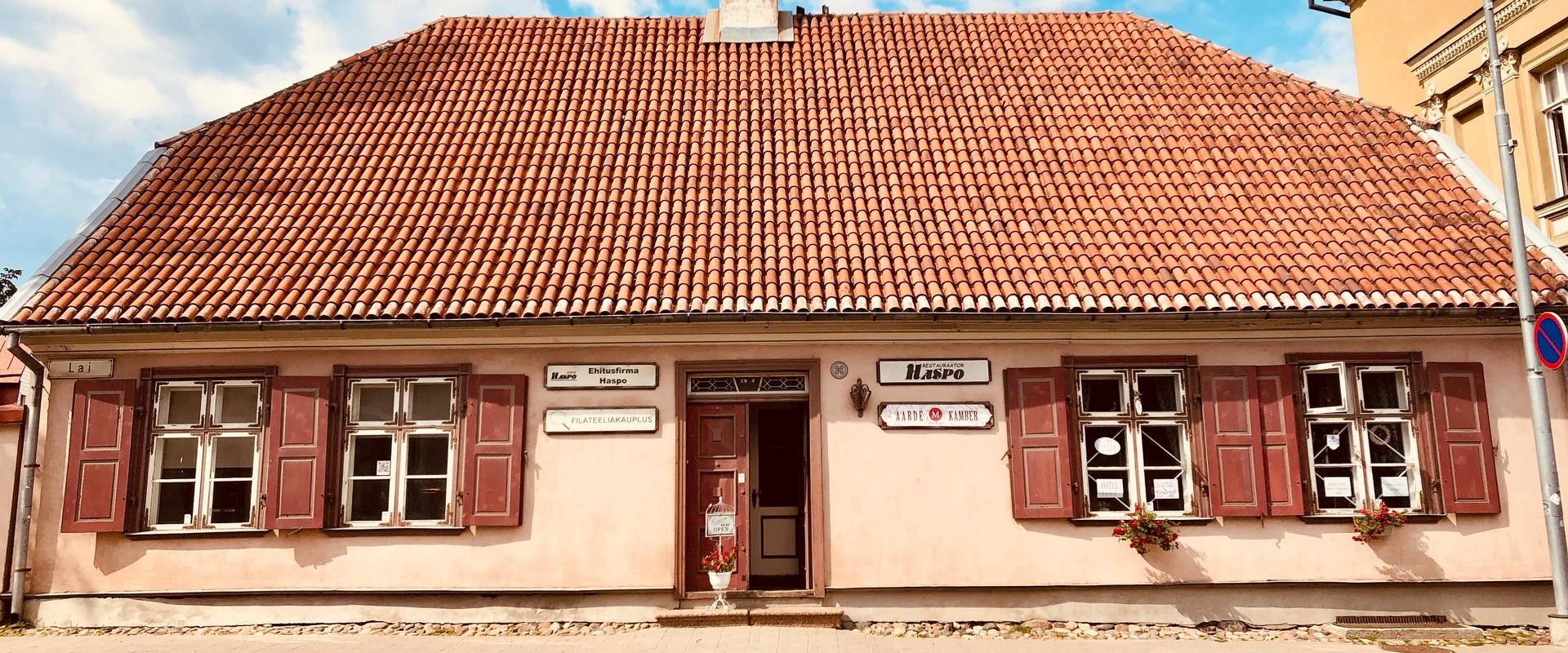
This baroque-style one-storey house, which has an attic floor and a rectangular floor plan, catches your eye when you walk past St. John's Church in Tartu. It is one of the oldest surviving wooden houses in the city. It was constructed from logs in 1725 by Pastor J. Arens Arensite of Nõo upon his return from exile to Russia. It was renovated in 1987.

Kissing Hill (Musumägi)

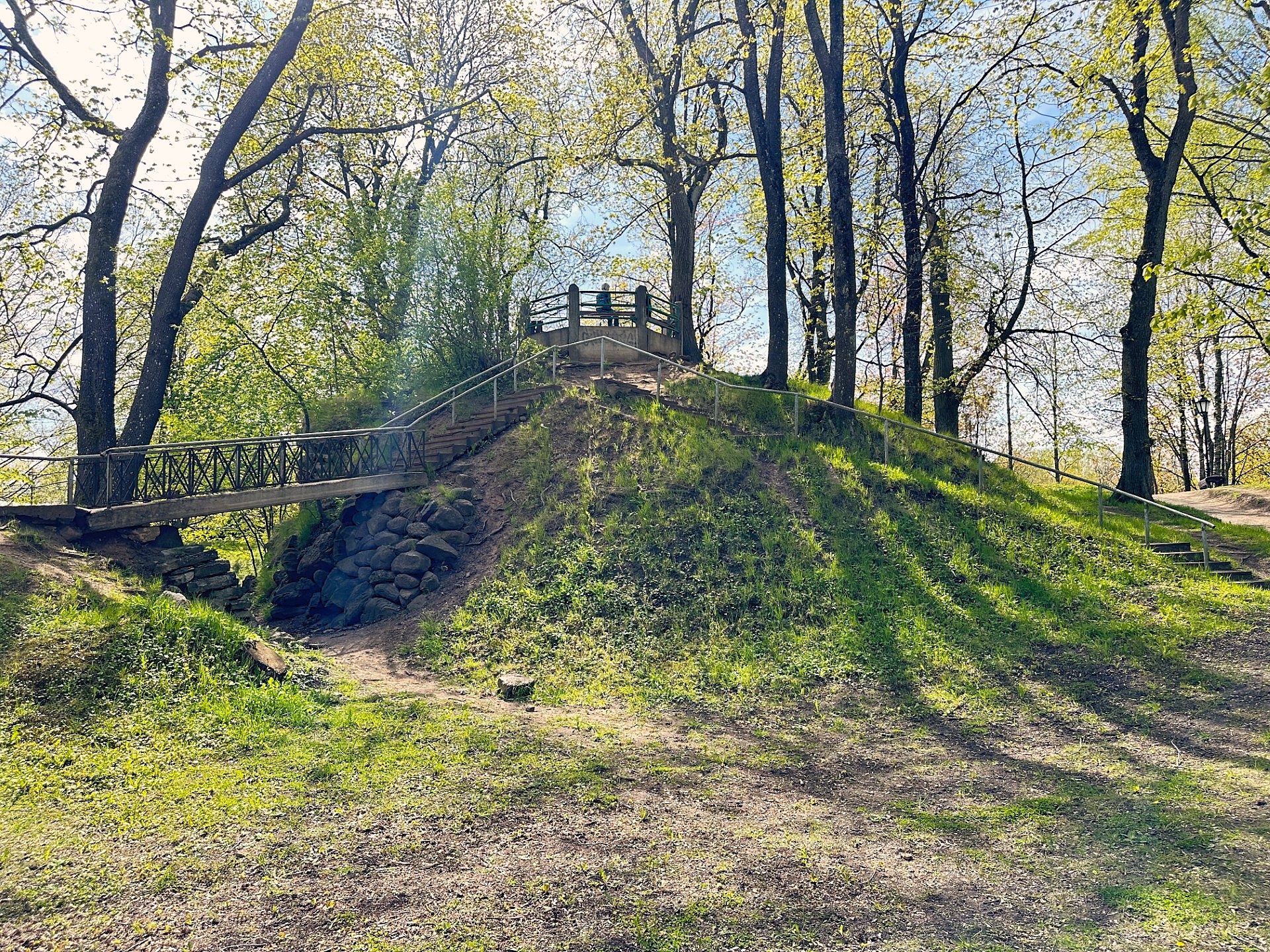
Locals call the artificial hill on the Toome Hill, in the immediate vicinity of the Cathedral, the Kissing Hill. It was built in the 19th century as part of the park’s romantic design over the former Moscow Rondel at Karl XI Bastion. Today, stairs lead to the Kissing Hill and at the top, there is a viewing platform with benches. Next to the Kissing Hill, there is a monument to the poet Kristjan Jaak Peterson, between the sacrificial stone, the hill, and the cathedral. The place has been popular with young couples who take pictures there. There have been open-air performances on and around the Kissing Hill.

Museum of Tuglas in Ahja rural municipality

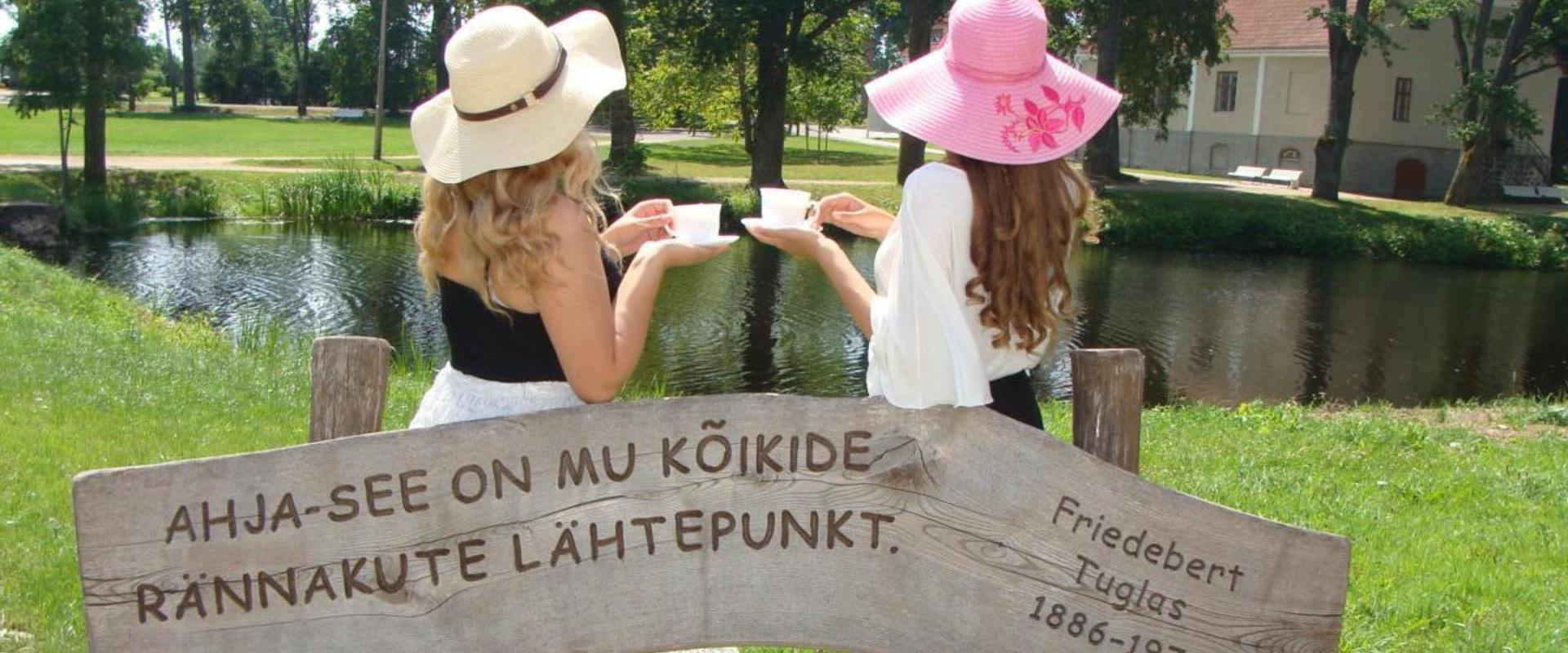
The Museum of Tuglas is the childhood home of Friedebert Tuglas, born on 2 March 1886. Tuglas became a well-known writer for his novel Väike Illimar (Little Illimar) written in 1932. The story of the little Illimar is at the same time the story of a manor in Estonia. Places related to Friedebert Tuglas and the Little Illimar are displayed on a large map, which is also exhibited in the museum. Spatial exposition provides background information for the guests who visit the places related to the novel and learn about the everyday life of the manor house.

  • Family friendly
  • Vegan food

Restaurant Spargel

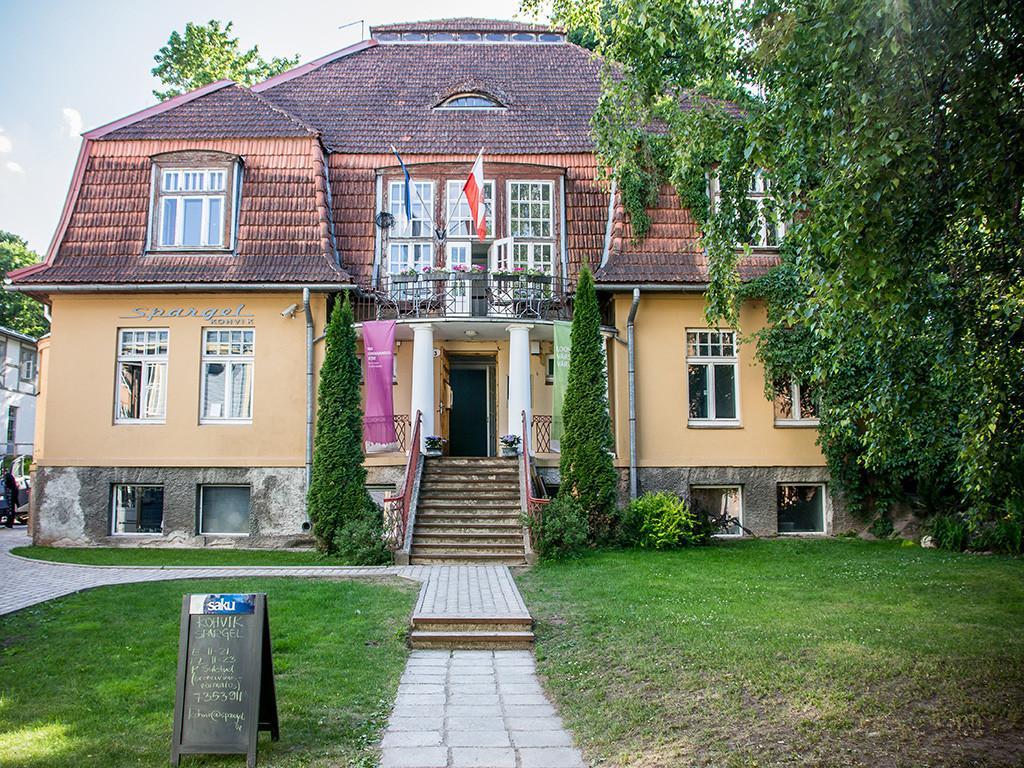
SPARGEL — the cosy restaurant-gallery is located in the Tartu Centre for Creative Industries, where art can be found both on the walls and on the plate.Based on seasonal and local ingredients, we offer an à la carte menu, which offers a selection dishes from rabbit to herring and a range of vegan dishes. Our lunch and monthly specials and themed catering are also very popular. The cosy rooms of the restaurant-gallery can be booked for birthdays, company celebrations, and other events. The restaurant has children’s chairs and menu, and a wonderful two-storey playroom with a slide.The exclusive backyard outdoor cafeteria, surrounded by nature, is open during summer months.

  • Camping sites

Kääriku Sports Centre Hostel

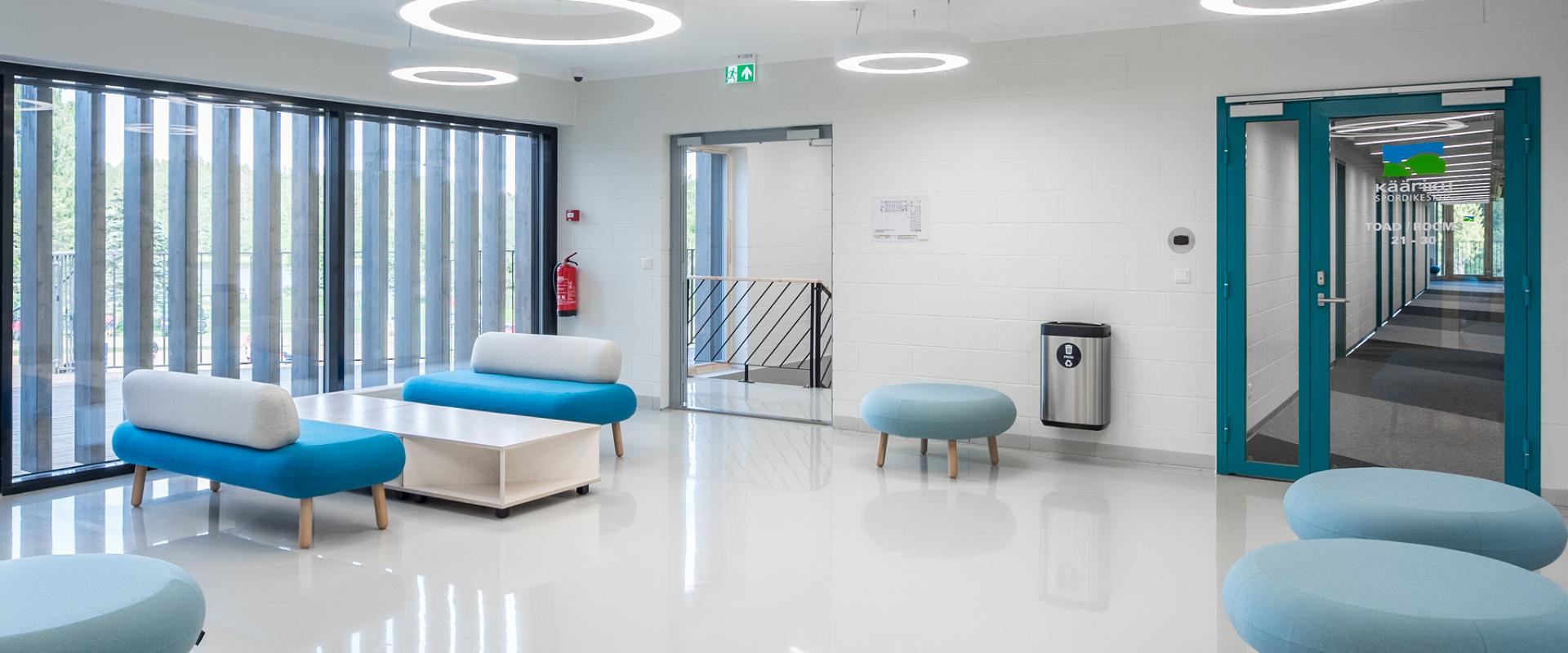
The Kääriku Sports Centre Hostel was completed in 2017. The building has eight double rooms with all comforts (so-called coaches’ room) and 33 four-bed rooms with bunk beds. There is a rest room with a TV and a PS4 in each of the four wings of the building. Check-in takes place at the reception of Kääriku Hotel, where guests receive personal door cards or wristbands. Kääriku Sports Centre offers many activities in summer and in winter (skiing, hiking, cycling). There is a playground for children. You can also play tennis and other ball games, swim, camp, and grill.Come to Kääriku!

  • Collaboration
  • News
  • Contacts
  • Privacy Policy
Join our mailing list!

"*" indicates required fields

This field is for validation purposes and should be left unchanged.
I authorise marketing

Southern Estonian Tourism Cluster

info@visitsouthestonia.com