• Explore
    • Nature
    • Culture
    • Food
    • Family
    • Activity
    • Blog
  • Plan
    • Tourist info
    • Accommodation
  • For professionals
    • For professionals
    • Collaboration
    • News
    • Projects
    • Training
    • Repository
    • Community (opens in new tab)
    • Contacts
ENG
  • EnglishENG
  • EestiEST
  • LatviešuLAT
  • РусскийRUS
  • SuomiFIN
ENG
  • EnglishENG
  • EestiEST
  • LatviešuLAT
  • РусскийRUS
  • SuomiFIN
Popular searches:
Show all
  • History & Culture
  • Art & design
  • Sculptures

War of Independence Memorial Column

Tõrva vald, Valga maakond, 68606

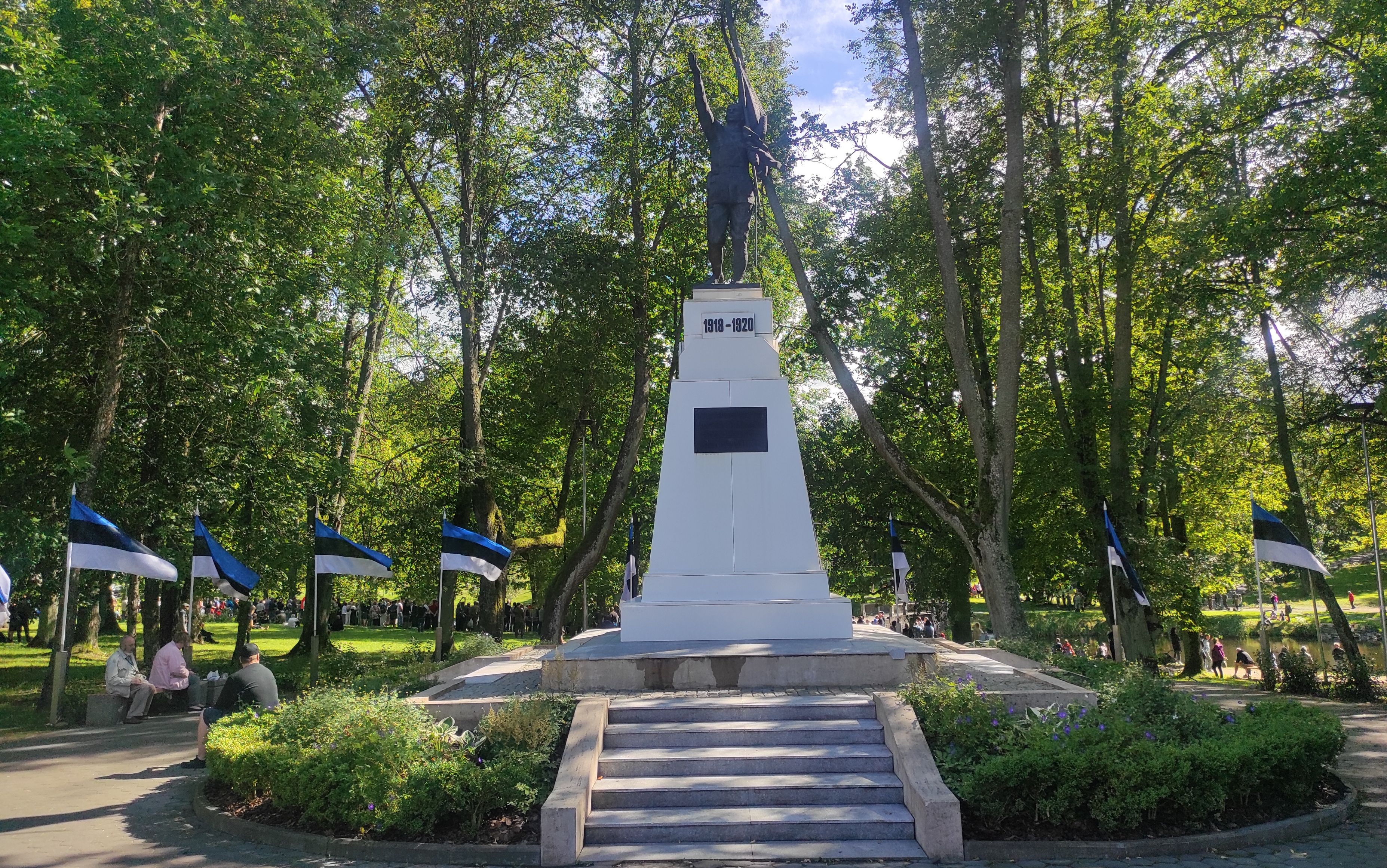
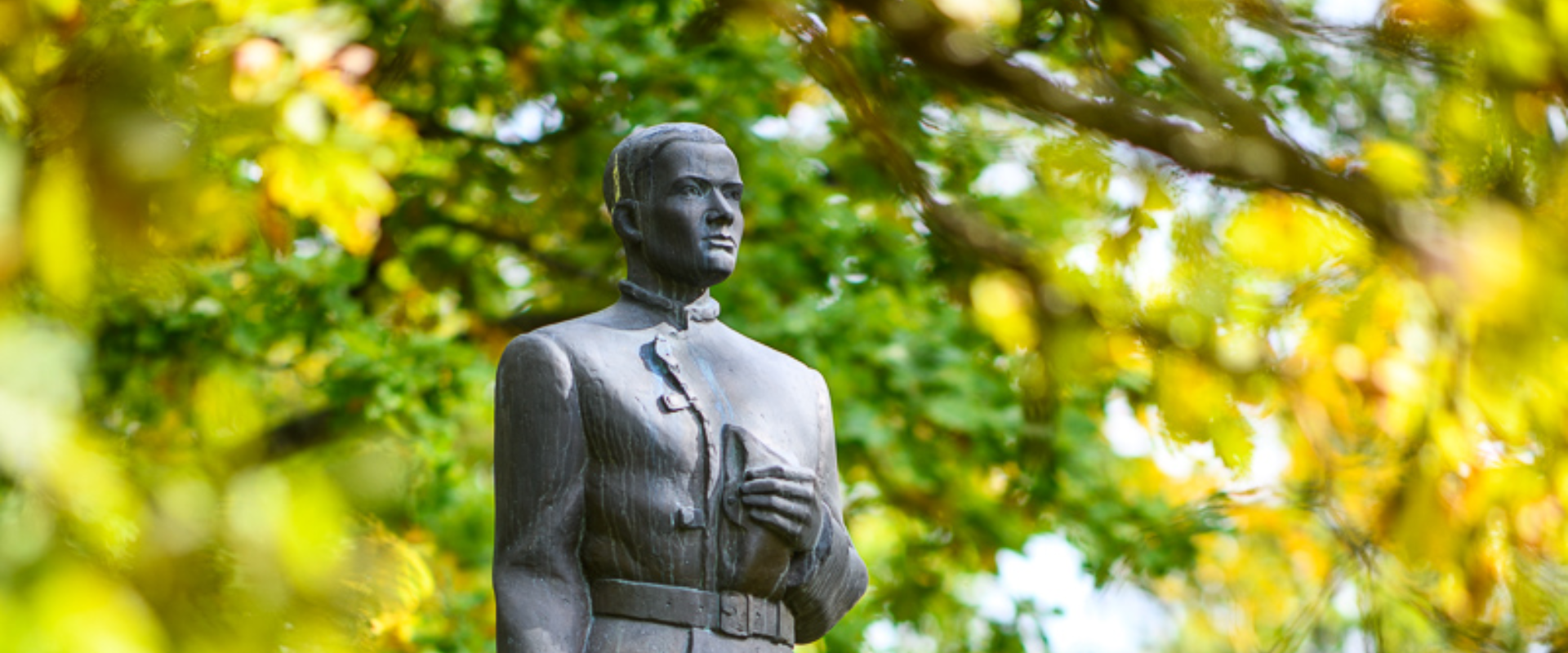
The memorial column erected in 1928 to commemorate those who fell in the War of Independence stands in the park next to Tõrva Upper Secondary School. The author of the monument is Aleksander Eller. The monument was taken down by local communist authorities during the Second World War in 1940 and it was reopened on Victory Day, 23 June 1990.Interesting facts:
Schoolboys gave the monument the friendly name Juku.
Open times

Throughout the Year

Around the Clock

Contact

  • +372 7665310
  • torva@torva.ee

Links

See more

  • Sculptures

Monument to the Visit of Dalai Lama

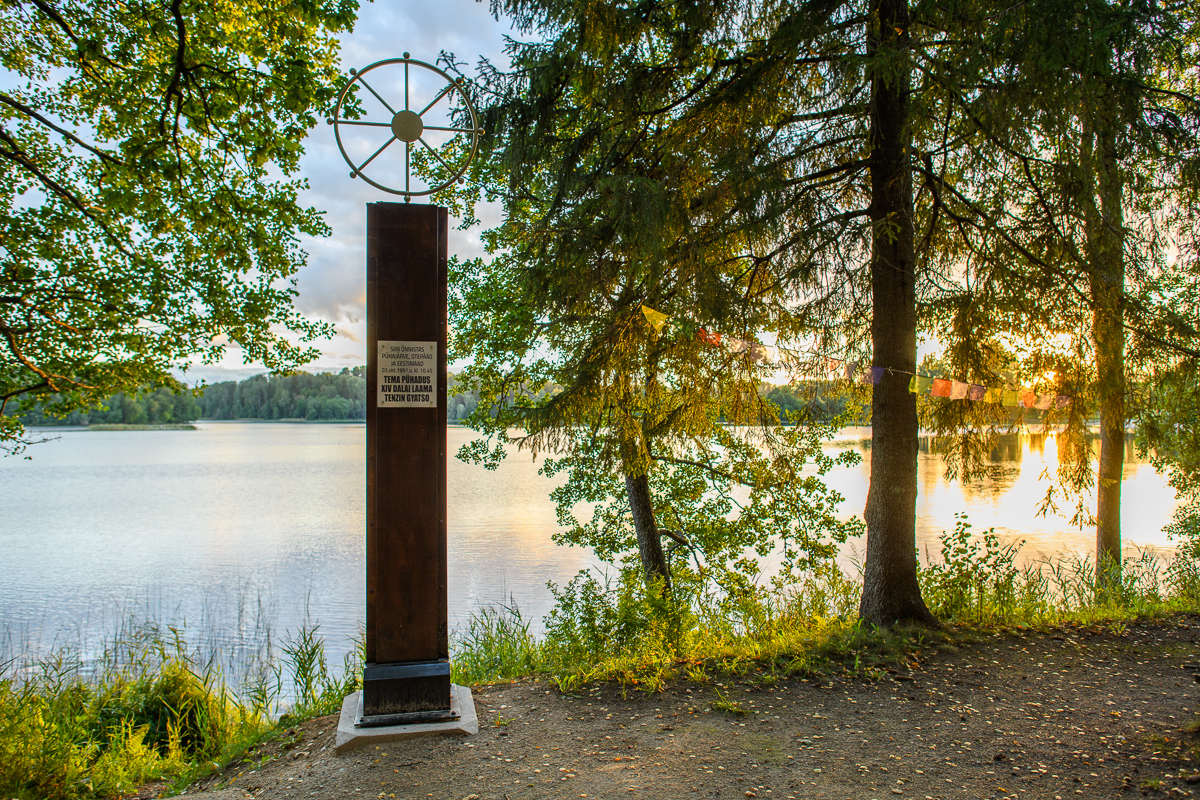
You can feel touched by the divine when walking on the beach or swimming in Lake Pühajärv.Namely, His Holiness the 14th Dalai Lama Tenzin Gyatso (born 1935), the leader of the Tibetan people, visited Estonia and Otepää on 3 October, 1991. He blessed Lake Pühajärv on the same day. The historical visit is commemorated with a wooden sculpture near the beach in Pühajärv Park.

  • Sculptures

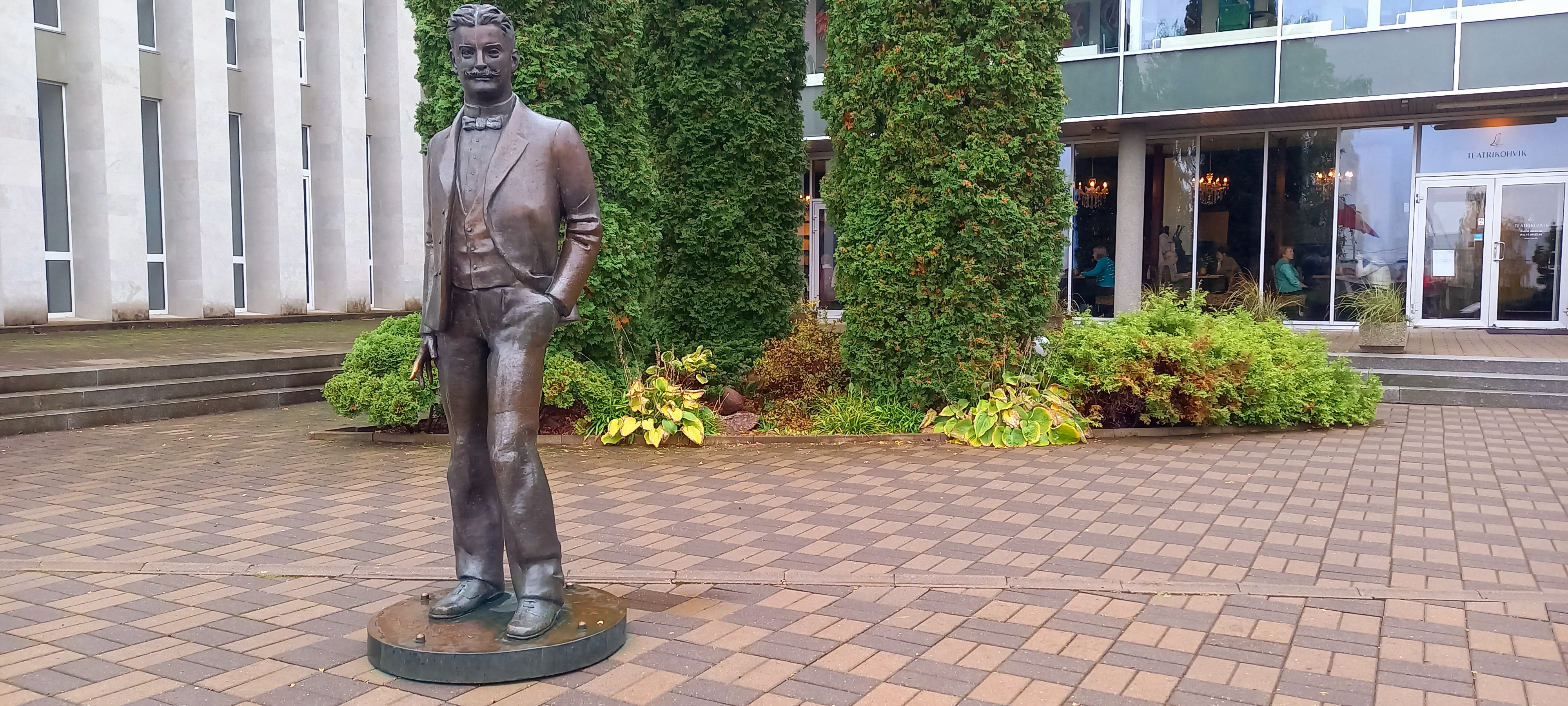
Sculpture of Karl Menning

Karl Menning was the founder of professional theatre in Estonia and the first professional theatre and stage director in the country. He was the director of the Vanemuine Theatre from 1906 to 1914. His sculpture was created by Mare Mikoff and is unique for the fact that it can be turned on the spot.

  • Sculptures

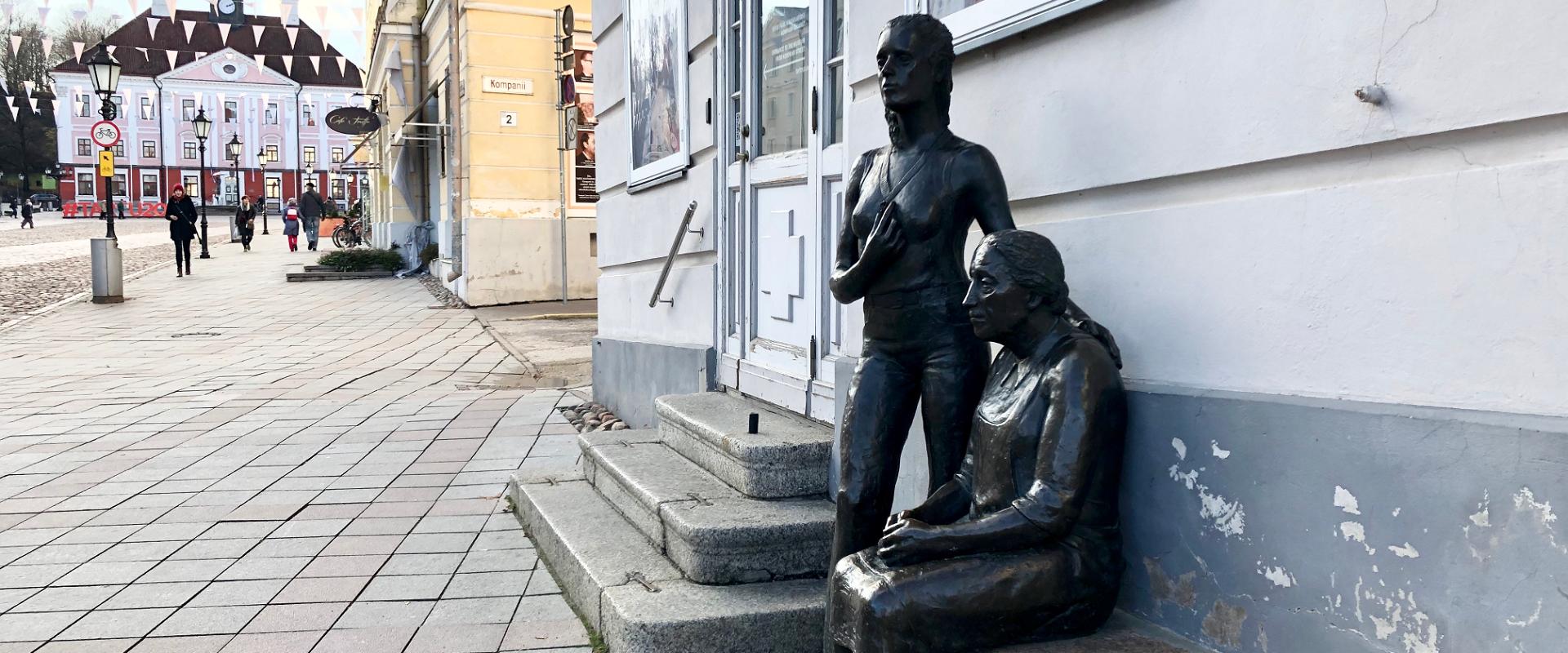
Sculpture ‘Countrywomen’ (Maanaised)

‘Countrywomen’ is a group of sculptures by sculptor Mare Mikofi, completed in 1974, which has been on display at the Town Hall Square in front of the Tartu Art Museum since 2013.It depicts two women, the older one sitting and being content and exhausted, and the other, the younger, standing beside her, empathetically holding her arm around the older woman’s shoulder. The difference between the generations is strongly reflected in their clothing – the younger is wearing trousers, a light vest and platform shoes, and the older one is wearing a dress and an apron, leaving her feet bare.The installation of ‘Countrywomen’ celebrated the 25th anniversary of the Tartu Art Museum in the Leaning House.

  • Sculptures

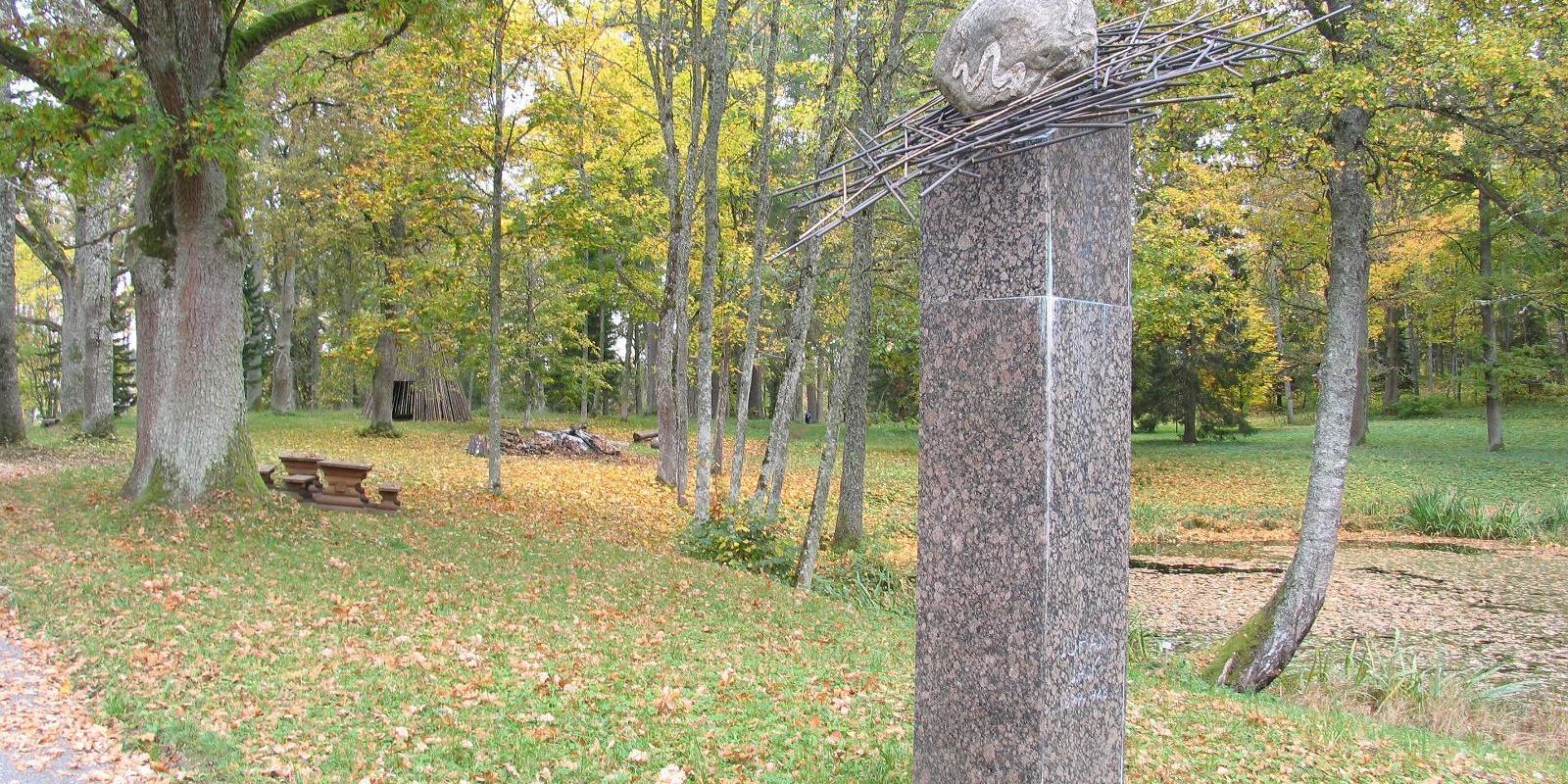
Kaarnakivi Stone in Rõuge Park

The Kaarnakivi Stone by the sculptor Tiiu Kirsipuu is a memorial to the writer Juhan Jaik erected on the occasion of the 100th anniversary of his birth. Fantasy author Juhan Jaik (1899-1948), born in Sänna in Võru County, wrote captivating and enchanting stories and poems for both adults and children. "Kaarnakivi", a collection of ghost and animal stories, is an Estonian children's literature classic that continues to excite readers today.The "kaarnakivi", as many Estonians already know, is a stone that gives its finder whatever he or she wants, if a person knows how to use it prudently.

  • Sculptures

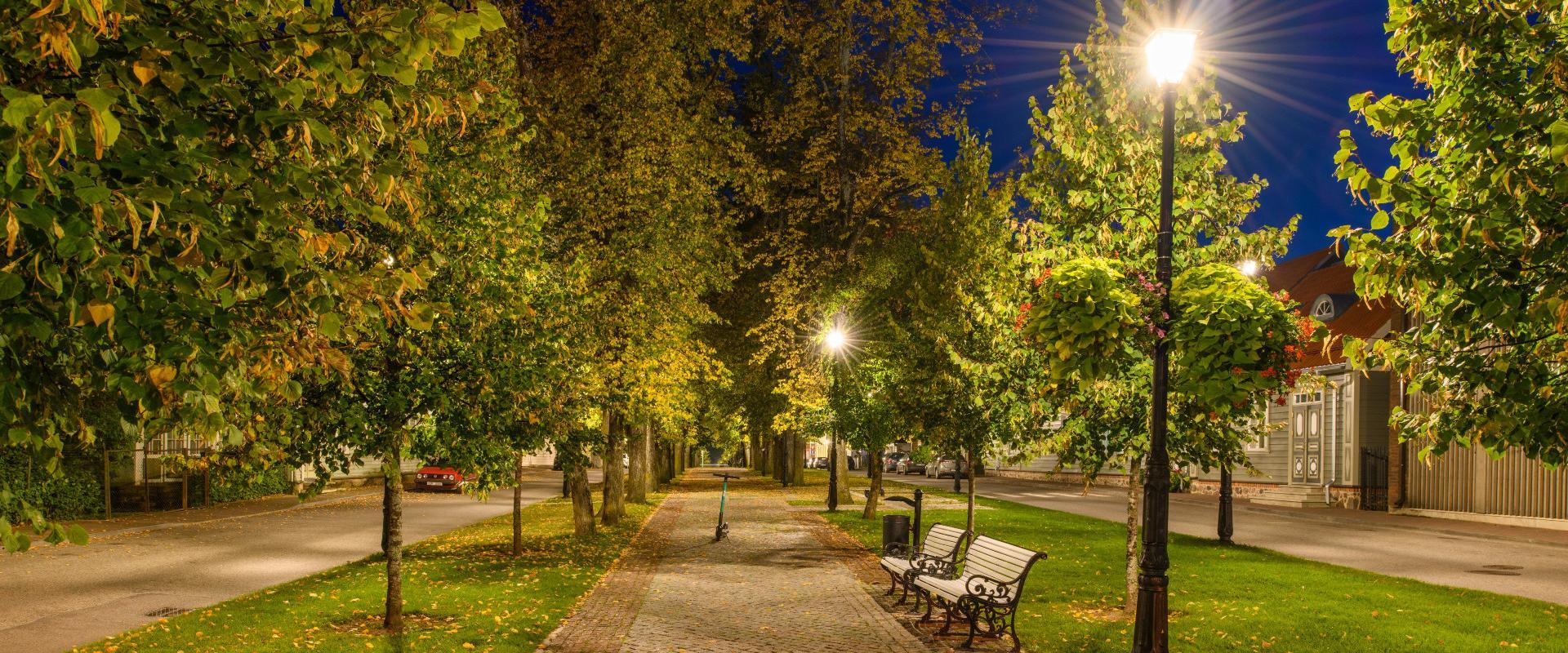
Catherine II Sculpture and Catherine Alley (Katariina allee)

The sculpture of Russian Empress Catherine II (sculptor Jaak Soans) was installed on the renovated Catherine Alley in 2014.The city of Võru was established as the centre of the newly created county under the new Provincial Governance Law of 1784. Catherine II personally gave a number of orders for the founding of a new city and affirmed the coat of arms of the city. The avenue from the first house of Võru town, the main building of the manor belonging to von Mengdens (Võru upper secondary school) to Lake Tamula, is shown on very early maps of Võru city. Catherine Alley connects the city's central square with Kreutzwald Park and Tamula Lake's promenade.

  • Sculptures

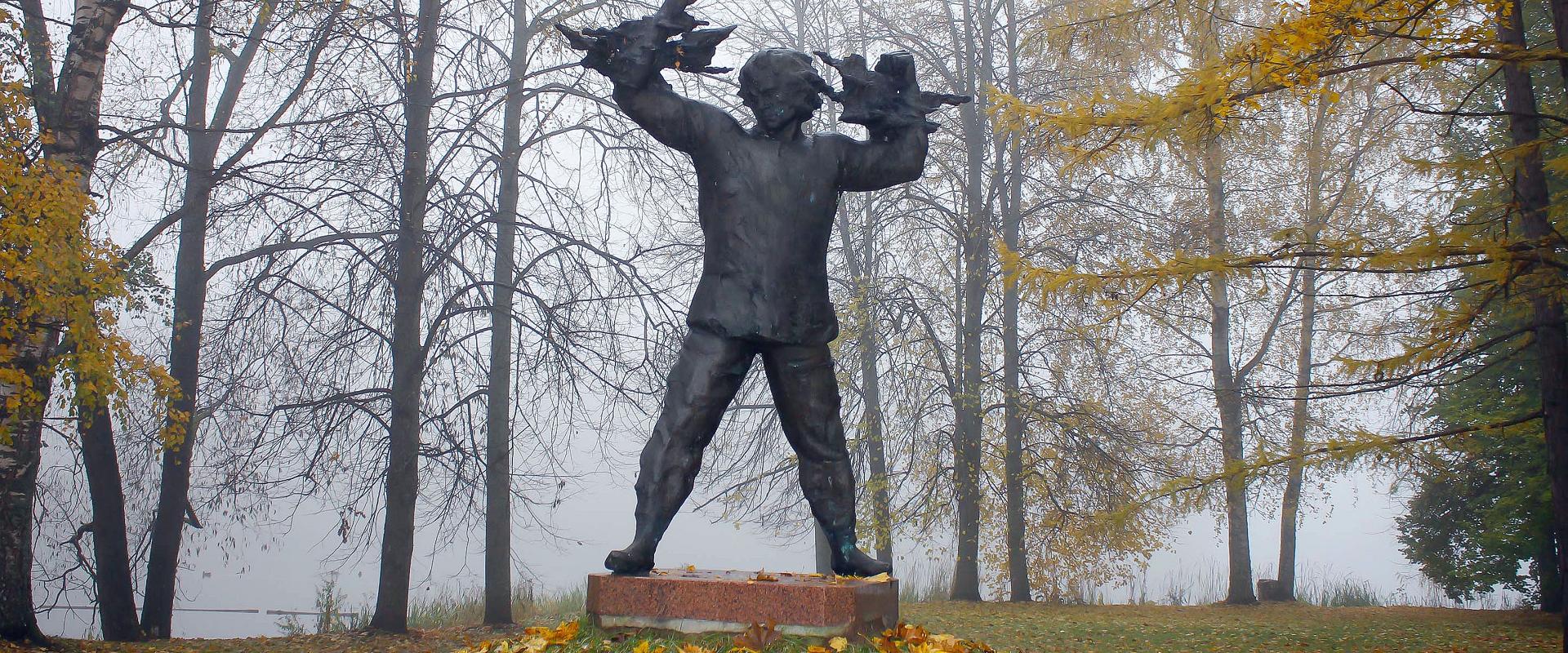
The Tree Garden Warrior

Standing in the landcaped area opposite the former main entrance of the Räpina Paper Factory is the Tree Garden Warrior, a monument to the historical Tree Garden War designed by Riho Kuld in 1984. The locals refer to the warrior as the Iron Man.In 1784 a peasant uprising took place in Räpina following the levying of a bounty tax. In the tree garden of the local manor a battle erupted between the soldiers and the local farmhands, who were armed with poles - ending in the deaths of five local men.

  • Sculptures

Sculpture Bronze Pig

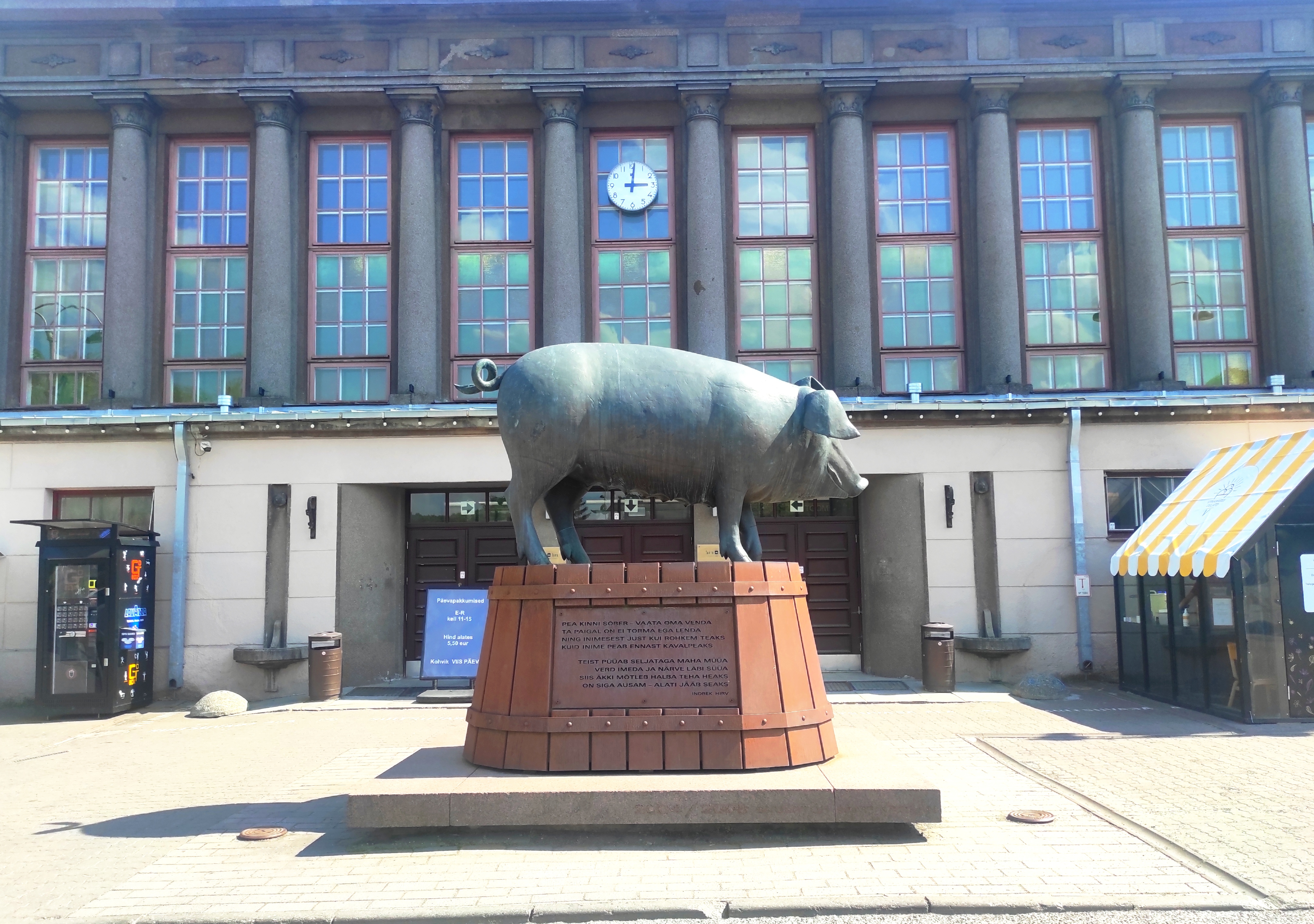
The sculpture was created by Mati Karmin and unveiled in front of the Tartu Market on 17 January 2008.The steel barrel rests on a granite base and the numbers and letters cut into the base inform the viewer that the date when the sculpture was opened, 17 January, is St Anthony’s Day when old Estonians used to turn their attention to the pig.

  • Sculptures

Memorial to the War of Independence in Valga

This memorial, which is dedicated to the freedom fighters of southern Estonia, represents the figure of an unknown soldier, his sword sheathed, with a flag held aloft in one hand and the other outstretched. The first memorial was unveiled here on 11 October 1925, dedicated to Lieutenant Julius Kuperjanov, but it was destroyed by Soviet forces on the night of 21 September 1940. The new memorial was inaugurated on 16 August 2013 in the original location on Kuperjanov Street. The design and mould of the memorial were made in 1925 by Amandus Adamson, who was also involved in the production of the bronze figure in Italy. This figure was restored to its original size by sculptor Jaak Soans. Restoration of the memorial was led by Major Meelis Kivi.

  • Collaboration
  • News
  • Contacts
  • Privacy Policy
Join our mailing list!

"*" indicates required fields

This field is for validation purposes and should be left unchanged.
I authorise marketing

Southern Estonian Tourism Cluster

info@visitsouthestonia.com