• Explore
    • Nature
    • Culture
    • Food
    • Family
    • Activity
    • Blog
  • Plan
    • Tourist info
    • Accommodation
  • For professionals
    • For professionals
    • Collaboration
    • News
    • Projects
    • Training
    • Repository
    • Community (opens in new tab)
    • Contacts
ENG
  • EnglishENG
  • EestiEST
  • LatviešuLAT
  • РусскийRUS
  • SuomiFIN
ENG
  • EnglishENG
  • EestiEST
  • LatviešuLAT
  • РусскийRUS
  • SuomiFIN
Popular searches:
Show all
  • History & Culture
  • Art & design
  • Sculptures

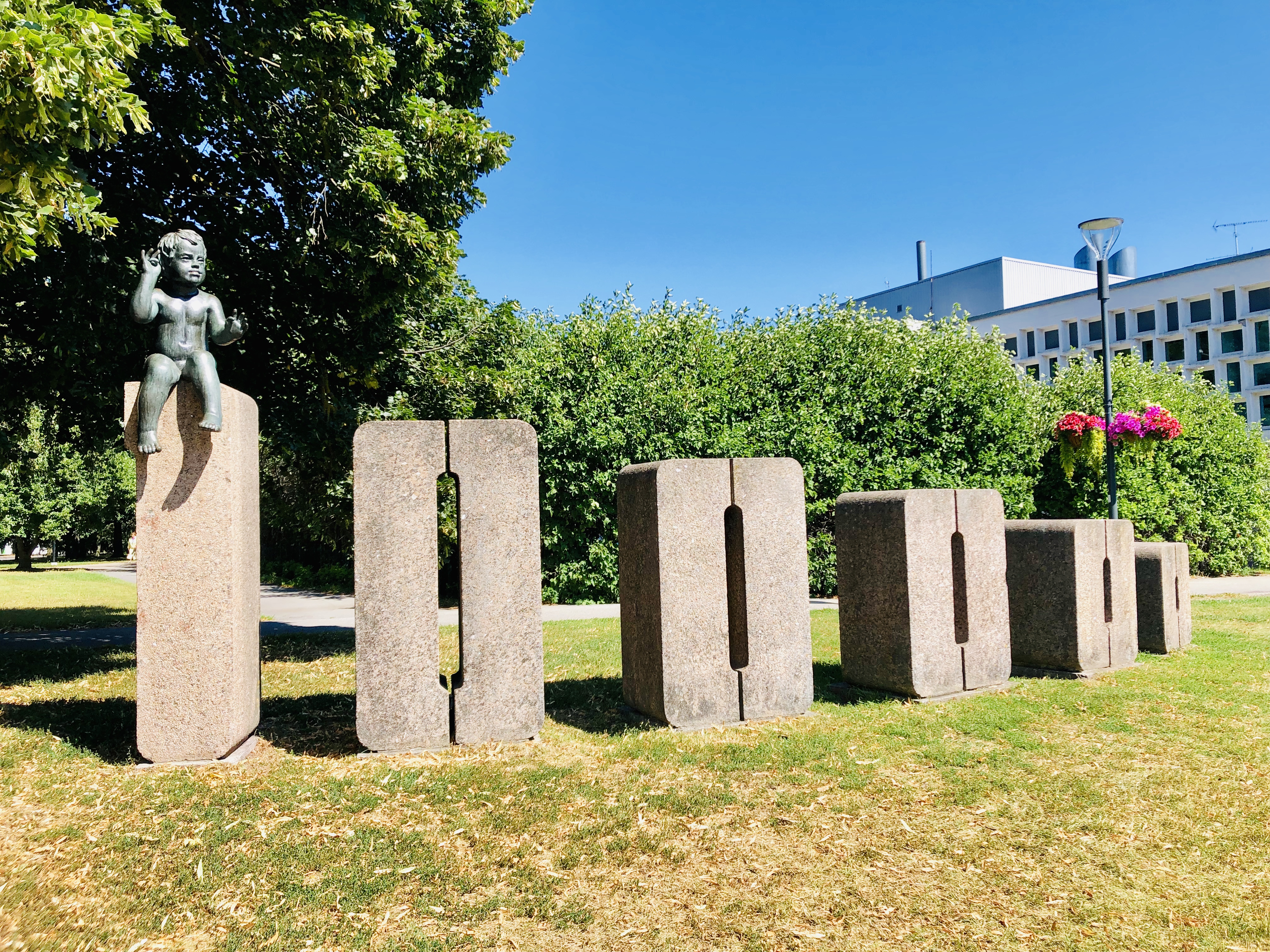
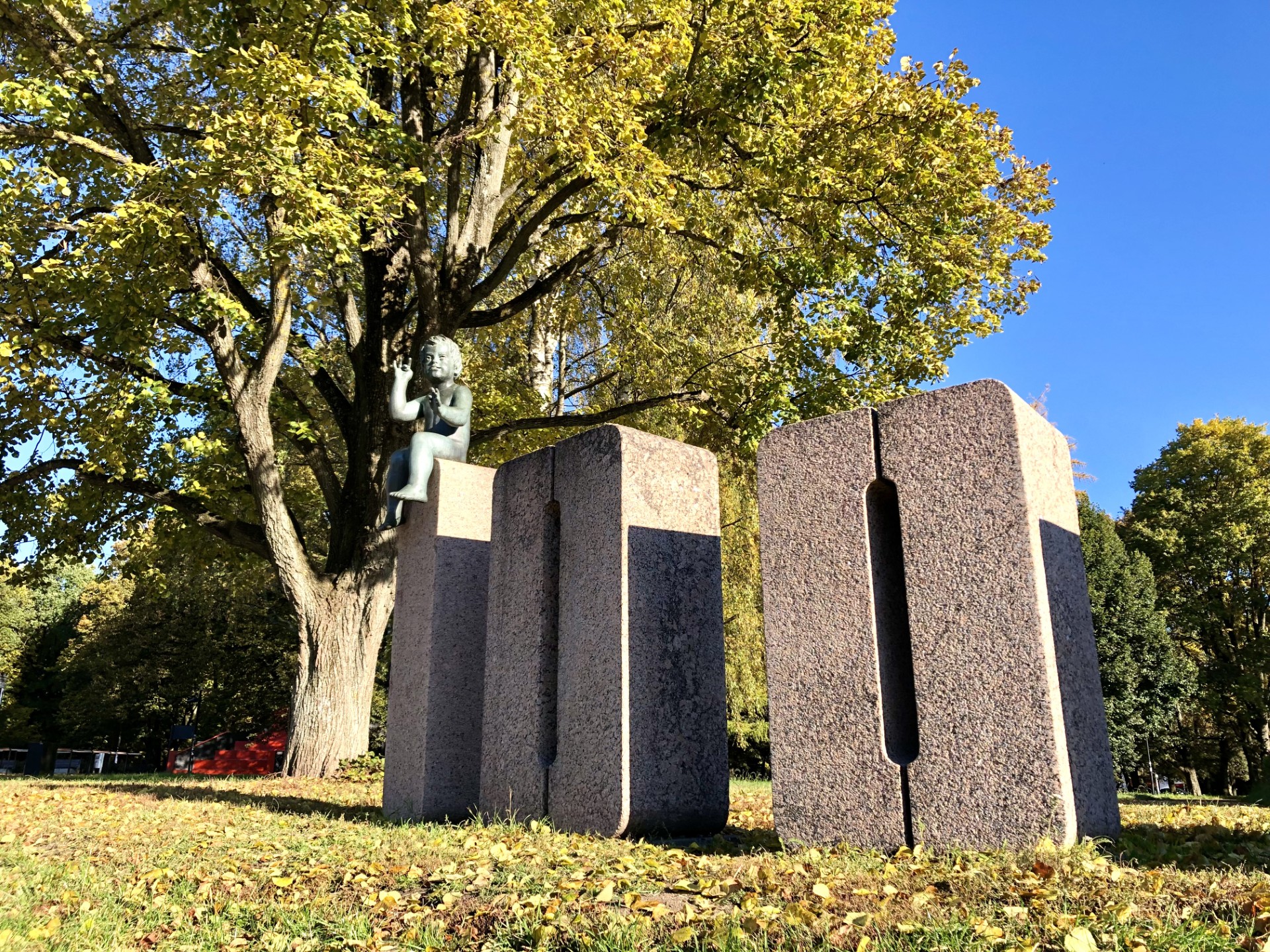
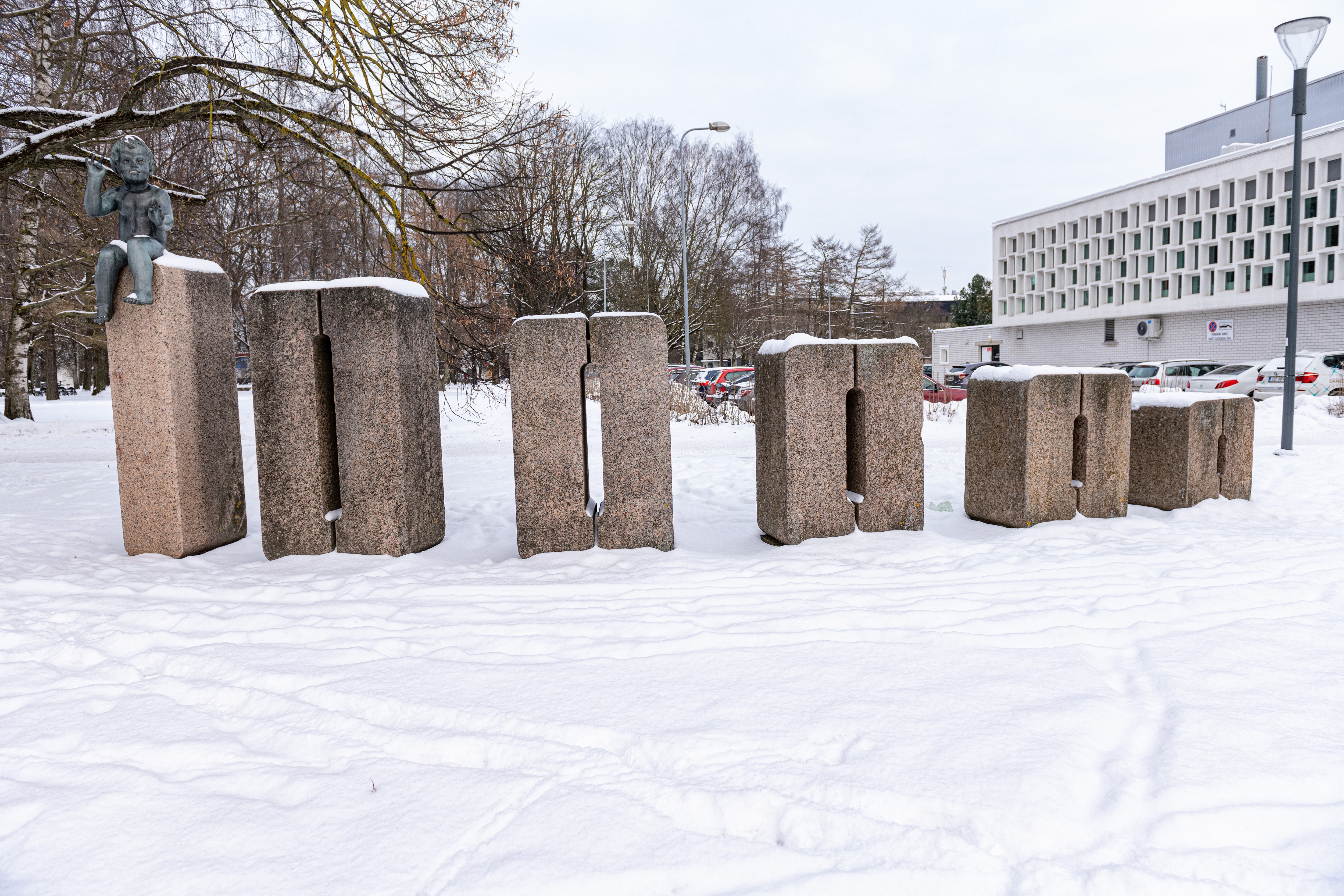
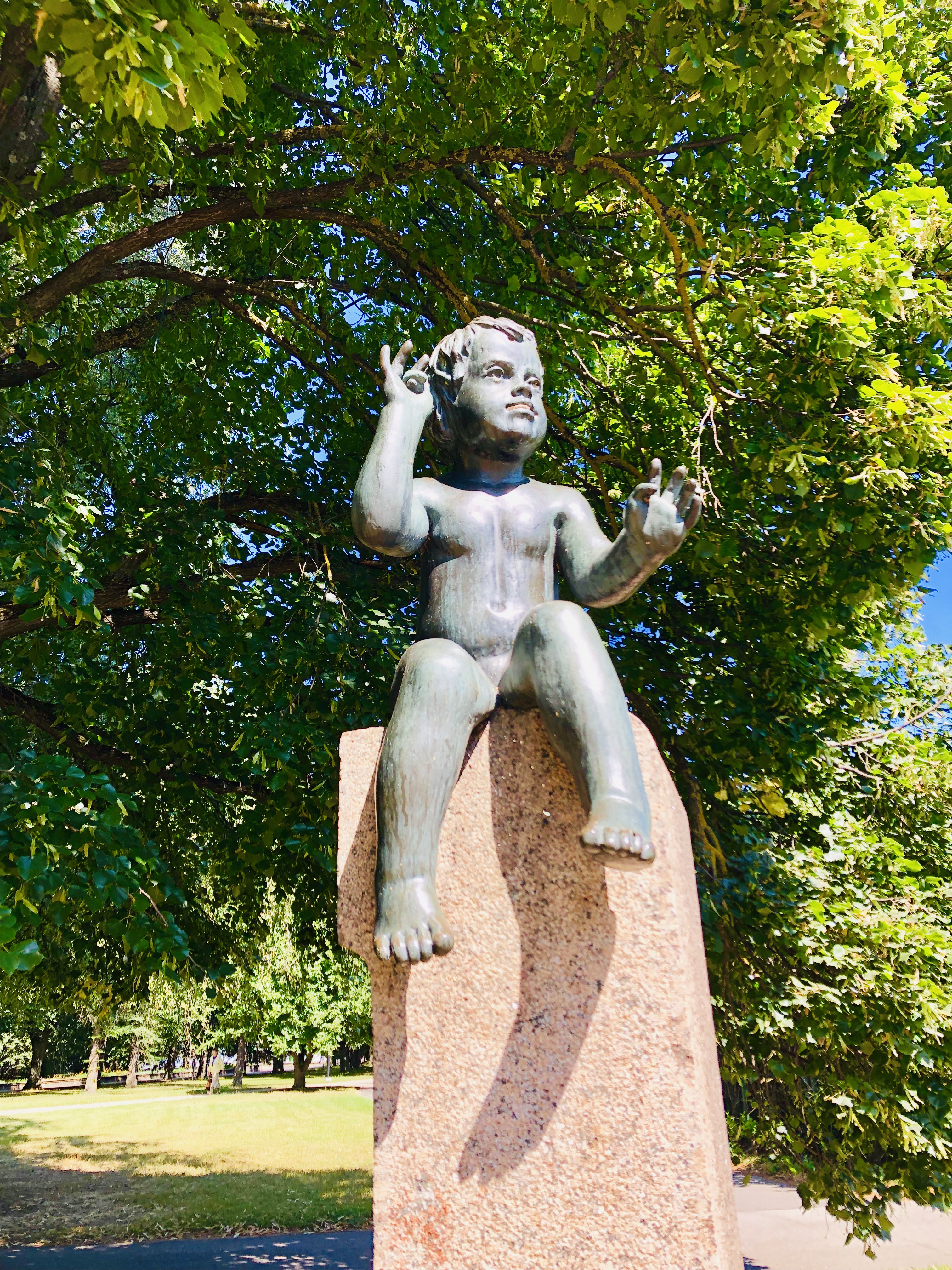
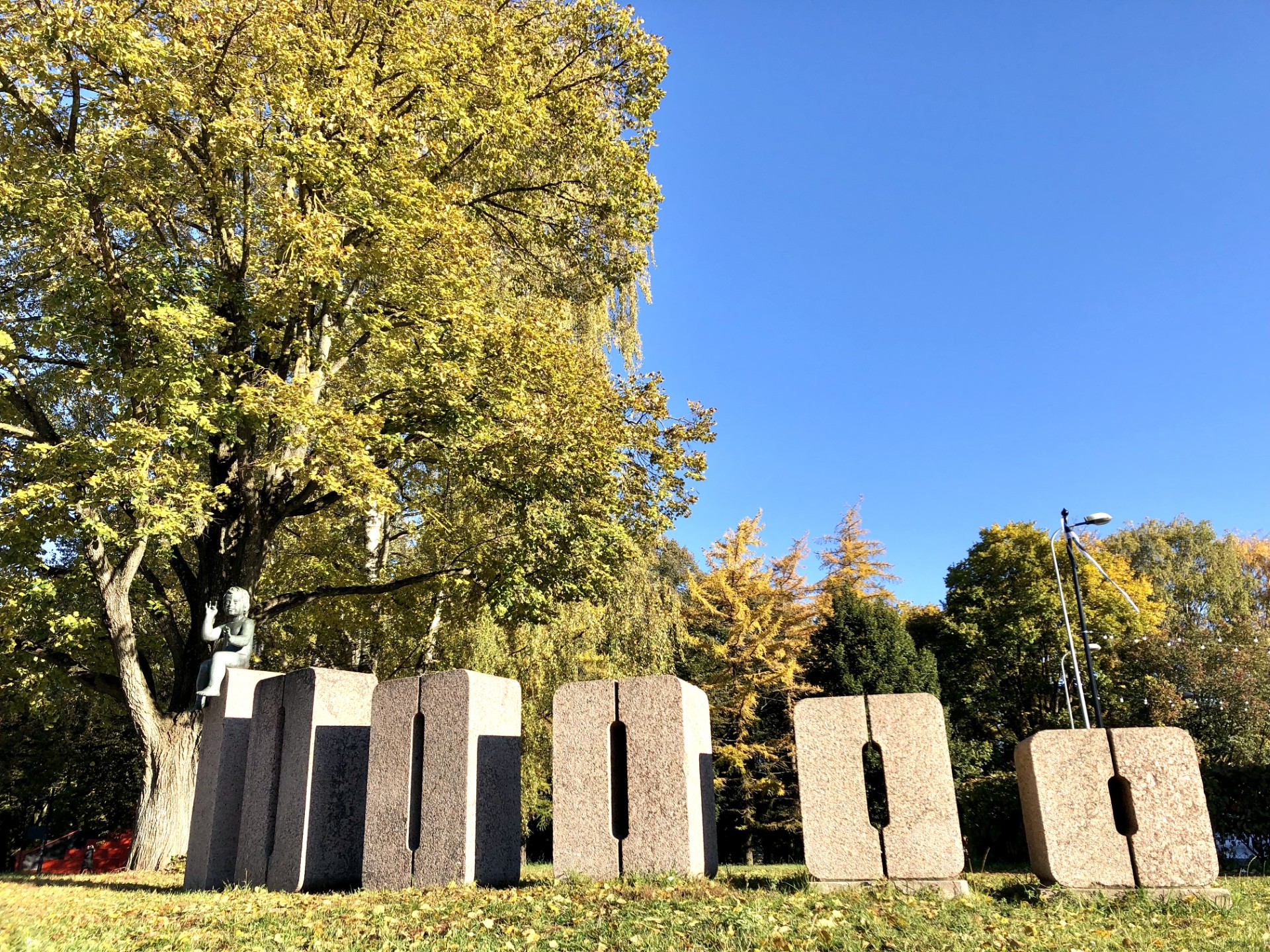
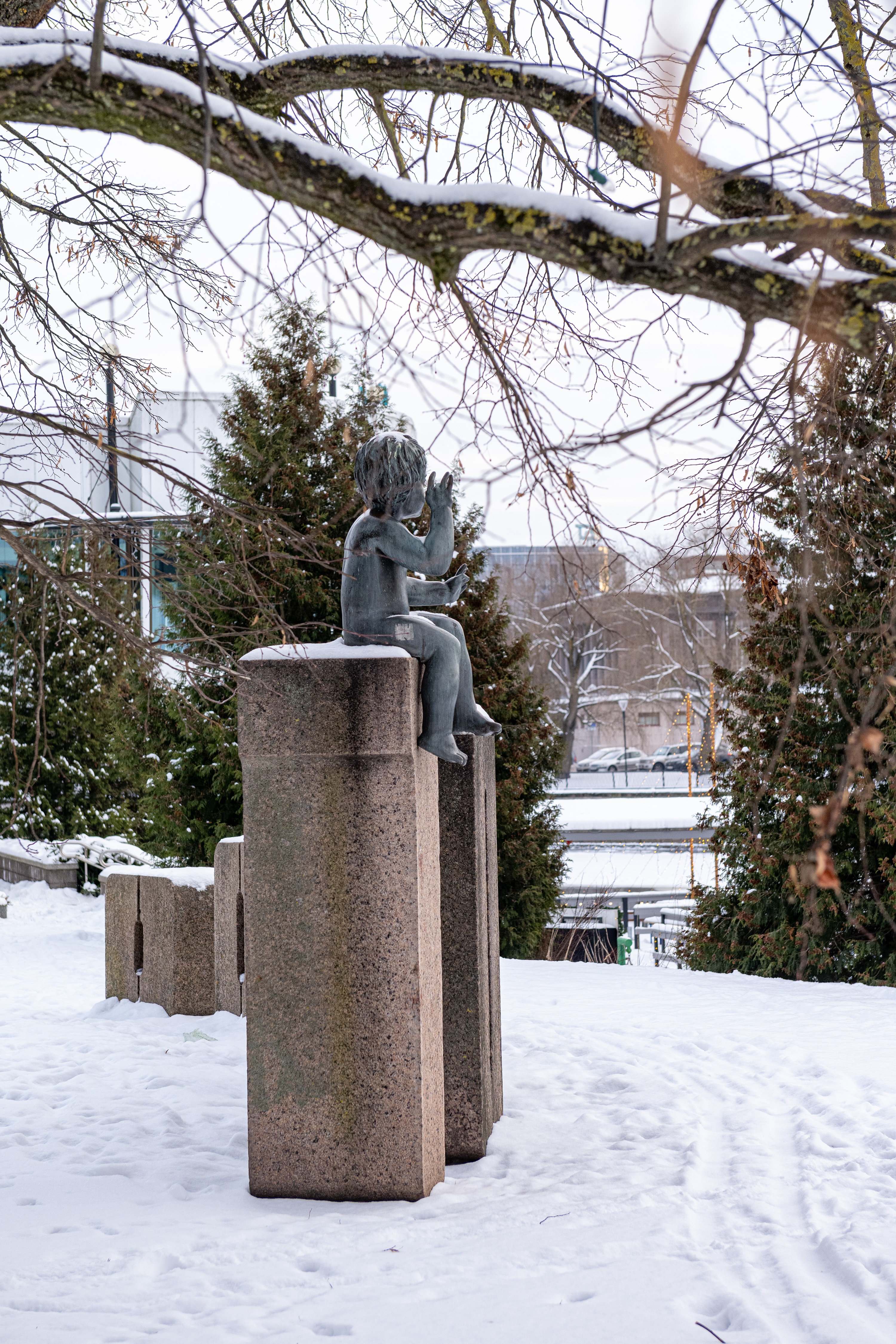
Group of sculptures to celebrate the birth of the 100,000th resident of Tartu

Narva mnt 2g, Tartu linn, Tartu maakond, 51009

The monument consists of the number 100,000 carved of granite with the bronze sculpture of a child sitting on number 1. The monument celebrating the birth of the 100,000th Tartu resident was initially located in the green area between the former Restaurant Kaunas and the Võidu Bridge. The monument was moved onto the banks of the Emajõgi River between Atlantis and Kaarsild.
Open times

Throughout the Year

Around the Clock

Links

See more

  • Sculptures

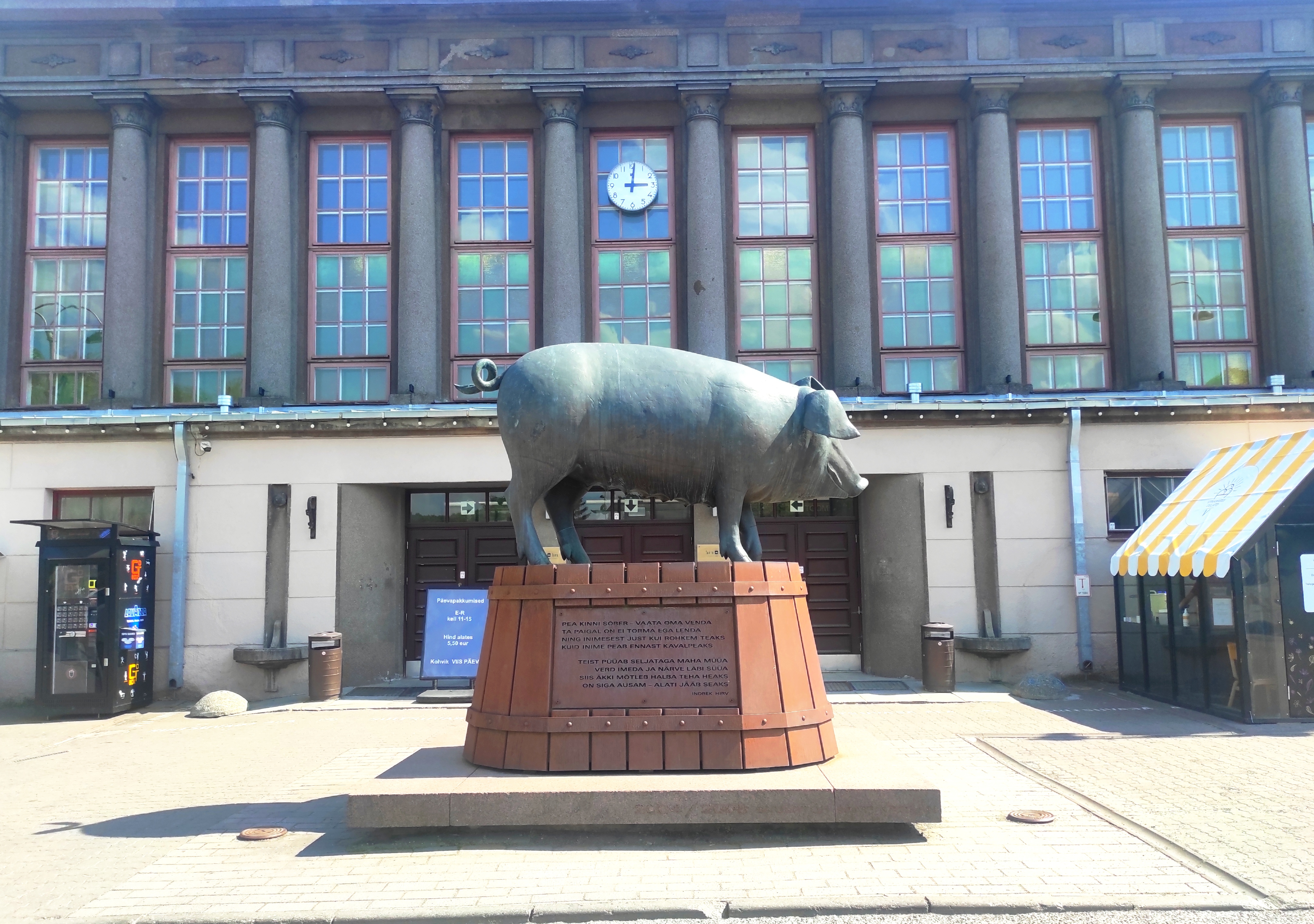
Sculpture Bronze Pig

The sculpture was created by Mati Karmin and unveiled in front of the Tartu Market on 17 January 2008.The steel barrel rests on a granite base and the numbers and letters cut into the base inform the viewer that the date when the sculpture was opened, 17 January, is St Anthony’s Day when old Estonians used to turn their attention to the pig.

  • Sculptures

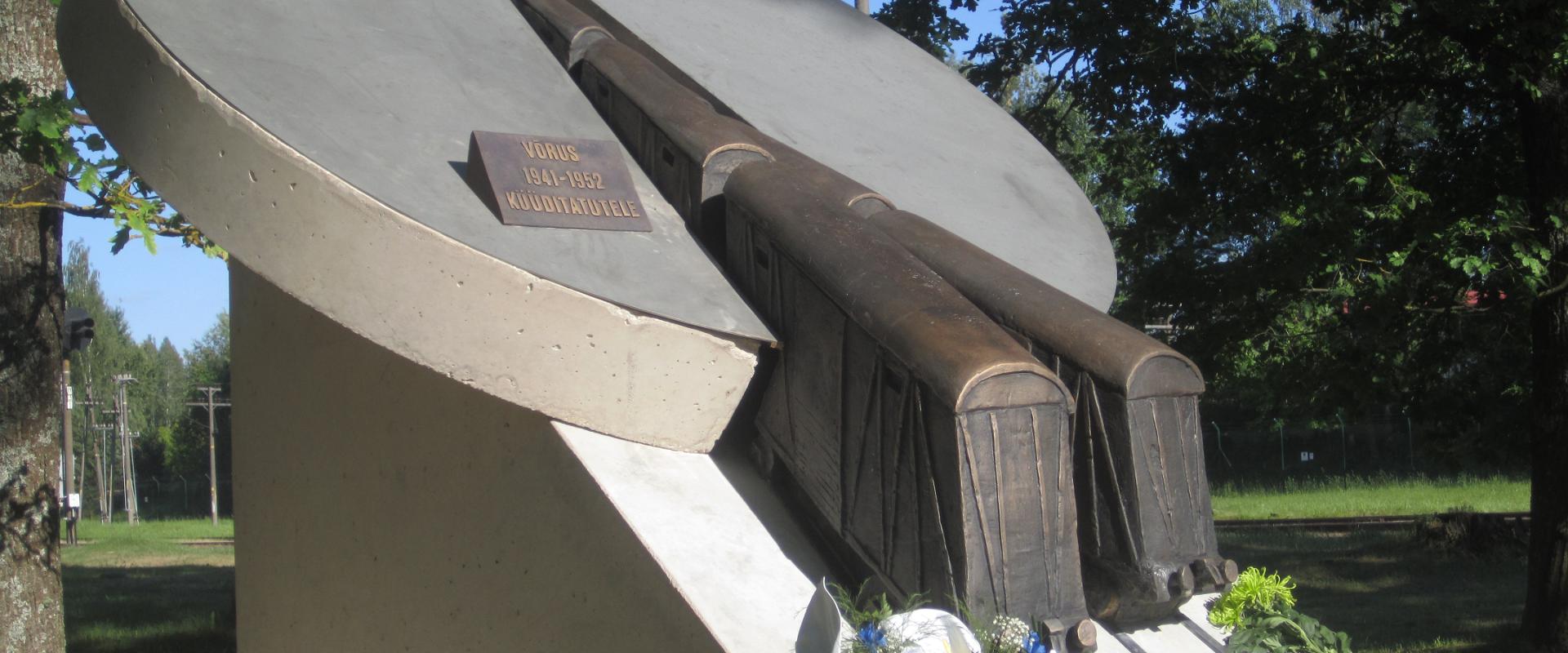
Memorial to deportees at the Võru railway station

The emotional and powerful memorial (2016) was erected to honour the harsh fate of the people deported from Võru and Võru County from 1941 to 1952. The sculptor is Jaak Soans.The memorial depicts two rows of bronze animal wagons placed on a concrete block 1.6 metres high, with human figures visible between them. A ramp made of original railway sleepers and dolomite gravel, which is 4 metres wide and 16 metres long, takes to the memorial. The total length of the memorial complex is almost 24 meters.

  • Sculptures

War of Independence Memorial Column

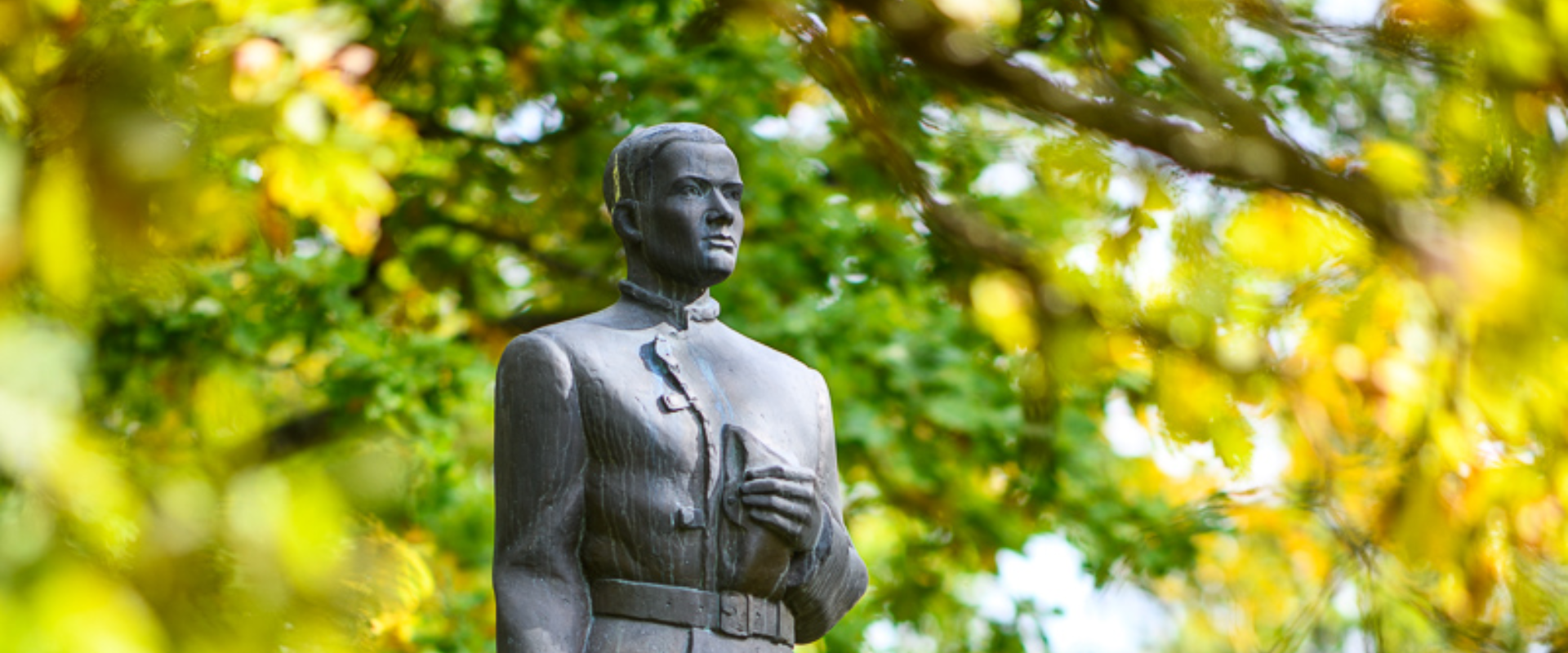
The memorial column erected in 1928 to commemorate those who fell in the War of Independence stands in the park next to Tõrva Upper Secondary School. The author of the monument is Aleksander Eller. The monument was taken down by local communist authorities during the Second World War in 1940 and it was reopened on Victory Day, 23 June 1990.Interesting facts: Schoolboys gave the monument the friendly name Juku.

  • Sculptures

Sculpture of Karl Menning

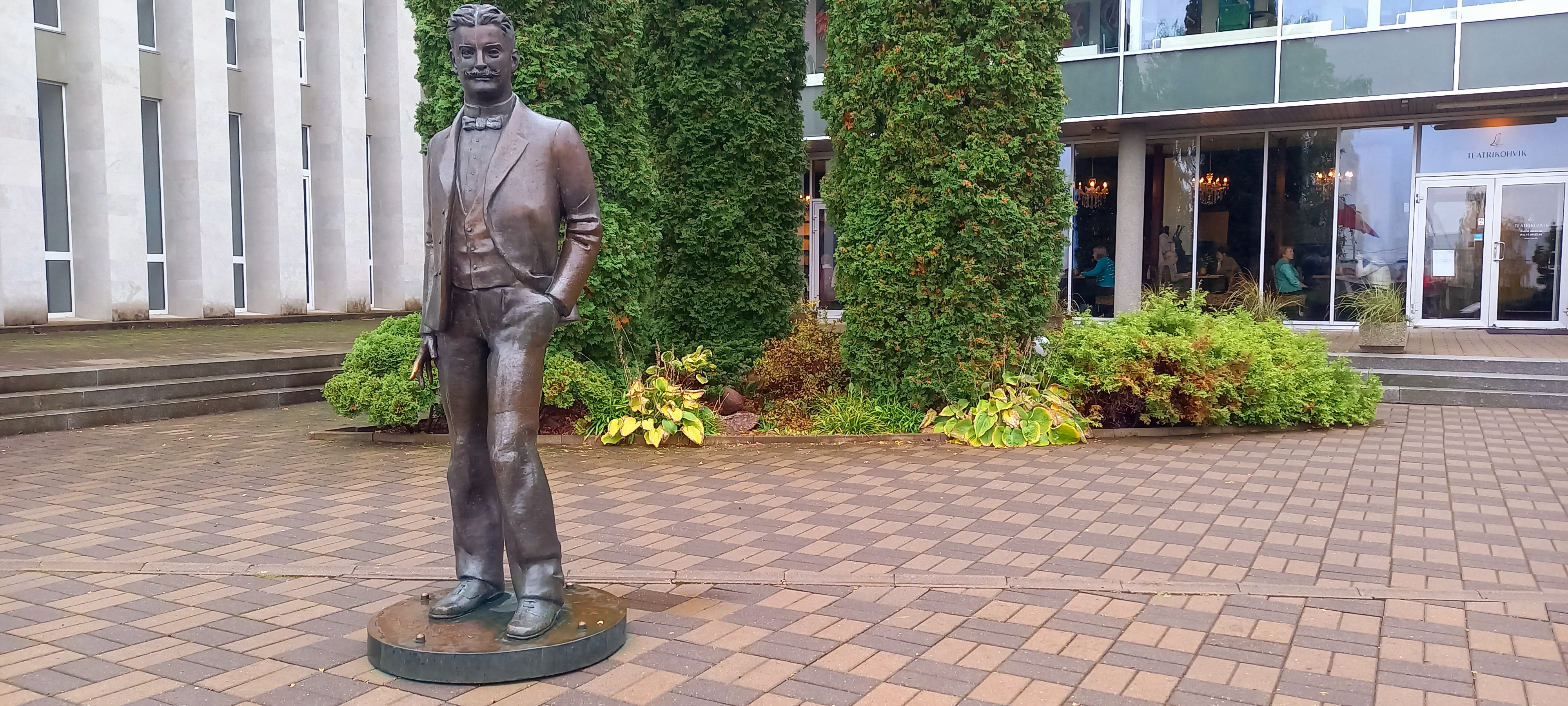
Karl Menning was the founder of professional theatre in Estonia and the first professional theatre and stage director in the country. He was the director of the Vanemuine Theatre from 1906 to 1914. His sculpture was created by Mare Mikoff and is unique for the fact that it can be turned on the spot.

  • Sculptures

Sculpture of Oscar Wilde and Eduard Vilde

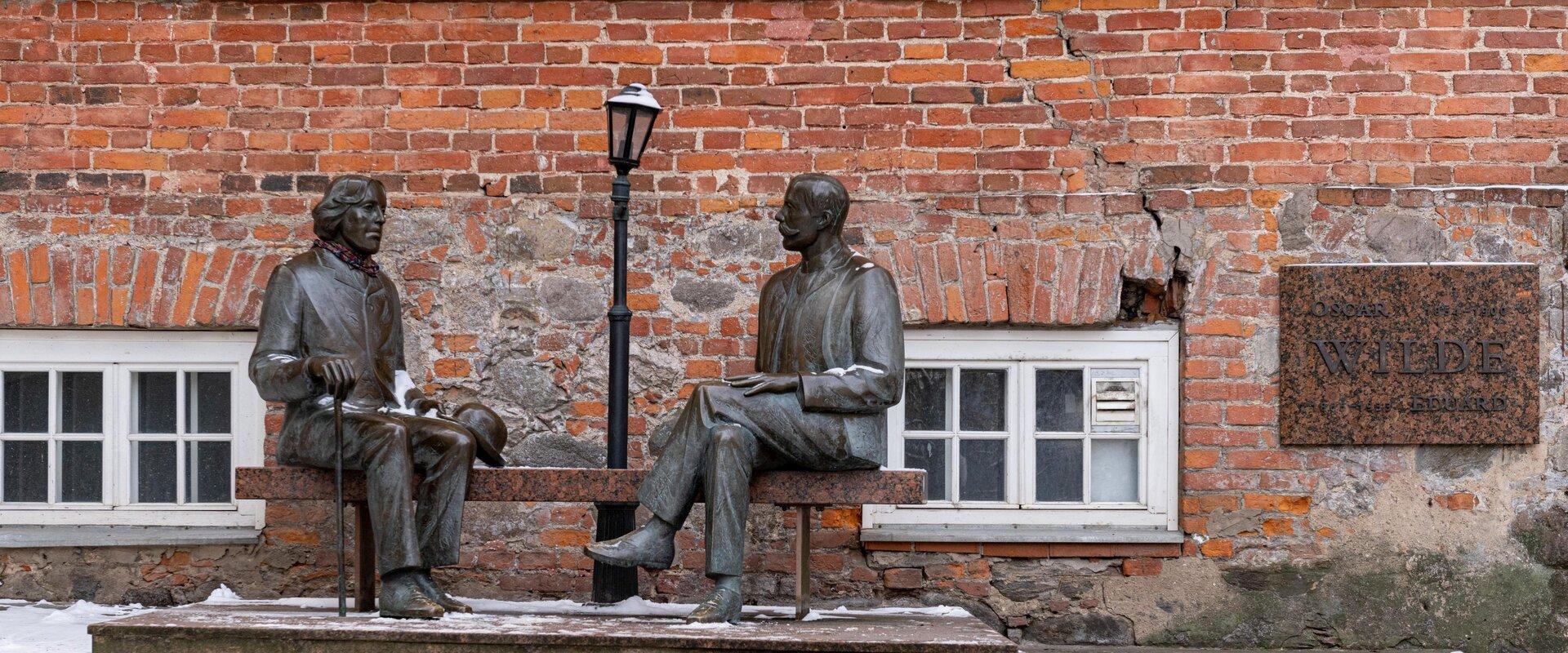
A sculpture created in Tartu's Old Town in 1999 depicts a fun speculation about the history of literature. Sitting on a bench are contemporaries and namesakes, or the two Wildes: Irish-born writer Oscar Wilde (1854-1900) and Estonian writer Eduard Vilde (1865-1933). Sculptor Tiiu Kirsipuu, who modeled the figures of the writers based on photographs, has noted that when creating the twin figures, she had in mind the year 1890, when the two Wildes could have really met each other and had a few witty words. The sculpture symbolizes friendship and intercultural dialogue. The sculpture of the two writers is located in front of the former Mattiesen printing house, one of Tartu's architectural monuments, which now houses the wine and art restaurant Vilde ja Vine. The statue is a beloved landmark among both locals and visitors. Sitting on the bench next to the writers allows you to take nice pictures as a souvenir of your visit to Tartu. In 2004, a copy of the sculpture was also donated to the city of Galway in Ireland, where the paternal family of literary classic Oscar Wilde came from.

  • Sculptures

‘Father and Son’ sculpture

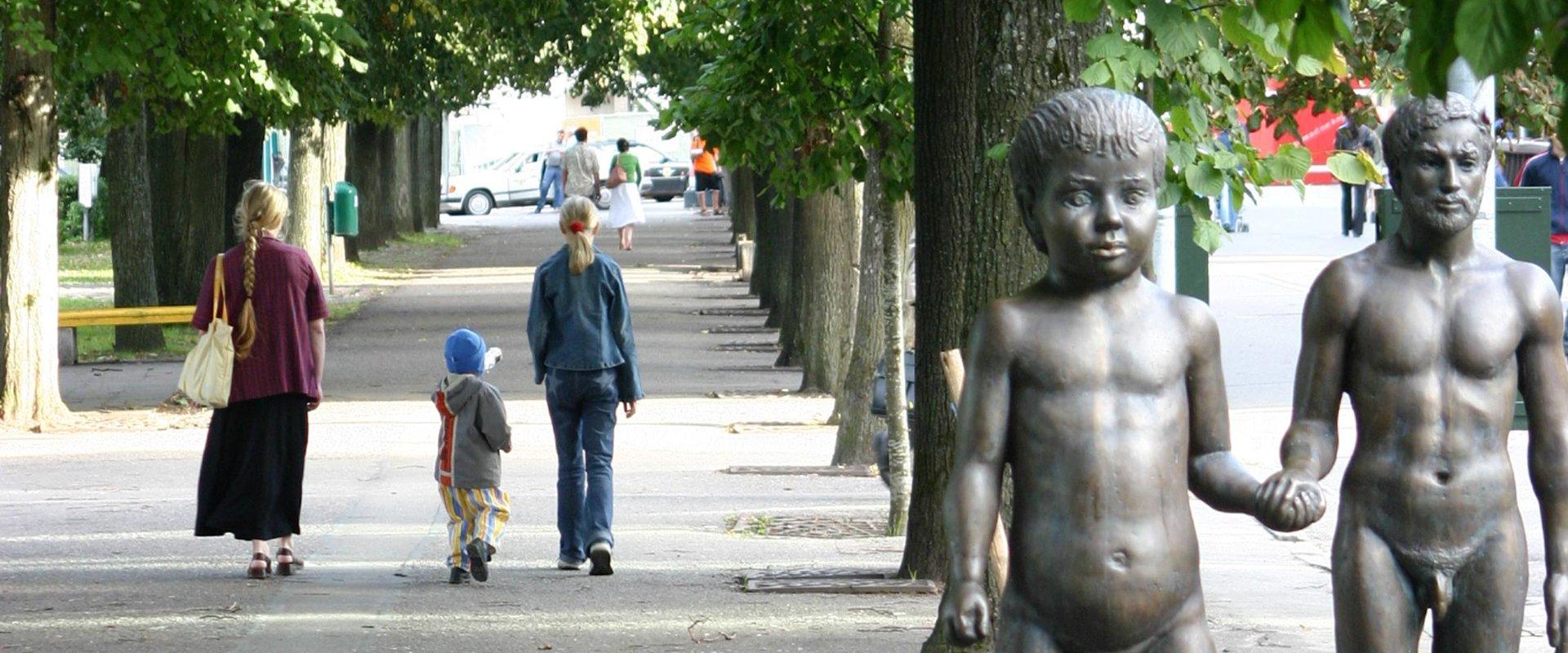
The sculpture "Father and Son" is a symbol of the relationship between different generations, where children are increasingly growing apart from their parents. The bronze work by sculptor Ülo Õun (1944-1988) was unveiled on Children's Day, June 1, 2004, on Küüni Street. The work represents the sculptor himself and his son Kristjan when the son was one and a half years old.

  • Sculptures

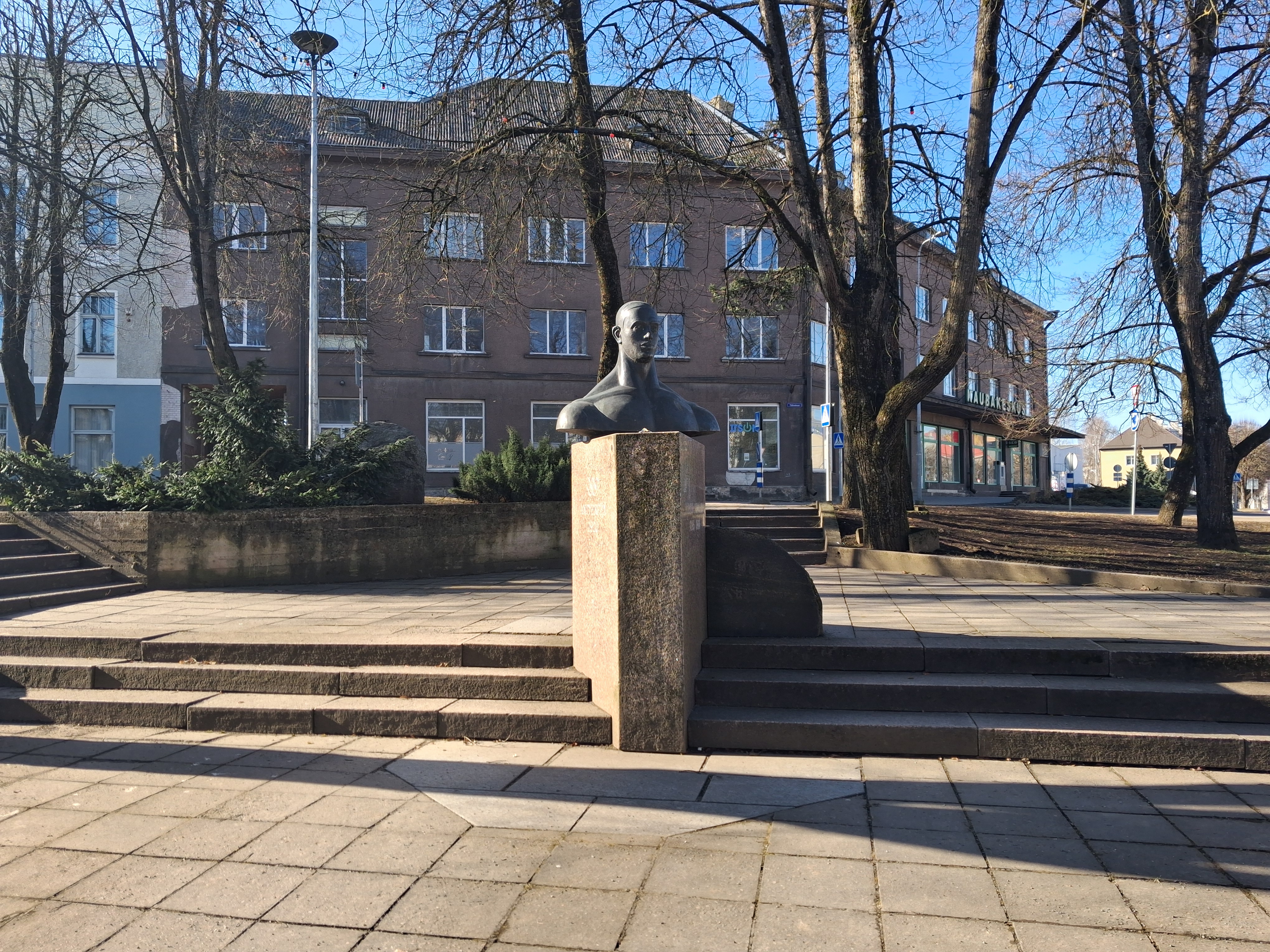
Monument to Alfred Neuland

Weightlifter Alfred Neuland (1895-1966) who was born in Valga is the first Estonian Olympic Champion. He returned with a gold medal from the Antwerp Olympic Games in 1920. He was also successful at the Paris Olympic Games where he won the silver medal.Interesting facts: * sculptor Mati Karmin is the author of the bronze bust; * Hermann Lerchenbaum, the first Estonian known to have taken part in Olympic Games as a member of the US Navy's rowing team at the 1896 Olympic Games in Athens, was also born in Valga.

  • Sculptures

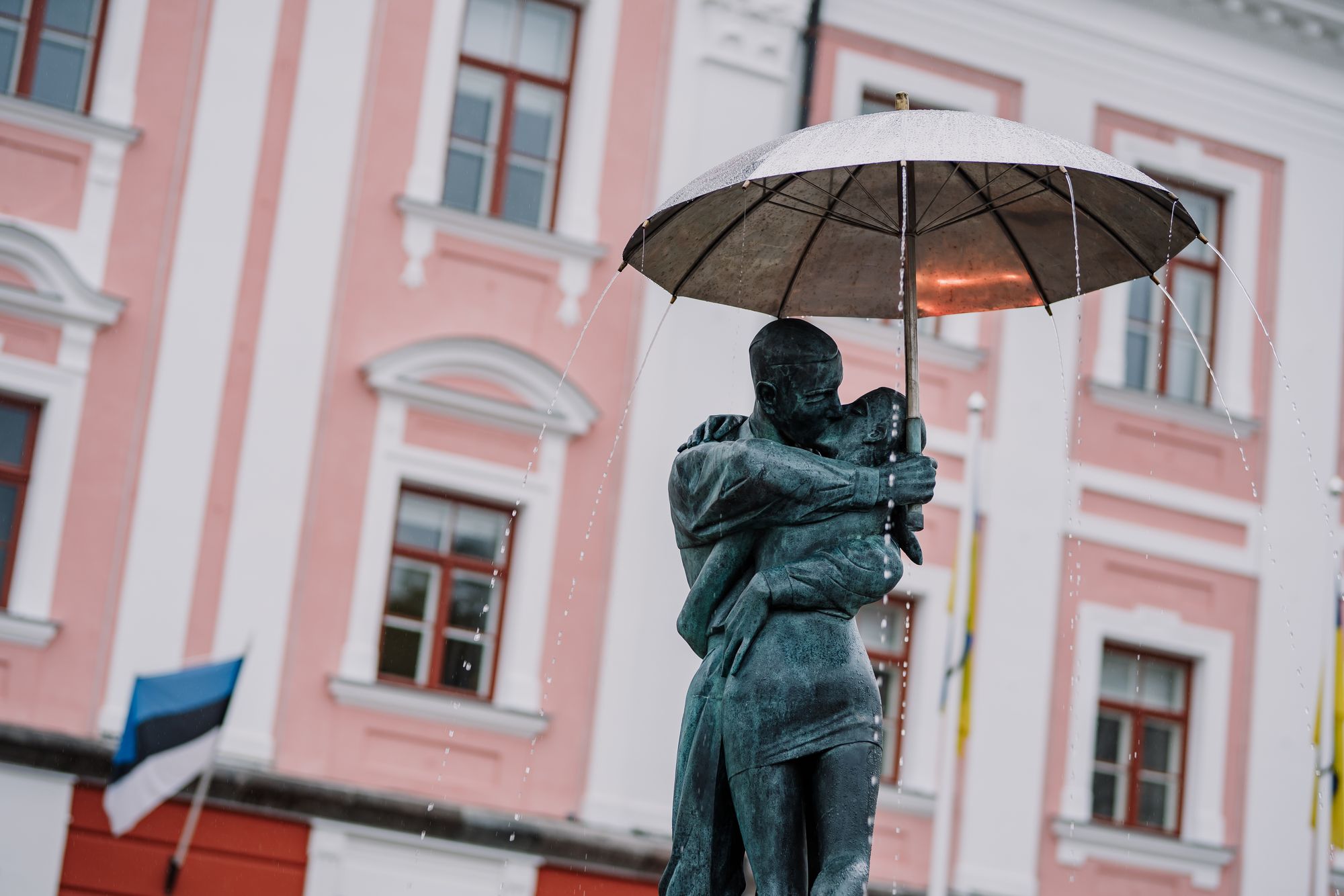
‘The Kissing Students’ sculpture and fountain

'The Kissing Students' sculpture and fountain is one of the most recognised symbols of Tartu. The fountain has stood in the same place since 1948, when newlyweds and their guests would visit it for luck, and people would also take a dip in it. The sculpture was created by Mati Karmin and completed in 1998. Since 2006 the fountain has been surrounded by tiles bearing the names of Tartu's sister cities – Bærum, Deventer, Ferrara, Fredriksberg, Hafnarfjörður, Hämeenlinna, Kaunas, Lüneburg, Pihkva, Riia, Salisbury, Tampere, Turu, Uppsala, Veszprem and Zutphen. Each of these is situated in the direction that the cities lie from Tartu, with the distances marked.

  • Collaboration
  • News
  • Contacts
  • Privacy Policy
Join our mailing list!

"*" indicates required fields

This field is for validation purposes and should be left unchanged.
I authorise marketing

Southern Estonian Tourism Cluster

info@visitsouthestonia.com