• Открой
    • Еда
    • Природа
    • Культура
    • Семья
    • Спорт
    • Сообщество
    • Блог
    У Вас появились свободные выходные, чтобы провести с детьми? Здесь собраны лучшие места в Южной Эстонии для семейного отдыха
  • Планируй
    • Размещение
    • Информация
    • Varamu
    Sustainability
RUS
  • РусскийRUS
  • EestiEST
  • EnglishENG
  • LatviešuLAT
  • SuomiFIN
RUS
  • РусскийRUS
  • EestiEST
  • EnglishENG
  • LatviešuLAT
  • SuomiFIN
Populaarsed otsingud:
Näita kõiki tulemusi
  • History & Culture
  • Art & design

Acrylic pouring or stencil art portrait workshops

Kastani tn 42, Tartu linn, Tartu maakond, 50410

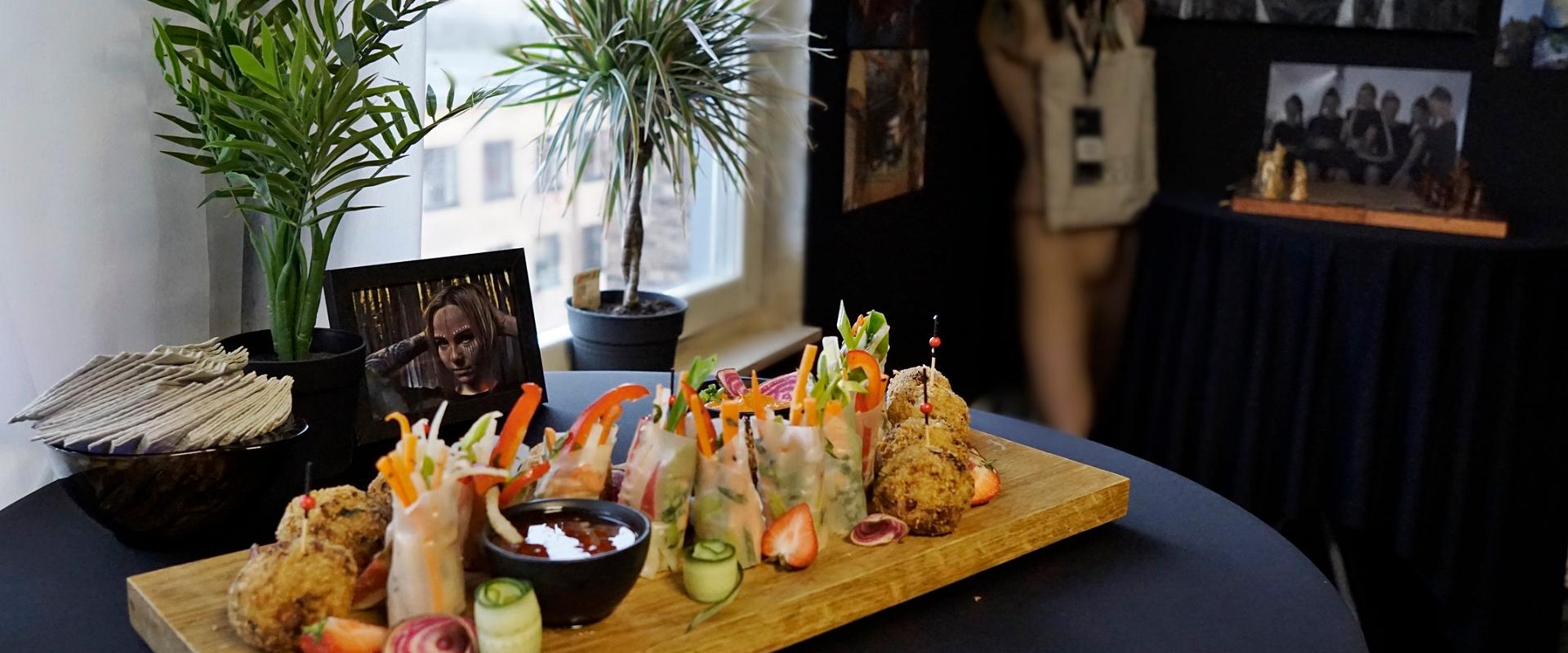
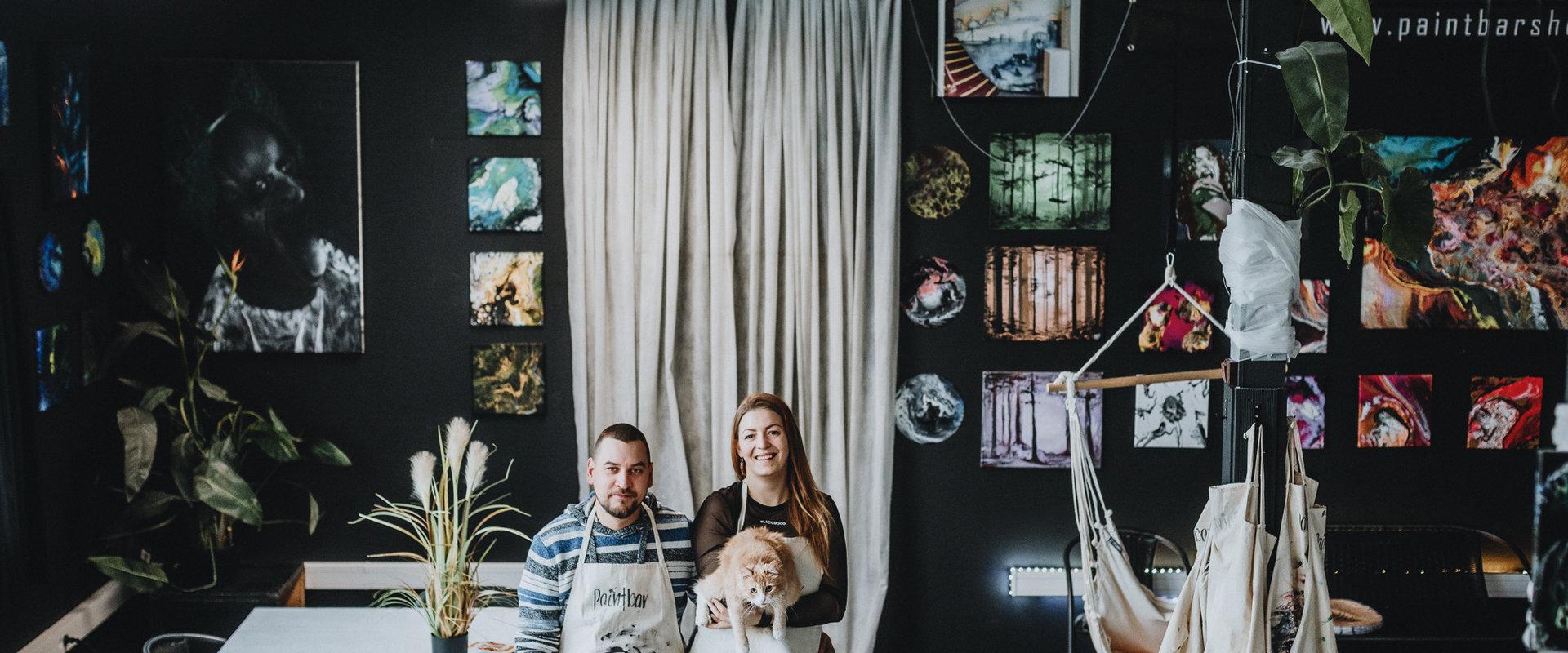
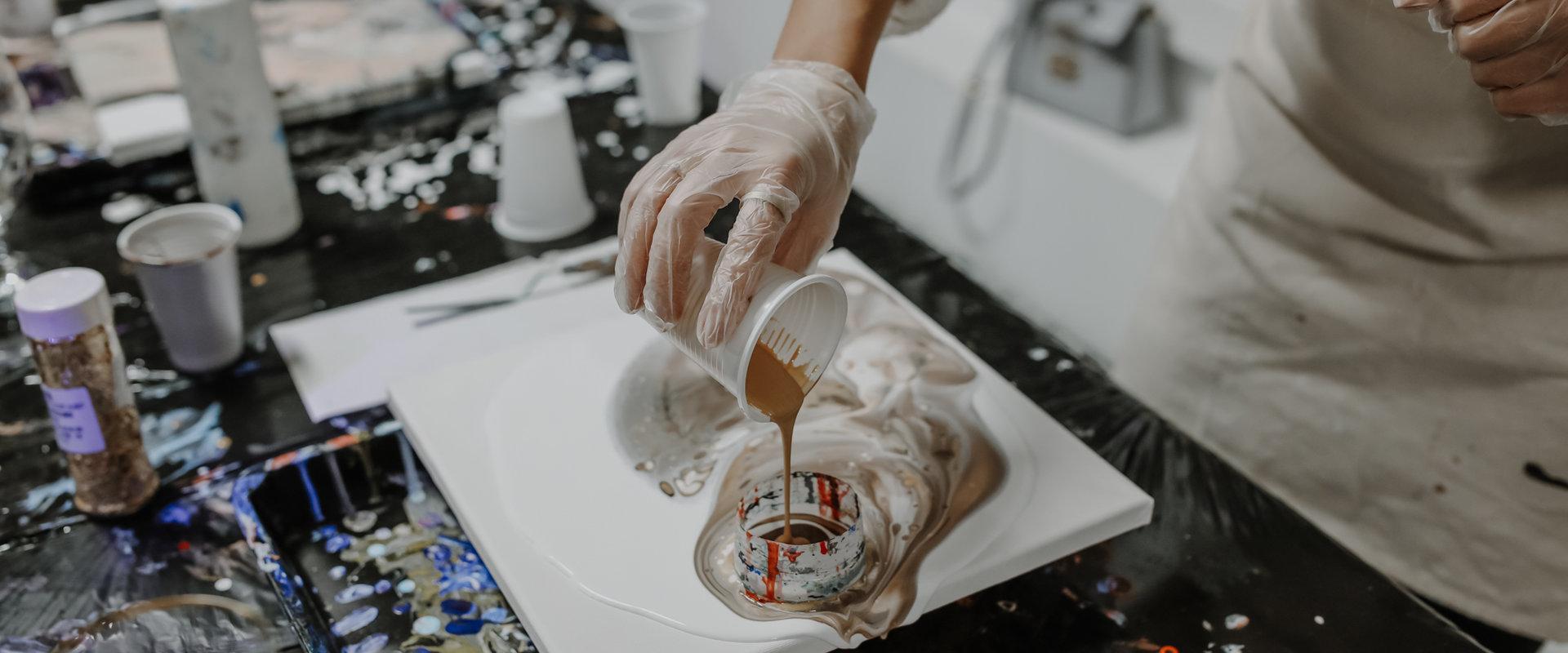
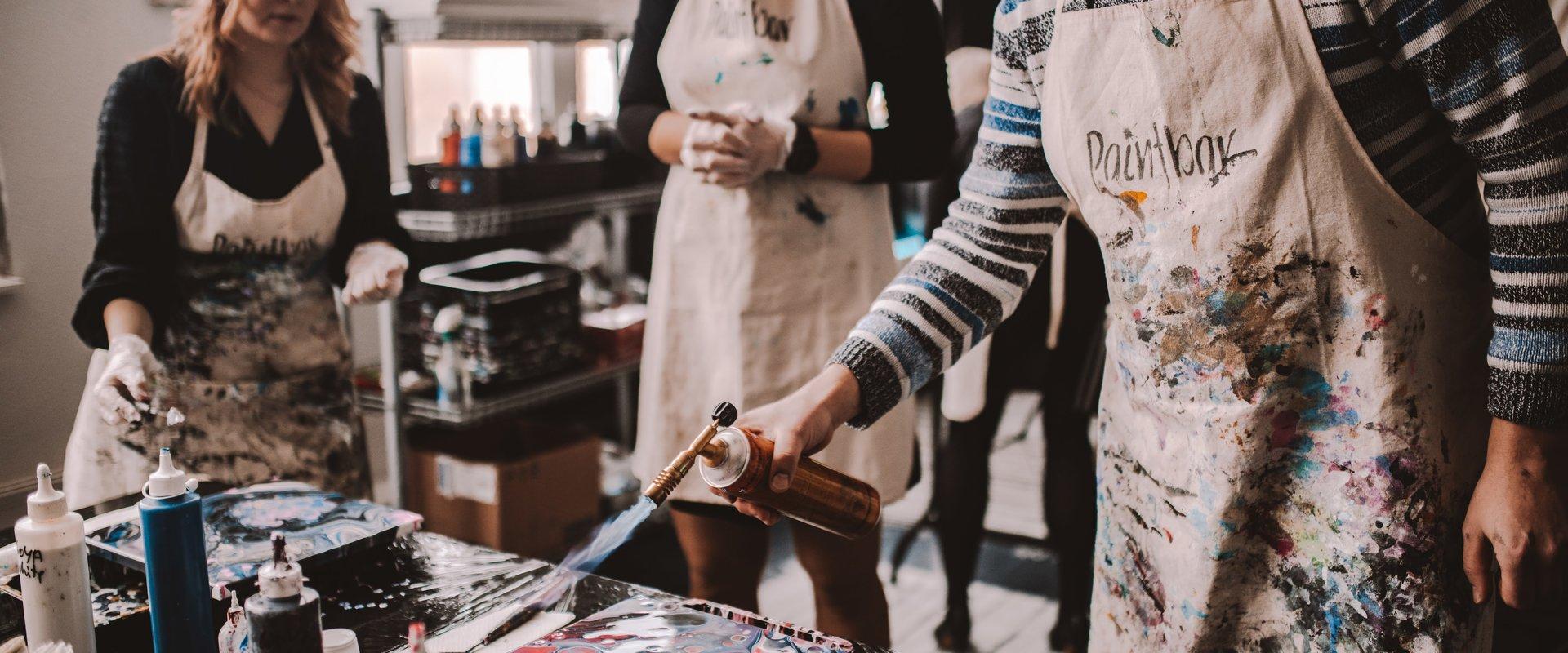
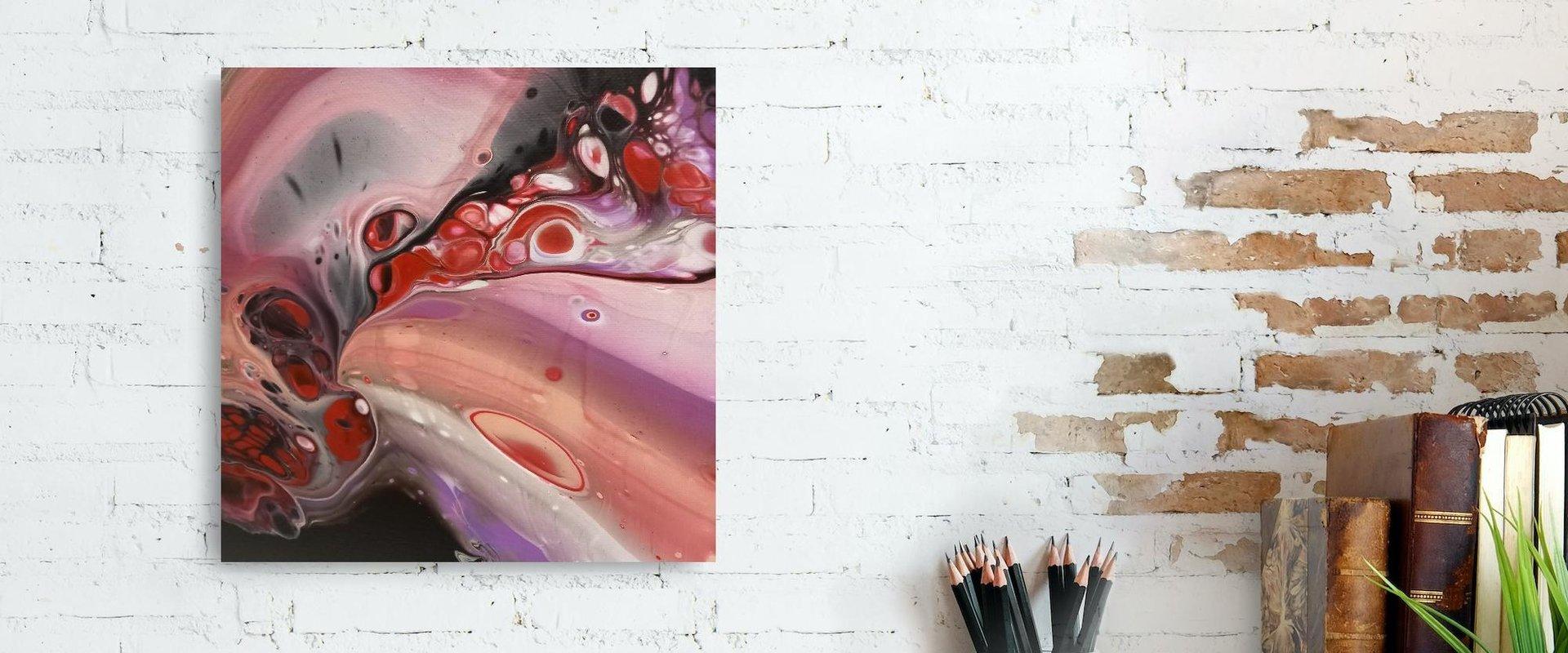
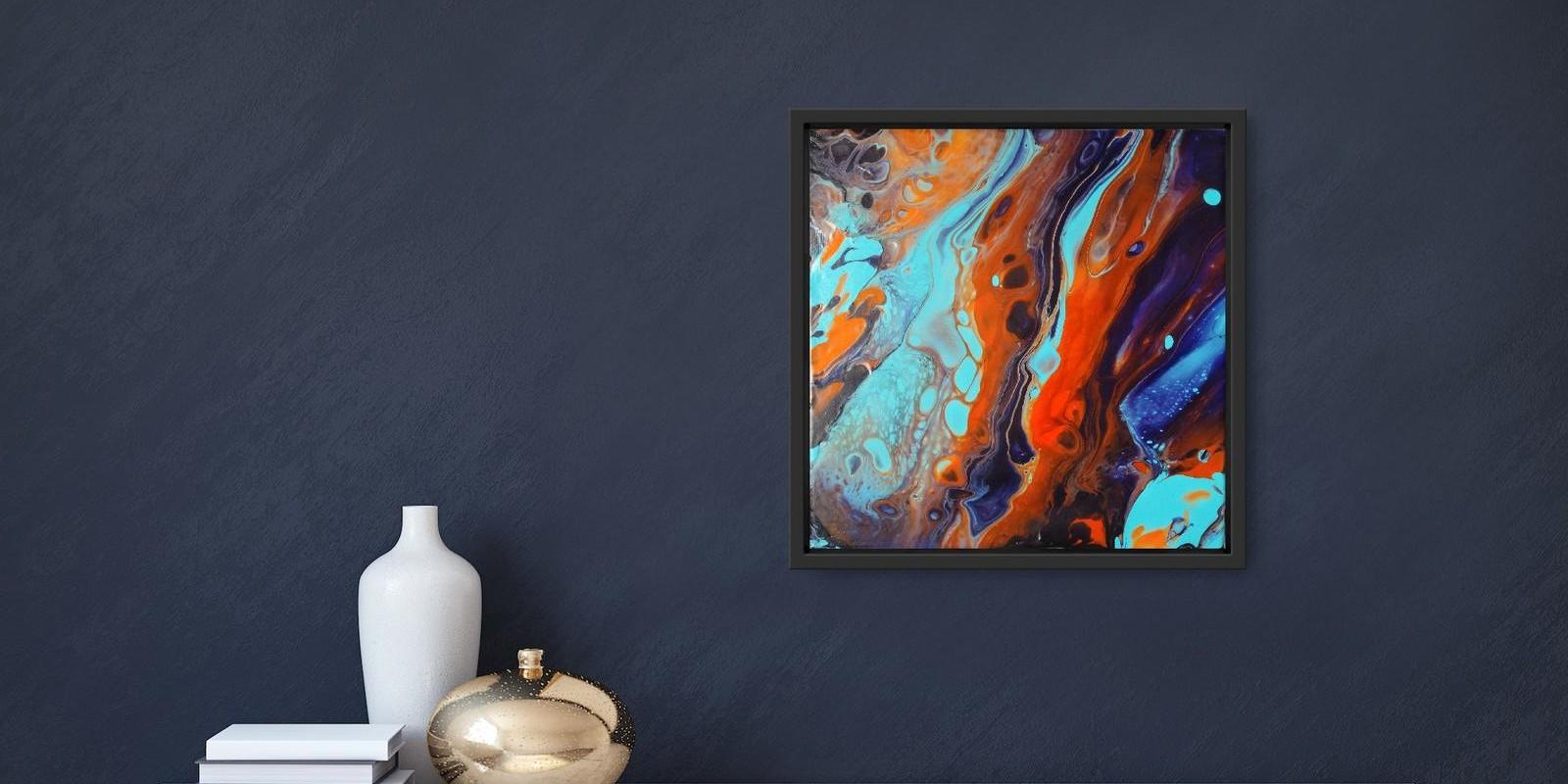
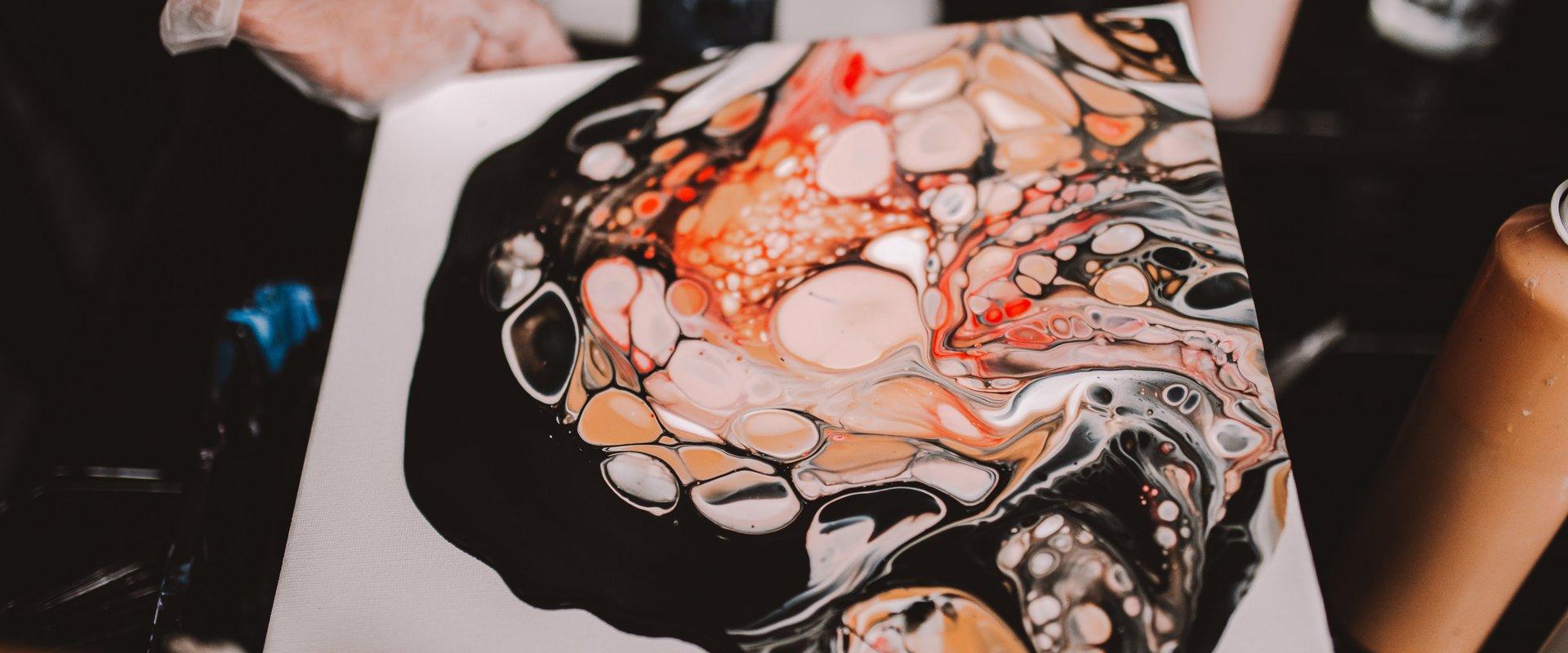
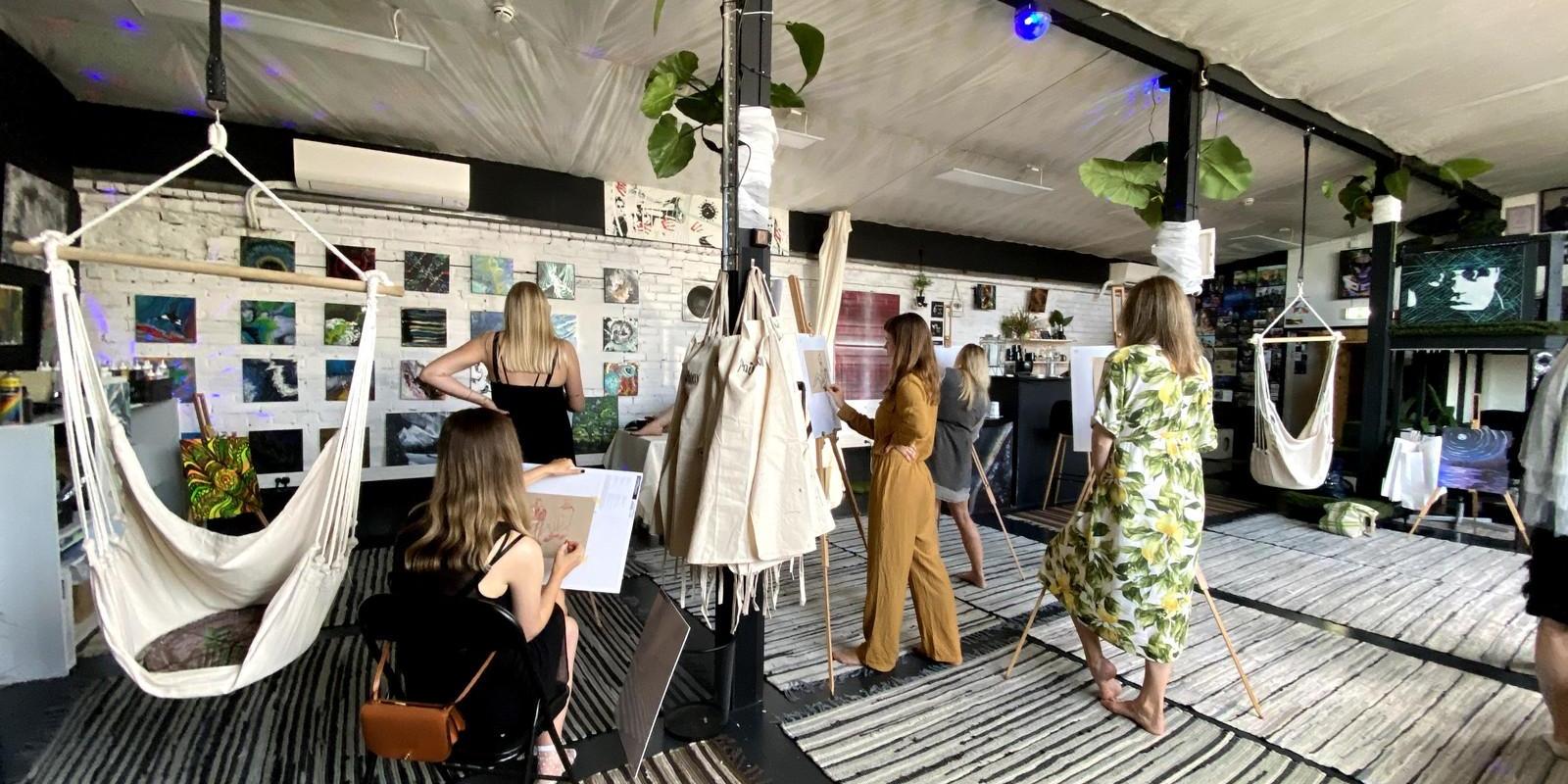
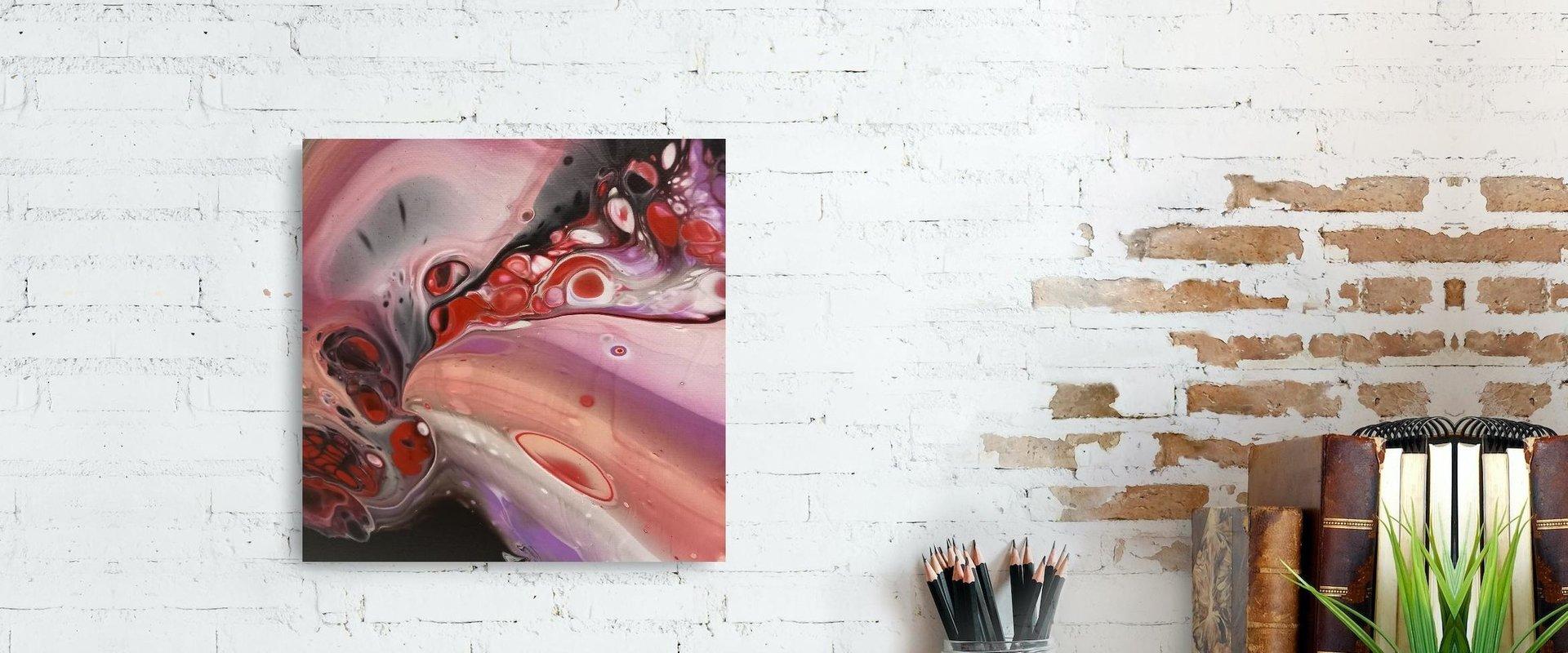
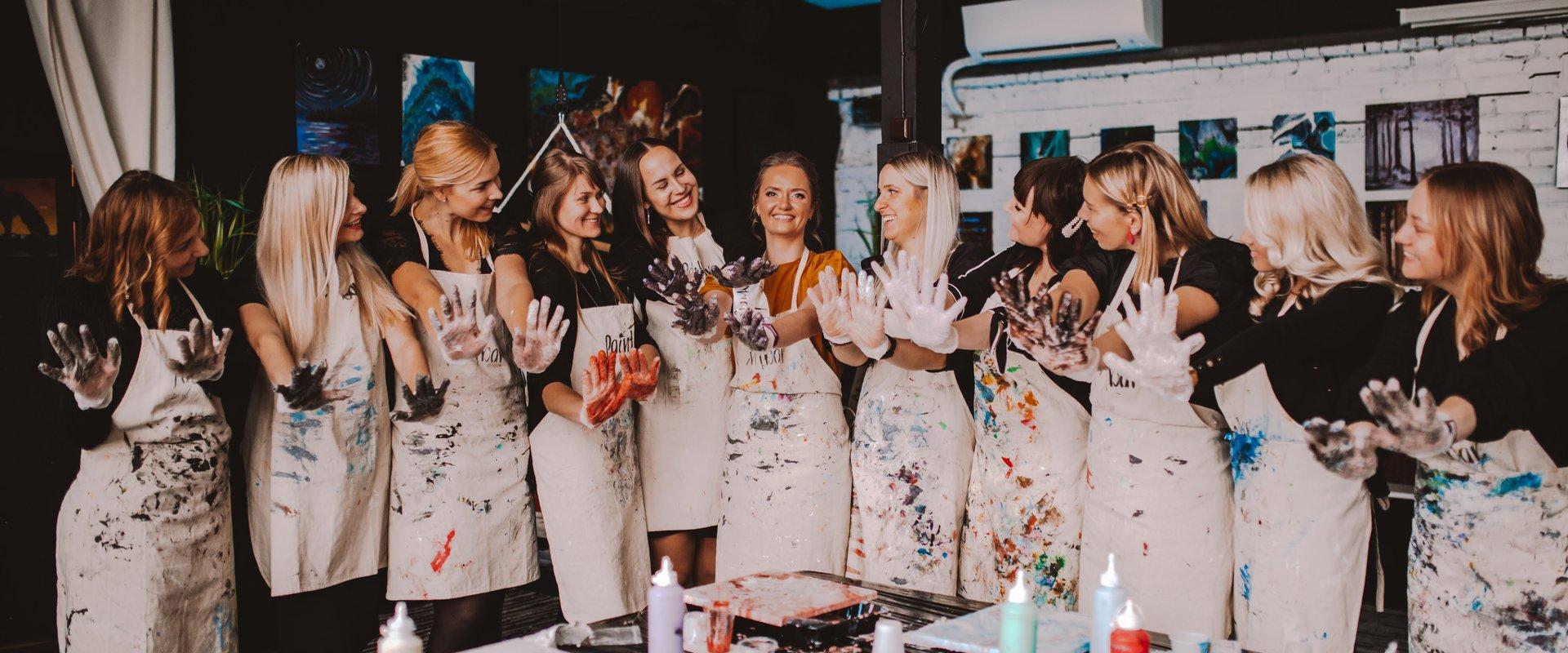
Acrylic pouring or stencil art portrait workshop – the best way to combine art and entertainment!At the Paintbar studio in the Aparaaditehas Creative City, visitors will receive an introduction to art, the opportunity to enjoy each other’s company, and explore the world of UV, spray, and acrylic paints. The visitors will, either alone or with help from us, prepare original paintings that they can take home with them.The Paintbarshop workshops are suitable for everyone (from school age).More information on Paintbarshop’s workshops can be found here.

Mugavused

  • Free parking
  • Paid parking

Часы работы

Круглый год

По предварительному заказу

Контакты

  • +372 59170107
  • info@paintbarshop.com

Ссылки

Подробнее

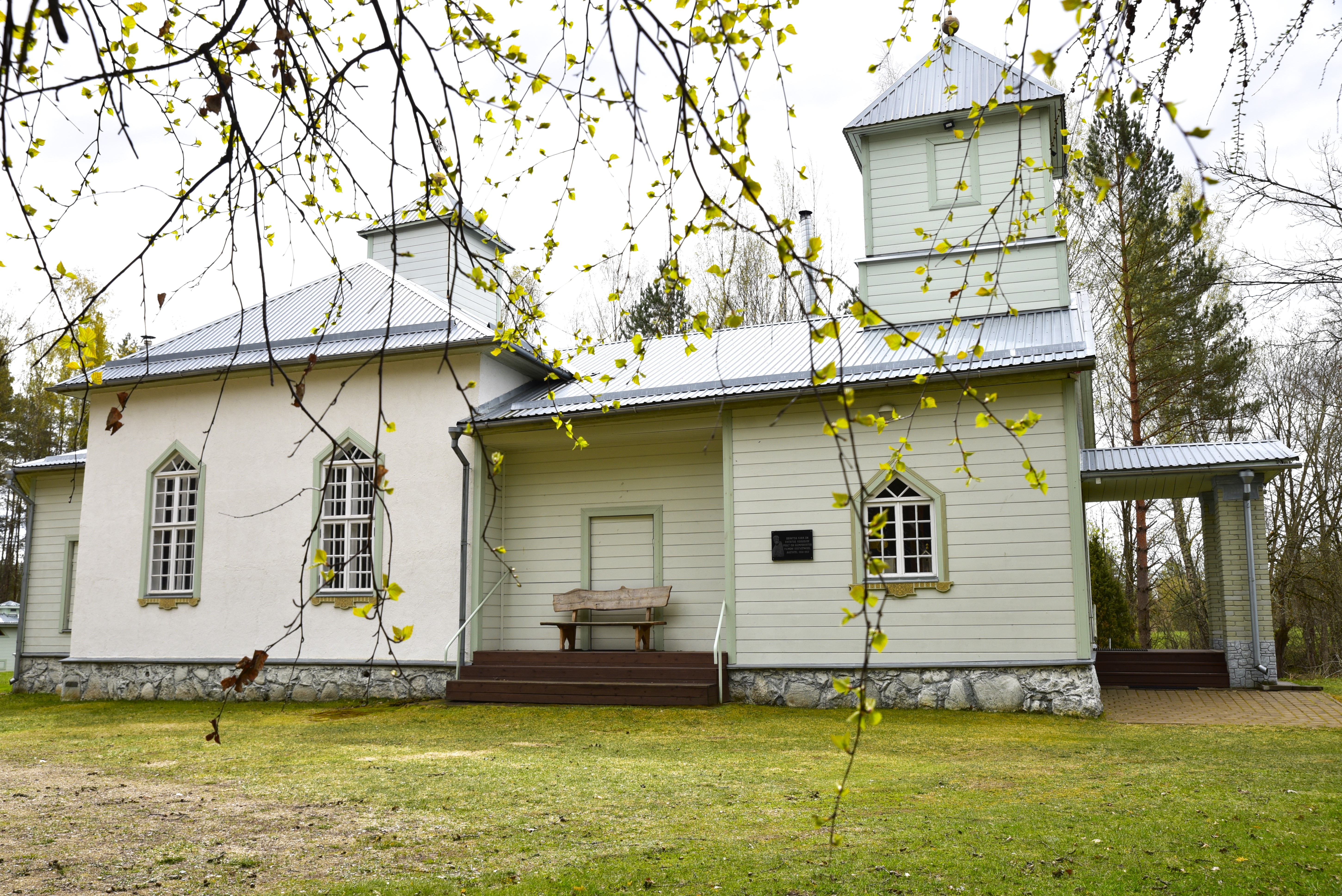
Obinitsa village chapel

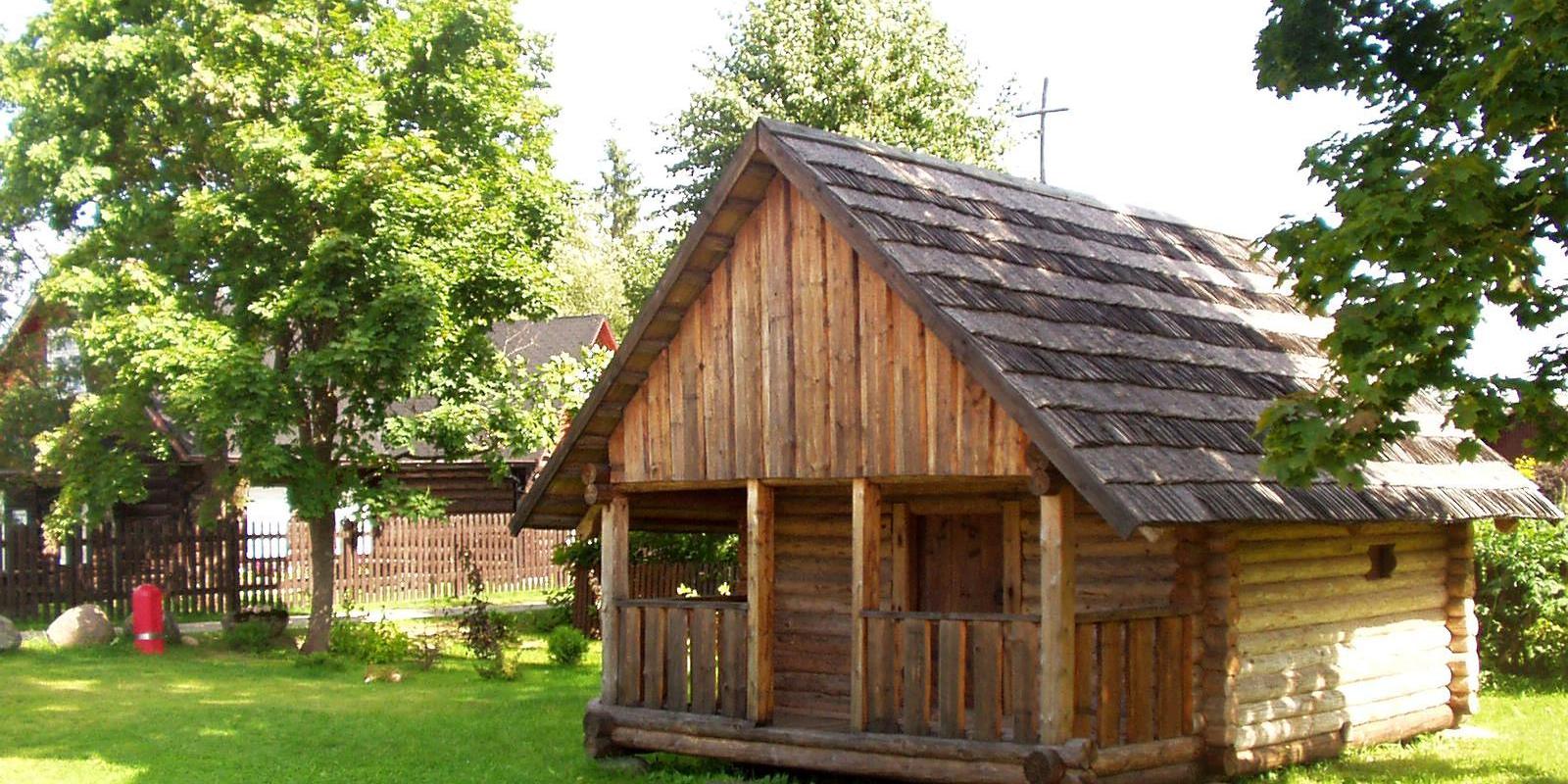
Next to the Obinitsa Museum is a small log building with a barely noticeable wooden cross on the roof. This is the Obinitsa village chapel.The building was built in 2007 in the place where a village chapel was a hundred years ago. The chapel plays an important role in Seto culture.The holy day of the chapel is the day of the Lord's Transfiguration. On its eve, on 18 August, a procession from Obinitsa Church comes here.Ask the Obinitsa Museum for more information on the chapel.

The city centre square of Võru

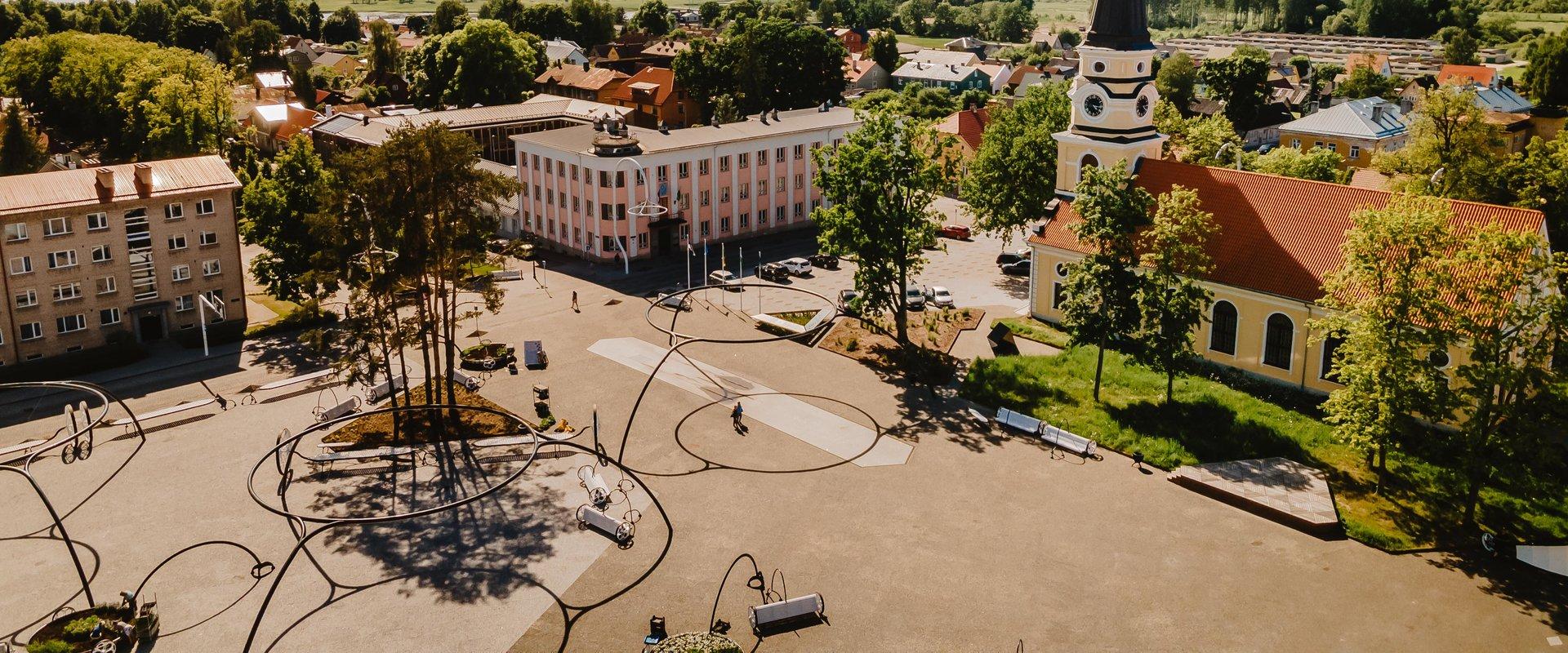
The central square of Võru, dedicated to the 100th anniversary of the Republic of Estonia, is unique for its urban furniture. The word furniture originates from the Latin word mobilis – movable. Today, the square is in constant transformation, reflecting the character of different events – sometimes it's a market square, at other times a concert hall, and in winter, a magical Christmas land. The central square is the historical heart of Võru, surrounded by the Government House (1938), the Lutheran St. Catherine’s Church (1793), the grammar school building (the oldest house in the city, 18th century), the fire station (1900), the Apostolic St. Catherine’s Church (1804), and the bank building (1938). The renewed central square was opened in 2019, designed by architect Villem Tomiste. Taking a step onto the square brings you into a space where past and present blend seamlessly. There’s room here for both reflection and liveliness – for meeting old friends, spending time with family, or simply being in the moment. Võru’s central square is more than just a plaza – it’s a living meeting place that invites everyone to pause, enjoy, and experience. Come to the heart of Võru – to where the city lives and breathes.
  • Monuments

Friedrich Georg Wilhelm Struve Monument

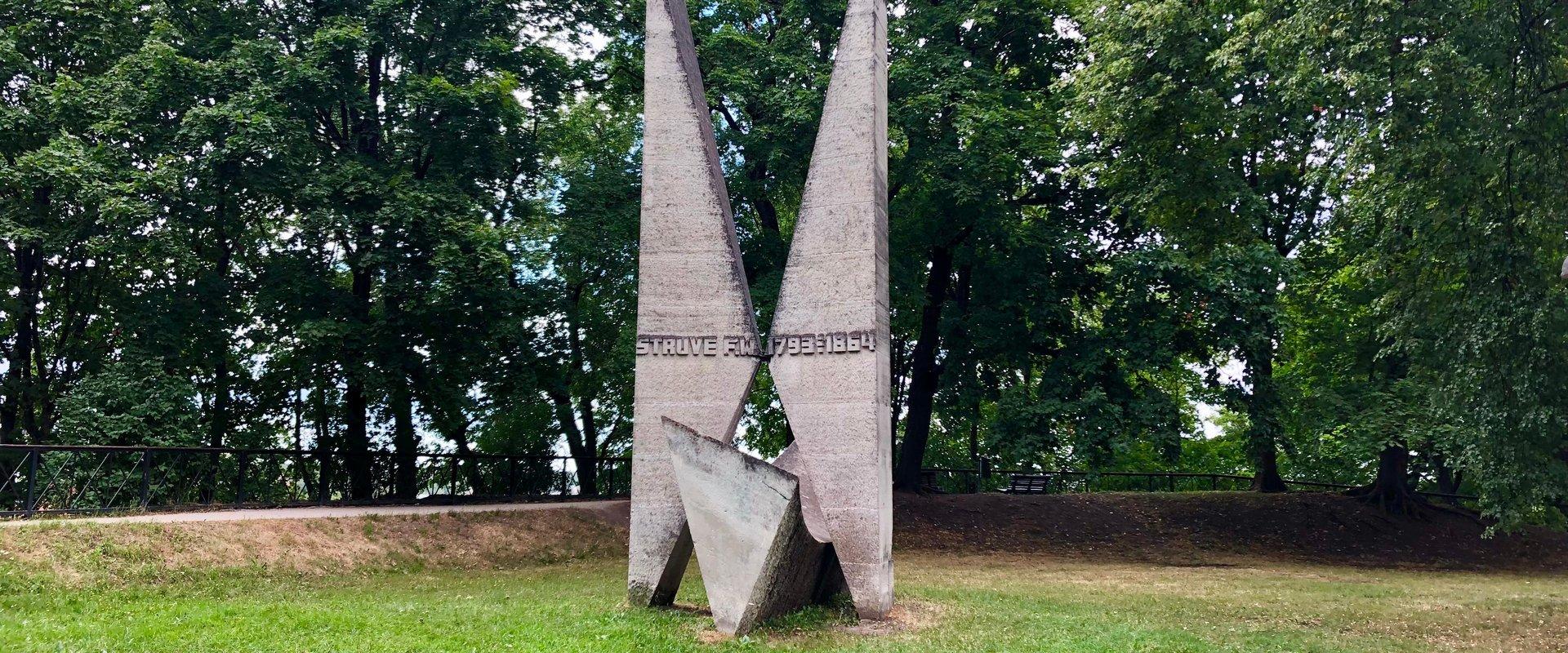
Opened in 1969, the Struve Monument is dedicated to the former director of the Tartu Observatory, Fr. G. W. Struve (15 April 1793 – 23 November 1864), a Russian astronomer and geodesist of German origin. Under his leadership, the meridian arc was measured between 1816 and 1855 to determine the shape and size of the globe.The monument is an abstract work, inspired by the spirit of its era, reflecting the pursuit of the human race into space. The lower part of the sculpture is a sundial and the upper part is an hourglass. The authors of the monument are Olav Männi and Udo Ivask.The Struve street and the geodetic arc are also dedicated to him in Tartu.

  • Lighthouses

Mehikoorma Lighthouse

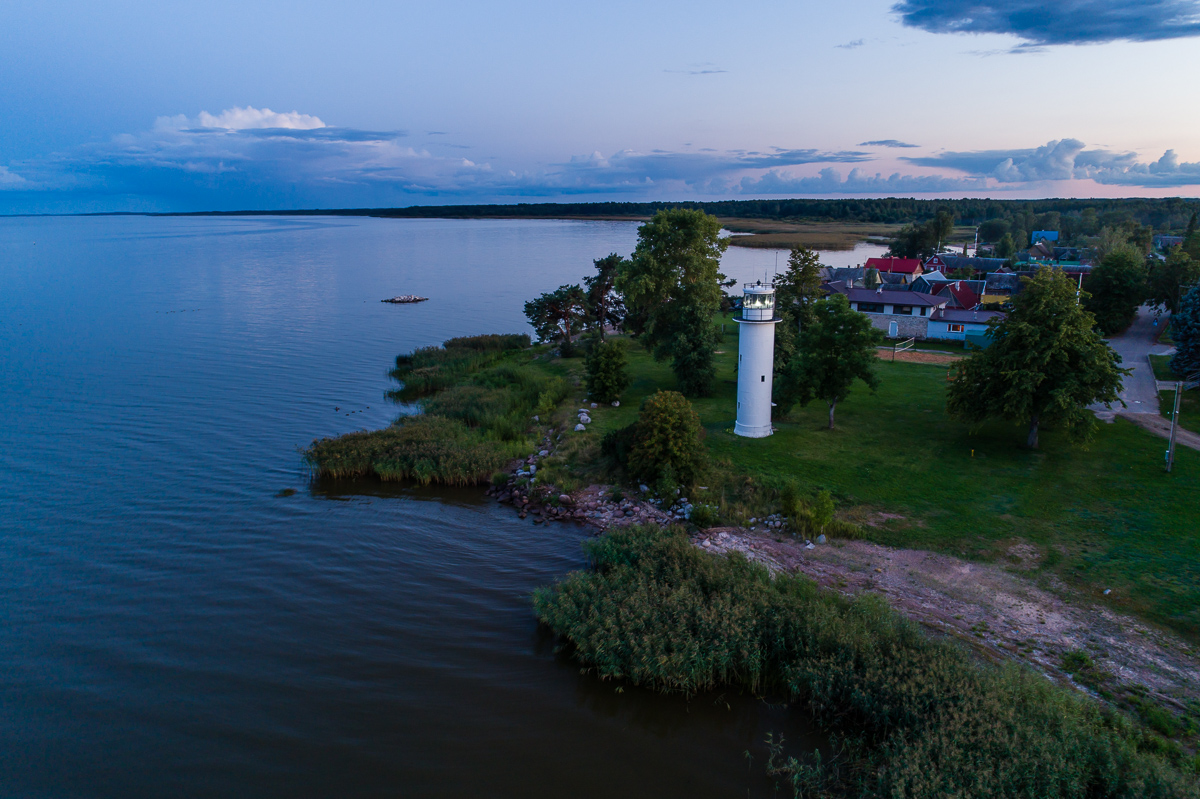
Mehikoorma Lighthouse is located on the west coast of Lake Lämmijärv in the south end of Lake Peipus. The first data from the beacons located in Mehikoorma, which showed the shipping route to Piirissaare towards north and to Sausaare towards south, date back to the First World War. By 1929, a beacon with a blinking light had been installed in Mehikoorma. The wooden beacon was replaced with a lighthouse built of reinforced concrete in 1938. The lighthouse, which is 15 m high and 3 m in diameter, worked on acetylene energy. Mehikoorma Lighthouse, with its 15 m of height, is the highest lighthouse of Lake Peipus. Visitors can only see the lighthouse from the outside.

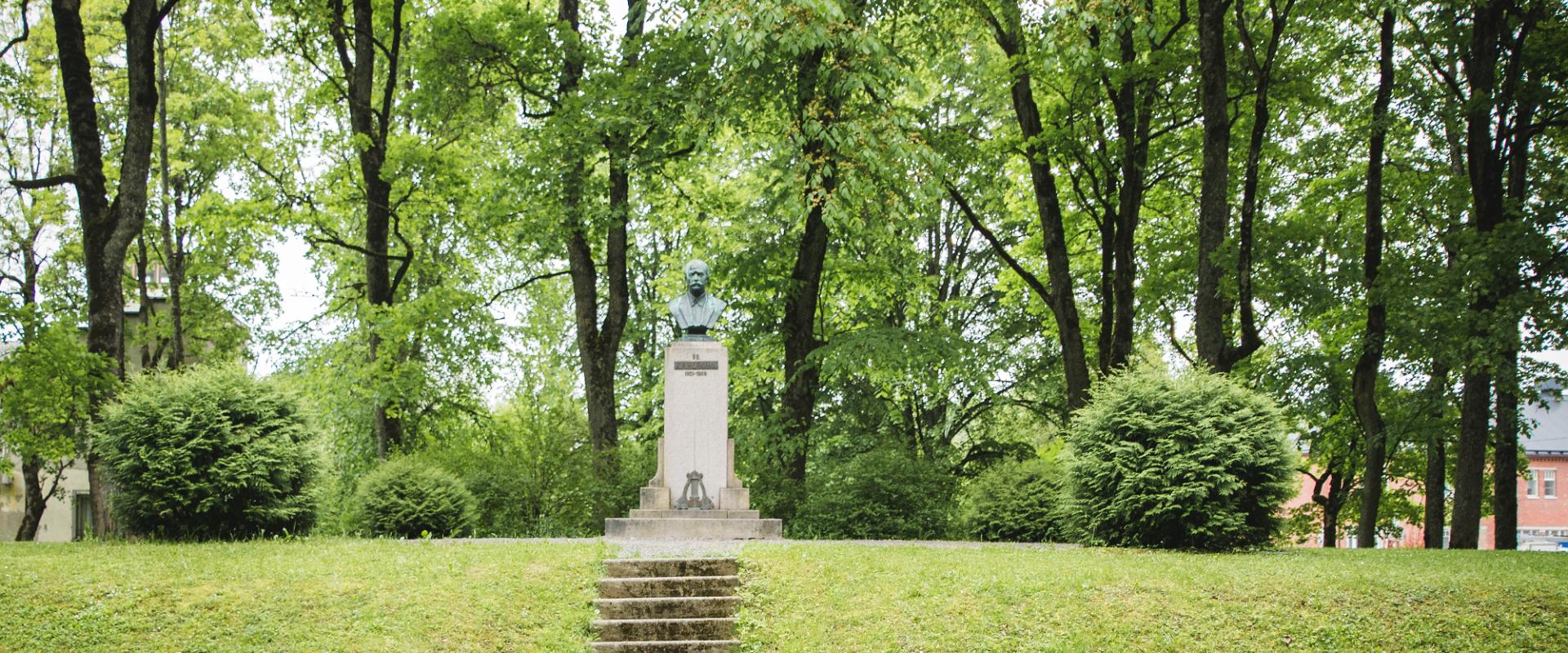
Karl August Hermann Monument

Karl August Hermann (23 September 1851, Võhma village, Põltsamaa parish – 11 January 1909, Tartu) was an Estonian composer, linguist, and encyclopaedist. He was an important figure in the national movement. He published the first encyclopaedia in Estonian, was one of the organisers of several song festivals, and composed several hundred pieces of music, the best known of which are, for example, 'Kungla rahvas' and 'Oh laula ja hõiska'. He bought Perno Postimees, brought the publication to Tartu, and turned it into the first Estonian-language daily newspaper.The monument to Karl August Hermann in the park of Vana-Põltsamaa Manor was opened on 10 June 1935. The author of the statue is Alfred Zolk-Leius.

  • Estonian handicraft

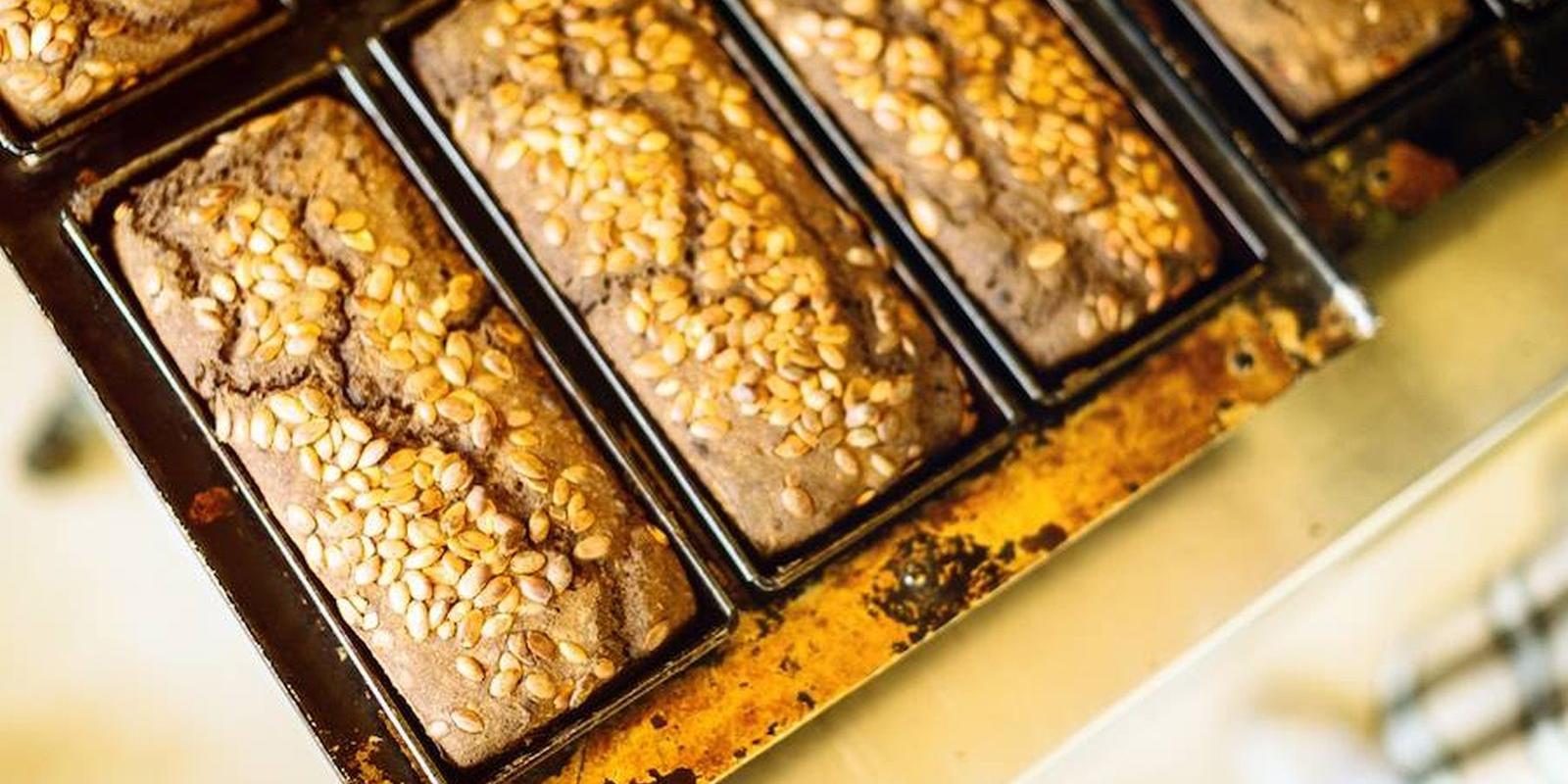
Muhu Pagar Bakery in Tartu Lõunakeskus

When speaking of genuine Estonian flavours, we must start with bread – rye bread, which is not just food for Estonians. When homesick, almost every Estonian will crave for bread and eating it will help them cope with their homesickness. Bread, bread-making, and the smell of warm bread are deeply related to being an Estonian.Muhu bread also grew out of the desire to bake delicious bread for one's family at home. Our bread is tasty and healthy – you will simply not get enough of it.At Muhu Pagar Bakery, you can buy different kinds of bread, other baked goods, and pastries.

  • Sculptures

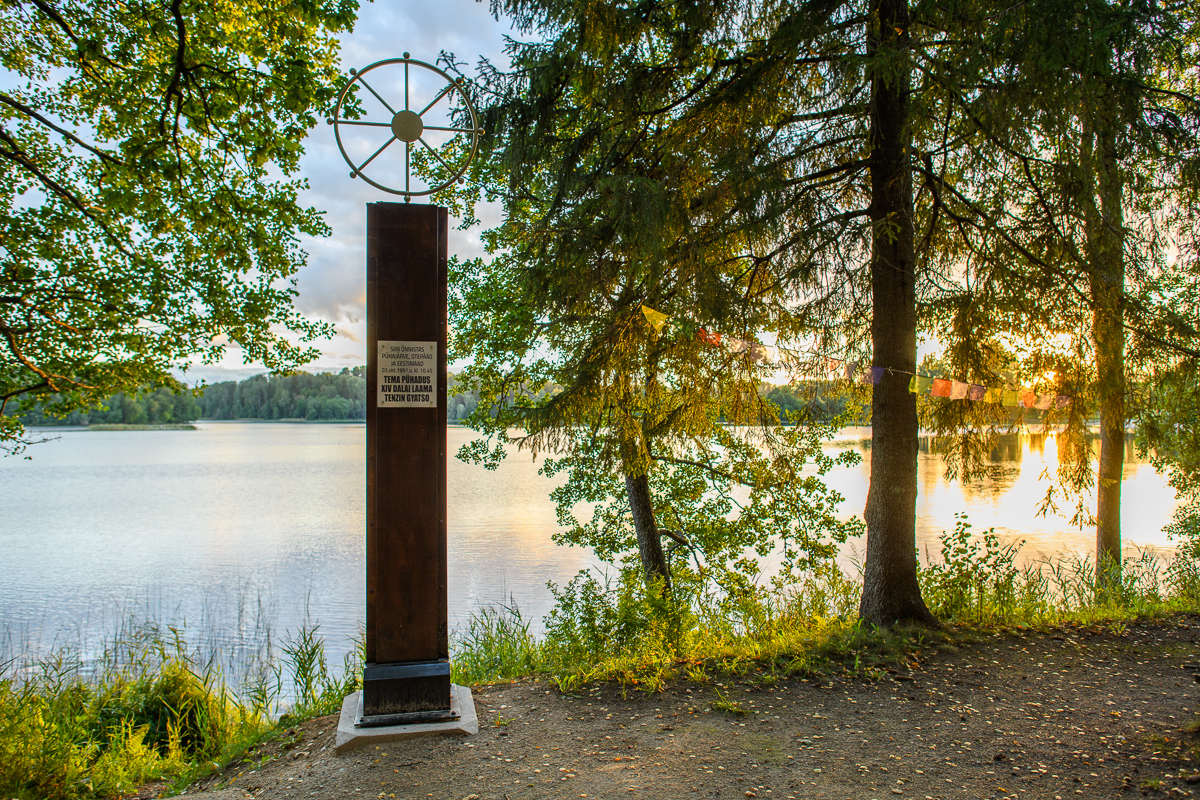
Monument to the Visit of Dalai Lama

You can feel touched by the divine when walking on the beach or swimming in Lake Pühajärv.Namely, His Holiness the 14th Dalai Lama Tenzin Gyatso (born 1935), the leader of the Tibetan people, visited Estonia and Otepää on 3 October, 1991. He blessed Lake Pühajärv on the same day. The historical visit is commemorated with a wooden sculpture near the beach in Pühajärv Park.

  • Churches

Obinitsa Church and Cemetery

Obinitsa Church was built deep in the Soviet era: 1952, when the country was led by Comrade Stalin. The people's desire for a new sanctuary (the old church was given to the school) was so great, that it bypassed the politics of the day. The Obinitsa Church's main holiday is 19 August - The Feast of the Transfiguration - and thousands of people visit the church that day to remember their ancestors and spend time with a relatives. People have been buried in Obinitsa Cemetery for at least 1,500 years. The oldest burials are marked by small stones located in the western part of the cemetery. The well-known Seto singer Hilana Taarka and the creator of the Obinitsa Museum, Lidia Sillaots, are buried in this park-like cemetery.

  • Privacy Policy

"*"обозначает обязательные поля

Это поле используется для проверочных целей, его следует оставить без изменений.
Я разрешаю маркетинг