• Открой
    • Еда
    • Природа
    • Культура
    • Семья
    • Спорт
    • Сообщество
    • Блог
    У Вас появились свободные выходные, чтобы провести с детьми? Здесь собраны лучшие места в Южной Эстонии для семейного отдыха
  • Планируй
    • Размещение
    • Информация
    • Varamu
    Sustainability
RUS
  • РусскийRUS
  • EestiEST
  • EnglishENG
  • LatviešuLAT
  • SuomiFIN
RUS
  • РусскийRUS
  • EestiEST
  • EnglishENG
  • LatviešuLAT
  • SuomiFIN
Populaarsed otsingud:
Näita kõiki tulemusi
  • History & Culture
  • Architecture and history

The city centre square of Võru

Võru linn, Võru maakond, 65608

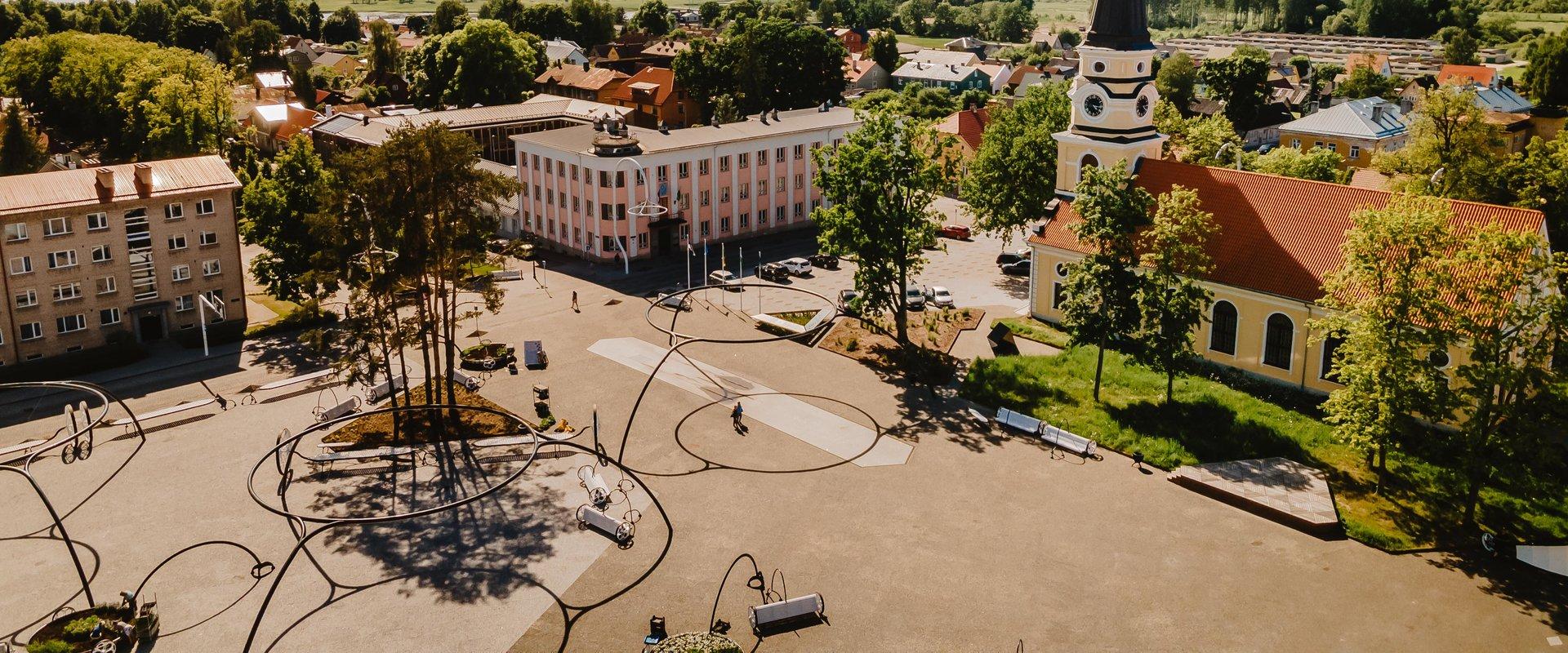
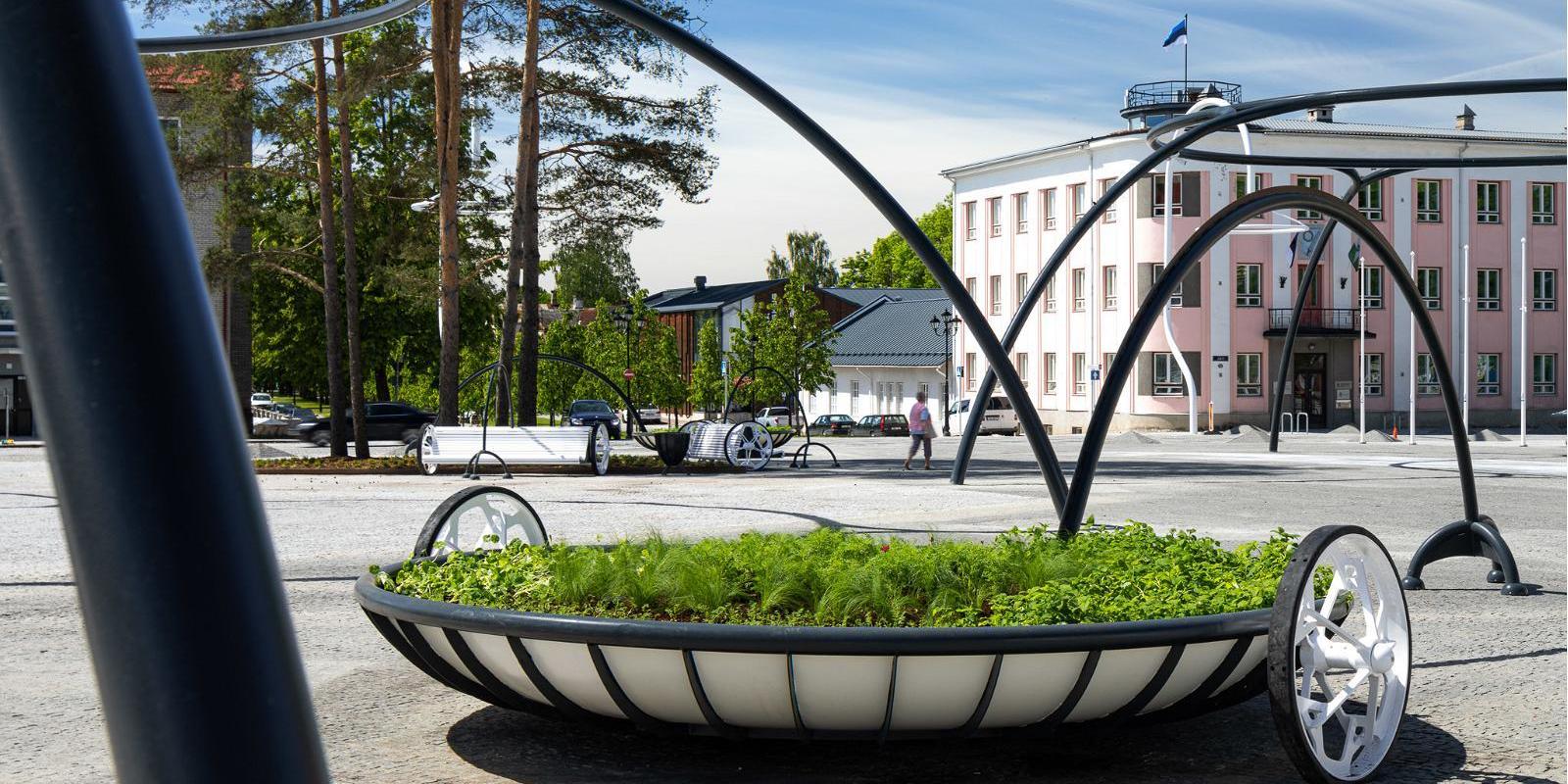
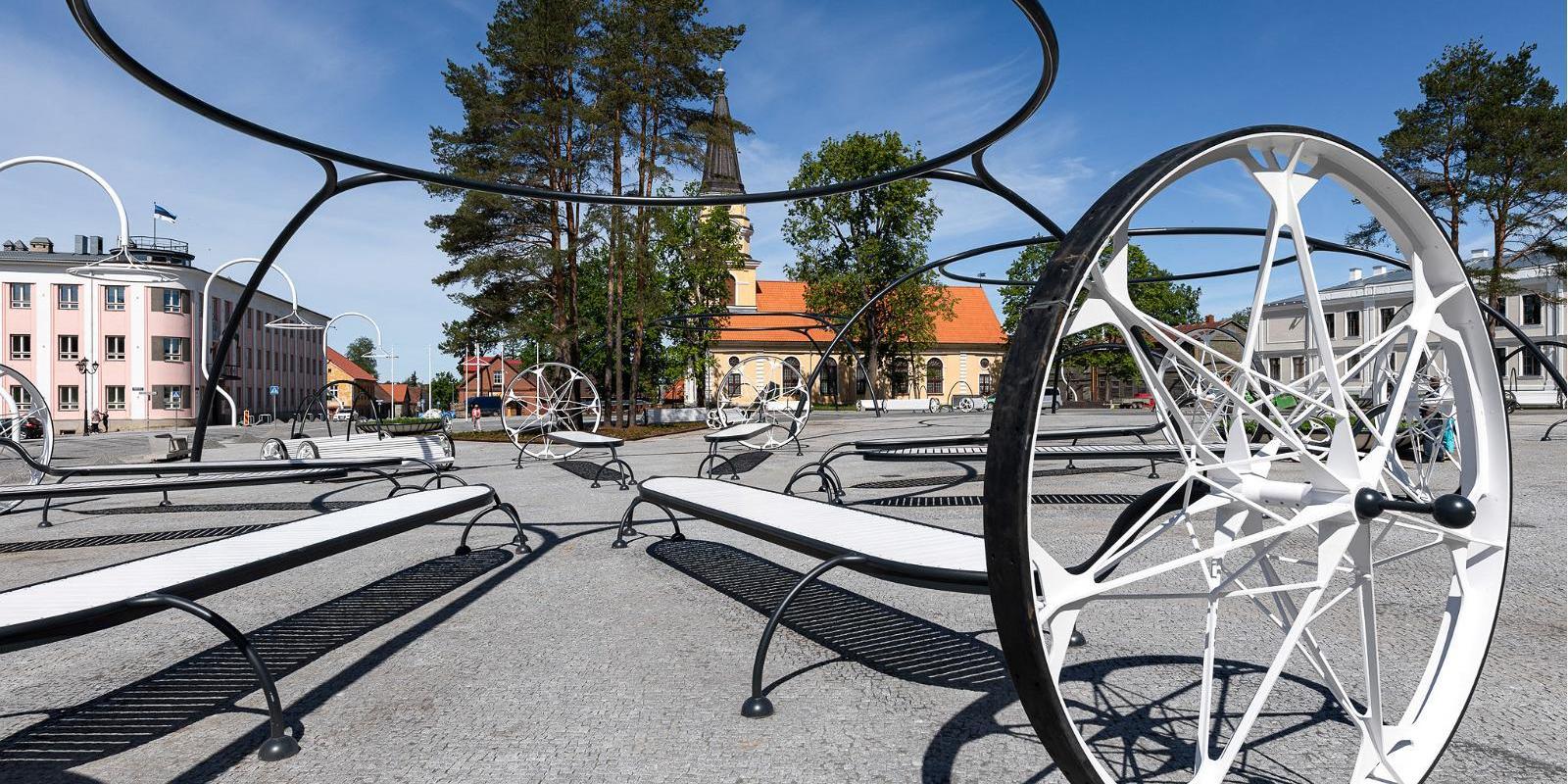
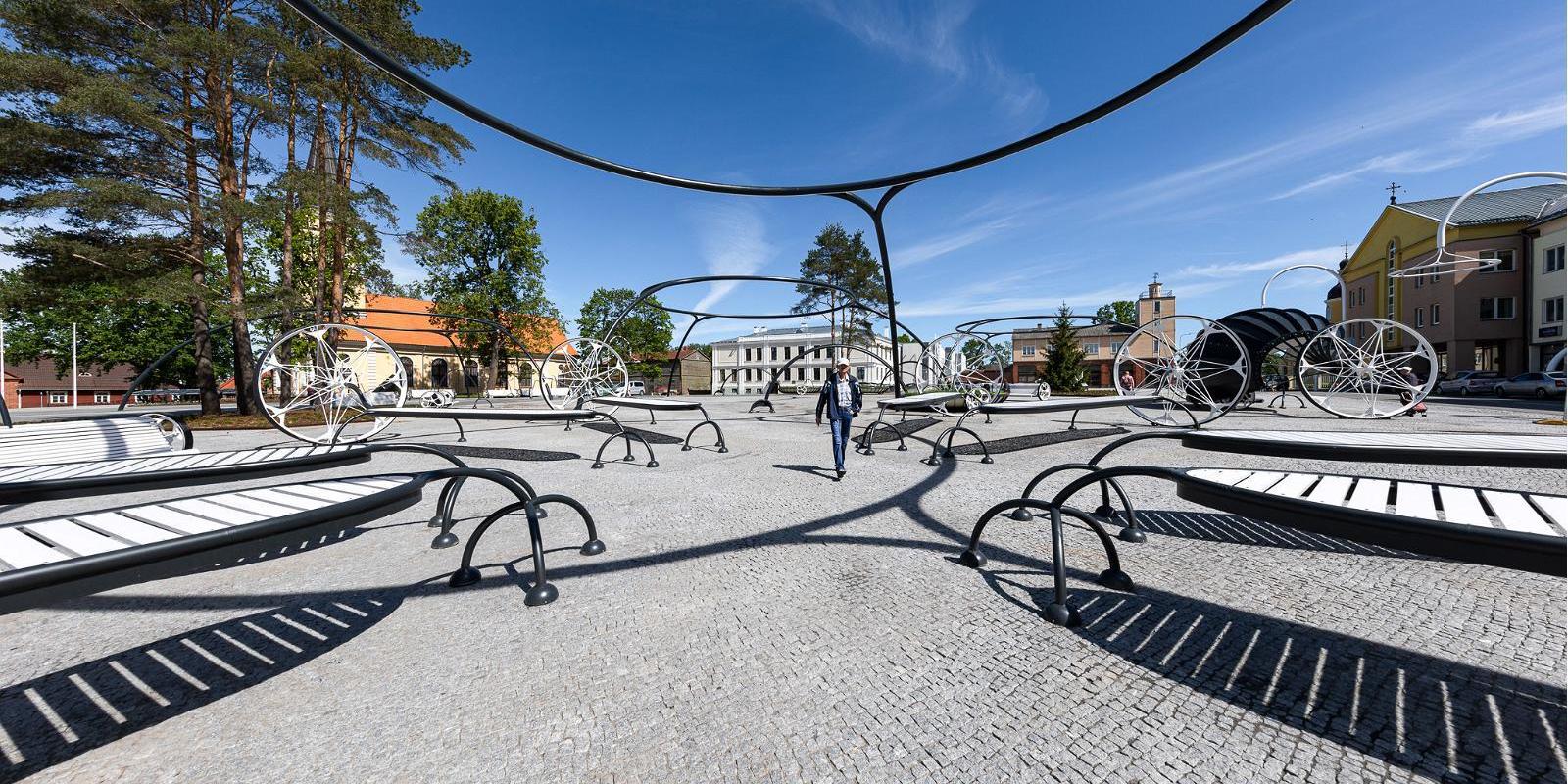
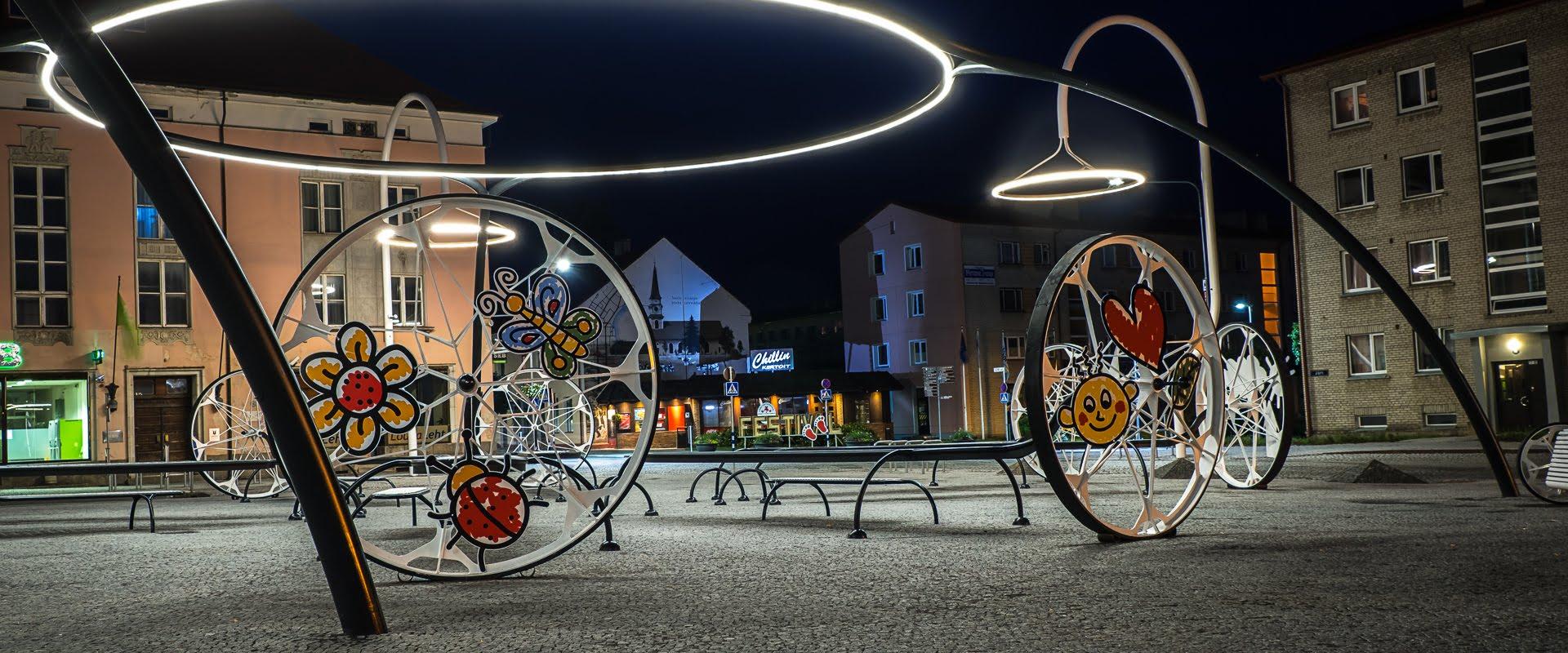
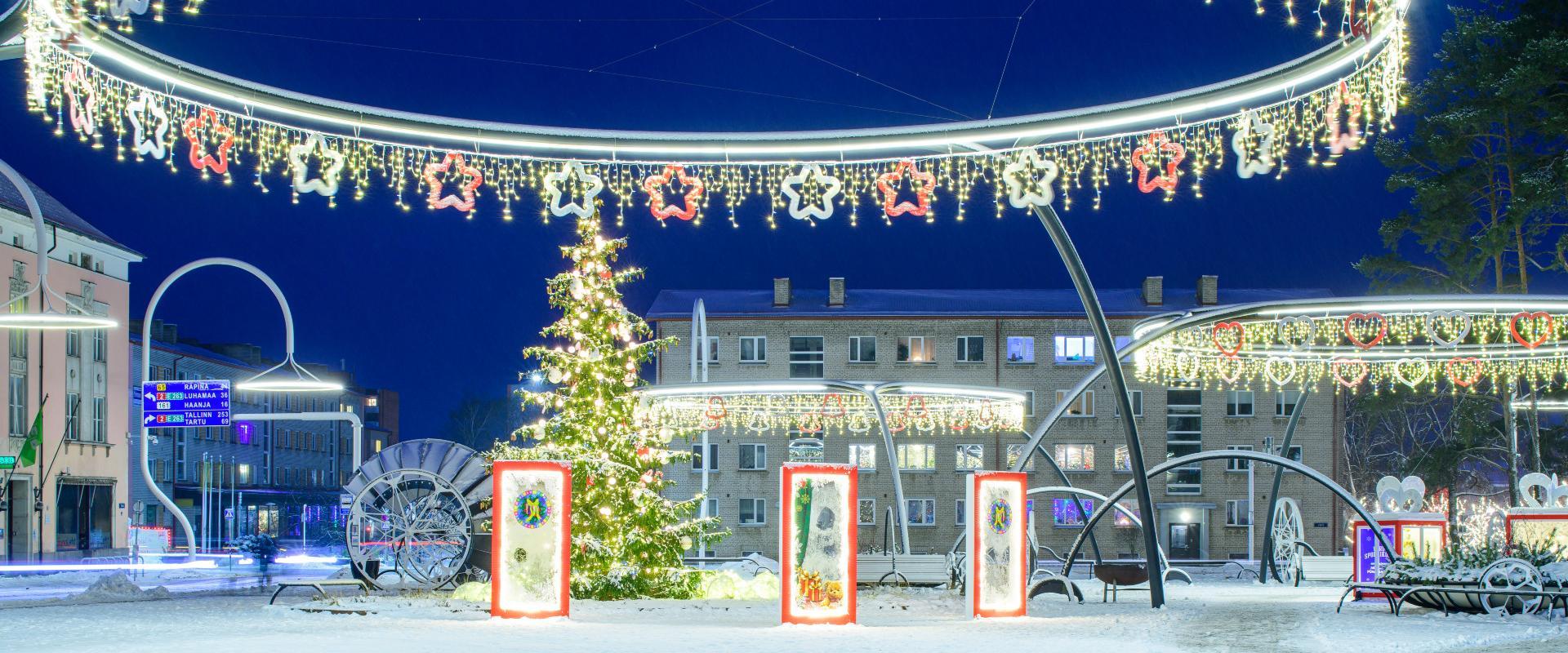
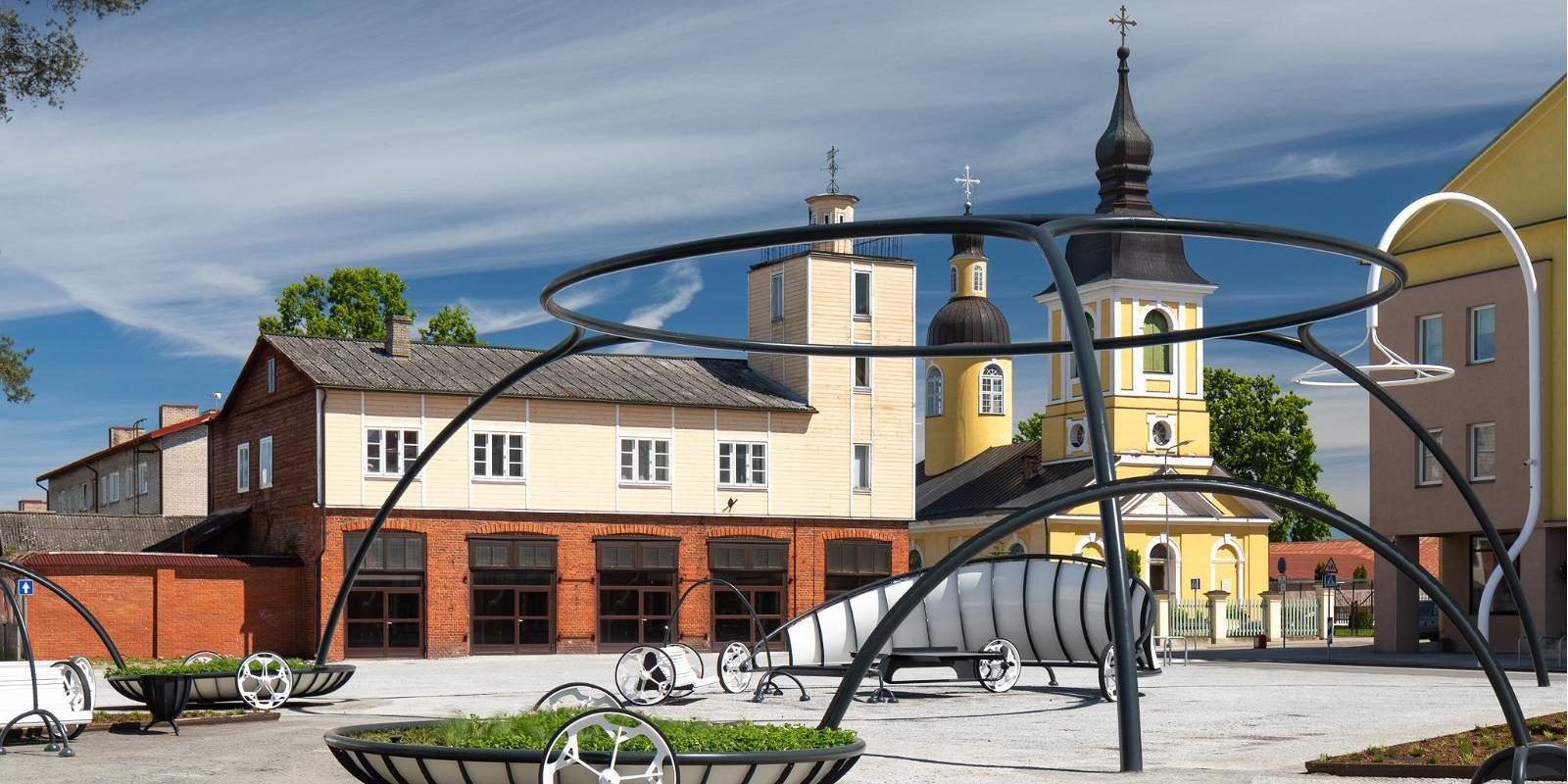
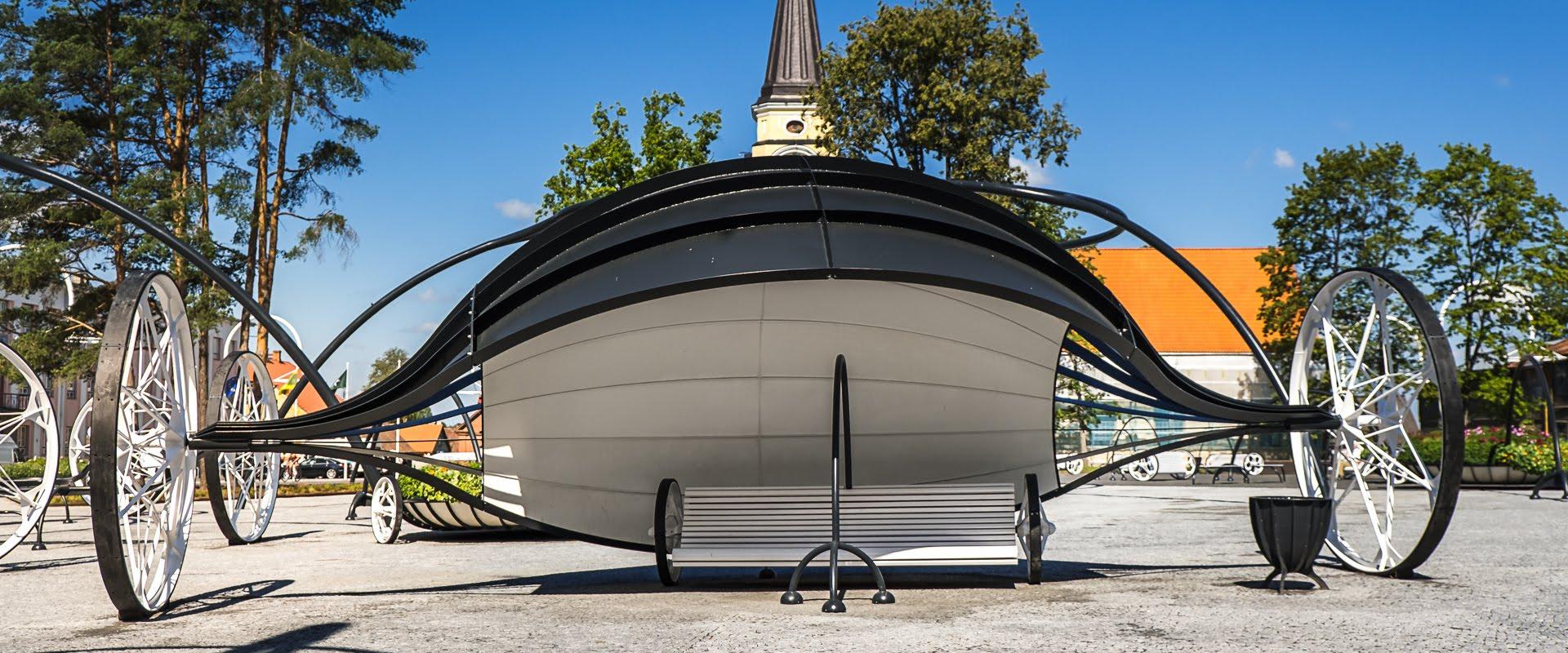
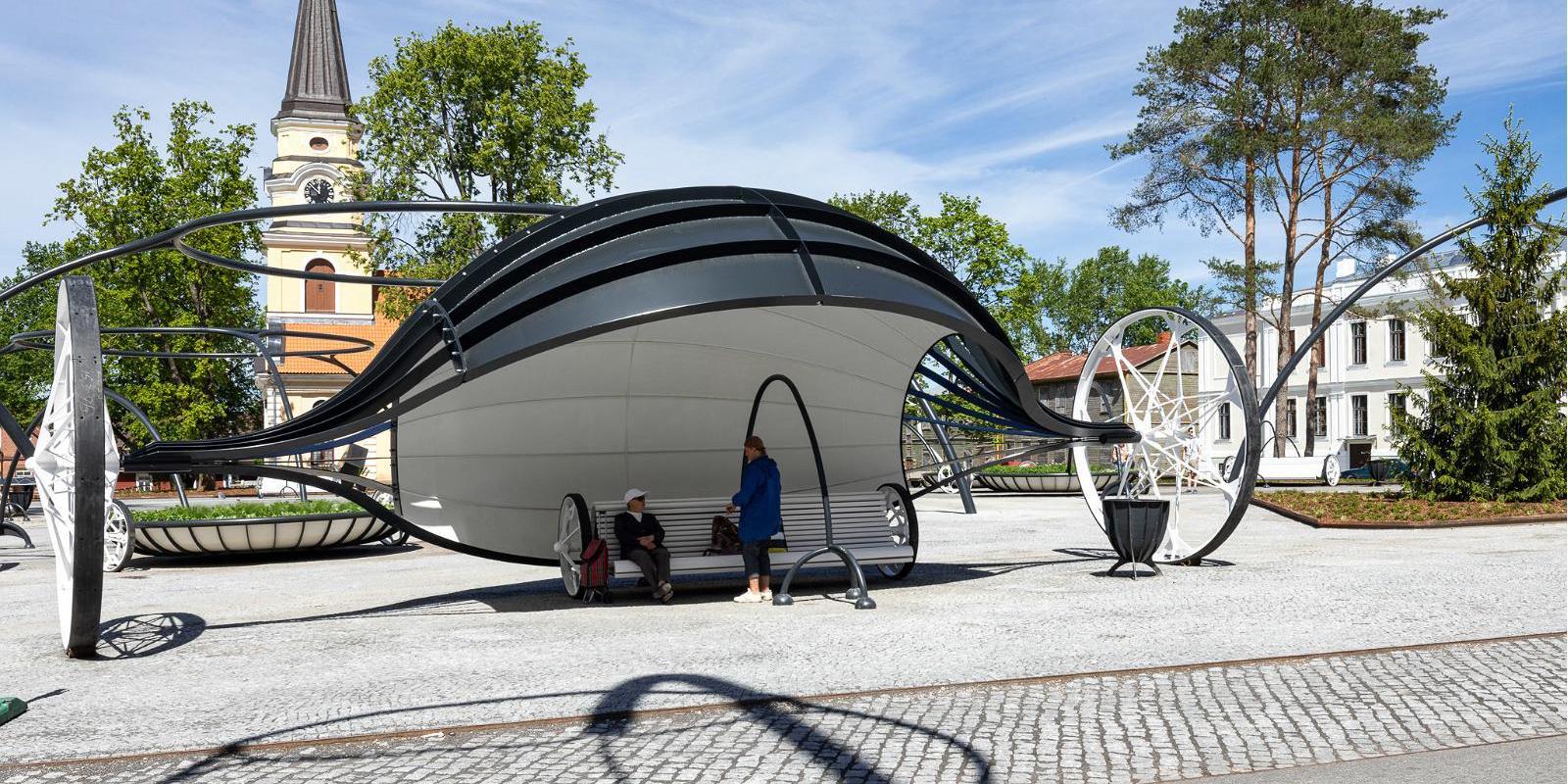
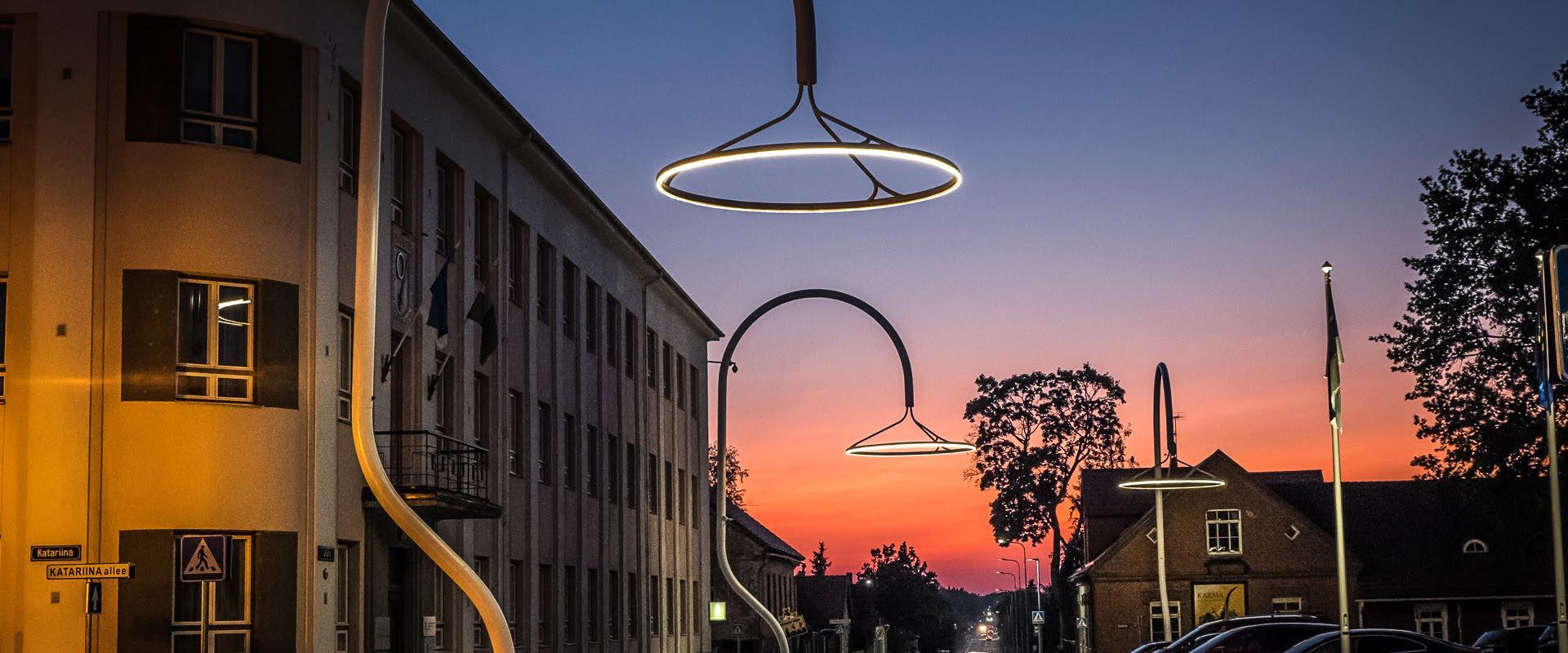
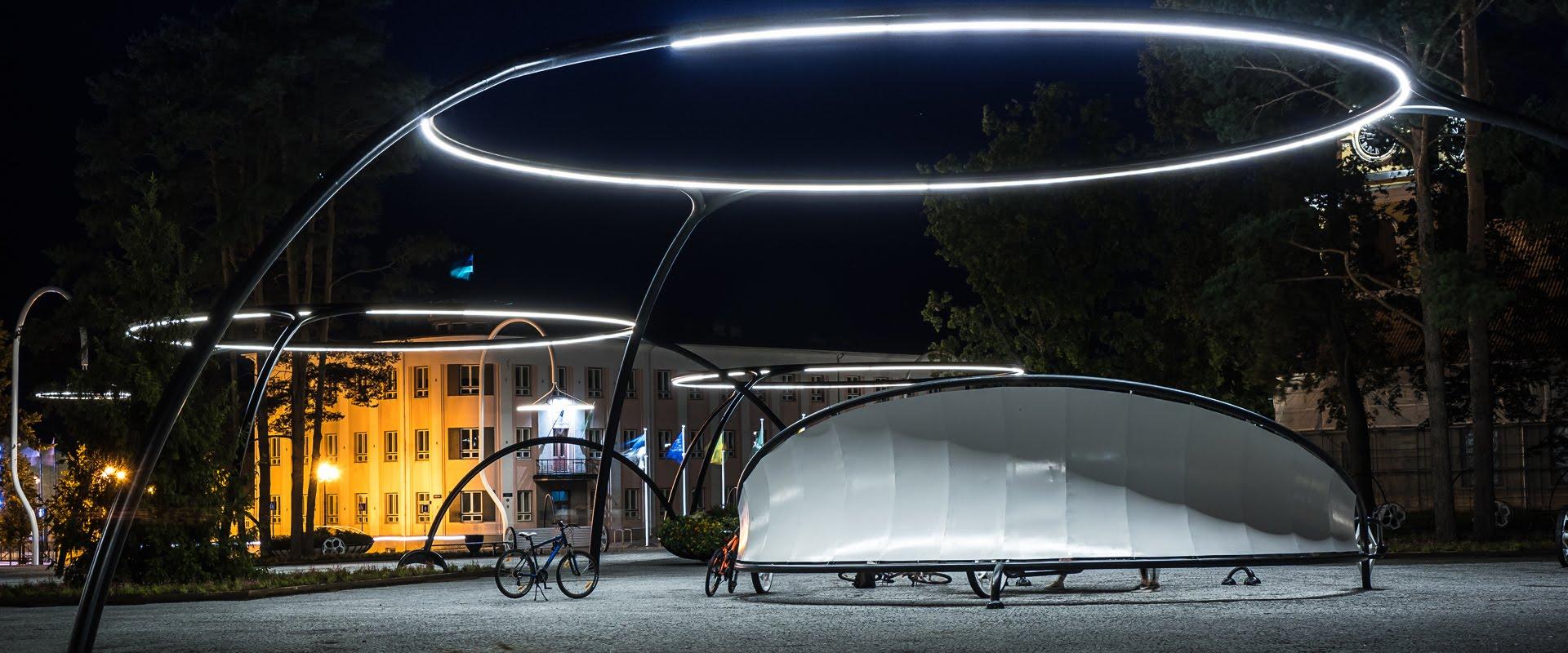
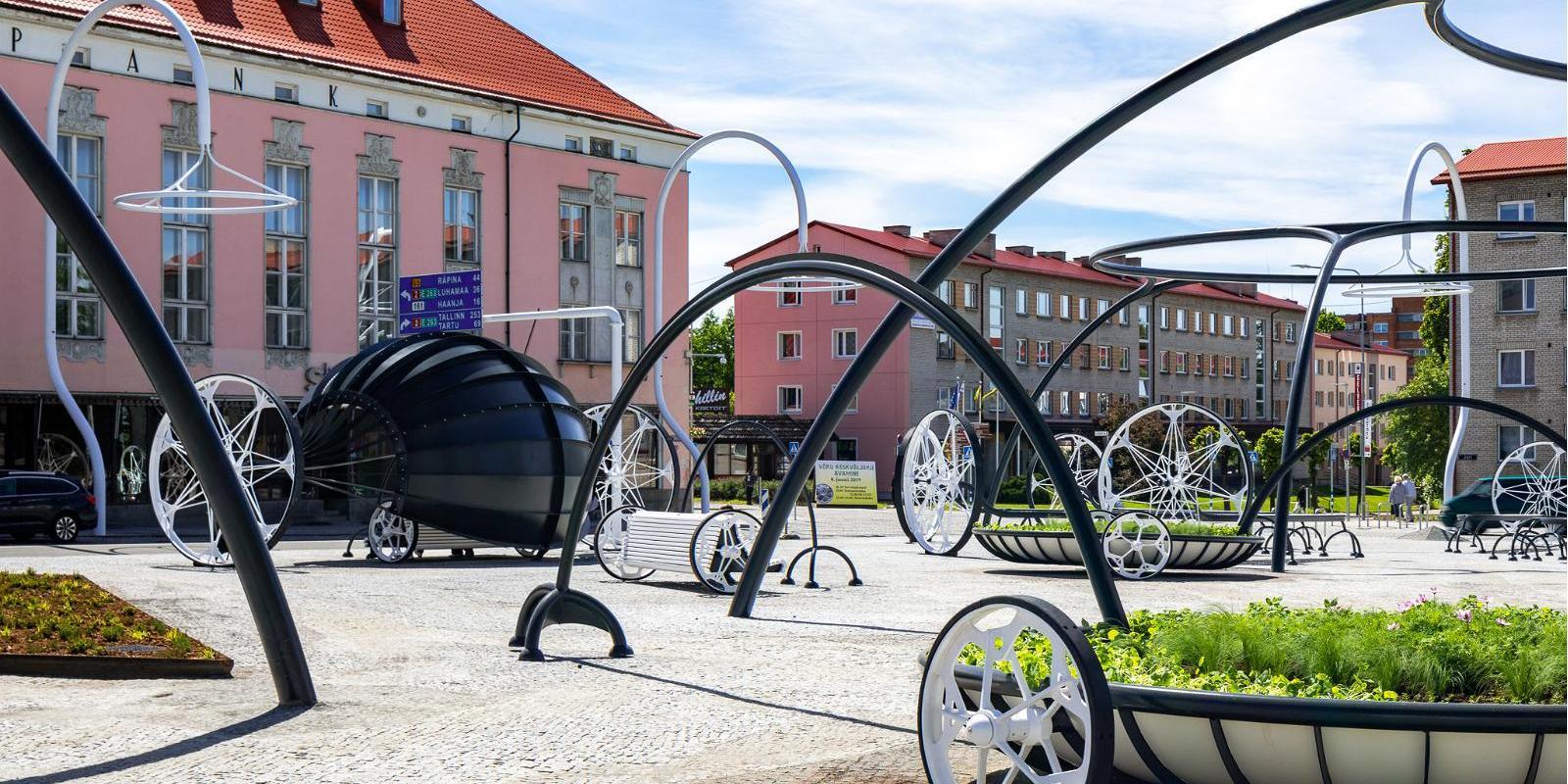
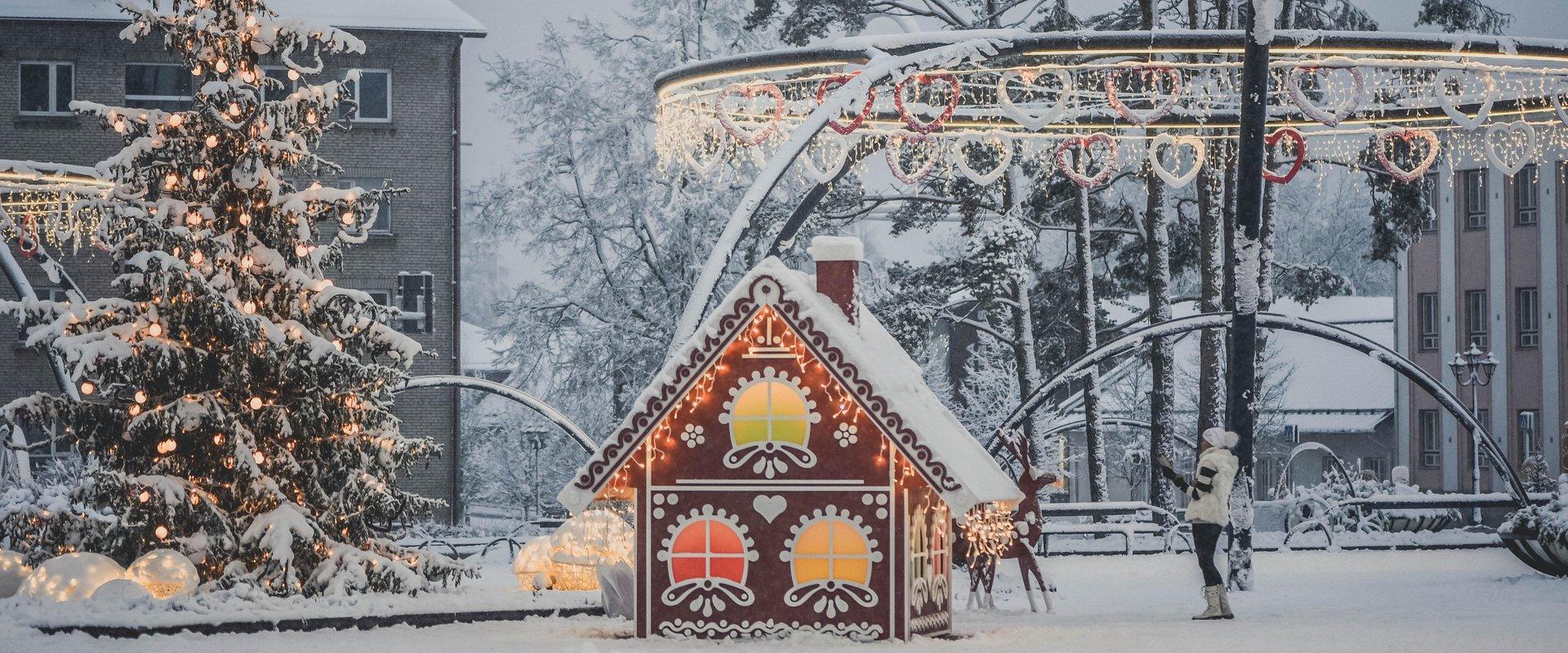
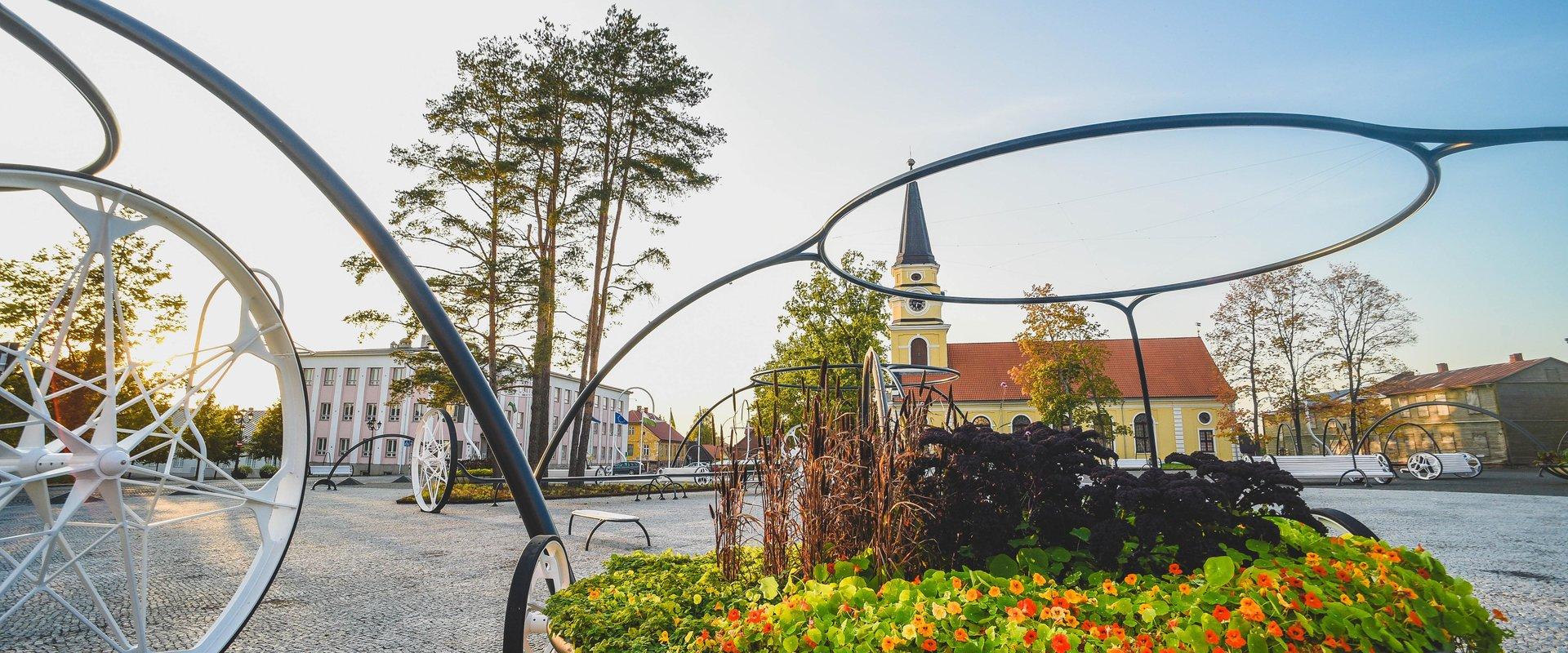
The central square of Võru, dedicated to the 100th anniversary of the Republic of Estonia, is unique for its urban furniture. The word furniture originates from the Latin word mobilis – movable. Today, the square is in constant transformation, reflecting the character of different events – sometimes it’s a market square, at other times a concert hall, and in winter, a magical Christmas land.
The central square is the historical heart of Võru, surrounded by the Government House (1938), the Lutheran St. Catherine’s Church (1793), the grammar school building (the oldest house in the city, 18th century), the fire station (1900), the Apostolic St. Catherine’s Church (1804), and the bank building (1938).
The renewed central square was opened in 2019, designed by architect Villem Tomiste.
Taking a step onto the square brings you into a space where past and present blend seamlessly. There’s room here for both reflection and liveliness – for meeting old friends, spending time with family, or simply being in the moment. Võru’s central square is more than just a plaza – it’s a living meeting place that invites everyone to pause, enjoy, and experience. Come to the heart of Võru – to where the city lives and breathes.
Mugavused

  • Information boards
  • Free parking

Часы работы

Круглый год

Ööpäevaringselt

Ссылки

Подробнее

  • Monuments

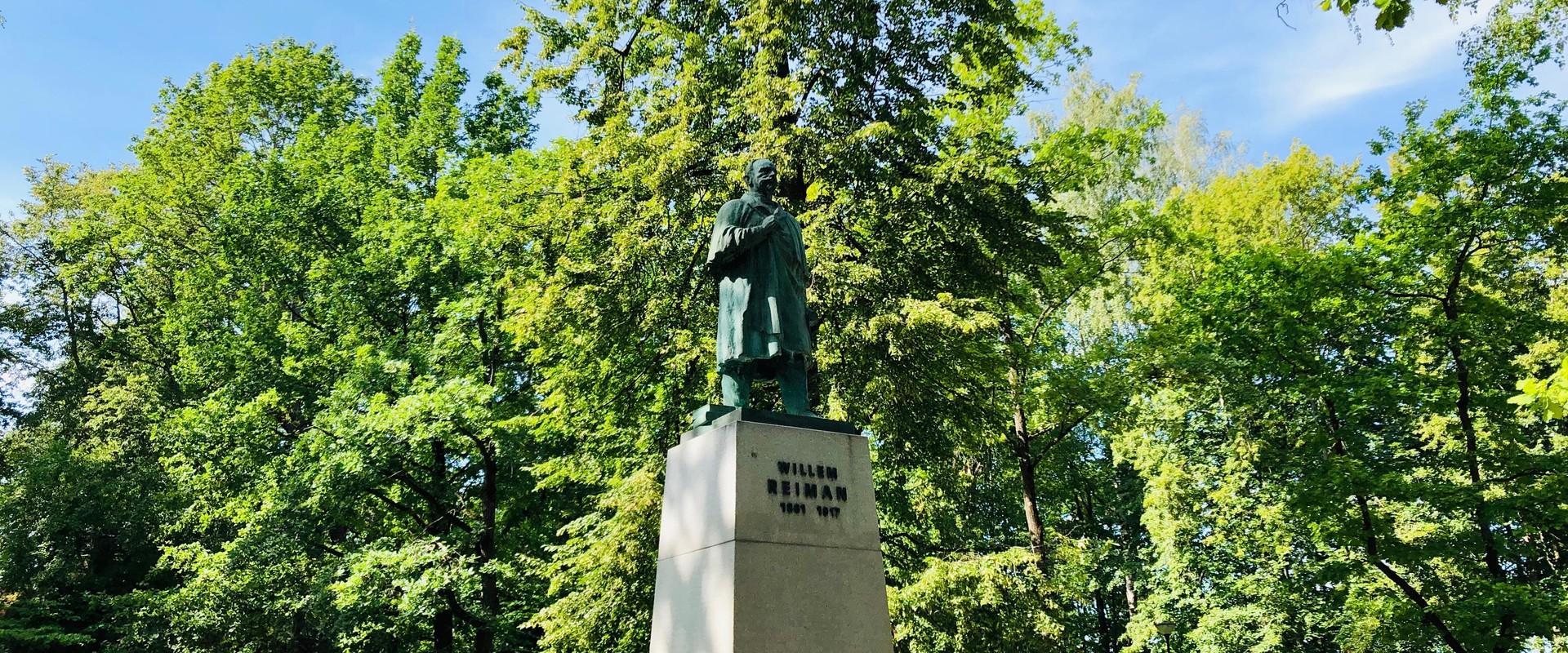
Monument to Villem Reiman

The new monument to Villem Reiman (1861-1917) was opened in 2004 and its author is Mati Varik.Villem Reiman was a pastor and a cultural persona who fought for the independence of the Estonian people as a figurehead of the Estonian national movement.

  • Workshops

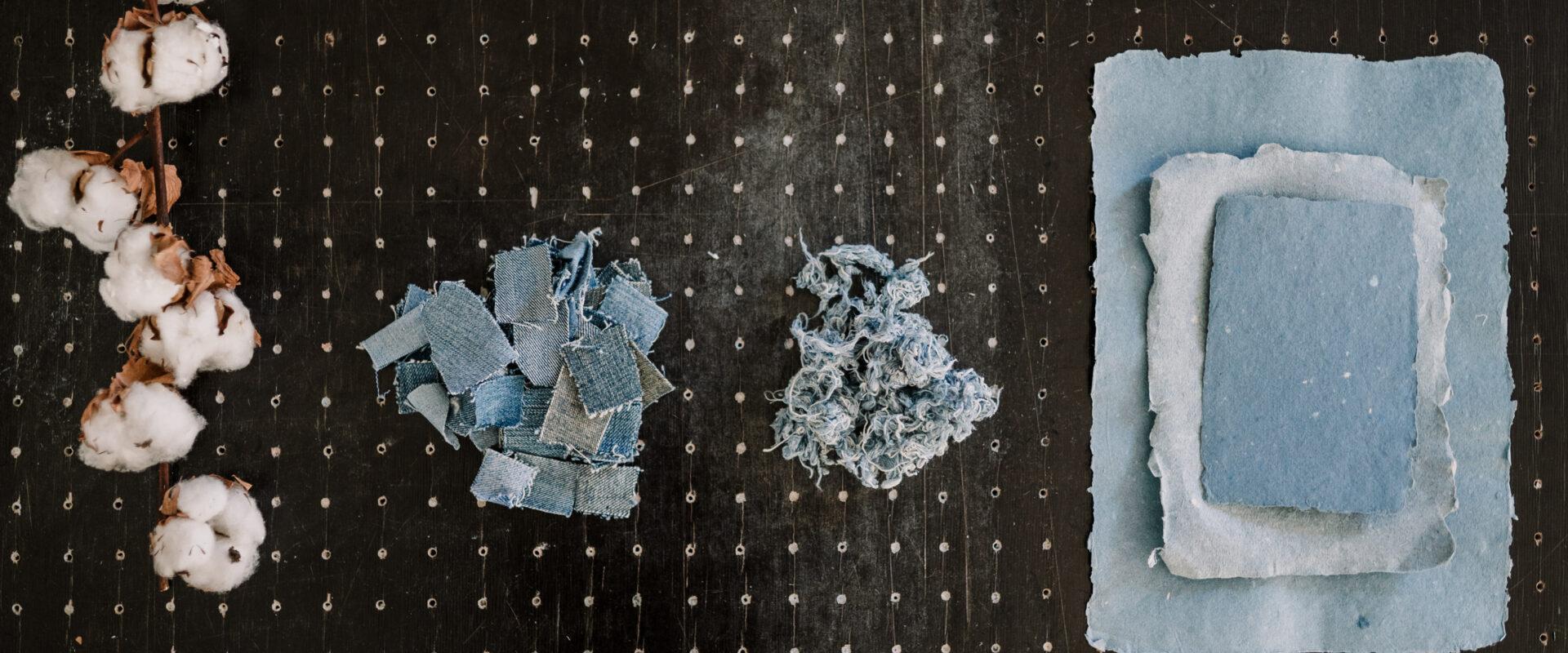
Craft paper workshop in TYPA

The art of papermaking began 2,000 years ago in China. In our craft paper workshop, you can learn how to make paper from recycled materials, as was done centuries ago. You can put flowers or other design elements inside the paper, and give the finished paper a lacy pattern under the press or make it mirror-smooth between the metal plates.In the workshop, we will give an overview of different techniques and possibilities. Each participant can make three sheets of craft paper (A5 format).

  • Churches

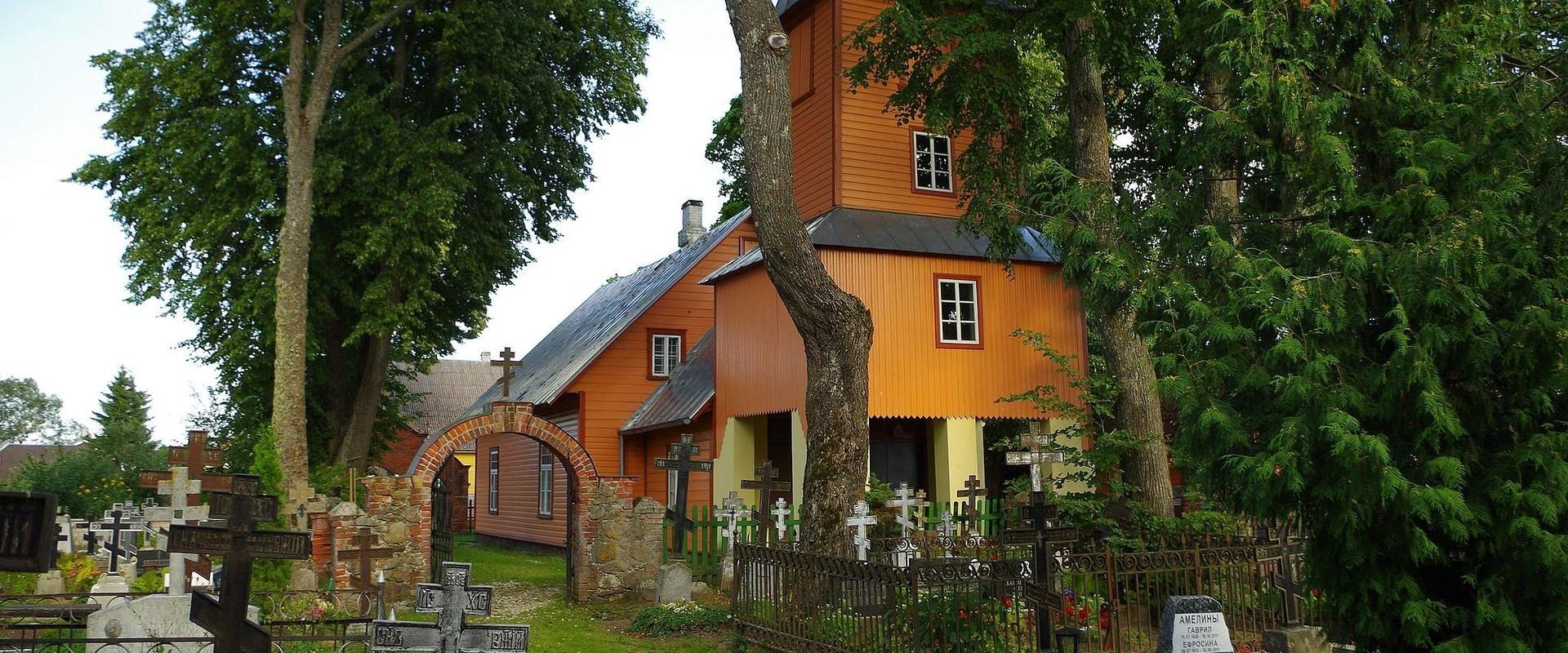
Kasepää Old Believers’ Prayer House of the Estonian Association of Old Believers Congregations

When in Kasepää Village near Lake Peipus, go and visit the prayer house of Russian Old Believers, which has been operating without interruption since the 18th century.The current prayer house was built at the beginning of the 20th century. It was designed by the governorate architect Wilhelm Schilling in 1902. The Florov school masters renewed the icons of the iconostasis in the prayer house before the Second World War. Some of the icons in the chapel date back as far as to the 17th century.Prayers are held in the chapel in Russian on Sundays at 10 a.m.

  • Ruins

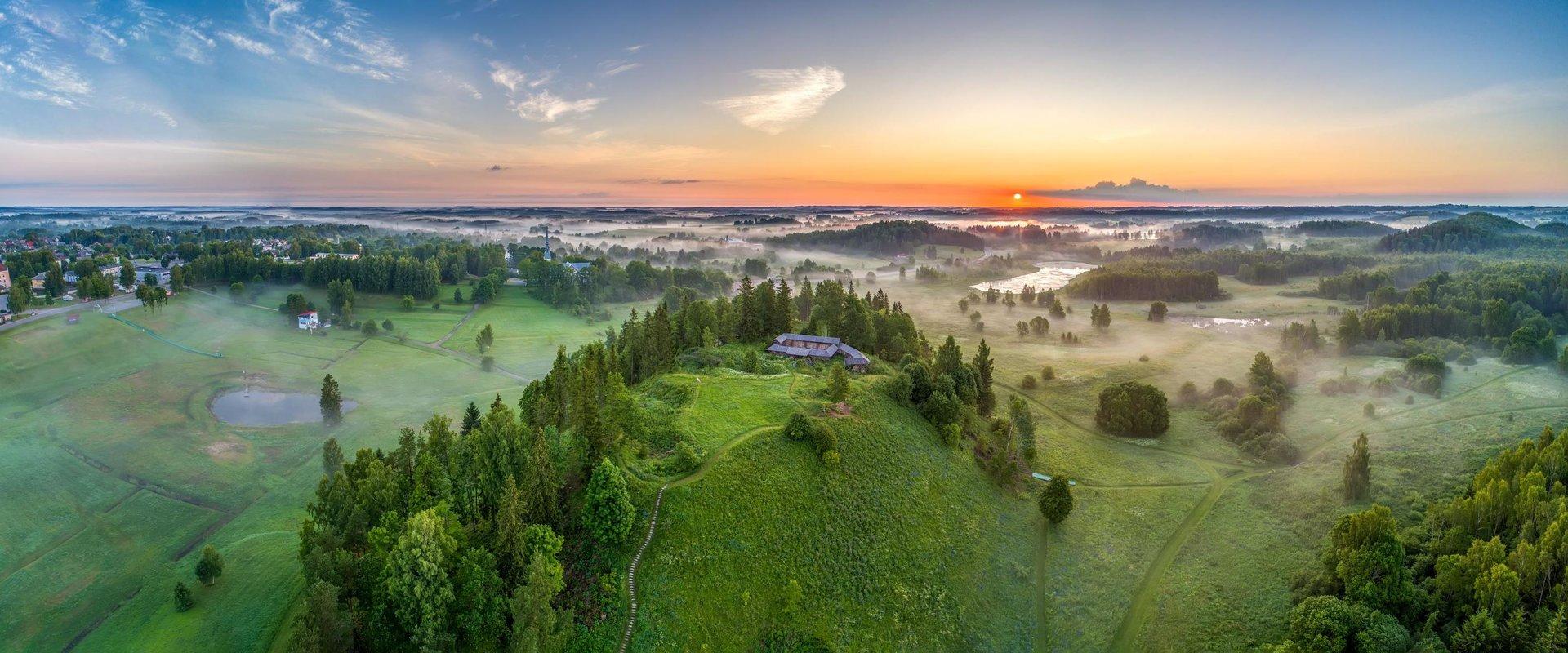
Otepää Hill Fort

Otepää Hill Fort represents one of the places worth discovering in South Estonia and is recommended for those interested in nature holidays. Come and conquer the peak of the approximately 13,000-year-old Otepää Hill Fort and take a look at the city of Otepää and its surroundings. Have a picnic, see the ruins of the stone fort founded by Bishop Herman in 1224, and explore the map of ancient Estonian forts. In the 11th century, Otepää was the most important stronghold of the ancient Ugandi County. One of the strongest fortresses in Ancient Estonia was located on this hill. The oldest known firearm in Europe and an ancient war trumpet have also been found here. Come and discover the history of this ancient fortress!

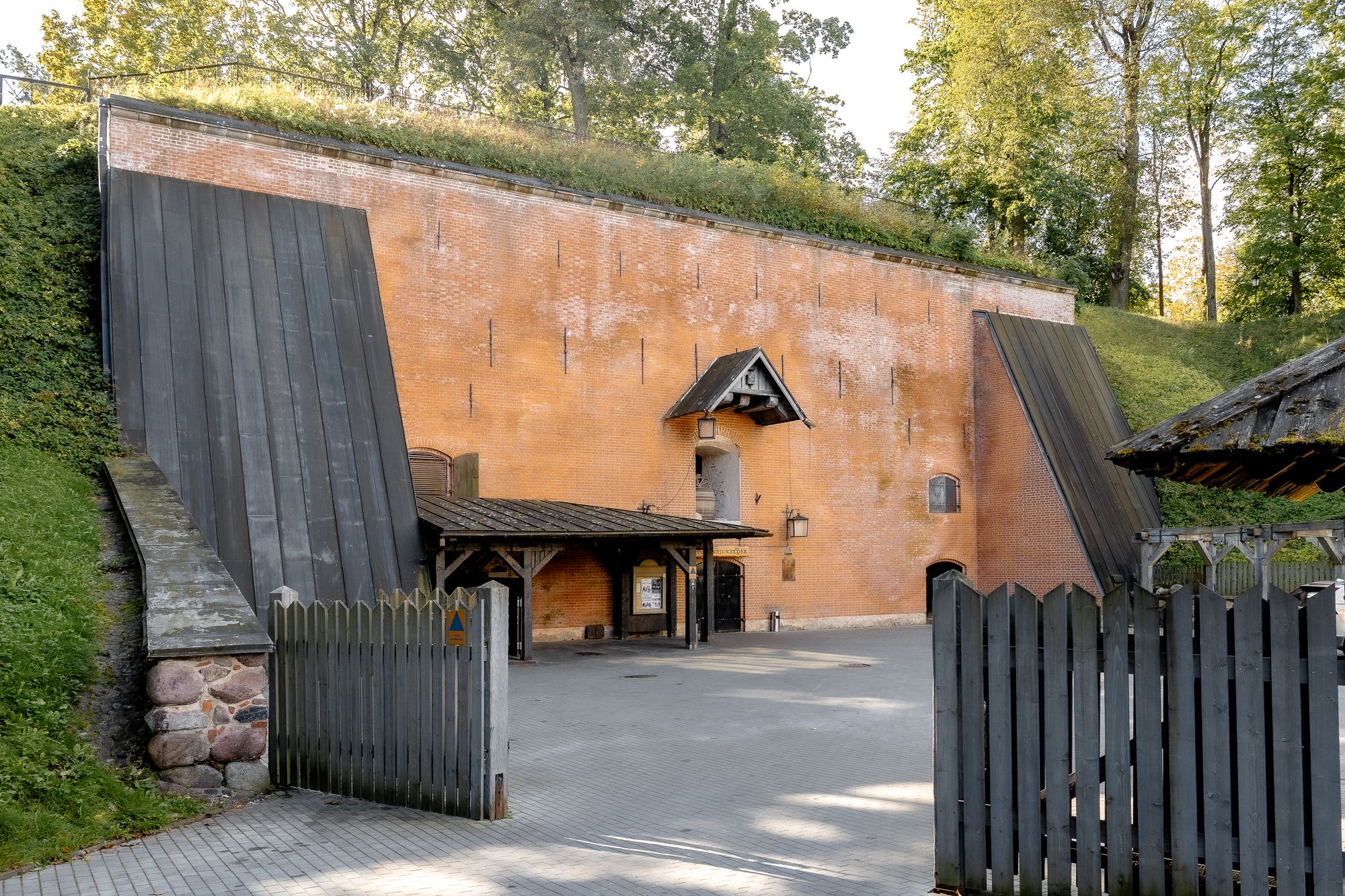
Tartu Gunpowder Cellar

Located on the slope of Tartu's Toome Hill Park, the Gunpowder Cellar is a unique historical building that today operates as a restaurant. The building was established in 1767 in a moat separating the bishop's castle from the surrounding area, and it was used as a gunpowder cellar until 1809. Bricks from the ruins of the medieval St. Mary's Church and the bishop's castle walls were used for its construction. Thanks to its thick stone walls and underground location, the building was well-suited for storing gunpowder. Later, the building was used as a beer cellar, and at the end of the 19th century, it was also used by the University of Tartu for scientific research, including studies on earthquakes and magnetic phenomena. From 1982 to 1999, the Gunpowder Cellar operated as a well-known café-restaurant, and in 2000, it reopened as a pub. The Gunpowder Cellar is unique for its 11-meter-high ceiling and is listed in the Guinness World Records as the pub with the highest ceiling. Today, it is a popular meeting place offering good beer, hearty food, and live music in a historical setting.

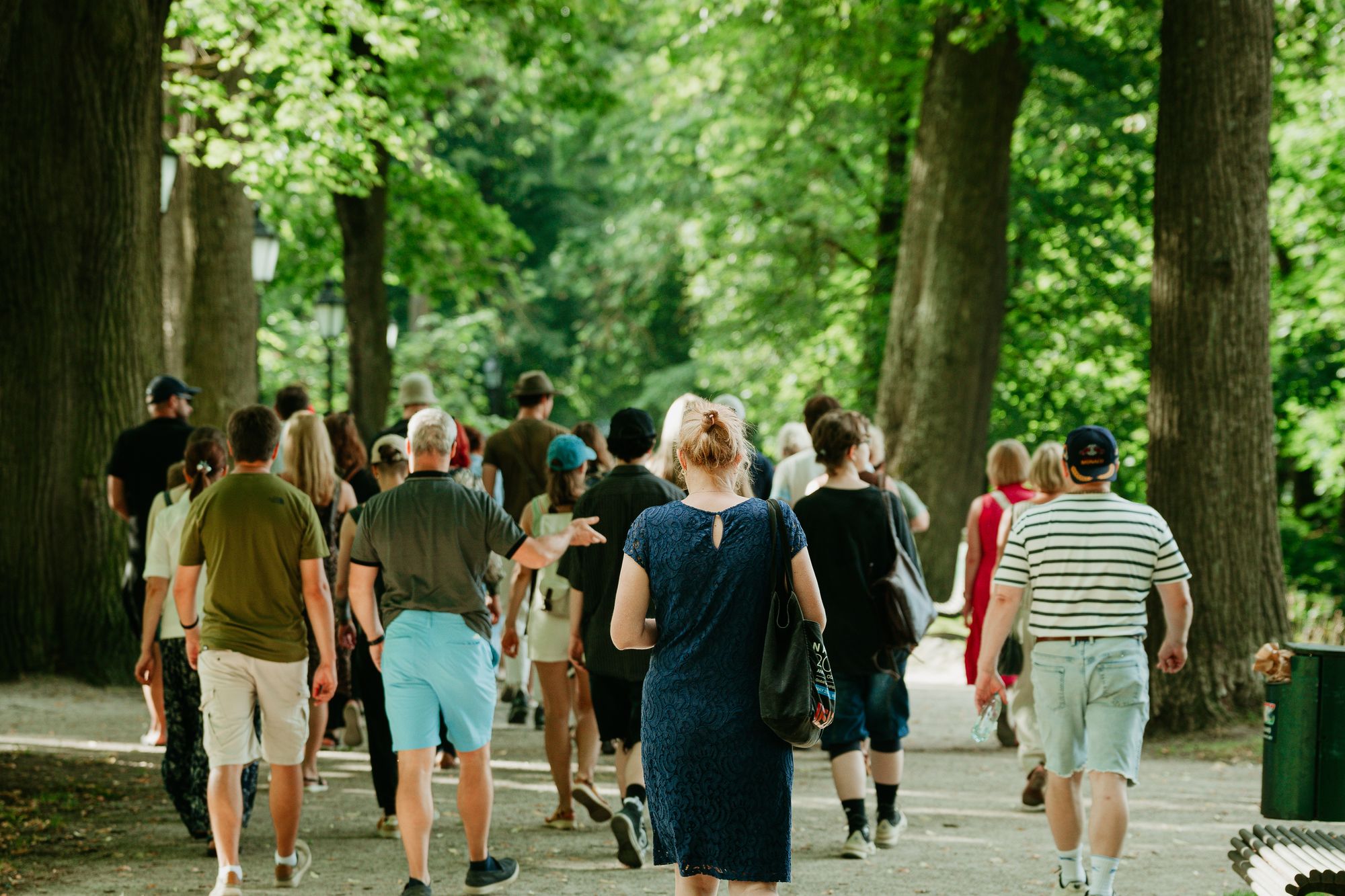
  • Guided tours

Babelhouse’s literary walk in Tartu

Tartu is one of Estonia's most important literary cities! Have you ever wondered which streets and places have inspired writers and where famous stories were born? On this literary walk, you will discover Tartu through literature and stories. You will visit places associated with various authors and their work, and learn more about the city's rich literary history. The walk takes you through Tartu's Old Town to Aparaaditehas, where you meet familiar characters and authors. The guide tells stories of writers who have lived, studied, or found inspiration here. Real places and literary stories intertwine, revealing the city from a completely new angle. This tour is suitable for everyone who wants to view Tartu through a literary lens. Babelhouse's guided tours are flexible and tailored according to the group's wishes and time constraints.

  • Guided tours

Baer House in Tartu

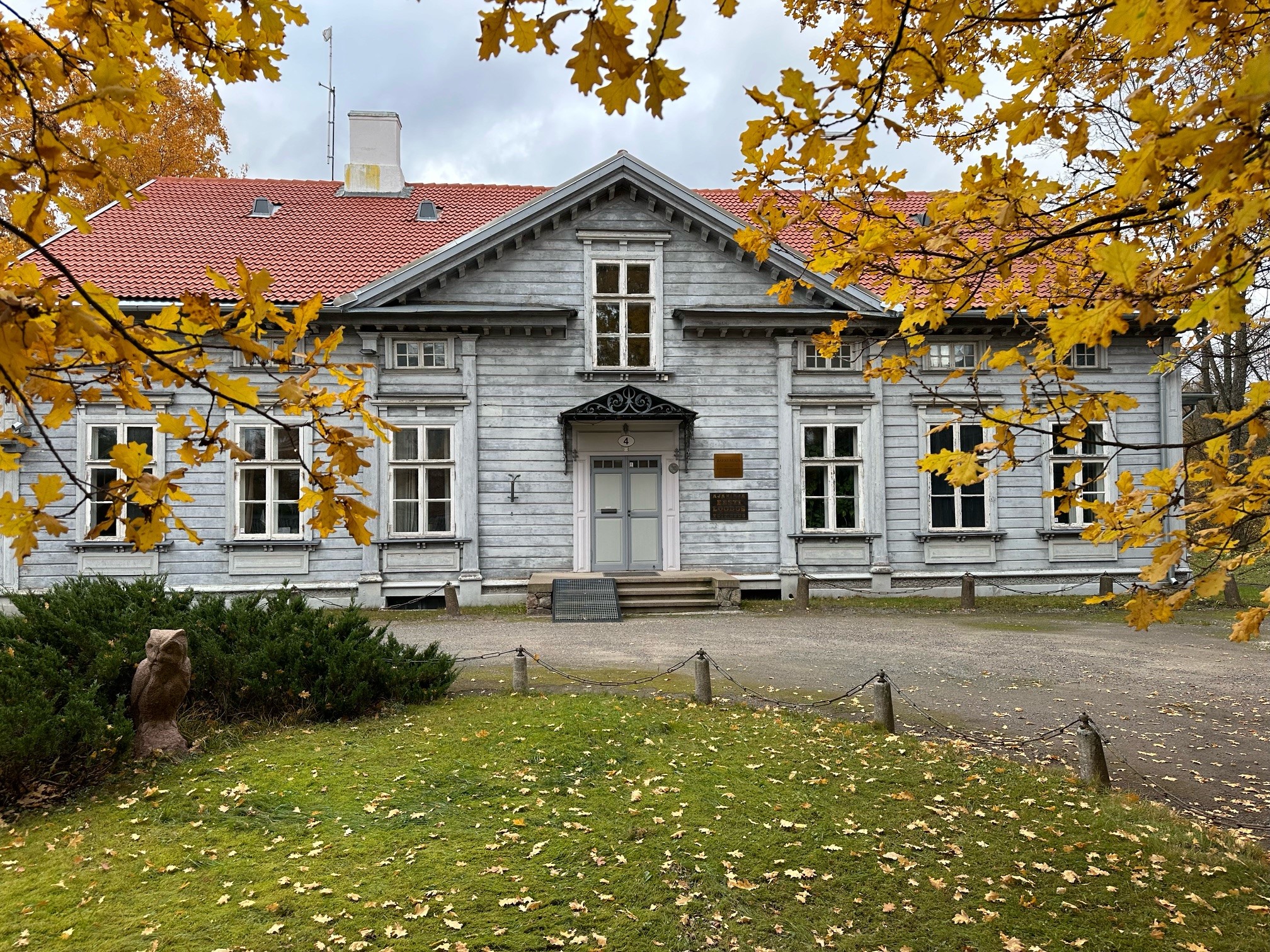
Come and take a look at the one-storey classicist wooden building on the slope of Toomemägi in Tartu. Naturalist Karl Ernst von Baer used to live in the house from 1869 to 1896. The house was restored and turned into the Baer House Museum in 1976. The building currently belongs to the Estonian University of Life Sciences and houses the von Baer Natural History Centre.

Leevaku Chimney

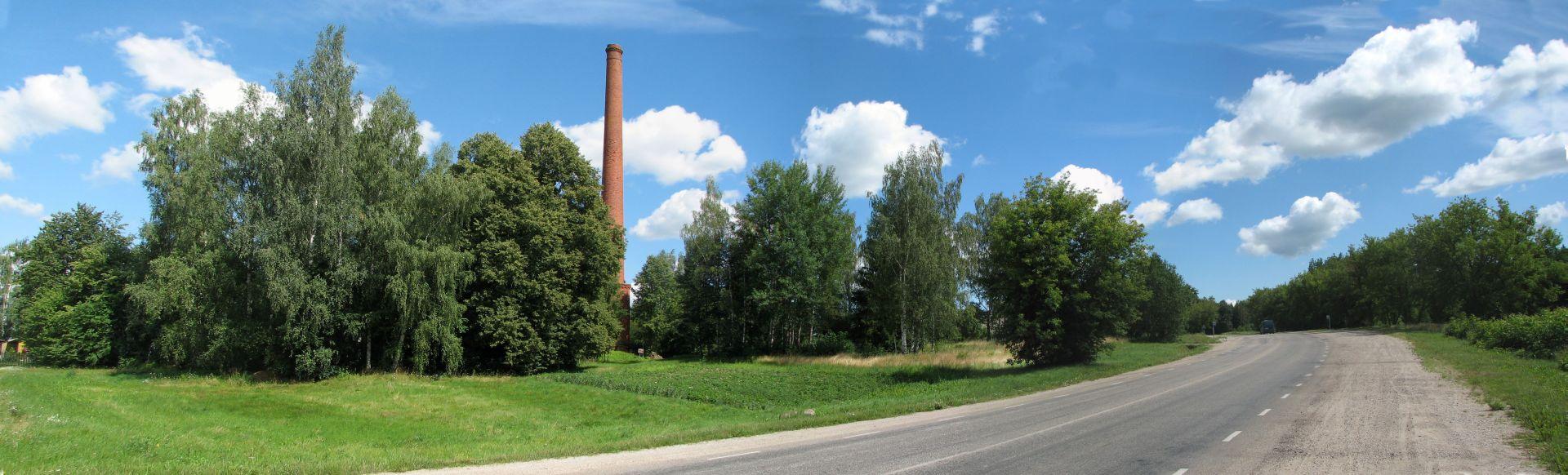
Leevaku Chimney, which is joked about as being the world's tallest sauna chimney (at 50 metres), was completed in 1923 for the local brick factory. However, the factory soon went bankrupt, as the raw ingredients being sourced locally were of insufficient quality. After the factory closed, the owner of the neighbouring residence built a wooden sauna in the chimney, and it is still used today.The chimney can only be viewed from the outside.

  • Privacy Policy

"*"обозначает обязательные поля

Это поле используется для проверочных целей, его следует оставить без изменений.
Я разрешаю маркетинг