• Explore
    • Nature
    • Culture
    • Food
    • Family
    • Activity
    • Blog
  • Plan
    • Tourist info
    • Accommodation
  • For professionals
    • For professionals
    • Collaboration
    • News
    • Projects
    • Training
    • Repository
    • Community (opens in new tab)
    • Contacts
ENG
  • EnglishENG
  • EestiEST
  • LatviešuLAT
  • РусскийRUS
  • SuomiFIN
ENG
  • EnglishENG
  • EestiEST
  • LatviešuLAT
  • РусскийRUS
  • SuomiFIN
Popular searches:
Show all
  • History & Culture
  • Architecture and history
  • Churches

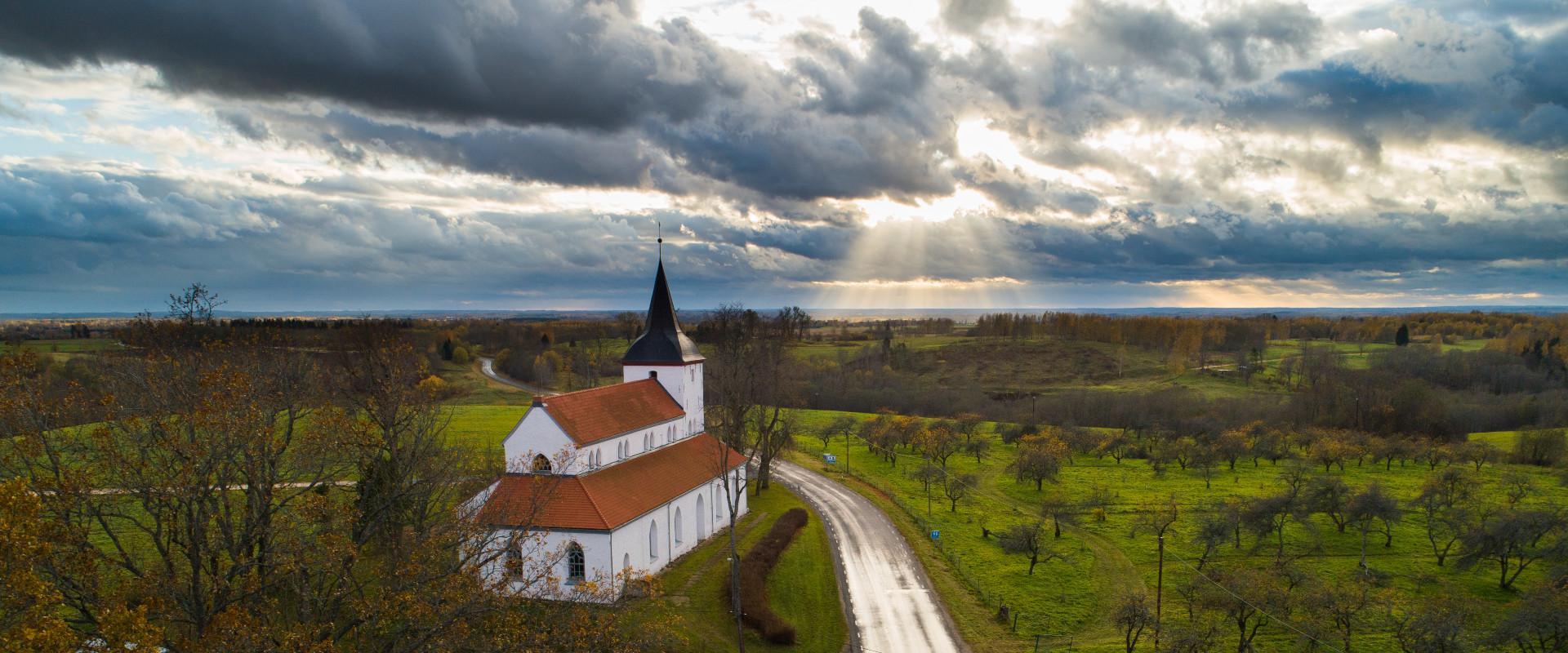
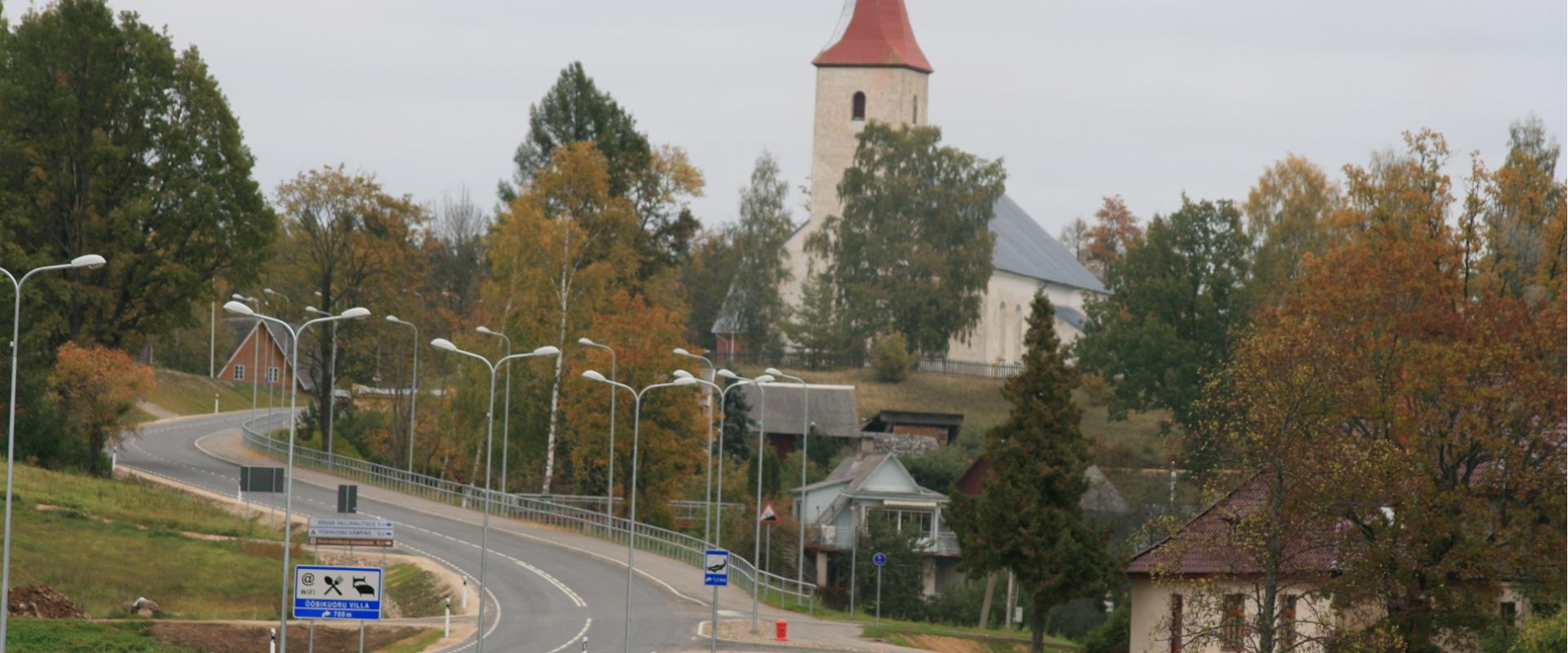
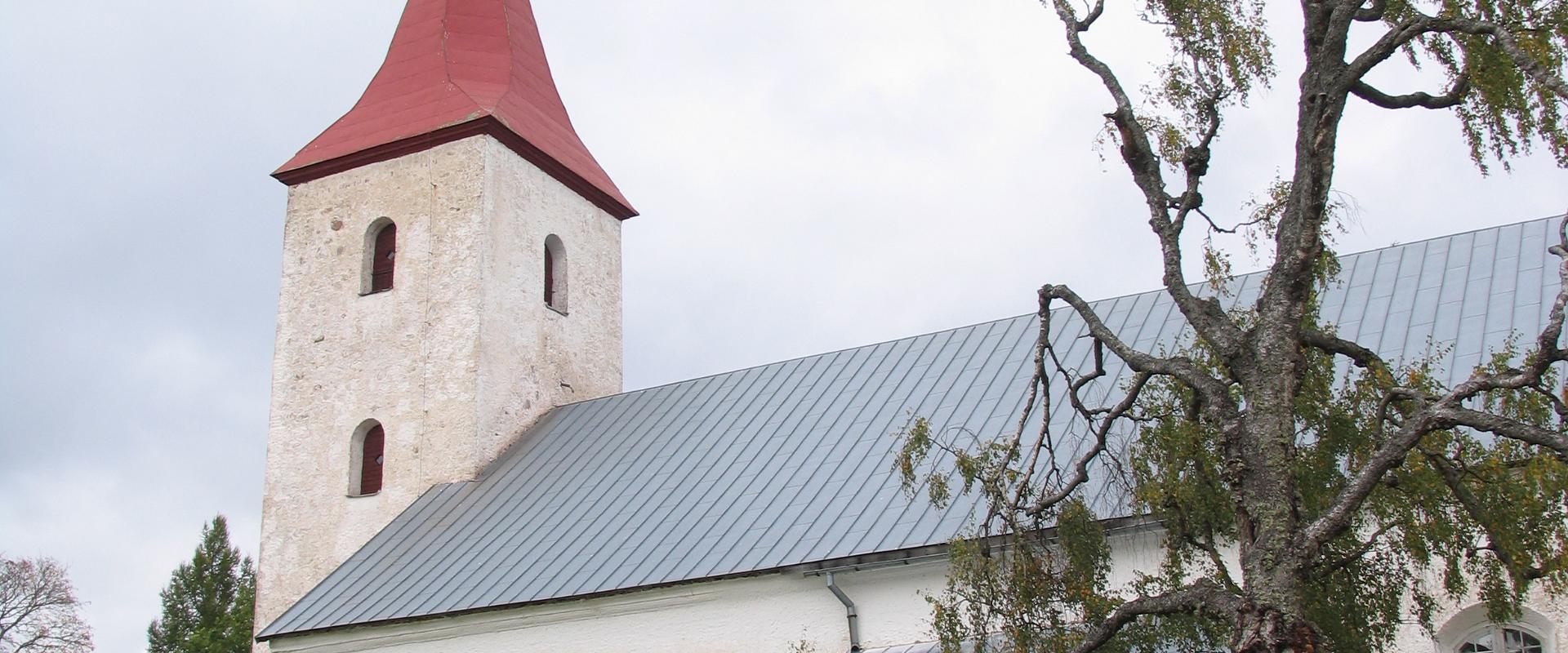
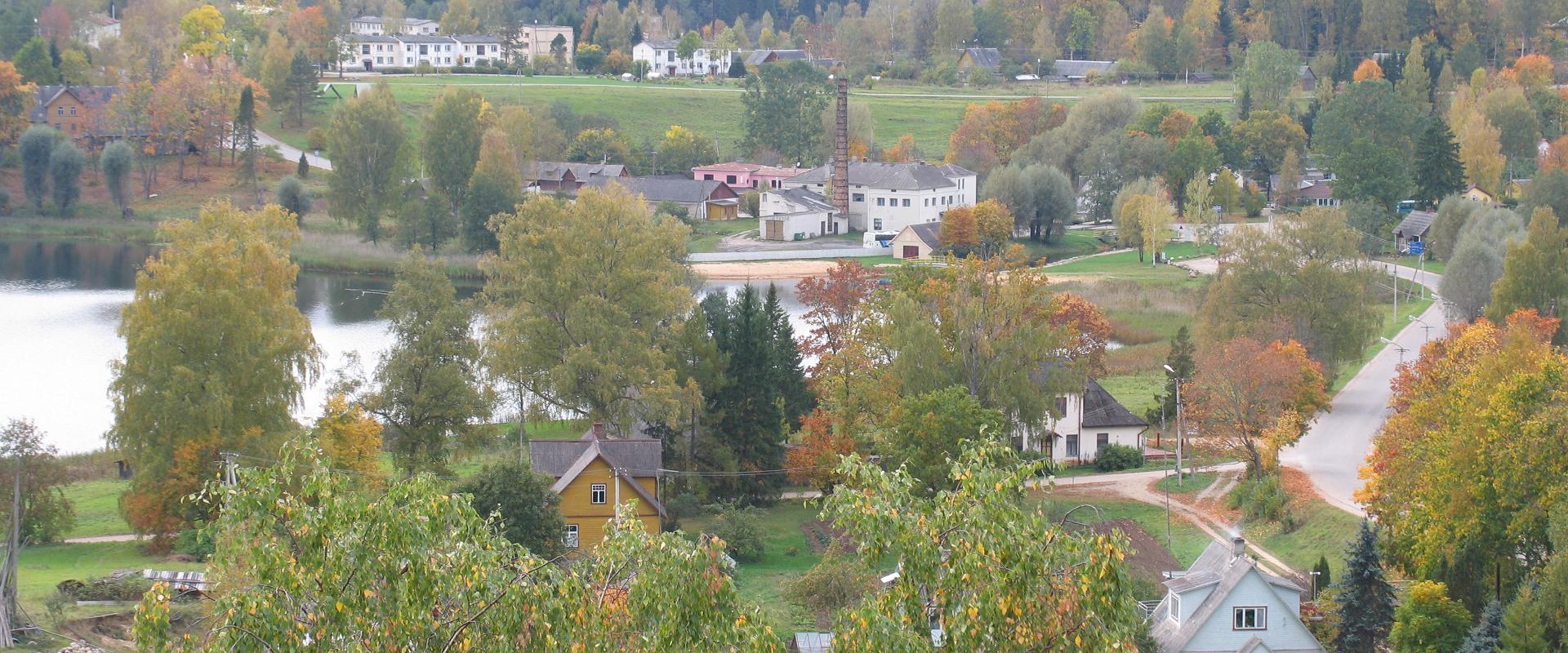
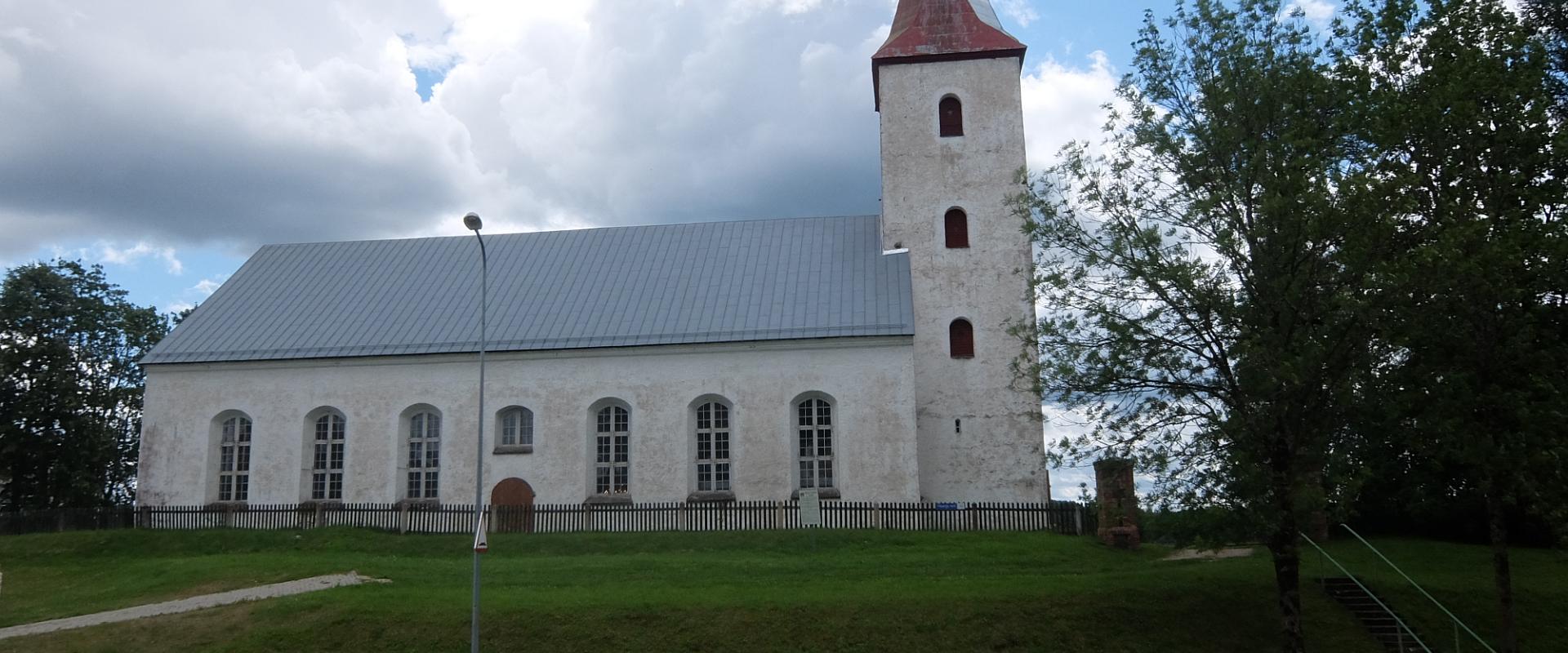
St. Mary’s Church in Rõuge

Haanja mnt 10, Rõuge vald, Võru maakond, 66201

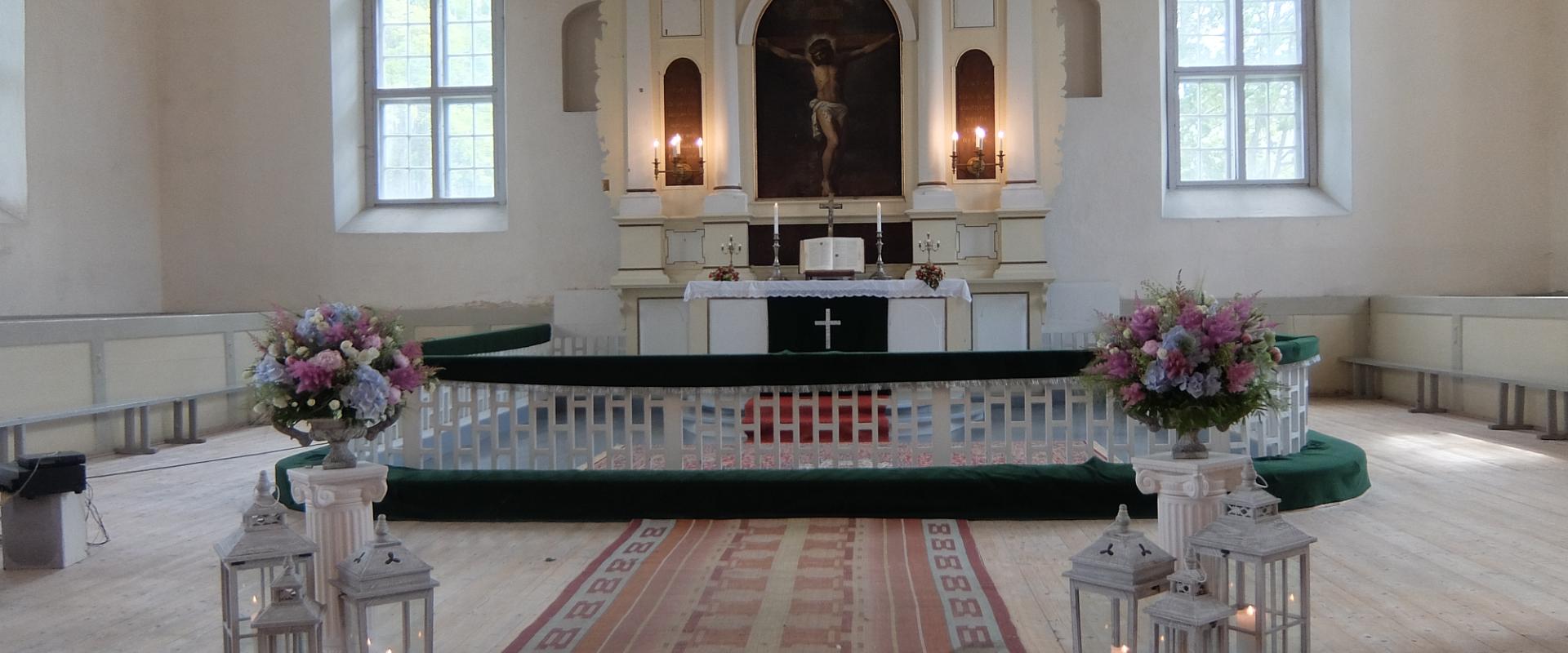
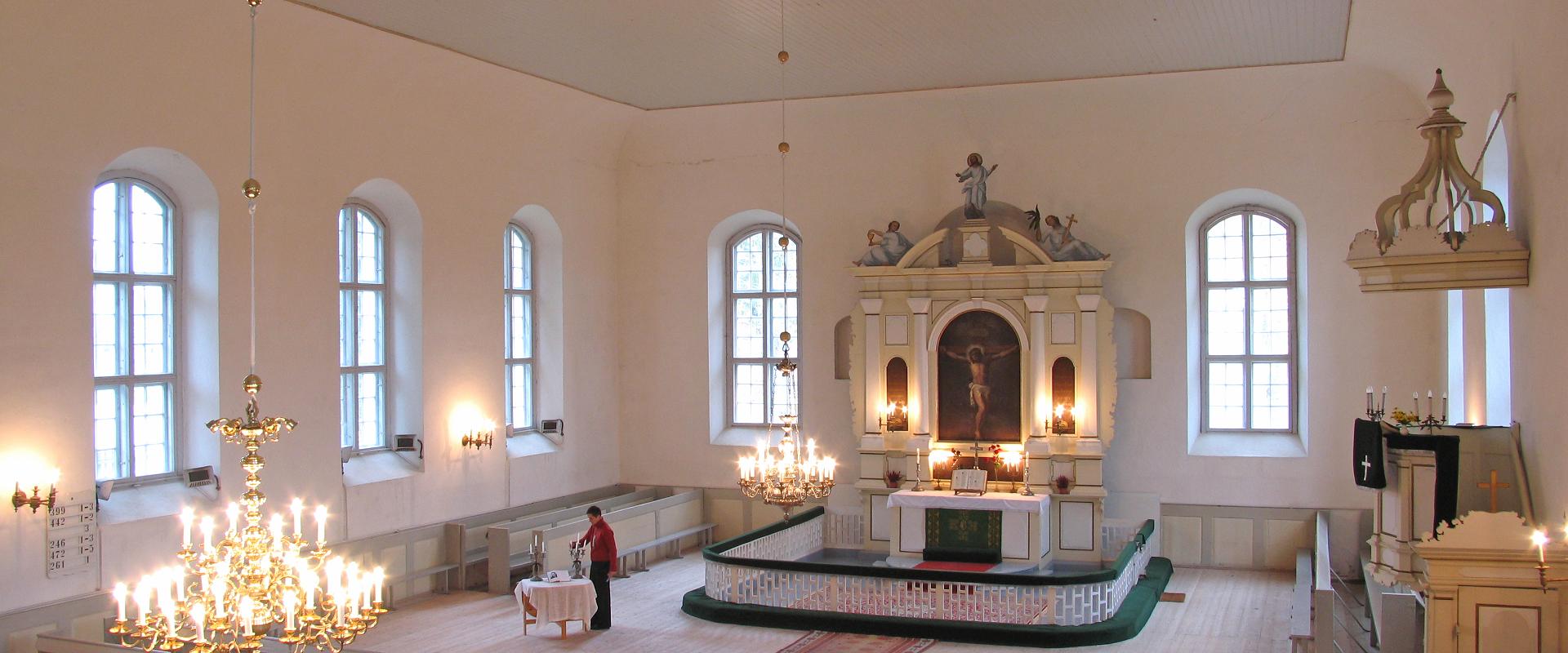
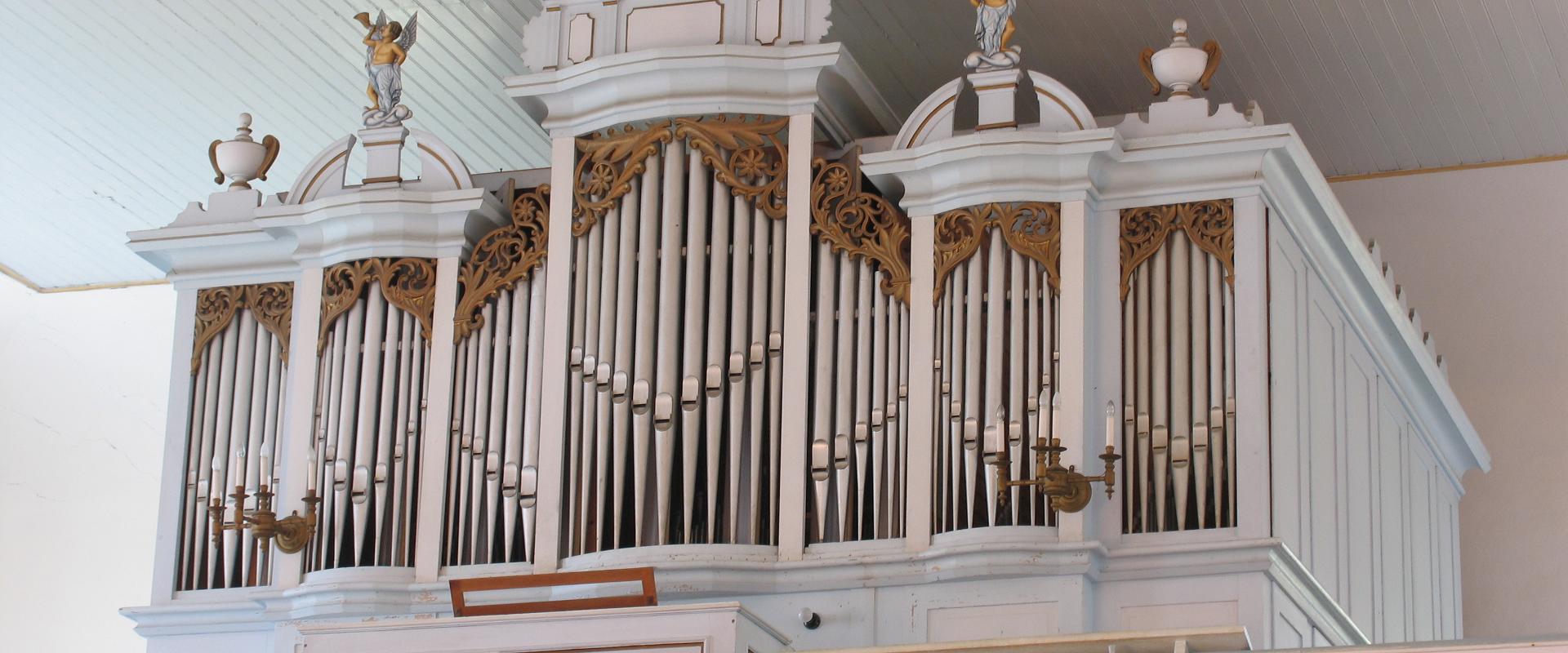
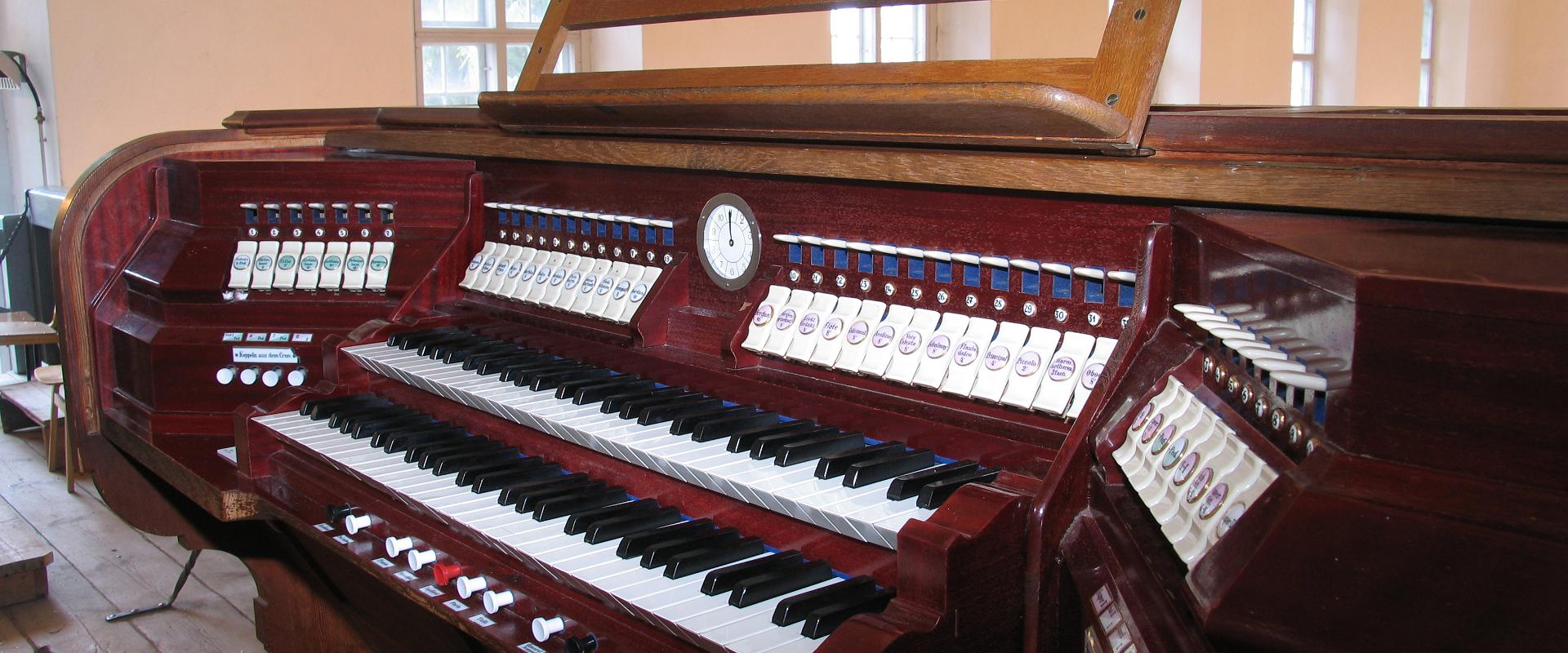
The first stone church was constructed in Rõuge in the 16th century. In 1730, the original church, which was destroyed in the Great Northern War, was replaced with one which had an imposing square tower. The church was blessed in the name of St. Mary. The altar-piece “Christ on the cross” by R. von Mühlen is from 1854. In 1860 the walls were made higher and a mirrored arch was installed. In 1930 the church got a 31-register organ built by the Kriisa brothers. The first Estonian pastor in Rõuge was Rudolf Gottfried Kallas.Useful information! You can attend mass at the church every Sunday at 11:00 and in summer, the church is used as a wayfarers’ church. Entrance to the tower is for a fee (grown ups 1.50, children 1 and family ticket 3 euros).
Amenities

  • Free parking

Open times

1. juuni - 30. aug

P14:00 - 16:00

Contact

  • +372 5264037
  • info@rougemaarja.ee

Links

See more

  • Churches

Karula Maarja (St Mary’s) Church

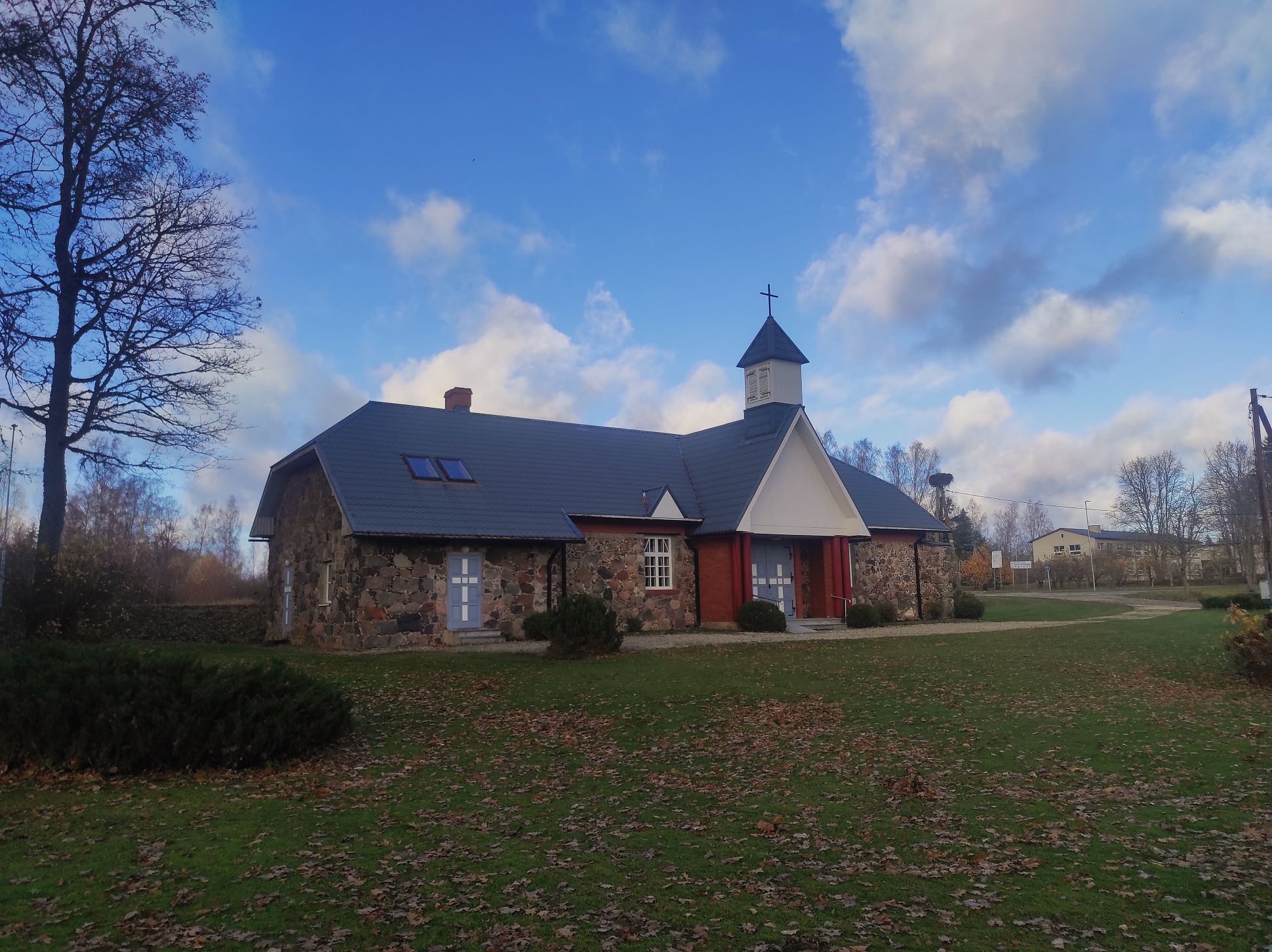
Karula Church has been working in the converted manor granary since 1997. The most special feature of the church is the stained glass painting 'Eucharist' of Estonian artist Dolores Hoffmann which depicts local people as the disciples against the background of the holly landscape of Karula.The doors of the Karula Church are open to visitors during Sunday services. Please contact a representative of the congregation if you wish to visit the church some other time. Interesting facts: • The same building was used as an animal barn during the Soviet times. • The stained glass painting was donated to Karula Church by the descendants of the German squires the von Grotes.

  • Churches

Vastseliina Church

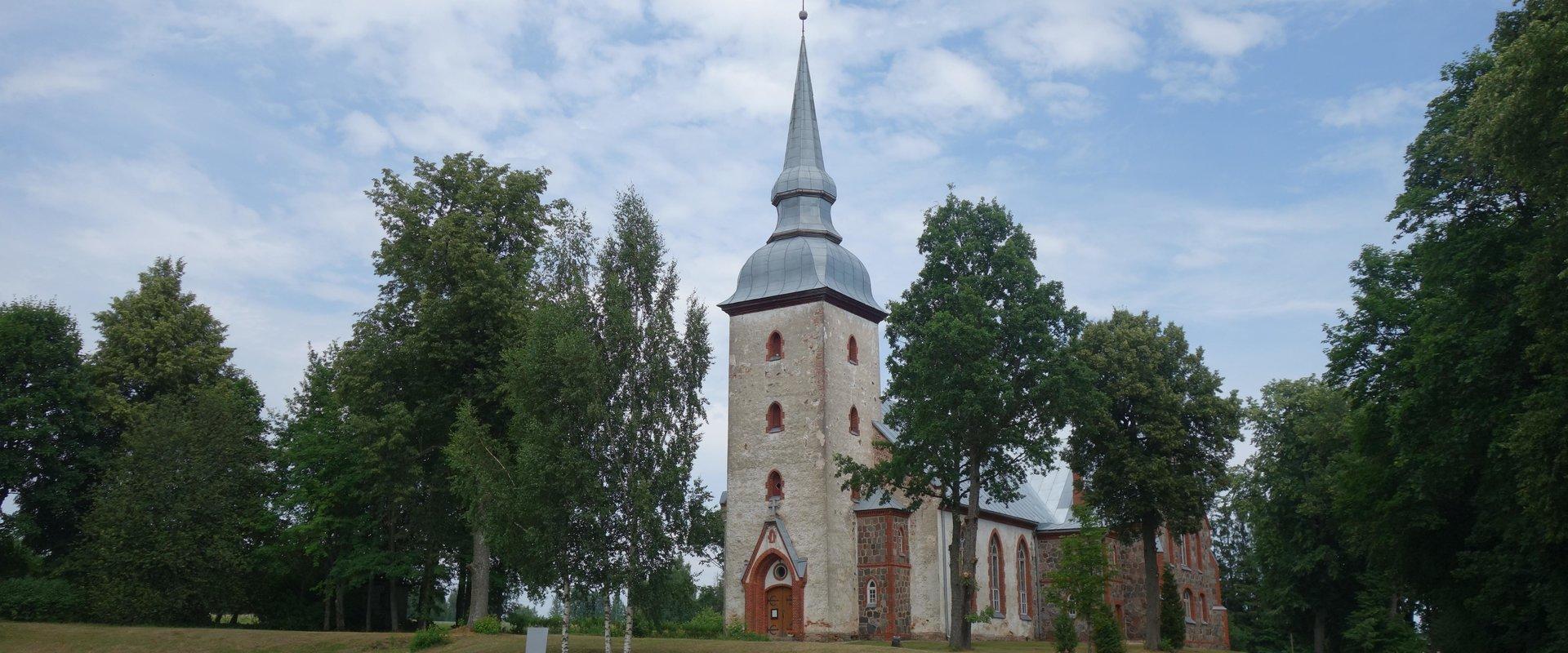
Vastseliina Castle was built in 1342. The Swedish Army gave the order to build another church outside the walls of the castle as an addition to the Vastseliina Castle Chapel. The new church was consecrated as St. Catherine's Church. The church was destroyed together with the Vastseliina Castle by Russian cannon fire. Another church was built, and construction began on a stone church. Von Liphardt donated an organ made by Kessler and an alter painting by Baron Maydell to the church. Vastseliina Church was reconstructed according to the plans of the architect Pohlmann. In 1911 the church obtained a new organ built by the brothers Kriisa. Church service is held on Sunday.

  • Lookout towers
  • Churches

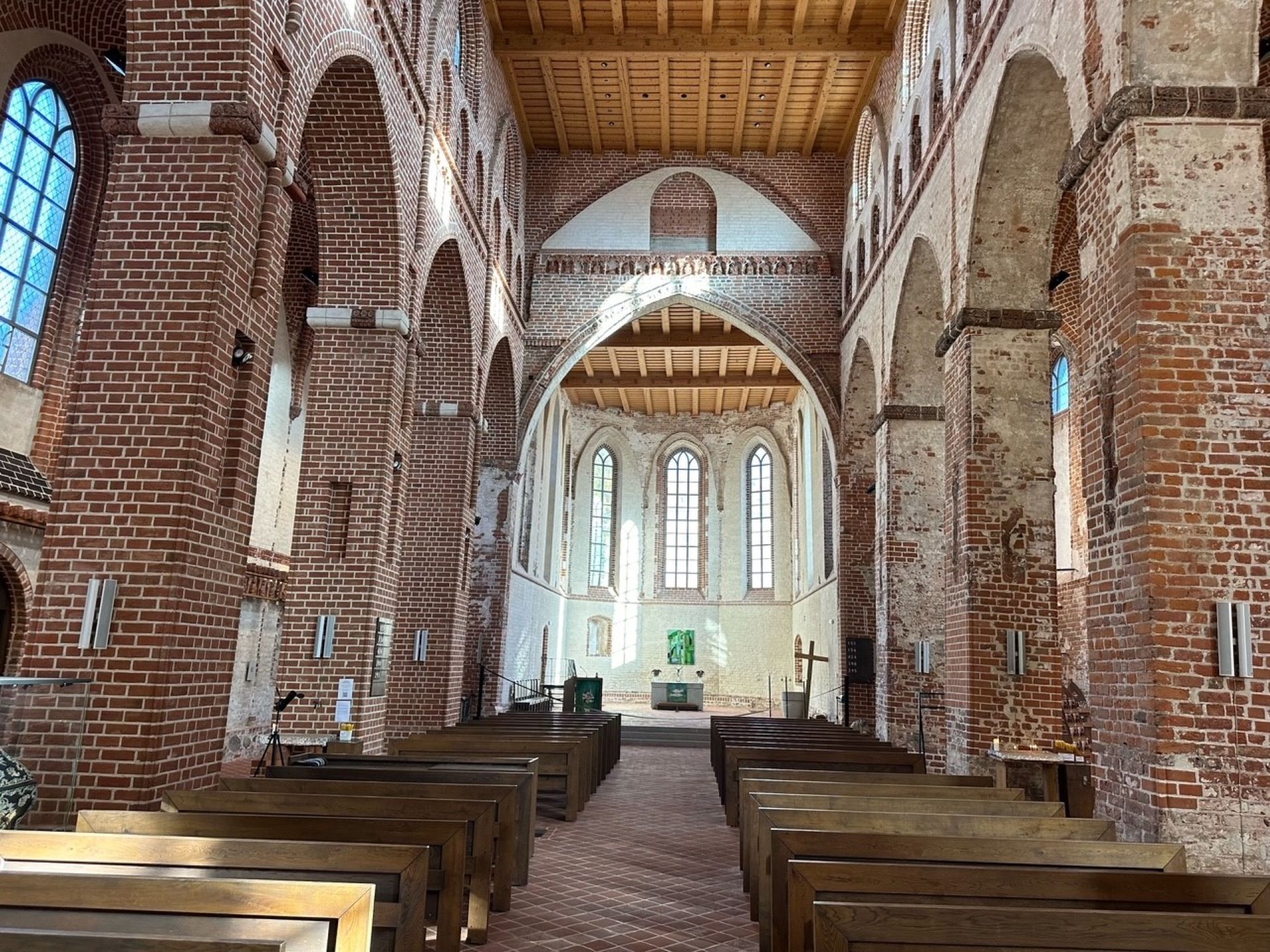
St. John’s Church in Tartu

Tartu's Gothic-style St. John's Church dates back to the 14th century, making it one of the oldest churches in Estonia. It is known for its unique terracotta sculptures, which are considered rare in all of Europe. The church once had over 1,000 handmade terracotta statues; about 200 have survived. Each sculpture is different, which has led to speculation that they may depict Tartu's former inhabitants or other important people. The tower of St. John's Church offers a wonderful view of the entire historic old town of Tartu. It houses two bronze bells, called Peter and Paul. On the last Sunday of every month, the church holds a service in English!

  • Churches

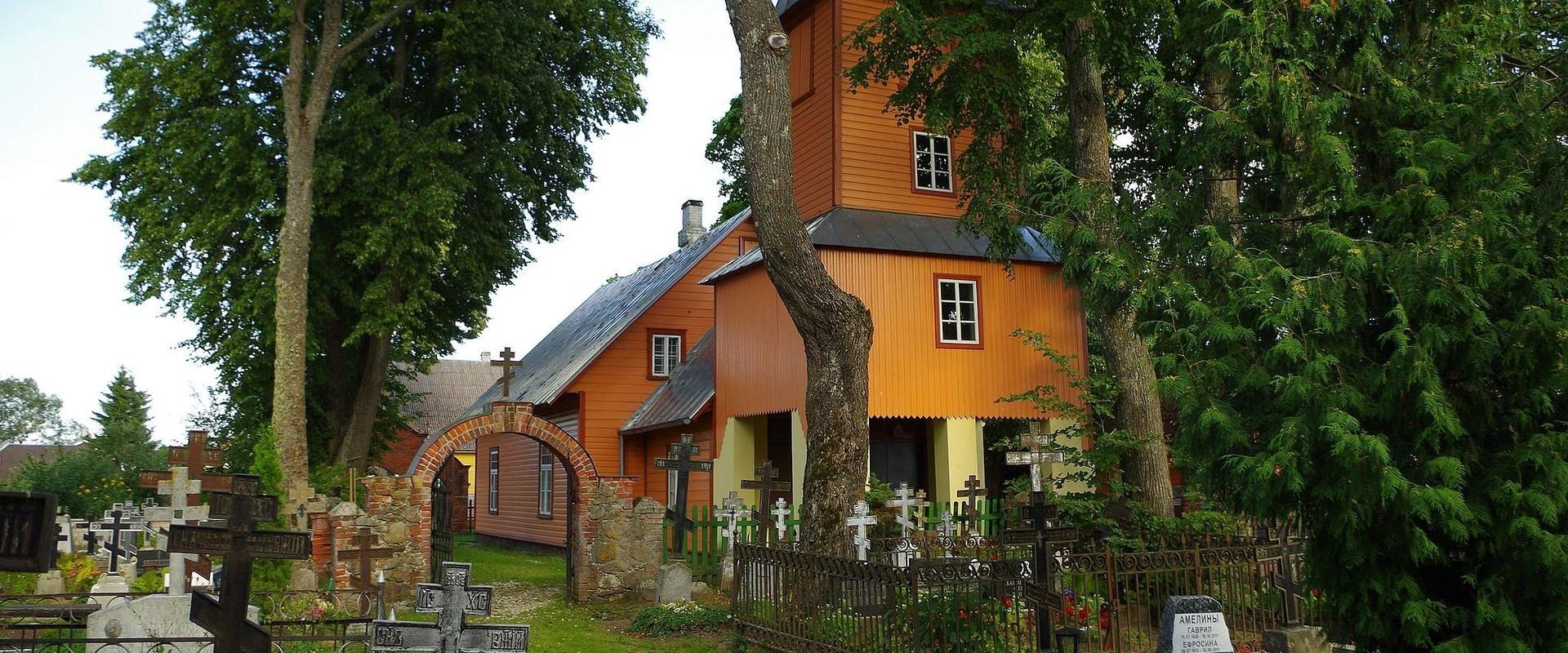
Kasepää Old Believers’ Prayer House of the Estonian Association of Old Believers Congregations

When in Kasepää Village near Lake Peipus, go and visit the prayer house of Russian Old Believers, which has been operating without interruption since the 18th century.The current prayer house was built at the beginning of the 20th century. It was designed by the governorate architect Wilhelm Schilling in 1902. The Florov school masters renewed the icons of the iconostasis in the prayer house before the Second World War. Some of the icons in the chapel date back as far as to the 17th century.Prayers are held in the chapel in Russian on Sundays at 10 a.m.

  • Churches

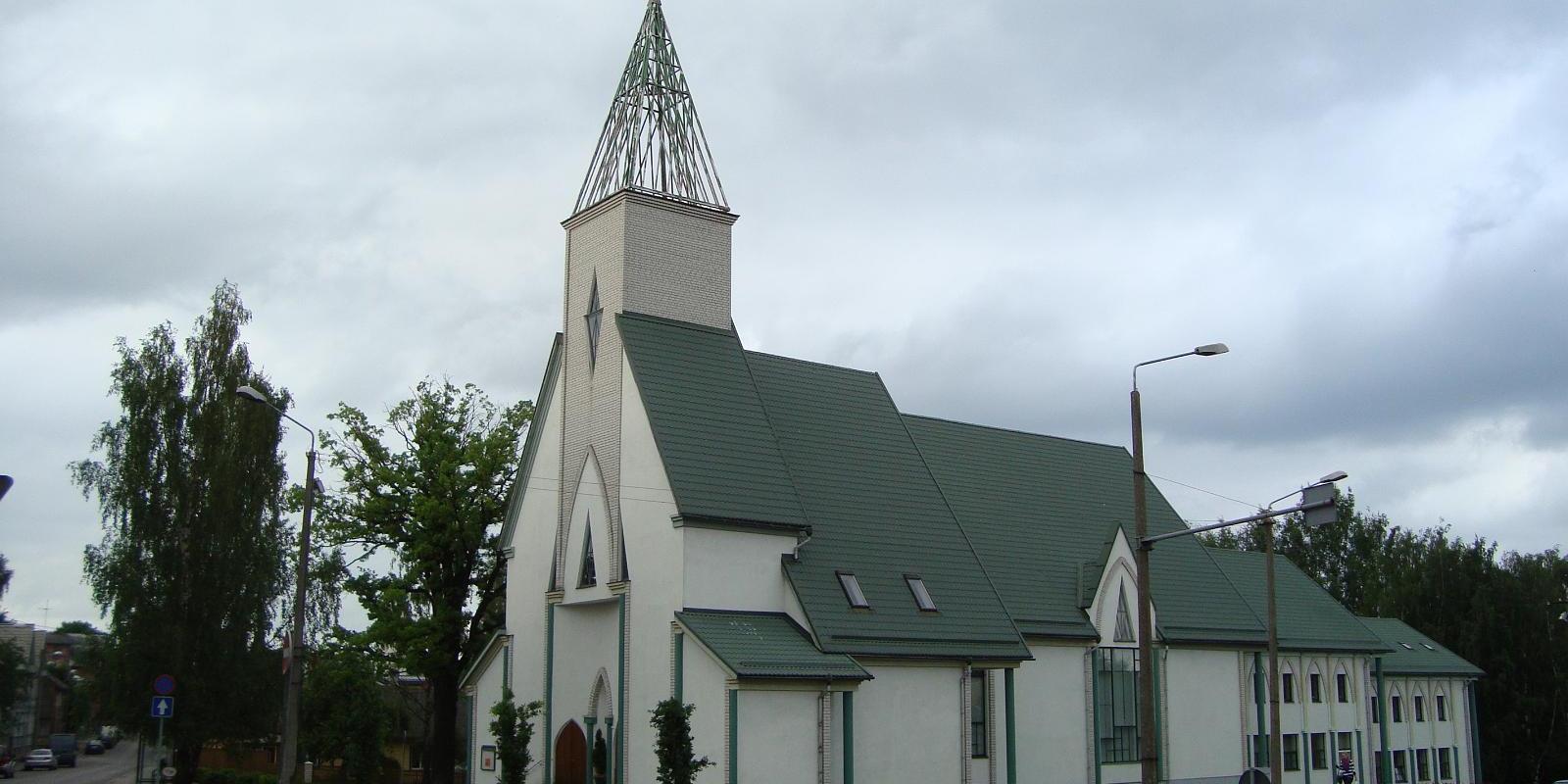
Tartu Salem Baptist Church of the Alliance of Estonian Evangelical Christian Baptist Congregations

Come and take look at the modern and spacious church of the Tartu Salem Baptist Congregation (architect Maarja Nummert). The church was opened on 28 June 1988 with a concert and thanksgiving service. You are welcome to enjoy concerts in the church hall that has great acoustics and space for almost 400 people. Interesting facts: - the only baroque organ in Tartu is in the Tartu Salem Baptist Church; - the church offers accommodation to travellers.

  • Churches

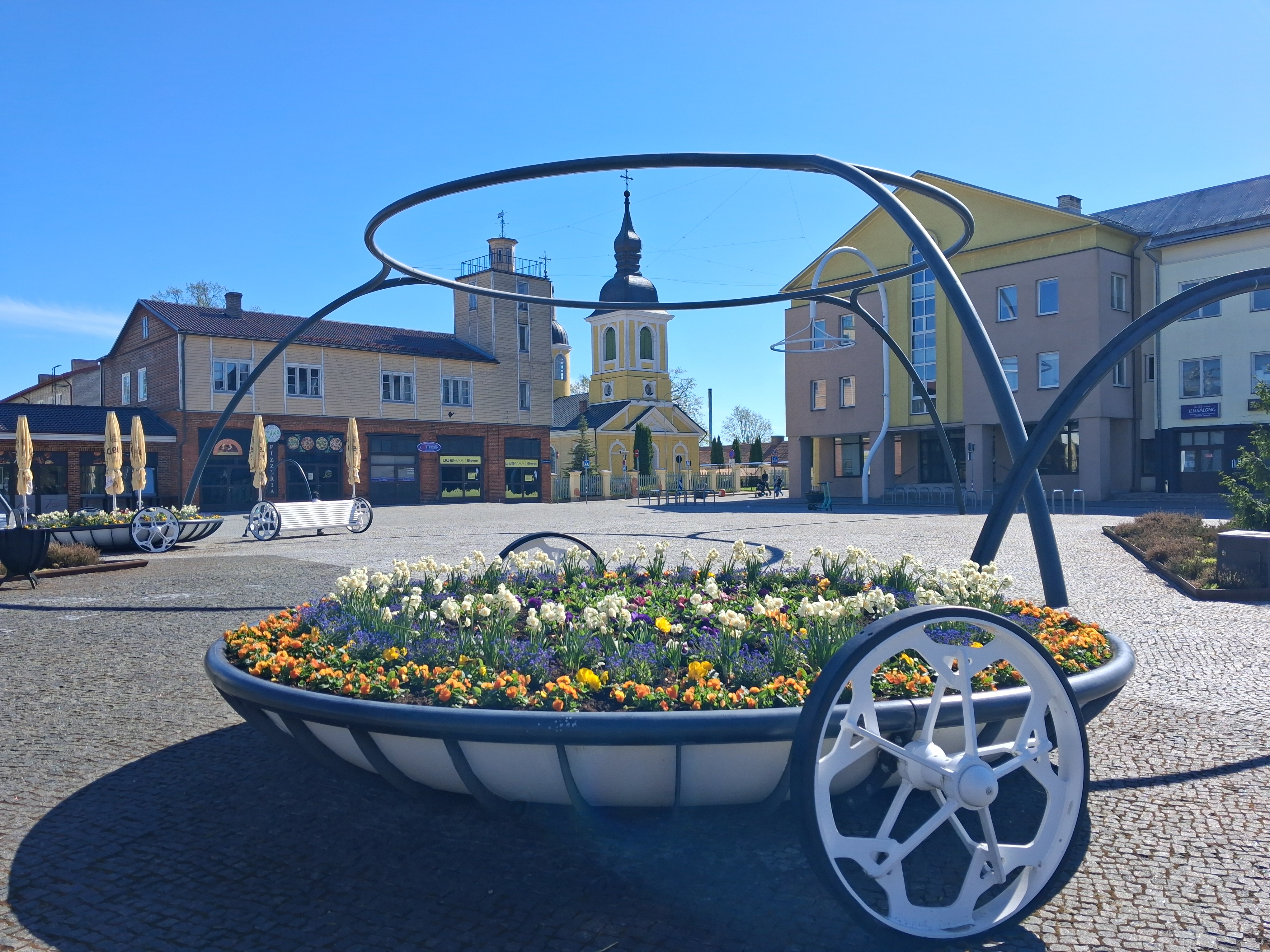
Church of St Catherine in Võru

Construction of the Church of St Catherine in Võru commenced in 1793 during the reign of Empress Catherine II. It is thought to have been designed by the Livonian architect Schons, while the man responsible for the building of the church was Võru's own Johann Karl Otto. The church was surrounded with a formidable fence. It is famous for its cross-shaped floor plan, substantial bell tower, high dome-like secondary tower and arched windows. Designed in classicist style, it was completed in 1804 in honour of St Catherine. The grounds around the church were restored in 2008 and are now home to an open air exhibition of religious text-themed illustrations by artist Marje Ernits.

  • Churches

Urvaste church and cemetery on the shores of Lake Uhtjärv

The EELC St. Urbanus' Church in Urvaste, Võru County is one of the oldest and most unique country churches. The earliest written records date back to 1413, which means that 600 years have passed since the church was first mentioned.The church we see today – a three-naved Gothic basilica – was consecrated on 5 September 1889. The entire interior of the church also dates back to this time. In 1938, The organ was built by the Kriisa brothers in 1938, while the church bells date back to 1832.From the yellow National Geographic window on the shores of Lake Uhtjärv, you can enjoy a breathtaking view over the Urvaste church and the primeval valley of Lake Uhtjärv. The window marks one of the 21 places worthy of discovery in South-Estonia.

  • Lookout towers
  • Churches
  • Ruins

Tartu Cathedral

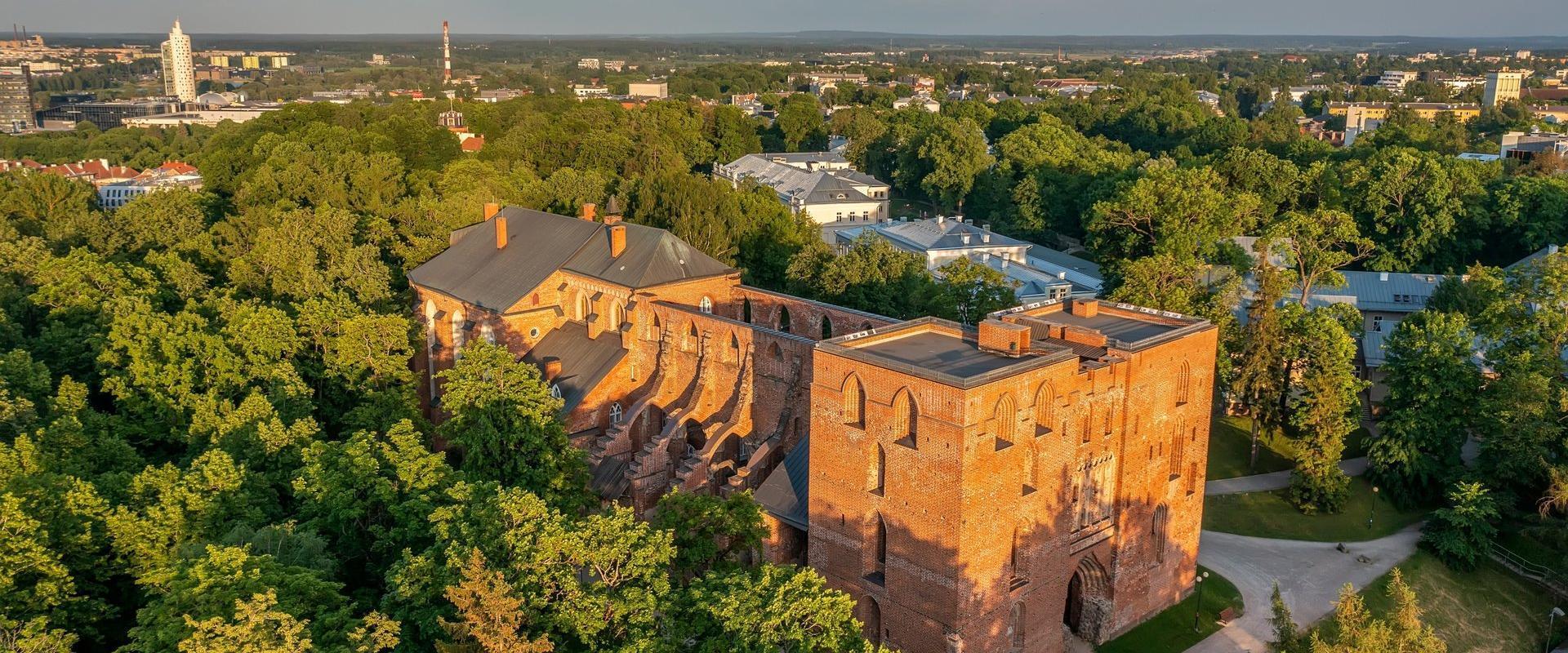
The cathedral located on Tartu's Toome Hill is one of Estonia's most remarkable and largest medieval structures, and the only church with two towers. The church's construction began as early as the 13th century, when Tartu was an important bishopric. Construction work and additions continued into the early 16th century. During the Reformation, the cathedral was abandoned and, over time, turned into ruins. Nevertheless, these powerful walls and spacious vaults remain one of the most outstanding examples of brick Gothic architecture in Old Livonia, reflecting the scale and craftsmanship of medieval architecture. The University of Tartu Museum operates in the cathedral building, showcasing the history of science, university education, and the development of Tartu's academic spirit. It is possible to visit the cathedral towers, which offer one of the most beautiful views of Tartu and the Emajõgi Valley. Next to the towers is Toompood, where you can find gifts, science-themed souvenirs, and memorabilia with university symbols. In the evenings, a light installation adds a magical atmosphere.

  • Collaboration
  • News
  • Contacts
  • Privacy Policy
Join our mailing list!

"*" indicates required fields

This field is for validation purposes and should be left unchanged.
I authorise marketing

Southern Estonian Tourism Cluster

info@visitsouthestonia.com