• Explore
    • Nature
    • Culture
    • Food
    • Family
    • Activity
    • Blog
  • Plan
    • Tourist info
    • Accommodation
  • For professionals
    • For professionals
    • Collaboration
    • News
    • Projects
    • Training
    • Repository
    • Community (opens in new tab)
    • Contacts
ENG
  • EnglishENG
  • EestiEST
  • LatviešuLAT
  • РусскийRUS
  • SuomiFIN
ENG
  • EnglishENG
  • EestiEST
  • LatviešuLAT
  • РусскийRUS
  • SuomiFIN
Popular searches:
Show all
  • History & Culture
  • Architecture and history

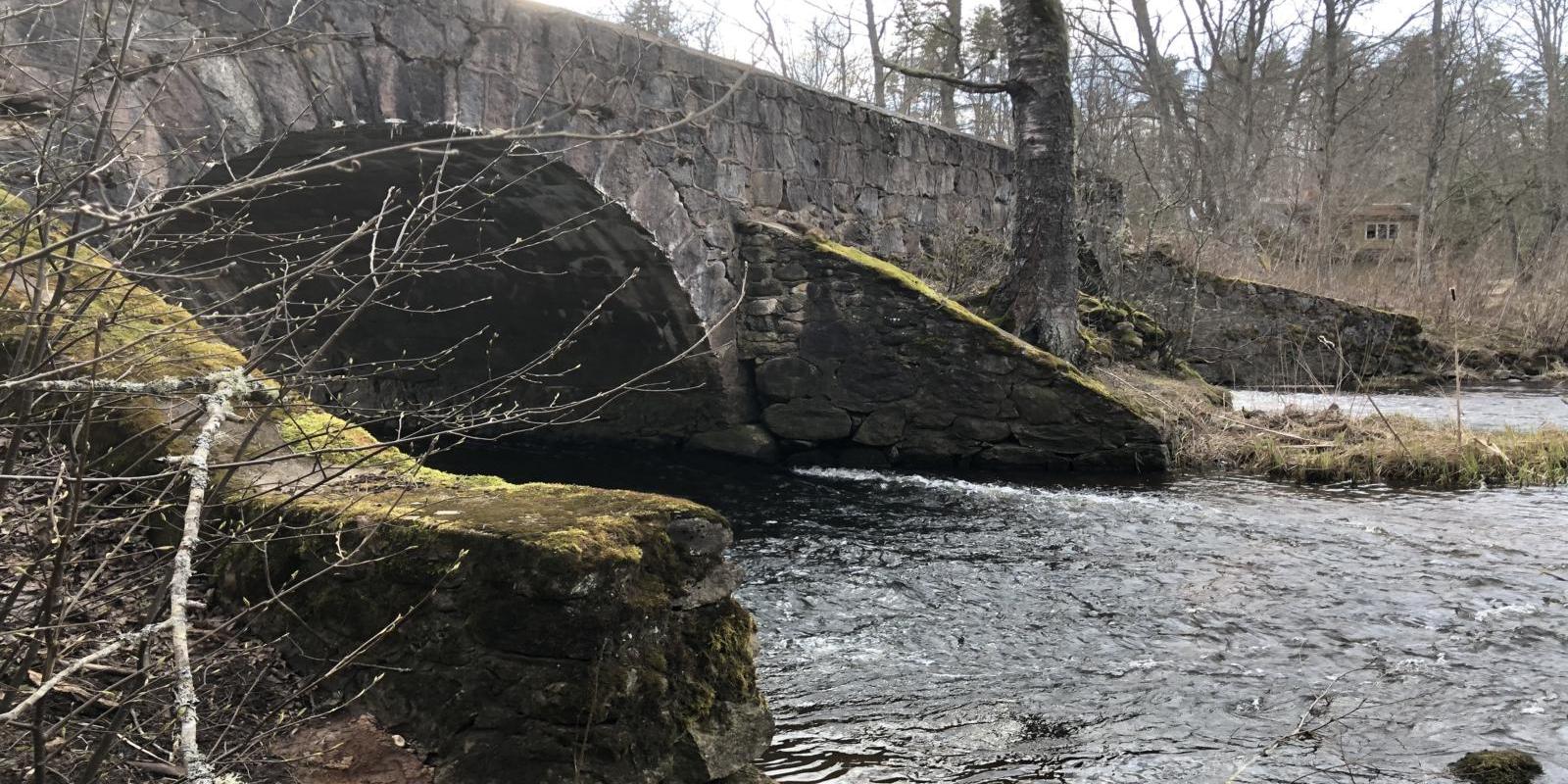
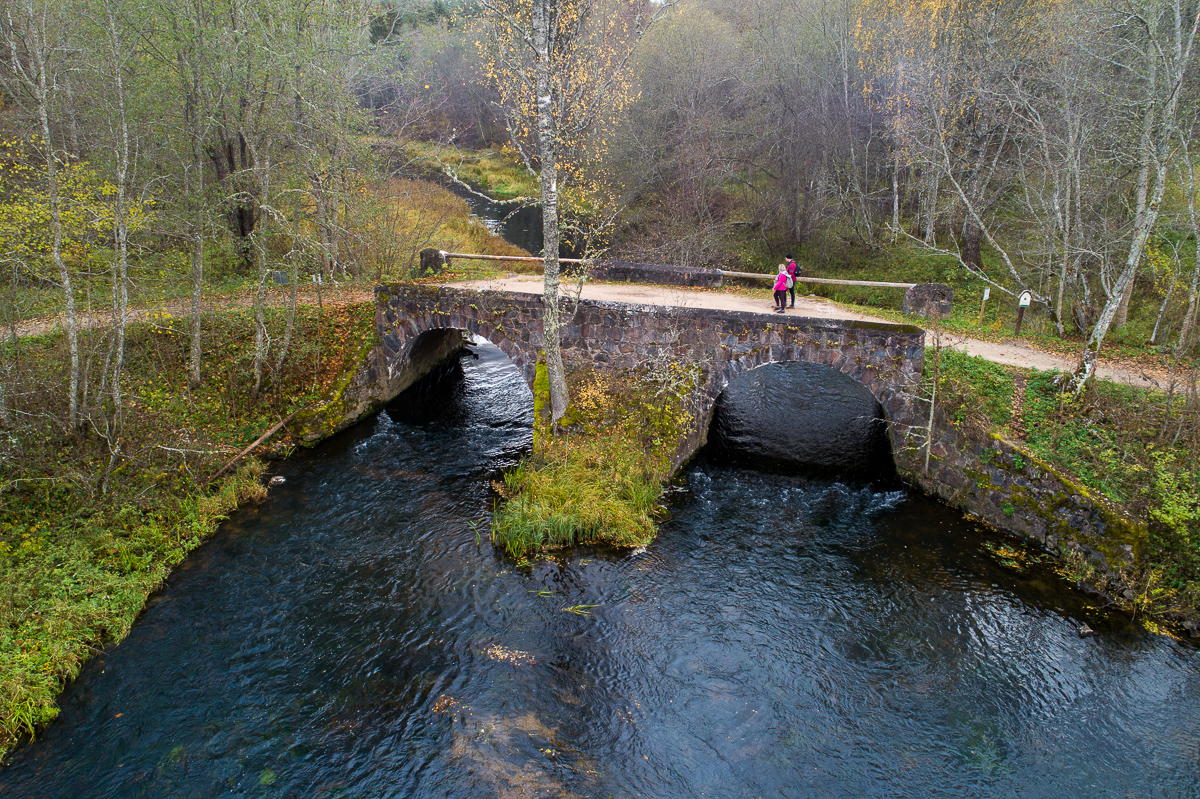
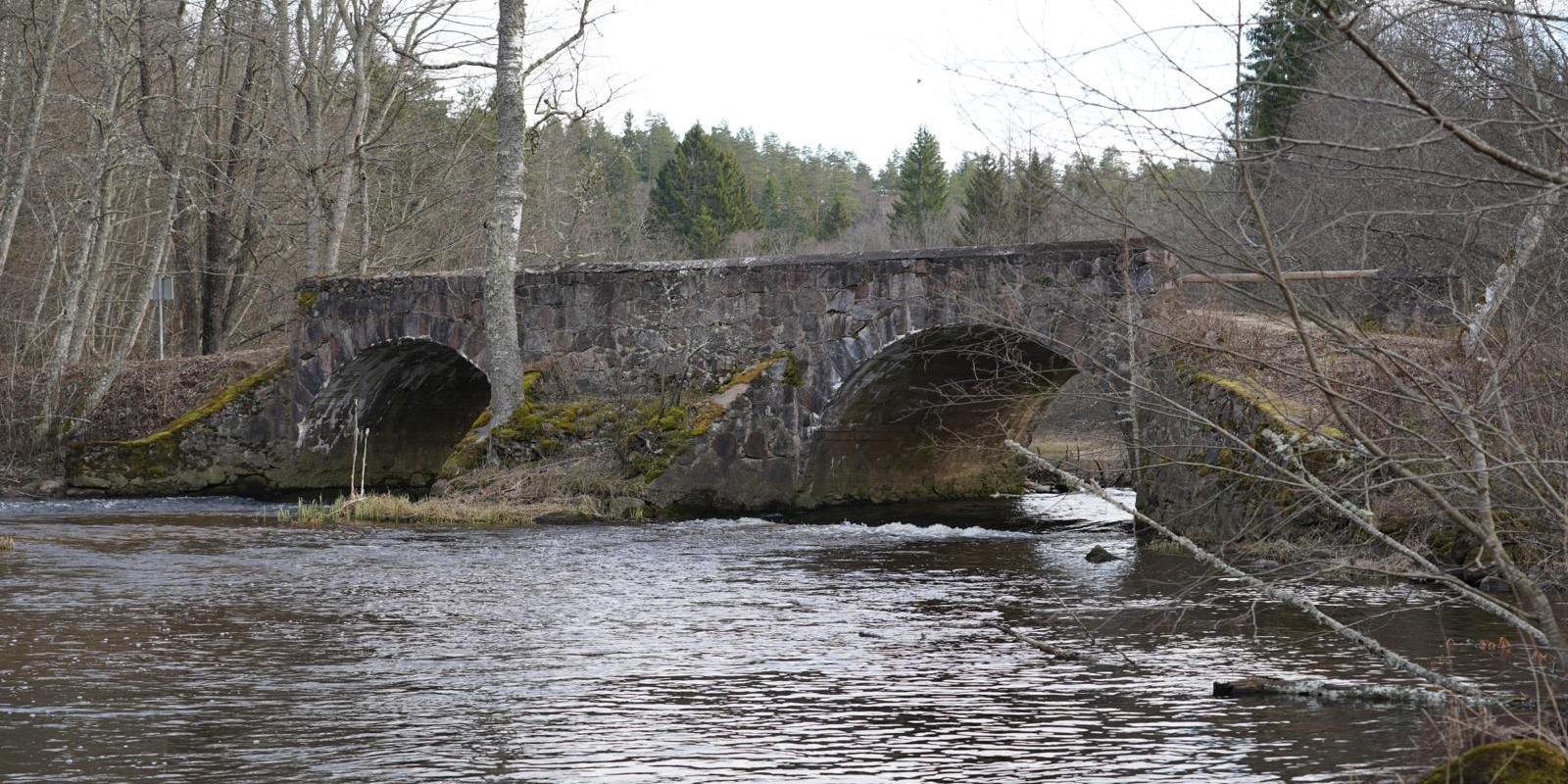
Otten’s Mill Bridge or the Bridge of Siim

Põlva vald, Põlva maakond, 63226

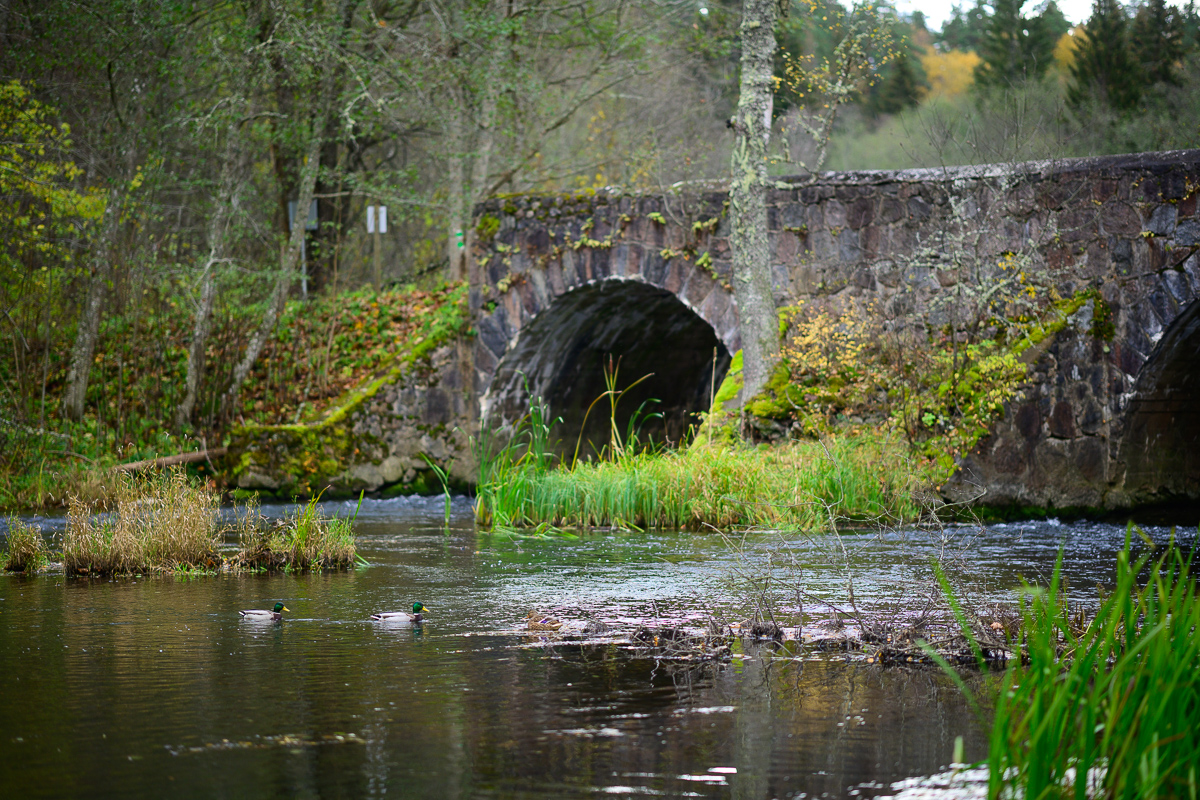
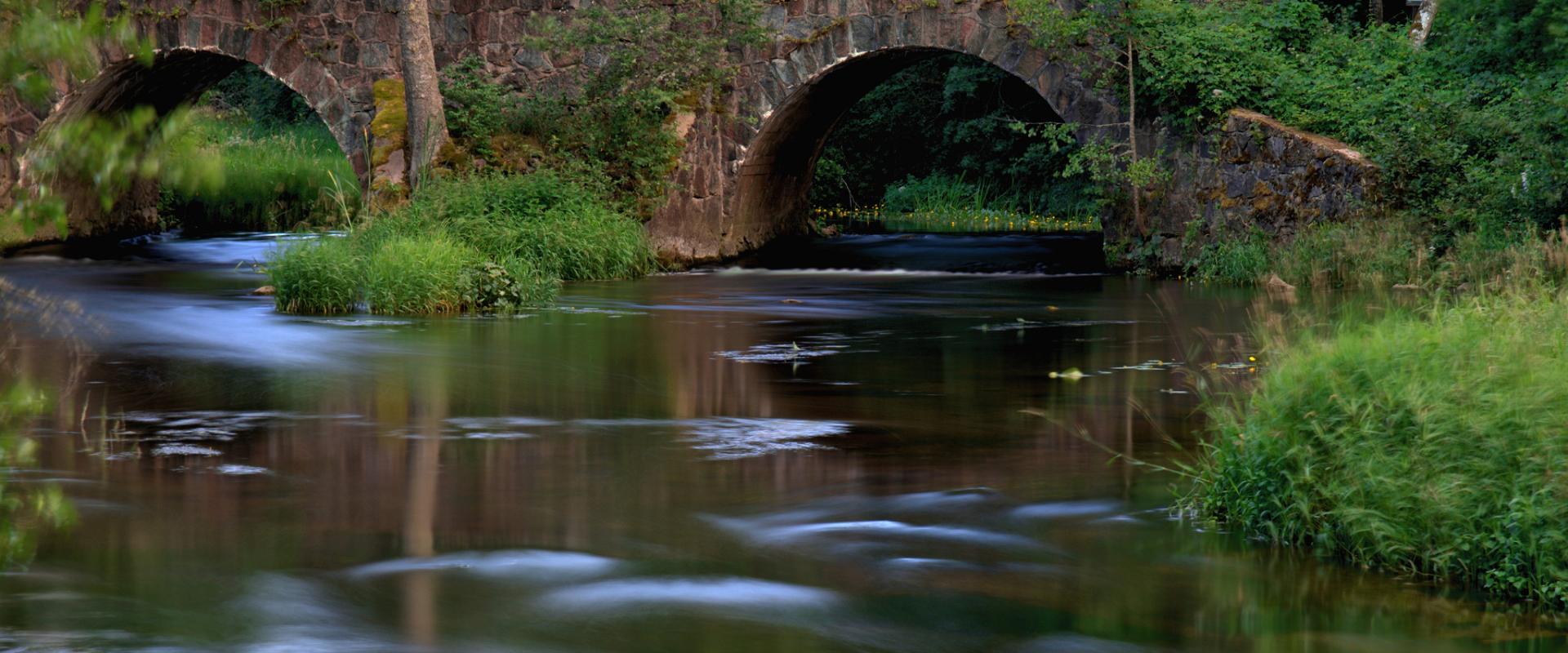
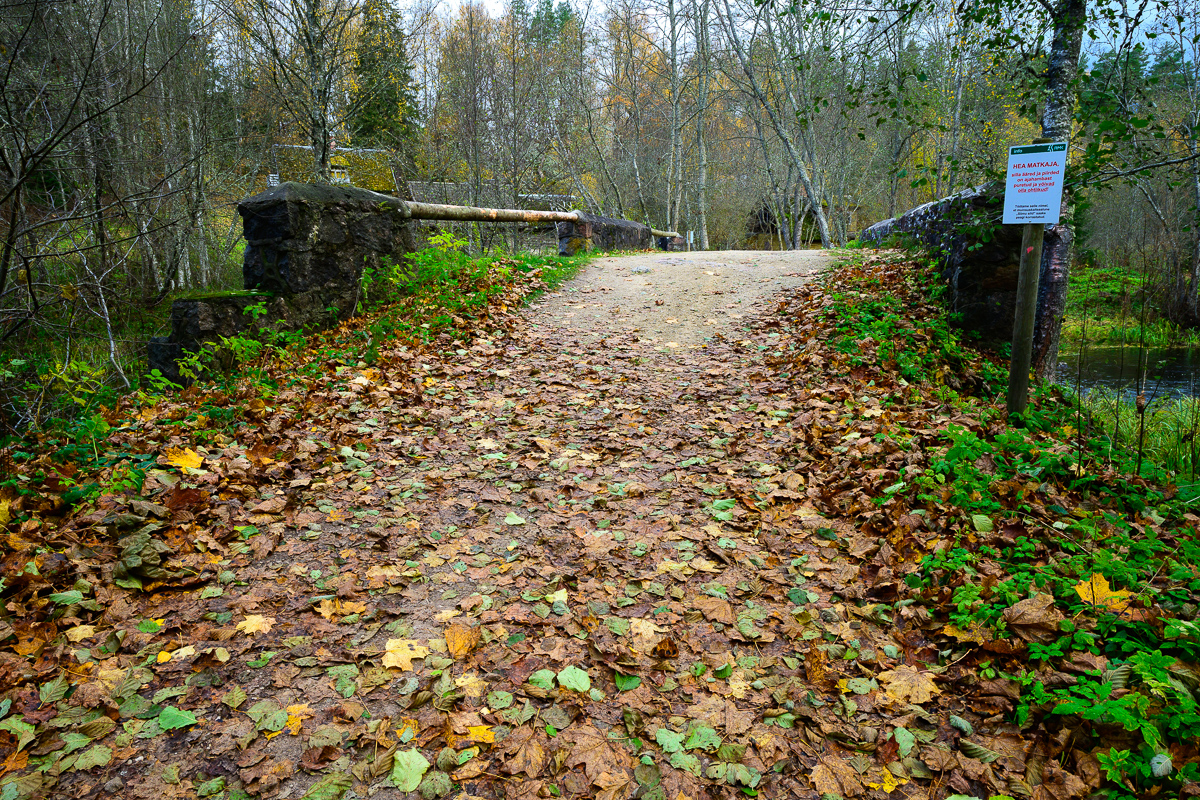
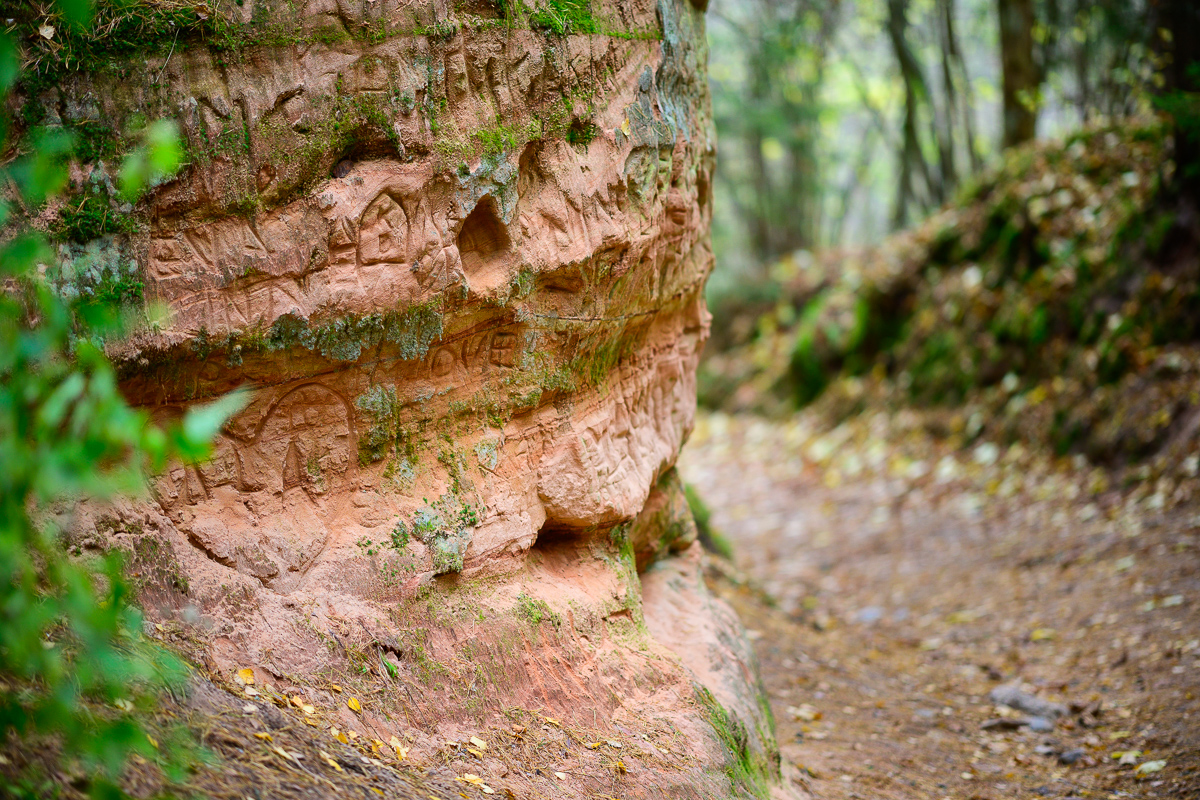
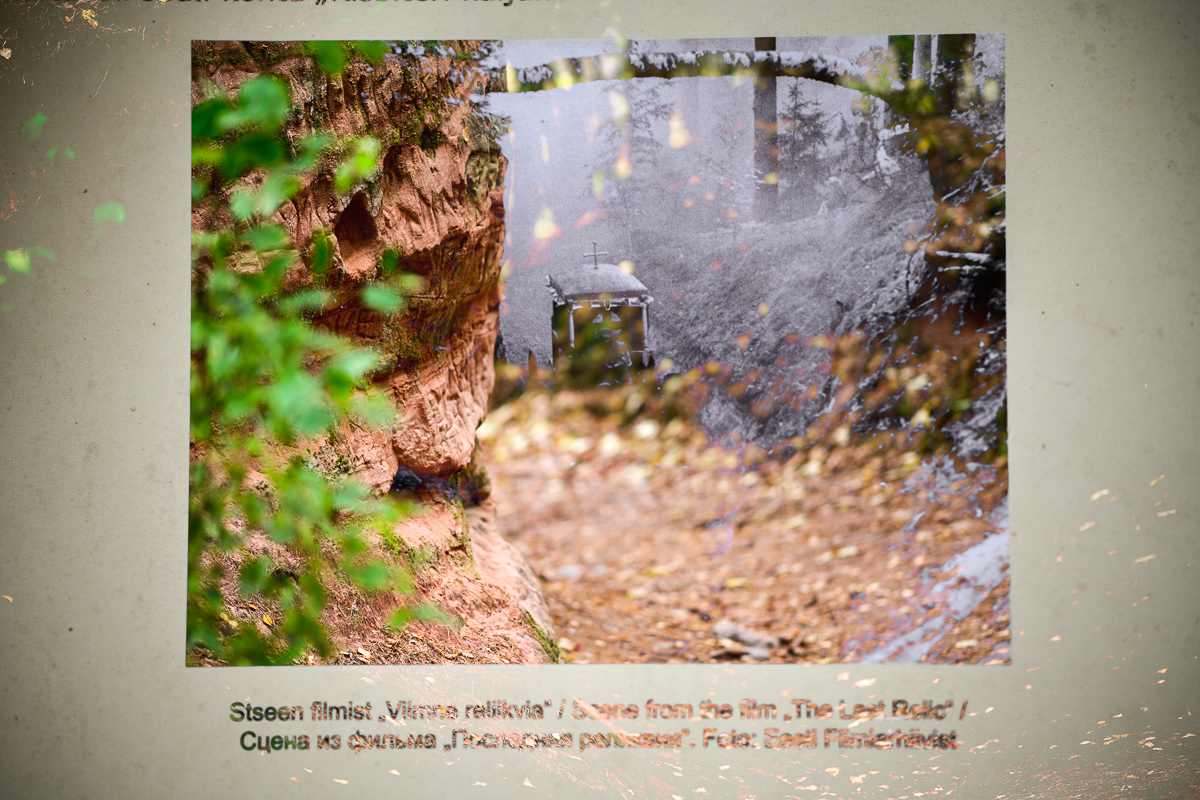
Otten’s Mill Bridge is known as the setting for the feature film The Last Relic. This is where Siim blocks the path of his chasers on the bridge and one of the chasers’ horses falls into the river.The mill bridge, which also worked as a mill dam, was built by Jaan Otten, the owner of the mill, in 1916, following the example of the Tartu Stone Bridge. The water channel with a bridge built of quarrystone has only partially survived. The dam of the watermill is built of quarrystone and it has two large concrete arches that could be closed with gates.Otten’s Mill Bridge is the border of the Ahja River Primeval Valley Nature Protection Area. The bridge is also entered in the state register of cultural monuments.
Amenities

  • Information boards
  • Free parking
  • Recreation area/picnic ground

Open times

1. jaan - 31. dets

Around the Clock

Links

See more

  • Hiking Trails

Rebäse landscape trail

The 7-kilometre-long Rebäse landscape trail is located in the Karula National Park. The trail runs through old farm landscapes, passing the oldest farmstead in the area and the Linnamägi hill with traces of settlement from the Early Iron Age. Hikers can climb up the local "Mount Ararat", see Lake Raudjärv with its ice-cold water, and admire one of the largest gullies of Karula upland.You may need sturdy boots to pass the trail because in rainy weather the trail might be muddy and the boardwalk slippery. The trail also passes pastures, so you might encounter curious but generally friendly cows. Be careful around farm fences, they may be electric!

Jõeniidu Holiday House

Jõeniidu Holiday House is a few kilometres from the centre of Haanja and is suitable for small groups, families and for those travelling by two.There is a pond next to the Holiday House, a sauna on the bank of a river and you can go for a boat ride. Domestic animals and goats waiting for your pat and whose everyday doings you can see here make the Jõeniidu Holiday House special. Under the hostess’s instructions it is possible to make goat cheese and bread.

  • Churches

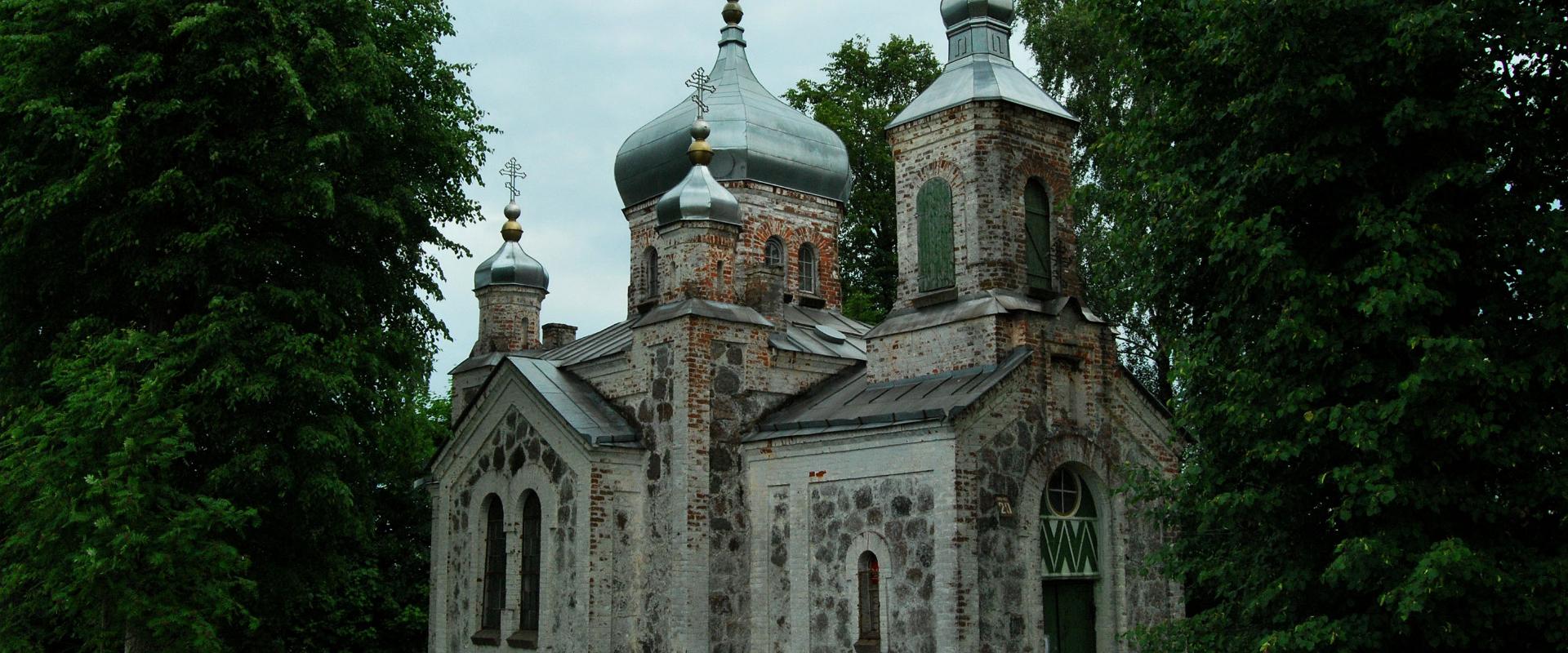
Nõo Holy Trinity Church of the Estonian Apostolic Orthodox Church

There is a remarkable historicist Orthodox church with quarrystone and brick walls and five onion-cupolas in Nõo small borough.The Nõo Congregation was founded in 1852 for Estonian Orthodox Christians who previously belonged to the Tartu Georgi congregation. The architecturally remarkable church is made of quarrystone and red bricks and has a bell-tower in the western side. It was completed in 1873. The interior architecture of the church is simple and the iconostasis dates back to the late 19th century.Services are held in the Holy Trinity Church in Nõo on the second Saturday of each month.

  • Lookout towers
  • Hiking Trails

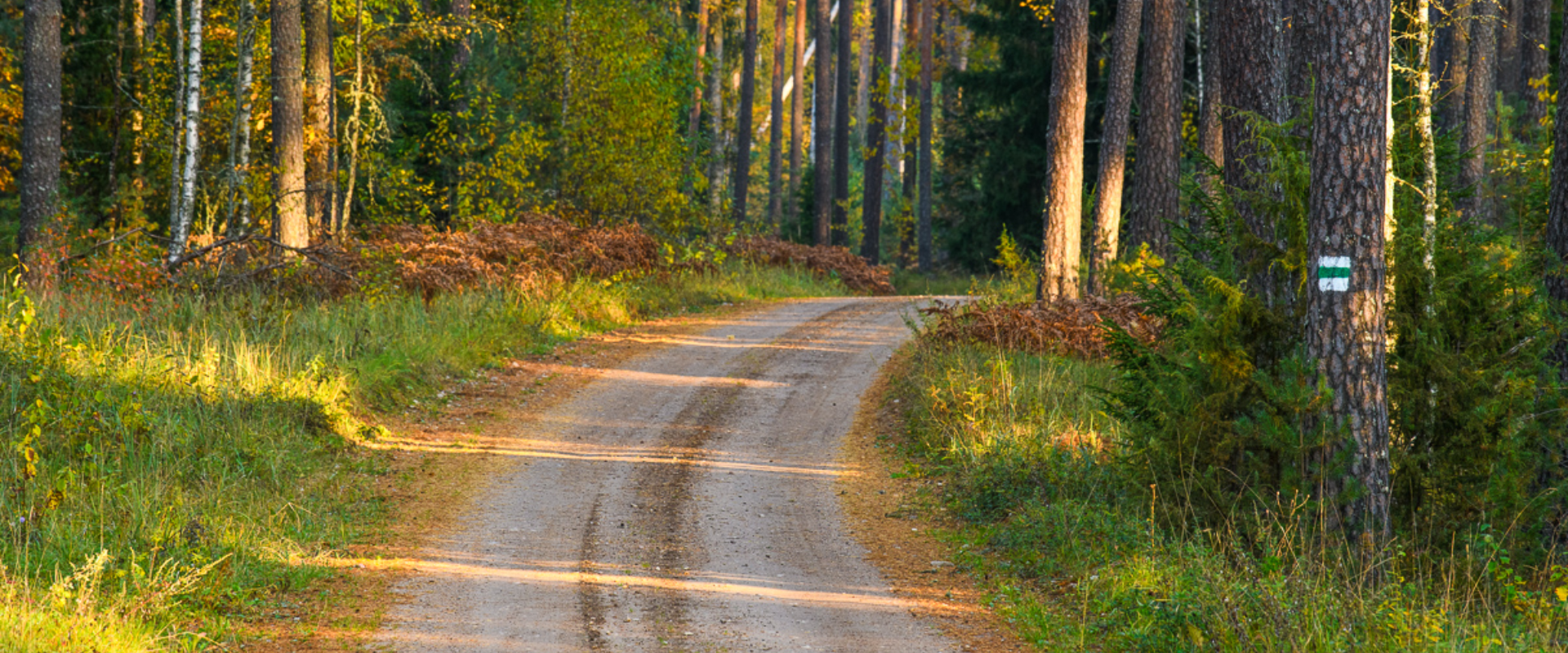
Estonian-Latvian joint cultural heritage trail

An exciting hiking trail runs along the banks of the Koiva River, which borders Estonia and Latvia. You can discover points important to both countries' cultural heritage along the trail! The trail is 22 kilometers long, so there and back comes to 44 kilometers. The trail introduces old Estonians' way of life and offers the opportunity to get acquainted with historical heritage in the middle of nature. The trail includes, for example, Taheva Manor, a windmill, the ruins of a hay barn, and ancient trees. There are several campfire sites and camping sites. The trail is signposted and equipped with information boards in Estonian, Latvian, and English, and it can also be completed by bike.

  • Pet friendly
  • Family friendly

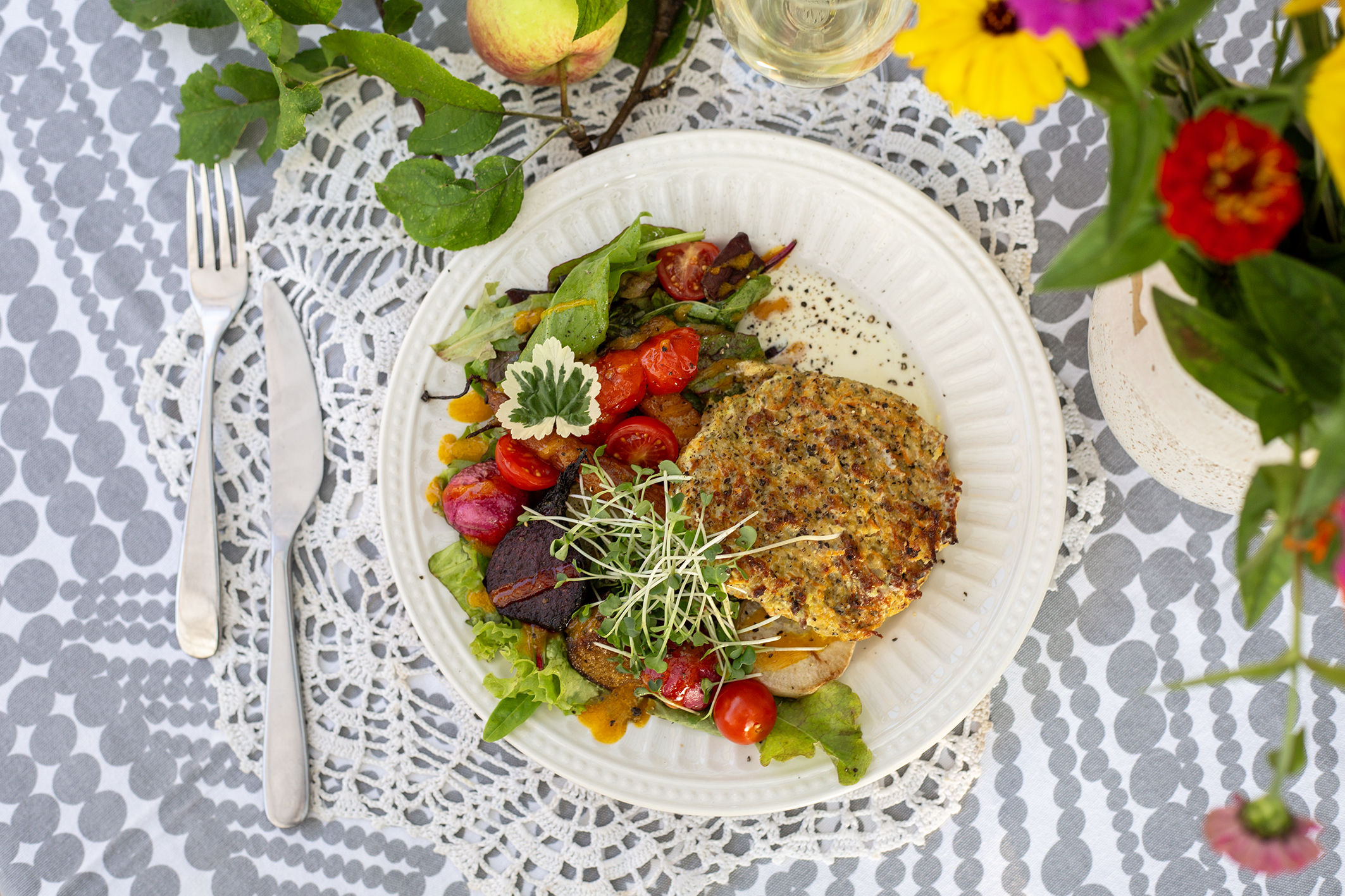
Cafe-Restaurant Suur Muna

Café-restaurant Suur Muna is located in Haanja Nature Park, right at the foot of the highest peak in the Baltics, Suur Munamäe, and is one of the most popular places to eat in South Estonia. The food is primarily made from local and organic ingredients sourced from farmers in Võru County, following the "farm to table" principle. The menu features local snacks, handmade ravioli and pasta, a variety of salads, fish dishes, lamb and game meats, and desserts. The facility features a play corner and an outdoor area for children, as well as a cinema and a seminar room on the second floor. Pets are also welcome! Suur Muna is waiting for you!

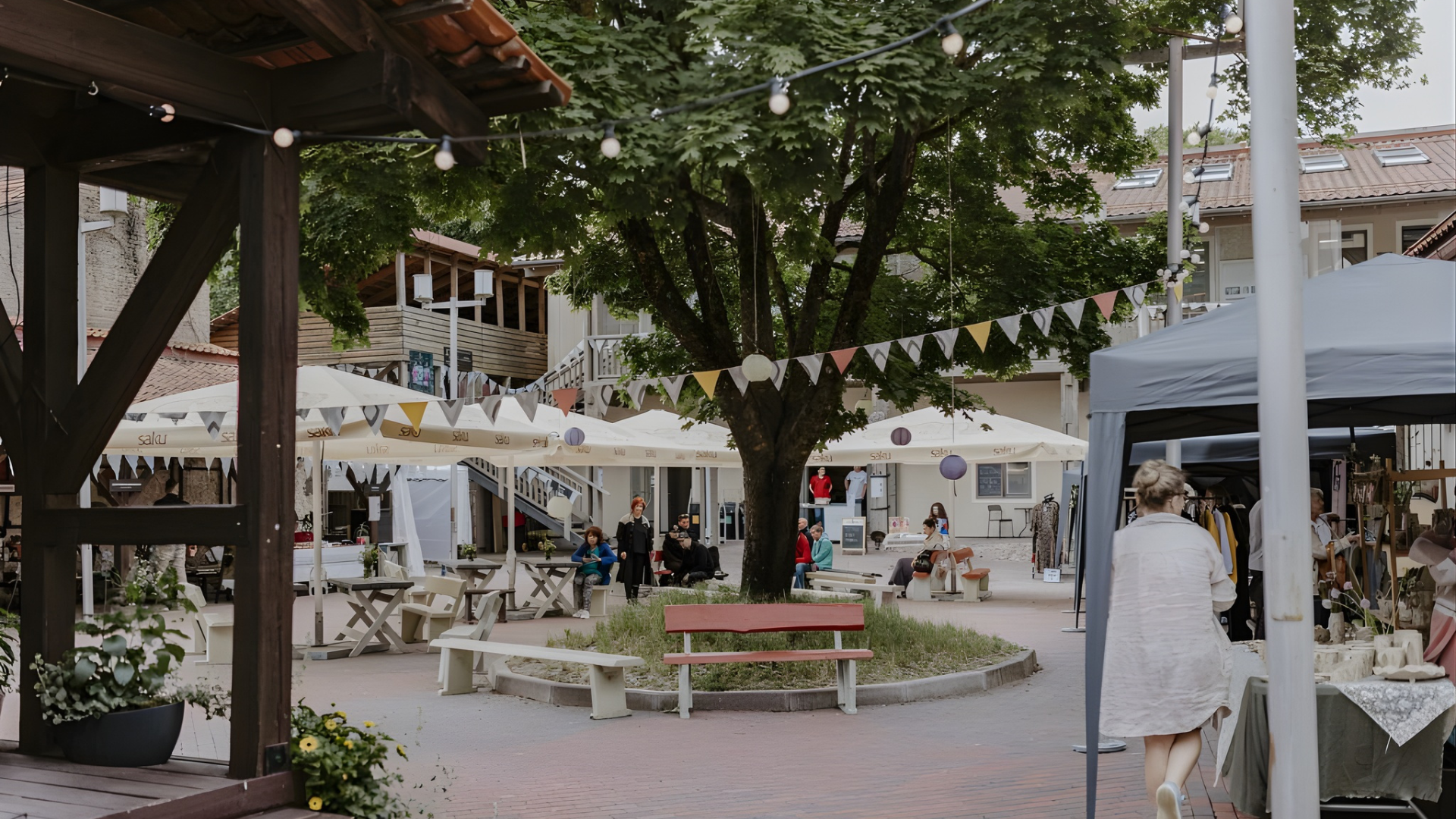
Antonius Courtyard

Antonius Courtyard is a historical site in the heart of Tartu's Old Town, where history meets contemporary creativity. This special courtyard, with centuries-old craftsmanship and artistic heritage, offers the opportunity to experience a vibrant cultural space in an authentic environment. Historically, this place is associated with the craft guild known as the St. Anthony's Guild, whose roots go back to the Middle Ages. Guilds played an important role in the economic and social life of cities, bringing together masters and regulating crafts and trade. The area was located near St. John's Church and was part of the medieval city structure where craftsmen lived and worked. Today, Antonius Courtyard is an inspiring creative center where designers, artists, and craftsmen work. It is a popular venue for events — concerts, performances, and other cultural events are held here year-round, bringing together designers, creative entrepreneurs, and visitors. During opening hours, you can explore the history exhibition about the Tartu County Creative Path and Tartu Small Guild.

Võru State House

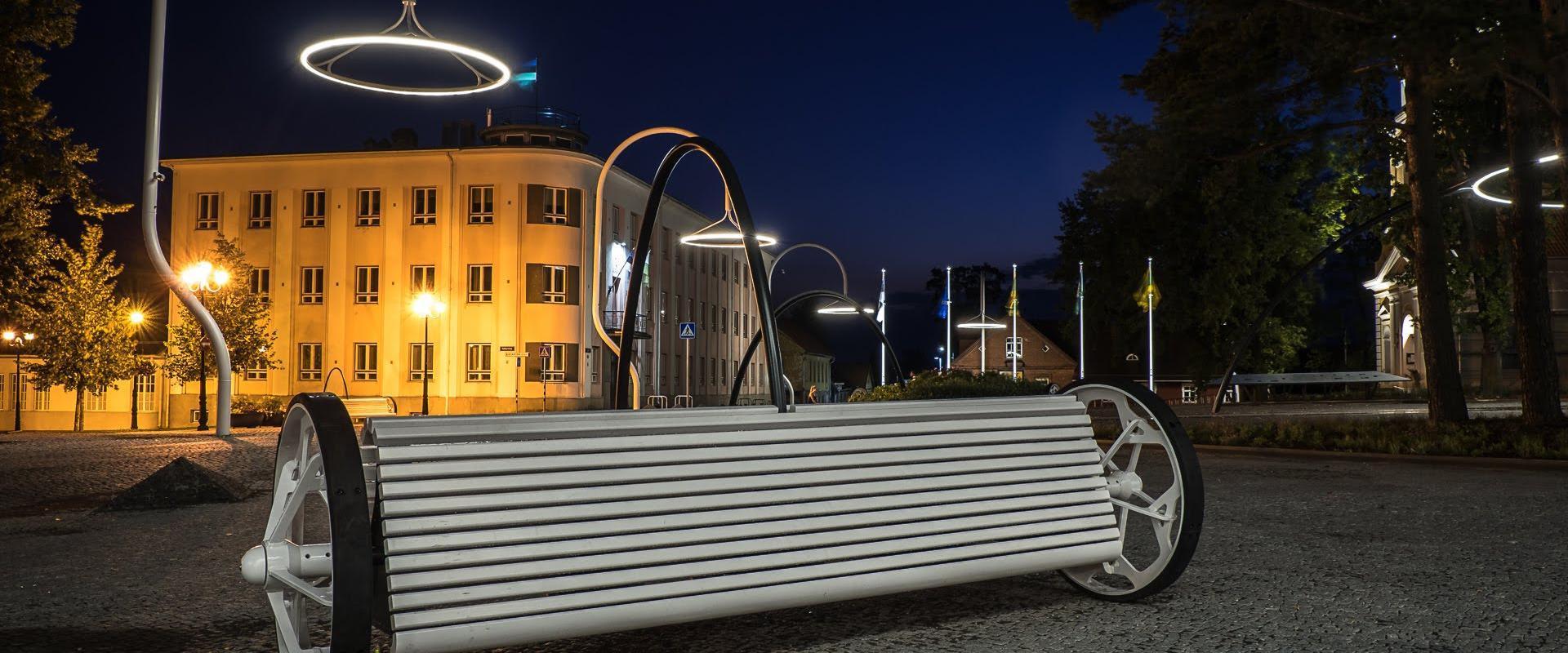
The central square is surrounded by prominent stone buildings, which enrich the architectural look of Võru that is mainly home to wooden houses.Designed by architect Henn Kuvasto, the functionalist building was completed in 1938 for the county government. Before that, the Võru postal station of the historical Tartu–Võru post road was located at the same place. The house has always been used as an administrative building and today, it functions as the Võru State House.

  • Snowshoeing

Bogshoe hikes in Valgesoo bog

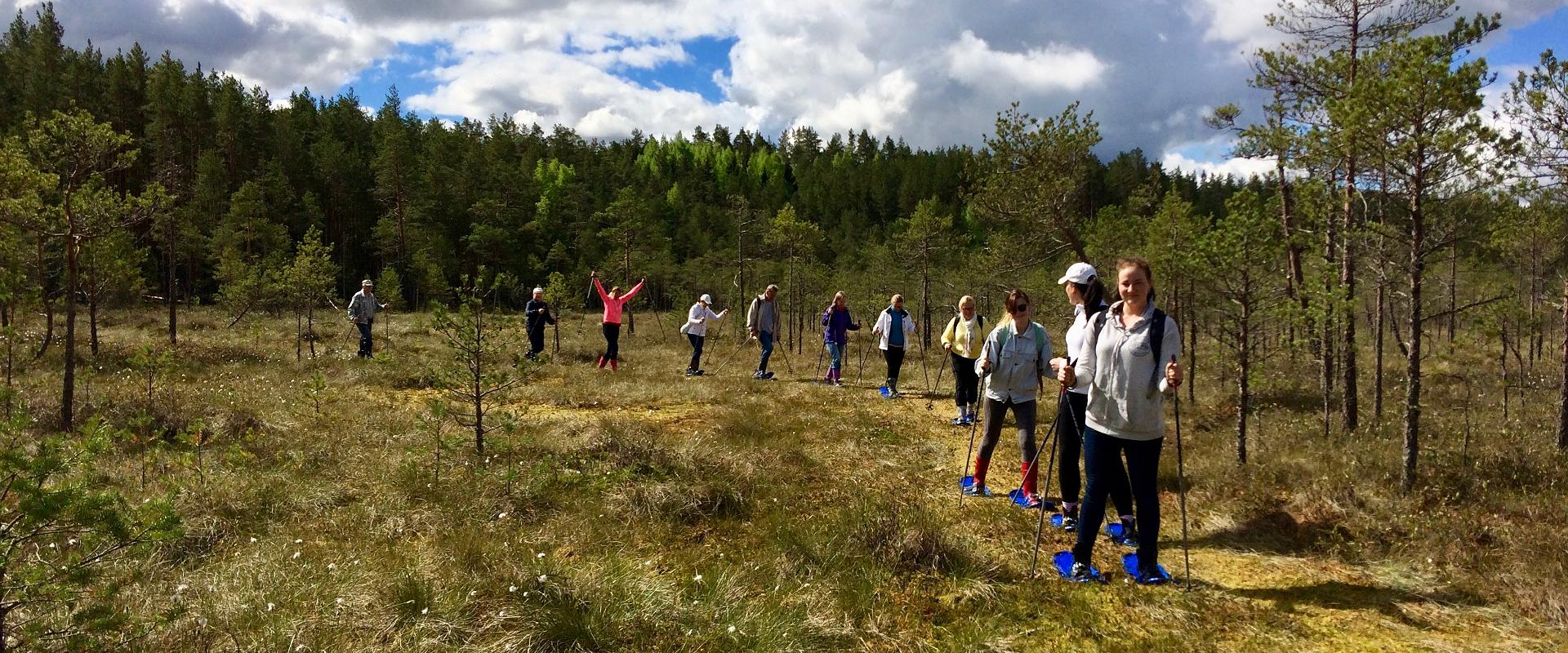
Valgesoo is the smallest but the most fascinating bog in Põlva County; it conceals tiny bog islands, colonies of ants and hiding places of animals. The hike takes place in a nature reserve. In order to protect the surface of the bog, we are going to use bogshoes for hiking. The hike is led by an experienced guide. The route is exciting – it begins in a sandy pine grove, trails across a watery swamp to a raised bog and to the gigantic ant hills of a wood ant colony in an old fir grove. We are going to come back through a low pine forest growing in the bog and cross animal trails on the way. Your guide will talk about the mysterious nature of swamps, folk tales and the fascinating life of bog plants and bugs. If we're lucky, we'll be able to snack on cranberries. You can also have a picnic. Minimum size of the group - 4 people.

  • Collaboration
  • News
  • Contacts
  • Privacy Policy
Join our mailing list!

"*" indicates required fields

This field is for validation purposes and should be left unchanged.
I authorise marketing

Southern Estonian Tourism Cluster

info@visitsouthestonia.com