• Explore
    • Nature
    • Culture
    • Food
    • Family
    • Activity
    • Blog
  • Plan
    • Tourist info
    • Accommodation
  • For professionals
    • For professionals
    • Collaboration
    • News
    • Projects
    • Training
    • Repository
    • Community (opens in new tab)
    • Contacts
ENG
  • EnglishENG
  • EestiEST
  • LatviešuLAT
  • РусскийRUS
  • SuomiFIN
ENG
  • EnglishENG
  • EestiEST
  • LatviešuLAT
  • РусскийRUS
  • SuomiFIN
Popular searches:
Show all
  • History & Culture
  • Architecture and history
  • Churches

Otepää Winter Church

Otepää vald, Valga maakond, 67403

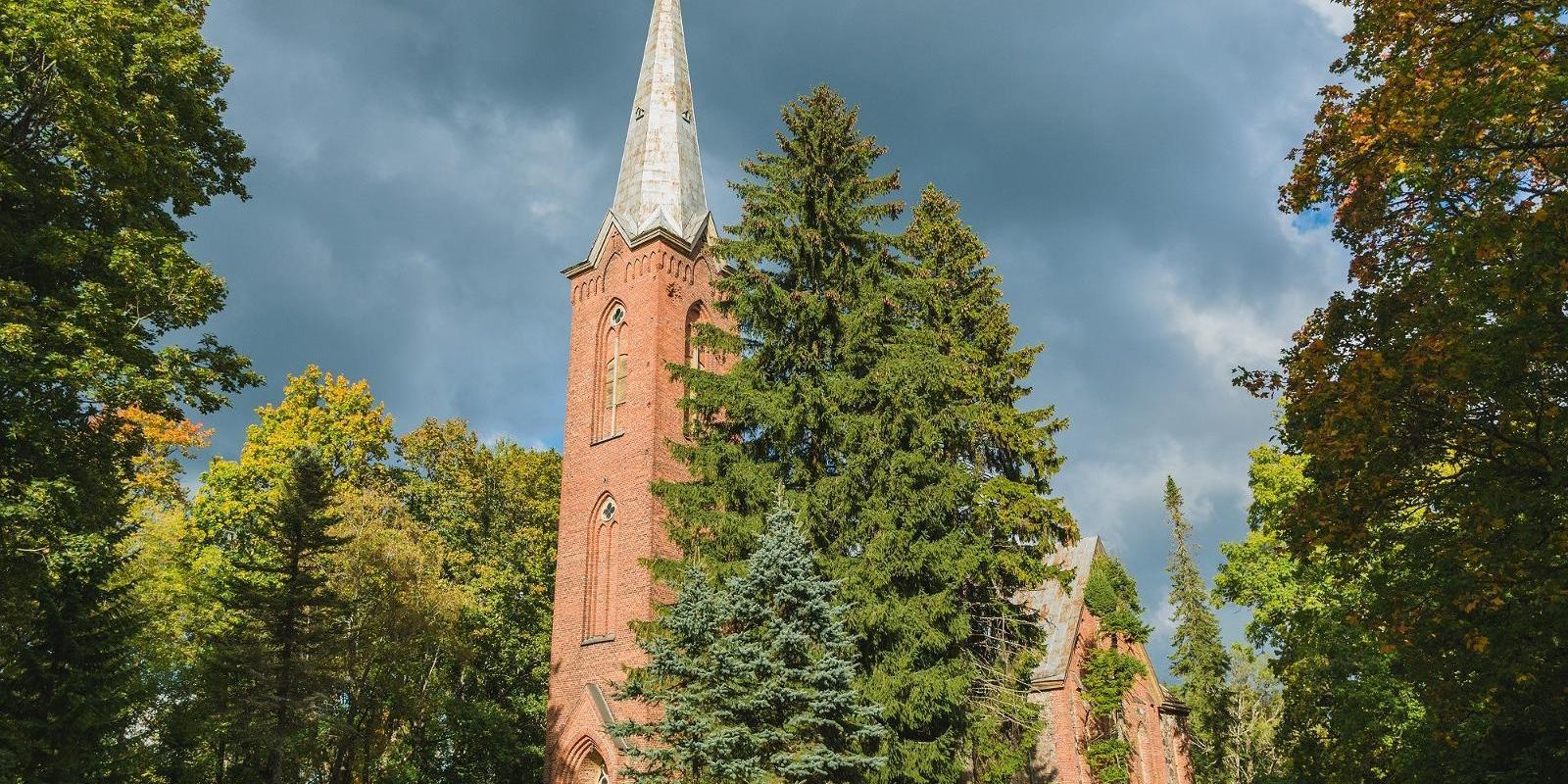
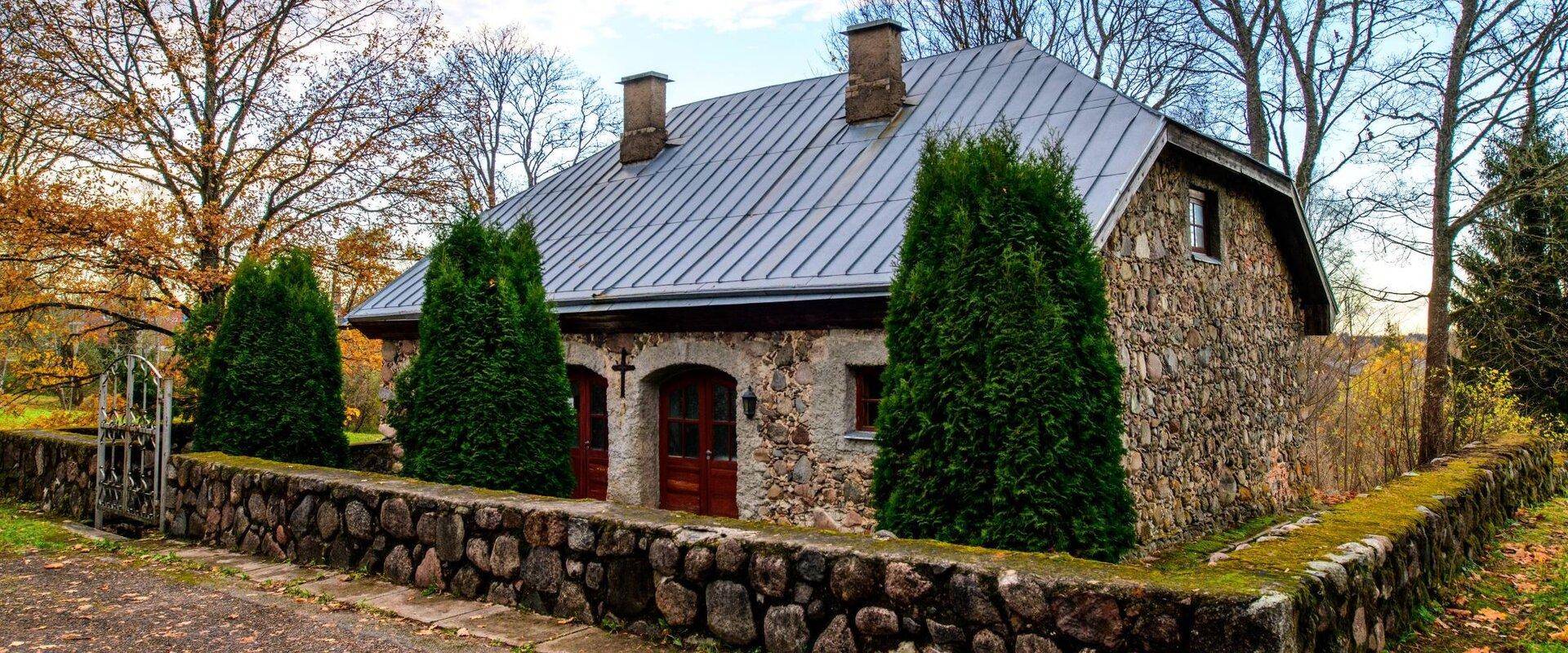
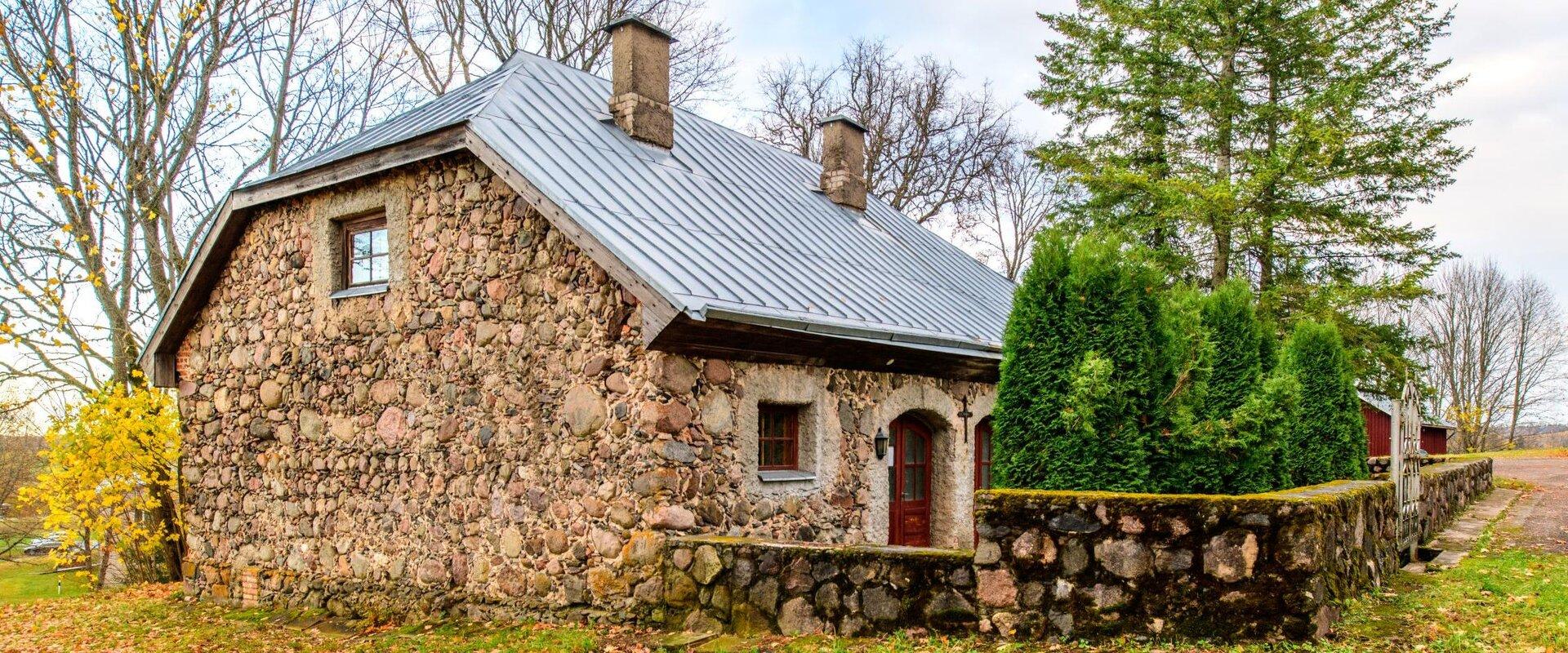
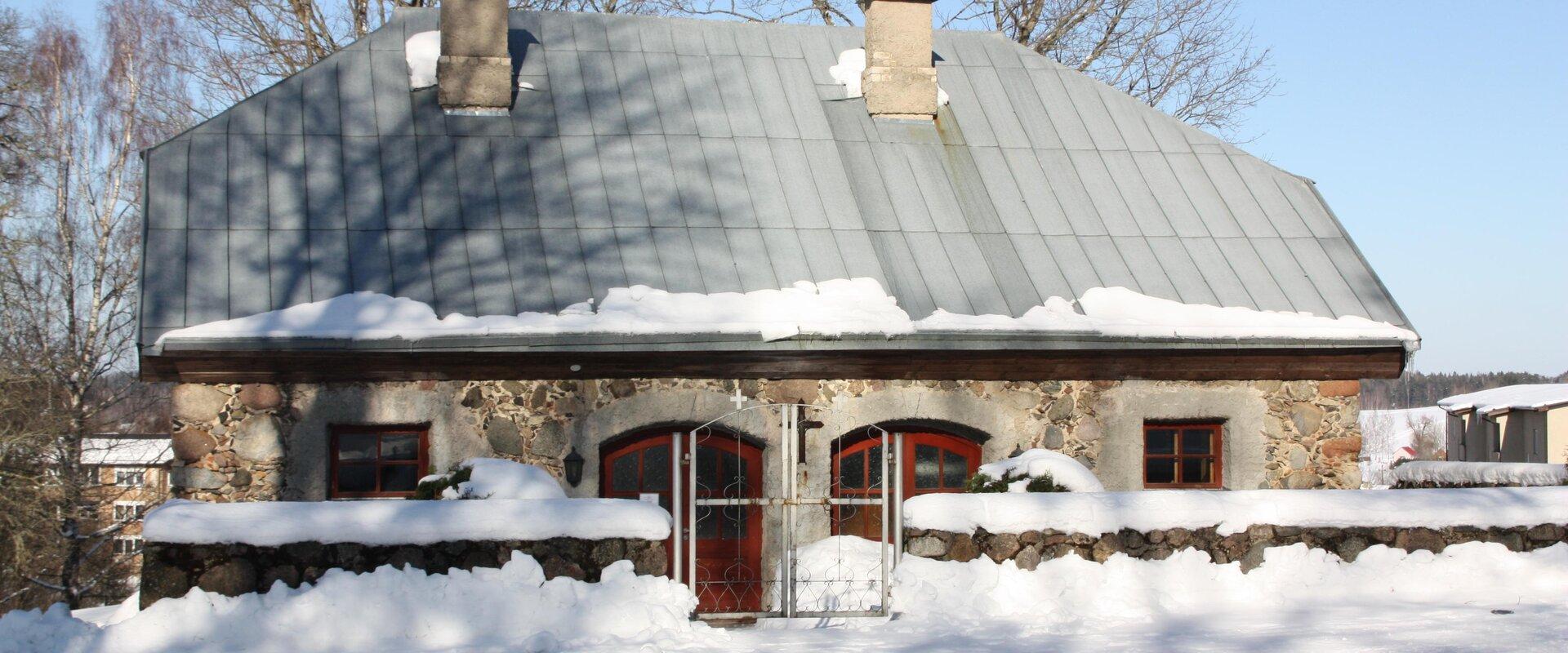
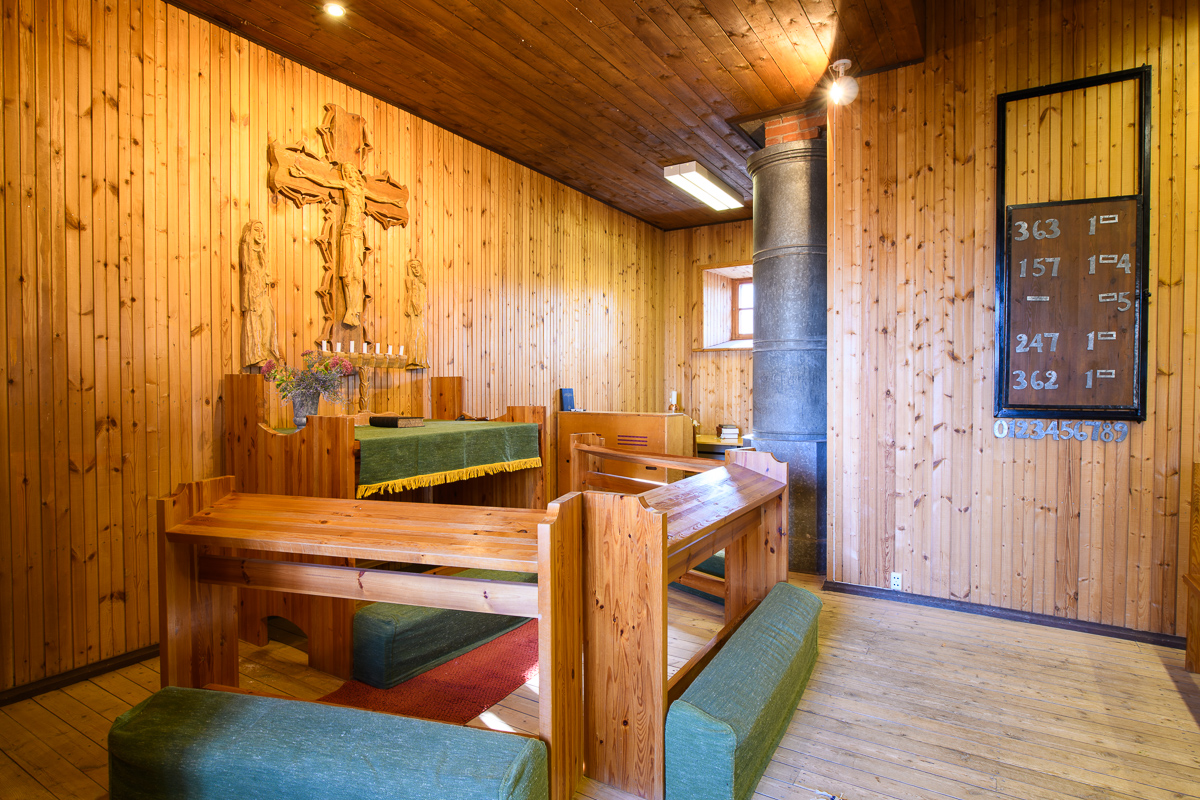
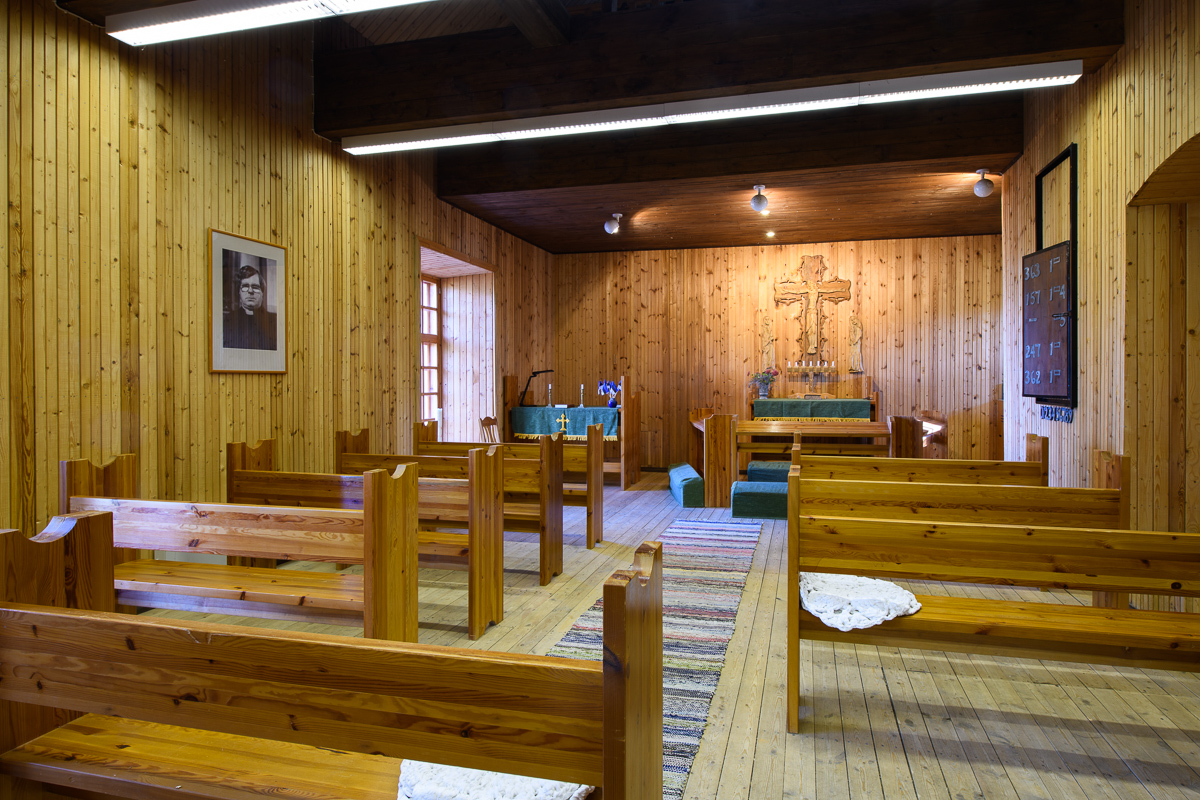
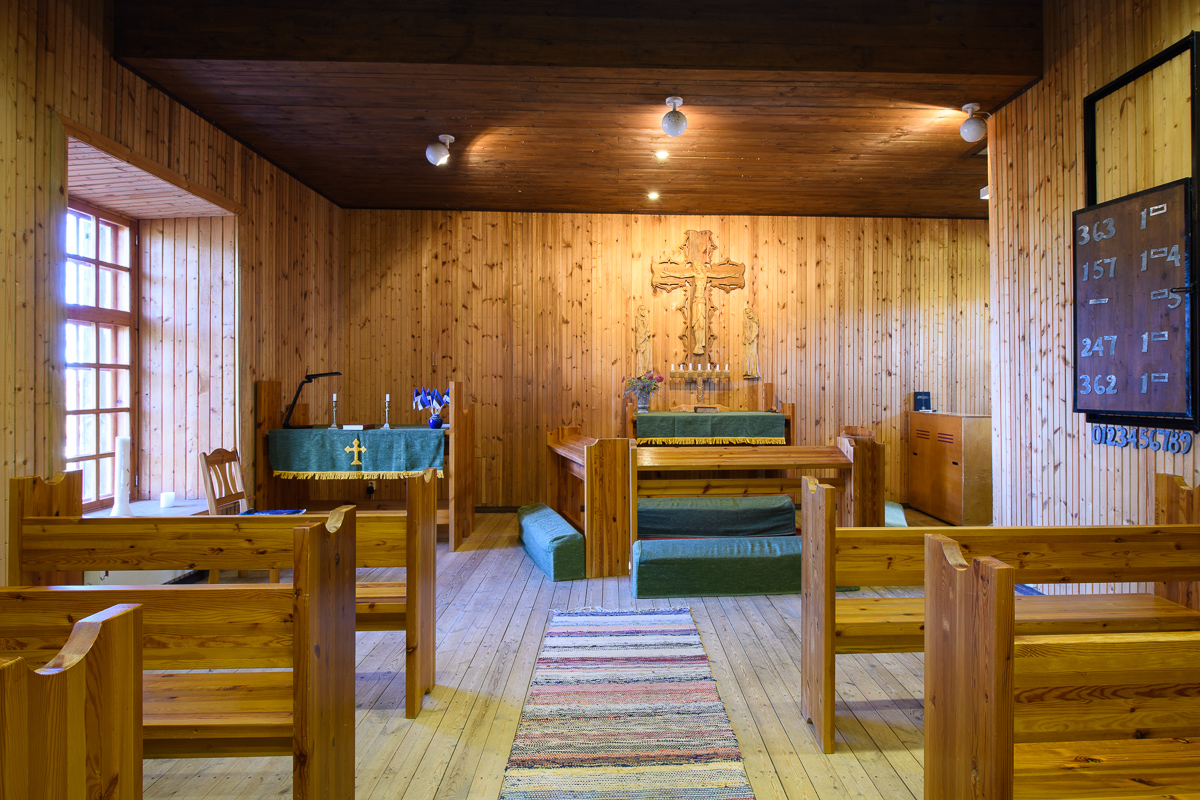
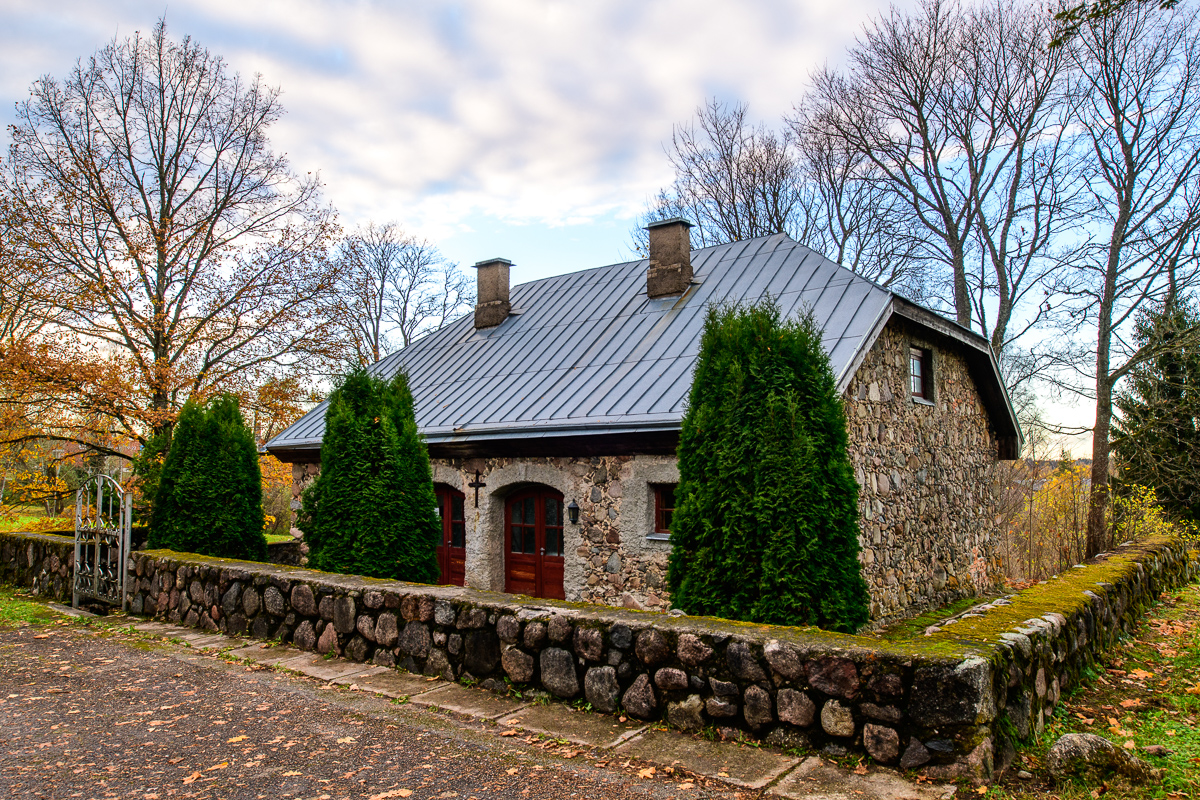
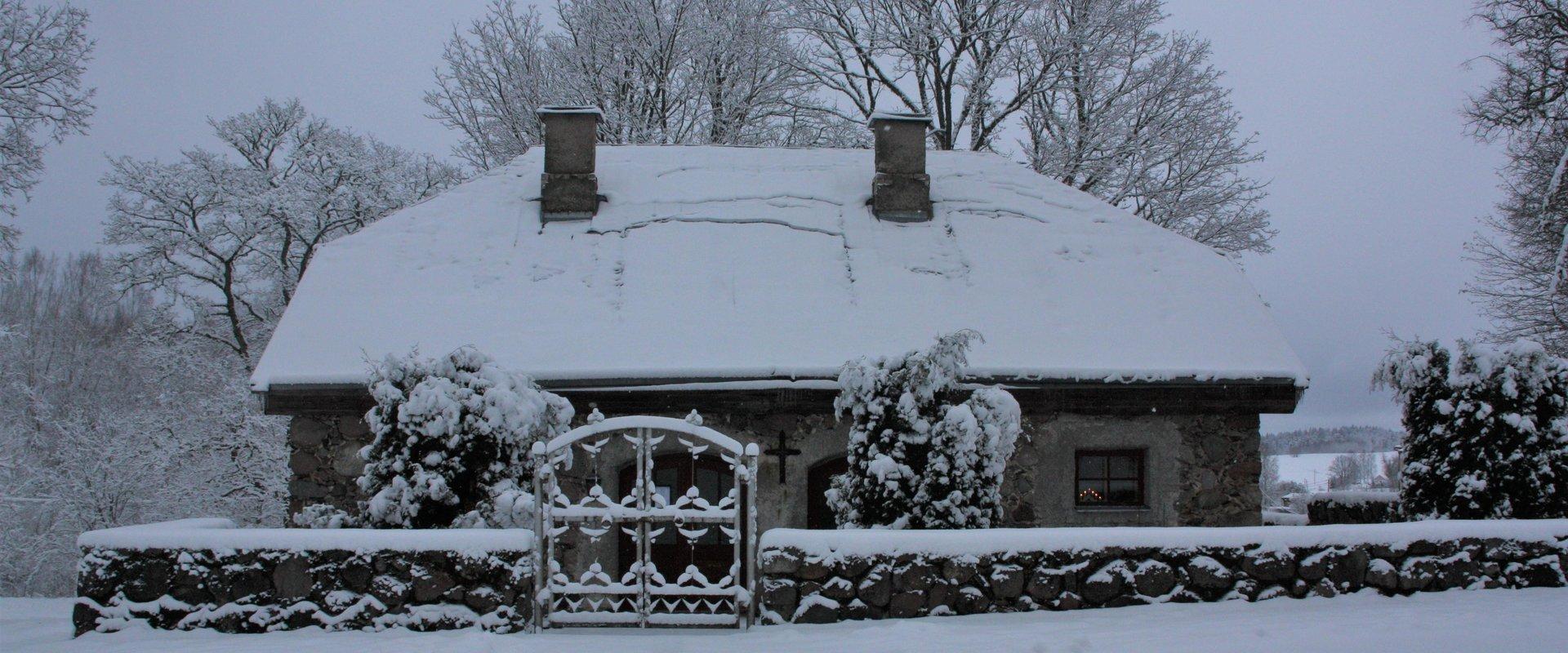
The Winter Church is located in a converted auxiliary building of the old church manor and is used mostly in the winter period. It is a small and cosy church that was built largely with the money donated from Finland.
The church was consecrated on 6 December 1992 – the Independence Day of Finland. The consecrated name of the winter church is the Widow and Orphan Chapel. It is dedicated to widows because they were the ones who kept the church alive with their small salaries in the Soviet times. 
The blue, black and white flag of the Estonian Student Union, which later became the national flag and in 1991 the official flag of the state of Estonia, was consecrated in the rectory of the church next to it
Amenities

  • Free parking

Open times

Throughout the Year

Eeltellimsel

Contact

  • +372 522 1955
  • otepaa@eelk.ee

Links

See more

  • Churches

Lutheran Church of Blessed Virgin Mary in Põlva

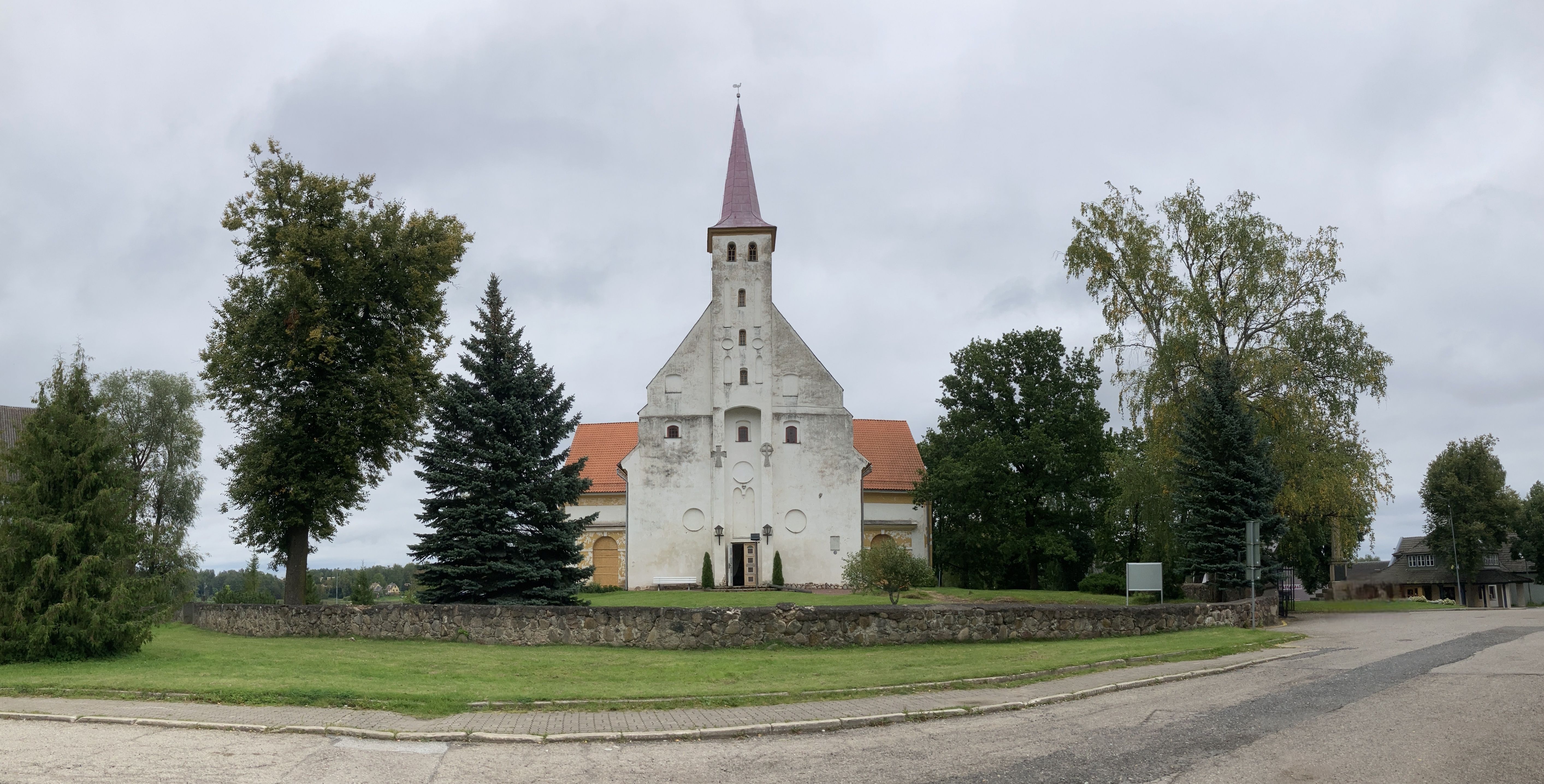
The Church of Blessed Virgin Mary in Põlva is one of the oldest churches in historical Võrumaa. The rarities of the church are the old altar painting The Last Supper (1650) and the altar panels (1647). There is an altar painting The Resurrection (Friedrich Ludwig von Maydell, 1845). The church was originally a square-shaped hall church with three naves. Today it has preserved from it a high tower with a deep niche and a Western façade. Interesting to know: According to a legend, the key of the church is held by a kneeling girl called Mary who is walled in. Allegedly that is also the origin of the name of the church and Põlva (‘knee’ for the Estonian ‘põlv’).

  • Churches

Miikse Church

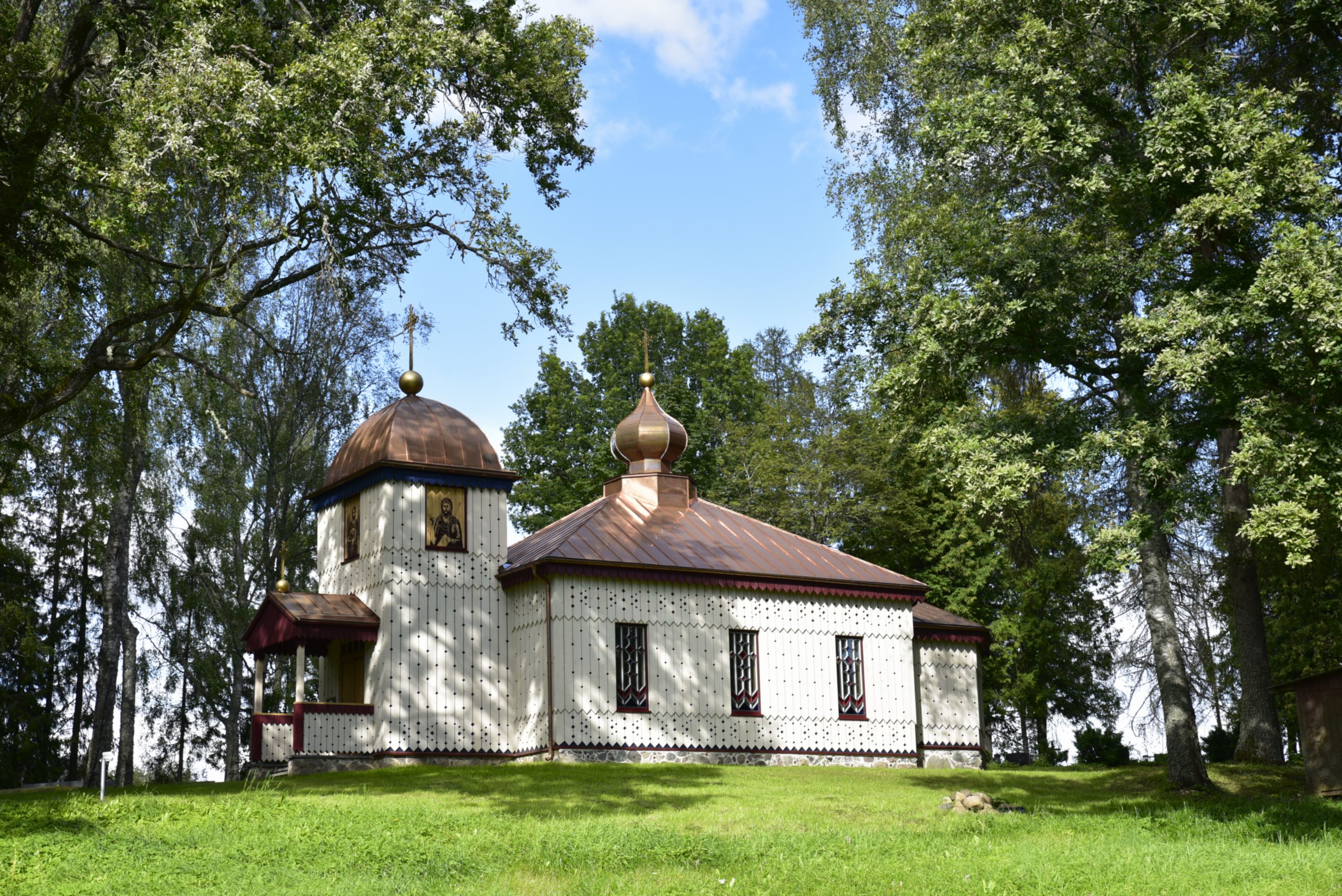
The Miikse St. John the Baptist Church is a small wooden Orthodox church located in the southeastern corner of Estonia in Setomaa. What makes this church special is its story. It was built in 1953, during the Soviet era, when religion and church construction were not encouraged. However, the local people took a bold step and built the church themselves, often working in the evenings and at night to avoid the authorities' attention. Today, Miikse Church is once again a symbol of the strength and perseverance of the Seto community, where the local community restored the dilapidated sanctuary into a new and striking Seto church. The altar and icons were preserved, but the new facade features a lace-like pattern using Seto colors (red, blue, and sheep's wool white) and Seto belt patterns. The church's surroundings also include an old cemetery and sacred stones, which lend the place a special historical and spiritual atmosphere. The church is open once a month during service, and at other times, access can be arranged by agreement with the church elder (who communicates in Estonian and Russian). For a foreign-language tour of Setomaa, we recommend booking a local guide.

  • Churches

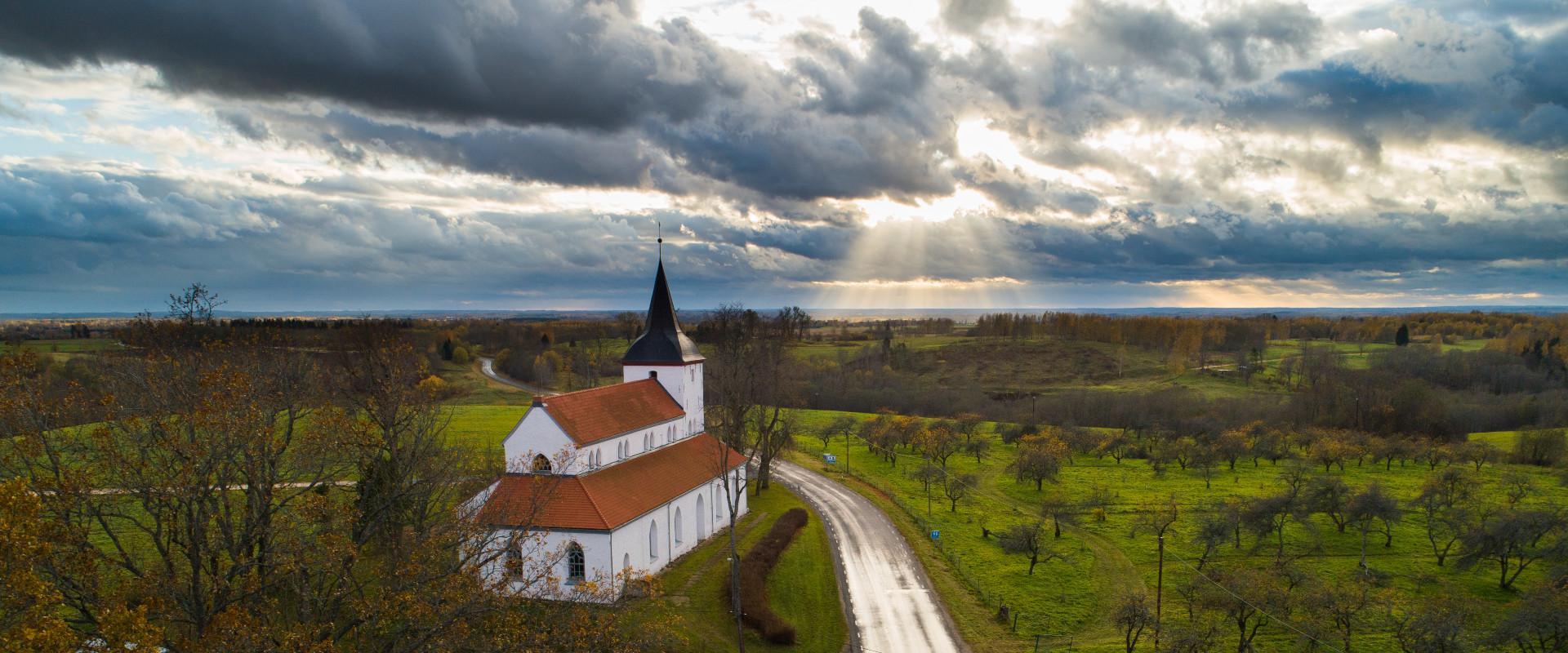
Urvaste church and cemetery on the shores of Lake Uhtjärv

The EELC St. Urbanus' Church in Urvaste, Võru County is one of the oldest and most unique country churches. The earliest written records date back to 1413, which means that 600 years have passed since the church was first mentioned.The church we see today – a three-naved Gothic basilica – was consecrated on 5 September 1889. The entire interior of the church also dates back to this time. In 1938, The organ was built by the Kriisa brothers in 1938, while the church bells date back to 1832.From the yellow National Geographic window on the shores of Lake Uhtjärv, you can enjoy a breathtaking view over the Urvaste church and the primeval valley of Lake Uhtjärv. The window marks one of the 21 places worthy of discovery in South-Estonia.

  • Churches

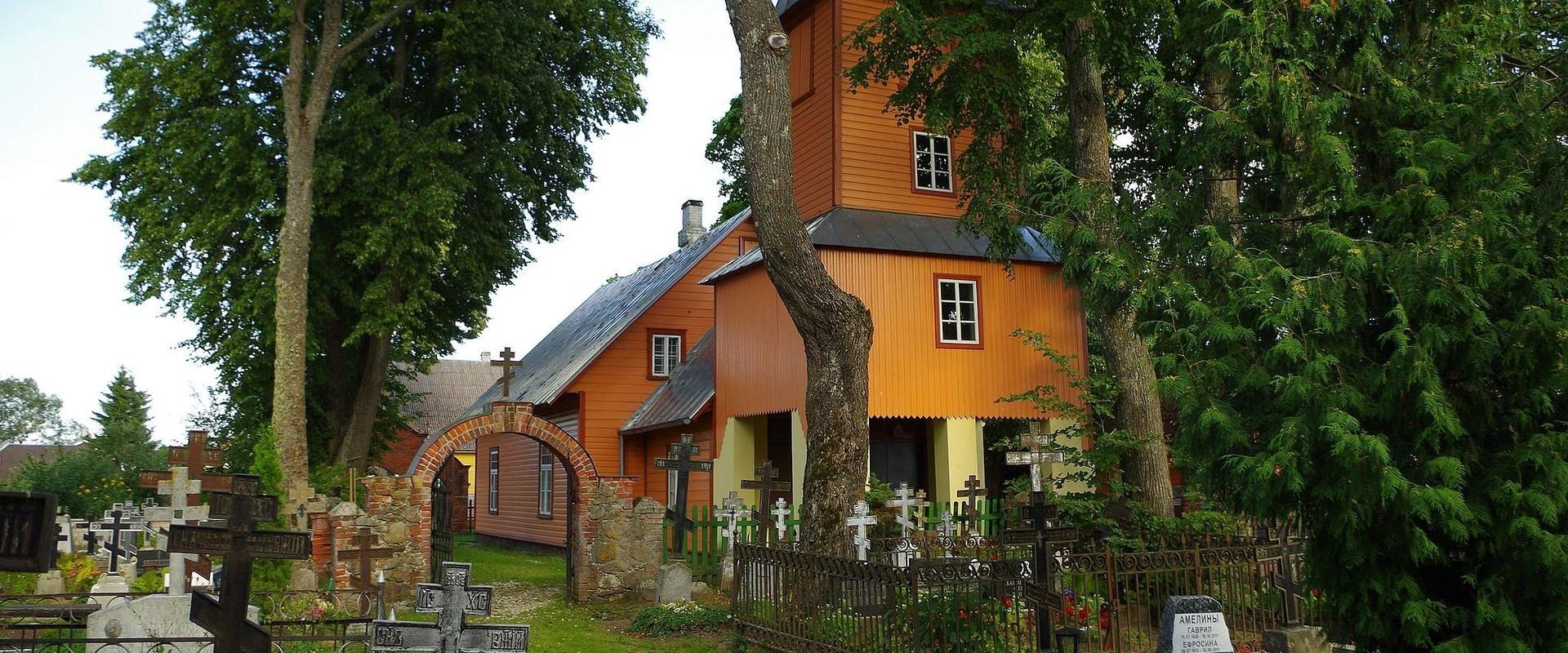
Kasepää Old Believers’ Prayer House of the Estonian Association of Old Believers Congregations

When in Kasepää Village near Lake Peipus, go and visit the prayer house of Russian Old Believers, which has been operating without interruption since the 18th century.The current prayer house was built at the beginning of the 20th century. It was designed by the governorate architect Wilhelm Schilling in 1902. The Florov school masters renewed the icons of the iconostasis in the prayer house before the Second World War. Some of the icons in the chapel date back as far as to the 17th century.Prayers are held in the chapel in Russian on Sundays at 10 a.m.

  • Churches

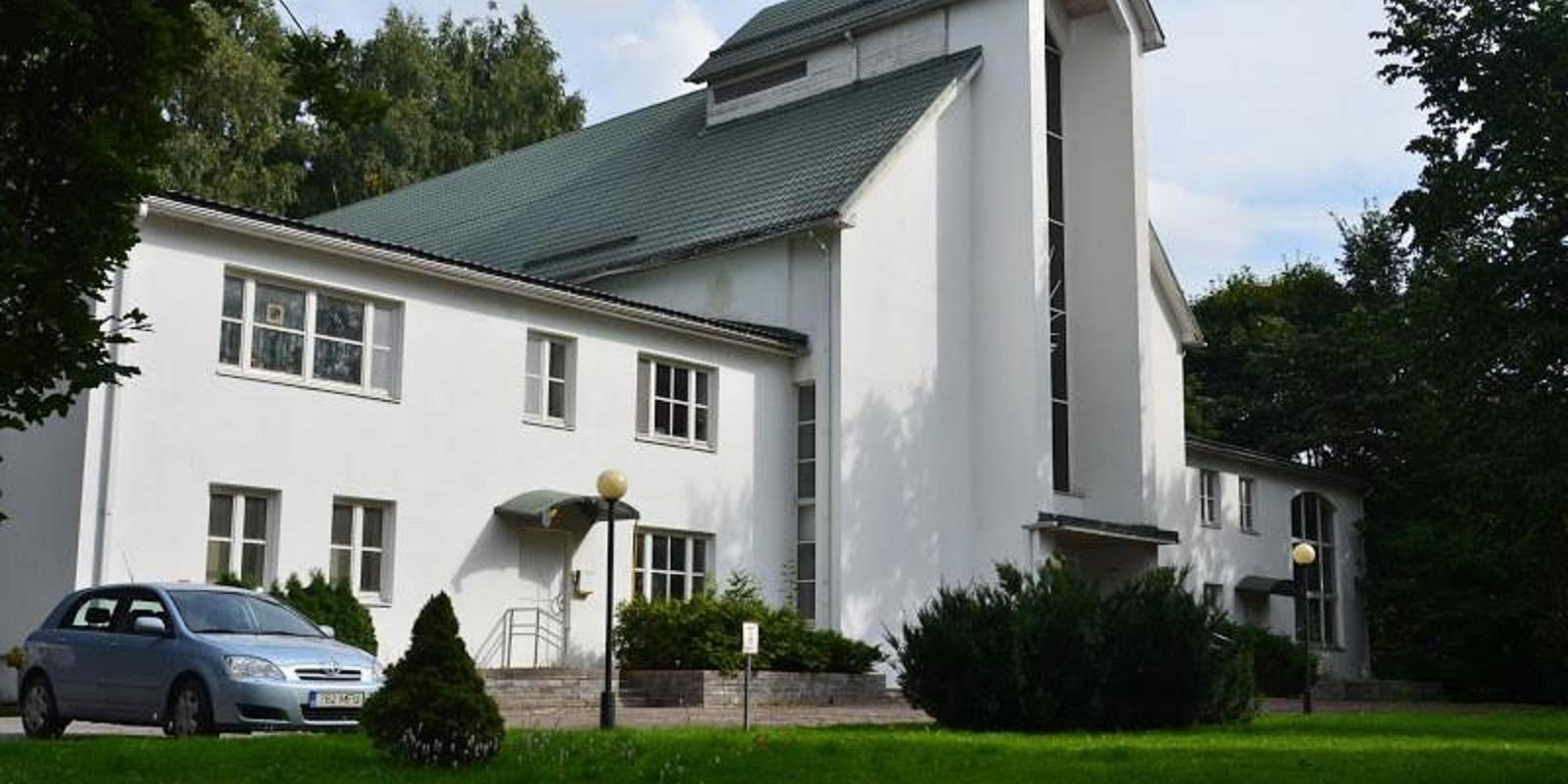
Tartu Kolgata Baptist Church

After the Second World War, the Baptist congregations in Tartu joined the only remaining Baptist church: the Kolgata congregation, whose chapel was opened in 1931.In 2013, the congregation moved from the old prayer house located in Karlova district to a modern church building (completed in 1995) at the edge of the centre of the city due to lack of space. The first service in the building on Veski Street took place on 10 November 2013, when the Kolgata congregation celebrated its 112th anniversary.The congregation belongs to the Union of Evangelical Christian and Baptist Churches of Estonia. Services in Estonian are held on Sundays at 11 a.m. and in Russian at 1 p.m.

  • Churches

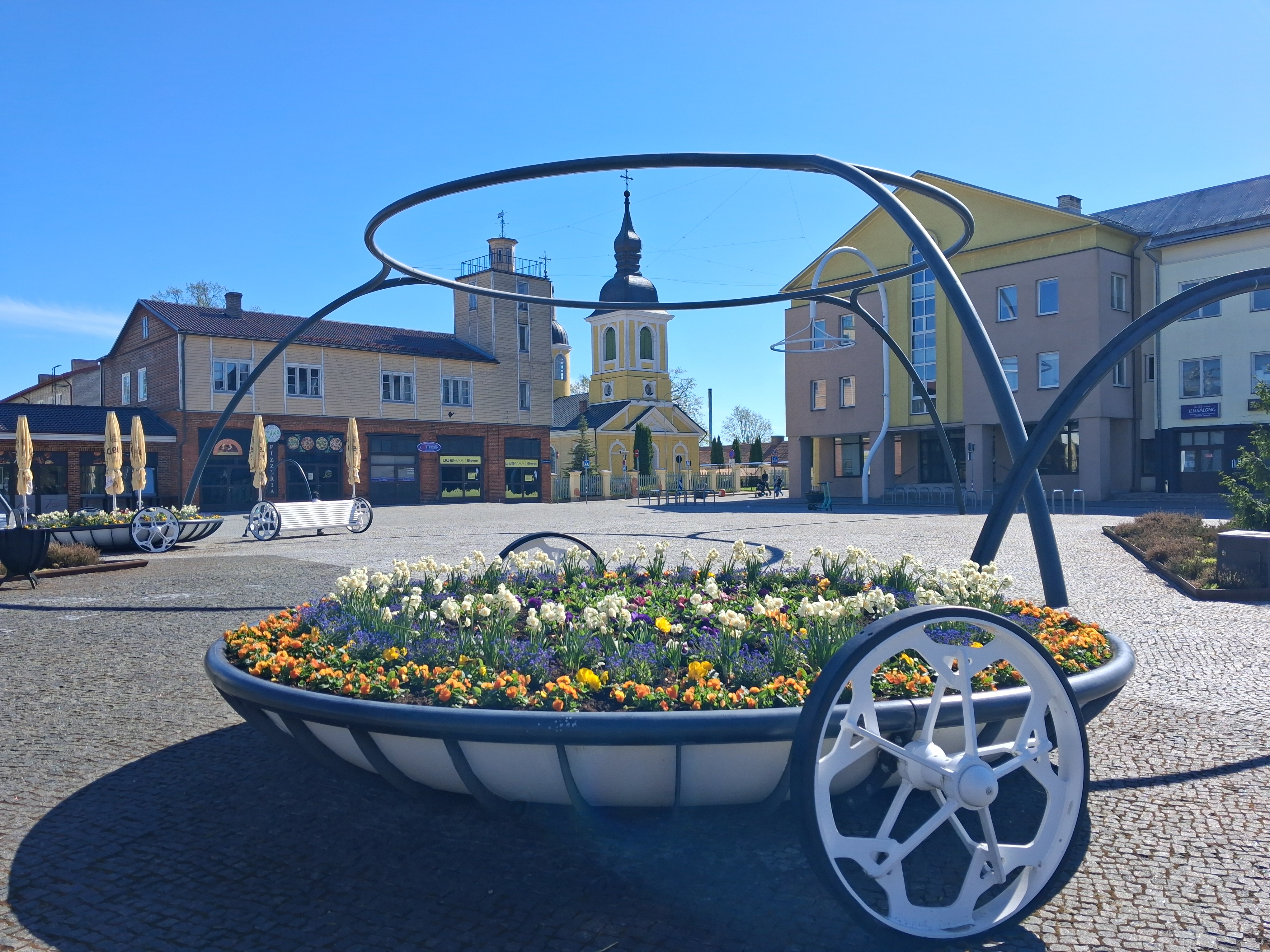
Church of St Catherine in Võru

Construction of the Church of St Catherine in Võru commenced in 1793 during the reign of Empress Catherine II. It is thought to have been designed by the Livonian architect Schons, while the man responsible for the building of the church was Võru's own Johann Karl Otto. The church was surrounded with a formidable fence. It is famous for its cross-shaped floor plan, substantial bell tower, high dome-like secondary tower and arched windows. Designed in classicist style, it was completed in 1804 in honour of St Catherine. The grounds around the church were restored in 2008 and are now home to an open air exhibition of religious text-themed illustrations by artist Marje Ernits.

  • Churches

Äksi St. Andrew’s Church of the Estonian Evangelical Lutheran Church

This neo-Gothic church with its tall and slender tower is an integral part of the beautiful landscape of Vooremaa. The church has a spacious and stylish Historicist interior. The church is thought to have been built in 1770 and was reconstructed in 1889. A monument to the pastor and renowned linguist Otto Wilhelm Masing can be found in the Church Manor (1989).

  • Churches

Saatse Church

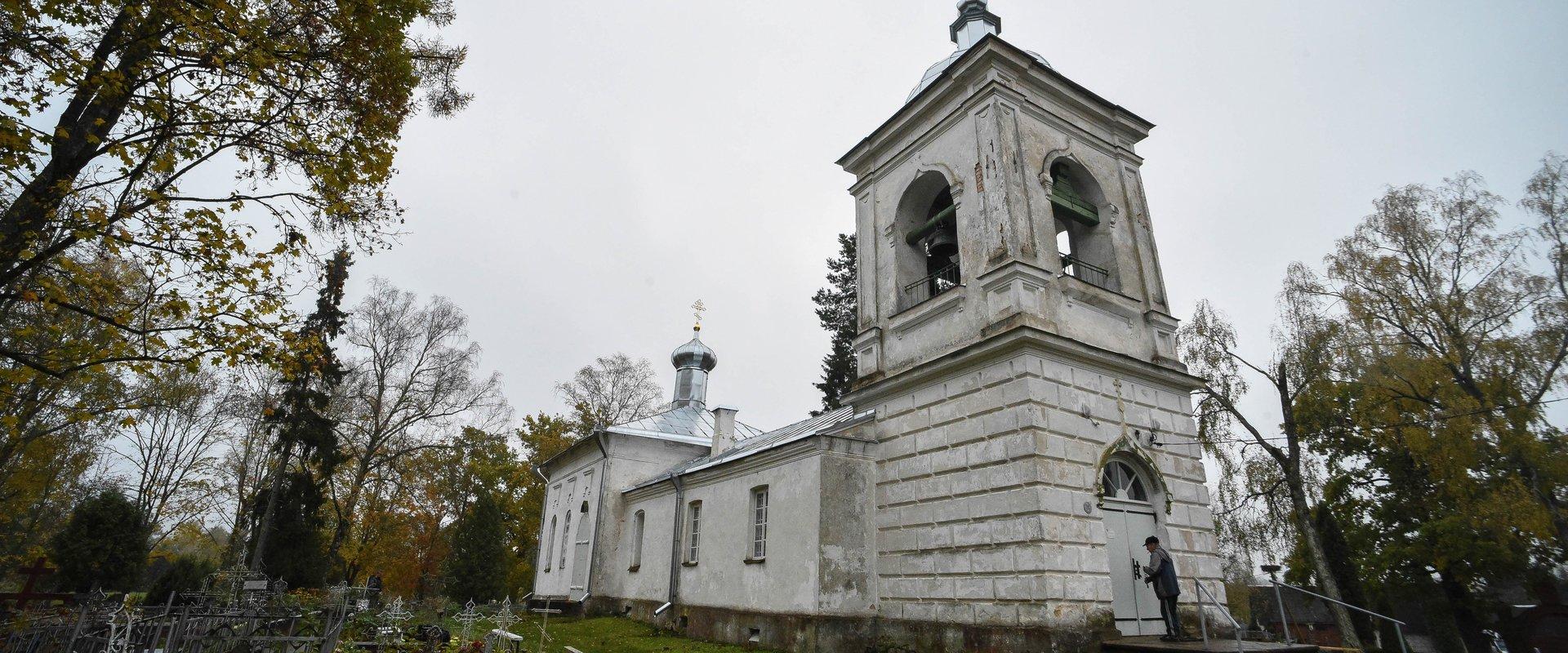
Saatse Church was completed in 1801. This congregation has been a mixed congregation of Setos and Russians. Saatse's biggest holiday is St. Paraskeva's Day (the last Friday in July.). Paraskeva means "Friday" in Greek. The church has "royal gates" from the old wooden church, and a 15th century stone cross. The only saint of Seto background is associated with the church: St. Stefanus, a former parish priest, who is depicted in icons in Seto folk costume. In 1919, Stefanus was shot along with Father Vassili, who was also declared a saint.

  • Collaboration
  • News
  • Contacts
  • Privacy Policy
Join our mailing list!

"*" indicates required fields

This field is for validation purposes and should be left unchanged.
I authorise marketing

Southern Estonian Tourism Cluster

info@visitsouthestonia.com