• Explore
    • Nature
    • Culture
    • Food
    • Family
    • Activity
    • Blog
  • Plan
    • Tourist info
    • Accommodation
  • For professionals
    • For professionals
    • Collaboration
    • News
    • Projects
    • Training
    • Repository
    • Community (opens in new tab)
    • Contacts
ENG
  • EnglishENG
  • EestiEST
  • LatviešuLAT
  • РусскийRUS
  • SuomiFIN
ENG
  • EnglishENG
  • EestiEST
  • LatviešuLAT
  • РусскийRUS
  • SuomiFIN
Popular searches:
Show all
  • History & Culture
  • Architecture and history
  • Churches

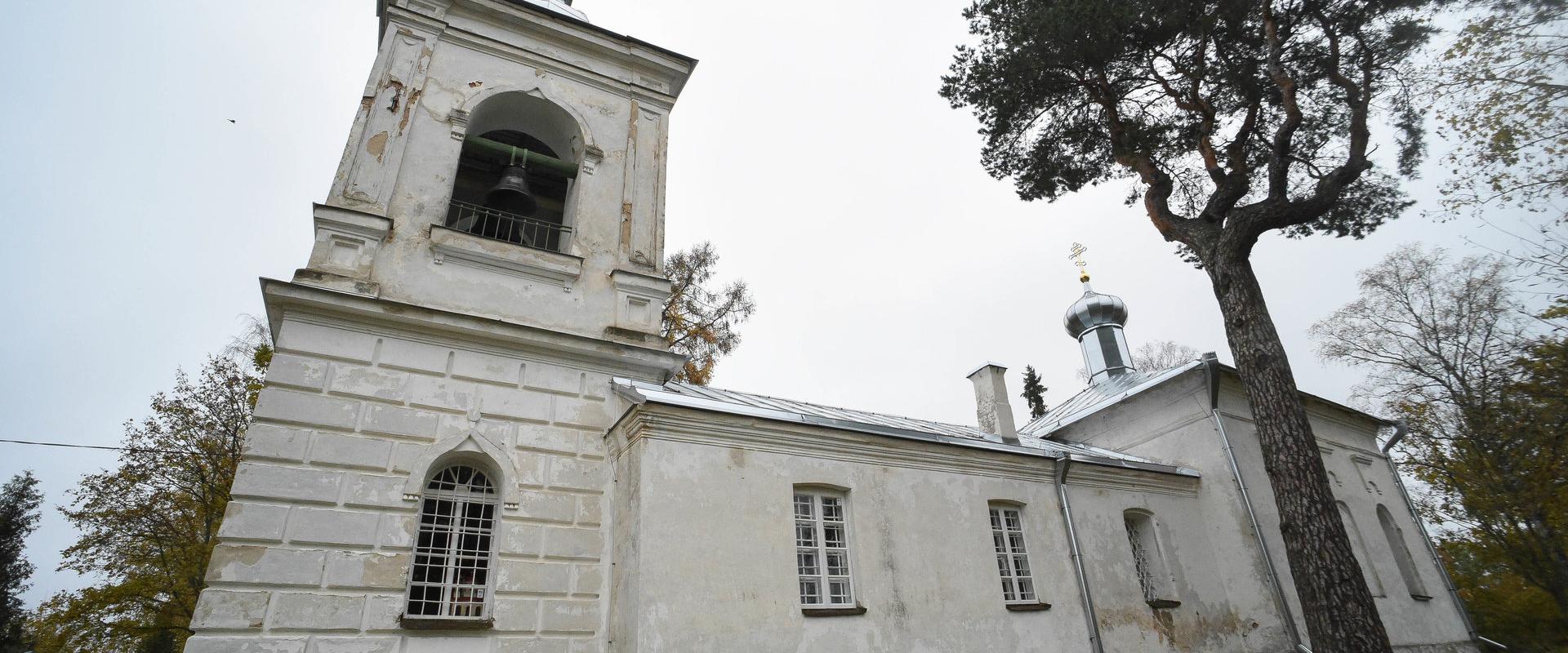
Saatse Church

Setomaa vald, Võru maakond, 64037

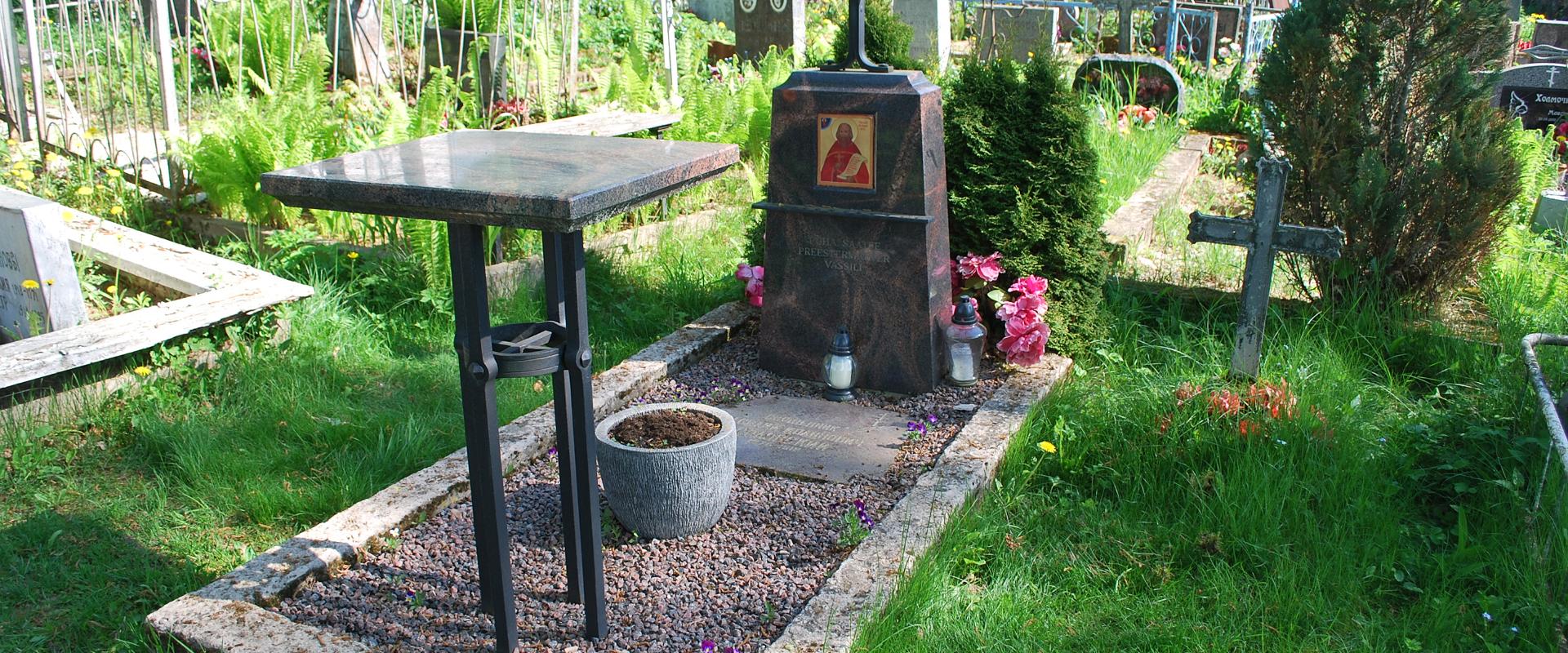
Saatse Church was completed in 1801. This congregation has been a mixed congregation of Setos and Russians. Saatse’s biggest holiday is St. Paraskeva’s Day (the last Friday in July.). Paraskeva means “Friday” in Greek. The church has “royal gates” from the old wooden church, and a 15th century stone cross. The only saint of Seto background is associated with the church: St. Stefanus, a former parish priest, who is depicted in icons in Seto folk costume. In 1919, Stefanus was shot along with Father Vassili, who was also declared a saint. 

Amenities

  • Paid parking

Open times

Throughout the Year

Eeltellimsel

Contact

  • +372 5660 6703
  • andreas@eoc.ee

Links

See more

  • Churches

Rajaküla Old Believers’ Worship House

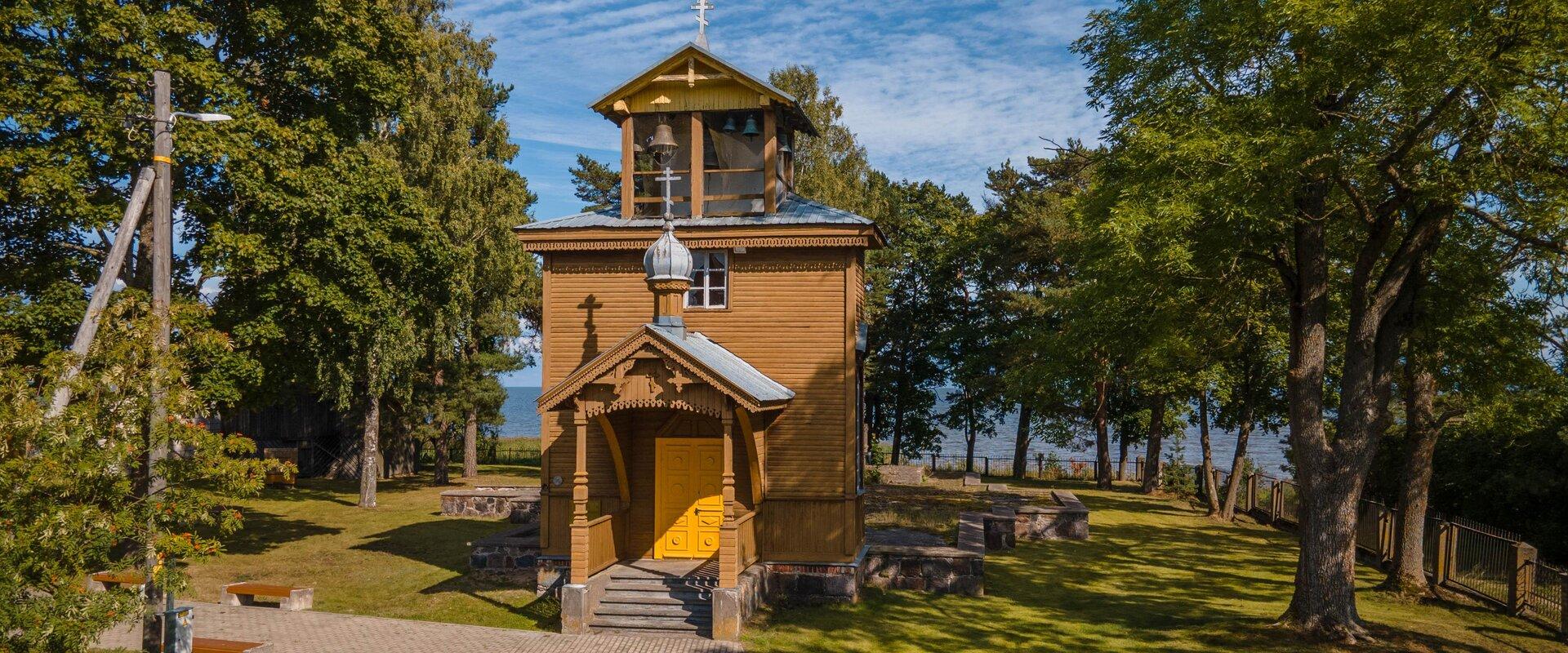
It is believed that the Raja congregation of Old Believers was established in the first quarter of the 18th century. The congregation was given permission to build its own church only in 1879. The church was destroyed during the Second World War – the only thing left is the belfry. The present worship house has 11 rooms. In 1854–1930 Gavriil Frolov lived in the worship house. He taught children icon-writing, reading and writing in Old-Slavic, also singing based on old musical notation.

  • Churches

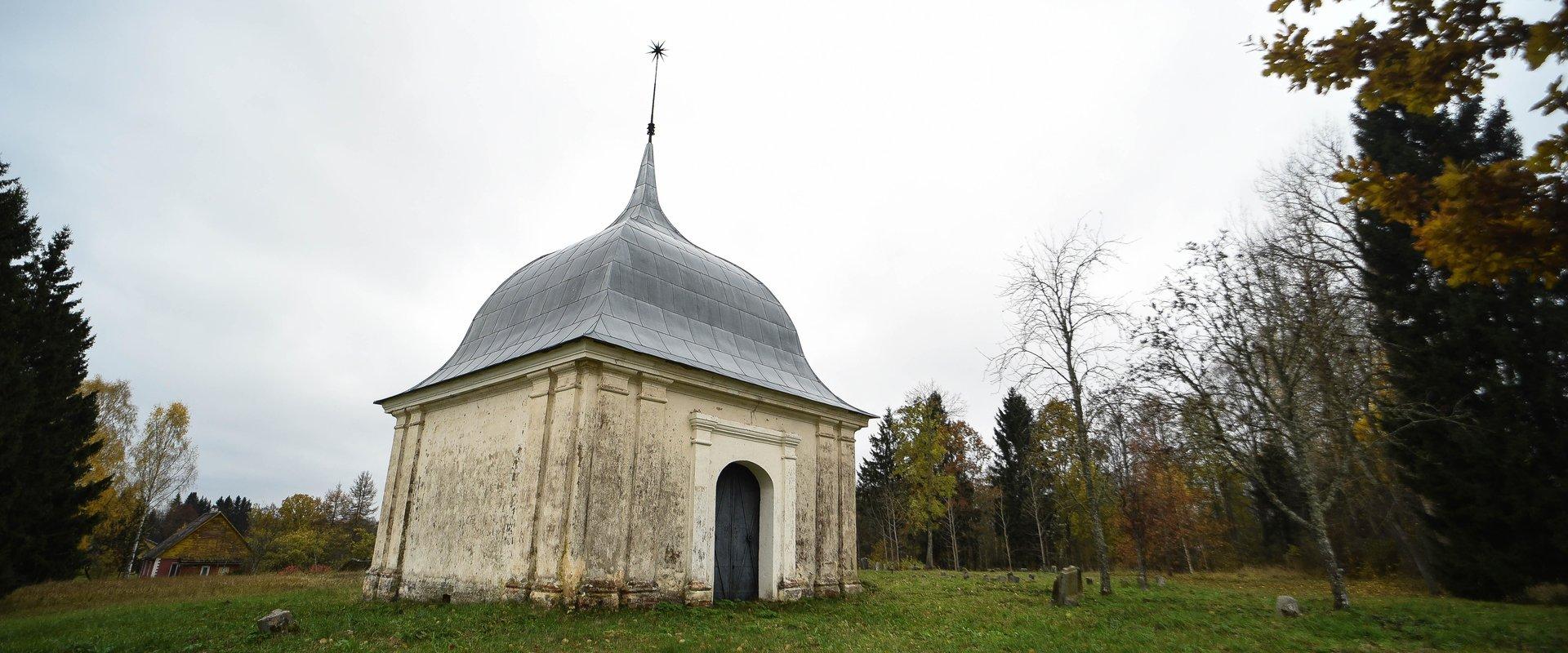
The Liphardt tomb chapel

The Vastseliina manor chapel, popularly called the Liphardt tomb chapel, is situated in the old cemetery of Vastseliina (also known as the German cemetery). The chapel was completed in the same year as the current Vastseliina church, in 1772.The Liphardts, one of the wealthiest noble families of Livonia, governed the entire Vastseliina parish from Misso to Orava and ruled Vastseliina for seven generations. In addition to Vastseliina, the family also owned several other manors, including the Raadi manor.The Vastseliina manor chapel is one of the most remarkable examples of early classicist rural chapels.Visitors are welcome to see the exterior of the chapel only.

  • Churches

Roman Catholic Church of Immaculate Conception of the Blessed Virgin Mary

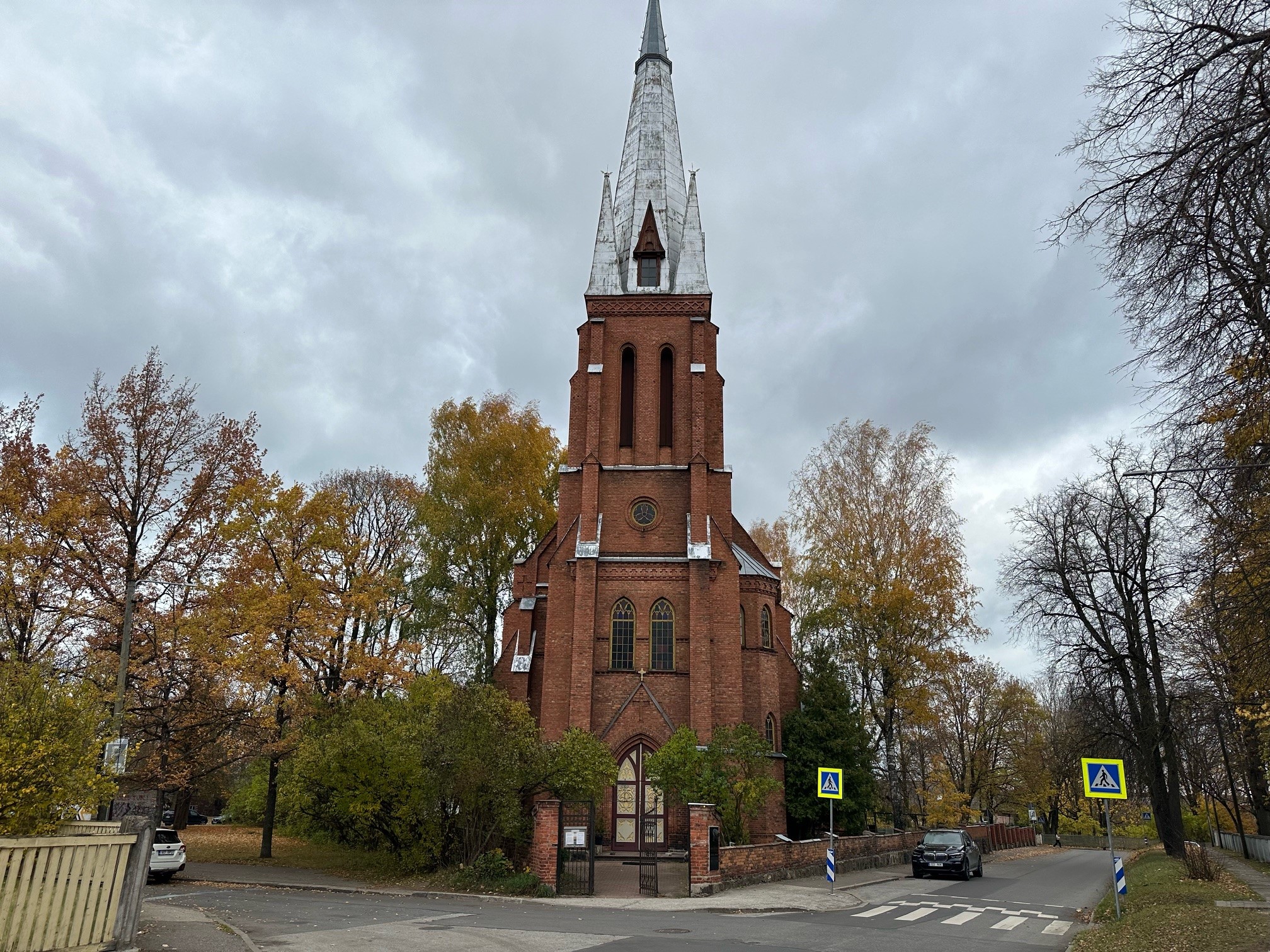
You are welcome to admire the Gothic red brick house of God (architect Wilhelm Schilling). The Church of Immaculate Conception of the Blessed Virgin Mary is the only Roman Catholic church in Tartu. The cornerstone was placed in 1862 and the church was consecrated in 1899. You will find the painting "Virgin Mary with Jesus" (1905) by Ernst Friedrich von Liphardt and a large crucifix carved of lime tree (1935) in the high-vaulted church.Interesting facts: - even Tsar Nicholas II donated 3000 roubles for the construction of the church in 1894 when Priest Friedrich Zhyskar started raising funds for building the church.

  • Ruins
  • Pet friendly
  • Family friendly
  • Lookout towers
  • Guided tours
  • Workshops
  • Castles
  • Churches

Põltsamaa Castle

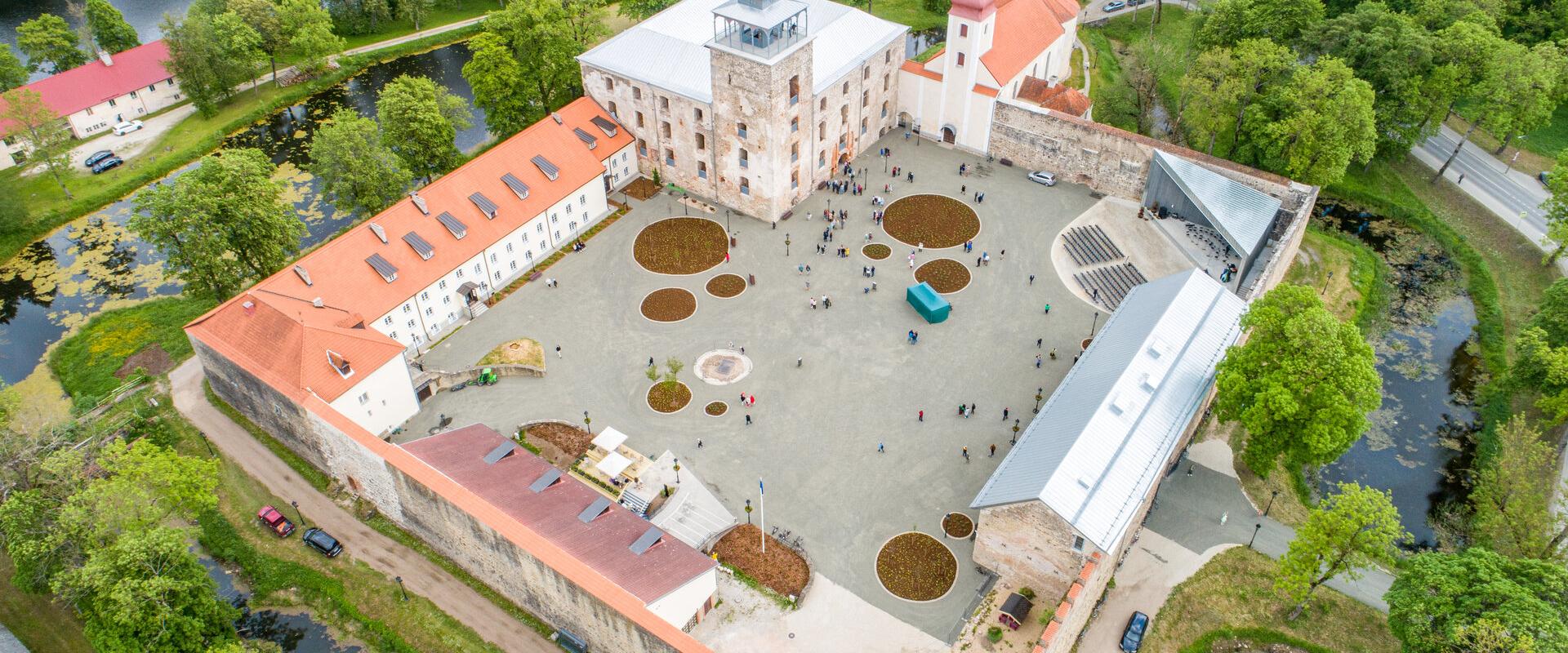
Põltsamaa Castle has been an important site throughout the centuries and carries a distinguished history – founded in 1272 on the riverbank, it was the residence of Magnus, the King of Livonia, and later evolved into a magnificent Rococo palace. Wars and fires left the castle in ruins, but now it has come back to life and is waiting for you to visit! Today, the castle offers visitors plenty of excitement. First and foremost, it is worth climbing to the viewing platform of the seven-story castle tower, where a captivating view of the city unfolds in every season. The tower is crowned by a restored historical dome, which is unique in all of Estonia. The church, located within the complex, is built directly into the castle's fortification walls and tower, and is open daily during the summer. The convent and gatehouse feature a modern exhibition that tells the colorful story of the castle and the town of Põltsamaa. In the castle courtyard, craft workshops await, where you can watch the work of masters or purchase something interesting yourself. Culinary experiences are offered by the restaurant Oberpahlen, where history and excellent food come together. Discover Põltsamaa Castle – a place where history comes to life!

  • Lookout towers
  • Guided tours
  • Churches

St. Paul’s Church in Tartu

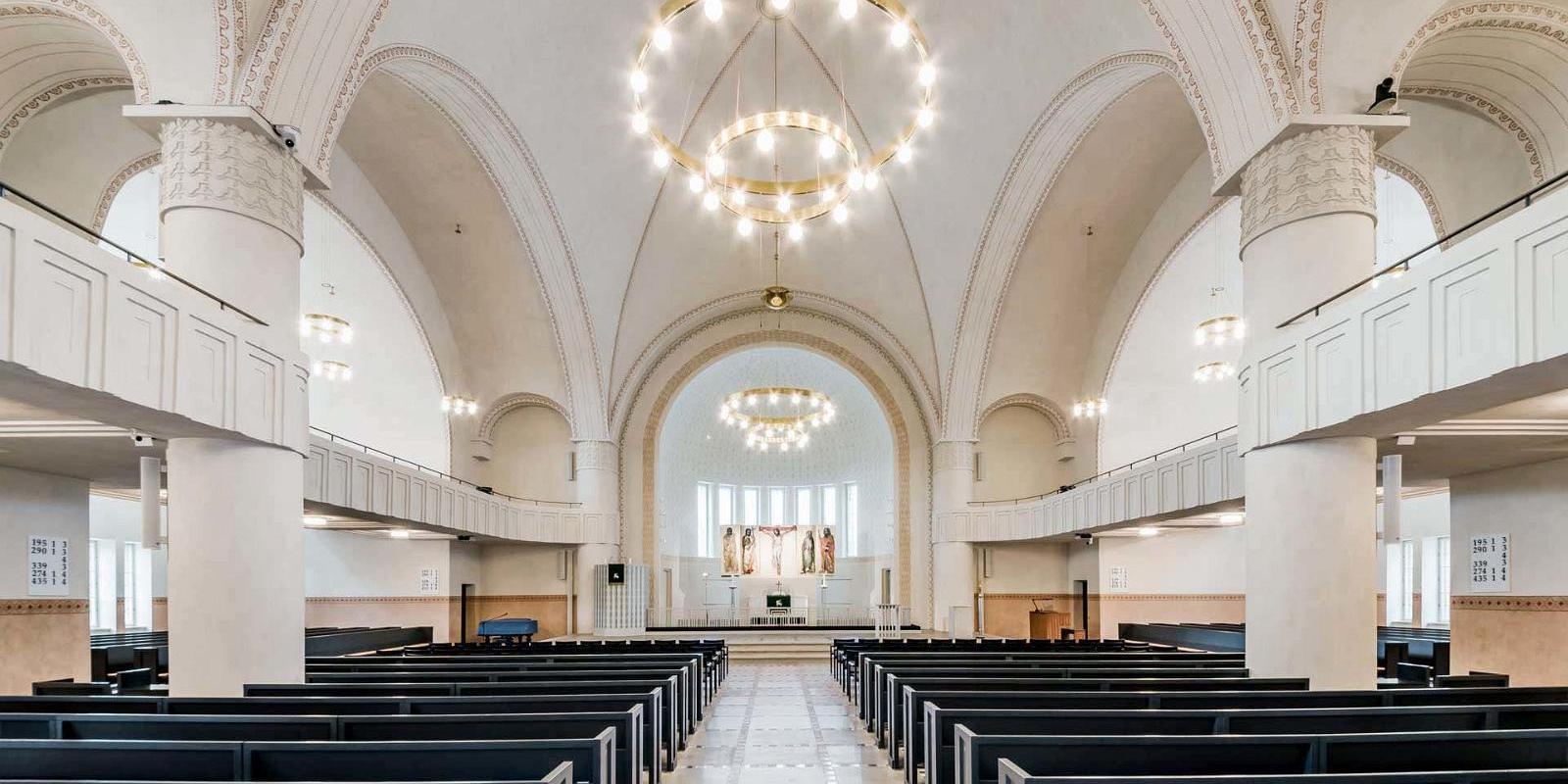
St. Paul's Church in Tartu is unique because it is the only Art Nouveau church in Estonia. The church features a national romantic and geometric design. The church is also famous for its two steel bells, which were made in 1922 in Germany. The glass-domed bell tower offers a stunning view of the city of Tartu. It can be reached by stairs, and on the way to the tower, you can see a small gallery that explains the church's history. A visit to the church tower is available for an additional fee. The church has a columbarium, a crypt, and a bookstore. You can also order a church tour, a private organ concert, or catering from the church kitchen.

  • Lookout towers
  • Churches
  • Ruins

Tartu Cathedral

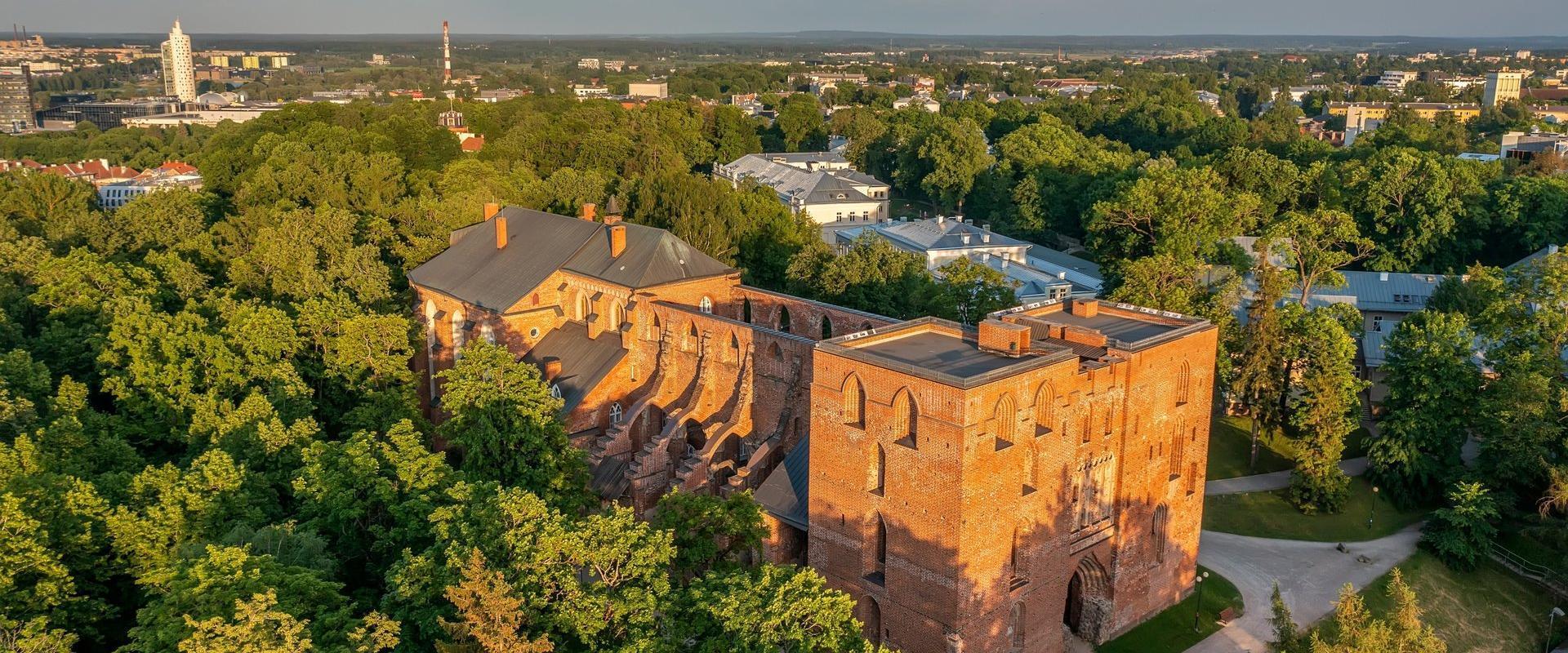
The cathedral located on Tartu's Toome Hill is one of Estonia's most remarkable and largest medieval structures, and the only church with two towers. The church's construction began as early as the 13th century, when Tartu was an important bishopric. Construction work and additions continued into the early 16th century. During the Reformation, the cathedral was abandoned and, over time, turned into ruins. Nevertheless, these powerful walls and spacious vaults remain one of the most outstanding examples of brick Gothic architecture in Old Livonia, reflecting the scale and craftsmanship of medieval architecture. The University of Tartu Museum operates in the cathedral building, showcasing the history of science, university education, and the development of Tartu's academic spirit. It is possible to visit the cathedral towers, which offer one of the most beautiful views of Tartu and the Emajõgi Valley. Next to the towers is Toompood, where you can find gifts, science-themed souvenirs, and memorabilia with university symbols. In the evenings, a light installation adds a magical atmosphere.
  • Churches

Äksi St. Andrew’s Church of the Estonian Evangelical Lutheran Church

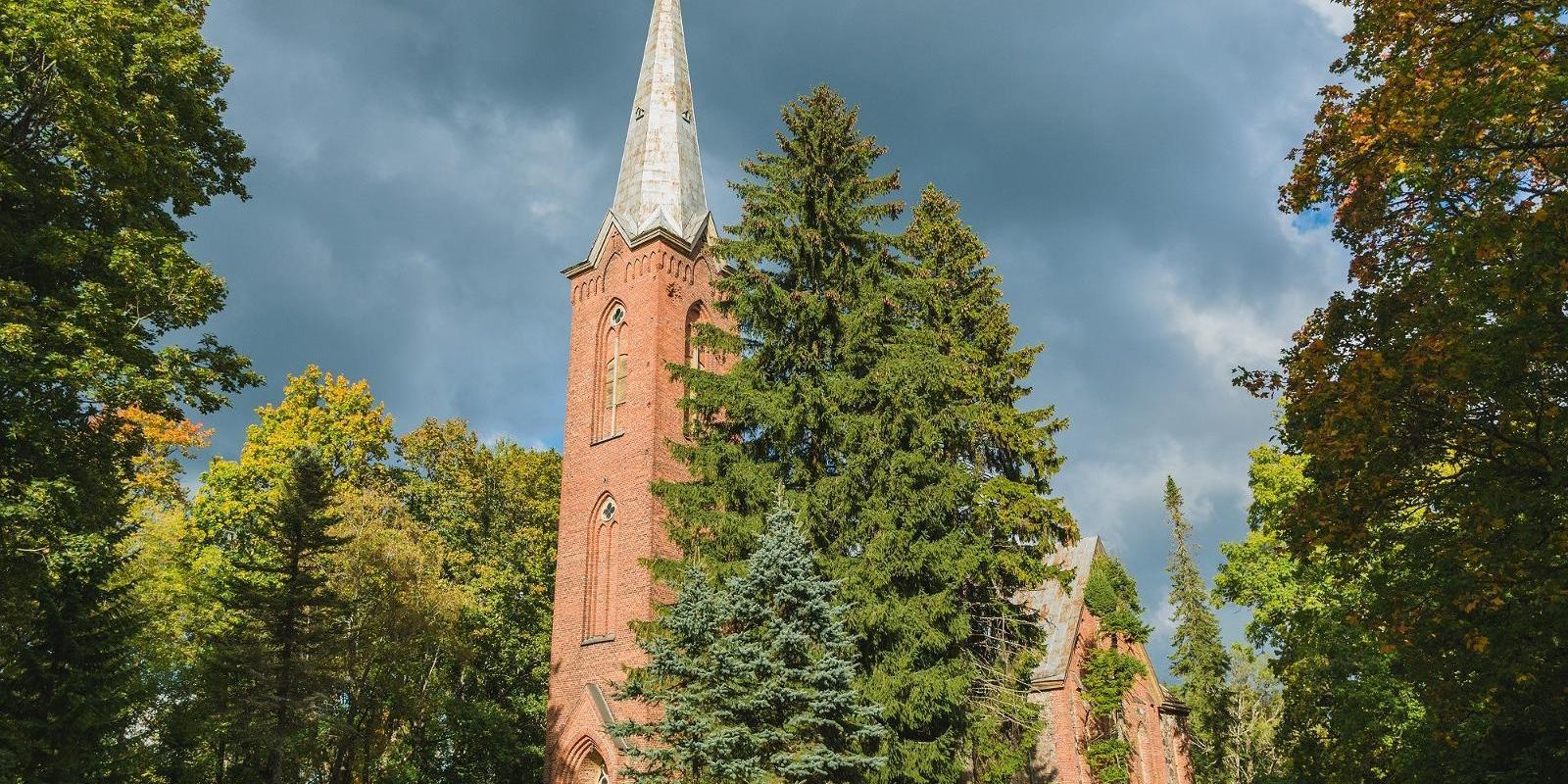
This neo-Gothic church with its tall and slender tower is an integral part of the beautiful landscape of Vooremaa. The church has a spacious and stylish Historicist interior. The church is thought to have been built in 1770 and was reconstructed in 1889. A monument to the pastor and renowned linguist Otto Wilhelm Masing can be found in the Church Manor (1989).

  • Churches

Värska Church

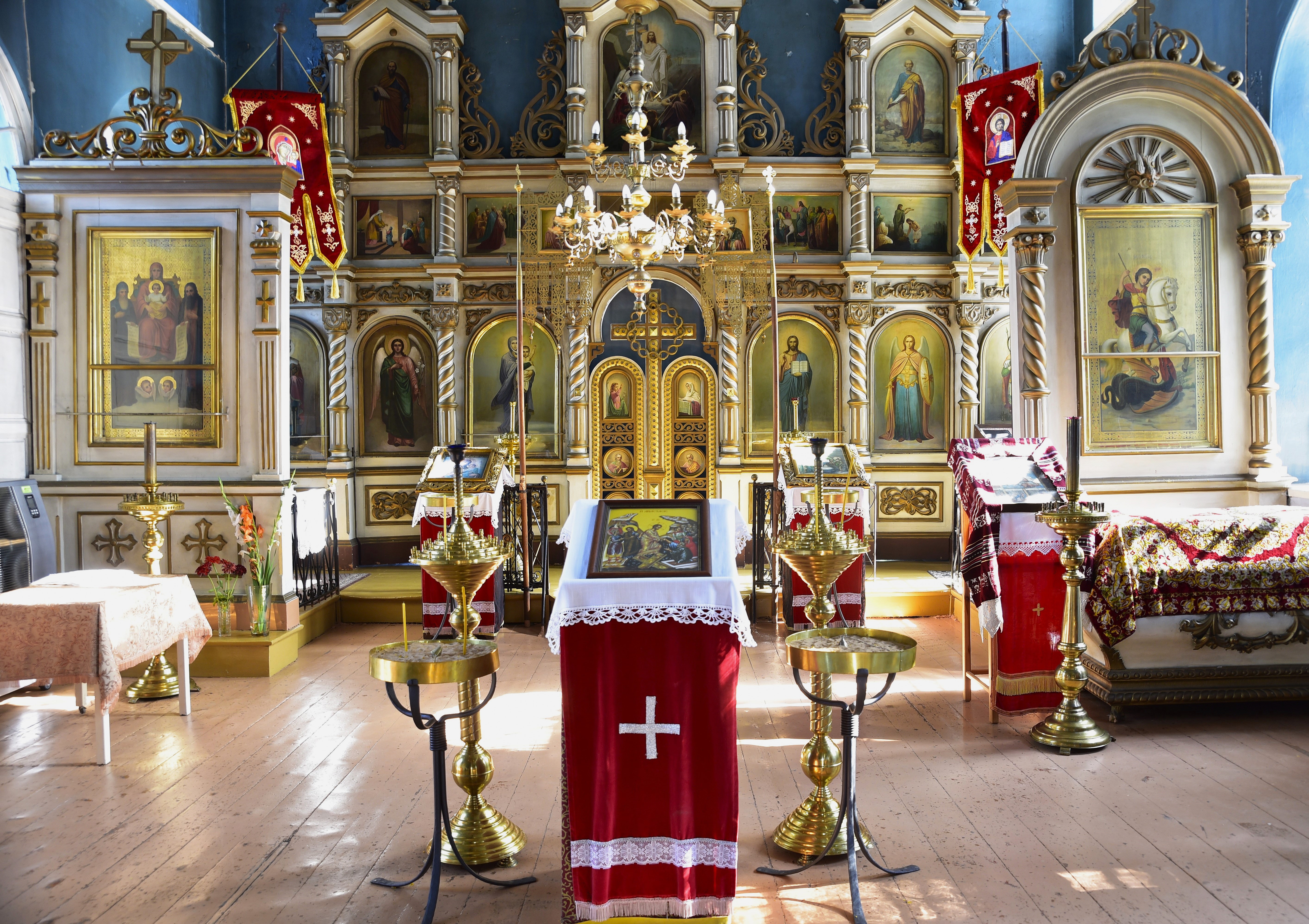
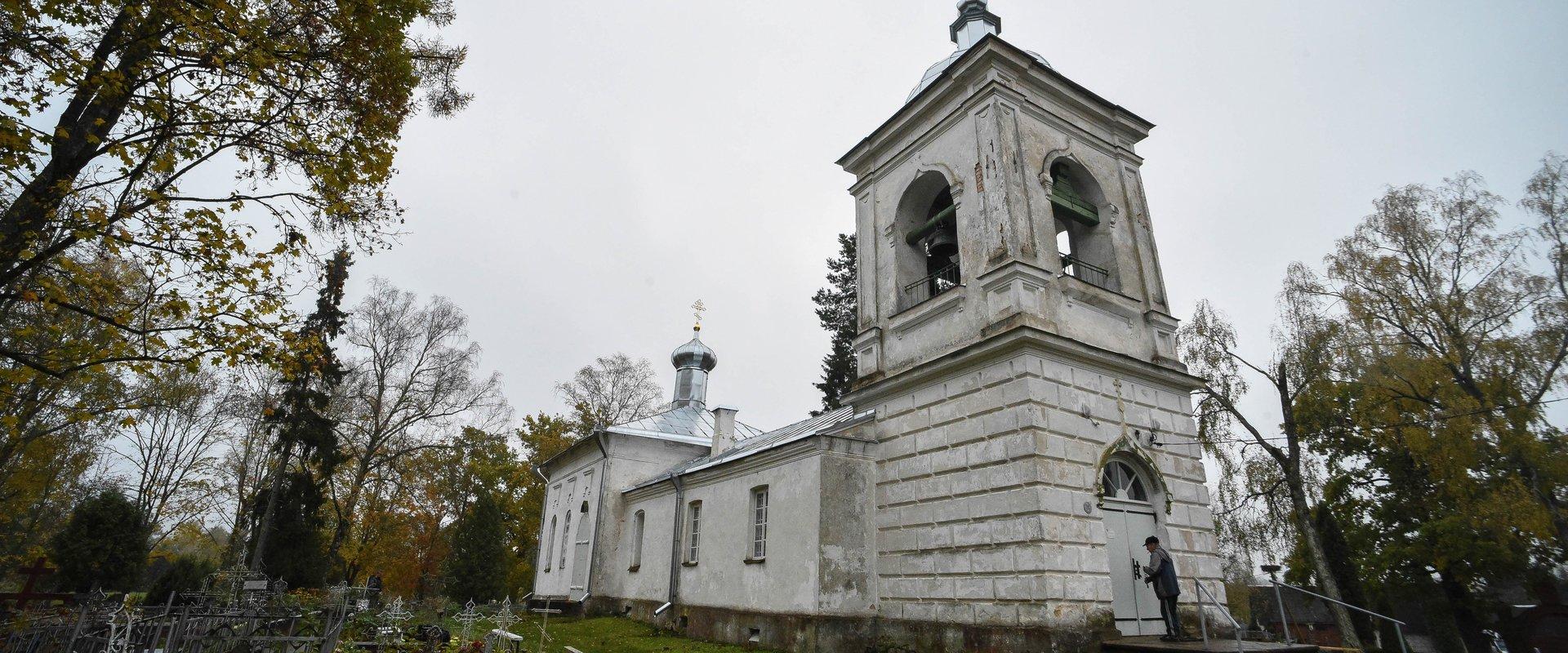
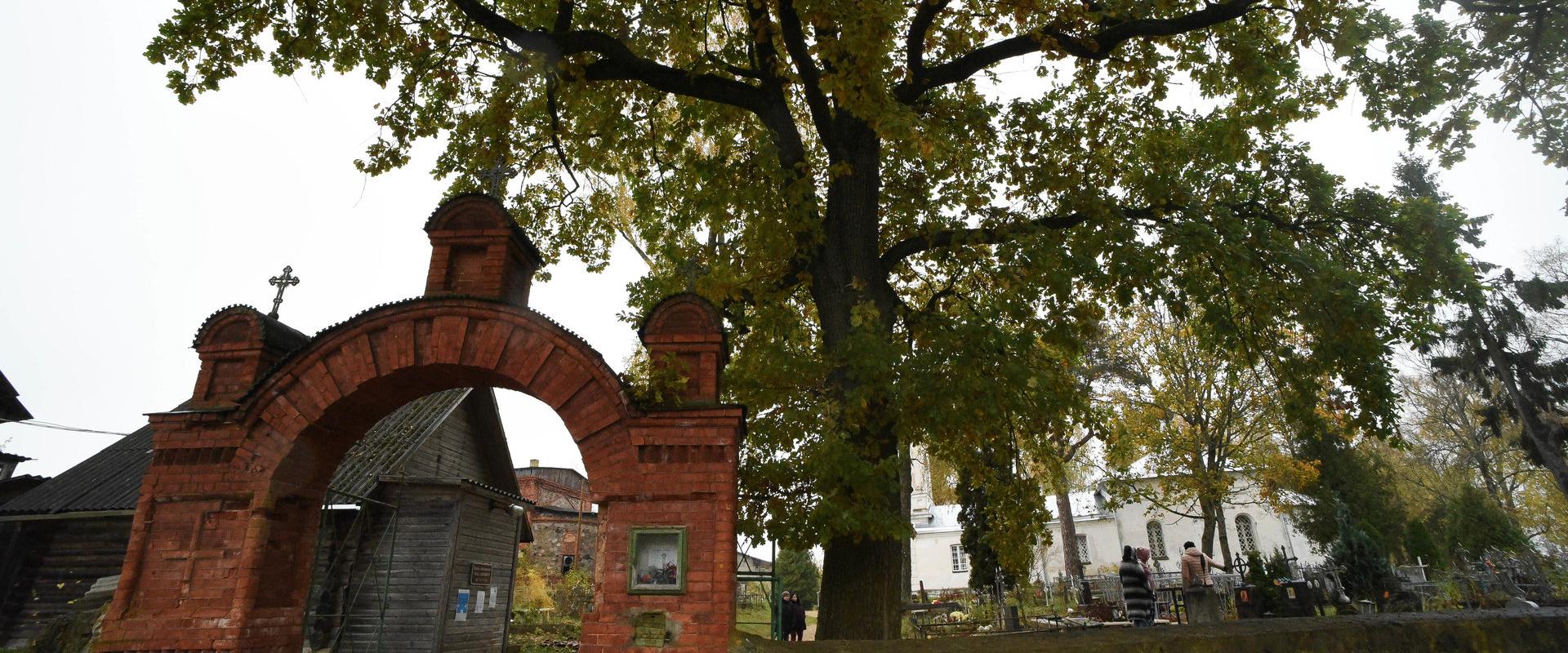
The patron saint of the Värska Orthodox Church is St. George. The most important church holiday is St. George's Day, which is celebrated in Setomaa on May 6 and culminates with the afternoon kirmaski, or village party. The church was built with money from the community, and the original iconostasis from the beginning of the 20th century has been preserved, part of which is an icon of St. George painted on a tree in the 17th century. The church also has several handmade holy shawls. Värska cemetery is next to the church, and several important Seto cultural figures are buried there.

  • Collaboration
  • News
  • Contacts
  • Privacy Policy
Join our mailing list!

"*" indicates required fields

This field is for validation purposes and should be left unchanged.
I authorise marketing

Southern Estonian Tourism Cluster

info@visitsouthestonia.com