• Explore
    • Nature
    • Culture
    • Food
    • Family
    • Activity
    • Blog
  • Plan
    • Tourist info
    • Accommodation
  • For professionals
    • For professionals
    • Collaboration
    • News
    • Projects
    • Training
    • Repository
    • Community (opens in new tab)
    • Contacts
ENG
  • EnglishENG
  • EestiEST
  • LatviešuLAT
  • РусскийRUS
  • SuomiFIN
ENG
  • EnglishENG
  • EestiEST
  • LatviešuLAT
  • РусскийRUS
  • SuomiFIN
Popular searches:
Show all
  • History & Culture
  • Architecture and history
  • Churches

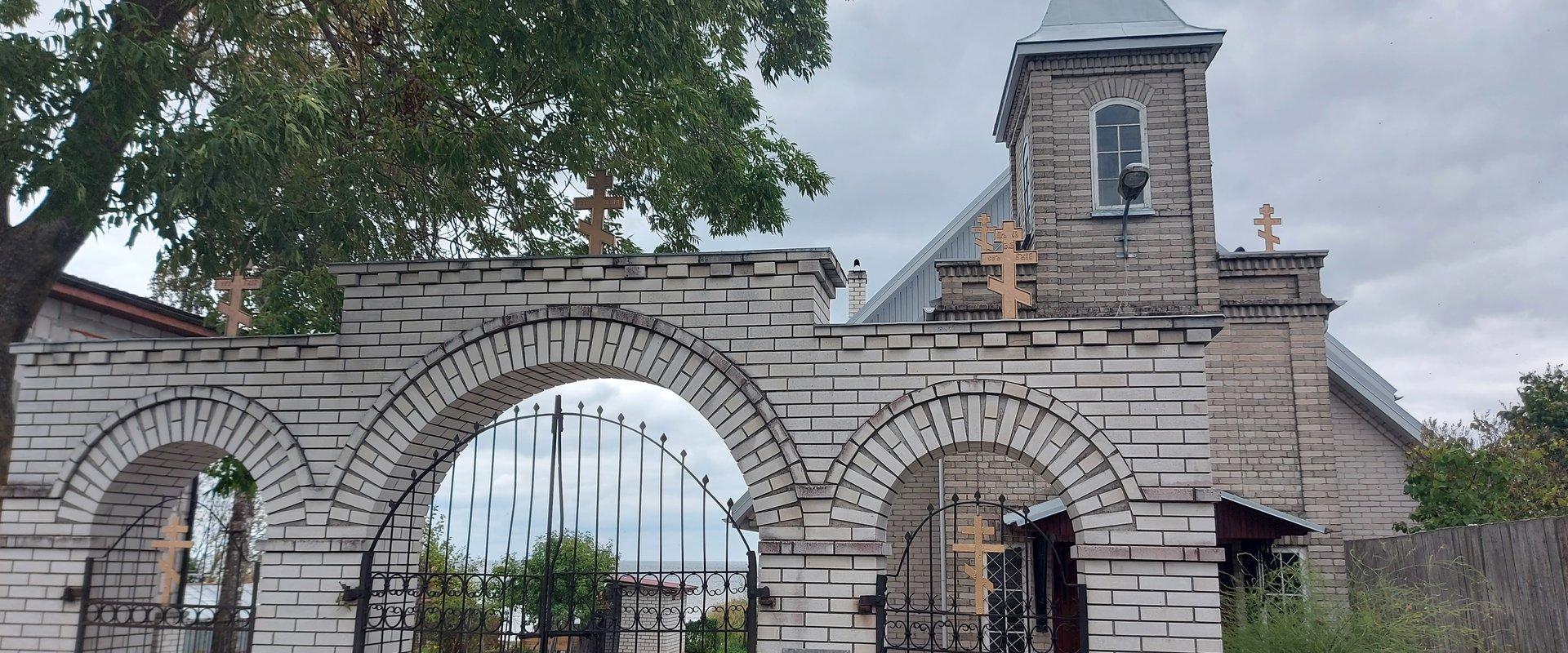
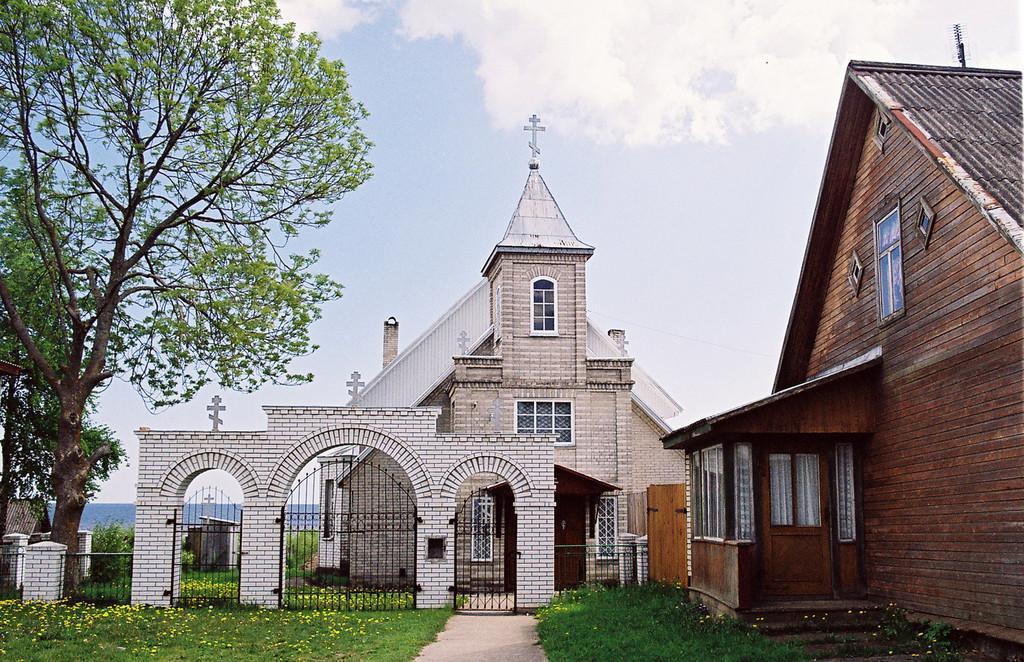
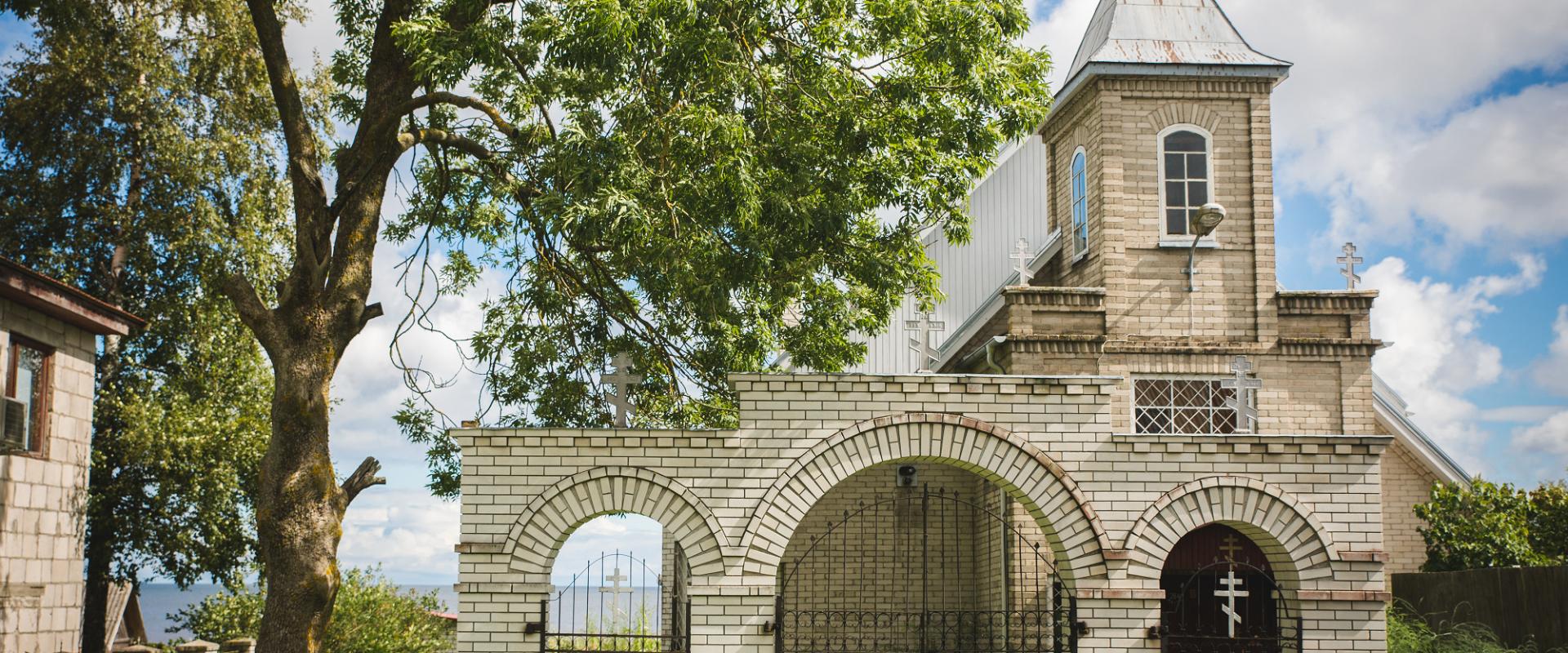
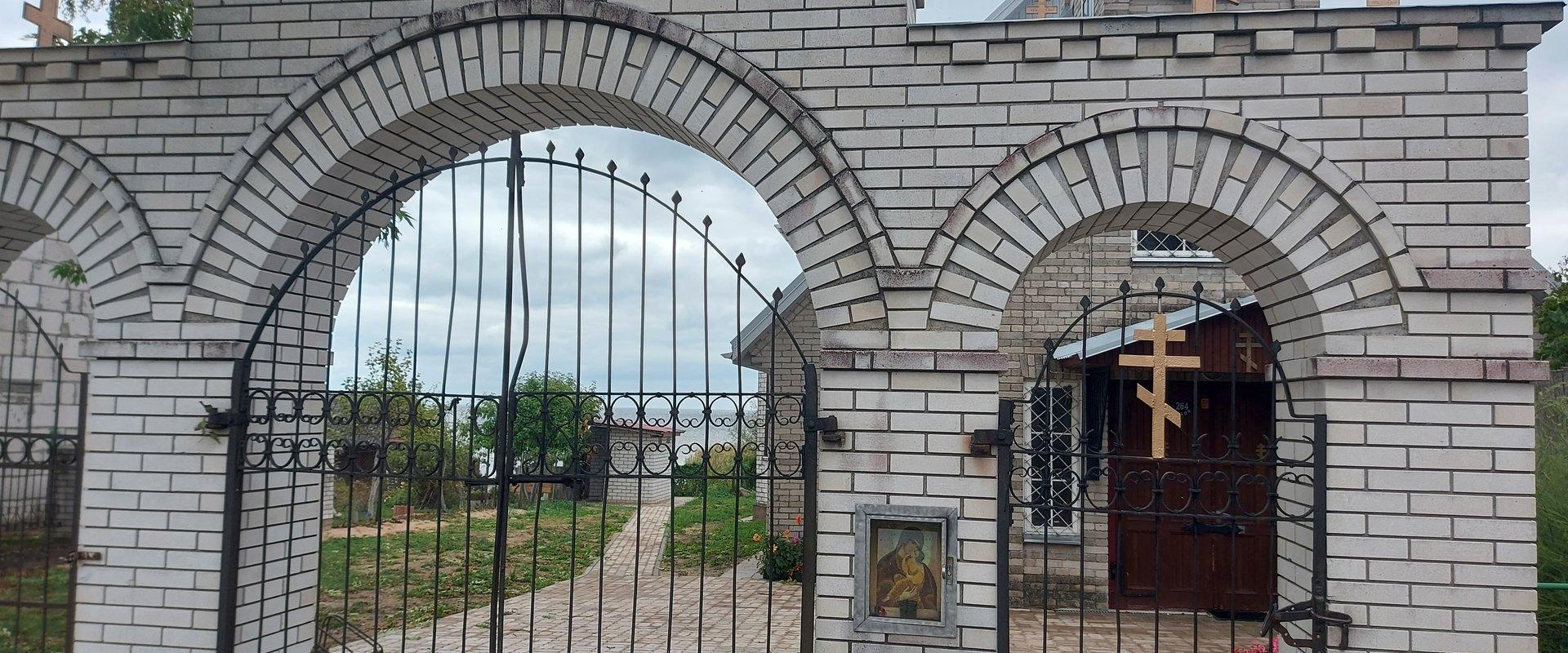
Kükita Old Believers Prayer House of the Estonian Association of Old Believers Congregations

Kalda tn 264, Mustvee vald, Jõgeva maakond, 49504

The first prayer house of Old Believers in Estonia is located in Kükita. The Kükita Prayer House was consecrated on September 14, 1740. During the war of 1812, the Cossack Old Believers donated a chandelier to the Prayer House. There were a total of 397 Old Believers in the list of parishioners of the Kükita congregation by 1833. The current Prayer House was built in 1948 in place of the one destroyed in World War II.Old Believers have services every Sunday and on all holidays (Christmas, Pascha and Epiphany).

Amenities

  • Free parking

Open times

1. juuni - 31. aug

Eeltellimsel

Contact

  • +372 53745471

Links

See more

  • Churches

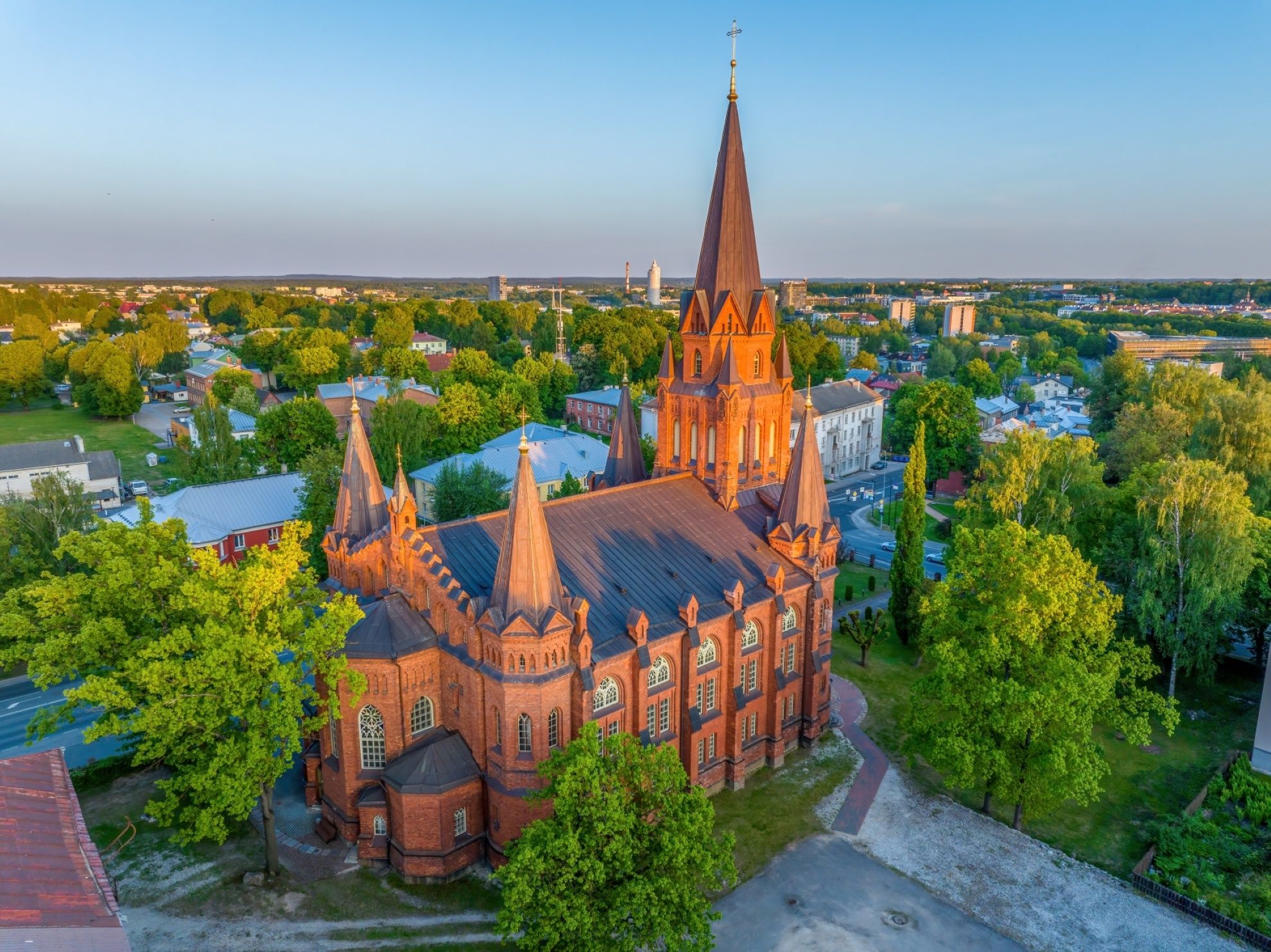
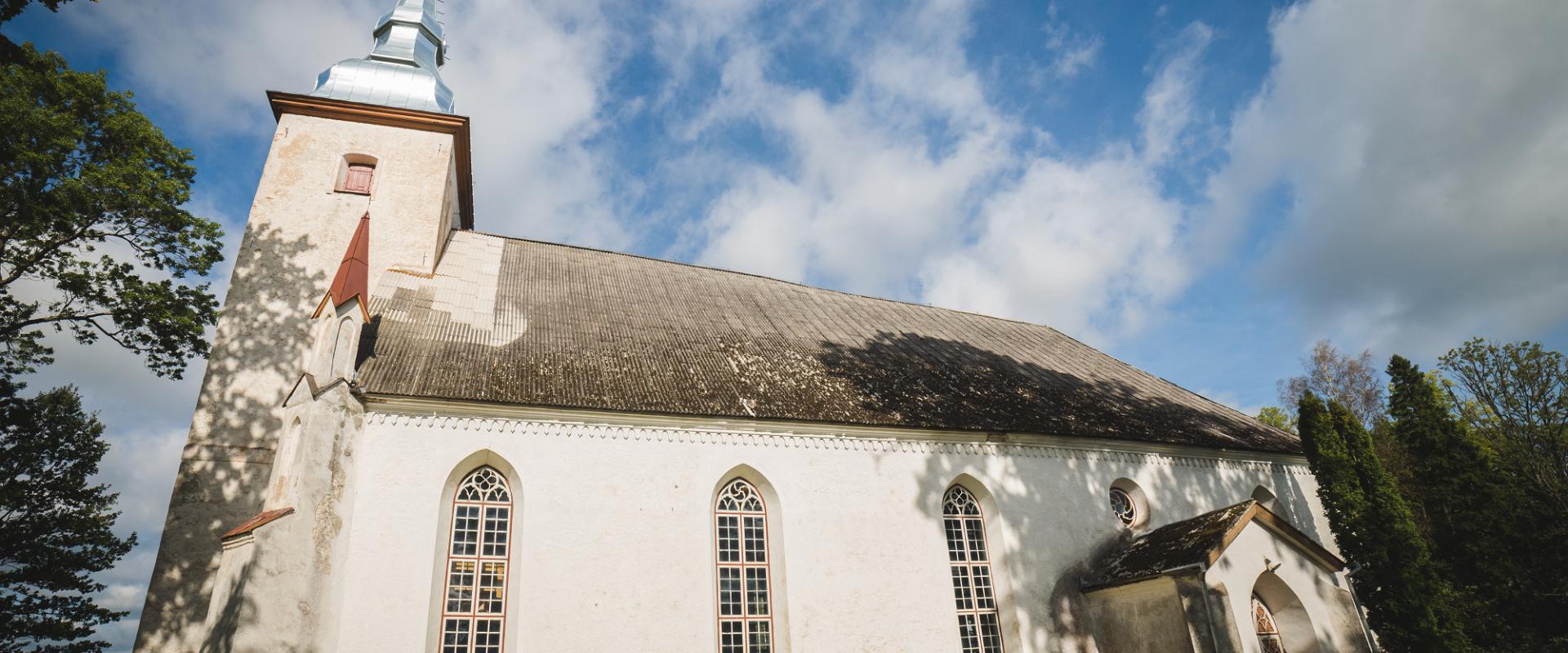
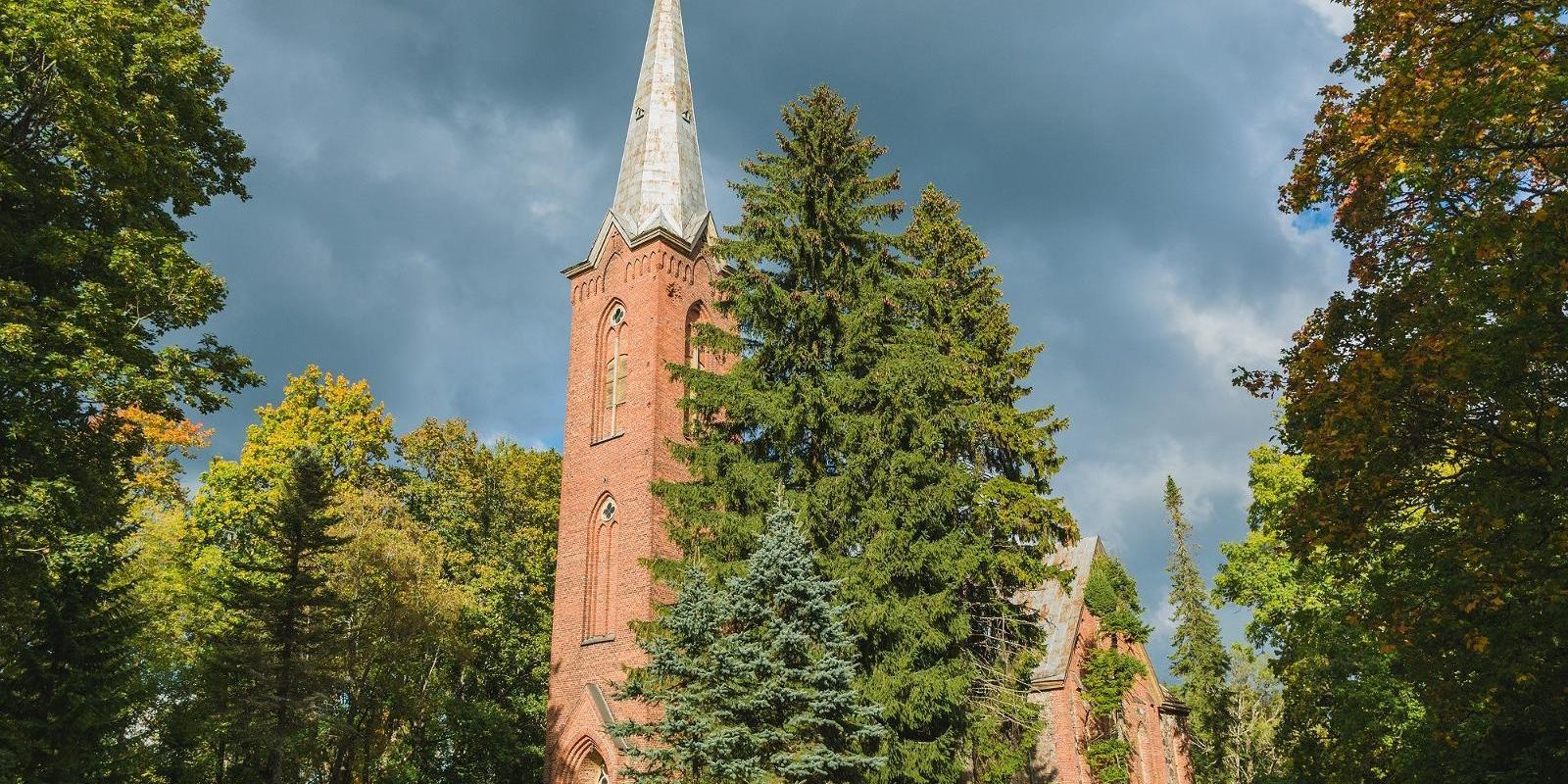
Tartu St. Peter’s Church

Tartu St. Peter's Church is one of the most beautiful neo-Gothic Lutheran sanctuaries in Southern Estonia, established in the late 19th century as a spiritual home for the growing Estonian-speaking community. Designed by architect Viktor Schröter, the church is distinguished by its 56.5-meter-high tower and impressive brick facade, which reshaped the entire Ülejõe district's appearance. The church hall is bright and spacious, featuring a remarkable three-story interior. Wooden balconies and neo-Gothic arches add warmth and a dignified rhythm to the space, creating the impression of a true city cathedral. Visitors can admire Johann Köler's altarpiece "Inviting Christ" (1897) and listen to the late-19th-century 22-register organ, making Peetri Church one of Tartu's most esteemed concert venues due to its excellent acoustics. The church was established near the site of Estonia's first national song festival and has been an important part of Estonian cultural and congregational history since its cornerstone was laid in 1882.
  • Churches

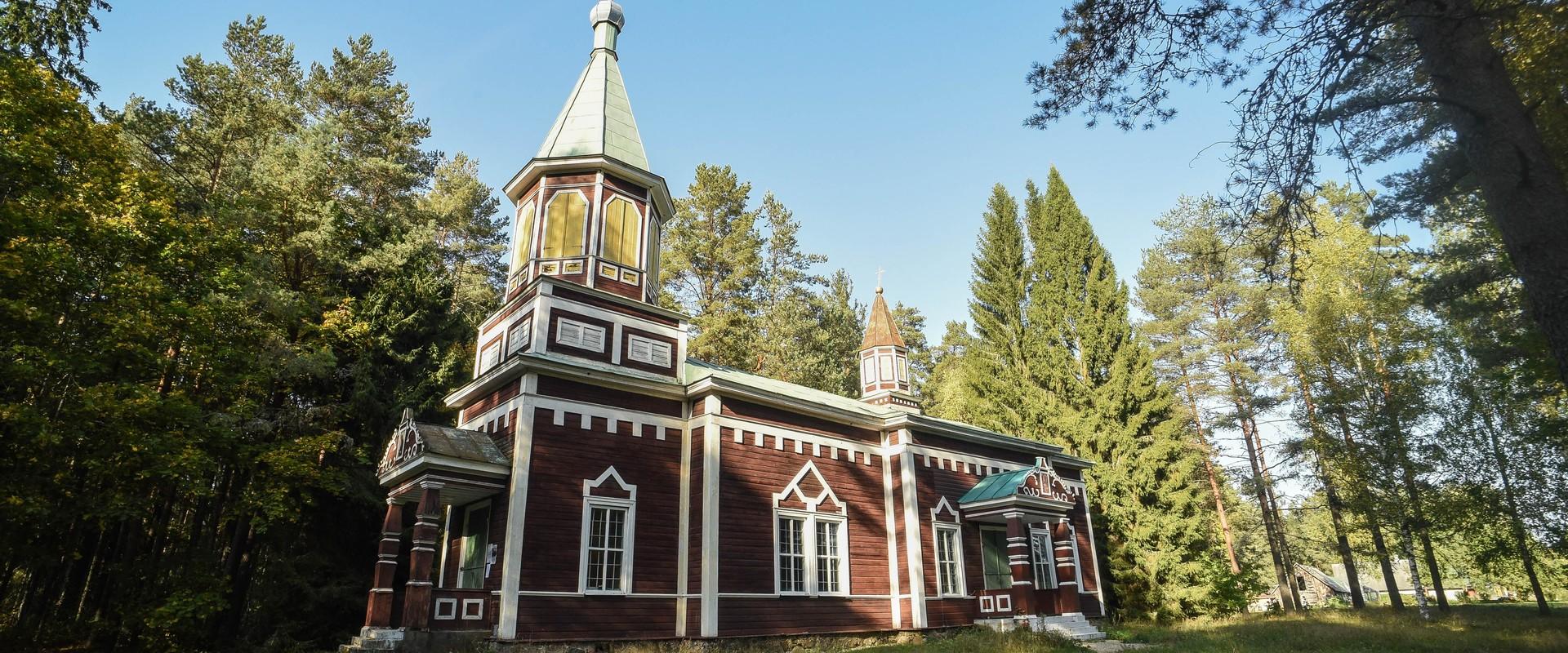
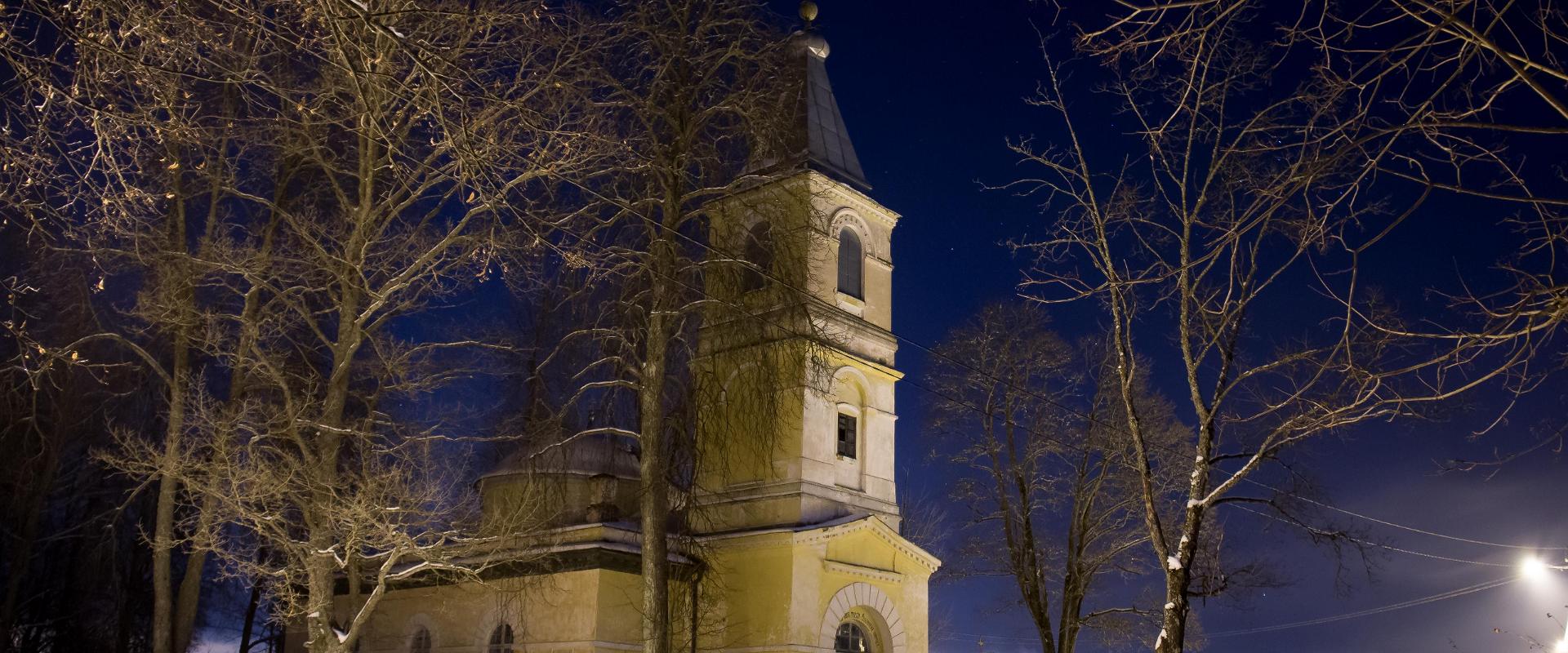
Ritsiku church in Mõniste

Of the Orthodox churches in Võru County, Ritsiku church in Mõniste is the second oldest (dating back to 1855). The oldest is St Catherine's Church in Võru itself.The church in Ritsiku was consecrated in the name of the prophet John the Baptist. Its name day is celebrated by the congregation every year on 24 June.The congregation was established in 1837. The church was constructed from timber and has a tin roof. It was originally known as Mõniste church, since it was located on the lands of the Mõniste estate. But since it was not in Mõniste itself, it was renamed Ritsiku church in Mõniste.The sacristan and parson did a lot of work in educating the local community. Until 1931 the congregation had its own parish school and three smaller schools.

  • Churches

Tartu Uspenski Cathedral of the Estonian Apostolic Orthodox Church

Construction of the Tartu Uspenski Cathedral started by the order of Peter I after the Northern War and it was consecrated in 1783. The church was established on the foundation of the Dominican Convent Church. It was initially built in the shape of a cross and was given its quadrangular shape in 1840. Interesting facts: - a chapel to St Isidor, who died as a martyr, was established in the church in the course of its extension; ‑ the Bolsheviks killed 19 innocent people in the cellar of Krediidikassa 80 years ago. Their victims, archpriests Bleive and Berzhanitski, are buried in Uspenski Church.

  • Churches

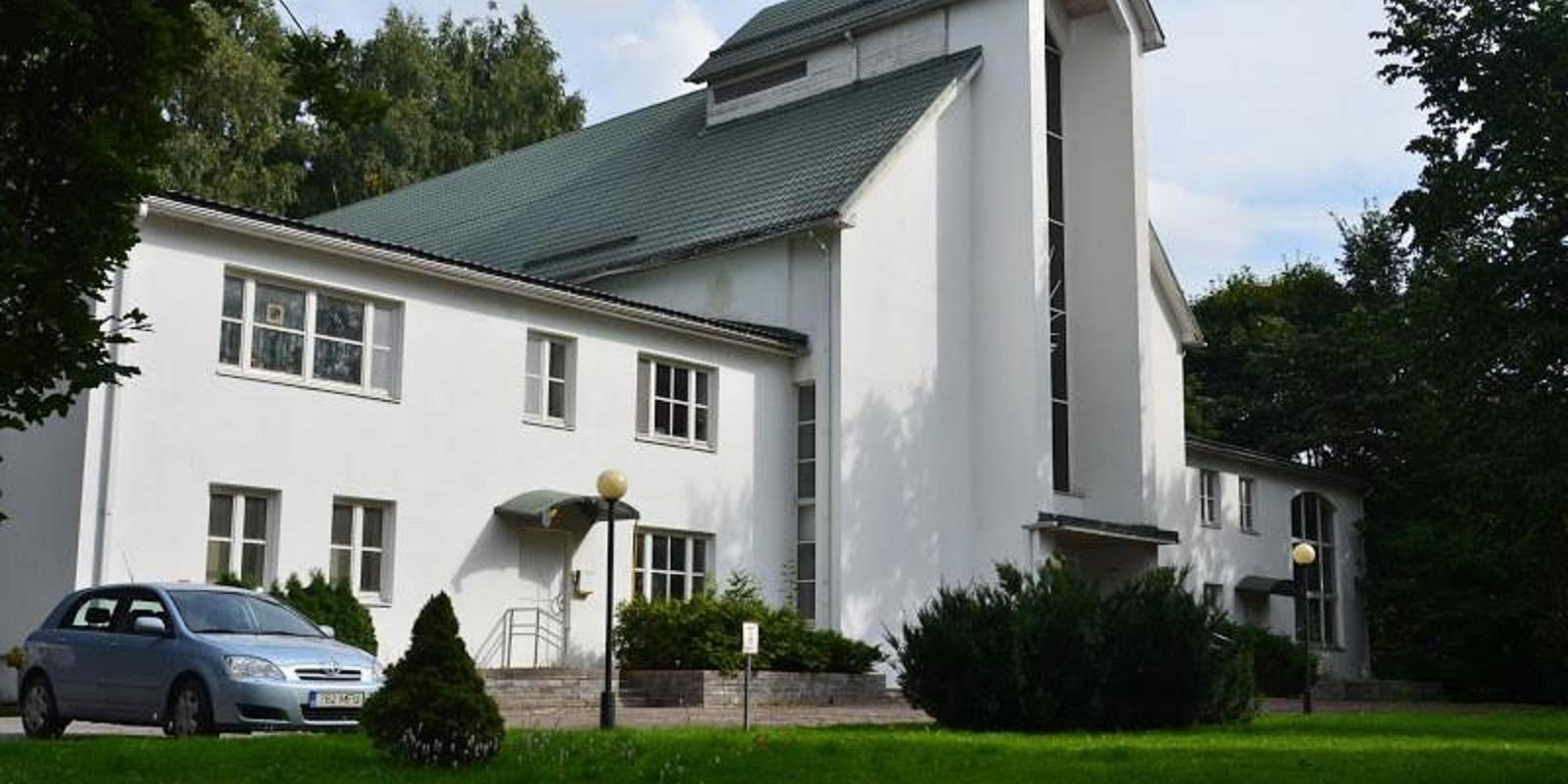
Tartu Kolgata Baptist Church

After the Second World War, the Baptist congregations in Tartu joined the only remaining Baptist church: the Kolgata congregation, whose chapel was opened in 1931.In 2013, the congregation moved from the old prayer house located in Karlova district to a modern church building (completed in 1995) at the edge of the centre of the city due to lack of space. The first service in the building on Veski Street took place on 10 November 2013, when the Kolgata congregation celebrated its 112th anniversary.The congregation belongs to the Union of Evangelical Christian and Baptist Churches of Estonia. Services in Estonian are held on Sundays at 11 a.m. and in Russian at 1 p.m.

  • Churches

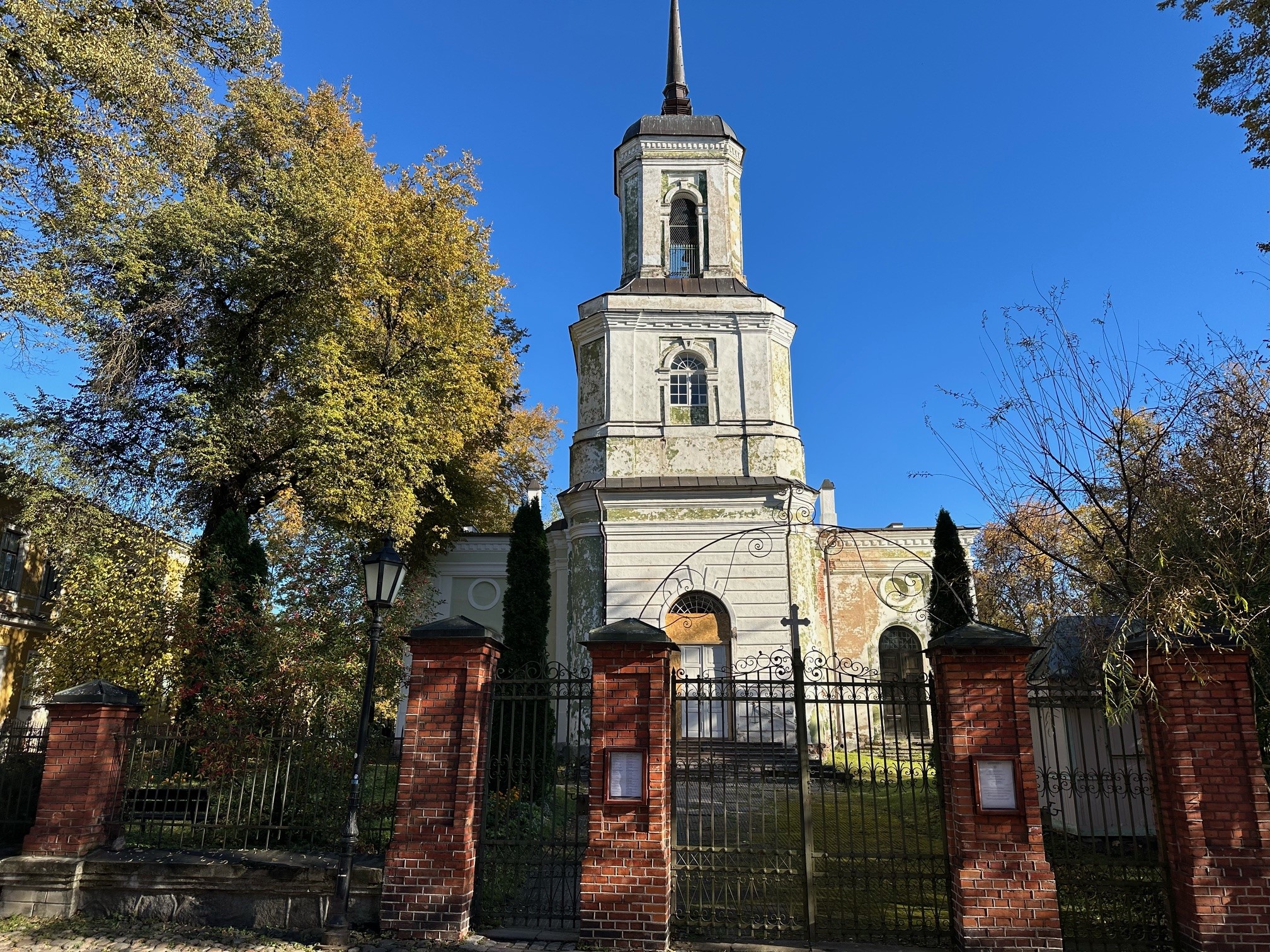
Tartu Saint George the Martyr Church of the Russian Apostolic Orthodox Church

An orthodox congregation was established in Tartu in 1845 and Priest Joosep Shestakovski (1856–1888) initiated the building of an orthodox church. Tartu Saint George the Martyr Church was built using donations from the congregation and it was consecrated in honour of Saint George by Bishop of Riga and Mitav Benjamin in 1870.

  • Churches

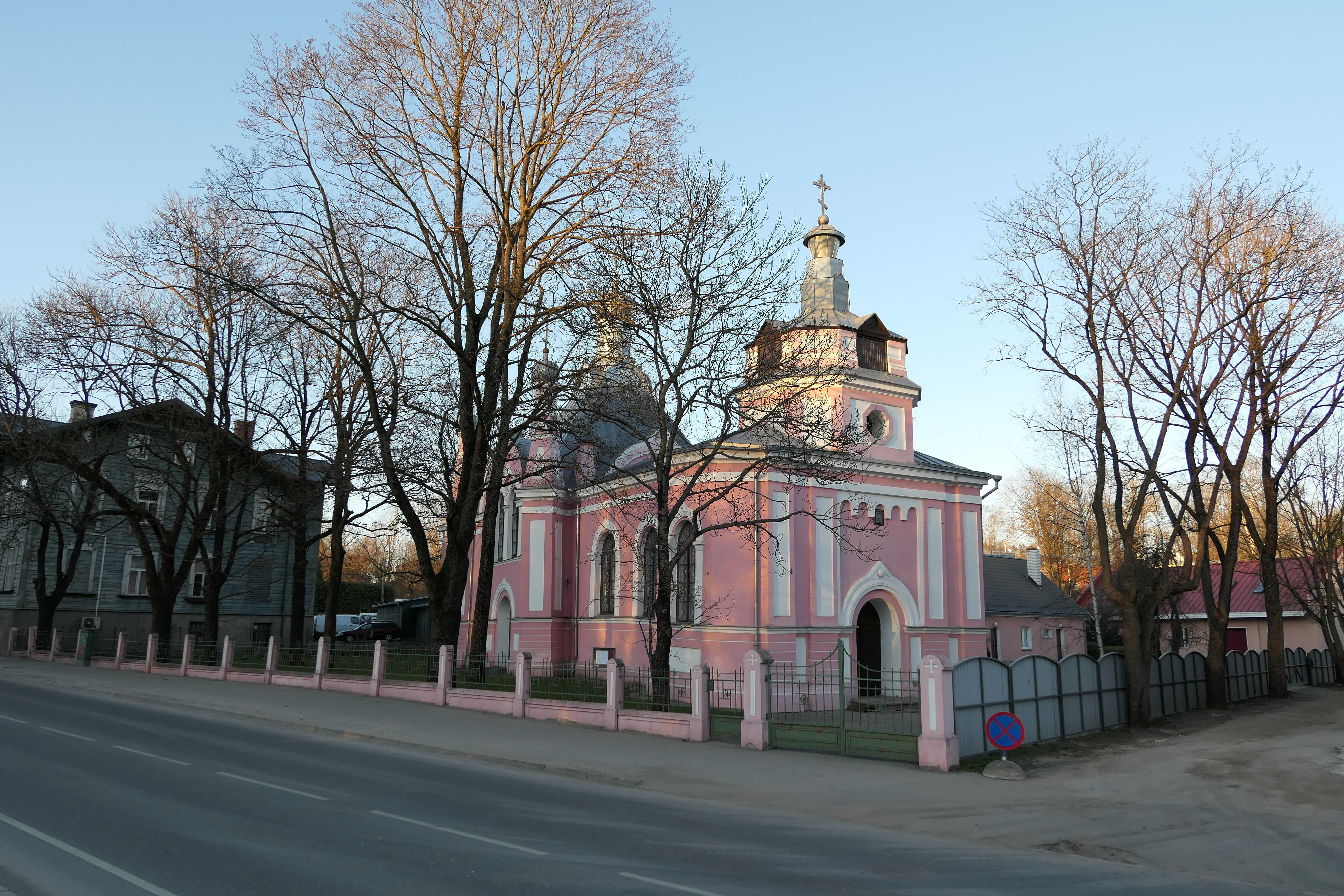
St Zachariah’s and St Elizabeth’s Orthodox Church in Räpina

St Zachariah’s and St Elizabeth’s Orthodox Church in Räpina is a neo-Classical oblong building consisting of three parts. In the Western part there is a bell tower and in the Eastern part a crescent-shaped apsis. A cupola with a tambour is in the middle of the building. The exterior of the building is in classical style, incorporating cornices and rustic work. Simple iconostasis of the 19th century catches the eye in the interior.

  • Churches

Estonian Evangelical Lutheran Church of Blessed Virgin Mary in Torma

Church of Blessed Virgin Mary in Torma is a late baroque trapezoidal aisleless church. The completed church was blessed in 1767 and in 1868, it was made more pseudogothic.There is a cup-shaped pulpit and people compare it to Noah’s ship. Services are held at the Church of Blessed Virgin Mary in Torma every Sunday at 11 a.m.

  • Churches

Äksi St. Andrew’s Church of the Estonian Evangelical Lutheran Church

This neo-Gothic church with its tall and slender tower is an integral part of the beautiful landscape of Vooremaa. The church has a spacious and stylish Historicist interior. The church is thought to have been built in 1770 and was reconstructed in 1889. A monument to the pastor and renowned linguist Otto Wilhelm Masing can be found in the Church Manor (1989).

  • Collaboration
  • News
  • Contacts
  • Privacy Policy
Join our mailing list!

"*" indicates required fields

This field is for validation purposes and should be left unchanged.
I authorise marketing

Southern Estonian Tourism Cluster

info@visitsouthestonia.com