• Открой
    • Еда
    • Природа
    • Культура
    • Семья
    • Спорт
    • Сообщество
    • Блог
    У Вас появились свободные выходные, чтобы провести с детьми? Здесь собраны лучшие места в Южной Эстонии для семейного отдыха
  • Планируй
    • Размещение
    • Информация
    • Varamu
    Sustainability
RUS
  • РусскийRUS
  • EestiEST
  • EnglishENG
  • LatviešuLAT
  • SuomiFIN
RUS
  • РусскийRUS
  • EestiEST
  • EnglishENG
  • LatviešuLAT
  • SuomiFIN
Populaarsed otsingud:
Näita kõiki tulemusi
  • History & Culture
  • Architecture and history

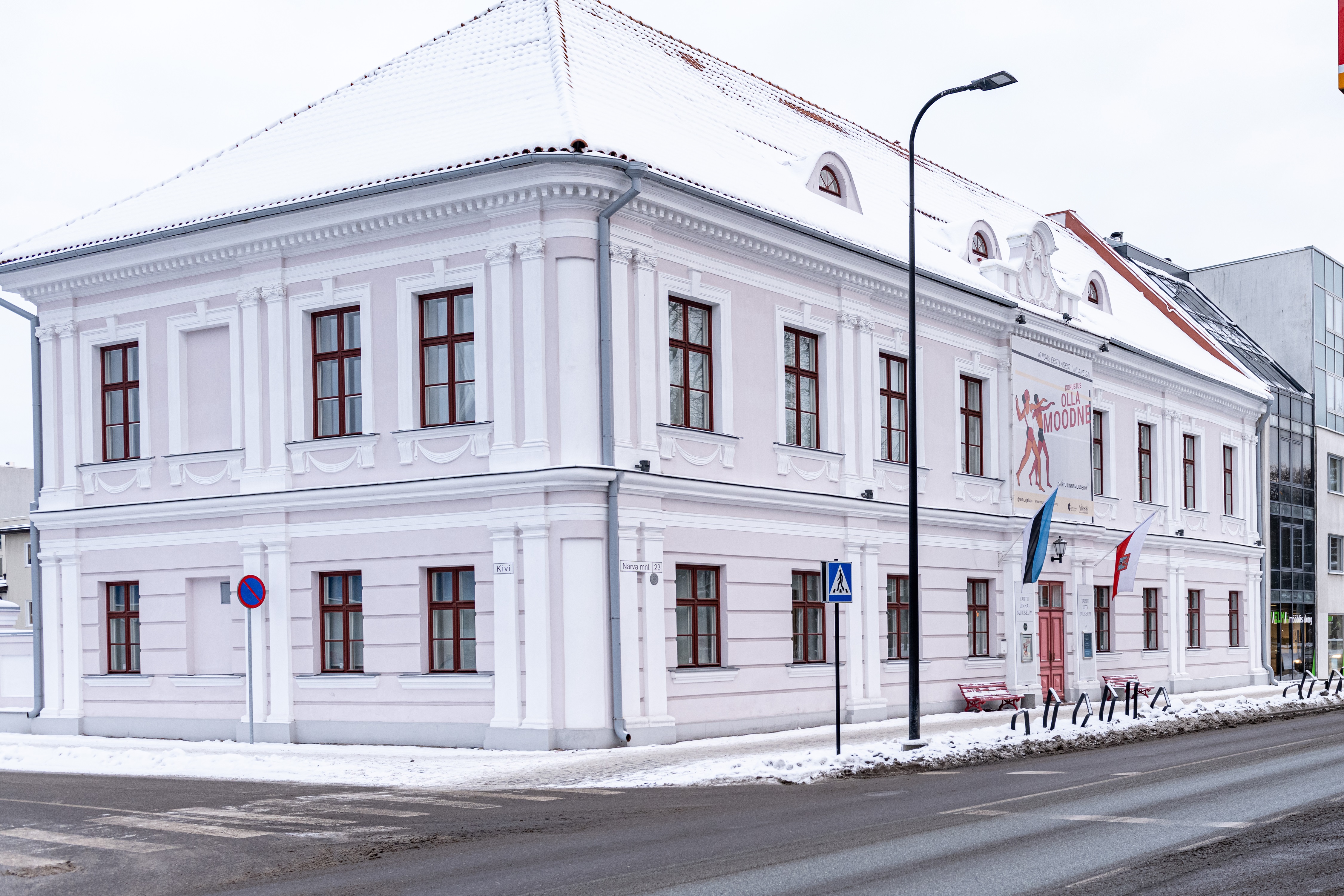
Tartu Katariina House

Narva mnt 23, Tartu linn, Tartu maakond, 51009

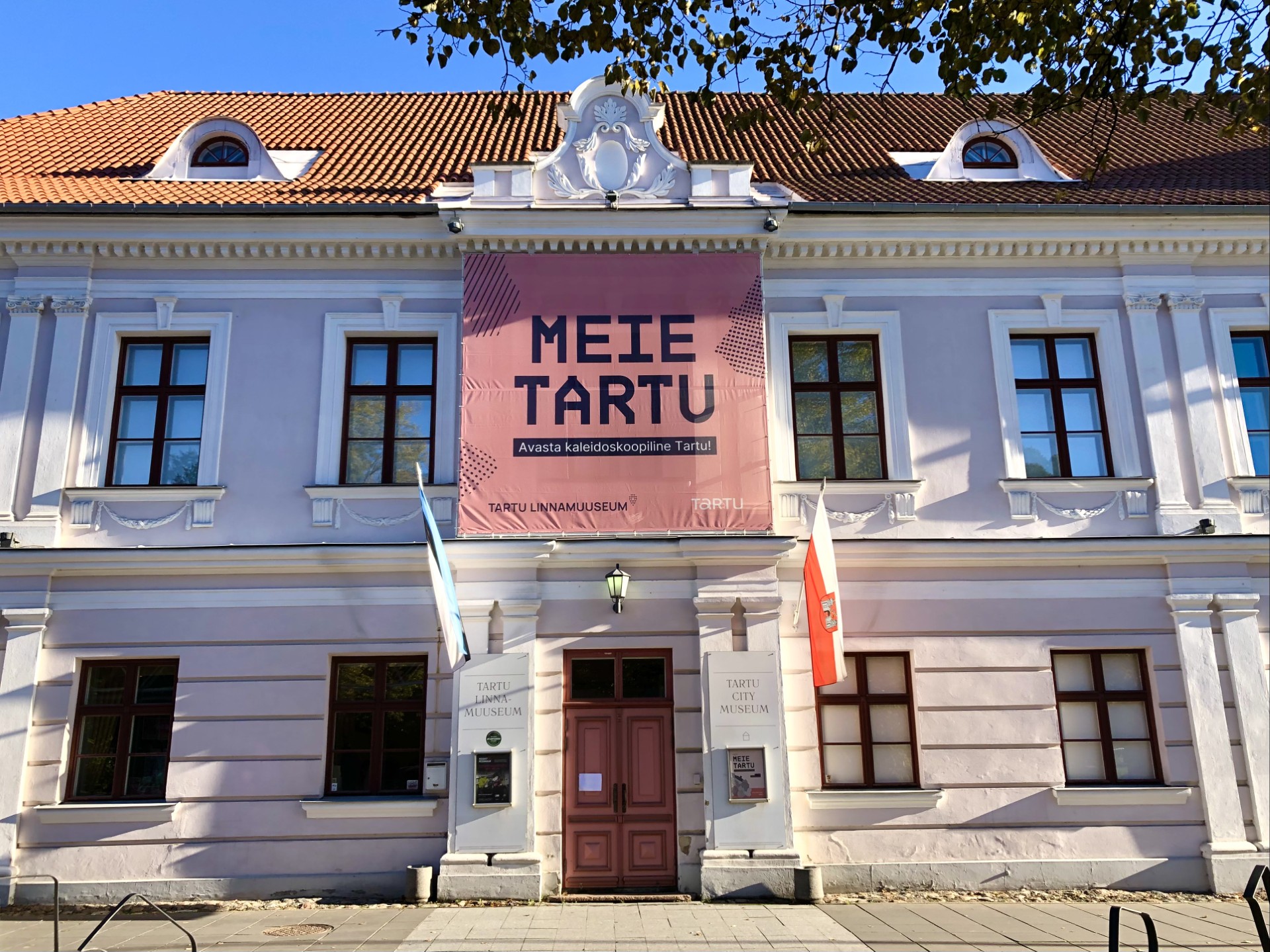
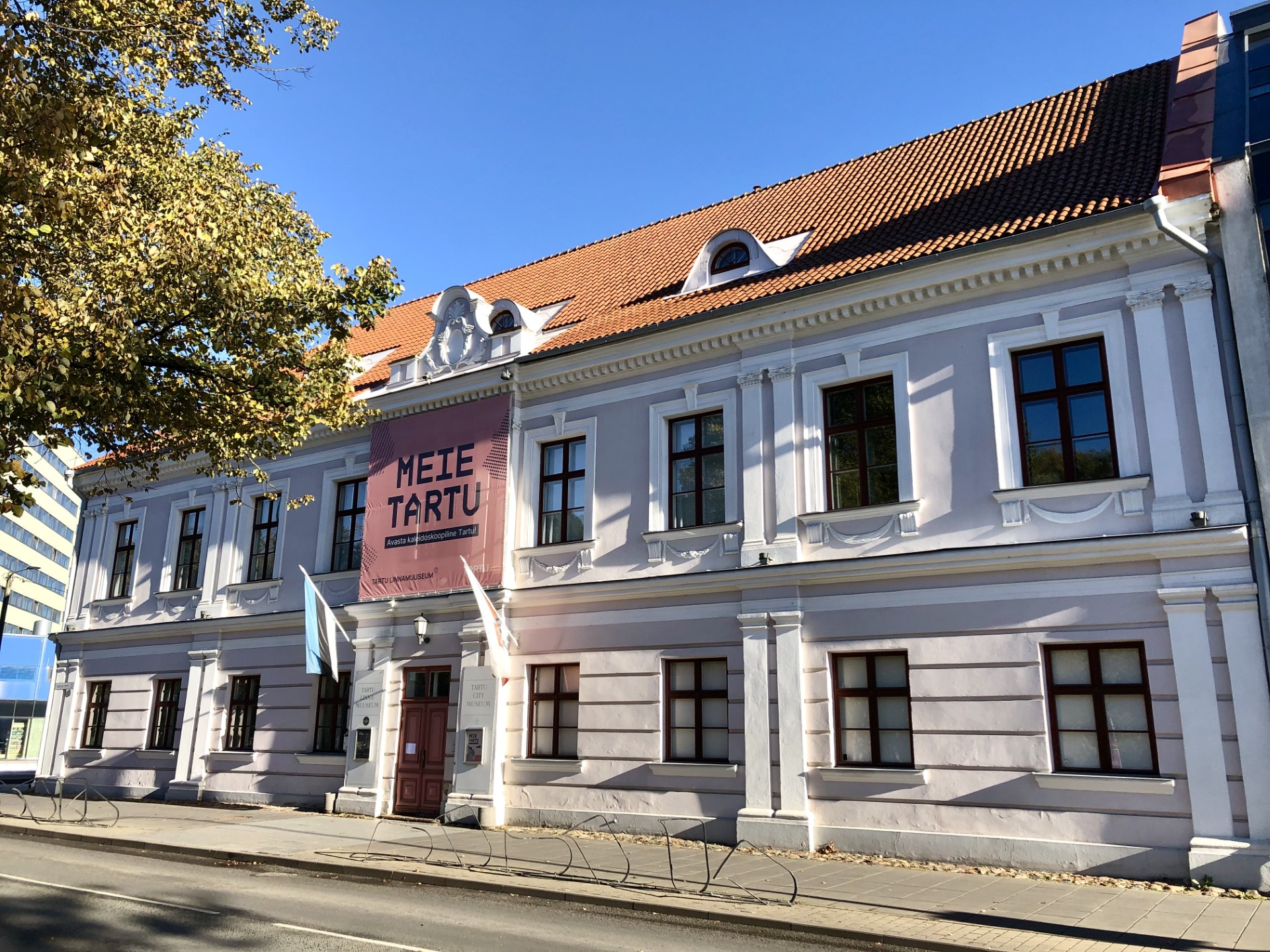
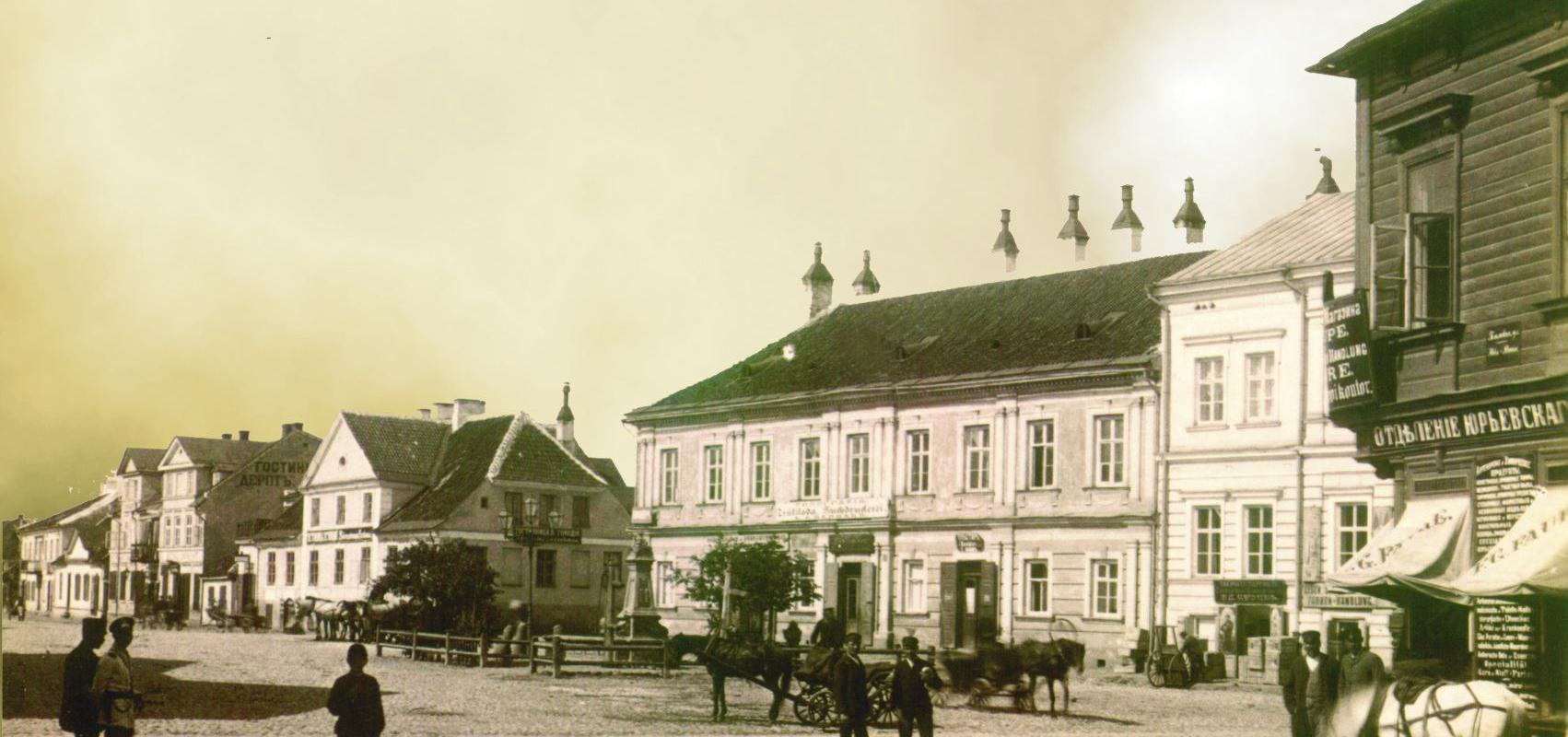
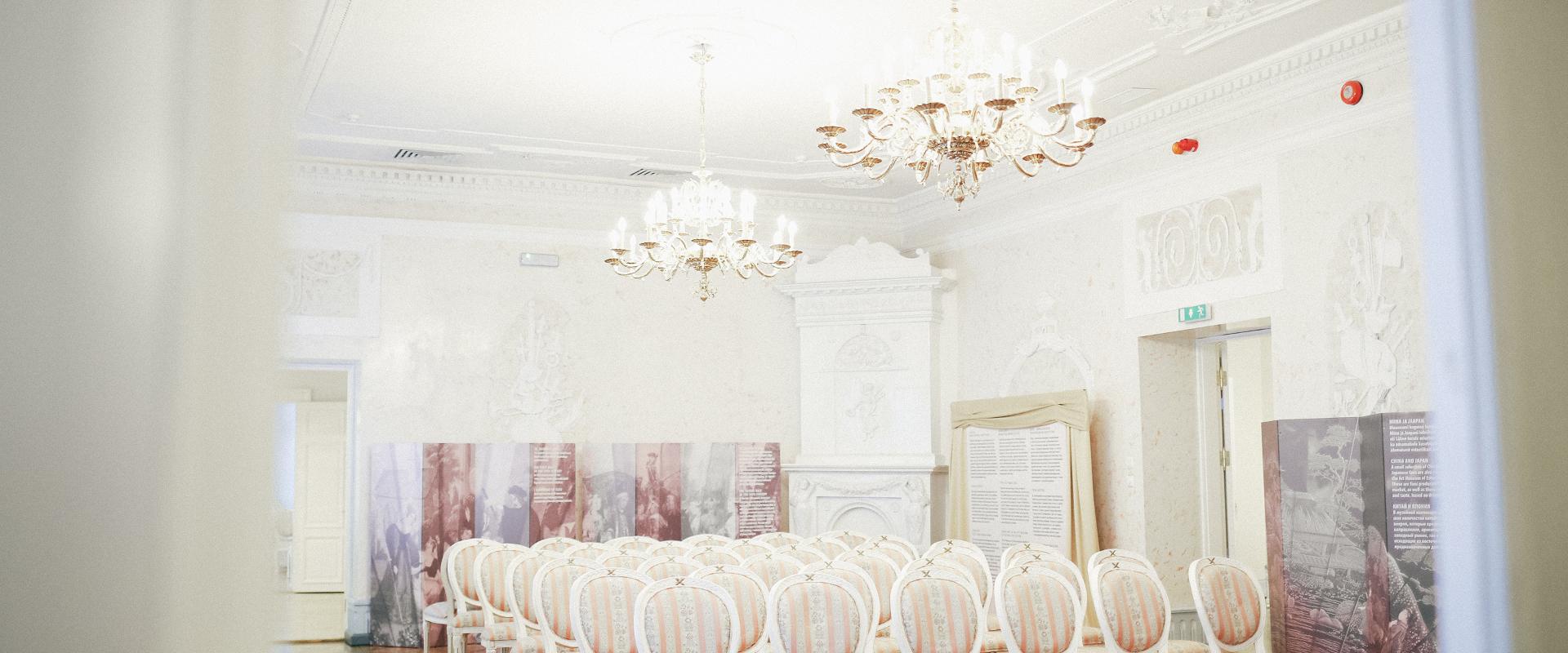
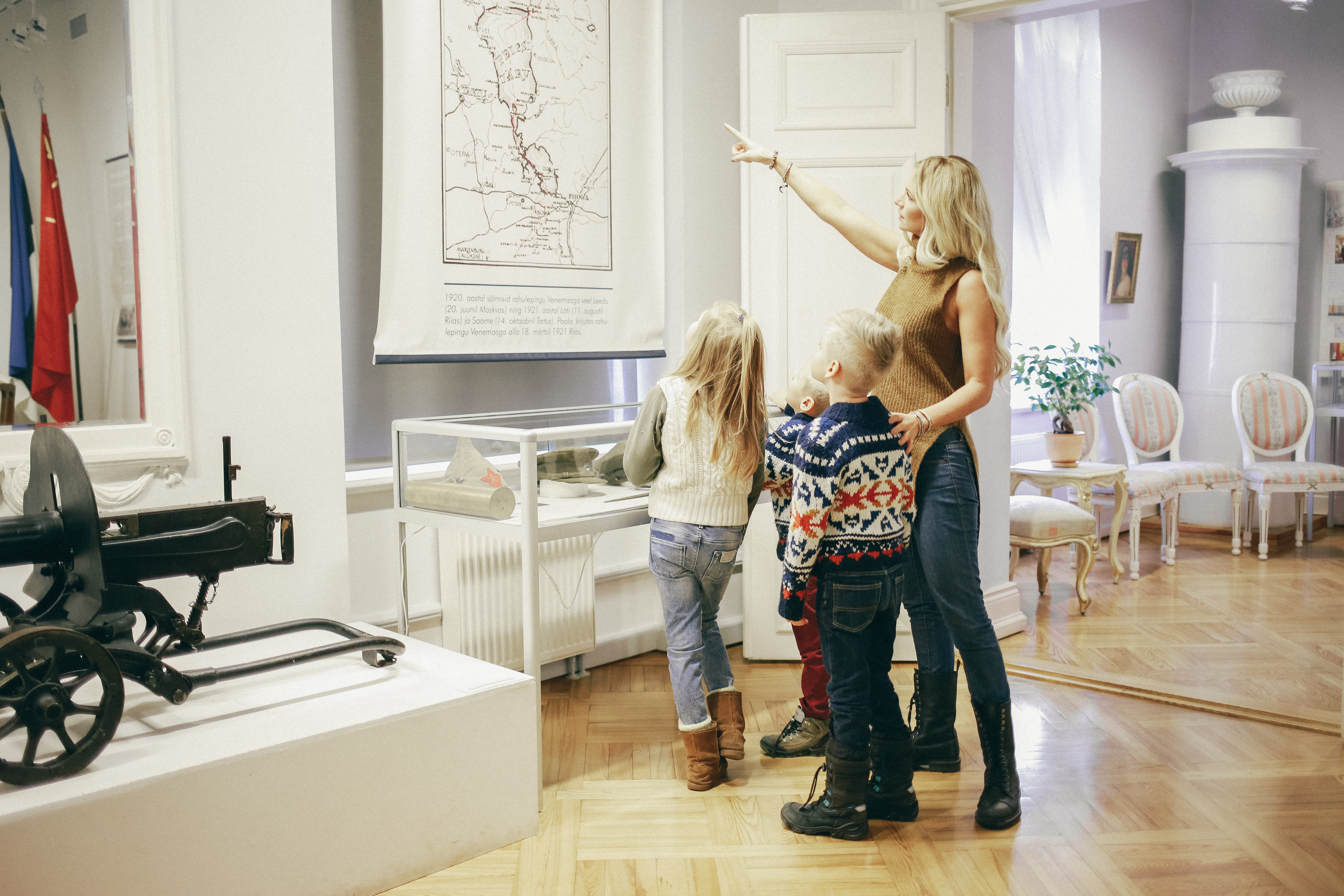
When walking in the Old Town of Tartu, head also for the other side of the riverbanks where you will see the early classicist Pistohlkors or Katariina House. It is a building from the 18th century that used to belong to Lieutenant WC von Pistohlkors. The interior design of the building’s hall in the style of Louis XVI is worth special attention. Tartu Town Museum is currently located in Katariina House.Interesting facts: — people know the house as Katariina House. There is a legend according to which Empress of Russia Catherine II (Katariina in Estonian) stayed in this house. However, there is no truth in the legend. — The house was designed by famous architect JHB Walter, who also designed the Town Hall of Tartu.
Mugavused

  • Information boards
  • Free parking

Часы работы

Круглый год

K-P11:00 - 18:00

Контакты

  • +372 746 1911
  • linnamuuseum@muuseum.tartu.ee

Ссылки

linnamuuseum.tartu.ee

Подробнее

  • Churches

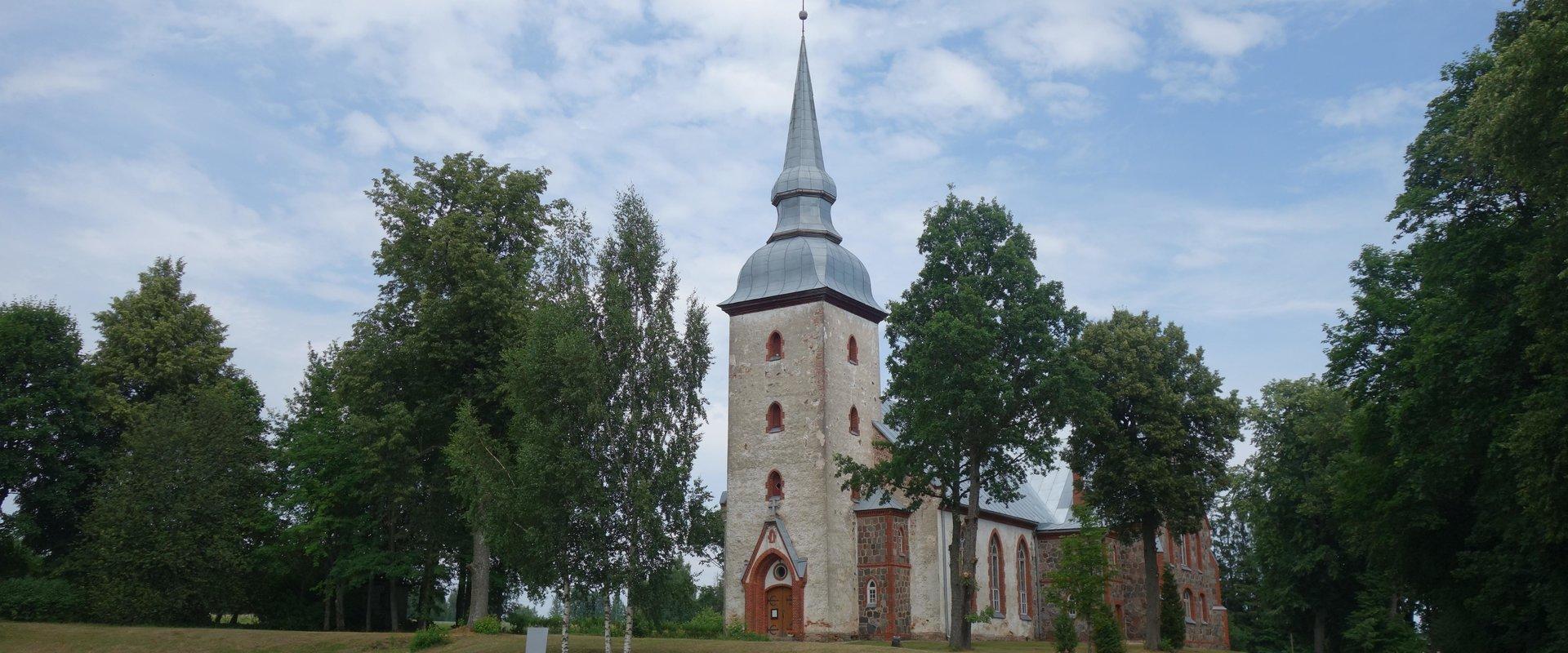
Vastseliina Church

Vastseliina Castle was built in 1342. The Swedish Army gave the order to build another church outside the walls of the castle as an addition to the Vastseliina Castle Chapel. The new church was consecrated as St. Catherine's Church. The church was destroyed together with the Vastseliina Castle by Russian cannon fire. Another church was built, and construction began on a stone church. Von Liphardt donated an organ made by Kessler and an alter painting by Baron Maydell to the church. Vastseliina Church was reconstructed according to the plans of the architect Pohlmann. In 1911 the church obtained a new organ built by the brothers Kriisa. Church service is held on Sunday.

  • Monuments

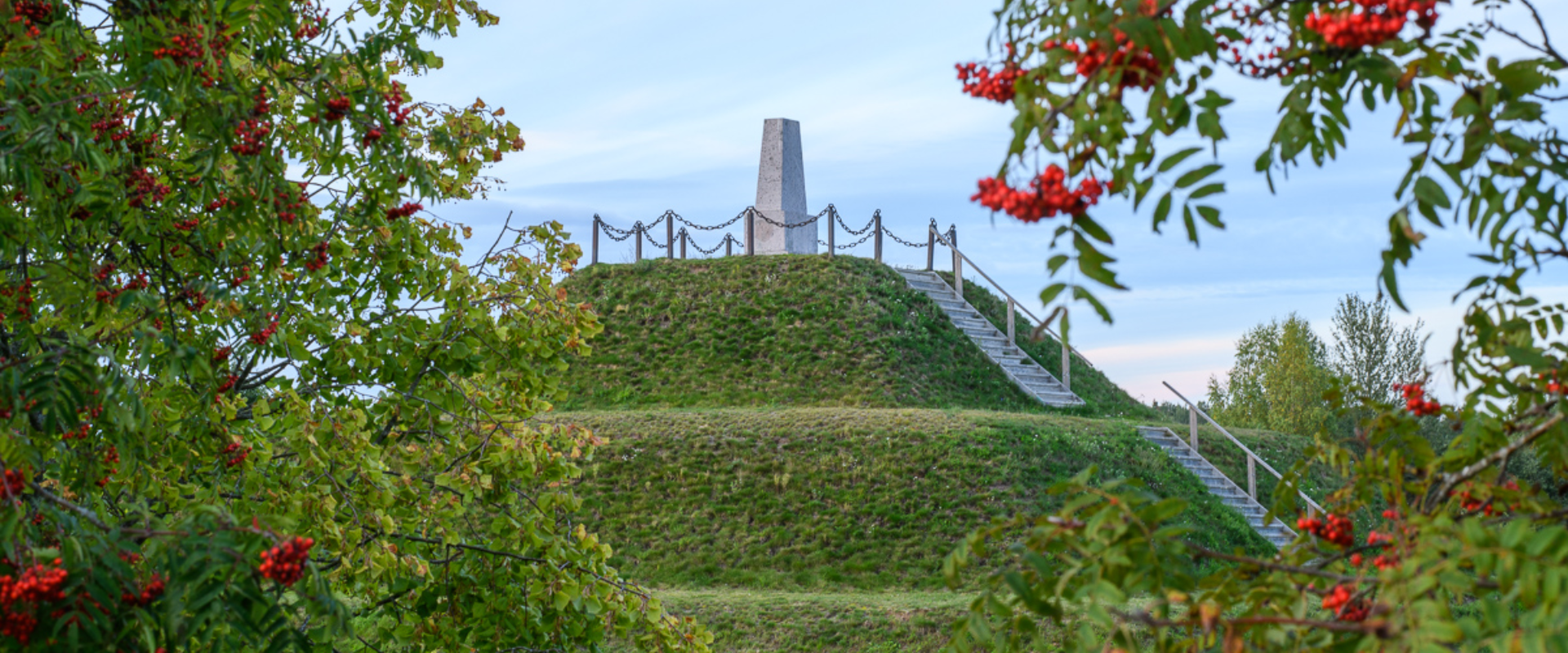
Paju Battle Memorial

One of the most important battles of the War of Independence took place near the Paju Manor on 31 January 1919. The Northern Sons Regiment that consisted of Finnish volunteers also fought for the independence of Estonia over here. The most legendary commander in the War of Independence, Lieutenant Julius Kuperjanov, was fatally injured in the battle. The battle memorial is a granite pillar on a three-level pyramid, which was reopened on the 75th anniversary of the battle on 30 January 1994.Interesting facts: * the memorial was opened by President of the Republic of Estonia Lennart Meri; * a memorial tablet to the Northern Sons who fell in the battle can be found on the wall of the Valga Jaani (St John’s) Church.

  • Churches

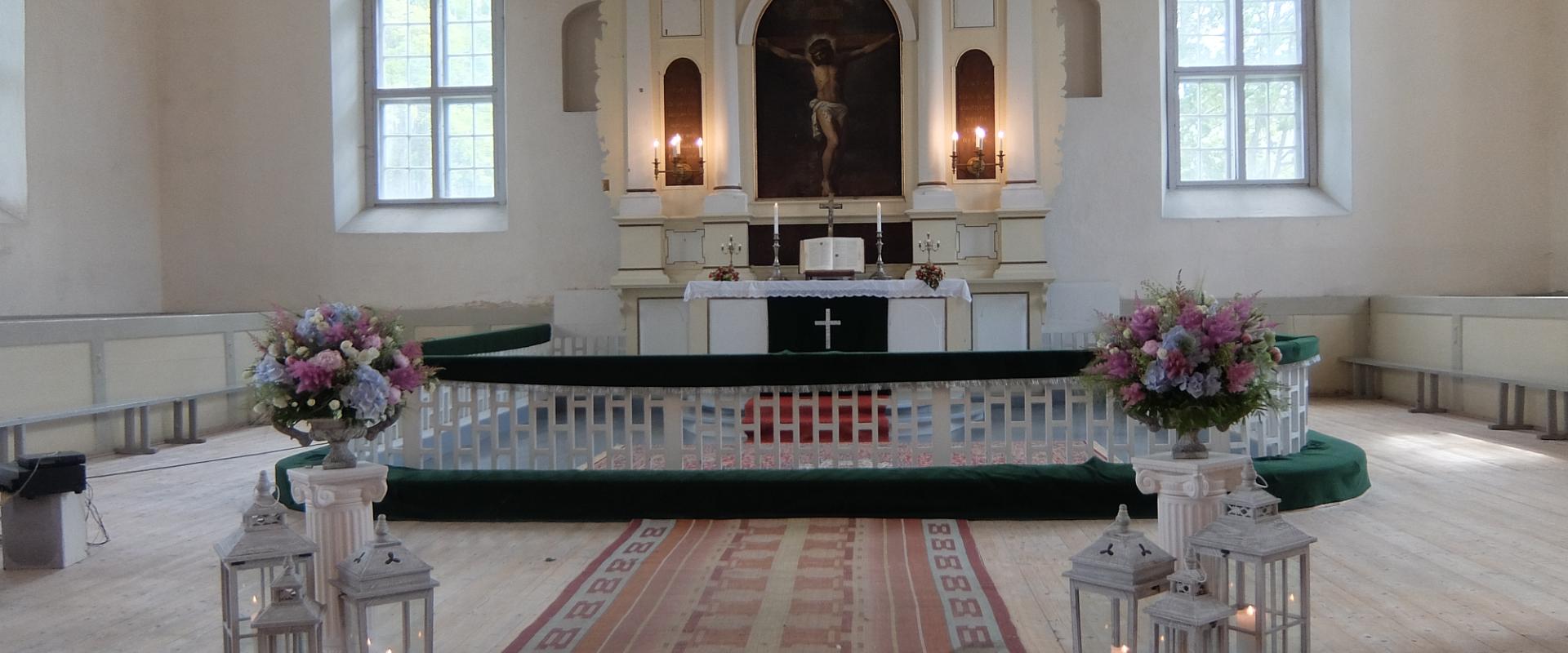
St. Mary’s Church in Rõuge

The first stone church was constructed in Rõuge in the 16th century. In 1730, the original church, which was destroyed in the Great Northern War, was replaced with one which had an imposing square tower. The church was blessed in the name of St. Mary. The altar-piece "Christ on the cross" by R. von Mühlen is from 1854. In 1860 the walls were made higher and a mirrored arch was installed. In 1930 the church got a 31-register organ built by the Kriisa brothers. The first Estonian pastor in Rõuge was Rudolf Gottfried Kallas.Useful information! You can attend mass at the church every Sunday at 11:00 and in summer, the church is used as a wayfarers' church. Entrance to the tower is for a fee (grown ups 1.50, children 1 and family ticket 3 euros).

  • Nightclubs

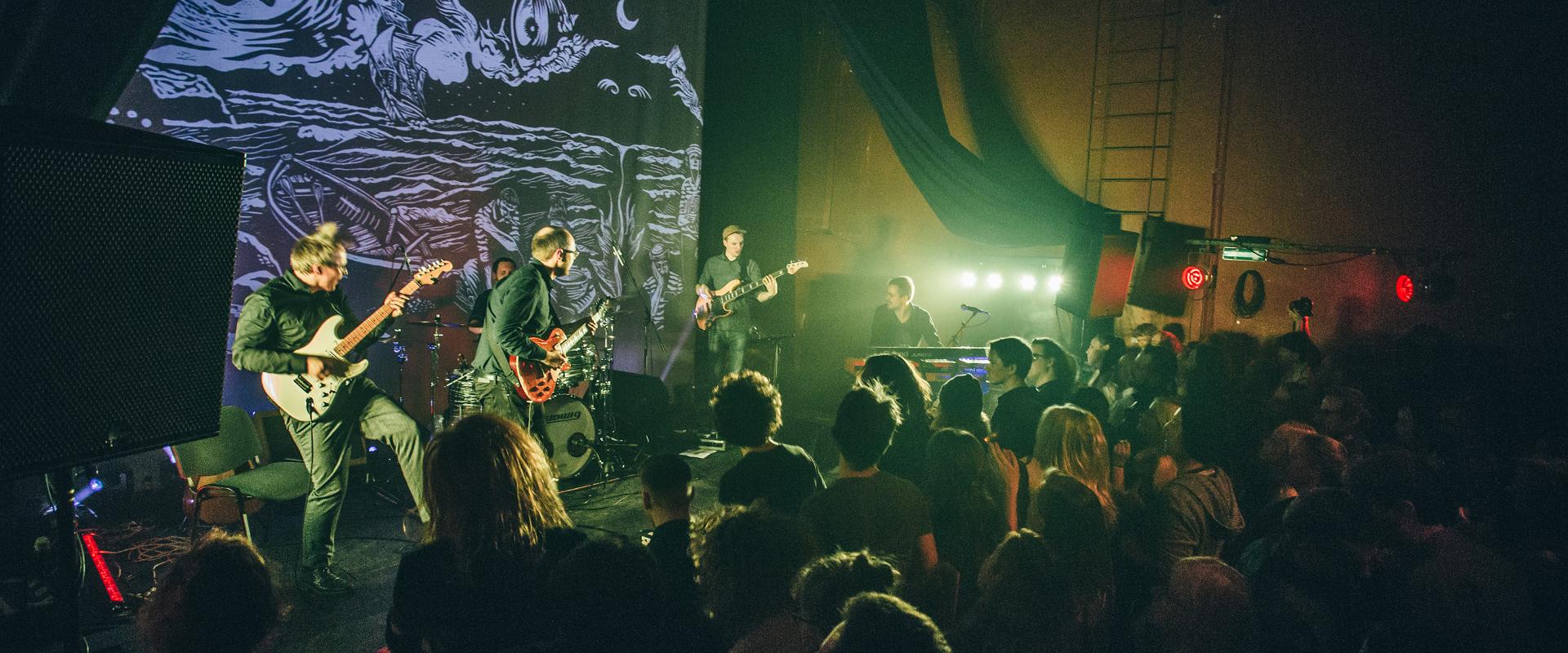
Genialists’ Club

A building for Tartu’s subculture, a meeting place and party venue for special and open people – Genialists’ Club connects theatre, music, cinema, and joy. There is no elite culture, mass culture, or non-culture. There is only that which touches you and that which does not. There are ideas. There is tolerance. There is openness.You, too, can be in the club! However, we will not make you if you do not like it. Not everybody likes it here.The building is also home to the radio station Generaadio, the theatre Must Kast, the bar MÖKU, the record shop Gramophonetree Records and the New Yard. You can keep an eye on the programme via our website at www.genklubi.ee or on Facebook.

  • Family friendly
  • Guided tours

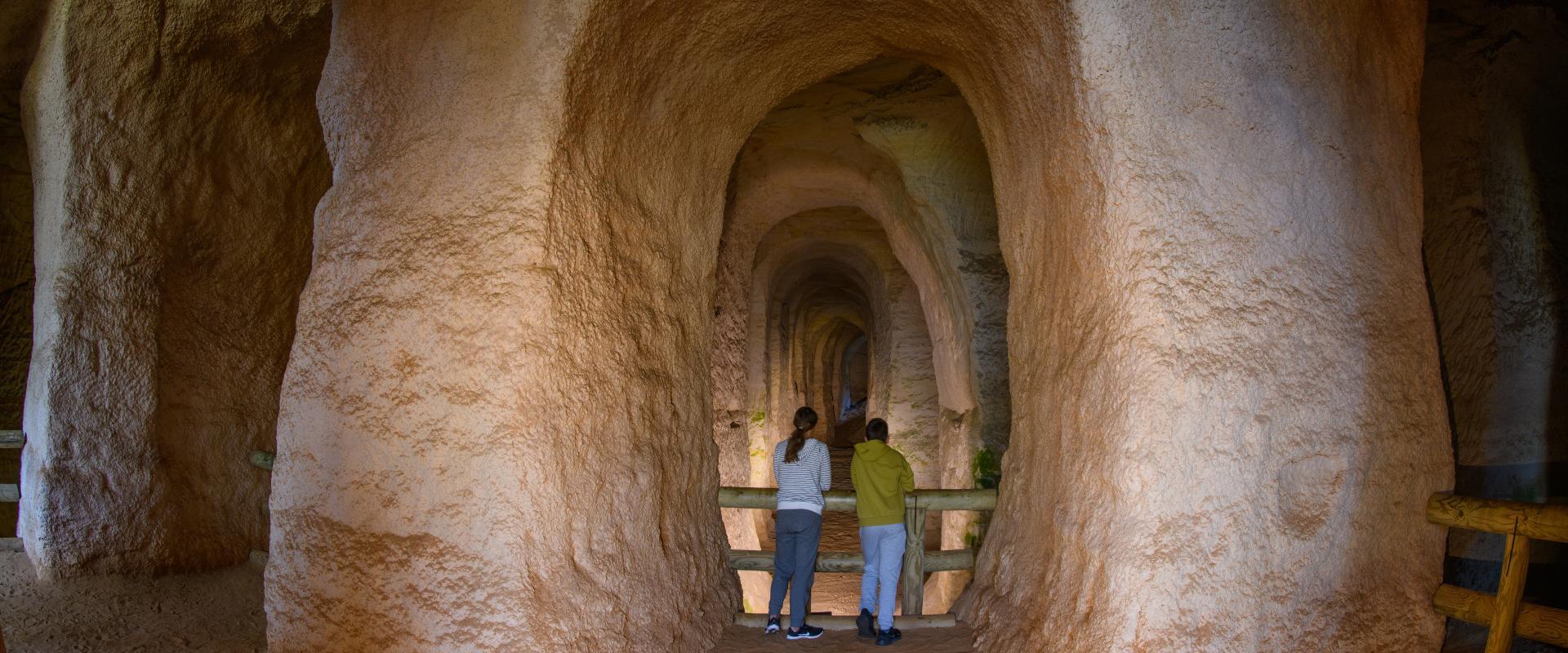
Piusa visitor centre

Tunnels dug in the bright sandstone of Piusa's caves are undoubtedly one of the best-known tourist attractions in ancient Võromaa. For several years now, a fun bat-shaped visitor centre has been waiting here for visitors. The Piusa visitor centre has a cafe, seminar room, craft room, cinema hall and numerous exhibits. Guests can watch a movie about bats, the most important inhabitants of caves, in the cinema hall, and then head along with a guide to the museum cave viewing platform. There are no bats in the caves in the summer because they only come here to winter. Right behind the museum cave is Piusa sand quarry, Estonia's largest sandbox. The Piusa visitor centre and the picturesque sandy hills offer a unique experience where nature and history intertwine – the mysterious caves of former glass sand mines can be discovered here and the most beautiful views of the sand quarry in Estonia can be enjoyed. With its steep slopes and sandstone outcrops, the Piusa sandy hills are like a natural adventure park that captivates both hiking enthusiasts and photographers.

  • Guided tours
  • Workshops

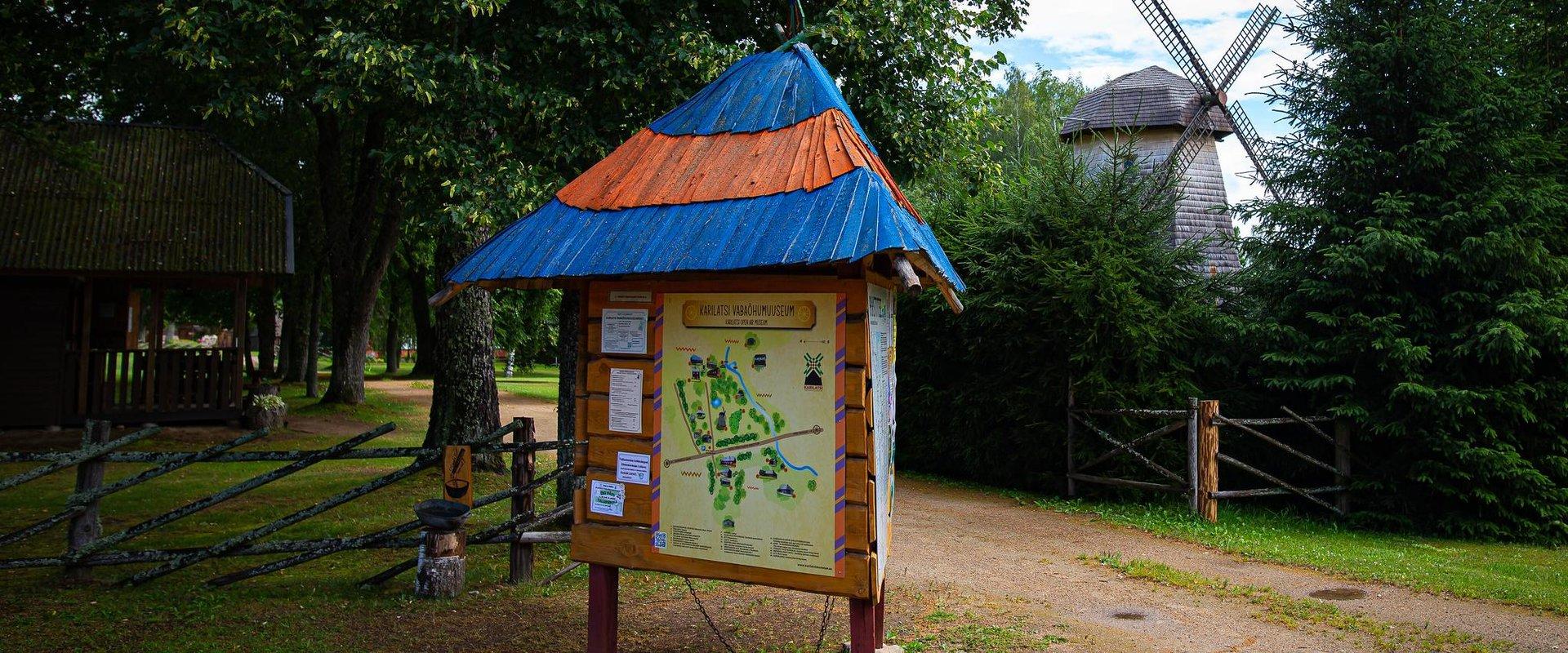
Karilatsi Open Air Museum

Karilatsi Open Air Museum is a unique open air museum in Southern Estonia which provides an overview of the life of Vana-Võromaa County about 100 years ago.On the 5-hectare territory of the museum, you can experience moments from the school life and farm work of that time and get to know everyday simple tools. Workshops and lessons on traditions and customs: smoke sauna customs, Võromaa wedding customs, celebrations, folk calendar year, and many other experience programmes (e.g. court session in Võru language, old school lesson). You can see a school, a court, and an almshouse with their smaller buildings, a granary, a barn-dwelling, a cottar farm, and a Dutch windmill. Agricultural machinery and vehicles are also on display. Ticket sales to the museum end one hour before closing.

Mikitamäe Orthodox village chapels

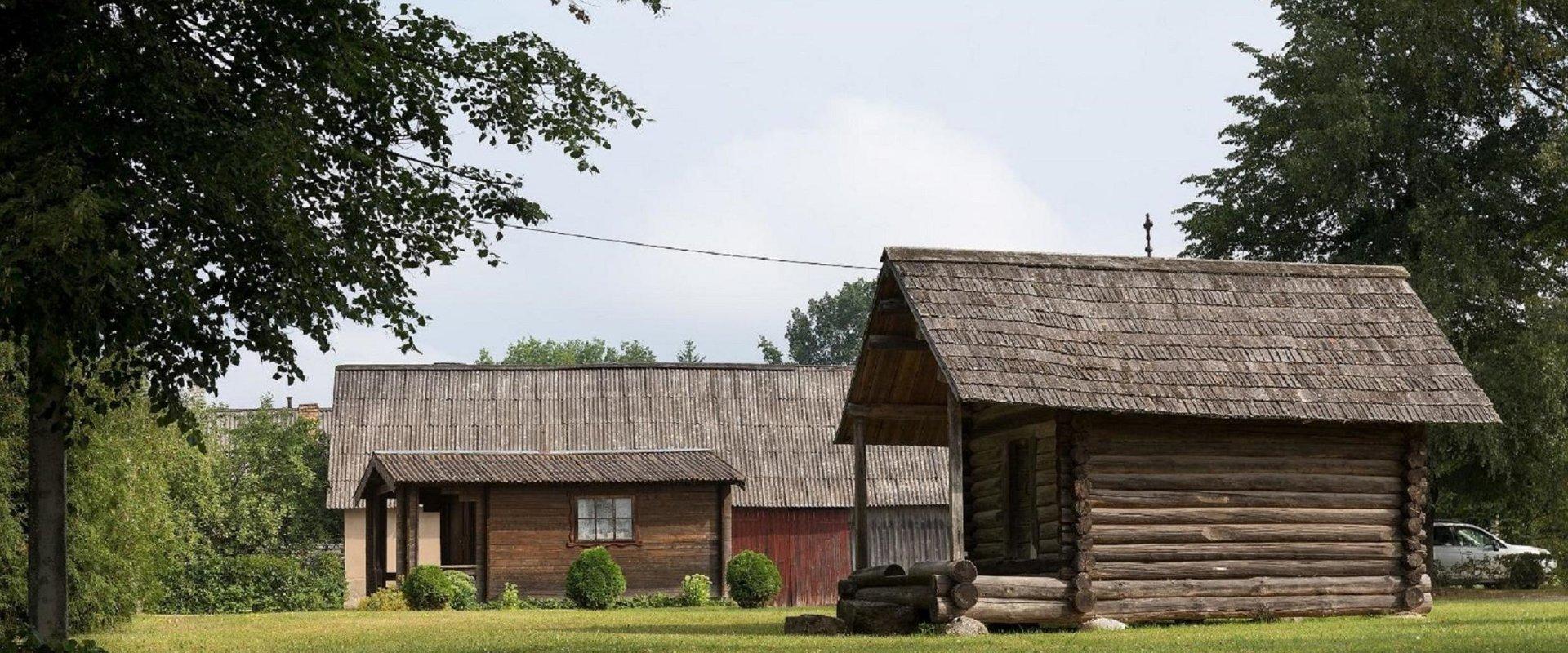
The square in front of Mikitamäe Culture House is called the square of Orthodox village chapels because two Orthodox village chapels are located there next to each other – the old Orthodox village chapel is the oldest wooden building in continental Estonia: it was probably built in 1694. The building was originally located next to the Tartu–Petseri highway. During the Soviet era, it was moved from there. In 2009, the chapel was renovated and brought to the square in front of the former town hall. In 1998, a new chapel was built.Both Mikitamäe Orthodox village chapels are dedicated to Apostle Thomas. The village holiday is celebrated a week after Easter.

Laossina’s Village Chapel

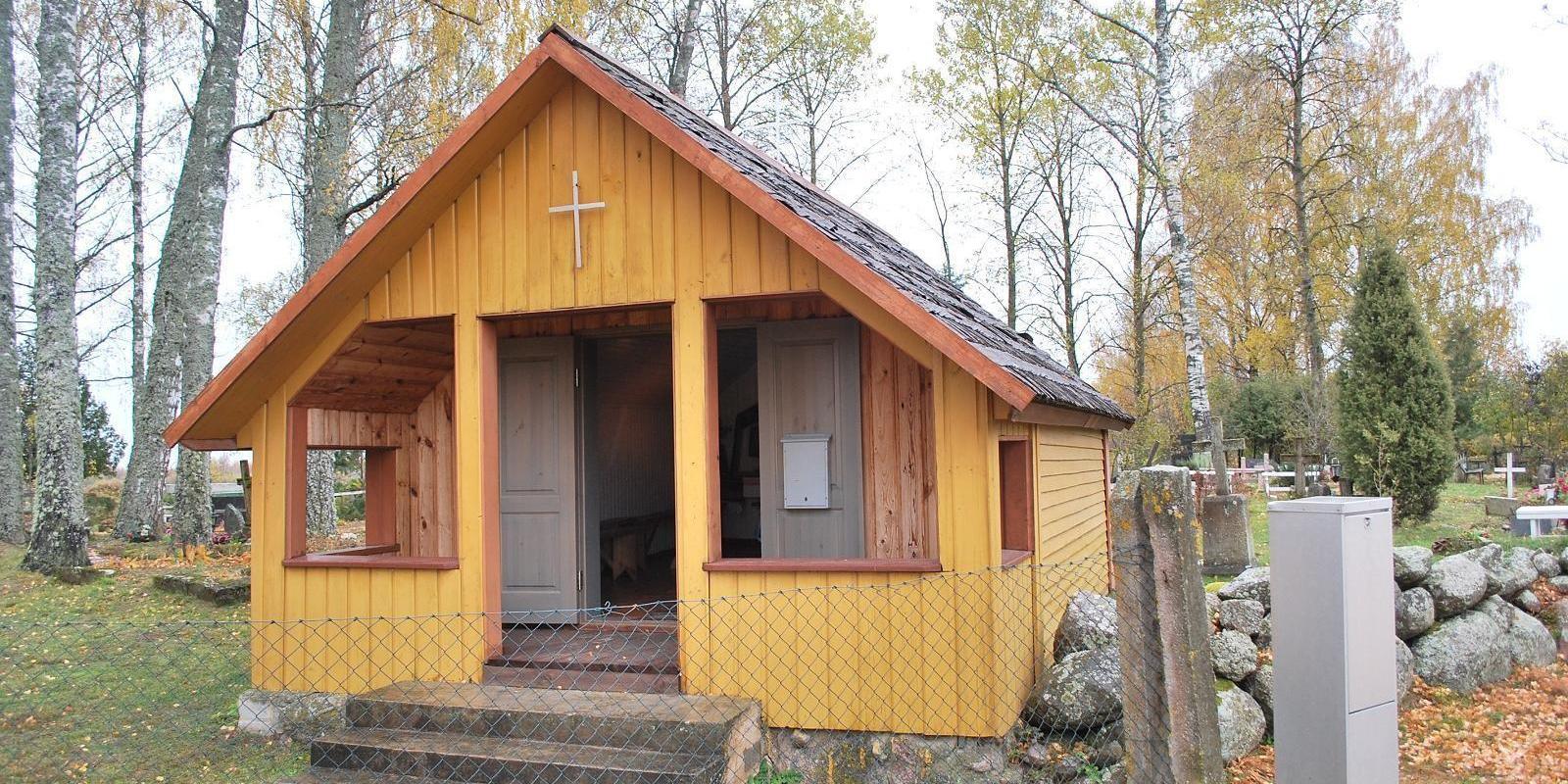
Laossina's village chapel, is located in a medieval village cemetery that is still in use. It was most likely built in 1865. Several medieval crosses stand behind the tsässon. The Virgin Mary is the patron saint of the chapel, and on 21 September, the Nativity of Mary (Seto: väiko-maar´apäiv) is celebrated as a village holiday. People come to the cemetery from near and far, there is a church service, the best food and drink is served in the local graveyard, and then a proper village party, or kirmas, tales place.

  • Privacy Policy

"*"обозначает обязательные поля

Это поле используется для проверочных целей, его следует оставить без изменений.
Я разрешаю маркетинг