• Открой
    • Еда
    • Природа
    • Культура
    • Семья
    • Спорт
    • Сообщество
    • Блог
    У Вас появились свободные выходные, чтобы провести с детьми? Здесь собраны лучшие места в Южной Эстонии для семейного отдыха
  • Планируй
    • Размещение
    • Информация
    • Varamu
    Sustainability
RUS
  • РусскийRUS
  • EestiEST
  • EnglishENG
  • LatviešuLAT
  • SuomiFIN
RUS
  • РусскийRUS
  • EestiEST
  • EnglishENG
  • LatviešuLAT
  • SuomiFIN
Populaarsed otsingud:
Näita kõiki tulemusi
  • History & Culture
  • Architecture and history

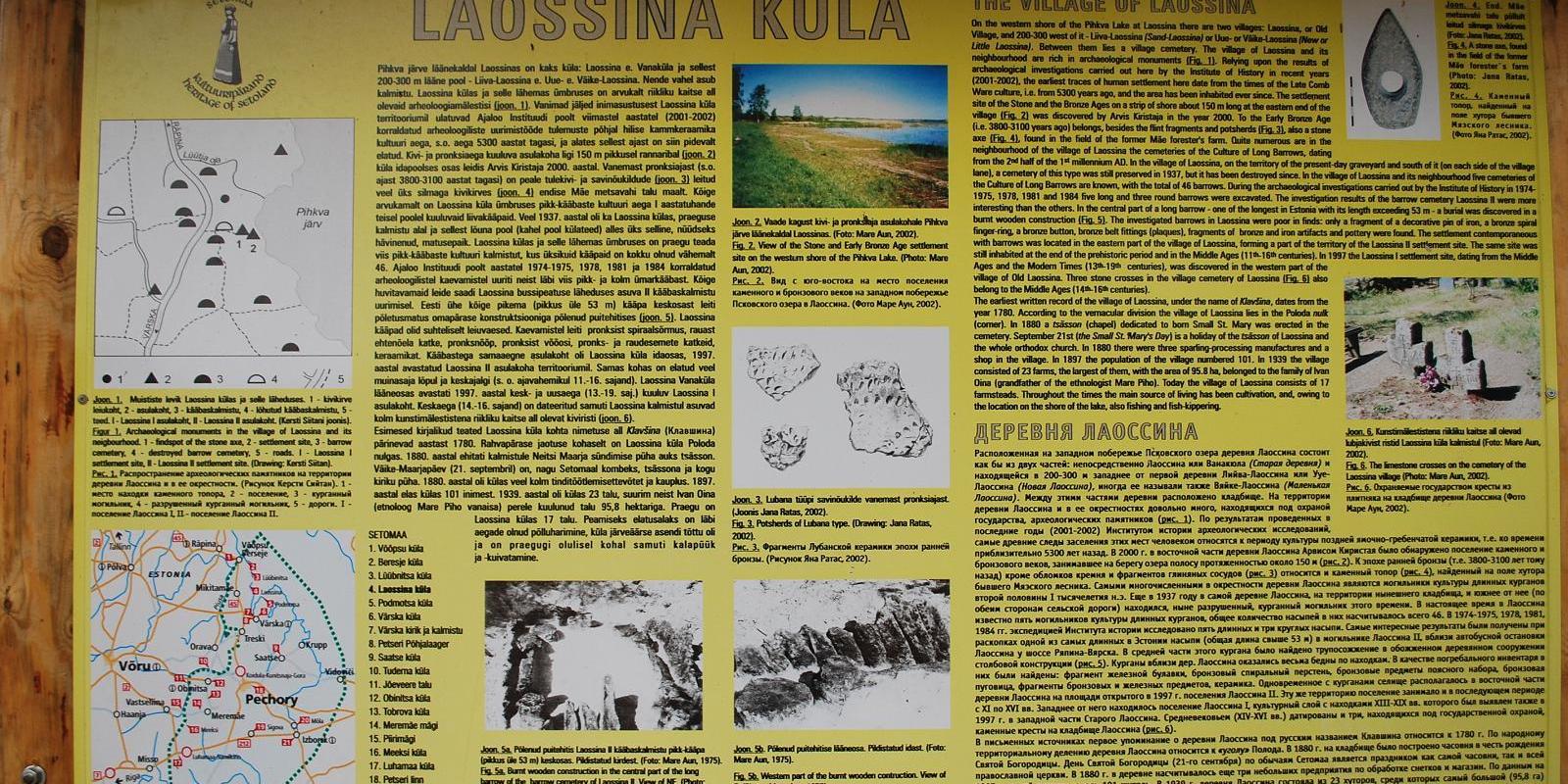
Laossina’s Village Chapel

Setomaa vald, Võru maakond, 64308

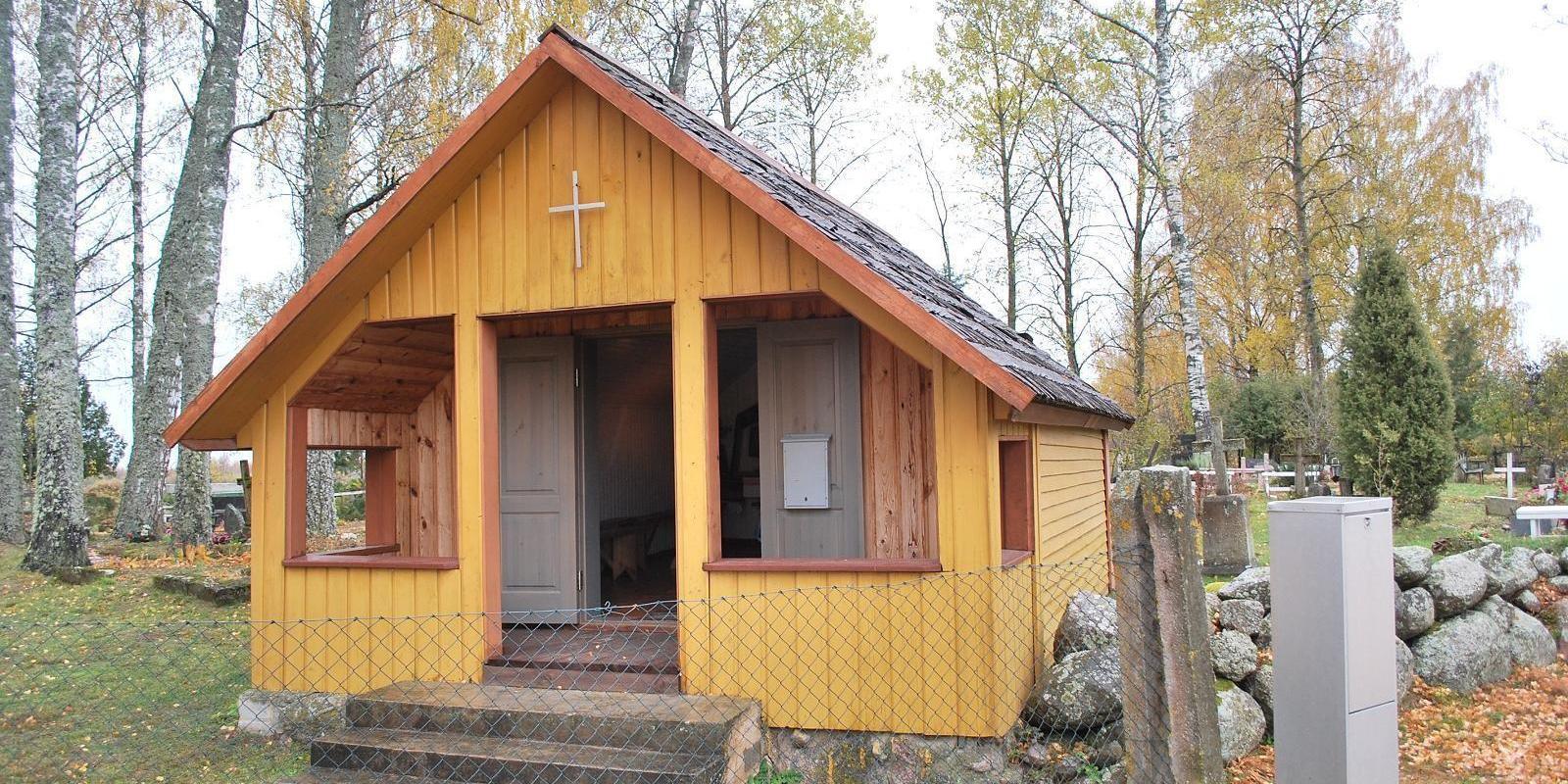
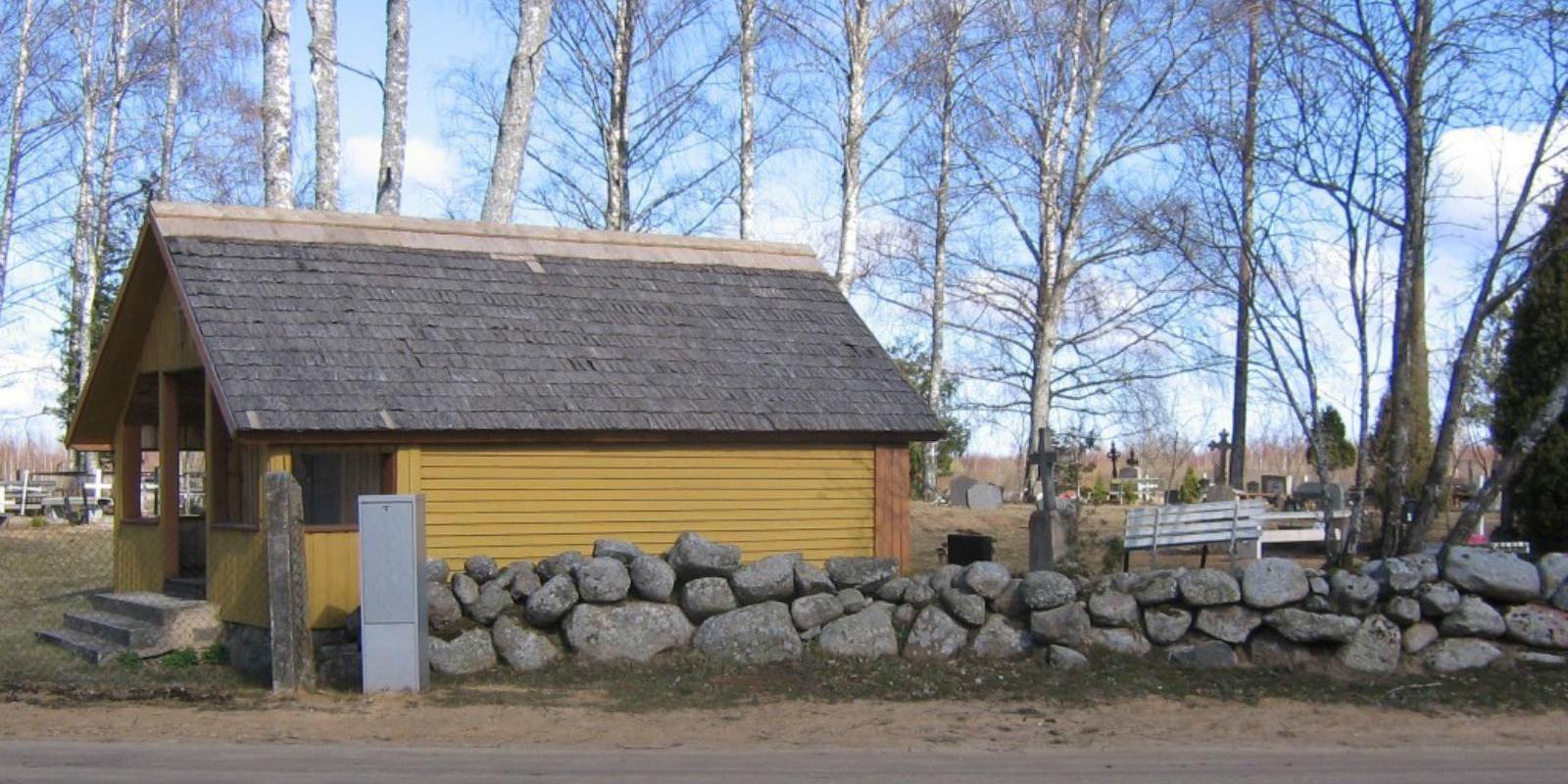
Laossina’s village chapel, is located in a medieval village cemetery that is still in use. It was most likely built in 1865. Several medieval crosses stand behind the tsässon. The Virgin Mary is the patron saint of the chapel, and on 21 September, the Nativity of Mary (Seto: väiko-maar´apäiv) is celebrated as a village holiday. People come to the cemetery from near and far, there is a church service, the best food and drink is served in the local graveyard, and then a proper village party, or kirmas, tales place.
Mugavused

  • Free parking

Часы работы

Круглый год

По предварительному заказу

Контакты

  • +372 5682 1268
  • turism@setomaa.ee

Ссылки

Подробнее

  • Monuments

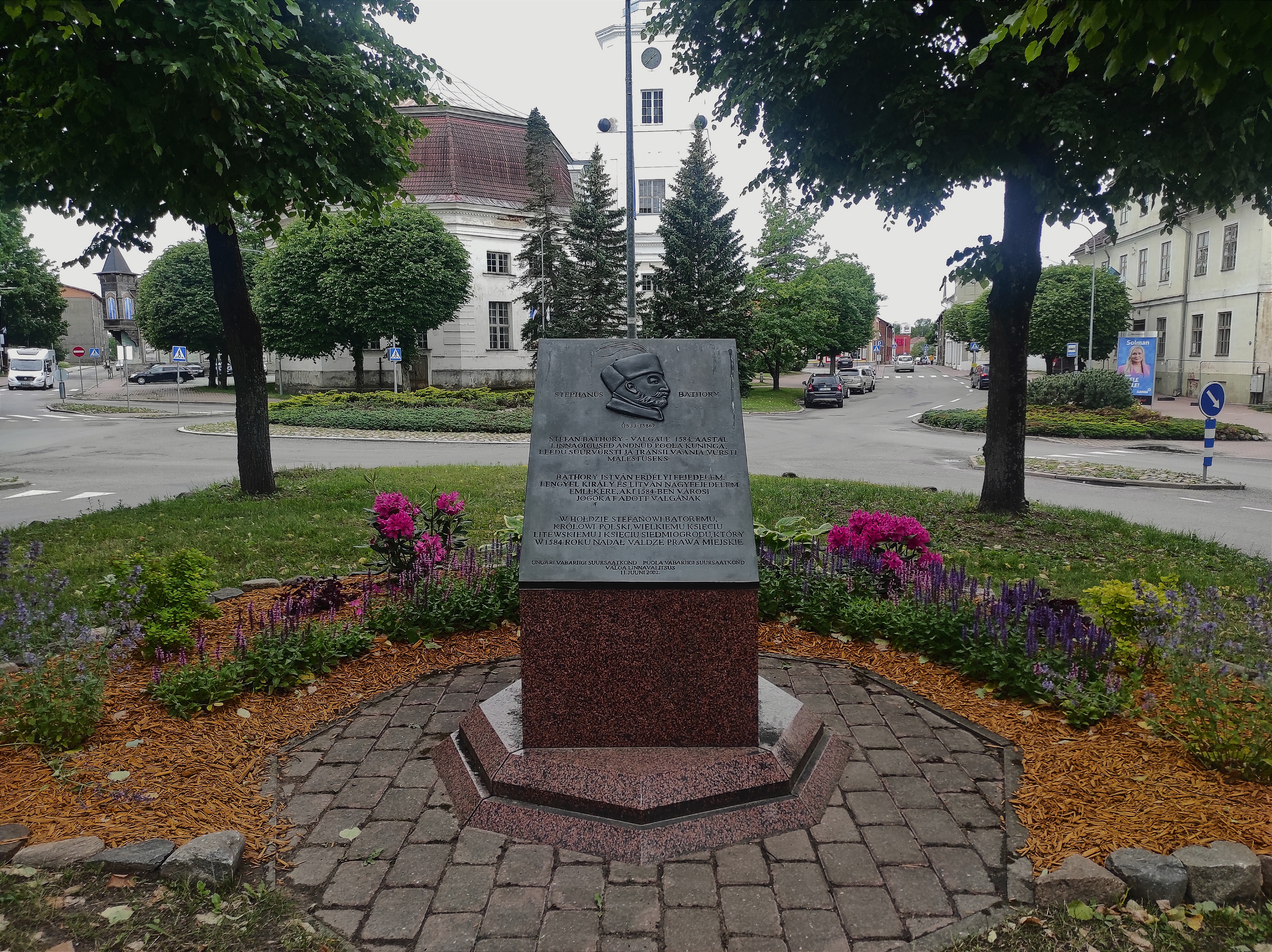
Monument to Stefan Batory

In 1562, Walk (the old name of present-day Valga) along with the rest of Livonia was handed over to Poland as part of the ceasefire agreement of the Livonian War. The city rights of Valga were signed by Polish King Stefan Batory on June 11, 1584, based on his colonization policy. The king believed that land should be granted as hereditary property to new Catholic settlers (peasants, craftsmen, merchants) in Livonia and thereby strengthen Catholicism in Livonia.Therefore, there is a monument dedicated to Stefan Batory on Kesk Avenue in Valga, which was completed in 2002 as a joint effort of the city of Valga, and the Hungarian and Polish embassies.

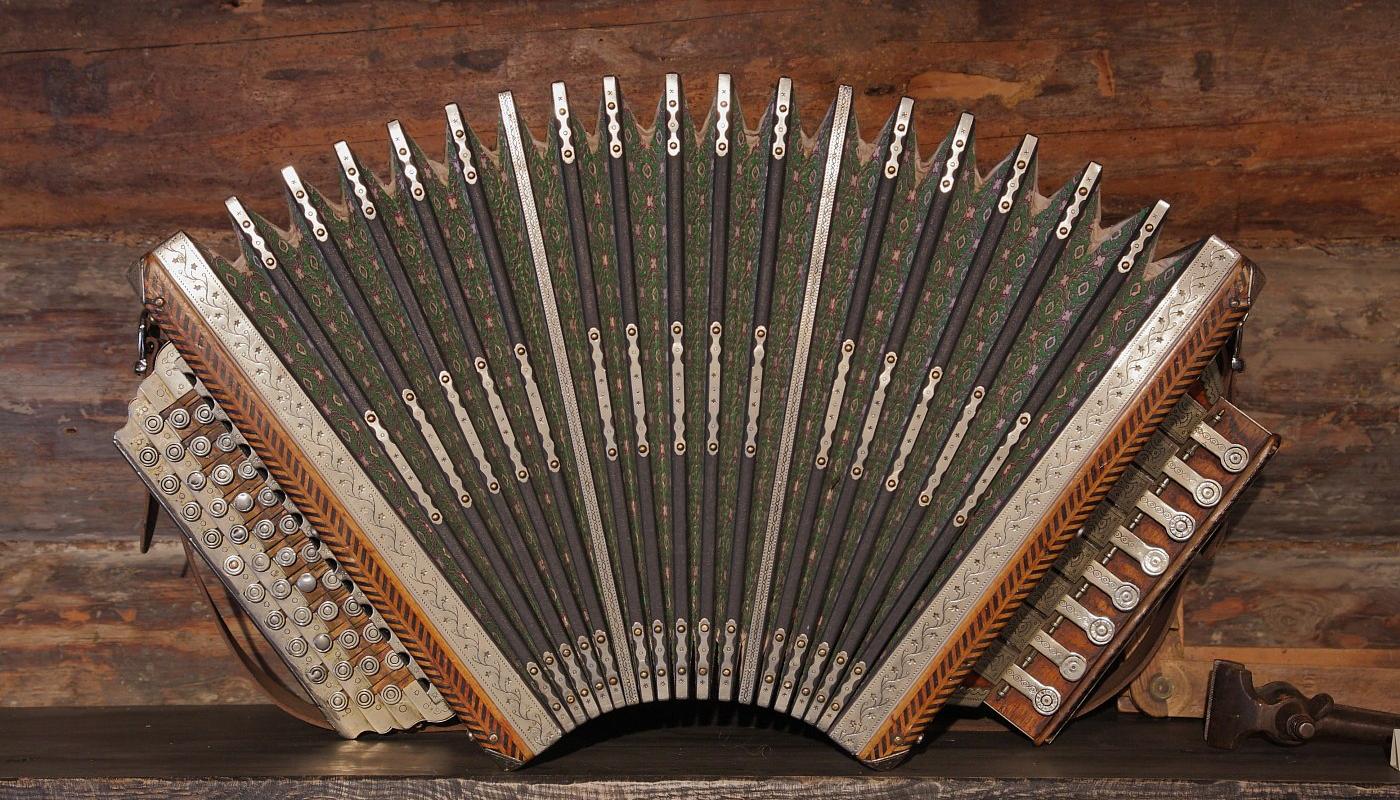
August Teppo’s Accordion Museum

August Teppo was a famous accordionist of Võru County. Today, his home farm has been turned into a museum. Visitors can see his workshop, as well as learn about the lifestyle typical of the era. In addition to the exhibition, the museum also organises trainings and cultural events.Good to know: the museum is only open to visitors upon booking during the summer months.

  • Churches

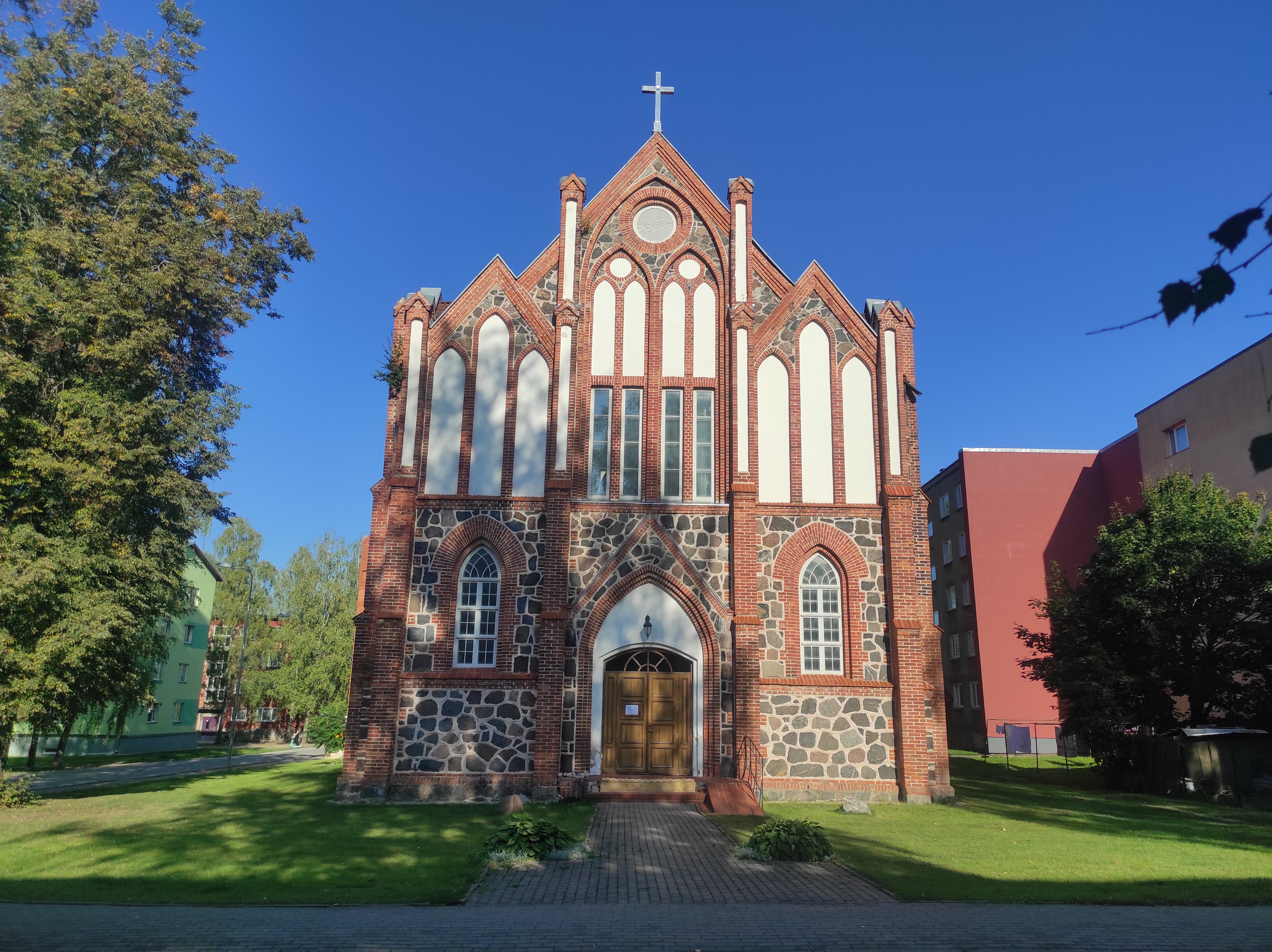
Valga Roman Catholic Church of the Holy Spirit

The church was built of natural stone and bricks in 1907. Lithuanian and Polish railway workers were actively involved in building the church. The church operated until 1940 and from 1945, the building was used as a warehouse and later as a gym.The extension of the church was built in 1995 and the church was renovated. Interesting facts: * the church does not have a tower as the imperial government of Russia refused to give permission to build one.

  • Guided tours

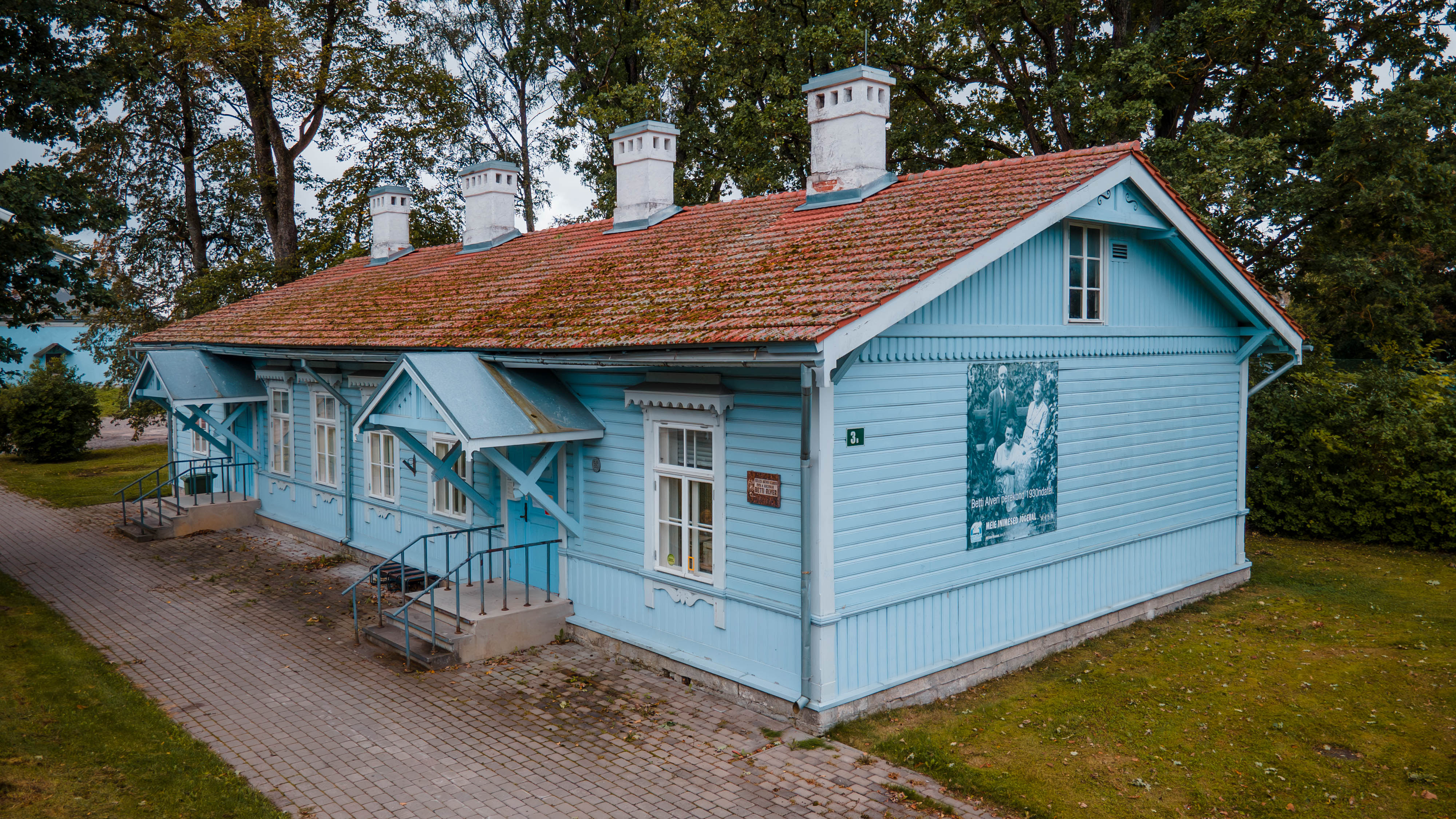
Betti Alver Museum

The museum is housed in Betti Alver’s home next to the Jõgeva railway station.The museum gives an overview of Betti Alver’s life and works, also perpetuates the memory of Alo Mattiisen and acquaints visitors with the historic and cultural heritage of Jõgeva.

  • Guided tours

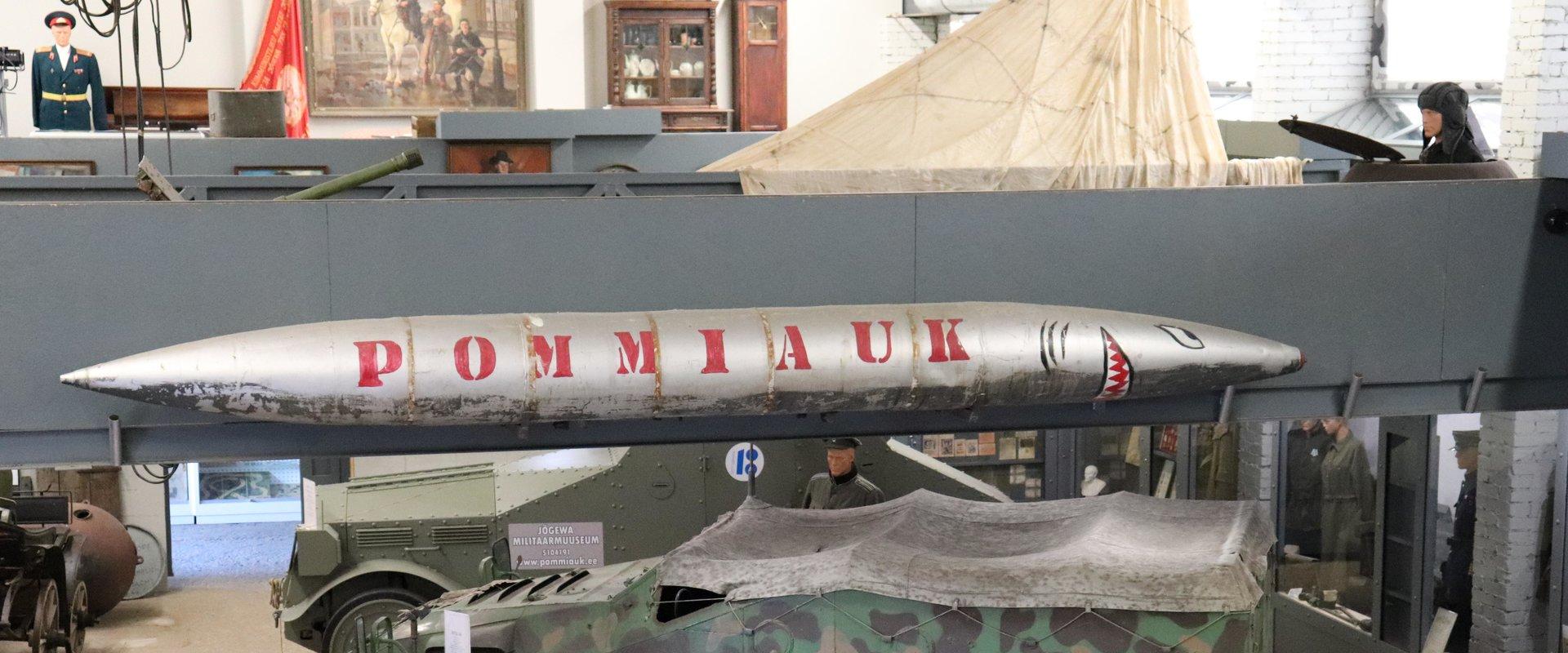
Jõgewa Museum

Jõgewa Museum displays historical items that are mostly connected to the history of Jõgeva County; the general title of the exhibition is 'Jõgeva County's Local History 1900–1945'. A particularly interesting section of the exhibition features weapons used during WWII.Good to know: schools can organize history lessons on the museum premises.

  • Workshops

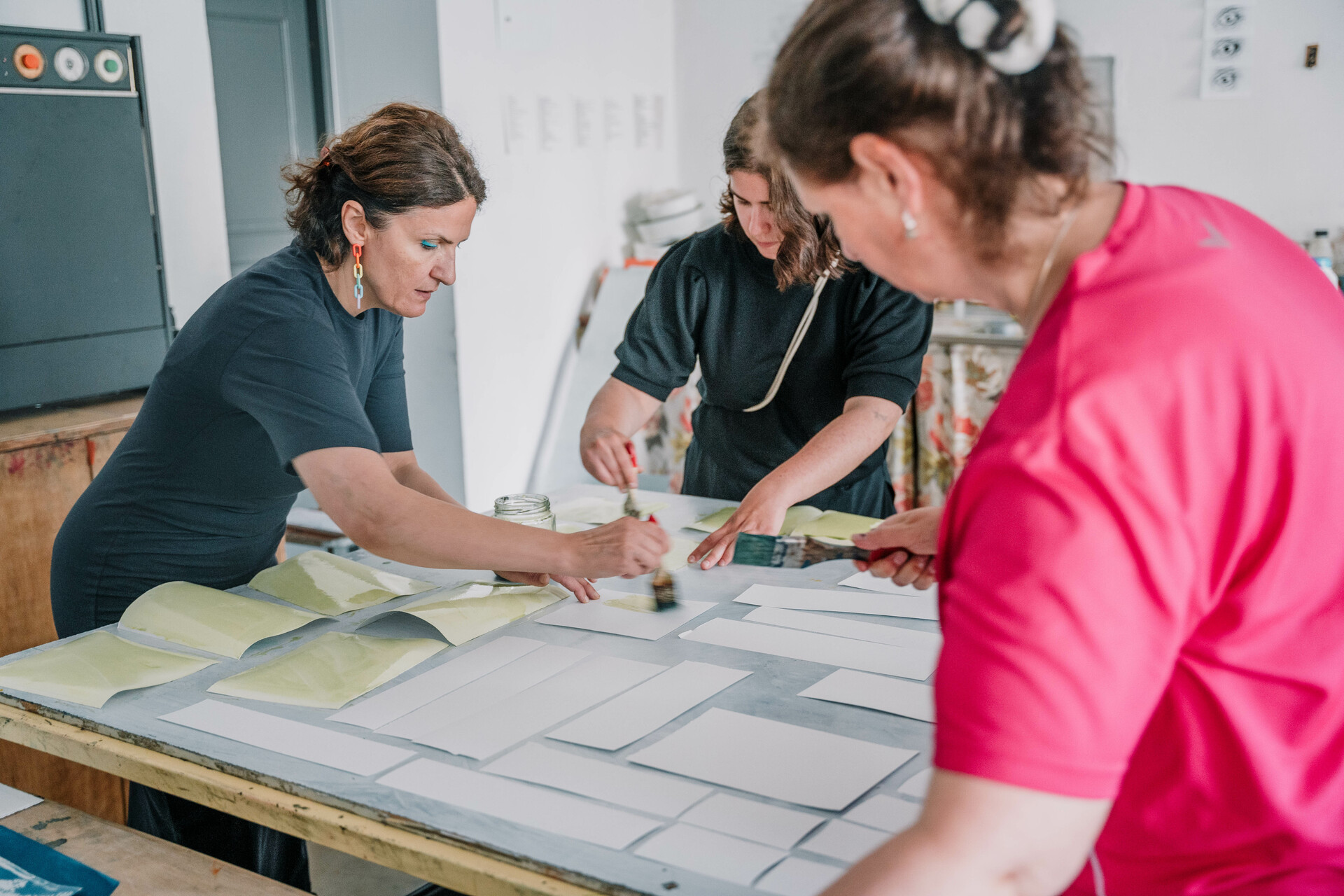
Cyanotype Workshop in TYPA

At the TYPA Center for Printing and Paper Arts, we offer a historic photo processing process of Cyanotype, or iron-blue print, in which the image is displayed on paper in combination with iron-containing chemicals and UV light. The result is an image with white lines on a blue background. This allows you to make a gift for a loved one and show photos, a skyline of your drawing, or a dried plant instead. If you wish to use your own photo in the workshop, please send it to us digitally at least one day before the workshop for preparation. On the ground, we're here to mentor you, so you can enjoy the creative process and create something truly special!

  • Estonian handicraft
  • Estonian design

University of Tartu Museum, Toompood shop

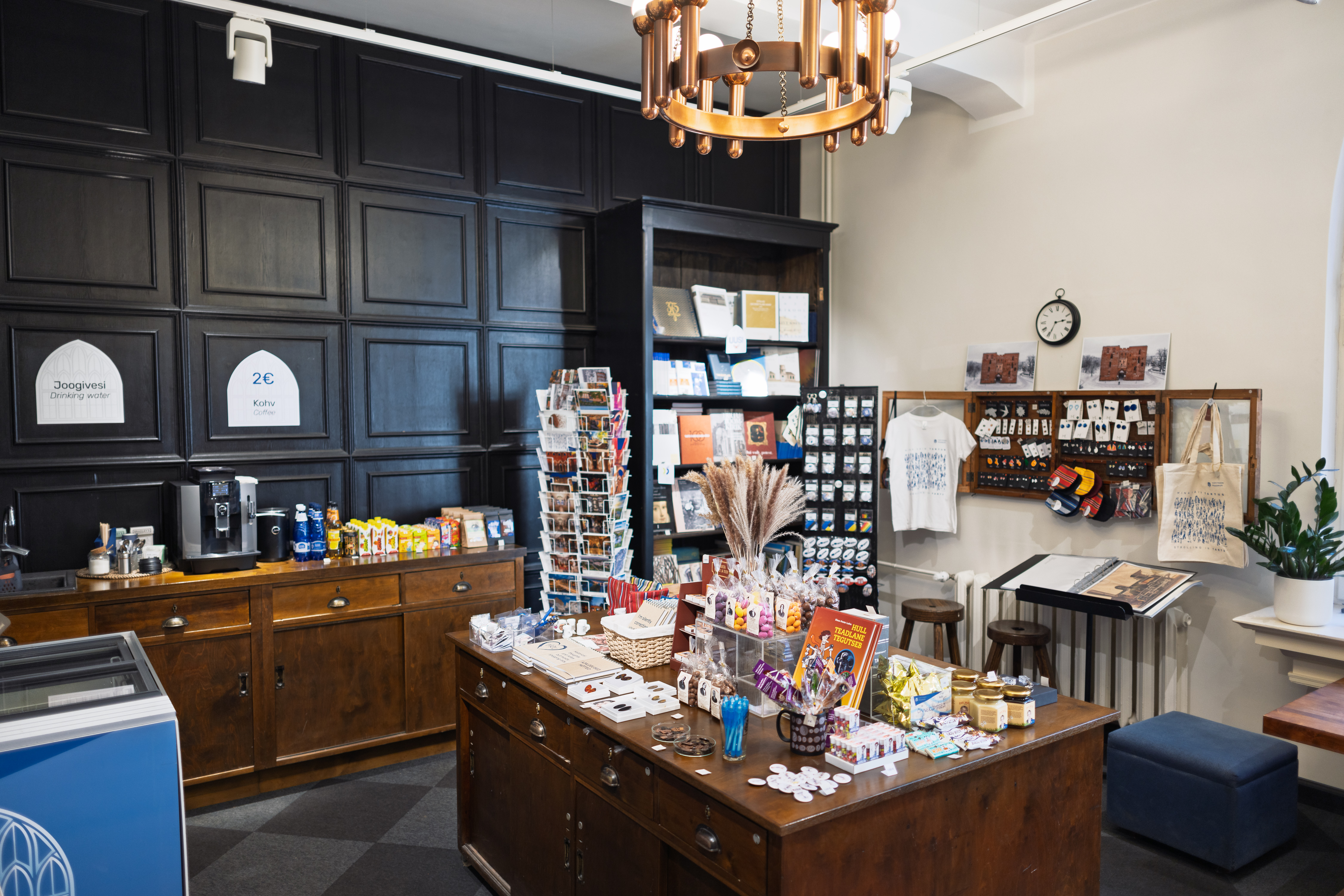
The Toompood is located on the first floor of the University of Tartu Museum. The museum shop sells books about Toomemäe and Tartu Cathedral, the University of Tartu today and in the past, and scientific achievements, in addition to souvenirs, jewelry, and much more. Design and science enthusiasts can find lovely souvenirs in the museum shop as keepsakes for themselves or gifts for loved ones. The selection includes jewelry created by local designers, toys, and souvenirs with a message suitable for culture enthusiasts. For those with a sweet tooth, we offer handmade chocolate and honey. There are souvenirs in every price range, and many of the products are Estonian.

  • Sculptures

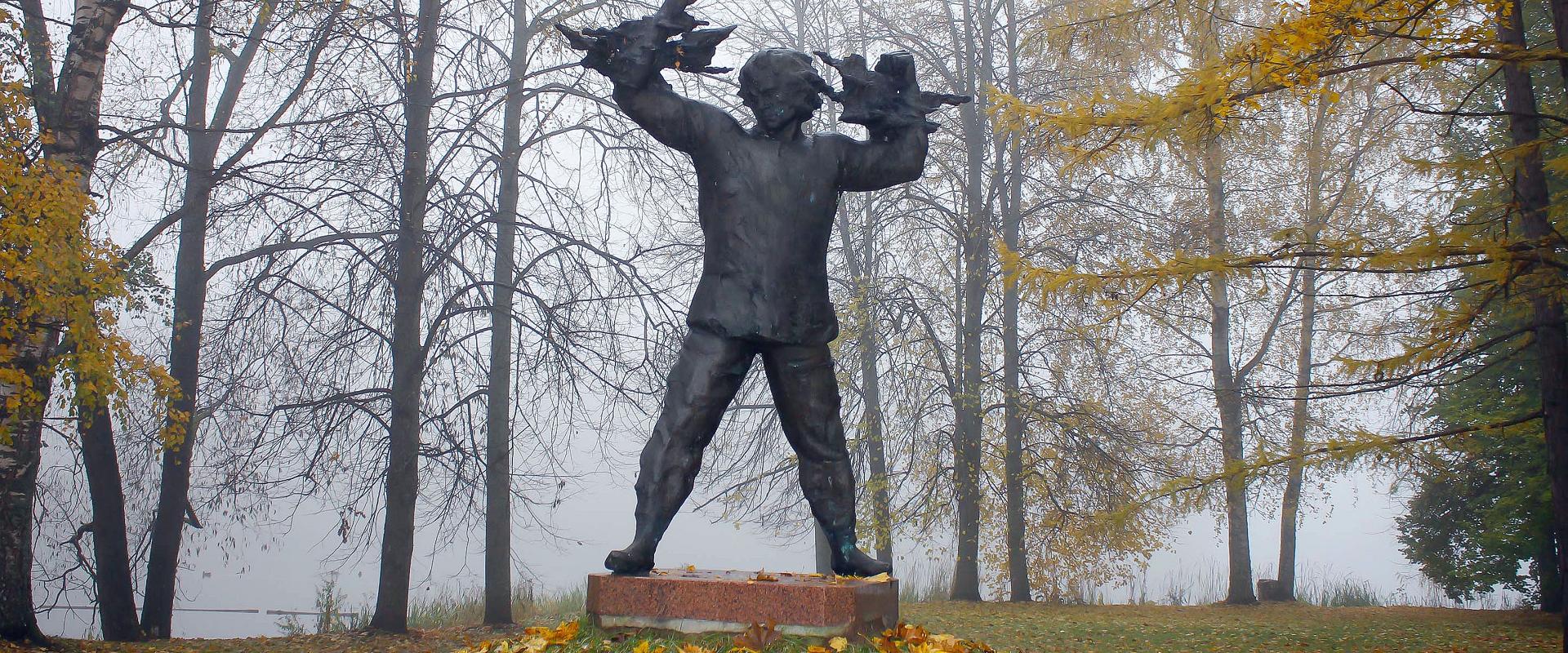
The Tree Garden Warrior

Standing in the landcaped area opposite the former main entrance of the Räpina Paper Factory is the Tree Garden Warrior, a monument to the historical Tree Garden War designed by Riho Kuld in 1984. The locals refer to the warrior as the Iron Man.In 1784 a peasant uprising took place in Räpina following the levying of a bounty tax. In the tree garden of the local manor a battle erupted between the soldiers and the local farmhands, who were armed with poles - ending in the deaths of five local men.

  • Privacy Policy

"*"обозначает обязательные поля

Это поле используется для проверочных целей, его следует оставить без изменений.
Я разрешаю маркетинг