• Открой
    • Еда
    • Природа
    • Культура
    • Семья
    • Спорт
    • Сообщество
    • Блог
    У Вас появились свободные выходные, чтобы провести с детьми? Здесь собраны лучшие места в Южной Эстонии для семейного отдыха
  • Планируй
    • Размещение
    • Информация
    • Varamu
    Sustainability
RUS
  • РусскийRUS
  • EestiEST
  • EnglishENG
  • LatviešuLAT
  • SuomiFIN
RUS
  • РусскийRUS
  • EestiEST
  • EnglishENG
  • LatviešuLAT
  • SuomiFIN
Populaarsed otsingud:
Näita kõiki tulemusi
  • History & Culture
  • Architecture and history

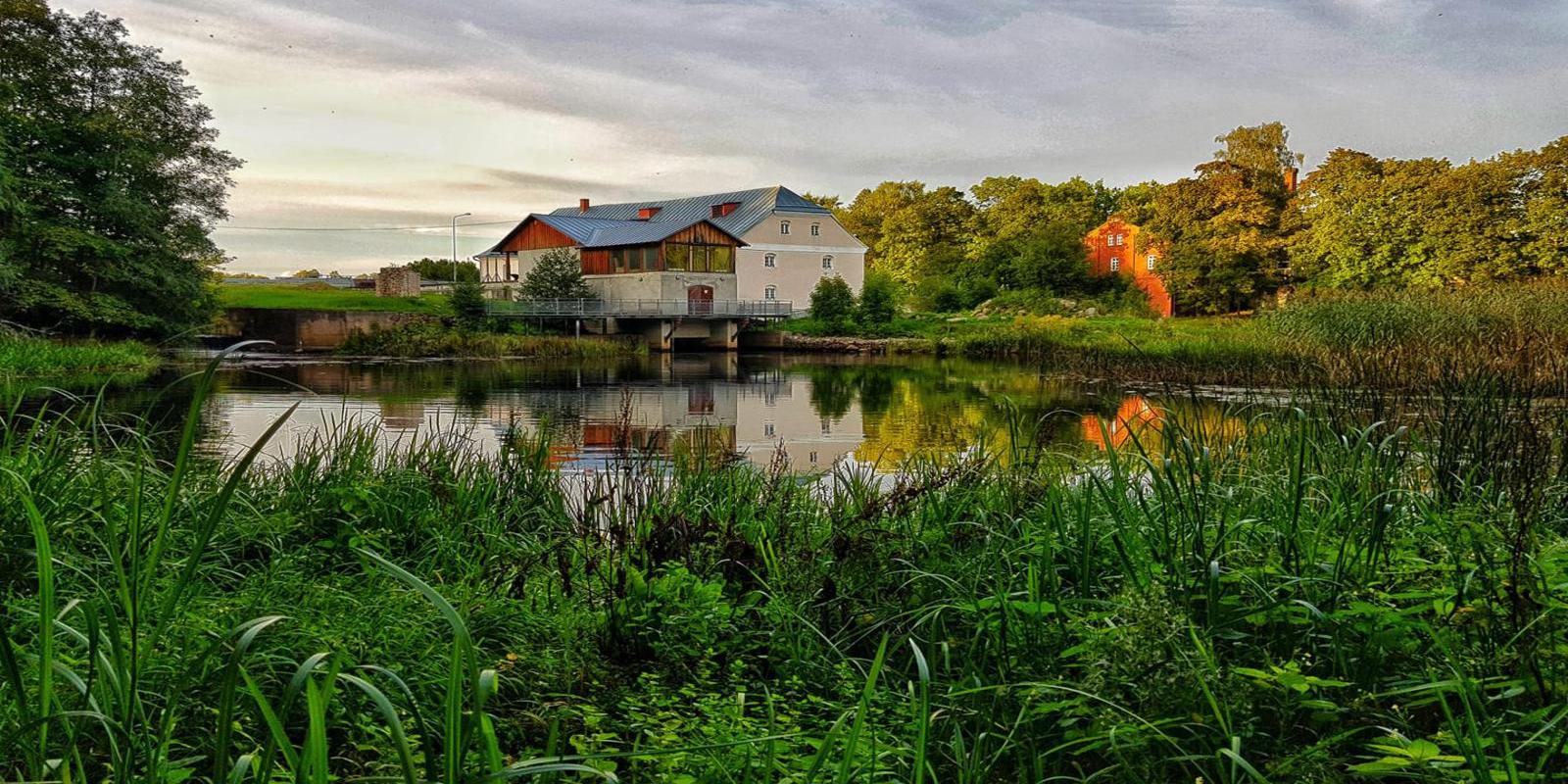
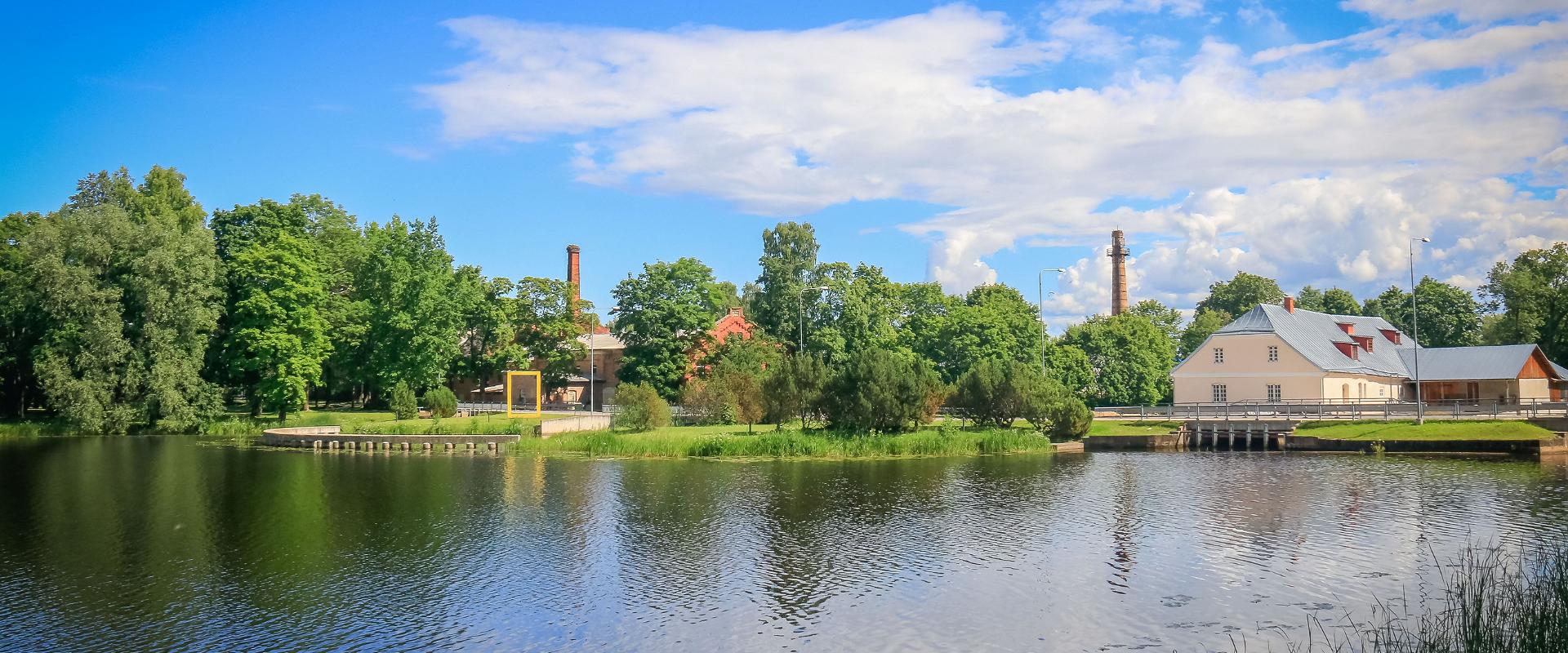
Räpina flour mill

Pargi tn 25, Räpina vald, Põlva maakond, 64505

The longest river in Estonia, the Võhandu River, is calm when it reaches Räpina, and therefore it was probably the most suitable place for building a unique mill complex comprising three mills.The flour mill is a massive stone building with a large winch on the top floor for lifting bags. The original doors and many other details integral to the overall design have been preserved. The flour mill was built at the end of the 18th century.
Часы работы

Круглый год

Eemalt vaadeldav

Контакты

  • polvamaa@visitestonia.com

Ссылки

Подробнее

  • Ruins

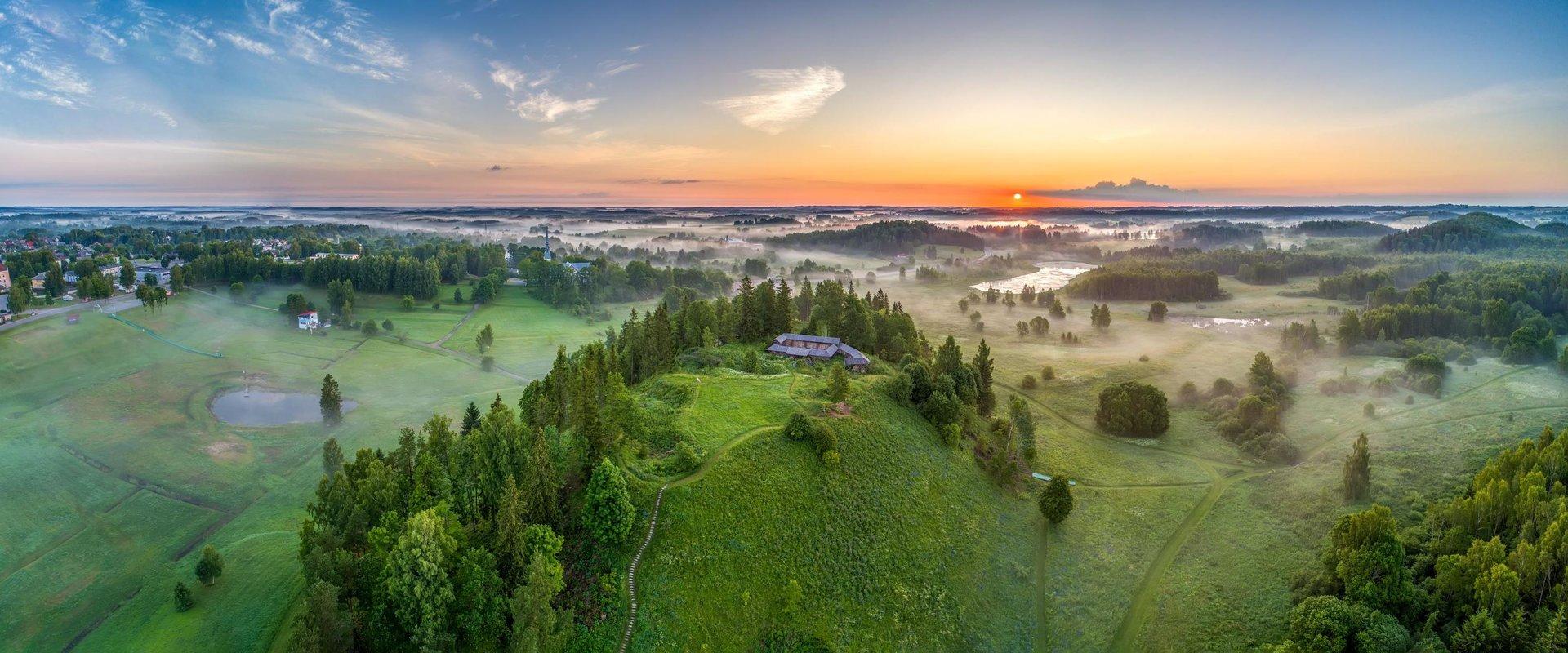
Otepää Hill Fort

Otepää Hill Fort represents one of the places worth discovering in South Estonia and is recommended for those interested in nature holidays. Come and conquer the peak of the approximately 13,000-year-old Otepää Hill Fort and take a look at the city of Otepää and its surroundings. Have a picnic, see the ruins of the stone fort founded by Bishop Herman in 1224, and explore the map of ancient Estonian forts. In the 11th century, Otepää was the most important stronghold of the ancient Ugandi County. One of the strongest fortresses in Ancient Estonia was located on this hill. The oldest known firearm in Europe and an ancient war trumpet have also been found here. Come and discover the history of this ancient fortress!

  • Monuments

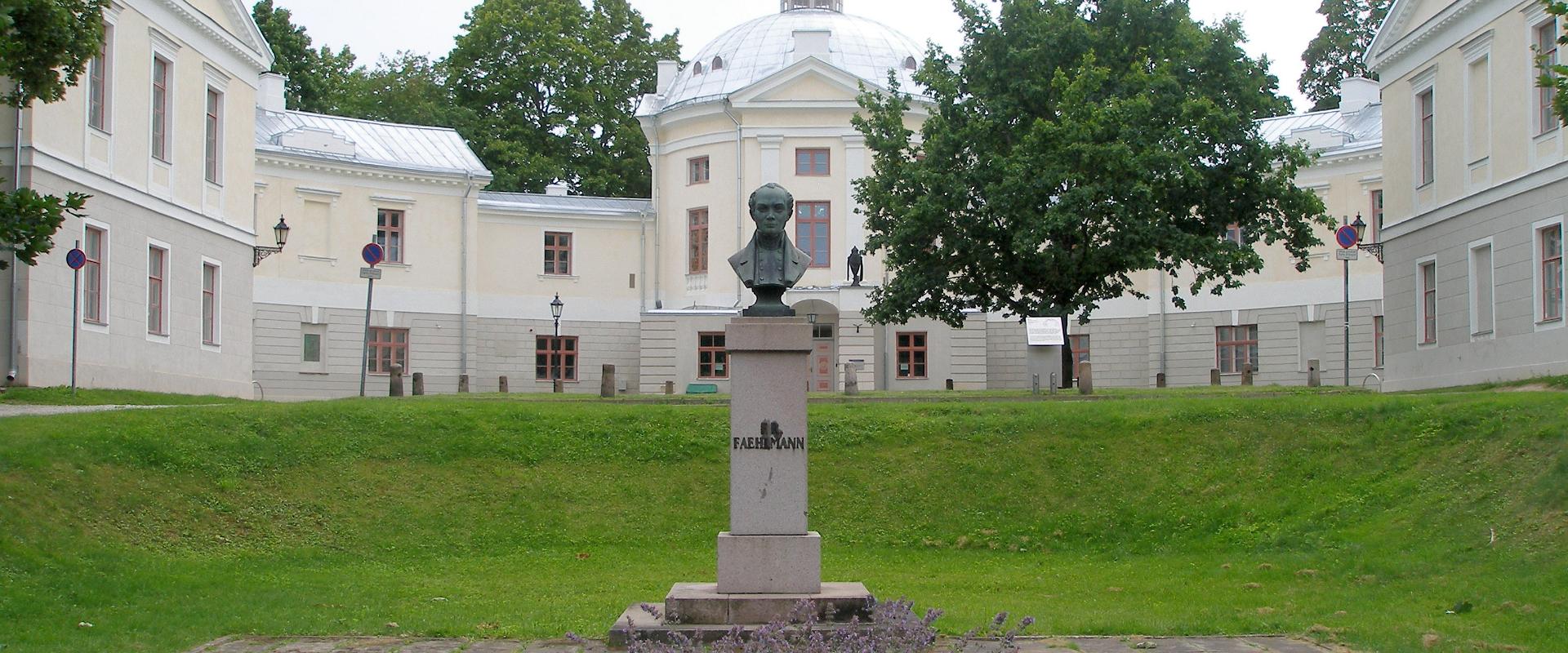
Monument to Friedrich Robert Faehlmann

The monument to Friedrich Robert Faehlmann – a bronze bust on a pillar of local grey granite – was opened in front of the Old Anatomical Theatre at Toomemägi, Tartu, on 18 May 1930. Friedrich Robert Faehlmann (1798 - 1850) was one of the founders of Estonian national literature, a physician and a democrat. He studied in Rakvere District School, Tartu Upper Secondary School and the Faculty of Medicine in the University of Tartu. Faehlmann worked as a physician in Tartu from 1824. He worked in the Old Anatomical Theatre. He was a lector of the Estonian language in the university and sometimes also gave lectures in pharmacology and prescriptions.

Snail Tower (Tigutorn)

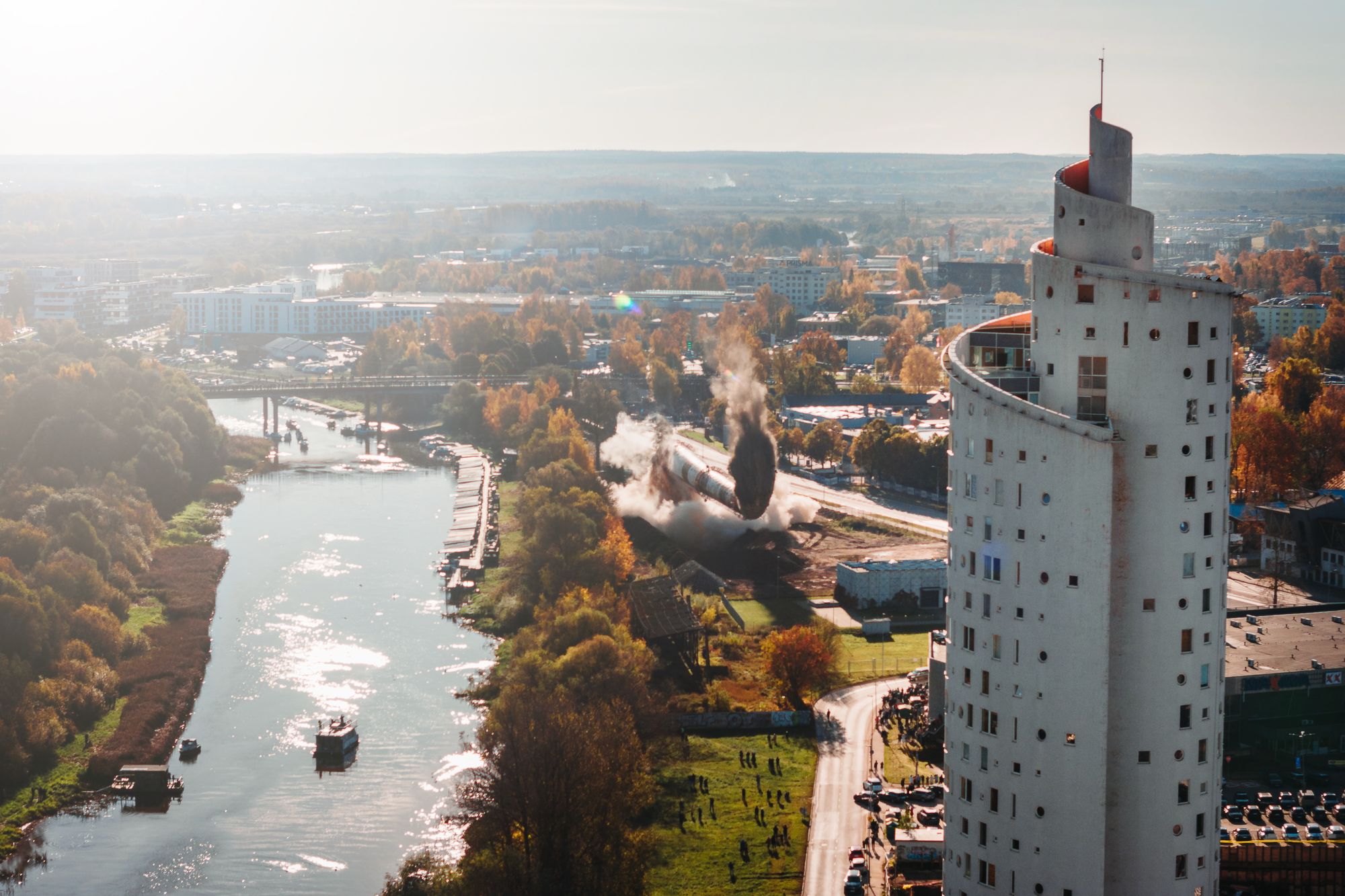
The 23-storey high-rise building finished in 2008 on the right bank of the River Emajõgi in Tartu is called the Snail Tower. This is a unique apartment building in the centre of the city, designed by Vilen Künnapu and Ain Padrik. The Snail Tower is a symbolic building of Tartu – from the top, the rest of Tartu looks as small as the downtown looked to the clergyman of the church in the Middle Ages.

Tartu Railway Station

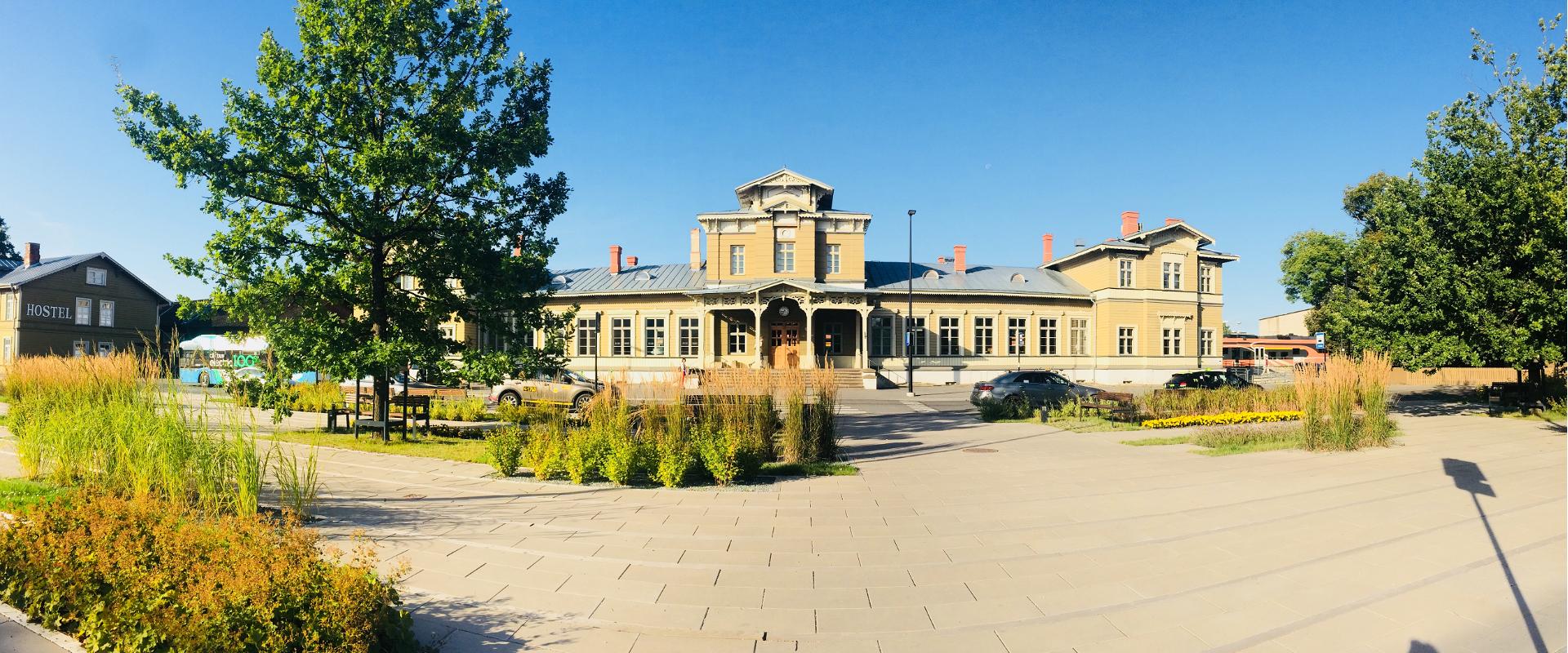
Tartu Railway Station was built in 1876 outside of the city’s borders. It could be reached by Maarjamõisa tänav, which was lined with trees. The main building of the station consists of three parts and has a standard façade and a transverse gabled roof. Warehouses, platforms, a depot, a water tower, and two houses for railway workers were located next to the main building. In the 2000s, the building was restored under the architect Aivar Roosaar. In 2012, the building was reopened for passengers. Café Wedur is now operating in the station building. In front of the station are bike parking, and Tartu Smart Bike rental docks.

Avinurme museum train

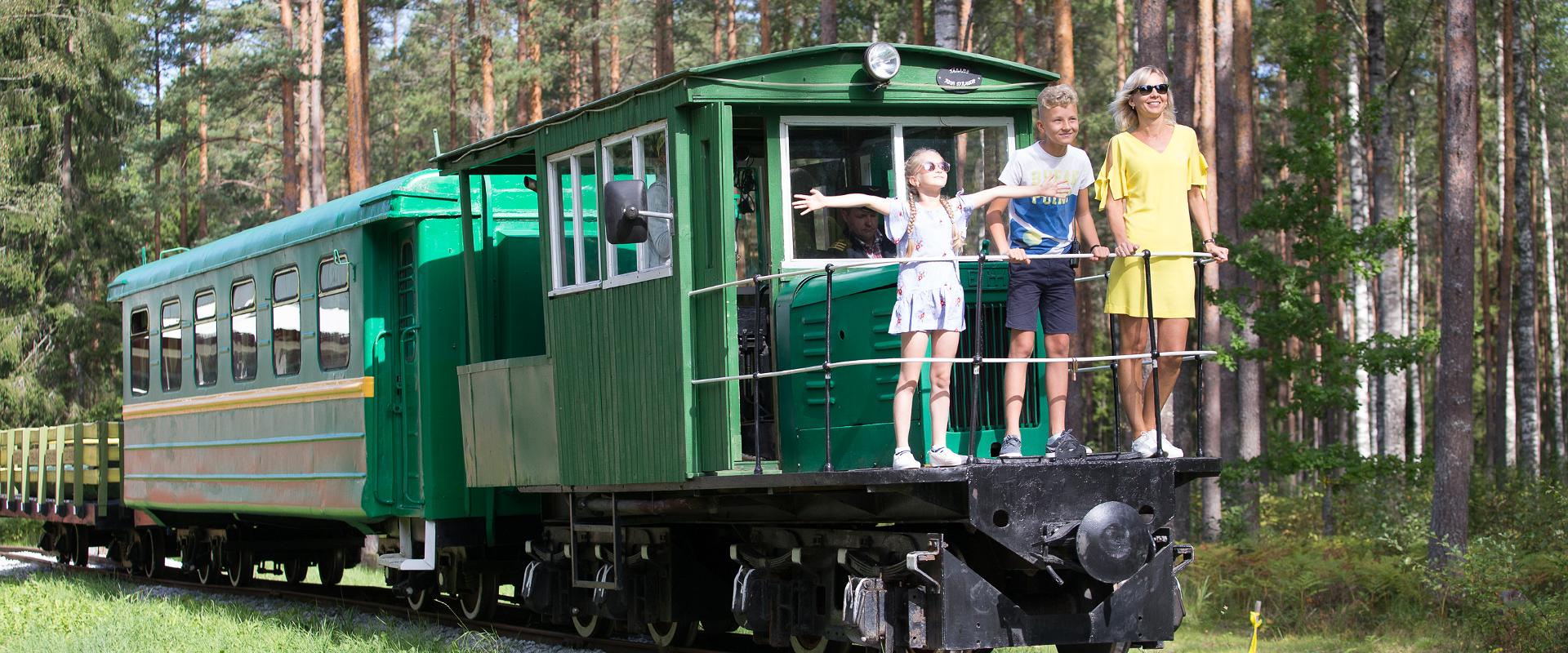
A narrow-gauge Sonda-Mustvee railway passed through Avinurme during 1926–1972. It was a true 50-year-long prosperity era for the villages located near the route. Today, a section of 178.5 metres of the former railway, the rail brigde, and the rail vehicle have been restored. All those who are interested are welcomed to take a nostalgic train ride from May to October, meaning the railway is opened when the weather is warm enough and the door of the locomotive can be opened and the railway is closed when the door of the locomotive freezes shut.

  • Family friendly
  • Guided tours

The University of Tartu Museum

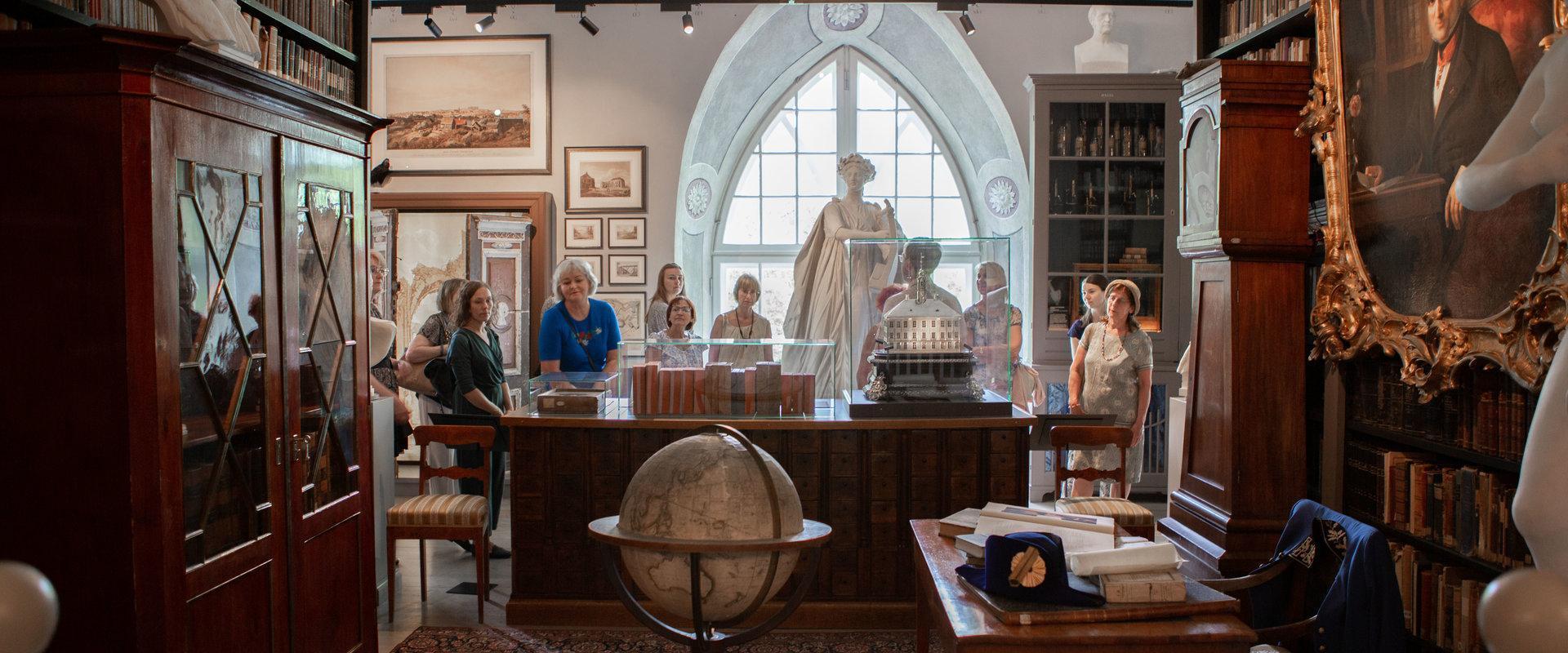
What is special about the University of Tartu and where does the spirit of the university manifest itself?The University of Tartu Museum introduces the history of science and university education from the 17th century to the present day and tells the exciting story of Tartu Cathedral.The seven floors of the museum offer the following:- the most precious treasures of the University of Tartu in the Treasury- the spirit of Tartu and the university at the exhibition The University of Our Lives- an exhibition of the gifts made to the university in the White Hall- a good luck formula in the physics office of Georg Friedrich Parrot- Crazy Scientist's office for children interested in scienceIn addition, temporary exhibitions and viewing platforms are open in the summer!See you at Toome Hill!

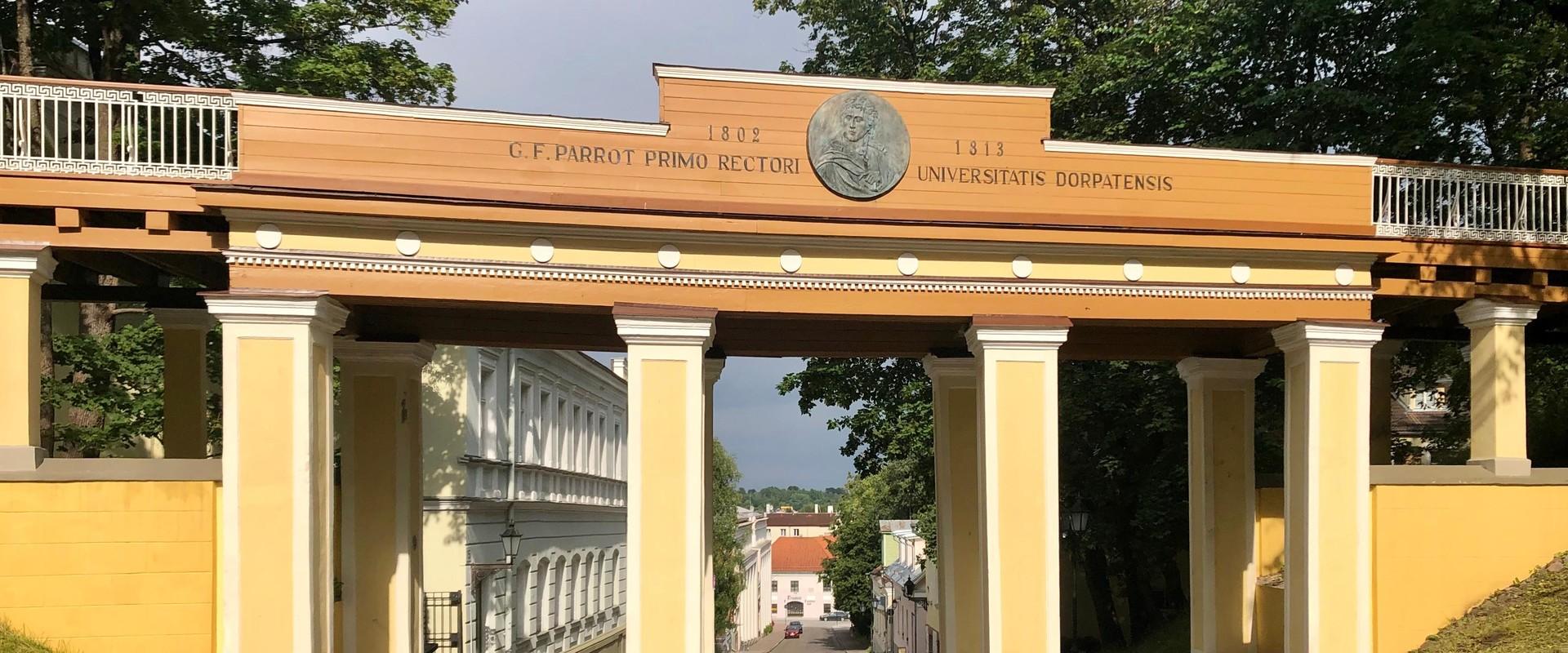
Tartu Angel Bridge

Angel Bridge is one of Tartu's symbols and a popular place among both locals and tourists. It offers a beautiful view of Toomemäe Park. Angel Bridge, designed by Johann Wilhelm Krause, was completed in 1838. On the bridge is a bas-relief of the first rector of the University of Tartu, Georg Friedrich Parrot, with the inscription "Otium reficit vires" or "Rest restores strength." There are several legends surrounding the bridge. For example, it is believed that if you take a deep breath before stepping on the bridge, run across the bridge, and make a wish, your wish will come true. Angel Bridge is also a great place to take romantic pictures!

  • Sculptures

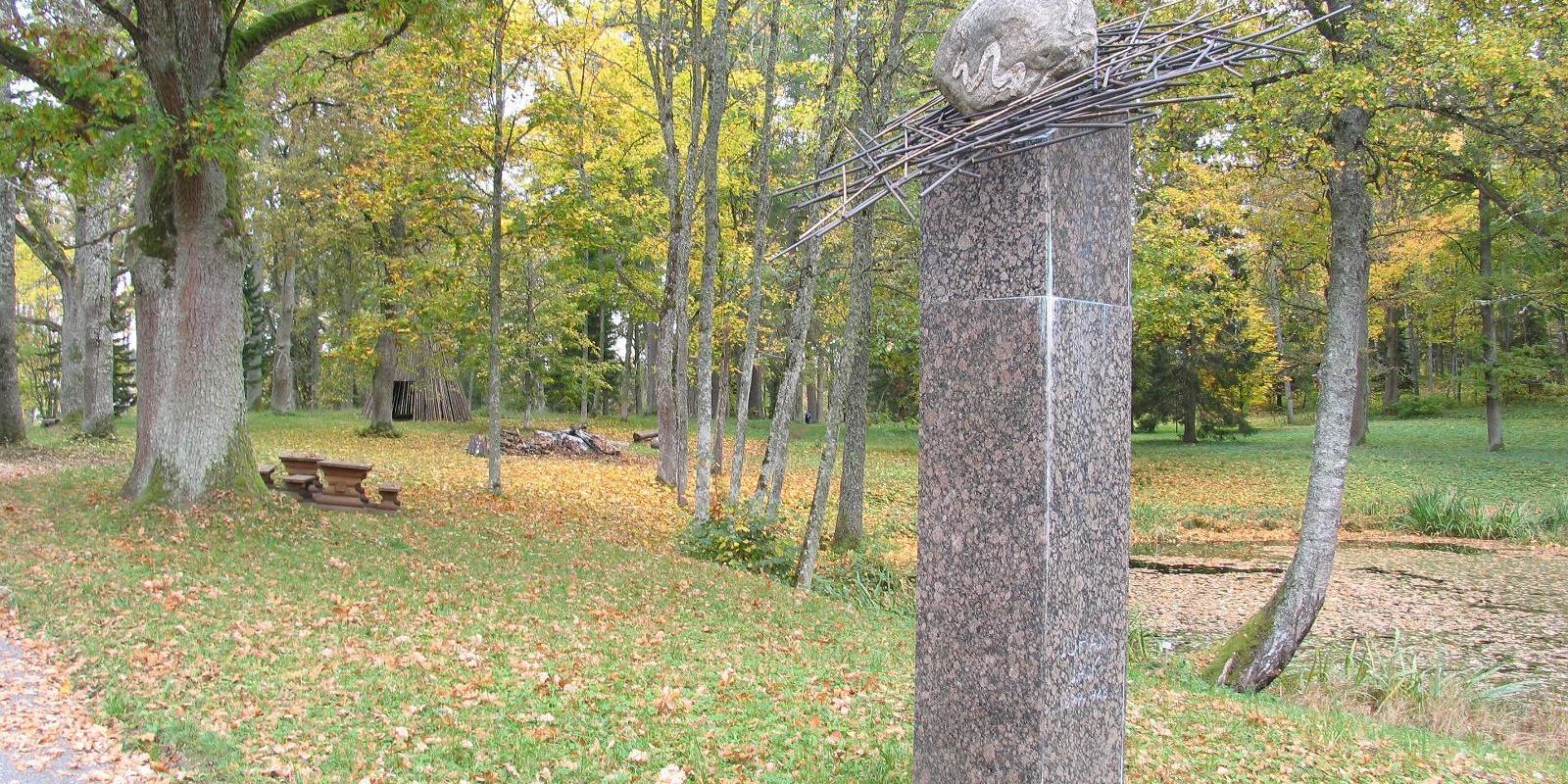
Kaarnakivi Stone in Rõuge Park

The Kaarnakivi Stone by the sculptor Tiiu Kirsipuu is a memorial to the writer Juhan Jaik erected on the occasion of the 100th anniversary of his birth. Fantasy author Juhan Jaik (1899-1948), born in Sänna in Võru County, wrote captivating and enchanting stories and poems for both adults and children. "Kaarnakivi", a collection of ghost and animal stories, is an Estonian children's literature classic that continues to excite readers today.The "kaarnakivi", as many Estonians already know, is a stone that gives its finder whatever he or she wants, if a person knows how to use it prudently.

  • Privacy Policy

"*"обозначает обязательные поля

Это поле используется для проверочных целей, его следует оставить без изменений.
Я разрешаю маркетинг