• Открой
    • Еда
    • Природа
    • Культура
    • Семья
    • Спорт
    • Сообщество
    • Блог
    У Вас появились свободные выходные, чтобы провести с детьми? Здесь собраны лучшие места в Южной Эстонии для семейного отдыха
  • Планируй
    • Размещение
    • Информация
    • Varamu
    Sustainability
RUS
  • РусскийRUS
  • EestiEST
  • EnglishENG
  • LatviešuLAT
  • SuomiFIN
RUS
  • РусскийRUS
  • EestiEST
  • EnglishENG
  • LatviešuLAT
  • SuomiFIN
Populaarsed otsingud:
Näita kõiki tulemusi
  • History & Culture
  • Museums

Avinurme museum train

Võidu tn 3, Mustvee vald, Jõgeva maakond, 42101

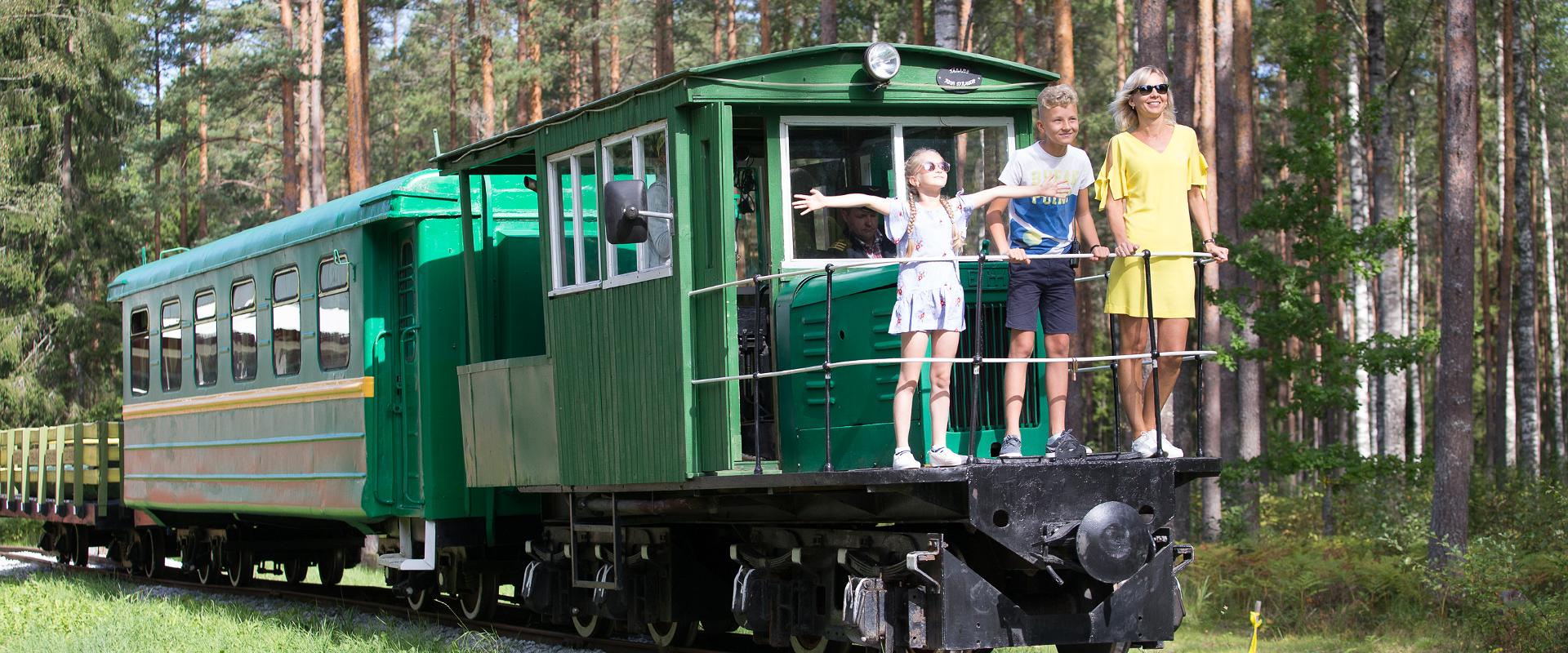
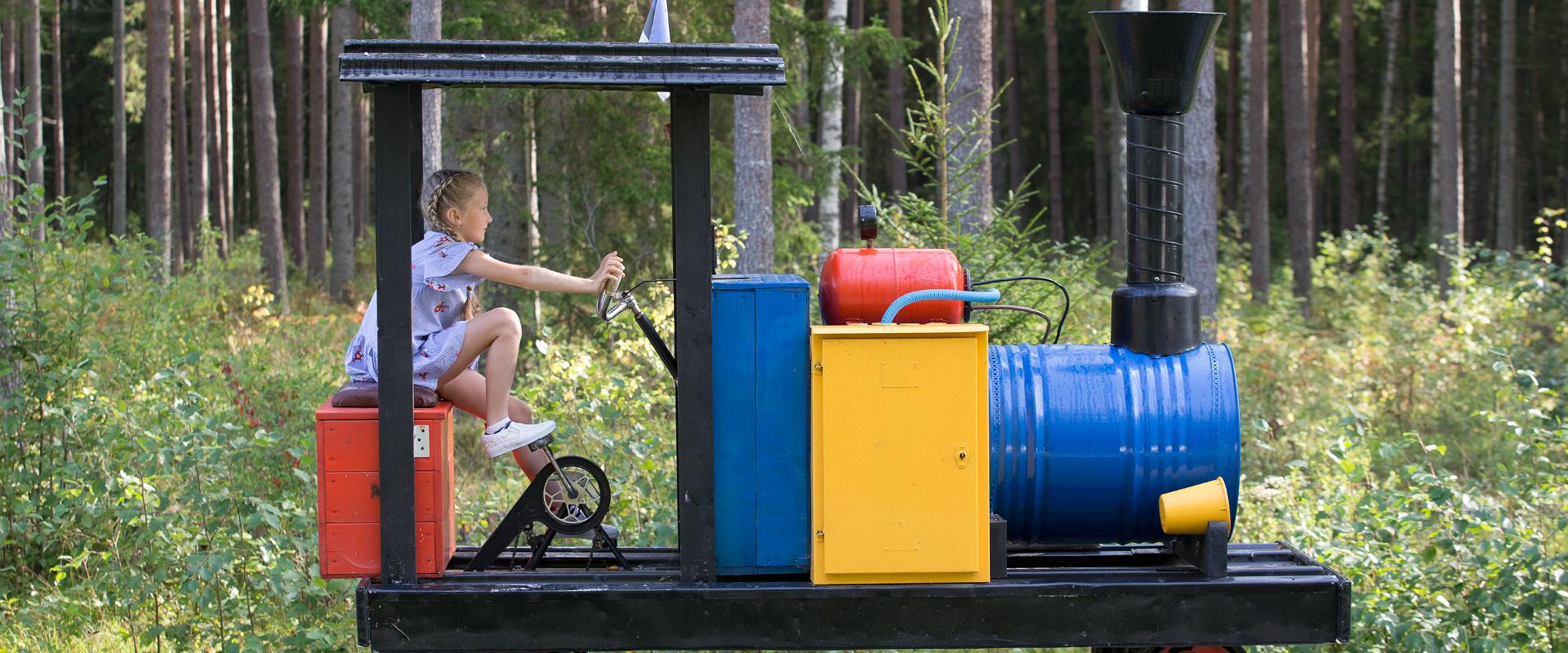
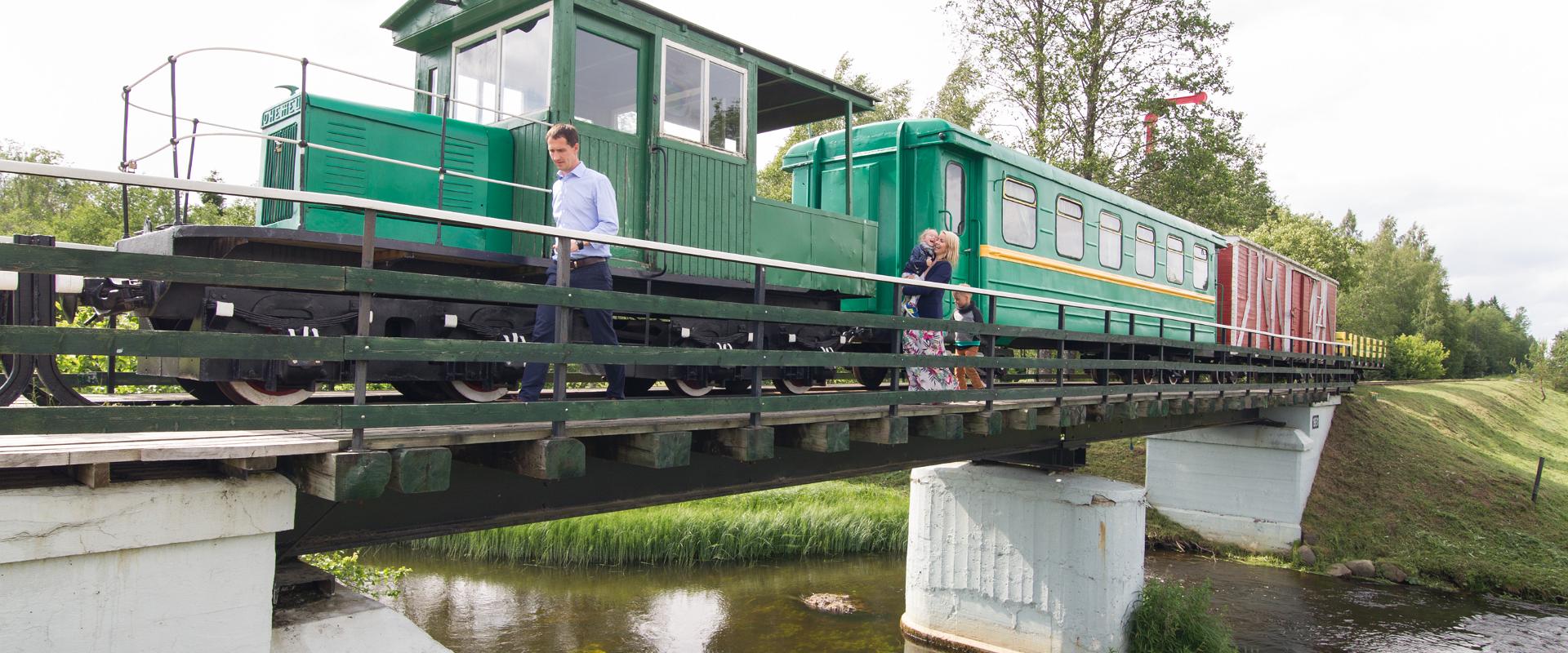
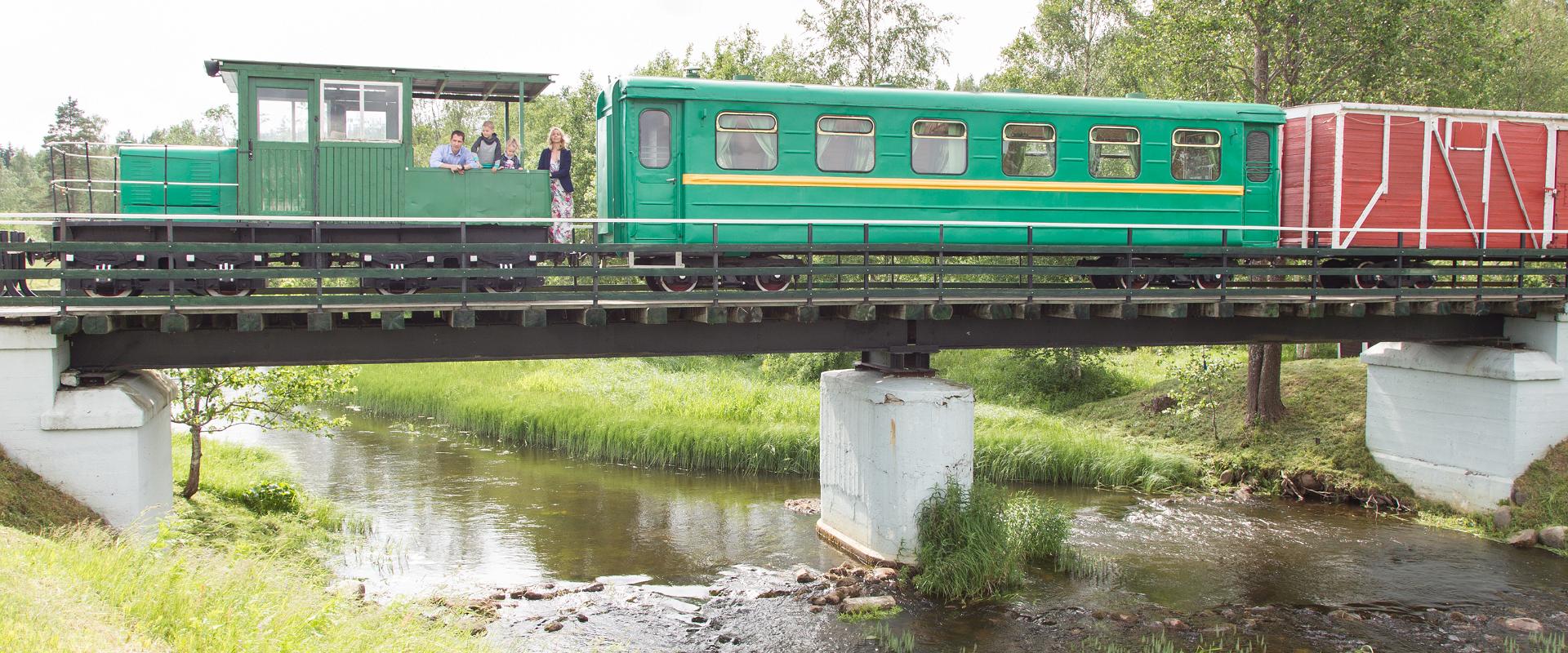
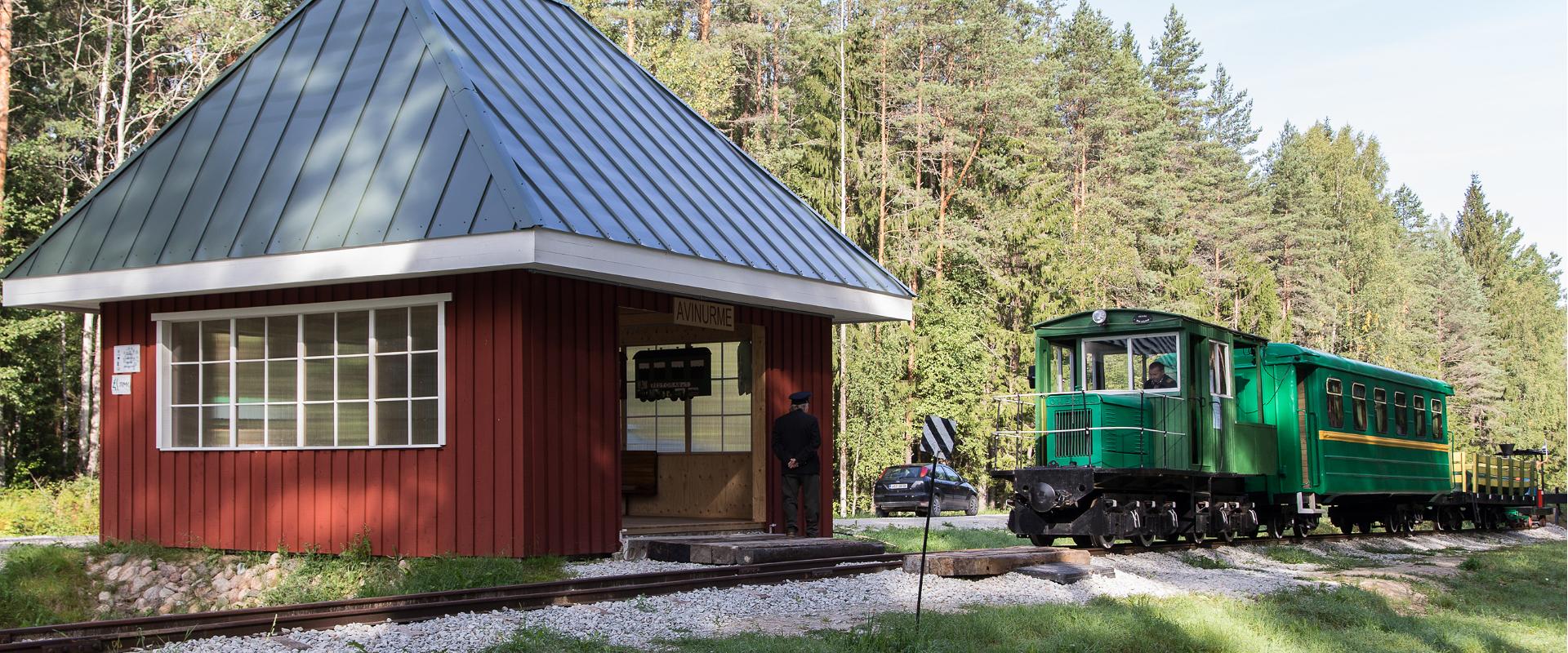
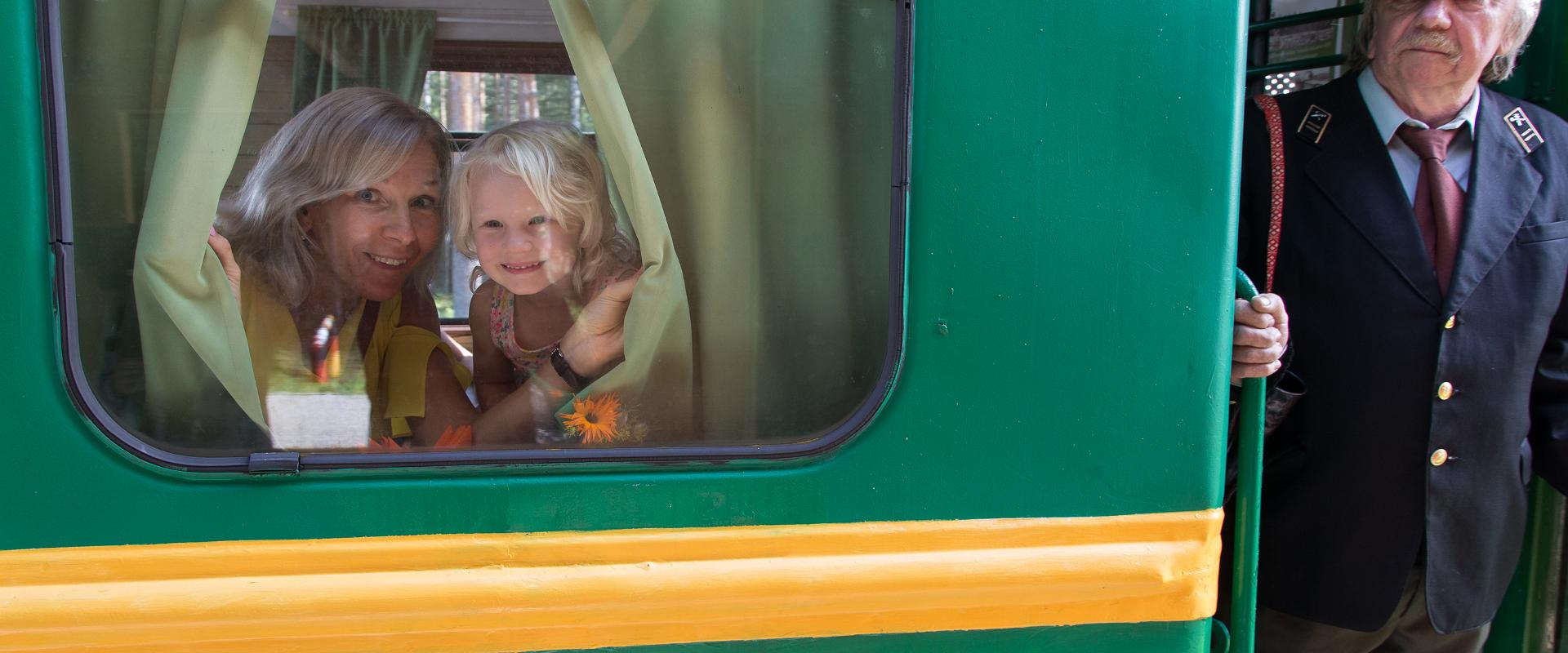
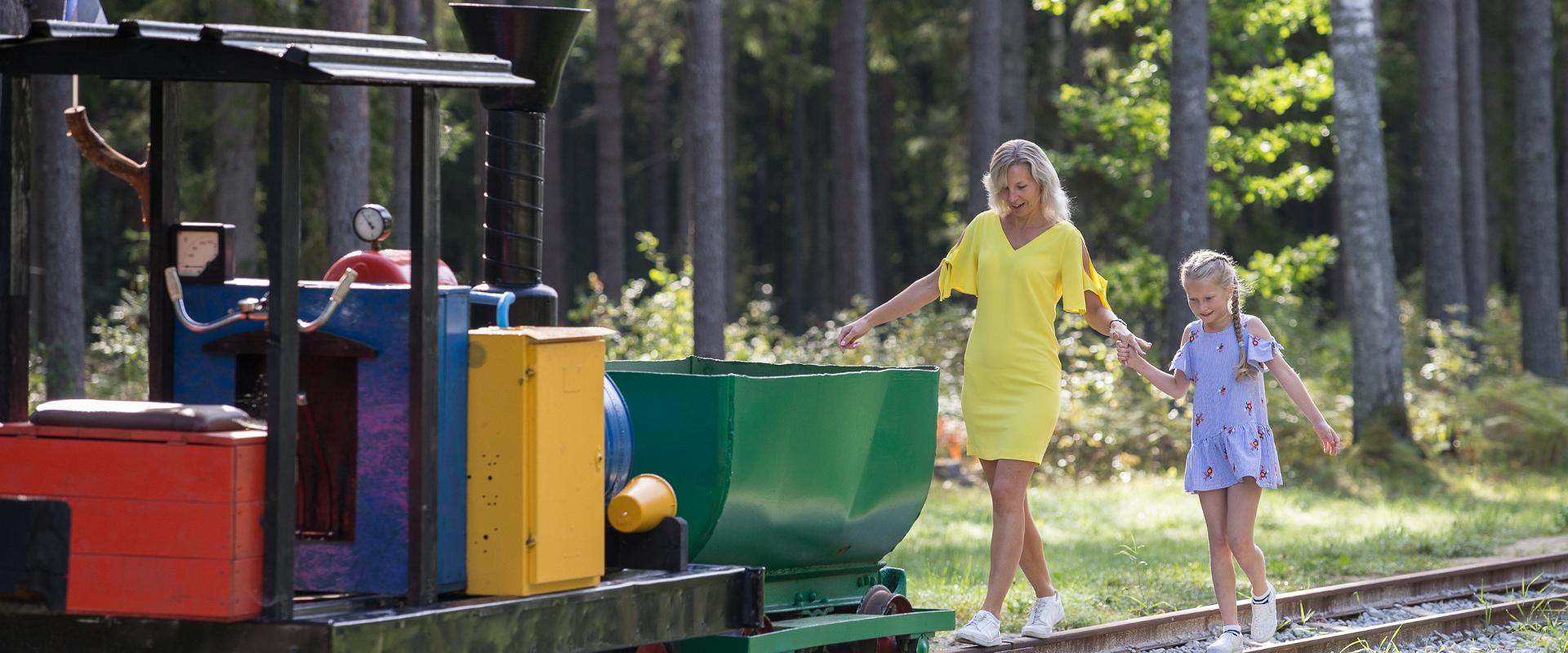
A narrow-gauge Sonda-Mustvee railway passed through Avinurme during 1926–1972. It was a true 50-year-long prosperity era for the villages located near the route. Today, a section of 178.5 metres of the former railway, the rail brigde, and the rail vehicle have been restored.
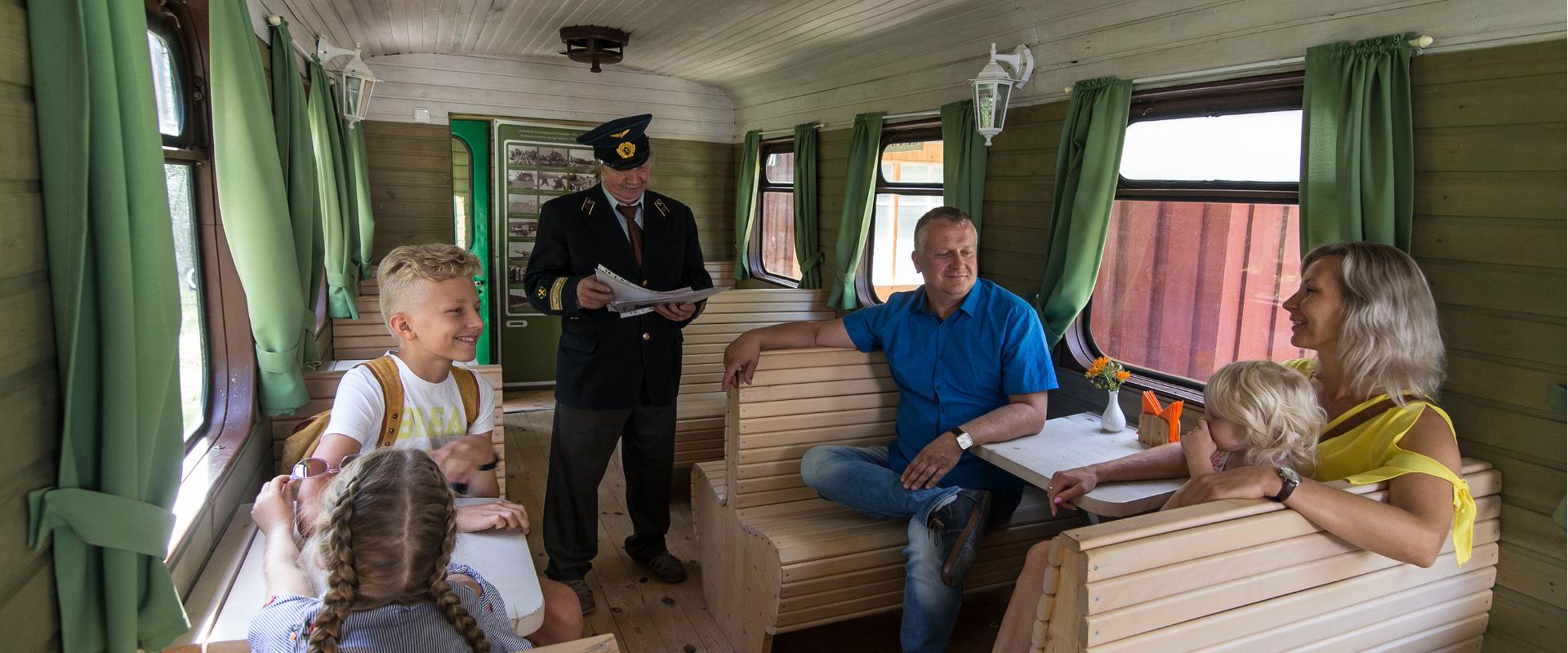
All those who are interested are welcomed to take a nostalgic train ride from May to October, meaning the railway is opened when the weather is warm enough and the door of the locomotive can be opened and the railway is closed when the door of the locomotive freezes shut.
Mugavused

  • Information boards
  • Free parking

Часы работы

1. jaan - 31. dets

По предварительному заказу

Контакты

  • +372 527 5762
  • info@puiduait.ee

Ссылки

puiduait.ee

Подробнее

Turusild Bridge

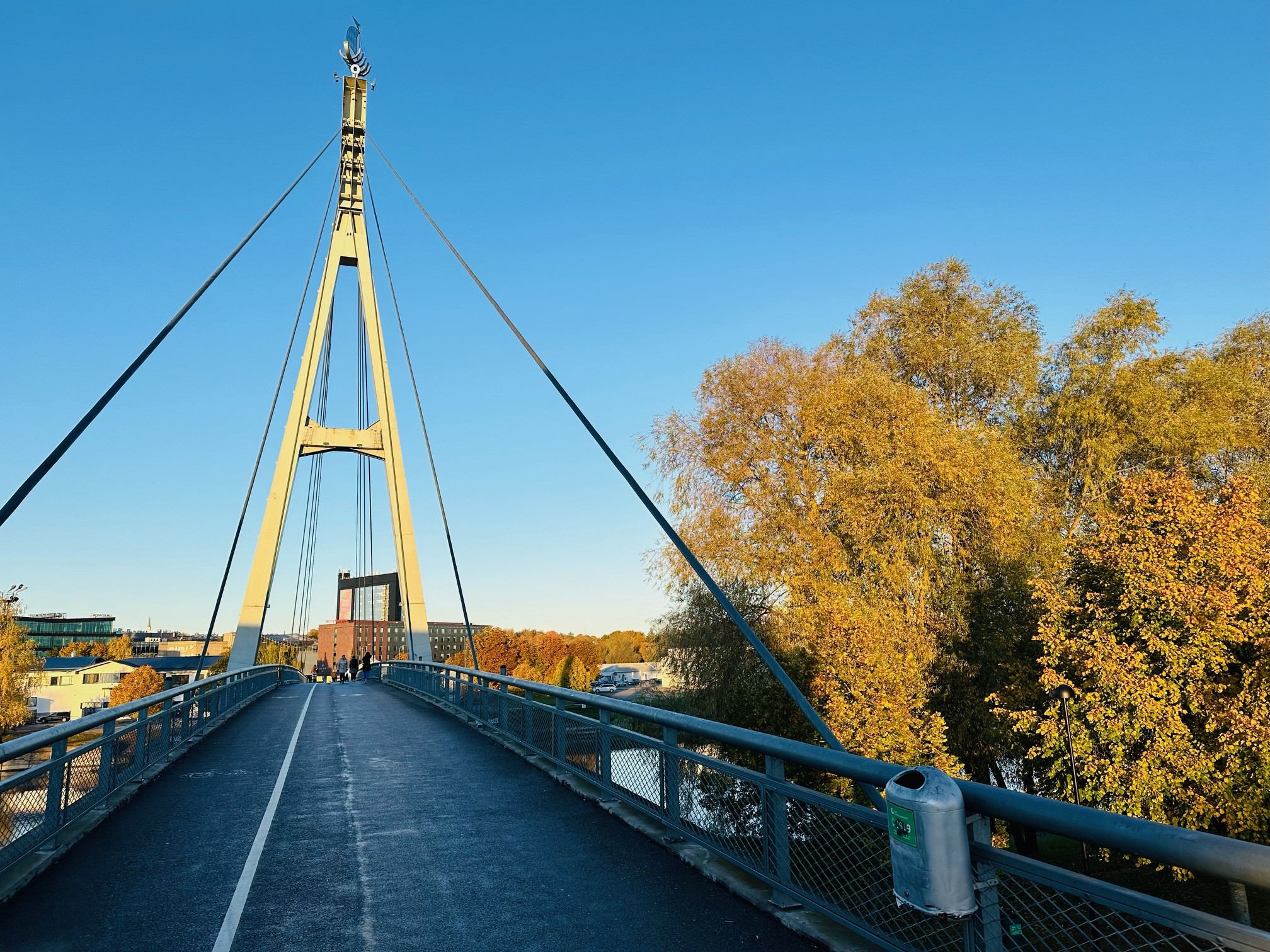
The Turusild bridge connecting Tartu's outdoor market and Annelinn district was completed in 2003 and is meant only for pedestrians. You can also ride a bicycle or a small moped on the separated section. The length of the bridge is 251.5 metres and the hanging part is carried by seven pairs of stay wires. The height of the bridge from the water surface of the Emajõgi River is 7.5 metres.At the top of the bridge there is a 3.5 m high weather vane – a cog called Lennuk (Plane). The author of the weather vane is blacksmith Ivar Feldmann.The bridge was designed by OÜ Tartu Arhitektuuribüroo and K-Most, built by K-Most.In 2003, the bridge was awarded the title of the Deed of the Year by the citizens of the city of Tartu.

  • Churches

Ritsiku church in Mõniste

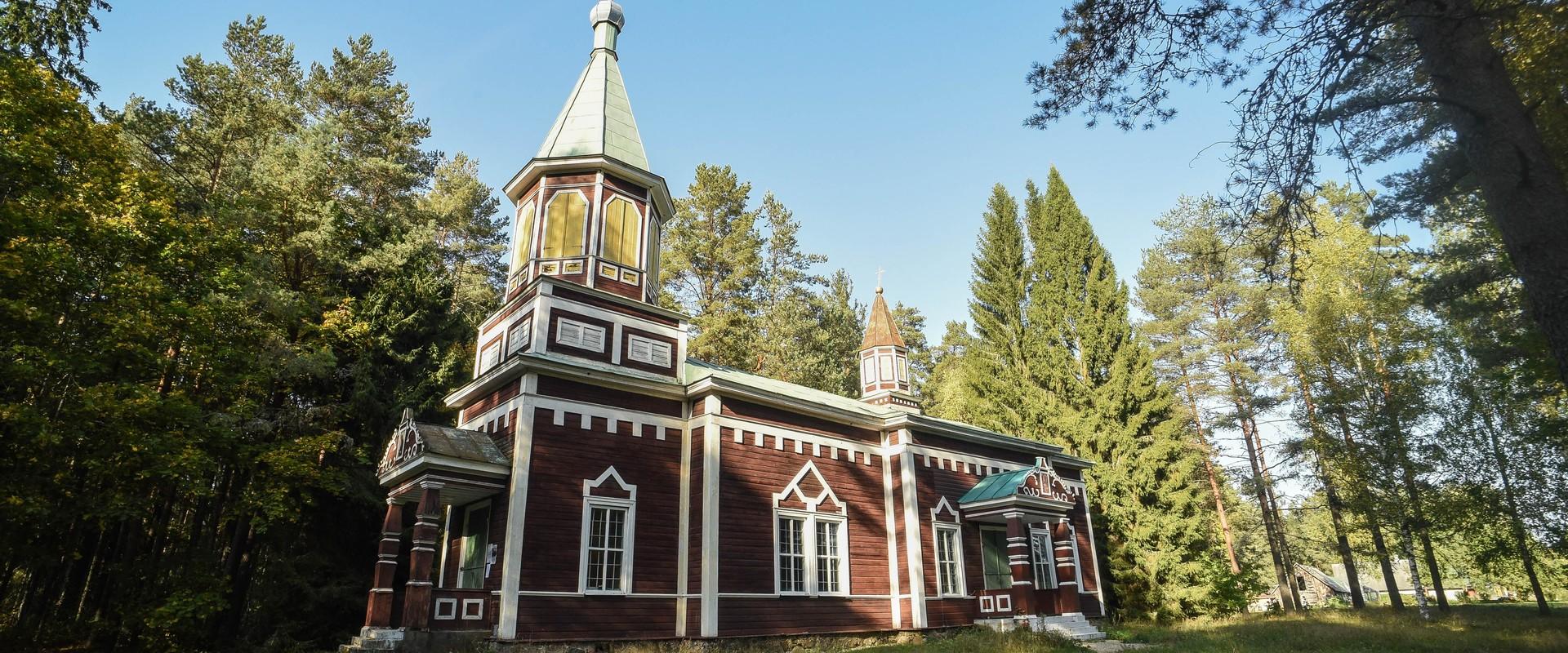
Of the Orthodox churches in Võru County, Ritsiku church in Mõniste is the second oldest (dating back to 1855). The oldest is St Catherine's Church in Võru itself.The church in Ritsiku was consecrated in the name of the prophet John the Baptist. Its name day is celebrated by the congregation every year on 24 June.The congregation was established in 1837. The church was constructed from timber and has a tin roof. It was originally known as Mõniste church, since it was located on the lands of the Mõniste estate. But since it was not in Mõniste itself, it was renamed Ritsiku church in Mõniste.The sacristan and parson did a lot of work in educating the local community. Until 1931 the congregation had its own parish school and three smaller schools.

Former Raadi Military Airfield and Aircraft Hangars

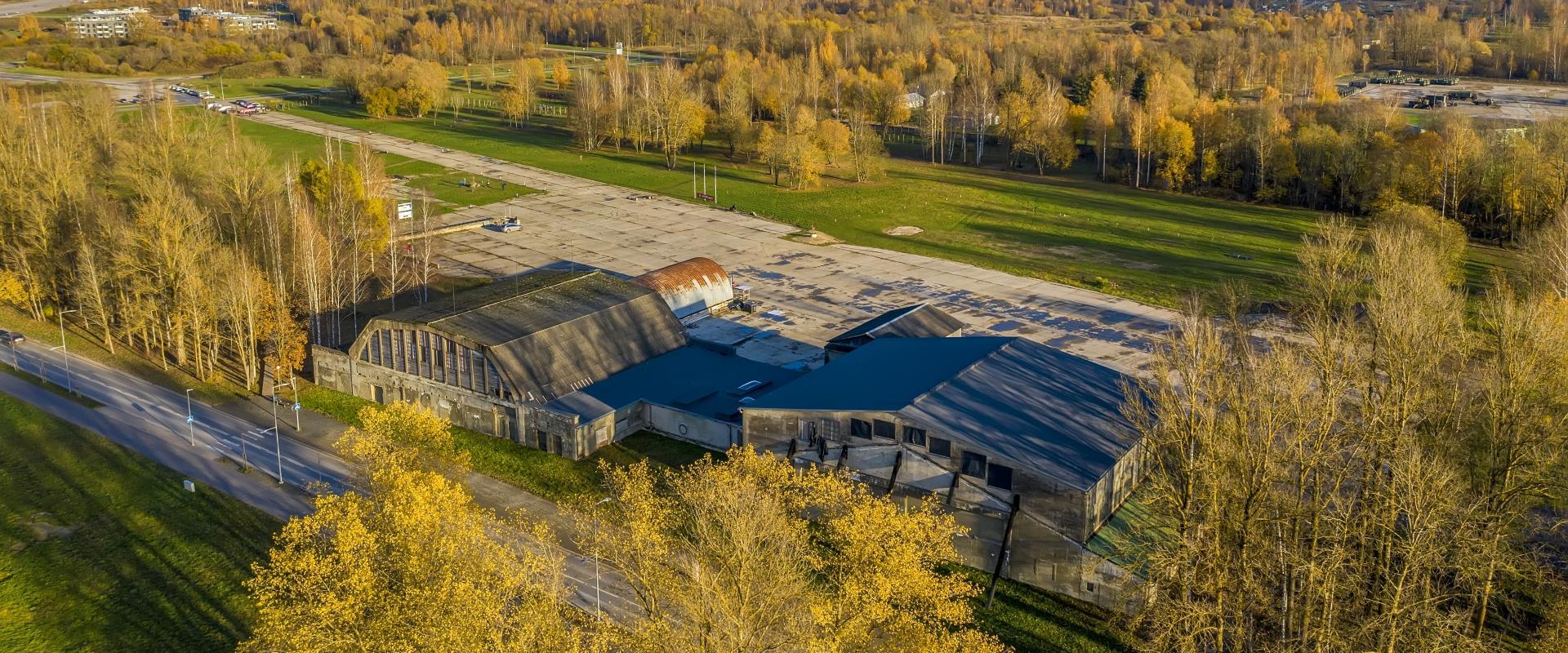
On April 14, 1912, the Russian pilot Sergei Utotškin made the first motorised flight in Estonia, in a Farman biplane above the fields of the Raadi Manor. The event was captured by Johannes Pääsuke, a young filmmaker. Baron Liphart, the lord of the Raadi Manor, had his farmland converted into a runway in summer 1914, when a dozen planes of the St. Petersburg Military District landed there. After Estonia gained its independence, the 2nd Squadron of the Aviation Regiment was stationed in Raadi. During the 1950s and 1960s the Raadi airfield was refashioned into one of the largest air bases in Eastern Europe, at which strategic long-range bombers were stationed. It's believed that the last plane landed here in 1996.

  • Churches

Tartu St. Peter’s Church

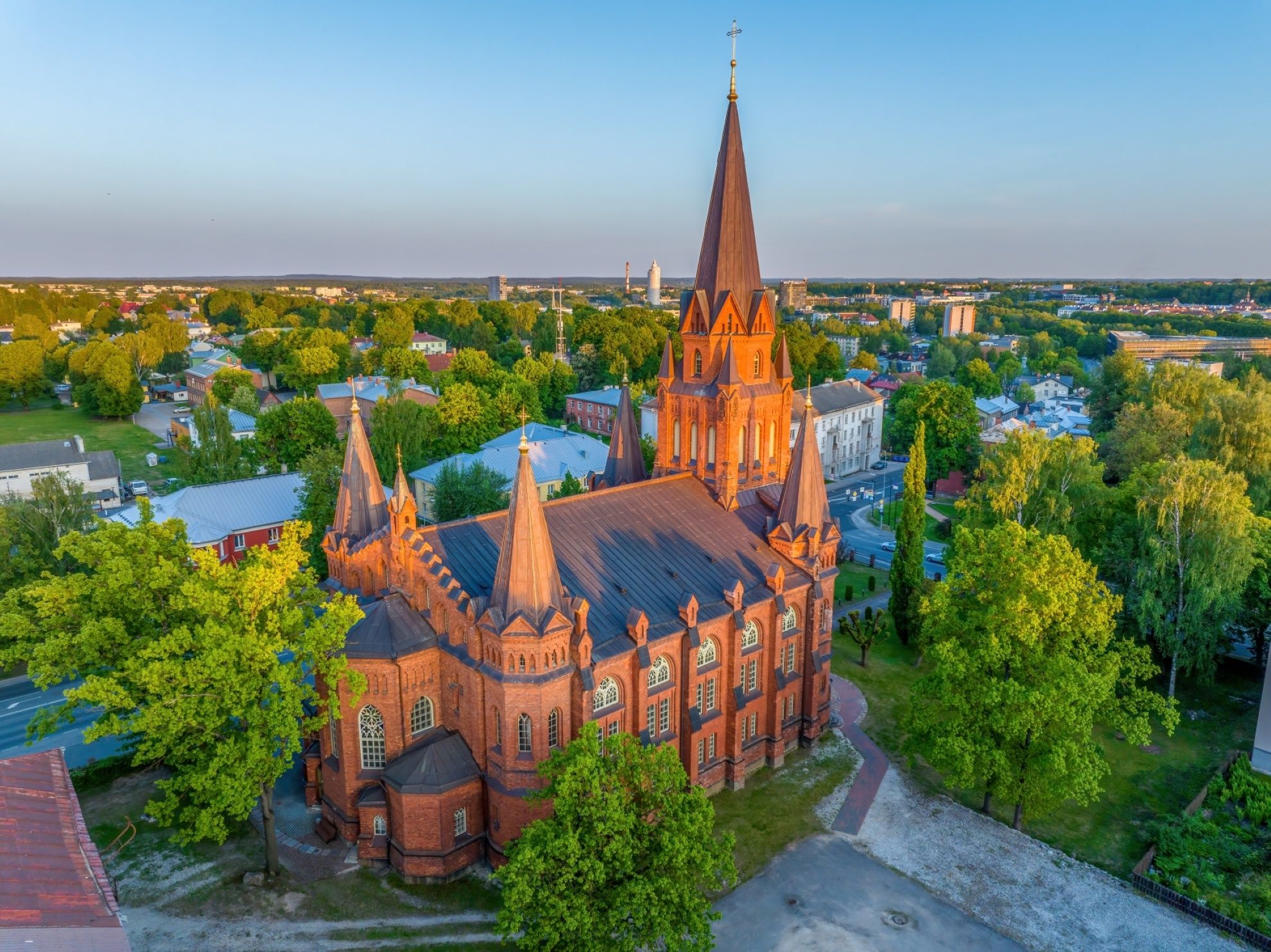
Tartu St. Peter's Church is one of the most beautiful neo-Gothic Lutheran sanctuaries in Southern Estonia, established in the late 19th century as a spiritual home for the growing Estonian-speaking community. Designed by architect Viktor Schröter, the church is distinguished by its 56.5-meter-high tower and impressive brick facade, which reshaped the entire Ülejõe district's appearance. The church hall is bright and spacious, featuring a remarkable three-story interior. Wooden balconies and neo-Gothic arches add warmth and a dignified rhythm to the space, creating the impression of a true city cathedral. Visitors can admire Johann Köler's altarpiece "Inviting Christ" (1897) and listen to the late-19th-century 22-register organ, making Peetri Church one of Tartu's most esteemed concert venues due to its excellent acoustics. The church was established near the site of Estonia's first national song festival and has been an important part of Estonian cultural and congregational history since its cornerstone was laid in 1882.

  • Churches

Rannu Apostolic Orthodox Church

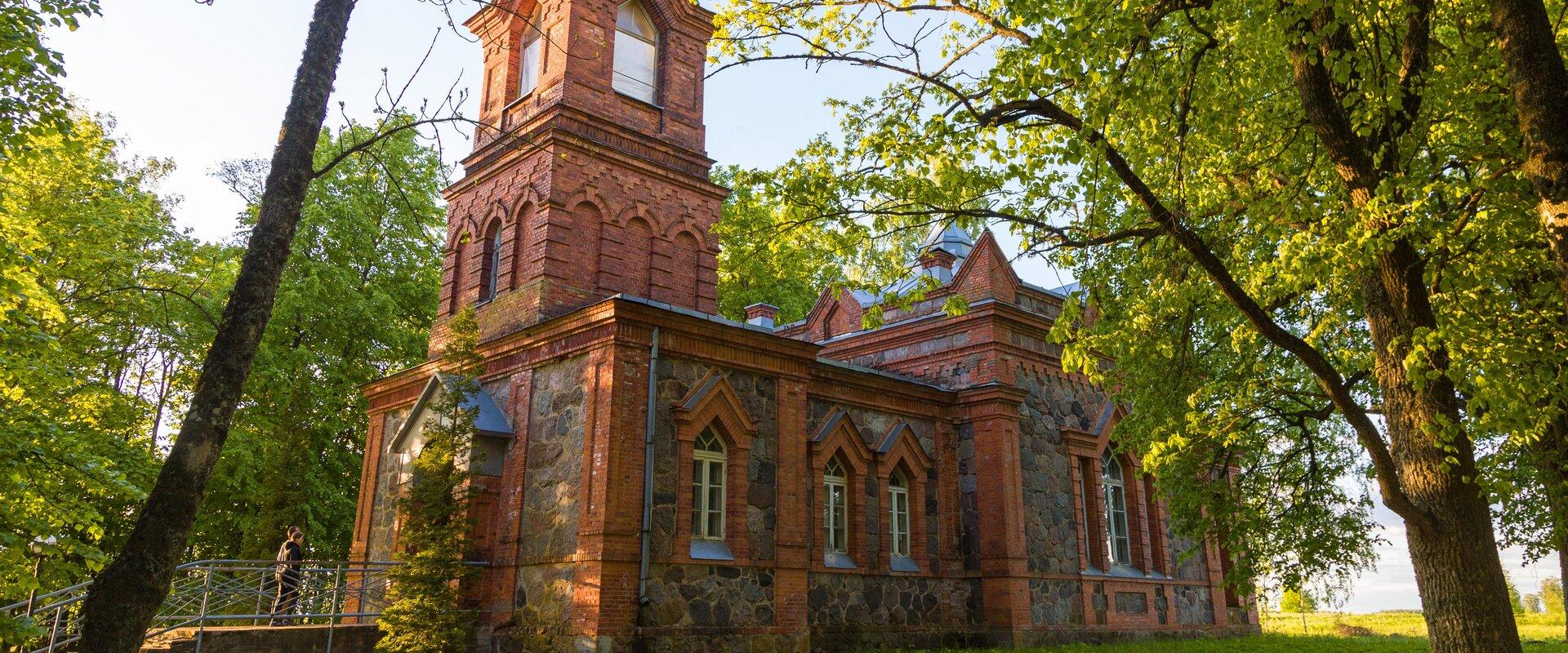
The Apostolic Orthodox Church in Rannu (Rannu Orthodox Church) was built during 1899-1901 and consecrated on 5 May 1905 to celebrate Jesus going to Jerusalem. Therefore the church is also called the Rannu Church of the Lord Going to Jerusalem.The activities of the Orthodox congregation were terminated in 1961 and the church was used as the warehouse of the Rannu collective farm. In the 1980s, Rannu State Farm decided to make amends for the injustice and restored the church. The church has been previously used as a concert venue due to its excellent acoustics.Currently the church is not used for services.

  • Guided tours

Rare Metsavenna Farm

At the Metsavenna Farm located on the Estonian-Latvian border, you have a unique opportunity to search for forest brothers in hiding places during a forest brother hike, stay in a bunker, and listen to true stories.The experience continues at the Metsavenna eatery, where simple yet authentic food from the era is served: boiled potatoes with skins, butter, salt, and juice. The visit concludes with a musical experience – singing the song of the former Härmiku forest brothers' orchestra. Visiting Metsavenna Farm is an engaging and educational journey into the history of forest brotherhood.

  • Churches

Otepää Winter Church

The Winter Church is located in a converted auxiliary building of the old church manor and is used mostly in the winter period. It is a small and cosy church that was built largely with the money donated from Finland. The church was consecrated on 6 December 1992 – the Independence Day of Finland. The consecrated name of the winter church is the Widow and Orphan Chapel. It is dedicated to widows because they were the ones who kept the church alive with their small salaries in the Soviet times. The blue, black and white flag of the Estonian Student Union, which later became the national flag and in 1991 the official flag of the state of Estonia, was consecrated in the rectory of the church next to it

  • Churches

St. Mary’s Church in Rõuge

The first stone church was constructed in Rõuge in the 16th century. In 1730, the original church, which was destroyed in the Great Northern War, was replaced with one which had an imposing square tower. The church was blessed in the name of St. Mary. The altar-piece "Christ on the cross" by R. von Mühlen is from 1854. In 1860 the walls were made higher and a mirrored arch was installed. In 1930 the church got a 31-register organ built by the Kriisa brothers. The first Estonian pastor in Rõuge was Rudolf Gottfried Kallas.Useful information! You can attend mass at the church every Sunday at 11:00 and in summer, the church is used as a wayfarers' church. Entrance to the tower is for a fee (grown ups 1.50, children 1 and family ticket 3 euros).

  • Privacy Policy

"*"обозначает обязательные поля

Это поле используется для проверочных целей, его следует оставить без изменений.
Я разрешаю маркетинг