• Открой
    • Еда
    • Природа
    • Культура
    • Семья
    • Спорт
    • Сообщество
    • Блог
    У Вас появились свободные выходные, чтобы провести с детьми? Здесь собраны лучшие места в Южной Эстонии для семейного отдыха
  • Планируй
    • Размещение
    • Информация
    • Varamu
    Sustainability
RUS
  • РусскийRUS
  • EestiEST
  • EnglishENG
  • LatviešuLAT
  • SuomiFIN
RUS
  • РусскийRUS
  • EestiEST
  • EnglishENG
  • LatviešuLAT
  • SuomiFIN
Populaarsed otsingud:
Näita kõiki tulemusi
  • History & Culture
  • Architecture and history

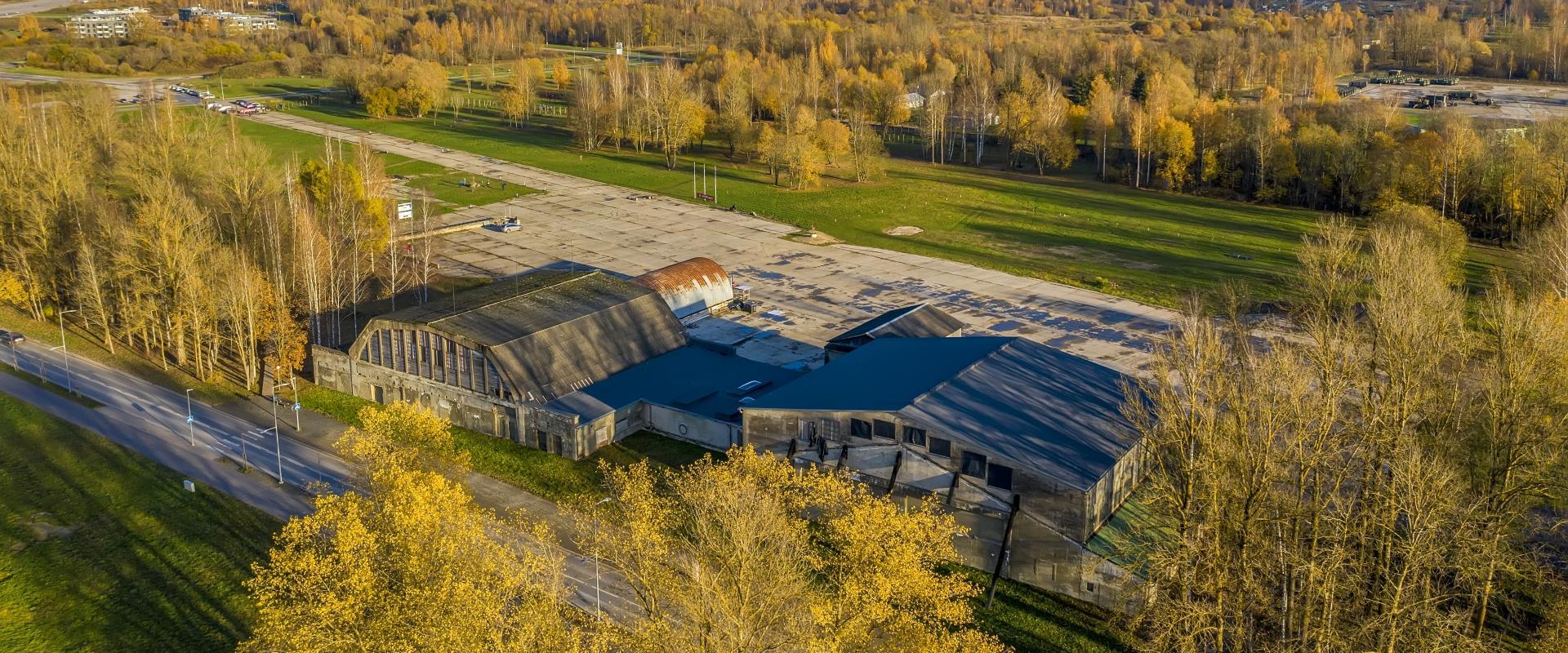
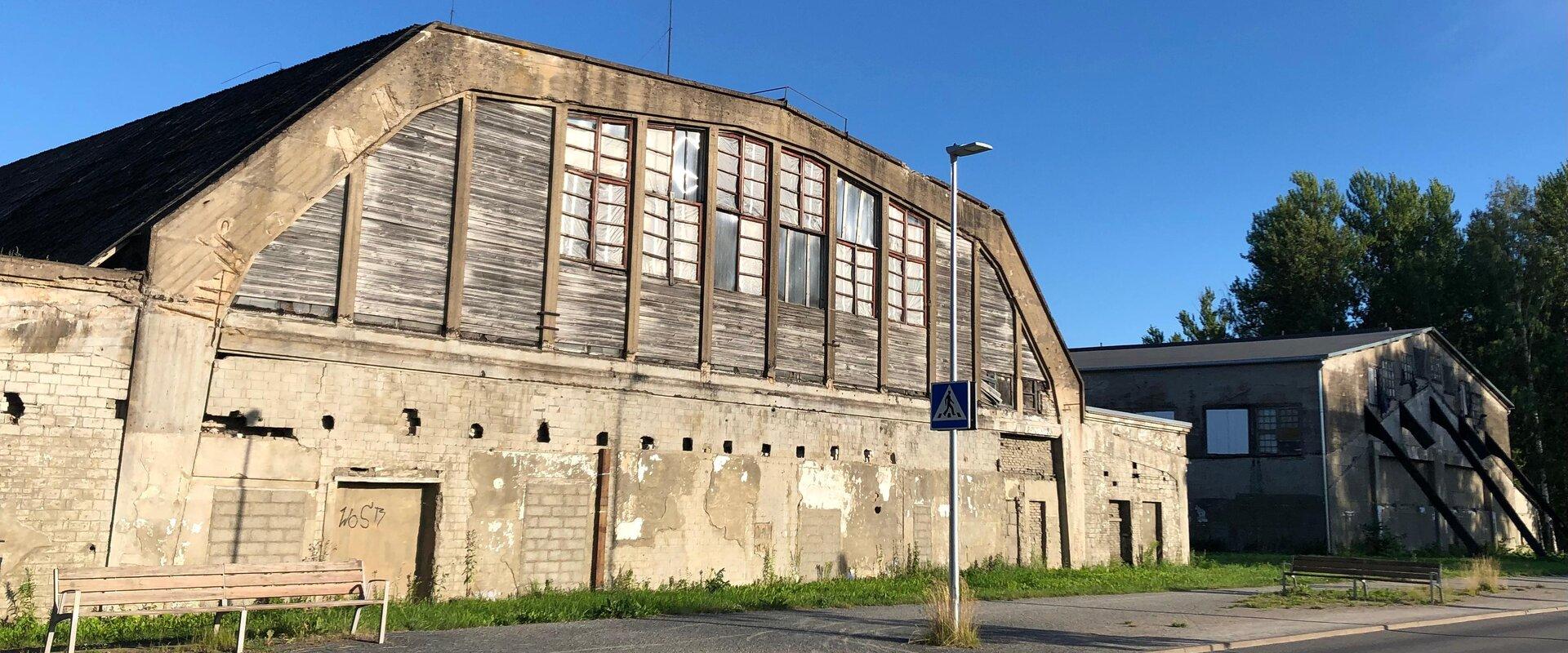
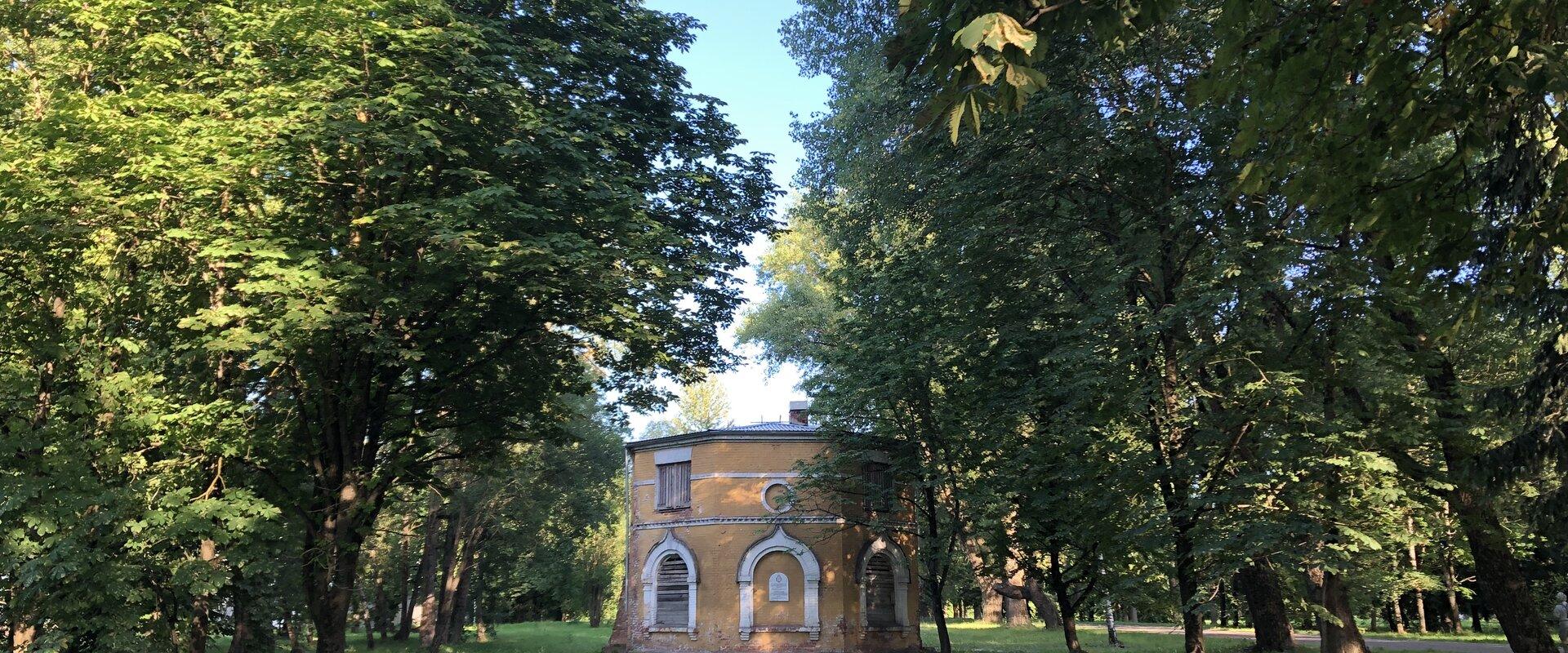
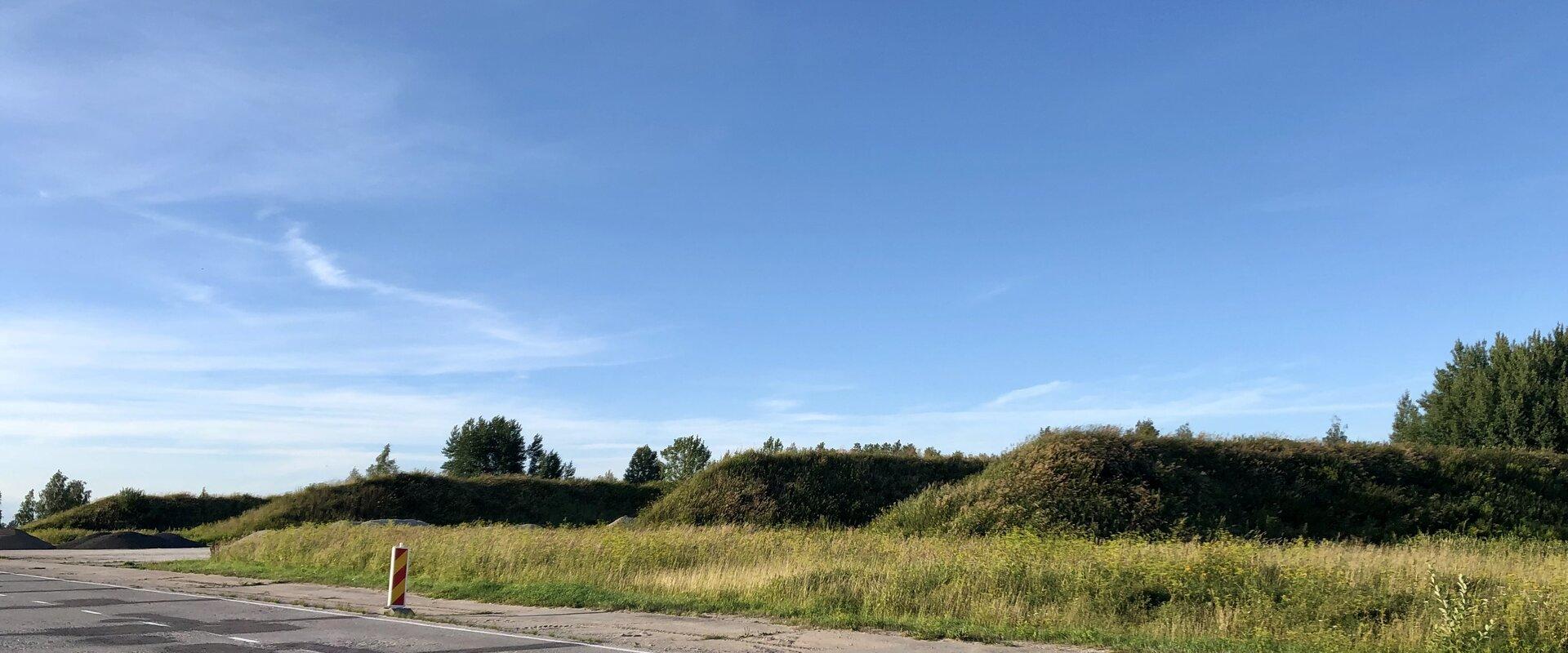
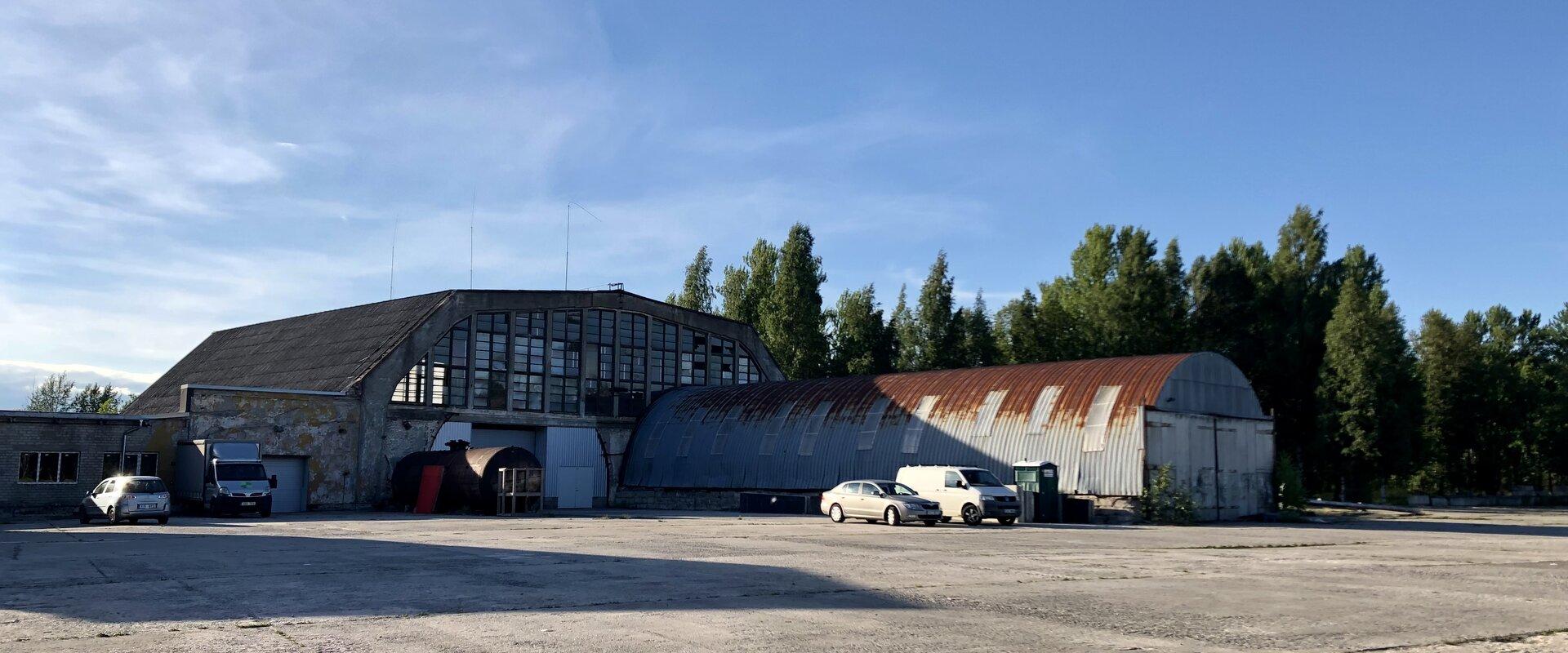
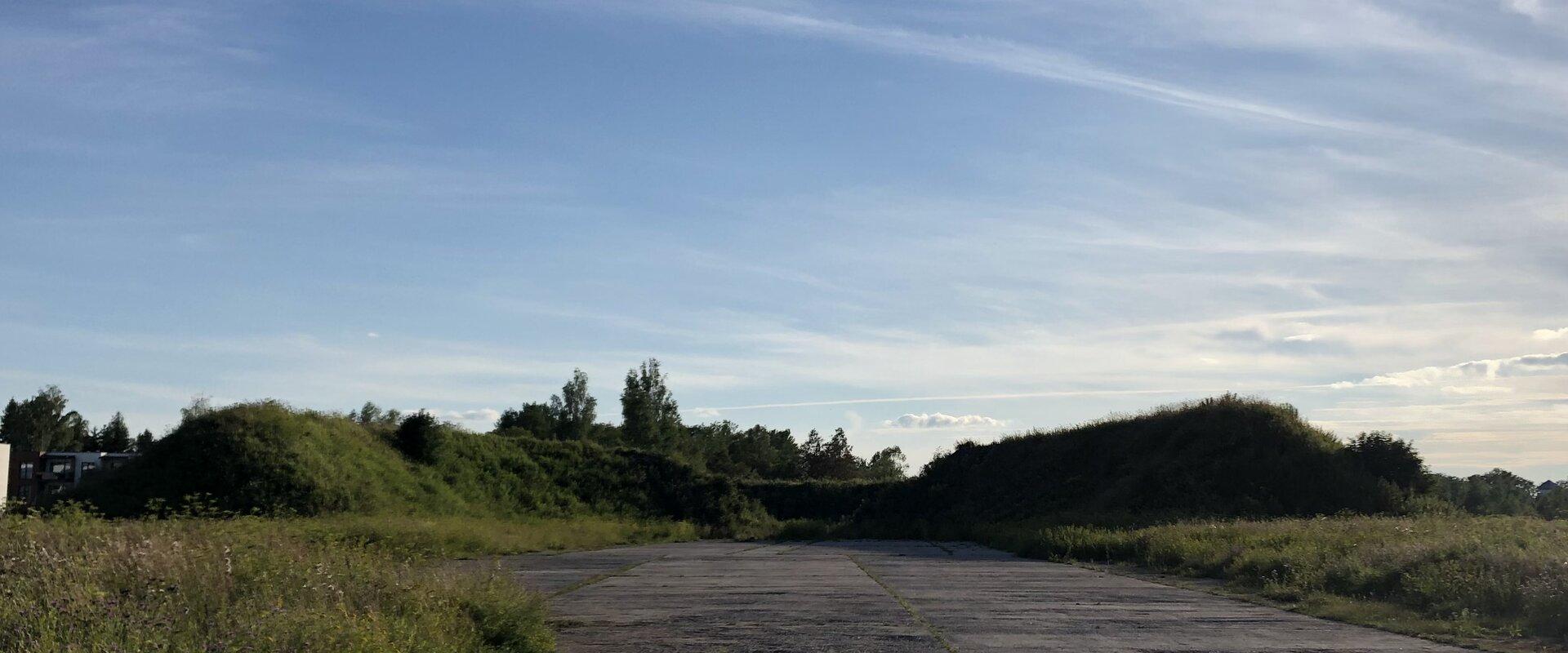
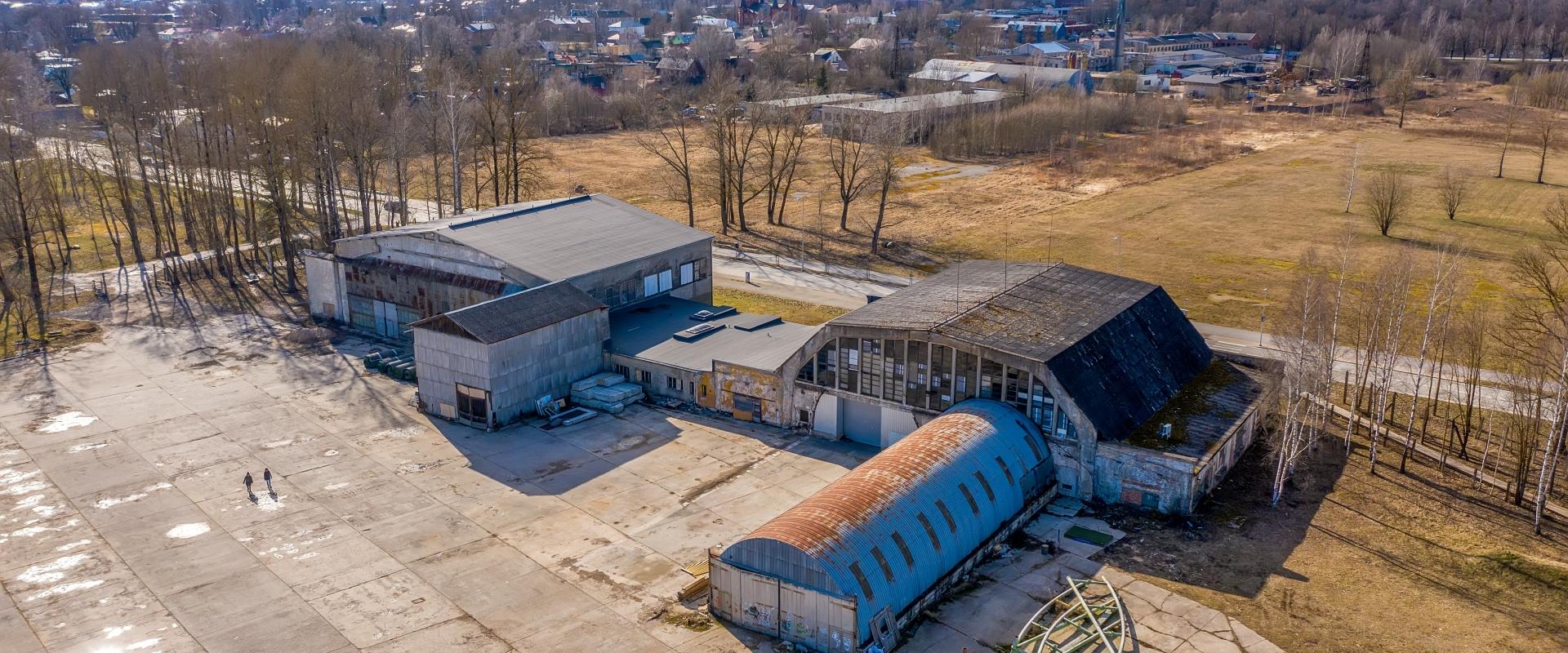
Former Raadi Military Airfield and Aircraft Hangars

Roosi tn 83, Tartu linn, Tartu maakond, 51009

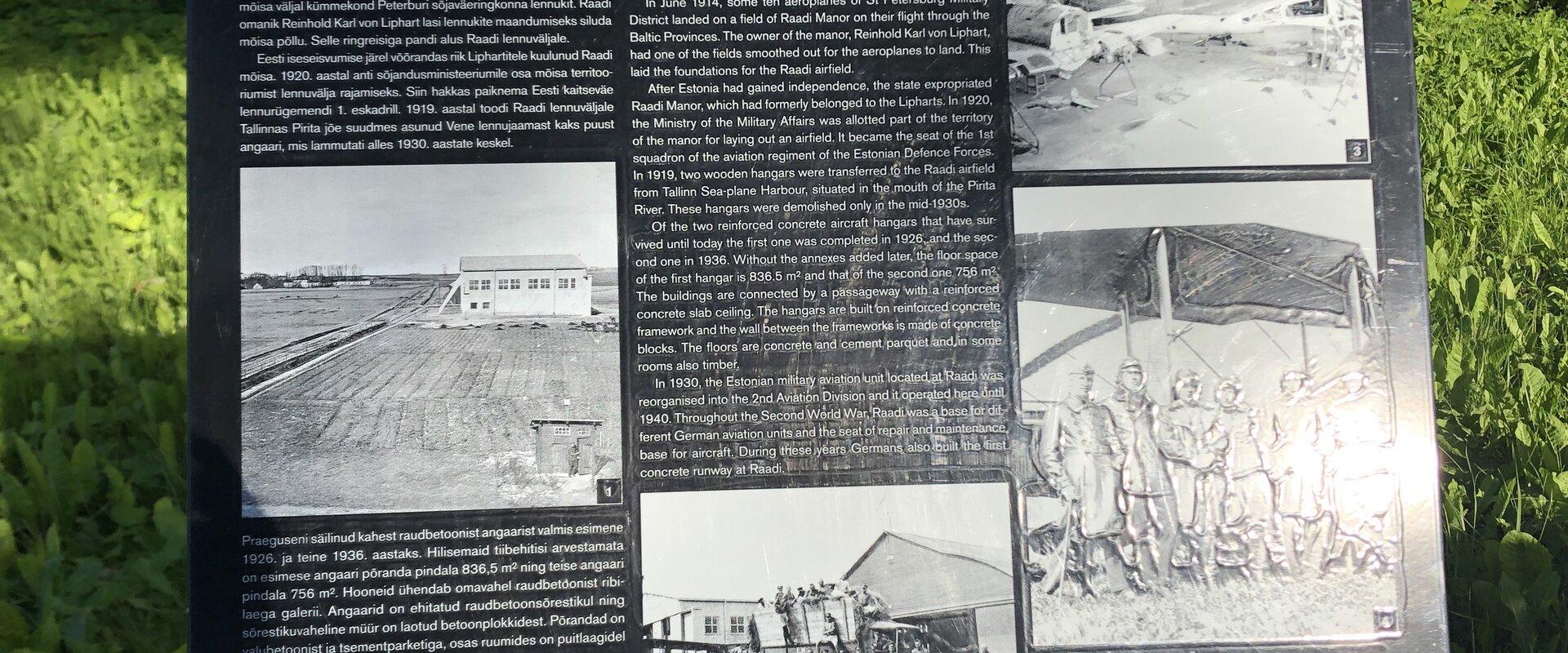
On April 14, 1912, the Russian pilot Sergei Utotškin made the first motorised flight in Estonia, in a Farman biplane above the fields of the Raadi Manor. The event was captured by Johannes Pääsuke, a young filmmaker. Baron Liphart, the lord of the Raadi Manor, had his farmland converted into a runway in summer 1914, when a dozen planes of the St. Petersburg Military District landed there. After Estonia gained its independence, the 2nd Squadron of the Aviation Regiment was stationed in Raadi. During the 1950s and 1960s the Raadi airfield was refashioned into one of the largest air bases in Eastern Europe, at which strategic long-range bombers were stationed. It’s believed that the last plane landed here in 1996.
Mugavused

  • Information boards

Часы работы

Круглый год

Ööpäevaringselt

Ссылки

militaryheritagetourism.info

Подробнее

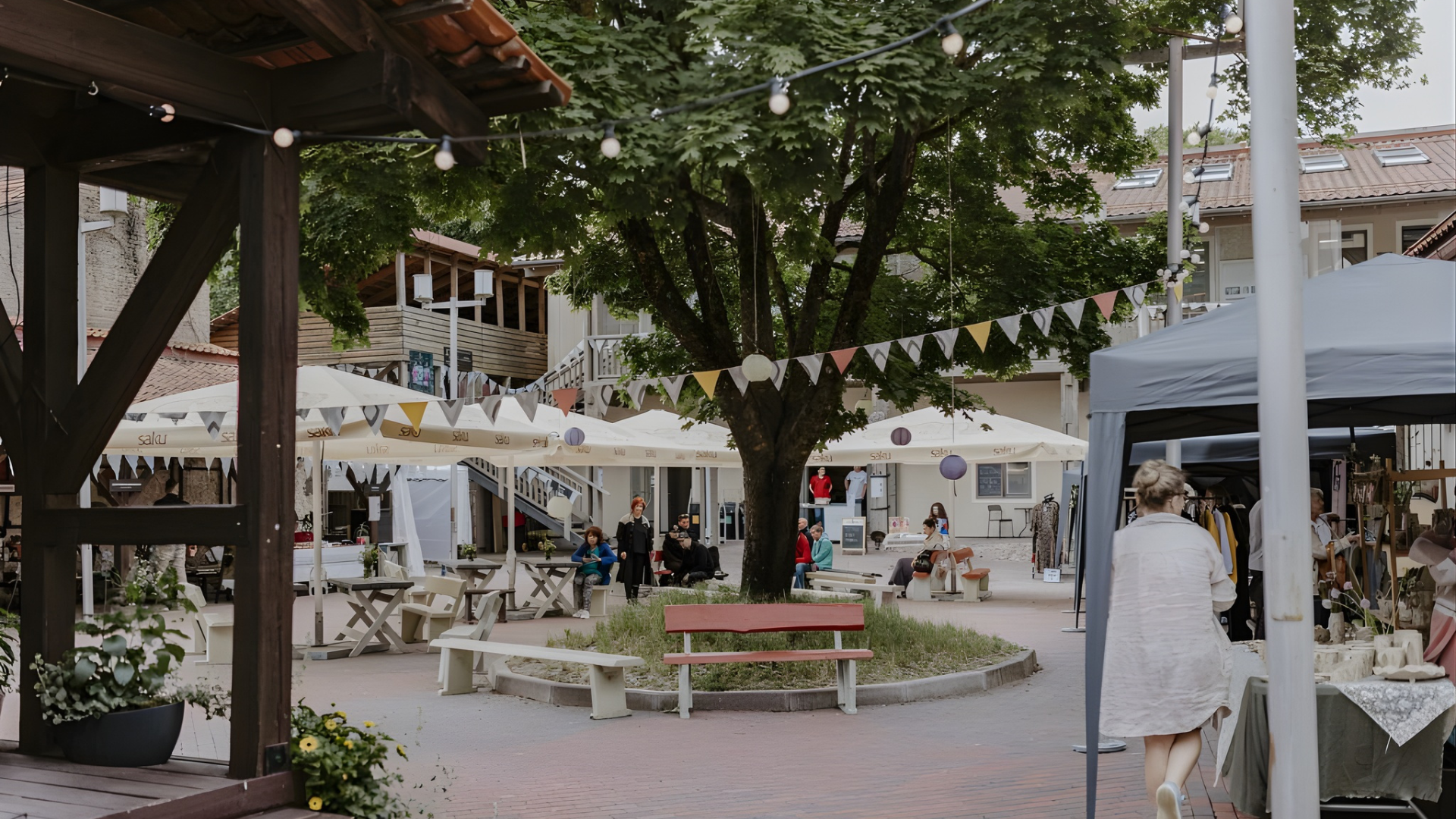
Antonius Courtyard

Antonius Courtyard is a historical site in the heart of Tartu's Old Town, where history meets contemporary creativity. This special courtyard, with centuries-old craftsmanship and artistic heritage, offers the opportunity to experience a vibrant cultural space in an authentic environment. Historically, this place is associated with the craft guild known as the St. Anthony's Guild, whose roots go back to the Middle Ages. Guilds played an important role in the economic and social life of cities, bringing together masters and regulating crafts and trade. The area was located near St. John's Church and was part of the medieval city structure where craftsmen lived and worked. Today, Antonius Courtyard is an inspiring creative center where designers, artists, and craftsmen work. It is a popular venue for events — concerts, performances, and other cultural events are held here year-round, bringing together designers, creative entrepreneurs, and visitors. During opening hours, you can explore the history exhibition about the Tartu County Creative Path and Tartu Small Guild.

Räpina Snow White Kiosk

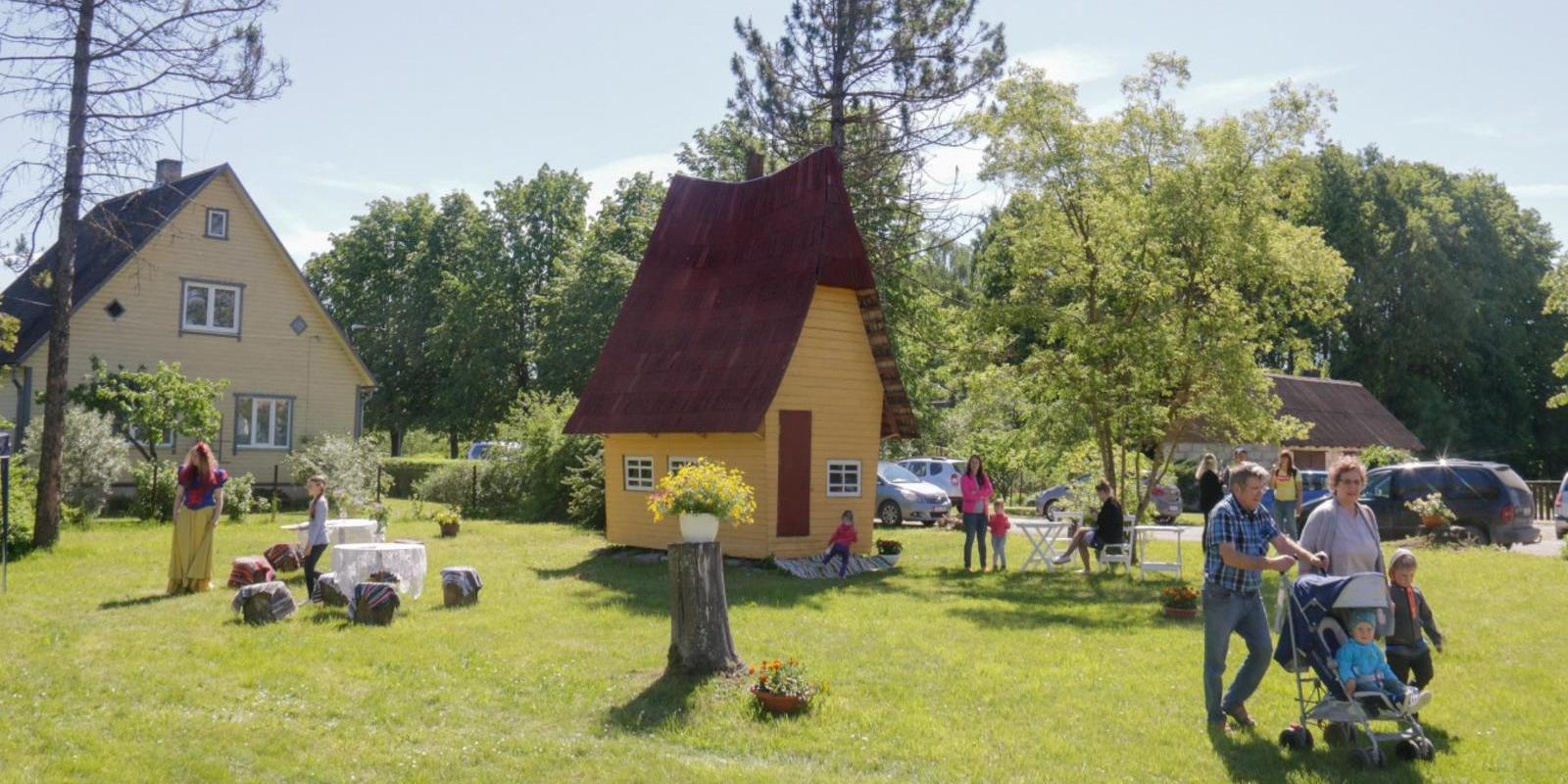
The architectural solution of Räpina children's kiosk is inspired by the book Snow White and the Seven Dwarfs.In the past, the interior walls of the kiosk were decorated with humorous portraits of the seven dwarfs, which always generated excitement in younger guests. The Snow White kiosk brought joy to children and made Räpina a popular destination among visitors. The kiosk sold children's favourites – lemonade and sweets.The children's kiosk is no longer in operation and the house is usually empty. Its doors are opened on the day of Räpina home cafes.At other times, it is possible to explore the house and admire it from the outside.

  • Monuments

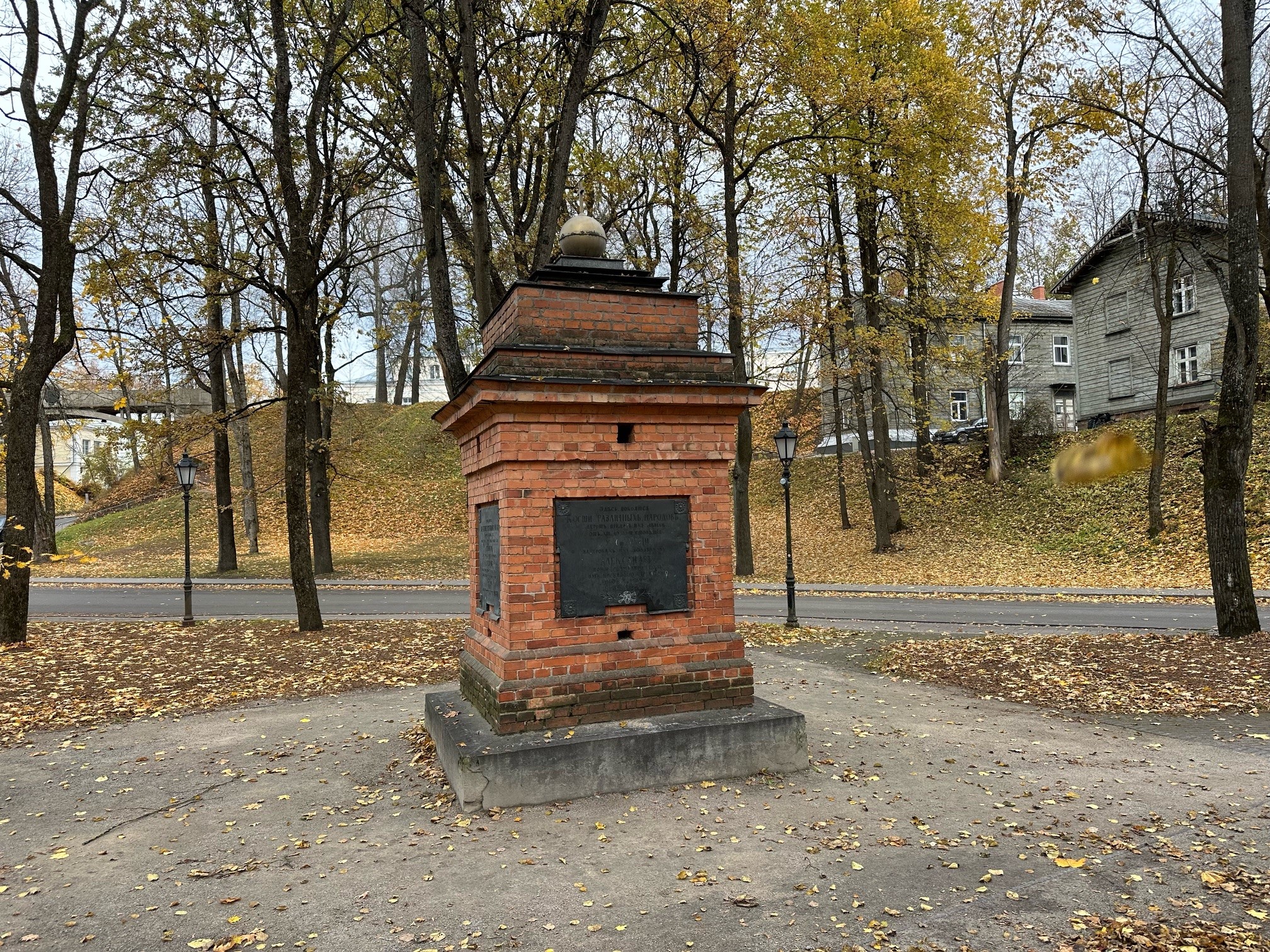
Monument of Nations

The Monument of Nation is the oldest monument in Tartu. The bones buried under the floor and in the cemetery of St Mary’s Church were found when the main building of the University of Tartu was built on the former site of the church. In 1806 they were reburied in Toomeorg near Vallikraavi Street and the small square Monument to People, which was created according to the drawings of J W Krause and resembles the tomb monuments of Asia Minor (Lykia), was erected there in 1811. The human bones found in the course of archaeological work in the cellars of the main building of the University of Tartu were buried by the monument’s side that faces street on 20 September 1985. A case with information was also buried in the grave.

  • Family friendly

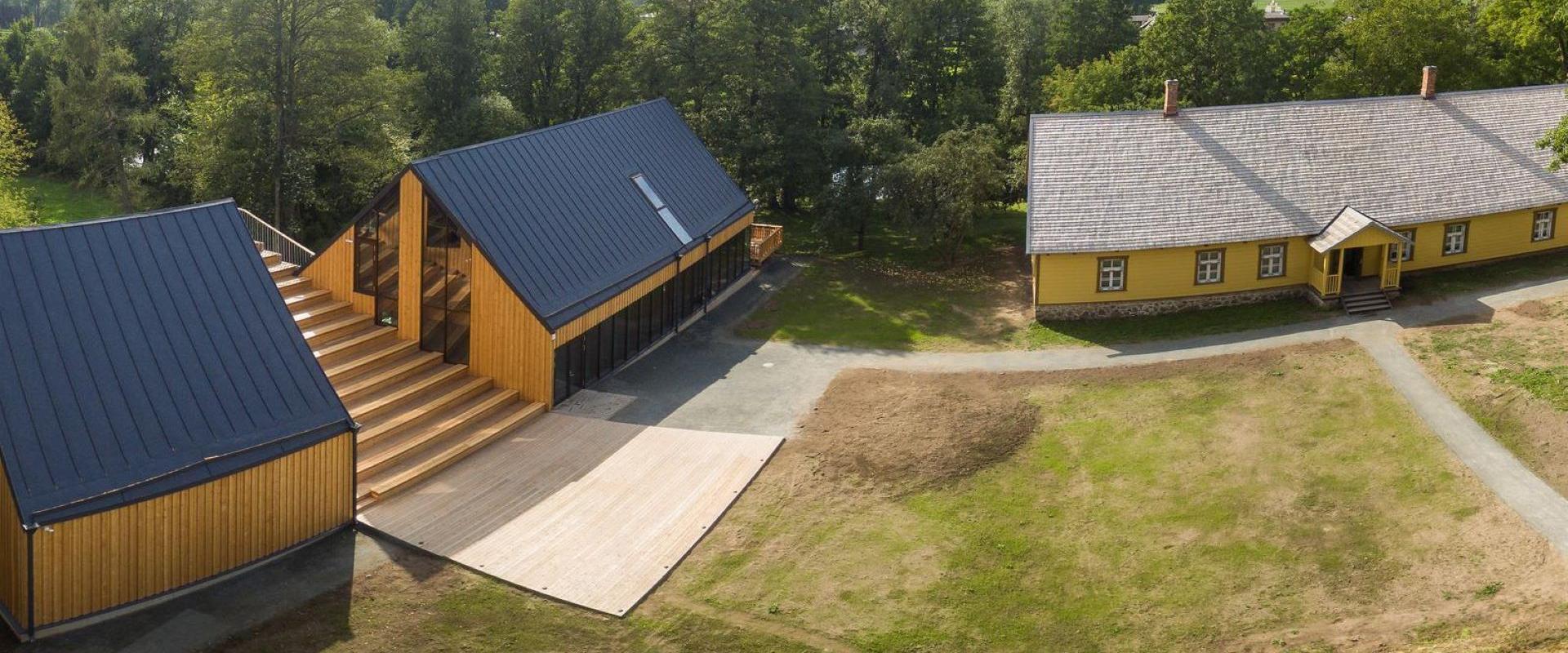
Palamuse O. Luts’s Parish School Museum

The historical Palamuse Parish Schoolhouse is now open to visitors as it was seen in 1895. There, you will find the classroom and the living rooms of the parish clerk, known from the movie Kevade. The heart of the museum is located in the freshly completed main building, where you will also find a classroom and a workshop. The main exhibition of the main building is meant for the whole family, reflecting the history of the Estonian parish schools through Kevade. The text introducing the entire building seems to have been written by the character Toots from the movie: you can learn to play the violin, catch Lati Pac, and see what Toots was hiding in his pockets! You can also learn how the movie Kevade was made and how it affected the Estonian culture.

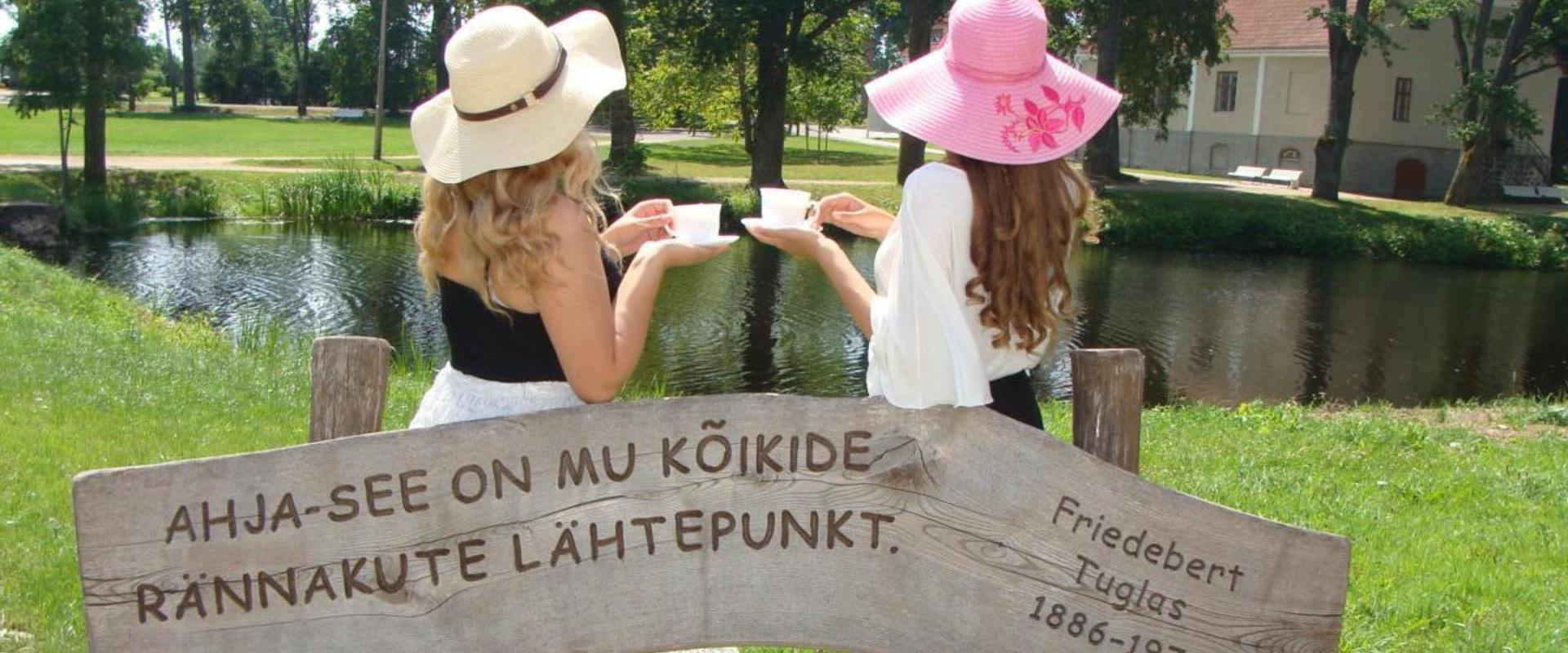
Museum of Tuglas in Ahja rural municipality

The Museum of Tuglas is the childhood home of Friedebert Tuglas, born on 2 March 1886. Tuglas became a well-known writer for his novel Väike Illimar (Little Illimar) written in 1932. The story of the little Illimar is at the same time the story of a manor in Estonia. Places related to Friedebert Tuglas and the Little Illimar are displayed on a large map, which is also exhibited in the museum. Spatial exposition provides background information for the guests who visit the places related to the novel and learn about the everyday life of the manor house.

  • Churches

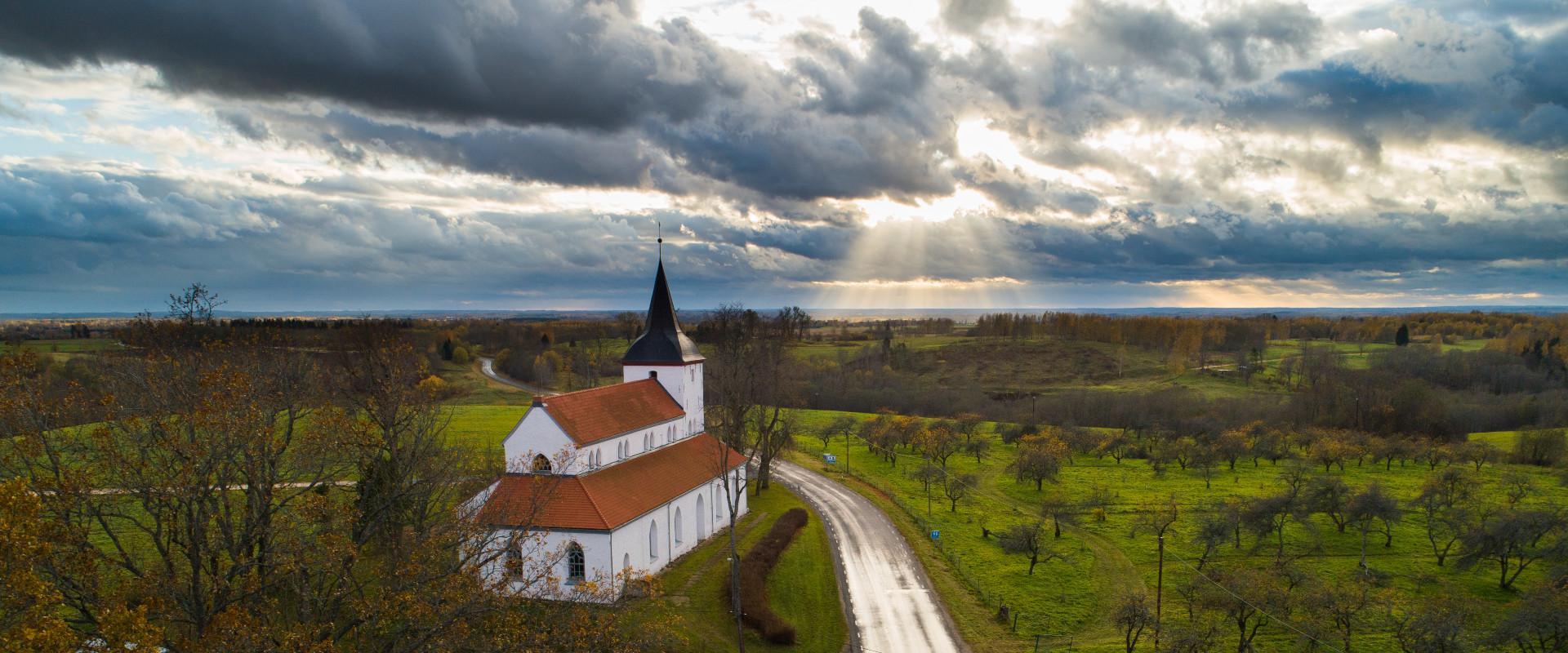
Urvaste church and cemetery on the shores of Lake Uhtjärv

The EELC St. Urbanus' Church in Urvaste, Võru County is one of the oldest and most unique country churches. The earliest written records date back to 1413, which means that 600 years have passed since the church was first mentioned.The church we see today – a three-naved Gothic basilica – was consecrated on 5 September 1889. The entire interior of the church also dates back to this time. In 1938, The organ was built by the Kriisa brothers in 1938, while the church bells date back to 1832.From the yellow National Geographic window on the shores of Lake Uhtjärv, you can enjoy a breathtaking view over the Urvaste church and the primeval valley of Lake Uhtjärv. The window marks one of the 21 places worthy of discovery in South-Estonia.

  • Manors

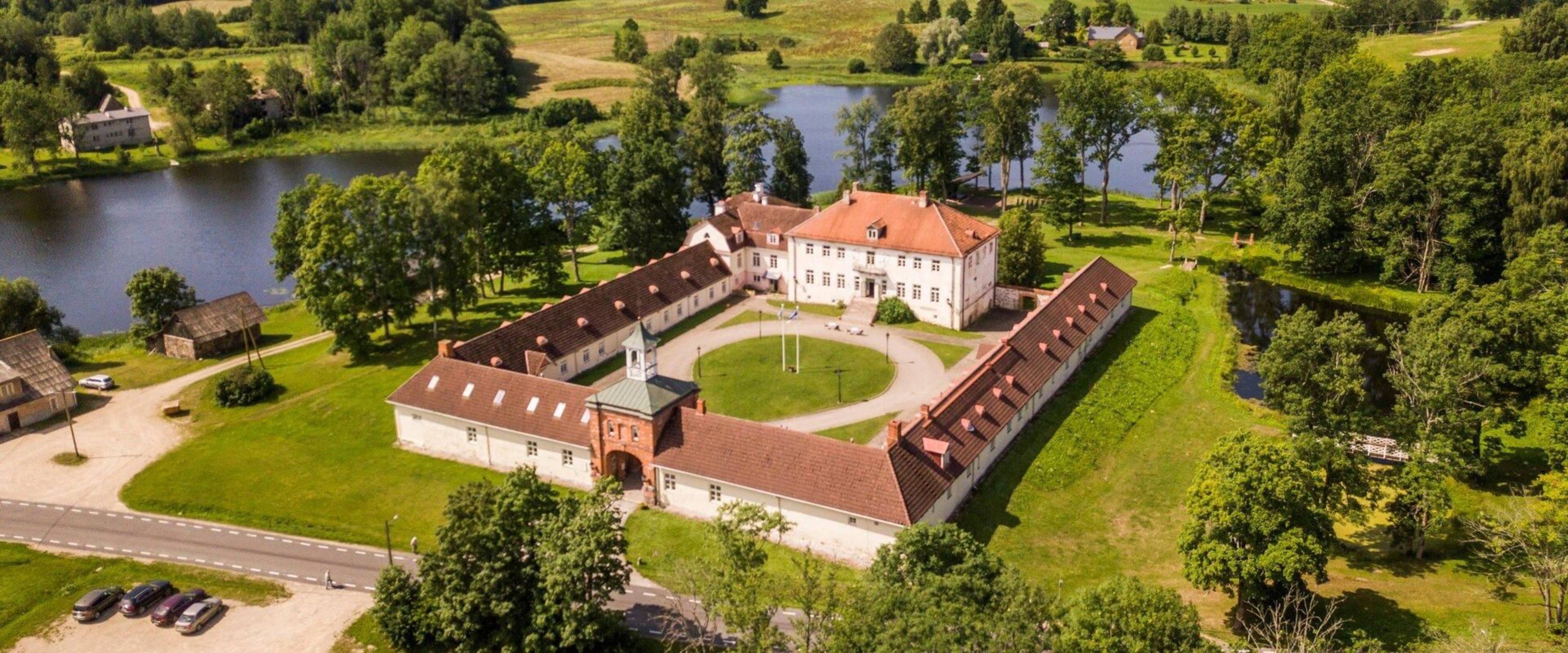
Rogosi Castle Manor in Ruusmäe

Stanislaw Rogosinsky, a native of Poland, established the Rogosi Manor. From 1629 to 1776 the manor belonged to Herman von Liebsdorff and was later given to the von Glasenapp family as Herman's daughter's dowry. From 1934, after the Glasenapp family was dispossessed of the manor, a school operates in the manor. When place names were translated into Estonian in 1939, the village was named Ruusmäe, but the manor is still known as Rogosi. In summer 1990, Otto von Glasenapp, son of the owner of the manor visited his old home.Useful information: There is a museum of local lore in the barbican, which is open in summer. Watercolors of Joh. Chr. Brotze have been preserved as sources of the manor's history.

  • Workshops
  • Estonian handicraft
  • Estonian design

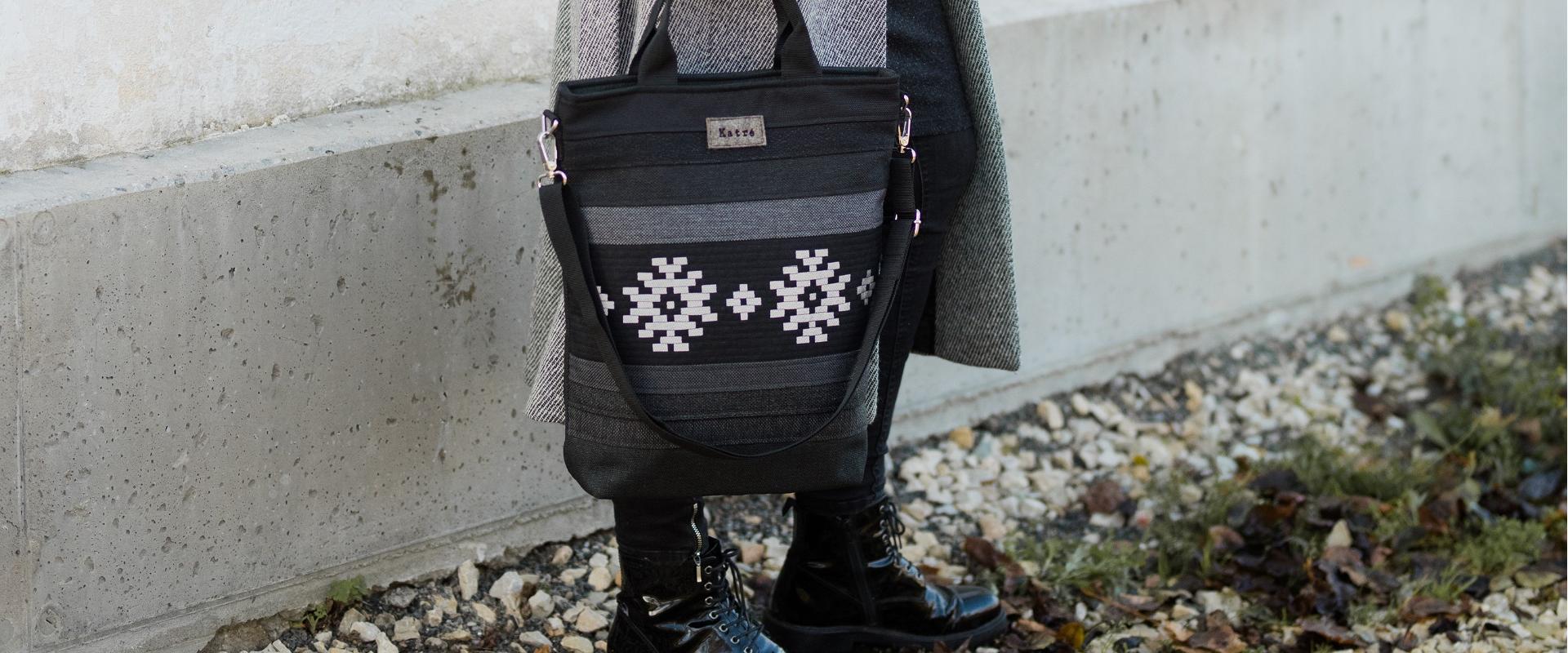
Katre Arula`s Handicraft Workshop

Katre Arula`s Handicraft Workshop, where you will find crafter Katre Arula, is located in the courtyard of Põltsamaa Castle. In the workshop's store, you will find high-quality unique original creations and genuine Estonian handicraft items picked personally by Katre. The selection includes: clothes, bags, scarves, belts, gloves, jewellery, candles, ceramics, household textiles and small sweet knick-knacks.Groups can book an introduction of Katre's creation and work. She will demonstrate the items and explain their origin. She also makes custom-made items according to the client's specification.It is possible to book workshops.

  • Privacy Policy

"*"обозначает обязательные поля

Это поле используется для проверочных целей, его следует оставить без изменений.
Я разрешаю маркетинг