• Explore
    • Nature
    • Culture
    • Food
    • Family
    • Activity
    • Blog
  • Plan
    • Tourist info
    • Accommodation
  • For professionals
    • For professionals
    • Collaboration
    • News
    • Projects
    • Training
    • Repository
    • Community (opens in new tab)
    • Contacts
ENG
  • EnglishENG
  • EestiEST
  • LatviešuLAT
  • РусскийRUS
  • SuomiFIN
ENG
  • EnglishENG
  • EestiEST
  • LatviešuLAT
  • РусскийRUS
  • SuomiFIN
Popular searches:
Show all
  • History & Culture
  • Art & design
  • Sculptures

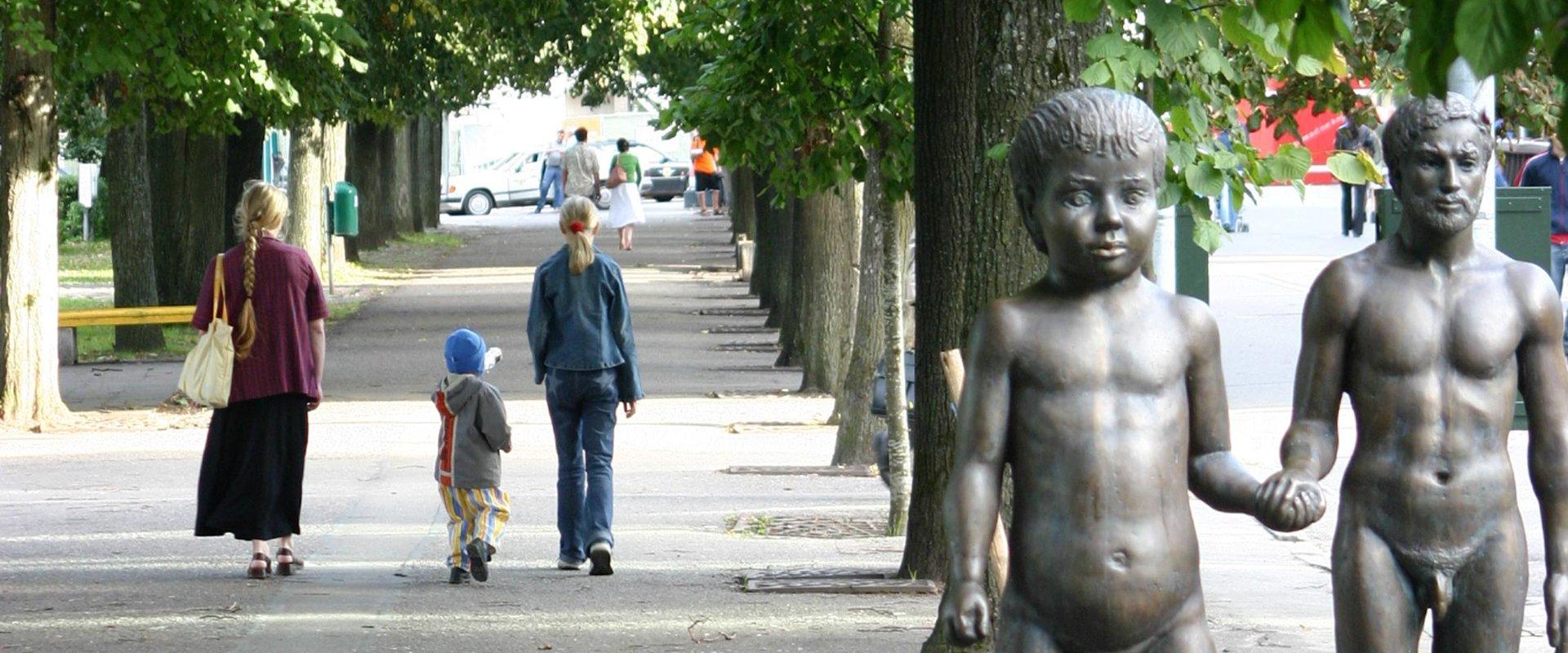
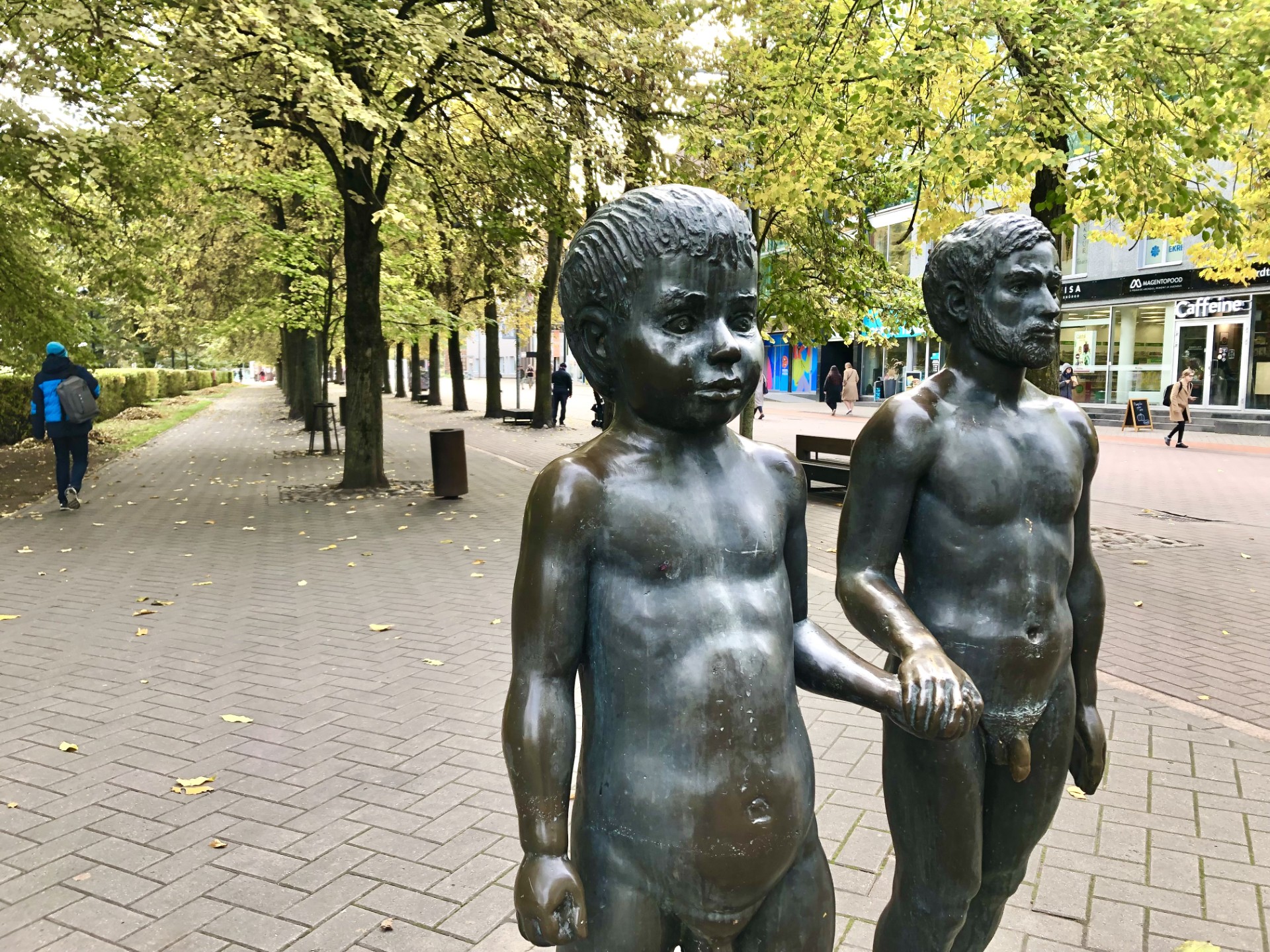
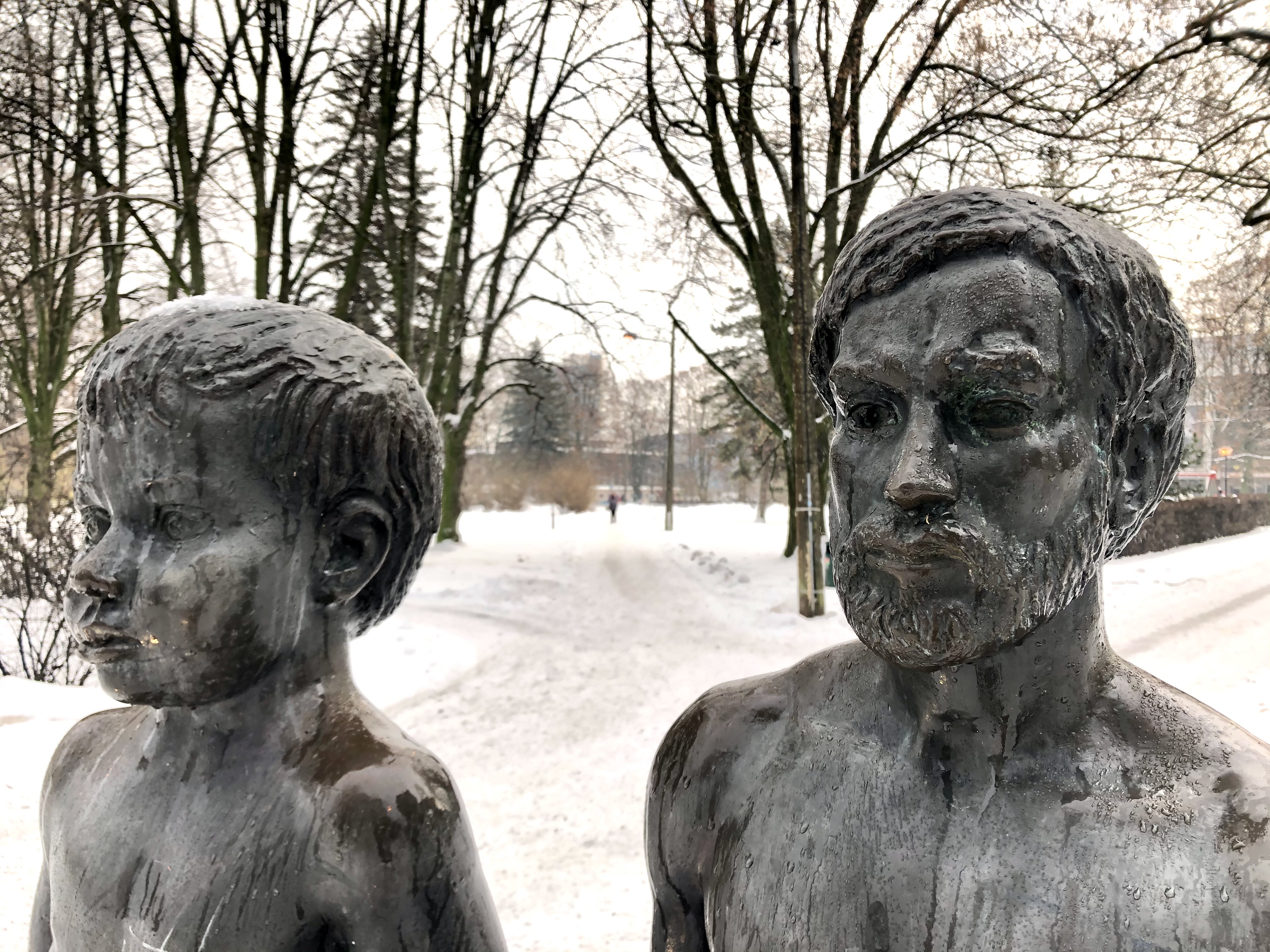
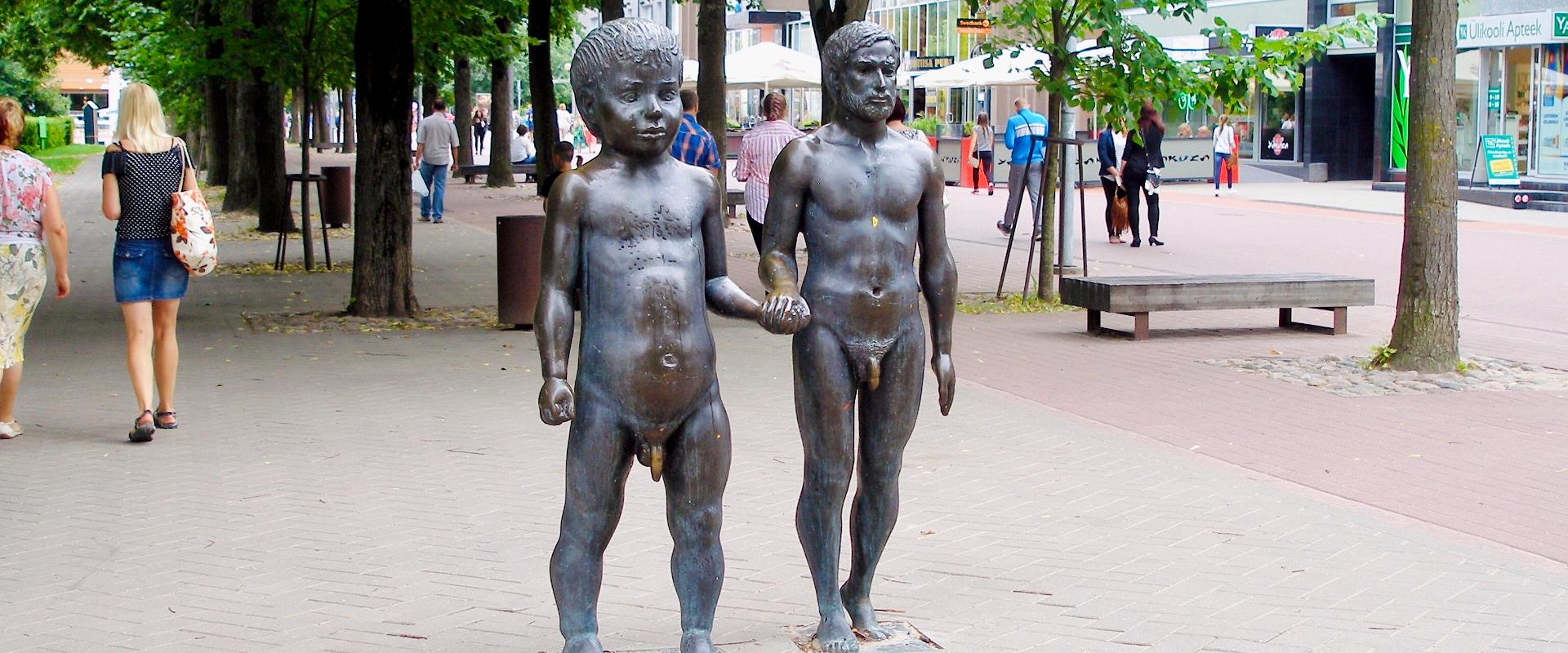
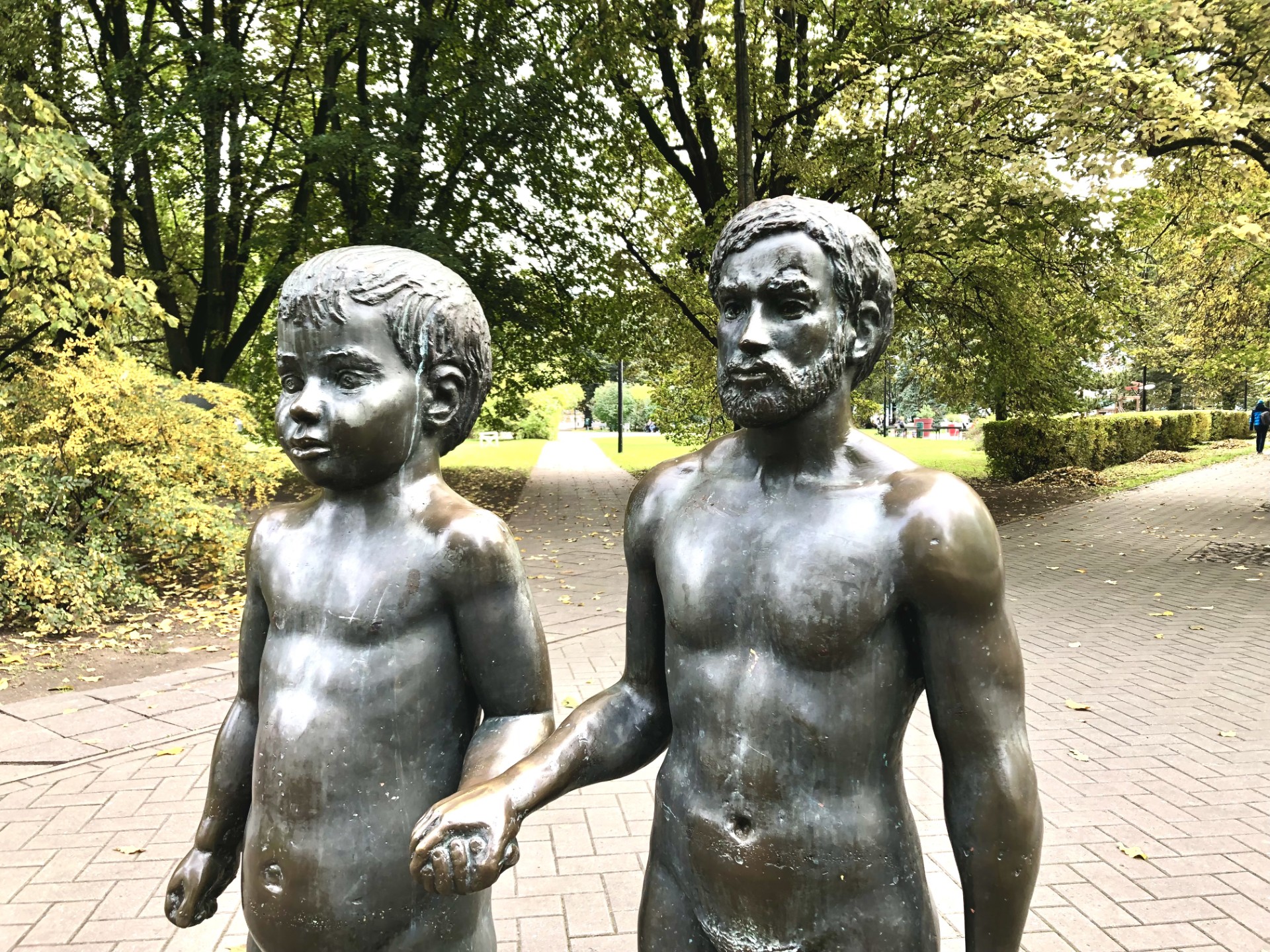
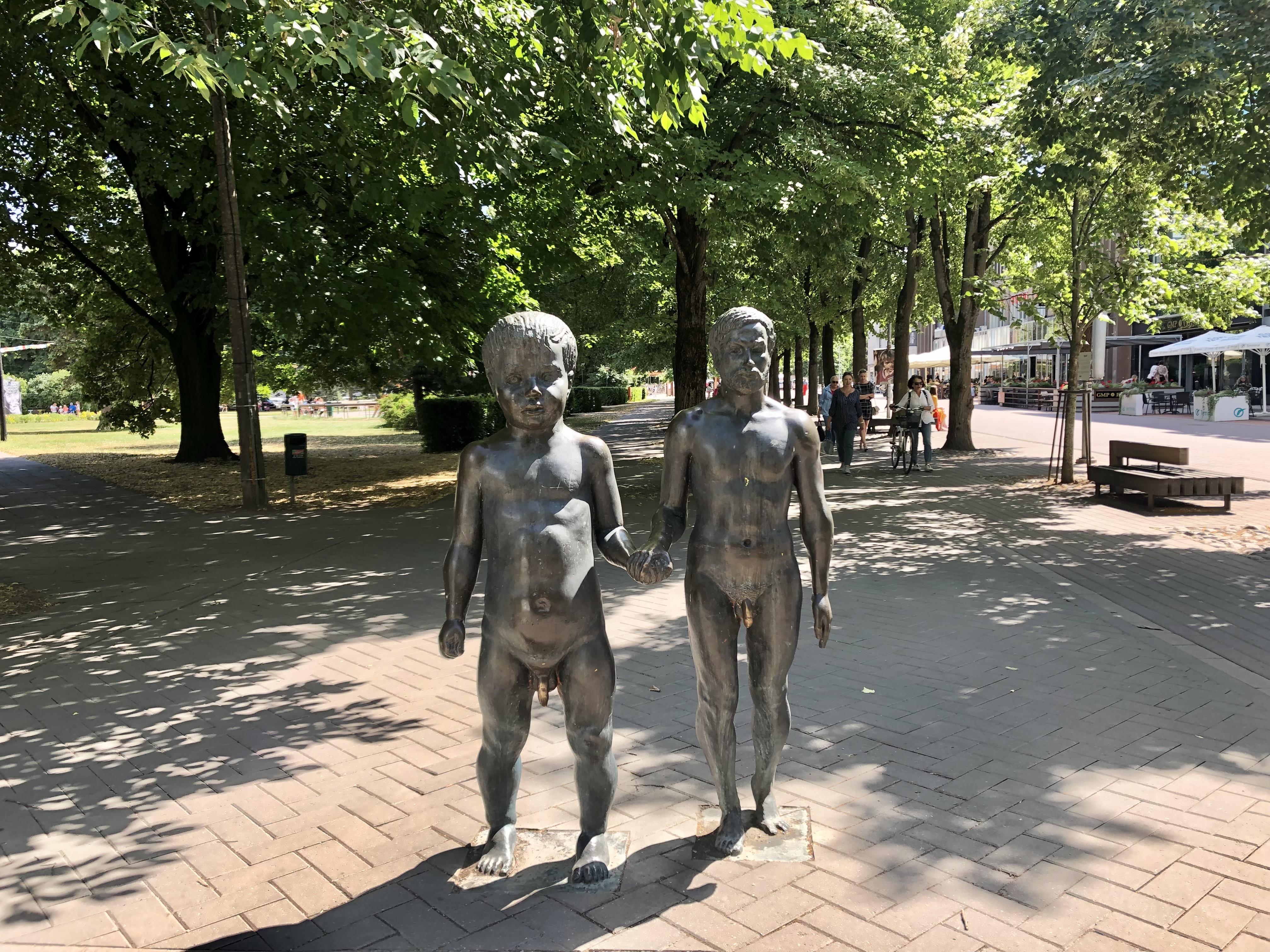
‘Father and Son’ sculpture

Vanemuise tn 1, Tartu linn, Tartu maakond, 51003

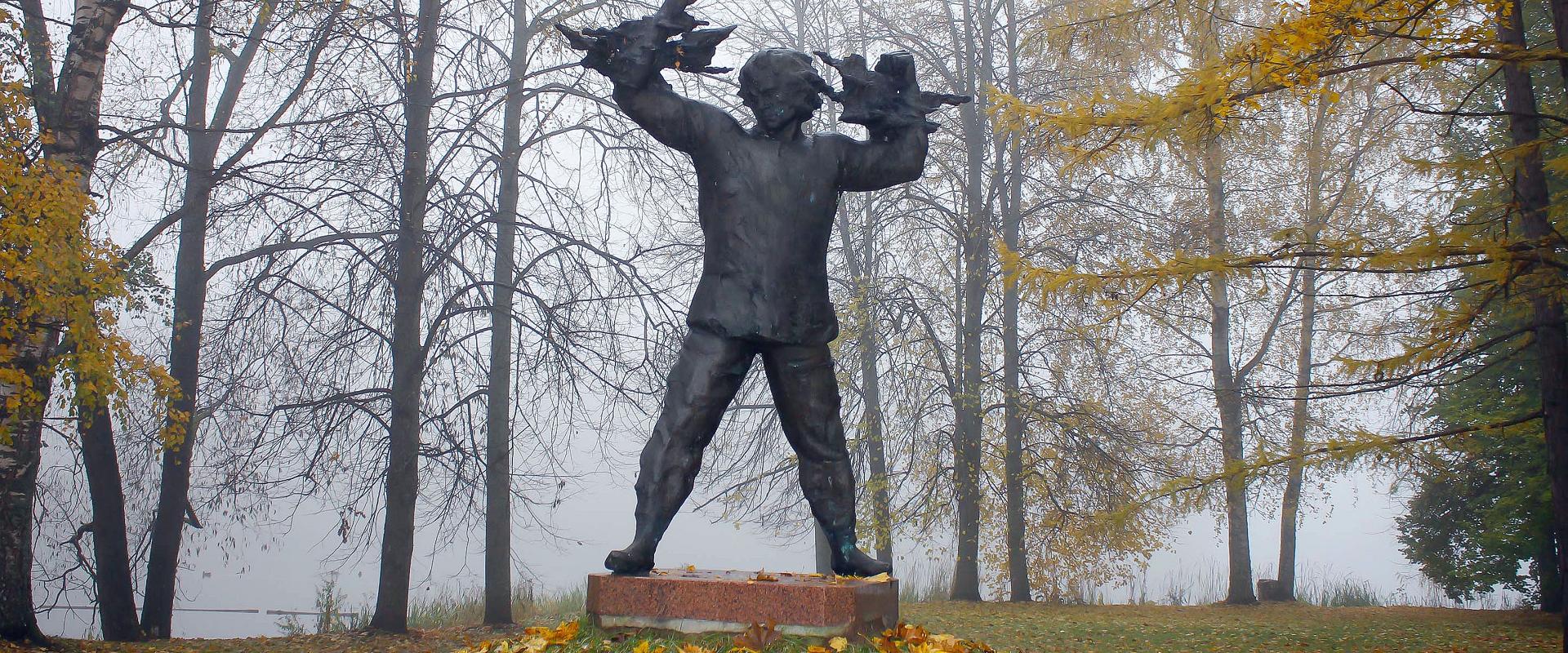
The sculpture “Father and Son” is a symbol of the relationship between different generations, where children are increasingly growing apart from their parents. The bronze work by sculptor Ülo Õun (1944-1988) was unveiled on Children’s Day, June 1, 2004, on Küüni Street. The work represents the sculptor himself and his son Kristjan when the son was one and a half years old.
Open times

Throughout the Year

Around the Clock

Links

See more

  • Sculptures

The Tree Garden Warrior

Standing in the landcaped area opposite the former main entrance of the Räpina Paper Factory is the Tree Garden Warrior, a monument to the historical Tree Garden War designed by Riho Kuld in 1984. The locals refer to the warrior as the Iron Man.In 1784 a peasant uprising took place in Räpina following the levying of a bounty tax. In the tree garden of the local manor a battle erupted between the soldiers and the local farmhands, who were armed with poles - ending in the deaths of five local men.

  • Sculptures

Kaarnakivi Stone in Rõuge Park

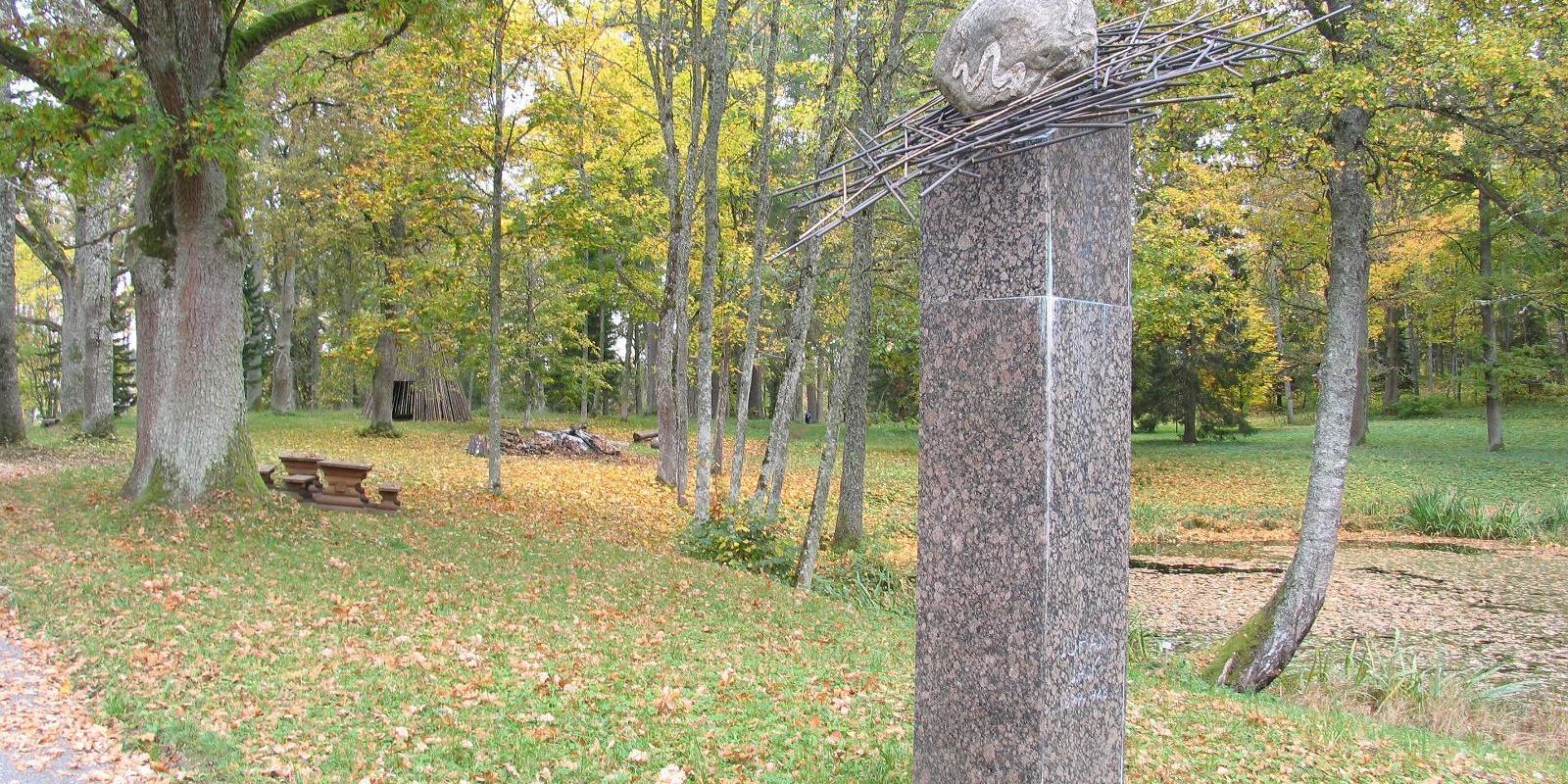
The Kaarnakivi Stone by the sculptor Tiiu Kirsipuu is a memorial to the writer Juhan Jaik erected on the occasion of the 100th anniversary of his birth. Fantasy author Juhan Jaik (1899-1948), born in Sänna in Võru County, wrote captivating and enchanting stories and poems for both adults and children. "Kaarnakivi", a collection of ghost and animal stories, is an Estonian children's literature classic that continues to excite readers today.The "kaarnakivi", as many Estonians already know, is a stone that gives its finder whatever he or she wants, if a person knows how to use it prudently.

  • Sculptures

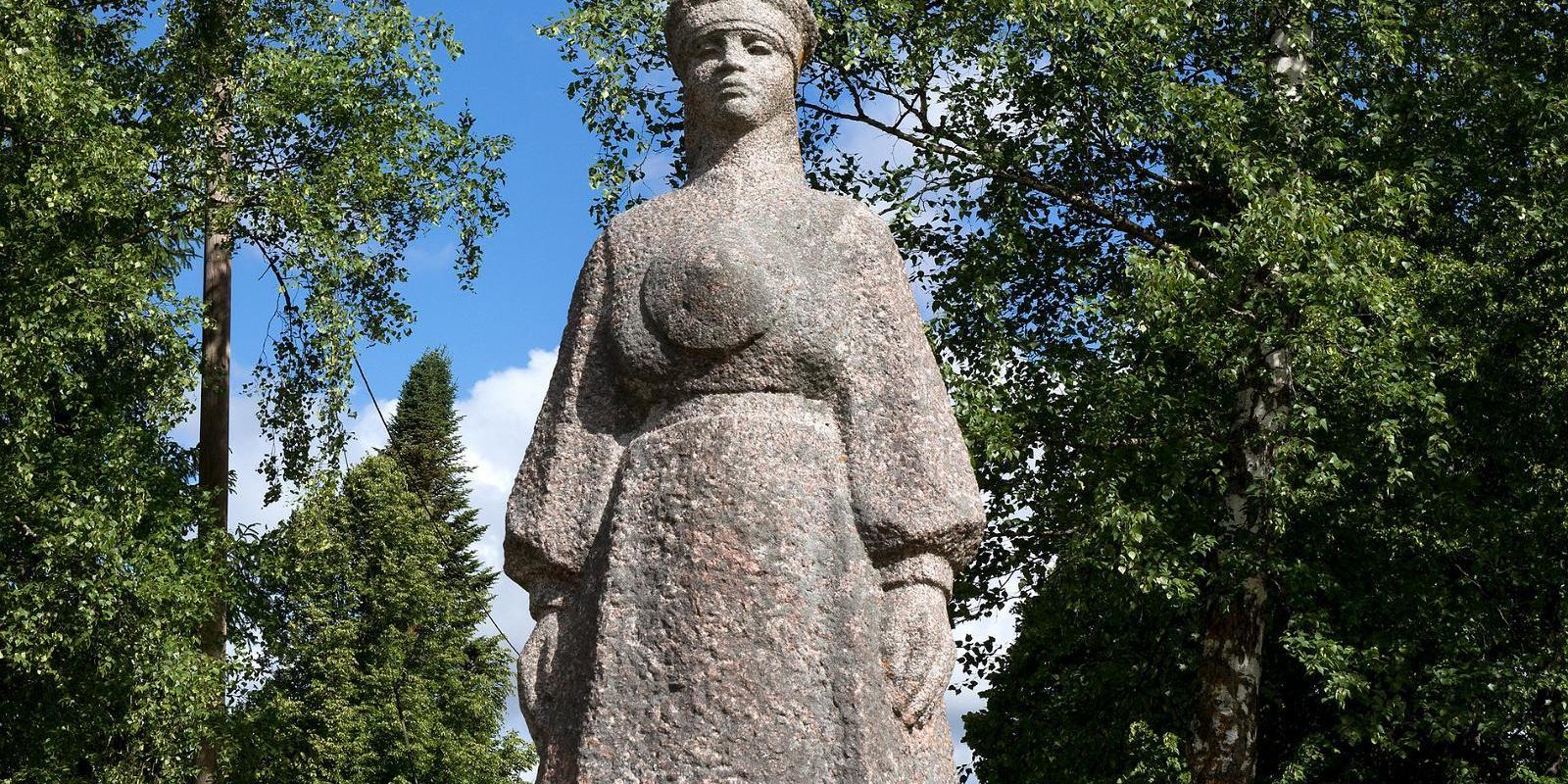
Singing Mother Monument

On the vista overlooking Obinitsa Lake stands the stone Singing Mother Monument. It's a memorial to all the "singing mothers" (Estonian: lauluemad) of Setomaa. The statue was erected in 1986. Around its base are many stones for local singers. The area around the monument offers a good view of Obinitsa Lake and the older part of the village. This is also a good place for a group picture. To the left of the Singing Mother Monument is Obinitsa's old school-church (1904).

  • Sculptures

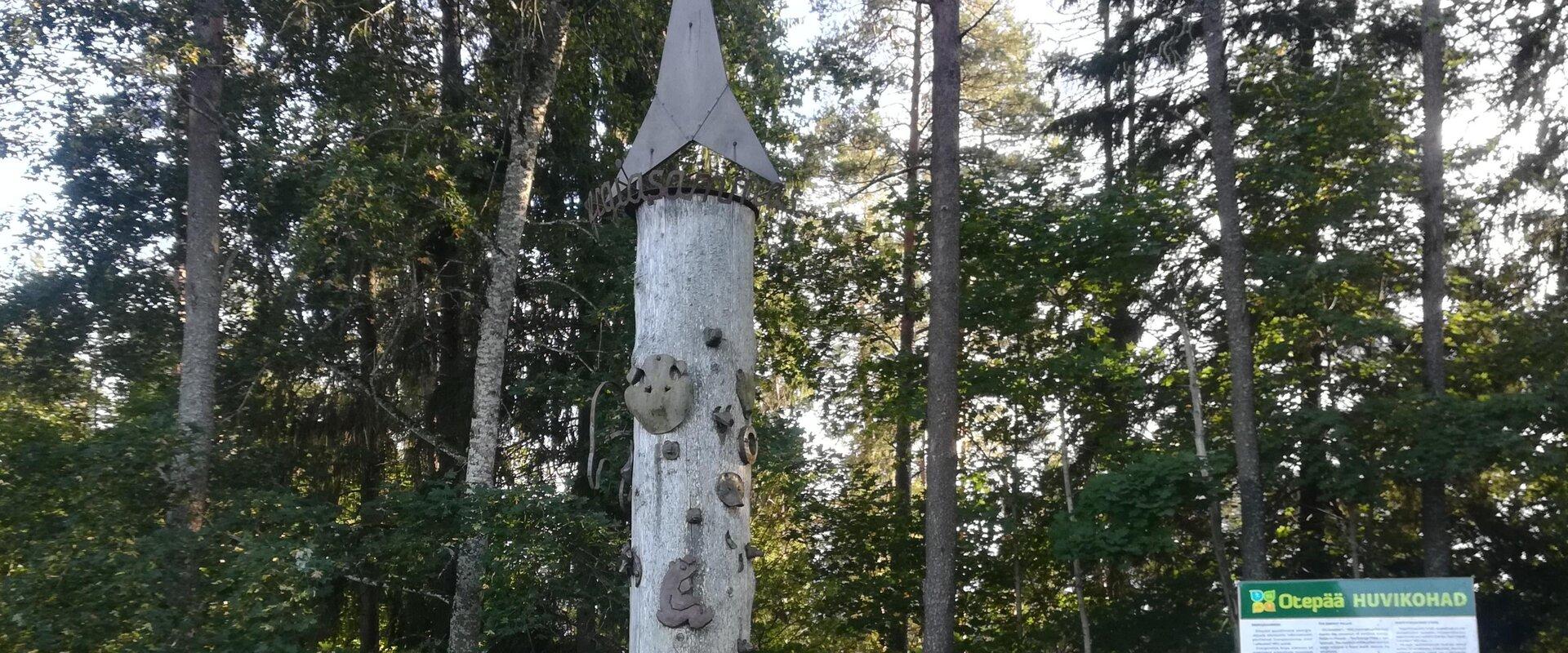
Otepää Energy Column

Otepää irradiates good energy! The monument that celebrates the existence of positive energy fields was opened in Mäe Street on 1 October 1992.The entire field is surrounded by benches and the location of these as well as the column itself was selected by psychics. The energy column is the symbol which reminds us that in this rapidly changing world, humans are a part of nature and everything is based on the rules of nature that rely on balance and co-dependency.

  • Sculptures

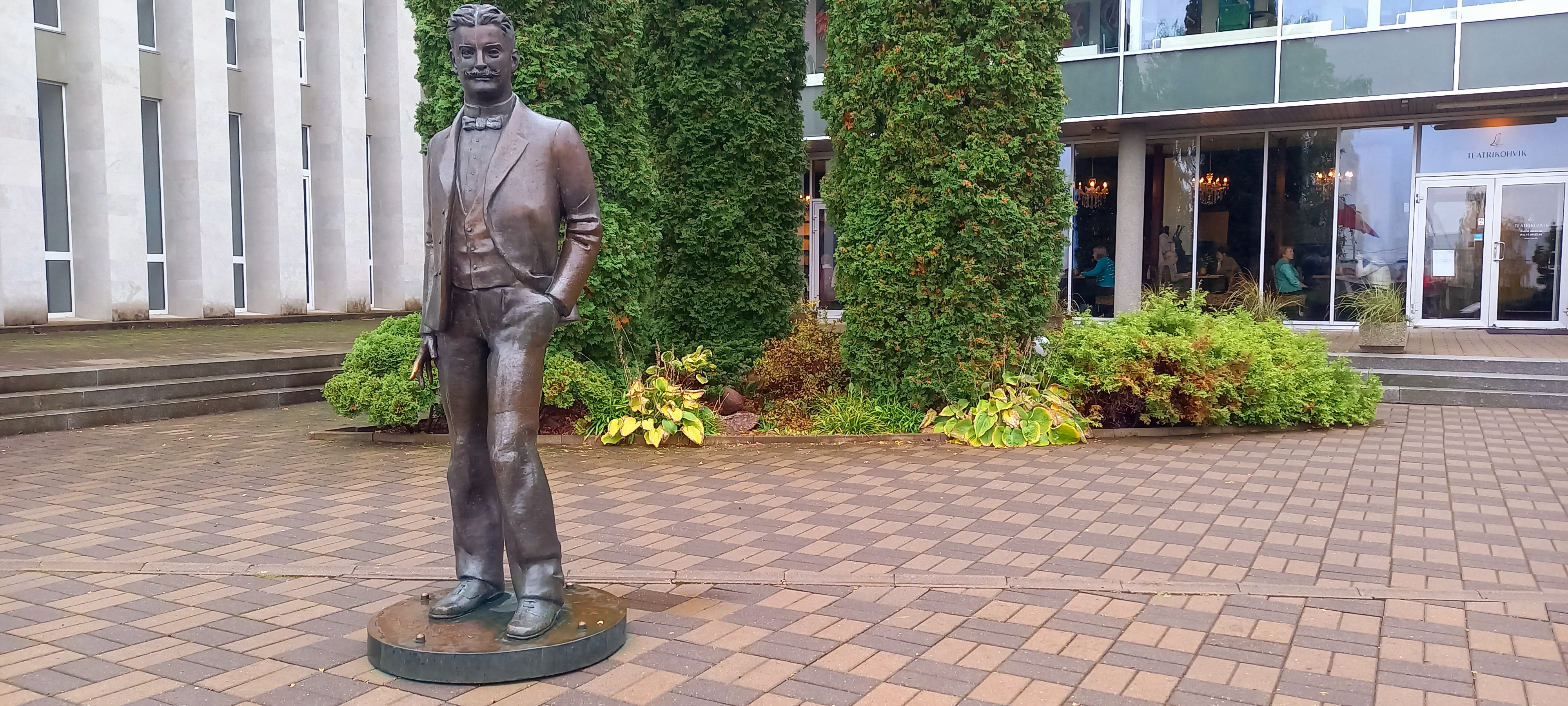
Sculpture of Karl Menning

Karl Menning was the founder of professional theatre in Estonia and the first professional theatre and stage director in the country. He was the director of the Vanemuine Theatre from 1906 to 1914. His sculpture was created by Mare Mikoff and is unique for the fact that it can be turned on the spot.

  • Sculptures

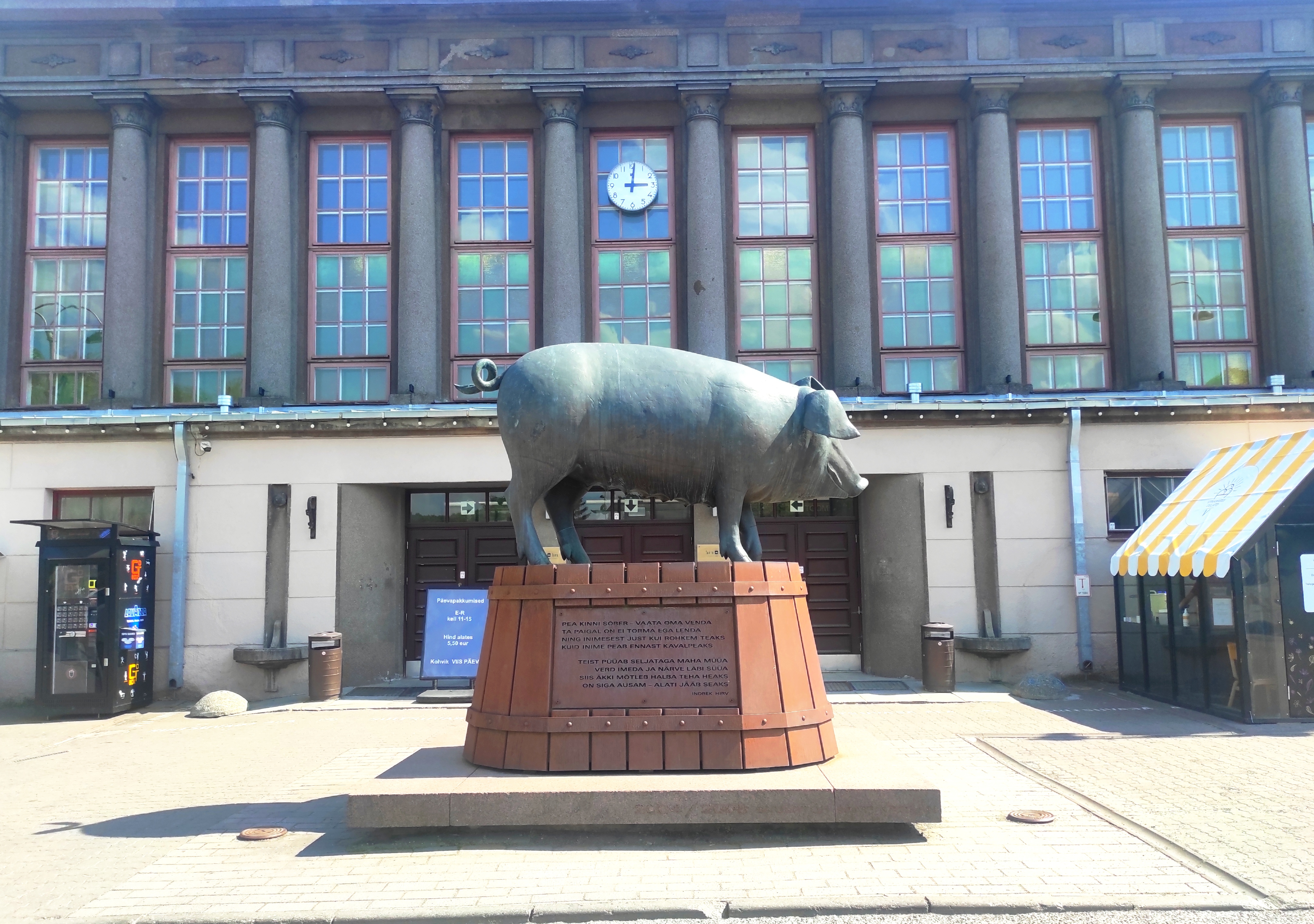
Sculpture Bronze Pig

The sculpture was created by Mati Karmin and unveiled in front of the Tartu Market on 17 January 2008.The steel barrel rests on a granite base and the numbers and letters cut into the base inform the viewer that the date when the sculpture was opened, 17 January, is St Anthony’s Day when old Estonians used to turn their attention to the pig.

  • Sculptures

Statue of Oskar Luts

The monument to Oskar Luts was erected in 1987. The authors of the monument were A. Rimm and A. Murdmaa.Oskar Luts (1887–1953) was an Estonian writer. His best known and loved novel is Kevade (Spring), a lyrical and humorous tale based on school memories. He has also written plays, children’s stories, memoirs, and feuilletons. The writer's house museum is located at 38 Riia Street in Tartu. There, he lived for the last 17 years of his life. Oskar Luts was buried in the St Paul’s Cemetery in Tartu.

  • Sculptures

War of Independence Memorial Column

The memorial column erected in 1928 to commemorate those who fell in the War of Independence stands in the park next to Tõrva Upper Secondary School. The author of the monument is Aleksander Eller. The monument was taken down by local communist authorities during the Second World War in 1940 and it was reopened on Victory Day, 23 June 1990.Interesting facts: Schoolboys gave the monument the friendly name Juku.

  • Collaboration
  • News
  • Contacts
  • Privacy Policy
Join our mailing list!

"*" indicates required fields

This field is for validation purposes and should be left unchanged.
I authorise marketing

Southern Estonian Tourism Cluster

info@visitsouthestonia.com