• Explore
    • Nature
    • Culture
    • Food
    • Family
    • Activity
    • Blog
  • Plan
    • Tourist info
    • Accommodation
  • For professionals
    • For professionals
    • Collaboration
    • News
    • Projects
    • Training
    • Repository
    • Community (opens in new tab)
    • Contacts
ENG
  • EnglishENG
  • EestiEST
  • LatviešuLAT
  • РусскийRUS
  • SuomiFIN
ENG
  • EnglishENG
  • EestiEST
  • LatviešuLAT
  • РусскийRUS
  • SuomiFIN
Popular searches:
Show all
  • History & Culture
  • Architecture and history
  • Manors

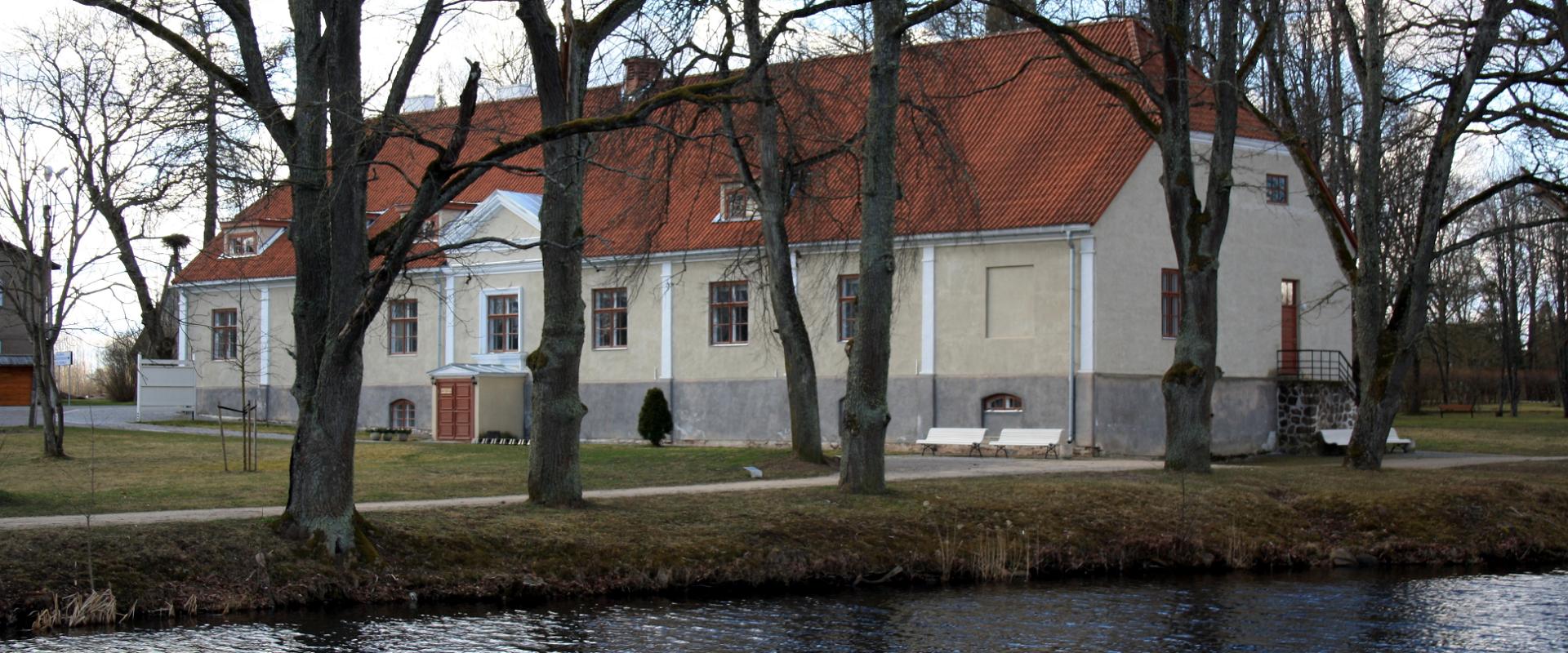
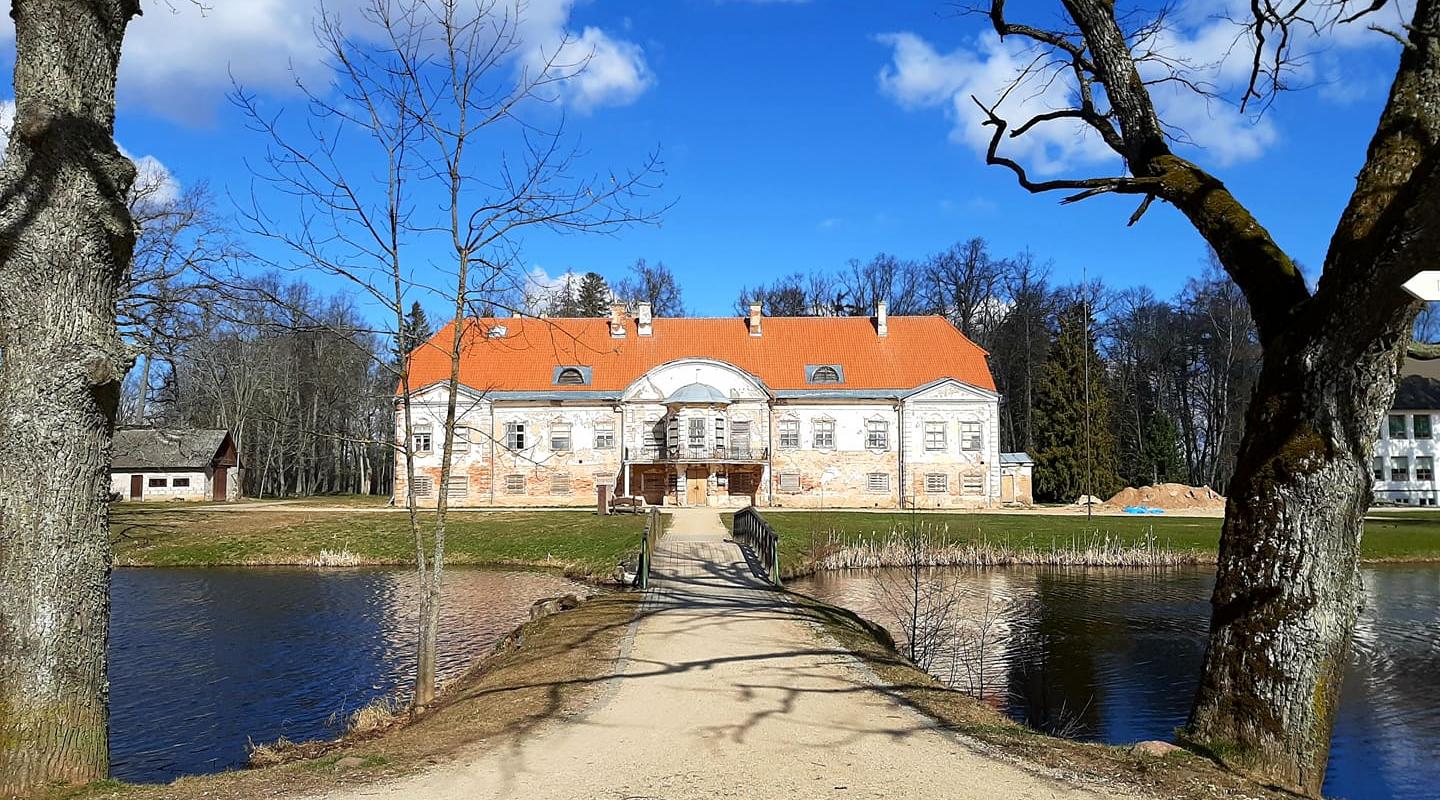
Ahja Manor

Tartu mnt 23a, Põlva vald, Põlva maakond, 63710

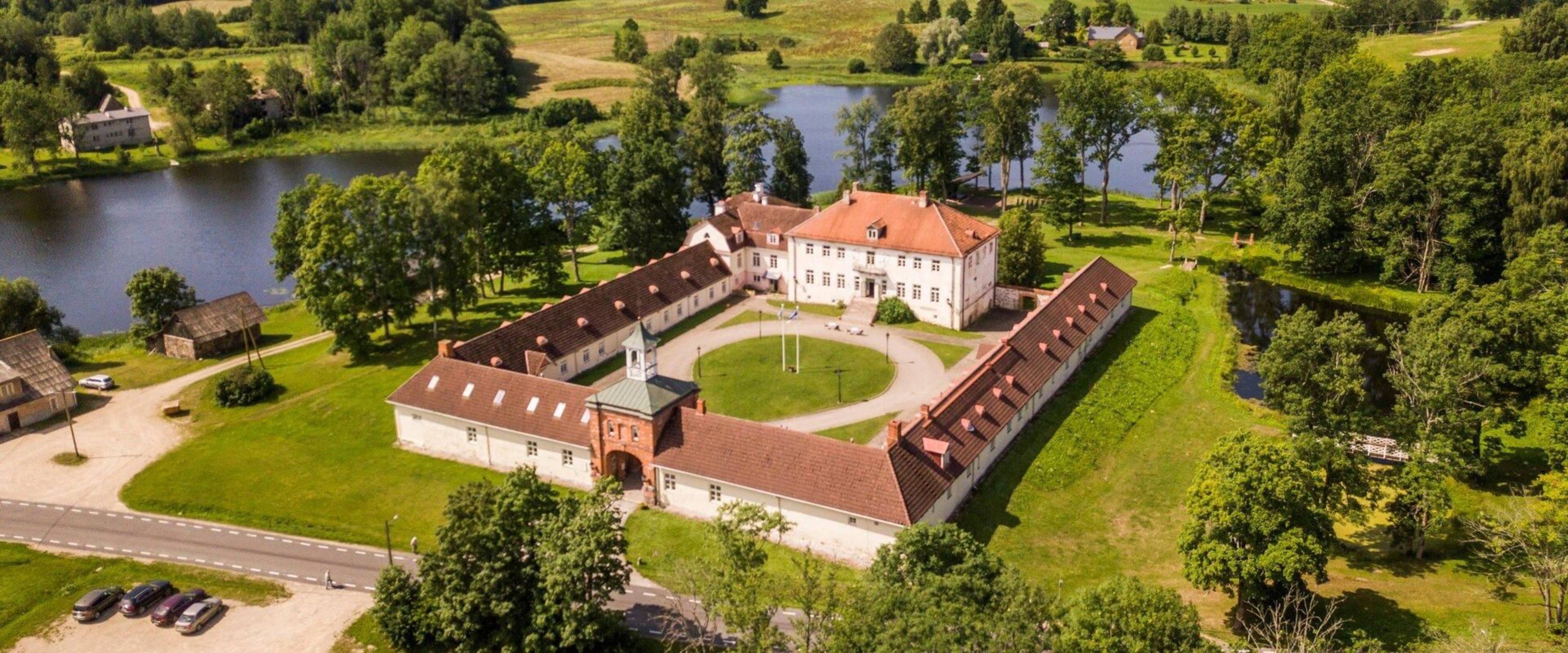
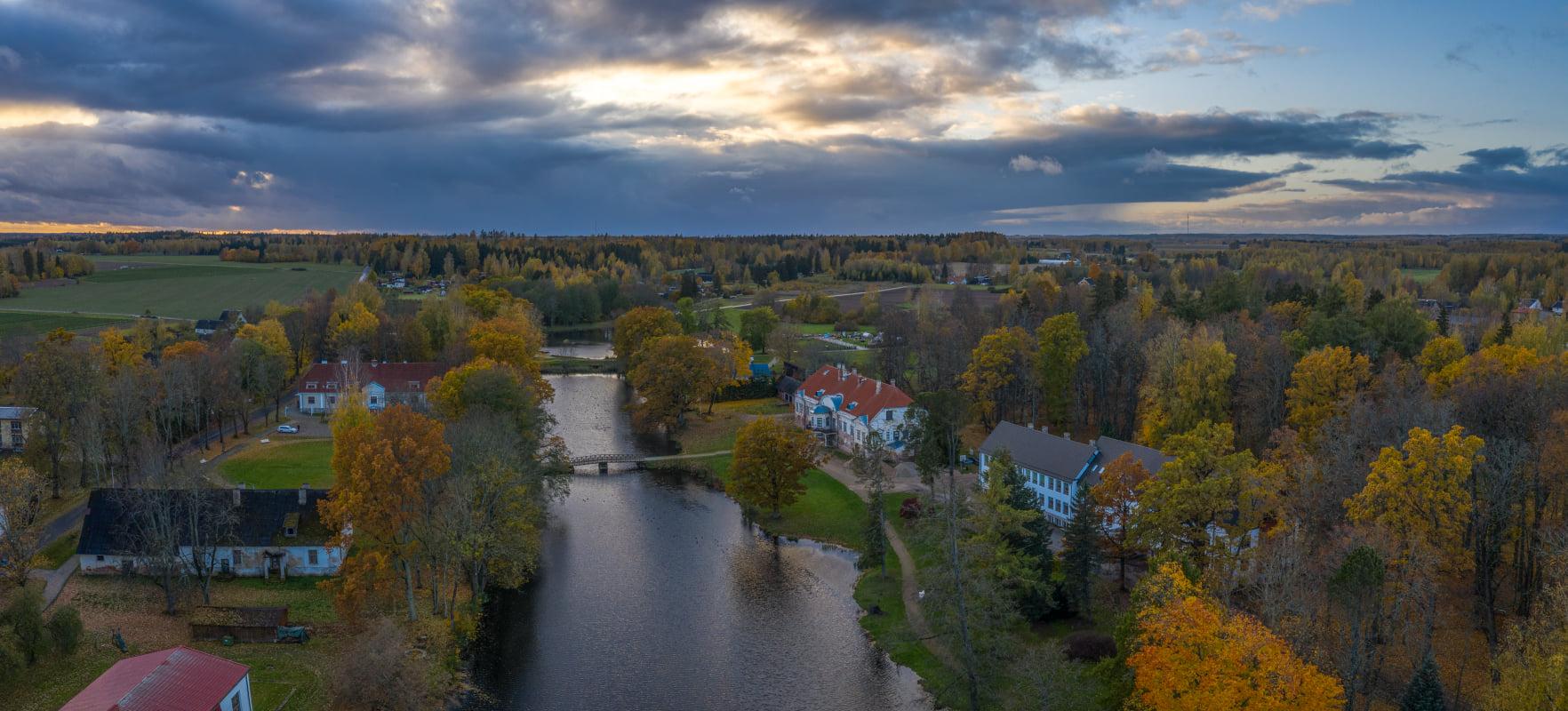
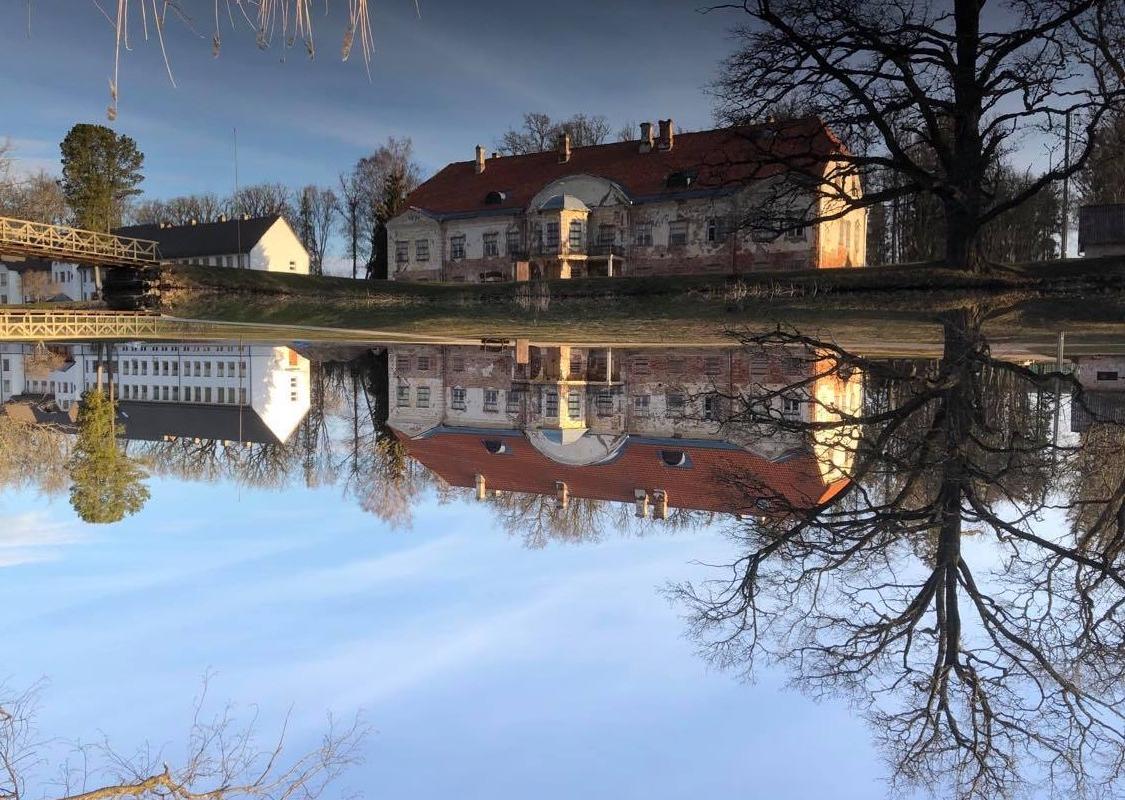
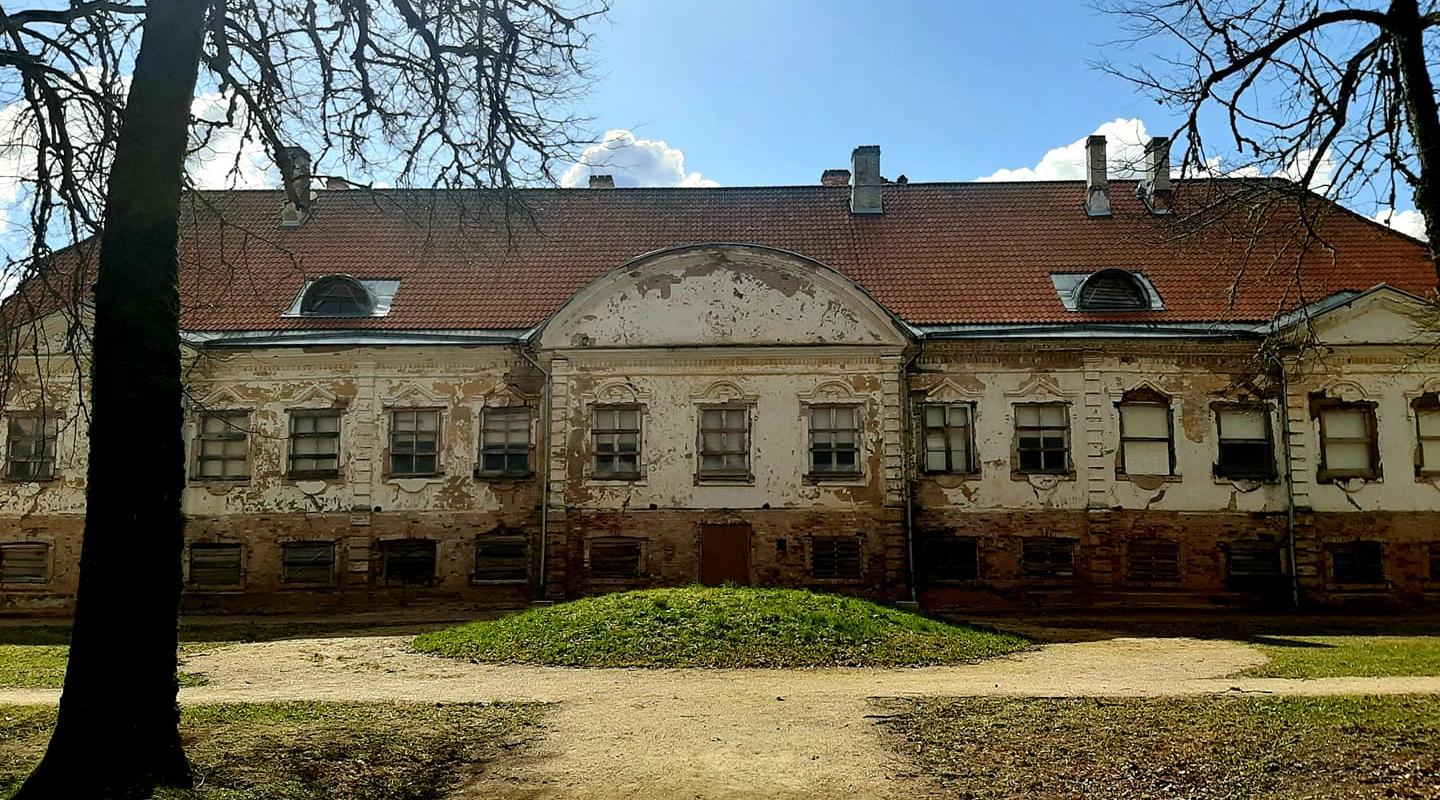
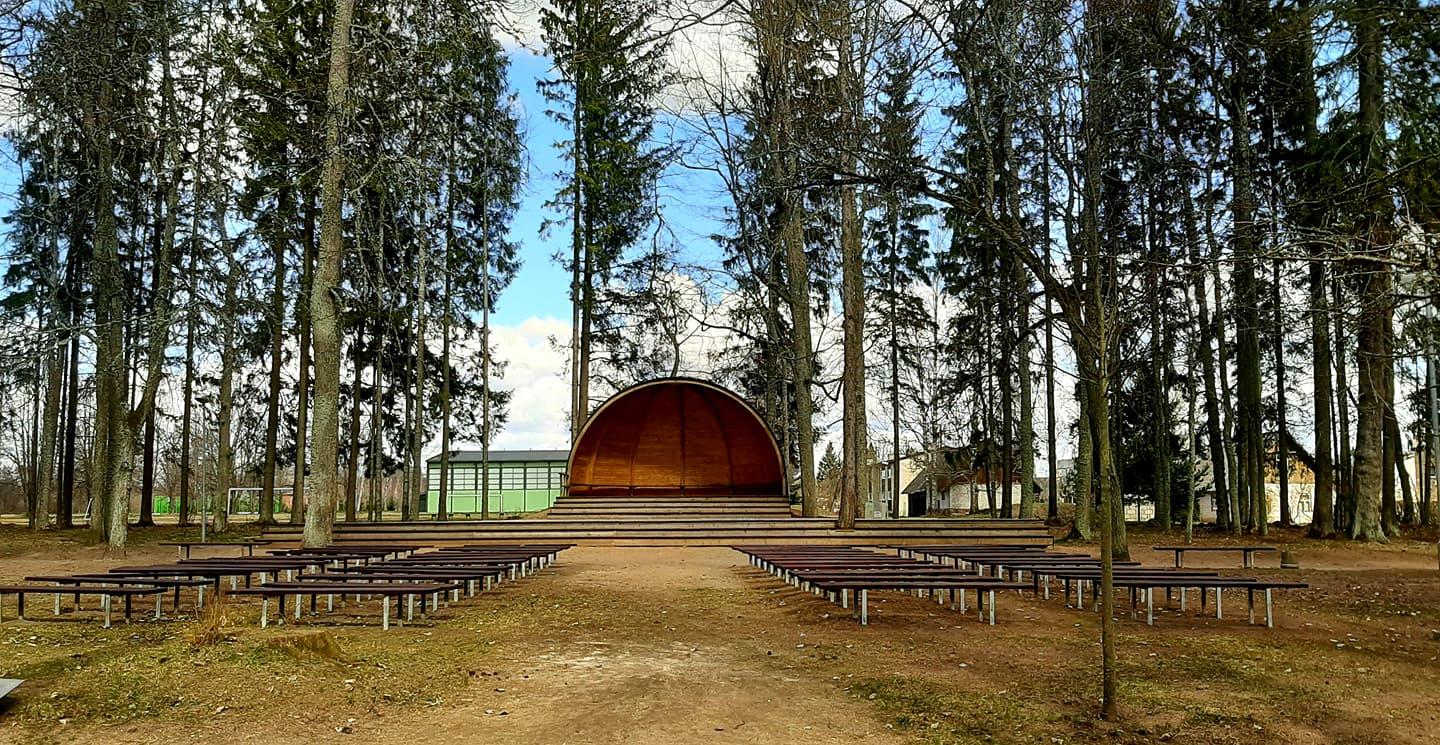
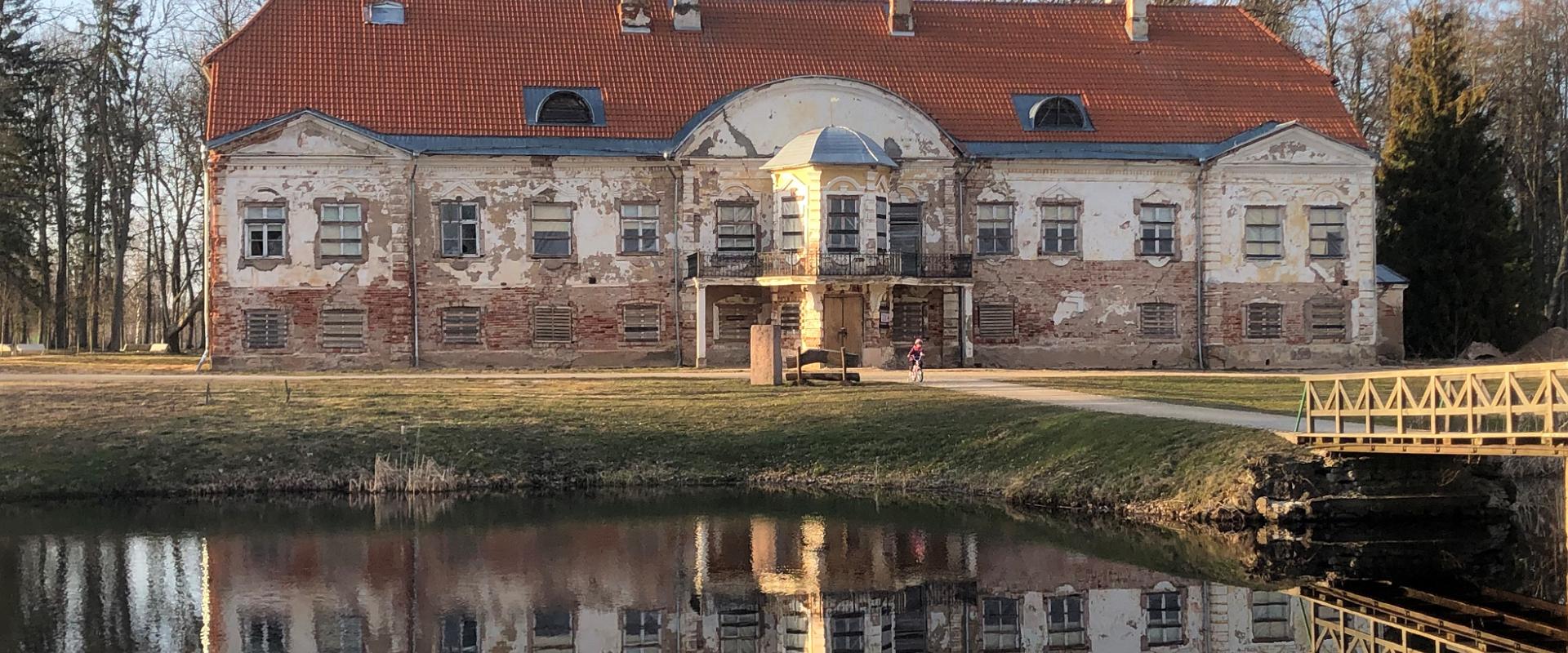
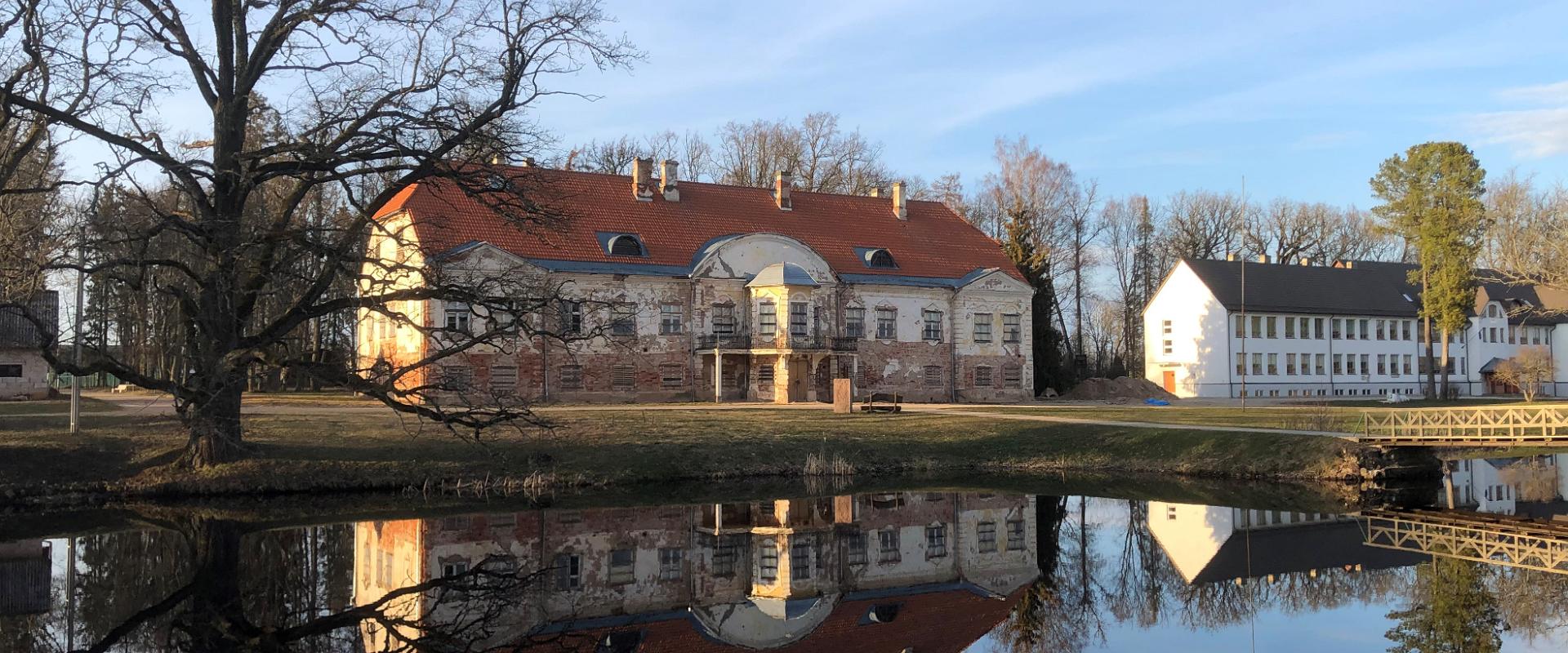
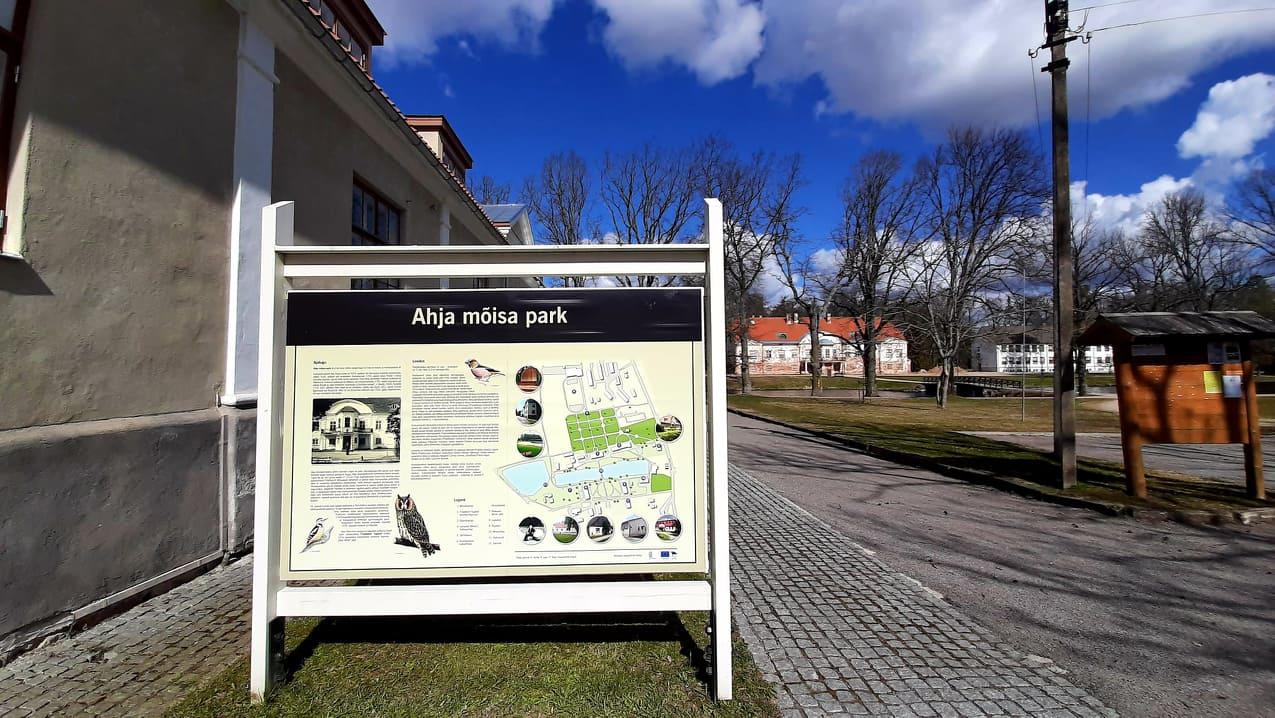
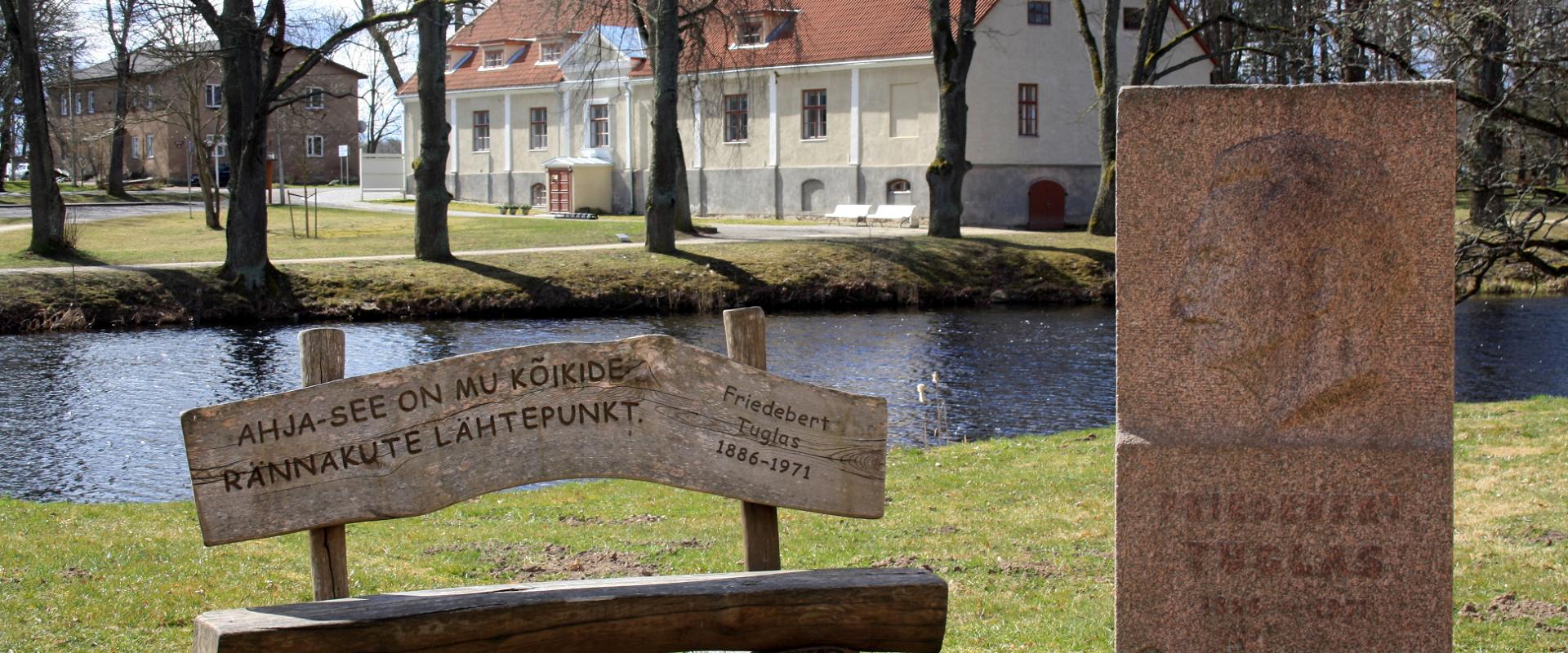
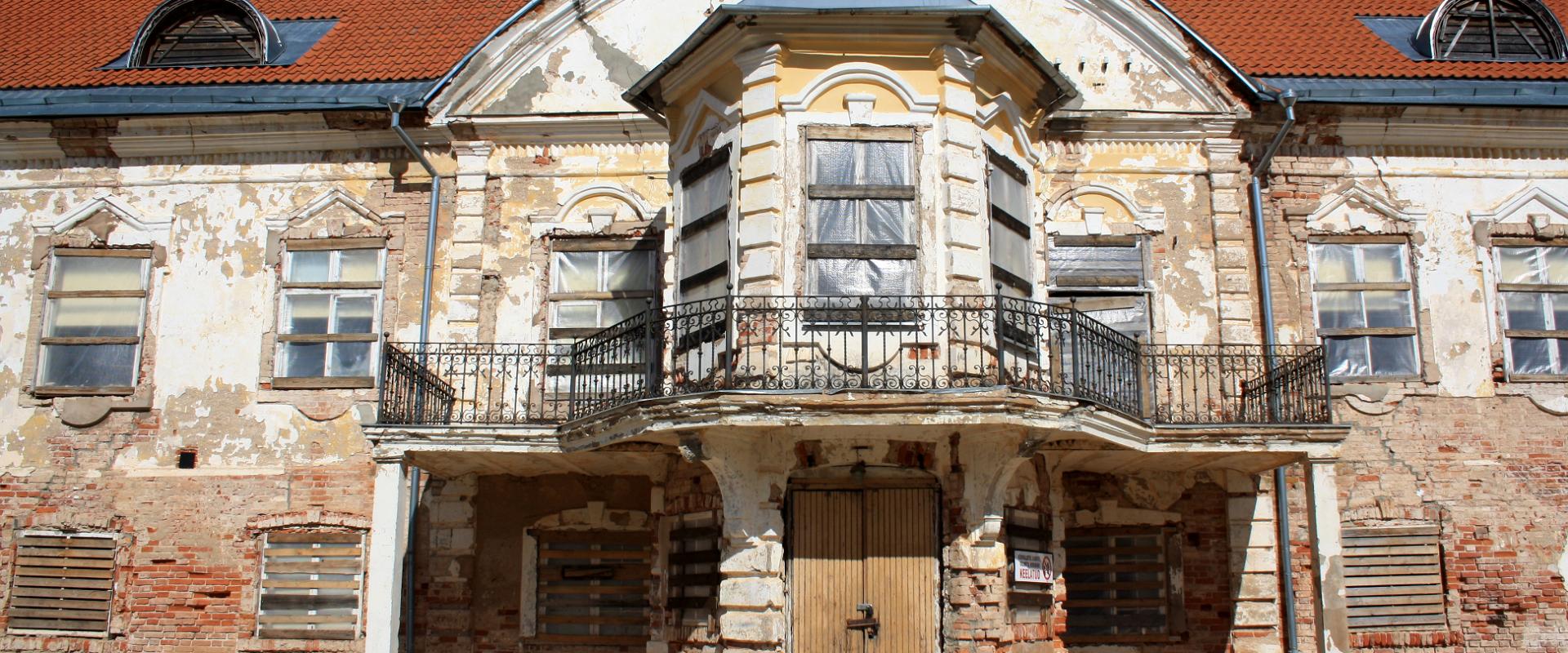
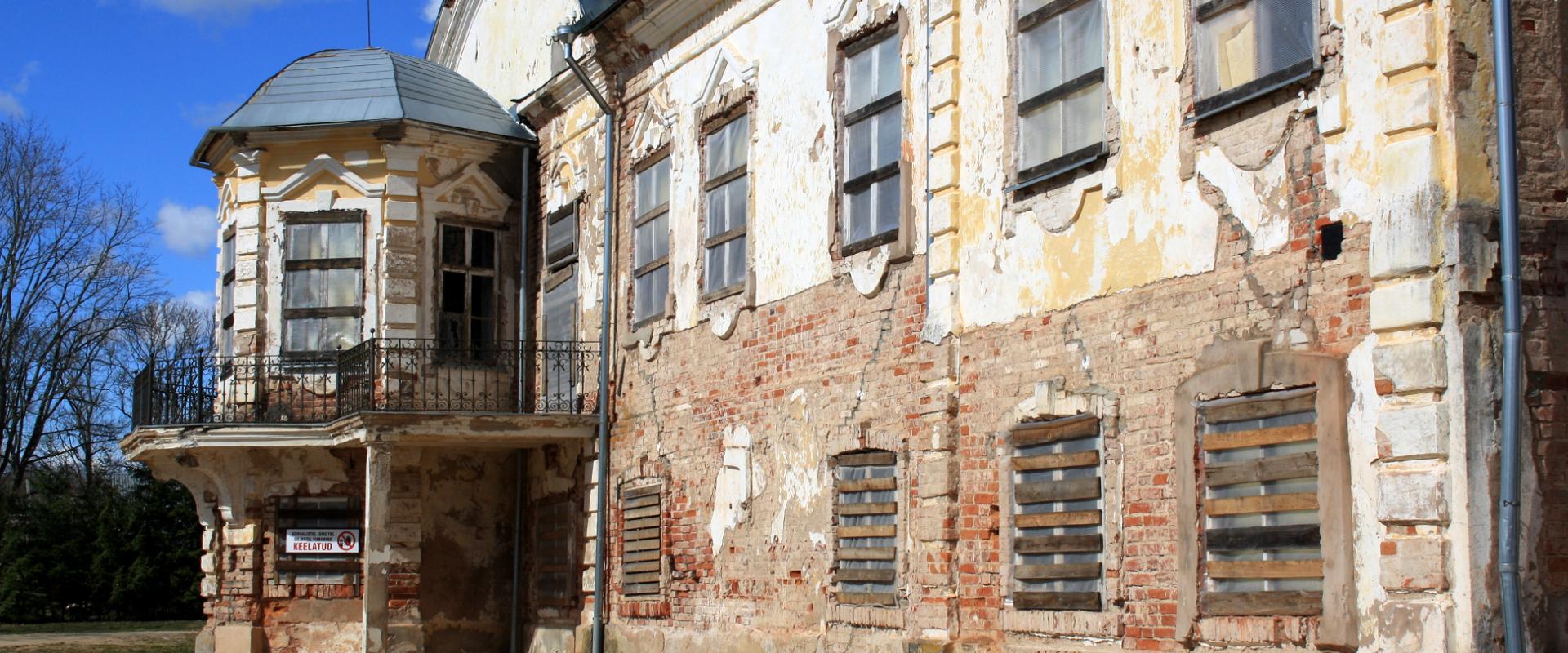
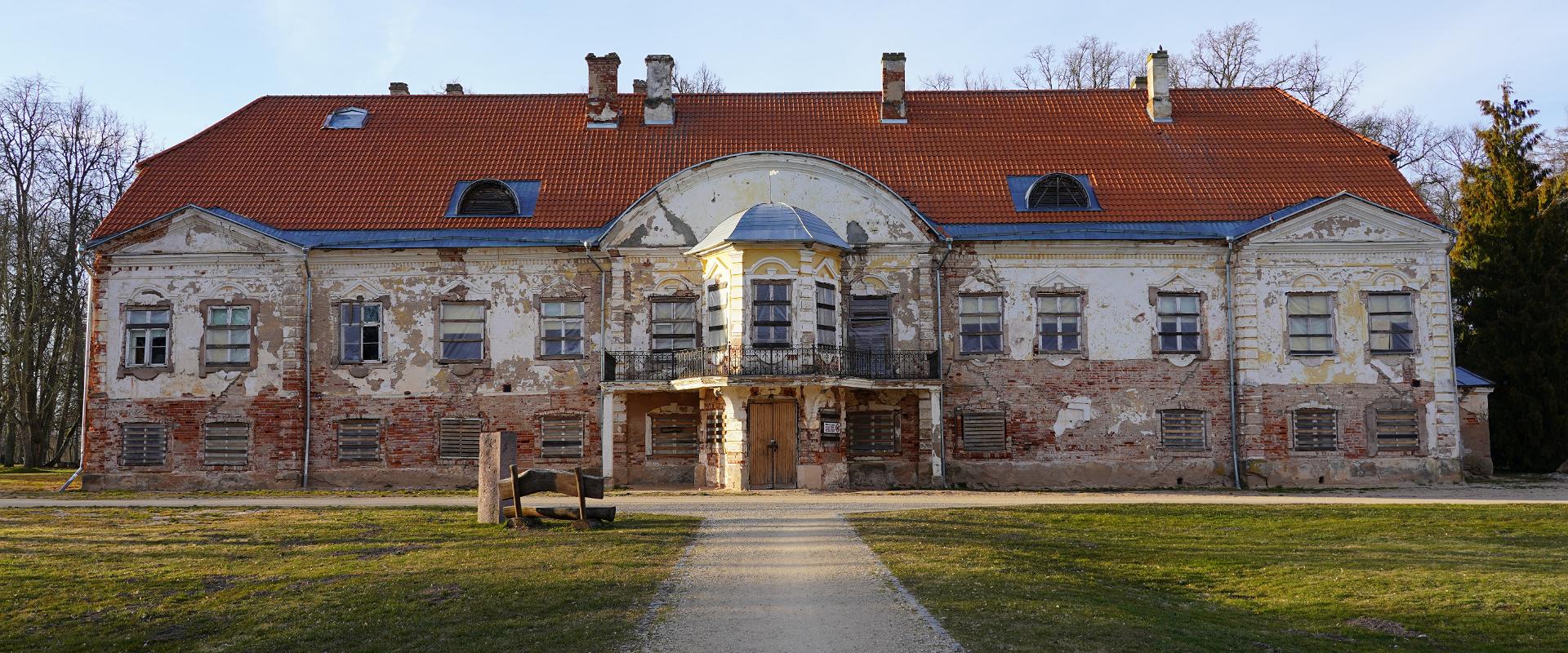
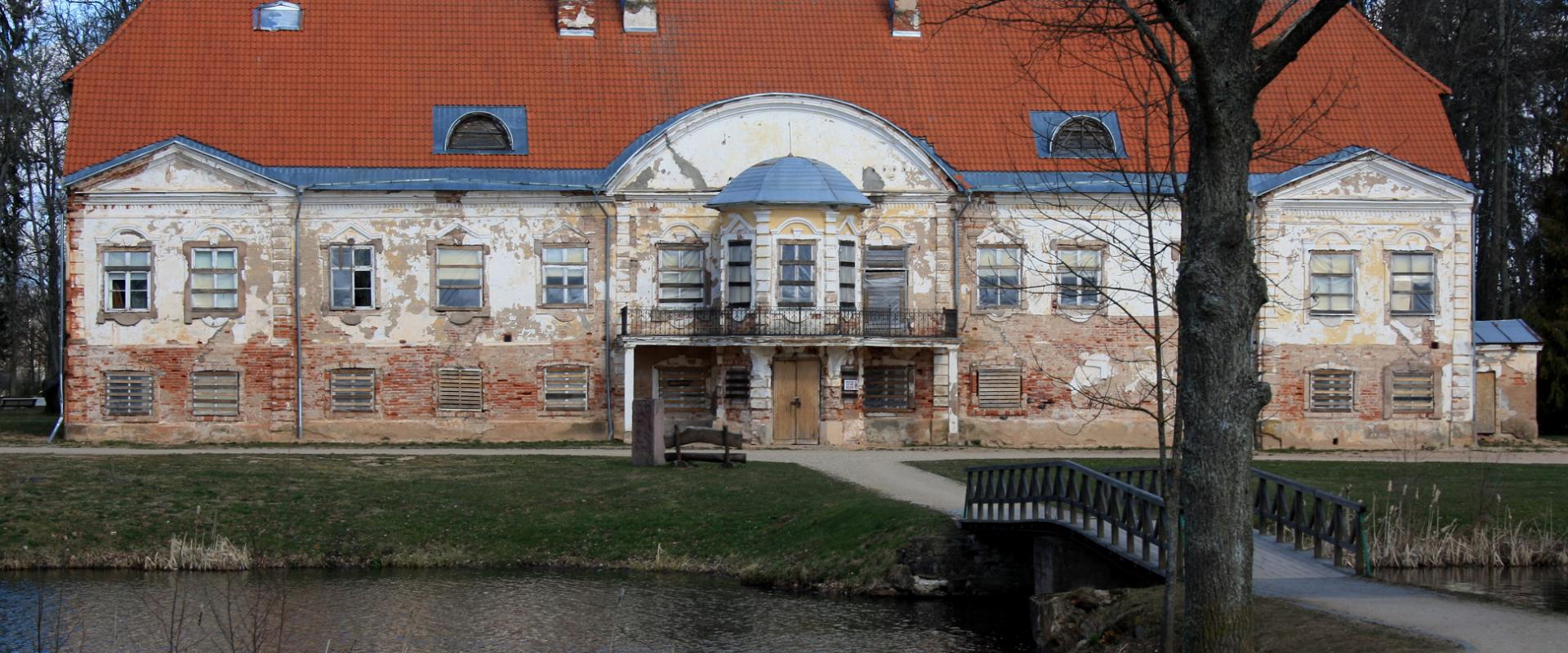
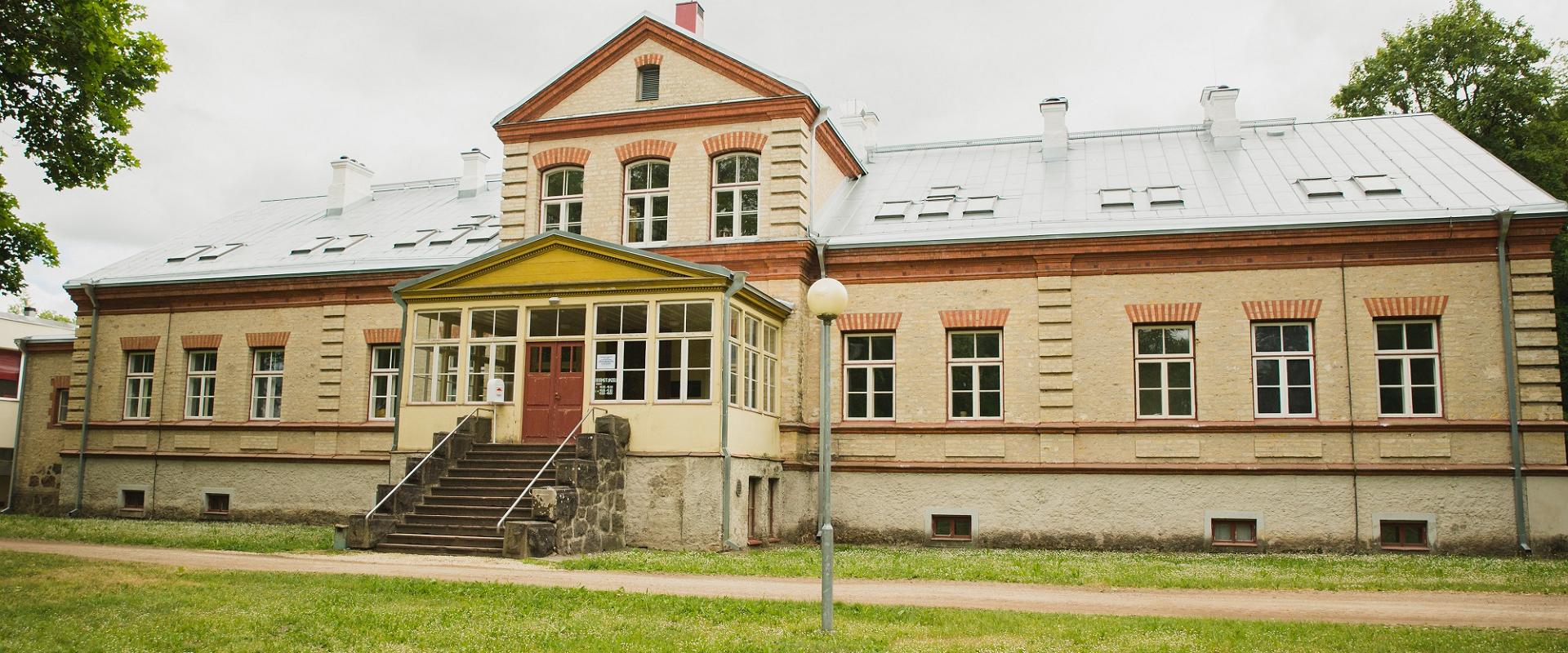
Ahja Manor dates back to the Middle Ages (from 1553). The two-storey main building of the baroque Ahja Manor with a half-hipped roof, completed in the late 1740s, was one of the most luxurious in Southern Estonia at that time. In the years 1929–1997, a school operated in the manor house.In 2007, there was a fire in the building and only the walls remained. Several smaller buildings have been preserved from the manor, although most of them have been rebuilt. There is also a beautiful park with a pond which is under nature and heritage protection.The manor with the park is known to many thanks to the book Little Illimar based on the childhood memories of the folk writer Friedebert Tuglas from Ahja.
Amenities

  • Information boards
  • Free parking

Open times

Throughout the Year

Eemalt vaadeldav

Links

See more

  • Manors

Adavere manor

Adavere manor was first mentioned in records in the second half of the 17th century. In the 16th and 17th centuries, Adavere was under the rule of Põltsamaa castle, which governed all of the surrounding land and villages as the most important town in Central Estonia.Its massive slate main building was constructed between 1892 and 1893. The complex also includes outbuildings erected in the late 19th century – a workers' cottage and a barn with a drying shed. Manor park (dating from the 1740s) was one of the grandest in Estonia in its day, although little remains of its glory today. Good to know:* Today, the building is home to Adavere Basic School. During winter, you can go skating in the skating rink on the school stadium.* The manor can only be viewed from the outside.

  • Castles
  • Manors

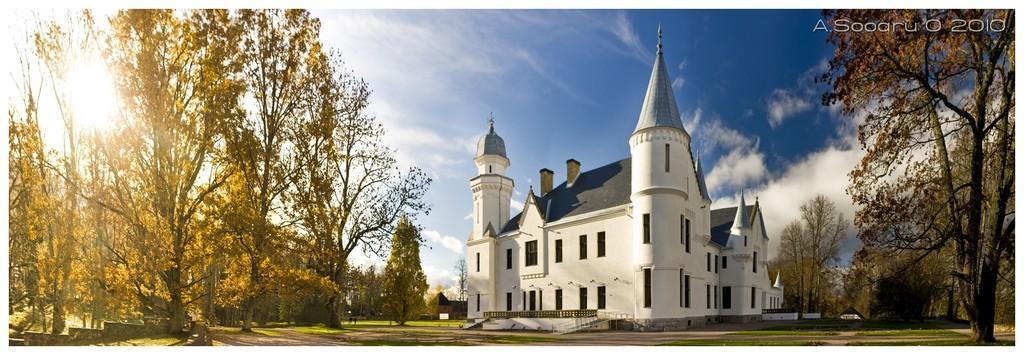
Sangaste Castle

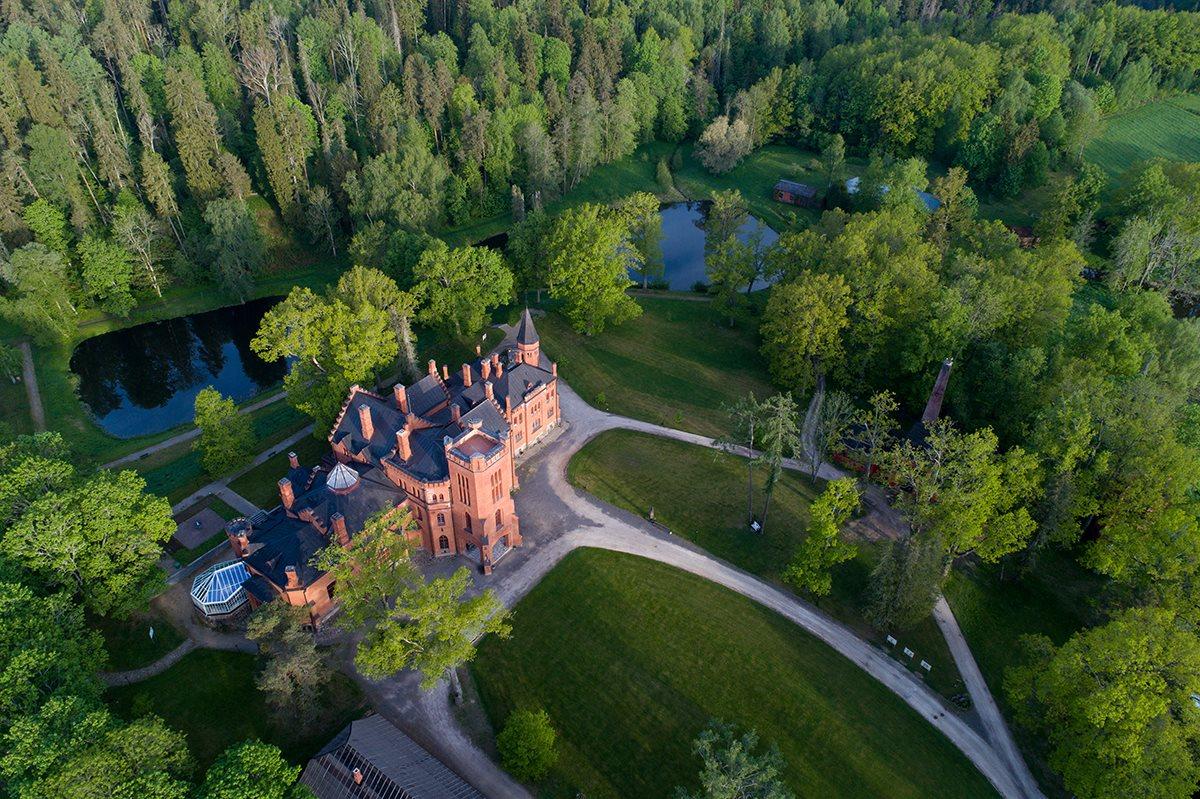
Sangaste Castle is one of the Southern Estonian places worth discovering that are marked with a yellow window. If you are interested in culture and history, it is definitely worth a visit. Sangaste castle and park were fashioned after the famous Windsor castle in England. The magnificent halls, architecture and history of the castle make this a good place for a big wedding, get-togethers or spending the night in a genuine castle. The castle restaurant serves local food and real rye vodka made from Sangaste rye. In addition to the castle, the stables, dairy, barn, water tower and arboretum are also open for visitors.

  • Manors

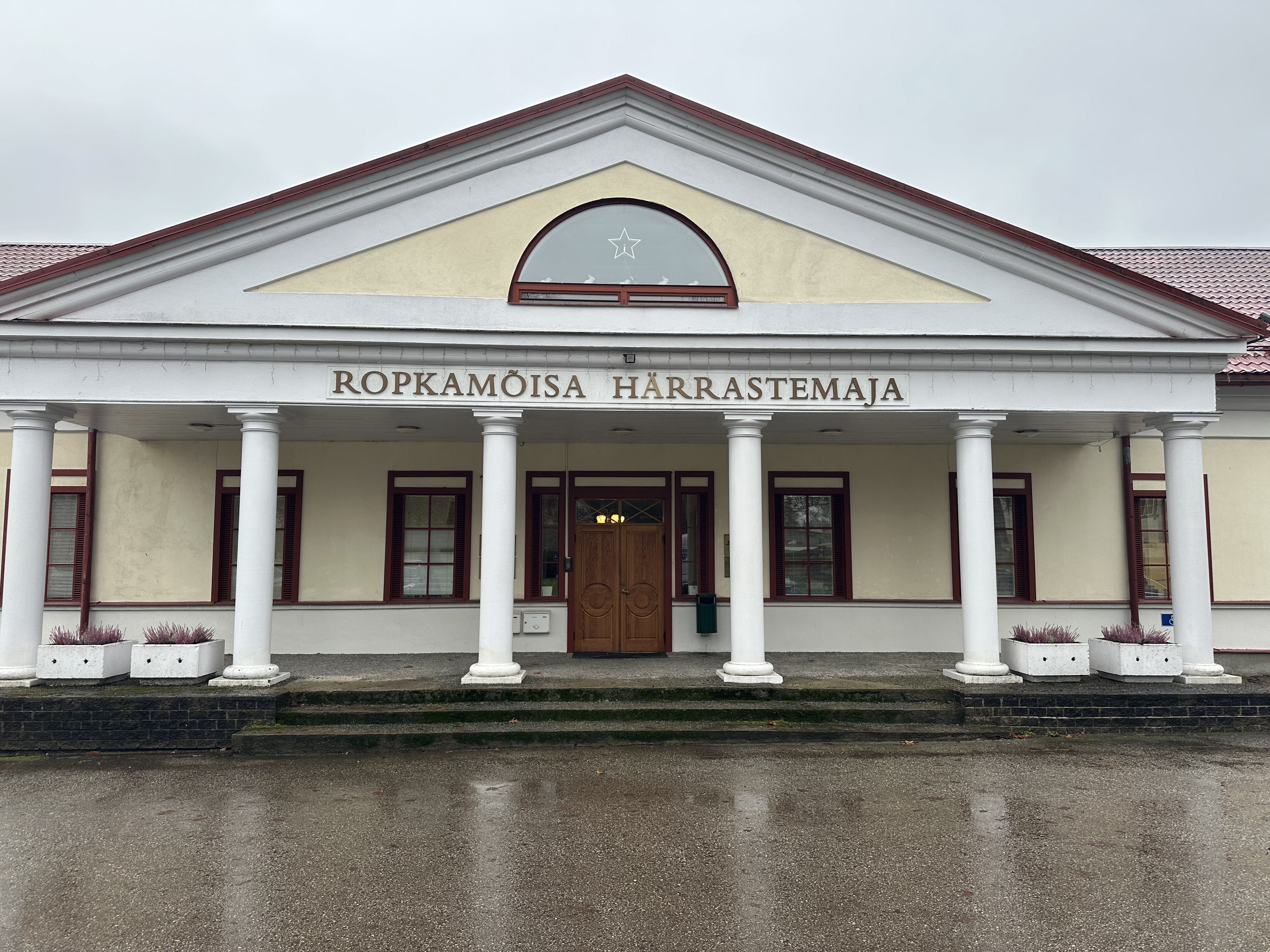
Ropka Manor

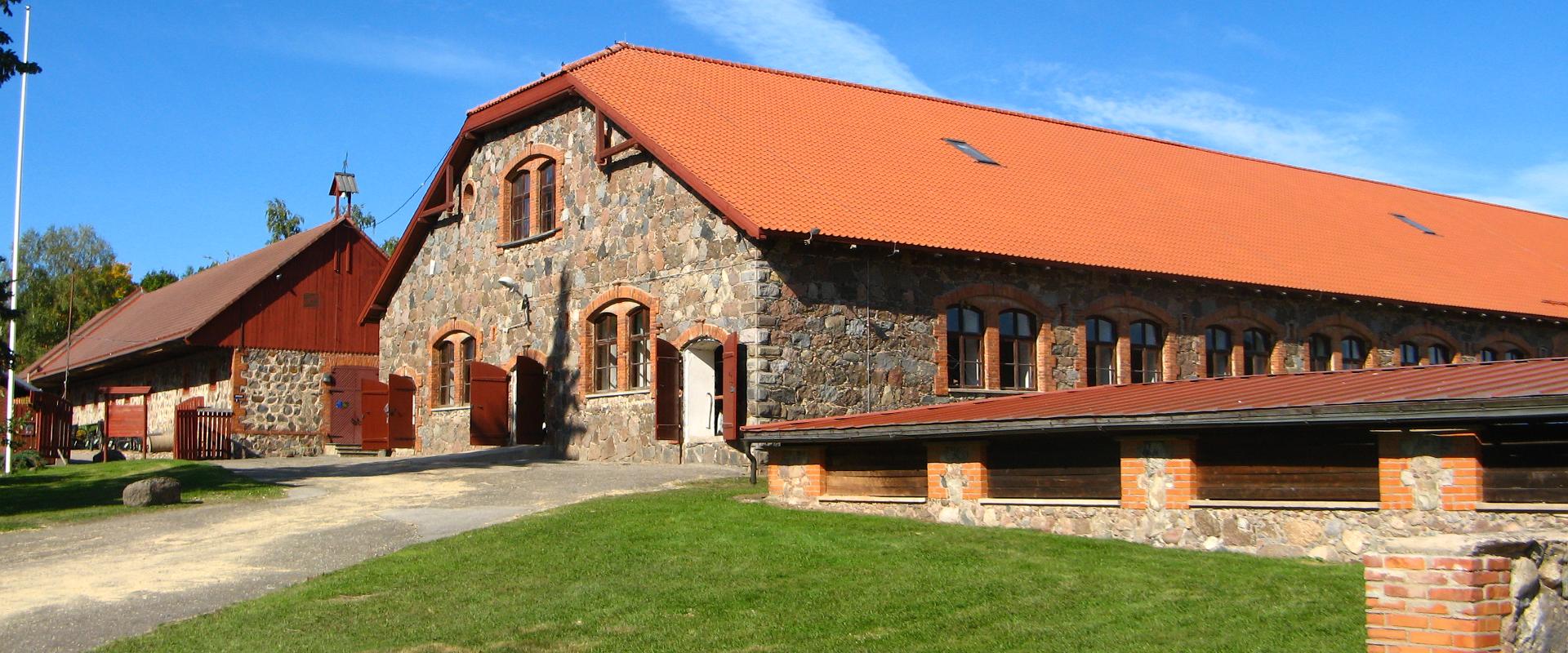
The one-storey stone manor was built in the first half of the 19th century. The buildings of Ropka Manor are located on both sides of the street of Ropka tee. Preserved manor buildings include the farm hand's house, cattle barn, converted stables and a barn, a cellar and a park. There were three ponds in the park and it is planned to restore one of them. There was an orchard with a regular plan on the western side of the servants' house, which is now a built-up area.The building is in private ownership and can only be viewed from the outside.

  • Manors

Ülenurme Manor

The well-preserved Ülenurme Knight's Manor (Üllenorm) in Ülenurme is first mentioned in writing in 1646, when a military man called Bernhard Bousselberg received the manor from the Kingdom of Sweden in exchange for a stone building in Tartu.The park and the main building were probably created by Count Cancrin who was the owner of Ülenurme manor between 1856 and 1883.The manor has been passed from owner to owner, and the main source of its income was grain farming.At the beginning of 1970, the complex of numerous stone buildings of the former Ülenurme Manor's centre was allocated to the Estonian Agricultural Museum that opened its doors to visitors in 1981.You have to buy a ticket in order to visit the museum. The complex has a gazebo, a village swing, and stables.

  • Pet friendly
  • Guided tours
  • Castles
  • Manors

Following in the footsteps of the barons

This is a four-hour event taking place in the castle, its grounds and other parts of Alatskivi.The day includes:* A guided tour of the castle* A tour of the castle grounds and/or the nearby forest led by a cultural heritage guide, covering the manor-era buildings and other sites* A manor-era meal in the castle restaurantAlatskivi is located in Eastern Estonia, and at first glance the castle seems like something out of a fairytale with its battlements and towers. It is one of the most beautiful manor houses in the country.The minimum size of the group is 4 people.

  • Manors

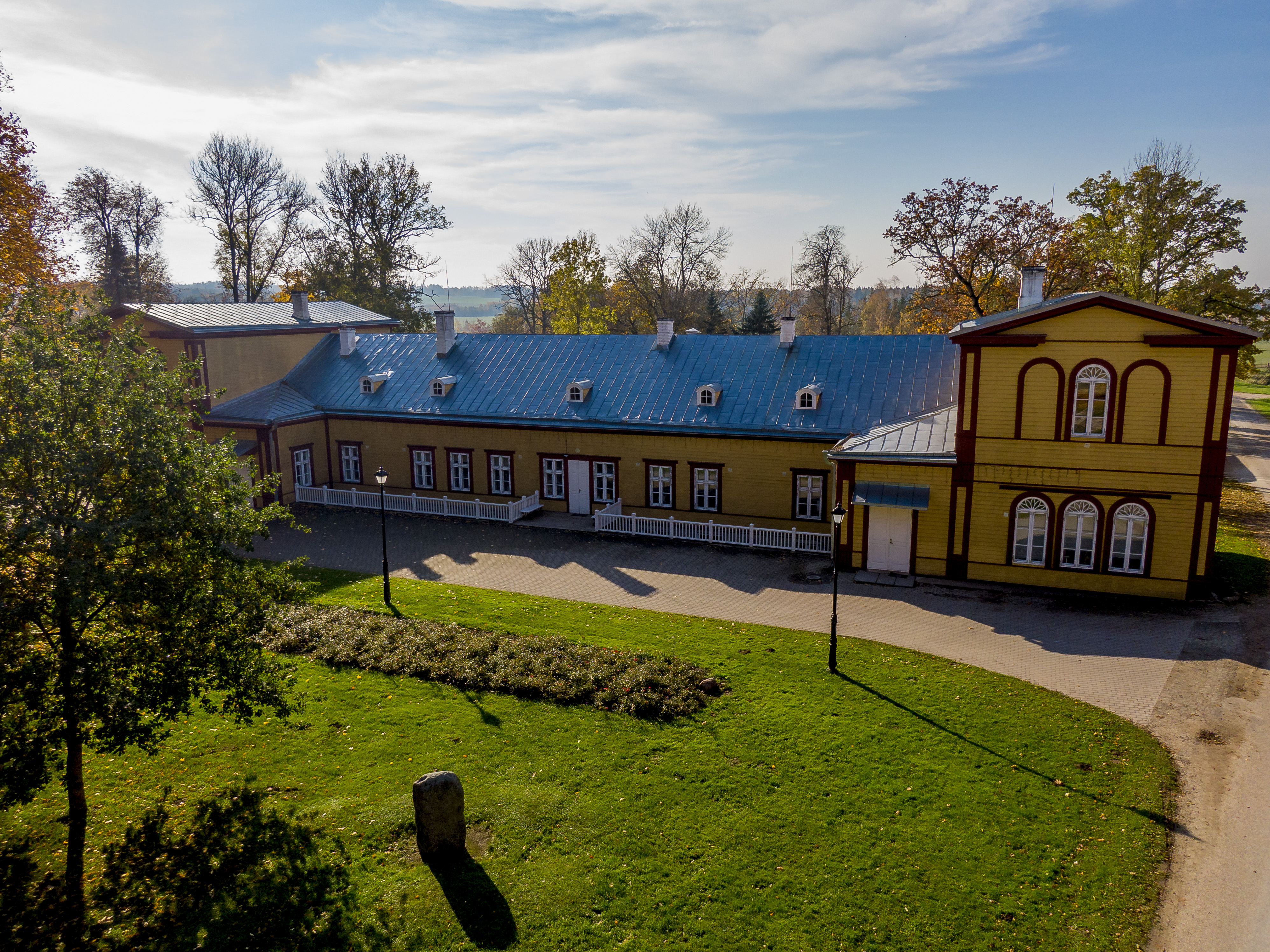
Palupera Manor Complex and the Yellow Window of National Geographic

The earliest records of the Palupera Knight Manor date back to 1582. In the sixteenth and seventeenth century, the manor belonged to the von Dückers, Bronskies, and von Fersens. The manor remained the property of the von Bruiningks for a longer time, so their family cemetery is located near the heart of the manor. Several buildings have been preserved from the complex, which have been preserved under heritage protection.On 28 September 2019, the first Yellow Window of National Geographic in Elva rural municipality was opened at the Palupera Manor. Palupera’s yellow window is innovative in that it is the first window to have a special visitor counter installed to it.

  • Guided tours
  • Manors

‘Tartu City Manors’ Guided cycling tour

Did you know that historically, there were nine manor houses in Tartu? The city of Tartu has expanded in all directions to the areas of former manors, and several districts have been named after these manors. Seven of them still exist and are waiting for you to visit.As part of the guided tour 'Tartu City Manors', we will visit five manors: Tähtvere, Maarjamõisa, Tamme, Ropka, and Karlova. We can take the tour by bike, car, or bus and you can order it in Estonian, English, German, French, Russian, Lithuanian, or Spanish.Contact us and let's explore the historic manors!

  • Manors

Rogosi Castle Manor in Ruusmäe

Stanislaw Rogosinsky, a native of Poland, established the Rogosi Manor. From 1629 to 1776 the manor belonged to Herman von Liebsdorff and was later given to the von Glasenapp family as Herman's daughter's dowry. From 1934, after the Glasenapp family was dispossessed of the manor, a school operates in the manor. When place names were translated into Estonian in 1939, the village was named Ruusmäe, but the manor is still known as Rogosi. In summer 1990, Otto von Glasenapp, son of the owner of the manor visited his old home.Useful information: There is a museum of local lore in the barbican, which is open in summer. Watercolors of Joh. Chr. Brotze have been preserved as sources of the manor's history.

  • Collaboration
  • News
  • Contacts
  • Privacy Policy
Join our mailing list!

"*" indicates required fields

This field is for validation purposes and should be left unchanged.
I authorise marketing

Southern Estonian Tourism Cluster

info@visitsouthestonia.com