• Explore
    • Nature
    • Culture
    • Food
    • Family
    • Activity
    • Blog
  • Plan
    • Tourist info
    • Accommodation
  • For professionals
    • For professionals
    • Collaboration
    • News
    • Projects
    • Training
    • Repository
    • Community (opens in new tab)
    • Contacts
ENG
  • EnglishENG
  • EestiEST
  • LatviešuLAT
  • РусскийRUS
  • SuomiFIN
ENG
  • EnglishENG
  • EestiEST
  • LatviešuLAT
  • РусскийRUS
  • SuomiFIN
Popular searches:
Show all
  • History & Culture
  • Architecture and history
  • Manors

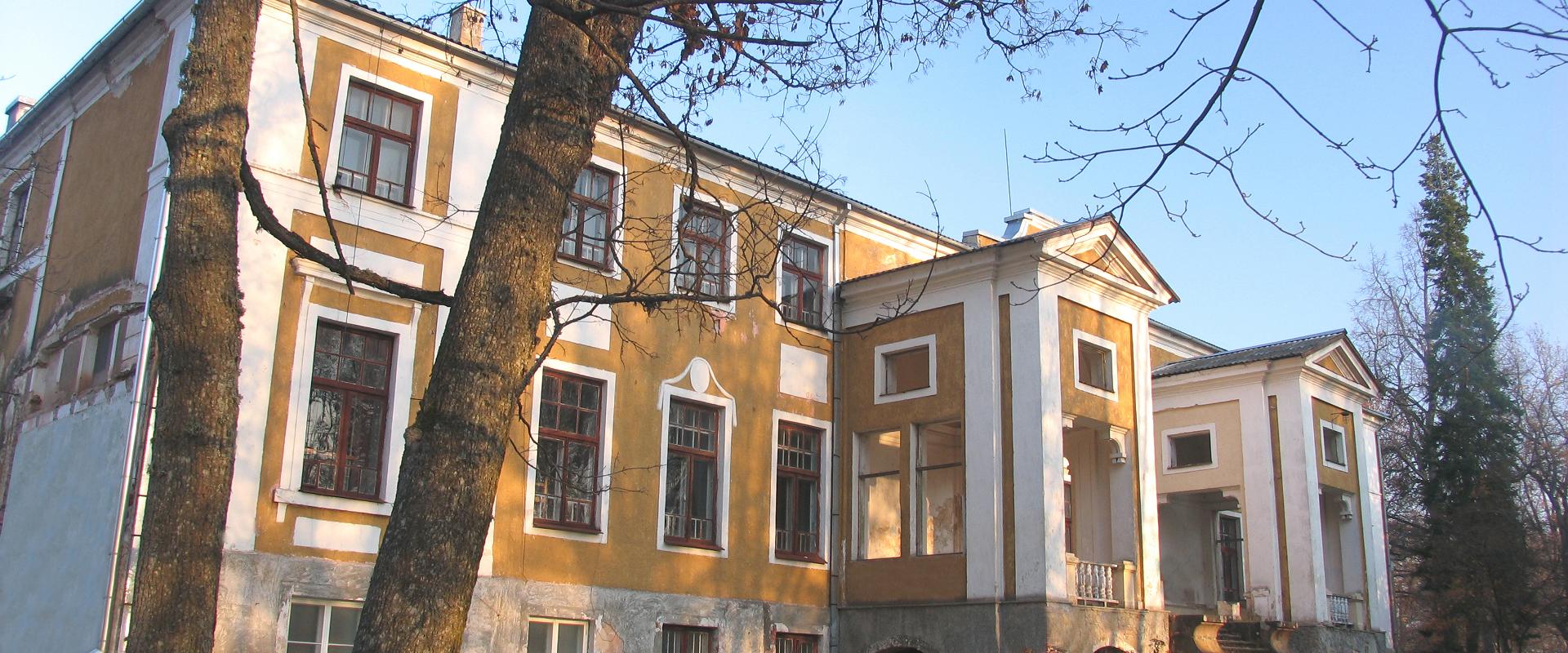
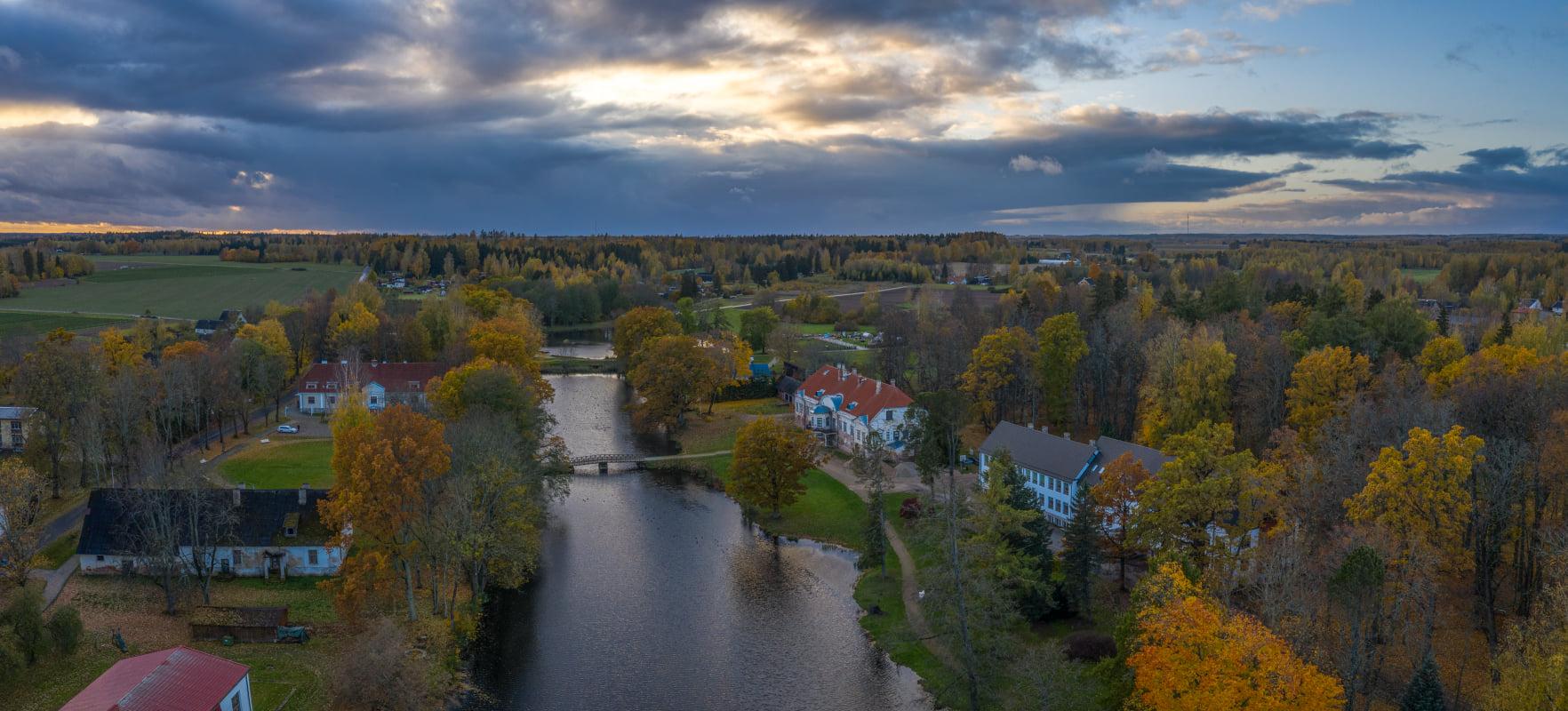
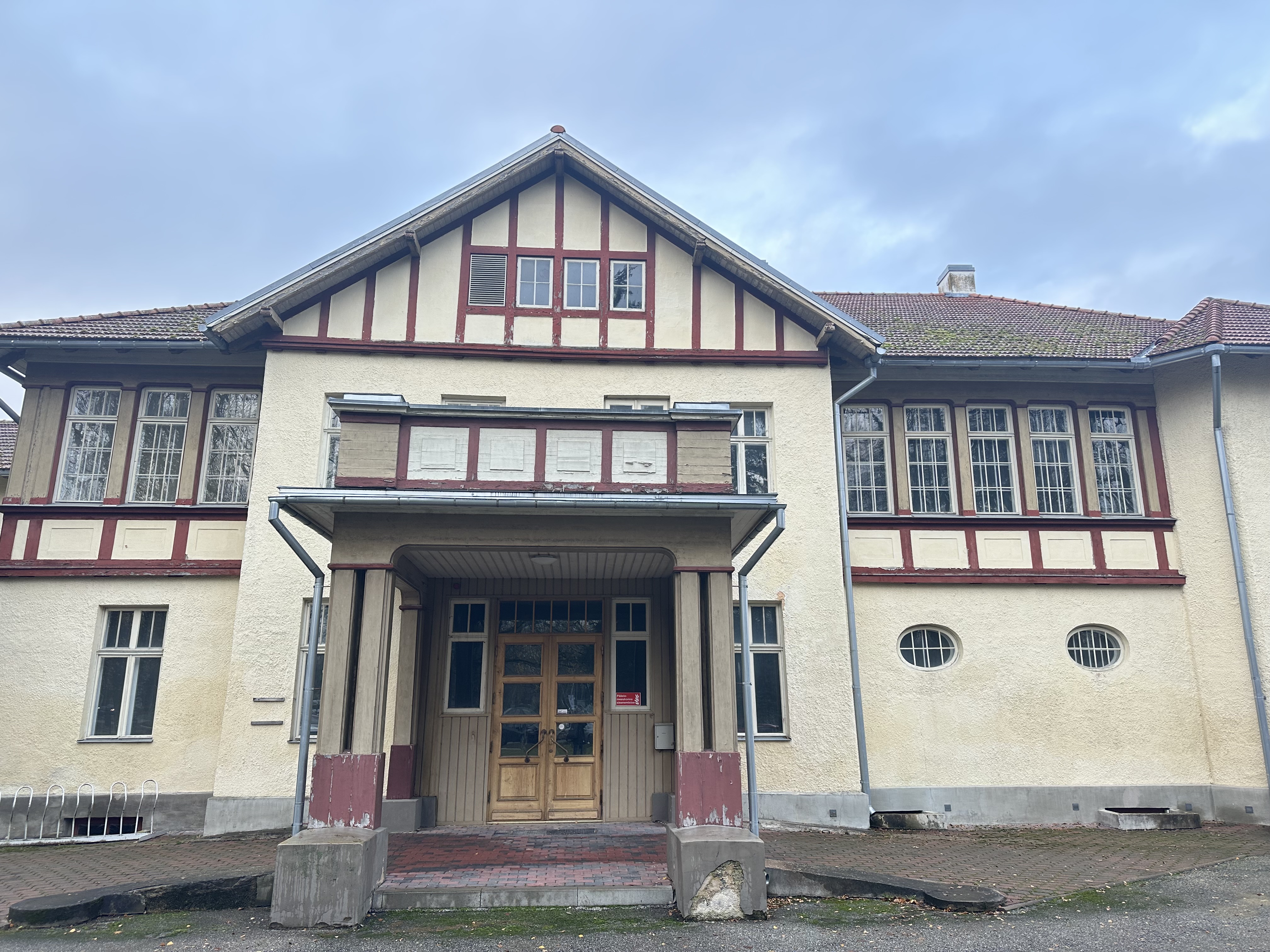
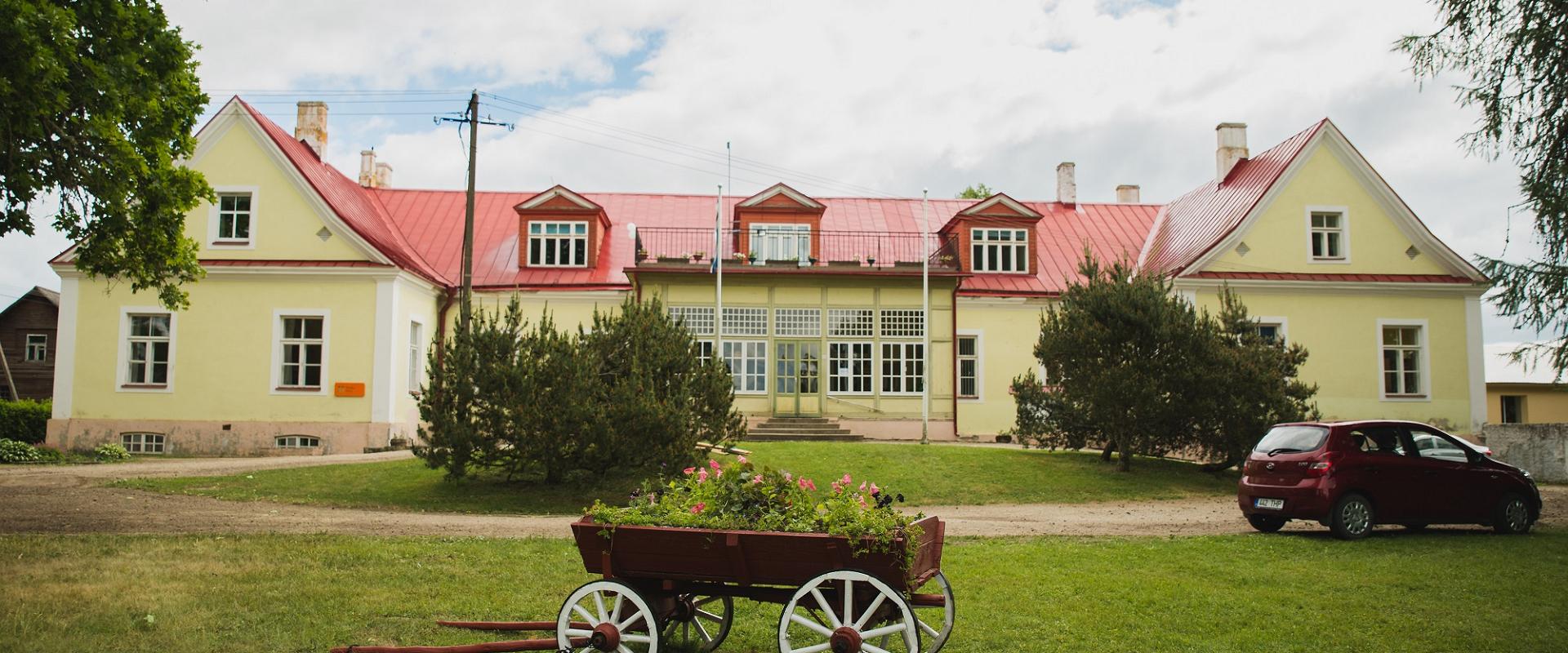
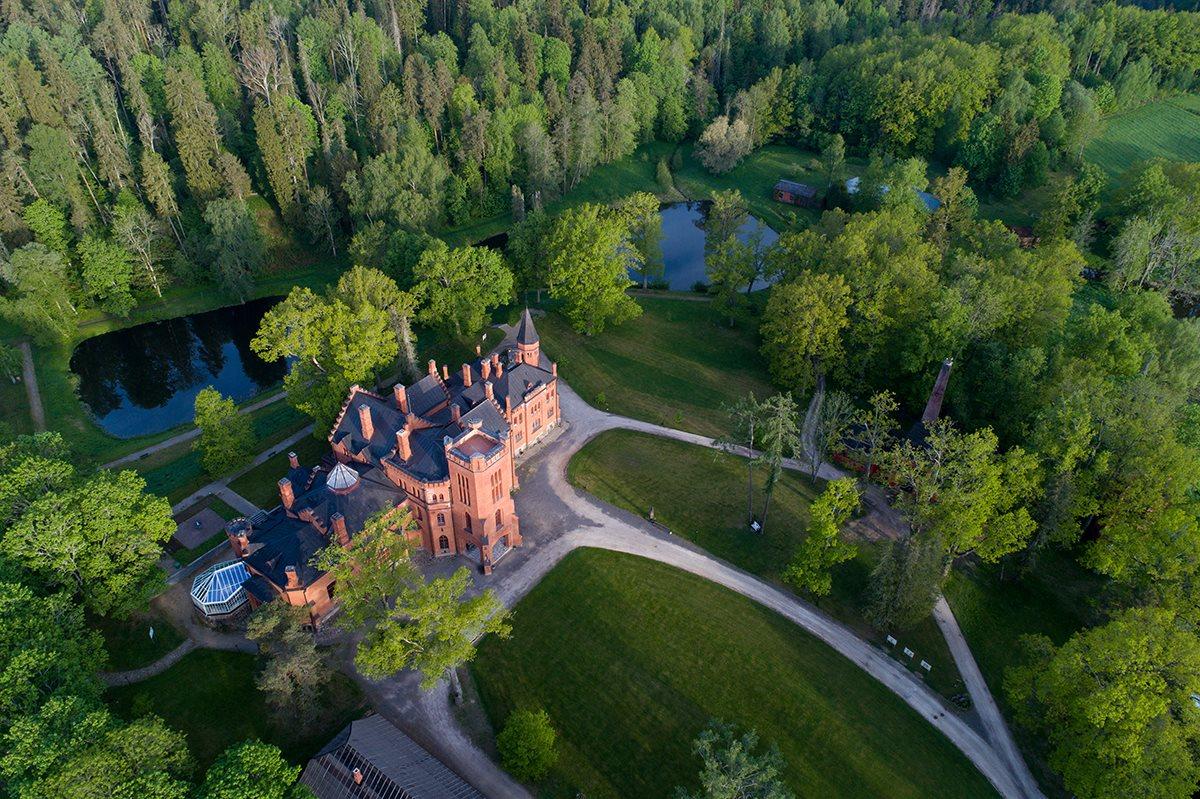
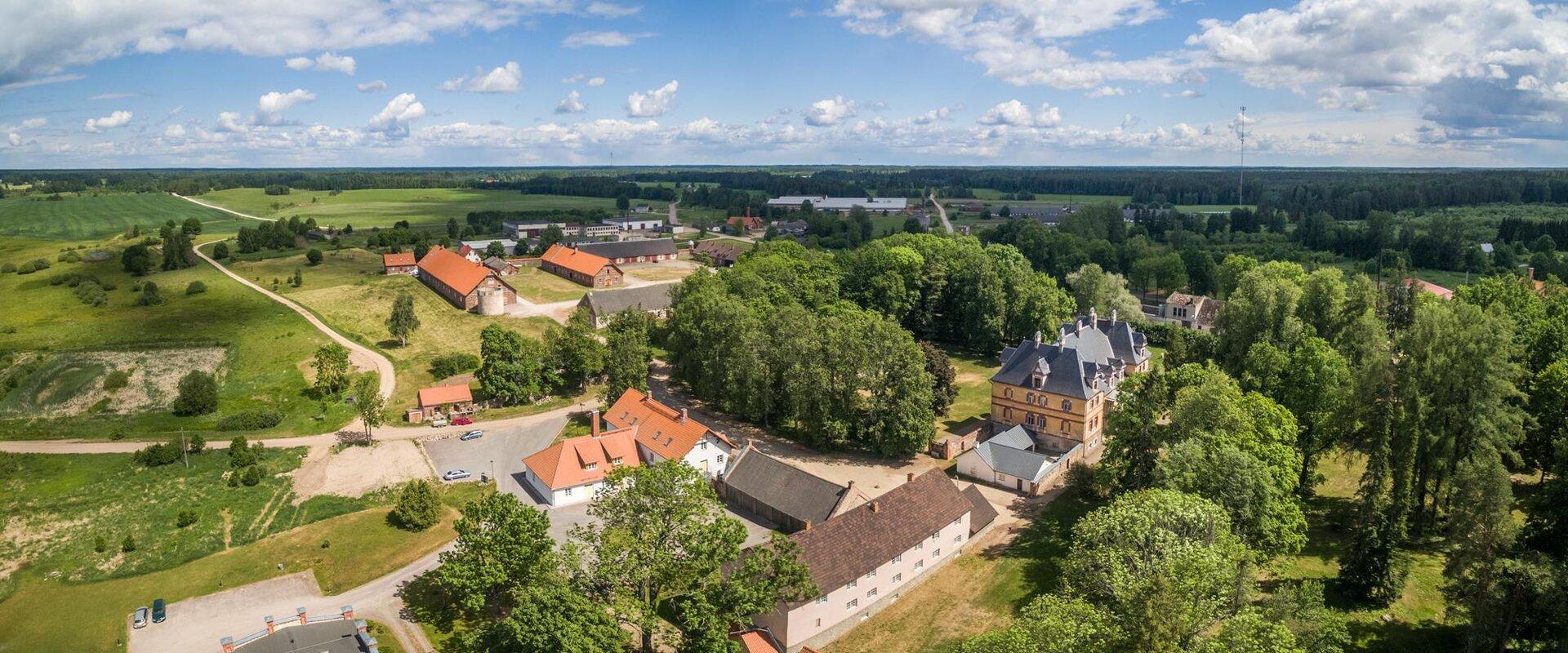
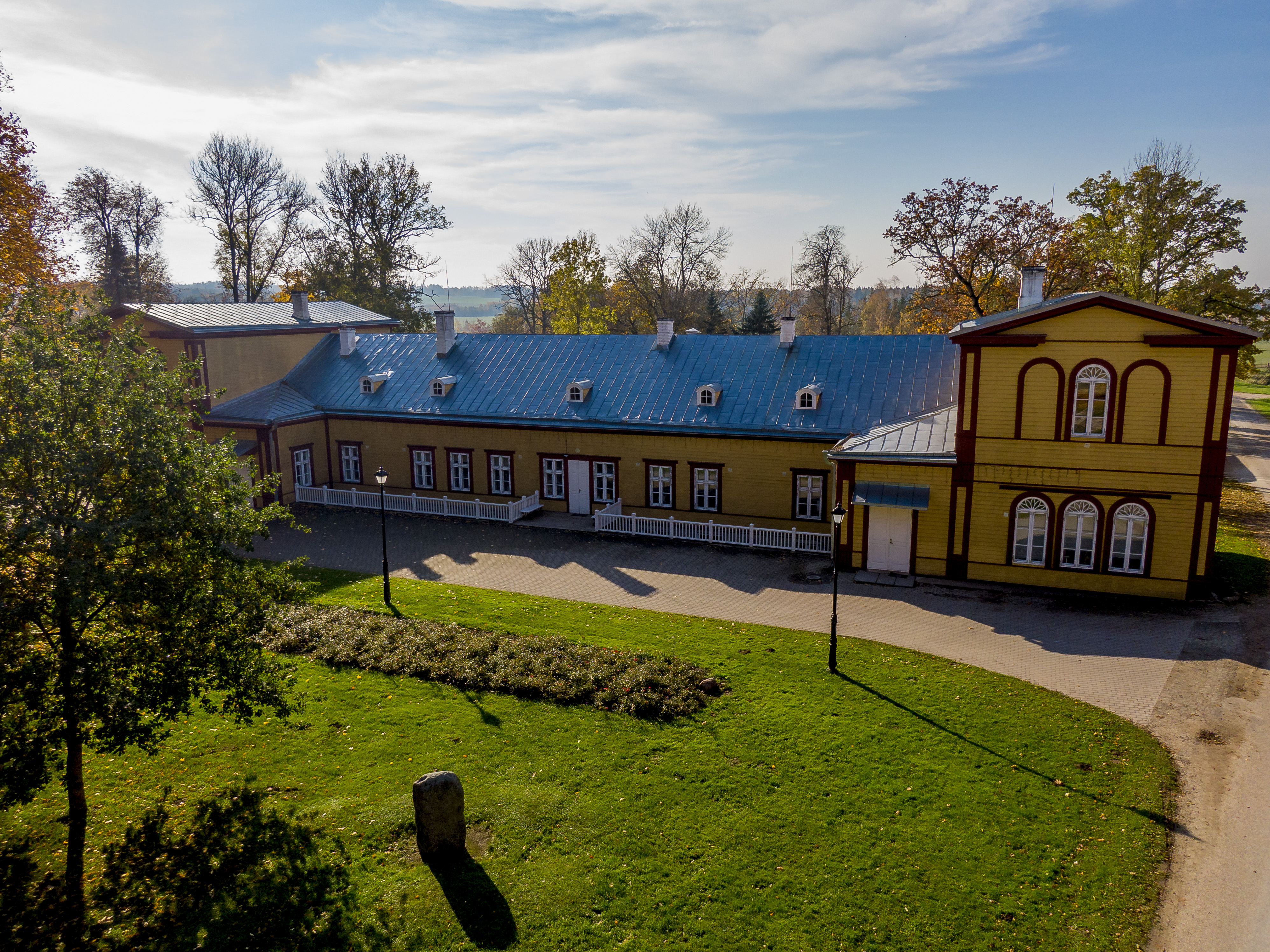
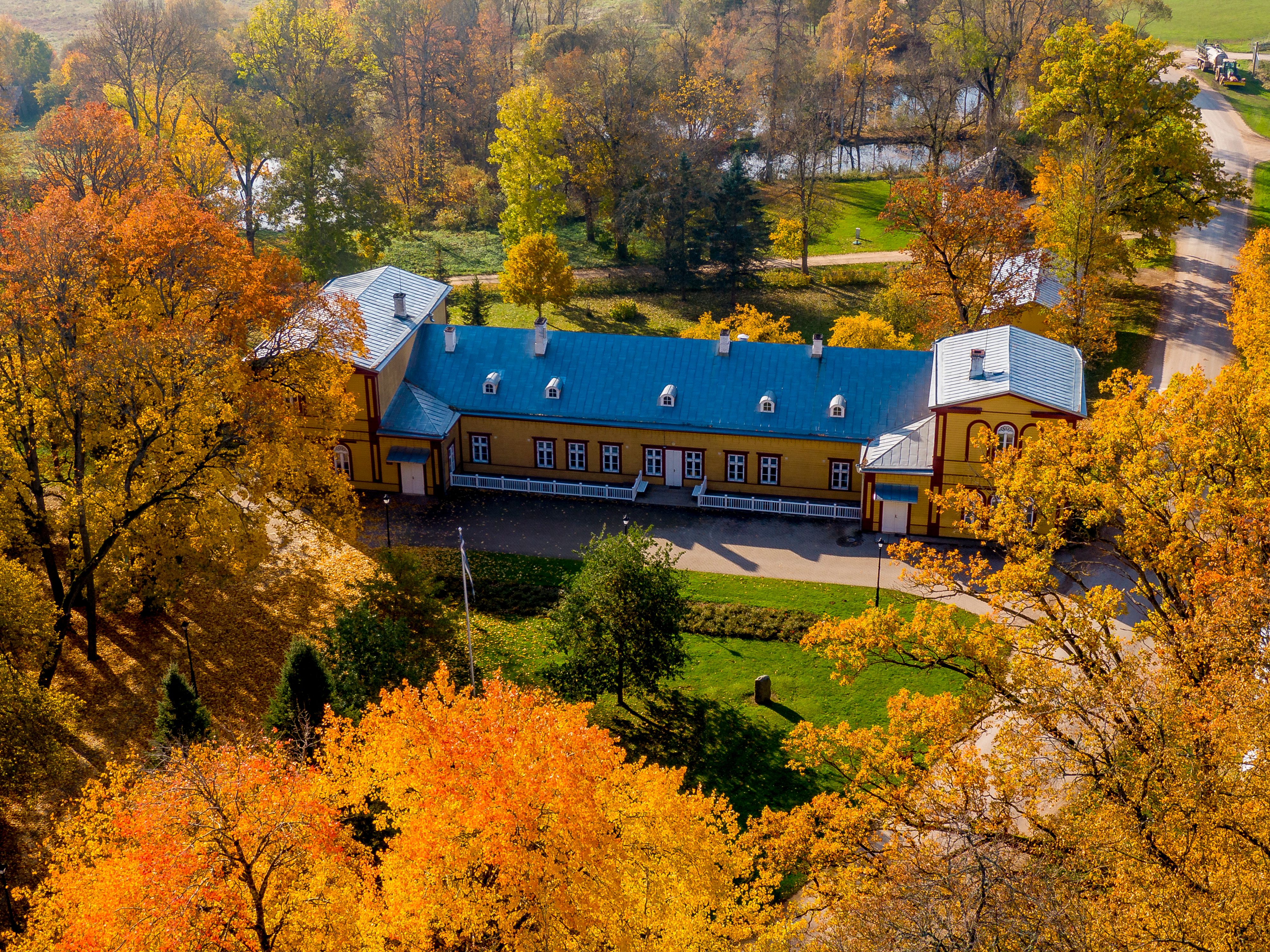
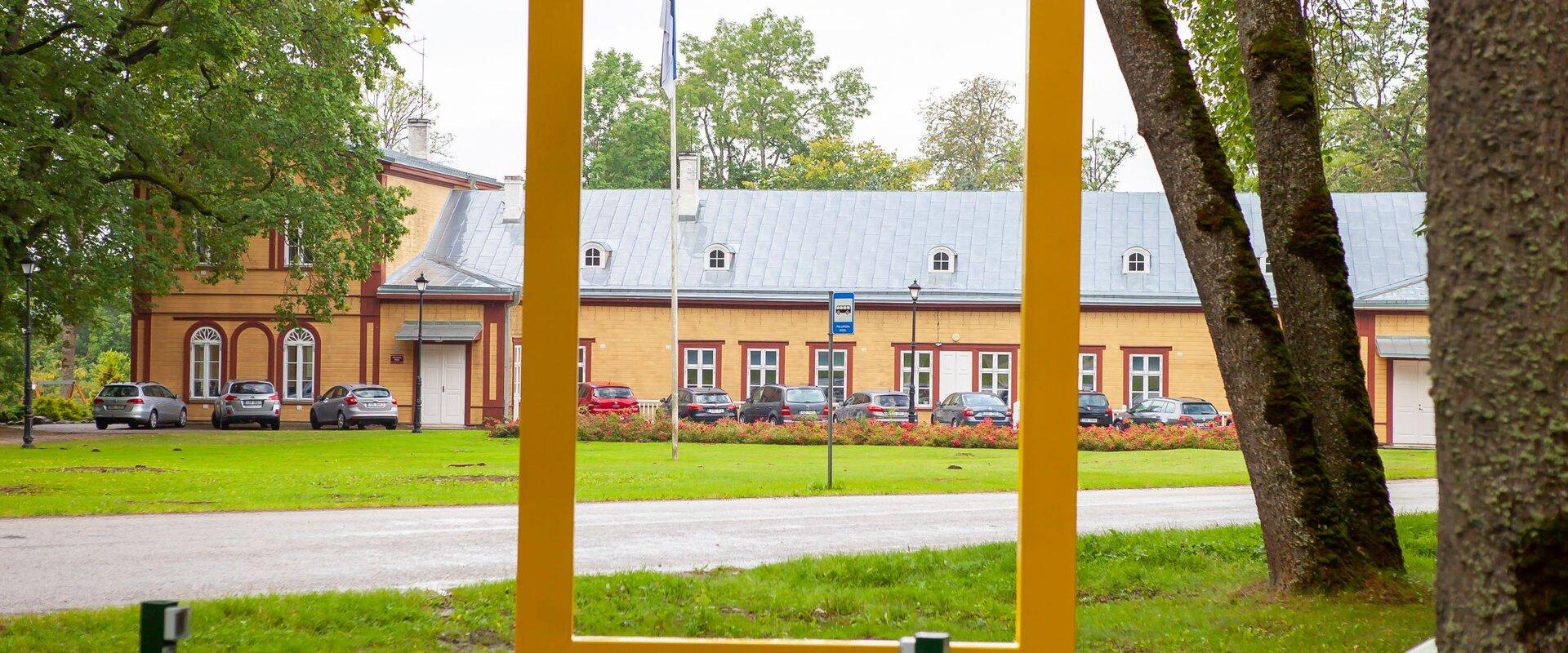
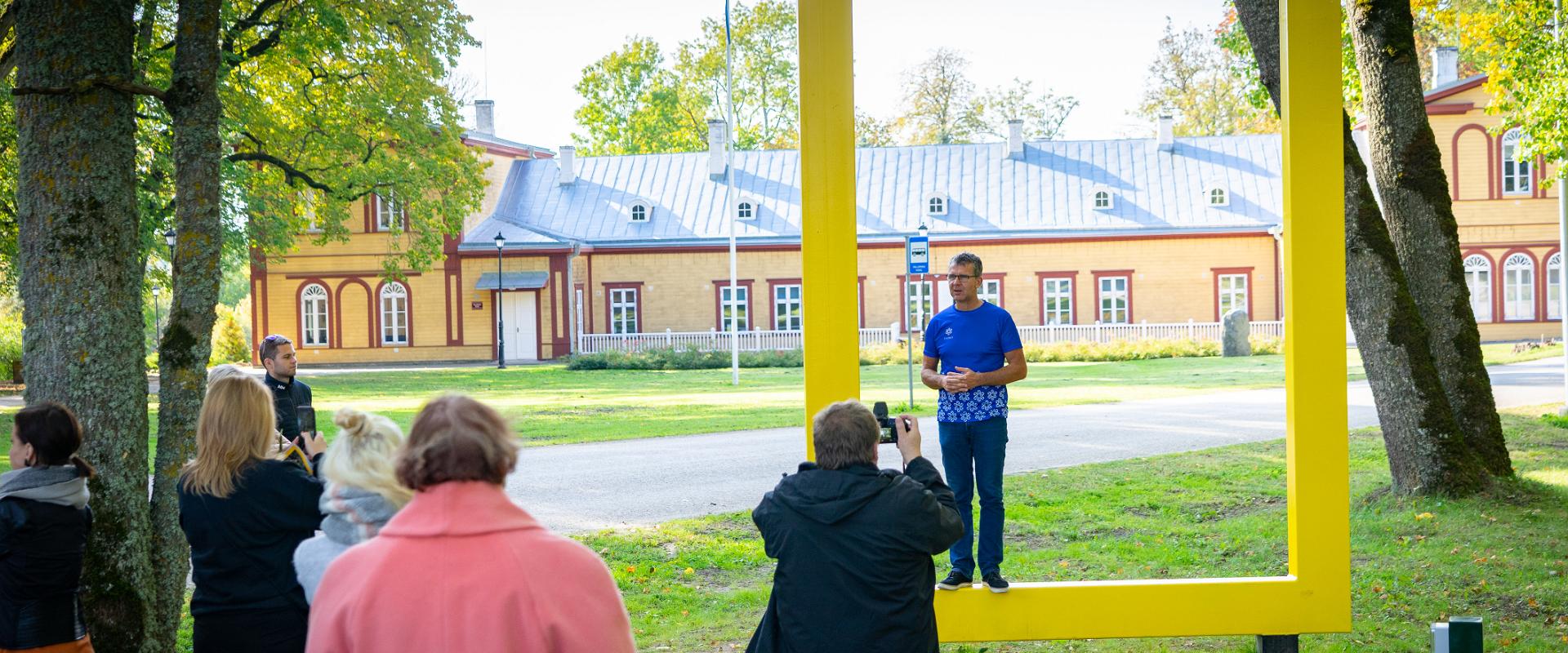
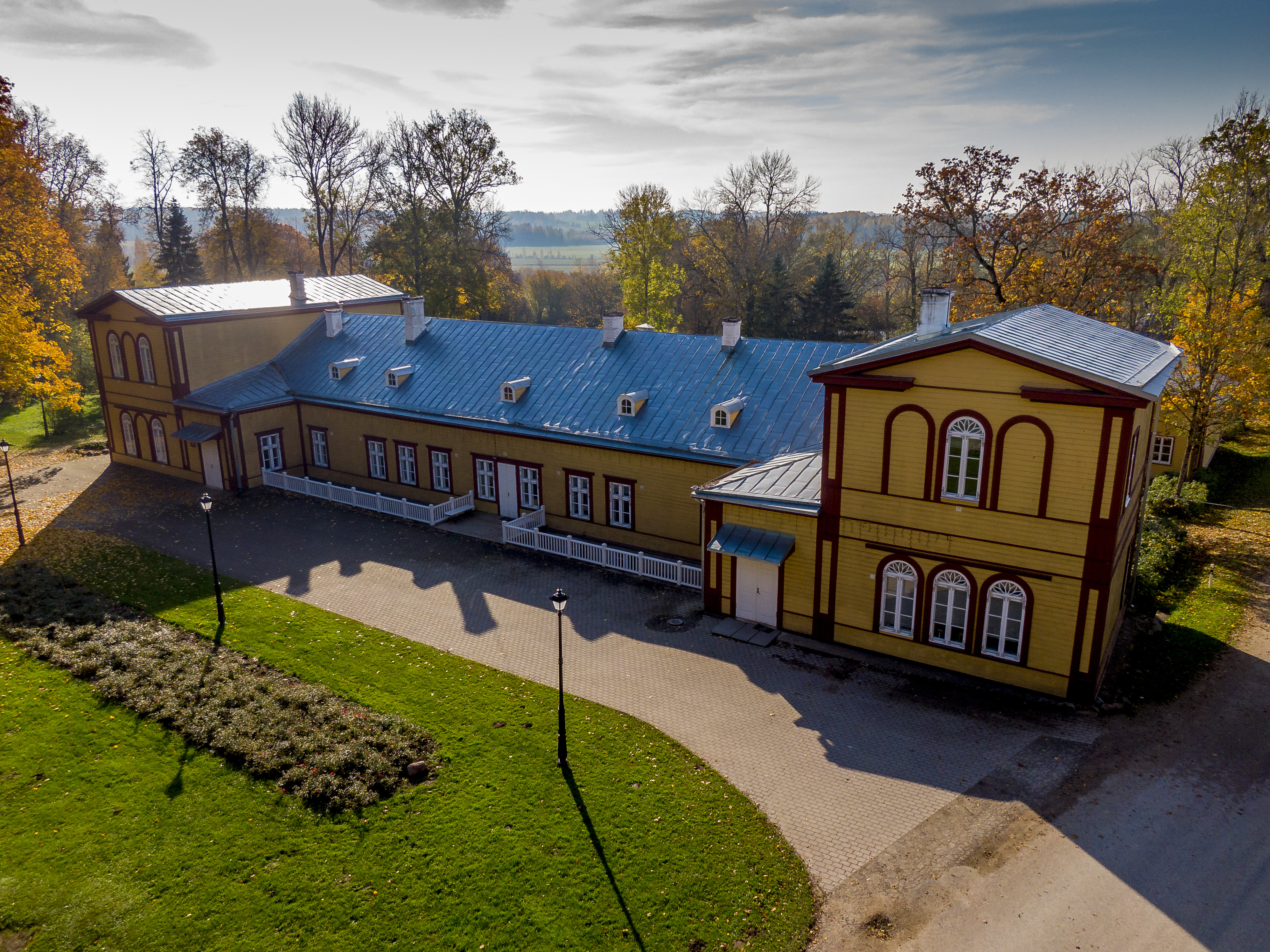
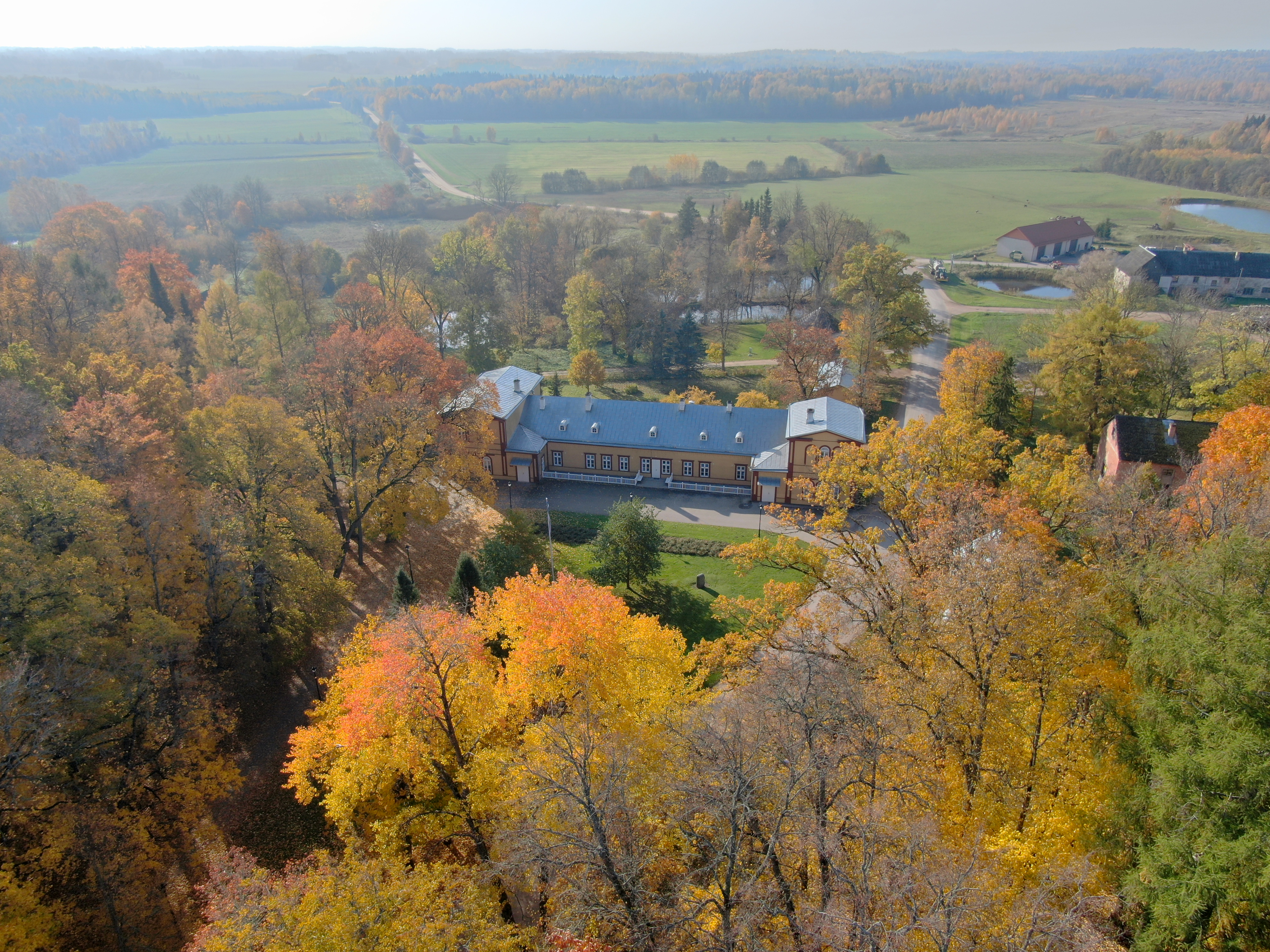
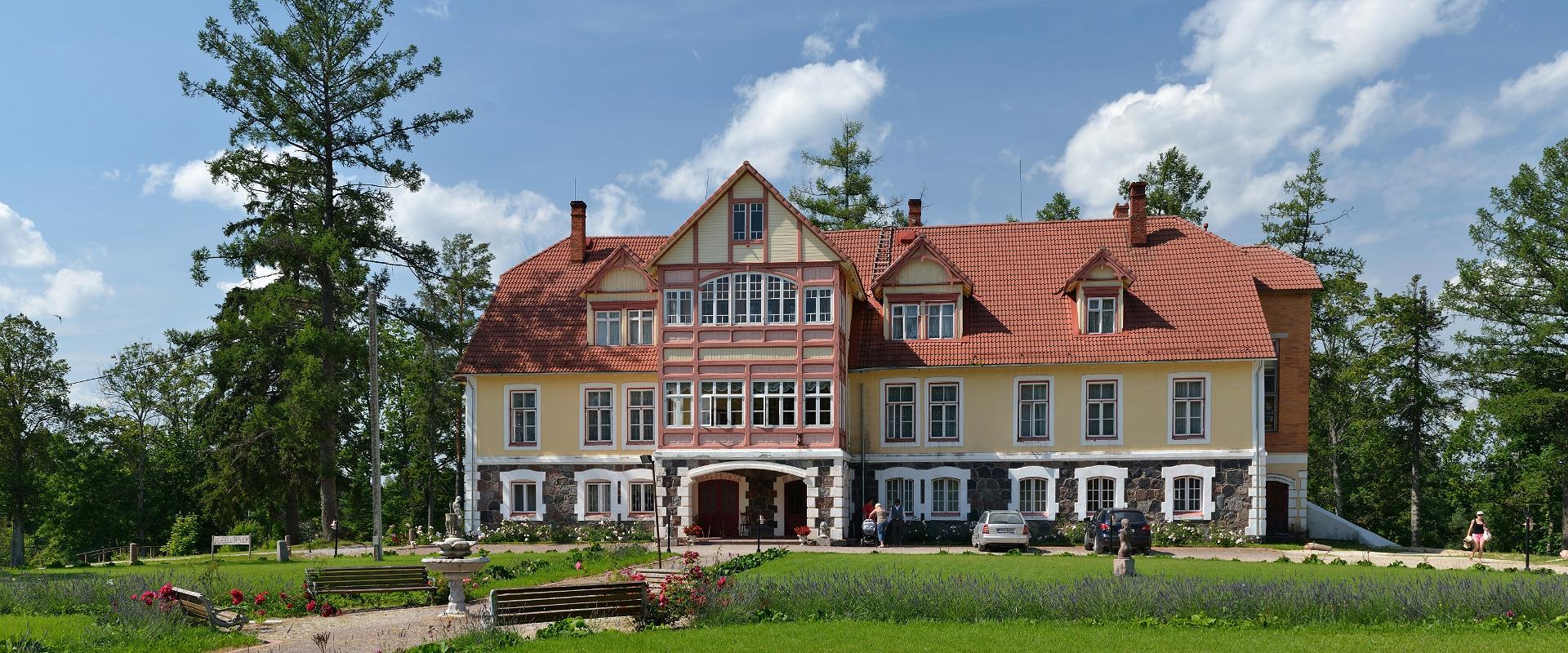
Palupera Manor Complex and the Yellow Window of National Geographic

Elva vald, Tartu maakond, 67511

The earliest records of the Palupera Knight Manor date back to 1582. In the sixteenth and seventeenth century, the manor belonged to the von Dückers, Bronskies, and von Fersens. The manor remained the property of the von Bruiningks for a longer time, so their family cemetery is located near the heart of the manor. Several buildings have been preserved from the complex, which have been preserved under heritage protection.On 28 September 2019, the first Yellow Window of National Geographic in Elva rural municipality was opened at the Palupera Manor. Palupera’s yellow window is innovative in that it is the first window to have a special visitor counter installed to it.
Amenities

  • Information boards
  • Free parking

Open times

Throughout the Year

Eemalt vaadeldav

Contact

  • +372 524 2702
  • turism@elva.ee

Links

See more

  • Manors

Võisiku manor

Võisiku manor was first mentioned in 1558. It was one of the biggest manors in Livonia in the 18th and 19th centuries, stretching from Põltsamaa to Lake Võrtsjärv. There were 52 buildings on the manor originally, some of which we can still see today, and a further 67 in outlying parts of the manor and its mirror factory. Lord of the manor Timotheus Eberhard von Bock, who drew up Russia's first constitution for Emperor Alexander I and was sent to the Schlüsselburg fortress for 9 years for doing so, is the central character in Estonian author Jaan Kross' novel "The Emperor's Madman". Did you know...? *Today the main building houses Võisiku Nursing Home and can only be viewed from the exterior

  • Manors

Rogosi Castle Manor in Ruusmäe

Stanislaw Rogosinsky, a native of Poland, established the Rogosi Manor. From 1629 to 1776 the manor belonged to Herman von Liebsdorff and was later given to the von Glasenapp family as Herman's daughter's dowry. From 1934, after the Glasenapp family was dispossessed of the manor, a school operates in the manor. When place names were translated into Estonian in 1939, the village was named Ruusmäe, but the manor is still known as Rogosi. In summer 1990, Otto von Glasenapp, son of the owner of the manor visited his old home.Useful information: There is a museum of local lore in the barbican, which is open in summer. Watercolors of Joh. Chr. Brotze have been preserved as sources of the manor's history.

  • Manors

Järvere Manor

Järvere Manor was built on the shore of Lake Vagula in 1766 as a support manor of Sõmerpalu Manor. The manor was built by the owner of Sõmerpalu manor, Friedrich Alexander von Möller, Doctor of Philosophy. He had the Järvere Manor made for his mother and it was thus called the Old Lady's House.A park, established in 1830, separated Sõmerpalu and Järvere Manors and there were about 200 different tree and bush species already at that time.The Võru Forest Management Centre operated at the manor during Soviet time. Outbuildings were put in order and rebuilt in 1993.The manor is protected as a cultural monument and is private property today.

  • Manors

Sänna Culture Manor

Sänna Culture Manor bases its activities on the principle of openness, creation and preservation of an environment that is conducive to cultural and creative activity and the principles of temperance, the strict prohibition of alcoholic beverages. We offer tours, seminar room rental, woodworking workshops and Velokuur bicycle rental and repair. Advance booking is recommended for the workshops and guided tours. Curious people who are eager to learn are welcome. Our service centre features a library, shop, youth room, office space, shower and washroom.Good to know: The Manor also has the Sänna Sky Trail - a model of the solar system on a scale of 1:1 billion km.

  • Manors

Adavere manor

Adavere manor was first mentioned in records in the second half of the 17th century. In the 16th and 17th centuries, Adavere was under the rule of Põltsamaa castle, which governed all of the surrounding land and villages as the most important town in Central Estonia.Its massive slate main building was constructed between 1892 and 1893. The complex also includes outbuildings erected in the late 19th century – a workers' cottage and a barn with a drying shed. Manor park (dating from the 1740s) was one of the grandest in Estonia in its day, although little remains of its glory today. Good to know:* Today, the building is home to Adavere Basic School. During winter, you can go skating in the skating rink on the school stadium.* The manor can only be viewed from the outside.

  • Manors

Rannu Park and Manor Buildings

Rannu Park is a manor-era park partly bordered by a stone wall, surrounded by former manor farm buildings and a pond that once surrounded the vassal stronghold. The main building of the manor located in the park was demolished in the 1970s. There is still a gardener's house, a manor granary, a coach house, and some other buildings. A community centre has been built instead of the manor house. The park is for leisure, walking with children, and sports (volleyball, basketball).Here, you can still perceive the wealth of the owners of the manor and admire the magnificent landscaping. In the autumn of 2006, a memorial stone to the Battle of Rannu was erected in the park. In 2016, a bench was dedicated for writer Mats Traat.

  • Family friendly
  • Castles
  • Manors

Cantervilla Castle (Pikajärve manor)

Pikajärve manor, which is also known as the Cantervilla Castle, is probably one of the cosiest manors in Estonia. The main building (built in 1908) and the vivid quarry stone outbuildings are on a landscape filled with beautiful dome-shaped hillocks, high up on the shore of a lake. The walls of the halls of the eye-catching main building are decorated with landscape paintings and portraits, antique furniture and the light from the chandeliers add festivity and romance. The manor is private property at the moment and operates as an establishment for holding different events and offers accommodation.

  • Guided tours
  • Workshops
  • Manors

Luke Manor

Luke Manor invites you to discover the historical architecture of its former knight's manor and the enchanting park, where you can find the stylish dollhouse-like Kärnerimaja, which has an information point, an exhibition introducing the manor, and a café in the summer. The restored Governor's House adds historical depth to the manor complex. The water fountain and the pavilion's view of the ponds invite you to immerse yourself in the romance of the manor era. The manor's terraces, an alley of uniquely shaped trees, and the concrete lion statues on the stairs (a favorite with the youngest visitors) create a unique and majestic atmosphere. At Luke Manor, you can organize a seminar, take a tour, attend a concert, or tinker in the craft workshop!

  • Collaboration
  • News
  • Contacts
  • Privacy Policy
Join our mailing list!

"*" indicates required fields

This field is for validation purposes and should be left unchanged.
I authorise marketing

Southern Estonian Tourism Cluster

info@visitsouthestonia.com